Mid Facelift: What It Is & When To Do


A mid facelift is a facial plastic surgery procedure that lifts sagging cheeks, softens nasolabial folds, and restores support in the midface without treating the full lower face and neck. In most cases, it is best for patients with early to moderate facial aging who want a more youthful appearance in the cheek area and under-eye region.

The core benefit is targeted correction: it repositions deeper tissue, improves facial appearance around the mid face, and can be paired with other facial rejuvenation procedures when needed.

Key Takeaways of Mid Face Lift Facial Plastic Surgery

  • A mid facelift specifically lifts sagging cheeks and softens nasolabial folds to restore youthful contour in the midface region without addressing the lower face or neck.
  • This procedure is ideal for patients with early to moderate facial aging focused around the cheeks and under-eye area, often in their 40s to 50s.
  • Unlike a full facelift, a mid facelift targets deeper support structures to create natural-looking rejuvenation without dramatic changes.
  • Recovery typically takes one to two weeks with swelling and bruising most evident during the first week, and following aftercare instructions supports optimal healing.
  • Results can last for years but are influenced by factors like aging, sun exposure, and lifestyle.
  • During consultation, candidacy, surgical techniques, risks, and realistic expectations are discussed to support a balanced facial rejuvenation plan.

What A Mid Facelift Targets And How It Differs From A Full Facelift

A mid facelift focuses on the center of the face, not the entire face. That distinction matters because many patients notice aging first in the cheeks and under-eye area, while the jawline, jowls, and neck still look relatively firm.

Mid Facelift Targets in the Midface Region

The mid facelift targets the midface region, especially the cheeks, lower eyelid-cheek junction, and the folds that run from the nose toward the mouth. As facial aging progresses, fat pads descend, the cheek area looks flatter, and nasolabial folds become deeper.

This facelift procedure is designed to lift tissue higher on the cheekbones and restore a fresher contour. Instead of only tightening skin, a well-planned mid facelift procedure addresses deeper support structures, which helps create a more natural and youthful appearance.

How a Mid Face Lift Differs From a Full Facelift

A full facelift treats a broader area. It is more appropriate when a person has visible laxity in the lower face, jawline, jowls, or neck. By contrast, a mid face lift is more focused and usually does not correct those lower-face concerns.

That is why the right choice depends on anatomy and goals. A patient with early cheek descent may benefit from a midface lift, while someone with loose skin along the jaw and neck may need a lower facelift or full facelift instead. In some cases, procedures are combined for balanced facial rejuvenation.

Who Is A Good Candidate For A Mid Facelift

The best candidate is usually someone with noticeable changes in the mid face but without major laxity in the jawline or neck. Age alone does not decide candidacy, but the pattern of aging does.

Typical Patients and Signs of Aging a Mid Facelift Helps

Many younger patients, often in their 40s and 50s, seek this surgical procedure when they see flattened cheeks, under-eye hollowness, or increasing smile lines. These are classic signs of aging in the midface.

A mid facelift performed for the right patient can improve cheek position and soften tired facial expression without making the face look overdone. Many patients want subtle change, not a dramatic shift, and this is where the procedure often fits well.

When a Mid Facelift May Not Be the Best Choice

A patient with significant excess skin, heavy jowls, a loose neck, or major laxity in the lower face may not get enough correction from a midface-only operation. In that setting, a full facelift or another facelift approach may better match the patient’s aesthetic goals.

Suitability also depends on overall health. During consultation, smoking status, medical history, and medications such as blood thinners are reviewed. Safe planning matters as much as cosmetic outcome, especially in plastic surgery and facial procedures.

How Mid Face Lift Procedure Works

A mid facelift procedure is tailored to the patient’s anatomy, degree of sagging, and whether other procedures are being added. The exact plan can vary based on technique selection and the tissue changes present.

Mid facelift Procedure Steps

The procedure follows a structured sequence designed to reposition midface tissues safely and precisely:

  • Anesthesia and preparation: The treatment area is prepared, and general anesthesia is administered based on the surgical plan.
  • Incision placement: Small, carefully planned incisions are made in discreet locations such as the hairline, lower eyelid, or inside the mouth.
  • Tissue elevation: The underlying soft tissue of the midface is gently released and lifted from its descended position.
  • Repositioning and support: The tissue is moved upward over the cheekbones and secured to restore contour and reduce heaviness near the nose and mouth.
  • Optional volume support: In some cases, fat grafting may be added to restore lost volume and improve facial balance.
  • Closure: Incisions are closed with precision to support healing and minimize visible scarring.

Incision Placement and Surgical Techniques

A mid facelift may use small incisions near the hairline, around the ear, lower eyelid area, or sometimes inside the mouth. The chosen incision pattern depends on access, scar concealment, and the lifting method.

Common techniques include endoscopic elevation and deeper tissue suspension. In some cases, the lift is combined with fat grafting or dermal fillers such as hyaluronic acid for added volume, though fillers do not replace surgery. In select cases, reconstructive principles also guide tissue support and healing.

Mid Facelift Recovery Timeline, Side Effects, And Healing Tips

Recovery after a mid facelift is often shorter than recovery after a full facelift, but it is still real surgery. Patients should expect downtime, swelling, and a staged return to normal routines.

Recovery Time After a Mid Facelift Procedure

Typical recovery time is about one to two weeks for social activity and office-based routines, though visible healing continues beyond that. During the first week, swelling and bruising are usually most noticeable, especially around the cheeks and lower eyelids.

Most patients improve steadily, but final results take longer. Tissues need time to settle, and facial tightness usually softens over several weeks. During follow-up care, guidance is provided on when to resume exercise, travel, and routine activities.

Healing Tips to Support Recovery

Before surgery, patients are often told to stop smoking and review supplements or blood thinning medications. That step can lower the chance of excess bruising and support healing. During preoperative planning, instructions may also include washing, head elevation, and activity limits.

After the operation, careful aftercare helps protect the result. Patients should follow every office instruction, avoid strain, and report unusual pain, spreading redness, or worsening asymmetry. Good recovery habits support facial rejuvenation and reduce avoidable complications.

Expected Results, Longevity, And Factors That Affect Outcomes

A well-executed mid facelift usually creates a refreshed look rather than an obviously surgical one. The goal is not to change identity, but to restore better support and contour to the middle of the face.

What Results Patients Can Usually Expect

Most patients see higher cheek position, smoother transition under the eyes, and softer wrinkles or folds around the nose and mouth. The face often appears less tired, with a brighter and more balanced appearance.

Because the lift focuses on the mid face, results are typically subtle and elegant. It can achieve a more youthful appearance, but it will not fully correct the jawline, chin, or neck. Those areas may require different treatment.

How Long Results Last and What Affects Them

Facelift results can be long lasting, often for years, but they are not permanent. Natural aging continues, and skin quality, weight changes, sun exposure, and smoking all influence durability. The exact timeline can vary depending on individual biology.

The best outcomes usually come from strong surgical planning, realistic expectations, and healthy tissue. Compared with fillers alone, a midface lift offers more structural repositioning and often more long lasting results, though it is still one part of broader facial rejuvenation procedures.

Frequently Asked Questions About Mid Facelift: What It Is & When To Do

What is a mid facelift and how does it differ from a full facelift?

A mid facelift focuses on lifting sagging cheeks, under-eye areas, and nasolabial folds in the midface, without addressing the jawline or neck. A full facelift treats the entire face including the lower face and neck, making it suitable for more advanced aging.

Who is an ideal candidate for a mid facelift?

Good candidates are typically in their 40s or 50s with early to moderate midface aging like flattened cheeks or hollow under-eyes, but with firm jawline and neck. It isn’t recommended for those with significant lower face or neck laxity.

What does the mid facelift procedure involve?

The procedure includes small incisions near the hairline, ears, or inside the mouth, using endoscopic or deep-plane techniques to lift and reposition deeper tissue over the cheekbones. It can be combined with fat grafting or fillers for volume enhancement.

What kind of results can I expect from a mid facelift and how long do they last?

Patients usually see a subtle, natural-looking lift that brightens their facial expression by restoring cheek volume and softening folds. Results can last for years but are not permanent, as natural aging continues influenced by skin quality and lifestyle factors.

What are the risks and limitations of a mid facelift?

Risks include infection, scarring, asymmetry, and delayed healing, though minimal when performed by experts. The mid facelift does not correct sagging in the lower face, jawline, or neck, so it may not be suitable for advanced aging in those areas.

Conclusion and Summary of Mid Facelift: What It Is & When To Do

A mid facelift offers a focused approach to facial rejuvenation by lifting the cheeks, improving under-eye transitions, and restoring support where early aging often begins. It does not attempt to correct every area of the face, which is why proper selection matters. When the treatment plan matches the pattern of aging, results tend to look balanced, natural, and consistent with the patient’s features rather than overcorrected.

Long-term success depends on more than the procedure itself. Careful planning, realistic expectations, and proper recovery all play a role in how results develop and how long they last. While aging continues, a well-executed mid facelift can maintain improved contour and facial harmony for years, especially when supported by healthy habits and consistent aftercare.

Your Trusted Destination for Facelift Surgery in Houston, Texas (TX)

Are you located in one of these Houston Metro Area cities?

Houston, The Woodlands, Sugar Land, Katy, Pearland, Pasadena, League City, Baytown, Conroe, Cypress, Spring, Kingwood, Humble, Missouri City, Friendswood, Bellaire, Clear Lake, Tomball, Galveston, Richmond, Rosenberg, Stafford, La Porte, Deer Park, Seabrook, Webster, Alvin, and Channelview.

Board-Certified Plastic Surgeon Dr. Sam Sukkar, MD, FACS, and the The Clinic for Plastic Surgery Team provide advanced facelift surgery solutions to rejuvenate and restore a more youthful, refreshed appearance.

If you are dealing with sagging skin, deep facial folds, jowls, volume loss, or a tired, aging appearance, we offer comprehensive facial rejuvenation options, including:

  • Facelift Surgery
  • Mini Facelift
  • Lower Facelift
  • Neck Lift Surgery
  • Facelift with Neck Lift
  • Customized Facial Rejuvenation Treatment Plans

Visit our modern 18,000+ sq. ft. plastic surgery center and med spa in Houston, Texas, designed for comfort, privacy, and results-driven care. From your first consultation through recovery, our talented team focuses on natural-looking rejuvenation with elegant, refreshed results.

For patients outside the Houston area or those with limited availability, schedule a virtual facelift surgery consultation.

Book Your Personalized Facelift Consultation today at DrSukkar.com or call (281) 940-1535.

About the Author – Meet Dr. Sam Sukkar, MD
Dr. Sam Sukkar, MD, FACS is a highly respected Board-Certified Plastic Surgeon in Houston, Texas, known for his expertise in advanced cosmetic and reconstructive procedures. As the founder of The Clinic for Plastic Surgery, Dr. Sukkar has set a new standard for excellence, performing over 20,000 procedures with a focus on delivering natural, refined results.

Dr. Sukkar earned his Doctor of Medicine (M.D.) degree from Louisiana State University School of Medicine in 1992 after graduating summa cum laude with a Bachelor of Science in Microbiology. He then completed an intensive General Surgery Residency at the University of Texas Hermann Hospital before being selected for a highly competitive Plastic Surgery Fellowship at Northwestern University in Chicago, one of the most prestigious training programs in the country.

With more than 20 years of experience, Dr. Sukkar is a Diplomate of the American Board of Plastic Surgery and a Fellow of the American College of Surgeons (FACS). He is also an active member of the American Society of Plastic Surgeons (ASPS) and the Houston Society of Plastic Surgery (HSPS). His dedication to innovation and continuing education has solidified his reputation as a leading expert in aesthetic surgery, specializing in breast surgery, body contouring, facial procedures, and non-invasive treatments.

Dr. Sukkar’s expertise has been recognized by Houston Magazine, naming him one of Houston’s “Top Docs for Women,” and he has been featured among RealSelf’s America’s Top Doctors. Committed to his patients, he prioritizes personalized care, ensuring every individual feels informed, comfortable, and confident in their aesthetic journey.

Contact Dr. Sukkar today to schedule a consultation, visit DrSukkar.com to learn more, or call us directly at (281) 940-1535.

Mini Facelift: Who It’s Best For and When to Go Full

A mini face lift can be an excellent option for early lower-face aging. A full facelift is usually the better choice for more advanced sagging across the face and neck. In short, the right facelift depends on how much loose skin, excess skin, and tissue descent a patient has, not just age alone.

A mini facelift procedure typically suits mild jowls, subtle sagging skin, and patients who want less downtime. A full facelift procedure makes more sense when deep wrinkles, deep folds, turkey neck, and broader facial aging call for more complete facial correction.

Key Takeaways of Mini Face Lift

What is a Mini Facelift Procedure

A mini facelift is a scaled-down version of a traditional facelift that focuses on the lower face and jawline. It targets early sagging skin, mild jowls, and soft tissue descent using shorter incisions and less tissue manipulation than a full facelift procedure.

Because the scope is narrower, a mini facelift procedure typically involves less downtime, smaller scars, and a faster return to daily life. It is not a lesser version of a full facelift, it is a different surgical procedure designed for a different stage of facial aging. The distinction matters when setting realistic expectations during consultation.

Who A Mini Face Lift Is Best For

A mini facelift is best for mini facelift patients with early to moderate signs of aging in the lower face, especially along the jawline. It is a less invasive facelift procedure designed for people who want facial rejuvenation before facial aging becomes severe.

Mini Face lift Candidates

Most patients who do well with a mini facelift are in their 40s to early 50s, though age is not the deciding factor by itself. The stronger predictor is tissue quality. Patients with good skin elasticity, mild jowls, slight loose skin, and early sagging skin around the lower cheeks often fit this category well.

These younger patients are usually not dealing with severe sagging, heavy neck bands, or major excess skin. Their facial appearance still has decent structure, but the early signs of aging start to soften the jawline and deepen the nasolabial folds. In these cases, a mini lift can restore a more youthful appearance without the scope of a traditional facelift.

How the Mini Face lift Procedure Works

A mini face lift procedure uses shorter incisions, usually hidden in natural creases around the ears. Through these short-scar incisions, the soft tissues of the lower face are lifted and repositioned. Some technique variations also include tightening the underlying muscle layer, depending on the patient’s anatomy.

Because a mini facelift typically involves less dissection than a full face lift, recovery time is shorter for many patients. The procedure may be performed under general anesthesia based on the treatment plan and medical history. Swelling and bruising still occur, but many patients experience mild discomfort, less downtime, and a quicker return to daily activities, which makes this approach appealing for early facial aging.

Mini facelift Recovery Process

Recovery from a mini facelift is generally faster than from a full facelift, with most patients experiencing mild discomfort for about one to two days post-surgery. Most mini face lift patients can expect about one to two weeks of initial recovery. After a mini face lift, swelling and bruising are common but usually subside within a few weeks, allowing patients to start wearing makeup again after about two weeks. Mild discomfort is usually manageable with prescribed or over-the-counter medication. Many patients return to light daily activities within a week, though strenuous exercise and heavy lifting should wait until the aftercare team clears it.

Following post operative instructions closely makes a measurable difference in healing and final results. Keeping the head elevated, avoiding direct sun exposure, and attending follow-up appointments all support a smoother recovery. Mini facelifts are often referred to as ‘weekend face lifts’ because they typically allow patients to return to normal activities within a few days, compared to the longer recovery time associated with full facelifts.

Results From Mini Face Lift Plastic Surgery

Mini facelift results are usually subtle in the best way. The goal is a refreshed appearance, not a different face. Patients with mild sagging and stable face and neck profile, the result can look very natural and last 5-to-10 years. Results depends on the aging process, skin quality, and healthy lifestyle habits.

That said, a mini facelift is not a shortcut to dramatic results when the anatomy does not support it. It does not reliably correct severe sagging, deep wrinkles, deep folds, or a pronounced turkey neck. Many patients are happiest when these limits are explained clearly during consultation, reviews post operative instructions, and discusses whether small additions like fat grafting or dermal fillers may help restore lost volume as part of a broader facial aesthetics plan.

When A Full Face Lift Makes More Sense

A full facelift makes more sense when aging affects more than the lower face and the tissues need deeper correction. In these cases, a mini facelift often under-treats the problem and leaves patients wanting more comprehensive rejuvenation.

Full Facelift Candidates With Deeper Sagging in The Face And Neck

A full facelift is generally a better fit for patients with advanced signs of aging, especially those over 50. These patients often have severe sagging through the cheeks, jawline, and face and neck, along with deep wrinkles, deep folds, and obvious excess skin.

Reduced elasticity changes the equation. When loose skin is paired with descent in deeper structures, the facelift procedure has to do more than trim skin. It often must lift the muscle layer and reposition soft tissues in a more meaningful way. This is why a regular facelift or traditional facelift is usually recommended for severe sagging or major facial structure changes.

Why The Full Facelift Procedure Delivers Broader And Longer-lasting Correction

A full face lift procedure addresses a wider area and often includes the neck lift component when neck laxity is part of the complaint. This is important for patients with a heavy jawline, vertical neck banding, or what many casually call turkey neck. Treating the lower face without the neck can leave the result incomplete.

Compared with mini facelift, full facelift surgery usually involves longer incisions, more tissue mobilization, and more work on deeper structures. Techniques vary. Different facelift techniques may be considered, including deep plane facelift approaches, SMAS-based methods, or a customized short-scar approach. The best technique depends on the patient’s anatomy, degree of aging, and overall goals rather than trends. The shared objective across these approaches is to create stronger structural support, smoother facial contours, and more noticeable improvement.

Frequently Asked Questions About Mini Face Lift: Who It’s Best For and When to Go Full

What is a mini face lift surgery and who is the best candidate for it?

A mini facelift is a less invasive procedure suited for patients in their 40s to early 50s with early signs of lower face aging. It corrects mild jowls and slight sagging, particularly those with good skin elasticity seeking subtle facial rejuvenation and shorter recovery. Candidates for a mini facelift should have realistic expectations about the results and a positive outlook, as well as being in good overall health without complicating medical conditions.

How does recovery from a mini face lift compare to a full facelift?

Recovery from a mini face lift technique is quicker. It involves less swelling and bruising because it uses shorter incisions and less tissue manipulation. Patients can typically return to their daily activities within one to two weeks after a mini face lift, with many feeling well enough to go back to work around day seven. Mini face lift reduced downtime compared to a full facelift, which has a longer healing period due to more extensive surgical correction.

When should someone consider a full facelift instead of a mini facelift?

A full facelift becomes the better option when facial aging extends beyond early jowling and mild skin laxity. Patients with deeper folds, significant sagging, and loss of definition along the jawline often need a more comprehensive approach.

Can a mini facelift correct severe sagging and deep facial wrinkles?

No, a mini facelift technique is designed for mild to moderate sagging and early aging signs. It does not effectively address severe sagging, deep wrinkles, or major neck laxity. This is why some patients usually require the more comprehensive correction of a full face lift.

How long do the results of a mini facelift usually last?

Results from a mini face lift typically last between 5 to 10 years. It depends on factors like skin quality, genetics, lifestyle habits, and the natural aging process. Full facelifts often provide longer-lasting results of 10 to 15 years.

Conclusion and Summary of Mini Facelift: Who It’s Best For and When to Go Full

A mini face lift facial plastic surgery can improve early laxity, but it has limits. When sagging extends beyond the jawline into the cheeks and neck, a limited approach often leaves visible imbalance. The lower face may look tighter while the neck or midface still shows aging. In these cases, a full facelift provides the correction needed to treat the entire area in a consistent way.

Choosing the right procedure comes down to matching the technique to the actual degree of tissue descent. Mild jowling and good skin elasticity can respond well to a mini face lift. Deeper folds, heavier skin, and neck laxity usually require a more comprehensive lift that repositions deeper structures. This approach creates a more stable result and reduces the likelihood of needing additional correction later.

The goal is not to choose the least invasive option, but the one that fully corrects the concern in a single plan. Treating the full extent of aging produces a more balanced outcome and results that hold up longer over time.

Your Trusted Destination for Facelift Surgery in Houston, Texas (TX)

Are you located in one of these Houston Metro Area cities?

Houston, The Woodlands, Sugar Land, Katy, Pearland, Pasadena, League City, Baytown, Conroe, Cypress, Spring, Kingwood, Humble, Missouri City, Friendswood, Bellaire, Clear Lake, Tomball, Galveston, Richmond, Rosenberg, Stafford, La Porte, Deer Park, Seabrook, Webster, Alvin, and Channelview.

Board-Certified Plastic Surgeon Dr. Sam Sukkar, MD, FACS, and the The Clinic for Plastic Surgery Team provide advanced facelift surgery solutions to rejuvenate and restore a more youthful, refreshed appearance.

If you are dealing with sagging skin, deep facial folds, jowls, volume loss, or a tired, aging appearance, we offer comprehensive facial rejuvenation options, including:

  • Facelift Surgery
  • Mini Facelift
  • Lower Facelift
  • Neck Lift Surgery
  • Facelift with Neck Lift
  • Customized Facial Rejuvenation Treatment Plans

Visit our modern 18,000+ sq. ft. plastic surgery center and med spa in Houston, Texas, designed for comfort, privacy, and results-driven care. From your first consultation through recovery, our talented team focuses on natural-looking rejuvenation with elegant, refreshed results.

For patients outside the Houston area or those with limited availability, schedule a virtual facelift surgery consultation.

Book Your Personalized Facelift Consultation today at DrSukkar.com or call (281) 940-1535.

About the Author – Meet Dr. Sam Sukkar, MD

Dr. Sam Sukkar, MD, FACS is a highly respected Board-Certified Plastic Surgeon in Houston, Texas, known for his expertise in advanced cosmetic and reconstructive procedures. As the founder of The Clinic for Plastic Surgery, Dr. Sukkar has set a new standard for excellence, performing over 20,000 procedures with a focus on delivering natural, refined results.

Dr. Sukkar earned his Doctor of Medicine (M.D.) degree from Louisiana State University School of Medicine in 1992 after graduating summa cum laude with a Bachelor of Science in Microbiology. He then completed an intensive General Surgery Residency at the University of Texas Hermann Hospital before being selected for a highly competitive Plastic Surgery Fellowship at Northwestern University in Chicago, one of the most prestigious training programs in the country.

With more than 20 years of experience, Dr. Sukkar is a Diplomate of the American Board of Plastic Surgery and a Fellow of the American College of Surgeons (FACS). He is also an active member of the American Society of Plastic Surgeons (ASPS) and the Houston Society of Plastic Surgery (HSPS). His dedication to innovation and continuing education has solidified his reputation as a leading expert in aesthetic surgery, specializing in breast surgery, body contouring, facial procedures, and non-invasive treatments.

Dr. Sukkar’s expertise has been recognized by Houston Magazine, naming him one of Houston’s “Top Docs for Women,” and he has been featured among RealSelf’s America’s Top Doctors. Committed to his patients, he prioritizes personalized care, ensuring every individual feels informed, comfortable, and confident in their aesthetic journey.

Contact Dr. Sukkar today to schedule a consultation, visit DrSukkar.com to learn more, or call us directly at (281) 940-1535.

SMAS Facelift: Jawline Tightening and Facial Restoration

A SMAS face lift is a facelift procedure that lifts the deeper support layer of the face, not just the skin, to sharpen the jawline and restore natural facial contours. For patients bothered by jowls, sagging cheeks, neck laxity, or deep nasolabial folds, it is often the go-to option because it repositions the superficial muscular aponeurotic system (SMAS) for longer-lasting, more natural looking results than a skin-only lift.

This approach has remained a core standard for lower-face and neck rejuvenation for over a decade because it balances visible improvement with reliable recovery.

Key Takeaways of SMAS Face lift Procedure

  • A SMAS facelift tightens the deeper muscular aponeurotic system to effectively sharpen the jawline and restore natural facial contours.
  • This procedure targets sagging cheeks, jowls, neck laxity, and deep nasolabial folds for longer-lasting results.
  • Ideal candidates have visible lower-face aging signs with sufficient skin elasticity, often when fillers or skin treatments are no longer effective.
  • Compared to other facelifts like traditional facelifts, the SMAS face lift provides a balanced, natural look by lifting support tissue rather than just skin.
  • Recovery typically involves 1-2 of swelling and bruising, with results showing a cleaner jawline and more youthful lower-face definition.
  • Long-term benefits arise from structural repositioning, offering durable facial restoration that maintains expression and natural appearance.

What A SMAS Facelift Treats And Why It Matters For Jawline Definition

A SMAS face lift focuses on the lower two-thirds of the face and neck, where aging tends to blur the jawline first. By tightening the SMAS layer and managing excess skin, the procedure improves definition in a way that matches real facial anatomy rather than creating a pulled surface look.

SMAS face lift concerns that affect jawline definition

The superficial musculoaponeurotic system, also called the muscular aponeurotic system, is a fibromuscular layer that helps support the cheeks, jawline, and neck. As the SMAS membrane and surrounding facial soft tissue loosen with age, the lower face starts to descend. That shift can create sagging cheeks, jowls, deep nasolabial folds, marionette lines, and a softer transition from the chin to the neck.

This is why a patient may look tired or heavier in the lower face even when skin quality is still decent. The issue is often not only facial skin. It involves deeper layers, facial ligaments, and the support structures under the surface. A SMAS lift is designed to address that actual cause.

How a SMAS facelift addresses jowls, sagging skin, and neck contours

A strong jawline depends on support beneath the skin. When the SMAS face lift addresses the lower face and neck, it can reduce jowls, improve neck contours, and refine the angle under the jaw. That can also help with loose tissue near a double chin, mild neck banding, and skin laxity that makes the jawline look less crisp.

The improvement is especially important in facial rejuvenation because the jawline frames the whole face. Even modest correction of sagging skin and soft tissue descent can create a noticeably more youthful appearance. And because the lift comes from the underlying muscles and support layer, the result usually looks balanced rather than tight.

Who may benefit most from SMAS facelift surgery

Ideal candidates are often patients with visible jowling, lower-face heaviness, or neck laxity but still enough skin elasticity to support healing well. Many are in the stage where fillers or skin treatments no longer match the degree of structural descent.

That said, candidacy depends on a person’s unique facial structure, skin thickness, and goals. Some younger patients with early laxity may be better suited to limited approaches, while others need broader comprehensive facial rejuvenation. A careful exam of the layers of the face, facial tissue, and neck determines whether a SMAS lift is the right fit or whether another of the available face lift techniques would serve them better.

How The SMAS Technique Lifts Deeper Facial Structures For A More Natural Result

The reason the SMAS facelift technique remains so widely used is simple: it lifts support tissue, not just surface skin. That distinction matters because natural facial movement comes from preserving normal tension across the skin, facial muscles, and connective support system.

How The SMAS Face Lift Technique Works Beneath The Skin

During face lift surgery, incisions follow natural creases around the hairline, temples, and ears to keep scars discreet and protect visible hair follicles. The skin is elevated carefully, then the SMAS layer is tightened, folded, or repositioned depending on the surgical plan. After that, excess skin is trimmed and redraped without excessive tension.

This is the core of the SMAS face lift technique. It works on the superficial muscular layer instead of relying on surface pulling alone. Because the support comes from the aponeurotic system, the procedure can restore a youthful contour while maintaining facial expression and a natural appearance.

SMAS Facelift vs Deep Plane Facelift and Traditional Facelift Techniques

Compared with a traditional facelift, which may focus more heavily on the skin, the SMAS approach provides a stronger correction of descended cheek and jawline tissues. A skin-only lift can look over-tightened when it requires aggressive pulling to create change. That is where patients hear concerns about a windblown look or even pixie ear deformity when tension is misplaced.

A deep plane technique or deep plane lift goes further into the deeper structures of the face, releasing retaining ligaments and moving tissue as one unit. The deep plane facelift technique can be powerful for heavy midface descent and pronounced folds, but it involves deep dissection closer to facial nerve branches. Because of that, it is generally considered more invasive surgery than a SMAS lift, though both can produce excellent results.

Variations of The SMAS Lift and Why Surgical Precision Matters

Not all SMAS lifts are identical. A high SMAS facelift can better target the midface and cheek. SMAS plication folds and sutures the layer for milder laxity. Other approaches may include SMAS-ectomy or extending the lift into the neck when neck work is needed. The right choice depends on facial descent, skin thickness, and the patient’s anatomy.

This is where surgical precision matters more than labels. During consultation, the facial nerve, the course of important support tissues, and the amount of lift required are carefully evaluated. The goal is not simply tighter skin. It is a safe surgical procedure that respects facial aesthetics and restores the lower face in a way that still looks like the patient.

What To Expect From Recovery, Results, And Long-Term Facial Restoration

For many patients considering a medical office consultation, the practical questions come last but matter most: How long is recovery, when do results show, and how does a SMAS lift hold up over time? In most cases, recovery is more predictable than patients fear, and the improvement comes from structural repositioning rather than temporary swelling.

SMAS face lift Recovery Timeline

The facelift procedure is commonly performed under general anesthesia or sedation, depending on the approach and whether neck work is added. Many cases take roughly one to two hours, though timing varies with complexity. Because the lift stays above the deeper facial planes, recovery is often somewhat easier than with a deep plane facelift technique.

Recovery from a SMAS facelift typically involves moderate swelling and bruising, with a recovery window of 10–14 days, and most patients return to normal activities within 2 weeks. They usually return for follow-up visits to monitor incision healing and tissue settling. Temporary numbness or weakness in facial muscles can occur after a SMAS facelift, while permanent nerve damage is rare (less than 1%).

What Results Look Like After SMAS Facelift Surgery

Early changes are visible quickly. Patients usually notice a cleaner jawline, less fullness near the jowls, and smoother transition from the face into the neck. As swelling improves, the contours look more refined, with softer nasolabial folds and less lower-face heaviness.

The best outcomes are subtle in the best sense. A well-executed SMAS face lift does not erase identity. It restores support, improves facial skin drape, and creates natural looking results. That is why this method remains central to facial plastic surgery. It helps patients look rested and structured, not surgically altered.

Long-term Facial Restoration and Realistic Expectations

The SMAS facelift can provide results that last between 5-to-10 years, making it a reliable option for moderate facial aging. A SMAS lift does not stop aging, but it can deliver durable improvement because it repositions deeper layers. The result is better long-term support for the cheeks, jawline, and neck, with benefits that often last for years depending on age, genetics, sun exposure, and weight changes.

Long-term success also depends on matching the operation to the patient. Someone with advanced midface descent may be better served by a deep plane facelift, while another person may do very well with a SMAS lift alone. In either case, the goal of technique rejuvenates the face by restoring structure, not masking age. In the right hands, it is one of the most reliable paths to facial restoration and a more youthful appearance.

Frequently Asked Questions about SMAS Facelift: Jawline Tightening and Facial Restoration

Who is an ideal candidate for a SMAS face lift?

Ideal candidates have visible jowls, sagging cheeks, or neck laxity but retain enough skin elasticity for healing. It suits those needing more structural repositioning than fillers can provide, typically addressing lower face and neck aging signs.

How does a SMAS face lift differ from a traditional skin-only facelift?

Unlike traditional face lifts that pull only the skin, a SMAS facelift lifts deeper supportive muscle and connective tissue layers. This creates longer-lasting and more natural results without a stretched or windblown appearance.

How long do the results of a SMAS facelift typically last?

Results can last for years as the procedure repositions deeper facial structures to provide durable support. Longevity depends on factors like age, genetics, sun exposure, and lifestyle, but the SMAS lift offers long-lasting correction.

Can a SMAS face lift address both the jawline and neck contours?

Yes. The SMAS face lift tightens support structures in the lower face and neck, improving jawline definition and neck contour. These results are obtained by reducing jowls, and loose skin under the chin, for a balanced rejuvenated appearance.

Conclusion and Summary of SMAS Facelift: Jawline Tightening and Facial Restoration

SMAS facelift stands out because it addresses the underlying support system that shapes the lower face, not just the surface. By repositioning deeper tissue, it improves jawline definition, reduces jowls, and creates a smoother transition into the neck.

What makes this approach reliable is how it respects natural facial structure. Instead of forcing change through surface tension, it restores balance where aging actually occurs, beneath the skin. That difference is what allows results to look like a refreshed version of the patient rather than a different face.

Long-term results depend on thoughtful planning, anatomy, and how well the technique matches the degree of facial descent. While no procedure stops aging, a SMAS facelift provides durable improvement that holds up for years. When supported by consistent skin care and healthy lifestyle habits, results last long.

Your Trusted Destination for Facelift Surgery in Houston, Texas (TX)

Are you located in one of these Houston Metro Area cities?

Houston, The Woodlands, Sugar Land, Katy, Pearland, Pasadena, League City, Baytown, Conroe, Cypress, Spring, Kingwood, Humble, Missouri City, Friendswood, Bellaire, Clear Lake, Tomball, Galveston, Richmond, Rosenberg, Stafford, La Porte, Deer Park, Seabrook, Webster, Alvin, and Channelview.

Board-Certified Plastic Surgeon Dr. Sam Sukkar, MD, FACS, and the The Clinic for Plastic Surgery Team provide advanced facelift surgery solutions to rejuvenate and restore a more youthful, refreshed appearance.

If you are dealing with sagging skin, deep facial folds, jowls, volume loss, or a tired, aging appearance, we offer comprehensive facial rejuvenation options, including:

  • Facelift Surgery
  • Mini Facelift
  • Lower Facelift
  • Neck Lift Surgery
  • Facelift with Neck Lift
  • Customized Facial Rejuvenation Treatment Plans

Visit our modern 18,000+ sq. ft. plastic surgery center and med spa in Houston, Texas, designed for comfort, privacy, and results-driven care. From your first consultation through recovery, our talented team focuses on natural-looking rejuvenation with elegant, refreshed results.

For patients outside the Houston area or those with limited availability, schedule a virtual facelift surgery consultation.

Book Your Personalized Facelift Consultation today at DrSukkar.com or call (281) 940-1535.

About the Author – Meet Dr. Sam Sukkar, MD

Dr. Sam Sukkar, MD, FACS is a highly respected Board-Certified Plastic Surgeon in Houston, Texas, known for his expertise in advanced cosmetic and reconstructive procedures. As the founder of The Clinic for Plastic Surgery, Dr. Sukkar has set a new standard for excellence, performing over 20,000 procedures with a focus on delivering natural, refined results.

Dr. Sukkar earned his Doctor of Medicine (M.D.) degree from Louisiana State University School of Medicine in 1992 after graduating summa cum laude with a Bachelor of Science in Microbiology. He then completed an intensive General Surgery Residency at the University of Texas Hermann Hospital before being selected for a highly competitive Plastic Surgery Fellowship at Northwestern University in Chicago, one of the most prestigious training programs in the country.

With more than 20 years of experience, Dr. Sukkar is a Diplomate of the American Board of Plastic Surgery and a Fellow of the American College of Surgeons (FACS). He is also an active member of the American Society of Plastic Surgeons (ASPS) and the Houston Society of Plastic Surgery (HSPS). His dedication to innovation and continuing education has solidified his reputation as a leading expert in aesthetic surgery, specializing in breast surgery, body contouring, facial procedures, and non-invasive treatments.

Dr. Sukkar’s expertise has been recognized by Houston Magazine, naming him one of Houston’s “Top Docs for Women,” and he has been featured among RealSelf’s America’s Top Doctors. Committed to his patients, he prioritizes personalized care, ensuring every individual feels informed, comfortable, and confident in their aesthetic journey.

Contact Dr. Sukkar today to schedule a consultation, visit DrSukkar.com to learn more, or call us directly at (281) 940-1535.

Deep Plane Facelift: Achieve Natural, Long-Lasting Results

A deep plane facelift is an advanced facelift surgery that lifts deeper tissues, not just facial skin, to create a more natural and longer-lasting result. The deep plane facelift procedure releases key retaining ligaments, repositions the superficial musculo aponeurotic system (SMAS) and facial tissue, and improves the midface, jawline and neck without a pulled-tight look.

For many patients, that matters because facial aging rarely happens only at the surface. Cheek descent, nasolabial folds, jowls, and neck skin laxity usually involve deeper layers, underlying muscles, and lost volume. In facial plastic surgery, the deep plane approach often aims for natural-looking results, less tension on the skin, and a more youthful appearance that can last for years.

Key Takeaways of Deep Plane Face Lift Surgery

  • A deep plane facelift lifts deeper facial tissues including muscles and ligaments to create more natural, longer-lasting results than traditional facelifts that focus mainly on skin tightening.
  • This advanced facelift technique improves areas like the midface, jawline, neck, and nasolabial folds without causing a pulled or over-tightened appearance.
  • Patients should expect a recovery period of about two weeks with bruising, and swelling, emphasizing the importance of choosing an experienced surgical team.
  • Good candidates for a deep plane facelift procedure exhibit moderate to advanced facial aging involving deeper tissue descent and seek natural rejuvenation rather than dramatic changes.
  • Consultation should cover surgical details, neck lift plans, incision patterns, and realistic outcomes to ensure the procedure matches the patient’s anatomy and goals.
  • Results from a well-performed deep plane facelift can last 10 to 15 years, providing durable facial rejuvenation when combined with careful lifestyle and skin care.

What A Deep Plane Facelift Is And How It Differs From Other Facelift Techniques

A deep plane facelift represents a sophisticated surgical technique designed to address facial aging at its structural source. Rather than simply redraping facial skin, this deep plane facelift technique works beneath the skin and below the SMAS to mobilize deeper structures of the face and neck more as one unit.

Deep plane face lift basics and the deeper layers

In a deep plane facelift, the technique elevates the deeper tissues that contribute to an aged appearance. That includes the superficial musculoaponeurotic system, facial muscles, connective tissue, malar fat pads, and other underlying structures that shift over time. By lifting these deeper layers together, the procedure restores contour without placing all the tension on the skin.

A key feature of the deep plane technique involves releasing key retaining ligaments, including structures such as the zygomatic cutaneous ligaments. These ligaments tether facial tissue in place. Once carefully released, the midface can move upward more naturally. This approach helps improve nasolabial folds, cheek descent, and the jawline and neck at the same time.

Deep Plane Face lift vs Traditional Facelift Techniques

A traditional facelift often focuses more on tightening skin and treating more superficial layers. It can still be effective, but in some cases, other facelift methods create a look that appears overly tight, especially when the lift relies on skin tension. The deep plane facelift avoids this by repositioning deeper structures first, then closing the skin with less strain and a more tension-free finish.

Compared with other facelift techniques, deep plane facelift surgery may offer stronger improvement in the midface, upper cheek, and deeper folds around the mouth. This approach can also be combined with a neck lift or fat grafting when volume loss or neck laxity is part of the plan. The goal is maximal rejuvenation with natural facial expression preserved, not a frozen or overdone result.

Benefits, Risks, Recovery, And How Long Results Typically Last

Like any facial surgery, the deep plane facelift procedure offers meaningful advantages, but it also comes with tradeoffs that should be understood before surgery day. Patients usually do best when they weigh the expected aesthetic gain, the recovery process, and experience with this advanced technique.

Deep Plane Facelift Benefits and Expected Results

One reason the deep plane facelift has gained attention is that it can deliver significant improvement without the flat or overly tightened appearance some people fear from facelift procedures. Because the technique lifts deeper tissues and not just the facial skin, many patients see a softer transition from the lower eyelid to the cheek, smoother nasolabial folds, and better definition through the face and neck.

Facelift results vary, but many consider the longevity strong compared with other facelift methods. A well-executed extended deep plane facelift may look refreshed for 10 to 15 years, though every patient continues to age. Lifestyle, skin quality, genetics, and sun exposure all influence how long optimal results remain visible.

Deep Plane Face lift Risks and Recovery Process

This is still a surgical procedure, so risk discussion matters. Potential issues include bruising, prolonged swelling, bleeding, infection, visible scarring, and delayed healing. There is also a slightly higher risk profile when surgery extends into deeper layers, which is why anatomy knowledge is crucial around the facial nerve, blood vessels, and connective tissue planes.

The complication most patients ask about is facial nerve injury. Temporary weakness can occur in rare cases: permanent injury is uncommon in experienced hands, but it is a real risk of deep plane facelift surgery and should be discussed clearly.

The recovery process is often manageable but not trivial. Many patients need about two weeks before returning comfortably to public-facing work, and bruising can last several weeks. Cold compresses may help alleviate swelling early on. Full settling takes time, even after the first visible improvements appear.

Who May Be A Good Candidate

Not every patient needs a deep plane face lift. Consultation helps determine whether the problem is truly descent in deeper tissues, neck laxity, volume loss, or a combination that calls for a customized surgical plan.

Good candidates for deep plane facelift surgery

Good candidates for deep plane facelift surgery are usually people with moderate to advanced facial aging who want correction beyond surface tightening. Common concerns include sagging through the midface, jowls, heavy nasolabial folds, softening of the jawline and neck, and descent of the malar fat pads. These changes often reflect movement in deeper structures, not just loose skin.

Most patients should also be healthy enough for facial plastic surgery, avoid smoking, and have realistic expectations. A deep plane facelift represents an operation for structural rejuvenation, not perfection. Patients seeking a more youthful appearance while keeping natural facial expression are often better aligned with this technique than those expecting dramatic, unrealistic change.

Frequently Asked Questions About Deep Plane Facelift: Achieve Natural, Long-Lasting Results

What is a deep plane facelift and how does it differ from a traditional facelift?

A deep plane face lift lifts deeper facial layers beneath the SMAS, repositioning muscles and fat pads for a natural look. Unlike traditional facelifts that mainly tighten skin, the deep plane approach avoids a pulled-tight appearance. It address structural aging beneath the surface. The deep plane facelift is considered more invasive than the SMAS facelift, which separates the skin from the underlying muscles, allowing for distinct adjustments in each layer.

What are the main benefits of choosing a deep plane face lift?

The deep plane facelift offers natural-looking results with smoother skin, restored cheek volume, and a defined jawline. It improves nasolabial folds, jowls, and neck laxity, often producing rejuvenation that lasts 10 to 15 years with less skin tension than other facelift methods.

Who is an ideal candidate for a deep plane facelift?

Good candidates usually have moderate to advanced facial aging signs such as sagging midface, jowls, drooping cheeks, or neck laxity. They should be healthy, non-smokers with realistic expectations seeking natural facial rejuvenation rather than drastic changes.

How long is the recovery period after a deep plane face lift?

Typical recovery for deep plane facelift involves about two to three weeks with significant swelling and bruising. Most patients do not complain of discomfort during recovery, but often describe it as being sore or having a tightness in their face. The deep plane face lift recovery period may vary from person to person and largely depends on individual healing rates and the nature of your work.

How long do the results of a deep plane face lift typically last?

Results generally last between 10 to 15 years, depending on factors like lifestyle, genetics, and skin quality. Although aging continues, the deep plane facelift offers longer-lasting rejuvenation by addressing deeper facial structures rather than just surface skin.

Conclusion and Summary of Deep Plane Facelift: Achieve Natural, Long-Lasting Results

A deep plane facelift focuses on structural aging, not just surface changes, which is why results often appear more natural and balanced over time. By repositioning deeper tissues and reducing tension on the skin, this approach supports a refreshed appearance. This maintains facial identity rather than altering it.

Patients who take time to understand the benefits, recovery, and realistic expectations tend to feel more confident in their decision. With proper planning, careful technique, and long-term skin care, a deep plane face lift can deliver meaningful, lasting improvement that aligns with how many people want to age, refreshed, not overdone.

Your Trusted Destination for Facelift Surgery in Houston, Texas (TX)

Are you located in one of these Houston Metro Area cities?

Houston, The Woodlands, Sugar Land, Katy, Pearland, Pasadena, League City, Baytown, Conroe, Cypress, Spring, Kingwood, Humble, Missouri City, Friendswood, Bellaire, Clear Lake, Tomball, Galveston, Richmond, Rosenberg, Stafford, La Porte, Deer Park, Seabrook, Webster, Alvin, and Channelview.

Board-Certified Plastic Surgeon Dr. Sam Sukkar, MD, FACS, and the The Clinic for Plastic Surgery Team provide advanced facelift surgery solutions to rejuvenate and restore a more youthful, refreshed appearance.

If you are dealing with sagging skin, deep facial folds, jowls, volume loss, or a tired, aging appearance, we offer comprehensive facial rejuvenation options, including:

  • Facelift Surgery
  • Mini Facelift
  • Lower Facelift
  • Neck Lift Surgery
  • Facelift with Neck Lift
  • Customized Facial Rejuvenation Treatment Plans

Visit our modern 18,000+ sq. ft. plastic surgery center and med spa in Houston, Texas, designed for comfort, privacy, and results-driven care. From your first consultation through recovery, our talented team focuses on natural-looking rejuvenation with elegant, refreshed results.

For patients outside the Houston area or those with limited availability, schedule a virtual facelift surgery consultation.

Book Your Personalized Facelift Consultation today at DrSukkar.com or call (281) 940-1535.

About the Author – Meet Dr. Sam Sukkar, MD

Dr. Sam Sukkar, MD, FACS is a highly respected Board-Certified Plastic Surgeon in Houston, Texas, known for his expertise in advanced cosmetic and reconstructive procedures. As the founder of The Clinic for Plastic Surgery, Dr. Sukkar has set a new standard for excellence, performing over 20,000 procedures with a focus on delivering natural, refined results.

Dr. Sukkar earned his Doctor of Medicine (M.D.) degree from Louisiana State University School of Medicine in 1992 after graduating summa cum laude with a Bachelor of Science in Microbiology. He then completed an intensive General Surgery Residency at the University of Texas Hermann Hospital before being selected for a highly competitive Plastic Surgery Fellowship at Northwestern University in Chicago, one of the most prestigious training programs in the country.

With more than 20 years of experience, Dr. Sukkar is a Diplomate of the American Board of Plastic Surgery and a Fellow of the American College of Surgeons (FACS). He is also an active member of the American Society of Plastic Surgeons (ASPS) and the Houston Society of Plastic Surgery (HSPS). His dedication to innovation and continuing education has solidified his reputation as a leading expert in aesthetic surgery, specializing in breast surgery, body contouring, facial procedures, and non-invasive treatments.

Dr. Sukkar’s expertise has been recognized by Houston Magazine, naming him one of Houston’s “Top Docs for Women,” and he has been featured among RealSelf’s America’s Top Doctors. Committed to his patients, he prioritizes personalized care, ensuring every individual feels informed, comfortable, and confident in their aesthetic journey.

Contact Dr. Sukkar today to schedule a consultation, visit DrSukkar.com to learn more, or call us directly at (281) 940-1535.

Kris Jenner Facelift: The Best Version of Herself

Kris Jenner confirmed her second facelift performed in New York in a Vogue Arabia cover interview published August 26, 2025, roughly 14 years after her first. The reason her result stands out is simple: it looks lifted, not pulled, with smoother contours, a cleaner jawline, and preserved facial identity.

Often referred to as “Kris Kardashian” in pop culture due to her family’s global influence, her name still carries the same recognition, making her transformation even more widely discussed and closely analyzed.

What separates this natural result from typical celebrity facelift plastic surgery coverage is that Kris has been unusually transparent about the work, explaining her reasoning, and framing the choice as her personal version of aging gracefully.

Key Takeaways of Kris Jenner Facelift: The Best Version of Herself

  • Kris Jenner has confirmed two facelifts: her first in 2011, filmed for Keeping Up with the Kardashians, and her second in 2025.
  • She publicly discussed the 2025 facelift in a Vogue Arabia cover interview, calling it a “refresh” and stating her goal was to feel like “the best version of myself.”
  • The visible improvements to her jawline, midface, and neck are consistent with a deep plane facelift technique, which repositions deeper facial layers as a single unit.
  • Complementary aesthetic procedures such as a neck lift, possible upper eyelid surgery, dermal fillers, and skin resurfacing treatments are likely part of her overall approach.
  • Kris has been open about cosmetic procedures throughout her career, including breast augmentation in the 1980s, an earlobe reduction in 2018, and consistent use of Botox and fillers.
  • Her transparency and sharing that Kylie was present during the procedure, has shifted the broader conversation around celebrity cosmetic surgery and aging.

Who is Kris Jenner?

Kris Jenner, born Kristen Mary Houghton on November 5, 1955, in San Diego, California, is an American businesswoman, television producer, and media personality. She is widely recognized as the manager and matriarch of the Kardashian-Jenner family, a role that earned her the self-coined title “momager.”

From Flight Attendant to Entertainment Mogul

Kris worked as a flight attendant for American Airlines after high school before marrying attorney Robert Kardashian in 1978. Together they had four children: Kourtney, Kim, Khloé, and Rob Kardashian. After their 1991 divorce, she married Olympic gold medal-winning decathlete Bruce Jenner (now Caitlyn Jenner) that same year, and they had two daughters, Kendall and Kylie. Kris and Caitlyn separated in 2013 and finalized their divorce in 2015. Since 2014, Kris has been in a relationship with entertainment businessman Corey Gamble.

In 2007, Kris pitched a reality show concept to producer Ryan Seacrest, and Keeping Up with the Kardashians premiered on E! that October. She served as executive producer across 20 seasons and multiple spin-offs, turning the family name into a global entertainment brand.

The Business Behind the Kardashian-Jenner Empire

Kris manages careers and business deals for all six of her children, running Jenner Communications out of Los Angeles. The brands under her management include Kylie Cosmetics, Skims, Good American, 818 Tequila, SKKN by Kim, and Rob’s Arthur George apparel line. She takes a reported 10 percent management fee on her children’s business deals. Publications like Interview magazine have called her “the 21st century’s preeminent female pop-cultural brand-builder.”

In 2007, Kris pitched a family reality show to producer Ryan Seacrest, and Keeping Up with the Kardashians premiered on E! that October. She served as executive producer across 20 seasons and multiple spin-offs, turning the family name into a global brand. After ending their run on E! in 2021, the family launched The Kardashians on Hulu in 2022, now in its 27th overall season across both shows. Kris continues to appear and executive produce.

Iconic Kris Jenner Facelift Surgeries: What She’s Confirmed

Kris Janner has confirmed two facelifts publicly, separated by roughly 14 to 15 years. Her first facelift was performed in 2011. That procedure was filmed and featured on Keeping Up with the Kardashians.

Her second facelift came in 2025, performed in New York City. Weeks later, she appeared at the Bezos wedding in June 2025 alongside Kylie Jenner, Khloé, and Kim Kardashian, and her transformation dominated social media coverage of the event.

2025 Kris Jenner’s Face lift Confirmed: “Aging Gracefully”

Kris broke her silence about the second facelift in a Vogue Arabia cover interview published August 26, 2025. She told the magazine she had her first facelift about 15 years prior and felt it was “time for a refresh.” Jenner described the decision as wanting to be “the best version of myself.” She also shared that Kylie was with her in person during the procedure and Kim joined via FaceTime.

Kris framed the surgery as her personal definition of aging gracefully. Multiple expert commentators have speculated the procedure involved a deep plane technique based on visible improvements to her jawline and neck, though Kris has not confirmed specific surgical details beyond the facelift itself.

Other Cosmetic Procedures Kris Jenner Has Had: Breast Augmentation, Lift and Earlobe Reduction

Kris Jenner has been open about other procedures over the years. In the 1980s, she underwent breast augmentation, which was later revised. In 2018, she revealed she had an earlobe reduction surgery. She has also spoken publicly about using cosmetic enhancements like Botox and dermal fillers consistently, even giving Botox gift cards as Christmas presents in 2019.

Skin resurfacing treatments, including lasers and chemical peels, are also possible attributed to her smooth, even-toned complexion. Her overall approach remains remarkably consistent, maintaining a well-kept appearance that reflects each stage of her life rather than trying to look decades younger.

Why Kris Jenner’s Facelift Results Stand Out

Kris Jenner’s 2025 facelift drew attention not just because of who she is, but because of how the results looked in unfiltered public appearances. From the Bezos wedding in June 2025 to her Vogue Arabia cover shoot that August, the response was consistent: her face looked lifted and structured without appearing tight or overdone.

Kris Jenner in Her Own Words: Why She Did It

Kris has been direct about her reasoning. In her Vogue Arabia interview, she said she chose to share the details “because I feel it can be very inspirational to people who aren’t feeling so great about themselves.” She added: “Even when I had my hip replacement, we filmed it, I have the conviction that sharing these things can be helpful.”

“I had a facelift about 15 years ago, so it was time for a refresh,” she admits. “I decided to do this facelift because I want to be the best version of myself, and that makes me happy. Just because you get older, it doesn’t mean you should give up on yourself. If you feel comfortable in your skin and you want to age gracefully – meaning you don’t want to do anything – then don’t do anything. But for me, this is ageing gracefully. It’s my version,” she said in a interview with Vogue Arabia.

What Makes This Approach Different From a Standard Facelift

A traditional facelift, sometimes called a skin-only lift, works primarily on the surface. Excess skin is removed and tightened. This can reduce sagging but often creates the pulled, windswept look associated with older facelift techniques. The results also tend to be shorter-lived because skin alone lacks the structural strength to hold a lift long term.

The SMAS facelift or deep plane facelift improved on this by targeting a deeper layer called the superficial musculo-aponeurotic system. This is a sheet of connective tissue, muscle, and fat that sits beneath the skin and supports facial structure. A standard SMAS lift, this layer is tightened separately from the skin, which creates better definition and a natural appearance. However, the SMAS technique typically targets the lower face and neck without fully reaching the midface. Results may last around five to seven years.

Frequently Asked Questions About Kris Jenner Facelift: The Best Version of Herself

What type of facelift cosmetic surgery did Kris Jenner recently have?

Kris Jenner’s recent facelift is widely believed to be a deep plane facelift. A deep plane facelift lifts deeper facial tissues for a natural, youthful look without a tight or pulled appearance.

Which additional procedures are commonly associated with Kris Jenner’s facelift results?

Experts suspect her recent facelift included a neck lift, upper eyelid surgery (blepharoplasty), fat transfer to the cheeks. Also, ongoing maintenance treatments, like dermal fillers, laser resurfacing, and chemical peels to support a smooth and refreshed appearance.

Why does Kris Jenner’s facelift plastic surgery look so natural and age-appropriate?

The deep plane facelift technique lifts the underlying facial layers rather than just skin, preserving natural expression and facial proportions. Combined with a skilled surgeon restraint and regular non-surgical maintenance, it creates a refined, balanced, and fresh appearance.

How long does the result of a deep plane facelift typically last?

The deep plane facelift offers longer-lasting results compared to traditional facelifts, although it is not permanent. Skin continues to age over time, so ongoing maintenance with skincare, injectables, or laser treatments helps prolong the youthful appearance.

Conclusion and Summary of Kris Jenner Facelift: The Best Version of Herself

Kris Jenner’s 2025 facelift became one of the most talked-about celebrity cosmetic procedures in recent memory. Not because of secrecy or speculation, but because she confirmed it herself and explained why. Her Vogue Arabia interview, and her willingness to discuss the experience set her apart, from how figures handle cosmetic surgery.

The result, as seen across unfiltered public appearances, reads as structured and proportionate rather than overdone. For patients considering similar work, get a personalized evaluation based on your own anatomy. Prioritize long-term balance over copying someone else’s result.

Your Trusted Destination for Facelift Surgery in Houston, Texas (TX)

Are you located in one of these Houston Metro Area cities?

Houston, The Woodlands, Sugar Land, Katy, Pearland, Pasadena, League City, Baytown, Conroe, Cypress, Spring, Kingwood, Humble, Missouri City, Friendswood, Bellaire, Clear Lake, Tomball, Galveston, Richmond, Rosenberg, Stafford, La Porte, Deer Park, Seabrook, Webster, Alvin, and Channelview.

Board-Certified Plastic Surgeon Dr. Sam Sukkar, MD, FACS, and the The Clinic for Plastic Surgery Team provide advanced facelift surgery solutions to rejuvenate and restore a more youthful, refreshed appearance.

If you are dealing with sagging skin, deep facial folds, jowls, volume loss, or a tired, aging appearance, we offer comprehensive facial rejuvenation options, including:

  • Facelift Surgery
  • Mini Facelift
  • Lower Facelift
  • Neck Lift Surgery
  • Facelift with Neck Lift
  • Customized Facial Rejuvenation Treatment Plans

Visit our modern 18,000+ sq. ft. plastic surgery center and med spa in Houston, Texas, designed for comfort, privacy, and results-driven care. From your first consultation through recovery, our talented team focuses on natural-looking rejuvenation with elegant, refreshed results.

For patients outside the Houston area or those with limited availability, schedule a virtual facelift surgery consultation.

Book Your Personalized Facelift Consultation today at DrSukkar.com or call (281) 940-1535.

About the Author – Meet Dr. Sam Sukkar, MD

Dr. Sam Sukkar, MD, FACS is a highly respected Board-Certified Plastic Surgeon in Houston, Texas, known for his expertise in advanced cosmetic and reconstructive procedures. As the founder of The Clinic for Plastic Surgery, Dr. Sukkar has set a new standard for excellence, performing over 20,000 procedures with a focus on delivering natural, refined results.

Dr. Sukkar earned his Doctor of Medicine (M.D.) degree from Louisiana State University School of Medicine in 1992 after graduating summa cum laude with a Bachelor of Science in Microbiology. He then completed an intensive General Surgery Residency at the University of Texas Hermann Hospital before being selected for a highly competitive Plastic Surgery Fellowship at Northwestern University in Chicago, one of the most prestigious training programs in the country.

With more than 20 years of experience, Dr. Sukkar is a Diplomate of the American Board of Plastic Surgery and a Fellow of the American College of Surgeons (FACS). He is also an active member of the American Society of Plastic Surgeons (ASPS) and the Houston Society of Plastic Surgery (HSPS). His dedication to innovation and continuing education has solidified his reputation as a leading expert in aesthetic surgery, specializing in breast surgery, body contouring, facial procedures, and non-invasive treatments.

Dr. Sukkar’s expertise has been recognized by Houston Magazine, naming him one of Houston’s “Top Docs for Women,” and he has been featured among RealSelf’s America’s Top Doctors. Committed to his patients, he prioritizes personalized care, ensuring every individual feels informed, comfortable, and confident in their aesthetic journey.

Contact Dr. Sukkar today to schedule a consultation, visit DrSukkar.com to learn more, or call us directly at (281) 940-1535.

Facelift Plastic Surgery in Houston: Look 10+ Years Younger

Facelift plastic surgery is a facial rejuvenation surgical procedure that lifts and repositions underlying facial tissue to reduce sagging skin, soften jowls, and restore smoother face and neck contours. It works best for visible signs of facial aging like loose skin, sagging cheeks, and excess facial skin along the jawline, while it can’t stop the aging process or change bone structure.

In practice, the strongest facelift results come from matching the right facelift techniques to a patient’s facial anatomy and skin elasticity. The most predictable, natural-looking outcomes come from thorough planning, precise incision placement, and careful recovery management.

Key Takeaways of Facelift Plastic Surgery in Houston, Texas

What A Facelift Can (And Can’t) Do For Facial Aging

A facelift (technically known as a rhytidectomy) is designed to correct facial sagging by lifting deeper tissues and trimming excess skin, not by simply “pulling” the facial skin tight. In facial cosmetic surgery, the goal is a rested facial appearance with improved facial contours, especially along the jawline and neck.

What facelift surgery can do for facial aging (and why the SMAS matters)

Facelift surgery can reliably improve sagging skin and loose skin in the lower face and neck by repositioning the superficial musculoaponeurotic system (the SMAS layer) and related soft tissues. Because facial aging is driven by changes in facial fat, facial muscles, and the descent of underlying tissues, addressing structure creates more natural results than tightening remaining skin alone.

A well-planned surgical facelift may:

  • Reduce jowls and improve the jawline by lifting the SMAS facelift layer and tightening facial tissue.
  • Improve face and neck definition, often alongside a neck lift when the neck shows laxity.
  • Re-drape facial skin to reduce sagging cheeks and some deep wrinkles, particularly around the lower face.

In many practices, facial rejuvenation techniques are combined thoughtfully. For example, fat grafting may restore volume lost from facial fat, while dermal fillers can fine-tune smaller areas that don’t require invasive procedures.

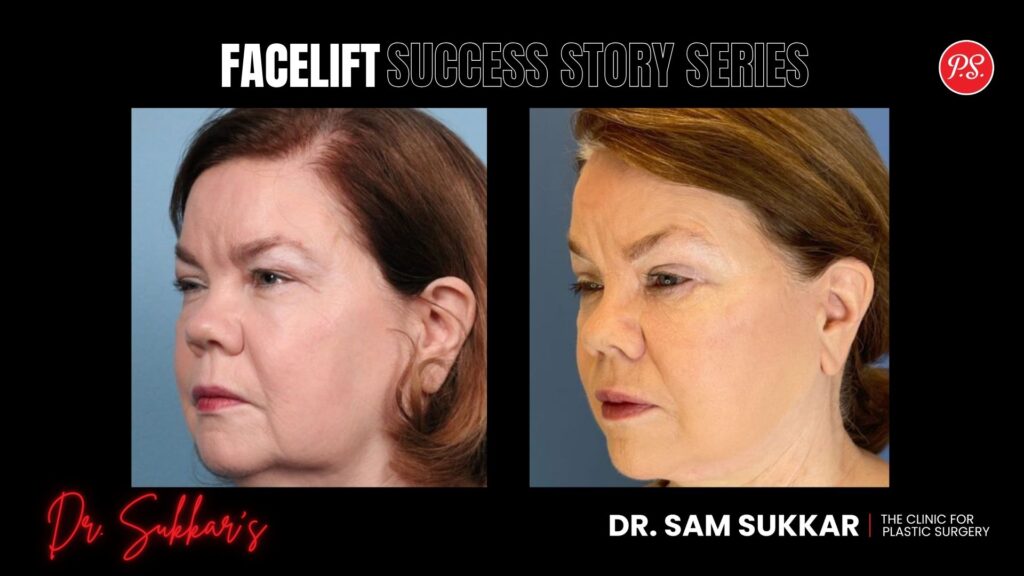
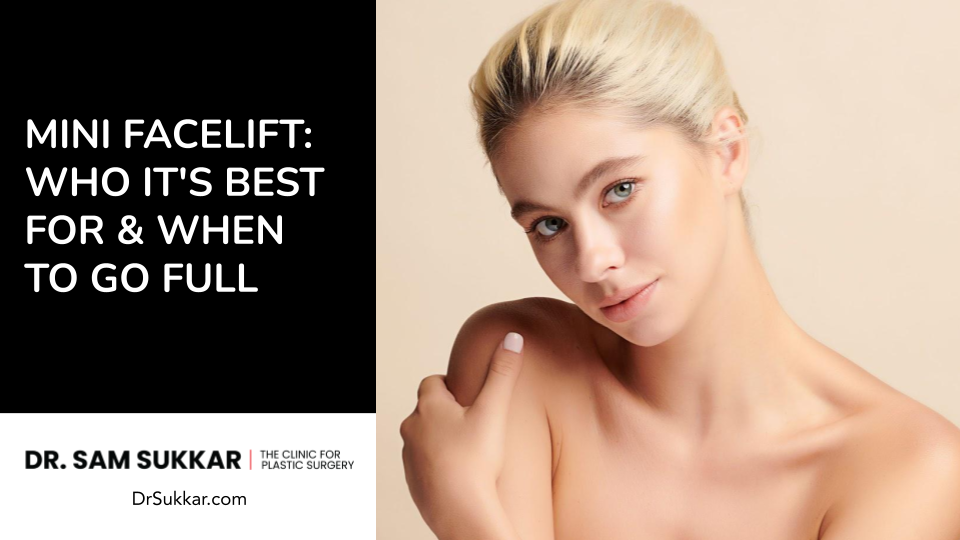
Facelift at 62: Houston Patient’s Natural Rejuvenation - Facelift Success Story Series in Houston, Texas by Dr. Sam Sukkar, MD
Before and After Facelift Surgery. Photo Illustration by: Dr. Sam Sukkar, MD, The Clinic for Plastic Surgery.
What a surgical procedure can’t do (and what patients often expect it to)

A facelift procedure cannot stop the aging process, erase every line, or “reset” skin quality that has been affected by sun damage. It also doesn’t treat everything above the midface.

Specifically, facelift focuses do not typically include:

  • Correcting forehead or brow concerns: a brow lift is often the targeted option for that region.
  • Changing bone structure or the fundamental facial structure.
  • Removing age spots or fully correcting skin texture issues: laser skin resurfacing or other laser treatments may be better suited.

Dynamic wrinkles (from repeated muscle movement) often respond better to neuromodulators, while fine surface lines relate more to skin elasticity and skin quality than to excess facial skin. A good consultation sets expectations clearly so the facial rejuvenation surgery plan matches what the procedure can realistically deliver.

Facelift Technique Types

Different facelift techniques target specific areas of facial aging, so the right approach depends on how the skin, fat, and deeper tissues have changed over time. Each option varies in depth, recovery, and the type of result it delivers, from subtle refinement to more comprehensive repositioning.

Mini-Facelift

A mini-facelift focuses on early signs of aging in the lower face, particularly mild jowling and slight skin laxity along the jawline. It uses shorter incisions and limited tissue adjustment, making it a popular option for those who want improvement without a longer recovery period.

Results tend to be more subtle compared to more extensive techniques, but they can still create a cleaner jawline and a more refreshed appearance. Because it addresses less structural change, longevity may be shorter, and it works best for patients with good skin elasticity and minimal sagging.

Mid-Facelift

A mid-facelift targets the cheek area, lifting sagging fat pads and restoring volume to the central face. This approach improves the transition between the lower eyelids and cheeks, helping reduce a tired or hollow appearance without heavily focusing on the jawline or neck.

By repositioning tissue higher on the face, it creates a more youthful contour through the cheeks and under-eye area. It is often combined with other treatments when lower face or neck laxity is also present, since it does not directly address jowls or loose neck skin.

Full-Facelift (Traditional Facelift)

A full-facelift addresses more advanced aging across the lower face and neck, including deeper folds, significant jowling, and loose skin. It involves repositioning underlying tissues and removing excess skin to restore definition along the jawline and smooth the neck.

This approach offers more dramatic and longer-lasting results because it corrects structural changes rather than just tightening the surface. Recovery is more involved than lighter techniques, but it delivers a more complete transformation for patients with moderate to advanced sagging.

Deep Plane Facelift

A deep plane facelift works beneath the SMAS layer to reposition deeper facial structures as a single unit, rather than separating skin from underlying tissue. This allows for more natural movement and reduces tension on the skin, which can help avoid a pulled or tight appearance.

It is especially effective for improving the midface, nasolabial folds, and jawline in one procedure. Because it addresses deeper layers, results often look more seamless and can last longer, particularly in patients with more significant tissue descent.

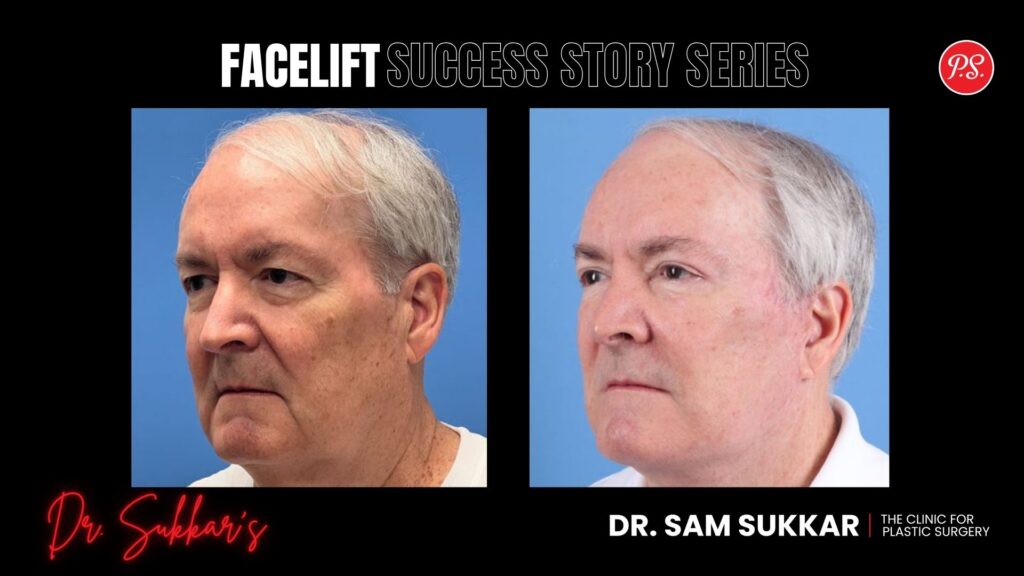
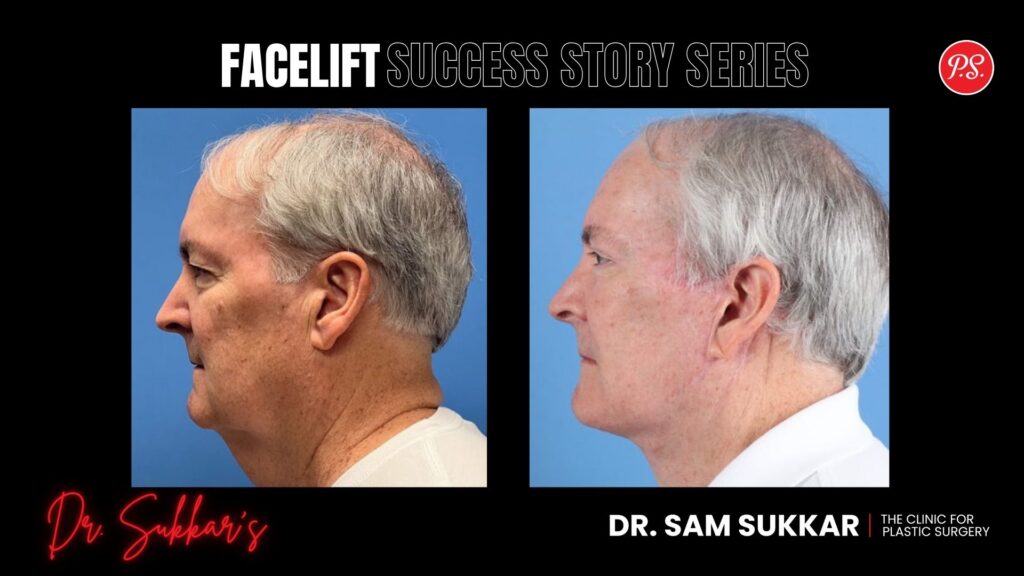
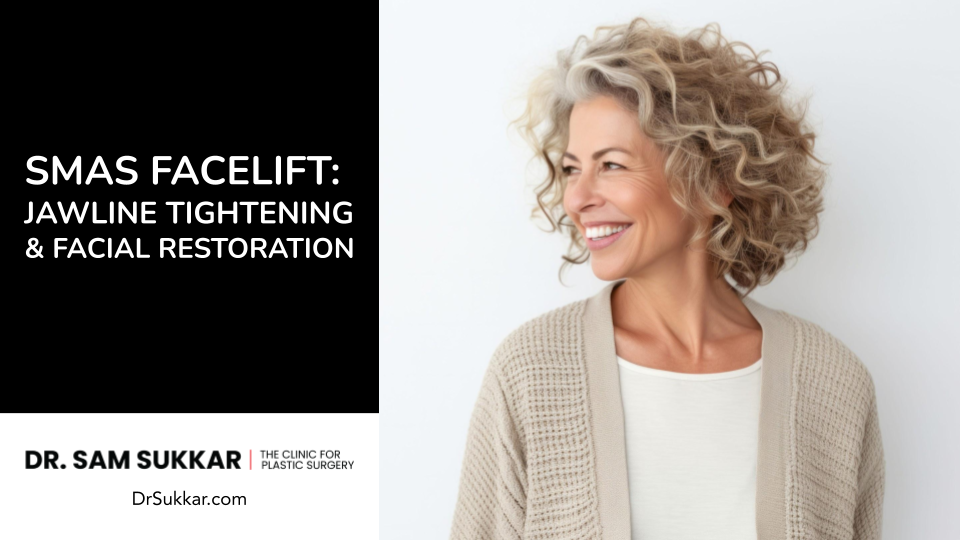
Houston Facelift at 63: Male Executive’s Transformation - Facelift Success Story Series in Houston, Texas by Dr. Sam Sukkar, MD
Before and After Facelift Surgery. Photo Illustration by: Dr. Sam Sukkar, MD, The Clinic for Plastic Surgery.
The Procedure, Preparation, And Recovery Timeline

Facelift plastic surgery is usually an outpatient cosmetic surgery, often performed within a head and neck surgery setting. Exact steps vary by surgical technique, but the safest plans follow a consistent rhythm: evaluation, tailored procedure selection, then structured recovery.

Consultation and physical examination

Before any facial plastic surgery is scheduled, a physical examination focused on facial anatomy is performed. Skin elasticity, excess fat or excess facial fat, facial sagging patterns, and how the superficial musculo aponeurotic system has shifted with time are carefully assessed. During the consultation, the right facelift technique is matched to the patient’s goals and anatomy.

The evaluation also includes whether a neck lift or neck surgery is needed for banding, excess skin, or a heavy neck profile. When volume loss is driving the “tired” look, fat grafting or dermal fillers may be added to avoid an over-tightened result.

The Facelift Procedure Day

On procedure day, anesthesia planning is individualized. The choice depends on health history and the planned extent (face and neck vs. face only).

Incisions are designed to minimize scarring and hide a facelift incision in natural creases and hair-bearing areas. Modern approaches emphasize precise lifting of underlying tissues rather than aggressive skin pulling. After the SMAS and related underlying muscles are repositioned, excess skin is trimmed, and the remaining skin is laid back down without tension.

Techniques are often used to reduce bruising and support the healing process, including careful hemostasis and, in some cases, skin adhesives. The overarching aim is a natural facial appearance, not a “windswept” look.

Facelift Recovery Timeline

Facelift recovery still requires patience, even with modern methods. Swelling and bruising are expected early, then gradually improve.

A typical recovery process often looks like this:

  • First week: swelling, tightness, and fatigue are common. Patients usually return for early checks so the aftercare team can monitor the healing process and incision lines.
  • Weeks 2–3: bruising fades for many patients, and swelling begins to settle. Some can return to office-based work, depending on comfort and how visible swelling is.
  • Weeks 4–6: facial contours continue to refine as deeper tissues relax into position.

After the procedure, following recovery instructions closely makes a measurable difference. Keeping the head elevated, avoiding pressure on the face, limiting physical strain, and protecting the skin from sun exposure all support smoother healing. Early signs like unusual swelling, increasing pain, or changes in skin color should be addressed promptly to avoid complications.

Some patients pair surgery with laser skin resurfacing or laser treatments later, once cleared, to improve skin quality and address fine lines that surgery doesn’t target.

Face Lifting Results, Longevity, and Risks

The best facelift results look like the patient, just less pulled down by time. When facial tissue is lifted in harmony with facial anatomy and facial structure, the outcome reads as a refreshed, youthful appearance rather than an obvious cosmetic procedure.

Facelift Results and Longevity

Most patients see meaningful facial improvement once swelling subsides, but results continue to mature for months as soft tissues settle. The “final” look is less about a single day and more about gradual refinement.

Longevity depends on the starting point and the technique used. Many patients can enjoy results that last 10 years or longer, though facial aging continues. A facelift doesn’t freeze time, but it can “reset” the facial appearance to an earlier point.

What tends to last:

  • Improved jawline definition and reduced sagging.
  • Better alignment of underlying tissues, especially when the SMAS or deeper tissues were addressed.

What continues to change:

  • Skin quality, because sun damage and genetics keep affecting collagen.
  • Dynamic wrinkles, which relate to muscle movement.

Because of that, maintenance is often conservative and targeted. Some practices recommend sunscreen, skin-care regimens, occasional injectables, or resurfacing to support skin elasticity without over-treating.

Risks and safety

Every invasive procedure carries risk. For facelift plastic surgery, common concerns include swelling, bruising, temporary numbness, and the possibility of visible scars. The good news is that modern incision design and careful closure aim to minimize scarring and place scars where they’re hard to detect.

Safety starts well before the procedure. A thorough review of medical history, medications, and lifestyle factors helps reduce complications. Smoking, certain supplements, and uncontrolled medical conditions can interfere with healing and increase risk, so proper preparation plays a key role in outcome quality.

When planning is detailed and recovery is handled carefully, facelift surgery maintains a strong safety profile, with most patients healing without major issues and returning to normal routines within a few weeks.

Facelift Before and After Photos Results in Houston, Texas

Before and after facelift photos provide a clear, visual reference for how facelift surgery improves facial aging. These images typically show changes in jawline definition, reduction of jowls, smoother contours along the cheeks, and improved neck tightness. They set realistic expectations by showing how results vary based on starting anatomy, skin elasticity, and the specific technique used.

Reviewing multiple facelift cases allows patients to understand consistency across different age groups and facial structures. Rather than focusing on dramatic changes, the most successful outcomes appear balanced and natural, with improvements that align with the patient’s original features instead of altering them.

These galleries include a wide range of cases, from early intervention to more advanced correction. They offer insight into how different approaches address varying degrees of skin laxity and tissue descent.

Facelift at 62: Houston Patient’s Natural Rejuvenation - Facelift Success Story Series in Houston, TX by Dr. Sam Sukkar, MD
Before & After Facelift Surgery. Photo Illustration by: Dr. Sam Sukkar, MD, The Clinic for Plastic Surgery.
Real Patient Success Stories from The Clinic For Plastic Surgery in Houston, Texas

Detailed patient stories add important context beyond photos by explaining the reasoning behind treatment choices and how results develop over time. They often outline the patient’s concerns, the selected technique, and the prioritized changes.

They also provide a clearer picture of recovery and long-term outcomes, including how swelling resolves, how results settle, and how natural the final appearance looks months after the procedure. Reviewing these cases helps connect expectations with real-world outcomes.

These examples show how facelift techniques adapt to different ages and goals, maintain masculine features, avoid an over-tightened look, and deliver a refreshed appearance that still feels authentic.

Frequently Asked Questions About Facelift Plastic Surgery in Houston: Look 10+ Years Younger

What is facelift plastic surgery and how does it improve facial aging?

Facelift surgery lifts and repositions deeper facial tissues to reduce sagging skin, soften jowls, and restore face and neck contours. It improves visible signs of aging such as loose skin and sagging cheeks for a natural, youthful appearance.

How long does recovery from a facelift typically take?

Recovery usually spans weeks, not months. Swelling and bruising are common in the first week, fading by weeks two to three. By weeks four to six, facial contours refine as tissues settle. Patients should protect their skin from sun exposure, avoid nicotine, and follow scar-care instructions.

What factors contribute to achieving natural-looking facelift results?

Natural facelift results stem from choosing The Clinic for Plastic Surgery. The planning is based on facial anatomy and skin elasticity, along with precise incision placement and careful recovery management. Addressing the SMAS layer and avoiding excessive skin pulling prevent an unnatural, tight look.

How long do facelift results typically last?

Most patients enjoy facelift results for 10 years or longer. While improved jawline definition and tissue alignment endure, skin quality and dynamic wrinkles continue to change due to aging, sun damage, and muscle movement, requiring ongoing maintenance.

Is combining a facelift with other procedures beneficial?

Yes. Combining a facelift with procedures like neck lifts, fat grafting, or laser treatments can enhance facial rejuvenation. This by addressing volume loss and skin texture. Plan these add-ons carefully to avoid over-treatment and maintain a balanced, natural look.

Houston Facelift at 63: Male Executive’s Transformation - Facelift Success Story Series in Houston, TX by Dr. Sam Sukkar, MD
Before & After Facelift Surgery. Photo Illustration by: Dr. Sam Sukkar, MD, The Clinic for Plastic Surgery.

Conclusion and Summary of Facelift Plastic Surgery in Houston: Look 10+ Years Younger


Facelift plastic surgery corrects sagging skin, softens jowls, and restores definition to the face and neck. It creates facial rejuvenation by repositioning deeper tissues instead of simply tightening the surface. The outcome depends on matching the right technique to facial anatomy, setting clear expectations, and following a well-structured recovery plan.

A consultation and detailed evaluation help determine the most appropriate approach, timeline, and expected longevity. Precise planning and careful recovery produce natural, balanced results that match the patient’s features, refreshed, not overdone.

Your Trusted Destination for Facelift Surgery in Houston, Texas (TX)

Are you located in one of these Houston Metro Area cities?

Houston, The Woodlands, Sugar Land, Katy, Pearland, Pasadena, League City, Baytown, Conroe, Cypress, Spring, Kingwood, Humble, Missouri City, Friendswood, Bellaire, Clear Lake, Tomball, Galveston, Richmond, Rosenberg, Stafford, La Porte, Deer Park, Seabrook, Webster, Alvin, and Channelview.

Board-Certified Plastic Surgeon Dr. Sam Sukkar, MD, FACS, and the The Clinic for Plastic Surgery Team provide advanced facelift surgery solutions to rejuvenate and restore a more youthful, refreshed appearance.

If you are dealing with sagging skin, deep facial folds, jowls, volume loss, or a tired, aging appearance, we offer comprehensive facial rejuvenation options, including:

  • Facelift Surgery
  • Mini Facelift
  • Lower Facelift
  • Neck Lift Surgery
  • Facelift with Neck Lift
  • Customized Facial Rejuvenation Treatment Plans

Visit our modern 18,000+ sq. ft. plastic surgery center and med spa in Houston, Texas, designed for comfort, privacy, and results-driven care. From your first consultation through recovery, our talented team focuses on natural-looking rejuvenation with elegant, refreshed results.

For patients outside the Houston area or those with limited availability, schedule a virtual facelift surgery consultation.

Book Your Personalized Facelift Consultation today at DrSukkar.com or call (281) 940-1535.

About the Author – Meet Dr. Sam Sukkar, MD

Dr. Sam Sukkar, MD, FACS is a highly respected Board-Certified Plastic Surgeon in Houston, Texas, known for his expertise in advanced cosmetic and reconstructive procedures. As the founder of The Clinic for Plastic Surgery, Dr. Sukkar has set a new standard for excellence, performing over 20,000 procedures with a focus on delivering natural, refined results.

Dr. Sukkar earned his Doctor of Medicine (M.D.) degree from Louisiana State University School of Medicine in 1992 after graduating summa cum laude with a Bachelor of Science in Microbiology. He then completed an intensive General Surgery Residency at the University of Texas Hermann Hospital before being selected for a highly competitive Plastic Surgery Fellowship at Northwestern University in Chicago, one of the most prestigious training programs in the country.

With more than 20 years of experience, Dr. Sukkar is a Diplomate of the American Board of Plastic Surgery and a Fellow of the American College of Surgeons (FACS). He is also an active member of the American Society of Plastic Surgeons (ASPS) and the Houston Society of Plastic Surgery (HSPS). His dedication to innovation and continuing education has solidified his reputation as a leading expert in aesthetic surgery, specializing in breast surgery, body contouring, facial procedures, and non-invasive treatments.

Dr. Sukkar’s expertise has been recognized by Houston Magazine, naming him one of Houston’s “Top Docs for Women,” and he has been featured among RealSelf’s America’s Top Doctors. Committed to his patients, he prioritizes personalized care, ensuring every individual feels informed, comfortable, and confident in their aesthetic journey.

Contact Dr. Sukkar today to schedule a consultation, visit DrSukkar.com to learn more, or call us directly at (281) 940-1535.

Eyelid Surgery Scars: What to Expect and How They Heal

Eyelid surgery scar concerns are common, and the straightforward answer is this: most blepharoplasty scars fade into thin, barely noticeable lines because incisions are placed in a natural crease (upper lid) or near the lash line (lower lid), where they blend with normal anatomy. The key is understanding the healing timeline and protecting the incision while the wound heals.

In practical terms, patients can expect early pinkness and swelling, then gradual scar maturation over months, with most improvement by 2–3 months and final scar quality settling around 6–12 months. The biggest drivers of scar visibility are incision placement, skin type, and post operative habits, especially sun exposure, which can darken scars.

Key Takeaways of Eyelid Surgery Scars

  • Eyelid surgery scars typically fade into thin, barely noticeable lines due to strategic incision placement in natural creases or near lash lines.

  • Scar healing involves a timeline from early pinkness and swelling to gradual fading over 6 to 12 months, with most improvement by 2–3 months.
  • Protecting scars from sun exposure is crucial, as UV rays can darken and worsen scar appearance during healing.

  • Postoperative care including gentle cleaning, avoiding tension, and following instructions significantly impacts eyelid surgery scar outcomes.

  • Revisional eyelid surgery requires careful management due to existing scar tissue and may lengthen the healing and scar maturation process.

Why Eyelid Surgery Scars Happen

Every surgical procedure that creates an incision will create a scar. With eyelid surgery, the advantage is anatomy: eyelid skin is thin, blood flow is strong, and cuts can be hidden along natural lines, which often leads to minimal scarring.

Upper Blepharoplasty Scars

With upper blepharoplasty, the incision is designed to sit in the crease. When the eyes are open, that fold hides the line, which is why upper blepharoplasty scars are often hard to see at conversational distance.

Early on, the crease line can look higher, pinker, or more “obvious” due to swelling. That usually improves as swelling resolves and the crease settles into a softer contour. The goal of the surgical technique is not only removing excess skin, but creating a natural-looking crease without extra tension.

If the surgery involved removing excess skin plus a small amount of excess fat, bruising may last longer. But that does not automatically mean worse scarring. The long-term scar quality is still mostly driven by incision placement, inflammation control, and sun protection.

Lower Blepharoplasty Scars: Subciliary Vs. Transconjunctival Differences

Lower blepharoplasty can be performed through a subciliary incision under the lashes or through a transconjunctival incision inside the eyelid. With subciliary approaches, lower blepharoplasty scars may be visible as a faint line at first, then soften as the scar matures.

Transconjunctival surgery avoids an external incision, so there is no visible scar on the skin. This approach is often used when the main issue is lower lid bags from fat, not significant excess skin and fat on the surface.

Your Skin And Healing Factors That Affect Scar Visibility

Even with excellent technique, scars don’t behave identically in every patient. Skin type, genetics, age, and baseline skin quality all influence the final scar appearance. People with better skin elasticity often settle swelling faster, which can make early scars look calmer sooner.

Post operative behavior matters just as much as biology. Smoking, poor sleep, uncontrolled swelling, and excess sun can worsen scarring. And sun exposure is a repeat offender because UV can trigger pigment changes that darken scars, especially early on.

Some patients also form thicker scar tissue than expected. If a patient has a history of raised scars elsewhere, it is worth discussing risk for hypertrophic scarring or even keloid scars before operating. Around the eyelids, true keloids are less common than on the chest or shoulders, but risk is not zero.

What To Expect: Realistic Eyelid Scars Healing Timeline

The most stressful period for many patients is the first month, because the incision looks “new” and the eye area bruises easily. A timeline helps set expectations: early changes are normal, and scars heal by gradually remodeling collagen over months.

Days 1–7: Swelling, Bruising, And Early Incision Changes

In the first week after eyelid surgery, incisions often look pink and slightly raised. Bruising and swelling are expected, and the lid area can feel tight. This is not a sign of poor scar outcomes by itself.

During this stage, the goal is simple: protect the incision while it seals. Non-dissolvable sutures are often removed around days 5–7, depending on technique and skin response. Bruising typically shifts from purple to yellow as blood breakdown products clear.

Swelling can temporarily change eyelid position, especially first thing in the morning. That can make scars look uneven day to day. It usually settles as fluid moves out and lymphatic drainage improves.

Weeks 2–6: Pink Lines, Tightness, And Scar Maturation Begins

Weeks two through six are when patients often fixate on “lines.” The incision may look like a thin pink track, and the surrounding eyelid skin can feel firm. This is normal early remodeling, not a final result.

This is also when scar maturation truly begins. Collagen production increases, then reorganizes. That process can create small bumps or thickness along parts of the incision, especially where tension is highest.

By weeks 2–4, most bruising has faded significantly. Many patients feel comfortable returning to the office with concealer once cleared. Light activity often returns first, while heavy lifting and high-intensity workouts usually wait longer to keep swelling down.

Months 2–12: Fading, Softening, And Final Scar Appearance

From months two to twelve, the story is mostly about fading. The pink tone lightens, the texture softens, and the scar line blends into the crease or lid margin. This is the period when patients often notice they can’t find the scar in certain lighting.

Most patients see meaningful improvement in reduce scar visibility terms by 2–3 months. Full scar remodeling commonly continues for 6–12 months.

During this time, UV protection stays important. Fresh scars can pigment easily, and sun can worsen scarring by causing long-lasting discoloration. With steady protection and time, many patients can significantly reduce scar visibility without aggressive interventions.

How To Care For Blepharoplasty Incisions to Minimize Scarring

The simplest aftercare habits often have the biggest payoff for optimal healing. The goal is to protect fragile tissue early, then support steady remodeling so the eyelid surgery scar line stays thin and quiet.

First Two Weeks: Cleaning, Ointments, And Activity Limits

During the first two weeks, patients should follow the aftercare team’s cleaning instructions exactly. Most plans focus on gentle cleansing, keeping crusting controlled, and using a prescribed ointment when recommended. This protects the incision while the wound heals and reduces irritation.

Activity matters more than many people expect. Heavy lifting, bending, and high-intensity workouts can increase facial blood pressure and swelling. That extra swelling can stretch healing tissue and can make early blepharoplasty incisions look more inflamed.

Patients should avoid picking at scabs. It’s tempting, but trauma increases inflammation and can worsen the final scar appearance. If dryness or tightness is uncomfortable, the right ointment routine is safer than “scrubbing it clean.”

Sun Protection: The Biggest Factor For Preventing Darkened Scars

If there is one habit that consistently improves scar outcomes, it’s sun protection. UV can trigger pigment that makes scars look darker and linger longer. That is why sunglasses and broad-spectrum SPF are often emphasized once the skin is healed enough for it.

Protection needs to be consistent for months, not days. Scar remodeling continues through the first year, and fresh scar tissue can pigment easily. Patients trying to lighten scars later often realize the easiest path was preventing darkening in the first place.

Makeup, Contacts, And Skincare: When It’s Safe To Restart

Makeup timing depends on how the incision is sealing and whether any open areas remain. Many patients restart light makeup around weeks 2–3 once cleared, with the goal of avoiding bacteria or friction along the incision line.

Contact lenses are often resumed around week two if healing is progressing well, though dryness can make this more difficult. It’s best to follow a plan based on how the lids feel, especially if there is tightness.

Skincare deserves caution. Strong acids, retinoids, and exfoliation can irritate healing skin. A conservative approach helps promote optimal healing, even if it feels slow. A few quiet weeks often beats months of irritation.

Scar Treatments That Actually Help

There is no single magic product that erases scars after blepharoplasty, but a few options can improve texture and color when timed correctly. The best approach depends on whether the issue is thickness, pigment, or persistent redness.

Silicone Gel Or Sheets: When To Start And How To Use Them

Silicone is one of the more evidence-supported options for surgical scars in general. For an eyelid surgery scar, the main challenge is practicality, because eyelids move constantly and the skin is delicate.

When the aftercare team approves, silicone gel can be easier than sheets around the eye area. Patients should only start after the incision is fully closed and there is no scabbing. Starting too early can trap moisture and irritate fragile skin.

In-Office Options: Steroid Injections, Lasers, And Microneedling Considerations

When scars stay thick or symptomatic, in-office care can help. Steroid injections can flatten hypertrophic scars and reduce persistent inflammation. They are typically used sparingly around the lids because the skin is thin.

For redness or pigment, laser treatments can be considered once healing is stable. Lasers can target vascular redness or pigment, depending on the device and settings. Timing matters, because treating too early can disrupt remodeling.

What to Skip

Avoid harsh acids, unproven “scar creams” with irritating ingredients, and frequent product switching. Over-treating can prolong redness and make more noticeable scars in the short term.

Patients who ask about aloe vera should treat it as a comfort measure, not a guarantee. It may soothe, but it is not a replacement for sun protection and directed care. The same goes for many over-the-counter topical scar creams marketed for dramatic results.

Frequently Asked Questions About Eyelid Surgery Scars: What to Expect and How They Heal

What causes eyelid surgery scars and why are they usually hard to see?

Eyelid surgery scars result from incisions, but they’re often hard to detect because the cuts are placed along natural eyelid creases or near the lash line, allowing scars to blend with the skin’s natural anatomy. The thin eyelid skin and strong blood flow also promote quick healing.

How long does it take for eyelid surgery scars to heal and fade?

Eyelid surgery scars typically show significant fading and softening within 2–3 months, with most scars becoming faint or nearly invisible by 6–12 months as collagen remodels and scar tissue matures.

How does incision placement affect the visibility of eyelid surgery scars?

Incisions along the upper eyelid crease hide scars within natural folds, making them nearly invisible. Lower eyelid surgery scars vary: subciliary incisions under lashes leave faint lines that fade, while transconjunctival incisions inside the eyelid leave no visible external scars.

How much does blepharoplasty cost in Houston, Texas?

Blepharoplasty cost in Houston, Texas typically ranges from about $5,000 to $14,000, depending on whether the procedure targets. Upper eyelid surgery cost falls around $5,000–$6,000, while lower eyelid surgery price can range from $7,000–$8,000. Combined procedures may reach $13,000–$14,000 based on complexity and what’s included in the surgical plan. Many patients choose financing to make the procedure more manageable, with monthly payments starting as low as $257 through The Clinic for Plastic Surgery.
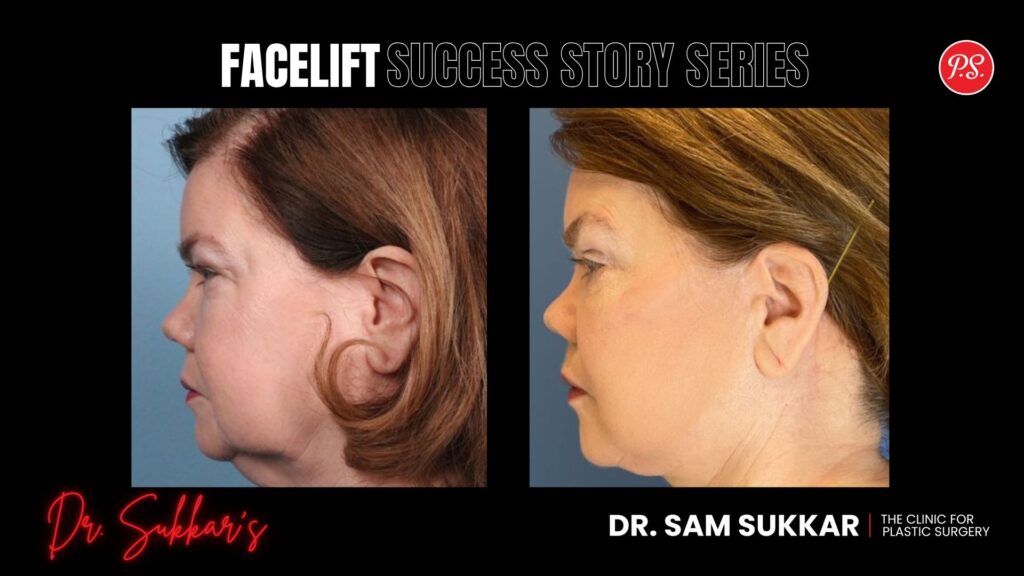
Conclusion and Summary of Eyelid Surgery Scars: What to Expect and How They Heal

For most patients, blepharoplasty scars are real but not dramatic, They start pink and noticeable up close, then fade as the healing process and scar maturation progress. With good incision placement, especially along the upper lid crease, and consistent post operative care, the final appearance of scars is often faint and easy to overlook.

The biggest controllable factors are also the least glamorous: keep incisions clean, avoid tension and unnecessary irritation, and protect scars from sun exposure for months. If you want results that heal cleanly and look natural long-term, schedule a consultation and start with a plan built for precise incision placement and proper healing from day one

Your Trusted Destination for Blepharoplasty Eyelid Surgery in Houston, Texas (TX)

Are you located in one of these Houston Metro Area cities?

Houston, The Woodlands, Sugar Land, Katy, Pearland, Pasadena, League City, Baytown, Conroe, Cypress, Spring, Kingwood, Humble, Missouri City, Friendswood, Bellaire, Clear Lake, Tomball, Galveston, Richmond, Rosenberg, Stafford, La Porte, Deer Park, Seabrook, Webster, Alvin, and Channelview.

Board-Certified Plastic Surgeon Dr. Sam Sukkar, MD, FACS, and the The Clinic for Plastic Surgery Team provide advanced eyelid surgery solutions to refresh and restore the appearance of the eyes.

If you are dealing with drooping eyelids, under-eye bags, puffiness, or tired-looking eyes, we offer comprehensive eyelid surgery options, including:

  • Upper Blepharoplasty (Upper Bleph)
  • Lower Blepharoplasty (Lower Bleph)
  • Eyelid Lift Surgery
  • Eyelid Surgery for Excess Skin or Fat
  • Combination Upper and Lower Eyelid Procedures
  • Customized Eye Rejuvenation Treatment Plans

Visit our modern 18,000+ sq. ft. plastic surgery center and med spa in Houston, Texas, designed for comfort, privacy, and results-driven care. From your first consultation through recovery, our talented team focuses on brighter, rested-looking eyes with natural results.

For patients outside the Houston area or those with limited availability, schedule a virtual eyelid surgery consultation.

Book Your Personalized Eyelid Consultation today at DrSukkar.com or call (281) 940-1535.

About the Author – Meet Dr. Sam Sukkar, MD

Dr. Sam Sukkar, MD, FACS is a highly respected Board-Certified Plastic Surgeon in Houston, Texas, known for his expertise in advanced cosmetic and reconstructive procedures. As the founder of The Clinic for Plastic Surgery, Dr. Sukkar has set a new standard for excellence, performing over 20,000 procedures with a focus on delivering natural, refined results.

Dr. Sukkar earned his Doctor of Medicine (M.D.) degree from Louisiana State University School of Medicine in 1992 after graduating summa cum laude with a Bachelor of Science in Microbiology. He then completed an intensive General Surgery Residency at the University of Texas Hermann Hospital before being selected for a highly competitive Plastic Surgery Fellowship at Northwestern University in Chicago, one of the most prestigious training programs in the country.

With more than 20 years of experience, Dr. Sukkar is a Diplomate of the American Board of Plastic Surgery and a Fellow of the American College of Surgeons (FACS). He is also an active member of the American Society of Plastic Surgeons (ASPS) and the Houston Society of Plastic Surgery (HSPS). His dedication to innovation and continuing education has solidified his reputation as a leading expert in aesthetic surgery, specializing in breast surgery, body contouring, facial procedures, and non-invasive treatments.

Dr. Sukkar’s expertise has been recognized by Houston Magazine, naming him one of Houston’s “Top Docs for Women,” and he has been featured among RealSelf’s America’s Top Doctors. Committed to his patients, he prioritizes personalized care, ensuring every individual feels informed, comfortable, and confident in their aesthetic journey.

Contact Dr. Sukkar today to schedule a consultation, visit DrSukkar.com to learn more, or call us directly at (281) 940-1535.

Denise Richards Facelift Looks Shockingly Natural

Denise Richards facelift chatter took off because she did something rare in modern pop culture: she showed the work and explained the why. In March 2026, the Wild Things star posted before and after photos, revealing a June 2025 facelift that looks noticeably refreshed.

Her results read “shockingly natural” because the approach focused on restoring structure (not freezing expression), paired with targeted tweaks like fat grafting and eyelid work instead of heavy filler. Richards also made the timeline clear, shared surgical markings, and set realistic expectations about “a little difference.”

Key Takeaways of Denise Richards Facelift Plastic Surgery

  • Denise Richards’ facelift results appear shockingly natural by focusing on restoring facial structure rather than freezing expressions.
  • Her transparency about the procedure, including before-and-after photos and surgical markings, helps set realistic expectations for a subtle yet refreshed look.
  • A modern facelift often involves a tailored plan including fat grafting, eyelid surgery, and deep-plane techniques to address aging signs and look younger without drastic change.
  • Recovery includes visible swelling and tightness initially, with a socially presentable look emerging within 1–2 weeks.
  • Celebrity openness about cosmetic surgery can educate the public, normalize aging, and promote safer, individualized consultation decisions.

What Sparked The Buzz Around Denise Richards’ New Look

The conversation didn’t start with a paparazzi shot. It started with Denise Richards choosing to put her cosmetic surgery story in the open, complete with side by side photos and clinical context.

The Moments That Fueled Speculation Online: Before and After Photos

In March 2026, Richards shared an Instagram carousel with photos of her facelift. The post showed multiple angles, six views that functioned like informal before and after photos, including pre-op surgical markings.

That mix of transparency and detail is exactly what fuels reality tv-style “detective work.” People zoomed in on her jawline, neck, and outer corners of the eyes, comparing her current look to older red carpet stills from her bond girl era and her time in the public eye.

The timing also mattered. The post landed after Richards spoke to Allure, which pushed the story beyond fan accounts into mainstream beauty coverage.

Why “Natural” Results Stand Out In Celebrity Beauty Cycles

Celebrity plastic surgery often gets judged in extremes. Richards’ result sat in the middle, which is why it popped. Fans described a “new lease” on her face, tighter under the jaw, less turkey neck, brighter eyes, without the telltale signs that trigger the “shocking facelift transformation” label.

It also helps that Richards isn’t just any name. She’s the Wild Thingsactress, a former tabloid fixture tied to actor Charlie Sheen, and now a reality star adjacent to The Real Housewives of Beverly Hills-level conversation. When someone with that history shows a subtle facelift transformation, people talk.

What Denise Richards Has Said About The Shocking Facelift Transformation

Richards didn’t frame her facelift as reinvention. She framed it as maintenance, “putting things back” as she said, which is a key reason the conversation stayed focused on technique and expectation instead of scandal.

The Key Details From Her Comments

In her comments to Allure, Richards said the procedure happened in June 2025. She described the motivation as personal, not performative. “My oldest daughters were not happy that I was doing it. I told them that this is something that I want to do, and you may not agree with my decision, but I just want your support. I understand that you feel the way you do, but please know that this is something that I want to do for me,” Denise Richards said.

Her expectation-setting was unusually specific for a celebrity cosmetic surgery story. She said she wasn’t trying to change the way she looks, address sagging skin and tiredness while keeping her recognizable.

In practical terms, that mindset aligns with what many patients request when booking a consultation: a refreshed look that still matches their own photos from five to ten years ago.

“Not Something I Could Hide”: Why Openness Matters Here

Richards also acknowledged a truth about healing and visibility. “Being in the public eye since my 20s, people know what I look like, a facelift is not something that I could hide” she mentioned. That statement lands because facelifts come with downtime, swelling, and sometimes bruising that can’t be airbrushed in real life.

Openness can also reduce the pressure to pretend it’s “just serums” or “all these lasers.” Patients who see a celebrity admit to surgery can approach cosmetic procedures with clearer expectations. A facelift is not the same as skincare, and pretending otherwise makes normal aging feel like a personal failure.

Why Her Facelift Reads As “Shockingly Natural”

“Natural” is not an accident. It’s usually the result of surgical planning that prioritizes anatomy and restraint, plus real-world factors like styling and lighting that shape how before-and-after comparisons feel.

Common Technical Choices That Create Subtle, Undone Results

Reporting around Richards’ recent facelift, are described as an advanced deep-plane approach with SMAS optimization, paired with restoration steps. The goal of many modern deep-plane facelifts is repositioning, not pulling.

Richards’ reported bundle included fat grafting, temporal brow lift for a softer brow position, and conservative upper blepharoplasty (upper eyelid surgery). It also referenced lower left eyelid fat repositioning and a lip lift at the Cupid’s corner.

That combination can read “undone” because it addresses the common giveaways of aging in the 40s–50s: descent in the midface, heaviness around the jawline, and eyelid changes. When volume is restored with fat rather than a lot of filler, the skin can look smoother without that overfilled look.

The narrative wasn’t about “incredible pleasure” from chasing trends. It was about choosing targeted cosmetic work so “stuff stays” believable.

Facelift 101: What A Modern Facelift Typically Involves

Celebrity stories can make a facelift sound like one single switch. A modern facelift is usually a plan: skin, deeper support, and often one or two complementary fixes tailored to the patient.

Mini Facelift Vs. Full Facelift: What The Terms Usually Mean

A “mini facelift” generally targets a narrower area, often the lower face, with shorter incisions and a more limited lift. It can help early jowling but won’t fully correct heavier neck laxity or more global descent.

A “full” facelift is broader. Many deep-plane techniques address the midface, jawline, and neck more comprehensively. In the reporting around the Denise Richards facelift, her result was described as more comprehensive than a mini lift, which fits the visible changes people noted at the jawline and neck.

Complementary Treatments Often Paired With A Lift (Without Overdoing It)

Patients often pair a facelift with eyelid surgery, fat restoration, or a brow adjustment. Richards’ reported combination, upper blepharoplasty, fat restoration, and a small lip lift, is a classic “refresh” package when done conservatively.

What tends to backfire is piling on too many aggressive cosmetic procedures at once, or masking structural change with lots of filler. After her facelift, she stayed at a dedicated recovery center where treatments included red light therapy, lymphatic massage, and other healing support methods. She mentioned spending about a week there using those services while recovering.

Other Procedures Richards’ Did

Before her recent facelift, Denise Richards had already been open about her long history with breast surgery, like augmentation and revision. She first got breast implants at just 19, later admitting she rushed into the decision and didn’t fully research it, which led to multiple corrective procedures in her early 20s.

Over the years, she underwent additional surgeries to adjust size and address complications, including a breast implant rupture in 2025 that required revision surgery, and eventually implant removal to improve comfort and health. Despite ongoing speculation about other treatments, she had consistently stated for years that her only major cosmetic procedures were related to her breasts prior to her later facial surgery.

About Denise Richards and Her Life

Denise Richards is an American actress, television personality, and former model born on February 17, 1971, in Downers Grove, Illinois. Raised alongside her sister Michelle Richards by their parents Irv and Joni Richards, Denise moved to California as a teenager and quickly pursued modeling before transitioning into acting.

Her breakout came in the late 1990s with back-to-back roles that put her on the map: the sci-fi blockbuster Starship Troopers in 1997 and the provocative thriller Wild Things in 1998. By 1999, she had landed the role of Bond girl Dr. Christmas Jones in The World Is Not Enough, cementing her status as one of Hollywood’s most recognizable faces of the era.

Beyond film, Richards built a lasting television career. She appeared in series like Spin City and Two and a Half Men before joining the cast of The Real Housewives of Beverly Hills, where she gave audiences a closer look at her personal life and earned a new wave of fans.

Personal Life

Her personal life has been just as widely followed as her career. She was married to actor Charlie Sheen from 2002 to 2006, and the couple has two daughters, Sami Sheen and Lola Rose Sheen. Richards later adopted her third daughter, Eloise Joni Richards, as a single parent, a decision she has spoken about with pride. In 2018, she married Aaron Phypers, adding another chapter to a life she has been remarkably open about sharing with the public.

Standing at 5’6″, Richards has remained a familiar presence in entertainment for nearly three decades, known as much for her resilience and candor off-screen as for her work on it. Motherhood, in particular, has become a defining part of her public identity, with Richards frequently discussing the joys and challenges of raising her three daughters.

The Denise Richards story isn’t only about one face lift. It’s about how celebrity honesty changes what people expect from aging, beauty, and cosmetic surgery, and what they ask for when they walk into a clinic.

Frequently Asked Questions about Denise Richards Facelift Looks Shockingly Natural

What type of facelift did Denise Richards have in June 2025?

Denise Richards underwent an advanced deep-plane facelift called AuraLyft. It involved SMAS optimization, fat restoration, eyelid work, a temporal brow restoration, and a subtle lip lift for a natural, refreshed look.

Why does Denise Richards’ facelift look so natural compared to other celebrity surgeries?

Her facelift looks naturally refreshed because the procedure focused on restoring facial structure with targeted tweaks. The surgery used fat grafting instead of heavy fillers and prioritized subtle repositioning over dramatic changes, resulting in a look that preserves her natural expressions.

How long does a modern facelift like Denise Richards’ usually last?

Modern facelifts typically last 10 to 15 years. The longevity depends on factors such as genetics, sun exposure, smoking habits, sleep quality, and maintaining a stable weight.

What is the difference between a mini facelift and a full facelift?

A mini facelift targets a limited area, often the lower face, with shorter incisions and a less comprehensive lift. A full facelift, like Denise Richards’, addresses broader areas including midface, jawline, and neck for more extensive sagging correction.

How does Denise Richards’ transparency about her facelift influence public perception?

Her openness provides realistic expectations about surgical recovery and outcomes. It normalizes cosmetic surgery as a personal choice, and helps reduce stigma by showing facelifts are about restoration rather than drastic change or secrecy.

Conclusion and Summary of Denise Richards Facelift Looks Shockingly Natural

Denise Richards didn’t just ignite a trend cycle, she provided a rare, practical case study in how a facelift can look refreshed without looking replaced. By sharing before and after photos, acknowledging downtime, and framing the goal as restoration, she helped shift the conversation from whispery speculation to informed choice.

For anyone considering a consultation in Beverly Hills or elsewhere in Los Angeles, the useful lesson isn’t to copy a celebrity. It’s to copy the strategy, define what bothers you (neck, jawline, eyes), and prioritize techniques that reposition and restore rather than overfill.

Your Trusted Destination for Facelift Surgery in Houston, Texas (TX)

Are you located in one of these Houston Metro Area cities?

Houston, The Woodlands, Sugar Land, Katy, Pearland, Pasadena, League City, Baytown, Conroe, Cypress, Spring, Kingwood, Humble, Missouri City, Friendswood, Bellaire, Clear Lake, Tomball, Galveston, Richmond, Rosenberg, Stafford, La Porte, Deer Park, Seabrook, Webster, Alvin, and Channelview.

Board-Certified Plastic Surgeon Dr. Sam Sukkar, MD, FACS, and the The Clinic for Plastic Surgery Team provide advanced facelift surgery solutions to rejuvenate and restore a more youthful, refreshed appearance.

If you are dealing with sagging skin, deep facial folds, jowls, volume loss, or a tired, aging appearance, we offer comprehensive facial rejuvenation options, including:

  • Facelift Surgery
  • Mini Facelift
  • Lower Facelift
  • Neck Lift Surgery
  • Facelift with Neck Lift
  • Customized Facial Rejuvenation Treatment Plans

Visit our modern 18,000+ sq. ft. plastic surgery center and med spa in Houston, Texas, designed for comfort, privacy, and results-driven care. From your first consultation through recovery, our talented team focuses on natural-looking rejuvenation with elegant, refreshed results.

For patients outside the Houston area or those with limited availability, schedule a virtual facelift surgery consultation.

Book Your Personalized Facelift Consultation today at DrSukkar.com or call (281) 940-1535.

About the Author – Meet Dr. Sam Sukkar, MD

Dr. Sam Sukkar, MD, FACS is a highly respected Board-Certified Plastic Surgeon in Houston, Texas, known for his expertise in advanced cosmetic and reconstructive procedures. As the founder of The Clinic for Plastic Surgery, Dr. Sukkar has set a new standard for excellence, performing over 20,000 procedures with a focus on delivering natural, refined results.

Dr. Sukkar earned his Doctor of Medicine (M.D.) degree from Louisiana State University School of Medicine in 1992 after graduating summa cum laude with a Bachelor of Science in Microbiology. He then completed an intensive General Surgery Residency at the University of Texas Hermann Hospital before being selected for a highly competitive Plastic Surgery Fellowship at Northwestern University in Chicago, one of the most prestigious training programs in the country.

With more than 20 years of experience, Dr. Sukkar is a Diplomate of the American Board of Plastic Surgery and a Fellow of the American College of Surgeons (FACS). He is also an active member of the American Society of Plastic Surgeons (ASPS) and the Houston Society of Plastic Surgery (HSPS). His dedication to innovation and continuing education has solidified his reputation as a leading expert in aesthetic surgery, specializing in breast surgery, body contouring, facial procedures, and non-invasive treatments.

Dr. Sukkar’s expertise has been recognized by Houston Magazine, naming him one of Houston’s “Top Docs for Women,” and he has been featured among RealSelf’s America’s Top Doctors. Committed to his patients, he prioritizes personalized care, ensuring every individual feels informed, comfortable, and confident in their aesthetic journey.

Contact Dr. Sukkar today to schedule a consultation, visit DrSukkar.com to learn more, or call us directly at (281) 940-1535.

Bradley Cooper Upper Bleph Eyelid Surgery: Did He Get It?

Bradley Cooper upper eyelid surgery (also known as an “upper blepharoplasty”) rumors often come down to one question: is there clear evidence he had facial surgery? The actor hasn’t publicly confirmed that he had eyelid surgery. When evaluating photos, eyes may appear more open, with increased upper-lid “tarsal show” or a more defined crease, but these findings alone are not sufficient to confirm that a procedure was performed.

Common “tells” people mention include less upper-lid hooding, a cleaner eyelid contour on camera, and no consistent sign of a major brow lift. However, lighting, camera angles, aging, skincare, and neuromodulators can create a similar refreshed appearance without surgery.

Key Takeaways of Bradley Cooper Upper Bleph Eyelid Surgery

Who is Bradley Cooper?

Bradley Cooper is an American actor, director, and producer known for balancing commercial success with critically recognized performances. He first gained widespread attention through comedic roles like The Hangover movie series, then expanded into more dramatic work with films such as Silver Linings Playbook, American Sniper, and A Star Is Born, where he also made his directorial debut. His ability to shift between genres has made him one of the most recognizable and bankable figures in Hollywood.

Beyond acting, Cooper has earned respect for his work behind the camera, particularly with Maestro, where he directed, produced, and starred as composer Leonard Bernstein. His career reflects a focus on character-driven storytelling and long-term artistic growth, while maintaining a consistent public image that blends professionalism with relatability, factors that contribute to the level of attention he receives regarding changes in his appearance over time.

What Upper Blepharoplasty Is And What It Changes

Upper blepharoplasty is a type of eyelid surgery that removes excess upper-lid skin and, in some cases, trims or repositions fat to reduce hooding and open the eyes. The goal is usually a rested look, not a “different person” result.

Common Reasons People Get Upper Eyelid Surgery

Most patients who ask about upper blepharoplasty are reacting to a practical, everyday issue: their upper lids feel heavy. That heaviness can be age-related, genetic, or simply how their features developed.

In a medical office consult, common concerns include looking tired in photos, makeup smudging on the upper lids, or the sense that the eyes look smaller over time. Some patients also want to look more confident in professional settings without changing their overall face.

A second driver is how eyelid hooding interacts with other facial features. When upper-lid skin drapes near the lash line, it can make the brow look lower and the eyes less “open,” even if the brow position did not actually drop.

Bradley Cooper Addresses Plastic Surgery Rumors. Video Source: Entertainment Tonight (ET)

Typical Visual And Structural Changes After Surgery

After blepharoplasty surgery, the most noticeable change is often increased visible eyelid between the lash line and crease. This is often described as increased “tarsal show,” which can create a clearer upper-lid platform.

The eyelid crease can look more defined, and the lid contour can appear smoother from inner corner to outer corner. When done with restraint, the eyes look more awake rather than “pulled” or aggressively altered.

Another key point: upper blepharoplasty should not automatically raise the brows. If brows look lifted, it may be from a separate brow lift, neuromodulators like Botox, or changes in posing and expression.

What People Point to in Bradley Cooper’s Before-and-After Photos

When fans search for “bradley cooper upper bleph” or “bradley cooper upper bleph eyelid surgery,” they’re usually comparing earlier film appearances to more recent red-carpet images. The discussion is largely driven by perceived changes around his upper lids and how open his eyes appear.

Upper Lid Crease Definition And Eyelid Show

One common comment in the speculation is that Cooper’s upper lids look less hooded in newer images. Observers point to a sharper crease and more visible eyelid skin when his eyes are open.

Photo-based analyses also mention that he had slight hooding earlier in his career, with asymmetry that could appear more obvious when he smiled. In some recent photos, the upper eyelids look more “uncovered,” which is consistent with the typical result profile of upper blepharoplasty.

That said, eyelids change with expression. A wide-eyed look for a camera can temporarily increase eyelid show, and a relaxed face can do the opposite. It’s why single “before-and-after” pairs can be misleading, even when the difference looks dramatic.

Brow Position Versus Eyelid Skin Redundancy

Another detail is whether his brow position has changed. A true brow lift can change the relationship between the brow and upper lid in a way that looks different than skin-only eyelid surgery.

There is no consistent, clear sign of a high or “surprised” brow that would suggest a brow lift. Instead, attention is placed on reduced eyelid skin redundancy, which aligns more with the appearance typically seen after an upper blepharoplasty.

In celebrity speculation, cheek volume also gets brought up. If cheeks look fuller or differently contoured, some people assume filler or other treatments. That can change how the midface supports the lower lids and overall eye area, even though it’s not the same as a facelift or lower face work.

Bradley Cooper Eyelid Surgery Speculation

Not every “refreshed” look requires cosmetic surgery. Especially for an actor and director working under changing lighting and camera conditions, small differences can add up fast.

Bradley Cooper Reveals Whether He’s Had Plastic Surgery. Video Source: E! News

Privacy and Speculation

The internet loves a clean answer. Did Bradley Cooper get surgery? Did he admit it? Is the change a sign of plastic surgery? Those are natural questions in a culture focused on appearance.

But without direct confirmation, it remains speculation. There has been no public statement or verified report confirming that he underwent upper blepharoplasty. Photos are not medical records, and celebrity images are often selected, edited, and lit to present a specific version of someone.

Media Attention Around Possible Cosmetic Procedures

In discussions around Bradley Cooper and possible eyelid surgery, the topic gained more attention after his appearance on the SmartLess podcast with Jason Bateman, Sean Hayes, and Will Arnett. During that conversation, the group openly addressed the ongoing plastic surgery rumors, with Arnett noting how widespread the speculation had become.

The exchange leaned toward dismissing the idea of confirmed procedures, reinforcing that public perception is often shaped by how someone appears on camera rather than verified information. This moment highlights how quickly visual changes can turn into assumptions, even when there is no confirmed surgical history.

Without confirmation from Bradley or a documented medical source, any conclusion about cosmetic surgery should be treated as opinion, not fact.

Lighting, Lenses, Angles, And High-Definition Retouching

Lighting is the quiet driver of a lot of “did he get plastic surgery?” talking points. Hard overhead light deepens shadows under the brow, making upper lids look heavier. Softer, frontal lighting can make the same eyelids look open.

Lens choice matters too. A longer lens flattens features, while a wider lens can exaggerate contours and make eyes look different. Add high-definition retouching for a magazine cover or a film still, and the skin texture and crease visibility can change dramatically.

Angles and expressions are the final piece. A slight chin tilt or raised brow can create the illusion of a lifted eyelid area. For public figures, that means one viral image can launch rumors, even if other appearances look unchanged.

Frequently Asked Questions About Bradley Cooper Upper Bleph Eyelid Surgery: Did He Get It?

Did Bradley Cooper get upper bleph eyelid surgery?

There’s no confirmed information that Bradley Cooper has had upper blepharoplasty. Changes in eyelid appearance seen in photos can be influenced by lighting, makeup, aging, weight changes, or natural variation over time. While some observers speculate based on recent appearances, it’s not possible to verify cosmetic procedures without direct confirmation.

What changes make people suspect Bradley Cooper upper bleph eyelid surgery?

Most Bradley Cooper eyelid surgery speculation focuses on three visual shifts: reduced eyelid skin redundancy near the lash line, more visible upper eyelid when his eyes are open (tarsal show), and a smoother lid contour across the crease. Commentators also note less obvious evidence of a major brow lift.

What is upper blepharoplasty and what does it actually change?

Upper blepharoplasty is eyelid surgery that removes excess upper-lid skin and sometimes trims or repositions fat to reduce hooding. It typically creates a more open, rested look by increasing visible eyelid and defining the crease. It shouldn’t automatically raise the brows unless combined with other treatments.

Can Botox or fillers mimic an upper bleph eyelid surgery result?

Yes. Botox can create a subtle “chemical brow lift” by relaxing muscles that pull the brow down, making the eyes look more open without removing skin. Cheek or temple fillers can improve support and light reflection around the eye area. Skin-tightening treatments can also improve texture, especially on camera.

How much does upper blepharoplasty cost in Houston, TX?

Upper blepharoplasty cost in Houston, Texas is around $5,000–$6,000, depending the surgery complexity. The Clinic for Plastic Surgery offers financing plans to make surgery more affordable, with monthly payments as low as $135 with approved credit.

Conclusion and Summary of Bradley Cooper Upper Bleph Eyelid Surgery: Did He Get It?

The most honest answer to “Did Bradley Cooper get eyelid surgery?” is that it cannot be proven from photos alone. Still, the specific changes people point to, more open eyes, increased upper-lid show, and a cleaner crease, fit what upper blepharoplasty often accomplishes, which is why the rumors persist.

What matters more than celebrity speculation is the decision-making framework. Upper blepharoplasty can be a precise, high-impact cosmetic surgery when it’s done with restraint by an expert surgical team. For patients considering eyelid surgery, the right next step is to schedule a focused consultation. This help to clear expectations, and tailor a plan to their own anatomy, not a red-carpet comparison.

Your Trusted Destination for Blepharoplasty Eyelid Surgery in Houston, Texas (TX)

Are you located in one of these Houston Metro Area cities?

Houston, The Woodlands, Sugar Land, Katy, Pearland, Pasadena, League City, Baytown, Conroe, Cypress, Spring, Kingwood, Humble, Missouri City, Friendswood, Bellaire, Clear Lake, Tomball, Galveston, Richmond, Rosenberg, Stafford, La Porte, Deer Park, Seabrook, Webster, Alvin, and Channelview.

Board-Certified Plastic Surgeon Dr. Sam Sukkar, MD, FACS, and the The Clinic for Plastic Surgery Team provide advanced eyelid surgery solutions to refresh and restore the appearance of the eyes.

If you are dealing with drooping eyelids, under-eye bags, puffiness, or tired-looking eyes, we offer comprehensive eyelid surgery options, including:

  • Upper Blepharoplasty (Upper Bleph)
  • Lower Blepharoplasty (Lower Bleph)
  • Eyelid Lift Surgery
  • Eyelid Surgery for Excess Skin or Fat
  • Combination Upper and Lower Eyelid Procedures
  • Customized Eye Rejuvenation Treatment Plans

Visit our modern 18,000+ sq. ft. plastic surgery center and med spa in Houston, Texas, designed for comfort, privacy, and results-driven care. From your first consultation through recovery, our talented team focuses on brighter, rested-looking eyes with natural results.

For patients outside the Houston area or those with limited availability, schedule a virtual eyelid surgery consultation.

Book Your Personalized Eyelid Consultation today at DrSukkar.com or call (281) 940-1535.

About the Author – Meet Dr. Sam Sukkar, MD

Dr. Sam Sukkar, MD, FACS is a highly respected Board-Certified Plastic Surgeon in Houston, Texas, known for his expertise in advanced cosmetic and reconstructive procedures. As the founder of The Clinic for Plastic Surgery, Dr. Sukkar has set a new standard for excellence, performing over 20,000 procedures with a focus on delivering natural, refined results.

Dr. Sukkar earned his Doctor of Medicine (M.D.) degree from Louisiana State University School of Medicine in 1992 after graduating summa cum laude with a Bachelor of Science in Microbiology. He then completed an intensive General Surgery Residency at the University of Texas Hermann Hospital before being selected for a highly competitive Plastic Surgery Fellowship at Northwestern University in Chicago, one of the most prestigious training programs in the country.

With more than 20 years of experience, Dr. Sukkar is a Diplomate of the American Board of Plastic Surgery and a Fellow of the American College of Surgeons (FACS). He is also an active member of the American Society of Plastic Surgeons (ASPS) and the Houston Society of Plastic Surgery (HSPS). His dedication to innovation and continuing education has solidified his reputation as a leading expert in aesthetic surgery, specializing in breast surgery, body contouring, facial procedures, and non-invasive treatments.

Dr. Sukkar’s expertise has been recognized by Houston Magazine, naming him one of Houston’s “Top Docs for Women,” and he has been featured among RealSelf’s America’s Top Doctors. Committed to his patients, he prioritizes personalized care, ensuring every individual feels informed, comfortable, and confident in their aesthetic journey.

Contact Dr. Sukkar today to schedule a consultation, visit DrSukkar.com to learn more, or call us directly at (281) 940-1535.

Best Blepharoplasty Surgeon in Houston, TX

The best blepharoplasty surgeon in Houston, TX is one who can safely correct excess eyelid skin, under-eye bags, and drooping eyelids while preserving natural eyelid anatomy. Choosing the right practice often means looking for extensive eyelid surgery experience, an accredited outpatient surgical facility, and consistent before-and-after results that look refreshed rather than overcorrected. At The Clinic for Plastic Surgery in Houston, eyelid surgery focuses on restoring a natural, well-rested appearance while maintaining the delicate balance of the eyelid structures.

For many patients, a refreshed look comes from a personalized treatment plan. Upper eyelid surgery can remove excess upper eyelid skin that weighs down the eyelids, while lower eyelid surgery often addresses fat pockets, dark circles, and fine wrinkles beneath the eyes. A thorough consultation at The Clinic for Plastic Surgery reviews candidacy, and a realistic recovery timeline designed to minimize swelling and support safe healing.

Key Takeaways of Best Blepharoplasty Surgeon in Houston, TX

  • The best blepharoplasty surgeon in Houston, TX is board-certified, performs high-volume eyelid surgery, and prioritizes natural-looking results over an “overdone” appearance.
  • A strong blepharoplasty plan is personalized, upper eyelid surgery targets hooding and excess skin, while lower eyelid blepharoplasty addresses under-eye bags, shadows, and lid-cheek contour.
  • Use eyelid surgery consultation time to confirm candidacy and safety by reviewing eye health, and a realistic recovery timeline.
  • Choosing The Clinic for Plastic Surgery in Houston for eyelid surgery means prioritizing natural-looking eyelid results, patient safety, and a personalized surgical plan based on detailed eyelid evaluation.
  • Blepharoplasty is tailored to each patient’s eyelid anatomy, helping achieve refreshed, natural-looking results while maintaining proper eyelid function.

Blepharoplasty And Who It Helps

Blepharoplasty is a surgical procedure that reshapes the eyelids by removing excess skin, adjusting muscle, and addressing excess fat to improve appearance or function. It’s commonly chosen when the aging process leads to sagging skin, under eye bags, or a tired appearance that makeup can’t fix.

Upper Vs. Lower Eyelid Surgery: What Each Treats

Upper blepharoplasty focuses on the upper eyelids, where excess upper eyelid skin can create hooding and drooping skin. In some patients, that hooding can contribute to vision obstruction, especially later in the day. During upper eyelid surgery, incisions are usually placed in the natural upper eyelid crease. That approach supports minimal scarring while allowing precise removing excess skin and, when appropriate, conservative contouring of excess fat.

Lower blepharoplasty targets the lower eyelids, where fat pockets can bulge forward and create under eye bags. It may also address skin laxity and fine wrinkles, depending on skin quality and the patient’s anatomy. Lower eyelid blepharoplasty can involve removal or repositioning of fat to smooth the lid-cheek junction. The goal is a rejuvenated appearance that still looks like the patient, not a tight or hollowed lower lid.

Signs You May Be A Good Candidate

Good eyelid surgery candidates often notice excess eyelid skin, drooping eyelids, or puffiness that makes them look tired even after sleep. Others are bothered by dark circles worsened by shadows from bulging fat or volume loss.

Candidacy also depends on health and eye status. Thyroid conditions, dry eye tendencies, light sensitivity, and contact lens use are carefully evaluated because these factors can affect comfort and healing after eyelid surgery.

Many blepharoplasty patients are non smokers or are willing to stop nicotine before and after blepharoplasty surgery. That matters because smoking increases risk and can delay healing, which may prolong swelling and compromise incisions.

Finally, the best outcomes come from realistic expectations and clear aesthetic goals. The procedure can improve appearance and create a more rested appearance, but it won’t stop aging or replace broader facial procedures when needed.

Choosing The Best Blepharoplasty Surgeon In Houston, Texas

Choosing the best blepharoplasty surgeon in Houston, TX is more about surgical experience, judgment, and strong safety protocols. At The Clinic for Plastic Surgery in Houston, eyelid surgery is approached with careful attention to eyelid anatomy, patient safety, and natural-looking results.

Credentials, Board Certification, And Eyelid Experience

At The Clinic for Plastic Surgery, patients are treated by a board-certified plastic surgeon with extensive experience performing eyelid surgery. This background is important because eyelid anatomy is delicate, and even small adjustments in skin removal, muscle handling, or eyelid support can influence comfort, symmetry, and the final appearance.

Experience across both cosmetic and reconstructive eyelid procedures can also be valuable. This broader surgical background often helps when anatomy is more complex or when patients have prior procedures or unique eyelid structures.

Patients visiting The Clinic for Plastic Surgery can also expect consistency in the surgical environment, including an experienced anesthesia team and coordinated surgical staff. A stable and experienced team helps support efficient procedures and careful patient monitoring.

Before-And-After Photos And Natural-Looking Results

At The Clinic for Plastic Surgery, before-and-after photos help patients understand the type of results possible with eyelid surgery. These images typically show improvements in excess eyelid skin, under-eye fullness, and eyelid heaviness while maintaining a natural, rested appearance.

Photos should show consistent lighting and multiple angles so patients can evaluate real surgical results rather than differences created by lighting, makeup, or facial expression.

A well-rounded photo gallery often includes a variety of procedures such as upper blepharoplasty, lower blepharoplasty, and combined upper and lower eyelid surgery. This range demonstrates the ability to select the appropriate technique for each patient’s anatomy.

Safety Standards: Facility And Surgical Team

At The Clinic for Plastic Surgery, patient safety begins with the surgical setting. Procedures are performed in an accredited outpatient facility equipped with appropriate monitoring systems, sterile protocols, and a recovery area designed for post-procedure care.

Patients also receive detailed postoperative instructions to guide healing. Early concerns such as swelling, irritation, or temporary blurred vision require clear communication and prompt guidance. Medication instructions are also part of the eyelid surgery recovery plan. Ointments and prescribed eye drops are commonly used to protect the eye surface and support proper healing after eyelid surgery.

What To Expect From A Blepharoplasty Consultation

A blepharoplasty consultation at The Clinic for Plastic Surgery in Houston focuses on evaluating eyelid anatomy, discussing patient concerns, and building a treatment plan that supports both safety and natural-looking results. During this visit, eyelid skin, fat distribution, and eyelid support are carefully assessed before recommending surgical options that match each patient’s goals.

Medical History, Eye Health, And Pre-Op Evaluation

At The Clinic for Plastic Surgery, the consultation usually begins with a detailed review of medical history and eye-specific health factors. Patients may be asked about medical conditions, previous cosmetic procedures, and medications that could increase bruising or affect healing.

Eye health also plays a major role in planning eyelid surgery. Questions often cover dry eye symptoms, light sensitivity, contact lens use, and any past infections or irritation involving the eyes.

A physical examination evaluates eyelid anatomy, excess skin, fat pockets, and how well the eyelids close. This step is important because removing too much skin can interfere with eyelid closure and comfort. The evaluation also includes discussion of factors such as sun exposure and baseline skin quality, which may influence incision healing and overall skin texture over time.

Personalized Surgical Plan And Options (Upper, Lower, Or Both)

After the evaluation, the team at The Clinic for Plastic Surgery outlines the most appropriate options. This may include upper eyelid surgery, lower eyelid blepharoplasty surgery, or treatment of both areas in a combined or staged plan. The final recommendation is based on eyelid anatomy and structural support rather than a simple checklist of concerns.

For upper eyelids, treatment often focuses on removing excess skin and adjusting fat when heaviness is present. The surgical plan carefully considers how much skin can be removed while preserving a natural eyelid crease.

Lower eyelid surgery may involve repositioning fat, transferring fat, or conservatively reducing excess fat. Repositioning techniques can soften shadows beneath the eyes that contribute to dark circles, especially when age-related volume loss is present.

Some patients may also benefit from additional support procedures to maintain proper lower eyelid position. During the consultation at The Clinic for Plastic Surgery, these options are explained clearly so patients understand how each step supports stable, long-term results.

Procedure Overview: Techniques, Anesthesia, And Timing

While blepharoplasty is often described as “minor,” it’s still a precise surgical procedure. Technique selection depends on eyelid anatomy, skin thickness, fat pockets, and the patient’s aesthetic goals.

Incision Placement And Scar Minimization

For upper blepharoplasty, the incision is typically hidden in the upper eyelid crease. This location allows removing excess skin while keeping the scar hard to see once healed.

A small amount of muscle or fat may also be adjusted when needed, depending on the level of fullness in the eyelid area. Conservative decisions help avoid a hollow or overly sharp look in the upper eyelids.

For lower eyelid surgery, incision options depend on skin laxity and the need for skin tightening. Some approaches place an incision just below the lash line, while others use an internal approach when skin removal isn’t needed.

Regardless of approach, careful closure and postoperative care help scars mature well. Patients still need patience, because incision lines can look pink before they fade.

Fat Repositioning vs. Removal For Under-Eye Bags

Under eye bags often come from bulging fat pockets rather than “extra fluid.” A blepharoplasty evaluation determines whether the best correction involves fat repositioning, removal, or a combination of both.

Fat repositioning can smooth the transition from lower eyelids to cheek. This can reduce shadowing that reads as dark circles, especially in patients with lost volume.

Fat removal can be appropriate when the fat is prominent and repositioning alone won’t flatten the contour. But too much removal can worsen a tired appearance by creating hollowing.

In select cases, fat transfer can complement lower blepharoplasty. It may restore volume loss in the midface and create a softer, more youthful appearance.

When Blepharoplasty Is Combined With Brow Lift Or Laser Resurfacing

Sometimes, what looks like “excess upper eyelid skin” is partly brow descent. In those cases, a brow lift (also called a forehead lift) may be discussed to support the upper lid and rebalance the upper face.

A combined plan can be more efficient than treating one area in isolation. But it should be chosen for anatomy and function, not because it sounds comprehensive.

Laser resurfacing may be considered for fine wrinkles and skin texture around the lower eyelids. It can improve skin quality, but it doesn’t replace structural correction of bulging fat.

Blepharoplasty Recovery And Aftercare Timeline

Recovery is usually straightforward, but it’s not instant. Most patients look “presentable” in a couple of weeks, while subtle swelling can take longer to fully settle.

First Week: Swelling, Bruising, And Activity Restrictions

Days 1–3 are often the peak for swelling and bruising. Patients are typically advised to rest, keep the head elevated, and use cold compresses as directed to reduce swelling.

Mild discomfort is common, but severe pain is not typical and should be reported. Patients should also watch for worsening blurred vision or increasing light sensitivity and call the office if concerned.

Heavy lifting and bending are usually avoided during the early recovery period, as these activities can increase pressure and bruising in the eyelid skin.

Patients may receive prescribed eye drops or ointment to protect the eye surface. Patients typically pause contact lens use until it is safe to resume wearing them.

Weeks Two To Six: Healing Milestones and Returning to Workouts

Around days 7–10, stitches are often removed when external incisions are used. Bruising continues to fade, and swelling becomes easier to conceal.

Many patients return to desk work within 7–14 days, depending on bruising and comfort. Jobs requiring public-facing appearances may warrant extra time.

Exercise returns in phases. Patients can usually start light walking earlier, while strenuous workouts typically wait until clearance to avoid prolonged swelling.

Sun exposure matters during this stage. Sunglasses and sunscreen help protect healing incisions and reduce the risk of prolonged redness.

Long-Term Results And How To Maintain Them

Final results evolve over months as swelling resolves and scar tissue softens. Many patients describe a rested appearance and a more rejuvenated appearance rather than a dramatic change.

Long-term maintenance is mostly about protecting skin quality. That means limiting sun exposure, using physician-approved skincare, and avoiding smoking.

The aging process continues, but eyelid lift results often last for years. Patients who protect their skin and maintain stable health tend to keep a refreshed appearance longer.

Costs, Financing, And Value Considerations In Houston

Blepharoplasty pricing in Houston can vary depending on the extent of treatment and whether the procedure involves the upper eyelids, lower eyelids, or both areas together. At The Clinic for Plastic Surgery in Houston, eyelid surgery costs reflect the complexity of the procedure, the accredited surgical setting, and the experience involved in performing delicate eyelid procedures with attention to natural-looking results.

What Influences Price

At The Clinic for Plastic Surgery, the cost of blepharoplasty depends on the specific surgical plan. Procedures that address only excess upper eyelid skin tend to differ in price from surgeries that involve both upper and lower eyelids or additional contouring work.

Typical pricing at The Clinic for Plastic Surgery includes:

These estimates generally reflect the surgical plan, facility standards, and anesthesia needs associated with eyelid surgery performed in a monitored outpatient setting.

Financing Options At The Clinic for Plastic Surgery

To make eyelid surgery more accessible, The Clinic for Plastic Surgery offers financing options for qualified patients. Monthly payment plans can make treatment more manageable, with payments starting as low as $135 per month depending on the procedure and approval terms.

Financing programs allow patients to move forward with treatment while spreading the cost over time. During the consultation process, patients can review available payment plans and determine which option best fits their budget and treatment goals.

Why Patients Consider The Clinic For Plastic Surgery For Blepharoplasty

Many patients in Houston consider The Clinic for Plastic Surgery for blepharoplasty because of its focus on natural-looking eyelid results and careful attention to eyelid anatomy. Treatment plans are based on a detailed evaluation of excess skin, fat distribution, and eyelid support to ensure the procedure improves appearance while maintaining proper eyelid function.

Patients also value the structured consultation process, accredited surgical setting, and clear guidance throughout recovery. This approach supports strong safety standards and sets realistic expectations for refreshed, balanced eyelid surgery results.

Frequently Asked Questions About Best Blepharoplasty Surgeon in Houston, TX

What’s the difference between upper and lower blepharoplasty?

Upper blepharoplasty removes excess upper eyelid skin that causes hooding or drooping, and it may improve vision obstruction in some patients. Lower blepharoplasty targets under-eye bags from bulging fat, plus laxity or wrinkles, often using fat repositioning (or conservative removal) to avoid a hollowed look.

Am I a good candidate for blepharoplasty eyelid surgery?

Good candidates for blepharoplasty often have drooping eyelids, excess eyelid skin, or under-eye puffiness that creates a tired appearance. The evaluation also considers eye health and comfort factors, including dry-eye tendencies, thyroid conditions, light sensitivity, and contact lens use. Being nicotine-free before surgery helps support safer healing and better scar quality.

What should I expect at a blepharoplasty consultation in Houston?

A quality blepharoplasty consult should feel medical, not sales-driven. Expect a review of your medical history, medications that increase bruising, and eye-specific symptoms (dryness, irritation, light sensitivity). The evaluation focuses on eyelid anatomy to determine whether treatment should involve the upper eyelids, lower eyelids, or both.

How long is blepharoplasty recovery, and when will I look normal again?

Blepharoplasty recovery is gradual. Swelling and bruising typically peak on days 1–3, then steadily improve. Patients look presentable within 1–2 weeks, and providers remove stitches when external incisions are used. Subtle swelling can take weeks to months to fully settle.

How much does blepharoplasty cost in Houston?

Blepharoplasty cost in Houston varies depending on the area treated. At The Clinic for Plastic Surgery, upper blepharoplasty typically ranges from $5,000 to $6,000, lower blepharoplasty cost from $7,000 to $8,000, and quad blepharoplasty (upper and lower eyelids) from $13,000 to $14,000. Financing options are available, with monthly payments starting as low as $135 for qualified patients.

Conclusion and Summary of Best Blepharoplasty Surgeon in Houston, TX

Choosing the best blepharoplasty surgeon in Houston, TX means looking for a practice with strong experience in eyelid procedures, careful attention to eyelid anatomy, and a commitment to patient safety. Patients who review credentials, evaluate before-and-after results, and take time to discuss goals during consultation are more likely to achieve eyelid surgery results that look natural, balanced, and refreshed.

At The Clinic for Plastic Surgery in Houston, blepharoplasty planning centers on detailed evaluation, personalized treatment plans, and procedures performed in an accredited surgical setting. With a focus on preserving natural eyelid structure while improving excess skin, under-eye bags, and eyelid heaviness, the clinic aims to deliver results that restore a well-rested appearance while maintaining comfort and long-term eyelid function. For patients considering eyelid surgery, a consultation provides the opportunity to review candidacy, understand treatment options, and create a clear plan for achieving natural-looking results.

Your Trusted Destination for Blepharoplasty Eyelid Surgery in Houston, Texas (TX)

Are you located in one of these Houston Metro Area cities?

Houston, The Woodlands, Sugar Land, Katy, Pearland, Pasadena, League City, Baytown, Conroe, Cypress, Spring, Kingwood, Humble, Missouri City, Friendswood, Bellaire, Clear Lake, Tomball, Galveston, Richmond, Rosenberg, Stafford, La Porte, Deer Park, Seabrook, Webster, Alvin, and Channelview.

Board-Certified Plastic Surgeon Dr. Sam Sukkar, MD, FACS, and the The Clinic for Plastic Surgery Team provide advanced eyelid surgery solutions to refresh and restore the appearance of the eyes.

If you are dealing with drooping eyelids, under-eye bags, puffiness, or tired-looking eyes, we offer comprehensive eyelid surgery options, including:

  • Upper Blepharoplasty (Upper Bleph)
  • Lower Blepharoplasty (Lower Bleph)
  • Eyelid Lift Surgery
  • Eyelid Surgery for Excess Skin or Fat
  • Combination Upper and Lower Eyelid Procedures
  • Customized Eye Rejuvenation Treatment Plans

Visit our modern 18,000+ sq. ft. plastic surgery center and med spa in Houston, Texas, designed for comfort, privacy, and results-driven care. From your first consultation through recovery, our talented team focuses on brighter, rested-looking eyes with natural results.

For patients outside the Houston area or those with limited availability, schedule a virtual eyelid surgery consultation.

Book Your Personalized Eyelid Consultation today at DrSukkar.com or call (281) 940-1535.

About the Author – Meet Dr. Sam Sukkar, MD

Dr. Sam Sukkar, MD, FACS is a highly respected Board-Certified Plastic Surgeon in Houston, Texas, known for his expertise in advanced cosmetic and reconstructive procedures. As the founder of The Clinic for Plastic Surgery, Dr. Sukkar has set a new standard for excellence, performing over 20,000 procedures with a focus on delivering natural, refined results.

Dr. Sukkar earned his Doctor of Medicine (M.D.) degree from Louisiana State University School of Medicine in 1992 after graduating summa cum laude with a Bachelor of Science in Microbiology. He then completed an intensive General Surgery Residency at the University of Texas Hermann Hospital before being selected for a highly competitive Plastic Surgery Fellowship at Northwestern University in Chicago, one of the most prestigious training programs in the country.

With more than 20 years of experience, Dr. Sukkar is a Diplomate of the American Board of Plastic Surgery and a Fellow of the American College of Surgeons (FACS). He is also an active member of the American Society of Plastic Surgeons (ASPS) and the Houston Society of Plastic Surgery (HSPS). His dedication to innovation and continuing education has solidified his reputation as a leading expert in aesthetic surgery, specializing in breast surgery, body contouring, facial procedures, and non-invasive treatments.

Dr. Sukkar’s expertise has been recognized by Houston Magazine, naming him one of Houston’s “Top Docs for Women,” and he has been featured among RealSelf’s America’s Top Doctors. Committed to his patients, he prioritizes personalized care, ensuring every individual feels informed, comfortable, and confident in their aesthetic journey.

Contact Dr. Sukkar today to schedule a consultation, visit DrSukkar.com to learn more, or call us directly at (281) 940-1535.