Blepharoplasty Surgery: Eye Lift Everyone’s Talking About

Blepharoplasty surgery is a surgical procedure that removes or repositions excess skin, fat, and sometimes muscle from the eyelids to improve vision or appearance. In medical practice, it’s used to treat sagging skin, puffy bags, and drooping lids that can block peripheral vision or make someone look constantly tired. The core idea is simple: carefully reshape the upper and lower eyelids to create a more open, youthful appearance while protecting eye function.

Blepharoplasty or eyelid surgery is one of the most commonly performed plastic surgery procedures, with solid data on safety and outcomes. Expertise routinely help patients return to normal activities in about a week to about two weeks, with swelling and bruising steadily fading.

Key Takeaways of Blepharoplasty Surgery in Houston, Texas

  • Blepharoplasty surgery removes or repositions excess eyelid skin and fat to improve a tired appearance.
  • Good candidates for eyelid surgery are healthy adults with realistic expectations, stable eye health, and no uncontrolled conditions like severe dry eye, major heart disease, or bleeding disorders.

  • Upper and lower blepharoplasty procedures use discreet incisions to address sagging skin, puffy bags, and dark circles.
  • Eye lid surgery can be combined with other plastic surgery procedures like brow lift or facelift for more complete facial rejuvenation.
  • Recovery from blepharoplasty surgery usually involves one to two weeks of visible swelling and bruising. Most discomfort is managed with cold compresses, head elevation, and prescribed eye care.

What Is Blepharoplasty Surgery?

Blepharoplasty surgery is an eyelid surgery procedure that removes or repositions excess skin, excess fat, and sometimes certain muscles from the upper and lower eyelids.

Cosmetic Versus Functional Blepharoplasty

Cosmetic eyelid surgery focuses on appearance. It targets sagging eyelid skin, puffy bags under the eyes, and fine wrinkles that create tired or aged expressions. Many patients want a more youthful appearance or simply a rested appearance that matches how they actually feel.

Cosmetic upper blepharoplasty usually reshapes the upper lids by removing extra skin and protruding fat and defining the natural crease. Lower blepharoplasty focuses more on bags under the eyes, eye bags, and skin discoloration or dark circles. These cosmetic procedure goals are about refinement, not changing someone’s basic facial identity.

Functional blepharoplasty is different. Here, the main goal is to improve vision, especially peripheral vision blocked by drooping skin or heavy upper lids. In these cases, excess skin can literally hang over the lashes, acting like a curtain.

Who Is a Good Candidate for Blepharoplasty?

The best candidates for blepharoplasty surgery are healthy adults with bothersome eyelid changes and realistic expectations about what surgery can and cannot achieve.

Medical And Lifestyle Factors to Consider

  • Most patients seeking an eye lift are in their forties or older, noticing progressive signs of aging. Good candidates have excess skin, sagging eyelid skin, puffy bags, or excess fat around the upper or lower eyelids. They should be free of uncontrolled medical problems and have stable vision.
  • Medical history is reviewed in detail. The evaluation includes thyroid problems, circulatory disorders, bleeding disorders, and prior eye conditions such as glaucoma or a detached retina. Tear production and existing dryness are important considerations, since treatment can temporarily worsen dry eye symptoms.

  • Lifestyle matters too. Smoking, vaping, and certain herbal supplements can impair healing and increase the risk of circulatory disorders or poor scars. Blood thinners such as aspirin, warfarin, or some newer agents raise bleeding risk during and after surgery procedures.

When Blepharoplasty May Not Be Appropriate

Blepharoplasty is not right for everyone.

  • People with uncontrolled high blood pressure, serious heart disease, or major bleeding disorders may face higher risks than benefits. Those with untreated thyroid problems or severe dry eyes may also need to avoid or delay surgery.

  • Active eye infections, recent other surgeries near the eyes, or a history of poor wound healing are red flags. Some patients with unrealistic expectations, body dysmorphic disorder, or pressure from others to “fix” their face are also poor candidates.

In these cases, other treatment options may be suggested, like skin resurfacing for fine wrinkles, or medical treatment for dryness first. The goal is always safety, comfort, and emotionally healthy reasons for surgery.

Types of Blepharoplasty Procedures Available in Houston, TX

Different blepharoplasty procedure types focus on the upper eyelid, lower eyelids, or both, and may be combined with other surgeries for balanced results.

Upper Eyelid Blepharoplasty

Upper eyelid surgery, or upper blepharoplasty, targets excess skin and fat on the upper lids. An incision is placed in the natural crease, where it hides well once healed. Through this opening, they can remove excess skin, remove excess fat, and sometimes trim certain muscles.

This surgical procedure is usually straightforward and often performed as an outpatient procedure. For functional cases, extra skin that blocks peripheral vision may be removed. Sometimes they also repair eyelid droop, known as ptosis repair, at the same time.

Lower Eyelid Blepharoplasty

Lower eyelid surgery is more complex and must be tailored carefully. There are two main incision choices. A skin incision just below the lash line, or a transconjunctival incision hidden inside the lower lids, leaving no external scar.

When eye bags are mainly from protruding fat, a transconjunctival approach is preferred and reposition fat instead of just removing it. This can smooth puffy bags and reduce hollowing at the same time. If there is extra skin or drooping skin, they may combine this with a conservative skin pinch under the lashes.

Lower blepharoplasty can also address fine wrinkles and mild skin discoloration. In some cases, gentle skin resurfacing, such as laser treatment or a chemical peel, is added to tighten remaining eyelid skin. Careful technique is critical, since overly aggressive lower eyelid surgery can pull the lid down.

Double Eyelid (Asian) Blepharoplasty

Double eyelid surgery creates or defines a natural crease in patients who lack a visible upper lid fold. This is more common in East Asian eyelids. The goal is not to Westernize the eye, but to enhance the patient’s own anatomy.

Suture techniques or small incisions can be used to attach the eyelid skin to deeper structures. This creates a new or more defined crease while maintaining a natural appearance. Fat removal is typically conservative to avoid a hollowed look.

Combining Blepharoplasty With Other Procedures

Blepharoplasty surgery is often combined with other surgeries for more complete rejuvenation. A brow lift can raise a drooping forehead that pushes the upper lids down. Without lifting the brows, removing too much eyelid skin might look unnatural.

Some patients pair eyelid lift surgery with facelift, neck lift, or nonsurgical skin resurfacing to treat fine wrinkles and sun damage. Combining procedures can mean a single anesthesia event and one recovery period.

What Happens During the Blepharoplasty Procedure

Understanding each step of the blepharoplasty procedure helps patients feel calmer on surgery day and know what is normal.

Step-By-Step Overview of the Surgery

Incision lines are marked along natural creases and just beneath the lower lashes. Precise cuts are made through the skin and, in some cases, a thin strip of muscle. In the upper eyelids, excess skin and protruding fat pockets are removed or reshaped to restore a smoother contour.

In the lower eyelids, a transconjunctival incision may be used to reposition fat over the bony rim. This technique reduces puffy bags while preserving a smooth, natural transition. When extra skin is present, a fine strip may be carefully trimmed beneath the lashes.

Bleeding is controlled using delicate cautery. Skin incisions are closed with very fine sutures, and ointment is applied to keep the eyelids and eyes well lubricated. In some cases, small paper tapes are placed to provide temporary support to the lower eyelids during early healing.

Duration, Discomfort, and Immediate Aftercare

Most standalone blepharoplasty surgeries take one to two hours. Combined operations may be longer. Patients rarely feel pain during the procedure, only pressure or tugging. After surgery, there may be slight discomfort, tightness, and blurred vision from ointment. Staff review instructions on cold compresses, eye drops, and how to reduce swelling. Patients leave the center the same day once fully awake.

They are advised to wear dark sunglasses on the way home to protect from light and wind. Written instructions cover when to use cold compresses, how to clean the eyelids, and what signs of trouble require a call.

Recovery Timeline, Risks, and Potential Complications

Recovery after eyelid surgery is usually smooth, but it follows a predictable arc with normal side effects and rare complications.

Normal Healing: What To Expect Day by Day

In the first 24 to 48 hours, swelling and bruising peak. Cold compresses and keeping the head elevated are the main tools to reduce swelling. Vision may be a little blurry from ointment or mild dryness.

By about a week, most patients feel comfortable outside with dark sunglasses. Stitches, if not dissolvable, are often removed around this time. Bruising shifts from deep purple to yellow‑green.

Over the first few weeks, eyelids gradually settle. Tightness, mild asymmetry, and small bumps along the incision usually fade. Final results are closer at four to six weeks, while subtle refinement continues for several months.

Short-Term Side Effects and How To Manage Them

Common short‑term issues after blepharoplasty surgery include swelling and bruising, mild pain, dry eyes, tearing, and sensitivity to light. Cold compresses in the first two days, then occasional warm compresses later, can ease discomfort.

Artificial tears support tear production and comfort. Is recommended that patients sleep with their head elevated and avoid rubbing their eyes. They may instruct them to wear dark sunglasses outdoors for a few weeks.

Long-Term Results and How To Maintain Them

Blepharoplasty offers long‑lasting improvement, but it does not stop the natural aging process around the eyes.

Scarring, Longevity of Results, and Aging

Incisions for upper eyelid surgery hide in the natural crease, while lower eyelid scars sit under the lashes or inside the lid. In most patients, scars fade to thin, pale lines over several months. Good surgical technique and healthy healing are key.

The results of upper and lower eyelid surgery typically last many years. Extra skin and puffy bags removed or reshaped rarely return quickly. Still, gravity, sun exposure, and genetics continue to influence eyelid skin and deeper tissues.

Some people may later notice new fine wrinkles or mild sagging as they age. These changes are usually milder than before surgery. Non‑surgical treatments or, much later, a touch‑up procedure may be options.

Lifestyle Habits That Support Better Outcomes

Protecting the delicate eyelid skin helps preserve results. Daily sunscreen around the eyes, wearing dark sunglasses outdoors, and avoiding tanning beds all slow photoaging. Sun damage is a major driver of wrinkles and skin discoloration.

Avoiding smoking and managing overall health also matters. Stable thyroid function, controlled blood pressure, and regular eye exams support long‑term eyelid health. Gentle skin care and occasional skin resurfacing can help maintain texture without additional surgery. Patients who follow their long‑term care advice tend to enjoy a refreshed appearance and rested appearance for many years after their blepharoplasty procedure.

Frequently Asked Questions About Blepharoplasty Surgery: Eye Lift Everyone’s Talking About

What is blepharoplasty surgery?

Blepharoplasty surgery is an eyelid procedure that removes or repositions excess skin, fat, and sometimes muscle from the lids. It can improve sagging eyelid skin, puffy under‑eye bags, hooded eyes, and in functional cases, can restore blocked peripheral vision.

Who is a good candidate for blepharoplasty surgery?

Good candidates are generally healthy adults, usually in their 40s or older, who have sagging eyelid skin, excess fat, or puffy bags that bother them functionally or cosmetically. They should have stable vision, controlled medical conditions, realistic expectations, and be willing to stop smoking and adjust blood‑thinning medications before surgery.

How long does it take to recover from eyelid blepharoplasty?

Most people return to normal daily activities about one to two weeks after eyelid blepharoplasty. Swelling and bruising peak in the first 48 hours, then steadily fade. Stitches are often removed around a week, and lids continue to soften and settle over four to six weeks, with subtle refinements over several months.

What are the main risks and side effects of blepharoplasty surgery?

Common short‑term effects include swelling, bruising, mild pain, dry eyes, tearing, and light sensitivity. Rare but serious risks include heavy bleeding, infection, trouble closing the eyes, and sudden vision changes. Rapidly increasing swelling, persistent bright‑red bleeding, severe pain, or vision loss require urgent contact with your post-opt care team.

What is the best age to get blepharoplasty surgery?

There is no single “best” age for blepharoplasty surgery. Many patients seek treatment in their 40s to 60s when sagging skin and bags become more noticeable, but some younger people with hereditary eye bags are candidates. Timing depends on anatomy, symptoms, health, and personal goals rather than a strict age cutoff.

Are there non-surgical alternatives to eyelid blepharoplasty in Houston, TX?

Non-surgical options can help mild concerns but cannot duplicate blepharoplasty results. Laser or chemical peels can improve fine wrinkles and texture, and injectable fillers may soften hollows or tear troughs. Topical creams and energy devices offer modest tightening. When extra skin or significant bags are present, surgery is usually the most effective solution.

Conclusion and Summary of Blepharoplasty Surgery: Eye Lift Everyone’s Talking About

Blepharoplasty surgery is a well-established procedure that can improve both appearance and function of the eyelids. By carefully removing or repositioning excess skin and fat, eyelid surgery helps reduce a tired or heavy look. When planned thoughtfully, results look natural rather than overdone.

The best outcomes come from proper candidate selection, detailed medical evaluation, and a clear understanding of what blepharoplasty can and cannot achieve. Recovery is usually straightforward, with most swelling and bruising resolving within one to two weeks, and long-term results that last for many years. While aging continues, eyelids typically age more gracefully after surgery.

For individuals bothered by sagging eyelid skin, puffy bags, or functional vision issues, blepharoplasty remains one of the most reliable facial procedures available. When approached with realistic expectations, and careful aftercare, it can deliver a refreshed, rested appearance while preserving eye comfort and safety.

Your Trusted Destination for Blepharoplasty Eyelid Surgery in Houston, Texas (TX)

Are you located in one of these Houston Metro Area cities?

Houston, The Woodlands, Sugar Land, Katy, Pearland, Pasadena, League City, Baytown, Conroe, Cypress, Spring, Kingwood, Humble, Missouri City, Friendswood, Bellaire, Clear Lake, Tomball, Galveston, Richmond, Rosenberg, Stafford, La Porte, Deer Park, Seabrook, Webster, Alvin, and Channelview.

Board-Certified Plastic Surgeon Dr. Sam Sukkar, MD, FACS, and the The Clinic for Plastic Surgery Team provide advanced eyelid surgery solutions to refresh and restore the appearance of the eyes.

If you are dealing with drooping eyelids, under-eye bags, puffiness, or tired-looking eyes, we offer comprehensive eyelid surgery options, including:

  • Upper Blepharoplasty (Upper Bleph)
  • Lower Blepharoplasty (Lower Bleph)
  • Eyelid Lift Surgery
  • Eyelid Surgery for Excess Skin or Fat
  • Combination Upper and Lower Eyelid Procedures
  • Customized Eye Rejuvenation Treatment Plans

Visit our modern 18,000+ sq. ft. plastic surgery center and med spa in Houston, Texas, designed for comfort, privacy, and results-driven care. From your first consultation through recovery, our talented team focuses on brighter, rested-looking eyes with natural results.

For patients outside the Houston area or those with limited availability, schedule a virtual eyelid surgery consultation.

Book Your Personalized Eyelid Consultation today at DrSukkar.com or call (281) 940-1535.

About the Author – Meet Dr. Sam Sukkar, MD
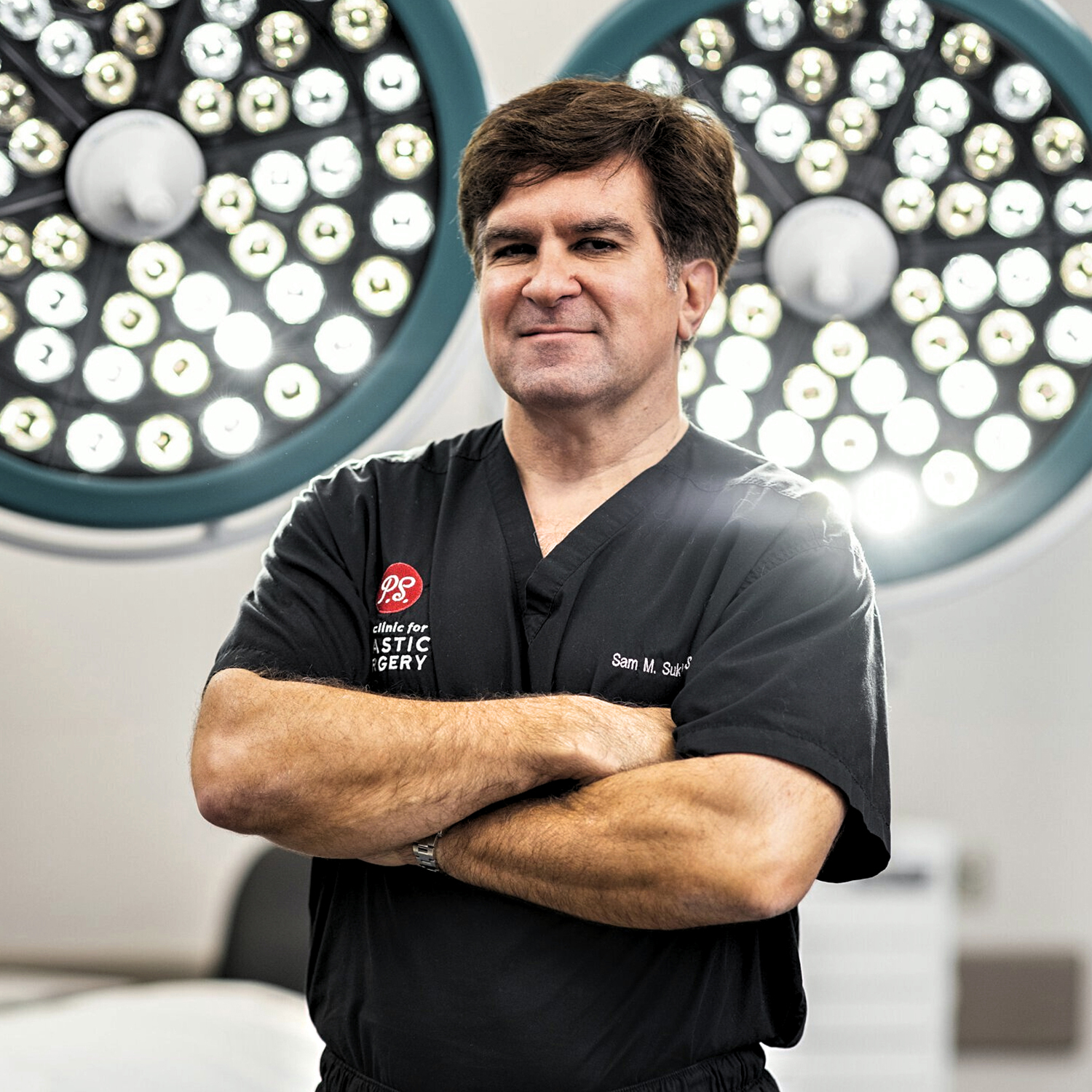
Dr. Sam Sukkar, MD, FACS is a highly respected Board-Certified Plastic Surgeon in Houston, Texas, known for his expertise in advanced cosmetic and reconstructive procedures. As the founder of The Clinic for Plastic Surgery, Dr. Sukkar has set a new standard for excellence, performing over 20,000 procedures with a focus on delivering natural, refined results.

Dr. Sukkar earned his Doctor of Medicine (M.D.) degree from Louisiana State University School of Medicine in 1992 after graduating summa cum laude with a Bachelor of Science in Microbiology. He then completed an intensive General Surgery Residency at the University of Texas Hermann Hospital before being selected for a highly competitive Plastic Surgery Fellowship at Northwestern University in Chicago, one of the most prestigious training programs in the country.

With more than 20 years of experience, Dr. Sukkar is a Diplomate of the American Board of Plastic Surgery and a Fellow of the American College of Surgeons (FACS). He is also an active member of the American Society of Plastic Surgeons (ASPS) and the Houston Society of Plastic Surgery (HSPS). His dedication to innovation and continuing education has solidified his reputation as a leading expert in aesthetic surgery, specializing in breast surgery, body contouring, facial procedures, and non-invasive treatments.

Dr. Sukkar’s expertise has been recognized by Houston Magazine, naming him one of Houston’s “Top Docs for Women,” and he has been featured among RealSelf’s America’s Top Doctors. Committed to his patients, he prioritizes personalized care, ensuring every individual feels informed, comfortable, and confident in their aesthetic journey.

Contact Dr. Sukkar today to schedule a consultation, visit DrSukkar.com to learn more, or call us directly at (281) 940-1535.

Upper Bleph Eyelid Surgery: Facial Rejuvenation for Men

Upper bleph eyelid surgery, also called upper eyelid blepharoplasty, removes excess skin, muscle, and fat from the upper eyelids. This surgery improves droopy lids and sometimes vision. Small incisions hidden in the natural upper eyelid crease are made to remove excess skin and sculpt fat pads for a smoother, more open look. This single procedure can address sagging upper eyelids, hooding that hangs over the lashes, and even visual field obstruction.

In practical terms, upper bleph eyelid surgery can make the eyes look less tired, reduce baggy eyelids, and in some cases improve peripheral vision. The key steps are careful preoperative evaluation, precise planning, and a conservative approach to skin and fat removal. Most patients recover within one to two weeks and see final results by about three months.

Key Takeaways of Upper Bleph Eyelid Surgery in Houston, Texas

  • Upper bleph eyelid surgery (upper eyelid blepharoplasty) removes excess skin, muscle, and fat to correct droopy upper lids.
  • Ideal candidates have noticeable sagging upper eyelid skin, stable health, realistic expectations, and may undergo visual field testing to determine if part of the procedure qualifies as functional rather than purely cosmetic.
  • Preparation for upper bleph eyelid surgery includes a detailed eye exam, medication and smoking review, and planning.
  • During surgery, the incision are hidden in the natural upper eyelid crease, conservatively removes or repositions skin and fat, and may add ptosis repair to lift a low lid and enhance vision.
  • Most patients heal enough to return to normal activities within one to two weeks, and see final results by about three months.

What Is Upper Bleph Eyelid Surgery?

Upper bleph eyelid surgery, or upper eyelid blepharoplasty, is a surgical procedure that reshapes the upper lids by removing excess skin, muscle, and sometimes fat.

Common Cosmetic Goals and Functional Concerns

Upper eyelid surgery targets redundant upper eyelid skin that folds over the natural crease and sometimes rests on the eyelashes. Many patients notice droopy upper eyelids that create a heavy or hooded look in photos. Others feel their upper lids make them appear tired or sad even when they feel well rested.

Cosmetic blepharoplasty focuses on refining the upper eyelid crease, smoothing bulky eyelid skin, and adjusting underlying fat pads. For some, the goal is simply a cleaner eyelid platform to make makeup application easier. For others, upper bleph makes the upper and lower eyelids look more balanced with the rest of the facial structure.

Who Is a Good Candidate for Upper Eyelid Blepharoplasty?

Good candidates for upper eyelid blepharoplasty have realistic goals, stable health, and clear cosmetic concerns or vision‑related symptoms from droopy eyelids.

Age, Health, and Skin Type Considerations

Most patients seeking an upper bleph are over 40, when eyelid skin and connective tissue naturally stretch. That said, some younger people develop baggy eyelids or excess fat due to heredity. The decision depends more on eyelid changes and symptoms than a specific age. Healthy adults without uncontrolled medical conditions usually tolerate upper eyelid surgery well. Conditions like poorly controlled diabetes, bleeding disorders, or severe dry eye may increase potential complications or delay surgery.

Skin quality matters. Fair or lighter skin sometimes scars less visibly, but all skin types can heal well with delicate closure and good aftercare. An assessment is made in upper eyelid skin elasticity, the presence of excess skin, and how the upper eyelid crease has changed with time. Also, the brow position, since a low brow can mimic droopy lids and might call for a brow lift instead or plus.

Patients bothered mainly by dark circles or a puffy lower eyelid may be better candidates for lower eyelid blepharoplasty instead of upper bleph. But, many eventually choose surgery on the upper and lower eyelids together to create a more harmonious result.

How To Prepare for Upper Eyelid Surgery in Houston, TX

Preparation for upper bleph surgery centers on a thorough eye and eyelid evaluation, medication review, and planning time for recovery.

Medical Evaluation, Medications, and Smoking

Before scheduling upper eyelid surgery, a detailed examination is performed. They look for ptosis, measure eyelid crease height, and assess symmetry between right and left upper lids. They also check for lacrimal gland or lacrimal prolapse, which can mimic excess fat in the outer upper eyelid.

If droopy upper eyelids seem to be affecting vision, visual field testing may be ordered. These tests can document whether redundant skin or the eyelid margin blocks peripheral vision. This information can help determine if part of the blepharoplasty procedure might be covered by insurance as reconstructive surgery.

Patients are usually asked to stop blood thinners and certain herbal supplements when medically safe, under guidance from their prescribing doctor. Smoking can impair wound healing and increase poor healing risk at the surgical site. Patients are require to stop smoking several weeks before and after eyelid lift surgery.

Planning Time Off, Help at Home, and Costs

Upper bleph eyelid surgery is often done in an outpatient surgical center under local anesthesia with light sedation, or sometimes general anesthesia. Most patients go home the same day, but they should arrange for a ride and help the first night.

It is wise to plan at least one week off work after upper eyelid surgery. Swelling and bruising are usually most noticeable during the first several days. Those with physically demanding jobs or heavy sun exposure may need extra time before returning.

Costs vary by the extend of the procedure and the areas treated. When surgery is performed for purely cosmetic reasons, fees typically include the facility, and anesthesia cost. If visual field loss is documented and upper eyelid skin clearly obstructs vision, some functional portions may be covered by insurance, depending on the policy.

Step-By-Step: What Happens During Upper Bleph Surgery

During upper bleph eyelid surgery, a series of measured steps are made to mark, numb, and reshape the upper eyelids while preserving natural anatomy.

Marking, Anesthesia, and Incision Placement

On the day of surgery, the intended upper eyelid crease and the planned area of redundant skin removal are marked. Typical markings place the upper border about 20 millimeters from the eyelid margin, adjusted for each person’s anatomy. These markings help avoid over‑resection and protect eyelid closure.

Anesthesia with lidocaine and epinephrine is injected into the upper lids to numb the eyelid skin and reduce bleeding. Some patients also receive oral or intravenous sedation. In other cases, general anesthesia may be used, especially when combining upper bleph with lower eyelid surgery or other facial procedures.

The incision is made carefully along the natural upper eyelid crease using a fine blade or cautery. Placing the incision in the crease helps conceal the final scar. The incision is gently made through the orbicularis oculi muscle, sometimes elevating a thin muscle flap to access deeper fat pads and the orbital septum.

Fat, Muscle, and Skin Removal or Repositioning

After the incision, excess skin is removed and a measured strip of the anterior fibers of the orbicularis muscle if they are bulky. The goal is to thin a heavy lid without hollowing it. In many modern techniques, conservative muscle removal is preferred to maintain eyelid strength.

Next, an assessment in the medial and central fat pads is made. If there is clear excess fat, they may perform careful fat removal or fat transposition, moving some fat to fill hollows instead of discarding it. The orbital septum is opened only as needed, to avoid destabilizing the lower structures.

If the upper lid itself is low from levator muscle weakness, ptosis repair may be added. In this step, the levator muscle or its tendon is advanced and reattached to improve lid height and function. This part is especially important when upper bleph aims to improve vision.

Finally, the procedure redrapes the skin and closes it with very fine sutures to support precise wound edges. The care team typically removes these sutures about one week later. The team may apply ointment, and staff briefly monitor the patient before discharge from the surgical center.

Recovery, Healing Timeline, and Scar Appearance

Recovery after upper eyelid blepharoplasty is usually straightforward, with most patients returning to normal routines within one to two weeks.

Immediately After Surgery: First 24–72 Hours

In the first 24 to 72 hours after upper bleph eyelid surgery, swelling and bruising peak. The eyelids feel tight and may not close fully for a short time. Patients often use cold compresses to reduce swelling and keep the head elevated.

Prescribed eye drops, artificial tears, or ointments help protect the corneal surface if blinking is incomplete. Instructions are provided on how to care for the surgical site and when to apply medication. Some light oozing can occur along the incision line early on, but patients should report any significant bleeding.

First Two Weeks: Swelling, Bruising, and Stitches

Over the first week, swelling and bruising around the upper and lower eyelids steadily improve. The care team usually removes stitches between days five and ten, depending on healing progress and individual recovery. Mild tightness or pulling sensations are common as the incisions mature.

Patients typically avoid rubbing the eyelids and protect the area from sun exposure. Sunglasses and gentle sunscreen help prevent pigmentation changes along the healing upper eyelid crease. Patients usually postpone makeup until the incisions close and remain stable.

By the end of two weeks, many patients feel comfortable returning to work and social activities. Some residual discoloration and minor swelling may persist but are often easy to conceal.

Long-Term Healing and Final Results

Scars from upper eyelid blepharoplasty fade gradually over several months. Because the incision sits within the natural eyelid crease, the fine line often appears barely noticeable once healing is complete. Good scar care and protection from sun exposure can support a smoother result.

Most patients see their eyelid position and contour stabilize between one and three months. Early asymmetries often soften as swelling resolves. The final result shows smoother upper eyelid skin, a clearer eyelid platform, and better definition of the upper eyelid crease.

In functional cases, many patients report improved vision and less need to raise the brows to see clearly. The post-op care team manages any persistent dryness or irritation with artificial tears or other treatments as needed.

Results and Longevity

Results from upper bleph eyelid surgery are usually long lasting, though the aging process continues and can change the eyelids over time.

How Long Results Typically Last

For most patients, upper bleph results last at least five to ten years, and often longer. Some improvements, like removal of redundant skin and excess fat, can be permanent. But, gravity and ongoing aging still affect brow position, connective tissue strength, and eyelid skin over the decades.

If a brow continues to descend, hooding above the upper lids can recur even after well‑performed eyelid surgery. In such cases, the discussion may focus on a future brow lift rather than repeat upper blepharoplasty. Maintaining overall skin health, including sun protection, may help protect delicate upper eyelid skin.

In functional cases, when excessive upper eyelid skin blocked peripheral vision, many patients notice lasting improvement in their ability to see upward and sideways. Documented pre‑ and post‑operative visual field testing can show this change.

Frequently Asked Questions About Upper Bleph Eyelid Surgery: Facial Rejuvenation for Men

What is upper bleph eyelid surgery and what problems can it fix?

Upper bleph eyelid surgery, or upper eyelid blepharoplasty, removes excess skin, muscle, and sometimes fat from the upper lids. It can improve droopy or hooded eyelids, reduce a tired appearance, create a cleaner eyelid crease, and in some cases restore peripheral vision when sagging skin blocks the line of sight.

Am I a good candidate for upper bleph eyelid surgery?

You may be a good candidate if you are a healthy adult with realistic expectations and bothersome droopy or hooded upper eyelids, excess skin resting on the lashes, or vision symptoms from sagging lids. The evaluation considers brow position, true ptosis, skin quality, and any medical conditions before recommending surgery.

What is the typical recovery timeline after upper bleph eyelid surgery?

Swelling and bruising peak in the first 48–72 hours after upper bleph eyelid surgery, then steadily improve over one to two weeks. Providers usually remove stitches between days 5 and 10. Most people return to work and social activities within about two weeks, while final eyelid shape and scars mature over one to three months.

How long do results from upper bleph eyelid surgery usually last?

Results from upper eyelid blepharoplasty often last at least 5–10 years and sometimes longer. Removed skin and fat generally do not return, but normal aging, gravity, and brow descent can create new hooding over time. In some cases, surgeons discuss a future brow lift instead of repeat eyelid surgery if sagging returns.

Does insurance cover upper eyelid blepharoplasty in Houston, Texas?

Insurance may help cover upper bleph eyelid surgery when redundant upper lid skin clearly obstructs vision. If the procedure restores function, insurance may classify part of it as reconstructive, but patients typically pay out of pocket for purely cosmetic eyelid lifts.

Conclusion and Summary of Upper Bleph Eyelid Surgery: Facial Rejuvenation for Men

Upper bleph eyelid surgery offers a reliable way to address droopy upper eyelids, redundant upper eyelid skin, and, in select cases, obstructed peripheral vision. By removing excess skin and carefully sculpting fat while preserving eyelid muscle function, this procedure can improve both appearance and visual comfort.

For individuals considering an eyelid lift, the most important steps include clearly defining cosmetic and functional concerns, completing a thorough medical and eye evaluation, and understanding the expected recovery and results. With realistic expectations and proper preparation, most patients experience smoother upper eyelid skin, a more defined crease, and eyes that appear brighter and more rested for many years.

Your Trusted Destination for Blepharoplasty Eyelid Surgery in Houston, Texas (TX)

Are you located in one of these Houston Metro Area cities?

Houston, The Woodlands, Sugar Land, Katy, Pearland, Pasadena, League City, Baytown, Conroe, Cypress, Spring, Kingwood, Humble, Missouri City, Friendswood, Bellaire, Clear Lake, Tomball, Galveston, Richmond, Rosenberg, Stafford, La Porte, Deer Park, Seabrook, Webster, Alvin, and Channelview.

Board-Certified Plastic Surgeon Dr. Sam Sukkar, MD, FACS, and the The Clinic for Plastic Surgery Team provide advanced eyelid surgery solutions to refresh and restore the appearance of the eyes.

If you are dealing with drooping eyelids, under-eye bags, puffiness, or tired-looking eyes, we offer comprehensive eyelid surgery options, including:

  • Upper Blepharoplasty (Upper Bleph)
  • Lower Blepharoplasty (Lower Bleph)
  • Eyelid Lift Surgery
  • Eyelid Surgery for Excess Skin or Fat
  • Combination Upper and Lower Eyelid Procedures
  • Customized Eye Rejuvenation Treatment Plans

Visit our modern 18,000+ sq. ft. plastic surgery center and med spa in Houston, Texas, designed for comfort, privacy, and results-driven care. From your first consultation through recovery, our talented team focuses on brighter, rested-looking eyes with natural results.

For patients outside the Houston area or those with limited availability, schedule a virtual eyelid surgery consultation.

Book Your Personalized Eyelid Consultation today at DrSukkar.com or call (281) 940-1535.

About the Author – Meet Dr. Sam Sukkar, MD

Dr. Sam Sukkar, MD, FACS is a highly respected Board-Certified Plastic Surgeon in Houston, Texas, known for his expertise in advanced cosmetic and reconstructive procedures. As the founder of The Clinic for Plastic Surgery, Dr. Sukkar has set a new standard for excellence, performing over 20,000 procedures with a focus on delivering natural, refined results.

Dr. Sukkar earned his Doctor of Medicine (M.D.) degree from Louisiana State University School of Medicine in 1992 after graduating summa cum laude with a Bachelor of Science in Microbiology. He then completed an intensive General Surgery Residency at the University of Texas Hermann Hospital before being selected for a highly competitive Plastic Surgery Fellowship at Northwestern University in Chicago, one of the most prestigious training programs in the country.

With more than 20 years of experience, Dr. Sukkar is a Diplomate of the American Board of Plastic Surgery and a Fellow of the American College of Surgeons (FACS). He is also an active member of the American Society of Plastic Surgeons (ASPS) and the Houston Society of Plastic Surgery (HSPS). His dedication to innovation and continuing education has solidified his reputation as a leading expert in aesthetic surgery, specializing in breast surgery, body contouring, facial procedures, and non-invasive treatments.

Dr. Sukkar’s expertise has been recognized by Houston Magazine, naming him one of Houston’s “Top Docs for Women,” and he has been featured among RealSelf’s America’s Top Doctors. Committed to his patients, he prioritizes personalized care, ensuring every individual feels informed, comfortable, and confident in their aesthetic journey.

Contact Dr. Sukkar today to schedule a consultation, visit DrSukkar.com to learn more, or call us directly at (281) 940-1535.