Tummy Tuck for Apron Belly: From Hanging Skin to Flat Stomach

A tummy tuck for apron belly is one of the most requested procedures in plastic surgery today. The apron belly forms when excess skin and fat accumulate in the lower abdomen and hang below the pubic area. No matter how much weight a person loses, the hanging skin does not disappear. The body cannot reabsorb it. That is why so many patients eventually seek apron belly surgery as the definitive answer.

For patients seeking meaningful improvement, surgical body contouring remains the most effective solution. Procedures like the tummy tuck, Mommy Makeover, mini tummy tuck, and panniculectomy can remove excess skin and fat while restoring a firmer abdominal contour. Non surgical treatments may improve mild skin laxity and small fat deposits, but they cannot replace the level of correction achieved through excess skin removal and abdominal wall repair.

Key Takeaways of Tummy Tuck for Apron Belly

  • An apron belly forms when excess skin and fat collect in the lower abdomen and permanently lose skin elasticity. Weight gain, multiple pregnancies, and significant weight loss are the most common causes.
  • Skin irritation and recurring infections beneath the fold are common medical complications that most patients report.
  • Loose skin and sagging skin cannot be corrected through non invasive body contouring or diet alone.
  • Excess skin removal through a tummy tuck is the most effective of all abdominal procedures for this condition. Skin laxity that extends above the belly button requires a full tummy tuck rather than a mini tummy tuck.
  • A Mommy Makeover combines abdominal procedures with breast and body contouring for patients whose body changed after pregnancy.

What Is an Apron Belly and What Causes It

An apron belly also know as pannus stomach, is a fold of skin and fat that hangs from the lower abdomen over the pubic area. It develops when the abdominal area accumulates more excess tissue than the skin can manage.

The Anatomy Behind the Condition

The abdomen has multiple structural layers: skin, subcutaneous fat, the fascia covering the abdominal muscles, and the underlying muscles themselves. When the body experiences repeated cycles of stretching, the muscles and the fascia weaken. The skin above them loses its collagen structure. The result is skin laxity that cannot be reversed through exercise or diet.

Sagging skin and loose skin in the lower abdomen reflect the collapse of this structure. The remaining skin has no underlying support to hold it in position. The underlying muscles have separated or weakened. Fat accumulates beneath the skin and adds to the downward pull. Together, these changes create the characteristic appearance of an apron belly.

The Most Common Causes of an Apron Belly

Weight gain is one of the most common causes of an apron belly. As body fat increases in the lower abdomen, the skin stretches to accommodate it. When weight loss follows, the skin does not retract. Skin quality declines with each stretch cycle. The greater the significant weight fluctuation, the more permanent the damage.

Multiple pregnancies are another primary cause. Each pregnancy stretches the skin and muscles of the abdomen. After delivery, skin quality diminishes further with each subsequent pregnancy. Significant weight loss after bariatric surgery produces a similar result. Patients who lose a large amount of weight through bariatric surgery often find that the skin and fat in the lower abdomen remain long after overall body fat has dropped.

Hormonal fluctuations, particularly changes in estrogen levels, can influence where fat is stored in the body, leading to an apron belly, especially after childbirth or during menopause.

Why Non Surgical Options Do Not Fix an Apron Belly

Many patients explore non surgical options before committing to surgery. Non surgical methods are less invasive, require no downtime, and appeal to patients who are still managing their weight. However, when it comes to a true apron belly, non surgical treatments cannot deliver the correction that patients need.

What Non Surgical Treatments Can and Cannot Do

Non surgical treatments like radiofrequency, cryolipolysis, and ultrasound energy are effective for reducing small pockets of excess fat and tightening mild skin laxity. They produce gradual improvement in patients with good skin quality and minimal sagging skin. These non invasive body contouring options are genuinely useful in the right context.

They are not designed for excess skin removal. A patient with a true apron belly has more than small pockets of fat. The hanging fold contains significant excess tissue that only surgery can remove. Non surgical options do not address this. Patients who pursue non surgical treatments for a moderate or severe apron belly are likely to be disappointed with the outcome.

The Limit of Diet, Exercise, and Weight Loss

Diet and exercise are essential for general health. They reduce overall body fat and support a stable weight. But they are non surgical methods that operate on fat, not skin. Once skin laxity is established, no amount of weight loss reverses it. The hanging skin remains even after the body reaches a stable weight and overall body fat has normalized.

In many cases, significant weight loss through diet and exercise makes the hanging skin more visible. The fat that was filling the fold shrinks, but the excess tissue stays. Skin irritation beneath the fold often worsens as the skin shifts position without fat to support its contour. At this point, surgical solutions become the only meaningful path forward.

How a Tummy Tuck Addresses the Apron Belly

A tummy tuck for apron belly is the most complete of all abdominal procedures for this condition. Apron belly surgery through a full abdominoplasty removes excess skin and fat, repairs the underlying muscles, and restores contour to the entire abdominal area. No other single procedure accomplishes all three goals at once.

Tummy Tuck Surgery Step by Step

The procedure begins with a horizontal incision placed low in the pubic area. The length of the incision depends on the amount of excess skin and fat being removed. Through this incision, excess skin and fat are removed from the lower abdomen. The underlying muscles are then evaluated. If diastasis recti is present, the separated abdominal muscles are sutured back together. This muscle repair tightens the abdominal wall from within.

After muscle repair, the remaining skin is pulled downward over the abdomen and trimmed. The belly button is repositioned through a new small opening to maintain a natural appearance on the tightened abdomen. The horizontal incision is then closed. The result is a smooth, flat abdominal surface with no hanging skin and improved tone throughout the abdomen.

Full Tummy Tuck vs. Mini Tummy Tuck: Choosing the Right Size

Choosing the correct size tummy tuck matters as much as choosing the procedure itself. A full tummy tuck addresses the entire abdominal area, including skin laxity above and below the belly button, diastasis recti, and significant excess fat. A mini tummy tuck is a shorter procedure that targets only small pockets of sagging skin and excess fat below the belly button. The belly button does not need to be repositioned in a mini tummy tuck.

The procedure depends on the extent of the patient’s skin laxity, skin quality, and aesthetic goals. A full evaluation during consultation helps determine which procedure best matches the patient’s anatomy and overall goals. Many patients who initially consider a mini tummy tuck discover that a full tummy tuck better addresses their actual anatomy. The right size tummy tuck is the one that matches the clinical picture, not the one that sounds smaller or easier.

Who Is a Good Candidate for Apron Belly Surgery

Not every patient with an apron belly is ready for surgery during the first consultation. Several clinical factors must be evaluated before recommending any procedure. The goal is to identify patients whose health, body weight, and lifestyle place them in the best position for safe surgery and long-term results.

Health, Weight, and Timing Requirements

The evaluation covers medical history, general health, current weight, skin quality, and the patient’s expectations. Patients who approach the consultation with realistic expectations about what surgery can and cannot achieve are much better prepared for the experience and the recovery.

General health is the first requirement. Patients with uncontrolled diabetes, active heart conditions, or bleeding disorders need those conditions managed before pursuing any surgical procedures. Medical history is reviewed in full during the pre-operative process. A body that is medically stable heals more predictably and carries lower surgical risk.

Skin quality affects both the technical execution of the surgery and the final result. Patients whose skin quality is very poor due to sun damage, smoking, or advanced age may have less predictable healing. Realistic expectations require honest discussion about what the body can achieve given its current skin condition. Patients who have had significant weight loss through bariatric surgery are advised to be at a stable weight for at least twelve months before surgery.

Why Timing Your Surgery Around Weight Matters

Stable weight before surgery is important for long-term results. If a patient is still actively losing weight, the final amount of excess skin and abdominal tissue has not yet been determined. Operating too early may leave additional loose skin behind after further weight loss. Patients are commonly advised to maintain a stable weight for several months before scheduling surgery.

Pregnancy also affects surgical timing. Patients planning future pregnancies are usually encouraged to wait until their family is complete before pursuing a tummy tuck. A future pregnancy can stretch the abdominal muscles and skin again, reversing much of the correction achieved during surgery. Patients are also advised to wait several months after a significant weight loss plateau before moving forward with abdominal body contouring procedures.

Frequently Asked Questions About Tummy Tuck for Apron Belly: From Hanging Skin to Flat Stomach

How long does recovery take after apron belly surgery?

Recovery time depends on the procedure performed. Most patients return to desk work within two to three weeks after a full tummy tuck. Several weeks of restricted activity follow before returning to exercise. Most patients achieve a smooth recovery when they follow post-operative instructions closely.

Will a mini tummy tuck fix my apron belly?

A mini tummy tuck addresses small pockets of sagging skin and excess fat below the belly button. It does not reposition the belly button or repair the abdominal muscles. For patients with significant skin laxity, diastasis recti, or excess skin above the navel, this will not produce adequate correction.

What is diastasis recti and does every apron belly patient have it?

Diastasis recti is the separation of the abdominal muscles along the midline. It develops most commonly during pregnancy as the abdominal wall stretches. It causes a visible central bulge in the abdomen that exercise does not correct. Not every apron belly patient has diastasis recti, but many do, especially those whose apron belly developed after multiple pregnancies. A tummy tuck includes muscle repair that closes the separation and restores the strength of the abdominal muscles. A panniculectomy does not.

How do I know if I am a good candidate for a tummy tuck?

Good candidates are in stable general health, have a stable weight, and have realistic expectations about what the procedure can achieve. Skin quality, medical history, and the extent of the apron belly all factor into the surgical recommendation. Patients who are still losing weight, planning future pregnancies, or managing uncontrolled medical conditions are advised to wait.

Can non surgical treatments help with an apron belly at all?

Non surgical methods can support fat reduction and improve mild skin laxity in patients with good skin quality. Non invasive body contouring devices may produce modest improvement in patients with a slight overhang and minimal excess tissue. However, non surgical options cannot remove the quantity of hanging skin and fat that defines a true apron belly. For patients with a moderate to severe pannus, non surgical treatments will not produce meaningful results. Surgical solutions remain the only effective option.

Conclusion and Summary of Tummy Tuck for Apron Belly: From Hanging Skin to Flat Stomach

A tummy tuck for apron belly remains one of the most effective procedures in plastic surgery for patients who want lasting correction. The apron belly is a structural condition. Excess skin and hanging skin in the lower abdomen do not respond to diet, exercise, or non surgical treatments. Surgical solutions are the only way to remove the excess tissue, repair what is beneath it, and restore a flat, natural contour to the body.

The right procedure depends on the individual patient’s anatomy, skin quality, medical history, and aesthetic goals. Patients who reach surgery with a stable weight, good general health, and realistic expectations are in the best position for long lasting results. The hanging skin that once defined the apron belly becomes a flat, firm abdomen. That transformation starts with a consultation at The Clinic for Plastic Surgery in Houston, Texas.

Your Premier Destination for Plastic Surgery in Houston, Texas (TX)

Are you located in one of these Houston Metro Area cities?

Houston, The Woodlands, Sugar Land, Katy, Pearland, Pasadena, League City, Baytown, Conroe, Cypress, Spring, Kingwood, Humble, Missouri City, Friendswood, Bellaire, Clear Lake, Tomball, Galveston, Richmond, Rosenberg, Stafford, La Porte, Deer Park, Seabrook, Webster, Alvin, and Channelview.

Board-Certified Plastic Surgeon Dr. Sam Sukkar, MD, FACS, and The Clinic for Plastic Surgery Team are here to help you achieve refined, natural-looking results.

Offering expert cosmetic enhancements in:

  • Breast Augmentation, Breast Lifts, and Breast Reduction
  • Tummy Tucks, Mommy Makeovers, and Liposuction
  • Facelifts, Neck Lifts, and Rhinoplasty
  • Body Contouring and Skin Tightening Procedures
  • Non-Surgical Aesthetic Treatments

Visit our modern 18,000+ sq.ft. luxurious plastic surgery center and med spa in Houston, Texas, where expertise meets artistry. Our highly skilled and compassionate team ensures a seamless experience, from consultation to recovery.

For patients outside of the Houston area or those with a busy schedule, Schedule a Virtual Consultation.

Schedule your personalized consultation today at DrSukkar.com or call (281) 940-1535.

About the Author – Meet Dr. Sam Sukkar, MD
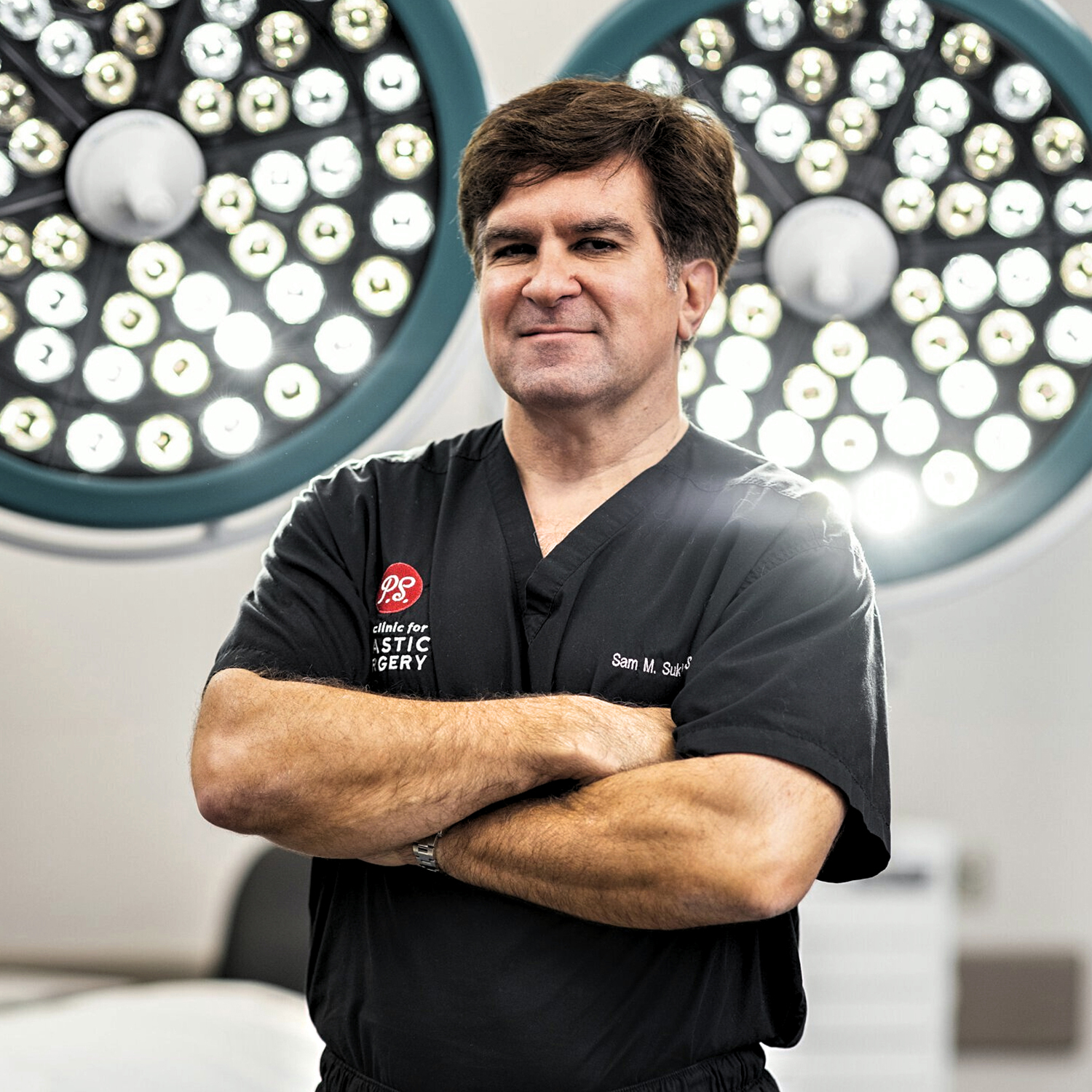
Dr. Sam Sukkar, MD, FACS is a highly respected Board-Certified Plastic Surgeon in Houston, Texas, known for his expertise in advanced cosmetic and reconstructive procedures. As the founder of The Clinic for Plastic Surgery, Dr. Sukkar has set a new standard for excellence, performing over 20,000 procedures with a focus on delivering natural, refined results.

Dr. Sukkar earned his Doctor of Medicine (M.D.) degree from Louisiana State University School of Medicine in 1992 after graduating summa cum laude with a Bachelor of Science in Microbiology. He then completed an intensive General Surgery Residency at the University of Texas Hermann Hospital before being selected for a highly competitive Plastic Surgery Fellowship at Northwestern University in Chicago, one of the most prestigious training programs in the country.

With more than 20 years of experience, Dr. Sukkar is a Diplomate of the American Board of Plastic Surgery and a Fellow of the American College of Surgeons (FACS). He is also an active member of the American Society of Plastic Surgeons (ASPS) and the Houston Society of Plastic Surgery (HSPS). His dedication to innovation and continuing education has solidified his reputation as a leading expert in aesthetic surgery, specializing in breast surgery, body contouring, facial procedures, and non-invasive treatments.

Dr. Sukkar’s expertise has been recognized by Houston Magazine, naming him one of Houston’s “Top Docs for Women,” and he has been featured among RealSelf’s America’s Top Doctors. Committed to his patients, he prioritizes personalized care, ensuring every individual feels informed, comfortable, and confident in their aesthetic journey.

Contact Dr. Sukkar today to schedule a consultation, visit DrSukkar.com to learn more, or call us directly at (281) 940-1535.

How to Get Rid of an Apron Belly? Real Fixes That Work Fast

How to get rid of apron belly? An apron belly is one of the most common cosmetic concerns brought to plastic surgery practices today. It forms when excess skin and fat hang below the lower abdomen and rest over the pubic area. Many patients try diet and exercise first, hoping to reduce overall body and belly fat. While these efforts help with general health, they cannot remove loose skin or excess tissue once skin elasticity is gone.

Here are the real fixes that work for an apron belly. The most effective surgical solutions are the mommy makeover, the tummy tuck, and the mini tummy tuck. A panniculectomy is also covered as a medically focused option. Understanding how each procedure addresses excess skin, abdominal muscles, and body fat helps patients identify the right procedure for their needs.

Key Takeaways of How to Get Rid of Apron Belly?

  • An apron belly or pannus stomach, forms when excess skin and fat accumulate in the lower abdomen and lose skin elasticity.
  • Significant weight loss, multiple pregnancies, and weight gain are the most common causes. Diet and exercise help lose weight to reduce overall body fat but cannot achieve excess skin removal.
  • A tummy tuck for apron belly is the most established of the abdominal procedures available. When the only focus is the apron belly, a mini tummy tuck is the best approach.
  • The mommy makeover combines a tummy tuck with other surgical procedures for full body restoration.
  • A panniculectomy focuses on removing hanging skin to reduce skin irritation and improve daily comfort.
  • Non surgical treatments and non invasive body contouring support fat reduction but do not remove excess skin.

What Causes an Apron Belly and Why It Stays

An apron belly or pannus stomach develops when the skin and fat in the abdominal area stretch beyond what skin elasticity can recover. The lower abdomen carries the most strain. Once the collagen in the skin breaks down, the remaining skin no longer has the support to lift itself. The result is hanging skin and excess tissue that does not respond to weight loss alone.

The Most Common Causes

Multiple pregnancies are one of the most common causes of an apron belly. Each pregnancy stretches the abdominal area and the underlying muscles. Skin elasticity diminishes with every cycle. Most patients who have had two or more pregnancies notice that the skin and fat in the lower abdomen do not return to their pre-pregnancy state.

Significant weight loss is another major factor. Patients who lose a large amount of weight after bariatric surgery, weight loss medications, or sustained diet and exercise often find that the skin does not shrink with the fat. The excess skin and fat remain even after overall body fat has dropped. Repeated cycles of gain weight and loss compound the damage to the underlying muscles and skin quality.

Why the Skin Does Not Recover on Its Own

Skin has natural elasticity. When stretched gradually, it can partially retract. But when stretched repeatedly or beyond a certain threshold, the structural fibers break down. This is especially true as patients age. Skin naturally loses elasticity, so, laxity then becomes permanent.

Skin laxity worsens when overall body fat fluctuates significantly. By the time a patient reaches a stable healthy weight, the hanging skin in the abdominal area has little structural support left.

How to Lose the Apron Belly?

Patients with a true apron belly often need more than diet and exercise to see meaningful improvement. Surgical body contouring procedures can remove excess skin, repair weakened abdominal muscles, and restore a firmer abdominal shape.

The Mommy Makeover Body Contouring

The mommy makeover is one of the most complete ways to eliminate apron belly concerns after pregnancy. This body contouring approach combines several surgical procedures during one operation. It addresses excess skin, stubborn fat, weakened abdominal muscles, and changes caused by pregnancy or excessive weight loss.

Many women develop a mother’s apron after the abdominal muscles stretch repeatedly during pregnancy. Over time, patients may also lose muscle tone and develop permanently stretched skin across the lower abdomen.

How a Mommy Makeover Works to Remove the Apron Belly

A mommy makeover is fully customized to the patient’s body shape, medical history, and aesthetic goals. In most cases, a tummy tuck remains the foundation of the procedure. The operation removes excess skin and fat while tightening weakened abdominal muscles through abdominal wall repair. Patients with separated abdominal muscles often notice stronger core support after surgery.

The procedure also repositions the belly button for a more natural contour. Many women choose this option after reaching a healthy weight through diet and exercise but still struggle with extra skin and abdominal fat that cannot improve naturally.

The Tummy Tuck

A tummy tuck for apron belly is the most established abdominal procedure for patients dealing with hanging skin and weak abdominal walls. The operation removes excess skin and fat from the lower abdomen while tightening muscles that lost support over time. It is especially effective for patients who developed loose abdominal tissue after multiple pregnancies, gastric bypass surgery, or significant weight changes. For many individuals, diet and exercise help reduce body fat, but they cannot eliminate loose skin once the tissue becomes permanently stretched.

A full tummy tuck is a slightly more involved procedure that can dramatically improve body image and restore a flatter abdominal contour. The procedure removes stubborn fat, repairs separated abdominal muscles, and tightens muscles weakened by pregnancy or extra weight. Many patients also notice relief from skin folds rubbing together beneath the abdomen.

Chronic moisture trapped within skin folds beneath the lower abdomen can lead to skin infections, irritation, odor, and skin breakdown. By removing hanging skin and fatty tissue, a tummy tuck can improve both appearance and physical comfort. Maintaining a healthy diet after surgery also helps reduce further weight gain and preserve results long term.

The Mini Tummy Tuck

A mini tummy tuck is a smaller version of the full abdominoplasty, is best for minimal skin excess cases. It targets the area below the belly button only. It works well for patients with small pockets of sagging skin and excess fat in the lower abdomen who do not have significant skin laxity above the navel.

While a mini tummy tuck does not deliver the full scope of correction, it is the right procedure for the right patient.

The Panniculectomy

A panniculectomy is a surgical procedure that removes the pannus. The pannus is the fold of excess skin and fat that hangs below the pubic area. Unlike a tummy tuck, a panniculectomy does not include muscle repair or cosmetic reshaping of the belly button. Its main purpose is medical relief from skin irritation, infections, and functional limitations.

For patients whose apron belly causes documented medical problems, a panniculectomy may be partially covered by health insurance. This makes it a practical option for patients who need relief but cannot access cosmetic plastic surgery financing.

Non Surgical Options: What They Can and Cannot Do

Non surgical treatments have improved significantly. Body contouring technologies like radiofrequency, ultrasound, and cryolipolysis can reduce overall body fat and tighten mild skin laxity. These non surgical methods work best in patients with good skin quality and small pockets of excess fat.

Radiofrequency Body Contouring

Radiofrequency body contouring uses controlled heat to stimulate collagen production beneath the skin. The heat targets deeper tissue layers while protecting the skin surface. This process can tighten loose skin slightly and improve mild skin laxity over time. Some treatments also help shrink fat cells in smaller treatment areas.

These treatments work best for patients with good skin quality and mild fat accumulation. Patients with small pockets of extra fat around the lower abdomen may notice smoother contour after several sessions. However, radiofrequency cannot eliminate excess skin or repair weak abdominal muscles. Patients with a true apron belly usually require surgery for meaningful correction and excess skin removal.

Ultrasound Fat Reduction Treatments

Ultrasound body contouring treatments use sound wave energy to target fatty tissue beneath the skin. The technology disrupts fat cells gradually so the body can process them naturally over time. Some ultrasound treatments may also tighten loose skin by stimulating collagen production within deeper tissue layers.

These procedures can help patients reduce extra fat in areas where the body stores fat stubbornly. Common treatment zones include the lower abdomen, waistline, and upper thighs. Patients with stable weight and good muscle mass often see the best results. However, ultrasound treatments cannot remove hanging skin below the pubic bone or fully eliminate apron belly concerns caused by permanently stretched tissue.

Cryolipolysis and Fat Freezing

Cryolipolysis, often called fat freezing, works by cooling fat cells to temperatures that damage them without harming surrounding tissue. Over several weeks, the body gradually removes the treated fat cells naturally. This treatment is most effective for patients with mild to moderate stubborn fat that remains despite diet and exercise.

Cryolipolysis can improve body contour in smaller areas, but it does not tighten muscles or eliminate loose skin.

Where Non Surgical Treatments Fit

Non surgical treatments are most useful as preparation tools or as supplements to surgery. Patients working toward a stable weight may use non invasive body contouring to manage body fat during the process. This can improve skin quality before surgery and reduce the amount of fat that needs to be addressed during the procedure.

Weight loss medication treatments have helped many patients reach a stable weight before pursuing abdominal procedures. However, dramatic weight loss through medication often increases the visibility of excess skin. The skin does not retract on its own. Surgery remains the only effective method of excess skin removal for patients in this situation. Non surgical methods and non invasive body contouring can address mild skin laxity. But, they cannot perform the excess skin removal needed for a true apron belly.

Frequently Asked Questions About How to Get Rid of an Apron Belly? Real Fixes That Work Fast

Which procedure is best for an apron belly after pregnancy?

The mommy makeover is the most comprehensive option for patients with body changes after multiple pregnancies. It combines a tummy tuck with other surgical procedures. If concerns are limited to the abdominal area, a full tummy tuck alone is often the right procedure. A thorough evaluation of medical history, skin quality, and aesthetic goals helps determine the most appropriate treatment approach.

Can a mini tummy tuck fix an apron belly?

A mini tummy tuck can address a mild apron belly in patients with small pockets of loose skin below the belly button. It is not effective for patients with significant hanging skin, diastasis recti, or skin laxity above the navel. Most patients with a true apron belly need a full tummy tuck or a mommy makeover for long lasting results.

How long does recovery take after apron belly surgery?

Recovery time depends on the procedure. Most patients return to desk work within two to three weeks after a tummy tuck. Strenuous activity is restricted for several weeks. A mommy makeover has a similar timeline. A mini tummy tuck has a shorter recovery, typically one to two weeks before patients resume light activity. A compression garment supports a smooth recovery in all cases.

What is diastasis recti and does a tummy tuck fix it?

Diastasis recti is the separation of the abdominal muscles. It commonly develops during pregnancy when the abdominal wall stretches. It causes a visible bulge in the center of the abdomen that does not respond to exercise. A tummy tuck includes muscle repair that closes this separation. A panniculectomy does not include this step.

Conclusion and Summary of How to Get Rid of an Apron Belly? Real Fixes That Work Fast

An apron belly develops from a combination of excess skin, stretched abdominal muscles, stubborn fat, and major body changes over time. Pregnancy, significant weight loss, and aging can all weaken the abdominal wall and leave behind hanging tissue that does not improve naturally. While diet and exercise remain important for overall health and body fat reduction, they cannot eliminate loose skin once the tissue becomes permanently stretched.

For patients looking to eliminate apron belly concerns, surgical body contouring remains the most effective solution. Procedures like the mommy makeover, tummy tuck, and panniculectomy can remove excess skin and fat while restoring a firmer abdominal contour. Non surgical treatments may improve mild skin laxity and small fat deposits, but they cannot replace excess skin removal. Patients who maintain a healthy weight and realistic expectations often achieve the best long-term results.

Your Premier Destination for Plastic Surgery in Houston, Texas (TX)

Are you located in one of these Houston Metro Area cities?

Houston, The Woodlands, Sugar Land, Katy, Pearland, Pasadena, League City, Baytown, Conroe, Cypress, Spring, Kingwood, Humble, Missouri City, Friendswood, Bellaire, Clear Lake, Tomball, Galveston, Richmond, Rosenberg, Stafford, La Porte, Deer Park, Seabrook, Webster, Alvin, and Channelview.

Board-Certified Plastic Surgeon Dr. Sam Sukkar, MD, FACS, and The Clinic for Plastic Surgery Team are here to help you achieve refined, natural-looking results.

Offering expert cosmetic enhancements in:

  • Breast Augmentation, Breast Lifts, and Breast Reduction
  • Tummy Tucks, Mommy Makeovers, and Liposuction
  • Facelifts, Neck Lifts, and Rhinoplasty
  • Body Contouring and Skin Tightening Procedures
  • Non-Surgical Aesthetic Treatments

Visit our modern 18,000+ sq.ft. luxurious plastic surgery center and med spa in Houston, Texas, where expertise meets artistry. Our highly skilled and compassionate team ensures a seamless experience, from consultation to recovery.

For patients outside of the Houston area or those with a busy schedule, Schedule a Virtual Consultation.

Schedule your personalized consultation today at DrSukkar.com or call (281) 940-1535.

About the Author – Meet Dr. Sam Sukkar, MD

Dr. Sam Sukkar, MD, FACS is a highly respected Board-Certified Plastic Surgeon in Houston, Texas, known for his expertise in advanced cosmetic and reconstructive procedures. As the founder of The Clinic for Plastic Surgery, Dr. Sukkar has set a new standard for excellence, performing over 20,000 procedures with a focus on delivering natural, refined results.

Dr. Sukkar earned his Doctor of Medicine (M.D.) degree from Louisiana State University School of Medicine in 1992 after graduating summa cum laude with a Bachelor of Science in Microbiology. He then completed an intensive General Surgery Residency at the University of Texas Hermann Hospital before being selected for a highly competitive Plastic Surgery Fellowship at Northwestern University in Chicago, one of the most prestigious training programs in the country.

With more than 20 years of experience, Dr. Sukkar is a Diplomate of the American Board of Plastic Surgery and a Fellow of the American College of Surgeons (FACS). He is also an active member of the American Society of Plastic Surgeons (ASPS) and the Houston Society of Plastic Surgery (HSPS). His dedication to innovation and continuing education has solidified his reputation as a leading expert in aesthetic surgery, specializing in breast surgery, body contouring, facial procedures, and non-invasive treatments.

Dr. Sukkar’s expertise has been recognized by Houston Magazine, naming him one of Houston’s “Top Docs for Women,” and he has been featured among RealSelf’s America’s Top Doctors. Committed to his patients, he prioritizes personalized care, ensuring every individual feels informed, comfortable, and confident in their aesthetic journey.

Contact Dr. Sukkar today to schedule a consultation, visit DrSukkar.com to learn more, or call us directly at (281) 940-1535.

Apron Belly Fix: Lower Belly Problem No One Wants

One of the most physically and emotionally challenging outcomes is the development of an apron belly. A condition where a large fold of excess skin and fat hangs down over the lower abdomen, sometimes extending as far as the pubic area. Also referred to as a pannus stomach, this overhanging skin can cause persistent discomfort, skin infections, and a loss of confidence that diet and exercise alone cannot resolve.

Understanding what causes an apron belly, how it affects overall health, and what surgical solutions are available is the first step toward making an informed decision. From panniculectomy to tummy tuck surgery, modern abdominal procedures can remove excess skin, improve contour, and restore confidence.

Key Takeaways of Apron Belly

  • An apron belly forms when excess skin and fat accumulate in the lower abdomen, creating a hanging fold that rests over the pubic bone.
  • Weight gain, rapid weight loss, multiple pregnancies, and a sedentary lifestyle are the most common contributing factors.
  • The pannus stomach can trap moisture, increase the risk of skin irritation and infections, and interfere with daily movement.
  • A tummy tuck (abdominoplasty) is the most effective surgical procedure for removing excess skin, tightening abdominal muscles, and restoring a flatter abdominal area.
  • Patients achieve the best and longest-lasting results when they have reached a stable weight before abdominoplasty surgery.
What is Apron Belly and Why It Forms

An apron belly goes by several names, pannus stomach, apron stomach, mother’s apron, or simply a hanging belly. They all describe the same anatomical reality: a fold of excess skin and fat that hangs from the lower abdomen over the pubic area. The skin and fat in this region have been stretched beyond the point where natural skin elasticity can recover.

The Anatomy Behind a Hanging Belly

The abdominal area contains multiple layers: skin, subcutaneous fat, the abdominal wall (including fascia and muscle), and deeper visceral fat surrounding the organs. When the body undergoes repeated cycles of weight gain and weight loss, or when the abdomen is stretched significantly during pregnancy, the skin and subcutaneous tissue can become permanently altered. Fat cells in the lower abdomen enlarge and multiply, and the connective tissue that gives skin its structure weakens over time. The result is loose skin that no longer adheres to the underlying muscle tone of the abdominal muscles below.

In individuals who carry significant abdominal fat over many years, the sheer weight of the accumulated skin and fat pulls the tissue downward. Once this descent becomes established, the remaining skin in the lower abdomen lacks the structural support to hold it in place.

Common Causes of an Apron Stomach

Several lifestyle factors and medical events can contribute to the development of an apron belly. Significant weight gain stretches the skin and expands fat deposits in the lower abdomen, while rapid weight loss afterward leaves behind excess skin that the body cannot reabsorb. Multiple pregnancies are another primary cause. Each full-term pregnancy stretches the abdominal wall and skin, and most women find that the skin does not fully return to its pre-pregnancy state. A c-section can further affect skin retraction in the lower abdominal area due to scar tissue formation along the incision.

A sedentary lifestyle accelerates the accumulation of abdominal fat and reduces the muscle tone that would otherwise support the abdominal wall from within. Also, an apron belly can be associated with medical conditions like PCOS, hypothyroidism, or Cushing’s syndrome, which influence fat storage in the abdomen. Hormonal changes, particularly during midlife, can affect skin quality and collagen production, making the lower abdomen more prone to laxity and the formation of an apron belly.

The Health Risks of an Untreated Pannus Stomach

While the apron belly is sometimes dismissed as purely a cosmetic concern, it carries genuine health consequences. The fold of skin that hangs over the pubic bone creates a persistently warm, moist environment that becomes a breeding ground for bacteria and fungi.

Skin Infections and Irritation Beneath the Fold

The skin beneath an apron belly is one of the most vulnerable areas of the body for developing skin issues. Trapped moisture from sweat and friction between skin surfaces creates ideal conditions for intertrigo, a rash that forms in skin folds, as well as fungal infections. Because the area is difficult to ventilate and often remains warm throughout the day, even patients who maintain good hygiene can find themselves dealing with recurring flare-ups.

In more severe cases, chronic skin infections can lead to cellulitis, a bacterial infection of the deeper skin layers, if untreated, can become a serious health issue. Surgical removal of the excess skin is the only long-term solution to alleviate and eliminate the cause of these recurring problems.

Why Diet and Exercise Alone Cannot Fix an Apron Belly

Maintaining a healthy weight and exercising regularly support overall health and better surgical outcomes, but they cannot remove excess skin. Fat cells can shrink with diet and exercise, but permanently stretched skin often cannot retract on its own. This is especially true in adults over 30, when skin elasticity and collagen production naturally begin to decline.

This is an important distinction between reducing fat and removing skin. Losing weight may reduce the volume of the apron belly, potentially improving the degree of hang and relieving some discomfort. But the excess skin itself will remain, and in some cases dramatic weight loss makes the hanging skin more pronounced. Patients who have reached their goal weight through diet and exercise, and still find that the pannus stomach persists are appropriate candidates to explore surgical solutions.

Apron Belly Surgical Solutions

For patients who have developed a true pannus stomach, plastic surgery offers the most definitive path to removing the excess skin and fat and restoring a flatter abdominal area.

Panniculectomy: Medically Focused Skin Removal

A panniculectomy is a surgical procedure that focuses specifically on removing the pannus, the hanging fold of skin and fat that extends below the pubic bone. Unlike a tummy tuck, a panniculectomy does not address the abdominal muscles and is not designed to improve cosmetic appearance. Its primary goal is to alleviate discomfort, eliminate chronic skin infections, and improve the patient’s ability to move.

The incision is placed low on the abdomen, just above the pubic area, and excess skin and fat that make up the pannus are removed.

Tummy Tuck (Abdominoplasty): Comprehensive Abdominal Contouring

A tummy tuck is a comprehensive surgical procedure that addresses not only excess skin and fat in the lower abdomen but also the underlying abdominal muscles. During abdominoplasty, hanging skin from the lower abdomen is removed. Separated or weakened abdominal muscles are repaired, and the belly button is repositioned to create a natural-looking result. The outcome is a flatter abdominal area with improved muscle tone and contour. The results from abdominoplasty a panniculectomy alone does not provide.

Most patients who pursue a tummy tuck are seeking both functional improvement and cosmetic transformation. The procedure is particularly well-suited for individuals who have completed their families, and want to address the entire abdominal area.

It is considered an elective cosmetic surgery and is therefore not typically covered by health insurance. Recovery from a full tummy tuck procedure generally takes four to six weeks. Most patients return to non-strenuous work and activities within that window. Final results are visible once swelling resolves, typically within three to six months of surgery.
Who Is a Candidate for Apron Belly Surgery?

Not everyone who experiences a slight overhang in the lower abdomen will benefit from surgical intervention. The ideal candidate for abdominal procedures to address an apron belly is someone whose condition causes functional impairment.

Preparing the Body for the Best Surgical Outcome

Patients who are overweight during consultation may be advised to lose weight before surgery to reduce risks and improve results. While tummy tuck is not a weight loss procedure, patients who are closer to their weight tend to heal faster. They experience fewer complications, and achieve more satisfying cosmetic results. Excess weight, particularly visceral abdominal fat, increases surgical complexity. This can lead to higher rates of wound-healing issues after body contouring procedures.

Smoking cessation is also a critical prerequisite. Nicotine constricts blood vessels and reduces tissue oxygenation. This raises the risk of poor wound healing, skin necrosis, and infection after plastic surgery. Patients are required to stop smoking at least four to six weeks before surgery and remain smoke-free throughout the recovery.

Beyond weight and smoking, patients should be in good overall health. Any uncontrolled medical conditions, including diabetes, hypertension, or autoimmune disorders, should be properly managed and stabilized before moving forward with surgery.
Non Surgical Options: What They Can and Cannot Do

For patients who are not ready for surgery or who have only a mild abdominal overhang and want to explore non surgical treatments, these options may offer modest improvement. However, their effectiveness is limited when treating a true apron belly. Radiofrequency-assisted skin tightening, ultrasound energy devices, and injectable fat-reduction treatments can modestly improve skin laxity and reduce localized belly fat deposits. These tools work best in patients with mild to moderate excess tissue and good baseline skin elasticity.

Non surgical options cannot remove the quantity of excess skin that defines a clinically significant pannus stomach. For patients with a moderate to severe apron belly, these treatments typically provide minimal visible change and are unlikely to alleviate discomfort or reduce the risk of skin infections. They may, however, be a useful adjunct for patients who are in the process of losing weight. Weight loss medications such as GLP-1 receptor agonists can support the path to goal weight. But the excess skin they leave behind after dramatic weight loss still requires surgical solutions.

Frequently Asked Questions About Apron Belly Fix: Lower Belly Problem No One Wants

Can losing weight get rid of an apron belly?

Losing weight can reduce the volume of fat stored in the abdomen, which may make the apron belly less pronounced. However, once the skin has been stretched and its elasticity compromised, no amount of weight loss will cause the skin to retract. In many cases, dramatic weight loss actually makes the hanging skin more visible.

What is the difference between a panniculectomy and a tummy tuck?

A panniculectomy removes the hanging fold of skin and fat that makes up the pannus without addressing the abdominal muscles. It is primarily a reconstructive procedure aimed at relieving medical symptoms such as skin infections and functional limitations. A tummy tuck is a cosmetic surgery that removes excess skin and fat from the lower abdomen. It repairs the abdominal muscles if they have separated, and repositions the belly button for a more sculpted result.

Can a tummy tuck help with abdominal muscles after pregnancy?

Yes. The most significant benefits of tummy tuck for patients who have had multiple pregnancies is the repair of diastasis recti. This muscle separation can cause a persistent abdominal bulge even in women who have returned to a healthy weight. During abdominoplasty, the abdominal muscles are tightened and sutured back together. This restores the abdominal wall and significantly improve both the appearance and functional strength of the core.

Can an apron belly come back after surgery?

Yes. Significant weight gain, future pregnancies, and poor lifestyle habits can stretch the abdominal skin again over time. Patients who maintain a stable weight and healthy lifestyle typically enjoy the longest-lasting results after apron belly surgery.

How painful is tummy tuck surgery recovery?

Most patients experience tightness, soreness, and swelling during the first few weeks after tummy tuck surgery. Discomfort is usually manageable with prescribed pain medication, compression garments, and limited activity during the early recovery period.

Conclusion and Summary of Apron Belly Fix: Lower Belly Problem No One Wants

An apron belly is more than an aesthetic concern. It is a physical condition that affects daily comfort, skin health, and quality of life for millions of people. Whether it develops after significant weight gain and loss, multiple pregnancies, or a sedentary lifestyle, the excess skin and fat that make up the pannus stomach cannot be resolved through diet and exercise alone. While reaching and maintaining a healthy weight through sustainable lifestyle choices is essential for long-term health and optimal surgical outcomes.

For patients who are ready to take the next step, surgical solutions offer the most effective and durable results. The right procedure depends on patient’s anatomy, health history, goals, which is why a consultation is the most important step. Patients who have a stable weight, are in good health, and have realistic expectations are excellent candidates for the outcomes from abdominal procedures.

Your Premier Destination for Plastic Surgery in Houston, Texas (TX)

Are you located in one of these Houston Metro Area cities?

Houston, The Woodlands, Sugar Land, Katy, Pearland, Pasadena, League City, Baytown, Conroe, Cypress, Spring, Kingwood, Humble, Missouri City, Friendswood, Bellaire, Clear Lake, Tomball, Galveston, Richmond, Rosenberg, Stafford, La Porte, Deer Park, Seabrook, Webster, Alvin, and Channelview.

Board-Certified Plastic Surgeon Dr. Sam Sukkar, MD, FACS, and The Clinic for Plastic Surgery Team are here to help you achieve refined, natural-looking results.

Offering expert cosmetic enhancements in:

  • Breast Augmentation, Breast Lifts, and Breast Reduction
  • Tummy Tucks, Mommy Makeovers, and Liposuction
  • Facelifts, Neck Lifts, and Rhinoplasty
  • Body Contouring and Skin Tightening Procedures
  • Non-Surgical Aesthetic Treatments

Visit our modern 18,000+ sq.ft. luxurious plastic surgery center and med spa in Houston, Texas, where expertise meets artistry. Our highly skilled and compassionate team ensures a seamless experience, from consultation to recovery.

For patients outside of the Houston area or those with a busy schedule, Schedule a Virtual Consultation.

Schedule your personalized consultation today at DrSukkar.com or call (281) 940-1535.

About the Author – Meet Dr. Sam Sukkar, MD

Dr. Sam Sukkar, MD, FACS is a highly respected Board-Certified Plastic Surgeon in Houston, Texas, known for his expertise in advanced cosmetic and reconstructive procedures. As the founder of The Clinic for Plastic Surgery, Dr. Sukkar has set a new standard for excellence, performing over 20,000 procedures with a focus on delivering natural, refined results.

Dr. Sukkar earned his Doctor of Medicine (M.D.) degree from Louisiana State University School of Medicine in 1992 after graduating summa cum laude with a Bachelor of Science in Microbiology. He then completed an intensive General Surgery Residency at the University of Texas Hermann Hospital before being selected for a highly competitive Plastic Surgery Fellowship at Northwestern University in Chicago, one of the most prestigious training programs in the country.

With more than 20 years of experience, Dr. Sukkar is a Diplomate of the American Board of Plastic Surgery and a Fellow of the American College of Surgeons (FACS). He is also an active member of the American Society of Plastic Surgeons (ASPS) and the Houston Society of Plastic Surgery (HSPS). His dedication to innovation and continuing education has solidified his reputation as a leading expert in aesthetic surgery, specializing in breast surgery, body contouring, facial procedures, and non-invasive treatments.

Dr. Sukkar’s expertise has been recognized by Houston Magazine, naming him one of Houston’s “Top Docs for Women,” and he has been featured among RealSelf’s America’s Top Doctors. Committed to his patients, he prioritizes personalized care, ensuring every individual feels informed, comfortable, and confident in their aesthetic journey.

Contact Dr. Sukkar today to schedule a consultation, visit DrSukkar.com to learn more, or call us directly at (281) 940-1535.

How Long Does a Deep Plane Facelift Really Last?

A deep plane facelift typically lasts 10 to 15 years, and for many patients, the visible benefits stretch even longer. That makes it one of the most durable options in modern facial plastic surgery, outperforming traditional lifts that tend to fade after 5 to 10 years.

The reason comes down to depth. The deep plane facelift technique repositions ligaments and deeper structures beneath the SMAS layer, delivering smoother skin and a more natural looking outcome that ages gracefully.

Key Takeaways of How Long Does a Deep Plane Facelift Surgery Really Last?

  • A deep plane facelift surgery typically lasts 10 to 15 years, roughly doubling the longevity of traditional facelifts that fade after 5 to 10 years.
  • The deep plane technique repositions ligaments and deeper structures beneath the SMAS layer, creating natural-looking results, age gracefully without an overdone appearance.
  • Genetics, skin quality, age at surgery, and lifestyle habits like smoking, sun exposure, and weight stability significantly influence how long your facelift results last.
  • Peak results appear around year three after surgery, and even at year 12 to 15, patients typically still look years younger than without the procedure.
  • Combining non-surgical treatments like fillers, neuromodulators, and medical-grade skincare can extend your deep plane facelift results and maintain a refreshed appearance between surgeries.
  • A secondary loose skin lift or targeted revision between years 10 and 15 usually requires less work than the initial procedure and helps address new signs of aging.

What Sets a Deep Plane Facelift Apart From Traditional Lifts

Not all facelift surgery is built the same. The deep plane facelift procedure works at a deeper level than a traditional facelift or standard SMAS facelift, which is exactly why its results tend to outlast the alternatives.

The Deep Plane Facelift Technique vs. SMAS and Mini Facelift Surgery

In a traditional facelift, incisions are made to tighten the superficial musculoaponeurotic system (SMAS facelift) along with the overlying skin. A mini facelift goes even less deep, focusing on mild skin laxity and offering shorter-term improvement. Both approaches can create a slightly pulled appearance if tension is placed on the skin instead of the deeper structures.

The deep plane technique works differently. Key ligaments are released, and the SMAS layer, fat pads, and soft tissues are lifted as one cohesive unit. Because tension is supported by deeper structures rather than the skin, results appear more natural without an overdone look.

Why Deeper Structures Mean Longer Lasting Rejuvenation

When deeper layers are repositioned, the lift addresses the underlying causes of sagging, not just the symptoms. That includes a poorly defined jawline, heavy nasolabial folds, marionette lines, and a developing double chin.

This structural approach is why deep plane facelift results tend to hold their shape. The connective tissue stays anchored in its new position, giving most patients a more defined jawline and a youthful appearance that doesn’t unravel after a few years.

The Average Face Lift Surgical Procedure Lifespan

So how long does a deep plane facelift last in real-world practice? The answer remains consistent based on clinical experience and long-term patient outcomes.

How Long a Deep Plane Facelift Lasts on Average

Most data and case reviews point to 10 to 15 years of visible improvement following a deep plane facelift. The most refined results tend to show around year three, once residual swelling resolves and facial contours fully settle.

From that point forward, natural aging continues, but from a more youthful starting point. Many individuals maintain noticeable improvement well past the 15-year mark, especially when skin quality is strong and daily skincare is consistent.

Comparing Deep Plane Facelift Results to a Traditional Facial Plastic Surgery

A traditional facelift, often limited to the SMAS facelift layer, typically provides about 5 to 10 years of visible improvement. A deep plane facelift extends that timeframe by addressing deeper structural layers tied to volume loss and tissue descent.

The results evolve over time, but they do not fade away. Even after 12 to 15 years, most individuals still appear younger than they would have without the procedure.

Key Factors That Influence How Long Your Results Last

No two faces age the same way, and no two facelifts last the same amount of time. Several variables determine whether a patient lands at the lower or upper end of that 10-to-15-year range.

Genetics, Skin Quality, and Age at Surgery

Genetics play a quiet but powerful role. Patients with thicker skin, strong bone structure, and resilient connective tissue tend to hold their facelift results longer. Thin or sun-damaged skin loses elasticity faster, which can shorten the lifespan of the lift.

Age at surgery matters too. Patients in their late 40s to mid-50s often see longer lasting results because their skin still has reasonable bounce-back capacity. Waiting until severe excess skin and deep volume loss have set in can limit how dramatically the deep plane facelift technique restores facial appearance.

Lifestyle Habits That Speed Up or Slow Down Aging

Daily habits can add or subtract years from the final results. Smoking is the biggest offender, since it damages collagen and shrinks the small vessels that feed the skin. Chronic sun exposure without sun protection accelerates wrinkles and pigmentation across the cheeks and neck.

Weight fluctuations also stretch the skin repeatedly, which can compromise the results achieved during the procedure. A poor diet, uncontrolled blood pressure, and high stress levels all contribute to faster aging. Stable habits, on the other hand, help maintain smoother skin for the long term.

How to Maximize and Extend Your Facelift Results

Getting the most out of facelift surgery starts before the procedure and continues for years afterward. A smart aftercare strategy can meaningfully extend the lifespan of facial rejuvenation.

Recovery, Skincare, and Smart Daily Habits

The first week of recovery sets the tone. Keeping the head elevated reduces swelling and bruising, while avoiding strenuous activity protects the deeper layers as they heal. Most patients return to light routines within two weeks, with full recovery time stretching across several months as tissues settle.

Daily SPF, antioxidant serums, and retinoids help protect that new youthful appearance. Stable weight, hydration, and avoiding nicotine pay off long after the recovery period ends.

Combining Non Surgical Treatments for Longer Lasting Rejuvenation

Non surgical treatments work beautifully alongside a deep plane facelift. Light fillers can refresh subtle volume loss in the cheeks, while neuromodulators soften forehead and crow’s-feet lines that the lift doesn’t directly target.

Lasers, microneedling, and medical-grade skincare keep skin texture sharp year after year. Used thoughtfully with realistic expectations, these touch-ups extend the lift’s natural appearance without resetting the clock with another surgery.

Signs It May Be Time for a Touch-Up or Revision

Even the best full facelift eventually softens. Recognizing the signs early helps patients plan rather than panic.

When Sagging Skin and Jawline Changes Return

Somewhere between year 10 and 15, subtle changes typically reappear. A once defined jawline may blur, the neck may show new looseness, and marionette lines or nasolabial folds may deepen again. Mild sagging around the midface is another common cue.

These signs don’t mean the original deep plane facelift failed. They reflect ongoing aging on top of a strong foundation, and a secondary lift or targeted revision usually requires less work than the first procedure.

The smartest move is an honest consultation to recommend whether a touch-up, non surgical refresh, or full revision makes sense.

A deep plane facelift offers some of the longest lasting results in modern facial rejuvenation. With healthy habits and good aftercare, most patients enjoy a natural, refreshed look well into the next decade and beyond.

Frequently Asked Questions About How Long Does a Deep Plane Facelift Really Last?

How long does a deep plane facelift really last compared to a traditional facelift?

A deep plane facelift typically lasts 10 to 15 years, roughly doubling the lifespan of traditional facelifts, which last 5 to 10 years. Deep plane results last longer because they address deeper tissues and structural causes of sagging, not just surface skin tightening.

What makes deep plane facelift results last so much longer?

The deep plane technique releases key ligaments and repositions deeper facial structures as one cohesive unit, anchoring the lift in underlying connective tissue rather than skin. This structural approach addresses root causes like volume loss and sagging, delivering results that hold their shape for a decade or more.

When do I see peak results after a deep plane facelift?

Peak results typically appear around year three, once swelling fully resolves and the face settles into its refined contour. After that, aging continues at a normal pace from a younger-looking baseline, with most patients maintaining noticeable improvement well beyond 10 years.

What lifestyle habits can extend deep plane facelift results?

Sun protection with daily SPF, stable weight, healthy diet, and quality skincare are critical. Smoking and chronic sun exposure accelerate aging and can shorten results, while weight fluctuations undermine the surgical work. Stable habits help preserve your facelift’s appearance for the long term.

Can non-surgical treatments help maintain my deep plane facelift results?

Yes, the liquid facelift. Strategic fillers, neuromodulators, lasers, and microneedling complement a deep plane facelift beautifully, refreshing subtle volume loss and softening lines the lift doesn’t directly target. These touch-ups extend the natural appearance without resetting the clock with another surgery.

Conclusion and Summary of How Long Does a Deep Plane Facelift Really Last?

A deep plane facelift stands out because it addresses the underlying tissues, not just the surface. That structural approach is the reason why patients consistently see results in the 10 to 15 year range. Also, with many patients maintaining a refreshed appearance even beyond that window. Unlike a regular facelift, the deep plane technique restores facial support in a way that holds up as aging continues.

In the long run, results do not disappear, they evolve. Even years later, most individuals still look noticeably younger than they would have without the procedure. When combined with stable habits and thoughtful maintenance, a deep plane facelift provides one of the most durable outcomes. This procedure offers a clear advantage over a regular facelift in both longevity and overall appearance.

Your Trusted Destination for Facelift Surgery in Houston, Texas (TX)

Are you located in one of these Houston Metro Area cities?

Houston, The Woodlands, Sugar Land, Katy, Pearland, Pasadena, League City, Baytown, Conroe, Cypress, Spring, Kingwood, Humble, Missouri City, Friendswood, Bellaire, Clear Lake, Tomball, Galveston, Richmond, Rosenberg, Stafford, La Porte, Deer Park, Seabrook, Webster, Alvin, and Channelview.

Board-Certified Plastic Surgeon Dr. Sam Sukkar, MD, FACS, and the The Clinic for Plastic Surgery Team provide advanced facelift surgery solutions to rejuvenate and restore a more youthful, refreshed appearance.

If you are dealing with sagging skin, deep facial folds, jowls, volume loss, or a tired, aging appearance, we offer comprehensive facial rejuvenation options, including:

  • Facelift Surgery
  • Mini Facelift
  • Lower Facelift
  • Neck Lift Surgery
  • Facelift with Neck Lift
  • Customized Facial Rejuvenation Treatment Plans

Visit our modern 18,000+ sq. ft. plastic surgery center and med spa in Houston, Texas, designed for comfort, privacy, and results-driven care. From your first consultation through recovery, our talented team focuses on natural-looking rejuvenation with elegant, refreshed results.

For patients outside the Houston area or those with limited availability, schedule a virtual facelift surgery consultation.

Book Your Personalized Facelift Consultation today at DrSukkar.com or call (281) 940-1535.

About the Author – Meet Dr. Sam Sukkar, MD

Dr. Sam Sukkar, MD, FACS is a highly respected Board-Certified Plastic Surgeon in Houston, Texas, known for his expertise in advanced cosmetic and reconstructive procedures. As the founder of The Clinic for Plastic Surgery, Dr. Sukkar has set a new standard for excellence, performing over 20,000 procedures with a focus on delivering natural, refined results.

Dr. Sukkar earned his Doctor of Medicine (M.D.) degree from Louisiana State University School of Medicine in 1992 after graduating summa cum laude with a Bachelor of Science in Microbiology. He then completed an intensive General Surgery Residency at the University of Texas Hermann Hospital before being selected for a highly competitive Plastic Surgery Fellowship at Northwestern University in Chicago, one of the most prestigious training programs in the country.

With more than 20 years of experience, Dr. Sukkar is a Diplomate of the American Board of Plastic Surgery and a Fellow of the American College of Surgeons (FACS). He is also an active member of the American Society of Plastic Surgeons (ASPS) and the Houston Society of Plastic Surgery (HSPS). His dedication to innovation and continuing education has solidified his reputation as a leading expert in aesthetic surgery, specializing in breast surgery, body contouring, facial procedures, and non-invasive treatments.

Dr. Sukkar’s expertise has been recognized by Houston Magazine, naming him one of Houston’s “Top Docs for Women,” and he has been featured among RealSelf’s America’s Top Doctors. Committed to his patients, he prioritizes personalized care, ensuring every individual feels informed, comfortable, and confident in their aesthetic journey.

Contact Dr. Sukkar today to schedule a consultation, visit DrSukkar.com to learn more, or call us directly at (281) 940-1535.

Is a High SMAS Facelift the Right Procedure for You?

A high SMAS facelift is a facelift surgery that lifts the superficial musculoaponeurotic system high along the zygomatic arch, repositioning the cheek mass vertically for a natural, more youthful appearance. It’s best suited for patients with moderate midface aging, visible nasolabial folds, and a relatively intact jawline who want lasting results without a pulled appearance.

A high SMAS facelift focuses on lifting deeper facial structures rather than just tightening the skin, which is why it can restore a more youthful look without creating that overdone appearance. By repositioning the underlying support layer of the face, this approach improves midface volume, softens folds, and refines contours in a way that still looks like you, just more refreshed.

Key Takeaways of High SMAS Facelift Plastic Surgery

  • A high SMAS facelift lifts the superficial musculoaponeurotic system to restore midface volume and soften nasolabial folds. This procedure creates a natural, non-pulled appearance that lasts five to ten years or longer.
  • Ideal candidates for a high SMAS facelift are typically in their late 40s through 60s with moderate midface descent, early jowls, and a relatively intact jawline, rather than those with severe neck sagging or heavy facial laxity.
  • Unlike traditional facelifts that tighten skin directly, a high SMAS procedure redrapes skin without tension, reducing the risk of that obvious surgical look.
  • Recovery typically involves one to two weeks of noticeable swelling and bruising, with most patients seeing final results settle over three to six months.
  • Pairing a high SMAS facelift with complementary procedures like fat grafting, laser resurfacing, or a neck lift often delivers the most complete facial rejuvenation for individual goals.

What a High SMAS Facelift Actually Does

The high SMAS technique targets the deeper layers of the face rather than just the facial skin, producing rejuvenation that looks natural and holds up over time.

Lifting the SMAS Layer for Midface Volume

During this facelift procedure, the SMAS layer is elevated as a flap high on the zygomatic arch. That high anchor point allows vertical suspension of the cheek mass, restoring midface volume and softening nasolabial folds.

Because the lift comes from the superficial muscular aponeurotic system, the overlying skin closes without tension. The result is a refreshed, more youthful appearance, not a tight or pulled look.

Smoothing the Lower Face and Cheeks

Repositioning SMAS tissues also improves the cheek area, jowls, and lower eyelid transition. Fat pads return closer to where they sat in younger years, which enhances facial contours.

For most patients with moderate aging, this midface elevation is exactly what they want. It rejuvenates the face while preserving each person’s natural shape.

How It Differs From Traditional and Deep Plane Facelifts

Not all facelift procedures work the same way. Understanding the differences helps patients pick the technique that matches their facial musculature and aging pattern.

Traditional Facelift vs. High SMAS

A traditional facelift mostly tightens superficial facial skin and subcutaneous fat layers in the lower face. Because it pulls the skin itself, it can flatten cheeks and create that obvious pulled appearance.

The high SMAS facelift, by contrast, lifts the SMAS as a flap higher up. The skin is redraped without tension, so the improvement looks like natural rejuvenation rather than surgery.

Deep Plane Facelift vs. High SMAS

A deep plane facelift dissects beneath the SMAS to release and reposition deeper structures and ligaments. It’s often chosen for severe jowls, heavy nasolabial folds, and significant neck laxity.

The high SMAS technique stays just superficial to that plane. It still delivers strong midface elevation but with a different risk profile and a slightly shorter dissection.

Ideal High SMAS Facelift Candidates: Signs You May Benefit From the Procedure

The high SMAS facelift isn’t for everyone. The best candidates share a specific pattern of facial tissue changes that this technique addresses well.

Signs the High SMAS Technique Fits

Good candidates typically show moderate midface descent, early jowls, deepening nasolabial folds, and some cheek hollowing. Their jawline and neck skin are still reasonably defined, without heavy banding or major excess fat under the chin.

Patients in their late 40s through 60s often fall into this group. They want a natural lift that restores volume in the cheeks and softens the lower face without changing who they are.

When Another Approach May Be Better

People with severe neck platysma laxity, deep folds, or heavy sagging usually need a deep plane facelift or a combined neck procedure. These approaches address deeper structural descent, release retaining ligaments, and reposition tissue as a unit, which allows for stronger jawline definition, improved neck contour, and longer-lasting results compared to more limited techniques.

Reconstructive surgery cases or those with prior facelift surgery often require a customized plan. Scar tissue, altered anatomy, and changes in blood supply must be considered to maintain safety and achieve a balanced outcome. Skin quality, degree of volume loss, and overall facial proportions also guide the approach. In some cases, combining procedures such as fat grafting, eyelid surgery, or skin resurfacing may help refine the final result and improve skin texture alongside structural lifting.

What to Expect During Surgery and Recovery

Knowing the timeline and steps takes a lot of the anxiety out of plastic surgery. Here’s what a typical high SMAS case looks like from operating room to mirror.

The Surgical Procedure

The procedure typically takes three to five hours under general anesthesia or deep sedation. Through carefully placed incisions around the ear, a 4–5 cm skin flap is elevated, followed by SMAS dissection, sharp near the parotid region and more blunt as it progresses forward to protect surrounding structures.

After vertical repositioning of the SMAS and secure fixation high on the zygomatic arch, the skin is redraped, excess is trimmed, and closure is completed without tension. That tension-free closure helps prevent a pulled appearance and supports a more natural contour. Careful hemostasis, precise layer-by-layer closure, and proper dressing or light compression also support healing, reduce swelling, and protect the final result.

Recovery and Results Timeline

Most patients deal with noticeable swelling and bruising for one to two weeks. Mild numbness around the ear and cheeks can linger for months but typically fades. Pain is usually moderate and managed with oral medication.

Many return to desk work in two to three weeks. Final contours settle over three to six months, and the rejuvenated appearance often lasts five to ten years or more.

Frequently Asked Questions About Is a High SMAS Facelift the Right Procedure for You?

What is a high SMAS facelift and how does it work?

A high SMAS facelift elevates the superficial musculoaponeurotic system (SMAS) layer high on the zygomatic arch, suspending the cheek mass vertically. This restores midface volume and softens nasolabial folds while the overlying skin closes without tension. The results creates a natural rejuvenation rather than a pulled appearance.

Am I a good candidate for a high SMAS facelift?

Ideal candidates have moderate midface descent, early jowls, deepening nasolabial folds, and cheek hollowing with a relatively intact jawline. Candidates in their 40s-60s and want natural lift without heavy neck sagging or severe platysma laxity, which may require a deep plane approach instead.

How long does a high SMAS facelift surgery take and what’s recovery like?

Surgery typically takes 3–5 hours under general anesthesia. Most patients experience noticeable swelling and bruising for 1–2 weeks, with mild numbness around the ear that fades over months. Many return to desk work in 2–3 weeks, with final results settling over 3–6 months.

How does a high SMAS facelift differ from a traditional facelift?

A traditional facelift tightens superficial skin, often creating a pulled appearance and flattening cheeks. A high SMAS facelift lifts the deeper SMAS layer as a flap. This allows the skin to be redraped without tension for a more natural, rejuvenated result with better midface elevation.

What are the main risks and complications of a high SMAS facelift?

Potential risks include hematoma, contour irregularities, temporary nerve weakness, and rare facial nerve injury. Blunt dissection in danger zones significantly lowers these risks. Infection and scarring can also occur, but complications are minimized when performed by board-certified surgeon.

How long do high SMAS facelift results typically last?

Results generally last 5–10 years or longer, making it more durable than traditional facelifts. Many patients pair the procedure with fat grafting, laser resurfacing, or neck procedures. This for enhanced, longer-lasting rejuvenation tailored to their specific aging patterns.

Conclusion and Summary of Is a High SMAS Facelift the Right Procedure for You?

High SMAS facelift is the option for patients with midface aging who want natural, long-lasting rejuvenation without an over-pulled look. It sits between traditional and deep plane facelifts in depth and complexity. The right choice depends on individual anatomy and goals. A thorough consultation is the smartest next step toward a refreshed, more youthful appearance.

In many cases, combining a high SMAS facelift with complementary treatments can improve the overall outcome. Volume restoration with fat grafting can address hollow areas, while procedures like eyelid surgery can refine the surrounding features. This balanced approach helps create a smoother transition between the face and neck. It improves skin quality, and supports a more complete and natural-looking result.

Your Trusted Destination for Facelift Surgery in Houston, Texas (TX)

Are you located in one of these Houston Metro Area cities?

Houston, The Woodlands, Sugar Land, Katy, Pearland, Pasadena, League City, Baytown, Conroe, Cypress, Spring, Kingwood, Humble, Missouri City, Friendswood, Bellaire, Clear Lake, Tomball, Galveston, Richmond, Rosenberg, Stafford, La Porte, Deer Park, Seabrook, Webster, Alvin, and Channelview.

Board-Certified Plastic Surgeon Dr. Sam Sukkar, MD, FACS, and the The Clinic for Plastic Surgery Team provide advanced facelift surgery solutions to rejuvenate and restore a more youthful, refreshed appearance.

If you are dealing with sagging skin, deep facial folds, jowls, volume loss, or a tired, aging appearance, we offer comprehensive facial rejuvenation options, including:

  • Facelift Surgery
  • Mini Facelift
  • Lower Facelift
  • Neck Lift Surgery
  • Facelift with Neck Lift
  • Customized Facial Rejuvenation Treatment Plans

Visit our modern 18,000+ sq. ft. plastic surgery center and med spa in Houston, Texas, designed for comfort, privacy, and results-driven care. From your first consultation through recovery, our talented team focuses on natural-looking rejuvenation with elegant, refreshed results.

For patients outside the Houston area or those with limited availability, schedule a virtual facelift surgery consultation.

Book Your Personalized Facelift Consultation today at DrSukkar.com or call (281) 940-1535.

About the Author – Meet Dr. Sam Sukkar, MD

Dr. Sam Sukkar, MD, FACS is a highly respected Board-Certified Plastic Surgeon in Houston, Texas, known for his expertise in advanced cosmetic and reconstructive procedures. As the founder of The Clinic for Plastic Surgery, Dr. Sukkar has set a new standard for excellence, performing over 20,000 procedures with a focus on delivering natural, refined results.

Dr. Sukkar earned his Doctor of Medicine (M.D.) degree from Louisiana State University School of Medicine in 1992 after graduating summa cum laude with a Bachelor of Science in Microbiology. He then completed an intensive General Surgery Residency at the University of Texas Hermann Hospital before being selected for a highly competitive Plastic Surgery Fellowship at Northwestern University in Chicago, one of the most prestigious training programs in the country.

With more than 20 years of experience, Dr. Sukkar is a Diplomate of the American Board of Plastic Surgery and a Fellow of the American College of Surgeons (FACS). He is also an active member of the American Society of Plastic Surgeons (ASPS) and the Houston Society of Plastic Surgery (HSPS). His dedication to innovation and continuing education has solidified his reputation as a leading expert in aesthetic surgery, specializing in breast surgery, body contouring, facial procedures, and non-invasive treatments.

Dr. Sukkar’s expertise has been recognized by Houston Magazine, naming him one of Houston’s “Top Docs for Women,” and he has been featured among RealSelf’s America’s Top Doctors. Committed to his patients, he prioritizes personalized care, ensuring every individual feels informed, comfortable, and confident in their aesthetic journey.

Contact Dr. Sukkar today to schedule a consultation, visit DrSukkar.com to learn more, or call us directly at (281) 940-1535.

Deep Plane Facelift vs SMAS Face Lift: Which One is Best for You?

When weighing a deep plane facelift vs SMAS facelift, the short answer is this: a deep plane facelift typically delivers more natural, longer-lasting results (10–15 years) for moderate to advanced facial aging, while a SMAS facelift suits milder cases with quicker recovery and 5–10 years of longevity.

Both approaches are proven, but they are designed for different levels of aging and different goals. A SMAS facelift offers effective improvement for earlier changes with a quicker recovery, while a deep plane facelift addresses deeper structural descent for more comprehensive correction. Understanding these differences upfront helps set realistic expectations for results, recovery, and longevity before making a decision.

Key Takeaways of Deep Plane vs SMAS Facelift Surgery

Understanding Facial Aging and Why Technique Matters

Facial aging is rarely just about loose skin. It includes sagging cheeks, jowls, midface descent, deep wrinkles, and loss of volume along the jawline and neck. The facelift technique used determines how those deeper facial structures are repositioned and how natural the final result appears.

How Facial Anatomy Drives Technique Choice

The face has distinct layers: skin, fat, the superficial musculoaponeurotic system (SMAS), facial muscles, and facial retaining ligaments. Each plays a role in how the face ages and sags over time. Treating only the superficial layers limits how natural the result looks.

Different facelift techniques engage these layers differently. A SMAS facelift surgical procedure tightens laterally, while the deep plane approach enables vertical repositioning of underlying tissues. That distinction is what produces a youthful contour rather than an overly tight, pulled appearance.

Why Lift Direction Changes the Outcome

Gravity pulls tissues downward, so the most natural-looking results come from lifting them back up vertically. Lateral pulling can flatten facial features and create tension on the skin. Vertical repositioning restores the face’s original shape.

This is why the focus has shifted toward working in deeper planes. It follows the natural movement of facial tissues and helps avoid the tight or windswept appearance often seen with older facelift techniques.

How the SMAS Facelift Works

The SMAS facelift is the traditional facelift technique that has defined cosmetic surgery for decades. It targets the superficial muscular aponeurotic system, the fibrous layer that lies beneath the skin and above the deeper facial muscles.

The SMAS Technique Step by Step

During a SMAS facelift, the skin is gently lifted to expose the SMAS layer underneath. That support layer is tightened, repositioned, or trimmed to improve facial structure. The tissues are moved in a controlled direction, excess skin is removed, and the incisions are closed along natural contours around the ears and hairline.

This approach targets jowls, early sagging skin, and mild to moderate skin laxity along the jawline. It suits individuals who want a clear improvement with a more conservative technique and a shorter recovery compared to deeper-plane methods.

Strengths and Limitations of SMAS Facelift Results

SMAS facelift results look refreshed and natural when performed well, with shorter recovery (typically about a week). The technique rejuvenates the lower face and jawline reliably.

Its limitation? Because the deeper layers and facial retaining ligaments aren’t fully released, midface descent and deep nasolabial folds may persist. Pulling too much tension on the skin can also create a tighter, less natural appearance.

How the Deep Plane Facelift Works

The deep plane facelift offers a fundamentally different surgical approach. The deep plane facelift is considered more advanced than the SMAS facelift because it targets deeper anatomical structures, providing longer-lasting and more natural-looking results. Instead of working above the SMAS, dissection occurs beneath it to release the facial ligaments anchoring tissues in place.

The Deep Plane Technique Explained

In the deep plane technique, the skin, fat, and SMAS are lifted as one composite unit. Key facial retaining ligaments are released, then the deep fat pads, muscles, and connective tissue are repositioned vertically. This is why the deep plane facelift lifts the midface, cheeks, jawline, and neck together.

Because everything moves as a unit, there’s no tension on the skin itself. That’s the secret behind the natural looking results this surgical technique is known for. An extended deep plane facelift goes further, releasing additional ligaments for comprehensive facial rejuvenation.

Why the Deep Plane Approach Delivers Natural Results

Releasing key facial ligaments allows deeper support structures to reposition as a unit instead of pulling the skin tighter. This approach restores cheek volume, softens deep folds, and refines the jawline while preserving natural facial expression and movement. The result looks balanced and not overdone.

This method involves precise work in deeper tissue layers and a detailed understanding of facial anatomy. When executed correctly, it creates a refreshed appearance that holds up well over time and blends naturally with the aging process.

Deep Plane Face Lift and SMAS Facelift Key Differences: Results, Recovery, and Longevity

When comparing a deep plane facelift to a SMAS facelift, the differences come down to how the tissues are lifted, how long results last, and how much downtime to expect. Both techniques improve visible signs of aging, but they deliver results in different ways.

Results:

A SMAS facelift improves the lower face and jawline by tightening the SMAS layer and removing excess skin. It creates a refreshed appearance, but deeper concerns like midface descent or pronounced folds may remain.

A deep plane facelift addresses those deeper changes by releasing facial ligaments and repositioning the entire structure as one unit. This leads to more comprehensive correction across the cheeks, jawline, and neck, with a softer, more natural look.

Recovery:

Post-surgery, patients can expect some swelling, bruising, and discomfort, which can be managed with prescribed pain medication and following post-operative care instructions. SMAS facelifts typically involve a shorter recovery period, with many individuals returning to normal routines within about 1 to 2 weeks. Swelling and bruising tend to resolve more quickly due to the more superficial nature of the technique.

Deep plane facelifts may require a slightly longer recovery window. Initial swelling can be more noticeable, but as healing progresses, the contours settle into a more refined and natural appearance.

Longevity:

SMAS facelift results generally last around 5 to 10 years, making it a solid option for earlier stages of aging. Deep plane facelift results often last 10 to 15 years because the procedure repositions the deeper structures responsible for facial aging rather than focusing only on surface layers.

In simple terms, the SMAS technique offers effective, shorter-term improvement with less downtime, while the deep plane approach provides more extensive, longer-lasting rejuvenation by treating the root causes of facial aging. The deep plane facelift is considered the gold standard for comprehensive facial rejuvenation due to its ability to provide long-lasting and natural results by lifting and repositioning deeper layers of facial tissue.

Ideal Candidates for Each Procedure

Choosing between a SMAS and a deep plane lift depends on anatomy, aging severity, and desired outcomes.

Who Should Consider a SMAS Facelift Plastic Surgery

SMAS facelifts work well for younger patients in their 40s to early 50s with mild to moderate jowling and early skin laxity. They’re also a fit for those who want a shorter recovery and less invasive option.

Mini facelifts, a variation of the SMAS technique, can address very early signs of aging in select patients. Skin quality matters here: better elasticity tends to produce better outcomes.

Who Benefits from a Deep Plane Facelift Technique

The deep plane facelift suits patients with moderate to advanced aging, significant midface descent, heavier tissues, or pronounced sagging cheeks. It’s often paired with a neck lift and sometimes fat grafting for comprehensive facial rejuvenation.

Patients seeking dramatic but natural results that hold up over a decade or more are typical candidates. The deep plane approach also benefits those who’ve had a previous facelift and want lasting correction.

Frequently Asked Questions About Deep Plane Facelift vs SMAS Face Lift: Which One is Best for You?

What is the main difference between a deep plane facelift and a SMAS facelift procedure?

A SMAS facelift tightens the superficial musculoaponeurotic layer with lateral pulling, while a deep plane facelift releases facial ligaments beneath the SMAS and lifts tissues vertically. Deep plane facelifts address deeper facial structures for more comprehensive, natural-looking results without skin tension. Another difference is the recovery.

The recovery time for a deep plane facelift typically ranges from 4 to 8 weeks, while the recovery time for a SMAS facelift is shorter, at 2 to 6 weeks. Most patients can return to their normal activities within 2-3 weeks after a deep plane facelift, although full recovery may take longer depending on individual healing progress.

How long do deep plane facelift and SMAS facelift results last?

SMAS facelift results typically last 5–10 years, while deep plane facelift results last 10–15 years. Deep plane facelifts deliver longer-lasting rejuvenation because they reposition the root structures of facial aging rather than just the superficial layers.

Who is a better candidate for a SMAS facial plastic surgery?

SMAS facelifts work best for patients in their 40s to early 50s with mild to moderate jowling, early skin laxity, and good skin elasticity. They’re ideal for those seeking noticeable improvement with less invasive surgery and shorter recovery time.

Can a deep plane facelift look natural, or will it appear overly tight?

Yes, deep plane facelifts produce naturally looking results because tissues move as a unit with vertical repositioning, eliminating skin tension. This vertical lift restores youthful facial contours without the windswept or pulled appearance associated with lateral-only lifting techniques.

Conclusion and Summary of Deep Plane Facelift vs SMAS Face Lift: Which One is Best for You?

The decision between a deep plane facelift and a SMAS facelift comes down to how much correction is needed and how long you want the results to last. SMAS techniques remain a strong option for individuals with mild to moderate aging who want noticeable improvement with less downtime. On the other hand, the deep plane approach targets the deeper causes of aging, delivering more complete rejuvenation across the midface, jawline, and neck.

Ultimately, both techniques can produce natural, refined outcomes when matched correctly to the patient’s anatomy and goals. The key is choosing the approach that aligns with the severity of aging, tissue quality, and desired longevity. When that alignment is right, the result is not just a younger appearance, but one that looks balanced, consistent, and true to the individual over time.

Your Trusted Destination for Facelift Surgery in Houston, Texas (TX)

Are you located in one of these Houston Metro Area cities?

Houston, The Woodlands, Sugar Land, Katy, Pearland, Pasadena, League City, Baytown, Conroe, Cypress, Spring, Kingwood, Humble, Missouri City, Friendswood, Bellaire, Clear Lake, Tomball, Galveston, Richmond, Rosenberg, Stafford, La Porte, Deer Park, Seabrook, Webster, Alvin, and Channelview.

Board-Certified Plastic Surgeon Dr. Sam Sukkar, MD, FACS, and the The Clinic for Plastic Surgery Team provide advanced facelift surgery solutions to rejuvenate and restore a more youthful, refreshed appearance.

If you are dealing with sagging skin, deep facial folds, jowls, volume loss, or a tired, aging appearance, we offer comprehensive facial rejuvenation options, including:

  • Facelift Surgery
  • Mini Facelift
  • Lower Facelift
  • Neck Lift Surgery
  • Facelift with Neck Lift
  • Customized Facial Rejuvenation Treatment Plans

Visit our modern 18,000+ sq. ft. plastic surgery center and med spa in Houston, Texas, designed for comfort, privacy, and results-driven care. From your first consultation through recovery, our talented team focuses on natural-looking rejuvenation with elegant, refreshed results.

For patients outside the Houston area or those with limited availability, schedule a virtual facelift surgery consultation.

Book Your Personalized Facelift Consultation today at DrSukkar.com or call (281) 940-1535.

About the Author – Meet Dr. Sam Sukkar, MD

Dr. Sam Sukkar, MD, FACS is a highly respected Board-Certified Plastic Surgeon in Houston, Texas, known for his expertise in advanced cosmetic and reconstructive procedures. As the founder of The Clinic for Plastic Surgery, Dr. Sukkar has set a new standard for excellence, performing over 20,000 procedures with a focus on delivering natural, refined results.

Dr. Sukkar earned his Doctor of Medicine (M.D.) degree from Louisiana State University School of Medicine in 1992 after graduating summa cum laude with a Bachelor of Science in Microbiology. He then completed an intensive General Surgery Residency at the University of Texas Hermann Hospital before being selected for a highly competitive Plastic Surgery Fellowship at Northwestern University in Chicago, one of the most prestigious training programs in the country.

With more than 20 years of experience, Dr. Sukkar is a Diplomate of the American Board of Plastic Surgery and a Fellow of the American College of Surgeons (FACS). He is also an active member of the American Society of Plastic Surgeons (ASPS) and the Houston Society of Plastic Surgery (HSPS). His dedication to innovation and continuing education has solidified his reputation as a leading expert in aesthetic surgery, specializing in breast surgery, body contouring, facial procedures, and non-invasive treatments.

Dr. Sukkar’s expertise has been recognized by Houston Magazine, naming him one of Houston’s “Top Docs for Women,” and he has been featured among RealSelf’s America’s Top Doctors. Committed to his patients, he prioritizes personalized care, ensuring every individual feels informed, comfortable, and confident in their aesthetic journey.

Contact Dr. Sukkar today to schedule a consultation, visit DrSukkar.com to learn more, or call us directly at (281) 940-1535.

Minimally Invasive Facelift: What It Can Do for You

A minimally invasive facelift is a facial rejuvenation procedure designed to improve mild to moderate sagging skin in the lower face and neck with smaller incisions, less downtime, and more natural-looking results than a traditional facelift. In many medical office settings, it’s used to tighten loose skin, refine the jawline, soften nasolabial folds, and address early signs of aging without the longer recovery tied to full facelift surgery.

For many patients, the appeal is simple: smaller scars, quicker recovery time, and a refreshed appearance that doesn’t look overdone. These minimally invasive facelift procedures often focus on the superficial musculoaponeurotic system, deeper facial layers, and excess skin in a more targeted way.

Key Takeaways of Minimally Invasive Facelift

  • A minimally invasive face lift offers a natural-looking improvement for moderate signs of aging with smaller incisions and less downtime than a traditional facelift.
  • This procedure primarily targets the lower face, improving mild sagging, jowls, and early wrinkles without dramatic changes.
  • Candidates with early to moderate facial aging and good skin quality benefit most from minimally invasive facelifts, while those with severe laxity may require more extensive surgery.
  • Techniques range from mini facelifts using small incisions to non-surgical options like suture lifts, Botox, fillers, and radiofrequency tightening, tailored to patient needs.
  • The recovery time is shorter and less intense, often allowing patients to return to work within a week with minimal scarring and swelling.

What A Minimally Invasive Face Lift Is And How It Works

A minimally invasive facelift is a surgical procedure or non-surgical procedure that treats early to moderate facial aging with shorter incisions and less tissue disruption than a traditional facelift. It usually focuses on the lower face, jawline, and neck, where sagging cheeks, loose skin, and mild excess skin tend to show first.

Minimally Invasive Facelift Techniques And Incision Approach

Most minimally invasive facelifts use a small incision around or behind the ear. Some techniques also use a short incision under the chin to improve the neck and muscle layer. These shorter incisions reduce noticeable scarring while still allowing to reposition tissue.

Rather than pulling skin alone, modern minimally invasive techniques often lift the superficial musculoaponeurotic system and other deeper layers. That matters because better support underneath the skin usually leads to more natural results and better facial harmony.

How A Minimally Invasive Procedure Creates Natural Looking Lift

The exact method depends on the patient’s unique anatomy, the degree of sagging skin, and the surgical approach.

The procedure can tighten the underlying muscle layer, reposition fat pads, remove limited excess skin, and redrape the remaining skin without tension. The goal is not to eliminate wrinkles completely, but to restore youthful contours and create a refreshed appearance that still looks like the patient.

What It Can Improve In Your Face And Neck

A minimally invasive facelift works best for the lower face and neck, especially when signs of aging are mild to moderate rather than advanced. It can improve structure, contour, and skin concerns in ways that look subtle but meaningful.

Minimally Invasive Facelift Benefits For The Lower Face

This facelift procedure can sharpen the jawline, reduce jowls, and improve sagging cheeks. Many patients also notice softer nasolabial folds and less heaviness around the mouth. That makes the overall appearance look firmer and more balanced.

It may also help minimize wrinkles and fine lines caused by the aging process, especially when loose skin contributes to shadowing. In facial plastic surgery, small changes in the lower face often make the biggest visual difference.

Minimally Invasive Facelift Improvements For The Neck

In the neck, these minimally invasive options can reduce mild droopiness, improve a double chin, and tighten skin under the jaw. Some approaches also address deeper facial layers and neck bands through a small incision below the chin.

Results depend on skin quality, facial structure, and elastin production. Patients with moderate signs of aging often get the best outcome, especially when collagen production is still strong enough to support healing and contour.

Who Is A Good Candidate For This Type Of Procedure

Not every patient needs a full facelift. A minimally invasive facelift is usually best for people with early to moderate aging changes who want visible improvement without the recovery period of more extensive surgery.

Minimally Invasive Facelift Candidates By Age And Aging Pattern

Many mini facelift patients are in their 40s or 50s, though age matters less than tissue quality. Younger patients with mild jowling, early neck laxity, or sagging skin in the lower face often do well. Some older patients with limited aesthetic concerns may qualify too.

The best candidates usually have moderate signs of aging, not severe excess skin. They want facial rejuvenation, but they do not yet need the correction of a deep plane facelift or traditional facelift.

Minimally Invasive Procedure Expectations And Consultation Factors

Most patients should be in good general health and have realistic expectations. A minimally invasive procedure can deliver natural outcomes, but it will not produce the same level of change as a full facelift or combined brow lift and neck surgery.

During consultation, a thorough evaluation focuses on the patient’s unique anatomy, skin elasticity, fat distribution, and aesthetic goals. Many consider the procedure when they want less downtime, natural-looking change, and a quicker recovery.

Popular Minimally Invasive Face Lift Options

The term minimally invasive facelift covers several approaches, and they are not all the same. Some involve small-incision techniques, while others rely on non-surgical methods that improve contour, skin quality, and subtle lift without traditional surgery.

Mini Face Lift Procedure

A mini facelift procedure focuses on the lower face, especially the jawline and early jowls. It uses shorter incisions placed around the ears to reposition underlying tissue and create a more defined contour. This option is often chosen by patients who want a lighter version of a traditional facelift with less downtime and a more natural-looking change.

Individuals with moderate jawline sagging, minimal neck sagging, and good skin elasticity are considered the best candidates for mini facelifts. Results from a mini facelift typically last 5 to 10 years, whereas results from a traditional facelift can last 10 to 15 years.

Non-Surgical Options Like Suture Lifts

Non-surgical approaches can improve mild to moderate signs of aging without incisions. Suture lifts use dissolvable threads to create temporary lift and support. Botox relaxes the facial muscles that cause expression lines, while dermal fillers restore volume in areas like the cheeks and temples. These treatments can refine facial balance and soften lines, though results are temporary.

Radiofrequency Tightening

Radiofrequency-based treatments target deeper layers of the skin to tighten tissue and support collagen production. This approach can improve skin laxity, refine small pockets of fat, and create a firmer appearance over time. While helpful for early aging changes, it does not provide the same level of lift as surgical procedures.

Liquid Facelift

A liquid facelift combines dermal fillers and Botox to reshape and refresh the face without surgery. Fillers add structure and volume, while Botox softens lines and can create a subtle lift in areas like the brow. Liquid facelift approach works well for patients looking to improve facial balance, smooth wrinkles, and achieve a refreshed appearance without downtime, though results are temporary and require maintenance over time.

Ultherapy Procedure

The ultherapy procedure is an FDA-approved non-invasive treatment that uses focused ultrasound energy to stimulate collagen production, effectively tightening loose skin on the face and neck.

What Recovery, Results, and Longevity Really Look Like

Recovery is one of the biggest reasons patients ask about a minimally invasive facelift. In the right candidate, the tradeoff between downtime and improvement can be very favorable.

Minimally Invasive Facelift Recovery Time And Downtime

Most patients experience less downtime than they would after a traditional facelift. Swelling and bruising are usually milder, and many return to normal routines in about a week, depending on the exact procedure.

Because the incisions are smaller and dissection is more limited, the recovery process often feels easier. Still, recovery time varies with the extent of work, whether the neck was treated, and whether local anesthetic or general anesthesia was used.

Results, Longevity, And What Most Patients Should Expect

Results are often visible early, though final settling takes time. The ideal outcome is a refreshed appearance, better jawline definition, and youthful appearance without a pulled look. Natural results tend to be the priority.

Longevity depends on the technique, skin quality, and the aging process itself. Most patients can enjoy improvement for years, but no facelift stops aging. Adjunctive care, including selected nonsurgical treatments, may help maintain skin quality and support optimal results.

Frequently Asked Questions About Minimally Invasive Facelift: What It Can Do for You

What is a minimally invasive facelift, and how does it differ from a traditional face lift?

A minimally invasive facelift uses smaller incisions or less aggressive methods to lift and refresh the lower face, focusing on areas like the jawline and jowls. Unlike a traditional facelift, it involves shorter recovery, less swelling, and subtler results with less extensive surgery.

Who is the best candidate for a minimally invasive facelift?

Ideal candidates are typically in their 40s to 50s with mild to moderate facial aging, good skin elasticity, and early sagging. They seek natural, subtle improvement with quicker recovery and have realistic expectations about the procedure’s scope and results.

What improvements can I expect from a minimally invasive facelift?

This procedure can soften wrinkles, tighten mild sagging skin, improve jowls, and define the jawline, resulting in a fresher, more youthful appearance without the dramatic ‘pulled’ look of a full facelift.

How long is recovery after a minimally invasive face Lift compared to a traditional facelift?

Recovery from a minimally invasive facelift is usually shorter, with most patients resuming normal activities and work within about one week. Swelling and bruising tend to be milder, making downtime significantly less than that of a traditional facelift.

Can a minimally invasive facelift provide long-lasting results?

While results are natural and subtle, minimally invasive facelifts are best for early to moderate aging and may not last as long as full facelifts. For severe sagging or advanced aging, more comprehensive surgery may offer longer-lasting correction.

Conclusion and Summary of Minimally Invasive Face Lift: What It Can Do for You

A minimally invasive facelift can be worth it for patients with mild to moderate signs of aging who want natural results, shorter incisions, and a faster recovery period. It is not a substitute for every traditional facelift case, but it can be an excellent facial rejuvenation option when chosen carefully. The smartest next step is a consultation to match the procedure to the patient’s anatomy, skin concerns, and long-term aesthetic goals.

A key part of long-term satisfaction comes from choosing the right level of intervention for where the face is today, not where it might be years from now. A minimally invasive approach works best when it matches early structural changes and good skin quality. When expectations are clear and the plan stays focused on subtle refinement rather than dramatic change, the outcome tends to look balanced, natural, and consistent with the patient’s overall appearance.

Your Trusted Destination for Facelift Surgery in Houston, Texas (TX)

Are you located in one of these Houston Metro Area cities?

Houston, The Woodlands, Sugar Land, Katy, Pearland, Pasadena, League City, Baytown, Conroe, Cypress, Spring, Kingwood, Humble, Missouri City, Friendswood, Bellaire, Clear Lake, Tomball, Galveston, Richmond, Rosenberg, Stafford, La Porte, Deer Park, Seabrook, Webster, Alvin, and Channelview.

Board-Certified Plastic Surgeon Dr. Sam Sukkar, MD, FACS, and the The Clinic for Plastic Surgery Team provide advanced facelift surgery solutions to rejuvenate and restore a more youthful, refreshed appearance.

If you are dealing with sagging skin, deep facial folds, jowls, volume loss, or a tired, aging appearance, we offer comprehensive facial rejuvenation options, including:

  • Facelift Surgery
  • Mini Facelift
  • Lower Facelift
  • Neck Lift Surgery
  • Facelift with Neck Lift
  • Customized Facial Rejuvenation Treatment Plans

Visit our modern 18,000+ sq. ft. plastic surgery center and med spa in Houston, Texas, designed for comfort, privacy, and results-driven care. From your first consultation through recovery, our talented team focuses on natural-looking rejuvenation with elegant, refreshed results.

For patients outside the Houston area or those with limited availability, schedule a virtual facelift surgery consultation.

Book Your Personalized Facelift Consultation today at DrSukkar.com or call (281) 940-1535.

About the Author – Meet Dr. Sam Sukkar, MD

Dr. Sam Sukkar, MD, FACS is a highly respected Board-Certified Plastic Surgeon in Houston, Texas, known for his expertise in advanced cosmetic and reconstructive procedures. As the founder of The Clinic for Plastic Surgery, Dr. Sukkar has set a new standard for excellence, performing over 20,000 procedures with a focus on delivering natural, refined results.

Dr. Sukkar earned his Doctor of Medicine (M.D.) degree from Louisiana State University School of Medicine in 1992 after graduating summa cum laude with a Bachelor of Science in Microbiology. He then completed an intensive General Surgery Residency at the University of Texas Hermann Hospital before being selected for a highly competitive Plastic Surgery Fellowship at Northwestern University in Chicago, one of the most prestigious training programs in the country.

With more than 20 years of experience, Dr. Sukkar is a Diplomate of the American Board of Plastic Surgery and a Fellow of the American College of Surgeons (FACS). He is also an active member of the American Society of Plastic Surgeons (ASPS) and the Houston Society of Plastic Surgery (HSPS). His dedication to innovation and continuing education has solidified his reputation as a leading expert in aesthetic surgery, specializing in breast surgery, body contouring, facial procedures, and non-invasive treatments.

Dr. Sukkar’s expertise has been recognized by Houston Magazine, naming him one of Houston’s “Top Docs for Women,” and he has been featured among RealSelf’s America’s Top Doctors. Committed to his patients, he prioritizes personalized care, ensuring every individual feels informed, comfortable, and confident in their aesthetic journey.

Contact Dr. Sukkar today to schedule a consultation, visit DrSukkar.com to learn more, or call us directly at (281) 940-1535.

Anne Hathaway’s Transformation: Facelift or Natural Aging?

Anne Hathaway face lift rumors keep circulating because her recent look appears unusually smooth, lifted, and youthful for her age, especially in high-profile 2025 and 2026 appearances. Based on public photos, the most likely explanation is not a dramatic full facelift alone. Her look is more a blend of natural aging, strong genetics, elite skin care, makeup, and possible subtle non surgical treatments such as Botox, filler, and skin-tightening procedures.

What makes this conversation more complex is how consistent her look appears across multiple appearances, not just a single photo or event. When the same lifted forehead, defined jawline, and smooth skin show up under different lighting, angles, and styling conditions, it naturally raises more questions. At that point, the discussion moves beyond a one-time glam effect and into a broader evaluation of aging, maintenance, and possible cosmetic support.

Key Takeaways of Anne Hathaway’s Transformation: Facelift or Natural Aging?

Who is Anne Hathaway?

Early Life and Family Background

Anne Hathaway was born on November 12, 1982, in Brooklyn, New York, and raised in Millburn, New Jersey. She grew up in a household with a direct connection to acting. Her mother, Kate McCauley Hathaway, worked as a stage actress, and that exposure influenced Anne early on. Her father, Gerald Hathaway, worked as a labor attorney. This mix of artistic and structured upbringing helped shape both her creative instincts and her discipline.

In 2012, she married Adam Shulman. Despite a high-profile career, she has maintained a relatively grounded personal life, balancing family and professional commitments without constant public exposure.

Career Growth and Recognition

Anne Hathaway first gained wide attention with her breakout role in The Princess Diaries, which positioned her as a leading young actress. She further cemented her place in mainstream culture with The Devil Wears Prada, where her role introduced her to a broader global audience and tied her image closely to fashion, styling, and high-visibility public appearances.

From there, she expanded into more complex roles across different genres, including drama, musical, and fashion-centered films. Her performance in Les Misérables earned her an Academy Award, reinforcing her range and long-term staying power in the industry.

She became known not just for acting, but also for her consistent red carpet presence, where styling, posture, and presentation often create the polished, lifted look that fuels ongoing aesthetic discussions.

Why Anne Hathaway’s Appearance Keeps Sparking Debate

Anne Hathaway has become a recurring case study in celebrity aging because her face seems to shift depending on the event, the photo, and the styling. After appearances tied to the Met Gala, the Ralph Lauren front row, and other Hollywood events, fans began asking whether Anne Hathaway had a facelift, a brow lift, or simply great genes paired with better glam.

Anne Hathaway Face Lift Rumors Gained Momentum After Major Red Carpet Moments

The strongest wave of debate followed photos and video breaking coverage from 2025, when Hathaway appeared especially wrinkle free through the forehead and cheeks. Her skin looked tight, her mid face looked lifted, and her jawline appeared unusually clean in certain angles. For many viewers, that went beyond what they expected from normal aging.

Social post comments pushed the discussion further. Some called her the poster girl for refined beauty work. Others argued it was unfair to reduce an actress to an extremely intimate question about surgery. That tension is part of why the topic keeps resurfacing.

Anne Hathaway Remains A Magnet For Scrutiny Because She Represents Classic Hollywood Beauty

Anne Hathaway has long been associated with natural features, fair skin, strong bone structure, and a polished image dating back to The Devil Wears Prada era. When someone so familiar changes even a bit, the public notices fast. Small differences in the nose, brows, hairline, or under-eye area become major talking points.

There is also a celebrity double standard at work. Women in Hollywood are expected to age naturally, but also stay youthful, smooth, and camera ready. When Hathaway appears especially fresh at the Oscars or in Vogue coverage, people immediately look for the secret.

How Her Look Has Changed Over The Years

The conversation is not based on one photo. It comes from side-by-side comparisons spanning Anne Hathaway’s early career, her 2010s red carpet period, and her 2024 to 2026 appearances. Across that timeline, observers point to a face that often looks more sculpted now, not softer, which is unusual because aging usually brings some volume loss and descent.

Anne Hathaway in Earlier Years Showed Softer Facial Contours and More Movement

In earlier Devil Wears Prada and post-Oscars years, Hathaway’s face had softer cheeks, more visible expression lines, and a less pronounced jawline. Her forehead moved more naturally in interviews, and the area around the eyes showed a bit more texture. None of that looked extreme. It looked normal, expressive, and age appropriate.

That earlier baseline matters because it gives fans something to compare. If the same face now looks smoother and more lifted in the upper face, people naturally ask whether treatments played a role.

Anne Hathaway’s Recent Appearances Suggest a More Lifted and Youthful Structure

By 2024 and 2025, many photo comparisons showed smoother skin, less visible wrinkles, and a sharper transition from cheeks to jaw. Her upper face looked more open, with a subtly elevated brow peak and less heaviness near the lids. Some viewers even mentioned upper blepharoplasty as a possibility, though that remains speculation.

Importantly, these changes do not automatically equal major plastic surgery. Weight shifts, makeup, hair styling, lighting, and camera angle can change the whole head and face. But when the same patterns appear across multiple events, cosmetic treatments become a reasonable part of the discussion.

Facelift Rumors vs Natural Aging: What Could Explain The Difference

The central question is simple: does Anne Hathaway’s transformation look more like natural aging, a facelift, or a mix of cosmetic surgery and non-surgical treatments?

Natural Aging Alone Usually Does Not Create More Sharpness Over Time

Aging typically brings gradual volume loss, softer cheeks, mild skin laxity, and more visible wrinkles around the forehead, eyes, and neck. Even with excellent genetics, most people do not become more lifted in the mid face as they move through their forties. That is why natural aging alone does not fully explain Hathaway’s look.

Still, genetics matter a great deal. Anne Hathaway has always had strong facial structure, balanced features, and good skin quality. A healthy life, disciplined skin care, and professional makeup can preserve natural beauty better than many people expect.

Anne Hathaway has also shared that for major appearances, she and her stylist use a “bridal lift” technique to create a tighter, more lifted look on camera. This approach relies on subtle hair tension, upward styling, and strategic makeup placement to visually lift the face. Small adjustments like these can sharpen the jawline, open the eye area, and create a smoother overall appearance without changing the underlying facial structure.

Subtle Cosmetic Surgery or a Liquid Facelift May Better Fit The Visible Changes

A mini facelift, endoscopic lift, or small-incision approach placed within the hairline or around the ears can lift underlying tissue with less visible scarring. Those techniques can lift underlying tissue with less obvious scarring. If done conservatively, the result may look polished rather than pulled.

Others think a liquid facelift is more likely. Filler can support the cheeks, temples, and jaw contours, while Botox relaxes the forehead muscles that create expression lines and can produce a subtle lift in the brow. In a modern non surgical meets surgical approach, patients may combine injectables with collagen treatments to tighten skin without a classic facelift.

The Role Of Makeup, Lighting, and Styling

Before anyone jumps to plastic surgery conclusions, it helps to remember how much a celebrity image is built. Anne Hathaway’s red carpet appearances are shaped by makeup artists, hairstylists, photographers, and styling teams who know exactly how to create a youthful effect.

Makeup and Styling Can Reshape the Face More Than Most People Realize

The best makeup can visually lift the face by contouring the cheeks, softening shadows, and brightening under the eyes. Lash placement, liner direction, and brow shaping can mimic a lift. Hair also matters. Updos, braids, and sleek styles can expose the forehead and tighten the appearance of the face.

Costume design plays a role too. Necklines, posture, and head position change how the neck and jaw read in photos. A star seated front row at a fashion show under controlled lighting will not look the same as she does in candid video.

The “Temple Lift” Hack Anne Hathaway Has Talked About

One simple trick she has openly referenced is a subtle “temple lift” effect created without surgery. It relies on lifting the outer eye area slightly to create a tighter, more refreshed look on camera.

Instead of altering facial structure, the anti-aging effect comes from strategic placement:

  • Gentle upward tension at the temples using discreet tape or lifting strips placed near the hairline
  • Hair styled to cover the anchor points, keeping the look natural on camera
  • Focus on lifting the outer brow and eye area, which changes the entire expression of the face

Frequently Asked Questions About Anne Hathaway’s Transformation: Facelift or Natural Aging?

Has Anne Hathaway had a facelift plastic surgery?

Anne Hathaway’s youthful, lifted appearance likely reflects a combination of natural aging, strong genetics, precise makeup, and subtle cosmetic treatments such as Botox and dermal fillers rather than a full surgical facelift alone. Anne Hathaway has never publicly confirmed undergoing any cosmetic procedures, so any discussion remains based on visual observation rather than verified information.

Can non-surgical treatments like liquid facelifts explain Anne Hathaway’s change in appearance?

Yes, a liquid facelift using fillers and Botox can restore volume, smooth wrinkles, and tighten skin subtly. Liquid facelifts provides a refreshed look similar to surgery but without scars or downtime, which aligns on Hathaway’s transformation.

How long do facelift surgery results last?

Results typically last around 10 to 15 years, depending on skin quality, lifestyle, and technique used. While the face continues to age, the improvements in jawline, cheeks, and neck usually remain noticeable for many years.

How painful is a facelift procedure?

Most people report tightness and soreness rather than sharp pain. Discomfort is usually manageable with prescribed medication during the first few days, then improves steadily as swelling goes down.

When can normal activities resume after a facelift?

Light daily activities often resume within 1 to 2 weeks. Social downtime varies, but many feel comfortable being seen in public after about 2 to 3 weeks. Full facelift recovery and final results continue to settle over several months.

Conclusion and Summary of Anne Hathaway’s Transformation: Facelift or Natural Aging?

Anne Hathaway’s transformation reflects how modern aesthetics rarely come from one single factor. Her appearance likely comes from a layered approach that includes genetics, disciplined skincare, professional styling, and possibly subtle non-surgical treatments. The overall facial rejuvenation effect looks cohesive, not extreme, which is why it continues to draw attention without clear answers.

At the same time, it is important to stay grounded in what is actually confirmed. Anne Hathaway has never publicly confirmed any cosmetic procedures, and that keeps the conversation in the realm of observation rather than fact. What her case really highlights is how easily makeup, lighting, and small enhancements can reshape perception, especially at the highest level of celebrity presentation.

Your Trusted Destination for Facelift Surgery in Houston, Texas (TX)

Are you located in one of these Houston Metro Area cities?

Houston, The Woodlands, Sugar Land, Katy, Pearland, Pasadena, League City, Baytown, Conroe, Cypress, Spring, Kingwood, Humble, Missouri City, Friendswood, Bellaire, Clear Lake, Tomball, Galveston, Richmond, Rosenberg, Stafford, La Porte, Deer Park, Seabrook, Webster, Alvin, and Channelview.

Board-Certified Plastic Surgeon Dr. Sam Sukkar, MD, FACS, and the The Clinic for Plastic Surgery Team provide advanced facelift surgery solutions to rejuvenate and restore a more youthful, refreshed appearance.

If you are dealing with sagging skin, deep facial folds, jowls, volume loss, or a tired, aging appearance, we offer comprehensive facial rejuvenation options, including:

  • Facelift Surgery
  • Mini Facelift
  • Lower Facelift
  • Neck Lift Surgery
  • Facelift with Neck Lift
  • Customized Facial Rejuvenation Treatment Plans

Visit our modern 18,000+ sq. ft. plastic surgery center and med spa in Houston, Texas, designed for comfort, privacy, and results-driven care. From your first consultation through recovery, our talented team focuses on natural-looking rejuvenation with elegant, refreshed results.

For patients outside the Houston area or those with limited availability, schedule a virtual facelift surgery consultation.

Book Your Personalized Facelift Consultation today at DrSukkar.com or call (281) 940-1535.

About the Author – Meet Dr. Sam Sukkar, MD

Dr. Sam Sukkar, MD, FACS is a highly respected Board-Certified Plastic Surgeon in Houston, Texas, known for his expertise in advanced cosmetic and reconstructive procedures. As the founder of The Clinic for Plastic Surgery, Dr. Sukkar has set a new standard for excellence, performing over 20,000 procedures with a focus on delivering natural, refined results.

Dr. Sukkar earned his Doctor of Medicine (M.D.) degree from Louisiana State University School of Medicine in 1992 after graduating summa cum laude with a Bachelor of Science in Microbiology. He then completed an intensive General Surgery Residency at the University of Texas Hermann Hospital before being selected for a highly competitive Plastic Surgery Fellowship at Northwestern University in Chicago, one of the most prestigious training programs in the country.

With more than 20 years of experience, Dr. Sukkar is a Diplomate of the American Board of Plastic Surgery and a Fellow of the American College of Surgeons (FACS). He is also an active member of the American Society of Plastic Surgeons (ASPS) and the Houston Society of Plastic Surgery (HSPS). His dedication to innovation and continuing education has solidified his reputation as a leading expert in aesthetic surgery, specializing in breast surgery, body contouring, facial procedures, and non-invasive treatments.

Dr. Sukkar’s expertise has been recognized by Houston Magazine, naming him one of Houston’s “Top Docs for Women,” and he has been featured among RealSelf’s America’s Top Doctors. Committed to his patients, he prioritizes personalized care, ensuring every individual feels informed, comfortable, and confident in their aesthetic journey.

Contact Dr. Sukkar today to schedule a consultation, visit DrSukkar.com to learn more, or call us directly at (281) 940-1535.

Male Facelifts: How Men Can Become Handsome Again

A male facelift is a facelift procedure designed to reduce sagging skin, soften deep wrinkles, and restore a firmer jawline while preserving masculine features. For men seeking facelift procedures in a medical office setting, the goal usually is not to look “done.” It is to look rested, sharper, and more competitive without changing male facial structure. The best results come from a tailored surgical plan, careful incision placement around facial hair, and techniques like the deep plane facelift or neck lift when needed.

What sets a strong outcome apart is balance. Improvements should match the natural structure of the face, not override it. Attention to the jawline, neck contour, and transition zones between facial hair and skin helps maintain a clean, natural appearance. When these details are handled correctly, the result looks consistent from every angle and holds up well over time.

Key Takeaways of Male Facelifts

Why Men Choose Facelifts And What They Usually Want To Improve

Men usually pursue facial rejuvenation for practical reasons. They want to look like themselves again, just less tired, less heavy through the lower face, and more in line with how they feel.

Male Facelift Benefits: Correcting Sagging Skin and Facial Aging

Aging in men often shows up as loose skin, drooping jowls, deep wrinkles, and a softer neck. These visible signs can blur a once-defined jawline and flatten strong facial contours. In many male patients, the complaint is simple: the face looks older than their energy.

A male full facelift is often chosen to address the lower face and neck where the aging process is hardest to hide. Men commonly want restoring youthful contours, improving facial appearance, and reducing excess skin without erasing masculine contours.

Male Facelift Motivations: Confidence, Work, and a Youthful Appearance

Many men seeking facelift procedures are middle-aged professionals who want a refreshed appearance that still looks believable. They may feel their facial skin makes them appear stressed, older, or less sharp in meetings and social settings.

Their aesthetic goals are usually conservative. Most want a stronger neckline, better definition, and smoother facial tissues, not an overpulled look. A good treatment plan focuses on masculine rejuvenation, not feminization.

How A Male Facelift Differs From A Female Facelift

A male facelift follows the same broad principles as facelift surgery in women, but the execution is different because male facial anatomy, skin thickness, and aesthetic preferences are different.

Male Facelift Planning Around Masculine Features and Facial Hair

Men generally have thicker skin, a heavier facial structure, and distinct beard growth. That matters. Incision placement has to respect facial hair follicles so beard-bearing skin is not shifted into unnatural positions.

Careful planning accounts for sideburns, the hairline, and shorter haircuts that can reveal scars more easily. The goal is to preserve masculine features, maintain a natural shave pattern, and avoid visible scarring.

Male Facelift Technique and the Focus on Masculine Contours

Compared with traditional approaches that may emphasize softer lift patterns, male facelift procedures often focus more on the jawline, neck, and lower face. The technique prioritizes a defined jawline and square, masculine contours.

Subtlety matters here. Men usually want facial plastic surgery that restores youthful contours while keeping bone structure and male facial structure intact. The best result is a rejuvenated appearance that does not advertise surgery.

Who Is A Good Candidate For A Male Facelift

Not every man with signs of aging needs facelift surgery, but the right candidate often benefits in a very visible and long-lasting way.

Male Facelift Candidates With Signs of Aging and Good Skin Elasticity

Good candidates usually have mild to moderate facial aging, including sagging skin, loose skin, deep wrinkles, or drooping jowls. Many also notice volume loss in the cheeks or neck laxity that weakens a chiseled jawline.

Good skin elasticity helps, because it supports smoother redraping of facial skin during the surgical procedure. Men with strong bone structure and realistic expectations often achieve optimal outcomes with a well-designed surgical plan.

Male Facelift Consultation: Medical History, Goals, and Expectations

During consultation, medical history, skin quality, facial anatomy, and aesthetic goals are reviewed. This visit helps determine whether a deep plane approach, mini lift, neck lift, or complementary procedures make sense.

It is also where realistic expectations are set. A male facelift can create more comprehensive rejuvenation, but it will not stop the aging process. The best candidates want improvement, not perfection.

What Happens During The Procedure And Which Techniques May Be Used

A male facelift procedure is customized after examination in the office, but most operations follow the same core steps: lifting deeper support layers, adjusting facial volume when needed, and removing excess skin conservatively.

Male Facelift Procedure Steps in Facelift Surgery

During the surgical procedure, carefully placed incisions are made, facial tissues are lifted and repositioned, the support layer beneath them is tightened, and excess skin is trimmed. In some cases, excess fat is removed or the neck is sculpted for cleaner facial contours.

The exact plan depends on facial appearance, skin quality, and the degree of facial aging. Some men need mostly lower-face correction, while others benefit from combined facial surgery that addresses the neck as well.

Deep Plane Facelift, Neck Lift, and Complementary Procedures

The deep plane facelift has become a leading option for men because the deep plane technique repositions deeper facial tissues rather than just pulling skin. That often creates a more natural jawline and better correction of the midface and neck.

Other options include mini lifts for early signs of aging, a neck lift for heavier neck laxity, and complementary procedures such as eyelid surgery, laser therapy, or fat grafting to improve facial volume and skin quality. The right combination supports comprehensive rejuvenation and achieving optimal outcomes.

Recovery Timeline, Scars, And When Results Start To Show

Recovery after facelift depends on the technique used, the extent of surgery, and how closely the patient follows post-op instructions from the medical office.

Male Facelift Recovery Timeline and the Healing Process

Most men can expect bruising, swelling, and tightness early on. After a smaller facelift procedure, some return to desk work in about a week. A deeper lift, especially a deep plane or combined neck lift, may require closer to two weeks before public-facing work feels comfortable.

The healing process continues well beyond those first days. Swelling usually improves significantly within two to four weeks, but refined contour changes can keep developing for months. Optimal healing depends on rest, follow-up care, and patience.

Male Facelift Scars, Visible Scarring, and When Results Appear

Scar design is especially important in men because shorter hair and facial hair can expose poorly planned incisions. Careful placement keeps scars around the ear, hairline, and beard transition zones to reduce visible scarring.

Early improvement appears once bruising fades, but final results are not immediate. Most male patients look notably better within several weeks, while a fully refreshed appearance usually becomes clear in about three to six months.

Benefits, Risks, And How Long A Male Facelift Can Last

A male facelift can deliver substantial change, but it is still a surgical intervention. The decision works best when benefits and risks are weighed honestly during consultation.

Male Facelift Improvements: Facial Rejuvenation & Restoring Youthful Contours

The biggest benefit is a younger but believable look. Good facelift surgery can sharpen the jaw, reduce excess skin, soften deep wrinkles, and create youthful contours without making the face look unnatural.

For many male patients, that translates into better confidence and a stronger overall presentation. A successful result improves facial appearance while preserving masculine contours, masculine features, and the character of the original face.

Male Facelift Risks and How Long Results Can Last

Like all plastic surgery, this treatment carries risks. These include infection, asymmetry, prolonged numbness, delayed healing, and visible scarring. Choosing The Clinic for Plastic Surgery, with extensive experience in male facial anatomy, helps reduce those risks and supports more precise, natural-looking results.

As for longevity, results often last 10 years or more, especially when skin quality is good and the surgical plan matches the patient’s needs. The face will keep aging, but most men continue to look younger than they would have without the procedure.

Frequently Asked Questions About Male Facelifts: How Men Can Become Handsome Again

What are the main reasons men choose to have a facelift?

Men choose facelifts to reduce sagging skin, drooping jowls, and neck laxity to restore a stronger jawline and youthful contours. They seek a natural, rested appearance that boosts confidence and maintains competitiveness in professional and social settings.

How does a male facelift differ from a female facelift?

Male facelifts focus on preserving masculine features like a square jawline and facial hair patterns. Incisions are carefully placed to avoid beard disruption, and the surgery targets the lower face and neck with subtle enhancements to maintain a natural, rugged look.

Who is a good candidate for a male facelift?

Ideal candidates are men with mild to moderate facial aging, good skin elasticity, and realistic expectations. Typically, they are middle-aged professionals wanting to rejuvenate their appearance without altering their masculine bone structure.

What surgical techniques are commonly used in male facelifts?

Common facelift techniques include the deep plane facelift, which repositions deeper facial tissues for natural jawline and neck improvement, mini facelifts for early aging signs, and neck lifts. These may be combined with eyelid surgery or fat grafting for comprehensive rejuvenation.

How long do the results of a male facelift typically last, and what are the risks?

Results often last 10 years or more, especially with good skin quality and expert surgical technique. Risks include infection, visible scarring, asymmetry, and numbness, but these are minimized when surgery is performed by an experienced surgical team.

Conclusion and Summary of Male Facelifts: How Men Can Become Handsome Again

A male facelift is not about chasing perfection. It is about correcting sagging skin, redefining the neck and jawline, and restoring a stronger, more youthful appearance while respecting male facial structure. It focuses on preserving natural movement, maintaining facial hair patterns, and avoiding an overdone look so the result still feels authentic in both professional and social settings.

When evaluation, technique, and recovery are handled well, men can achieve natural-looking masculine rejuvenation that lasts for years. Consistent aftercare, gradual return to activity, and attention to long-term skin health all help protect results. The right next step is a thorough in-office consultation and a realistic treatment plan that aligns with individual anatomy and goals.

Your Trusted Destination for Facelift Surgery in Houston, Texas (TX)

Are you located in one of these Houston Metro Area cities?

Houston, The Woodlands, Sugar Land, Katy, Pearland, Pasadena, League City, Baytown, Conroe, Cypress, Spring, Kingwood, Humble, Missouri City, Friendswood, Bellaire, Clear Lake, Tomball, Galveston, Richmond, Rosenberg, Stafford, La Porte, Deer Park, Seabrook, Webster, Alvin, and Channelview.

Board-Certified Plastic Surgeon Dr. Sam Sukkar, MD, FACS, and the The Clinic for Plastic Surgery Team provide advanced facelift surgery solutions to rejuvenate and restore a more youthful, refreshed appearance.

If you are dealing with sagging skin, deep facial folds, jowls, volume loss, or a tired, aging appearance, we offer comprehensive facial rejuvenation options, including:

  • Facelift Surgery
  • Mini Facelift
  • Lower Facelift
  • Neck Lift Surgery
  • Facelift with Neck Lift
  • Customized Facial Rejuvenation Treatment Plans

Visit our modern 18,000+ sq. ft. plastic surgery center and med spa in Houston, Texas, designed for comfort, privacy, and results-driven care. From your first consultation through recovery, our talented team focuses on natural-looking rejuvenation with elegant, refreshed results.

For patients outside the Houston area or those with limited availability, schedule a virtual facelift surgery consultation.

Book Your Personalized Facelift Consultation today at DrSukkar.com or call (281) 940-1535.

About the Author – Meet Dr. Sam Sukkar, MD

Dr. Sam Sukkar, MD, FACS is a highly respected Board-Certified Plastic Surgeon in Houston, Texas, known for his expertise in advanced cosmetic and reconstructive procedures. As the founder of The Clinic for Plastic Surgery, Dr. Sukkar has set a new standard for excellence, performing over 20,000 procedures with a focus on delivering natural, refined results.

Dr. Sukkar earned his Doctor of Medicine (M.D.) degree from Louisiana State University School of Medicine in 1992 after graduating summa cum laude with a Bachelor of Science in Microbiology. He then completed an intensive General Surgery Residency at the University of Texas Hermann Hospital before being selected for a highly competitive Plastic Surgery Fellowship at Northwestern University in Chicago, one of the most prestigious training programs in the country.

With more than 20 years of experience, Dr. Sukkar is a Diplomate of the American Board of Plastic Surgery and a Fellow of the American College of Surgeons (FACS). He is also an active member of the American Society of Plastic Surgeons (ASPS) and the Houston Society of Plastic Surgery (HSPS). His dedication to innovation and continuing education has solidified his reputation as a leading expert in aesthetic surgery, specializing in breast surgery, body contouring, facial procedures, and non-invasive treatments.

Dr. Sukkar’s expertise has been recognized by Houston Magazine, naming him one of Houston’s “Top Docs for Women,” and he has been featured among RealSelf’s America’s Top Doctors. Committed to his patients, he prioritizes personalized care, ensuring every individual feels informed, comfortable, and confident in their aesthetic journey.

Contact Dr. Sukkar today to schedule a consultation, visit DrSukkar.com to learn more, or call us directly at (281) 940-1535.

Facelift Recovery: A Week-by-Week Healing Timeline Guide

Facelift recovery follows a clear timeline, but understanding what is normal at each stage makes the process far less stressful. The first few weeks bring visible changes, shifting from swelling and bruising to a more refined appearance. Knowing what to expect helps patients stay confident and avoid unnecessary concern as healing progresses.

Each phase of recovery serves a purpose. Early care protects incision sites, while later stages focus on gradual return to normal activity. With consistent aftercare and realistic expectations, patients can move through recovery with clarity and steady progress toward a refreshed, natural-looking result.

Key Takeaways of Facelift Recovery

  • Facelift recovery follows a gradual timeline with the most swelling and bruising occurring in the first 72 hours, requiring rest and careful incision care.
  • During week 1, facelift procedure patients should protect incision sites, avoid strenuous activities, and attend follow-up visits to monitor healing and reduce scarring.
  • By weeks 2 to 3, visible swelling decreases and many patients feel confident returning to daily activities while continuing to avoid intense physical strain.
  • Between weeks 4 to 6, facelift results appear more natural as swelling subsides further, scars begin to fade.
  • Factors like poor nutrition, smoking, and early activity resumption can slow face lift recovery process. Severe pain, sudden swelling, or unusual drainage should prompt immediate office contact.

What A Normal Facelift Recovery Looks Like

A normal facelift recovery timeline is gradual, not instant. Whether the patient has a standard facelift procedure, a deep plane facelift, a mini facelift, or a facelift surgery combined with a neck lift, healing moves in phases. The exact recovery time depends on the surgical procedure, overall health, skin quality, and how closely the patient follows instructions.

Face Lift Recovery Stages After Facelift Surgery

After facelift surgery, the body responds to surgical trauma with swelling and bruising, then shifts into tissue repair. In the early phase, the face and neck can feel tight, sore, and heavy. Temporary numbness is also common because facial tissues and small nerve pathways are still settling.

As the healing process continues, most patients begin to look less swollen and more like themselves. Many patients see a refreshed appearance by the second or third week, even though residual swelling remains. That’s why realistic expectations matter. Early improvement is real, but final results take time.

What Affects Facelift Recovery and Healing Progress

Different face lift techniques heal a little differently. A deep plane facelift surgery works deeper around the superficial musculoaponeurotic system and facial muscles, so the recovery may involve a different pattern of tightness and swelling than a mini facelift. If facial implants or other facial rejuvenation procedures are added, recovery can take longer.

Age matters, but it is not everything. Younger patients may have better skin elasticity, yet older patients with strong overall health often heal very well too. During consultation, a clear explanation of what is normal is provided based on the patient’s anatomy, skin laxity, and degree of facial aging or sagging skin.

The First 72 Hours: Swelling, Bruising, And Rest

The first three days are the most intense part of full facelift recovery. This is when swelling and bruising build, discomfort peaks, and the patient needs real rest. Most patients should plan for help at home, especially after a major surgery involving the face and neck.

What Facelift Recovery Feels Like in the First 72 Hours

During this window, the body reacts to the surgical procedure with inflammation. Swelling and bruising often worsen before they improve, and that can be unsettling if the patient is not prepared. Mild drainage on dressings, tightness, pressure, and fatigue are common.

Discomfort after a facelift surgery is usually managed with prescribed pain medication during the initial recovery phase. Pain is usually manageable with prescription pain medication provided by the aftercare team. Not everyone needs strong medicine for long, but they should use only the prescribed medications approved by the practice. Cold exposure is not always advised directly on the face, so patients should follow office-specific instructions.

Rest, Positioning, and Early Facelift Recovery Care

The top priorities are head elevation, hydration, and light movement. Gentle movement around the home helps circulation, but bending, lifting, or rushing back to routine can increase swelling. This is not the time for errands or trying to look presentable.

The surgical team may remove or adjust surgical dressings around day two. That early visit lets the aftercare team to check incision sites, monitor incision healing, and make sure bruising looks normal. Bruising often peaks around days 3 to 4, so patients should not judge facelift results too early.

Week 1: Incision Care, Activity Limits, And Follow-Up Visits

Week 1 is about protecting the surgical work. Swelling may start to ease, but the patient is still in the initial healing phase. Careful incision care and strict activity limits help minimize scarring and support smooth healing progress.

Incision Care During Week 1 of Facial Plastic Surgery Recovery

By this stage, drains and bulky wraps are often gone, and the focus shifts to keeping incision sites clean and dry. Avoid creams, makeup, or home remedies unless specifically approved. The goal is uncomplicated incision healing, not speed at any cost.

Some sutures come out between days 5 and 7. At follow-up visits, the team checks for early signs of infection, unusual redness, or fluid buildup. Residual bruising and swelling may still appear near the jawline, ears, or neck, which is usually normal.

Activity Limits and Appointments After Facelift Surgery

Even if the patient feels better, blood pressure spikes can disrupt recovery. They should avoid strenuous exercise, heavy lifting, and sharp bending. Light walking is usually encouraged because it supports circulation without stressing the healing facial tissues. Also, sleep with your head elevated at 30–45 degrees for at least 2 weeks to reduce swelling.

This is also when many patients need reminders to follow post-operative instructions carefully. Taking medications on time, sleeping with the head elevated, and attending every appointment all matter. The aftercare team uses these visits to confirm that healing stays on schedule after cosmetic or reconstructive facial procedures.

Weeks 2 To 3: Returning To Daily Life While Healing Continues

Weeks 2 to 3 are often the emotional turning point in face lift recovery. The patient still has healing ahead, but they usually begin seeing a more balanced, youthful appearance. This is the period when many patients feel comfortable returning to work, social plans, and normal routines with some caution.

Week 2 of Facelift Recovery: Visible Improvement and Caution

By the second week, swelling and bruising have eased enough that many patients look much better in public. Some can wear makeup if cleared and the incision lines are ready. Others still prefer to wait, especially if they have visible bruising near the neck or ears.

Energy often improves here, but overdoing it can cause setbacks. Patients may return to desk work and light daily tasks, yet should still avoid strenuous exercise and anything that strains the face and neck. The recovery process is improving, not finished.

Week 3 of Facelift Recovery: Patients Begin Feeling Normal Again

Around two to three weeks, most patients notice that about 80% of swelling has settled. The face looks less puffy, and the contour from the cheeks to the jawline appears more defined. This is when facelift patients often see the first strong glimpse of their facelift results.

Still, some firmness, temporary numbness, and subtle asymmetry can remain. Incision lines may look pink, and loose skin is gone before the final softness returns. Patients begin normal activities more confidently, but healing is still active under the surface.

Weeks 4 To 6: When Results Start Looking More Natural

By weeks 4 to 6, recovery usually looks less dramatic and more refined. The obvious signs of surgery fade, the refreshed appearance becomes easier to appreciate, and the patient starts looking less “post-op” and more naturally rested.

Weeks 4 to 6 in the Facelift Recovery Timeline

At this stage, most visible swelling has resolved, though some residual swelling can linger in front of the ears, along the jaw, or beneath the chin. This is especially true after a deep plane facelift recovery or combined facial rejuvenation and neck work. The patient may feel small areas of stiffness even when looking much better.

The good news is that healing progress becomes more predictable. Patients notice smoother facial contours, less heaviness, and better definition where sagging skin once softened the jawline. Skin quality and underlying support begin to show through more clearly.

Activity, Scar Maturation, and Final Facelift Results

Moderate exercise is often allowed around week 4, with broader clearance by week 6. Even then, activity should increase gradually. Gentle movement is smart; a sudden return to full training is not.

Incision lines continue to fade over time, but scar maturation takes months, not weeks. Final results from plastic surgery and facial rejuvenation procedures usually emerge after several weeks and keep improving. A healthy lifestyle helps reduce swelling, support skin elasticity, and preserve a natural-looking outcome.

What Can Slow Healing Or Signal A Problem

Most facelift recovery follows a normal pattern, but not every delay means danger. Some patients simply heal slower than others. What matters is recognizing the difference between expected healing and warning signs that require prompt attention.

What Can Slow Healing After a Facelift Procedure

Several factors can lead to slow healing. Poor nutrition, dehydration, smoking, unmanaged medical conditions, and pushing activity too early can all lengthen the recovery timeline. Patients with lower skin elasticity or more extensive correction of sagging skin and loose skin may also need more time.

Combined procedures can extend recovery too. A facelift procedure paired with facial implants, a neck lift, or other facial rejuvenation procedures creates more swelling and more healing demands. That does not mean something is wrong. It just means the patient should keep realistic expectations.

Warning Signs That Should Prompt A Call to the Office

A patient should contact the office for severe or worsening pain on one side, sudden swelling, fever, foul-smelling drainage, or bleeding that soaks dressings. Marked asymmetry that appears suddenly can also signal a problem. These are not symptoms to watch for casually.

The same goes for dark skin changes, expanding redness, or drainage from incision sites that increases instead of improving. The safest move is always to call the aftercare team. Early evaluation helps protect healing, reduce complications, and preserve the best possible outcome after surgery.

Frequently Asked Questions About Facelift Recovery: A Week-by-Week Healing Timeline Guide

What to expect right after a facelift?

During the first 72 hours, expect swelling and bruising to peak, along with discomfort, tightness, and mild numbness. Rest is essential, and you should avoid strenuous activities while following specific care instructions and attending the first post-op checkup. Gentle movement, such as short walks, can encourage circulation and reduce the risk of blood clots after surgery.

How long does it typically take to see visible improvements after a facelift?

Most patients notice clear visible improvements between weeks 2 and 3 post-surgery, with about 80% of swelling resolved by week 3. Most patients begin to notice visible improvements in their facial contours by the end of the second week post-surgery, as swelling and bruising continue to decrease. But, full internal healing after a facelift can take up to one year.

What activities should be avoided during the first week of facelift recovery?

During week 1, avoid bending over, heavy lifting, strenuous exercise, and any activity that spikes blood pressure. Light walking is encouraged to promote circulation, while careful incision care helps minimize scarring and support healing.

When can I safely resume moderate exercise after facelift surgery?

Moderate exercise is often allowed around week 4, provided activity increases gradually and overexertion is avoided. By the end of the first month after surgery, around 80-90% of swelling has typically subsided, allowing patients to feel more comfortable and confident in their appearance. Full clearance for all activities usually comes by week 6, once most swelling has subsided and healing is well underway.

What factors can slow down facelift recovery?

Poor nutrition, dehydration, smoking, unmanaged medical conditions, pushing activity too early, extensive skin correction, or combined procedures can slow healing. Following your aftercare team’s post-op instructions closely is crucial for a smooth recovery.

Conclusion and Conclusion of Facelift Recovery: A Week-by-Week Healing Timeline Guide

A smooth recovery depends on patience, consistency, and attention to detail. Small habits such as following instructions, attending follow-up visits, and easing back into daily routines all support better healing. Most patients begin to feel like themselves again within a few weeks, even though subtle changes continue beneath the surface.

Final results take time, but the process is predictable when handled correctly. Staying aware of normal healing patterns and acting quickly if something feels off helps protect outcomes and maintain long-term results.

Your Trusted Destination for Facelift Surgery in Houston, Texas (TX)

Are you located in one of these Houston Metro Area cities?

Houston, The Woodlands, Sugar Land, Katy, Pearland, Pasadena, League City, Baytown, Conroe, Cypress, Spring, Kingwood, Humble, Missouri City, Friendswood, Bellaire, Clear Lake, Tomball, Galveston, Richmond, Rosenberg, Stafford, La Porte, Deer Park, Seabrook, Webster, Alvin, and Channelview.

Board-Certified Plastic Surgeon Dr. Sam Sukkar, MD, FACS, and the The Clinic for Plastic Surgery Team provide advanced facelift surgery solutions to rejuvenate and restore a more youthful, refreshed appearance.

If you are dealing with sagging skin, deep facial folds, jowls, volume loss, or a tired, aging appearance, we offer comprehensive facial rejuvenation options, including:

  • Facelift Surgery
  • Mini Facelift
  • Lower Facelift
  • Neck Lift Surgery
  • Facelift with Neck Lift
  • Customized Facial Rejuvenation Treatment Plans

Visit our modern 18,000+ sq. ft. plastic surgery center and med spa in Houston, Texas, designed for comfort, privacy, and results-driven care. From your first consultation through recovery, our talented team focuses on natural-looking rejuvenation with elegant, refreshed results.

For patients outside the Houston area or those with limited availability, schedule a virtual facelift surgery consultation.

Book Your Personalized Facelift Consultation today at DrSukkar.com or call (281) 940-1535.

About the Author – Meet Dr. Sam Sukkar, MD

Dr. Sam Sukkar, MD, FACS is a highly respected Board-Certified Plastic Surgeon in Houston, Texas, known for his expertise in advanced cosmetic and reconstructive procedures. As the founder of The Clinic for Plastic Surgery, Dr. Sukkar has set a new standard for excellence, performing over 20,000 procedures with a focus on delivering natural, refined results.

Dr. Sukkar earned his Doctor of Medicine (M.D.) degree from Louisiana State University School of Medicine in 1992 after graduating summa cum laude with a Bachelor of Science in Microbiology. He then completed an intensive General Surgery Residency at the University of Texas Hermann Hospital before being selected for a highly competitive Plastic Surgery Fellowship at Northwestern University in Chicago, one of the most prestigious training programs in the country.

With more than 20 years of experience, Dr. Sukkar is a Diplomate of the American Board of Plastic Surgery and a Fellow of the American College of Surgeons (FACS). He is also an active member of the American Society of Plastic Surgeons (ASPS) and the Houston Society of Plastic Surgery (HSPS). His dedication to innovation and continuing education has solidified his reputation as a leading expert in aesthetic surgery, specializing in breast surgery, body contouring, facial procedures, and non-invasive treatments.

Dr. Sukkar’s expertise has been recognized by Houston Magazine, naming him one of Houston’s “Top Docs for Women,” and he has been featured among RealSelf’s America’s Top Doctors. Committed to his patients, he prioritizes personalized care, ensuring every individual feels informed, comfortable, and confident in their aesthetic journey.

Contact Dr. Sukkar today to schedule a consultation, visit DrSukkar.com to learn more, or call us directly at (281) 940-1535.