SMAS Facelift: Jawline Tightening and Facial Restoration

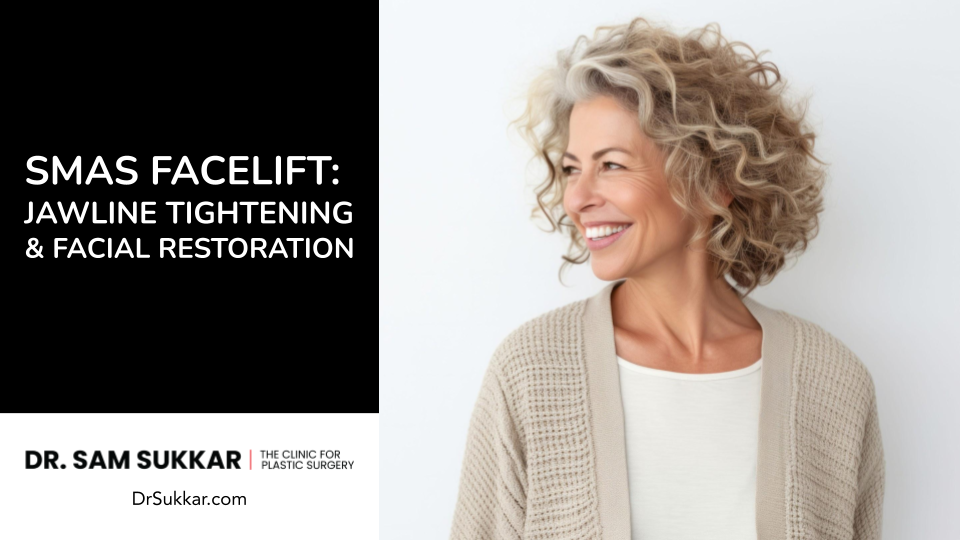
A SMAS face lift is a facelift procedure that lifts the deeper support layer of the face, not just the skin, to sharpen the jawline and restore natural facial contours. For patients bothered by jowls, sagging cheeks, neck laxity, or deep nasolabial folds, it is often the go-to option because it repositions the superficial muscular aponeurotic system (SMAS) for longer-lasting, more natural looking results than a skin-only lift.
This approach has remained a core standard for lower-face and neck rejuvenation for over a decade because it balances visible improvement with reliable recovery.
Key Takeaways of SMAS Face lift Procedure
- A SMAS facelift tightens the deeper muscular aponeurotic system to effectively sharpen the jawline and restore natural facial contours.
- This procedure targets sagging cheeks, jowls, neck laxity, and deep nasolabial folds for longer-lasting results.
- Ideal candidates have visible lower-face aging signs with sufficient skin elasticity, often when fillers or skin treatments are no longer effective.
- Compared to other facelifts like traditional facelifts, the SMAS face lift provides a balanced, natural look by lifting support tissue rather than just skin.
- Recovery typically involves 1-2 of swelling and bruising, with results showing a cleaner jawline and more youthful lower-face definition.
- Long-term benefits arise from structural repositioning, offering durable facial restoration that maintains expression and natural appearance.
What A SMAS Facelift Treats And Why It Matters For Jawline Definition
A SMAS face lift focuses on the lower two-thirds of the face and neck, where aging tends to blur the jawline first. By tightening the SMAS layer and managing excess skin, the procedure improves definition in a way that matches real facial anatomy rather than creating a pulled surface look.
SMAS face lift concerns that affect jawline definition
The superficial musculoaponeurotic system, also called the muscular aponeurotic system, is a fibromuscular layer that helps support the cheeks, jawline, and neck. As the SMAS membrane and surrounding facial soft tissue loosen with age, the lower face starts to descend. That shift can create sagging cheeks, jowls, deep nasolabial folds, marionette lines, and a softer transition from the chin to the neck.
This is why a patient may look tired or heavier in the lower face even when skin quality is still decent. The issue is often not only facial skin. It involves deeper layers, facial ligaments, and the support structures under the surface. A SMAS lift is designed to address that actual cause.
How a SMAS facelift addresses jowls, sagging skin, and neck contours
A strong jawline depends on support beneath the skin. When the SMAS face lift addresses the lower face and neck, it can reduce jowls, improve neck contours, and refine the angle under the jaw. That can also help with loose tissue near a double chin, mild neck banding, and skin laxity that makes the jawline look less crisp.
The improvement is especially important in facial rejuvenation because the jawline frames the whole face. Even modest correction of sagging skin and soft tissue descent can create a noticeably more youthful appearance. And because the lift comes from the underlying muscles and support layer, the result usually looks balanced rather than tight.
Who may benefit most from SMAS facelift surgery
Ideal candidates are often patients with visible jowling, lower-face heaviness, or neck laxity but still enough skin elasticity to support healing well. Many are in the stage where fillers or skin treatments no longer match the degree of structural descent.
That said, candidacy depends on a person’s unique facial structure, skin thickness, and goals. Some younger patients with early laxity may be better suited to limited approaches, while others need broader comprehensive facial rejuvenation. A careful exam of the layers of the face, facial tissue, and neck determines whether a SMAS lift is the right fit or whether another of the available face lift techniques would serve them better.
How The SMAS Technique Lifts Deeper Facial Structures For A More Natural Result
The reason the SMAS facelift technique remains so widely used is simple: it lifts support tissue, not just surface skin. That distinction matters because natural facial movement comes from preserving normal tension across the skin, facial muscles, and connective support system.
How The SMAS Face Lift Technique Works Beneath The Skin
During face lift surgery, incisions follow natural creases around the hairline, temples, and ears to keep scars discreet and protect visible hair follicles. The skin is elevated carefully, then the SMAS layer is tightened, folded, or repositioned depending on the surgical plan. After that, excess skin is trimmed and redraped without excessive tension.
This is the core of the SMAS face lift technique. It works on the superficial muscular layer instead of relying on surface pulling alone. Because the support comes from the aponeurotic system, the procedure can restore a youthful contour while maintaining facial expression and a natural appearance.
SMAS Facelift vs Deep Plane Facelift and Traditional Facelift Techniques
Compared with a traditional facelift, which may focus more heavily on the skin, the SMAS approach provides a stronger correction of descended cheek and jawline tissues. A skin-only lift can look over-tightened when it requires aggressive pulling to create change. That is where patients hear concerns about a windblown look or even pixie ear deformity when tension is misplaced.
A deep plane technique or deep plane lift goes further into the deeper structures of the face, releasing retaining ligaments and moving tissue as one unit. The deep plane facelift technique can be powerful for heavy midface descent and pronounced folds, but it involves deep dissection closer to facial nerve branches. Because of that, it is generally considered more invasive surgery than a SMAS lift, though both can produce excellent results.
Variations of The SMAS Lift and Why Surgical Precision Matters
Not all SMAS lifts are identical. A high SMAS facelift can better target the midface and cheek. SMAS plication folds and sutures the layer for milder laxity. Other approaches may include SMAS-ectomy or extending the lift into the neck when neck work is needed. The right choice depends on facial descent, skin thickness, and the patient’s anatomy.
This is where surgical precision matters more than labels. During consultation, the facial nerve, the course of important support tissues, and the amount of lift required are carefully evaluated. The goal is not simply tighter skin. It is a safe surgical procedure that respects facial aesthetics and restores the lower face in a way that still looks like the patient.
What To Expect From Recovery, Results, And Long-Term Facial Restoration
For many patients considering a medical office consultation, the practical questions come last but matter most: How long is recovery, when do results show, and how does a SMAS lift hold up over time? In most cases, recovery is more predictable than patients fear, and the improvement comes from structural repositioning rather than temporary swelling.
SMAS face lift Recovery Timeline
The facelift procedure is commonly performed under general anesthesia or sedation, depending on the approach and whether neck work is added. Many cases take roughly one to two hours, though timing varies with complexity. Because the lift stays above the deeper facial planes, recovery is often somewhat easier than with a deep plane facelift technique.
Recovery from a SMAS facelift typically involves moderate swelling and bruising, with a recovery window of 10–14 days, and most patients return to normal activities within 2 weeks. They usually return for follow-up visits to monitor incision healing and tissue settling. Temporary numbness or weakness in facial muscles can occur after a SMAS facelift, while permanent nerve damage is rare (less than 1%).
What Results Look Like After SMAS Facelift Surgery
Early changes are visible quickly. Patients usually notice a cleaner jawline, less fullness near the jowls, and smoother transition from the face into the neck. As swelling improves, the contours look more refined, with softer nasolabial folds and less lower-face heaviness.
The best outcomes are subtle in the best sense. A well-executed SMAS face lift does not erase identity. It restores support, improves facial skin drape, and creates natural looking results. That is why this method remains central to facial plastic surgery. It helps patients look rested and structured, not surgically altered.
Long-term Facial Restoration and Realistic Expectations
The SMAS facelift can provide results that last between 5-to-10 years, making it a reliable option for moderate facial aging. A SMAS lift does not stop aging, but it can deliver durable improvement because it repositions deeper layers. The result is better long-term support for the cheeks, jawline, and neck, with benefits that often last for years depending on age, genetics, sun exposure, and weight changes.
Long-term success also depends on matching the operation to the patient. Someone with advanced midface descent may be better served by a deep plane facelift, while another person may do very well with a SMAS lift alone. In either case, the goal of technique rejuvenates the face by restoring structure, not masking age. In the right hands, it is one of the most reliable paths to facial restoration and a more youthful appearance.
Frequently Asked Questions about SMAS Facelift: Jawline Tightening and Facial Restoration
Who is an ideal candidate for a SMAS face lift?
Ideal candidates have visible jowls, sagging cheeks, or neck laxity but retain enough skin elasticity for healing. It suits those needing more structural repositioning than fillers can provide, typically addressing lower face and neck aging signs.
How does a SMAS face lift differ from a traditional skin-only facelift?
Unlike traditional face lifts that pull only the skin, a SMAS facelift lifts deeper supportive muscle and connective tissue layers. This creates longer-lasting and more natural results without a stretched or windblown appearance.
How long do the results of a SMAS facelift typically last?
Results can last for years as the procedure repositions deeper facial structures to provide durable support. Longevity depends on factors like age, genetics, sun exposure, and lifestyle, but the SMAS lift offers long-lasting correction.
Can a SMAS face lift address both the jawline and neck contours?
Yes. The SMAS face lift tightens support structures in the lower face and neck, improving jawline definition and neck contour. These results are obtained by reducing jowls, and loose skin under the chin, for a balanced rejuvenated appearance.
Conclusion and Summary of SMAS Facelift: Jawline Tightening and Facial Restoration
SMAS facelift stands out because it addresses the underlying support system that shapes the lower face, not just the surface. By repositioning deeper tissue, it improves jawline definition, reduces jowls, and creates a smoother transition into the neck.
What makes this approach reliable is how it respects natural facial structure. Instead of forcing change through surface tension, it restores balance where aging actually occurs, beneath the skin. That difference is what allows results to look like a refreshed version of the patient rather than a different face.
Long-term results depend on thoughtful planning, anatomy, and how well the technique matches the degree of facial descent. While no procedure stops aging, a SMAS facelift provides durable improvement that holds up for years. When supported by consistent skin care and healthy lifestyle habits, results last long.
Your Trusted Destination for Facelift Surgery in Houston, Texas (TX)
Are you located in one of these Houston Metro Area cities?
Houston, The Woodlands, Sugar Land, Katy, Pearland, Pasadena, League City, Baytown, Conroe, Cypress, Spring, Kingwood, Humble, Missouri City, Friendswood, Bellaire, Clear Lake, Tomball, Galveston, Richmond, Rosenberg, Stafford, La Porte, Deer Park, Seabrook, Webster, Alvin, and Channelview.
Board-Certified Plastic Surgeon Dr. Sam Sukkar, MD, FACS, and the The Clinic for Plastic Surgery Team provide advanced facelift surgery solutions to rejuvenate and restore a more youthful, refreshed appearance.
If you are dealing with sagging skin, deep facial folds, jowls, volume loss, or a tired, aging appearance, we offer comprehensive facial rejuvenation options, including:
- Facelift Surgery
- Mini Facelift
- Lower Facelift
- Neck Lift Surgery
- Facelift with Neck Lift
- Customized Facial Rejuvenation Treatment Plans
Visit our modern 18,000+ sq. ft. plastic surgery center and med spa in Houston, Texas, designed for comfort, privacy, and results-driven care. From your first consultation through recovery, our talented team focuses on natural-looking rejuvenation with elegant, refreshed results.
For patients outside the Houston area or those with limited availability, schedule a virtual facelift surgery consultation.
Book Your Personalized Facelift Consultation today at DrSukkar.com or call (281) 940-1535.
About the Author – Meet Dr. Sam Sukkar, MD
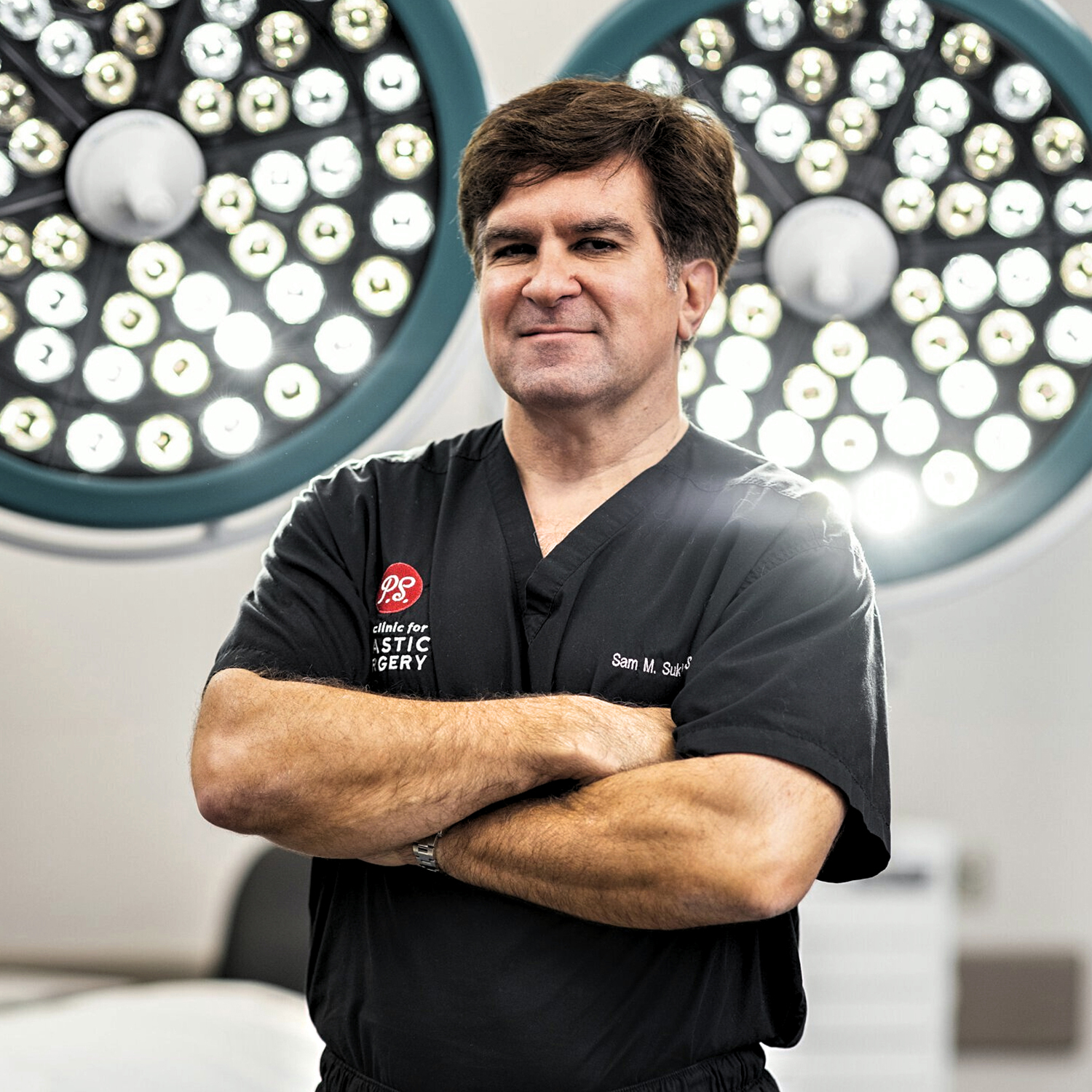
Dr. Sam Sukkar, MD, FACS is a highly respected Board-Certified Plastic Surgeon in Houston, Texas, known for his expertise in advanced cosmetic and reconstructive procedures. As the founder of The Clinic for Plastic Surgery, Dr. Sukkar has set a new standard for excellence, performing over 20,000 procedures with a focus on delivering natural, refined results.
Dr. Sukkar earned his Doctor of Medicine (M.D.) degree from Louisiana State University School of Medicine in 1992 after graduating summa cum laude with a Bachelor of Science in Microbiology. He then completed an intensive General Surgery Residency at the University of Texas Hermann Hospital before being selected for a highly competitive Plastic Surgery Fellowship at Northwestern University in Chicago, one of the most prestigious training programs in the country.
With more than 20 years of experience, Dr. Sukkar is a Diplomate of the American Board of Plastic Surgery and a Fellow of the American College of Surgeons (FACS). He is also an active member of the American Society of Plastic Surgeons (ASPS) and the Houston Society of Plastic Surgery (HSPS). His dedication to innovation and continuing education has solidified his reputation as a leading expert in aesthetic surgery, specializing in breast surgery, body contouring, facial procedures, and non-invasive treatments.
Dr. Sukkar’s expertise has been recognized by Houston Magazine, naming him one of Houston’s “Top Docs for Women,” and he has been featured among RealSelf’s America’s Top Doctors. Committed to his patients, he prioritizes personalized care, ensuring every individual feels informed, comfortable, and confident in their aesthetic journey.
Contact Dr. Sukkar today to schedule a consultation, visit DrSukkar.com to learn more, or call us directly at (281) 940-1535.
Cover Image Credit: CorporateSounds / 123RF.com (Licensed). Photo Illustration by: Dr. Sam Sukkar, MD, The Clinic for Plastic Surgery.