Lip Filler Aftercare: Essential Tips for the Best Results

Lip filler aftercare is the part of the lip filler journey that most patients underestimate. The lip filler procedure itself takes thirty minutes. The aftercare process that follows determines whether the result heals into beautiful, natural-looking lips or into something less than what the patient hoped for. Lip fillers and lip augmentation as a popular cosmetic procedure have a strong track record of success, but the smooth recovery and final results that patients see in before and after photos depend on what happens in the days following the appointment.

Filler aftercare instructions vary slightly, but the core principles are the same. Following the right aftercare process protects the lip filler results, supports the healing process, and gives patients the best chance at the natural-looking results that they paid for.

Key Takeaways of Lip Filler Aftercare

  • Hyaluronic acid fillers integrate with the body’s tissue, but proper aftercare is what allows the natural-looking results to fully emerge.
  • Lip filler aftercare is essential for protecting filler placement, preventing filler migration, and supporting optimal healing of the treated area.
  • Use an ice pack or cold compresses gently to the lips for the first 24 to 48 hours to reduce swelling and reduce bruising.
  • Realistic expectations about the recovery timeline and recovery process help patients stay patient through mild swelling and minor swelling during the first week.
  • Avoid strenuous exercise that increases blood flow, hot tubs, steam rooms, and direct heat exposure for the first 48 hours.
  • Avoid pressing on your lips unnecessarily and avoid touching your lips afterward to prevent unnecessary pressure and filler migration.
Lip Filler Aftercare in Houston, TX

Why Lip Filler Aftercare Matters

The aftercare process directly affects the quality of lip filler results. The lip filler procedure delivers dermal filler into specific positions in the lips, but the body’s response to that filler in the days following the appointment is what shapes the final look. The treatment area needs time and the right conditions to heal properly.

How Proper Aftercare Protects Your Results

Proper aftercare protects results in three concrete ways. First, the aftercare process minimizes inflammation in the treated area, which means swelling and bruising resolve faster and the final shape emerges sooner.

Second, it prevents filler migration by avoiding the kinds of pressure and movement that can push filler out of its intended position.

Third, it supports optimal healing, which means the lips look and feel more natural once the recovery is complete.

Aftercare instructions are not generic advice; they are designed to support the specific lip filler treatment the patient received. Following them carefully is what separates the natural looking results that patients want from the uneven or shifted results they fear. The treated area heals best when given the conditions it needs.

What Happens If You Skip Aftercare

Skipping aftercare after lip fillers can lead to a longer recovery timeline, more visible swelling and bruising, and in some cases, problems with how the filler settles. The lip filler procedure introduces a small amount of dermal filler into specific points in the lips. Pressure on these points during the first 48 hours can cause filler placement to shift, leading to filler migration that affects the shape of the lips.

Lip filler injections delivered well can lose their precision if the lips are exposed to heat, pressure, or trauma during the early healing process. Even patients with a flawless lip filler procedure can end up with disappointing results if they skip filler aftercare and the healing process is disrupted.

The recovery timeline can also be extended significantly when proper aftercare is not followed, and the recovery process becomes more uncomfortable than it needs to be. The treated area deserves protection during this critical window.

What to Do Immediately After Your Lip Filler Treatment

The first 24 hours after a lip filler procedure are the most important for healing. The actions taken during this window have the largest impact on swelling, bruising, and the final position of the dermal filler. Lip filler aftercare during this period focuses on minimizing inflammation and protecting the filler placement.

The First 24 Hours

During the first 24 hours after lip filler injections, the body is responding to the procedure. Mild swelling and minor swelling are expected as the lips react to the injection sites. Initial swelling typically peaks at 12 to 24 hours and then begins to decrease.

Swelling and bruising in the treatment area are normal at this stage. Some injection sites tenderness is also expected. Use an ice pack or cold compresses to reduce swelling and reduce bruising during this window. Apply cold compresses to the lips intermittently, about 10 to 15 minutes at a time, with breaks in between.

Wrap the ice pack in a clean cloth rather than placing it directly on the lips. This approach calms the inflammation without irritating the treated area further. Drink fluids regularly to support healing, and rest as much as possible during this initial period.

Head Position and Cold Application

Keep your head elevated for the first night after the procedure. Sleeping with the head elevated on extra pillows reduces blood pooling in the lips, which can otherwise exacerbate swelling. Avoid lying completely flat for at least the first 24 hours.

When applying cold compresses to the lips, use a clean barrier between the ice pack and the skin to prevent irritation at the injection sites. The cold reduces blood flow to the area, which limits the inflammatory response and helps swelling resolve faster.

Patients who consistently keep their head elevated and use cold therapy properly often see noticeably less mild swelling by morning compared to patients who skip these steps. The treated area responds well to this combination of position and temperature control.

Hydration

What you put into your body during the recovery process affects how well the lips heal. Hydration, dietary choices, and avoiding certain substances all play a role in supporting smooth recovery.

Stay Hydrated for Optimal Healing

Stay hydrated by drinking plenty of water throughout the recovery process. Hyaluronic acid, the main ingredient in most hyaluronic acid fillers, binds to water in the body to create its plumping effect. Drinking enough water supports skin hydration overall and helps the dermal filler integrate fully with the surrounding tissue.

The lips themselves benefit from being well-hydrated during the healing period. Aim for at least 8 to 10 glasses of water during the first 48 hours after the procedure. Hydration also supports the body’s natural inflammatory response, helping to bring down swelling more efficiently. Patients who stay hydrated consistently tend to see better healing across the entire recovery process.

Activity and Environment Restrictions

Certain activities and environmental exposures need to be avoided during the first 48 hours after lip fillers. These restrictions are not arbitrary; each one addresses a specific factor that can affect healing or filler placement.

Exercise and Blood Flow

Avoid strenuous exercise for at least 24 to 48 hours after a lip filler procedure. Strenuous exercise raises body temperature and increases blood flow throughout the body, including to the lips. Increased circulation to the treatment area can exacerbate swelling, prolong bruising, and even affect how the dermal filler settles into position. Light walking is fine during the recovery window, but high-intensity workouts, heavy weight training, and cardiovascular exercise should wait until at least the third day after the procedure.

Heat Exposure and Sun Protection

Avoid heat exposure for at least 48 hours after the procedure. Hot tubs, steam rooms, saunas, and very hot showers all increase circulation and can worsen swelling. Direct sun exposure should also be avoided during the early recovery window, since heat from the sun can also affect the treated area. Once the initial 48 hours have passed, sun protection becomes important as part of ongoing lip filler aftercare.

Long-term aftercare process habits around sun protection support both the duration and the appearance of the dermal filler. Avoid intense heat exposure entirely during the first two days for the smoothest recovery.

Touching, Pressure, and Makeup

Physical interaction with the lips needs to be minimized during the first 24 to 48 hours. The injection sites are vulnerable to disruption and contamination during this window, and small habits can have outsized consequences.

Hands Off Your Lips

Avoid pressing on your lips unnecessarily during the first 48 hours. Touching your lips afterward should be avoided unless absolutely necessary. Avoid pressing, squeezing, pinching, or otherwise manipulating the treated area, even out of curiosity about how the filler feels. Touching your lips unnecessarily can introduce bacteria to the injection sites, increasing the risk of infection. Unnecessary pressure can also shift the dermal filler before it has fully integrated, leading to filler migration that affects the final shape.

Makeup and Lip Balm Rules

Skip makeup on the lips for at least the first 24 hours after a lip filler procedure. Avoid makeup, especially lipstick and lip gloss, during this window. Lip makeup applied to recently injected lips can introduce bacteria to the injection sites, which can cause infection or irritation. Even applying lip balm immediately after the procedure should be avoided. After the first 24 hours, a clean lip balm without irritating ingredients can be applied to support hydration.

Lip Filler Aftercare in Houston, Texas

Medications, Blood Thinners, and Supplements

What you take orally during the recovery process can affect bruising and swelling. Understanding which medications to avoid and which are safe is part of comprehensive lip filler aftercare.

What Medications to Avoid

Avoid blood thinning medications for at least 48 hours before and after the lip filler procedure. Blood thinning medications include aspirin, ibuprofen, naproxen, and some prescription anticoagulants. These medications increase the risk of swelling and bruising at the injection sites by interfering with the body’s normal clotting response.

Supplements that thin the blood should also be avoided during this window. Fish oil, vitamin E, ginkgo biloba, garlic supplements, and turmeric in large doses can all have blood thinning effects. Patients who take blood thinning medications for medical conditions should never stop them without consulting their physician, but they should disclose these medications during the consultation before lip filler treatment so the treatment plan can be adjusted accordingly.

Long-Term Care to Protect Your Dermal Filler Results

Lip filler aftercare does not end after 48 hours. Long-term habits play an important role in protecting the appearance and duration of dermal filler results.

Ongoing Habits That Extend Results

Stay hydrated consistently to support overall skin hydration and the integrity of the dermal filler. Hyaluronic acid in lip fillers binds to water, so well-hydrated tissue retains the filler more effectively. Use lip balm regularly, especially in dry conditions, to keep the lips comfortable.

Apply sun protection daily, since UV exposure breaks down hyaluronic acid more quickly than the body’s natural metabolism alone. Avoid excessive heat exposure as a long-term habit, since heat also accelerates hyaluronic acid breakdown. Avoid smoking permanently if possible, as smoking affects circulation to the lips and can lead to faster filler degradation along with premature aging of the surrounding skin.

Lip Filler Maintenance

Lip fillers typically last six to twelve months, and most patients schedule maintenance appointments every six to nine months to maintain their preferred shape. Subtle additions over time produce more natural-looking results than large single-session changes.

Frequently Asked Questions About Lip Filler Aftercare: Essential Tips for the Best Results

How long does swelling last after receiving lip fillers?

Initial swelling peaks at 24 to 48 hours after the lip filler procedure. Mild swelling continue for 3 to 7 days as the lips settle. The lips reach their final shape and final results approximately 2 weeks after the procedure once all swelling has resolved. Patients who follow proper aftercare, apply cold compresses, stay hydrated, and avoid alcohol typically see swelling resolve on the shorter end of this range.

Can I exercise after lip fillers?

Avoid strenuous exercise for at least 24 to 48 hours after lip filler injections. Strenuous exercise increases blood flow and body temperature, which can exacerbate swelling at the treated area and affect filler placement. Light walking is fine, but heavy cardio, weight training, and hot yoga should wait until the third day after the procedure at the earliest.

When can I wear makeup again after lip fillers?

Skip makeup on the lips for the first 24 hours after the lip filler procedure to avoid introducing bacteria to the injection sites. After 24 hours, lip balm can be applied carefully. By 48 hours, most patients can return to wearing lipstick and lip makeup.

How do I make my lip filler results last longer?

Long-term lip filler results are protected by ongoing aftercare habits. Stay hydrated to support skin hydration and the hyaluronic acid filler in the lips. Use lip balm regularly to keep the lips comfortable. Apply sun protection daily. Avoid excessive heat exposure from saunas, hot tubs, and steam rooms when possible. Avoid smoking. Schedule maintenance appointments every six to nine months to add volume strategically before the previous filler has fully dissolved.

Conclusion and Summary of Lip Filler Aftercare: Essential Tips for the Best Results

Lip filler aftercare is the bridge between a successful lip filler treatment and the natural-looking results patients want. The procedure itself takes minutes, but the smooth recovery that produces beautiful, long-lasting lip filler results unfolds over the days and weeks that follow. Proper aftercare protects filler placement, supports optimal healing, and ensures that the lips settle into the intended shape.

The essential rules are simple: ice pack and elevated head during the first night, hydration throughout the recovery, no alcohol or strenuous exercise for 48 hours, no touching or pressing on the lips, skip makeup for the first day, and avoid heat exposure. Schedule a follow up appointment to confirm the lips have settled as expected. Also, do a maintenance treatment every six to twelve months depending on how quickly their body metabolizes the filler and the level of volume they want to maintain. Following these steps gives every patient the best chance at the final results they hoped for when they first scheduled their lip filler treatment.

Lip Fillers Aftercare in Houston, TX

Your Trusted Destination for Lip Fillers and Lip Enhancement in Houston, Texas (TX)

Are you located in one of these Houston Metro Area cities?

Houston, The Woodlands, Sugar Land, Katy, Pearland, Pasadena, League City, Baytown, Conroe, Cypress, Spring, Kingwood, Humble, Missouri City, Friendswood, Bellaire, Clear Lake, Tomball, Galveston, Richmond, Rosenberg, Stafford, La Porte, Deer Park, Seabrook, Webster, Alvin, and Channelview.

Board-Certified Plastic Surgeon Dr. Sam Sukkar, MD, FACS, and The Clinic for Plastic Surgery Team provide advanced lip filler and non-surgical lip enhancement treatments for women and men seeking fuller, smoother, more youthful-looking lips with natural-looking results.

If you are concerned about thin lips, volume loss, lip asymmetry, lipstick lines, or lips that no longer feel youthful and hydrated, we offer customized lip enhancement options, including:

  • Lip Fillers for Natural-Looking Volume
  • Juvederm® Lip Enhancement Treatments
  • Restylane® Lip Fillers and Lip Definition
  • Lip Border and Cupid’s Bow Enhancement
  • Hydration and Lip Smoothing Treatments
  • Correction of Lip Asymmetry
  • Subtle Lip Augmentation for First-Time Patients
  • Full Lip Makeover and Facial Balancing Treatments
  • Personalized Lip Filler Treatment Plans

Visit our modern 18,000+ sq. ft. plastic surgery center and med spa in Houston, Texas, designed for comfort, privacy, and results-driven care. From your consultation through your treatment plan, our highly skilled team focuses on balanced enhancement, facial harmony, and soft, natural-looking lip results.

For patients outside the Houston area or those with limited availability, schedule a virtual lip filler consultation.

Book Your Personalized Lip Filler Consultation today at DrSukkar.com or call (281) 940-1535.

About the Author – Meet Dr. Sam Sukkar, MD

Dr. Sam Sukkar, MD, FACS is a highly respected Board-Certified Plastic Surgeon in Houston, Texas, known for his expertise in advanced cosmetic and reconstructive procedures. As the founder of The Clinic for Plastic Surgery, Dr. Sukkar has set a new standard for excellence, performing over 20,000 procedures with a focus on delivering natural, refined results.

Dr. Sukkar earned his Doctor of Medicine (M.D.) degree from Louisiana State University School of Medicine in 1992 after graduating summa cum laude with a Bachelor of Science in Microbiology. He then completed an intensive General Surgery Residency at the University of Texas Hermann Hospital before being selected for a highly competitive Plastic Surgery Fellowship at Northwestern University in Chicago, one of the most prestigious training programs in the country.

With more than 20 years of experience, Dr. Sukkar is a Diplomate of the American Board of Plastic Surgery and a Fellow of the American College of Surgeons (FACS). He is also an active member of the American Society of Plastic Surgeons (ASPS) and the Houston Society of Plastic Surgery (HSPS). His dedication to innovation and continuing education has solidified his reputation as a leading expert in aesthetic surgery, specializing in breast surgery, body contouring, facial procedures, and non-invasive treatments.

Dr. Sukkar’s expertise has been recognized by Houston Magazine, naming him one of Houston’s “Top Docs for Women,” and he has been featured among RealSelf’s America’s Top Doctors. Committed to his patients, he prioritizes personalized care, ensuring every individual feels informed, comfortable, and confident in their aesthetic journey.

Contact Dr. Sukkar today to schedule a consultation, visit DrSukkar.com to learn more, or call us directly at (281) 940-1535.

Lip Filler Before and After: See The Most Seductive Smiles

Lip filler before and after photos tell the story that no consultation ever can. The transformation from naturally thin lips to a fuller, more defined version of the same lips is striking when seen side by side. For patients considering lip enhancement, studying these images is one of the most useful things they can do before booking a lip filler treatment.

The right before and after gallery shows what is actually possible with hyaluronic acid lip fillers. Also, shows what to expect after the lip filler procedure heals into its final result. The path from before to after is shorter than most patients expect, and the desired look is closer than they think.

Key Takeaways of Lip Filler Before and After

  • Lip filler before and after photos reveal what real lip fillers can achieve when paired with realistic expectations and a thoughtful treatment plan.
  • The best transformations preserve the patient’s natural lip shape and natural appearance while delivering noticeable change.
  • Most lip filler treatments use FDA approved lip fillers made from hyaluronic acid fillers, which integrate with the body’s own tissue.
  • A great lip filler procedure adds volume to specific areas of the lips using a fine needle, producing natural looking volume.
  • Subtle enhancements and subtle adjustments delivered as an initial treatment usually produce the most natural-looking before and after photos.
  • Patients with very thin lips often show the most dramatic transformations, but the best results still preserve their unique facial features.
Lip Fillers in Houston, Texas by Dr. Sam Sukkar, MD

What Real Lip Filler Before and After Photos Reveal

Studying lip filler before and after photos is part art appreciation, part medical evaluation. The patient learns what good work looks like, what to ask for, and what to avoid. The before and after side by side reveals not just the change but how the change relates to the rest of the face.

What to Look For in the Before Photo

The before photo establishes the baseline. Patients with naturally thin lips often have less defined lip border, a flatter natural lip shape, and a less prominent upper lip. Look for the relationship between the lip line and the surrounding skin. Notice the lip balance between the upper and lower portions of the lips.

Study the facial proportions, the facial features, and the unique facial features of the patient. The before photo should give a clear sense of what the patient looked like before any lip filler treatment, including the natural angle, expression, and lighting. The lip anatomy in the before photo is the foundation against which the transformation will be measured.

What to Study in the After Photo

Look at the lips overall. Does the lip shape still look like the patient’s own? Has the lip balance been improved without distorting the proportions? Are the lip border and lip line more defined while still looking real? Has the upper lip received the right amount of attention?

The best after photos show added volume that reads as subtle volume or subtle enhancement, even when the absolute change is substantial. Noticeable volume should not mean obvious volume. The result should look natural looking that gives the lips a fuller, healthier appearance. The transformation should look completely natural in motion, not just in still photos. Natural appearance is the gold standard for natural looking enhancement.

Lip Filler Before and After in Houston, TX by Dr. Sam Sukkar, MD
Before & After Lip Fillers. Photo Illustration by: Dr. Sam Sukkar, MD, The Clinic for Plastic Surgery.

The Most Seductive Lip Transformations

Some lip filler before and after photos stop people in their tracks. The transformation is dramatic enough to be obvious yet refined enough to look intentional. The seductive smile usually comes from one of two specific transformations. The glow-up from naturally thin lips, and the age-related rejuvenation that restores youthful volume to mature lips.

The Glow-Up From Naturally Thin Lips

Patients with very thin lips starting volume often produce the most striking lip filler before and after photos. Thin lips have room to grow into a fuller, more balanced shape without crossing into excess. The first lip filler treatment can add real plumping lips without much risk of overdoing it because the starting volume is so low.

Subtle volume and subtle enhancement that would barely register on lips with more existing fullness create a visible glow-up on thin lips. The lip shape becomes rounder. The lip balance shifts toward a fuller appearance. The upper lip especially benefits from added volume because thin upper lips often look almost flat in profile.

Age-Related Rejuvenation

The other category of striking before and after photos involves age-related rejuvenation. As patients age, the lips lose volume, the lip border softens, and lines develop around the mouth. Smooth fine lines and vertical lip lines around the upper lip are some of the earliest signs of aging in the lower face. Vertical lines along the lip border, and lines around the mouth, all contribute to a tired or older appearance.

A targeted lip filler treatment can smooth these lines while restoring youthful volume to the lips themselves. The youthful pout returns. The youthful appearance comes back. Patients often look five to ten years younger in the after photo than they did in the before.

How Lip Augmentation Fillers Create the Transformation

Understanding the mechanism behind the before and after transformation helps patients evaluate which photos represent realistic outcomes. The technique matters as much as the product.

Hyaluronic Acid as the Foundation

Most modern lip filler treatments use hyaluronic acid fillers. These FDA approved lip fillers are made from a substance the body already produces. This is why hyaluronic acid lip injections feel completely natural once they settle. The dermal fillers integrate with the body’s own tissue, meaning the lips remain soft and mobile rather than stiff.

Hyaluronic acid is the gold standard for cosmetic injectables in the lips because of this seamless integration. When the filler is delivered to the lip tissue, it adds volume gradually and gives the lips a plumper, more defined appearance. The body breaks down hyaluronic acid over months, which is why these treatments are not permanent. This is actually a feature rather than a limitation, because it allows patients to adjust their look over time.

Placement Techniques That Make the Difference

The technique used to deliver lip filler injections matters as much as the choice of product. A fine needle allows precise placement at specific points along the lip line and lip border. Cannulas may also be used for certain placements to reduce trauma to surrounding tissue. The placement strategy depends on the goal of the lip filler procedure.

Some patients need volume primarily in the body of the upper lip. Others need definition along the lip border or lip line. Still others need balanced enhancement of the lip shape across both upper and lower lips.

The treatment approach begins with evaluating the patient’s lips, facial proportions, and overall lip shape to determine which placements will create the desired result. Carefully placed dermal fillers can create fuller, more defined lips while maintaining a soft and natural feel.

Lip Filler Before and After in Houston, Texas by Dr. Sam Sukkar, MD
Before & After Lip Fillers side view. Photo Illustration by: Dr. Sam Sukkar, MD, The Clinic for Plastic Surgery.

Get Lip Fillers in Houston, Texas at The Clinic For Plastic Surgery

Beautiful lip filler results start with balance, proportion, and a treatment plan designed around the patient’s natural facial features. At The Clinic for Plastic Surgery in Houston, lip filler treatments focus on creating soft, elegant enhancement that looks natural both at rest and while smiling.

Whether the goal is restoring lost lip volume, improving lip definition, correcting asymmetry, or creating fuller lips with a hydrated appearance, every treatment approach is customized to match the patient’s anatomy and aesthetic goals.

Before and after photos often show significant changes in lip volume and contour, with many patients achieving a more youthful and defined lip appearance. Schedule your consultation today to learn more about lip fillers in Houston, Texas.

Frequently Asked Questions About Lip Filler Before and After: See The Most Seductive Smiles

Are lip fillers for thin lips a good idea?

Yes. Lip fillers for thin lips are one of the most popular and successful applications of lip filler treatment. Patients with very thin lips often see the most rewarding before and after photos. Subtle adjustments at the initial treatment and follow-up appointments help patients reach their desired look gradually.

Do lip fillers hurt during the procedure?

Most lip filler injections cause minimal discomfort thanks to a numbing cream or topical numbing cream applied before the lip filler procedure begins. The cream sits on the lip tissue for fifteen to twenty minutes, blocking most sensation. Once the lips are numb, the fine needle used to deliver the filler causes only mild pressure. Lip fillers hurt very little for most patients, and the question is one of the most commonly asked but least concerning aspects of the experience.

What is the recovery like after lip fillers?

Recovery is straightforward. Mild swelling and initial swelling peak in the first twenty-four to forty-eight hours and resolve within a few days. Some swelling and bruising or minor bruising is normal. Minimal downtime means patients can return to normal activities immediately after the procedure. Swelling and bruising are common after lip filler procedures, typically resolving within 24 to 48 hours, but full results may take up to a week to be visible.

How long do lip fillers typically last?

Lip fillers last around six to twelve months. Hyaluronic acid fillers gradually break down through the body’s natural processes. Maintenance treatments every 6-9 months allow patients to maintain youthful volume and desired look consistent. Patients who have built up an appearance through subtle, repeated treatments often need less filler at each appointment than they did at the initial treatment.

Conclusion and Summary of Lip Filler Before and After: See The Most Seductive Smiles

Lip filler before and after photos tell the most honest story about what is possible with modern lip enhancement. The most seductive smiles come from transformations that look natural, preserve the patient’s identity, and respect the proportions of the face. A great lip filler treatment turns naturally thin lips into fuller versions of themselves. It restores youthful volume to mature lips, and produces a more youthful pout that flatters the entire face. The desired look is built through subtle adjustments over time rather than aggressive single-session change.

Patients who understand the process, communicate their goals clearly, and approach treatment with balance in mind often feel more satisfied with their final outcome. The lips become more confident, more defined, and more flattering without losing what made them the patient’s own. For patients who are ready to achieve soft, fuller, beautifully balanced lips is absolutely possible with the right approach and a carefully planned treatment strategy.

Dermal Lip Fillers in Houston, Texas by Dr. Sam Sukkar, MD

Your Trusted Destination for Lip Fillers and Lip Enhancement in Houston, Texas (TX)

Are you located in one of these Houston Metro Area cities?

Houston, The Woodlands, Sugar Land, Katy, Pearland, Pasadena, League City, Baytown, Conroe, Cypress, Spring, Kingwood, Humble, Missouri City, Friendswood, Bellaire, Clear Lake, Tomball, Galveston, Richmond, Rosenberg, Stafford, La Porte, Deer Park, Seabrook, Webster, Alvin, and Channelview.

Board-Certified Plastic Surgeon Dr. Sam Sukkar, MD, FACS, and The Clinic for Plastic Surgery Team provide advanced lip filler and non-surgical lip enhancement treatments for women and men seeking fuller, smoother, more youthful-looking lips with natural-looking results.

If you are concerned about thin lips, volume loss, lip asymmetry, lipstick lines, or lips that no longer feel youthful and hydrated, we offer customized lip enhancement options, including:

  • Lip Fillers for Natural-Looking Volume
  • Juvederm® Lip Enhancement Treatments
  • Restylane® Lip Fillers and Lip Definition
  • Lip Border and Cupid’s Bow Enhancement
  • Hydration and Lip Smoothing Treatments
  • Correction of Lip Asymmetry
  • Subtle Lip Augmentation for First-Time Patients
  • Full Lip Makeover and Facial Balancing Treatments
  • Personalized Lip Filler Treatment Plans

Visit our modern 18,000+ sq. ft. plastic surgery center and med spa in Houston, Texas, designed for comfort, privacy, and results-driven care. From your consultation through your treatment plan, our highly skilled team focuses on balanced enhancement, facial harmony, and soft, natural-looking lip results.

For patients outside the Houston area or those with limited availability, schedule a virtual lip filler consultation.

Book Your Personalized Lip Filler Consultation today at DrSukkar.com or call (281) 940-1535.

About the Author – Meet Dr. Sam Sukkar, MD

Dr. Sam Sukkar, MD, FACS is a highly respected Board-Certified Plastic Surgeon in Houston, Texas, known for his expertise in advanced cosmetic and reconstructive procedures. As the founder of The Clinic for Plastic Surgery, Dr. Sukkar has set a new standard for excellence, performing over 20,000 procedures with a focus on delivering natural, refined results.

Dr. Sukkar earned his Doctor of Medicine (M.D.) degree from Louisiana State University School of Medicine in 1992 after graduating summa cum laude with a Bachelor of Science in Microbiology. He then completed an intensive General Surgery Residency at the University of Texas Hermann Hospital before being selected for a highly competitive Plastic Surgery Fellowship at Northwestern University in Chicago, one of the most prestigious training programs in the country.

With more than 20 years of experience, Dr. Sukkar is a Diplomate of the American Board of Plastic Surgery and a Fellow of the American College of Surgeons (FACS). He is also an active member of the American Society of Plastic Surgeons (ASPS) and the Houston Society of Plastic Surgery (HSPS). His dedication to innovation and continuing education has solidified his reputation as a leading expert in aesthetic surgery, specializing in breast surgery, body contouring, facial procedures, and non-invasive treatments.

Dr. Sukkar’s expertise has been recognized by Houston Magazine, naming him one of Houston’s “Top Docs for Women,” and he has been featured among RealSelf’s America’s Top Doctors. Committed to his patients, he prioritizes personalized care, ensuring every individual feels informed, comfortable, and confident in their aesthetic journey.

Contact Dr. Sukkar today to schedule a consultation, visit DrSukkar.com to learn more, or call us directly at (281) 940-1535.

Lip Fillers for Thin Lips: The Glow-Up Your Lips Deserve

Patients with thin lips have often spent years working around what feels like a limitation. Lipstick disappears. Lip liner is necessary to define edges. Smiling photos rarely capture a pout that feels like their own. Lip fillers for thin lips offer something that no other product or technique can match. An actual volume in the lips themselves, placed strategically to create the youthful pout that thin-lipped patients have always wanted. The right lip filler treatment turns naturally thin lips into a fuller, more defined version that still looks completely like the patient’s own.

This glow-up is not about chasing a dramatic look. It is about lip enhancement done thoughtfully, with attention to proportion, natural appearance, and the unique starting point of each set of lips. Patients with naturally thin lips often see some of the most rewarding results from filler precisely because the change is meaningful but the look still reads as natural looking. The lips do not need to become large. They just need to become balanced, plumped where they should be, and supported in a way that flatters the rest of the face.

Key Takeaways of Lip Fillers for Thin Lips

  • Lip fillers for thin lips are designed to add volume gradually while respecting the patient’s natural lip shape and unique facial features.
  • Most lip filler injections use FDA approved lip fillers made from hyaluronic acid fillers, a substance that integrates with the body’s own tissue.
  • Lip fillers typically deliver natural lip looking volume that complements existing facial proportions, facial anatomy, and facial structure.
  • A lip filler treatment usually involves a topical numbing cream and a fine needle to add volume comfortably. Most patients experience only mild swelling and initial swelling that resolve within a few days.
  • Realistic expectations and a customized treatment plan built around the lip anatomy and lip balance produce the best results.
  • Lip fillers can also smooth fine lines, vertical lip lines, vertical lines, lines around the mouth, and other fine lines in the lip border area.
Lip Fillers: The Secrets for Juicy Lips in Houston, TX by Dr. Sam Sukkar, MD

Why Thin Lips Benefit From Lip Fillers

Thin lips are not a flaw. For many patients, they are simply a feature of their face that does not match the rest of their aesthetic goals. Some people are born with naturally thin lips, while others see their lips lose volume over time and develop fine lines around the lip border. Lip fillers for thin lips are uniquely suited to address both situations because they add volume directly into the lips themselves while preserving the natural lip shape, lip line, and the patient’s facial proportions overall.

What Naturally Thin Lips Look Like

Naturally thin lips share certain features. The upper lip is often narrower and shows less of the pink lip body when relaxed. The lip border may be less defined, and the natural lip shape may appear flatter when smiling. Some patients have very thin lips where both the upper lip and lower lip lack the projection that creates the appearance of plumpness.

The lip line where the lip meets the surrounding skin can also be less distinct in naturally thin lips compared to fuller lip anatomy. None of this is a problem in itself. Some of the most beautiful faces have naturally thin lips that work in harmony with their unique facial features and overall facial proportions. The decision to pursue filler is purely about preference, not correction. Lip balance varies from face to face, and what looks right depends entirely on the individual.

How Fillers Rebalance the Lips

Lip fillers work by adding small, precise amounts of volume into specific areas of the lips. Dermal fillers can add fullness to the body of the upper lip and lower lip, define the lip border, sharpen the lip line, and create a more balanced lip shape overall. A lip filler treatment for naturally thin lips often emphasizes the lip border first to give the lips more visible shape, then adds gentle plumping in the body of the lip itself. This approach produces a natural appearance and natural looking result rather than the obvious volume that can come from overfilling.

The lips end up looking like a fuller, more refined version of themselves. The technique can also smooth fine lines, vertical lip lines, and lines around the mouth that often appear alongside thin lips. The transformation feels intentional and proportional rather than imposed. Even patients seeking lip enhancement for the first time are usually surprised by how subtle and well-integrated the change can be.

How Lip Fillers Work for Naturally Thin Lips

The specific way lip fillers integrate with thin lips is one of the reasons this treatment is so well-suited for patients with this starting point. Modern lip filler procedure technique uses products and methods that work with the body rather than against it.

Hyaluronic Acid and How It Integrates With Thin Lips

Most lip fillers used for thin lips are hyaluronic acid fillers. These FDA approved lip fillers contain a gel form of hyaluronic acid, the same substance the body produces naturally in skin and connective tissue.

When the filler is placed in the lip tissue, it integrates with the body’s own tissue and behaves like part of the natural structure. The lips remain soft and mobile, and the result feels completely natural to the patient. Thin lips, which have less existing volume to start with, benefit particularly from the soft texture of hyaluronic acid because aggressive or stiff fillers would stand out more in lips that begin with minimal volume.

The filler can add volume gradually, and because hyaluronic acid is reversible, any adjustments can be made over time as the patient evaluates the result. Naturally thin lips treated with hyaluronic acid look fuller without losing the natural feel.

Why Lip Fillers Are Preferred Over Other Options for Thin Lips

Lip fillers remain the most popular choice for thin lips because they are non-permanent, customizable, and reversible. Cosmetic injectables including hyaluronic acid lip fillers can be added in small increments, allowing patients to adjust their lip volume over multiple appointments. Other lip enhancement options exist, including lip implants and a lip lift, but these involve surgery and permanent changes that most patients are not ready to commit to upfront.

A lip flip is a less invasive alternative that uses a small amount of neurotoxin to relax the upper lip, but it does not add volume the way lip filler injections do. For patients with thin lips, the ability to start small, see how the lips feel and look, and add more later is a major advantage of lip filler treatment over more permanent options. Dermal fillers can also be dissolved with hyaluronidase if a patient is unhappy with the result. This flexibility is exactly what most patients with thin lips need when exploring lip enhancement for the first time.

Building a Treatment Plan for Thin Lips

A great result from lip fillers for thin lips starts with a thoughtful treatment plan. Patients with thin lips often have specific goals that are different from patients with naturally fuller lips, and the approach should reflect those goals.

Dermal Lip Fillers in Houston, Texas by Dr. Sam Sukkar, MD

Starting With Subtle Volume

Patients new to lip fillers and patients with very thin lips both benefit most from starting with subtle volume during the initial treatment. A first appointment that adds 0.5 mL or less of filler can produce a clearly visible but tasteful change. Subtle volume in the first session lets the patient adjust to having more lip while still looking like themselves. Subtle adjustments at follow-up appointments can then build toward the desired volume over time.

This approach almost always produces a more natural looking volume and natural appearance than trying to achieve the desired look in a single visit. Lips that have always been thin need to grow into fuller versions of themselves gradually. Patients who start small often end up at a fuller place than they originally imagined. This happens simply because they got there in steps that felt right to them.

How much filler is used at the initial treatment depends on the patient’s anatomy. But smaller is almost always better at the beginning. The facial features and facial structure of the patient guide the dose.

Planning Around Your Unique Facial Features

Lip fillers work best when they integrate with the patient’s overall facial anatomy and facial structure. Facial features should guide the recommended approach. The lip anatomy, including the lip shape, lip balance, lip border, and lip line, all factor into the treatment plan. The patient’s unique facial features determine whether the upper lip should be emphasized, whether the lip border needs definition, and how much projection is appropriate.

Thin lips on a smaller face can carry less filler before looking out of proportion. Very thin lips on a larger face can sometimes carry slightly more before crossing into too much. Realistic expectations are built around these proportions during the consultation. The right lip filler treatment respects what each patient already has rather than trying to impose a generic standard. Patients with very thin lips can absolutely achieve noticeable volume, but the path is one of natural looking enhancement rather than transformation.

Recovery and Healing After Lip Fillers

Recovery from lip fillers is one of the easiest parts of any cosmetic treatment. There is minimal downtime, and most patients carry on with normal activities immediately after the appointment.

The First Few Days

Mild swelling is the most common short-term effect of lip filler injections. The initial swelling is most noticeable in the first twenty-four to forty-eight hours and resolves within a few days. Some swelling and bruising is normal, and minor bruising at the injection points can appear especially in patients with delicate skin.

Patients can take steps to minimize swelling by using a cold compress, sleeping with the head slightly elevated, and avoiding strenuous exercise for the first day. To minimize bruising, patients should avoid blood thinning medications and certain supplements for several days before and after the procedure.

A smooth recovery is the typical experience when patients follow these straightforward steps. Most patients can return to normal activities immediately after the procedure without any visible signs that they have had a treatment.

Settling Into Final Results

Lips fully settle into their final state within one to two weeks. Lip fillers typically reach their natural appearance and natural looking volume after the initial swelling has fully resolved. The desired volume becomes visible once the lips have settled. The result is durable but not permanent. Over months, the lips will gradually lose volume as the filler breaks down. A smooth recovery into stable results gives patients the chance to evaluate the look and decide whether to continue with maintenance treatments.

Frequently Asked Questions About Lip Fillers for Thin Lips: The Glow-Up Your Lips Deserve

How much filler do thin lips need?

Most patients with thin lips start with 0.5 mL to 1.0 mL of hyaluronic acid filler at the initial treatment. The amount needed depends on how much volume the patient wants to add, the size of their face, and how naturally thin their lips are to start with. Patients with very thin lips may benefit from starting with less filler and adding more at follow-up appointments. Subtle volume is almost always the right starting point, regardless of the eventual desired volume.

Will lip fillers make my naturally thin lips look fake?

Not when done well. Lip filler treatments for thin lips can produce natural looking volume, and a natural appearance when a subtle adjustments and respects the patient’s lip anatomy. The lips look like their own, just plumped where they should be. Lip fillers typically only look fake when too much filler is used. Or, when the filler is placed in a way that does not respect the natural lip shape and lip border.

How long do lip fillers last for thin lips?

Lip fillers typically last six to twelve months in patients with thin lips. The lips do not retain filler differently based on starting volume. But, lifestyle factors and how much filler was used at the initial treatment can affect duration. Most patients with thin lips schedule maintenance treatments every six to nine months to maintain their desired volume. Subtle volume added gradually over time often becomes the most natural-looking long-term result. This helps patients to maintain a youthful volume in their lips year after year.

Are lip fillers safe for very thin lips?

Yes. Lip fillers, especially FDA approved lip fillers using hyaluronic acid fillers, are safe for very thin lips. Hyaluronic acid integrates with the body’s own tissue and is metabolized naturally over time.

Can lip fillers cause my lips to permanently stretch?

In most patients, lips do not permanently stretch from lip fillers used in conservative amounts. The natural elasticity of lip tissue allows it to return to its baseline shape as the filler is metabolized. However, repeated aggressive overfilling over many years could theoretically affect tissue elasticity. To avoid this, is best to use moderate amounts of filler over time rather than large volumes at every appointment. Patients who follow a balanced treatment plan rather than maximum volume rarely have any long-term tissue concerns.

Conclusion and Summary of Lip Fillers for Thin Lips: The Glow-Up Your Lips Deserve

Lip fillers for thin lips deliver one of the most satisfying transformations in modern aesthetic care. The right lip filler treatment turns naturally thin lips into fuller, more defined versions of themselves. The youthful pout and youthful appearance that patients have wanted for years are achievable with the right approach. The plumping lips effect is meaningful but never overwhelming.

The path to great results starts with a treatment plan built around realistic expectations and the patient’s specific lip anatomy. Starting with subtle volume, and adding gradually over time, all contribute to the natural appearance that thin-lipped patients deserve. The lips become more confident, more proportional, and more flattering to the rest of the face.

For patients who have wondered for years what fuller lips would look like on them, the answer is here. With a careful approach, and an honest conversation, the glow-up your lips deserve is absolutely within reach.

Lip Fillers: The Secrets for Juicy Lips in Houston, Texas by Dr. Sam Sukkar, MD

Your Trusted Destination for Lip Fillers and Lip Enhancement in Houston, Texas (TX)

Are you located in one of these Houston Metro Area cities?

Houston, The Woodlands, Sugar Land, Katy, Pearland, Pasadena, League City, Baytown, Conroe, Cypress, Spring, Kingwood, Humble, Missouri City, Friendswood, Bellaire, Clear Lake, Tomball, Galveston, Richmond, Rosenberg, Stafford, La Porte, Deer Park, Seabrook, Webster, Alvin, and Channelview.

Board-Certified Plastic Surgeon Dr. Sam Sukkar, MD, FACS, and The Clinic for Plastic Surgery Team provide advanced lip filler and non-surgical lip enhancement treatments for women and men seeking fuller, smoother, more youthful-looking lips with natural-looking results.

If you are concerned about thin lips, volume loss, lip asymmetry, lipstick lines, or lips that no longer feel youthful and hydrated, we offer customized lip enhancement options, including:

  • Lip Fillers for Natural-Looking Volume
  • Juvederm® Lip Enhancement Treatments
  • Restylane® Lip Fillers and Lip Definition
  • Lip Border and Cupid’s Bow Enhancement
  • Hydration and Lip Smoothing Treatments
  • Correction of Lip Asymmetry
  • Subtle Lip Augmentation for First-Time Patients
  • Full Lip Makeover and Facial Balancing Treatments
  • Personalized Lip Filler Treatment Plans

Visit our modern 18,000+ sq. ft. plastic surgery center and med spa in Houston, Texas, designed for comfort, privacy, and results-driven care. From your consultation through your treatment plan, our highly skilled team focuses on balanced enhancement, facial harmony, and soft, natural-looking lip results.

For patients outside the Houston area or those with limited availability, schedule a virtual lip filler consultation.

Book Your Personalized Lip Filler Consultation today at DrSukkar.com or call (281) 940-1535.

About the Author – Meet Dr. Sam Sukkar, MD

Dr. Sam Sukkar, MD, FACS is a highly respected Board-Certified Plastic Surgeon in Houston, Texas, known for his expertise in advanced cosmetic and reconstructive procedures. As the founder of The Clinic for Plastic Surgery, Dr. Sukkar has set a new standard for excellence, performing over 20,000 procedures with a focus on delivering natural, refined results.

Dr. Sukkar earned his Doctor of Medicine (M.D.) degree from Louisiana State University School of Medicine in 1992 after graduating summa cum laude with a Bachelor of Science in Microbiology. He then completed an intensive General Surgery Residency at the University of Texas Hermann Hospital before being selected for a highly competitive Plastic Surgery Fellowship at Northwestern University in Chicago, one of the most prestigious training programs in the country.

With more than 20 years of experience, Dr. Sukkar is a Diplomate of the American Board of Plastic Surgery and a Fellow of the American College of Surgeons (FACS). He is also an active member of the American Society of Plastic Surgeons (ASPS) and the Houston Society of Plastic Surgery (HSPS). His dedication to innovation and continuing education has solidified his reputation as a leading expert in aesthetic surgery, specializing in breast surgery, body contouring, facial procedures, and non-invasive treatments.

Dr. Sukkar’s expertise has been recognized by Houston Magazine, naming him one of Houston’s “Top Docs for Women,” and he has been featured among RealSelf’s America’s Top Doctors. Committed to his patients, he prioritizes personalized care, ensuring every individual feels informed, comfortable, and confident in their aesthetic journey.

Contact Dr. Sukkar today to schedule a consultation, visit DrSukkar.com to learn more, or call us directly at (281) 940-1535.

How Long Do Lip Fillers Actually Last?

Lip filler how long does it last is one of the most common questions patients ask before their first appointment. The answer matters more than it might seem. Knowing how long do lip fillers actually last shapes how patients plan their treatments, how they budget for maintenance, and what realistic results they should expect from a single visit. The question seems simple, but the honest answer involves several variables that determine how long fillers stay in the lips.

Lip fillers are among the most popular cosmetic treatments and one of the most requested popular cosmetic treatments in aesthetic medicine today. The lip filler treatment is quick, mostly painless, and produces immediate results. But they gradually break down over months, and the timeline varies based on the patient, the product, and several factors most patients have never considered. Filler longevity depends on several factors, and many patients can take steps to help their results last longer.

Key Takeaways of Lip Filler How Long Does It Last?

  • Lip injections deliver filler to specific areas to add volume and create a defined plump appearance.
  • Lip fillers typically last six to twelve months, with most lip fillers averaging around nine months in the average patient.
  • Most lip filler injections use hyaluronic acid fillers, made from a naturally occurring substance the body recognizes as a natural substance.
  • Proper aftercare, including staying hydrated, maintaining a healthy diet, avoiding alcohol immediately after treatment, and using lip balm with SPF, can support filler longevity.
  • Touch up treatments and maintenance treatments allow patients to maintain volume and achieve a consistent desired look over time.
  • Realistic expectations about how long fillers last help many patients plan their treatments and budget appropriately.
Lip Fillers: The Secrets for Juicy Lips in Houston, Texas by Dr. Sam Sukkar, MD

How Long Do Lip Injections Actually Last

Lip fillers typically last between six and twelve months, with most lip fillers settling into a duration of around eight to ten months for the average patient. Knowing this range helps with planning, but understanding why the range exists is just as important. Filler longevity depends on several factors that vary from person to person.

Typical Timeline for Hyaluronic Acid Lip Fillers

Hyaluronic acid lip fillers are the gold standard in modern aesthetic medicine. Hyaluronic acid fillers contain a gel form of a naturally occurring substance found throughout the body. Because the body recognizes this natural substance, the dermal fillers integrate smoothly into the lips and break down gradually rather than staying permanently.

Most lip fillers in the hyaluronic acid category last six to twelve months in the lips. Lip fillers typically perform on the shorter end of this range when placed in active areas like the body of the upper lip. They tend to last on the longer end when placed in less mobile areas like the vermilion border. The body breaks the filler down through normal metabolic processes, gradually returning the lips to their pre-treatment volume.

Lip fillers last differently from person to person, but the general timeline holds across most patients. Other temporary fillers exist, but hyaluronic acid remains the most predictable and widely used option for lip augmentation enhancement.

Why Lip Fillers Are Not Permanent

Lip fillers permanent results are not possible with hyaluronic acid. The body breaks the filler down over time, returning the tissue to its baseline state once the material has been fully metabolized. This is by design. Temporary fillers are preferred for the lips because they allow flexibility. If a patient does not like the result, the filler will fade. If they want a different look later, the next lip filler treatment can be adjusted.

Hyaluronic acid is the same naturally occurring substance the body already produces, so the body’s normal turnover processes handle it the same way they handle the body’s own hyaluronic acid. The filler type used in lip injections is designed to last long enough to be worth the appointment. Patients seeking true permanence for their lips typically pursue lip implants or fat grafting through plastic surgery rather than using dermal fillers.

Factors That Affect How Long Fillers Last

Filler longevity varies dramatically from one patient to another. Two people who receive the same lip filler treatment on the same day might see results last six months for one person and twelve months for the other. Several factors influence how long fillers last, and understanding them helps patients set expectations and make choices that support their goals.

Product and Placement – Filler Type and Injection Sites

The filler type and the filler material chosen for the treatment make a real difference. Different hyaluronic acid fillers are formulated with different cross-linking densities. Thicker, more cross-linked products tend to last longer than softer, thinner formulations.

Some dermal fillers treatments are marketed specifically for longevity, while others prioritize softness and a more natural feel. The brand and specific product used affect how long the filler injected into the lips stays in place.

Where the filler is placed also matters. Injection sites in the body of the upper lip, where the lip moves constantly during talking and eating, see faster breakdown than placements along the vermilion border where the natural lip tissue is less mobile. Lip fillers placed in active zones break down sooner than those placed in static zones. Technique, product selection, and precise placement all affect filler longevity from the moment treatment is performed.

Lifestyle Factors That Accelerate Breakdown

Lifestyle factors can accelerate filler breakdown significantly.

  • Excessive sun exposure breaks down hyaluronic acid faster because UV radiation degrades the molecule.
  • Extreme heat, including frequent saunas and hot yoga, can increase blood flow to the lips and speeds up the body’s metabolism of the filler.
  • Anything that increases blood flow to the area, including intense cardiovascular exercise and certain medications, can shorten how long fillers last.
  • Blood thinning medications taken regularly may also affect how the body breaks down the filler over time.
  • Smoking is another factor that can accelerate breakdown by reducing tissue health overall.

Patients who avoid alcohol immediately after treatment and use sun protection consistently tend to see their lip fillers last longer than patients who do not. Many patients are surprised to learn how much these everyday choices add up over the months following their lip filler treatment.

The Lip Filler Treatment and Healing Period

Understanding what happens during the lip filler appointment and immediately after helps patients prepare for the experience and set expectations for when their results will be visible. The treatment itself is fast, but the healing period before final results emerge takes about two weeks.

What Happens During a Lip Filler Appointment

A lip filler appointment usually takes thirty to forty-five minutes from start to finish. The process begins by applying a numbing cream to the lips and surrounding area, leaving it in place for fifteen to twenty minutes. Once the lips are numb, the lip filler injections begin.

A thin needle or cannula is used, depending on the placement, to carefully deliver the filler. Fine needles allow precise placement at multiple injection sites along the lips, and the filler is carefully injected in small amounts to gradually add volume. Brief pauses between injections help assess the developing shape and ensure the result matches the patient’s goals.

Some patients also choose to combine their lip filler treatment with a lip flip, which uses a small amount of Botox to relax the upper lip and create the appearance of more visible pink lip without using filler. The result is a defined lips appearance with a plump appearance and the desired volume. Lip enhancement and lip augmentation through this approach remain among the most refined cosmetic procedures in modern practice.

The Healing Period and Immediate Aftercare

The healing period after lip fillers is brief. There is minimal downtime, and most patients return to their normal activities the same day. Some swelling is expected during the first twenty-four to seventy-two hours.

Patients may be advised to gently massage the lips to reduce swelling and refine the shape, but only when specifically instructed to do so. Cold compresses can help minimize swelling immediately after the appointment. Within a week, the swelling subsides significantly, and the lips begin to settle into their final shape.

Proper aftercare during this healing period matters for the long-term outcome of the cosmetic procedure. Patients are typically advised to avoid strenuous exercise, alcohol, and very hot environments for the first day or two.

Lip Fillers: The Secrets for Juicy Lips in Houston, TX by Dr. Sam Sukkar, MD

How to Make Your Lip Fillers Last Longer

Patients have more influence over how long their lip fillers last than they might expect. While the filler will eventually break down regardless of what the patient does, several choices can extend the duration of results. Combining good aftercare with smart lifestyle choices helps patients get the most out of each lip filler treatment.

Proper Aftercare and Lifestyle Choices

Proper aftercare starts immediately after the appointment and continues for the life of the filler. Staying hydrated keeps the body and tissues in good condition, and well-hydrated tissue retains hyaluronic acid more effectively. A healthy diet rich in protein and antioxidants supports overall tissue health.

Avoid alcohol for the first twenty-four to forty-eight hours after treatment because alcohol can increase swelling and slow healing. Blood thinning medications taken regularly, such as aspirin or certain supplements, should be discussed during consultation. Applying lip balm with SPF protects the lips from excessive sun exposure, which is one of the biggest contributors to faster filler breakdown.

Avoid extreme heat from saunas and hot yoga for the first week after treatment, and consider reducing exposure to these activities in general if maximum filler longevity is the goal. Lifestyle factors like these add up over the months that follow the treatment. Anything that increases blood flow to the lips, including frequent intense cardiovascular exercise, can accelerate filler breakdown.

Why Maintenance Treatments Matter

Maintenance treatments are the most reliable way to maintain volume in the lips long-term. Rather than letting the filler completely dissolve and then starting over, scheduling touch up treatments every six to nine months keeps the lips at the desired volume consistently. Touch up treatments typically require smaller amounts of filler than the initial lip filler treatment because the lips already have a foundation of filler that has not fully broken down. This staged approach saves money over time and produces more consistent results.

Touch Up Treatments and Maintenance Strategy

A thoughtful long-term strategy for lip fillers builds beauty gradually rather than chasing a single dramatic transformation. Patients who treat lip fillers as an ongoing relationship rather than a one-time event tend to be the happiest with their results year over year.

When to Schedule a Touch Up Treatment

The timing of touch up treatments depends on how the lips are looking and feeling rather than a fixed calendar. As soon as a patient notices that their lips are starting to lose some of the desired volume, that is the right time to consider a touch up. Most patients schedule their next maintenance treatment about six to nine months after the previous lip filler treatment to keep their new facial features.

Patients who started with very modest amounts of filler may go longer, while those with more substantial lip enhancement may need maintenance sooner to maintain volume. Some patients prefer to wait until the filler has noticeably broken down, while others prefer to never let it dip below their preferred baseline.

Frequently Asked Questions About How Long Do Lip Fillers Actually Last?

How long do lip fillers actually last?

Lip fillers typically last six to twelve months, with most lip fillers averaging eight to ten months in the average patient. The exact duration depends on the filler type, the placement, the patient’s lifestyle factors, and the body’s individual metabolism. How long fillers last varies meaningfully from person to person, even with the same product. Lip fillers last longer in patients with slower metabolisms, less sun exposure, and gentler lifestyles. Realistic expectations about the timeline help with planning.

Are lip fillers permanent?

No. Lip fillers are not permanent. Hyaluronic acid fillers, which are the most common type used in lip filler treatment, are designed as temporary fillers because the body breaks the material down over time. Hyaluronic acid is the same naturally occurring substance the body already produces, so the body naturally metabolizes the filler as part of normal tissue turnover. Patients seeking lip fillers permanent results need to consider other options like lip implants or fat grafting.

How can I make my dermal fillers last longer?

Proper aftercare is the foundation of filler longevity. Stay hydrated, eat a healthy diet, use lip balm with SPF to protect against excessive sun exposure, and limit time in extreme heat. Avoid alcohol for the first twenty-four to forty-eight hours after treatment. Be aware of medications that thin the blood, and discuss these during consultation. Schedule touch up treatments before the previous filler has fully broken down so the lips never lose the foundation of volume. Patients benefit from approaching lip fillers as an ongoing maintenance process rather than a single event.

How often should I get lip filler maintenance treatments?

Most patients schedule touch up treatments every six to nine months to maintain volume in the lips. The exact timing depends on how quickly the previous filler breaks down and what the patient considers the desired look. Many patients use these touch ups as opportunities to make subtle enhancements that build toward a more refined look.

Conclusion and Summary of How Long Do Lip Fillers Actually Last?

The answer to how long does lip fillers last, is 6-12 months on average, with several factors influencing the timeline. Hyaluronic acid lip filler treatment is designed to be temporary, and the body breaks the material down through natural metabolic processes. The duration is rarely identical from one patient to the next. Lifestyle factors play a real role in determining where in that range any individual patient will land.

Patients who want their fillers to last as long as possible can support their results through proper aftercare. Hydration, sun protection, a healthy diet, and limiting extreme heat exposure all contribute to filler longevity. Just as importantly, scheduling maintenance treatments before the previous filler has fully broken down allows patients to maintain volume consistently. Touch up treatments are the most reliable strategy for keeping the desired look and volume over the long term.

Realistic expectations about the timeline make the entire experience easier to plan for. Most patients find that two to three lip filler treatments per year keeps their lips looking their best. Also, that the maintenance routine becomes a part of their regular self-care. With the right product, and a long-term approach, fillers become part of how patients care for their lips for years.

Lip Fillers in Houston, Texas by Dr. Sam Sukkar, MD

Your Trusted Destination for Lip Fillers and Lip Enhancement in Houston, Texas (TX)

Are you located in one of these Houston Metro Area cities?

Houston, The Woodlands, Sugar Land, Katy, Pearland, Pasadena, League City, Baytown, Conroe, Cypress, Spring, Kingwood, Humble, Missouri City, Friendswood, Bellaire, Clear Lake, Tomball, Galveston, Richmond, Rosenberg, Stafford, La Porte, Deer Park, Seabrook, Webster, Alvin, and Channelview.

Board-Certified Plastic Surgeon Dr. Sam Sukkar, MD, FACS, and The Clinic for Plastic Surgery Team provide advanced lip filler and non-surgical lip enhancement treatments for women and men seeking fuller, smoother, more youthful-looking lips with natural-looking results.

If you are concerned about thin lips, volume loss, lip asymmetry, lipstick lines, or lips that no longer feel youthful and hydrated, we offer customized lip enhancement options, including:

  • Lip Fillers for Natural-Looking Volume
  • Juvederm® Lip Enhancement Treatments
  • Restylane® Lip Fillers and Lip Definition
  • Lip Border and Cupid’s Bow Enhancement
  • Hydration and Lip Smoothing Treatments
  • Correction of Lip Asymmetry
  • Subtle Lip Augmentation for First-Time Patients
  • Full Lip Makeover and Facial Balancing Treatments
  • Personalized Lip Filler Treatment Plans

Visit our modern 18,000+ sq. ft. plastic surgery center and med spa in Houston, Texas, designed for comfort, privacy, and results-driven care. From your consultation through your treatment plan, our highly skilled team focuses on balanced enhancement, facial harmony, and soft, natural-looking lip results.

For patients outside the Houston area or those with limited availability, schedule a virtual lip filler consultation.

Book Your Personalized Lip Filler Consultation today at DrSukkar.com or call (281) 940-1535.

About the Author – Meet Dr. Sam Sukkar, MD

Dr. Sam Sukkar, MD, FACS is a highly respected Board-Certified Plastic Surgeon in Houston, Texas, known for his expertise in advanced cosmetic and reconstructive procedures. As the founder of The Clinic for Plastic Surgery, Dr. Sukkar has set a new standard for excellence, performing over 20,000 procedures with a focus on delivering natural, refined results.

Dr. Sukkar earned his Doctor of Medicine (M.D.) degree from Louisiana State University School of Medicine in 1992 after graduating summa cum laude with a Bachelor of Science in Microbiology. He then completed an intensive General Surgery Residency at the University of Texas Hermann Hospital before being selected for a highly competitive Plastic Surgery Fellowship at Northwestern University in Chicago, one of the most prestigious training programs in the country.

With more than 20 years of experience, Dr. Sukkar is a Diplomate of the American Board of Plastic Surgery and a Fellow of the American College of Surgeons (FACS). He is also an active member of the American Society of Plastic Surgeons (ASPS) and the Houston Society of Plastic Surgery (HSPS). His dedication to innovation and continuing education has solidified his reputation as a leading expert in aesthetic surgery, specializing in breast surgery, body contouring, facial procedures, and non-invasive treatments.

Dr. Sukkar’s expertise has been recognized by Houston Magazine, naming him one of Houston’s “Top Docs for Women,” and he has been featured among RealSelf’s America’s Top Doctors. Committed to his patients, he prioritizes personalized care, ensuring every individual feels informed, comfortable, and confident in their aesthetic journey.

Contact Dr. Sukkar today to schedule a consultation, visit DrSukkar.com to learn more, or call us directly at (281) 940-1535.

Lip Fillers: The Secret to Juicy Lips Without Looking Overdone

Everyone wants juicy, plump lips. The problem is the line between gorgeous and obvious. A lip filler treatment done well delivers fuller lips and a fuller appearance that turns heads for the right reasons. A lip filler procedure done poorly creates the recognizable look that has made many patients afraid to try lip fillers at all. The difference is not the product. It is the planning, the technique, and the restraint.

Achieving a juicy lip look while still looking like yourself comes down to balance, proportion, and technique. Naturally plump lips look soft, smooth, and harmonious with the rest of the face, while overfilled lips often appear stiff or disproportionate. Subtle lip enhancement focuses on shape, hydration, border definition, and controlled volume rather than excessive fullness. Lip enhancement and lip augmentation are not about chasing maximum volume. They are about producing natural-looking results that flatter the face as a whole.

Key Takeaways of Lip Fillers in Houston, Texas

  • The juicy lip look comes from balanced lip volume that respects the natural lip shape and improves lip shape rather than distorting it.
  • Most lip filler injections use hyaluronic acid fillers, which are FDA approved injectable dermal fillers made from a naturally occurring substance found in the body.
  • A lip filler treatment using small amounts of filler often produces better results than larger volumes. Subtle enhancement of both the upper and lower lip preserves proportion across the cupid’s bow.
  • A topical anesthetic, numbing cream, or local anesthetic keeps the lip filler procedure comfortable. Swelling and bruising are expected during the first few days after lip fillers.
  • Immediate results are visible at the appointment, but final results and final treatment results emerge over one to two weeks.
  • Lip fillers can also smooth lip lines, vertical lip lines, smoker’s lines, lip lines, and other facial wrinkles around the mouth.
  • Volume loss from aging is one of the most common reasons many patients pursue a more youthful appearance through filler.
Dermal Lip Fillers in Houston, Texas by Dr. Sam Sukkar, MD

What Makes Lips Look Juicy Versus Overdone

Before talking about how lip fillers work, it helps to understand what actually makes lips look juicy in the first place. The juicy look is not about size. Some of the most beautiful lips on small frames are not large at all. Juicy lips look hydrated, plump in the right places, and proportional to the rest of the face. Lips that look overdone are usually the result of too much volume placed in the wrong locations or applied evenly when the natural lip anatomy calls for variation.

The Anatomy of Juicy Lips

The upper lip is usually smaller than the lower lip, often in roughly a 1-to-1.6 ratio. The body of each lip swells gently in the center and tapers toward the corners. The cupid’s bow at the center of the upper lip has two soft peaks that frame the philtrum. A defined cupid’s bow gives the upper lip its character and links the lips to the rest of the facial features.

When everything is in proportion, the lips contribute to overall facial aesthetics in a way that flatters the face. Plump lip volume in the center, with appropriate taper toward the edges, creates the kind of fuller appearance that reads as healthy and youthful rather than artificial.

The Mistakes That Make Lips Look Overdone

Overdone lip fillers usually share a few recognizable patterns. Even filler placement from corner to corner flattens the natural variation and gives lips a uniform tube-like shape. Too much volume in the upper lip relative to the lower lip flips the natural ratio and creates a top-heavy look. Filler placed too far forward instead of along the lip line pushes the lips into a duck-shaped projection. Aggressive filling of lip volume in patients who started with thin lips often crosses the line from lip enhancement into lip augmentation that no longer looks natural.

The treatment results that read as overdone are almost always avoidable with restraint, and planning. Lips that respect natural beauty and stay within proportion never look like work was done. Subtle enhancement done in stages over multiple appointments produces consistently better natural looking results than one large session of injections.

How Lip Fillers Work for a Natural Juicy Look in Houston, TX

Lip fillers are designed to add volume without disrupting the natural structure of the lips. Understanding the product and the technique helps patients see why the juicy look is achievable when the right approach is used.

Hyaluronic Acid as a Natural Choice

Most modern lip fillers use hyaluronic acid as the active material. Hyaluronic acid is a naturally occurring substance found throughout the body. It helps tissues retain water and gives skin its plump, hydrated feel. Hyaluronic acid fillers are made of a gel that mimics what the body already produces, which is why they integrate so naturally into the lips.

These dermal fillers are FDA approved injectable dermal fillers and have a strong safety record when used appropriately. Several injectable fillers in the hyaluronic acid family are formulated specifically for lip enhancement. Other fillers exist, but hyaluronic acid remains the standard for the lips because it is soft, predictable, and reversible. The filler dissolves gradually over time, which means results are not permanent and can be adjusted at follow-up appointments.

Why Small Amounts Deliver Big Results

One of the most counterintuitive truths about lip fillers is that small amounts of filler often produce more visible improvement than large amounts. A single half-syringe of filler placed strategically can add visible lip volume, define the cupid’s bow, and produce a fuller appearance that looks like the patient simply woke up well-rested.

Advanced techniques emphasize precision over quantity. A lip filler treatment that uses 0.5 to 1.0 mL of filler in a first-time patient typically produces plump, juicy lips that are noticeable to the patient but not to the casual observer. Immediate results show subtle enhancement that respects the patient’s natural starting point.

The filler can be added in stages across multiple appointments rather than maximized in a single visit. This approach gives patients control over how much change they want and prevents the all-at-once look that often comes from filler injections of excessive volume.

Planning a Lip Filler Treatment in Houston That Looks Natural

During the lip filler procedure, a topical anesthetic is applied to numb the lips, and the actual injection process typically takes about 10 to 20 minutes. Great results from a lip filler procedure start before the needle ever touches the lips. The planning determines almost everything about the outcome. This is where the difference between natural and overdone is often decided.

A Personalized Approach Built Around Your Face

A personalized approach starts with understanding your face as a whole. Your existing lip shape, the proportions of your upper lip to lower lip, the shape of your cupid’s bow, and the relationship between your lips and the rest of your facial features all guide the treatment plan. What looks natural on one face may not look natural on another.

The goal is to enhance your natural beauty and improve lip shape without changing who you are. Many patients arrive at the consultation with photos of celebrities or influencers they admire, which can help start the conversation. The discussion then shifts toward what is realistic for your face. Your aesthetic goals should match your anatomy rather than work against it. Patients seeking lip volume that suits their face and a more youthful appearance typically achieve the best natural-looking results when their own features guide the plan.

Setting Realistic Expectations Before Injections

Realistic expectations are the foundation of satisfaction with any cosmetic procedure. The right lip filler treatment is not going to turn anyone into a different person. It will gradually improve lip volume, refine lip shape, and add the subtle juiciness that you might not even be able to put into words but can immediately see in the mirror. The procedure itself is quick, but the journey to your ideal lips may take more than one appointment.

Most patients who get the best long-term treatment results work over months and years rather than expecting a single dramatic visit. General health considerations also play a role. Patients with active cold sores, certain medical conditions, or specific medications may need to delay treatment. Advanced techniques can deliver excellent results, but they cannot exceed what your anatomy and your starting point allow.

Lip Filler Recovery

Most patients can resume normal activities immediately after the procedure, experiencing minimal downtime. After receiving lip fillers, mild swelling, redness, or bruising at the injection site is normal and typically subsides within a few days. Swelling usually goes away after 24 to 48 hours, but it may take up to a week for full recovery.

Avoiding the Overdone Look

More than anything else, the experience determines whether your lips end up looking juicy and natural or visibly overfilled. Lip fillers look simple, but the skill required to do them well is significant. Patients who prioritize price or convenience over qualifications are most likely to end up with results they wish they could undo.

Lip Fillers in Houston, Texas by Dr. Sam Sukkar, MD

Knowing When to Stop – Less Is Usually More

One of the hardest skills in lip filler treatment is knowing when to stop. Patients sometimes want to add more filler at every appointment, chasing a look that does not match their face. Advanced techniques include the discipline to say no when more lip volume would push the lips toward the overdone look.

Subtle enhancement done consistently over time builds a beautiful result that looks like your lips have always been this way. Aggressive injections done quickly almost always look like they have been done. Many patients learn this lesson over years, and the most experienced patients become more conservative with their requests as they gain understanding of what their lips can carry without losing their natural looking results. A treatment plan grounded in restraint produces lasting satisfaction.

What Lip Fillers Can Address Beyond Volume

Lip fillers do more than add volume. They can address several specific concerns around the mouth that contribute to an aged or tired appearance. Patients seeking a more refined look often benefit from these targeted applications.

Smoothing Lines and Restoring Volume Loss

With age, the lips lose volume and develop characteristic lines. Smooth lip lines, vertical lip lines, smoker’s lines, and other lip lines can appear around the upper lip and lower lip even in patients who have never smoked. These are facial wrinkles that result from years of muscle movement and the gradual loss of structural collagen. Filler can be placed in and around these wrinkles to smooth them out.

Volume loss in the lip border itself can also be addressed, which often softens lines that radiate from the lip into the surrounding skin. A youthful appearance is restored when both the lips and the immediate surrounding area are treated together. Lip volume is supported by careful work along the vermilion border. The lip shape can be subtly redefined, and the lips improve in shape without becoming larger overall.

Filler delivers this subtle work better than almost any other treatment, and dermal fillers can take years off the appearance of the lower face.

Combining Lip Fillers With Other Treatments

Lip fillers are often most effective when combined with other treatments that address adjacent areas. Botox or other neuromodulators relax the muscles around the mouth that pull down on the lip corners. Dermal fillers placed in the cheeks or midface restore volume loss above the lips and rebalance the face. A youthful appearance benefits from these combined approaches more than from treating the lips in isolation.

Lip enhancement integrates into broader facial work that supports overall aesthetic goals. Filler can be used in multiple regions to create the kind of comprehensive refresh that lip fillers alone cannot deliver. Many patients work with us to develop a phased plan that addresses different areas at different appointments, building toward a cohesive look over months.

Frequently Asked Questions About Lip Fillers: The Secret to Juicy Lips Without Looking Overdone

How do I make sure my lip enhancement look natural and not overdone?

The most important step is choosing an experienced team who uses advanced techniques and is willing to take a conservative approach. Start with a small amount of filler, typically 0.5 to 1.0 mL, and add more gradually if needed at a follow-up appointment. Make sure your treatment plan is built around your personalized approach, your aesthetic goals, and realistic expectations. A lip filler treatment that respects your natural lip shape, your cupid’s bow, and the natural proportions of your upper lip to lower lip will produce natural looking results.

How long do lip fillers last?

Most hyaluronic acid lip fillers last six to twelve months. Lip filler injections placed in areas with more muscle movement break down faster than placements in static areas. Each patient metabolizes filler differently, and the specific FDA approved product used affects duration. Many patients find that after the first lip filler procedure, they need slightly less filler at follow-up appointments to maintain their juicy lip volume. The results of lip fillers often lead to a noticeable boost in confidence, as fuller, well-shaped lips can enhance one’s overall appearance.

Are lip fillers painful?

Most patients describe lip injections as feeling like brief pressure rather than pain. A topical anesthetic or numbing cream is applied before the procedure. Some lip fillers contain lidocaine, which adds local numbing as the filler is delivered. Mild tenderness at the injection site can persist for a day or two but is usually easy to manage.

Can lip dermal fillers fix volume loss from aging?

Yes. Volume loss in the lips is one of the most common reasons many patients pursue lip fillers in their thirties, forties, and beyond. Adding filler restores lost lip volume and gives the face a more youthful appearance. Lip fillers also smooth lip lines, vertical lip lines, smoker’s lines, and facial wrinkles around the mouth. Combining lip fillers with treatments for other areas often produces the most comprehensive results.

Can lip fillers be reversed?

Yes, hyaluronic acid lip fillers can be dissolved using hyaluronidase, an enzyme that breaks down the filler. This reversibility is one of the major advantages of hyaluronic acid over other lip augmentation procedures like lip implants or fat injections, which are not easily reversible. Many patients feel reassured knowing this treatment can reverse even the most unsatisfying results.

Conclusion and Summary of Lip Fillers: The Secret to Juicy Lips Without Looking Overdone

Juicy, plump lips are absolutely achievable through lip fillers when the approach is right. The key is not maximizing lip volume but optimizing it. A lip filler treatment that respects your natural lip shape, your facial features, and your natural beauty produces results that look effortlessly beautiful. Hyaluronic acid filler placed in modest amounts can give you fuller lips that read as healthy and youthful rather than altered.

The patients who consistently look the best are those who built their lips over time. A treatment plan that prioritizes subtle enhancement and natural looking results, delivers lips that flatter the entire face. Aesthetic goals built around proportion rather than volume serve patients well across years of maintenance treatments.

Most patients who have lived through both the overdone era and the discovery of restraint say the same thing. Less is almost always more, and the body responds best to enhancement that respects what was already there. Naturally juicy, plump, beautiful lips attract the right kind of attention.

Lip Fillers: The Secrets for Juicy Lips in Houston, TX by Dr. Sam Sukkar, MD

Your Trusted Destination for Lip Fillers and Lip Enhancement in Houston, Texas (TX)

Are you located in one of these Houston Metro Area cities?

Houston, The Woodlands, Sugar Land, Katy, Pearland, Pasadena, League City, Baytown, Conroe, Cypress, Spring, Kingwood, Humble, Missouri City, Friendswood, Bellaire, Clear Lake, Tomball, Galveston, Richmond, Rosenberg, Stafford, La Porte, Deer Park, Seabrook, Webster, Alvin, and Channelview.

Board-Certified Plastic Surgeon Dr. Sam Sukkar, MD, FACS, and The Clinic for Plastic Surgery Team provide advanced lip filler and non-surgical lip enhancement treatments for women and men seeking fuller, smoother, more youthful-looking lips with natural-looking results.

If you are concerned about thin lips, volume loss, lip asymmetry, lipstick lines, or lips that no longer feel youthful and hydrated, we offer customized lip enhancement options, including:

  • Lip Fillers for Natural-Looking Volume
  • Juvederm® Lip Enhancement Treatments
  • Restylane® Lip Fillers and Lip Definition
  • Lip Border and Cupid’s Bow Enhancement
  • Hydration and Lip Smoothing Treatments
  • Correction of Lip Asymmetry
  • Subtle Lip Augmentation for First-Time Patients
  • Full Lip Makeover and Facial Balancing Treatments
  • Personalized Lip Filler Treatment Plans

Visit our modern 18,000+ sq. ft. plastic surgery center and med spa in Houston, Texas, designed for comfort, privacy, and results-driven care. From your consultation through your treatment plan, our highly skilled team focuses on balanced enhancement, facial harmony, and soft, natural-looking lip results.

For patients outside the Houston area or those with limited availability, schedule a virtual lip filler consultation.

Book Your Personalized Lip Filler Consultation today at DrSukkar.com or call (281) 940-1535.

About the Author – Meet Dr. Sam Sukkar, MD

Dr. Sam Sukkar, MD, FACS is a highly respected Board-Certified Plastic Surgeon in Houston, Texas, known for his expertise in advanced cosmetic and reconstructive procedures. As the founder of The Clinic for Plastic Surgery, Dr. Sukkar has set a new standard for excellence, performing over 20,000 procedures with a focus on delivering natural, refined results.

Dr. Sukkar earned his Doctor of Medicine (M.D.) degree from Louisiana State University School of Medicine in 1992 after graduating summa cum laude with a Bachelor of Science in Microbiology. He then completed an intensive General Surgery Residency at the University of Texas Hermann Hospital before being selected for a highly competitive Plastic Surgery Fellowship at Northwestern University in Chicago, one of the most prestigious training programs in the country.

With more than 20 years of experience, Dr. Sukkar is a Diplomate of the American Board of Plastic Surgery and a Fellow of the American College of Surgeons (FACS). He is also an active member of the American Society of Plastic Surgeons (ASPS) and the Houston Society of Plastic Surgery (HSPS). His dedication to innovation and continuing education has solidified his reputation as a leading expert in aesthetic surgery, specializing in breast surgery, body contouring, facial procedures, and non-invasive treatments.

Dr. Sukkar’s expertise has been recognized by Houston Magazine, naming him one of Houston’s “Top Docs for Women,” and he has been featured among RealSelf’s America’s Top Doctors. Committed to his patients, he prioritizes personalized care, ensuring every individual feels informed, comfortable, and confident in their aesthetic journey.

Contact Dr. Sukkar today to schedule a consultation, visit DrSukkar.com to learn more, or call us directly at (281) 940-1535.

Apron Belly Removal Near Me in Houston, Texas: Who’s Your First Call?

Patients searching online for apron belly removal near me in Houston, TX are usually at the end of a long road. They have tried diet, exercise, and time. Some have worked hard to lose weight through their own effort or through bariatric surgery. Most have lived with the apron belly for years before deciding to do something about it. The hanging fold of excess skin in the lower abdomen does not respond to any non-surgical approach once it is established.

Houston has become a destination for apron belly removal because patients want experienced care, advanced surgical techniques, and long-term body contouring results. At The Clinic for Plastic Surgery, patients receive a personalized surgical plan designed around their anatomy, body shape goals, and overall health. Understanding what apron belly removal involves, who may qualify for surgery, and what recovery looks like helps patients make a more confident decision. Many patients seek treatment to improve comfort, self confidence, and abdominal contour through a carefully planned surgical approach.

Key Takeaways of Apron Belly Removal Near Me in Houston, Texas

  • Apron belly removal near me searches usually lead to a tummy tuck, the most common surgical procedure for removing excess skin from the lower abdomen.
  • An apron belly is excess hanging skin and fat that develops after pregnancy, or significant weight gain followed by weight loss.
  • The condition involves hanging and loose skin, and often a layer of fat covering the abdominal muscles.
  • A tummy tuck procedure removes excess skin, excess tissue, and excess fat while also addressing lax abdominal muscles. Muscle tightening through muscle plication is what allows to tighten abdominal muscles back to their original position.
  • Skin removal surgery is sometimes called apron belly surgery and may be classified as reconstructive surgery when health complications are present.
  • Patients who have experienced significant weight loss, or bariatric surgery often need additional procedures beyond a tummy tuck.
  • An individualized treatment plan starts with a thorough consultation that covers medical history, realistic expectations, and aesthetic goals.
  • Most patients combine the cosmetic procedure with other body contouring surgeries depending on their weight changes.

Why Houston Patients Search for Apron Belly Removal Near Me

The reasons patients across Houston search for apron belly removal near me fall into two broad categories. The first is medical. The apron belly causes physical problems that affect daily life. Second is cosmetic. The apron belly affects how patients feel in their own body, what they can wear, and how they move through the world. Most patients who reach out are dealing with both at once.

Physical Discomfort and Health Risks

Physical discomfort is one of the most common reasons patients seek apron belly removal. The hanging skin and excess hanging skin can pull on the lower back, change posture, and make exercise uncomfortable. The fold of skin in the lower abdomen and lower belly traps moisture against the body.

The trapped moisture against the pubic area produces skin irritation, fungal infections, and recurring rashes that resist topical treatment. For most patients, daily care helps manage these issues but cannot solve them. The physical health impact extends beyond the surface of the skin and affects how patients move, sit, and sleep.

Houston’s hot, humid climate makes the moisture problem even worse, which is one reason patients in the area are particularly motivated to address the abdominal area.

Emotional and Aesthetic Concerns

The emotional impact is often what finally pushes patients to schedule a consultation. Self confidence drops when patients cannot recognize their own body after major changes. Clothing fits differently. Intimate moments become uncomfortable. The body that should reflect years of effort and progress instead shows the consequences of stretching and weight changes.

The aesthetic goals patients describe are usually simple. A flatter abdominal area, a normal-looking lower abdomen, and a body that fits their identity. The hanging skin is a cosmetic concern that quickly becomes more than cosmetic. For some patients, addressing it is part of a broader plan that may include a lower body lift or other procedures. Most patients leave the consultation with a clearer sense of what is possible.

Surgical Options for Apron Belly Removal in Houston

Several surgical procedures can address an apron belly, and the right choice depends on the patient’s specific anatomy, goals, and overall health. The Clinic for Plastic Surgery in Houston offers advanced surgical options that range from a standard tummy tuck to combined body contouring procedures designed for patients with significant weight loss histories.

Tummy Tuck Surgery

Tummy tuck surgery, also called abdominoplasty, is the most common surgical procedure for apron belly removal. The tummy tuck procedure begins with a horizontal incision placed low across the lower abdomen, hidden within the pubic area. Excess skin removal targets the entire lower abdomen and may also address the upper abdomen depending on the case. Muscle plication is typically included to tighten abdominal muscles that have separated. This muscle tightening reconnects the abdominal wall to its original position.

The belly button is repositioned during the procedure to maintain a natural appearance after the skin is repositioned. The procedure is performed under general anesthesia and typically takes two to four hours. The result is a flatter, smoother abdominal area that body contouring through any non-surgical method cannot achieve. To remove excess skin and tighten the muscle layer at the same time is the central benefit of tummy tuck surgery.

Panniculectomy and Reconstructive Options

For some patients, skin removal surgery focused on the pannus alone is the right approach. A panniculectomy is a form of skin removal that targets the apron of hanging and sagging skin without addressing the abdominal muscles. This procedure is sometimes classified as reconstructive surgery when significant medical complications, are documented.

Insurance may cover panniculectomy in cases of documented medical necessity, which differs from how cosmetic surgery is typically covered. Unfortunately, The Clinic for Plastic Surgery does not accept insurance for these procedures. Evaluation determines whether a tummy tuck or panniculectomy is the better fit based on the patient’s anatomy, symptoms, and body contouring goals.

Advanced surgical options may include either procedure alone or a combined approach when appropriate. The choice between excess skin removal alone and a full tummy tuck depends on what the abdominal area needs and what the patient wants to achieve.

Combining With Other Procedures

Many patients who pursue apron belly removal also need additional body contouring after major weight changes. The same body that develops an apron belly often develops loose skin in other areas. Different procedures can be combined so patients can address multiple concerns in a coordinated way rather than going through several separate recoveries.

Body Contouring After Major Weight Loss

Patients who have undergone massive weight loss commonly need a lower body lift, upper arm lift, thigh lift, breast lift, and sometimes neck lifts in addition to apron belly surgery. Each of these procedures targets loose skin in a specific area that was stretched during the period of higher weight.

A lower body lift addresses the abdomen, hips, and buttocks together. A thigh lift removes loose skin from the inner or outer thighs. An upper arm lift removes the hanging skin that often develops along the back of the upper arms. Breast lift surgery addresses sagging breasts that no longer fit the patient’s new body shape.

Comprehensive body contouring across multiple areas may take more than one operation, and the plastic surgery team helps patients plan the sequence based on safety, recovery, and treatment plan priorities.

Building an Individualized Treatment Plan

An individualized treatment plan is what separates a successful body contouring outcome from a disappointing one. Cookie-cutter approaches do not work for patients with complex weight histories, and most patients arrive with their own combination of priorities.

The treatment plan is developed by understanding the patient’s full picture. Which areas concern them most, what their aesthetic goals look like, what their schedule allows for recovery, and how their body is likely to respond to surgery. The cosmetic procedure or combination of procedures recommended should match the patient, not the other way around. Personalized post-weight-loss body contouring plans are tailored to each patient’s anatomy, aesthetic goals, lifestyle, and recovery needs. The plastic surgery experience often improves significantly when patients feel their plan was created specifically for them.

How to Choose the Right Houston Practice for Apron Belly Removal

Choosing the right plastic surgery practice matters more than almost any other decision in this process. Apron belly removal and post-weight-loss body contouring require advanced surgical experience, careful planning, and a team that understands the physical and emotional impact of major body changes. Patients should look for a practice with extensive experience in complex body contouring procedures, a strong surgical background, and a reputation for consistent results.

Experience and Surgical Standards Matter

At The Clinic for Plastic Surgery, patients benefit from decades of surgical experience, advanced body contouring expertise, and a fully accredited surgical facility designed around patient safety and comfort. The practice performs a wide range of post-weight-loss procedures and customized tummy tuck surgeries for patients. From dealing with excess skin, stretched abdominal muscles, and major contour irregularities after weight changes, here is a solution.

Surgery Center Accredited by QUAD A

The surgical facility is accredited and equipped with advanced technology that supports patient safety, privacy, and recovery throughout the surgical experience. Extensive training, board certification through the American Board of Plastic Surgery, and years of experience performing complex body contouring procedures all contribute to the level of care patients receive.

Many patients searching for apron belly removal want more than a standard cosmetic procedure. They want a practice that understands how to create a comprehensive surgical plan based on their anatomy, recovery goals, lifestyle, and long-term body contouring expectations. Before-and-after apron belly results, individualized treatment planning, and extensive experience with post-weight-loss body contouring all play an important role when choosing where to have surgery.

Get your Apron Belly Removal at Houston, Texas

Living with an apron belly can affect comfort, confidence, mobility, and the way clothing fits every day. At The Clinic for Plastic Surgery, personalized surgical plans help patients achieve a flatter, firmer abdominal contour. With advanced body contouring techniques designed around their goals, anatomy, recovery needs, and long-term results.

Schedule your consultation today and take the next step toward feeling more comfortable, confident, and in control of your body again.

Recovery and Long-Term Results

Recovery is the part of the process patients often underestimate. While the surgery itself is over in a few hours, the full healing process takes months. Understanding what to expect helps patients prepare emotionally and practically for the experience.

Recovery Timeline

Most patients return to desk work within two to three weeks. Strenuous exercise is restricted for six weeks to protect the surgical repair. Walking is encouraged immediately to support circulation and prevent blood clots, but bending, lifting, and twisting are limited during the early recovery period.

The abdominal area usually causes the most discomfort during the early recovery period. Patients wear a compression garments around the clock to support the lower abdomen and reduce swelling. Prescription pain medication helps manage discomfort during the first week, followed by over-the-counter options as recovery progresses. By the end of the first month, most patients feel substantially better, though the body is still actively healing. Final results take three to six months to fully emerge as swelling resolves completely.

Protecting Your Results Long Term

Long-term results depend on what the patient does after surgery. A healthy lifestyle with consistent lifestyle habits is essential. Patients should maintain a stable weight after surgery, since significant weight gain or major weight fluctuations can stretch the skin and reverse some of the surgical correction.

The body responds well to consistency: stable weight, regular exercise once cleared, good nutrition, and adequate sleep all protect the investment in the procedure. Body contouring results last for years when patients commit to these habits. The body shape achieved through surgery becomes durable when supported by the patient’s daily choices.

Self confidence builds over time as patients adjust to their new body and rediscover activities they had previously avoided. The realistic expectations set during the consultation become the foundation of long-term satisfaction. Most patients describe the result as worth every step of the process, including the months of preparation and recovery, because they finally achieved the body contouring results they wanted.

Frequently Asked Questions About Apron Belly Removal Near Me in Houston, Texas: Who’s Your First Call?

What is the best procedure for apron belly removal in Houston?

The best procedure depends on the patient’s specific anatomy and goals. For most patients, a tummy tuck is the right surgical procedure. It removes excess skin, addresses excess hanging skin and sagging skin in the lower abdomen, and tightens abdominal muscles through muscle plication. For patients whose primary concern is the hanging skin itself and who have documented medical complications, a panniculectomy is a more focused skin removal surgery that may be classified as reconstructive surgery.

How much does apron belly surgery cost in Houston, TX?

Costs vary based on the procedure and whether patients combine additional body contouring procedures into the surgical plan. A tummy tuck procedure in Houston typically ranges from $12,000 to $19,000 for the standalone cosmetic procedure. Adding other body contouring procedures such as a breast lift, thigh lift, upper arm lift, or lower body lift increases the total cost accordingly. Financing options for apron belly are available for qualified patients, with monthly payments starting as low as $322.

How long is the recovery from a tummy tuck in Houston?

Most patients return to desk work within two to three weeks. Patients should avoid strenuous exercise and heavy lifting for six weeks. The body continues to heal for three to six months as swelling resolves and the lower abdomen and abdominal area settle into their final contour. Patients wear compression garments during the first several weeks of recovery. Patients should also arrange for help at home during the first two weeks, since routine activities remain limited during early healing.

Can I combine a tummy tuck with other procedures?

Yes. Many patients with massive weight loss or dramatic weight loss combine a tummy tuck with other body contouring procedures including a breast lift, upper arm lift, thigh lift, lower body lift, or neck lifts. Combining procedures into a single operation reduces total recovery time and may reduce overall costs. An individualized treatment plan balances the patient’s aesthetic goals with the safety considerations of longer surgical times. Some patients prefer to stage their procedures across multiple sessions rather than combining them, and The Clinic for Plastic Surgery accommodates either approach.

Will I have a visible scar after surgery?

Yes. A tummy tuck involves a horizontal incision low across the pubic area. The scar is permanent but typically sits low enough to stay hidden beneath underwear and most swimwear. The scar fades and flattens over the first year. Skin and fat condition, individual healing, and post-operative care all affect how the scar matures. A panniculectomy without muscle plication results in a similar scar pattern. The trade-off for the substantial improvement in body shape and self confidence is the presence of this hidden scar.

Conclusion and Summary of Apron Belly Removal Near Me in Houston, Texas: Who’s Your First Call?

Apron belly removal near me in Houston, TX is a search that leads most patients to a tummy tuck performed by The Clinic for Plastic Surgery. The procedure addresses the hanging skin, lax abdominal muscles, and excess tissue that non-surgical approaches cannot correct once the condition develops. For patients who have lived with the apron for years, the surgery is often life-changing in ways that go beyond appearance. Body contouring restores not only the abdomen but also the patient’s relationship with their own body.

After surgery, a healthy lifestyle preserves the outcome long term. Most patients describe the experience as the end of a chapter they had been trying to close for years. The aesthetic goals they had carried quietly become a reality, and the self confidence that returned with them often surprises them. The body they have today reflects the body they have wanted, and that change makes the entire process worth it.

Your Trusted Destination for Apron Belly Surgical and Non-Surgical Treatments in Houston, Texas (TX)

Are you located in one of these Houston Metro Area cities?

Houston, The Woodlands, Sugar Land, Katy, Pearland, Pasadena, League City, Baytown, Conroe, Cypress, Spring, Kingwood, Humble, Missouri City, Friendswood, Bellaire, Clear Lake, Tomball, Galveston, Richmond, Rosenberg, Stafford, La Porte, Deer Park, Seabrook, Webster, Alvin, and Channelview.

Board-Certified Plastic Surgeon Dr. Sam Sukkar, MD, FACS, and the The Clinic for Plastic Surgery Team provide advanced surgical and non-surgical apron belly treatments for both women and men following pregnancy, major weight loss, or bariatric surgery.
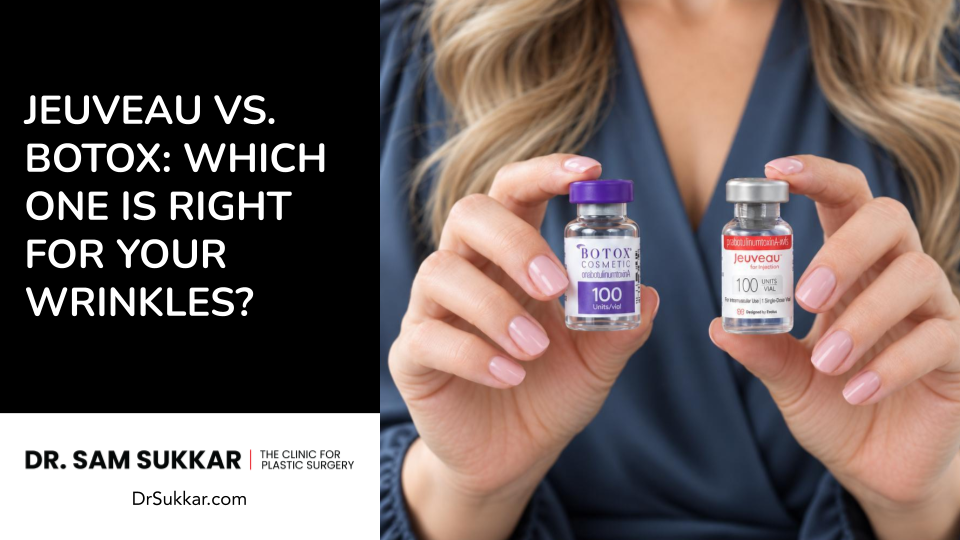
If you are struggling with a hanging lower abdominal pannus, skin rashes or irritation beneath the fold, hygiene challenges, lower back discomfort, or difficulty fitting into clothing, we offer comprehensive surgical and non-surgical apron belly solutions, including:

  • Panniculectomy Surgery (Apron Belly Removal)
  • Tummy Tuck (Abdominoplasty) with Muscle Repair
  • Extended and Fleur-de-Lis Abdominoplasty for Massive Weight Loss Patients
  • Mommy Makeover Procedures Including Pannus Removal
  • Liposuction and Body Contouring of the Abdomen and Flanks
  • Non-Surgical Skin Tightening and Body Contouring Treatments
  • Post-Bariatric Body Contouring Surgery
  • Medical Weight Management and Pre-Surgical Conditioning
  • Customized Surgical and Non-Surgical Treatment Plans

Visit our modern 18,000+ sq. ft. plastic surgery center and med spa in Houston, Texas, designed for comfort, privacy, and results-driven care. From your first consultation through long-term body contour management, our highly skilled team focuses on realistic outcomes, safe treatment planning, and natural-looking abdominal results.

For patients outside the Houston area or those with limited availability, schedule a virtual apron belly consultation.

Book Your Personalized Apron Belly Consultation today at DrSukkar.com or call (281) 940-1535.

About the Author – Meet Dr. Sam Sukkar, MD

Dr. Sam Sukkar, MD, FACS is a highly respected Board-Certified Plastic Surgeon in Houston, Texas, known for his expertise in advanced cosmetic and reconstructive procedures. As the founder of The Clinic for Plastic Surgery, Dr. Sukkar has set a new standard for excellence, performing over 20,000 procedures with a focus on delivering natural, refined results.

Dr. Sukkar earned his Doctor of Medicine (M.D.) degree from Louisiana State University School of Medicine in 1992 after graduating summa cum laude with a Bachelor of Science in Microbiology. He then completed an intensive General Surgery Residency at the University of Texas Hermann Hospital before being selected for a highly competitive Plastic Surgery Fellowship at Northwestern University in Chicago, one of the most prestigious training programs in the country.

With more than 20 years of experience, Dr. Sukkar is a Diplomate of the American Board of Plastic Surgery and a Fellow of the American College of Surgeons (FACS). He is also an active member of the American Society of Plastic Surgeons (ASPS) and the Houston Society of Plastic Surgery (HSPS). His dedication to innovation and continuing education has solidified his reputation as a leading expert in aesthetic surgery, specializing in breast surgery, body contouring, facial procedures, and non-invasive treatments.

Dr. Sukkar’s expertise has been recognized by Houston Magazine, naming him one of Houston’s “Top Docs for Women,” and he has been featured among RealSelf’s America’s Top Doctors. Committed to his patients, he prioritizes personalized care, ensuring every individual feels informed, comfortable, and confident in their aesthetic journey.

Contact Dr. Sukkar today to schedule a consultation, visit DrSukkar.com to learn more, or call us directly at (281) 940-1535.

Apron Belly Diastasis Recti: When the Stomach Won’t Flatten

Apron belly diastasis recti is one of the most frustrating combinations a person can face. The body has done everything asked of it. Diet has been followed. Exercise has been consistent. Weight loss has happened, sometimes dramatically. But the stomach still refuses to flatten. The abdomen still pushes outward, and a fold of skin still hangs from the lower abdomen. For many patients, especially women after pregnancy and childbirth or anyone who has been through significant weight gain, the missing piece is usually the same: the abdominal muscles underneath are separated, and no amount of crunches can put them back together.

Apron belly and diastasis recti often occur together, creating both cosmetic and structural changes in the abdomen that exercise and diet alone may not correct. Understanding how these conditions develop and what treatment options are available helps patients make informed decisions about improving abdominal contour, support, and overall comfort.

Key Takeaways of Apron Belly Diastasis Recti: When the Stomach Won’t Flatten

  • Apron belly diastasis recti describes the combination of hanging skin and separated abdominal muscles.
  • Pregnancy, childbirth, weight gain, massive weight loss, significant weight loss after bariatric surgery are the most common causes.
  • A true apron belly involves stretched skin, sagging and loose skin, and fatty tissue, together as a hanging fold.
  • A tummy tuck (abdominoplasty) is the surgical procedure that addresses both problems together. The procedure performs surgical removal of excess skin and surgical intervention to repair the abdominal wall.
  • Many patients pursue plastic surgery for medical necessity reasons, not just appearance, as the condition has real health implications and impacts self esteem.
  • Getting properly evaluated is the first step to identifying which combination of issues is present.

What Is Diastasis Recti and How Does It Relate to Apron Belly

Diastasis recti is a separation of the rectus abdominis muscles, the paired muscles that run down the front of the abdomen. These are the muscles often called the six-pack muscles. They sit side by side along the midline of the body, connected by a strip of connective tissue called the linea alba. When this connective tissue is stretched too far, the rectus abdominis muscles drift apart, and the abdominal wall loses its central support. This is diastasis recti.

Anatomy of Diastasis Recti

The abdominal muscles are not a single sheet. They are several layers of muscle running in different directions, working together to hold the contents of the abdomen in place. The rectus abdominis muscles are the most visible layer, sitting just beneath the skin and a thin layer of tissue.

When the linea alba between them is stretched beyond its normal elasticity, the muscles separate and the abdominal wall can no longer hold itself flat. Posture changes as the deeper core muscles try to compensate. The midline appears to push outward, especially when the patient bends, coughs, or engages the core.

Why the Stomach Won’t Flatten

The frustration of doing everything right and seeing no flat stomach is real. When apron belly diastasis recti is present, two separate structural problems are working against the patient. Both have to be addressed for the abdomen to actually look smooth and flat.

The Muscle Component

The rectus abdominis muscles cannot be drawn back together through exercise alone. Once the separation is established, the muscles can be strengthened individually, but the abdominal wall remains structurally apart in the middle. Exercise can build muscle tone, improve posture, and engage the core more effectively. None of that closes the gap. Beneath the surface, the linea alba remains stretched.

The deeper core muscles can compensate to a degree, but the front of the abdomen still pushes outward because the structural support is missing. This is why so many post-pregnancy patients describe doing months of dedicated core work without any visible change in their belly profile. The abdomen will not pull smooth until the separated abdominal muscles are physically reconnected.

The Skin and Fat Component

The other half of the problem is the apron itself. Hanging skin, sagging skin, loose skin, and stretched skin all describe the same outcome: skin elasticity has been lost and the skin no longer pulls flat against the body. The elasticity that allows skin to retract after stretching is not infinite, and once the skin has been stretched beyond a certain point, it stays stretched.

The skin and fat in the apron also includes excess fat and fatty tissue that accumulated in the lower abdomen during the same period of weight gain. Even after weight loss reduces the underlying fat, the skin remains in place. Exercise and diet can shrink fat cells, but neither can change skin elasticity in the abdominal area. The skin component of apron belly is structural and permanent without intervention.

Common Apron Belly with Diastasis Recti Causes

Apron belly diastasis recti is most commonly associated with women after pregnancy and childbirth, but it affects men and women across many situations. The common thread is significant stretching of the abdominal wall and skin over a sustained period. Different patients arrive at this combination of conditions through different paths.

Pregnancy and Childbirth

Pregnancy is the most common apron belly cause for women. The growing baby requires the abdomen to expand significantly over nine months. The rectus abdominis muscles are pushed apart to make room. The abdominal wall stretches at every layer. The hips widen. The skin overlying the abdomen stretches to accommodate the changes. For most women, the body recovers partially after childbirth, but a meaningful percentage retain separated abdominal muscles to some degree.

The longer a woman is carrying or the more pregnancies she has, the higher the likelihood of permanent diastasis recti. The thighs and other parts of the body recover, but the abdomen often does not return to its pre-pregnancy state. Life after pregnancy carries this combination of changes for many women.

Weight Fluctuations and Other Factors

Significant weight gain followed by weight loss is the other major cause, and it affects men and women equally. As weight accumulates in the abdomen, the abdominal wall stretches outward to accommodate it. If the patient then experiences significant weight loss, especially after bariatric surgery, the skin and tissue cannot keep pace.

The body loses weight, but the structural changes to the abdomen often remain. Posture can also change as the abdominal muscles weaken with prolonged stretching. Older patients may experience progressive abdominal wall thinning even without dramatic weight events, as the connective tissue between muscle layers loses some of its strength over the decades.

How to Tell If You Have Apron Belly Diastasis Recti

Many patients suspect they have both conditions but have never had it confirmed. Self-assessment can give a rough indication of whether apron belly diastasis recti is present, but a professional evaluation is the only way to confirm the diagnosis and determine the right next step.

Signs You May Have Both Conditions

Signs that suggest the combination include a stomach that does not flatten despite consistent exercise, a visible bulge that pushes outward when engaging the core, a fold of hanging skin sitting over the lower abdomen, and an abdomen that looks distended even at a healthy weight. With a separated muscle, a gap or ridge becomes visible or palpable along the midline.

With true apron belly above it, the fold remains visible as the patient lies down. Many patients have lived with the combination for years before identifying it as a treatable condition.

Getting a Professional Diagnosis

A professional evaluation is the first step toward an actual diagnosis. For a comprehensive evaluation of both the muscle separation and the skin component, a consultation is the right next step.

The evaluation process looks at the abdominal muscles, the extent of excess skin, overall health, and whether non surgical treatments or surgery make the most sense. Many women after multiple pregnancies discover that what seemed like stubborn belly fat is actually a structural issue with a defined treatment path. With the right procedure, patients can achieve a flatter abdomen, improved contour, and a stronger sense of physical comfort and confidence.

Surgical Options – Tummy Tuck and Abdominoplasty

When apron belly diastasis recti is established, the standard surgical procedure that addresses both conditions is the tummy tuck. Plastic surgery offers other related procedures, but the tummy tuck is uniquely designed to handle the combination of separated abdominal muscles, excess skin, and the skin and fat fold that defines the condition. For patients who have exhausted conservative care, this is the surgical intervention that actually solves the problem.

How a Tummy Tuck Addresses Both Problems

A tummy tuck uses a horizontal incision placed low across the lower abdomen, usually hidden within the pubic area. Through this incision, excess skin and the hanging skin and fat of the apron are removed. The procedure removes excess skin while preserving the belly button in a natural-looking position. Liposuction is often added to refine the contour by reducing remaining fatty tissue in the flanks and abdominal area.

A tummy tuck also repairs the abdominal muscles. The separated abdominal muscles are brought back together along the midline, and the rectus abdominis muscles are restored to their proper position. This repair closes the diastasis recti and restores abdominal wall support. The result is a smoother, flatter abdomen because both the muscle separation and excess skin are corrected in the same procedure.

What to Expect from Surgery and Recovery

Surgery is performed under general anesthesia and typically takes two to four hours depending on the extent of repair needed. The resulting scar is positioned to be hidden by most underwear and swimwear.

Recovery involves several weeks of restricted activity, with compression garments worn to support healing. Swelling is common in the lower abdomen for the first month and resolves gradually over several months. Patients are typically back to desk work within two weeks and to full activity by six weeks.

The risk of complications is real but generally low when patients work with The Clinic for Plastic Surgery and follow all post-operative instructions. For patients where the condition has affected daily function, the procedure is often considered medical necessity, not just cosmetic preference. The change after surgery is substantial, with most patients seeing the smooth abdominal area they wanted to rid themselves of years before they pursued surgery.

Frequently Asked Questions About Apron Belly Diastasis Recti: When the Stomach Won’t Flatten

Can diastasis recti heal on its own after pregnancy?

Mild diastasis recti often improves in the months following childbirth as the body recovers from carrying the baby. Targeted physical therapy that engages the transverse abdominis muscle can help reduce the gap caused by diastasis recti by drawing the separated muscles back toward the midline. However, more significant separations rarely heal completely on their own. If diastasis recti persists six to twelve months after childbirth, it likely needs additional intervention. The rectus abdominis muscles cannot fully reconnect through exercise alone once the separation has become structural.

Will exercise alone fix apron belly diastasis recti?

Exercise can strengthen the abdominal muscles, improve muscle tone, support posture, and reduce some symptoms, but it cannot close significant diastasis recti or remove the hanging skin of a true apron belly. The abdominal wall separation is structural, and the excess skin has lost its elasticity. Exercise and diet do not address the muscle separation or the loose skin. For mild cases, dedicated work may produce real improvement. For established apron belly diastasis recti, surgical intervention is generally required to achieve a flat smooth abdomen.

How long does recovery from a tummy tuck take?

Most patients return to desk work within two to three weeks of surgery. Patients typically avoid full activity, including exercise and lifting, for six weeks. Swelling in the lower abdomen and abdominal area resolves gradually over several months. Repairing diastasis recti during surgical procedures can help restore core stability, improve posture, and reduce chronic lower back pain after recovery.


Will pregnancy after a tummy tuck undo the repair?

Possibly. A future pregnancy after a tummy tuck can stretch the abdominal wall again and potentially reopen the muscle repair. The skin can also stretch again, and a new apron belly can develop. For this reason, it s recommended to women to complete their families before pursuing a tummy tuck. Patients who become pregnant after surgery should discuss whether they may need a revision procedure afterward. Many patients in this situation pursue a second tummy tuck after their final pregnancy to restore the corrected abdomen.

How can I tell if my abdominal muscles are separated?

A simple self-check: lie flat on your back with knees bent. Place fingers along the midline of your abdomen, between the navel and the bottom of your rib cage. Lift your head slightly, engaging your abdominal muscles. If you can feel a gap two or more finger widths wide between the rectus abdominis muscles, you likely have diastasis recti. During a consultation, medical evaluation confirms and measures the abdominal gap precisely. Patients who feel a soft gap beneath the skin, with the muscles separating to either side, often have some degree of muscle separation that warrants further evaluation.

Can men have apron belly diastasis recti?

Yes. While pregnancy commonly causes diastasis recti in women, men can develop the condition through significant weight gain and repeated weight loss cycles, especially after bariatric surgery. The mechanism is the same: the abdominal wall stretches beyond what the connective tissue can recover from, and the rectus abdominis muscles separate.

What is the difference between a panniculectomy and tummy tuck?

A panniculectomy is a surgical procedure that removes only the excess skin and fat (pannus) to improve hygiene and mobility, while a tummy tuck (abdominoplasty) removes excess skin and fat and also tightens the underlying abdominal muscles. A plus size tummy tuck addresses the entire abdominal area, including the apron belly, while also tightening the abdominal muscles and improving the contour of the upper abdomen.

Conclusion and Summary of Apron Belly Diastasis Recti: When the Stomach Won’t Flatten

Apron belly diastasis recti is the explanation many patients have been looking for. The stomach that will not flatten despite years of effort is not a personal failing or a lack of discipline. It is a recognized combination of structural conditions: a hanging apron of excess skin sitting on top of separated abdominal muscles. Once the rectus abdominis muscles have separated significantly and the skin has lost its elasticity, neither exercise nor diet can fully correct the problem on its own. Recognizing this clearly is the first step toward an effective solution.

For patients with established apron belly with diastasis recti, a tummy tuck plastic surgery is the surgical procedure that addresses both problems in a single operation. Many patients describe the change after surgery as transformational, restoring not only the appearance of the body but also self esteem, comfort, and the freedom to live without working around the limitations the condition imposed. The right approach starts with honest evaluation and a clear understanding of what each option can actually achieve.

Your Trusted Destination for Apron Belly Surgical and Non-Surgical Treatments in Houston, Texas (TX)

Are you located in one of these Houston Metro Area cities?

Houston, The Woodlands, Sugar Land, Katy, Pearland, Pasadena, League City, Baytown, Conroe, Cypress, Spring, Kingwood, Humble, Missouri City, Friendswood, Bellaire, Clear Lake, Tomball, Galveston, Richmond, Rosenberg, Stafford, La Porte, Deer Park, Seabrook, Webster, Alvin, and Channelview.

Board-Certified Plastic Surgeon Dr. Sam Sukkar, MD, FACS, and the The Clinic for Plastic Surgery Team provide advanced surgical and non-surgical apron belly treatments for both women and men following pregnancy, major weight loss, or bariatric surgery.

If you are struggling with a hanging lower abdominal pannus, skin rashes or irritation beneath the fold, hygiene challenges, lower back discomfort, or difficulty fitting into clothing, we offer comprehensive surgical and non-surgical apron belly solutions, including:

  • Panniculectomy Surgery (Apron Belly Removal)
  • Tummy Tuck (Abdominoplasty) with Muscle Repair
  • Extended and Fleur-de-Lis Abdominoplasty for Massive Weight Loss Patients
  • Mommy Makeover Procedures Including Pannus Removal
  • Liposuction and Body Contouring of the Abdomen and Flanks
  • Non-Surgical Skin Tightening and Body Contouring Treatments
  • Post-Bariatric Body Contouring Surgery
  • Medical Weight Management and Pre-Surgical Conditioning
  • Customized Surgical and Non-Surgical Treatment Plans

Visit our modern 18,000+ sq. ft. plastic surgery center and med spa in Houston, Texas, designed for comfort, privacy, and results-driven care. From your first consultation through long-term body contour management, our highly skilled team focuses on realistic outcomes, safe treatment planning, and natural-looking abdominal results.

For patients outside the Houston area or those with limited availability, schedule a virtual apron belly consultation.

Book Your Personalized Apron Belly Consultation today at DrSukkar.com or call (281) 940-1535.

About the Author – Meet Dr. Sam Sukkar, MD

Dr. Sam Sukkar, MD, FACS is a highly respected Board-Certified Plastic Surgeon in Houston, Texas, known for his expertise in advanced cosmetic and reconstructive procedures. As the founder of The Clinic for Plastic Surgery, Dr. Sukkar has set a new standard for excellence, performing over 20,000 procedures with a focus on delivering natural, refined results.

Dr. Sukkar earned his Doctor of Medicine (M.D.) degree from Louisiana State University School of Medicine in 1992 after graduating summa cum laude with a Bachelor of Science in Microbiology. He then completed an intensive General Surgery Residency at the University of Texas Hermann Hospital before being selected for a highly competitive Plastic Surgery Fellowship at Northwestern University in Chicago, one of the most prestigious training programs in the country.

With more than 20 years of experience, Dr. Sukkar is a Diplomate of the American Board of Plastic Surgery and a Fellow of the American College of Surgeons (FACS). He is also an active member of the American Society of Plastic Surgeons (ASPS) and the Houston Society of Plastic Surgery (HSPS). His dedication to innovation and continuing education has solidified his reputation as a leading expert in aesthetic surgery, specializing in breast surgery, body contouring, facial procedures, and non-invasive treatments.

Dr. Sukkar’s expertise has been recognized by Houston Magazine, naming him one of Houston’s “Top Docs for Women,” and he has been featured among RealSelf’s America’s Top Doctors. Committed to his patients, he prioritizes personalized care, ensuring every individual feels informed, comfortable, and confident in their aesthetic journey.

Contact Dr. Sukkar today to schedule a consultation, visit DrSukkar.com to learn more, or call us directly at (281) 940-1535.

5 Apron Belly Grades That Determine Your Treatment Options

Apron belly grades give patients and medical professionals a shared way to describe what is happening in the lower abdomen. An apron belly does not present the same way in every patient. The condition exists on a clinical scale from mild to severe, and the grade helps determine which treatment options are realistic and effective. A patient with a slight overhang and a patient with hanging tissue extending to the mid thigh require very different approaches, and treating them the same way can lead to poor outcomes.

Understanding where a patient falls on this scale helps guide the most effective treatment plan and creates a clearer path toward a flatter, firmer abdominal contour. Modern surgical procedures can remove excess skin, reduce heavy tissue, improve mobility, and restore a body shape that feels more comfortable and proportional.

Key Takeaways of Apron Belly Grades

  • Apron belly forms after significant weight gain, significant weight loss, or both, often with damage to the abdominal muscles.
  • Apron belly grades range from Grade 1 (mild apron belly with minimal loose skin) to Grade 5 (severe apron belly with hanging tissue extending past the mid thigh).
  • The grade describes how far the fold of skin and fat extends below the natural waistline, from just skin laxity to fat hanging past mid thigh in the mid thigh grade.
  • Grade 1 apron belly covers only the pubic area and typically does not interfere with mobility, while Grade 5 extends below the knees and can severely impact daily activities and quality of life.
  • Sagging skin and skin folds in higher-grade cases require surgical treatment because they no longer respond to lifestyle change.
  • Severe cases (Grade 3 to 5) typically need advanced techniques and a procedure for apron belly removal excess skin from the entire midsection.

What the Five Apron Belly Grades Mean

An apron belly forms when the abdominal area can no longer hold the skin and tissue above it. Over time, weight changes, pregnancy, aging, and other factors cause the lower abdomen to sag and develop a visible fold. The condition is classify it by how far the fold extends downward from the body. This grading system is the basis for choosing the right treatment.

Why Grading Matters for Treatment

Apron belly grades matter because they determine which surgical solutions and surgical options are appropriate. A patient who scores at Grade 1 may benefit primarily from weight management, while a patient at Grade 5 needs full surgical treatment. Surgical intervention is not a one-size-fits-all decision. The exact medical intervention depends on which structures are affected, how much excess skin is present, and what the patient’s broader health picture looks like. Different surgical procedures address different grades.

For lower grades, a mini tummy tuck or even non-surgical fat reduction may be enough. For higher grades, a full tummy tuck or a panniculectomy or tummy tuck combination is typically required to remove excess skin. The goal is to match the apron belly grade to the procedure that removes excess skin appropriately and restores the desired body shape.

Grade 1: Mild Apron Belly with Minimal Loose Skin

Grade 1 is the earliest stage of apron belly development. It typically presents as a mild apron belly with minimal loose skin and a small amount of fat accumulation in the lower abdomen. The fold does not extend significantly below the natural waistline, and skin elasticity is generally intact.

What Grade 1 Looks Like

A Grade 1 mild apron belly is often subtle. The abdominal skin shows minimal loose skin and may still feel relatively firm to the touch. The condition typically involves a small layer of subcutaneous belly fat and some abdominal fat in the lower abdomen, with good skin elasticity preserved. Patients may notice the overhang only when sitting or wearing certain clothing. The abdominal area as a whole remains close to its baseline shape, and just skin laxity is the most visible component rather than significant fat cells or stubborn fat deposits.

Many patients with Grade 1 mistake the condition for normal weight gain. The body still moves and functions without restriction. There is no chronic discomfort, no skin breakdown, no need for daily management. What distinguishes Grade 1 from simple weight gain is the presence of a defined fold, even if small, that does not respond fully to diet alone. Stubborn belly fat at this stage is often manageable through targeted approaches. Non-surgical treatments for Grade 1 apron belly may include diet, exercise, and the use of compression garments to improve comfort and reduce skin irritation.

Treatment Options for Grade 1

Grade 1 cases respond well to weight management. Reaching a healthy weight and maintaining a stable weight through consistent habits often improves the appearance significantly. Building lean muscle mass through resistance training, prioritizing lean protein in the diet, and supporting muscle tone in the core are all useful strategies. Weight gain or weight loss does not need to be dramatic; small, consistent changes accumulate over months.

If the patient wants surgical options, a mini tummy tuck may be appropriate. A mini procedure addresses the lower abdomen with a shorter incision and shorter recovery than a full tummy tuck. For patients more interested in fat reduction than skin removal, non-surgical body contouring treatments may produce satisfactory results.

Grade 2 and Grade 3: Pubic Hairline and Pubic Bone

Grades 2 and 3 represent moderate apron belly cases. The fold extends further downward, and the abdominal area shows visible structural changes that affect daily life. These grades involve more skin and fat than Grade 1 and typically follow more significant weight events. Surgical intervention often becomes the most effective option at these grades.

Grade 2: Fold Reaches the Pubic Hairline

In Grade 2, the apron belly forms a fold that extends to the pubic hairline but does not yet cover the pubic bone. Skin folds become more pronounced. The hanging tissue contains a combination of subcutaneous fat, loose skin, and stretched abdominal skin. Sagging skin starts to appear along the lower edge of the fold. Excess skin is present but is not yet extreme. Fat cells in the area have multiplied, and fat distribution is more visibly altered.

A mini tummy tuck is appropriate at this grade, especially when skin and fat involvement is concentrated below the navel. For patients with more general involvement, a full tummy tuck may be discussed. A tummy tuck, or abdominoplasty, not only removes excess skin but also tightens abdominal muscles and repositions the belly button, providing both functional and aesthetic improvements. Also, for Grade 2 apron belly, advanced non-invasive treatments like cryolipolysis (fat freezing) or laser therapy may be beneficial, along with lifestyle changes and skin care.

Grade 3: Fold Covers the Pubic Bone

Grade 3 marks a clear transition into the territory where surgical options become the primary treatment path. The fold of fat hanging from the lower abdomen now covers the pubic bone. Excess skin and excess abdominal skin are clearly present. Excess skin and fat together make up the fold. Skin loses elasticity to a degree that makes any meaningful retraction impossible without surgery. The abdominal wall and abdominal muscles often show weakening from the cumulative pressure, and the condition can begin to increase intra abdominal pressure during activity.

For Grade 3 cases, a tummy tuck is the most common recommendation. A panniculectomy or tummy tuck combination may also be considered, depending on whether medical complications are documented and whether insurance coverage applies.

Grade 4 and Grade 5: Upper Thigh and Mid Thigh Grade

Grades 4 and 5 represent severe apron belly cases. The condition has reached a stage where the impact on daily life is significant and the structural changes are extensive. These grades typically require full surgical treatment with advanced techniques. Conservative approaches do not resolve the problem at this level.

Grade 4: Upper Thigh Grade

Grade 4, often called the upper thigh grade, describes a severe apron belly with hanging tissue and excess tissue that extends past the pubic bone toward the upper thigh. The fold is large enough that the patient cannot fully see their pubic area when standing. Excess skin and the underlying skin and fat dominate the lower abdomen. Sagging skin and loose skin extend across the entire fold. Skin folds within the apron create environments where skin irritation and skin infections become common.

At this grade, the abdominal muscles often show significant weakening or separation. It is particularly in patients who have undergone bariatric surgery or experienced significant weight loss. At Grade 4, surgical intervention is typically necessary.

Panniculectomy is a surgical procedure specifically designed to remove excess skin and fat from the lower abdomen, primarily for medical relief rather than cosmetic enhancement. It is recommended to alleviate discomfort and improve quality of life. The surgical procedures required at Grade 4 are more involved than at lower grades and benefit from the experience of a surgical team.

Grade 5: Mid Thigh Grade and Beyond

Grade 5, the mid thigh grade, describes the most severe presentation. The apron extends to or past the mid thigh, with significant fat hanging and an enormous volume of excess skin and fat. The abdominal tissue and abdominal wall are stretched beyond what most patients can imagine, and the fold can cover the entire midsection from above the navel down to the knees in extreme cases. Skin breakdown is common at this grade, and skin infections occur frequently. Patients often live with chronic pain from the weight of the apron pulling on the spine, hips, and lower back.

Grade 5 apron belly cases often require advanced surgical techniques. The procedure involves removing a substantial volume of tissue while preserving healthy blood supply to the surrounding areas. A panniculectomy or tummy tuck is the standard approach, and the most severe cases may require multiple staged procedures.

Frequently Asked Questions About 5 Apron Belly Grades That Determine Your Treatment Options

How do I know which apron belly grade I have?

Apron belly grades in men and women are based on how far the fold of skin and fat extends below the natural waistline. Grade 1 is a mild apron belly with minimal loose skin reaching to or slightly past the belly button. The following grade reaches the pubic hairline. Grade 3 covers the pubic bone. The 4 grade is the upper thigh grade, extending past the pubic bone. Grade 5 is the mid thigh grade, with hanging tissue extending to or past the mid thigh. A proper evaluation provides the most accurate grading and helps determine the most appropriate surgical or medical treatment options.

Can I move down in grade through diet and exercise?

In some cases, yes. Patients with Grade 1 or early Grade 2 may improve their condition meaningfully through weight management. However, once skin loses elasticity and the apron belly forms with significant excess skin and fat, the structural changes typically cannot be reversed without surgical removal.

What is the difference between a tummy tuck and a panniculectomy?

A tummy tuck is a cosmetic surgical procedure that addresses excess skin, excess fat, and the abdominal muscles in the lower abdomen. It typically includes muscle repair, removal of excess abdominal skin, and repositioning of the belly button. A panniculectomy removes excess tissue and hanging tissue without addressing the abdominal muscles. It is often performed as medical treatment when skin infections, skin breakdown, or chronic pain are documented.

Does grading change after weight loss surgery?

After bariatric surgery, many patients lose enough weight that their apron belly grade increases visually, not decreases. This happens because subcutaneous fat shrinks dramatically while the skin does not retract to match. A patient who was Grade 2 before bariatric surgery may appear to be Grade 3 or 4 afterward, even though they have lost a significant amount of weight. This is one of the most common reasons patients consider surgical removal after rapid weight loss. The skin retraction simply cannot keep up with the speed of fat loss.

Conclusion and Summary of 5 Apron Belly Grades That Determine Your Treatment Options

Apron belly grades are the foundation of effective treatment planning. A mild apron belly at Grade 1 responds well to lifestyle approaches, weight management, and maintenance of a healthy weight. A severe apron belly at Grade 4 or Grade 5 requires medical intervention with surgical solutions that can address the extent of the condition. Grades in between require careful evaluation to determine whether a mini tummy tuck, a full tummy tuck, or a panniculectomy combination is most appropriate.

Patients who understand their grade before consultation are better prepared to have a productive conversation during consultation. They can discuss realistic surgical options, evaluate trade-offs, and choose the procedure that removes excess skin in proportion to what their body actually needs. The grade is a starting point for finding the right path forward. Across every grade, the goal is the same. A body shape that reflects the patient’s reality and supports their daily life with comfort and confidence.

Your Trusted Destination for Apron Belly Surgical and Non-Surgical Treatments in Houston, Texas (TX)

Are you located in one of these Houston Metro Area cities?

Houston, The Woodlands, Sugar Land, Katy, Pearland, Pasadena, League City, Baytown, Conroe, Cypress, Spring, Kingwood, Humble, Missouri City, Friendswood, Bellaire, Clear Lake, Tomball, Galveston, Richmond, Rosenberg, Stafford, La Porte, Deer Park, Seabrook, Webster, Alvin, and Channelview.

Board-Certified Plastic Surgeon Dr. Sam Sukkar, MD, FACS, and the The Clinic for Plastic Surgery Team provide advanced surgical and non-surgical apron belly treatments for both women and men following pregnancy, major weight loss, or bariatric surgery.

If you are struggling with a hanging lower abdominal pannus, skin rashes or irritation beneath the fold, hygiene challenges, lower back discomfort, or difficulty fitting into clothing, we offer comprehensive surgical and non-surgical apron belly solutions, including:

  • Panniculectomy Surgery (Apron Belly Removal)
  • Tummy Tuck (Abdominoplasty) with Muscle Repair
  • Extended and Fleur-de-Lis Abdominoplasty for Massive Weight Loss Patients
  • Mommy Makeover Procedures Including Pannus Removal
  • Liposuction and Body Contouring of the Abdomen and Flanks
  • Non-Surgical Skin Tightening and Body Contouring Treatments
  • Post-Bariatric Body Contouring Surgery
  • Medical Weight Management and Pre-Surgical Conditioning
  • Customized Surgical and Non-Surgical Treatment Plans

Visit our modern 18,000+ sq. ft. plastic surgery center and med spa in Houston, Texas, designed for comfort, privacy, and results-driven care. From your first consultation through long-term body contour management, our highly skilled team focuses on realistic outcomes, safe treatment planning, and natural-looking abdominal results.

For patients outside the Houston area or those with limited availability, schedule a virtual apron belly consultation.

Book Your Personalized Apron Belly Consultation today at DrSukkar.com or call (281) 940-1535.

About the Author – Meet Dr. Sam Sukkar, MD

Dr. Sam Sukkar, MD, FACS is a highly respected Board-Certified Plastic Surgeon in Houston, Texas, known for his expertise in advanced cosmetic and reconstructive procedures. As the founder of The Clinic for Plastic Surgery, Dr. Sukkar has set a new standard for excellence, performing over 20,000 procedures with a focus on delivering natural, refined results.

Dr. Sukkar earned his Doctor of Medicine (M.D.) degree from Louisiana State University School of Medicine in 1992 after graduating summa cum laude with a Bachelor of Science in Microbiology. He then completed an intensive General Surgery Residency at the University of Texas Hermann Hospital before being selected for a highly competitive Plastic Surgery Fellowship at Northwestern University in Chicago, one of the most prestigious training programs in the country.

With more than 20 years of experience, Dr. Sukkar is a Diplomate of the American Board of Plastic Surgery and a Fellow of the American College of Surgeons (FACS). He is also an active member of the American Society of Plastic Surgeons (ASPS) and the Houston Society of Plastic Surgery (HSPS). His dedication to innovation and continuing education has solidified his reputation as a leading expert in aesthetic surgery, specializing in breast surgery, body contouring, facial procedures, and non-invasive treatments.

Dr. Sukkar’s expertise has been recognized by Houston Magazine, naming him one of Houston’s “Top Docs for Women,” and he has been featured among RealSelf’s America’s Top Doctors. Committed to his patients, he prioritizes personalized care, ensuring every individual feels informed, comfortable, and confident in their aesthetic journey.

Contact Dr. Sukkar today to schedule a consultation, visit DrSukkar.com to learn more, or call us directly at (281) 940-1535.

How Apron Belly Liposuction Works and What to Expect

Apron belly liposuction is one of the most discussed fat removal options in modern body contouring. For patients dealing with an apron belly, the question of whether liposuction alone can resolve the condition comes up almost every time. Plastic surgery offers several paths, and liposuction is one of them, but understanding what it actually does in the lower abdomen and abdominal area is essential before deciding on a procedure.

Liposuction for an apron belly depends on the amount of excess fat, hanging skin, skin elasticity, and abdominal wall laxity present in the lower abdomen. Some patients are good candidates for liposuction alone, while others require additional procedures to address loose skin and achieve a smoother abdominal contour.

Understanding what liposuction can and cannot accomplish helps patients have a productive conversation about the right next step. Excess fat and hanging skin behave differently during body contouring surgery, and that distinction shapes every part of the decision.

Key Takeaways of Apron Belly Liposuction

  • Apron belly liposuction is a fat removal technique that targets excess fat, stubborn fat, and localized fatty tissue. It does not perform excess skin removal and cannot remove excess skin on its own.
  • Patients with significant overhang typically need a tummy tuck or a panniculectomy surgery for full apron belly surgery results.
  • Apron belly removal often combines body contouring procedures rather than relying on a single technique.
  • Medical history, body mass index, stable weight, and realistic expectations all play an important role when determining whether surgical procedures are appropriate.
  • Most patients return to most activities within a few weeks, though full results from body contouring surgery develop over months.

What Apron Belly Liposuction Is and How It Works

An apron belly, also called a pannus stomach or apron stomach, is a fold of skin and fat that hangs from the lower abdomen. Apron belly liposuction is the technique that uses small cannulas inserted through tiny incisions to suction out fatty tissue from the affected area.

How Liposuction Targets the Apron Belly

Apron belly liposuction targets the fatty tissue within and beneath the apron fold. Thin cannulas break up and remove excess fat from the lower abdomen, upper abdomen, and surrounding abdominal area as needed. Extra fat that have not responded to diet or exercise can be suctioned out in a controlled manner. The result is a flatter contour where the fat previously sat. Body contouring through liposuction is precise enough to address specific zones rather than treating the entire midsection uniformly.

Most outpatient procedures of this kind take one to three hours depending on the size of the treatment area. This cosmetic procedure produces visible fat reduction once swelling resolves, typically over the following months. The remaining skin must be able to contract properly after fat removal for the contour to look smooth and natural.

What Liposuction Alone Can and Cannot Do

Apron belly liposuction can produce a meaningful reduction in fat volume. What it cannot do is remove excess skin. The procedure is purely about fat hanging within the fold, not about the skin and fat together. In some cases, removing the fat actually makes loose skin and stretched skin appear more obvious because the volume holding the skin out is no longer there.

Patients whose pannus stomach is mostly fatty tissue with reasonable skin elasticity may see good results from liposuction alone. Patients whose apron belly naturally formed from years of weight changes, with significant extra skin once the fat is removed, typically need excess skin removal as part of the plan. Liposuction does not address the abdominal muscles or abdominal wall either. The procedure depends on the specific composition of the apron belly. If it is mostly fat, liposuction is enough; if it is mostly skin, liposuction alone will disappoint. Body contouring needs to match the anatomy.

Who Is a Good Candidate for Apron Belly Liposuction

Candidacy for apron belly liposuction depends on more than just the appearance of the apron itself. A full health evaluation includes medical history, body mass index, current weight stability, and overall health before the procedure is recommended. Most patients who are well-matched to the procedure are satisfied with the result.

The Ideal Candidate Profile

The ideal candidate for liposuction is in good overall health, has a body mass index typically below 30, maintains a stable weight that has not fluctuated significantly in the past six months, and approaches the consultation with realistic expectations. Medical history is reviewed in detail, including any conditions that affect healing, bleeding, or anesthesia tolerance. Most patients are expected to be non-smokers or to have stopped smoking for at least four weeks before surgery.

The candidate’s apron belly should be made up primarily of fat rather than skin. If the procedure depends on removing localized fatty tissue and the patient’s skin can retract to match the new contour, liposuction can deliver an excellent result. Patients with stable weight who have not gone through significant weight gain followed by weight loss typically have better skin tone and respond well. Those who continue to gain weight after surgery will see their fat redistribute, so a commitment to maintaining the result is important from the outset.

When Other Procedures Make More Sense

Patients who have undergone significant weight loss, weight loss surgery, or bariatric surgery typically present with a different clinical picture. The fat has often already been reduced through dramatic weight loss, but the skin has not retracted. The result is excess, sagging skin, and overhanging skin that liposuction cannot address. For these patients, apron belly removal usually involves apron belly surgery in the form of a tummy tuck or panniculectomy surgery instead of liposuction alone.

Patients with weakened abdominal muscles or a stretched abdominal wall after pregnancy need muscle repair that only a tummy tuck can provide. A panniculectomy procedure can address medical issues caused by hanging skin and is sometimes performed as reconstructive surgery rather than cosmetic plastic surgery. Medical history, body mass index, and the structural details of the abdomen help determine which approach fits best. Liposuction may still be part of the treatment plan, but it is rarely the only procedure.

Combining Liposuction with Tummy Tuck or Panniculectomy

In many cases, apron belly liposuction is combined with other surgical procedures rather than performed alone. Surgical intervention for apron belly correction often involves multiple components addressed in a single session. Body contouring surgery that combines liposuction with a tummy tuck or panniculectomy procedure can address fat, skin, and underlying structures together.

Liposuction with a Tummy Tuck

Combining liposuction with a tummy tuck has become a standard approach in apron belly surgery. Liposuction reduces excess fat in the flanks, upper abdomen, and surrounding abdominal areas while the tummy tuck addresses excess skin and excess abdominal skin, repositions the belly button, repairs the abdominal muscles when needed, and tightens the abdominal wall. The result is a firmer abdomen with the remaining skin pulled tightly across the new contour.

Tummy tuck results often improve when liposuction is included because more fat deposits can be addressed during a single session. The procedure removes both the hanging fat and excess skin from the apron area, creating a more sculpted appearance across the abdominal region. The pubic area appears smoother, and the transition from the upper abdomen down to the pubic area looks more proportional. This combined approach is commonly performed as a single body contouring surgery rather than separate procedures.

Liposuction with Panniculectomy

The panniculectomy procedure removes the hanging skin and excess tissue of the apron, focusing on cases where the fat hanging from the lower abdomen has caused medical issues. Panniculectomy surgery is often categorized as reconstructive surgery rather than cosmetic surgery.

Liposuction can be added to a panniculectomy to refine the surrounding contour, especially in the pubic area, flanks, and abdominal wall regions adjacent to the pannus. If hernia repair is also needed, it may be performed during the same surgical procedure. Combining these procedures creates more flexibility for improving contour while still addressing reconstructive needs. Additional body contouring procedures may also be combined depending on the patient’s anatomy and goals.

Benefits, Risks, and Potential Complications

Like any surgery, apron belly liposuction carries both meaningful benefits and real risks. Most patients see noticeable improvement in the appearance of the lower abdomen when the procedure matches their anatomy and treatment goals. The risks are generally manageable with proper screening and careful recovery, but patients should understand them clearly before moving forward with the procedure.

What Most Patients Gain from the Procedure

Most patients describe meaningful improvement in self confidence after apron belly liposuction. The body contouring effect produces a flatter, smoother lower abdomen that fits clothing better and feels more comfortable in daily life. For patients who had been managing the apron with daily workarounds, the procedure ends years of emotional distress about a body issue that diet and exercise could not fix. Skin irritation and skin problems beneath the fold often resolve once the volume is reduced, particularly in cases where liposuction is combined with skin removal.

Realistic expectations play an important role during the consultation process. The goal is meaningful improvement, not perfection, because no surgical procedure can produce a flawless result. Patients who understand what liposuction can and cannot accomplish tend to report the highest satisfaction. The removed fat cells do not return, although future weight gain can still affect the remaining fat cells throughout the body.

Known Risks and How to Reduce Them

Liposuction risks include bruising, swelling, contour irregularities, fluid accumulation, infection, and reactions to anesthesia. These complications are uncommon when patients are properly screened and follow the recovery protocol carefully. Medical history disclosure before surgery is important so any conditions affecting healing or bleeding can be addressed.

Overall health also affects recovery. Patients with stable weight, good nutrition, and no active illness generally heal more smoothly and experience fewer complications. Most patients feel comfortable within the first few weeks, although full healing and skin settling can take several months.

Frequently Asked Questions About How Apron Belly Liposuction Works and What to Expect

Can apron belly liposuction remove excess skin?

No. Apron belly liposuction is a fat removal procedure that addresses fatty tissue and stubborn fat. It does not perform excess skin removal. Patients with significant skin in the lower abdomen need a tummy tuck or panniculectomy surgery to remove the skin component. Liposuction can be combined with these procedures for a more complete result.

How does liposuction compare to a tummy tuck for apron belly?

Liposuction handles fat. A tummy tuck handles fat, skin, and the abdominal muscles. For an apron belly that is primarily fat hanging from the lower abdomen, liposuction alone may be enough. For an established apron belly with hanging skin and weakened abdominal wall, a tummy tuck delivers better tummy tuck results because it addresses all the components together.

Who is the right candidate for apron belly liposuction?

The right candidate is in good overall health, has a body mass index typically below 30, maintains a stable weight, has a strong medical history, holds realistic expectations, and presents with an apron belly that is primarily fat rather than skin. Apron belly naturally varies in composition from one patient to the next, and the procedure depends on that composition.

How long is recovery after apron belly liposuction?

Most patients return to desk work within seven to ten days. Full recovery from apron belly liposuction takes a few weeks for daily comfort and several months for final results from body contouring to fully settle. A compression garment is worn during recovery. Postoperative complications are uncommon when patients follow all instructions, and maintain overall health throughout the process.

Which procedures work well with liposuction?

Yes. Many patients combine apron belly liposuction with a tummy tuck or panniculectomy as part of comprehensive body contouring surgery. A Mommy Makeover may also include breast augmentation, breast lifts, or thigh liposuction. Combining body contouring procedures in a single surgical intervention reduces total recovery time compared with separate procedures, though it does extend the time in surgery.

What results should I realistically expect?

Most patients see a smoother, flatter lower abdomen with less fat hanging from the apron area. The improvement in self confidence and reduction in emotional distress about body shape is often as meaningful as the visible change. However, patients should approach the procedure with realistic expectations. Liposuction reduces fat in the treated areas but does not significantly tighten or remove loose skin. If excess skin is present, the result will look different than what a tummy tuck delivers.

Conclusion and Summary of How Apron Belly Liposuction Works and What to Expect

Apron belly liposuction is a useful tool in the broader category of plastic surgery for the lower abdomen. For the right patient, fat removal through liposuction produces a meaningful change in body contour and a real improvement in self confidence. When the apron is primarily fat and the skin is reasonably intact, the procedure can stand on its own. When the apron involves significant skin, combining liposuction with a tummy tuck or panniculectomy creates a more complete apron belly surgery result.

Each patient requires an individualized evaluation to determine the most appropriate combination of procedures. Some patients benefit from liposuction alone, while others require body contouring surgery that combines multiple techniques. Excess fat removal is only one part of a more comprehensive plan that may also address excess skin and weakened abdominal muscles. The result is a firmer abdomen and a contour that feels more aligned with the patient’s goals.

Realistic expectations, careful preparation, and a strong working relationship with the surgical team give most patients the best chance of a successful experience. The procedure itself takes hours; the planning takes weeks; the recovery takes months. The result lasts for years when the patient maintains the conditions that allowed the procedure to succeed in the first place.

Your Trusted Destination for Apron Belly Surgical and Non-Surgical Treatments in Houston, Texas (TX)

Are you located in one of these Houston Metro Area cities?

Houston, The Woodlands, Sugar Land, Katy, Pearland, Pasadena, League City, Baytown, Conroe, Cypress, Spring, Kingwood, Humble, Missouri City, Friendswood, Bellaire, Clear Lake, Tomball, Galveston, Richmond, Rosenberg, Stafford, La Porte, Deer Park, Seabrook, Webster, Alvin, and Channelview.

Board-Certified Plastic Surgeon Dr. Sam Sukkar, MD, FACS, and the The Clinic for Plastic Surgery Team provide advanced surgical and non-surgical apron belly treatments for both women and men following pregnancy, major weight loss, or bariatric surgery.

If you are struggling with a hanging lower abdominal pannus, skin rashes or irritation beneath the fold, hygiene challenges, lower back discomfort, or difficulty fitting into clothing, we offer comprehensive surgical and non-surgical apron belly solutions, including:

  • Panniculectomy Surgery (Apron Belly Removal)
  • Tummy Tuck (Abdominoplasty) with Muscle Repair
  • Extended and Fleur-de-Lis Abdominoplasty for Massive Weight Loss Patients
  • Mommy Makeover Procedures Including Pannus Removal
  • Liposuction and Body Contouring of the Abdomen and Flanks
  • Non-Surgical Skin Tightening and Body Contouring Treatments
  • Post-Bariatric Body Contouring Surgery
  • Medical Weight Management and Pre-Surgical Conditioning
  • Customized Surgical and Non-Surgical Treatment Plans

Visit our modern 18,000+ sq. ft. plastic surgery center and med spa in Houston, Texas, designed for comfort, privacy, and results-driven care. From your first consultation through long-term body contour management, our highly skilled team focuses on realistic outcomes, safe treatment planning, and natural-looking abdominal results.

For patients outside the Houston area or those with limited availability, schedule a virtual apron belly consultation.

Book Your Personalized Apron Belly Consultation today at DrSukkar.com or call (281) 940-1535.

About the Author – Meet Dr. Sam Sukkar, MD

Dr. Sam Sukkar, MD, FACS is a highly respected Board-Certified Plastic Surgeon in Houston, Texas, known for his expertise in advanced cosmetic and reconstructive procedures. As the founder of The Clinic for Plastic Surgery, Dr. Sukkar has set a new standard for excellence, performing over 20,000 procedures with a focus on delivering natural, refined results.

Dr. Sukkar earned his Doctor of Medicine (M.D.) degree from Louisiana State University School of Medicine in 1992 after graduating summa cum laude with a Bachelor of Science in Microbiology. He then completed an intensive General Surgery Residency at the University of Texas Hermann Hospital before being selected for a highly competitive Plastic Surgery Fellowship at Northwestern University in Chicago, one of the most prestigious training programs in the country.

With more than 20 years of experience, Dr. Sukkar is a Diplomate of the American Board of Plastic Surgery and a Fellow of the American College of Surgeons (FACS). He is also an active member of the American Society of Plastic Surgeons (ASPS) and the Houston Society of Plastic Surgery (HSPS). His dedication to innovation and continuing education has solidified his reputation as a leading expert in aesthetic surgery, specializing in breast surgery, body contouring, facial procedures, and non-invasive treatments.

Dr. Sukkar’s expertise has been recognized by Houston Magazine, naming him one of Houston’s “Top Docs for Women,” and he has been featured among RealSelf’s America’s Top Doctors. Committed to his patients, he prioritizes personalized care, ensuring every individual feels informed, comfortable, and confident in their aesthetic journey.

Contact Dr. Sukkar today to schedule a consultation, visit DrSukkar.com to learn more, or call us directly at (281) 940-1535.

Apron Belly in Men: Lower Belly Problem Guys Try to Hide

The conversation around apron belly almost always centers on women, but apron belly men face the same condition and often have an even harder time talking about it. A hanging belly that drapes over the waistband of the pants is not something most guys will bring up. It affects how clothes fit, how the body moves, and how a man feels about his own appearance. For many men, the emotional distress that comes with the condition is just as significant as the physical issues.

Apron belly in men develops differently than it does in women because of differences in fat distribution, abdominal structure, and weight gain patterns. The condition can create daily physical discomfort, skin irritation, mobility issues, and frustration with body image. Clear information about what causes a pannus, how it progresses, and what options exist for managing or correcting it helps men better understand what is happening in the lower abdomen. Honest education gives patients a more realistic view of both non-surgical treatments and surgical solutions while helping restore self confidence in their body.

Key Takeaways of Apron Belly in Men

What an Apron Belly Looks Like in Men

An apron belly in a male body has its own distinct presentation. While the underlying condition is the same as in women, the way the pannus stomach hangs, the distribution of weight in the abdomen, and the typical patterns of skin and fat differ. Knowing what to expect helps men identify the condition accurately and decide how to address it.

Causes of a An Apron Belly

As men age, metabolic changes and declining testosterone cause the body to store more abdominal fat, while the skin loses thickness and elasticity. Hormonal changes during menopause can encourage fat to move to the stomach and promote fat deposits in the lower abdomen. This contribute to the formation of an apron belly.

Significant weight loss can leave behind loose skin that has lost its natural elasticity, creating a deflated hanging envelope of tissue.

How the Pannus Appears Differently in Men

Male bodies tend to carry weight differently than female bodies. The classic mother’s apron in a woman’s body often forms after pregnancy and tends to extend low across the lower abdomen toward the pubic area. In apron belly men, the hanging belly usually develops from sustained weight gain and weight loss cycles. The pannus stomach tends to extend forward and down from the lower abdomen, sometimes reaching toward the upper thighs in severe cases. Skin hangs over the waistband and creates a clear horizontal fold that defines the apron stomach.

The big picture of the male presentation includes the abdominal area as a whole, not just the fold itself. Men with an apron belly often also carry visceral fat in the upper abdomen, which makes the entire midsection appear larger. The belly fat that contributes to the visible apron is one component of a broader change in body shape, and the body needs to be assessed as a whole rather than treating the fold in isolation.

The Fat vs Skin Component

The fold contains belly fat in the form of subcutaneous fatty tissue, along with the abdominal skin that has stretched to cover it. The skin and fat are biologically linked. In some men, the apron is primarily excess fat with a moderate amount of overlying skin. In others, especially those who have lost a large amount of weight, the apron is dominated by extra and excess skin and fat that has lost the ability to retract.

Sagging skin and loose skin in the lower abdomen reflect the loss of elasticity that comes with repeated stretching. The body can shed fat through diet and exercise, but it cannot shed skin in the same way. Even after the fat is reduced, the skin remains in place. This is why men who lose significant amounts of weight often discover that the apron belly looks more obvious, not less, once the underlying fat is gone. The abdominal area shows the structural changes the skin has gone through.

Health Risks

The presence of visceral fat associated with an apron belly can generate toxins that may lead to serious health issues. A pannus stomach can lead to significant health concerns, including chafing, skin infections, redness, swelling, and discomfort.

Moisture trapped beneath the overhanging skin often creates an environment where bacteria and fungal infections can develop repeatedly. Some men also experience lower back pain, poor posture, restricted mobility, difficulty exercising, and irritation during daily activities. In more advanced cases, the extra weight placed on the abdominal wall can contribute to skin breakdown, chronic inflammation, and worsening physical discomfort over time.

Why Apron Belly Happens in Men

There is no single cause of apron belly in men. The condition develops through a combination of factors that affect the body over years or decades. Understanding the apron belly causes helps men make sense of why diet and exercise alone often cannot fix the problem. Some causes are within a person’s control; others are not. Either way, identifying the contributing factors is the first step toward managing or correcting the condition.

Weight Gain, Weight Loss, and Bariatric Surgery

Weight gain is the most common starting point. As body fat accumulates in the lower abdomen, the abdominal skin stretches to accommodate it. Many men develop stretch marks during this phase. When weight loss follows, whether intentional or not, the skin does not always retract. After repeated cycles, the skin permanently loses elasticity. The fold of an apron belly is established once skin can no longer keep pace with the changing volume of body fat beneath it.

Significant weight loss after bariatric surgery is a major contributor for many men. Massive weight loss, whether through bariatric surgery, medication, or a structured plan combining a balanced diet and exercise to lose weight, often produces dramatic fat loss in a short period. Reducing fat at that rate is good for general health, but the skin cannot retract fast enough to match. The result is a pronounced apron belly that becomes more visible as the underlying fat shrinks. Even men who reduce fat steadily through long-term effort can end up with significant extra skin.

Sedentary Lifestyle and Core Muscle Weakness

A sedentary lifestyle contributes to apron belly in multiple ways. Long periods of inactivity allow the abdominal muscles to weaken. The rectus muscles in the abdominal wall lose tone, and the deeper core muscles also lose function. As these muscles weaken, the abdominal wall cannot hold the contents of the abdomen as firmly. The result is a more rounded, protruding lower abdomen, and over time this contributes to the appearance of an apron belly.

A sedentary pattern also makes weight gain more likely, which compounds the problem. Diet and exercise, including a balanced diet and consistent physical activity, support general health and reduce the risk of medical conditions linked to abdominal obesity. Addressing the apron belly is not just cosmetic; it is connected to better overall health.

Surgical Options for Apron Belly in Men

For men, an established apron belly removal management is usually the only approach that produces a complete and lasting result. Understanding the available options helps men make an informed choice.

Tummy Tuck for Men

The tummy tuck surgery is the most common surgical procedure for apron belly correction in men. The procedure removes excess skin from the lower abdomen, repositions the belly button, and tightens the abdominal muscles when needed. Men whose abdominal wall has weakened over time may also require rectus muscle repair to restore strength and support in the abdominal area. The result is a flatter abdominal area and a more defined midsection.

Many patients are surprised by how natural the result looks. The tummy tuck is not just about removing skin; it is about restoring the original contour of the body. Men who undergo a tummy tuck as part of a cosmetic surgery typically return to desk work within two to three weeks. The lower abdomen recovers steadily over the months following surgery, and the result is durable when weight is maintained.

Panniculectomy as Reconstructive Surgery

Panniculectomy is a more focused surgical procedure that removes excess skin and excess tissue without addressing the abdominal muscles. It is categorized as surgical management of a medical condition rather than purely cosmetic intervention.

The panniculectomy removes the hanging skin and sagging skin of the apron belly, leaving a flatter lower abdomen. It does not produce the same comprehensive result as a tummy tuck because it does not tighten or repair the abdominal wall. Many patients combine a panniculectomy with later cosmetic correction for the best result. The decision between the two procedures depends on what the patient needs and what the abdominal area looks like at the time of consultation.

Frequently Asked Questions About Apron Belly in Men: Lower Belly Problem Guys Try to Hide

Is apron belly in men the same as in women?

The underlying condition is the same. Apron belly men and women both experience excess skin and fat hanging from the lower abdomen. The way the fold appears can differ based on body shape and how the body distributes weight. In a woman’s body, the apron often forms after giving birth, while in men it more commonly follows weight gain and weight loss cycles,

Can diet and exercise alone get rid of an apron belly in men?

Diet and exercise can reduce belly fat and overall body weight, but they cannot remove excess skin. A balanced diet, exercising regularly, and consistent physical activity drive fat loss, which makes the fold smaller. However, the excess skin and fat that define an apron belly will remain even after significant weight loss. Many patients see this as a frustration: the more they reduce fat, the more clearly the extra skin shows. Surgery is the only way to remove excess skin permanently.

What surgical procedure is best for apron belly in men?

A tummy tuck is the most common surgical procedure for apron belly surgery in men. The procedure removes excess skin, repositions the belly button, and tightens the rectus muscles in the abdominal wall when needed (diastasis recti). Panniculectomy is another option and may qualify as reconstructive surgery when medical complications justify it.

How long does recovery from apron belly surgery take?

Most patients return to desk work within two to three weeks. Patients wear a compression garment for several weeks to support the abdominal area. Most patients avoid strenuous activity for six weeks. The few weeks immediately after surgery are the most demanding, and many patients describe the first ten days as the hardest. Full apron belly results develop over several months as swelling resolves and the lower abdomen settles into its new contour.

Conclusion and Summary of Apron Belly in Men: Lower Belly Problem Guys Try to Hide

Many men live with apron belly, yet few openly discuss the condition. The hanging belly that develops from years of weight changes, sedentary patterns, or both creates real daily challenges. Excess skin in the abdominal area does not respond to exercise, diet, or willpower alone. For some men, daily management is enough to coexist with the condition. For many others, the only path to a complete change is surgical.

A tummy tuck remains the gold standard apron belly surgery for men who want comprehensive correction. Panniculectomy serves as reconstructive surgery for men whose primary need is medical relief. The bigger picture is that men have real options and deserve to know what they are.

After the procedure, maintaining a healthy lifestyle with a balanced diet, exercising regularly, and consistent physical activity gives the result the best chance of lasting. Many patients describe the experience as restoring not only their body but also their self confidence.

Your Trusted Destination for Apron Belly Surgical and Non-Surgical Treatments in Houston, Texas (TX)

Are you located in one of these Houston Metro Area cities?

Houston, The Woodlands, Sugar Land, Katy, Pearland, Pasadena, League City, Baytown, Conroe, Cypress, Spring, Kingwood, Humble, Missouri City, Friendswood, Bellaire, Clear Lake, Tomball, Galveston, Richmond, Rosenberg, Stafford, La Porte, Deer Park, Seabrook, Webster, Alvin, and Channelview.

Board-Certified Plastic Surgeon Dr. Sam Sukkar, MD, FACS, and the The Clinic for Plastic Surgery Team provide advanced surgical and non-surgical apron belly treatments for both women and men following pregnancy, major weight loss, or bariatric surgery.

If you are struggling with a hanging lower abdominal pannus, skin rashes or irritation beneath the fold, hygiene challenges, lower back discomfort, or difficulty fitting into clothing, we offer comprehensive surgical and non-surgical apron belly solutions, including:

  • Panniculectomy Surgery (Apron Belly Removal)
  • Tummy Tuck (Abdominoplasty) with Muscle Repair
  • Extended and Fleur-de-Lis Abdominoplasty for Massive Weight Loss Patients
  • Mommy Makeover Procedures Including Pannus Removal
  • Liposuction and Body Contouring of the Abdomen and Flanks
  • Non-Surgical Skin Tightening and Body Contouring Treatments
  • Post-Bariatric Body Contouring Surgery
  • Medical Weight Management and Pre-Surgical Conditioning
  • Customized Surgical and Non-Surgical Treatment Plans

Visit our modern 18,000+ sq. ft. plastic surgery center and med spa in Houston, Texas, designed for comfort, privacy, and results-driven care. From your first consultation through long-term body contour management, our highly skilled team focuses on realistic outcomes, safe treatment planning, and natural-looking abdominal results.

For patients outside the Houston area or those with limited availability, schedule a virtual apron belly consultation.

Book Your Personalized Apron Belly Consultation today at DrSukkar.com or call (281) 940-1535.

About the Author – Meet Dr. Sam Sukkar, MD

Dr. Sam Sukkar, MD, FACS is a highly respected Board-Certified Plastic Surgeon in Houston, Texas, known for his expertise in advanced cosmetic and reconstructive procedures. As the founder of The Clinic for Plastic Surgery, Dr. Sukkar has set a new standard for excellence, performing over 20,000 procedures with a focus on delivering natural, refined results.

Dr. Sukkar earned his Doctor of Medicine (M.D.) degree from Louisiana State University School of Medicine in 1992 after graduating summa cum laude with a Bachelor of Science in Microbiology. He then completed an intensive General Surgery Residency at the University of Texas Hermann Hospital before being selected for a highly competitive Plastic Surgery Fellowship at Northwestern University in Chicago, one of the most prestigious training programs in the country.

With more than 20 years of experience, Dr. Sukkar is a Diplomate of the American Board of Plastic Surgery and a Fellow of the American College of Surgeons (FACS). He is also an active member of the American Society of Plastic Surgeons (ASPS) and the Houston Society of Plastic Surgery (HSPS). His dedication to innovation and continuing education has solidified his reputation as a leading expert in aesthetic surgery, specializing in breast surgery, body contouring, facial procedures, and non-invasive treatments.

Dr. Sukkar’s expertise has been recognized by Houston Magazine, naming him one of Houston’s “Top Docs for Women,” and he has been featured among RealSelf’s America’s Top Doctors. Committed to his patients, he prioritizes personalized care, ensuring every individual feels informed, comfortable, and confident in their aesthetic journey.

Contact Dr. Sukkar today to schedule a consultation, visit DrSukkar.com to learn more, or call us directly at (281) 940-1535.