Mommy Makeover Near Me in Houston, TX

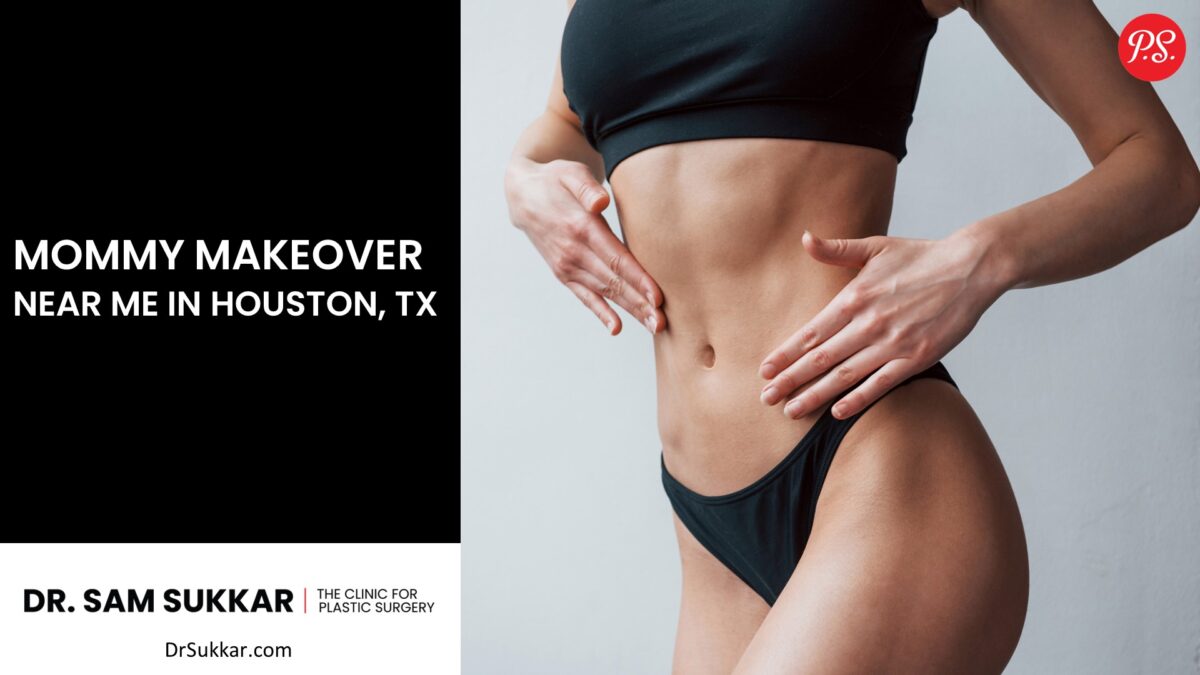
Searching “Mommy Makeover near me” in Houston? Get jaw-dropping Plastic Surgery results with The Clinic for Plastic Surgery. Call now before spots fill up!
Searching “Mommy Makeover near me” in Houston? Get jaw-dropping Plastic Surgery results with The Clinic for Plastic Surgery. Call now before spots fill up!
How much is a Mommy Makeover in Houston, TX? Get the real numbers from Top Plastic Surgeon Dr. Sam Sukkar. Book your private consult now!
Houston Moms, find out what a Mommy Makeover is and where to get the Best Cosmetic Surgery Results. Consult The Clinic for Plastic Surgery today!
Unlock Mommy Makeover cost and pricing secrets in Houston, TX. Meet your Expert Team at The Clinic for Plastic Surgery and start your dream body journey today!
Motherhood is an amazing, transformative experience, but it can do a number on your body. After months (or years) of stretching, shifting, and rearranging, things don’t always bounce back the way we hope. That’s where a Mommy Makeover comes in. This is the ultimate confidence-boosting, body-restoring procedure designed to help you reclaim your pre-baby (or even better!) body.
But before we get to the slimmed waist, lifted curves, and perky everything, let’s go over the numbers. How much does a Mommy Makeover cost in 2025? What’s included? And how do you pay for it without giving yourself or your wallet a mini heart attack? Let’s break it all down.
The cost of a Mommy Makeover in 2025 can range anywhere from $12,000 to $30,000+. Yes, it’s an investment — but one that delivers significant transformations. The final price tag varies based on which procedures you include—more extensive makeovers with tummy tucks, breast surgeries, and liposuction will naturally cost more than a simpler combination. The experience and reputation of the plastic surgeon you choose also play a role; highly skilled, board-certified surgeons often charge more, but their expertise is well worth it.
Location matters, too. Procedures in major metropolitan areas tend to be more expensive than in smaller cities.
Hospital fees, anesthesia, and aftercare costs can also make it feel like you are saving up for a small yacht. While it is a considerable investment, it’s important to remember that a Mommy Makeover isn’t just about looking good — it’s about restoring your confidence and feeling like you again.
Mommy Makeovers are completely personalized to the patient based on their cosmetic concerns. The cost of a Mommy Makeover depends on many factors, but here’s a rough breakdown:
Before you start calculating how many lattes you need to give up to afford this, keep in mind the factors that impact the cost of your procedure. Your chosen surgeon’s experience, the location of the surgeon’s practice, facility fees, anesthesia fees, and post-surgery care can all add up quickly. Luckily, most doctors will let you finance your payments, so they aren’t as overwhelming.
Not ready to drop thousands of dollars in one go? No worries, not many people are! There are many kinds of financing options to ensure your dream makeover happens. However, it is important that you talk with your surgeon before your surgery to make sure that they accept the financing plan that you have. This is usually brought up during your consultation. Below are some of the most common choices for financing.
It is no secret that a good Mommy Makeover is going to cost you a pretty penny. Fortunately, the brunt of the cost can be split up into payments through financing plans, meaning that you can look and feel amazing while not having to worry about breaking the bank. If you are looking to embrace the best, most confident version of yourself, we definitely recommend a Mommy Makeover as the right choice for you.
Ready to take the leap and schedule a consultation? Call Dr. Sam Sukkar today and get the best treatment in the Houston, TX area.
If you’ve ever noticed a stubborn belly bulge that won’t go away—no matter how many crunches you do—you might be dealing with diastasis recti. Diastasis recti is a very common condition where the muscles in your abdomen separate and leave a gap down the center of your stomach. This condition can leave you feeling less than confident in your body, and if you’ve been searching for solutions, you’ve probably come across tummy tuck surgery (aka abdominoplasty) as a possible fix. But would a tummy tuck actually repair those separated muscles? We’re here to break it down so you know exactly what to expect.
Diastasis recti occurs when the two parts of your rectus abdominis (the “six-pack” muscles) pull apart, creating a gap down the middle. It is an especially common condition in women after pregnancy, but it can also be caused by drastic weight fluctuations, genetics, and even improper weightlifting techniques.
Signs of diastasis recti include:
Unfortunately, this condition doesn’t only create cosmetic issues. It can make daily movements harder, contribute to lower back pain, and even lead to hernias in severe cases.
A tummy tuck can absolutely repair diastasis recti, but not all tummy tucks automatically include muscle repair. If your goal is to fix separated abdominal muscles, you’ll need a full tummy tuck (not a mini tummy tuck) with muscle plication – the fancy term for stitching those muscles back together. Most tummy tuck procedures follow the same steps:
Once the diastasis recti is repaired, the muscles will stay that way as long as you take care of them. To keep your muscles in good shape, avoid poor weightlifting techniques and drastic weight fluctuations.
Targeted exercises that focus on deep core engagement (think Pilates or physical therapy) can potentially reverse some cases of mild diastasis recti. However, if the gap is significant, no amount of exercise will fully close it. Once the connective tissue between your abdominal muscles gets stretched out, surgery is generally the only way to permanently bring them back together.
If you do plan to get a tummy tuck, strengthening your core beforehand can help with recovery. Your doctor can give you a list of recommended stretches or light workouts that can help you prepare for a tummy tuck with diastasis recti. Just make sure you’re avoiding traditional crunches, sit-ups, or planks—those can actually worsen the condition.
If you’re considering a tummy tuck to correct your diastasis recti and are unsure what to expect from your recovery, here is a quick breakdown of the post-op process.
It isn’t just about looks, though the benefits of a tummy tuck are definitely a pleasant bonus. Fixing your diastasis recti is about restoring function and core strength while letting you feel comfortable in your own skin again. This condition can make every day an unnecessary challenge, but a full tummy tuck with muscle repair could be the game-changer you’ve been searching for.
Of course, surgery is a big decision, so the best first step is to talk to a board-certified plastic surgeon. They’ll assess your case, discuss your options, and help you decide whether a tummy tuck with muscle repair included is right for you. The right surgeon will also create a personalized treatment plan tailored to your needs, so you won’t have to worry about finding a procedure on your own that may not suit you.
Are you ready to decide and start talking with a plastic surgeon today? No worries if not—it’s an important choice to make! If you are ready to get started, contact us for a consultation at The Clinic For Plastic Surgery with Dr. Sam Sukkar, the best plastic surgeon in Houston, TX.
If you’ve been taking Ozempic for weight loss, you’ve probably noticed the number on the scale dropping—sometimes dramatically. This prescription medication, originally designed for managing blood sugar levels in people with type 2 diabetes, has gained massive popularity for its ability to help with chronic weight management. But while shedding excess weight can be life-changing, one of the unexpected side effects for many people is loose skin.
From sagging jowls (aka “Ozempic face”) to excess skin on the upper arms, abdomen, and thighs, many who lose weight quickly with weight loss drugs like Ozempic are left wondering: Can anything be done about loose skin? And is it possible to prevent it in the first place?
Ahead, we dive into why loose skin occurs after significant weight loss, what factors influence skin elasticity, and how to treat sagging skin—both non-surgically and through plastic surgery.
Loose skin after weight loss isn’t exclusive to weight loss injections like Ozempic—it can happen with other weight loss medications, bariatric surgery, or even traditional diet and exercise. But Ozempic, Wegovy, and similar drugs often lead to rapid weight loss, which can affect skin elasticity more than gradual weight loss does.
Here’s why:
Not everyone who takes Ozempic will experience loose skin, but certain factors play a significant role in whether your skin will bounce back or remain stretched after significant weight loss. While some people maintain enough skin elasticity for their skin to retract naturally, others may struggle with excess skin that doesn’t shrink even after they’ve reached their goal body weight.
So, how much weight loss is too much when it comes to skin laxity? Generally, people who lose 50 pounds or more—especially over a short period—are more likely to notice sagging skin, particularly in areas like the abdomen, upper arms, thighs, and neck.
Factors that affect loose skin after weight loss include:
1. Amount of Weight Lost
The more excess weight you shed, the more your skin has to adjust. Losing 10 to 20 pounds may not cause noticeable loose skin, but losing 50+ pounds often leads to excess skin folds that won’t tighten up on their own. Massive weight loss (100 pounds or more) typically results in loose skin that requires either non-surgical skin tightening treatments or plastic surgery for removal.
2. Age
Younger skin contains more collagen and elastin, which allows it to contract better after fat loss. If you lose weight in your 20s or early 30s, your skin has a better chance of snapping back compared to someone in their 40s or 50s, when collagen production declines. As a result, older individuals are more likely to experience facial sagging, hollowed cheeks, and a gaunt appearance after weight loss.
3. Genetics
Just like some people naturally have firm, elastic skin, others are predisposed to sagging jowls and loose skin after weight loss. Your genetic makeup determines how well your skin bounces back and how much collagen production slows down as you age.
4. How Long You Carried Excess Weight
If you were overweight or obese for many years, your skin’s elasticity has likely weakened, making it harder for it to shrink back. The longer your skin remains stretched, the less likely it is to fully tighten after losing weight.
5. Rate of Weight Loss
While rapid weight loss is often seen as a good thing, losing too much weight too fast can leave you with excess skin. When you lose weight quickly—whether through weight loss medications, Ozempic, bariatric surgery, or extreme dieting—your skin doesn’t have time to gradually adjust to your new body shape. Slower weight loss allows your skin tissue to keep up with your body fat reduction, potentially reducing the severity of loose skin.
While there’s no foolproof way to completely prevent loose skin, there are ways to improve skin elasticity and minimize sagging while losing weight. The key is to focus on gradual weight loss, muscle retention, and skin health.
1. Prioritize Strength Training
One of the best ways to combat loose skin is to replace lost fat tissue with muscle mass. When you build muscle, it helps fill out your skin, reducing the appearance of excess skin. Strength training can be particularly helpful for areas prone to sagging, such as the arms, thighs, and abdomen.
Aim for resistance training at least three to four times a week, focusing on compound movements like squats, lunges, push-ups, and deadlifts. This not only supports skin tightening but also helps shape your new body after losing weight.
2. Stay Hydrated
Hydration is essential for collagen production and skin elasticity. When skin is dehydrated, it loses its ability to snap back, making sagging skin more pronounced. Drinking at least 8 to 10 glasses of water daily helps keep skin cells plump, improving the overall appearance of loose skin.
3. Focus on Nutrition
What you eat plays a major role in skin health. Prioritize nutrient-dense foods that support collagen production and skin repair:
4. Lose Weight Gradually
If you’re using Ozempic or other weight loss medications, work with your doctor to set realistic weight loss goals. Aim to lose no more than 1 to 2 pounds per week, which allows your skin tissue to gradually adjust and reduces the risk of excess skin.
If you’re dealing with moderate sagging but aren’t ready for plastic surgery, non-invasive and minimally invasive treatments can help tighten loose skin and restore a youthful appearance.
1. Topical Skincare
While skincare alone won’t reverse excess skin, certain ingredients can support skin elasticity and collagen production. Look for:
2. Skin-Tightening Procedures
For those wanting noticeable results without surgical procedures, these options can help:
3. Dermal Fillers & Fat Grafting
For those experiencing facial sagging or a hollowed appearance, injectables can help restore facial fullness:
For those experiencing severe loose skin after massive weight loss, plastic surgery may be the most effective way to achieve a more sculpted, toned appearance. While non-surgical skin tightening treatments can help with mild skin laxity, individuals with significant excess skin may require surgical procedures to remove it permanently.
Here’s a closer look at the surgical options available:
1. Tummy Tuck (Abdominoplasty)
A tummy tuck is one of the most popular procedures for individuals who have lost a significant amount of weight, especially after taking Ozempic or undergoing bariatric surgery. This surgery removes excess abdominal skin and tightens the underlying muscles, resulting in a flatter, more toned stomach.
2. Arm Lift (Brachioplasty)
After rapid weight loss, many people develop loose skin on the upper arms, sometimes called “bat wings.” An arm lift (brachioplasty) removes excess skin from the upper arms, giving them a firmer, more toned look.
3. Neck Lift & Deep Plane Facelift
One of the most talked-about side effects of losing weight quickly with Ozempic and other weight loss medications is facial sagging, often referred to as “Ozempic face.” This happens when facial fat is lost too quickly, leading to a gaunt, hollowed-out appearance. A neck lift and deep plane facelift can help restore facial fullness while tightening the face and neck area.
4. Body Contouring Procedures
For individuals with loose skin in multiple areas, a full body lift or body contouring surgery may be the best approach. This involves a combination of skin removal procedures, such as a posterior body lift with buttock auto-augmentation, tummy tuck, thigh lift, arm lift, and breast lift, tailored to the patient’s specific needs.
If your loose skin is causing discomfort, rashes, or self-consciousness, it may be time to consult with a plastic surgeon or dermatologist. Consider seeing a professional if:
Losing weight with Ozempic can be empowering, but it’s important to be aware of the potential for loose skin—especially if you lose weight quickly. While diet and exercise can improve skin elasticity, non-surgical treatments, and plastic surgery, options can help treat Ozempic face, tighten sagging skin, and restore a more youthful appearance.
If loose skin is a concern, speaking with a board-certified plastic surgeon can help you explore your options and decide what’s best for your body weight and lifestyle.
Would you consider a skin-tightening procedure or surgical intervention after major weight loss? Let us know in the comments!
When it comes to body contouring, two of the most popular plastic surgery procedures are tummy tuck surgery and liposuction. Both aim to improve the appearance of the abdominal area, but they do so in very different ways. If you’re struggling with excess fat, sagging skin, or loose abdominal muscles, you might be wondering: tummy tuck vs. liposuction — which procedure will give you better results?
The answer depends on your individual needs. If your concern is localized fat deposits and you have good skin elasticity, liposuction might be the better option. But if you have excess skin and fat, loose stomach muscles, stretch marks from pregnancy, or significant weight fluctuations, a tummy tuck procedure could be the right choice.
In this article, we’ll break down the key differences between these two plastic surgery procedures, helping you understand which one is best suited to give you the body contouring results you’re looking for.
The liposuction procedure is a cosmetic surgery that removes excess fat from specific areas of the body. It is ideal for patients with stubborn fat deposits that don’t respond to diet and exercise. However, it does not address excess skin, loose abdominal muscles, or muscle separation.
A tummy tuck procedure (abdominoplasty) is a more invasive procedure than liposuction. It not only removes excess skin but also tightens the abdominal wall by repairing weakened abdominal muscles. This procedure is ideal for individuals who have experienced significant weight loss, pregnancy, or aging-related skin laxity.
| Feature | Liposuction | Tummy Tuck |
|---|---|---|
| Purpose | Fat removal | Removes excess skin and fat, tightens muscles |
| Best for | Stubborn fat deposits, good skin elasticity | Loose skin, weakened abdominal muscles, stretch marks |
| Incisions | Tiny incisions | Larger incision on the lower abdomen |
| Recovery Time | 1-2 weeks | 4-6 weeks |
| Scarring | Minimal | More noticeable but fades over time |
| Results | Permanent if weight is maintained | Long-lasting, but weight gain or pregnancy can affect results |
Yes! Many tummy tuck patients also undergo liposuction to enhance their body contouring results. While a tummy tuck addresses excess skin, liposuction removes remaining fat cells, providing a smoother, more sculpted look.
However, combining procedures means a longer recovery process and higher cost. A consultation with a board-certified plastic surgeon will determine if this approach is right for you.
Both liposuction and tummy tuck surgery offer body contouring benefits, but they serve different purposes. If you’re primarily dealing with fatty tissue and have good skin elasticity, liposuction may be enough. But if you need to remove excess skin and fat and tighten weakened abdominal muscles, a tummy tuck procedure will provide better results.
Still unsure? Schedule a consultation with an experienced board-certified plastic surgeon to discuss your goals and determine the best option for your body.
Ready to take the next step toward your dream body? Contact us today for a consultation!
Pregnancy changes your body in ways you might not have expected. From stretched abdominal muscles to loose skin, lingering baby weight, and breasts that don’t quite look the same, it’s natural to wonder if you’ll ever feel like yourself again. While some changes can be addressed with a healthy lifestyle, others may need a little extra help.
That’s where a Mommy Makeover comes in—a customized set of procedures designed to help women restore their pre-pregnancy shape. But the big question remains: How soon after giving birth can you get a Mommy Makeover? And when is the right time to get the best results?
The truth is, there’s no one-size-fits-all answer. Your body needs time to heal, your weight should be stable, and your hormone levels should be balanced before undergoing plastic surgery. In this guide, we’ll walk you through the ideal waiting period, the recovery process, and everything you need to know to make the best decision for your overall health and goals.
A Mommy Makeover isn’t a single procedure—it’s a customized combination of body contouring procedures to address post-pregnancy concerns. Each surgery is tailored to help women restore their pre-pregnancy shape, focusing on areas most affected by pregnancy and childbirth.
Common procedures involved in a Mommy Makeover include:
While these are the most common surgeries, some women also opt for additional cosmetic surgery procedures, such as breast surgery revisions, breast reduction, or labiaplasty, to address personal concerns.
Undergoing a Mommy Makeover too soon after giving birth can impact recovery time, hormone levels, and even milk supply if you’re breastfeeding. Board-certified plastic surgeons generally recommend waiting until your body has had ample time to heal before moving forward with surgical procedures.
The first few months after giving birth are all about healing. Whether you had a vaginal delivery or a C-section, your body is still adjusting to postpartum changes, including hormonal fluctuations, weight fluctuations, and healing of stretched abdominal muscles.
Why you should wait:
What to focus on instead:
By this stage, many women notice their baby weight starting to drop and their bodies gradually returning to a more normal size. However, this is still not the ideal time for a Mommy Makeover, as weight fluctuations and healing are ongoing.
Why you should wait:
What to focus on instead:
By the six-month mark, many women start to feel more like themselves again. The initial postpartum recovery is behind you, your weight has likely stabilized, and your body has had time to adjust. If you’re thinking about a Mommy Makeover, this is when most board-certified plastic surgeons recommend starting the conversation.
Why this is the ideal timeframe:
What to do next:
While the 6-12 month waiting period is a good rule of thumb, every woman’s body is different. Some may be ready a little sooner, while others might need more time. Here are a few things that can affect your readiness for surgery:
Your recovery time will depend on the procedures involved in your Mommy Makeover, but here’s a general idea of what to expect:
Tips for a Smooth Recovery:
Deciding to get a Mommy Makeover is a big step, and timing plays a crucial role in your results. By waiting until you’re fully healed, at a stable weight, and emotionally ready, you’re setting yourself up for exceptional results that last.
If you’re thinking about moving forward, the best thing you can do is schedule a personalized consultation with a board-certified plastic surgeon. They’ll evaluate your overall health, discuss your goals, and help you create a plan that’s tailored to your body.
Are you ready to feel like yourself again? Book a consultation today, and take the first step toward your transformation.
Want a smooth recovery after breast lift surgery? This guide provides essential breast lift recovery tips to help minimize discomfort, reduce scarring, and prepare for a successful healing process. Discover practical steps to ensure the best results.
A breast lift surgery can profoundly rejuvenate your breasts by elevating them and improving their shape, which in turn boosts your self-esteem. For those seeking more volume alongside a lifted contour, combining a breast lift with augmentation offers an attractive option. Dr. Sukkar has refined the procedure to ensure that incisions are discreetly placed, aiming to reduce visible scarring while promoting a more naturally contoured bust.
It is crucial for optimal outcomes that you manage discomfort and mitigate scarring post-surgery effectively. It’s beneficial to discuss your surgical plans and any necessary work accommodations with your employer beforehand, facilitating a smoother transition when returning to professional duties.
Board-certified plastic surgeon Dr. Sam Sukkar is recognized as an expert in breast lifts and recommends following specific advice for improved recovery processes.
Undergoing breast lift surgery necessitates meticulous attention to and compliance with post-operative guidelines. It is essential that you arrange your living space prior to the operation. This includes having your prescriptions ready, meals prepared in advance, and ensuring you have a clear agenda for rest. Resting sufficiently is imperative because the incisions take between six to eight weeks to mend properly and for the breast tissue to adjust correctly, both of which are pivotal for an optimal recovery process leading to superior outcomes.
Proper care must be taken with regard to one’s incision sites by keeping them clean and moisture-free so as to prevent any infections from occurring. Regular consultations with your surgeon should occur if there’s anything unusual noted during the healing phase or if questions arise.
It is equally important throughout recovery that one maintains nutritional balance through their diet alongside adequate fluid intake; these facilitate proper bodily repair mechanisms after surgery. Steering clear from smoking cigarettes or consuming alcohol should also be observed since they can significantly slow down recuperation rates and elevate complication risks overall. Monitoring oneself consistently for signs such as excessive swelling or unexpected pain contributes immensely towards guaranteeing a successful convalescence following a breast lift procedure.
Thoroughly preparing for a breast lift surgery can greatly influence and streamline the recovery period, going beyond just the procedure itself.
The first 24 hours after your surgical procedure are critical. Rest is your primary focus due to the effects of anesthesia and the initial healing process. Spend most of your time in bed or comfortably reclined to allow your body to heal quickly.
Hydrate by drinking plenty of fluids, preferably water, to aid in recovery. Adhere to your pain medication and prescribed antibiotics to manage discomfort and prevent infections.
Gentle movements, like walking around the house, should be encouraged to promote circulation, reduce the risk of blood clots, and improve vital blood flow, as smoking reduces blood flow.
The healing process is greatly aided by effectively managing pain and discomfort. Prescription pain medication can alleviate the moderate pain experienced by most patients, allowing them to transition to over-the-counter medications such as acetaminophen once their discomfort decreases.
To help minimize swelling, consider using cold compresses rather than traditional ice packs. Steer clear of aspirin-like medications, which could heighten bleeding risks. Should you have any complications with your prescribed pain medications, it’s important to reach out to your surgeon for alternative solutions. It’s also not uncommon for patients to experience temporary numbness during recovery. This sensation typically decreases over time as healing progresses.
During your recovery from a breast lift, it’s essential to wear a surgical bra. This supportive garment plays a significant role in securing the newly positioned breast tissue, preventing excessive movement that can disrupt healing. The sustained support provided by these bras is vital for preserving the improved shape of the breasts and ensuring results endure over time.
By exerting uniform pressure around the area of surgery, surgical bras are effective at lessening post-surgery swelling. They also curb irritation near incision sites and safeguard them against any friction that could cause discomfort.
Incorporating a surgical bra into your lift recovery regimen lowers infection risks and contributes to psychological comfort throughout this delicate phase.
Adequate care of incisions and scars is essential for optimal healing and to reduce the visibility of scars.
Physical activity should be approached with caution during breast lift recovery.
In the process of recovery, both nutrition and hydration are essential components.
For a successful recovery, it is critical to vigilantly watch for any complications.
Recovery from a breast lift involves not only physical healing but also emotional considerations. The recovery period may evoke various feelings, including melancholy and uncertainty or, alternatively, relief and joy. Surrounding oneself with encouraging people can greatly assist in navigating these emotions during the recuperation phase. Participating in activities that bring pleasure can distract from adverse sentiments, fostering a more optimistic outlook.
Conversing about anticipated emotional reactions with your surgeon prior to the procedure can help mitigate anxiety and offer comfort throughout the breast lift recovery process.
Post-operative follow-up appointments play a crucial role in the healing process. They are planned at different intervals after surgery to track your recovery and confirm that it aligns with anticipated progress.
During these sessions, it is vital to have candid discussions with your surgeon about any issues or deviations you may be experiencing in your recovery journey. Should you observe any unexpected symptoms, promptly reaching out to your healthcare professional is essential for averting possible complications.
After undergoing breast lift surgery, it’s important to be aware of the potential alterations in sensation that you may experience within your breasts. These changes can range from temporary to permanent and depend on both the specific surgical method employed and unique personal characteristics. It is wise to have a detailed conversation with your surgeon regarding these possible sensory modifications before having the procedure.
Maintaining consistent support for your breasts following a breast lift is critical for preserving their shape and extending the durability of the outcomes. Since there’s considerable variation in how long results last from person to person, adhering strictly to post-operative care instructions provided by your surgeon plays an integral role in sustaining the enhanced appearance of your new breast contour.
To sum up, breast lift recovery involves careful planning, adherence to post-operative instructions, and continuous monitoring. By preparing your home, focusing on proper nutrition and hydration, wearing a surgical bra, and taking care of your incisions, you can ensure a smoother recovery and achieve the best possible results.
Remember, open communication with your surgeon and a supportive environment are key to a successful recovery. By following these guidelines, you’ll be well on your way to enjoying the full benefits of your breast lift and feeling more confident in your new appearance.