How Long Does a SMAS Facelift Really Last?

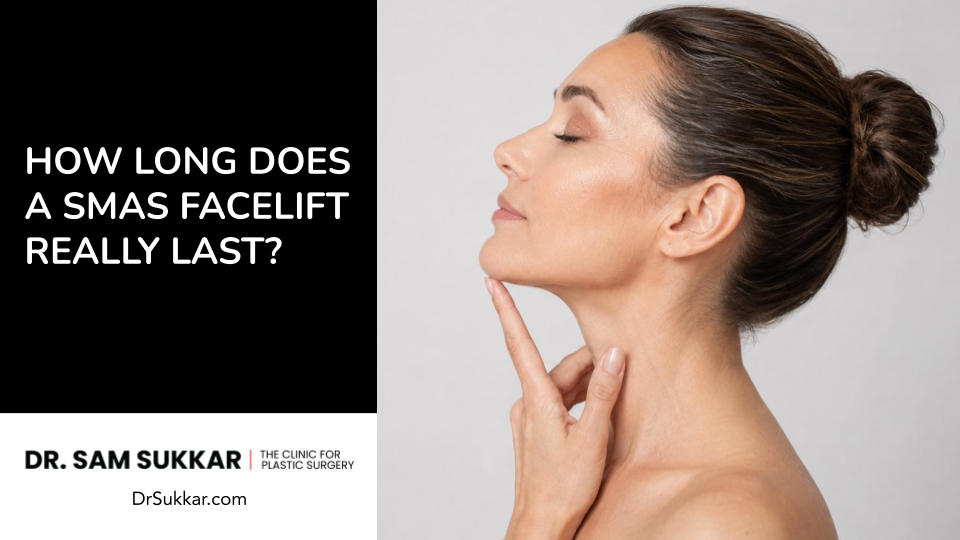
A SMAS facelift typically lasts 10 to 15 years, making it one of the longest-lasting facial rejuvenation procedures in plastic surgery. The SMAS facelift technique lifts and repositions the superficial musculoaponeurotic system, which is the deep layer of tissue that supports the face and neck. Because this facelift procedure works with the deeper facial tissue rather than just the skin, results outlast surface-based approaches by many years.
This guide answers exactly how long does SMAS facelift last, what factors affect longevity, how it compares to a deep plane facelift and mini facelift, and how to protect your results for the longest possible youthful appearance.
Key Takeaways of How Long Does a SMAS Facelift Really Last?
- A SMAS facelift typically lasts 10 to 15 years, and in some patients the facelift results remain visible for 15 to 20 years.
- The SMAS facelift technique works by tightening the SMAS layer (superficial musculoaponeurotic system), which is a thin layer of facial tissue that supports the facial muscles responsible for facial expressions.
- Longevity depends on numerous factors including skin quality, skin elasticity, sun damage, lifestyle, and the surgical techniques used.
- A deep plane facelift may last slightly longer than a traditional SMAS facelift by targeting deeper tissues; a mini facelift or mid facelift is less invasive but has shorter-lasting results.
- Follow up appointments and injectable fillers can extend facelift results by addressing early signs of facial aging before they become significant signs.
What Is a SMAS Facelift Surgery?
A SMAS facelift is a facelift surgery that lifts and repositions the SMAS layer along with the overlying skin. Named for the superficial muscular aponeurotic system (also called the superficial musculoaponeurotic system), the technique addresses both the SMAS and the skin for longer lasting rejuvenation than skin-only approaches.
Understanding the SMAS Layer
The SMAS is a thin layer of facial tissue that lies just below the skin. This SMAS tissue connects the facial muscles responsible for facial expressions to the overlying skin, and it plays a central role in how the face ages. As the SMAS tissue layer weakens over time, sagging skin, sagging cheeks, and deep lines develop across the lower face and neck region.
A traditional facelift only lifts the skin, but a SMAS facelift lifts both the SMAS and the skin together. This is why the results last significantly longer. Repositioning the SMAS layer restores support to the facial structure from below rather than just tightening the surface.
How the SMAS Facelift Works
Incisions are made along the hairline and around the ears, allowing the skin to separate from the underlying tissue so the SMAS layer can be lifted and secured in a more youthful position. The overlying skin is then re-draped, excess skin is removed, and excess fat in the neck may also be addressed to create a more defined jawline.
This approach restores youthful contours to the face and neck by working with the deeper facial layers rather than focusing only on the surface. The result is natural-looking rejuvenation that can age gracefully without creating an overly pulled or tight appearance.
How Long Does a SMAS Facelift Really Last?
The SMAS facelift lasts 10 to 15 years for most patients. Some patients enjoy visible results for 15 to 20 years, while others may see gradual softening starting around year 7 or 8 depending on individual factors.
Typical Longevity by Age Group
Younger patients in their 40s and early 50s who choose a SMAS facelift often see results lasting 12 to 15 years or longer. Their skin quality and skin elasticity give the surgery a stronger foundation, and the facial aging process progresses more slowly from a younger starting point. The facelift results in this group tend to look natural for the longest span.
Patients in their 60s and 70s typically see results lasting 8 to 12 years. The SMAS facelift still delivers a dramatic more youthful appearance, but the underlying rate of facial aging continues at the same pace as before surgery. The face ages from the new starting point, which is why the results eventually soften.
What Lasting Really Means
Even 15 years after a SMAS facelift, most patients still look significantly younger than they would have without the surgery. Lasting does not mean the face never changes; it means the improvement remains visible for many years. A patient who had a facelift at 55 will still look better at 70 than they would have without the procedure, even as normal aging continues.
Facelift longevity is measured against what the face would have looked like without surgery, not against the immediate post-surgical appearance. This distinction matters because facial aging never stops, but a SMAS facelift resets the clock significantly.
Factors That Affect How Long Your SMAS Facelift Lasts
Numerous factors affecting how long facelift results last combine in each patient. Some are within the patient’s control, while others depend on genetics and starting anatomy.
Skin Quality, Sun Damage, and Lifestyle
Skin quality is the single most important factor affecting how long a SMAS facelift lasts. Patients with strong skin elasticity, minimal sun damage, and thick healthy skin see the longest-lasting results. Harmful UV rays break down the collagen and elastin that support the facial tissue, so patients with significant sun damage often see earlier softening of their results.
Lifestyle factors matter too. Smoking accelerates facial aging by damaging blood vessels and reducing collagen production. Significant weight fluctuations stretch the skin and can shorten how long the facelift lasts. Patients who protect their skin from harmful UV rays, avoid smoking, and maintain a stable weight typically enjoy their SMAS facelift results for the longest span.
Surgical Technique and Surgeon Experience
The specific surgical techniques used affect longevity. A properly performed SMAS facelift that fully addresses both the SMAS layer and the overlying skin lasts longer than a superficial version.
Expertise and advanced experience with these techniques play an important role in achieving natural, longer-lasting results. Precise handling and repositioning of the deeper facial tissues can directly influence the quality and longevity of the outcome.
The extent of the surgery also matters. A full SMAS facelift addressing the entire face and neck typically lasts longer than a mid facelift focused only on the midface. More comprehensive surgical correction can provide broader rejuvenation and longer-lasting improvement.
SMAS Facelift vs Other Facelift Techniques
Multiple facelift techniques exist, each with different longevity, invasiveness, and results. Understanding the differences helps patients choose the right facial procedures for their aesthetic goals.
Deep Plane Facelift vs SMAS Facelift
A deep plane facelift is often considered the gold standard for facial rejuvenation. The deep plane lift releases the deeper tissues completely and repositions them as a single unit, producing longer-lasting results than a traditional SMAS facelift. The main difference between a SMAS facelift and a deep plane facelift is that the deep plane facelift is performed under the muscle, while the SMAS facelift is done on top of the muscle. Deep plane facelift results often last 15 years or longer. The tradeoff is a more invasive procedure with a longer recovery period.
The SMAS facelift addresses similar structures but with slightly different technique. Both are effective, and the choice often comes down to the surgical approach and the patient’s specific anatomy. Some treatment plans combine elements of both techniques to achieve most balanced results.
| Feature | SMAS Facelift | Deep Plane Facelift |
|---|---|---|
| Treatment Layer | Works with the SMAS layer and tissues above the deeper facial plane. | Works beneath the SMAS layer and releases deeper facial tissues. |
| Tissue Repositioning | Lifts and tightens the SMAS layer to restore facial contours. | Repositions the deeper tissues together as a single unit. |
| Areas Addressed | Lower face, jowls, jawline, and neck. | Midface, cheeks, jowls, jawline, and neck. |
| Result Style | Natural-looking facial rejuvenation with improved definition. | More comprehensive lifting with strong midface and lower-face rejuvenation. |
| Longevity | Often lasts about 7–10 years, depending on technique, aging, and lifestyle. | Often lasts 10–15 years or longer, depending on technique, aging, and lifestyle. |
| Recovery | Typically shorter than deep plane recovery. | Often requires a somewhat longer recovery period. |
| Best For | Patients with moderate facial sagging who want meaningful rejuvenation. | Patients with more advanced facial aging or deeper tissue descent. |
| Technique | Repositions the SMAS while working above the deepest facial plane. | Releases retaining ligaments and lifts the deeper facial tissues beneath the SMAS. |
| Overall Approach | Effective structural rejuvenation with less extensive deep-tissue release. | More extensive deep-tissue repositioning for comprehensive facial rejuvenation. |
Mini Facelift and Mid Facelift
A mini facelift is a less invasive procedure that addresses early signs of facial aging with smaller incisions and less downtime. Results typically last 5 to 8 years, significantly shorter than a full SMAS facelift. A mini facelift works best for younger patients with only mild sagging cheeks and early signs of aging in the lower face.
A mid facelift surgery focuses specifically on the mid face and can be performed as a minimally invasive procedure. Like the mini facelift, it produces shorter-lasting results than a full SMAS lift but with less recovery time. For patients with significant sagging skin, deep lines, or major loss of facial definition, a full SMAS facelift produces better and longer-lasting results than either less-invasive option.
How to Make Your SMAS Facelift Last Longer
Several strategies help extend how long the SMAS facelift lasts. Consistent aftercare and complementary treatments make a meaningful difference.
Sun Protection and Skincare
Daily sun protection is the single most important thing patients can do to extend their facelift results. Harmful UV rays continue to age the skin after surgery, and unprotected sun exposure can significantly shorten how long the facelift lasts. Broad-spectrum sunscreen with SPF 30 or higher, applied daily, protects the soft tissues from ongoing damage.
A consistent skincare routine with retinoids, vitamin C, and other proven ingredients maintains skin quality over the years. Better skin quality supports the underlying facelift results and helps the face age more slowly. Patients who invest in their skincare typically see their SMAS facelift results last several years longer than patients who neglect this aspect.
Follow Up Appointments and Complementary Treatments
Follow up appointments allow monitoring and small refinements over time. Injectable fillers can address early signs of volume loss in the cheeks, temples, and nasolabial folds before they become significant signs of aging. Botox can maintain smoothness in the forehead and around the eyes.
Combining a SMAS facelift with periodic non-surgical treatments produces the longest-lasting overall facial rejuvenation. The facelift addresses structural sagging; the follow-up treatments address the subtle surface changes that continue over the years. This combined approach can extend the visible benefits of a facelift by 5 years or more.
SMAS Facelift Recovery
Recovery also plays an important role in how well your SMAS facelift results settle and how long they last. Following post-operative instructions, allowing proper healing, and avoiding unnecessary strain during the early recovery period can help protect the repositioned tissues and support a smoother, longer-lasting outcome.
Recovery Timeline
SMAS facelift recovery takes 2 to 4 weeks for most patients to return to normal activities. The initial recovery period lasts about 2 weeks. Most patients return to work and social activities after 2 to 3 weeks, though visible swelling and bruising continue to fade for another 4 to 6 weeks.
- Week 1: Rest at home with minimal activity; swelling and bruising are most visible.
- Week 2: Sutures removed; swelling begins to noticeably reduce.
- Weeks 3 to 4: Return to work and light activity; residual swelling continues to fade.
- Weeks 6 to 8: Most swelling resolved; final results begin to emerge.
- Months 3 to 6: Final facelift results are fully visible.
Frequently Asked Questions About How Long Does a SMAS Facelift Really Last?
How long does SMAS facelift last on average?
A SMAS facelift can last 10 to 15 years on average. Some patients enjoy visible results for 15 to 20 years, while others may see softening starting around year 7 or 8. Longevity depends on skin quality, sun exposure, lifestyle, and the surgical technique used.
Which facelift lasts the longest?
A deep plane facelift typically produces the longest-lasting results, often 15 years or more. A SMAS facelift is close behind at 10 to 15 years. A mini facelift lasts the shortest at 5 to 8 years. The right technique depends on the patient’s anatomy, aesthetic goals, and how much recovery time they can accept.
Can a SMAS facelift be repeated?
Yes. Many patients have a second full facelift 10 to 15 years after their first. A second procedure typically has similar longevity to the first, and can be an excellent option for patients who want to maintain their results long-term. Each patient receives an individual evaluation to determine whether a repeat procedure is appropriate.
What is the difference between a SMAS facelift and a deep plane facelift?
Both target the deeper layers of facial tissue, but the deep plane facelift releases and repositions the tissue as a single unit, while a SMAS facelift lifts the SMAS layer separately from the skin. The deep plane approach is more invasive but typically produces longer-lasting results with a more natural looking appearance.
Is the SMAS facelift procedure painful?
The procedure is performed under general anesthesia, so patients feel nothing during surgery. The recovery period involves some discomfort, primarily tightness and tenderness, which is managed with prescription pain medication for the first few days. Most patients describe the pain as mild to moderate rather than severe. Patients recovering from a SMAS facelift may wear a compression garment or neck support for 1 to 2 weeks following the procedure to support healing and reduce swelling.
Who is a good candidate for a SMAS facelift facial rejuvenation?
Good candidates are patients with moderate to significant signs of facial aging, including sagging cheeks, sagging skin along the jawline, deep nasolabial folds, and loose neck support. Ideal candidates are in good overall health, do not smoke, and have realistic aesthetic goals. A consultation determines whether the SMAS facelift is right for each patient.
Conclusion and Summary of How Long Does a SMAS Facelift Really Last?
A SMAS facelift lasts 10 to 15 years for most patients, making it one of the longest-lasting facial rejuvenation procedures available. The SMAS facelift technique lifts both the SMAS tissue layer and the overlying skin, producing natural looking results that outlast by many years. Longevity depends on skin quality, sun protection, lifestyle, and the surgical techniques used.
For patients seeking a dramatic and long-lasting more youthful appearance, the SMAS facelift remains one of the most reliable options in plastic surgery. Follow up appointments, sun protection, and complementary treatments like injectable fillers can extend the results even further. Compared to a mini facelift or mid face lift, the SMAS facelift produces significantly longer-lasting results, and compared to a deep plane facelift, it offers similar longevity with a slightly different surgical approach.
Extensive experience with SMAS facelift techniques is one of the most important factors in achieving natural-looking results that can last as long as possible. Schedule your consultation today to explore whether a SMAS facelift is the right option for your facial rejuvenation goals.

Your Trusted Destination for Facelift Surgery in Houston, Texas (TX)
Are you located in one of these Houston Metro Area cities?
Houston, The Woodlands, Sugar Land, Katy, Pearland, Pasadena, League City, Baytown, Conroe, Cypress, Spring, Kingwood, Humble, Missouri City, Friendswood, Bellaire, Clear Lake, Tomball, Galveston, Richmond, Rosenberg, Stafford, La Porte, Deer Park, Seabrook, Webster, Alvin, and Channelview.
Board-Certified Plastic Surgeon Dr. Sam Sukkar, MD, FACS, and the The Clinic for Plastic Surgery Team provide advanced facelift surgery solutions to rejuvenate and restore a more youthful, refreshed appearance.
If you are dealing with sagging skin, deep facial folds, jowls, volume loss, or a tired, aging appearance, we offer comprehensive facial rejuvenation options, including:
- Facelift Surgery
- Mini Facelift
- Lower Facelift
- Neck Lift Surgery
- Facelift with Neck Lift
- Customized Facial Rejuvenation Treatment Plans
Visit our modern 18,000+ sq. ft. plastic surgery center and med spa in Houston, Texas, designed for comfort, privacy, and results-driven care. From your first consultation through recovery, our talented team focuses on natural-looking rejuvenation with elegant, refreshed results.
For patients outside the Houston area or those with limited availability, schedule a virtual facelift surgery consultation.
Book Your Personalized Facelift Consultation today at DrSukkar.com or call (281) 940-1535.
About the Author – Meet Dr. Sam Sukkar, MD
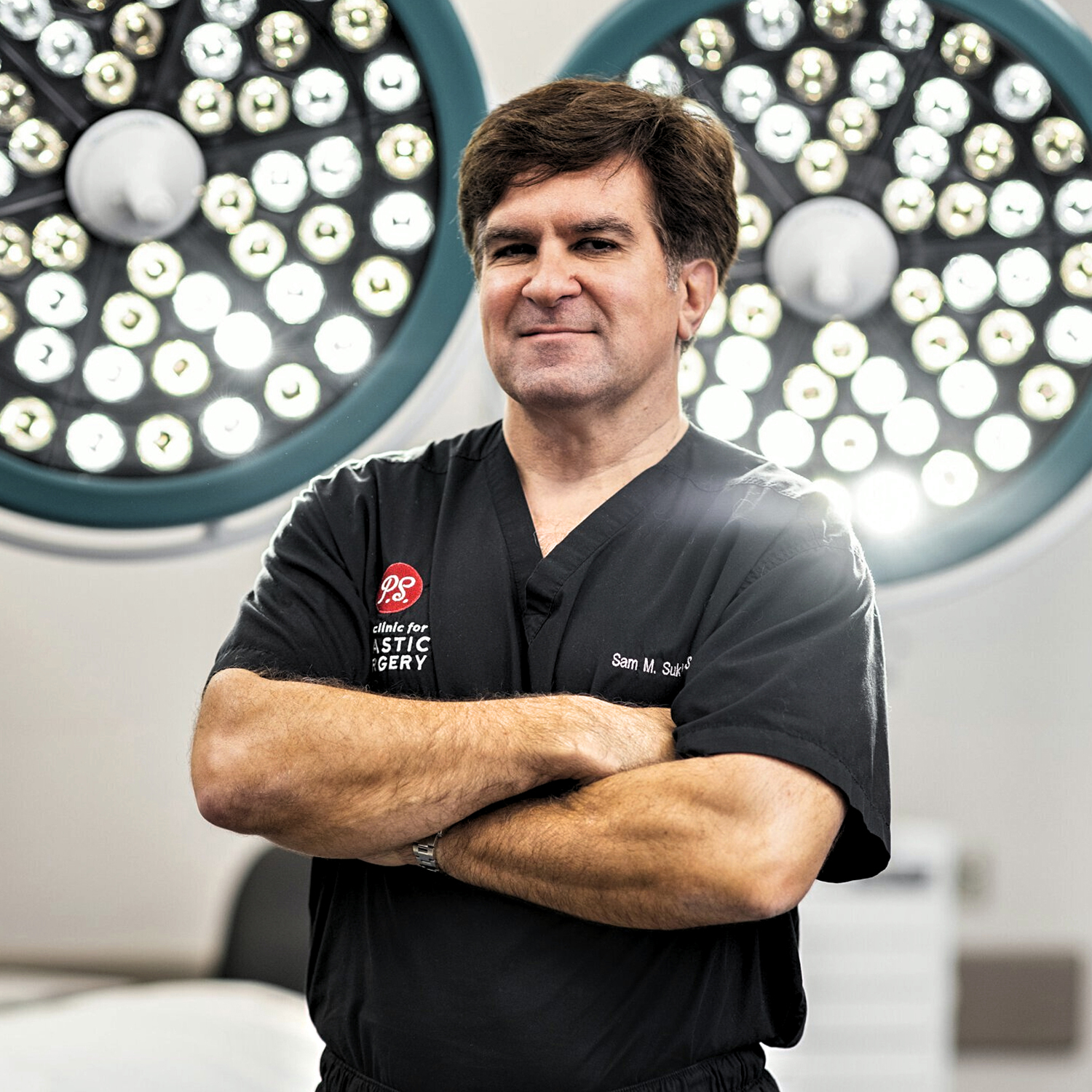
Dr. Sam Sukkar, MD, FACS is a highly respected Board-Certified Plastic Surgeon in Houston, Texas, known for his expertise in advanced cosmetic and reconstructive procedures. As the founder of The Clinic for Plastic Surgery, Dr. Sukkar has set a new standard for excellence, performing over 20,000 procedures with a focus on delivering natural, refined results.
Dr. Sukkar earned his Doctor of Medicine (M.D.) degree from Louisiana State University School of Medicine in 1992 after graduating summa cum laude with a Bachelor of Science in Microbiology. He then completed an intensive General Surgery Residency at the University of Texas Hermann Hospital before being selected for a highly competitive Plastic Surgery Fellowship at Northwestern University in Chicago, one of the most prestigious training programs in the country.
With more than 20 years of experience, Dr. Sukkar is a Diplomate of the American Board of Plastic Surgery and a Fellow of the American College of Surgeons (FACS). He is also an active member of the American Society of Plastic Surgeons (ASPS) and the Houston Society of Plastic Surgery (HSPS). His dedication to innovation and continuing education has solidified his reputation as a leading expert in aesthetic surgery, specializing in breast surgery, body contouring, facial procedures, and non-invasive treatments.
Dr. Sukkar’s expertise has been recognized by Houston Magazine, naming him one of Houston’s “Top Docs for Women,” and he has been featured among RealSelf’s America’s Top Doctors. Committed to his patients, he prioritizes personalized care, ensuring every individual feels informed, comfortable, and confident in their aesthetic journey.
Contact Dr. Sukkar today to schedule a consultation, visit DrSukkar.com to learn more, or call us directly at (281) 940-1535.
Cover Image Illustration by: Dr. Sam Sukkar, MD, The Clinic for Plastic Surgery.