Eyelid Surgery Recovery: Timeline, Tips, & What to Expect

Eyelid surgery recovery usually follows a predictable timeline: the first week brings the most swelling and bruising, most patients feel presentable in 10 to 14 days, and the final results continue refining for months as scars fade. In the first 48 hours, the priority is simple, rest, use cold compresses, and keep your head elevated to reduce swelling around the eyes.
To make the male blepharoplasty recovery time smoother, patients should plan ahead for time off work, follow medication and avoid strenuous activities and heavy lifting early on. Those basics matter more than any “hack.”
Key Takeaways of Eyelid Surgery Recovery: Timeline, Tips, & What to Expect
- Blepharoplasty removes or repositions excess skin and fat to reduce puffiness, correct drooping lids, and create a more refreshed, natural-looking eye appearance.
- Eyelid surgery recovery is most intense in the first week, most people look presentable in 10–14 days, and final results keep refining.
- For the first 48 hours, prioritize rest, cold compresses, and head elevation to reduce swelling around the eyes.
- Follow your aftercare team’s medication, and cleaning instructions exactly, and avoid rubbing the eyelids to protect incisions and lower infection risk.
- Limit activity early, no bending, heavy lifting, or strenuous workouts in week 1, then reintroduce light exercise around week 2 only if your aftercare team clears it.
- Call the office if you have severe or worsening one-sided pain, sudden vision changes, excessive bleeding, or signs of infection such as increasing redness, warmth, or pus-like drainage.
What To Expect Right After Surgery
Right after blepharoplasty (eyelid surgery), patients typically notice tightness, watery eyes, and visible swelling and bruising around the eyes. Rest, keeping the head elevated, and gentle eyelid care support the earliest phase of healing.
Common Symptoms In The First 24–48 Hours
In the first 24–48 hours, bruising and swelling usually ramp up and can peak quickly. The eyelid skin may look puffy, uneven, or “overfull,” especially after upper blepharoplasty or combined upper and lower work.
Many people also report mild pain or soreness rather than sharp pain. Tearing, light sensitivity, and a gritty feeling in the eyes are common, and vision may feel slightly blurry from ointment or eye drops.
Some patients worry if one side looks worse. Mild asymmetry is normal early on because fluid shifts, bruising patterns, and tissue handling can differ between the upper lids and lower lids.
Medications, Eye Ointments, And Cold Compress Basics
Post surgery instructions often include a prescription pain medicine or a recommendation for an over-the-counter option. Patients should take medications exactly as directed and avoid adding supplements unless the aftercare team approves.
Antibiotic ointment or lubricating ointments are often used to protect incisions and help the eyes feel less dry. If eye drops are prescribed, they’re usually meant to reduce irritation and support comfort while blinking feels “tight.”
Cold compresses are a mainstay within the first 48 hours to reduce swelling. They should be applied gently around your eyes without pressing on the eyelids or the incisions, cooling is the goal, not pressure.
Week-By-Week Eyelid Surgery Recovery Timeline
A realistic recovery timeline helps patients plan time off, social events, and follow-up appointments. While each procedure differs, upper eyelid surgery, lower blepharoplasty, or both, most recovery follows a similar pattern.
Days 1–3: Swelling, Bruising, And Rest
Days 1–3 are usually the toughest part of eyelid surgery recovery. This is when swelling bruising tends to be most noticeable, and the eye area can feel tight.
Rest is the priority. Patients are typically advised to keep your head elevated (often 30–45 degrees) and avoid bending over, since that can increase swelling and sometimes raise blood pressure in the face.
Cold compresses are often used repeatedly during the first few days to help reduce swelling. Activity should stay minimal, no gym sessions, no long walks in heat, and no tasks that require straining.
Days 4–7: Stitches, Itching, And Early Healing
By days 4–7, bruising often starts to “travel” and change color as it heals. Swelling may begin to come down, though mornings can still look puffy around the eyes.
Itching is common during this stage, and it can be surprisingly distracting. A transition to warm compresses later in the week can support circulation and comfort, but follow the instructions closely.
Stitches are often removed around the end of the first week for many upper eyelid incisions, depending on the technique used. Light activities may be allowed, but strenuous activities are still off-limits.
Weeks 2–4: Returning To Work, Exercise, And Social Activities
For many people, one to two weeks marks a noticeable shift. Bruising tends to fade, and the eyelids start to look more like “themselves,” though not yet like the final results.
Desk jobs often feel doable in the 10 to 14 days window, especially if swelling is manageable and vision feels comfortable. Some patients schedule work return based on camera comfort, since lighting can highlight mild residual bruising.
Light exercise is commonly reintroduced in week 2, but it should be truly light, no heavy lifting, no high-impact workouts, and no breath-holding. Any activity that spikes blood pressure can worsen swelling and increase the risk of bleeding.
Months 1–3+: Scar Maturation And Final Results
From month 1 onward, the healing process becomes quieter but still meaningful. Patients may feel “mostly healed,” yet the eyelid skin continues to settle, soften, and refine.
A large portion of visible improvement appears by about month two, but scar maturation continues. Incision lines, especially in the upper eyelid crease, usually fade as collagen reorganizes.
Long term, final results take several months, and full healing may extend beyond that depending on skin quality, age, and whether the procedure involved the upper eyelids, lower eyelids, or both. Keep scheduled follow-up visits so healing progress can be properly monitored.
How To Reduce Swelling And Bruising Faster
Patients can’t “rush” the biology of recovery, but they can absolutely influence how smooth it feels. The best strategies to reduce swelling and bruising are boring on purpose: positioning, timing compresses correctly, and avoiding behaviors that prolong inflammation.
Sleeping Position, Head Elevation, And Activity Limits
Sleeping position matters more than most patients expect. Keeping the head elevated helps fluid drain away from the eyelids, which can reduce morning puffiness during the first week.
A 30–45° incline using a wedge pillow or extra pillows is commonly recommended. The goal is steady elevation, not a neck-craning angle that disrupts sleep.
Activity limits also protect early healing. Avoid bending, heavy lifting, and strenuous activities, especially during the first week.
A practical rule is to avoid lifting more than about 10 pounds early on unless different instructions are given. Straining increases facial pressure and can worsen bruising and swelling.
Heat Vs Cold: When To Switch And Why
Cold is usually most helpful within the first 48 hours because it can limit swelling. Cold compresses should feel cool, not painfully icy, and they should never press directly on incisions.
Warmth often becomes useful later. Around days 4 and beyond, warm compresses may help with stiffness, itching, and circulation as bruising starts to resolve.
The key is timing. Switching too early can worsen swelling, while staying cold too long can feel uncomfortable and may not help as much once bruising is already established.
Diet, Hydration, And Habits That Support Healing
Hydration supports circulation and tissue repair, so patients should drink water consistently rather than “catch up” at night. A steady routine tends to help swelling feel less dramatic day to day.
Meals can support recovery too. A balanced diet with adequate protein helps wound healing, and many patients do well focusing on minimally processed foods.
Certain habits can derail progress. Smoking is strongly linked to poor healing, and alcohol can worsen swelling and interfere with sleep quality during surgery recovery.
Wound Care And Scar Management
Good wound care is less about fancy products and more about consistency. Incisions heal best when they’re kept clean, protected, and not stressed by rubbing, sun exposure, or premature makeup use.
Cleaning The Incisions And Protecting The Eye Area
Clean the incision area exactly as instructed. That usually means gentle cleansing and careful drying, without scrubbing the eyelid skin.
Rubbing the eyes can disrupt delicate early healing, especially after upper eyelid surgery where the incision sits in the natural crease. If itching becomes intense, ask about safe ointment use instead of trying to “power through” and rubbing.
Protecting the eye area also includes simple choices. Patients should avoid dusty environments, be cautious with pets that shed, and keep hands clean before applying ointment or eye drops.
Sun Protection
Sun exposure can darken healing bruises and make scars more noticeable. Use shade and hats early on, then add sunscreen once the skin is ready.
Silicone, Massage, And Other Scar-Care Options
Scar-care options depend on incision location and how the skin is healing. Silicone gel or silicone sheets are sometimes used once incisions are fully closed, while other cases do well with simpler care.
Massage may be appropriate later, not during the fragile early days. If massage is appropriate, instructions will specify when to start and how much pressure to use.
Photos can be surprisingly helpful during this phase. Taking a weekly photo in the same lighting can show gradual improvements that are easy to miss day to day.
When You Can Resume Normal Life
Most patients want a clear answer to, “When can life go back to normal?” The truth is that activities resume at different speeds, based on swelling, incision strength, and visual comfort.
Screen Time, Reading, And Contact Lenses
Screens and reading can be tiring in the first week because the eyes may feel dry and blink mechanics can feel “off.” Short sessions with frequent breaks are often more comfortable than long stretches.
Patients should protect your eyes by using prescribed lubrication and avoiding environments that worsen dryness, like strong fans or low-humidity offices.
Contact lenses typically need to wait longer than many people expect. Contact lenses are often held for about 2–3 weeks after eyelid surgery, since inserting lenses can pull on healing eyelids.
Driving, Work, Travel, And Flying
Driving depends on safe vision and comfort, not just the calendar. If ointment, swelling, or light sensitivity affects vision, patients shouldn’t drive.
Work return depends on job demands and how public-facing the role is. Many patients plan one to two weeks off, with return to work commonly around 7–14 days for desk-based roles.
Travel and flying are often possible after about 1–2 weeks, but patients should confirm timing at the post-op visit. Dry cabin air can worsen irritation, so lubricating eye drops may help during flights if approved.
Exercise, Lifting, Swimming, And Sauna Guidelines
Exercise is usually phased. Light activity may be allowed around week 2, but strenuous activities are typically delayed until the aftercare team clears them.
Heavy lifting is commonly restricted early, especially in the first week, because straining can increase pressure and swelling around your eyes. Patients who lift for work should discuss a specific plan with their plastic post-opt care team.
Swimming and sauna use often need a longer pause. Is advise waiting at least 4 weeks, since soaking and heat can raise infection risk and worsen swelling during blepharoplasty recovery.
Frequently Asked Questions About Eyelid Surgery Recovery: Timeline, Tips, & What to Expect
What is the typical eyelid surgery recovery timeline after blepharoplasty?
Blepharoplasty surgery recovery is usually most intense in the first week, with swelling and bruising peaking early. Many patients feel presentable in about 10–14 days and can resume more normal routines in stages. Final refinement continues for months as scars mature and fade.
How can I reduce swelling and bruising during eyelid surgery recovery?
Prioritize rest for the first 48 hours, use cold compresses gently (cooling, not pressure), and sleep with your head elevated about 30–45 degrees. Avoid bending, straining, and heavy lifting (often over ~10 pounds) early on, since increased facial pressure can worsen swelling and bruising.
When can I wear contact lenses after blepharoplasty?
Contact lenses often need to wait longer than people expect, commonly about 2–3 weeks after eyelid surgery. Inserting lenses can tug on healing eyelids and disrupt early recovery. If your eyes feel dry or gritty, follow lubrication instructions and confirm timing at your post-op visit.
How long does it take to see final results after eyelid surgery?
You’ll usually see major improvement within weeks, but the final look takes longer as swelling fully resolves and scars soften. Most patients see about 80–90% of their results by around month two. Scar fading often continues for three to six months, and full healing may take six months or longer.
How much does eyelid surgery cost in Houston, Texas?
In Houston, Texas, upper blepharoplasty cost is around $5,000–$6,000, lower blepharoplasty cost is around $7,000–$8,000, and quad blepharoplasty (both upper and lower) is around $13,000–$14,000. The Clinic for Plastic Surgery also offers patient eyelid surgery financing with monthly payments as low as $135 to help make these procedures more affordable.
Conclusion and Summary of Eyelid Surgery Recovery: Timeline, Tips, & What to Expect
In Houston, TX, eyelid surgery recovery is usually straightforward when patients respect the timeline: protect the incisions, prioritize rest in the first week, and reintroduce normal activities in stages. Swelling and bruising can look dramatic early, but they typically improve steadily across two weeks, while scars and final results continue refining over months.
The biggest predictor of a smooth recovery is not willpower, it’s follow-through. Patients who keep the head elevated, use compresses correctly, avoid strenuous activities and heavy lifting, and communicate quickly about warning signs give their healing process the best odds. When questions come up, the simplest rule holds: if something feels off, contact the post-opt care team and get clear guidance for the next day’s care.
Your Trusted Destination for Blepharoplasty Eyelid Surgery in Houston, Texas (TX)
Are you located in one of these Houston Metro Area cities?
Houston, The Woodlands, Sugar Land, Katy, Pearland, Pasadena, League City, Baytown, Conroe, Cypress, Spring, Kingwood, Humble, Missouri City, Friendswood, Bellaire, Clear Lake, Tomball, Galveston, Richmond, Rosenberg, Stafford, La Porte, Deer Park, Seabrook, Webster, Alvin, and Channelview.
Board-Certified Plastic Surgeon Dr. Sam Sukkar, MD, FACS, and the The Clinic for Plastic Surgery Team provide advanced eyelid surgery solutions to refresh and restore the appearance of the eyes.
If you are dealing with drooping eyelids, under-eye bags, puffiness, or tired-looking eyes, we offer comprehensive eyelid surgery options, including:
- Upper Blepharoplasty (Upper Bleph)
- Lower Blepharoplasty (Lower Bleph)
- Eyelid Lift Surgery
- Eyelid Surgery for Excess Skin or Fat
- Combination Upper and Lower Eyelid Procedures
- Customized Eye Rejuvenation Treatment Plans
Visit our modern 18,000+ sq. ft. plastic surgery center and med spa in Houston, Texas, designed for comfort, privacy, and results-driven care. From your first consultation through recovery, our talented team focuses on brighter, rested-looking eyes with natural results.
For patients outside the Houston area or those with limited availability, schedule a virtual eyelid surgery consultation.
Book Your Personalized Eyelid Consultation today at DrSukkar.com or call (281) 940-1535.
About the Author – Meet Dr. Sam Sukkar, MD
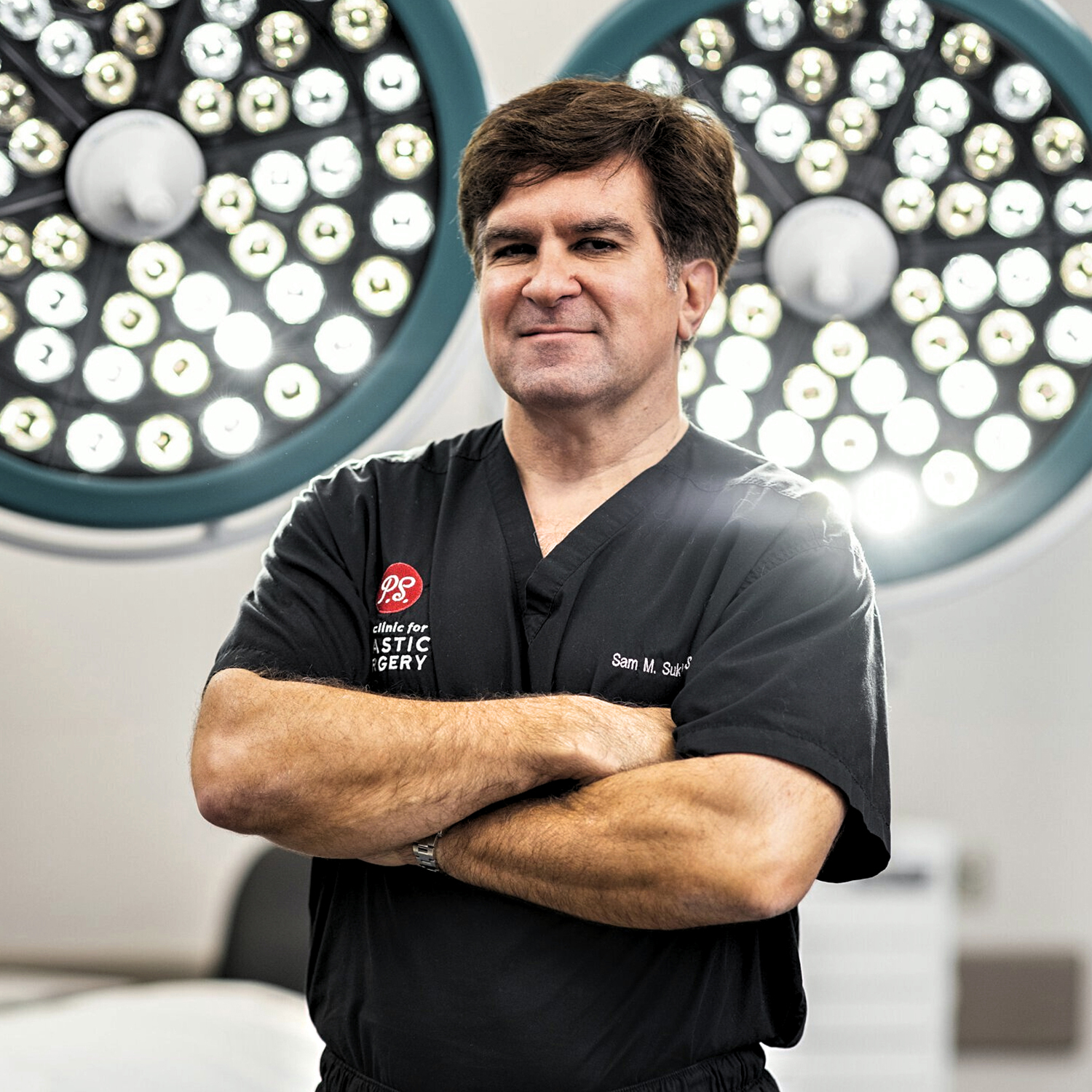
Dr. Sam Sukkar, MD, FACS is a highly respected Board-Certified Plastic Surgeon in Houston, Texas, known for his expertise in advanced cosmetic and reconstructive procedures. As the founder of The Clinic for Plastic Surgery, Dr. Sukkar has set a new standard for excellence, performing over 20,000 procedures with a focus on delivering natural, refined results.
Dr. Sukkar earned his Doctor of Medicine (M.D.) degree from Louisiana State University School of Medicine in 1992 after graduating summa cum laude with a Bachelor of Science in Microbiology. He then completed an intensive General Surgery Residency at the University of Texas Hermann Hospital before being selected for a highly competitive Plastic Surgery Fellowship at Northwestern University in Chicago, one of the most prestigious training programs in the country.
With more than 20 years of experience, Dr. Sukkar is a Diplomate of the American Board of Plastic Surgery and a Fellow of the American College of Surgeons (FACS). He is also an active member of the American Society of Plastic Surgeons (ASPS) and the Houston Society of Plastic Surgery (HSPS). His dedication to innovation and continuing education has solidified his reputation as a leading expert in aesthetic surgery, specializing in breast surgery, body contouring, facial procedures, and non-invasive treatments.
Dr. Sukkar’s expertise has been recognized by Houston Magazine, naming him one of Houston’s “Top Docs for Women,” and he has been featured among RealSelf’s America’s Top Doctors. Committed to his patients, he prioritizes personalized care, ensuring every individual feels informed, comfortable, and confident in their aesthetic journey.
Contact Dr. Sukkar today to schedule a consultation, visit DrSukkar.com to learn more, or call us directly at (281) 940-1535.
Cover Image Illustration by: Dr. Sam Sukkar, MD, The Clinic for Plastic Surgery.