Tummy Tuck and Liposuction Surgery: Which is the Right Choice for You?

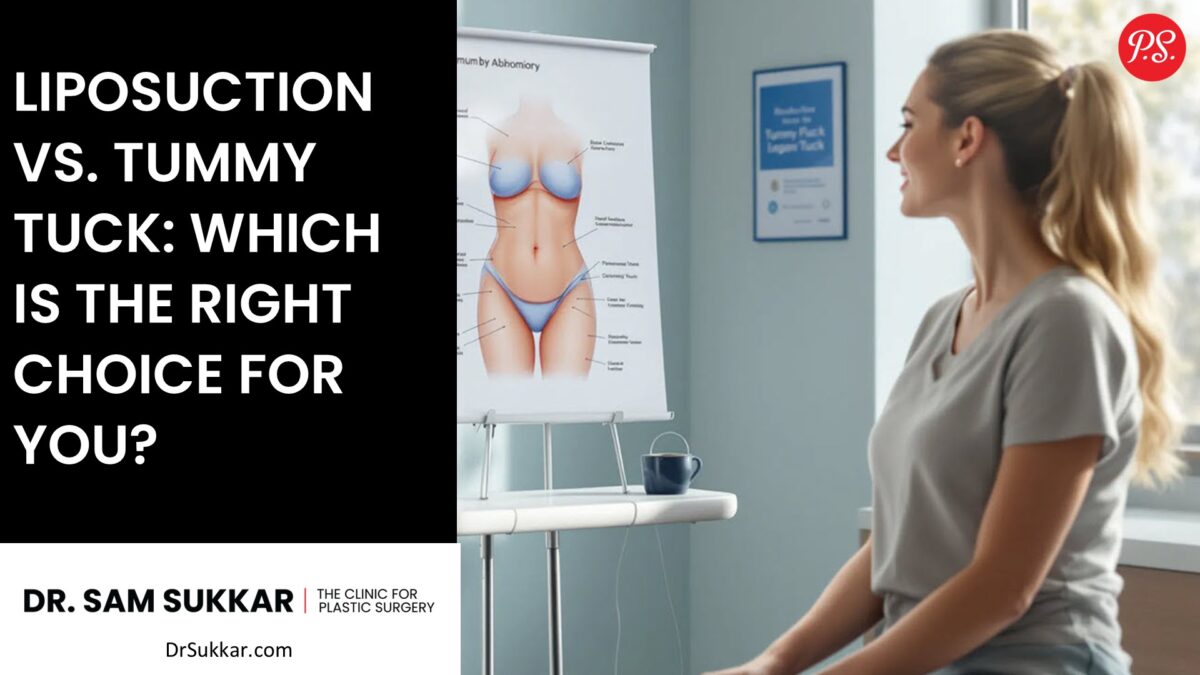
If you’re considering a flatter, more sculpted abdomen, understanding the difference between liposuction and tummy tuck is your first essential step. Liposuction and tummy tuck procedures each target different cosmetic concerns. Liposuction removes stubborn pockets of unwanted fat, while a tummy tuck (abdominoplasty) eliminates excess skin and tightens weakened abdominal muscles. For patients bothered by sagging skin after significant weight loss or muscle laxity from pregnancy, a tummy tuck surgery is typically recommended. Liposuction is ideal for those with good skin elasticity but local fat deposits that are resistant to diet and exercise.

The quickest way to decide is to focus on your concerns. For localized fat removal, liposuction treatment works best. To fix both loose skin and separated abdominal muscles, choose a tummy tuck or a combination. Both are safe, proven cosmetic surgery options that deliver lasting body contouring results.

Key Takeaways of Tummy Tuck and Liposuction

  • Liposuction and tummy tuck procedures target different concerns: liposuction removes stubborn fat, while a tummy tuck addresses excess skin and weakened abdominal muscles.
  • Ideal candidates for liposuction have good skin elasticity and localized fat resistant to diet and exercise, whereas a tummy tuck suits those with sagging skin or muscle laxity.
  • Liposuction allows for a quicker return to normal activity with minimal scarring, while a tummy tuck requires longer healing due to a larger incision.
  • Combining liposuction and tummy tuck, also called lipoabdominoplasty, offers complete body contouring.
  • Consulting with a board certified plastic surgeon is essential to determine the best approach and maximize your results when choosing between liposuction, tummy tuck, or both.

What Is Liposuction?

Liposuction is a well-known cosmetic surgery used to remove excess fat from targeted areas of the body, particularly the abdominal region, thighs, flanks, and arms. The primary aim is to sculpt and reshape body contours that haven’t responded to weight loss methods like proper nutrition or exercise.

How Liposuction Works

During liposuction, small incisions are made in the abdominal wall or other treatment zones. A thin tube, called a cannula, is inserted and moved beneath the skin to loosen fat deposits, which are then suctioned out.

The procedure focuses on exercise-resistant fat and unwanted fat, not on addressing excess skin or muscle separation. It’s generally performed under general anesthesia in a medical office or surgical setting. Patients often seek liposuction for the lower abdomen, upper abdomen, or entire abdomen to remove fat that affects body contouring results.

Ideal Candidates for Liposuction

The best candidates for liposuction have good skin elasticity, are at or near their ideal body weight, and have localized fat deposits. They may have a stable weight but are frustrated by stubborn pockets of fat that don’t budge even though lifestyle changes.

It’s important to note that liposuction does not tighten loose skin or repair weakened abdominal muscles. Patients with significant skin laxity or muscle laxity may need a different approach.

What Is a Tummy Tuck?

A tummy tuck, or abdominoplasty, is a surgical procedure focused on creating a firmer, flatter abdominal area. Unlike liposuction, tummy tuck surgery addresses both excess skin and muscle laxity, making it the go-to option for those with sagging skin and weakened abdominal muscles.

How Tummy Tuck Surgery Works

During a full tummy tuck, an incision low on the abdomen (often hidden near the pubic hairline) is placed. It removes excess fat and extra skin, and repairs separated abdominal muscles, also known as rectus diastasis. Sometimes, the belly button is repositioned for a natural look.

This procedure can significantly improve skin elasticity and remove stretch marks on the lower abdomen. There are different approaches, a mini tummy tuck targets only the lower abdomen with a shorter incision, while an extended tummy tuck treats the entire abdomen and sometimes flanks.

Who Benefits Most from a Tummy Tuck?

The best candidates for a tummy tuck are those with loose skin, a history of significant weight loss, or changes from pregnancy leading to muscle separation. Individuals with weakened abdominal muscles or visible sagging will notice the greatest improvements.

This isn’t a weight loss method, patients should be at a stable, ideal body weight before surgery. For some, especially after major weight fluctuations or future pregnancies, a tummy tuck offers both cosmetic and reconstructive surgery benefits.

Key Differences Between Tummy Tuck and Liposuction

When deciding between tummy tuck and liposuction, understanding their distinct goals, techniques, and outcomes is crucial. These procedures serve different purposes in cosmetic and body contouring surgery.

Goals and Outcomes

Liposuction is intended for fat removal alone. It excels at eliminating localized fat in the abdomen or flanks for patients with good skin elasticity. But, it won’t address loose or sagging skin, muscle laxity, or stretch marks.

In contrast, tummy tuck surgery is designed to remove excess skin, tighten abdominal muscles, and create a smoother abdominal area. It often reduces or eliminates stretch marks on the lower abdomen.

Scarring and Recovery

Liposuction leaves small incisions resulting in minimal scarring, typically barely noticeable over time. A tummy tuck involves a longer incision, sometimes stretching from hip to hip, so a tummy tuck scar is more prominent initially but often fades with proper care over the healing process.

Recovery time also differs: liposuction generally allows faster return to normal activities, while a tummy tuck requires a longer, more cautious recovery period.

Which Procedure Is Right for You?

Choosing between a tummy tuck and liposuction isn’t always straightforward, but understanding what each procedure addresses can guide you toward the right decision. The key difference lies in what concerns you most about your midsection. Both your body’s current condition and your aesthetic goals play crucial roles in determining which approach will deliver the results you’re seeking.

Liposuction

Liposuction surgery is your ideal choice if you’re already close to your target weight but struggling with stubborn pockets of fat that refuse to budge despite your best efforts with diet and exercise. This procedure works beautifully for individuals who have good skin elasticity and firm abdominal muscles but simply need targeted fat removal to refine their contours.

Think of liposuction as a sculpting tool. It removes localized fat deposits from the abdomen, flanks, and other areas to create a more proportionate, defined silhouette. The procedure is less invasive than a tummy tuck, and offers a quicker recovery timeline. Most patients return to work within 3 to 5 days and see gradual improvements as swelling subsides over several months

Tummy Tuck

A tummy tuck becomes the better option when you’re dealing with more comprehensive concerns that go beyond just fat removal. This procedure is specifically designed to remove excess, sagging skin, tighten stretched or separated abdominal muscles, and eliminate some fat, all in one comprehensive surgery.

Women who’ve been through pregnancy, individuals who’ve experienced dramatic weight loss, or anyone with loose, drooping abdominal skin will find that a tummy tuck addresses the root causes of their concerns in ways that liposuction simply cannot. The procedure involves making an incision across the lower abdomen, removing excess skin and fat, repairing muscle separation, and re-draping the remaining tissue for a smoother, firmer result.

Assessing Your Body and Goals

Evaluate your abdominal area in a mirror. Are you bothered most by stubborn belly fat, or is sagging skin the bigger concern?

Do you notice bulges above or below your belly button, or do you have folds of excess skin and a feeling of muscle separation after weight loss or pregnancy? Your answers help determine what you need: fat removal, skin tightening, or muscle repair.

What to Expect Before, During, and After

Your journey begins with a detailed consultation, a review of your medical history, and laboratory tests. On surgery day, patients receive general anesthesia. Compression garments may be provided to reduce swelling and promote healing after the procedure.

During the Surgical Procedure

  • Liposuction: A small incisions in the designated areas are made. A thin tube suctions out unwanted fat from the abdominal region or other regions with localized fat. The procedure is generally quicker and less invasive than a tummy tuck.
  • Tummy Tuck: First, an incision is made along the lower abdomen, often within the bikini line. The excess skin and fat is remove, then repairs weakened or separated abdominal muscles. Full tummy tucks might involve repositioning the belly button: mini tummy tucks require a smaller incision and focus on the lower abdomen only.

Recovery Time and Aftercare

Liposuction has a relatively quick recovery. Many return to work within a few days, wearing compression garments to minimize swelling.

In contrast, tummy tuck surgery involves a longer recovery, usually two to four weeks before resuming normal activities. Tummy tuck patients may have drainage tubes for the first week and must avoid strenuous movement. Regardless of the procedure, following your post-opt surgical team’s instructions is vital for the best result.

Combining Liposuction and Tummy Tuck: Pros and Cons

For some patients, combining liposuction with a tummy tuck offers the most dramatic transformation. This approach is called lipoabdominoplasty and is increasingly popular among those seeking complete body contouring after significant weight loss or pregnancies.

Benefits of the Combined Approach

Combining liposuction and tummy tuck addresses stubborn pockets of fat, loose skin, and separated abdominal muscles simultaneously.

Results are often more balanced and natural-looking compared to either procedure alone. The high lateral tension abdominoplasty technique can further enhance results by tightening both skin and underlying tissue for a toned physique.

Patients must be in good health, with stable weight and no plans for future pregnancies, before considering combined treatment. Discussing risks, goals, and expectations during consultation is essential before deciding on a combined surgical procedure.

Frequently Asked Questions About Tummy Tuck and Liposuction Surgery: Which is the Right Choice for You?

What is the main difference between a liposuction tummy tuck and regular liposuction?

The main difference is that liposuction only removes unwanted fat, while a tummy tuck, removes excess skin and tightens weakened abdominal muscles. If you have loose skin or muscle separation, a tummy tuck is recommended.

Who is the best candidate for liposuction tummy tuck procedures?

The best candidates for liposuction are individuals with localized, exercise-resistant fat and good skin elasticity. For those with sagging skin or separated abdominal muscles, a tummy tuck or combination procedure is often most effective.

How long is the recovery time after a tummy tuck compared to liposuction?

Recovery from liposuction is usually quicker, with many people returning to work within a few days. A tummy tuck requires a longer recovery, often between two to four weeks before resuming normal activity, due to muscle repair and skin removal involved.

Can liposuction and tummy tuck be combined for better results?

Yes, combining liposuction and tummy tuck can address both excess fat and skin, as well as muscle separation, for a more dramatic and balanced result. However, the combined procedure involves longer recovery and a higher procedures cost.

How do I choose between liposuction and a tummy tuck for my abdominal area?

Identifying your main concerns, stubborn belly fat, loose skin, or muscle separation, will help decide which procedure is right for you. During the consultation, every recommendation is customized to fit the patient’s personal goals and individual anatomy.

How much does liposuction cost in Houston?

Liposuction costs in Houston typically range from $5,000 to $25,000, depending on the number of treatment areas and the complexity of the procedure. The final price varies based on factors such as the technique used (traditional liposuction versus advanced methods like SmartLipo or ultrasound-assisted liposuction), and the amount of fat being removed.

How much does a tummy tuck cost in Houston?

Tummy tuck costs in Houston range from $12,000 to $19,000, with the exact price depending on the type of procedure. A mini tummy tuck, which addresses only the lower abdomen, generally costs between $4,000 and $8,000. While a full tummy tuck ranges from $12,000 to $19,000.

Conclusion and Summary of Tummy Tuck and Liposuction Surgery: Which is the Right Choice for You?

Choosing between liposuction and tummy tuck, or combining both, is a personal decision shaped by your goals, anatomy, and medical history. Liposuction excels at removing exercise-resistant belly fat for those with good skin elasticity, while tummy tuck surgery is transformative for patients with sagging skin or separated abdominal muscles after weight fluctuations or pregnancy.

By choosing The Clinic for Plastic Surgery, patients receive customized guidance and industry-leading safety with the most effective treatments. With professional advice and realistic expectations, achieving a flatter, more contoured abdomen is within reach.

Your Premier Destination for Plastic Surgery in Houston, Texas (TX)

Are you located in one of these Houston Metro Area cities?

Houston, The Woodlands, Sugar Land, Katy, Pearland, Pasadena, League City, Baytown, Conroe, Cypress, Spring, Kingwood, Humble, Missouri City, Friendswood, Bellaire, Clear Lake, Tomball, Galveston, Richmond, Rosenberg, Stafford, La Porte, Deer Park, Seabrook, Webster, Alvin, and Channelview.

Board-Certified Plastic Surgeon Dr. Sam Sukkar, MD, FACS, and The Clinic for Plastic Surgery Team are here to help you achieve refined, natural-looking results.

Offering expert cosmetic enhancements in:

  • Breast Augmentation, Breast Lifts, and Breast Reduction
  • Tummy Tucks, Mommy Makeovers, and Liposuction
  • Facelifts, Neck Lifts, and Rhinoplasty
  • Body Contouring and Skin Tightening Procedures
  • Non-Surgical Aesthetic Treatments

Visit our modern 18,000+ sq.ft. luxurious plastic surgery center and med spa in Houston, Texas, where expertise meets artistry. Our highly skilled and compassionate team ensures a seamless experience, from consultation to recovery.

For patients outside of the Houston area or those with a busy schedule, Schedule a Virtual Consultation.

Schedule your personalized consultation today at DrSukkar.com or call (281) 940-1535.

About the Author – Meet Dr. Sam Sukkar, MD

Dr. Sam Sukkar, MD, FACS is a highly respected Board-Certified Plastic Surgeon in Houston, Texas, known for his expertise in advanced cosmetic and reconstructive procedures. As the founder of The Clinic for Plastic Surgery, Dr. Sukkar has set a new standard for excellence, performing over 20,000 procedures with a focus on delivering natural, refined results.

Dr. Sukkar earned his Doctor of Medicine (M.D.) degree from Louisiana State University School of Medicine in 1992 after graduating summa cum laude with a Bachelor of Science in Microbiology. He then completed an intensive General Surgery Residency at the University of Texas Hermann Hospital before being selected for a highly competitive Plastic Surgery Fellowship at Northwestern University in Chicago, one of the most prestigious training programs in the country.

With more than 20 years of experience, Dr. Sukkar is a Diplomate of the American Board of Plastic Surgery and a Fellow of the American College of Surgeons (FACS). He is also an active member of the American Society of Plastic Surgeons (ASPS) and the Houston Society of Plastic Surgery (HSPS). His dedication to innovation and continuing education has solidified his reputation as a leading expert in aesthetic surgery, specializing in breast surgery, body contouring, facial procedures, and non-invasive treatments.

Dr. Sukkar’s expertise has been recognized by Houston Magazine, naming him one of Houston’s “Top Docs for Women,” and he has been featured among RealSelf’s America’s Top Doctors. Committed to his patients, he prioritizes personalized care, ensuring every individual feels informed, comfortable, and confident in their aesthetic journey.

Contact Dr. Sukkar today to schedule a consultation, visit DrSukkar.com to learn more, or call us directly at (281) 940-1535.

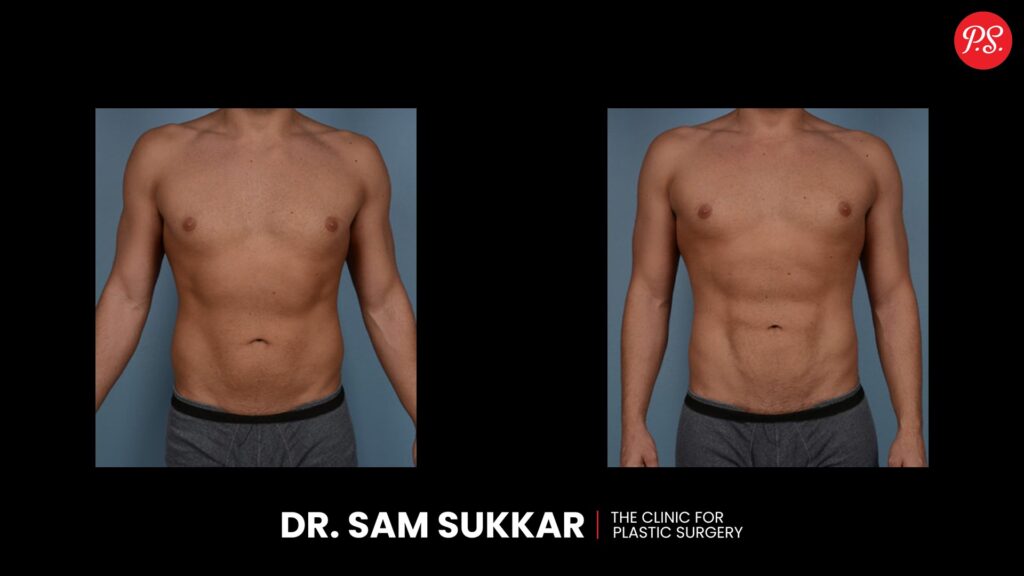
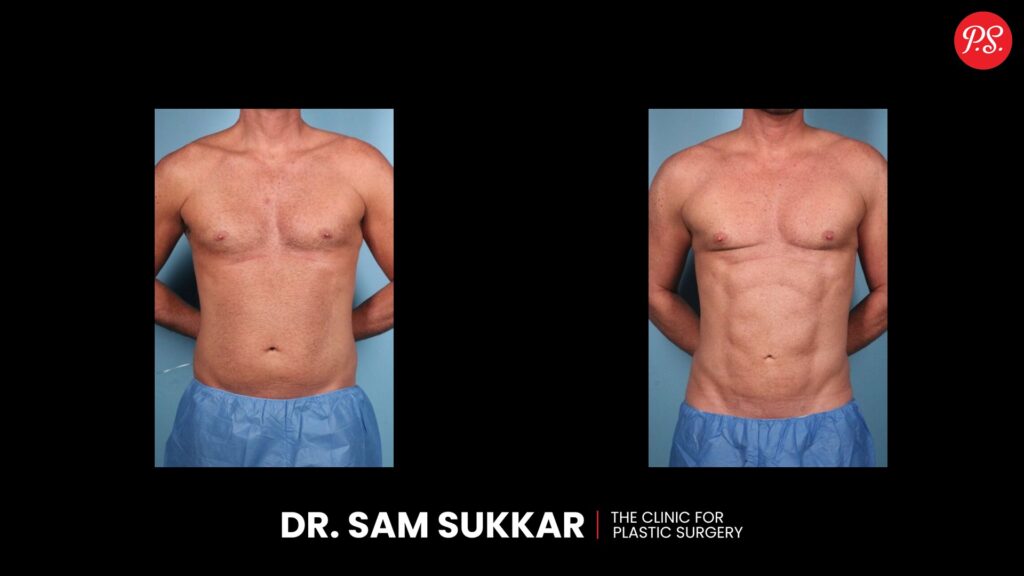
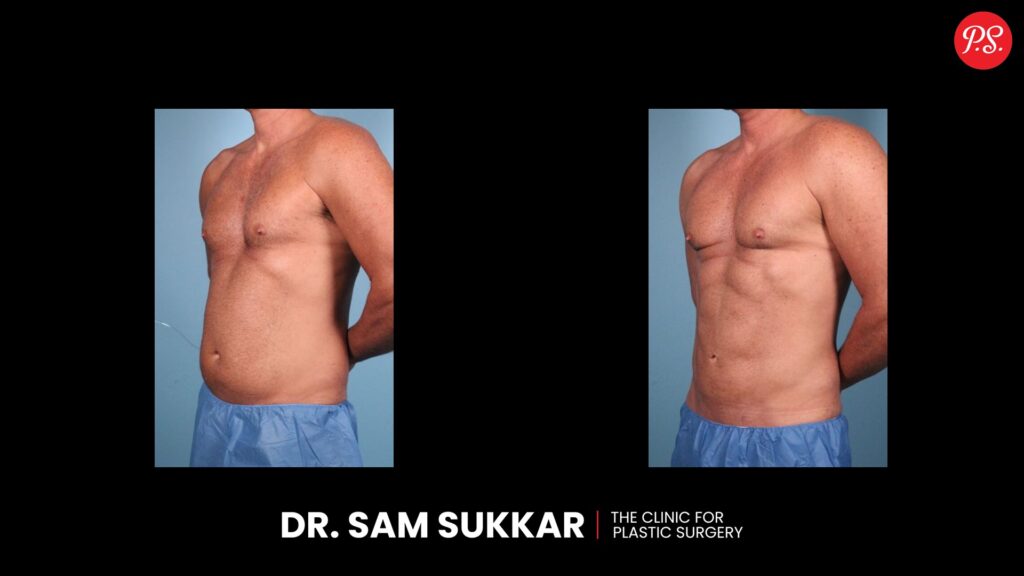
Liposuction Before and After for Men: Stunning Transformations

Liposuction before and after men reveals just how transformative this procedure can be for those struggling with stubborn fat even though a healthy lifestyle. For most men, liposuction surgery targets excess fat deposits that resist diet and exercise. Helping sculpt a more defined, masculine body while boosting self-esteem. Results include enhanced muscle definition, flatter abdomens, reduced love handles, and confidence-boosting body transformations that last.

Liposuction for men permanently removes fat cells from common problem areas using a minimally invasive cannula technique.

Key Takeaways of Liposuction Before and After Men

  • Liposuction before and after men showcases dramatic improvements in muscle definition and a more masculine body shape.
  • The procedure permanently removes fat cells from the abdomen, chest, flanks, and other problem zones, but is intended for contouring, not weight loss.
  • Preparation and realistic expectations are vital, as results depend on maintaining a healthy weight, proper aftercare, and adherence to post care instructions.
  • Liposuction surgery recovery is usually quick and seeing initial results in weeks, but final contours may take up to six months to fully appear.
  • Choosing an experienced, board-certified surgeon and following all post-op guidance minimizes risks and helps achieve long-lasting liposuction results for men.

Liposuction Surgery for Men

Liposuction procedure for men is a surgical procedure specifically designed to remove excess, stubborn fat from targeted areas. Unlike traditional weight loss methods, liposuction offers a direct solution for shaping the male body and achieving visible contour improvements.

How Male Liposuction Works

During the liposuction procedure, a thin tube called a cannula is use to break up and vacuum out unwanted fat cells. The technique allows for precise fat removal while minimizing trauma to surrounding tissues. Once the fat is suctioned out, the treated area gradually takes on a smoother, more defined contour as swelling subsides.

Most men undergo the procedure under general anesthesia for maximum comfort and safety. Because men’s fat tends to be thicker and more fibrous than women’s, the surgeon’s experience is crucial for achieving the best results and defined contours.

Liposuction as a Body Contouring Tool, Not a Weight Loss Solution

It’s vital to understand that liposuction is not a replacement for a healthy lifestyle. The typical patient may see only a small reduction in weight (around 5 to 11 pounds), but the body transformation is often dramatic.

Liposuction is designed to sculpt the body and accentuate muscle definition, not to serve as a treatment for overall weight loss. Most men find the biggest improvements in self-esteem and comfort come from those visual, not numerical, changes.

Liposuction Before and After for Men in Houston, TX: Stunning Transformations by Dr. Sam Sukkar, MD

Common Areas Treated in Male Liposuction

When considering liposuction before and after men, it’s clear that targeted areas make all the difference. Men’s problem areas for stubborn fat tend to differ from women’s.

Abdomen, Flanks, and Chest

The abdomen and flanks, better known as love handles, are the most commonly requested areas. Many men struggle with fat accumulating around the midsection due to hormonal and age-related changes.

Liposuction surgery here can flatten the belly and carve out a stronger torso silhouette. The chest is also frequently treated, especially for men dealing with gynecomastia (enlarged male breast tissue), allowing for a firmer, more masculine chest profile.

Other Popular Treatment Zones

Men also seek liposuction for the chin and neck, back, and even buttocks or thighs for complete body contouring. Each zone requires tailored techniques to achieve natural-looking, well-balanced contours. Reviewing a liposuction gallery or before and after photos is a helpful first step in setting realistic expectations for these areas.

The Pre-Procedure Experience: Preparing for Liposuction

Preparing for male liposuction is about more than picking a date and technique, it’s about maximizing results and minimizing risk.

Setting Realistic Expectations

The key to satisfaction is understanding that liposuction removes stubborn fat, not a large amount of weight. Most men who see the best results already maintain a healthy weight, BMI, and active lifestyle, but struggle with persistent fat deposits that stop them from achieving the body they want.

During the deep consultation it would be determine how much fat can safely be removed and what changes you can expect in your contours, not just on the scale.

Steps Before Your Appointment

Pre-operative preparation includes a detailed health screening, instructions to stop certain medications, and guidelines for diet and hydration in the days before surgery. You’ll also receive tips on arranging post-op support at home and preparing comfortable, loose-fitting clothing for recovery.

The goal: make the appointment go smoothly and ensure you’re ready, physically and mentally, for your body transformation journey.

What to Expect Immediately After Liposuction

The immediate post-surgery period is manageable when you know what’s coming. Most men experience moderate pain, swelling, and mild bruising for the first few days after the procedure.

Recovery, Pain, and Mobility

Prescribed or over-the-counter pain medications effectively manage discomfort, with most patients able to return to light, non-strenuous activity in two to three days. It’s common to feel sore or notice tightness in treated areas, especially the abdomen, flanks, or chest, where the largest changes usually occur.

Returning to Work and Normal Life

Most are comfortable enough to resume work and basic daily routines within a week. It’s crucial to avoid vigorous exercise or heavy lifting during this phase.

Following your post-opt surgical aftercare instructions will help minimize risk and speed up recovery. Swelling may mask early results, but patience is key to seeing a slimmer you emerge.

Liposuction Before and After for Men In Houston, TX by Dr. Sam Sukkar, MD

Results Timeline: Visible Changes and Healing Process

Understanding the liposuction results timeline helps men set proper expectations for body transformation.

Early Weeks: Healing and Initial Changes

Swelling, bruising, and firmness in the skin typically peak in the first week but improve steadily over three to five weeks. You may notice initial slimming and subtle contour changes, but don’t expect your final, defined shape right away.

Light exercise can often resume at four weeks, with clearance for more strenuous activity around week six. Compression garments, worn for the first month, help sculpt the healing tissues and support ideal results.

Watching the Final Results Take Shape

Final results become visible as swelling fully resolves over two to six months, revealing sharper muscle definition, flatter abdomens, and more defined flanks or chest. Men often report renewed motivation to maintain a healthy lifestyle post-surgery, reinforcing long-lasting changes.

Photos taken at three- or six-month follow-ups offer the most accurate before and after comparison. Remember, results can vary depending on individual healing capacity, procedure area, and adherence to aftercare.

Dr. Sukkar’s Before and After Liposuction Transformations for Men in Houston, Texas

Before and after images are among the best motivators for men considering liposuction. They show what’s possible when stubborn fat is finally addressed head-on.

Muscle Definition and Masculine Contours

Most men see dramatic improvements in muscle definition, especially in the midsection, chest, and flanks. Enhanced jawlines, reduced love handles, and a flatter abdomen all contribute to a noticeably more masculine, athletic appearance.

Advanced methods, including laser-assisted and VASER liposuction, can fine-tune details and stimulate collagen for skin tightening, creating smooth, natural-looking results in both younger and older patients.

Liposuction Before and After for Men in Houston, Texas by Dr. Sam Sukkar, MD

Boost in Confidence and Comfort

Beyond the visual, men often experience a significant boost in self-esteem. Clothing fits better, gym progress is more visible, and daily activities become more comfortable.

Photo galleries and patient testimonials consistently highlight renewed confidence and satisfaction post-procedure. That said, results will always vary based on initial fat volume, skin quality, and dedication to a healthy lifestyle following surgery.

Frequently Asked Questions About Liposuction Before and After for Men: Stunning Transformations

What results can men expect from liposuction before and after?

Liposuction procedure before and after for men often reveals enhanced muscle definition, flatter abdomens, reduced love handles, and a more sculpted, masculine appearance. Most men notice significant contour improvements and higher confidence, provided they maintain a stable weight and healthy lifestyle post-surgery.

How long does it take to see final results after male liposuction?

While some changes are visible within weeks, final liposuction results for men typically appear after two to six months. Swelling must subside and healing complete before the ultimate transformation is evident. Follow-up photos at three to six months best showcase the procedure’s full effects.

Is liposuction a weight loss solution for men?

No, liposuction is not meant for overall weight loss. Men usually lose a small amount of weight, but the main benefit is targeted fat removal and contouring, not dropping significant pounds. It’s best suited for those already close to their ideal body weight with stubborn fat deposits.

What are common areas treated with liposuction in men?

For men, liposuction most often targets the abdomen, flanks (love handles), and chest. Other popular areas include the chin, neck, back, buttocks, and thighs. Each area may require tailored techniques to create balanced, masculine contours and natural-looking results.

How can men maintain liposuction results long-term?

Liposuction results last as long as a stable weight and healthy habits are maintained. Fat cells removed by liposuction are permanent, but new fat can accumulate if significant weight is gained. Regular exercise and a balanced diet are key to keeping your post-procedure physique.

Are there risks associated with male liposuction procedures?

Yes, risks include infection, temporary skin sensation changes, and minor contour irregularities. Choosing a board-certified surgeon and following prescribed aftercare such as wearing compression garments and avoiding strenuous activity early on helps minimize the chance of complications.

Conclusion and Summary of Liposuction Before and After for Men: Stunning Transformations

Liposuction before and after results for men show how reshaping stubborn fat can redefine the body and renew confidence. It’s often the moment when dedication to fitness finally aligns with visible results, creating sharper contours, flatter abdomens, and a more athletic appearance.

The most rewarding outcomes come from realistic expectations, proper aftercare, and a sustained commitment to healthy living. When paired with consistent habits, liposuction results can last for years. Serving as both a physical and motivational transformation that reflects lasting discipline and self-improvement.

Your Premier Destination for Plastic Surgery in Houston, Texas (TX)

Are you located in one of these Houston Metro Area cities?

Houston, The Woodlands, Sugar Land, Katy, Pearland, Pasadena, League City, Baytown, Conroe, Cypress, Spring, Kingwood, Humble, Missouri City, Friendswood, Bellaire, Clear Lake, Tomball, Galveston, Richmond, Rosenberg, Stafford, La Porte, Deer Park, Seabrook, Webster, Alvin, and Channelview.

Board-Certified Plastic Surgeon Dr. Sam Sukkar, MD, FACS, and The Clinic for Plastic Surgery Team are here to help you achieve refined, natural-looking results.

Offering expert cosmetic enhancements in:

  • Breast Augmentation, Breast Lifts, and Breast Reduction
  • Tummy Tucks, Mommy Makeovers, and Liposuction
  • Facelifts, Neck Lifts, and Rhinoplasty
  • Body Contouring and Skin Tightening Procedures
  • Non-Surgical Aesthetic Treatments

Visit our modern 18,000+ sq.ft. luxurious plastic surgery center and med spa in Houston, Texas, where expertise meets artistry. Our highly skilled and compassionate team ensures a seamless experience, from consultation to recovery.

For patients outside of the Houston area or those with a busy schedule, Schedule a Virtual Consultation.

Schedule your personalized consultation today at DrSukkar.com or call (281) 940-1535.

About the Author – Meet Dr. Sam Sukkar, MD

Dr. Sam Sukkar, MD, FACS is a highly respected Board-Certified Plastic Surgeon in Houston, Texas, known for his expertise in advanced cosmetic and reconstructive procedures. As the founder of The Clinic for Plastic Surgery, Dr. Sukkar has set a new standard for excellence, performing over 20,000 procedures with a focus on delivering natural, refined results.

Dr. Sukkar earned his Doctor of Medicine (M.D.) degree from Louisiana State University School of Medicine in 1992 after graduating summa cum laude with a Bachelor of Science in Microbiology. He then completed an intensive General Surgery Residency at the University of Texas Hermann Hospital before being selected for a highly competitive Plastic Surgery Fellowship at Northwestern University in Chicago, one of the most prestigious training programs in the country.

With more than 20 years of experience, Dr. Sukkar is a Diplomate of the American Board of Plastic Surgery and a Fellow of the American College of Surgeons (FACS). He is also an active member of the American Society of Plastic Surgeons (ASPS) and the Houston Society of Plastic Surgery (HSPS). His dedication to innovation and continuing education has solidified his reputation as a leading expert in aesthetic surgery, specializing in breast surgery, body contouring, facial procedures, and non-invasive treatments.

Dr. Sukkar’s expertise has been recognized by Houston Magazine, naming him one of Houston’s “Top Docs for Women,” and he has been featured among RealSelf’s America’s Top Doctors. Committed to his patients, he prioritizes personalized care, ensuring every individual feels informed, comfortable, and confident in their aesthetic journey.

Contact Dr. Sukkar today to schedule a consultation, visit DrSukkar.com to learn more, or call us directly at (281) 940-1535.

Is Liposuction Dangerous? Precautions, Risks, Benefits

Is Liposuction Dangerous? Liposuction is one of the most trusted and refined cosmetic procedures available today, when performed by an experienced, board-certified plastic surgeon. Modern techniques have greatly improved both safety and results, making it a reliable solution for patients seeking targeted fat removal and smoother body contours.

While all surgery carries some level of risk, liposuction’s success depends heavily on the quality of the facility, and adherence to proper pre- and post-operative care. Understanding the benefits and potential complications helps you make informed decisions that lead to safe, satisfying outcomes.

Key Takeaways of Is Liposuction Dangerous

  • Liposuction surgery is generally safe for healthy patients when performed in an accredited facility.
  • All surgical procedures, including liposuction, carry risks such as swelling, bruising, infection, or rare but serious complications.
  • Disclosing your full medical history minimizes liposuction dangers and improves safety.
  • Liposuction is not a weight loss solution and is best for those near their ideal weight with specific problem areas.
  • Certain medical conditions, unrealistic expectations, or poor surgical technique greatly increase the risks associated with liposuction.
  • Strict adherence to surgical guidance before and after the liposuction procedure helps ensure optimal results and reduces complications.

What Is Liposuction?

Liposuction is a cosmetic surgical procedure used to remove localized excess fat that doesn’t respond to a healthy diet or regular exercise. This procedure targets stubborn fat deposits in areas like the abdomen, inner or outer thighs, upper arms, flanks, and even under the chin (commonly called a double chin).

Modern Liposuction Techniques and Approaches

Traditional liposuction involves making small incision sites and using a cannula to suction out fatty tissue. In recent years, advanced methods like tumescent liposuction, laser assisted liposuction, and ultrasound assisted liposuction have emerged, each aiming to improve fat removal and minimize complications. These newer techniques often help with skin tightening, with less bleeding and bruising for most patients.

Liposuction is not a weight loss solution, nor is it an alternative to a balanced diet, regular exercise, or medical weight loss. It is best suited for people at or near their ideal weight who struggle with stubborn fat areas even though healthy lifestyle habits.

Common Risks and Side Effects of Liposuction

Anyone considering liposuction should understand the possible risks associated with liposuction, even those that are temporary or minor. While most individuals experience a smooth recovery, awareness prevents surprises and prepares patients for the healing process.

Typical Side Effects After a Liposuction Procedure

Most patients notice temporary swelling, mild swelling, and bruising at the treated area shortly after surgery. Discomfort, changes in skin sensation (such as numbness or tingling), and minor bleeding may also occur.

Wearing compression garments after surgery helps control swelling, supports the body’s new shape, and aids skin tightening. Bruising and changes in skin pigmentation are common misconceptions, these issues often resolve on their own within several weeks.

Irregular Results: Contour Deformities and Skin Changes

Sometimes, patients notice rippling, loose skin, or contour irregularities after the liposuction process. This can happen if the remaining fat cells are unevenly distributed or if the patient has poor skin elasticity.

Larger volume removal (over five liters of excess fat) increases the likelihood. Most of these outcomes improve over time, and procedures such as a skin tightening procedure or tummy tuck may be recommended to correct sagging skin or stretch marks if they persist.

Serious Complications: How Likely Are They?

While liposuction is generally considered safe, there are major complications, although rare, can occur with this surgical technique. Understanding these risks upfront encourages safer choices and honest conversations during your consultation.

Major Risks Associated With Liposuction

Serious complications, such as infection, happen in only about 0.02% of cases. Other risks include venous thromboembolism (such as deep vein thrombosis), which occurs in fewer than 0.02% of procedures. Fat embolism is another risk, where fragments of fat enter the bloodstream and cause blockages. These are extremely rare but may be life-threatening if not recognized early.

Injury to deeper structures, like blood vessels, nerves, fibrous connecting bands, muscles, or even abdominal organs, can happen if a surgeon is inexperienced or makes a critical error with the cannula. Visceral perforation is especially dangerous but occurs in far less than 1% of cases.

Less Common Complications and Prolonged Healing

Some patients face fluid imbalances, excessive blood loss, irregular wound healing, or reaction to anesthesia. Others might develop seromas (pockets of fluid), hematomas (blood collections), or persistent skin infection that delays the normal healing process.

Large-volume fat removal, previous abdominal surgery, or unaccredited facilities all increase the risk of serious events. While most patients never encounter such issues, a proper understanding helps dispel common liposuction misconceptions and prepares you to act swiftly if something feels wrong.

Factors That Increase Liposuction Risks

Risks associated with abdominal liposuction aren’t the same for every patient or every cosmetic procedure. Certain medical conditions and lifestyle factors can significantly increase your risk of complications, making an individual risk assessment essential.

Medical History and Pre-Existing Conditions

Patients who are significantly overweight, have uncontrolled diabetes, chronic heart disease, or other major medical conditions should think twice before undergoing any form of body contouring.

Smokers, those with poor skin elasticity, or patients with a history of deep vein thrombosis are also at elevated risk.

Surgical Factors and Surgeon Experience

Choosing a non-board certified plastic surgeon, undergoing large volume fat removal, or scheduling surgery at a poorly equipped center are major risk factors.

The surgical team’s experience, knowledge of different liposuction techniques, and facility accreditation make a measurable difference in patient safety. Opting for a recognized board certified plastic surgeon with extensive experience in cosmetic surgery is vital for minimizing risks.

How To Minimize the Dangers of Liposuction

Patient safety is the primary concern when pursuing liposuction or any other cosmetic surgical procedure. Planning, preparation, and follow-through set the stage for optimal results and fewer complications.

Choosing the Right Plastic Surgeon and Surgery Center

Start by selecting a board certified plastic surgeon who has a proven background in both cosmetic and reconstructive surgery. Seek a facility that’s fully accredited and staffed with a highly trained surgical team.

Ask to see before-and-after results for cases similar to yours, and discuss the specific liposuction technique (tumescent liposuction, laser assisted liposuction, or ultrasound assisted lipoplasty).

Pre-Operative and Post-Operative Steps for Success

Fully disclose your medical history during consultation, including any prior surgeries, allergies, or underlying health conditions. Follow all recommendations about medications, smoking cessation, and pre-surgical lab work.

During liposuction recovery, wear your compression garments as directed, avoid strenuous exercise until cleared, and attend all scheduled follow up appointments. Immediate reporting of unusual pain, persistent swelling, or fever reduces the risk of major complications. Maintaining a healthy diet and stable weight before and after surgery improves wound healing and reduces the risk of sagging skin or fat returning.

When You Should Avoid Liposuction

Liposuction is not suitable for everyone seeking fat removal or body contouring. It’s important to understand the limitations and know when this cosmetic procedure could cause more harm than good.

Who Is Not a Candidate for Liposuction?

People with severe or uncontrolled chronic illnesses, such as heart failure, kidney disease, or poorly managed diabetes, face heightened risks and should avoid elective liposuction.

Patients with blood clotting disorders, or a history of deep vein thrombosis, should also defer this procedure. Anyone with active infections or compromised immune systems must postpone cosmetic surgery until cleared by their physician.

Unrealistic Goals and Poor Skin Quality

Liposuction is not intended as a substitute for major weight loss. Individuals looking for a quick weight loss solution or who are significantly overweight should first pursue a healthy lifestyle, balanced diet, and regular exercise.

Also, patients with significant sagging skin, poor elasticity, or multiple stretch marks may be dissatisfied with results unless paired with other procedures like a tummy tuck or skin tightening procedure.

Frequently Asked Questions About Is Liposuction Dangerous? Precautions, Risks, Benefits

Is liposuction dangerous for healthy people?

Liposuction is generally considered safe for healthy individuals when performed in an accredited facility. Most risks and side effects are mild and temporary, but it’s essential to follow all medical advice before and after the procedure to minimize complications.

What are the most common risks and side effects of liposuction?

The most common side effects of liposuction include temporary swelling, bruising, and mild discomfort. Some patients may experience numbness, changes in skin sensation, or irregularities in contour, but these issues usually resolve within weeks with proper aftercare.

How likely are serious complications from liposuction?

Serious complications from liposuction, such as infection, blood clots, or fat embolism, are very rare, affecting less than 1% of patients. Choosing proper medical facility greatly reduces the risk of life-threatening events during or after surgery.

Can anyone get liposuction, or are there people who should avoid it?

Liposuction is not suitable for everyone. Individuals with severe health problems like uncontrolled diabetes, heart disease, or bleeding disorders should avoid this procedure. It’s also not advised for people with unrealistic expectations or poor skin elasticity.

How can I make liposuction safer for myself?

You can reduce the risks of liposuction by disclosing your complete medical history, following all pre- and post-operative instructions, and attending scheduled follow-ups. Maintaining a stable weight and healthy habits also aids recovery and keeps results optimal.

How much does a liposuction procedure cost in Houston, Texas?

Liposuction in Houston, Texas, typically costs between $5,000 and $25,000, depending on the number of areas treated, and the technique used. Prices are higher for advanced methods like Lipo 360, laser liposuction or VASER liposuction, while smaller areas such as the chin or arms may cost less.

Conclusion and Summary of Is Liposuction Dangerous? Precautions, Risks, Benefits

For healthy individuals who choose a qualified, board-certified plastic surgeon and follow proper aftercare, liposuction remains a safe and effective way to refine body shape and confidence. Most side effects are temporary, and serious complications are exceptionally rare when the procedure is performed in an accredited surgical environment.

The best results come from a combination of surgical precision, patient education, and open communication. With the right expertise and preparation, liposuction can be a smooth, transformative experience that enhances both appearance and self-esteem.

Your Premier Destination for Plastic Surgery in Houston, Texas (TX)

Are you located in one of these Houston Metro Area cities?

Houston, The Woodlands, Sugar Land, Katy, Pearland, Pasadena, League City, Baytown, Conroe, Cypress, Spring, Kingwood, Humble, Missouri City, Friendswood, Bellaire, Clear Lake, Tomball, Galveston, Richmond, Rosenberg, Stafford, La Porte, Deer Park, Seabrook, Webster, Alvin, and Channelview.

Board-Certified Plastic Surgeon Dr. Sam Sukkar, MD, FACS, and The Clinic for Plastic Surgery Team are here to help you achieve refined, natural-looking results.

Offering expert cosmetic enhancements in:

  • Breast Augmentation, Breast Lifts, and Breast Reduction
  • Tummy Tucks, Mommy Makeovers, and Liposuction
  • Facelifts, Neck Lifts, and Rhinoplasty
  • Body Contouring and Skin Tightening Procedures
  • Non-Surgical Aesthetic Treatments

Visit our modern 18,000+ sq.ft. luxurious plastic surgery center and med spa in Houston, Texas, where expertise meets artistry. Our highly skilled and compassionate team ensures a seamless experience, from consultation to recovery.

For patients outside of the Houston area or those with a busy schedule, Schedule a Virtual Consultation.

Schedule your personalized consultation today at DrSukkar.com or call (281) 940-1535.

About the Author – Meet Dr. Sam Sukkar, MD

Dr. Sam Sukkar, MD, FACS is a highly respected Board-Certified Plastic Surgeon in Houston, Texas, known for his expertise in advanced cosmetic and reconstructive procedures. As the founder of The Clinic for Plastic Surgery, Dr. Sukkar has set a new standard for excellence, performing over 20,000 procedures with a focus on delivering natural, refined results.

Dr. Sukkar earned his Doctor of Medicine (M.D.) degree from Louisiana State University School of Medicine in 1992 after graduating summa cum laude with a Bachelor of Science in Microbiology. He then completed an intensive General Surgery Residency at the University of Texas Hermann Hospital before being selected for a highly competitive Plastic Surgery Fellowship at Northwestern University in Chicago, one of the most prestigious training programs in the country.

With more than 20 years of experience, Dr. Sukkar is a Diplomate of the American Board of Plastic Surgery and a Fellow of the American College of Surgeons (FACS). He is also an active member of the American Society of Plastic Surgeons (ASPS) and the Houston Society of Plastic Surgery (HSPS). His dedication to innovation and continuing education has solidified his reputation as a leading expert in aesthetic surgery, specializing in breast surgery, body contouring, facial procedures, and non-invasive treatments.

Dr. Sukkar’s expertise has been recognized by Houston Magazine, naming him one of Houston’s “Top Docs for Women,” and he has been featured among RealSelf’s America’s Top Doctors. Committed to his patients, he prioritizes personalized care, ensuring every individual feels informed, comfortable, and confident in their aesthetic journey.

Contact Dr. Sukkar today to schedule a consultation, visit DrSukkar.com to learn more, or call us directly at (281) 940-1535.

Stomach Liposuction Cost and Pricing in Houston, Texas

The cost of stomach liposuction in Houston ranges between $10,000 and $15,000, depending on the scope of the treatment and desired contouring results. On the lower end, smaller treatment areas or less extensive procedures may start around $10,000. While more comprehensive abdominal sculpting or high-definition liposuction can reach up to $15,000.

Why does pricing vary so much?

Pricing for abdominal liposuction depends on several factors. Including the amount of fat removed, patient body type, surgeon’s expertise, and techniques used, such as traditional, VASER, or laser-assisted liposuction. Facility fees, anesthesia, and aftercare services also influence the final cost.

The best part is that many patients can move forward without delay thanks to affordable financing options. At The Clinic for Plastic Surgery, payments can be as low as $270 per month (upon approved credit), making it easier to invest in a smoother, more contoured midsection without financial strain.

Key Takeaways of Stomach Liposuction Cost

Stomach Liposuction

Stomach liposuction, also called abdominal liposuction, is a minimally invasive surgical procedure designed to remove stubborn fat deposits from the midsection. This cosmetic procedure targets excess fat that often resists healthy diet and regular exercise.

Most patients undergo this surgery to achieve a smoother, more sculpted silhouette. Compared to weight loss from diet alone, liposuction treatments specifically target fatty tissue just beneath the skin. The procedure works by liquefying and removing fat cells through small incisions, minimizing downtime and allowing for a relatively quick recovery.

Modern Liposuction Techniques

There are a variety of modern techniques, tumescent liposuction, laser-assisted liposuction, and ultrasound-assisted liposuction. Each approach has its own advantages and may be recommended based on the amount of excess fat, skin laxity, and the patient’s cosmetic goals. During consultation a physical examination and review patient’s medical history is important to determine the most effective method.

It’s essential to understand that liposuction is not a solution for major weight loss. Rather, it’s a body contouring procedure suited for those at or near their ideal body weight but seeking to address stubborn pockets of abdominal fat.

Average Cost of Stomach Liposuction in Houston

In Houston, the average cost of stomach liposuction often falls between $10,000 and $15,000. This range reflects what most reputable plastic surgeons charge for abdominal liposuction procedures, but prices can fluctuate based on several factors.

For example, a straightforward case using tumescent liposuction will typically cost less than a complex body contouring procedure involving advanced techniques like laser-assisted liposuction. Price rarely deviate far from this bracket unless there are unique circumstances, such as combining liposuction with a tummy tuck, facial liposuction, chin liposuction, or neck liposuction in a single session.

Factors Affecting Stomach Liposuction Pricing

Pricing for abdominal liposuction is not one-size-fits-all. Several factors contribute to the final cost. First, the size of the treatment area is a key player. Treating a larger or more challenging abdominal area will incur higher fees than a simpler, smaller area. If liposuction extends to the flanks or is combined with outer thighs or other procedures, expect the price to increase.

Another major factor is the type of liposuction technique used, tumescent liposuction, laser-assisted, or ultrasound assisted liposuction techniques all come with their own costs. Advanced, minimally invasive options that liquefy fat cells may involve higher fees because of specialized tools and technology.

Other influences include:

  • Anesthesia fees
  • Facility fees, such as operating room expenses
  • Complexity of the individual’s medical history
  • The amount of fatty tissue being removed
  • Any related expenses, like preoperative or postoperative care

Eventually, patients should request an accurate estimate during their consultation, as several factors combine to determine the total cost.

What Is Included in the Quoted Price?

When you receive a quote for abdominal liposuction surgery, it’s important to know exactly what’s included. Typically, the quoted price should encompass several core elements:

  • Preoperative assessment: This includes physical examinations and medical history reviews to ensure patients are suitable candidates for the procedure.
  • Surgeon’s fee: Compensation for the board certified plastic surgeon’s expertise and the specific procedure performed.
  • Anesthesia fees: Anesthesia needs, this can make up a significant part of the bill.
  • Operating room and facility fees: Fees for the hospital, or surgical suite where the procedure is done.
  • Postoperative care: Basic follow-up visits to monitor healing and recovery process.

These are usually the minimum inclusions you should expect when reviewing the cost of liposuction during your consultation.

Additional Expenses to Consider

Even with a comprehensive quote, some extra costs may not be covered upfront. These can include:

  • Follow-up appointments beyond standard care
  • Compression garments to reduce swelling and help shape the treated area
  • Prescriptions for pain management or antibiotics after the procedure
  • Lab tests or imaging required for preoperative clearance
  • Parking, travel, or time off work

Patients often underestimate these additional expenses, but they can add up. It’s wise to ask your practice coordinator for a detailed breakdown of all possible charges at your initial consultation, so there are no surprises later.

Stomach Liposuction Payment and Financing Options

Many patients are concerned about how to pay for stomach liposuction, as health insurance plans typically do not offer insurance coverage for cosmetic procedures like these.

Financing Available At Dr. Sukkar’s Office

At The Clinic for Plastic Surgery, patients have access to several trusted financing partners, including Cherry, CareCredit, and Prosper HealthCare Lending. These programs make it simple to manage the cost of stomach liposuction with affordable monthly payments and flexible schedules.

Many plans even include interest-free promotional periods for qualifying applicants, helping patients move forward with confidence and financial ease.

Cherry Financing Best Option for Abdominal Liposuction

At The Clinic for Plastic Surgery, patients can take advantage of Cherry Financing to make their liposuction procedure more affordable. Cherry allows you to split your total treatment cost into manageable monthly payments that fit your budget. With a simple online application and instant approval process, many patients qualify within minutes. Often without impacting their credit score.

Cherry offers flexible payment terms, including 0% interest options for qualifying applicants, so you can enjoy the benefits of a flatter, more sculpted abdomen now and pay over time. Whether you choose to finance part or all of your procedure, Cherry helps make your aesthetic goals achievable without delay.

Payment Options

For added convenience, the clinic also accepts a wide range of payment methods. Including American Express, VISA, MasterCard, Discover, personal checks, and cashier’s checks. Whether you prefer to pay upfront or spread out your payments over time, The Clinic for Plastic Surgery offers practical solutions to make your treatment experience smooth from start to finish.

Frequently Asked Questions About Stomach Liposuction Cost and Pricing in Houston, Texas

What is the average cost of stomach liposuction in Houston, Texas?

The average cost of stomach liposuction in Houston typically ranges between $10,000 and $15,000. This price can vary based on factors such as the size of the treatment area, and the specific liposuction technique used.

What factors influence stomach liposuction cost in Houston?

Several factors affect the stomach liposuction cost in Houston. These includ the size of the area being treated, the technique used (such as tumescent or laser-assisted), facility and anesthesia fees, and any additional procedures or specialized aftercare.

Is stomach liposuction covered by health insurance in Houston?

Health insurance typically does not cover stomach liposuction in Houston, as it is a cosmetic procedure. Patients are responsible for the full cost, but many clinics offer financing options to make treatment more affordable.

What is usually included in a quoted price for stomach liposuction?

A quoted price for stomach liposuction in Houston generally includes anesthesia, facility fees, preoperative assessment, and basic postoperative care. However, extra costs such as compression garments and extended follow-ups may not be included.

Are there less invasive alternatives to traditional stomach liposuction?

Yes, there are less invasive fat reduction options such as CoolSculpting, SculpSure, and other non-surgical body contouring treatments. These methods are considered if you prefer not to undergo surgery, but they typically offer more modest results than liposuction.

Conclusion and Summary of Stomach Liposuction Cost and Pricing in Houston, Texas

Stomach liposuction in Houston is a popular cosmetic procedure for reshaping the abdominal area and achieving individualized body goals. While the total cost depends on several factors, including treatment area, and technique, most patients should expect to invest between $10,000 and $15,000, plus any additional expenses.

Understanding exactly what influences pricing, what’s included in your quote, and which payment or financing options fit your needs will empower you to make confident, well-informed decisions. If you’re ready to take the next step toward your ideal body contour, schedule a consultation today and get a personalized, accurate estimate.

Your Premier Destination for Plastic Surgery in Houston, Texas (TX)

Are you located in one of these Houston Metro Area cities?

Houston, The Woodlands, Sugar Land, Katy, Pearland, Pasadena, League City, Baytown, Conroe, Cypress, Spring, Kingwood, Humble, Missouri City, Friendswood, Bellaire, Clear Lake, Tomball, Galveston, Richmond, Rosenberg, Stafford, La Porte, Deer Park, Seabrook, Webster, Alvin, and Channelview.

Board-Certified Plastic Surgeon Dr. Sam Sukkar, MD, FACS, and The Clinic for Plastic Surgery Team are here to help you achieve refined, natural-looking results.

Offering expert cosmetic enhancements in:

  • Breast Augmentation, Breast Lifts, and Breast Reduction
  • Tummy Tucks, Mommy Makeovers, and Liposuction
  • Facelifts, Neck Lifts, and Rhinoplasty
  • Body Contouring and Skin Tightening Procedures
  • Non-Surgical Aesthetic Treatments

Visit our modern 18,000+ sq.ft. luxurious plastic surgery center and med spa in Houston, Texas, where expertise meets artistry. Our highly skilled and compassionate team ensures a seamless experience, from consultation to recovery.

For patients outside of the Houston area or those with a busy schedule, Schedule a Virtual Consultation.

Schedule your personalized consultation today at DrSukkar.com or call (281) 940-1535.

About the Author – Meet Dr. Sam Sukkar, MD

Dr. Sam Sukkar, MD, FACS is a highly respected Board-Certified Plastic Surgeon in Houston, Texas, known for his expertise in advanced cosmetic and reconstructive procedures. As the founder of The Clinic for Plastic Surgery, Dr. Sukkar has set a new standard for excellence, performing over 20,000 procedures with a focus on delivering natural, refined results.

Dr. Sukkar earned his Doctor of Medicine (M.D.) degree from Louisiana State University School of Medicine in 1992 after graduating summa cum laude with a Bachelor of Science in Microbiology. He then completed an intensive General Surgery Residency at the University of Texas Hermann Hospital before being selected for a highly competitive Plastic Surgery Fellowship at Northwestern University in Chicago, one of the most prestigious training programs in the country.

With more than 20 years of experience, Dr. Sukkar is a Diplomate of the American Board of Plastic Surgery and a Fellow of the American College of Surgeons (FACS). He is also an active member of the American Society of Plastic Surgeons (ASPS) and the Houston Society of Plastic Surgery (HSPS). His dedication to innovation and continuing education has solidified his reputation as a leading expert in aesthetic surgery, specializing in breast surgery, body contouring, facial procedures, and non-invasive treatments.

Dr. Sukkar’s expertise has been recognized by Houston Magazine, naming him one of Houston’s “Top Docs for Women,” and he has been featured among RealSelf’s America’s Top Doctors. Committed to his patients, he prioritizes personalized care, ensuring every individual feels informed, comfortable, and confident in their aesthetic journey.

Contact Dr. Sukkar today to schedule a consultation, visit DrSukkar.com to learn more, or call us directly at (281) 940-1535.

Liposuction vs Tummy Tuck Differences: Which is Right for You?

Considering liposuction vs tummy tuck? The essential difference is that liposuction removes excess fat but doesn’t address loose skin or lax abdominal muscles. A tummy tuck (abdominoplasty) removes both excess skin and fat and tightens weakened abdominal muscles for a dramatically firmer abdominal profile. Individuals weighing these options are often motivated by stubborn, unwanted fat or sagging skin left after significant weight loss, pregnancy, or years of weight fluctuations.

If you’re struggling with stubborn fat that resists diet and exercise, liposuction can contour your shape using tiny incisions, resulting in a shorter recovery period. But if your main issue is excess abdominal skin or weakened muscles, only a tummy tuck, can restore a flatter tummy and stronger core.

As a practice that has guided countless tummy tuck and liposuction patients through these choices, the differences in results and recovery can be significant. Knowing how to match your unique needs to the right cosmetic procedure is key to satisfaction.

Key Takeaways of Liposuction vs Tummy Tuck

  • Liposuction is best for removing stubborn fat in targeted areas if you have good skin elasticity and no muscle separation.
  • A tummy tuck surgery addresses both excess abdominal skin and weak or separated muscles, offering a firmer, flatter tummy after weight loss or pregnancy.
  • Recovery from liposuction is typically shorter and leaves smaller scars compared to the more extensive recovery and scarring from a tummy tuck plastic surgery.
  • Choosing between liposuction vs tummy tuck depends on whether your main concern is excess fat or loose skin and weak muscles.

What Is Liposuction?

Liposuction is a popular cosmetic procedure designed for fat removal in targeted areas. Using a thin tube called a cannula, localized fat deposits that resist diet and exercise get sucked out.

How Liposuction Works for Fat Removal

During the procedure, small incisions are made in the skin. A cannula is inserted into these tiny incisions and attached to a vacuum that loosens and removes fat cells effectively. Liposuction is most commonly performed on the abdomen, hips, flanks, thighs, or arms, depending on where stubborn fat collects.

Liposuction does not address loose skin, sagging skin, or underlying muscle tone. It’s strictly a procedure for removing excess fat, so patients with good skin elasticity tend to see the best results. The skin should shrink back after fat removal for a smooth contour: otherwise, loose skin can remain.

Candidates and Limitations

Liposuction surgery is not a weight loss solution, it’s a body contouring option. Ideal candidates are at or near their ideal body weight, have good skin tone, and are seeking to eliminate localized pockets of unwanted fat.

Those with significant loose or sagging skin, skin laxity, or separated abdominal muscles should consider other procedures. Neither liposuction or ‘spot reduction’ from exercise will correct these issues.

What Is a Tummy Tuck?

A tummy tuck, or abdominoplasty, is a more invasive procedure than liposuction, aimed at transforming the abdominal area. By removing excess skin and fat and tightening weakened or separated abdominal muscles, it creates a flatter, firmer abdominal contour.

How Tummy Tuck Surgery Works

During tummy tuck surgery, an incision (often from hip to hip, just above the pubic area) to access the underlying muscles and tissues. Excess abdominal skin and fat are removed, and weakened abdominal muscles are tightened and sutured to restore a firmer abdominal wall. If stretch marks are present on the lower abdomen, some may be removed with the excess skin.

There are variations, such as the mini tummy tuck (for the lower abdomen, below the belly button) or a full tummy tuck (which addresses the entire abdominal area, including more extensive skin and muscle tightening). A tummy tuck is especially effective for patients who have experienced significant weight loss or pregnancy. Events that lead to excess skin and lax muscles that can’t be addressed by diet and exercise alone.

Key Differences Between Liposuction and Tummy Tuck

While both liposuction and tummy tuck are aimed at improving abdominal contour, their approach, goals, and outcomes are distinct.

Liposuction vs Tummy Tuck: Procedures and Results

  • Liposuction Procedure: Removes fat from targeted areas through small incisions. It is best for people with good skin elasticity and no muscle separation. The main benefit is reducing localized fat deposits without significant scarring or prolonged downtime.
  • Tummy Tuck: Removes excess abdominal skin and fat, and repairs weakened or separated abdominal muscles (diastasis recti). This procedure is crucial for patients with significant sagging skin or muscle laxity.

Comparing Scars, Recovery, and Impact

  • Scars: Liposuction leaves smaller, less noticeable scars. Tummy tuck surgery leaves a longer, more prominent scar, but it is placed low on the abdomen and often fades over time.
  • Recovery: Liposuction recovery is generally quicker, with patients resuming most activities in days. Full tummy tuck recovery is longer, usually several weeks to months, due to the muscle tightening and extensive tissue work involved.

Benefits and Limitations of Each Procedure

Choosing between a tummy tuck and liposuction means understanding what each procedure can, and cannot, offer.

Liposuction: Strengths and Drawbacks

Liposuction excels at fat removal for those with stubborn fat or localized fat deposits. People with good skin elasticity and muscle tone will see the most natural, smooth results after the procedure.

Recovery is generally shorter, scars are minimal, and the risk of wound healing problems is lower. But, liposuction is not effective for those with excess skin, weakened or separated muscles, or skin laxity. If those are your main concerns, liposuction alone will not deliver a firmer abdominal profile.

Tummy Tuck: What Sets It Apart

A full tummy tuck is powerful for addressing both excess skin and muscle separation (often following significant weight loss or pregnancy).

It restores the abdominal wall, removes excess skin, eliminates some stretch marks, and creates a firmer, flatter tummy. Downside? It requires a longer recovery, leaves a larger scar, and poses higher risks due to its invasive nature.

In some cases, tummy tuck and liposuction are combined to remove stubborn pockets of fat while also addressing loose skin and underlying muscles. During a detail consultation is advise if combining is right for your goals and needs.

Who Is an Ideal Candidate for Each Procedure?

Understanding ideal candidates helps ensure the right choice between these popular cosmetic procedures.

Ideal Candidates for Liposuction

People best suited for liposuction have stable weight, good skin elasticity, and localized pockets of body fat that resist diet and exercise. They should not have significant loose skin or muscle separation, and their expectations for subtle body contouring should be realistic. Liposuction is not a weight loss solution.

Ideal Candidates for a Tummy Tuck

Tummy tuck patients are often those with excess skin and fat following significant weight fluctuations, pregnancy, or major weight loss. They may experience muscle separation or weakened abdominal muscles, diminished muscle tone, and excess abdominal skin. Candidates should be at or near their ideal body weight and not planning further significant weight gain or pregnancy, as new changes can affect results.

Recovery Process and Expected Results

Recovery after either procedure depends on the extent of surgery and how much skin, fat, or muscle is treated.

Liposuction Recovery and Results

Liposuction patients return to light activity within a few days, with full recovery generally within a few weeks. Wearing a compression garment helps reduce swelling and encourages skin retraction. Bruising and swelling may last days to weeks but are usually tolerable.

The final body contour is apparent once all swelling subsides. Results are permanent if a stable weight is maintained and further weight gain is avoided.

Tummy Tuck Recovery and Results

Tummy tuck recovery is more complex. Patients may need two to four weeks before returning to work, especially after a full tummy tuck. Swelling, numbness, and discomfort are normal and managed with prescribed medication. Activity restrictions help help wound healing and minimize complications.

Final tummy tuck results, a firmer abdominal profile and flatter tummy, are visible once swelling resolves and the scar matures over months. Adhering to post-surgery instructions, including wearing a compression garment, is crucial for optimal healing and scarring.

Cost Considerations and Factors Affecting Price

Pricing for liposuction in Houston, Texas and tummy tuck varies widely, but tummy tucks almost always cost more due to complexity.

What Influences Cost?

Factors affecting price include:

  • Treatment area size
  • Liposuction techniques
  • Facility and anesthesia fees
  • Need for combined procedures
  • Post-opt recovery items

Costs for tummy tucks in Houston also rise if extensive fat removal, muscle repair, or a longer incision are required.

Insurance and Payment

These procedures are considered cosmetic and typically are not covered by insurance unless part of a medically necessary procedure (such as correcting a ventral hernia during abdominoplasty). Preoperative testing, post-surgery compression garments, and follow-up care often add to out-of-pocket expenses.

How to Decide Which Procedure Is Right for You

Choosing between liposuction and a tummy tuck requires honest self-assessment and expert input. A very detail consultation is essential. During this consultation a deep assessment in your skin quality, body mass index, fat distribution, muscle tone, and your goals is important.

Sometimes, a combined approach (tummy tuck and liposuction) gives the best outcome, but neither procedure is for rapid weight loss or for those not yet at their ideal body weight. Honest discussion about recovery, scarring, realistic results, and the risk of significant weight fluctuations helps ensure your choice matches your needs.

Frequently Asked Questions About Liposuction vs Tummy Tuck Differences: Which is Right for You?

What is the main difference between liposuction and a tummy tuck?

The main difference is that liposuction removes excess fat to contour the body, while a tummy tuck removes both excess fat and skin, and tightens weakened abdominal muscles for a flatter, firmer abdomen.

Who is a good candidate for liposuction vs tummy tuck?

Ideal candidates for liposuction have good skin elasticity, stable weight, and localized fat deposits. Those with excess abdominal skin, weakened muscles, or sagging after weight loss or pregnancy are better suited for a tummy tuck.

How long is recovery after liposuction compared to a tummy tuck?

Liposuction usually requires a short recovery, with most people resuming light activity within days. Tummy tuck recovery is longer, often taking several weeks before returning to normal activity due to its more invasive muscle and skin work.

Can liposuction tighten loose skin or muscles?

No, liposuction cannot tighten loose skin or repair separated abdominal muscles. It only removes stubborn fat. A tummy tuck is needed to address loose skin and muscle laxity for a firmer, flatter abdomen.

What are the risks of combining liposuction and a tummy tuck?

Combining both procedures may increase surgical risks like infection, prolonged recovery, or fluid accumulation. However, when performed by a board certified plastic surgeon, risks can be managed, and patients may benefit from more comprehensive results.

How much does liposuction vs tummy tuck cost in Houston, TX?

Tummy tucks typically cost more due to procedure complexity. Prices vary based on the area treated. Insurance usually does not cover these cosmetic surgeries unless performed for a medical necessity, such as hernia repair.

Conclusion and Summary of Liposuction vs Tummy Tuck Differences: Which is Right for You?

For anyone considering body contouring, deciding between liposuction vs tummy tuck isn’t just about removing fat or skin, it’s about choosing the right surgical procedure for your unique journey. Liposuction works for those wanting to remove fat from stubborn areas with good skin elasticity, while a tummy tuck is transformative for those with sagging skin and lax muscles after weight loss or pregnancy. There’s no substitute for a personalized plan, your anatomy, goals, and circumstances matter.

Partnering with The Clinic for Plastic Surgery makes all the difference, ensuring safety and results you’ll love for years to come. Ask questions, outline your priorities, and look forward to regaining confidence in your abdominal area with the right body contouring solution.

Your Premier Destination for Plastic Surgery in Houston, Texas (TX)

Are you located in one of these Houston Metro Area cities?

Houston, The Woodlands, Sugar Land, Katy, Pearland, Pasadena, League City, Baytown, Conroe, Cypress, Spring, Kingwood, Humble, Missouri City, Friendswood, Bellaire, Clear Lake, Tomball, Galveston, Richmond, Rosenberg, Stafford, La Porte, Deer Park, Seabrook, Webster, Alvin, and Channelview.

Board-Certified Plastic Surgeon Dr. Sam Sukkar, MD, FACS, and The Clinic for Plastic Surgery Team are here to help you achieve refined, natural-looking results.

Offering expert cosmetic enhancements in:

  • Breast Augmentation, Breast Lifts, and Breast Reduction
  • Tummy Tucks, Mommy Makeovers, and Liposuction
  • Facelifts, Neck Lifts, and Rhinoplasty
  • Body Contouring and Skin Tightening Procedures
  • Non-Surgical Aesthetic Treatments

Visit our modern 18,000+ sq.ft. luxurious plastic surgery center and med spa in Houston, Texas, where expertise meets artistry. Our highly skilled and compassionate team ensures a seamless experience, from consultation to recovery.

For patients outside of the Houston area or those with a busy schedule, Schedule a Virtual Consultation.

Schedule your personalized consultation today at DrSukkar.com or call (281) 940-1535.

About the Author – Meet Dr. Sam Sukkar, MD

Dr. Sam Sukkar, MD, FACS is a highly respected Board-Certified Plastic Surgeon in Houston, Texas, known for his expertise in advanced cosmetic and reconstructive procedures. As the founder of The Clinic for Plastic Surgery, Dr. Sukkar has set a new standard for excellence, performing over 20,000 procedures with a focus on delivering natural, refined results.

Dr. Sukkar earned his Doctor of Medicine (M.D.) degree from Louisiana State University School of Medicine in 1992 after graduating summa cum laude with a Bachelor of Science in Microbiology. He then completed an intensive General Surgery Residency at the University of Texas Hermann Hospital before being selected for a highly competitive Plastic Surgery Fellowship at Northwestern University in Chicago, one of the most prestigious training programs in the country.

With more than 20 years of experience, Dr. Sukkar is a Diplomate of the American Board of Plastic Surgery and a Fellow of the American College of Surgeons (FACS). He is also an active member of the American Society of Plastic Surgeons (ASPS) and the Houston Society of Plastic Surgery (HSPS). His dedication to innovation and continuing education has solidified his reputation as a leading expert in aesthetic surgery, specializing in breast surgery, body contouring, facial procedures, and non-invasive treatments.

Dr. Sukkar’s expertise has been recognized by Houston Magazine, naming him one of Houston’s “Top Docs for Women,” and he has been featured among RealSelf’s America’s Top Doctors. Committed to his patients, he prioritizes personalized care, ensuring every individual feels informed, comfortable, and confident in their aesthetic journey.

Contact Dr. Sukkar today to schedule a consultation, visit DrSukkar.com to learn more, or call us directly at (281) 940-1535.

Stomach Liposuction: Secret to a Flatter Tummy and Abs

Stomach liposuction provides a targeted solution for those who want to remove unwanted fat from their abdominal area and improve body contour.. This cosmetic surgery involves suction-assisted techniques to eliminate excess subcutaneous fat cells, giving a flatter, more sculpted abdomen.

Patients should expect a minimally invasive surgical procedure, small incisions, and a recovery process that can last several weeks, leading to lasting fat removal results if they maintain a stable, healthy weight.

Key Takeaways of Stomach Liposuction

  • Stomach liposuction effectively targets and removes stubborn abdominal fat that diet and exercise can’t eliminate, providing enhanced body contouring results.
  • While stomach liposuction permanently removes subcutaneous fat cells from the treated area, it is not a weight loss procedure.
  • The procedure uses advanced techniques like ultrasound or laser-assisted liposuction for greater precision, shorter recovery times, and improved skin retraction.
  • Ideal candidates for stomach liposuction are healthy adults at a stable weight with good skin elasticity and realistic expectations about outcomes.
  • Maintaining a healthy lifestyle and stable weight after stomach liposuction is crucial for preserving long-term results and avoiding the return of belly fat.
  • Lipo recovery involves several weeks of post-operative care, including wearing a compression garment and gradual return to daily activities for optimal healing.

Stomach Liposuction

Stomach liposuction is a specialized plastic surgery procedure designed to remove stubborn fat pockets from the abdomen quickly and efficiently. Unlike broad weight loss solutions or non-surgical fat-reducing treatments, it works by extracting excess fat directly from beneath the skin, leading to dramatic improvements in abdominal contours.

How Liposuction Targets Belly Fat

Most people have certain areas, like the stomach, where unwanted fat simply doesn’t budge, even though healthy diet and exercise. Liposuction targets this subcutaneous fatty tissue but doesn’t address visceral fat that lies deeper inside the abdomen. By removing fat cells from the treatment area, liposuction permanently reduces the number of fat cells in that region. But, remaining fat cells can still enlarge if you gain weight, maintaining results depends on staying at a stable weight.

Liposuction vs. Other Abdominal Procedures

A common question is how stomach liposuction compares to a tummy tuck (abdominoplasty). While both fall under the wider category of cosmetic surgery, their purposes are different. Liposuction removes fat through small incisions and does not deal with excess skin or tighten loose abdominal muscles.

In contrast, tummy tuck surgery targets loose skin and weak abdominal muscles, often after pregnancies or major weight loss events, sometimes in combination with liposuction for full body contouring. Understanding this distinction helps set the right expectations for the outcome.

How the Procedure Works

The stomach liposuction procedure has evolved with advances in technology, aiming for precision, less downtime, and enhanced safety for patients. Abdominal liposuction is conducted in a surgery center or hospital by a board certified plastic surgeon.

Traditional and Modern Liposuction Techniques

The foundation of most liposuction surgeries is the tumescent technique. In this approach, a solution is injected, known as tumescent liposuction fluid, to firm up the area, minimize blood loss, and numb the tissues with anesthesia. Small incisions are then made in discreet locations, and a cannula (suction tube) is inserted to loosen and remove fatty tissue using gentle suction.

Over the years, new methods have joined the traditional approach. These include:

  • Ultrasound assisted liposuction (UAL): Vaser liposuction uses sound waves to break up fat for easier removal, which can be especially beneficial in fibrous or dense tissues.
  • Laser assisted liposuction: Utilizes laser energy to liquefy fat cells and stimulate collagen production for better skin retraction and smoother contours.
  • Power assisted liposuction: Employs a vibrating cannula that makes breaking up fatty bulges quicker and requires less physical effort from the surgeon.

These assisted liposuction techniques can reduce blood loss, minimize trauma to blood vessels and connective tissues, and may promote faster wound healing than older methods.

Who Is a Good Candidate?

The success and safety of stomach liposuction hinge on selecting the right individuals for the procedure. Not every patient with belly concerns will benefit.

Candidacy Criteria for Liposuction

Ideal candidates are adults at a healthy, stable weight, with localized fat deposits on the abdomen that have not responded to diet and exercise. Individuals should have good skin elasticity and muscle tone, as liposuction does not address excess skin or muscle laxity. Those with loose skin from significant weight loss or pregnancy may be better suited for tummy tuck procedures instead.

Certain health conditions, such as bleeding disorders, poor wound healing, or serious medical illnesses, may increase the risk of complications and disqualify individuals from undergoing plastic surgery. Reliable candidates also have realistic expectations about what body contouring surgery can achieve and understand that liposuction is not a substitute for comprehensive weight loss or major lifestyle changes.

Common Misconceptions About Who Qualifies

Liposuction is frequently mistaken for a general weight loss procedure. In fact, it is intended for removing stubborn fat, not for addressing obesity or substantial weight gain. Patients with significant excess skin, a history of unstable weight, or those seeking correction of enlarged male breast tissue should discuss alternative cosmetic procedures that better address their unique needs.

Stomach Liposuction Benefits

Liposuction offers a compelling range of benefits for properly selected patients, but also carries inherent risks typical of any surgery.

Benefits of Abdominal Liposuction

  • Reliable body contouring: Rapidly reduces fatty bulges and shapes the abdominal profile for a more defined waistline.
  • Permanent fat removal in treated areas: Once fat cells are removed, they do not regenerate. Though remaining cells can still enlarge with weight gain.
  • Enhanced self-image: Many patients report higher confidence and comfort in their appearance after liposuction results set in.
  • Versatility of techniques: Modern advances like ultrasound assisted liposuction, laser assisted liposuction, and power assisted options allow customization for different body areas and patient types.

Recovery and Aftercare Tips

A smooth liposuction recovery depends on diligent aftercare and realistic planning. Most people experience visible side effects and physical limitations in the initial weeks post-op, but proper support and instructions lead to a successful healing period.

Managing Immediate Post-Procedure Effects

After stomach liposuction, it’s normal to have swelling, bruising, and mild to moderate pain around the surgical site. A prescribed pain reliever and cold compresses can help manage discomfort. The most important tool for healing is the compression garment. It should be worn snugly over the treatment area day and night for the first few weeks, as directed. This helps reduce swelling, supports abdominal tissues, and promotes better skin retraction, especially with procedures assisted by laser or ultrasound.

Gradual Return to Daily Activities

Patients can return to non-strenuous activities 2-3 days after the procedure, but exercise and heavy lifting should be avoided.

Follow the post-opt care recommendations to minimize infection risks and promote fast wound healing. It’s crucial to keep incision sites clean, monitor for any unexpected symptoms, and attend all follow-up appointments to ensure steady progress. Smoking and poor nutrition can interfere with recovery and should be avoided.

Expected Results and Longevity

Understanding the timeline for liposuction results and how to maintain them is key for patient satisfaction. Fat removal after stomach liposuction produces visible improvements, but final body contouring takes patience.

Milestones in Healing and Seeing Results

You’ll notice initial changes within a week or two, especially as major swelling decreases. But, it takes up to six months for final contours to emerge as residual swelling resolves and skin tightens around the reduced fatty tissue. Liposuction results should look and feel natural in the treated areas, giving a flatter, firmer abdominal profile.

How to Preserve Long-Term Benefits

Fat cells permanently removed by liposuction won’t return. But, remaining cells in the treatment area, and elsewhere in the body, can enlarge with significant weight gain. To keep results optimal, it’s critical to maintain a stable weight by eating well and exercising regularly.

If weight gain occur after liposuction, the area may store fat disproportionately or develop new bulges over time. With a healthy lifestyle, most patients enjoy lasting, often life-changing improvement.

Frequently Asked Questions About Stomach Liposuction: Secret to a Flatter Tummy and Abs

What is stomach liposuction and how does it work?

Stomach liposuction is a cosmetic surgical procedure that removes stubborn fat deposits from the abdominal area. Using suction-assisted techniques through small incisions, the surgeon extracts subcutaneous fat cells to sculpt a flatter, more contoured stomach. It does not treat deeper visceral fat.

Is stomach liposuction a weight loss solution?

No, stomach liposuction is not a weight loss procedure. It targets localized fat deposits that haven’t responded to diet and exercise, offering body contouring rather than significant weight reduction. For lasting results, patients should maintain a healthy, stable weight after surgery.

Who is an ideal candidate for stomach liposuction?

Ideal candidates for stomach liposuction are adults at a stable, healthy weight with stubborn fat unresponsive to diet and exercise. Good skin elasticity and realistic expectations are essential. It’s not suitable for those seeking significant weight loss or with loose abdominal skin.

How does stomach liposuction differ from a tummy tuck?

Stomach liposuction removes excess fat cells without addressing loose skin or weakened abdominal muscles. A tummy tuck, or abdominoplasty, removes extra skin and tightens muscles, often used after major weight loss or pregnancy. The two procedures address different concerns and sometimes are combined.

What is the recovery time for stomach liposuction?

Recovery from stomach liposuction typically lasts several weeks. Swelling, bruising, and mild pain are common initially. Patients resume light activities after a few days but should avoid strenuous exercise, adhering to all instructions for best results.

Can the results of stomach liposuction be permanent?

The fat cells removed during stomach liposuction are gone for good. However, remaining fat cells can enlarge if you gain weight. To maintain long-lasting, natural-looking contour improvements, it’s important to follow a healthy lifestyle and keep a stable weight after surgery.’

How much liposuction cost in Houston, TX?

Liposuction in Houston, TX, typically costs between $5,000 and $25,000, depending on the treatment area, and amount of fat removed. Some patients may pay less for smaller areas like the chin, while larger procedures such as full-body or high-definition liposuction can cost more. The Clinic for Plastic Surgery offers flexible financing plans to make your transformation more affordable.

Conclusion and Summary of Stomach Liposuction: Secret to a Flatter Tummy and Abs

Stomach liposuction is a reliable and refined cosmetic surgery for body contouring in patients with stubborn abdominal fat. By leveraging modern liposuction techniques, fat cells can be remove through minimally invasive means and create natural-looking, lasting improvements in abdominal shape.

Balancing realistic expectations, and strictly following recovery protocols maximize both safety and satisfaction. When performed for the right candidates and coupled with a stable lifestyle, stomach liposuction delivers results that can boost confidence for years to come.

Your Premier Destination for Plastic Surgery in Houston, Texas (TX)

Are you located in one of these Houston Metro Area cities?

Houston, The Woodlands, Sugar Land, Katy, Pearland, Pasadena, League City, Baytown, Conroe, Cypress, Spring, Kingwood, Humble, Missouri City, Friendswood, Bellaire, Clear Lake, Tomball, Galveston, Richmond, Rosenberg, Stafford, La Porte, Deer Park, Seabrook, Webster, Alvin, and Channelview.

Board-Certified Plastic Surgeon Dr. Sam Sukkar, MD, FACS, and The Clinic for Plastic Surgery Team are here to help you achieve refined, natural-looking results.

Offering expert cosmetic enhancements in:

  • Breast Augmentation, Breast Lifts, and Breast Reduction
  • Tummy Tucks, Mommy Makeovers, and Liposuction
  • Facelifts, Neck Lifts, and Rhinoplasty
  • Body Contouring and Skin Tightening Procedures
  • Non-Surgical Aesthetic Treatments

Visit our modern 18,000+ sq.ft. luxurious plastic surgery center and med spa in Houston, Texas, where expertise meets artistry. Our highly skilled and compassionate team ensures a seamless experience, from consultation to recovery.

For patients outside of the Houston area or those with a busy schedule, Schedule a Virtual Consultation.

Schedule your personalized consultation today at DrSukkar.com or call (281) 940-1535.

About the Author – Meet Dr. Sam Sukkar, MD

Dr. Sam Sukkar, MD, FACS is a highly respected Board-Certified Plastic Surgeon in Houston, Texas, known for his expertise in advanced cosmetic and reconstructive procedures. As the founder of The Clinic for Plastic Surgery, Dr. Sukkar has set a new standard for excellence, performing over 20,000 procedures with a focus on delivering natural, refined results.

Dr. Sukkar earned his Doctor of Medicine (M.D.) degree from Louisiana State University School of Medicine in 1992 after graduating summa cum laude with a Bachelor of Science in Microbiology. He then completed an intensive General Surgery Residency at the University of Texas Hermann Hospital before being selected for a highly competitive Plastic Surgery Fellowship at Northwestern University in Chicago, one of the most prestigious training programs in the country.

With more than 20 years of experience, Dr. Sukkar is a Diplomate of the American Board of Plastic Surgery and a Fellow of the American College of Surgeons (FACS). He is also an active member of the American Society of Plastic Surgeons (ASPS) and the Houston Society of Plastic Surgery (HSPS). His dedication to innovation and continuing education has solidified his reputation as a leading expert in aesthetic surgery, specializing in breast surgery, body contouring, facial procedures, and non-invasive treatments.

Dr. Sukkar’s expertise has been recognized by Houston Magazine, naming him one of Houston’s “Top Docs for Women,” and he has been featured among RealSelf’s America’s Top Doctors. Committed to his patients, he prioritizes personalized care, ensuring every individual feels informed, comfortable, and confident in their aesthetic journey.

Contact Dr. Sukkar today to schedule a consultation, visit DrSukkar.com to learn more, or call us directly at (281) 940-1535.

Liposuction Alternatives: Exploring Fat Reduction Non-Surgical Options

Liposuction alternatives offer a range of non-surgical fat reduction solutions for those looking to eliminate unwanted fat cells without undergoing an invasive procedure. If you’re searching for non-surgical ways to reduce stubborn fat and sculpt your body. These alternatives can help achieve results without the downtime, risks, or cost typically associated with traditional liposuction surgery.

Many patients see visible changes in subcutaneous fat cells after just a few sessions, with treatments like CoolSculpting and laser lipolysis offering permanent destruction of selected fat cells and gradual body contouring in a medical office setting.

Key Takeaways of Liposuction Alternatives

Understanding the Limitations of Liposuction

Liposuction remains one of the most popular cosmetic surgery procedures for removing excess fat, but it comes with notable drawbacks.

Why Liposuction Isn’t Right for Everyone

While liposuction can permanently remove fat cells and reshape stubborn treatment areas, it requires anesthesia, incisions, and a sometimes lengthy recovery period. The procedure is designed for body contouring, not overall weight loss, and does not tighten loose skin or address underlying lifestyle issues that contribute to excess fat.

Most patients experience swelling, bruising, and some pain after a liposuction procedure. Post-operative healing means missing normal activities for days or even weeks. There’s also a minor risk of complications, such as infections or uneven contours, that deters many people from choosing this surgical route.

Why Consider Alternatives to Liposuction?

Non-surgical fat reduction treatments offer a less invasive approach to targeting unwanted fat cells, especially for those who are already at or near their ideal body weight. These treatments rely on methods that permanently destroy or reduce fat cells without significant incisions, scarring, or lengthy downtime.

People are exploring these options because the promise of gradually visible results, minimal recovery time, and lower risks.

Popular Non-Surgical Liposuction Alternatives

Medical science now offers proven non-surgical fat reduction procedures that can reduce fat cells without the risks of cosmetic surgery.

CoolSculpting: How It Works and What to Expect

CoolSculpting stands out as one of the most widely requested liposuction alternatives for localized fat reduction. It uses precisely controlled cooling (cryolipolysis) to freeze and destroy fat cells in the abdomen, outer thighs, and upper arms. The extreme cold triggers cell death in targeted fat, leaving surrounding tissues unharmed. Over the next several weeks, dead fat cells are naturally eliminated from the body.

Each coolsculpting procedure typically lasts about an hour per treatment area. Many patients require one to two treatments for optimal results. Visible improvement seen over a few weeks to a few months. There’s no need for pain medications, incisions, or downtime, most return to normal activities immediately after their appointment.

Laser Lipolysis: Benefits and Drawbacks

Unlike CoolSculpting’s cold approach, laser lipolysis utilizes controlled heat via specialized laser wavelengths to liquefy subcutaneous fat cells. This method, used in brands like SmartLipo, offers both fat reduction and mild skin tightening, which helps prevent loose skin in the treatment area. Minimal incisions are sometimes used, but these are far less invasive than traditional liposuction.

Laser liposuction treatment is well-suited for smaller regions like the face, neck, or upper arms. Most patients experience minor swelling or bruising, but downtime is far less compared to a surgical procedure. Results appear gradually, often visible in several weeks as the body removes destroyed fat cell walls. But, treatment areas are typically limited, and laser lipolysis is not designed for extensive fat removal.

Ultrasound Fat Reduction Methods

Ultrasound-based devices target exercise resistant fat using focused ultrasound energy. These waves penetrate the skin to disrupt unwanted fat cells, promoting gradual fat reduction that unfolds over weeks. Brands such as UltraShape are FDA-cleared for this purpose.

A key benefit is the procedure’s non-invasive nature, no needles, no anesthesia, and minimal risk to surrounding tissues. Sessions last about an hour, and most patients need multiple visits to achieve desired results. Discomfort is typically minimal, and recovery time is negligible, letting patients quickly resume normal activities.

Injectable Treatments for Fat Reduction

Another innovative, non surgical treatment is the use of injectables such as Lipodissolve or Kybella. These options break down and eliminate fat cells in targeted areas. The most common target is the double chin, but small fat bulges elsewhere may also respond.

Treatment involves a series of injections spaced out over several weeks. Some swelling, redness, or mild bruising can occur, but serious side effects are rare. This option is ideal for those with small, localized fat pockets who prefer a less invasive procedure.

Lifestyle-Based Liposuction Alternatives: Diet and Exercise

Even the best fat reduction treatments can’t replace the foundation of a healthy lifestyle. Professionals always emphasize diet and exercise as long-term strategies for reducing fat cells and keeping new excess fat at bay.

How Diet and Exercise Shape Results

A healthy diet, consistent physical activity, and muscle toning are essential to support, and maintain, results after any fat removal procedure. While spot reduction is a myth, creating a caloric deficit enables weight loss by shrinking fat cells throughout the body. For those already at ideal weight but struggling with stubborn areas, these treatments are a helpful complement, never a total substitute.

One caveat: strict diets without long-term support often fail. Combining sustainable eating patterns with regular movement is key. While non-invasive treatments can help with selected fat cells, they work best alongside a balanced lifestyle, not as a replacement.

Non-Surgical Body Contouring Treatments Dr. Sukkar Offers

At The Clinic for Plastic Surgery, Dr. Sam Sukkar complements his surgical portfolio with a cutting-edge suite of non-surgical body contouring and medical weight-management options. These treatments allow patients to refine their shape with minimal downtime, often combining fat reduction, muscle toning, and metabolic support.

CoolSculpting

CoolSculpting is a well-established, FDA-cleared procedure that targets localized fat deposits by using controlled cooling (cryolipolysis) to crystallize and eliminate fat cells without destroying surrounding tissue.

  • Ideal candidates are individuals who are already near their ideal body weight but have stubborn fat in areas such as the abdomen, flanks, thighs, or arms that resist diet and exercise.
  • Recovery & expectations: There is virtually no downtime, patients can return to normal activity immediately. Some temporary side effects like mild redness, bruising, or firmness are possible. Results appear gradually over 2 to 4 months as the body removes the treated fat cells.
  • Limitations: CoolSculpting is not a weight-loss tool for large volume fat removal; its best use is sculpting and fine contouring.

Avéli (Cellulite Reduction)

While not strictly a fat-reduction procedure, Avéli is a minimally invasive treatment designed to reduce cellulite by directly addressing the fibrous septa (bands) under the skin.

  • How it works: A small, handheld device is inserted under the skin to locate and precisely release the septa bands that cause dimpled cellulite.
  • What it treats: Cellulite dimples on the buttocks and thighs are common targets. It does not address fat volume or loose skin.
  • Session & downtime: A typical procedure can be completed in about an hour. Because it is minimally invasive, most patients resume regular activity within 24–48 hours.

CoolTone

CoolTone is a non-invasive treatment that uses electromagnetic stimulation to induce intense muscle contractions, thereby strengthening and toning muscle layers in the treated region.

  • How it differs: Rather than targeting fat directly, CoolTone works to build muscle mass and definition, which can help reveal a more sculpted contour as fat layers are thinned.
  • Treatment areas: Common zones include the abdomen, buttocks, thighs, and arms.
  • Typical regimen: Dr. Sukkar’s protocol often involves four 30-minute sessions over two weeks, with maintenance sessions every 3–6 months for sustained definition.
  • Downtime & sensations: The treatment is non-invasive, with no required recovery time. Patients may feel strong muscle contractions during the session, but the sensation is generally well tolerated.

Semaglutide (Medical Weight Management)

Though not a body contouring device, semaglutide plays an important role in Dr. Sukkar’s suite of non-surgical services by supporting weight loss and metabolic optimization. The combination of fat reduction and body contouring yields synergistic benefits.

  • Semaglutide is a GLP-1 receptor agonist originally used for type 2 diabetes, now also FDA-approved for chronic weight management. It works by regulating appetite, slowing gastric emptying, and reducing hunger signals.
  • The treatment involves periodic injections (typically weekly), medical supervision, and weight-loss coaching or dietary support.
  • Significant weight loss achieved with semaglutide can enhance the effects of body contouring procedures.

Is a Non-Surgical Option Right for You?

Not everyone is a candidate for non invasive or non surgical fat reduction. These procedures work best for people at or near their ideal body weight, who have stubborn fat that resists diet and exercise.

Who Will See the Best Results?

Ideal candidates for liposuction alternatives are those with good skin elasticity and small to moderate localized fat bulges. Non-surgical body contouring is not intended for significant weight loss or for treating loose skin left after major weight changes. Instead, it excels at refining body shape for a smoother, more toned look.

Anyone considering these alternatives should schedule a consultation to assess personal goals, anatomy, and expectations. Neither a strict diet nor non surgical treatments alone provide magic results, success comes from the right blend of medical care and a healthy lifestyle.

Frequently Asked Questions About Liposuction Alternatives: Exploring Fat Reduction Non-Surgical Options

What are the best liposuction alternatives for non-surgical fat reduction?

The best liposuction alternatives include CoolSculpting, laser lipolysis, and ultrasound fat reduction. These non-surgical methods target and destroy unwanted fat cells with minimal downtime and fewer risks compared to traditional liposuction.

How effective is CoolSculpting compared to traditional liposuction?

CoolSculpting is effective for reducing targeted fat pockets by about 20–25% per session. While results are gradual and less dramatic than traditional liposuction, CoolSculpting offers a safer, non-invasive alternative for those seeking minimal recovery time and no surgery.

Are liposuction alternatives suitable for significant weight loss?

Liposuction alternatives are best for people at or near their ideal body weight who have stubborn, localized fat areas. They are not intended for significant weight loss or as a substitute for healthy lifestyle choices involving diet and exercise.

What are the risks and recovery times for liposuction alternatives?

Non-surgical liposuction alternatives generally have minor risks such as swelling, bruising, or temporary discomfort. Recovery time is minimal, often allowing patients to resume normal activities immediately, unlike liposuction which requires weeks of recovery.

Can diet and exercise replace the need for non-surgical fat reduction treatments?

While diet and exercise are crucial for overall fat loss and maintaining results, they may not address stubborn fat pockets. Non-surgical treatments complement a healthy lifestyle by targeting areas resistant to exercise or diet, but should not replace foundational healthy habits.

Which liposuction alternative tightens skin as well as removes fat?

Laser lipolysis is a liposuction alternative that both reduces fat and offers mild skin tightening. It utilizes controlled laser heat to liquefy fat cells and stimulate collagen, which can help prevent loose skin in treated areas.

Conclusion and Summary of Liposuction Alternatives: Exploring Fat Reduction Non-Surgical Options

With today’s range of liposuction alternatives, achieving fat reduction no longer requires invasive surgery or lengthy recovery. Non surgical fat reduction and body contouring methods have transformed options for those frustrated with stubborn fat that won’t budge even though their best efforts.

By understanding the benefits, limitations, and ideal use cases for each option, patients can make informed choices about their cosmetic goals. Always prioritize guidance from experienced medical providers to tailor your fat reduction journey for real, lasting results. Remember, healthy habits are the true foundation, these treatments are only as effective as the lifestyle and self-care behind them.

Your Premier Destination for Plastic Surgery in Houston, Texas (TX)

Are you located in one of these Houston Metro Area cities?

Houston, The Woodlands, Sugar Land, Katy, Pearland, Pasadena, League City, Baytown, Conroe, Cypress, Spring, Kingwood, Humble, Missouri City, Friendswood, Bellaire, Clear Lake, Tomball, Galveston, Richmond, Rosenberg, Stafford, La Porte, Deer Park, Seabrook, Webster, Alvin, and Channelview.

Board-Certified Plastic Surgeon Dr. Sam Sukkar, MD, FACS, and The Clinic for Plastic Surgery Team are here to help you achieve refined, natural-looking results.

Offering expert cosmetic enhancements in:

  • Breast Augmentation, Breast Lifts, and Breast Reduction
  • Tummy Tucks, Mommy Makeovers, and Liposuction
  • Facelifts, Neck Lifts, and Rhinoplasty
  • Body Contouring and Skin Tightening Procedures
  • Non-Surgical Aesthetic Treatments

Visit our modern 18,000+ sq.ft. luxurious plastic surgery center and med spa in Houston, Texas, where expertise meets artistry. Our highly skilled and compassionate team ensures a seamless experience, from consultation to recovery.

For patients outside of the Houston area or those with a busy schedule, Schedule a Virtual Consultation.

Schedule your personalized consultation today at DrSukkar.com or call (281) 940-1535.

About the Author – Meet Dr. Sam Sukkar, MD

Dr. Sam Sukkar, MD, FACS is a highly respected Board-Certified Plastic Surgeon in Houston, Texas, known for his expertise in advanced cosmetic and reconstructive procedures. As the founder of The Clinic for Plastic Surgery, Dr. Sukkar has set a new standard for excellence, performing over 20,000 procedures with a focus on delivering natural, refined results.

Dr. Sukkar earned his Doctor of Medicine (M.D.) degree from Louisiana State University School of Medicine in 1992 after graduating summa cum laude with a Bachelor of Science in Microbiology. He then completed an intensive General Surgery Residency at the University of Texas Hermann Hospital before being selected for a highly competitive Plastic Surgery Fellowship at Northwestern University in Chicago, one of the most prestigious training programs in the country.

With more than 20 years of experience, Dr. Sukkar is a Diplomate of the American Board of Plastic Surgery and a Fellow of the American College of Surgeons (FACS). He is also an active member of the American Society of Plastic Surgeons (ASPS) and the Houston Society of Plastic Surgery (HSPS). His dedication to innovation and continuing education has solidified his reputation as a leading expert in aesthetic surgery, specializing in breast surgery, body contouring, facial procedures, and non-invasive treatments.

Dr. Sukkar’s expertise has been recognized by Houston Magazine, naming him one of Houston’s “Top Docs for Women,” and he has been featured among RealSelf’s America’s Top Doctors. Committed to his patients, he prioritizes personalized care, ensuring every individual feels informed, comfortable, and confident in their aesthetic journey.

Contact Dr. Sukkar today to schedule a consultation, visit DrSukkar.com to learn more, or call us directly at (281) 940-1535.

Liposuction Recovery Time: Week-by-Week Timeline After Surgery

Liposuction recovery time typically ranges from three to six months, with most patients seeing major improvements within the first few weeks. If you’re wondering how long it takes to get back to your usual routines after a liposuction procedure, the answer depends on your body. The specific surgical technique used, and how closely you follow your surgeon’s advice is important. Most patients experience the bulk of swelling, bruising, and moderate pain during the first week. With the help of compression garments, good post-operative care, and adherence to detailed recovery instructions, significant healing begins soon after.

As a board-certified plastic surgery practice with years of experience helping patients through cosmetic procedures, we’ve seen that following a tailored recovery timeline leads to safer, faster, and more noticeable results.

Key Takeaways of Liposuction Recovery Time

  • Liposuction recovery time typically ranges from three to six months, with major improvements often visible within the first few weeks.
  • Wearing compression garments as directed is crucial for reducing swelling, supporting healing tissue, and optimizing liposuction results.
  • Rest, gentle movement such as walking, and adhering to your surgeon’s recovery instructions are essential for a smooth recovery.
  • Most patients can return to light activities after two weeks and resume full exercise routines around four to six weeks post-liposuction surgery.
  • Monitor your symptoms closely and promptly contact your post-opt care team if you experience severe pain, infection signs, or unusual swelling.
  • A healthy lifestyle and patience throughout the recovery timeline lead to safer, more satisfying results from your liposuction procedure.

The Liposuction Recovery Process

Recovery from liposuction surgery isn’t one-size-fits-all. It’s a dynamic healing process, and what you experience can depend on factors like the extent of fat removal, technique used (such as laser assisted liposuction or suction assisted liposuction), your overall health, and how many body areas were treated.

What Happens During Liposuction Recovery?

After undergoing liposuction, whether it’s for the upper arms, abdomen, or thighs, your body works to heal the small incisions and adjust to the slimmed-down contours.

Swelling and bruising are the body’s natural responses to having unwanted fat removed via minimally invasive techniques. Patients need to rest and focus on recovery at their own pace, attending follow up appointments to monitor healing.

The Importance of the Recovery Timeline

Every stage of the recovery timeline has its purpose. Early on, the focus is on controlling swelling and discomfort, with gradual reintroduction of light exercise to stimulate blood flow.

Over the course of several weeks to a few months, most patients start to notice the treated area taking on a more contoured appearance. Full results take time, and patience is crucial.

Immediate Post-Surgery Period

Right after your liposuction procedure, recovery begins in the operating or recovery room before heading home the same day, as liposuction is usually an outpatient procedure. Swelling, bruising, and moderate pain are at their highest just after surgery.

Managing Discomfort and Swelling

Compression garments are provided immediately after liposuction to reduce swelling, support the treated tissues, and help skin contract over your new shape. These should be worn following the surgical instructions, usually full-time for the first several days or weeks.

You’ll likely be prescribed pain medication for the first few days, but most people can taper off to over-the-counter options as swelling and pain subside.

Essential Early Care Steps

During this period, rest is paramount. Gentle walking, as advised, boosts blood flow and helps prevent potentially serious complications like blood clots.

Avoid strenuous exercise and keep the treatment area clean and dry to ward off infection. Patients should also monitor for any signs of excessive fluid buildup or unexpected pain, reporting them to their post-opt care team promptly.

The First Week After Liposuction

The first week after liposuction is a critical period in the recovery process. Swelling and bruising usually peak during this time, so it’s normal to see areas of the body look larger before they get smaller.

How the Body Heals During Week One

Most patients experience moderate pain, managed with prescription pain medications in the first few days. Pain typically improves by the end of the week.

Some patients may notice numbness, tingling, or tightness in the incision sites or treated areas, all of which are common as nerves begin to heal. The use of compression garments remains essential, helping reduce swelling and bruising while offering support for newly contoured body areas.

Activity Levels in the Early Phase

Rest should remain your main focus, with only gentle movement, such as slow, short walks, recommended to improve circulation and encourage a proper recovery. Resuming household routines or returning to work is generally not advised during the first week.

Closely following all instructions, taking prescribed medications as directed, and keeping follow up appointments are key steps to ensure a safe recovery and excellent outcome.

Weeks Two to Four: Gradual Recovery

The second through fourth weeks mark a transition period where swelling and bruising begin to gradually subside, and the first glimpses of your results may become visible. Most patients find that moderate pain and discomfort continue to decrease.

Returning to Normal Routine

Around week two, many can return to light, desk-based jobs or non-strenuous daily activities. If your job involves heavy lifting or physical exertion, more recovery time is needed.

It’s recommended to keep wearing your compression garments around the clock during the initial recovery phase. As healing progresses, you can gradually transition to wearing them only during the day for continued support and contouring.

Light Exercise and Self-Care

By week three, light exercise such as walking or gentle stretching can be added, only with your surgeon’s approval. This movement aids blood circulation and reduces the risk of blood clots. Focus on avoiding strenuous exercise, weight lifting, or vigorous activities during this period.

Eating a healthy diet, staying hydrated, and avoiding smoking or alcohol all support faster healing and appearance of results. You may start noticing less residual swelling and improved skin sensation, but remember: the overall recovery timeline remains highly individual.

Return to Normal Activities and Exercise

Getting back to your full lifestyle after liposuction requires patience. Most patients can resume normal workout routines, including weight lifting and more strenuous exercise, between four and six weeks after surgery, always with their surgeon’s go-ahead.

The Role of Exercise in Healing

Reintroducing regular exercise enhances blood flow, which in turn helps reduce swelling and residual bruising. It also promotes skin retraction and helps maintain your new contours by regulating overall body weight. But, jumping back into strenuous activity too soon could trigger fluid buildup, slow healing, or disrupt the newly shaped fat cells.

When to Expect Final Results

While swelling and minor soreness may persist after you’ve restarted exercise, most patients see near-final liposuction results by the three- to six-month mark. For some, it takes up to a year for swelling to fully resolve and the contour to stabilize. Results will depend not just on the amount of fat removed, but also on consistent post-surgery care, a healthy lifestyle, and stability in body weight after the procedure.

Tips for a Smoother Recovery

The difference between a typical recovery and an optimal one often comes down to attention to daily habits and following your surgeon’s instructions to the letter. Here are practical, evidence-based strategies for making your recovery process as smooth, and swift, as possible:

Wear Compression Garments and Movement

Compression garments are more than a comfort item: they’re integral to reducing swelling, supporting soft tissue, and ensuring skin contracts evenly after fat removal. Follow the post-opt directions for how long and when to wear them, typically for at least four weeks post surgery, sometimes longer depending on healing.

Gentle walking and, if approved, lymphatic massage can help reduce fluid buildup and swelling. Eating a balanced, nutrient-dense diet, rich in protein, vegetables, and hydration, gives your body the building blocks it needs to heal. Avoid alcohol, nicotine, and dehydration, as they slow healing and may impede results.

Follow All Instructions and Keep Follow-Ups

Always take your prescribed pain medication as needed, but be mindful of transitioning to lighter pain relief as your comfort improves. Attend all liposuction scheduled follow up appointments so your surgeon can track your progress and catch any issues early. Don’t hesitate to reach out with questions as you heal at your own pace.

When to Contact Your Post Operative Care Team

While most patients experience only moderate pain and typical post surgery symptoms, certain signs require urgent attention from your care team.

Warning Signs to Watch For

Contact your post-opt care team immediately if you notice:

  • Severe pain that prescription pain medications can’t control
  • Signs of infection like redness, excessive heat, pus, or a high fever
  • Unusual swelling, abnormal fluid drainage, or skin color changes at the incision site
  • New or worsening symptoms, such as shortness of breath, which could suggest a rare but serious complication like a fat embolism

It’s always better to be cautious, quick evaluation and treatment can prevent complications and ensure your recovery process remains on track.

Frequently Asked Questions About Liposuction Recovery Time: Week-by-Week Timeline After Surgery

What is the typical liposuction recovery time?

Liposuction recovery time usually ranges from three to six months. Most patients experience peak swelling and bruising in the first week, returning to light activities after two to four weeks, and see near-final results by the three- to six-month mark.

When can I return to work after liposuction?

You can generally return to light, non-strenuous work about two weeks after liposuction. More physically demanding jobs or activities may require up to four weeks or your surgeon’s approval for a safe return.

How can I speed up the recovery process after liposuction?

Follow your surgeon’s advice, wear compression garments as instructed, prioritize gentle movement like walking, and maintain a healthy diet. Hydration, avoiding smoking and alcohol, and attending follow-up appointments also promote a smoother liposuction recovery time.

Is swelling normal during liposuction recovery?

Yes, swelling and bruising are normal during liposuction recovery. Swelling is often most noticeable in the first week and gradually decreases over several weeks as your body heals and adapts to its new contours.

Can liposuction results be permanent?

Liposuction removes fat cells from targeted areas, so results are generally long-lasting. However, maintaining a stable weight and a healthy lifestyle is crucial, as remaining fat cells can still enlarge with weight gain.

How much liposuction cost in Houston, TX?

Liposuction in Houston typically costs between $5,000 and $15,000, depending on the number of areas treated, the surgeon’s expertise, and anesthesia or facility fees. Always request a full liposuction cost, all-inclusive quote before scheduling your procedure.

How much fat can be remove during liposuction procedure?

Most surgeons safely remove up to 5 liters (about 11 pounds) of fat in one session. The exact amount depends on your body type, health, and treatment goals.

Conclusion and Summary of Liposuction Recovery Time: Week-by-Week Timeline After Surgery

Liposuction recovery time is a unique journey for every patient, but most can anticipate a clear path. Noticeable swelling and bruising the first week, safer return to work and light exercise by the third week, and near-final results within three to six months. Staying committed to post-opt instructions guidance, maintaining a healthy lifestyle, and monitoring for warning signs will set you up for the best possible outcome from your body contouring procedure.

Liposuction surgery is not a substitute for weight loss or a healthy lifestyle. It’s an effective way to remove stubborn fat deposits, enhance your contours, and boost your confidence when the recovery process is handled with diligence and care. With patience and proactive self-care, most patients enjoy lasting improvements in their silhouette and overall body image.

Your Premier Destination for Plastic Surgery in Houston, Texas (TX)

Are you located in one of these Houston Metro Area cities?

Houston, The Woodlands, Sugar Land, Katy, Pearland, Pasadena, League City, Baytown, Conroe, Cypress, Spring, Kingwood, Humble, Missouri City, Friendswood, Bellaire, Clear Lake, Tomball, Galveston, Richmond, Rosenberg, Stafford, La Porte, Deer Park, Seabrook, Webster, Alvin, and Channelview.

Board-Certified Plastic Surgeon Dr. Sam Sukkar, MD, FACS, and The Clinic for Plastic Surgery Team are here to help you achieve refined, natural-looking results.

Offering expert cosmetic enhancements in:

  • Breast Augmentation, Breast Lifts, and Breast Reduction
  • Tummy Tucks, Mommy Makeovers, and Liposuction
  • Facelifts, Neck Lifts, and Rhinoplasty
  • Body Contouring and Skin Tightening Procedures
  • Non-Surgical Aesthetic Treatments

Visit our modern 18,000+ sq.ft. luxurious plastic surgery center and med spa in Houston, Texas, where expertise meets artistry. Our highly skilled and compassionate team ensures a seamless experience, from consultation to recovery.

For patients outside of the Houston area or those with a busy schedule, Schedule a Virtual Consultation.

Schedule your personalized consultation today at DrSukkar.com or call (281) 940-1535.

About the Author – Meet Dr. Sam Sukkar, MD

Dr. Sam Sukkar, MD, FACS is a highly respected Board-Certified Plastic Surgeon in Houston, Texas, known for his expertise in advanced cosmetic and reconstructive procedures. As the founder of The Clinic for Plastic Surgery, Dr. Sukkar has set a new standard for excellence, performing over 20,000 procedures with a focus on delivering natural, refined results.

Dr. Sukkar earned his Doctor of Medicine (M.D.) degree from Louisiana State University School of Medicine in 1992 after graduating summa cum laude with a Bachelor of Science in Microbiology. He then completed an intensive General Surgery Residency at the University of Texas Hermann Hospital before being selected for a highly competitive Plastic Surgery Fellowship at Northwestern University in Chicago, one of the most prestigious training programs in the country.

With more than 20 years of experience, Dr. Sukkar is a Diplomate of the American Board of Plastic Surgery and a Fellow of the American College of Surgeons (FACS). He is also an active member of the American Society of Plastic Surgeons (ASPS) and the Houston Society of Plastic Surgery (HSPS). His dedication to innovation and continuing education has solidified his reputation as a leading expert in aesthetic surgery, specializing in breast surgery, body contouring, facial procedures, and non-invasive treatments.

Dr. Sukkar’s expertise has been recognized by Houston Magazine, naming him one of Houston’s “Top Docs for Women,” and he has been featured among RealSelf’s America’s Top Doctors. Committed to his patients, he prioritizes personalized care, ensuring every individual feels informed, comfortable, and confident in their aesthetic journey.

Contact Dr. Sukkar today to schedule a consultation, visit DrSukkar.com to learn more, or call us directly at (281) 940-1535.

Full Body Liposuction Cost in Houston, Texas

Full body liposuction cost in Houston, Texas ranges from $15,000 to $25,000 or more, depending on the number of areas treated and the complexity of the surgical procedure. This cosmetic procedure targets stubborn fat deposits on multiple areas like the abdomen, thighs, arms, and back, resulting in higher costs.

Anyone considering full body liposuction should know that most health insurance plans do not cover the procedure. For patients looking to manage expenses comfortably, flexible payment options are available, with financing plans starting as low as $405 per month (upon approved credit).

Why does the cost vary?

Pricing for full body liposuction can differ greatly based on each patient’s body type, treatment goals, and the extent of fat removal. Factors such as the surgeon’s experience, anesthesia fees, and whether advanced technology like VASER or laser-assisted liposuction is used also play a role. Some patients combine liposuction with body contouring procedures, which can affect overall pricing.

The best part? You don’t have to wait to achieve your ideal body shape. With accessible financing and low monthly payment options, patients can move forward with confidence, getting the sculpted results they want now and paying over time.

Key Takeaways of Full Body Liposuction Cost

Full Body Liposuction in Houston, Texas

Full body liposuction is a comprehensive body contouring procedure designed to remove excess fat cells from multiple areas of the body in a single treatment. It targets stubborn pockets of fat that are resistant to diet and exercise. Common areas are the abdomen, flanks, back, thighs, arms, and neck, to create a smoother, more sculpted figure. This procedure not only enhances body proportions but also helps patients achieve a balanced, toned appearance that complements their natural shape.

At The Clinic for Plastic Surgery in Houston, full body liposuction is performed by skilled surgeons using advanced techniques such as tumescent, power-assisted, or VASER liposuction to maximize precision and comfort. Each treatment plan is customized based on individual goals, ensuring natural-looking and long-lasting results. Patients can enjoy improved body confidence, a refined silhouette, and minimal downtime, all under the care of an experienced, board-certified surgical team dedicated to safety and aesthetic excellence.

Factors Affecting Full Body Liposuction Cost

Several key factors determine full body liposuction cost, and understanding them will help you estimate what you might pay for your treatment.

Number and Size of Treatment Areas

Full body liposuction addresses unwanted fat in multiple areas of the body, from the lower abdomen and thighs to the arms, back, and neck. The more areas treated and the larger they are, the higher the total cost. Many patients choose to combine multiple areas in one surgical procedure for convenience, but this increases complexity and the surgeon’s fee.

Type of Liposuction Technique Used

Liposuction advancements like ultrasonic liposuction, laser assisted liposuction, and power assisted liposuction can drive up costs. These advanced liposuction techniques often offer greater fat reduction and skin tightening but typically require specialized equipment and expertise. Compared to traditional liposuction, options such as tumescent liposuction or ultrasound assisted liposuction may also lead to minimal downtime but at a premium price.

Anesthesia and Facility Fees

Most patients don’t realize that the quoted liposuction cost often excludes major expenses like anesthesia and facility fees. These fees in accredited surgical centers, can add several thousand dollars to your final cost.

Additional Recovery and Pre-Op Expenses

Don’t forget about compression garments, prescribed pain medication, and required follow up visits. These aspects are frequently overlooked yet essential for a safe and comfortable recovery period after full body liposuction.

Cost Breakdown by Body Area

Full body liposuction involves treating multiple areas, and costs vary based on which regions are targeted. Here’s a practical breakdown of common treatment areas and their estimated costs:

Abdominal Liposuction $10,000 – $15,000

Arm Liposuction $8,500 – $14,000

Back Liposuction $5,000 – $8,500

Chin/Submental Liposuction $4,000 – $5,500

Neck/Submental Lipo $4,000 – $5,500

Flank Liposuction $5,000 – $8,500

High-Def Liposuction $10,000 – $25,000

Male Hi-Def Liposuction $10,000 – $25,000

Male Liposuction $5,000 – $25,000

PowerX Liposuction $5,000 – $20,000

Thigh Liposuction $5,000 – $9,500

Vaser High Def Liposuction $10,000 – $25,000

Combining Multiple Areas

Many patients opt to treat three to five areas at once, such as the abdomen, thighs, and back. This dramatically increases the total cost of liposuction performed. Techniques like Lipo 360, which offers full abdominal contouring, usually average between $15,000 and $25,000 or more.

The cost of liposuction varies based not only on how much fat is removed. Depends in the method used, laser liposuction, tumescent liposuction, or assisted liposuction all affect the final bill.

When Additional Procedures Are Involved

Sometimes, liposuction is combined with other body contouring procedures. Like a tummy tuck, Brazilian butt lift, or breast augmentation, to achieve more dramatic results. Combining surgeries can reduce some facility fees but will increase surgeon and anesthesia costs.

Also, secondary procedures for patients who gain weight back or need revisions may result in higher total out-of-pocket costs.

Insurance Coverage and Payment Options

It’s important to understand how payment and coverage work for full body liposuction. Because liposuction is considered a cosmetic procedure, it’s generally not covered by insurance. However, flexible financing options are available to make treatment more affordable, allowing patients to enjoy their results without financial stress.

Health Insurance and Medical Necessity

Most insurance plans do not cover liposuction, since it’s considered an elective, cosmetic procedure. Unless there is a clear medical necessity, like treating a lipoma or certain rare fat disorders, patients should expect to pay out of pocket. Including for any associated procedures like tummy tuck or breast augmentation.

Payment and Financing Options

At The Clinic for Plastic Surgery, we believe that achieving your ideal body shouldn’t be limited by cost. That’s why we offer a variety of flexible financing options to make full body liposuction more accessible for every patient. We proudly partner with Cherry, and CareCredit, for you to choose the best that fits your lifestyle and budget. These trusted companies provide affordable monthly payments, flexible terms, and often interest-free promotional periods for qualified applicants, so you can move forward with confidence.

When planning your procedure, our team provides a clear and transparent cost breakdown that includes all facility, anesthesia, and surgeon fees, so there are no surprises. For your convenience, we also accept multiple forms of payment, including American Express, VISA, and more. At The Clinic for Plastic Surgery, your comfort, both physical and financial, is always our priority.

Frequently Asked Questions About Full Body Liposuction Cost in Houston, Texas

What is the average cost of full body liposuction in Houston, TX?

The cost of full body liposuction in Houston ranges from $15,000 to $25,000, depending on the number of areas treated, technique, and anesthesia.

What factors influence the total price of full body liposuction?

Several factors affect full body liposuction cost. These include the number and size of treatment areas, type of liposuction technique, anesthesia and facility fees.

Does insurance cover full body liposuction cost?

Most health insurance plans do not cover full body liposuction, as it is considered an elective, cosmetic procedure. Insurance may only cover it if there is a medical necessity, which is rare.

Are there payment or financing options available for liposuction?

Yes, financing options are available such as payment plans or partnerships with companies like Cherry and CareCredit. These options allow patients to spread the cost of full body liposuction over several months or years.

What are some hidden costs to consider with full body liposuction?

Hidden costs may include anesthesia, facility and surgical team fees, prescription medications, compression garments, and post-op follow-up visits. Always request a comprehensive written quote before committing to a procedure.

Conclusion and Summary of Full Body Liposuction Cost in Houston, Texas

Full body liposuction is a substantial investment in both cost and body confidence, with total expenses typically ranging from $15,000 to $25,000+. The cost depends on the number of areas treated, techniques used, and additional fees. Finding the right provider involves more than comparing price tags, it’s about understanding every line item, ensuring your surgical procedure aligns with your body contouring goals.

Since health insurance won’t cover most liposuction procedures, explore payment and financing options to help spread out the cost. Request a comprehensive, written quote that includes all fees, anesthesia, facility charges, and all necessary recovery items. That way, you’ll have complete cost transparency from your initial procedure through recovery.

By taking the time to research, ask questions, and choose a qualified professional, you can achieve lasting fat reduction and greater confidence through full body liposuction.

Your Premier Destination for Plastic Surgery in Houston, Texas (TX)

Are you located in one of these Houston Metro Area cities?

Houston, The Woodlands, Sugar Land, Katy, Pearland, Pasadena, League City, Baytown, Conroe, Cypress, Spring, Kingwood, Humble, Missouri City, Friendswood, Bellaire, Clear Lake, Tomball, Galveston, Richmond, Rosenberg, Stafford, La Porte, Deer Park, Seabrook, Webster, Alvin, and Channelview.

Board-Certified Plastic Surgeon Dr. Sam Sukkar, MD, FACS, and The Clinic for Plastic Surgery Team are here to help you achieve refined, natural-looking results.

Offering expert cosmetic enhancements in:

  • Breast Augmentation, Breast Lifts, and Breast Reduction
  • Tummy Tucks, Mommy Makeovers, and Liposuction
  • Facelifts, Neck Lifts, and Rhinoplasty
  • Body Contouring and Skin Tightening Procedures
  • Non-Surgical Aesthetic Treatments

Visit our modern 18,000+ sq.ft. luxurious plastic surgery center and med spa in Houston, Texas, where expertise meets artistry. Our highly skilled and compassionate team ensures a seamless experience, from consultation to recovery.

For patients outside of the Houston area or those with a busy schedule, Schedule a Virtual Consultation.

Schedule your personalized consultation today at DrSukkar.com or call (281) 940-1535.

About the Author – Meet Dr. Sam Sukkar, MD

Dr. Sam Sukkar, MD, FACS is a highly respected Board-Certified Plastic Surgeon in Houston, Texas, known for his expertise in advanced cosmetic and reconstructive procedures. As the founder of The Clinic for Plastic Surgery, Dr. Sukkar has set a new standard for excellence, performing over 20,000 procedures with a focus on delivering natural, refined results.

Dr. Sukkar earned his Doctor of Medicine (M.D.) degree from Louisiana State University School of Medicine in 1992 after graduating summa cum laude with a Bachelor of Science in Microbiology. He then completed an intensive General Surgery Residency at the University of Texas Hermann Hospital before being selected for a highly competitive Plastic Surgery Fellowship at Northwestern University in Chicago, one of the most prestigious training programs in the country.

With more than 20 years of experience, Dr. Sukkar is a Diplomate of the American Board of Plastic Surgery and a Fellow of the American College of Surgeons (FACS). He is also an active member of the American Society of Plastic Surgeons (ASPS) and the Houston Society of Plastic Surgery (HSPS). His dedication to innovation and continuing education has solidified his reputation as a leading expert in aesthetic surgery, specializing in breast surgery, body contouring, facial procedures, and non-invasive treatments.

Dr. Sukkar’s expertise has been recognized by Houston Magazine, naming him one of Houston’s “Top Docs for Women,” and he has been featured among RealSelf’s America’s Top Doctors. Committed to his patients, he prioritizes personalized care, ensuring every individual feels informed, comfortable, and confident in their aesthetic journey.

Contact Dr. Sukkar today to schedule a consultation, visit DrSukkar.com to learn more, or call us directly at (281) 940-1535.

Liposuction Fat: Removing the Safe Amount for Your Body Type

Liposuction fat refers to the excess fat cells that are surgically removed from targeted areas of your body during a liposuction procedure, helping sculpt a more contoured physique. Unlike general weight loss methods, liposuction does not primarily serve as a weight loss procedure but is better suited for removing stubborn fat deposits that remain even though diet and exercise. Most patients want a quick, effective solution for unwanted fat, and liposuction provides noticeable improvements.

Advanced liposuction techniques delivers precise fat removal with less downtime and reduced swelling. High patient satisfaction is reported, especially when realistic expectations are set and healthy habits are adopted afterward.

Key Takeaways of Liposuction Fat

What Is Liposuction Fat?

Liposuction fat is the excess subcutaneous fat that accumulates just beneath the skin and is removed during liposuction surgery. This specific fat layer is often responsible for localized fat deposits, the stubborn areas that simply refuse to shrink even with diet and exercise.

Unlike visceral fat, which surrounds internal organs, subcutaneous fat is more accessible to treat with various liposuction techniques. The goal of removing this fatty tissue isn’t to serve as a weight loss method but rather to sculpt the body’s contours. Common treatment areas include the abdomen, upper arms, thighs, and flanks.

Fatty bulges in these regions can lead to dissatisfaction with body shape, and liposuction offers a targeted solution, especially for patients with a stable weight and good skin tone.

How Liposuction Removes Fat

Liposuction uses a thin tube known as a cannula, which get inserted through small incisions in the skin. A special tumescent solution is injected into the treatment area. This solution helps firm the fat, numb the area, and minimize blood loss during the surgical procedure.

Tumescent Liposuction: The Gold Standard

Tumescent liposuction remains the most widely used technique today due to its safety and effectiveness. The solution causes the area treated to swell and firm up, making fat removal smoother and reducing the risk of lidocaine toxicity.

Other Modern Techniques

Other techniques include:

  • Laser assisted liposuction: Uses laser energy to liquefy fat cells, making them easier to remove and potentially reducing bleeding.
  • Ultrasound assisted liposuction (including ultrasound assisted lipoplasty): Uses ultrasound energy to disrupt and dislodge fat, especially effective for fibrous areas.
  • Power assisted liposuction: Utilizes a rapidly vibrating cannula to break up fatty tissue more efficiently.
  • Suction assisted liposuction: The traditional method, relying on manual suction to remove the fat.

All techniques aim to extract unwanted fat using a suction device, typically as an outpatient procedure under local or general anesthesia. The choice depends on individual needs, and the area of stubborn fat deposits.

Types of Fat Targeted by Liposuction

Liposuction targets two main layers of fat: superficial and deep subcutaneous fat. These are the areas most affected by cosmetic surgery procedures and are responsible for those dreaded localized fat deposits.

Superficial vs Deep Fat

  • Superficial fat: Sits just below the skin. Removing too much from this layer can result in dimpled skin or contour irregularities, so it requires precision.
  • Deep subcutaneous fat: Lies deeper and forms the bulk of stubborn fat deposits. This is usually the primary target for fat removal because it creates pronounced fatty bulges, particularly in the abdomen, upper arms, or thighs.

Fibrous fatty tissue, like that found in the back or male breast area, is less responsive to traditional liposuction. Techniques such as ultrasound assisted or laser liposuction can help break up these tough clusters. Areolar fat, the softer, looser fatty tissue, is typically easier to remove with any technique. Liposuction does not address visceral fat (deep inside the abdomen) or serve as a method to remove excess skin or stretch marks.

Factors Influencing Liposuction Results

Many variables play a role in the outcome of any liposuction procedure. Notably, the results depend on the experience and the specific liposuction technique chosen. Technique impacts the smoothness of fat removal, the risk of blood vessels or nerve damage, and the likelihood of achieving symmetrical results.

Patient factors matter as well. A healthy, stable weight, good skin tone, and realistic expectations set the stage for better post-surgery satisfaction. Significant weight loss before surgery can affect skin tightness and may leave excess skin that isn’t resolved with liposuction alone.

Age, genetics, and underlying conditions can impact how the body heals after a surgical procedure. Finally, wearing a compression garment for several weeks post-procedure helps reduce swelling, contour the surgical site, and speed up recovery.

Risks and Considerations of Fat Removal

Any plastic surgery, especially cosmetic surgery procedures involving fat removal, comes with important risks. Potential complications include:

  • Infection at the incision sites
  • Blood loss or blood clots
  • Temporary numbness
  • Irregular contours or dimpled skin
  • Loose skin if too much fat is removed

The likelihood of serious complications is low when the procedure is performed by an experienced board-certified plastic surgeon. Using the correct amount of local anesthetic. Following aftercare instructions, such as wearing compression garments and avoiding strenuous activity for a few weeks, further reduces risk.

Liposuction is not a weight loss procedure or a substitute for healthy lifestyle changes. Those with unstable body weight, poor skin tone, or unrealistic expectations may not see lasting or desirable liposuction results. Speak with a qualified professional for a personalized evaluation before undergoing any body contouring procedures.

What Happens to Fat After Liposuction?

The fat cells removed during liposuction are permanently eliminated, they do not regenerate. But, if a patient gains weight post-procedure, new fat can accumulate in untreated areas. This can sometimes lead to uneven distribution or new fatty bulges elsewhere.

How Much Fat Can Be Safely Removed?

The amount of fat removed is limited for safety reasons. Cautious is important about how much fat is extracted in one session: the usual maximum is about 5 liters (roughly 11 pounds) of tumescent fluid and fat in a major operation.

Removing more increases the risk of complications. Liposuction does not tighten abdominal muscles or remove excess skin. Possible other cosmetic surgery procedures, such as a tummy tuck, may be needed in combination for comprehensive body contouring.

Maintaining Results After Liposuction

Preserving the results of liposuction requires ongoing effort. While fat cells are gone for good from the treated site, poor choices can let new fat deposits form in other areas of your body.

Healthy Habits for Lasting Results

It’s crucial to maintain a healthy diet and consistent exercise routine. Patients who stay at a stable weight and avoid significant weight gain tend to enjoy long-lasting benefits. Processed foods, large swings in body weight, or inactivity can undo the improvements achieved during the procedure.

Wearing prescribed compression garments for several weeks after surgery will help reduce swelling and support healing of the surgical site. Follow-up visits with your post-opt care team let you track progress and address any early concerns. Serious results come from a combination of the surgeon’s skill and the patient’s personal commitment to a healthy lifestyle.

Frequently Asked Questions About Liposuction Fat: Removing the Safe Amount for Your Body Type

What is liposuction fat and how is it different from regular body fat?

Liposuction fat refers to subcutaneous fat that accumulates just beneath the skin and is removed during a liposuction procedure. Unlike visceral fat around organs, liposuction fat is accessible for cosmetic surgery and is often responsible for stubborn fat deposits that don’t respond to diet and exercise.

How much fat can be safely removed during a liposuction procedure?

The safe maximum amount of liposuction fat removed in a single session is around 5 liters (about 11 pounds) of fat and fluids. Exceeding this amount can increase the risk of complications, so individualized recommendations are essential.

Does liposuction fat return after the procedure?

Fat cells removed by liposuction do not return, as they are permanently eliminated. However, if you gain weight after surgery, new fat can accumulate in untreated areas or sites with fewer fat cells, potentially causing unevenness or new bulges.

What kinds of fat are targeted by liposuction?

Liposuction primarily targets superficial and deep subcutaneous fat, these layers under the skin form visible bulges and localized fatty areas. It does not remove visceral fat or tighten loose skin, so some patients may require additional procedures for optimal results.

Is liposuction a good solution for weight loss?

No, liposuction is not a weight loss procedure. It is best for body contouring by selectively removing liposuction fat from stubborn areas. Patients with stable weight and realistic goals see the most long-lasting benefits.

What are the potential risks or side effects of fat removal with liposuction?

Risks of liposuction include infection, blood clots, temporary numbness, skin irregularities, and loose skin if too much fat is removed. Choosing a board-certified surgeon and following aftercare instructions greatly reduces these risks.

Conclusion and Summary of Liposuction Fat: Removing the Safe Amount for Your Body Type

Liposuction fat removal is a trusted body contouring procedure, not a shortcut weight loss method. By targeting specific areas with stubborn fat deposits that resist diet and exercise, liposuction delivers real improvements in body shape when paired with realistic expectations and a healthy routine after surgery.

While modern techniques have reduced risk and improved outcomes, successful cosmetic surgery relies on both surgical expertise and ongoing patient care. For those ready to address localized fat and achieve smoother contours, liposuction remains a cornerstone among aesthetic surgery options, but its benefits last best in partnership with smart lifestyle choices.

Your Premier Destination for Plastic Surgery in Houston, Texas (TX)

Are you located in one of these Houston Metro Area cities?

Houston, The Woodlands, Sugar Land, Katy, Pearland, Pasadena, League City, Baytown, Conroe, Cypress, Spring, Kingwood, Humble, Missouri City, Friendswood, Bellaire, Clear Lake, Tomball, Galveston, Richmond, Rosenberg, Stafford, La Porte, Deer Park, Seabrook, Webster, Alvin, and Channelview.

Board-Certified Plastic Surgeon Dr. Sam Sukkar, MD, FACS, and The Clinic for Plastic Surgery Team are here to help you achieve refined, natural-looking results.

Offering expert cosmetic enhancements in:

  • Breast Augmentation, Breast Lifts, and Breast Reduction
  • Tummy Tucks, Mommy Makeovers, and Liposuction
  • Facelifts, Neck Lifts, and Rhinoplasty
  • Body Contouring and Skin Tightening Procedures
  • Non-Surgical Aesthetic Treatments

Visit our modern 18,000+ sq.ft. luxurious plastic surgery center and med spa in Houston, Texas, where expertise meets artistry. Our highly skilled and compassionate team ensures a seamless experience, from consultation to recovery.

For patients outside of the Houston area or those with a busy schedule, Schedule a Virtual Consultation.

Schedule your personalized consultation today at DrSukkar.com or call (281) 940-1535.

About the Author – Meet Dr. Sam Sukkar, MD

Dr. Sam Sukkar, MD, FACS is a highly respected Board-Certified Plastic Surgeon in Houston, Texas, known for his expertise in advanced cosmetic and reconstructive procedures. As the founder of The Clinic for Plastic Surgery, Dr. Sukkar has set a new standard for excellence, performing over 20,000 procedures with a focus on delivering natural, refined results.

Dr. Sukkar earned his Doctor of Medicine (M.D.) degree from Louisiana State University School of Medicine in 1992 after graduating summa cum laude with a Bachelor of Science in Microbiology. He then completed an intensive General Surgery Residency at the University of Texas Hermann Hospital before being selected for a highly competitive Plastic Surgery Fellowship at Northwestern University in Chicago, one of the most prestigious training programs in the country.

With more than 20 years of experience, Dr. Sukkar is a Diplomate of the American Board of Plastic Surgery and a Fellow of the American College of Surgeons (FACS). He is also an active member of the American Society of Plastic Surgeons (ASPS) and the Houston Society of Plastic Surgery (HSPS). His dedication to innovation and continuing education has solidified his reputation as a leading expert in aesthetic surgery, specializing in breast surgery, body contouring, facial procedures, and non-invasive treatments.

Dr. Sukkar’s expertise has been recognized by Houston Magazine, naming him one of Houston’s “Top Docs for Women,” and he has been featured among RealSelf’s America’s Top Doctors. Committed to his patients, he prioritizes personalized care, ensuring every individual feels informed, comfortable, and confident in their aesthetic journey.

Contact Dr. Sukkar today to schedule a consultation, visit DrSukkar.com to learn more, or call us directly at (281) 940-1535.