FUE Hair Transplant: Hair Restoration Procedure

An FUE hair transplant is a minimally invasive hair restoration surgery where individual hair follicles are removed from a donor area and implanted into thinning or bald zones. In most patients, this technique produces natural looking results, tiny white scars that are barely visible, and long‑term new hair growth. It’s especially useful for male pattern baldness, and other patterned hair loss where enough hair remains at the back and sides of the scalp.

During follicular unit extraction, individual follicular units gets removed instead of a strip of scalp, so there’s no long linear scar and recovery is usually faster. Patients typically return to desk work within a few days, see new hair at four months, and reach near‑final density by 12 months. The main pain points are fear of visible scarring, worries about transplanted hair falling out, and confusion around different hair transplant techniques.

Key Takeaways of FUE Hair Transplant in Houston, Texas

  • An FUE hair transplant is a minimally invasive procedure that moves individual hair follicles from a donor area to thinning or bald regions.
  • Compared with FUT, an FUE hair transplant uses tiny punch incisions that usually heal as barely visible white dots.
  • Good candidates have stable pattern hair loss, adequate donor density, suitable hair characteristics, good overall health, and realistic expectations about density.
  • Thorough preparation and carefully following post-op aftercare, greatly improves graft survival and long-term hair growth.
  • Long-term donor management is crucial for a safe FUE hair transplant and satisfactory, natural-looking results.

What Is An FUE Hair Transplant?

An FUE hair transplant, or follicular unit extraction, is a surgical procedure that moves healthy hair follicles from a donor site to areas affected by hair loss.

How FUE Differs From FUT And Other Hair Restoration Methods

In a follicular unit extraction FUE procedure, individual follicular units are harvested with a tiny circular punch. Each graft contains one to four hairs and surrounding tissue. This approach preserves intact follicular units and avoids removing a long strip of scalp.

By contrast, follicular unit transplantation (FUT), also called strip harvesting or strip excision, removes a linear piece of skin from the donor area. The team then dissects individual follicular units under a microscope. FUT can leave a linear scar, which may limit very short hair cuts.

With FUE hair, scarring appears as many tiny white scars spread across the donor area. These are usually hard to see, even with short hair, when the extraction process is careful and donor harvesting is conservative. Most patients describe less post‑operative pain with FUE compared with FUT, because there are no long sutures in the scalp.

Pros of FUE Hair Transplant

FUE hair transplant offers several advantages for patients seeking hair restoration.

  • The minimally invasive procedure uses tiny incisions in both the donor area and the recipient area, which usually means faster initial healing and less discomfort.

  • There is no long linear scar, so patients can often wear hair short without obvious visible scarring.

  • This approach also allows selective harvesting of healthy hair follicles from different zones, including beard or body hair transplantation in some cases. That flexibility can help when scalp donor hair is limited.

  • FUE works well for correcting hair loss pattern from androgenetic alopecia, refining a natural hairline, or rebuilding facial hair such as beards and eyebrows.

Cons Of FUE Hair Transplant

  • An FUE hair transplant procedure is time‑intensive and may require more total grafts sessions for large areas compared with FUT.
  • Patients must accept that transplanted hair often sheds after a few weeks before new hair growth starts.
  • It can take 12 to 18 months to see final density and hair shaft thickness.
  • Costs per hair graft are often higher than FUT because follicular unit excision requires more time and careful handling of individual hair follicles.
  • Over‑harvesting can thin the donor site if planning is poor.

As with all cosmetic procedures, success depends heavily on the experience of the hair transplant surgeon and strict adherence to post procedure care instructions.

Who Is A Good Candidate For FUE?

Not everyone with thinning hair or bald spots will benefit from an FUE hair transplant, so candidacy must be evaluated by a qualified specialist in a clinical setting.

Factors That Determine Your Eligibility

  • The most important factor is the hair loss pattern and the stability of androgenetic alopecia. Patients with established male pattern baldness or female pattern baldness, rather than rapidly changing loss, tend to do better.

  • Hair characteristics also matter. Thick hair shafts, wavy hair, and a color close to the skin tone often provide better visual density after hair restoration surgery. Patients with very thin hair or strong contrast between hair and skin may need more transplanted hair follicles to achieve similar coverage.

  • General health plays a major role in eligibility. A thorough review of medical history, blood tests, medications, and potential scalp skin diseases helps identify factors that could affect healing. Non‑smokers with good circulation usually experience smoother recovery and better graft survival.

  • Age and expectations are equally important. While there is no strict upper age limit, very young patients may continue to lose hair and outgrow their transplant. A realistic understanding of what any hair transplant procedure can and cannot achieve is essential.

When FUE May Not Be Recommended

FUE hair transplant may not be advised when the donor site is severely depleted or miniaturized. If healthy hair follicles are scarce, it may not be possible to safely extract enough grafts without creating visible thinning. In such patients, platelet-rich plasma non‑surgical option may be better.

Patients with unstable or aggressive hair loss, particularly early androgenetic alopecia, may be asked to stabilize shedding with medication first. If they continue to lose hair rapidly, transplanted follicles can appear isolated while surrounding existing hair disappears.

Certain skin diseases that cause scarring alopecia, chronic inflammation, or poor wound healing can make follicular unit extraction risky. Conditions such as uncontrolled psoriasis or active infections increase the chance of complications and poor hair growth.

How To Prepare For An FUE Hair Transplant in Houston, Texas

Proper preparation for an FUE hair transplant improves safety, graft survival, and overall satisfaction with the final cosmetic result.

Medical Evaluation And Pre-Op Instructions

The process starts with a detailed consultation and medical evaluation. The evaluation includes a review of medical history, medications, family hair loss patterns, and previous cosmetic procedures. An examination of the scalp is performed to map donor density, existing hair, and the recipient area.

Routine blood tests help detect anemia, clotting issues, or infections that could increase surgical risk. Patients are usually advised to avoid blood‑thinning drugs and certain supplements for a set period before surgery, following physician guidance. Honest disclosure of all medications is critical.

The clinic provides specific pre‑op instructions, which may include washing the scalp with an antiseptic shampoo and avoiding harsh hair products. Patients should arrange transportation home, as the FUE procedure can be lengthy and anesthesia may cause temporary fatigue. Planning time off work in advance allows focus on early recovery and post procedure care.

Lifestyle Adjustments Before Surgery

Lifestyle choices strongly influence how well transplanted hair follicles heal. Is advise that patients stop smoking several weeks before and after hair restoration. Smoking reduces blood flow to the scalp and can impair graft survival and new hair growth.

Limiting alcohol intake, staying well hydrated, and eating a balanced diet support circulation and tissue repair. Moderate exercise can continue until a few days before the hair transplant surgery, but very intense activity may be restricted as the date approaches.

Patients should minimize sunburn on the scalp before their transplant procedure, because damaged skin heals poorly. They may be asked to pause certain styling practices, such as tight braids or chemical treatments, that stress existing hair and scalp.

Managing stress, arranging help at home if needed, and preparing loose, comfortable clothing for surgery day all make the experience smoother. Clear communication with the clinic about any health changes before the appointment is also essential.

Step-By-Step FUE Hair Transplant Procedure

The FUE hair transplant procedure follows a structured sequence designed to protect hair grafts, minimize discomfort, and create a natural hairline and density pattern.

Anesthesia And Donor Area Preparation

On the day of surgery, the team confirms the surgical plan, and photographs the scalp. The donor area and recipient area are marked, outlining the planned natural hairline and zones of thinning hair. Anesthesia is injected into the donor site and later into the balding regions. This numbs the scalp so the patient feels pressure but little to no pain during follicular unit excision.

Once the scalp is numb, the donor hair is trimmed to a short hair length to improve visibility of hair direction. The procedure uses lighting and magnification tools to clearly view individual follicular units and minimize follicular transection during extraction.

Follicle Extraction And Graft Handling

Using a micro-punch device, either manual or motorized, individual hair follicles are carefully scored in the donor area. Proper alignment with the natural hair shaft angle helps avoid damage to the follicle root. The goal is to remove intact follicular units with surrounding tissue to support successful transplantation.

After scoring, the surgical team gently extracts the grafts with forceps. Technicians immediately place each hair graft into a chilled preservation solution to maintain viability. Throughout donor harvesting, extractions are strategically spaced to prevent over-thinning and preserve adequate hair coverage.

Careful graft handling plays a major role in long-term hair growth. Individual follicular units are sorted by hair count and quality, then kept hydrated and cool. This approach reduces trauma and improves graft survival when transplanted into the recipient area.

Creating The Hairline And Implanting Grafts

Once an adequate number of FUE grafts have been harvested, attention shifts to the balding regions. A natural hairline is planned to suit the patient’s age, facial features, and future hair loss risk. Overly low or excessively dense hairlines are typically avoided to preserve donor resources and support long-term results.

Tiny incisions or recipient sites are then created using fine blades or needles. The angle, direction, and density of these sites play a major role in how natural the transplanted hair appears as it grows. Careful planning at this stage helps prevent unnatural or plug-like results.

The team places individual follicular units into the prepared sites using delicate forceps or implanter pens. Single-hair grafts form the front hairline, while multi-hair grafts placed behind build density. Throughout the procedure, the team monitors graft alignment and bleeding to support optimal healing and growth. By the end of surgery, the team has moved thousands of transplanted follicles. They then clean the scalp and review post-procedure care instructions before the patient leaves the medical office.

Frequently Asked Questions About FUE Hair Transplant: Hair Restoration Procedure

What is an FUE hair transplant and how does it work?

An FUE hair transplant (follicular unit extraction) is a minimally invasive surgery that removes individual hair follicles from a donor area, and implants them into thinning or bald areas. This avoids a long strip scar and uses tiny incisions for natural-looking regrowth.

How is an FUE hair transplant different from FUT (strip) surgery?

With FUE, a small punch removes individual follicular units, creating many tiny dot scars that are usually hard to see. FUT removes a long strip of scalp, which can leave a linear scar. FUE often means faster recovery and less post‑operative discomfort than FUT.

What is the typical recovery timeline after an FUE hair transplant?

Most people return to desk work within a few days. Scabs and redness improve over 7–10 days. Transplanted hairs usually shed at 2–3 weeks, with new growth starting around months 3–4. Most patients see near-final density by 12 months, with continued refinements up to 18 months.

How long do FUE hair transplant results last?

Hair moved with FUE is generally permanent because follicles retain the characteristics of the donor area, which is usually resistant to pattern baldness. However, native, non-transplanted hair can continue to thin over time, so providers often recommend ongoing medical treatments to help stabilize future hair loss.

Does an FUE hair transplant hurt during or after the procedure?

During an FUE hair transplant, anesthesia numbs the scalp so patients usually feel only pressure, not sharp pain. Patients typically experience mild soreness, tightness, or tenderness for a few days, manageable with proper aftercare and pain medication.

Conclusion and Summary of FUE Hair Transplant: Hair Restoration Procedure

An FUE hair transplant offers a precise, minimally invasive option for restoring hair in men and women affected by pattern hair loss. By relocating healthy follicles from the donor area to thinning or bald regions, FUE can produce natural-looking, long-lasting results without a linear scar. When donor density is adequate and hair loss is stable, this technique allows for thoughtful hairline design, controlled graft placement, and a recovery timeline that fits many patients’ lifestyles.

Successful outcomes depend on careful planning, conservative donor management, and strict adherence to post-procedure care. While FUE does not stop future hair loss in non-transplanted areas, combining the procedure with ongoing medical therapy helps protect results over time. For appropriately selected candidates with realistic expectations, an FUE hair transplant can restore not only hair density, but also confidence and long-term satisfaction with their appearance.

Your Trusted Destination for Complete Hair Restoration Treatments and Hair Transplant Surgery in Houston, Texas (TX)

Are you located in one of these Houston Metro Area cities?

Houston, The Woodlands, Sugar Land, Katy, Pearland, Pasadena, League City, Baytown, Conroe, Cypress, Spring, Kingwood, Humble, Missouri City, Friendswood, Bellaire, Clear Lake, Tomball, Galveston, Richmond, Rosenberg, Stafford, La Porte, Deer Park, Seabrook, Webster, Alvin, and Channelview.

Board-Certified Plastic Surgeon Dr. Sam Sukkar, MD, FACS, and the The Clinic for Plastic Surgery Team provide advanced surgical and non-surgical hair loss solutions for both men and women.

If you are suffering from a receding hairline, bald spots, or chronic pattern baldness, we offer comprehensive hair restoration and transplant options, including:

  • Hair Transplant Surgery
  • Follicular Unit Extraction (FUE)
  • Follicular Unit Transplantation (FUT)
  • Non-Surgical Hair Restoration Treatments
  • PRP Hair Treatments for Thinning Hair
  • Medical Hair Loss Treatments and Scalp Care
  • Customized Hair Treatment Plans

Visit our modern 18,000+ sq. ft. plastic surgery center and med spa in Houston, Texas, designed for comfort, privacy, and results-driven care. From your first consultation through long-term hair management, our highly skilled team focuses on realistic outcomes and personalized treatment planning.

For patients outside the Houston area or those with limited availability, schedule a virtual hair restoration consultation.

Book Your Personalized Hair Consultation today at DrSukkar.com or call (281) 940-1535.

About the Author – Meet Dr. Sam Sukkar, MD
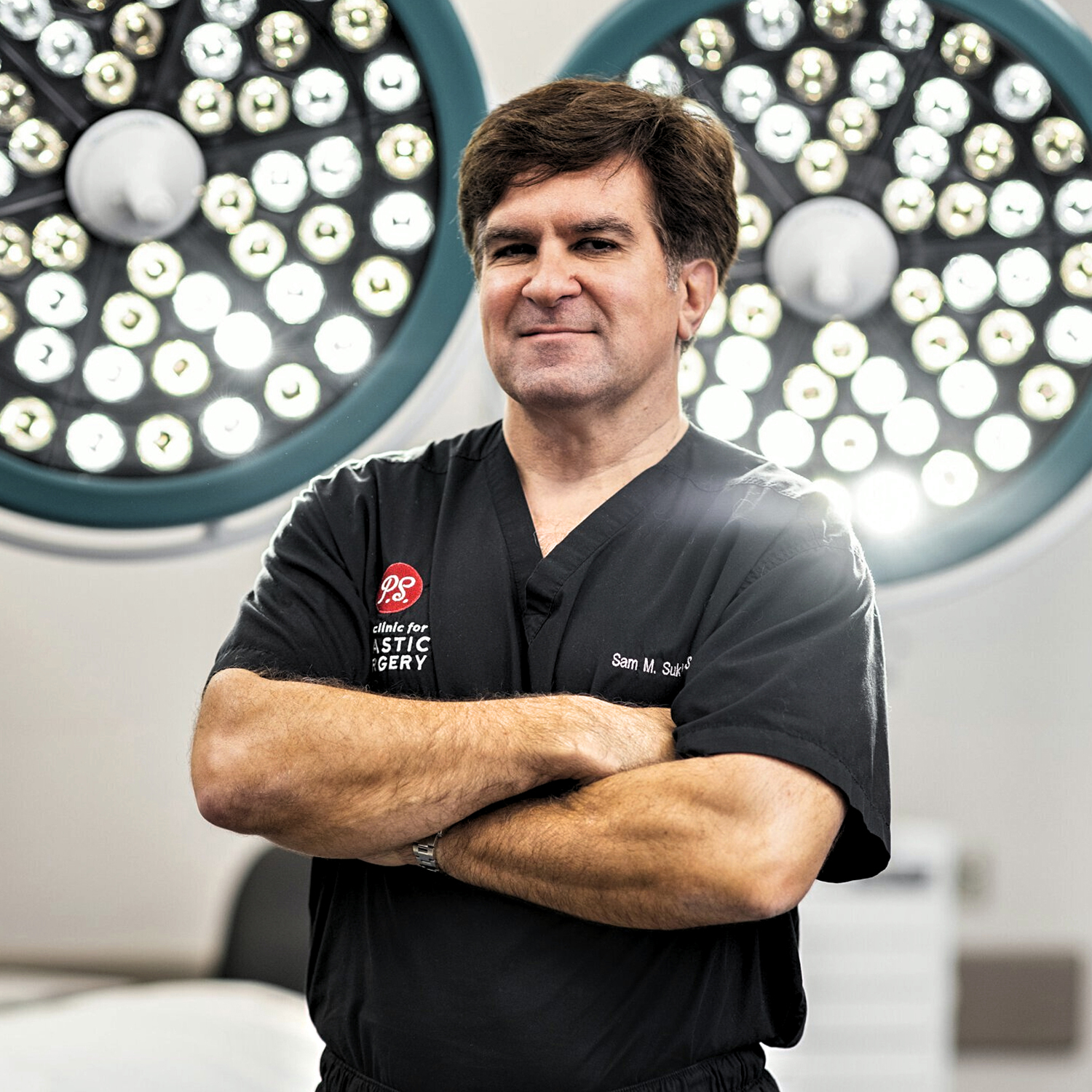
Dr. Sam Sukkar, MD, FACS is a highly respected Board-Certified Plastic Surgeon in Houston, Texas, known for his expertise in advanced cosmetic and reconstructive procedures. As the founder of The Clinic for Plastic Surgery, Dr. Sukkar has set a new standard for excellence, performing over 20,000 procedures with a focus on delivering natural, refined results.

Dr. Sukkar earned his Doctor of Medicine (M.D.) degree from Louisiana State University School of Medicine in 1992 after graduating summa cum laude with a Bachelor of Science in Microbiology. He then completed an intensive General Surgery Residency at the University of Texas Hermann Hospital before being selected for a highly competitive Plastic Surgery Fellowship at Northwestern University in Chicago, one of the most prestigious training programs in the country.

With more than 20 years of experience, Dr. Sukkar is a Diplomate of the American Board of Plastic Surgery and a Fellow of the American College of Surgeons (FACS). He is also an active member of the American Society of Plastic Surgeons (ASPS) and the Houston Society of Plastic Surgery (HSPS). His dedication to innovation and continuing education has solidified his reputation as a leading expert in aesthetic surgery, specializing in breast surgery, body contouring, facial procedures, and non-invasive treatments.

Dr. Sukkar’s expertise has been recognized by Houston Magazine, naming him one of Houston’s “Top Docs for Women,” and he has been featured among RealSelf’s America’s Top Doctors. Committed to his patients, he prioritizes personalized care, ensuring every individual feels informed, comfortable, and confident in their aesthetic journey.

Contact Dr. Sukkar today to schedule a consultation, visit DrSukkar.com to learn more, or call us directly at (281) 940-1535.

Hair Transplant Surgery and Restoration for Men

Hair transplant surgery and restoration for men can permanently move healthy hair follicles into thinning or bald areas to rebuild natural‑looking hairlines and density. Using techniques like follicular unit transplantation and follicular unit extraction, donor hair from the back and sides of the scalp is redistributed to balding regions. For most men with male pattern hair loss, it’s the only treatment that can create new hair growth in permanently bald areas.

In practical terms, that means hair transplantation can restore scalp hair where follicles have stopped producing hair shaft entirely, unlike medication or topical hair growth treatments. Men considering hair replacement surgery want three things: a natural appearance, thicker hair, and results that last. Modern hair transplant work can deliver all three when the right candidate works with the right surgical team.

Key Takeaways of Hair Transplant Surgery and Restoration for Men in Houston, Texas

  • Hair transplant surgery and restoration for men can permanently move healthy donor follicles into bald areas to rebuild a natural-looking hairline and lasting density.
  • Modern techniques like FUT strips (follicular unit transplantation) and FUE (follicular unit extraction) use tiny follicular unit grafts to achieve refined, and undetectable results.
  • The best candidates have stable male pattern hair loss, strong donor density, good overall health, and realistic expectations about coverage and long‑term maintenance.
  • Non-surgical options such as finasteride, minoxidil, PRP, and low-level light therapy can slow hair loss and support native hair but cannot regrow hair in completely bald areas.
  • Choosing the surgical team is critical to achieving safe, natural, and durable results.

Male Hair Loss And When To Consider Restoration

Male pattern hair loss happens when genetically sensitive hair follicles shrink under the influence of dihydrotestosterone, or DHT. Over time, hair naturally grows thinner, then stops altogether in those areas of the scalp. This progressive pattern hair loss usually starts at the temples or crown. It often advances slowly over years, moving toward more extensive bald areas if left untreated.

Evaluating Pattern And Severity Of Hair Loss

For men, androgenetic alopecia follows fairly predictable patterns. The Norwood scale helps classify recession and thinning hair from early stages to advanced baldness. Understanding the pattern matters because hair transplant surgery depends on stable donor hair at the back and sides. Those follicles typically resist DHT and remain healthy hair for life.

Men should consider hair transplantation when they have clear male pattern baldness that is not responding adequately to medical therapy. Another sign is when hair density loss begins to affect confidence or professional image. But, moving too early can be a mistake. If hair loss is still very aggressive, more than one procedure may be needed over time to keep up with future recession.

When Non‑Surgical Options Are Not Enough

Medications and in‑office hair growth treatments can slow male pattern hair loss and sometimes thicken miniaturized hairs. But they cannot revive completely dead follicles. Once scalp tissue in a region has lost functioning follicles, no amount of topical treatment creates new hair follicles. At that point, only hair replacement surgery can restore coverage.

If thinning hair continues or bald patches appear even though treatment, that is often the right moment to discuss hair restoration surgery with a specialist.

What Hair Transplant Surgery Can (And Cannot) Do

Hair transplant surgery moves hair, it does not create hair out of nothing. Follicular units are removed from a donor area that is resistant to balding and implants them into thinning or bald areas.

These transplanted hair follicles keep their original growth programming. As long as the donor scalp hair was permanent, the transplanted hair should remain for life and continue its natural growth cycle.

But, hair transplantation cannot stop ongoing male pattern baldness in native hair around the grafts. Without maintenance therapy, surrounding non‑transplanted hair may keep thinning. The procedure also cannot guarantee a teenage hairline or unlimited density. Results depend on how much hair is available in the donor site and how large the bald areas are.

Used correctly, though, hair restoration can dramatically improve framing of the face, restore a mature but natural hairline, and create the illusion of thicker hair through strategic placement of follicular unit grafts.

Main Hair Transplant Techniques For Men Available At The Clinic for Plastic Surgery in Houston, Texas

Today’s hair restoration surgery mainly relies on two core techniques that use natural follicular units instead of old‑fashioned hair plugs. Both can achieve excellent cosmetic outcomes when performed well. The choice between them depends on hairstyle preferences, donor and recipient areas, and how much hair is required in a single hair transplant procedure.

Follicular Unit Transplantation (FUT / Strip Method)

Follicular unit transplantation, often called strip surgery, is a traditional but still widely used method. In FUT, an ellipse of scalp tissue is removed from the donor area at the back of the head. Under a microscope, technicians dissect this strip into individual follicular units containing one to four hairs. These individual follicular unit grafts are then placed into tiny recipient sites in bald or thinning regions.

Because a single strip yields many follicular units, FUT allows transplantation of a large number of hair grafts in one session. This makes it helpful for advanced male pattern baldness. A downside is the linear scar left in the donor and recipient sites region at the back. With proper closure and later hair growth, this linear scar usually hides under surrounding hair.

For men who wear their hair a bit longer, the scar is typically not visible. For very short hairstyles, follicular unit excision methods may be better.

Follicular Unit Extraction (FUE) And Its Variations

Follicular unit extraction, also called follicular unit excision, removes individual follicular units directly from the donor scalp using tiny circular punches around each graft. In an FUE procedure, hundreds to thousands of individual follicular units are removed one by one. These follicles are then implanted into recipient areas in a pattern that mimics natural hair.

Because FUE does not require a long incision, it avoids a noticeable linear scar. Instead, it leaves many small dot scars that are hard to see, even with shorter hair. FUE is often chosen by men who like to keep their hair short or shaved. It may also be used to harvest beard hair or body hair as additional donor grafts in select cases.

Follicular unit extraction (FUE) typically offers quicker healing in the donor area and less discomfort. But, it may take longer to harvest enough hair for severe baldness.

Are You A Good Candidate For A Hair Transplant?

Not every man with hair loss is an ideal candidate for hair replacement. Successful hair transplant work relies on realistic expectations, stable pattern hair loss, and strong donor reserves. Age, medical conditions, and the long‑term plan are also consider. Hair transplant depends on planning for how baldness may progress over decades.

Evaluating Donor Area And Hair Characteristics

The donor area, usually the mid‑occipital and parietal scalp, is the foundation of any hair transplant surgery. The hair density is evaluated there carefully. An assessment is made to know how much hair can be safely removed without leaving visible thinning. Coarser, wavy hair with higher hair shaft diameter usually provides better cosmetic coverage.

Dark hair on light skin can create more visual contrast, sometimes needing more grafts for the same effect. Curl, caliber, and average hairs per follicular unit all influence design.

If the donor scalp already shows signs of miniaturization, future permanent hair loss may affect transplanted tissue as well. In such cases, more conservative plans may be recommended.

Medical Conditions, Age, And Expectations

Before hair restoration surgery, screen for underlying conditions that could affect healing or hair growth is evaluated. These include bleeding disorders, uncontrolled diabetes, and some autoimmune diseases. Also review medications that increase the risk of excessive bleeding during the surgical procedure. Temporary adjustments are sometimes needed for safety.

Age matters because male pattern hair loss often continues into the 40s and beyond. Very young men may still be in the early, unpredictable phase of androgenic alopecia.

The goal is to design a hairline that will continue to look natural over time. This means avoiding low, juvenile hairlines in men at risk for extensive loss. Expectations must match what donor hair can realistically achieve. Clear guidance is provided on potential coverage and whether more than one procedure may be needed.

What To Expect Before, During, And After Surgery

Understanding the full hair transplant procedure helps men feel more comfortable and prepared. The overall process includes planning, the surgery day, and a long regrowth phase.

Transplanted hair needs months to cycle and produce visible new hair. Patience is essential, even when everything goes perfectly.

Planning, Mapping, And Pre‑Op Preparation

Consultation starts with detailed photographs and scalp examination. The surgeon maps areas of the scalp, measuring hair density in donor and recipient areas.

They discuss goals, hairstyle preferences, and how much hair is needed to frame the face. Medical therapy, such as finasteride or minoxidil, may be recommended before or after surgery. Pre‑op instructions usually include stopping certain supplements that increase bleeding risk. Smokers are asked to quit, because nicotine can impair healing and hair growth.

Patients also receive guidance about washing the scalp and arranging transportation home. Hair transplant surgery is typically performed under local anesthesia with oral sedation.

The Day Of Surgery: Step‑By‑Step Experience

On the day of hair restoration, staff review the plan and redraw the hairline on the scalp. Digital images may help confirm design details before any surgical step.

Local anesthetic is injected into donor and recipient sites. After numbing, the surgeon performs either FUT strip removal or harvesting follicular units with FUE punches.

Technicians prepare follicular unit grafts while the surgeon creates tiny sites in the bald areas. Direction and angle of each slit mimic how hair naturally grows.

Then graft placement begins. Individual follicular units with one hair often go in the front hairline. Follicular units containing more hairs are placed behind for added volume.

Most men relax, watch shows, or nap during the procedure. Suture removal is later required after FUT, while FUE typically heals without stitches.

Recovery Timeline, Shedding Phase, And Regrowth Milestones

Immediately after surgery, the scalp may feel tight, swollen, or sore. Small crusts form around each graft and usually shed within 7 to 10 days.

Most men return to work within a few days, depending on the nature of their job and visibility of redness. Exercise restrictions usually last about two weeks.

Shock loss, where some transplanted hair shafts fall out, often occurs in the first month. This can be alarming, but the follicles usually remain alive under the skin.

Around three months, many notice early new hair emerging like short stubble. Between six and seven months, roughly 70% of visible results typically appear.

By eight months, about 80% of cosmetic change is evident. Full maturation, with thicker hair and improved texture, usually occurs by 12 months after surgery.

Non‑Surgical Hair Restoration Options For Men in Houston

Not every man is ready for hair transplant surgery, and not everyone qualifies. Fortunately, there are non‑surgical options that can slow male pattern hair loss and improve appearance. These approaches work best before permanent hair loss creates shiny bald scalp. They often complement, rather than replace, future hair transplantation.

Medications, Topicals, And In‑Office Therapies

Evidence‑based medications can help many men with androgenetic alopecia or female pattern hair loss. Oral finasteride and topical minoxidil are the most established treatments. They may increase hair density in thinning regions and reduce shedding. But, they cannot repopulate completely bald areas where follicles have disappeared.

Platelet‑Rich Plasma Injections

Platelet-Rich Plasma (PRP) injections are a minimally invasive hair restoration treatment that uses a patient’s own blood to stimulate hair follicle activity and promote natural hair regrowth. A small blood sample is drawn, processed to concentrate platelets rich in growth factors. Then this rich in growth factors is injected into thinning areas of the scalp.

Because PRP harnesses the body’s own healing mechanisms, it delivers critical growth factors directly to hair follicles. This helps strengthen weakened hairs, potentially increase thickness, and reduce ongoing hair loss. PRP can be especially effective for individuals in early stages of thinning hair and is often used alongside other treatments to enhance overall results.

The PRP hair restoration process is typically quick and well-tolerated, often completed in about 30–60 minutes with minimal downtime.

Frequently Asked Questions About Hair Transplant Surgery and Restoration for Men

What is hair transplant surgery and restoration for men?

Hair transplant surgery and restoration for men is a procedure that redistributes healthy hair follicles from the back and sides of the scalp to thinning or bald areas. Using techniques like FUT and FUE, surgeons rebuild natural hairlines and density, creating permanent coverage where follicles have stopped producing hair.

When should a man consider hair transplant surgery instead of non-surgical treatments?

Men should consider hair transplant surgery when they have clear male pattern baldness that isn’t responding well to medications or in-office therapies, and bald patches or density loss are affecting confidence. It’s especially appropriate once areas have completely lost functioning follicles, since topicals cannot create new hair there.

What can hair transplant surgery and restoration for men realistically achieve?

Hair transplant surgery can permanently restore a mature, natural-looking hairline and improve density by strategically placing follicular unit grafts. It cannot stop ongoing hair loss in non-transplanted hair, reproduce a teenage hairline, or create unlimited density. Results depend on donor hair quality, supply, and the size of the bald area.

What is the typical recovery and hair growth timeline after a hair transplant?

Most men return to work within a few days, with crusts shedding in 7–10 days. Transplanted hairs often shed in the first month, then regrow starting around three months. About 70–80% of visible results appear by 6–8 months, with full maturation and thickening usually by 12 months.

Is a hair transplant painful and are there risks involved?

During surgery, local anesthesia keeps discomfort low; most men feel pressure or tugging rather than pain. Post-op soreness is usually mild and managed with oral pain medication. Risks include swelling, temporary numbness, infection, scarring, and uneven growth, but serious complications are uncommon when a qualified, experienced hair restoration team operates.

Conclusion and Summary of Hair Transplant Surgery and Restoration for Men

Hair transplant surgery and restoration for men has evolved far beyond old hair plugs and obvious results. Modern techniques use individual follicular units to rebuild hairlines that look convincingly natural. Success depends on three pillars: a stable donor area, realistic goals, and the surgical experience who understands long‑term planning. When those align, transplanted hair can offer lasting coverage and renewed confidence.

For men noticing progressive male pattern baldness, the next step is simple. Seek a thorough evaluation, discuss both medical and surgical options, and map out a strategy that respects future hair loss.

With careful timing and expert care, hair restoration can be more than cosmetic. It can quietly restore a sense of self every time someone looks in the mirror.

Your Trusted Destination for Complete Hair Restoration Treatments and Hair Transplant Surgery in Houston, Texas (TX)

Are you located in one of these Houston Metro Area cities?

Houston, The Woodlands, Sugar Land, Katy, Pearland, Pasadena, League City, Baytown, Conroe, Cypress, Spring, Kingwood, Humble, Missouri City, Friendswood, Bellaire, Clear Lake, Tomball, Galveston, Richmond, Rosenberg, Stafford, La Porte, Deer Park, Seabrook, Webster, Alvin, and Channelview.

Board-Certified Plastic Surgeon Dr. Sam Sukkar, MD, FACS, and the The Clinic for Plastic Surgery Team provide advanced surgical and non-surgical hair loss solutions for both men and women.

If you are suffering from a receding hairline, bald spots, or chronic pattern baldness, we offer comprehensive hair restoration and transplant options, including:

  • Hair Transplant Surgery
  • Follicular Unit Extraction (FUE)
  • Follicular Unit Transplantation (FUT)
  • Non-Surgical Hair Restoration Treatments
  • PRP Hair Treatments for Thinning Hair
  • Medical Hair Loss Treatments and Scalp Care
  • Customized Hair Treatment Plans

Visit our modern 18,000+ sq. ft. plastic surgery center and med spa in Houston, Texas, designed for comfort, privacy, and results-driven care. From your first consultation through long-term hair management, our highly skilled team focuses on realistic outcomes and personalized treatment planning.

For patients outside the Houston area or those with limited availability, schedule a virtual hair restoration consultation.

Book Your Personalized Hair Consultation today at DrSukkar.com or call (281) 940-1535.

About the Author – Meet Dr. Sam Sukkar, MD

Dr. Sam Sukkar, MD, FACS is a highly respected Board-Certified Plastic Surgeon in Houston, Texas, known for his expertise in advanced cosmetic and reconstructive procedures. As the founder of The Clinic for Plastic Surgery, Dr. Sukkar has set a new standard for excellence, performing over 20,000 procedures with a focus on delivering natural, refined results.

Dr. Sukkar earned his Doctor of Medicine (M.D.) degree from Louisiana State University School of Medicine in 1992 after graduating summa cum laude with a Bachelor of Science in Microbiology. He then completed an intensive General Surgery Residency at the University of Texas Hermann Hospital before being selected for a highly competitive Plastic Surgery Fellowship at Northwestern University in Chicago, one of the most prestigious training programs in the country.

With more than 20 years of experience, Dr. Sukkar is a Diplomate of the American Board of Plastic Surgery and a Fellow of the American College of Surgeons (FACS). He is also an active member of the American Society of Plastic Surgeons (ASPS) and the Houston Society of Plastic Surgery (HSPS). His dedication to innovation and continuing education has solidified his reputation as a leading expert in aesthetic surgery, specializing in breast surgery, body contouring, facial procedures, and non-invasive treatments.

Dr. Sukkar’s expertise has been recognized by Houston Magazine, naming him one of Houston’s “Top Docs for Women,” and he has been featured among RealSelf’s America’s Top Doctors. Committed to his patients, he prioritizes personalized care, ensuring every individual feels informed, comfortable, and confident in their aesthetic journey.

Contact Dr. Sukkar today to schedule a consultation, visit DrSukkar.com to learn more, or call us directly at (281) 940-1535.

PRP Hair Treatment and Restoration for Natural Results

 PRP hair treatment and restoration uses concentrated platelet rich plasma from a patient’s blood to stimulate hair follicles, improve hair density, and promote new hair growth. By injecting the body’s natural growth factors directly into thinning areas of the scalp, this non surgical treatment can slow hair loss and, in many patients, trigger visible hair regrowth.

In practical terms, PRP therapy involves a quick blood draw, a specialized preparation in a centrifuge, and a series of targeted scalp injections. Most patients undergo three sessions spaced about a month apart, then occasional maintenance treatments to help preserve results. Discomfort is usually mild, downtime is minimal, and potential risks are lower than with surgery such as a hair transplant.

Find out how PRP hair treatment works, who makes a good candidate, what happens at each appointment, and expected results and timelines. By the end, readers will know whether PRP for hair loss is worth it and what realistic outcomes to expect from this cutting edge treatment.

Key Takeaways of PRP Hair Treatment and Restoration in Houston, Texas

  • PRP hair treatment and restoration uses platelet-rich plasma from your own blood to bathe hair follicles in natural growth factors. This treatment helps improve hair density and stimulate new growth in thinning areas.

  • The best candidates for PRP for hair loss have early to moderate thinning with active follicles still present.

  • A typical PRP hair treatment plan involves an initial series of about three monthly sessions, followed by maintenance injections.

  • Most patients see reduced shedding within 1–2 months and visible thickening between 3–6 months.

  • PRP hair restoration is a non-surgical, low-downtime option with generally mild side effects. Results vary, and choosing a medically qualified provider is essential for safety and realistic outcomes.

What Platelet-Rich Plasma Is and How It Helps With Hair Loss

Platelet rich plasma, or PRP, is a substance derived from a patient’s blood that concentrates platelets and growth factors to support hair restoration and healthier hair.

The Science Behind PRP for Hair

PRP hair treatment starts with a small blood sample, usually drawn from a vein in the arm, just like routine lab work. That blood sample is then placed in a centrifuge, which spins it at high speed to separate red blood cells, platelet poor plasma, and platelet rich plasma.

In the platelet rich plasma layer, platelets are concentrated above normal blood levels. When activated, these platelets release powerful growth factors, including vascular endothelial growth factor, epidermal growth factor, and fibroblast growth factor. These signaling proteins help accelerate healing, improve blood supply, and support tissue repair.

When PRP is injected into the scalp, those growth factors bathe the hair follicles. The goal is to stimulate dormant hair follicles, extend the growth phase of hair, and increase hair shaft thickness. Studies show improved hair growth and hair density in many patients after a series of PRP injections.

Types of Hair Loss PRP May Help Treat

PRP for hair loss is most often used for androgenetic alopecia, better known as male pattern baldness or female pattern hair thinning. In these conditions, genetics and hormones cause gradual miniaturization of hair follicles, leading to thinner hair and reduced hair density.

Platelet rich plasma injections may help counter this process by improving local blood supply and encouraging follicles to produce thicker, stronger hair. PRP treatment can be helpful when hair is still present but finer or shorter than before, especially in the early signs of hair thinning. Some evidence also supports PRP therapy for alopecia areata, an autoimmune condition that causes patchy hair loss. By improving scalp health and reducing local inflammation, PRP may help some dormant hair follicles resume activity.

But, not all patients respond equally, and PRP work is more predictable in androgenetic alopecia than in scarring forms of hair loss. For advanced baldness with shiny, smooth scalp areas where follicles are essentially gone, PRP hair treatment alone is unlikely to create more hair and a hair transplant may be required for coverage.

Who Is a Good Candidate for PRP Hair Restoration

PRP hair restoration works best for men and women with early to moderate hair thinning who still have active, though weakened, hair follicles in the scalp.

Ideal Candidates and Hair Loss Stages

A good candidate for platelet rich plasma therapy typically notices gradual thinning hair rather than complete bald patches. They may see more scalp shining through, a widening part, or a receding hairline with fine, miniaturized hairs still present.

PRP injections are most effective when there are dormant hair follicles that can be reactivated. In mild to moderate androgenetic alopecia, follicles are smaller but not completely destroyed, which makes them more responsive to treatment.

Patients should have generally good health and a normal platelet count, since platelets carry the growth factors used to stimulate hair growth. Those who prefer a non surgical treatment or want to enhance results after a hair transplant often find PRP appealing.

When PRP Is Unlikely To Work Well

PRP for hair loss is less effective when hair follicles are already gone, such as in long standing, shiny bald areas. In those regions, there may be no dormant hair follicles left to stimulate. Individuals with very low platelet counts or significant blood disorders are usually not candidates, since the therapy relies on platelets. Chronic liver disease, some cancers, and active systemic autoimmune disease may also make PRP hair treatment unsafe.

People taking strong blood thinners may not be suitable candidates because of bleeding risk at the injection site. Certain metabolic disorders and uncontrolled thyroid disease can also reduce the likelihood of meaningful hair regrowth.

Importantly, not all patients respond, even when they are ideal on paper. Genetics, underlying health, and the severity of androgenetic alopecia all influence whether PRP work will translate into visible new hair growth or mainly hair loss prevention.

What Happens During a PRP Hair Treatment Session in Houston, Texas

A PRP hair treatment session is usually completed in under an hour and involves a blood draw, PRP preparation, and precise scalp injections under local anesthesia.

Preparing for Your Appointment

Before starting platelet rich plasma injections, a deep review in medical history, medications, and previous hair loss treatment attempts is made. This helps confirm that the patient is a good candidate and that potential risks are minimized.

Adequate hydration before the visit can make the blood draw smoother. On the day of PRP therapy, hair should be clean and free of heavy styling products. The clinician may take baseline photos of the scalp to document early signs and track hair restoration progress over time. These images help both patient and provider evaluate improved hair growth later.

Step-By-Step PRP Injection Process

The PRP hair treatment process starts with a small sample of the patient’s blood, usually 10–30 milliliters, taken from a vein in the arm. This blood is immediately placed into a sterile centrifuge tube for PRP preparation. During centrifugation, red blood cells settle to the bottom while platelet poor plasma rises to the top. The middle layer, rich in concentrated platelets, forms the platelet rich plasma used for treatment.

The platelet rich plasma is extracted and may further process or activate it, depending on the protocol. The result is a concentrated substance derived from the patient’s own blood, packed with growth factors. Next, the scalp is cleaned, and local anesthesia is applied to the target area to reduce pain and injection discomfort. Many patients describe the feeling as pressure or mild stinging rather than severe pain.

Using a fine needle, the clinician injects small amounts of PRP into thinning areas of the scalp, spacing injections several millimeters apart. The target area usually includes zones of active hair thinning and early recession. The entire injection phase often takes 15–20 minutes. After the procedure, the scalp may appear slightly raised or pink at each injection site, which typically settles within hours.

Aftercare, Recovery, and Activity Restrictions

Recovery after PRP therapy for hair is usually quick. Most patients return to normal daily activities the same day, although strenuous exercise is often postponed for 24 hours.

Mild swelling, tenderness, or redness at the injection sites is common for a day or two. Some patients report a sense of tightness in the scalp or temporary dull headache. Is advise to avoid hot showers, saunas, or harsh hair products on the day of treatment to protect scalp health. Patients are also told not to massage or scratch the target area while it is sensitive.

Post treatment care instructions may include gentle cleansing the next day and delaying hair coloring or chemical treatments for several days. These measures help minimize irritation while the scalp recovers. Most patients can return to work immediately, especially if their job does not involve heavy physical activity. Any visible signs of the procedure usually fade quickly, making PRP hair treatment discreet.

Treatment Plans, Results, and How Long They Last

PRP hair treatment is not a single quick fix: it works best as a series of sessions followed by maintenance to support long term hair loss prevention and improved hair growth.

Typical Number and Frequency of PRP Sessions

Most protocols recommend an initial series of three sessions, spaced about four weeks apart. Some clinics may suggest three to four treatments, depending on the severity of hair thinning. These early treatments build a foundation of growth factors around the hair follicles, helping wake up dormant hair follicles and stabilize ongoing hair loss. Each new session reinforces the previous one.

After the first three treatments, booster or maintenance session visits are introduced. Maintenance sessions may be scheduled every six to twelve months, tailored to how the patient responds. The exact plan can vary, because not all patients need the same intensity or duration of therapy. Ongoing evaluation allows the clinician to adjust frequency and decide when additional three sessions might be useful.

Timeline for Visible Results

Results from platelet rich plasma injections are gradual. Most patients do not see dramatic changes after the first session, and that is normal for this therapy. In the first one to two months, some people notice less shedding, which suggests hair loss prevention is starting. Around three to six months, improved hair growth and thicker strands often become more visible.

Photos taken before and after treatment are very helpful, since changes in hair density can be subtle day to day. Many patients see more hair coverage at the crown or a fuller part line. Maximum benefit from the initial series may appear around six to twelve months after starting PRP hair treatment. Continued realistic expectations are important, especially in long standing androgenetic alopecia.

Maintenance Sessions and Durability of Results

Without maintenance treatments, benefits from PRP for hair loss gradually fade as the underlying condition continues. For many patients, one or two booster session appointments per year help sustain hair density and scalp health. The schedule can be adjusted based on how quickly thinning hair returns.

Results can last one to two years or longer with proper upkeep, though individual responses vary. Combining PRP treatment with other medical hair loss treatment options, when appropriate, may enhance durability. Patients should understand that PRP does not cure male pattern baldness or androgenetic alopecia. Instead, it acts as an ongoing therapy that supports healthier hair and slows progression.

Benefits, Risks, and Side Effects of PRP Hair Treatment

Like any medical procedure, PRP hair treatment offers meaningful benefits but also carries potential risks and side effects that patients should understand before starting therapy.

Key Benefits Compared With Other Hair Loss Treatments

One major advantage of platelet rich plasma therapy is that it uses the patient’s own blood, reducing the chance of allergic reaction. There is no foreign material, just concentrated platelets and growth factors. PRP is a non surgical treatment, so there are no incisions, sutures, or long recovery times as with hair transplant surgery. Most patients resume normal routines almost immediately after scalp injections.

The treatment targets scalp health and follicle function directly. Instead of relocating hair, as transplants do, it aims to stimulate hair growth where follicles already exist but are underperforming. PRP can be combined with other hair loss treatment options in a medical office setting, under physician guidance. For suitable patients, it offers a cutting edge treatment approach that leverages natural biology.

Common Temporary Side Effects

Common side effects after PRP therapy are usually mild and short lived. Patients often feel tenderness, swelling, or warmth at the injection site for a day or two. Small bruises may appear, especially in people prone to bruising, due to multiple injections across the scalp. Temporary redness or a sunburn like sensation is also possible.

Some individuals experience brief dizziness or lightheadedness immediately after the procedure, often related to anxiety, the blood draw, or local anesthesia. These symptoms typically resolve quickly with rest. Over the counter pain relievers that do not interfere with platelets may be recommended for comfort, based on the expert’s guidance. Most patients report that any pain from PRP hair treatment is manageable.

Less Common Risks and Safety Considerations

Less common risks include infection, scarring, or small nodules forming under the skin at injection sites. Strict sterile technique and experienced providers greatly reduce these issues. In very rare cases, improper injection technique near certain facial vessels has been linked to serious complications, including vision changes. This is one reason choosing a skilled medical professional matters.

Allergic reactions to local anesthesia can occur, so allergy history must be reviewed beforehand. Patients with active scalp infections should postpone PRP for hair loss until the infection clears. Overall, PRP platelet rich plasma treatments have a favorable safety profile when performed in a controlled medical setting. Detailed consent discussions should always outline potential risks before therapy begins.

Frequently Asked Questions About PRP Hair Treatment and Restoration for Natural Results

What is PRP hair treatment and how does it help with hair loss?

PRP hair treatment uses platelet-rich plasma from your own blood, concentrated in a centrifuge, and injected into thinning areas of the scalp. The growth factors in PRP help stimulate dormant hair follicles, improve blood supply, increase hair shaft thickness, and can slow hair loss while promoting gradual regrowth in many patients.

Who is a good candidate for PRP hair restoration?

PRP hair restoration is best for men and women with early to moderate thinning, where fine or miniaturized hairs are still present. Ideal candidates are generally healthy, have normal platelet counts, and want a non-surgical option or a way to enhance hair transplant results. Advanced, shiny bald areas respond poorly to PRP alone.

How many PRP hair treatment sessions do I need and when will I see results?

Most treatment plans start with three PRP sessions spaced about four weeks apart, followed by maintenance once or twice a year. Many people notice reduced shedding within one to two months and visible thickening or better coverage between three and six months, with peak improvement often seen around six to twelve months.

What are the side effects and downtime after PRP for hair loss?

Downtime after PRP for hair loss is typically minimal. Patients often have mild scalp tenderness, swelling, redness, or small bruises for a day or two. Serious complications are rare when performed by an experienced medical professional. Most people return to normal activities the same day, avoiding intense exercise and hot showers for 24 hours.

Conclusion and Summary of PRP Hair Treatment and Restoration for Natural Results

PRP hair treatment and restoration offers a promising, minimally invasive option for many people struggling with thinning hair and early androgenetic alopecia. By harnessing platelet rich plasma from a patient’s own blood, this therapy delivers concentrated growth factors directly to vulnerable hair follicles.

Most patients who are good candidates can expect gradual improvements in hair density, texture, and scalp health with a series of three sessions, followed by maintenance. While PRP is not a cure for hair loss and not all patients respond, it has become a gaining popularity option in modern hair restoration.

Anyone considering PRP for hair loss should consult a qualified medical professional, review potential risks and benefits, and develop a personalized treatment plan. With realistic expectations and appropriate follow up, PRP therapy can be a valuable tool in long term hair loss prevention and management.

Your Trusted Destination for Complete Hair Restoration Treatments and Hair Transplant Surgery in Houston, Texas (TX)

Are you located in one of these Houston Metro Area cities?

Houston, The Woodlands, Sugar Land, Katy, Pearland, Pasadena, League City, Baytown, Conroe, Cypress, Spring, Kingwood, Humble, Missouri City, Friendswood, Bellaire, Clear Lake, Tomball, Galveston, Richmond, Rosenberg, Stafford, La Porte, Deer Park, Seabrook, Webster, Alvin, and Channelview.

Board-Certified Plastic Surgeon Dr. Sam Sukkar, MD, FACS, and the The Clinic for Plastic Surgery Team provide advanced surgical and non-surgical hair loss solutions for both men and women.

If you are suffering from a receding hairline, bald spots, or chronic pattern baldness, we offer comprehensive hair restoration and transplant options, including:

  • Hair Transplant Surgery
  • Follicular Unit Extraction (FUE)
  • Follicular Unit Transplantation (FUT)
  • Non-Surgical Hair Restoration Treatments
  • PRP Hair Treatments for Thinning Hair
  • Medical Hair Loss Treatments and Scalp Care
  • Customized Hair Treatment Plans

Visit our modern 18,000+ sq. ft. plastic surgery center and med spa in Houston, Texas, designed for comfort, privacy, and results-driven care. From your first consultation through long-term hair management, our highly skilled team focuses on realistic outcomes and personalized treatment planning.

For patients outside the Houston area or those with limited availability, schedule a virtual hair restoration consultation.

Book your personalized Hair Consultation today at DrSukkar.com or call (281) 940-1535.

About the Author – Meet Dr. Sam Sukkar, MD

Dr. Sam Sukkar, MD, FACS is a highly respected Board-Certified Plastic Surgeon in Houston, Texas, known for his expertise in advanced cosmetic and reconstructive procedures. As the founder of The Clinic for Plastic Surgery, Dr. Sukkar has set a new standard for excellence, performing over 20,000 procedures with a focus on delivering natural, refined results.

Dr. Sukkar earned his Doctor of Medicine (M.D.) degree from Louisiana State University School of Medicine in 1992 after graduating summa cum laude with a Bachelor of Science in Microbiology. He then completed an intensive General Surgery Residency at the University of Texas Hermann Hospital before being selected for a highly competitive Plastic Surgery Fellowship at Northwestern University in Chicago, one of the most prestigious training programs in the country.

With more than 20 years of experience, Dr. Sukkar is a Diplomate of the American Board of Plastic Surgery and a Fellow of the American College of Surgeons (FACS). He is also an active member of the American Society of Plastic Surgeons (ASPS) and the Houston Society of Plastic Surgery (HSPS). His dedication to innovation and continuing education has solidified his reputation as a leading expert in aesthetic surgery, specializing in breast surgery, body contouring, facial procedures, and non-invasive treatments.

Dr. Sukkar’s expertise has been recognized by Houston Magazine, naming him one of Houston’s “Top Docs for Women,” and he has been featured among RealSelf’s America’s Top Doctors. Committed to his patients, he prioritizes personalized care, ensuring every individual feels informed, comfortable, and confident in their aesthetic journey.

Contact Dr. Sukkar today to schedule a consultation, visit DrSukkar.com to learn more, or call us directly at (281) 940-1535.

Hair Replacement & PRP For Hair

Thick, luxurious hair is always an attractive feature. Sadly, both men and women can experience significant hair loss. A receding hairline or thinning areas can have a negative impact on your self-confidence. If you are experiencing hair loss, Dr. Sukkar provides the most advanced hair restoration techniques available.

Imagine once again having a healthy, youthful, head of hair. With modern hair restoration techniques performed by Dr. Sukkar, it is possible. What procedure will be right for you? Only a private evaluation of your condition will reveal which procedure, or combination of procedures will bring you the results you envision. At The Clinic for Plastic Surgery in Houston, we offer the most advanced surgical and regenerative hair restoration treatments.

HAIR REPLACEMENT

Hair restoration involves harvesting healthy hair follicles from areas where the hair is thriving – and not genetically-programmed for balding – the back of the head. The healthy follicles are then transplanted to fill in thinning or balding areas. One process used for those who want to restore balding areas is called follicular unit transplant (FUT). This procedure involves transferring healthy follicles from a strip surgically removed from the back of the scalp. The incision is closed with sutures. The hair follicles are then harvested and implanted into the thinning area. This procedure is often the only option for filling in areas where there are no healthy, producing hair follicles.

FUE HAIR TRANSPLANT

In Follicular Unit Extraction, or an FUE Transplant, the back of the head is shaved and single follicles are then harvested. This procedure has an advantage – no linear scar is left as occurs with FUT. These single follicles are then grafted into a new location to create new hair growth in areas in thinning areas or to restore a receding hairline. Depending on the size of the area requiring restoration, hair transplant procedures typically require between 4 and 8 hours to complete.

PRP FOR HAIR LOSS

PRP (platelet rich plasma) is an advanced therapy to treat hair loss with growth factors extracted from your own blood. A regenerative process, injecting PRP into the scalp can trigger existing follicles to once again begin producing thick, healthy strands of hair. PRP is often combined with other hair restoration therapies to maximize results.

In this three-step procedure, the patient’s own blood is extracted in a standard blood draw and then placed into a centrifuge. The blood is spun in the centrifuge to separate platelets and plasma from the red blood cells. The platelet-rich plasma is then injected into the scalp to restore existing hair follicles and help in the viability of transplanted follicles.

HAIR LOSS SPECIALIST

Dr. Sam Sukkar is a hair loss specialist, skilled in the latest procedures to restore balding areas, or treat thinning hair. Using a combination of surgical and non-surgical techniques, Dr. Sukkar has spent years perfecting his hair restoration procedures. After a careful examination and discussion of you your goals, Dr. Sukkar will create a personalized treatment plan to address your areas of concern.

Hair loss is an unhappy situation, often having a serious impact on your feeling of confidence and self-esteem. Not only does it affect the way you feel about yourself, hair loss tends to add years to your appearance. Why not take advantage of the latest generation of hair restoration techniques? You are invited to discover modern hair restoration at its best at The Clinic for Plastic Surgery in Houston.

What Is Non-Surgical Hair Restoration?

Everybody wants to look and feel good all the time. Unfortunately, due to circumstances that are not in our control, our appearances tend to become aesthetically displeasing. Hair loss is one such condition that we cannot predict or control. Thousands of men and women all around the world find themselves losing hair due to various reasons, including genetics, environmental factors, stress, habits, etc.

There are several hair restoration methods today thanks to modern cosmetic medicine. While everybody desires a full head of hair, not many are cut out for surgical restorative techniques. Surgical hair transplant can often lead to complications and side effects which could result in more hair loss. These techniques are also rather expensive. If you are looking for something less invasive and easier on the pocket, then you should consider undergoing a non-surgical hair restoration procedure.

Non-surgical hair restoration options

For individuals who are not very fond of the idea of surgical hair loss treatment options, there are a few non-surgical non-invasive options they could try. Here are the most common options.

Medication

There are a few FDA-approved medicines available in your local pharmacy that could help control and reverse hair loss. The most common drugs are finasteride and minoxidil. Your doctor will determine the cause of your hair loss before they decide if medication is the right way to treat your hair loss.

Laser therapy

Low-level laser therapy (LLLT) is the most recently developed option to treat hair loss. This treatment stimulates your hair follicles, leading to an increase in hair growth from the cellular level. This type of hair loss treatment is safe and highly effective with little to no side effects whatsoever.

FUE hair restoration

This treatment is known as follicular unit extraction, a minimally-invasive method that involves transplanting individual follicles to your scalp from a donor site. In a couple of months, new hair will begin to grow on your scalp, leaving you with a head full of natural lustrous hair.

Weaves, extensions, and wigs

If you are looking for a temporary means to hide your hair loss, then you should explore wigs, weaves, and extensions. These hair replacements or additions are easily fitted on your scalp or along your existing hair. They help improve volume, cover bald spots, and give you a natural look. A specialized cosmetic doctor or professional hairdresser can help fit these for you.

Why choose non-surgical hair restoration options

As mentioned earlier, surgical hair restoration techniques can sometimes be dangerous. As is with any invasive procedure, you are at risk of side effects and complications. The most common side effects of surgical hair transplantation include hemorrhage, hair thinning, itchiness, cysts, numbness, etc. Another major reason why surgical techniques are not the best option is that they leave scars. You choose to undergo hair restoration to improve your looks, not live with visible scars for the rest of your life.

Non-surgical hair restoration offers little to no risk of side effects or complications. In some cases, the results can be seen almost immediately after the treatment. These techniques also require minimal recovery time, which means you may be able to resume your regular schedule right after the session.

For the best hair restoration options in Houston, contact Dr. Sukkar’s clinic today.