Hair Transplant Before and After Transformations

Hair transplant before and after results usually show thicker hair, a restored hairline, and higher confidence about 12 months after surgery when new hair growth has matured. A modern hair transplant procedure moves healthy, DHT‑resistant hair follicles from a donor area on the scalp to thinning areas, creating a more natural hairline and fuller density. When the right patient follows an appropriate treatment plan, the final results can look natural and make them appear years younger.

In practical terms, patients can expect early signs of growth around three to four months, clear improvement by six months, and full results between 9–12 months. Success depends on donor hair quality, the pattern of hair loss, hair grafts placement, and realistic expectations. The process can significantly boost self confidence and self esteem, but it can’t recreate a teenage full head of hair in cases of advanced hair loss.

Key Takeaways of Hair Transplant Before and After Transformations

Modern Hair Transplants

Modern hair restoration aims to restore thinning hair and balding areas by strategically moving follicles from stronger regions of the scalp. To understand hair transplant before and after photos properly, it helps to know how the procedure works and who is likely to achieve natural results.

How Hair Transplants Work

A hair transplant is a surgical procedure that relocates intact follicular units from a stable donor area, usually the back or sides of the head. These donor hair follicles are more resistant to DHT, the hormone that drives male and female pattern baldness.

During a hair transplant operation, hair grafts are removed, prepared under magnification, and implanted into thinning areas such as the front hairline or mid-scalp. Each graft usually contains one to four hair follicles, which helps create both density and a soft, natural hairline.

Once transplanted hair follicles are in place, they reconnect to the blood supply over several days. The visible hairs often shed in the first weeks, but the follicles remain and later produce new hair growth. Over 12 months, that new hair blends with existing hair to create a fuller, healthier appearance.

Types Of Procedures: FUT vs FUE

There are two primary techniques: the FUT procedure and follicular unit extraction, often called FUE hair. Both move follicular units: they differ in how those grafts are harvested from the donor area.

In FUT, also known as strip surgery, a thin strip of scalp is removed from the back of the head. The wound is closed, leaving a linear scar. Technicians dissect the strip into individual grafts. FUT can be efficient for large grafts needed sessions, but the scar may limit very short hairstyles.

In FUE hair transplant surgery, tiny punches remove individual follicular units directly from the scalp. This follicular unit extraction method leaves many small dot scars instead of one line. For many patients, FUE offers more hairstyle freedom after healing.

Who Is (And Isn’t) A Good Candidate

Good candidates usually have pattern hair loss, a strong donor area, and realistic expectations about density and coverage. They also understand that hair transplant before and after changes are gradual, not instant.

People with advanced hair loss but very limited donor hair may not achieve a full head of hair. In those cases, the treatment plan may prioritize the front hairline and mid-scalp to restore the frame of the face. Diffuse thinning across the entire scalp can also make planning more difficult.

Age, medical conditions, and medications matter as well. A thorough consultation helps determine each person’s situation and goals. Sometimes it is better to wait, add medical treatment for hair thinning, or avoid surgery if the potential results do not justify the procedure.

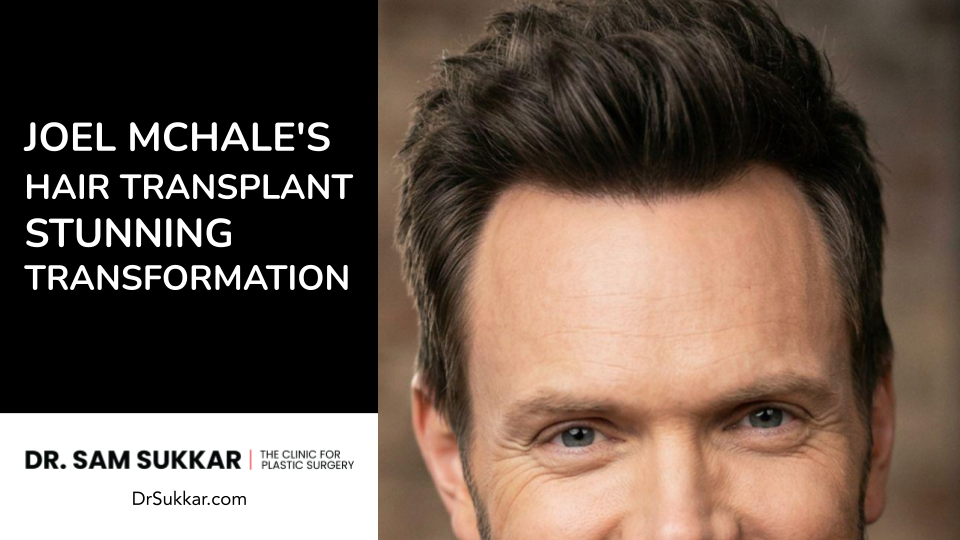
Hair Transplant Before and After Transformations by Dr. Sam Sukkar, MD in Houston, TX
Image Illustration by: Dr. Sam Sukkar, MD, The Clinic for Plastic Surgery.

Before: How To Prepare For A Hair Transplant

Preparation before surgery strongly influences hair transplant before-and-after outcomes. Patients who understand the process and define realistic goals usually experience a smoother recovery and more satisfying final results.

Medical Evaluation And Setting Realistic Goals

The process starts with a medical evaluation focused on hair loss history, overall health, and scalp condition. The pattern of balding, the quality of existing hair, and early signs of future thinning are assessed.

Blood tests, medication reviews, and sometimes dermatology input help confirm the procedure can be performed safely. This is especially important for those with autoimmune conditions, bleeding issues, or uncontrolled medical problems.

During the consultation, specific goals are discussed. Some patients want a straighter hairline, while others focus on filling thinning areas over the mid-scalp. Realistic goals respect the limits of donor hair and recognize that density is an illusion, not a complete cure for baldness.

Planning Hairline Design And Density

Planning a natural hairline is both artistic and technical. Age, facial structure, forehead size, and the pattern of hair thinning are considered when sketching the new hairline.

A natural hairline usually has slight irregularities and a gradual transition zone of single-hair grafts. Pushing the front hairline too low may look unnatural in later life and wastes grafts needed for future thinning.

Density planning typically ranges around 30–60 grafts per square centimeter in key cosmetic zones. The goal is to combine transplanted hair with existing hair to create the impression of a full head, without overusing limited donor hair.

After: Recovery Timeline And Healing Stages

The real story behind hair transplant before and after images lies in the recovery timeline. Results build slowly, with distinct stages that can test patience before rewards appear.

First Week: Redness, Swelling, And Crusts

During the first week, the transplanted area shows small crusts around each graft. Redness and mild swelling are common, especially across the forehead and front hairline.

Grafts are most fragile in the first five days, when they are still connecting to the blood supply. Patients are usually told not to scratch, rub, or bump the scalp.

Gentle rinsing starts after a day or two, following the clinic’s instructions. The donor area may feel tight or tender, especially after a FUT procedure. FUE patients often report less tightness but more pinpoint soreness.

Weeks 2–8: Shedding Phase

By 10–14 days, most crusts fall away. Around this time, many of the short transplanted hairs begin to shed. This is a normal part of the cycle.

From weeks two to eight, the shedding and temporary shock loss can create a patchy, uneven look in thinning areas. Some existing hair around the grafts may also shed briefly.

This phase is why many patients feel discouraged and worry that the procedure failed. The follicles remain under the skin and later enter a new growth phase. Patience is important during this stage.

Months 3–6: Early Regrowth And Texture Changes

Between three and six months, early signs of new hair growth usually appear. Fine, thin hairs start breaking through the scalp in the transplanted zones.

Initially, these hairs can look wiry, frizzy, or slightly different from surrounding natural hair. Over time, they usually soften and thicken. Density gradually improves, especially by month six.

Some patients already notice visible coverage improvements at this point, while others progress more slowly. Hair grows roughly one centimeter per month, so full cosmetic impact still lies ahead.

Months 6–12+: Final Thickness And Maturation

From six to twelve months, the most dramatic cosmetic changes occur. Hair shafts thicken, density increases, and the hairline blends more seamlessly with existing hair.

By 9–12 months, many patients see the full results of their hair restoration, though subtle improvements can continue up to 18 months. At this stage, hair transplant before and after comparisons really show the transformation.

The transplanted hair can be cut, styled, and colored like any other hair. For many, the restored hairline and fuller mid scalp area translate directly into higher self confidence and comfort in photos and social situations.

Before And After Results: What Determines Success

Not all hair transplant before and after transformations look the same. Outcome quality depends on donor hair, pattern of hair loss, surgical skill, and how well expectations match reality.

Donor Hair Quality, Density, And Pattern Of Baldness

The donor area on the back and sides of the head acts as the bank that funds a hair transplant. Thick, dense hair there allows more grafts to be safely removed.

People with coarse hair, slight wave, and color contrast similar to their scalp often see better visual density. Fine, straight hair can still look good, but may require more grafts to create the same appearance.

The pattern and extent of balding also matter. Someone with early signs of recession may achieve a very full look. In contrast, advanced hair loss with a large bald area may only allow targeted coverage.

Scar Visibility And Hairstyle Options After FUT vs FUE

Every hair transplant procedure produces some form of scarring. With FUT, the linear scar can be hidden under longer hair but may show with very short cuts.

FUE creates many tiny dot scars spread across the donor area. These often remain harder to notice, even with shorter styles. But, overharvesting can thin the donor zone.

When reviewing hair transplant before and after photos, viewers should look for consistent density across the donor area, not just the transplanted zones. That helps confirm responsible graft extraction.

Natural-Looking Hairlines And Density Illusions

A natural looking hairline depends more on artistry than on simply packing maximum grafts. The front edge should use single-hair grafts placed irregularly to mimic natural growth.

Behind that zone, density can be increased using multi-hair grafts. The goal is a restored hairline that suits the person’s age and facial features. A straighter hairline may suit some faces, while a softer, receded pattern fits others.

Strategically placing grafts where the eye naturally focuses, such as the temples and central forelock, can create the illusion of a full head, even if total hair count is limited.

Realistic Expectations: What A Hair Transplant Can And Cannot Do

A hair transplant can permanently move DHT‑resistant follicles, restore a receding hairline, and significantly improve coverage in thinning areas. It can make a person look years younger.

But, it cannot stop ongoing hair loss in non‑transplanted follicles. Medical treatments may still be needed to protect existing hair. The procedure also cannot produce teenage density in very advanced balding.

Understanding these limits helps patients judge their own before and after results more fairly. The best outcomes show a natural hairline, improved density, and a confident, age‑appropriate appearance, not an unrealistic, perfectly uniform wall of hair.

Before and After Photos And Comparing Your Own Progress

Before booking hair transplantation surgery, many people study hair transplant before and after photos. Learning how to read those pictures critically can prevent disappointment and help set grounded expectations.

How To Read Before-And-After Photos Critically

When evaluating photos, look for consistent angles, lighting, and hairstyle between before and after shots. Different lighting alone can make density seem much higher.

Check that the forehead, front hairline, and mid scalp regions are equally visible. Compare multiple time points, such as 3, 6, and 12 months after surgery. That helps show real growth progression instead of only one perfectly styled moment.

Tracking Your Own Results With Photos And Notes

Patients can benefit from taking their own photos before surgery and at regular intervals after. Standing in the same spot with similar lighting makes comparisons more honest.

Pictures of the front, sides, mid scalp, and crown at 3, 6, and 12 months give a realistic view of progress. Written notes about shedding, new hair growth, and texture changes add context.

This personal record helps patients see improvement they might miss day to day. It also provides useful material for follow‑up consultations if they decide to consider a second procedure later.

Keeping expectations aligned with the normal 12‑month timeline makes hair transplant before and after evaluation far less stressful and much more accurate.

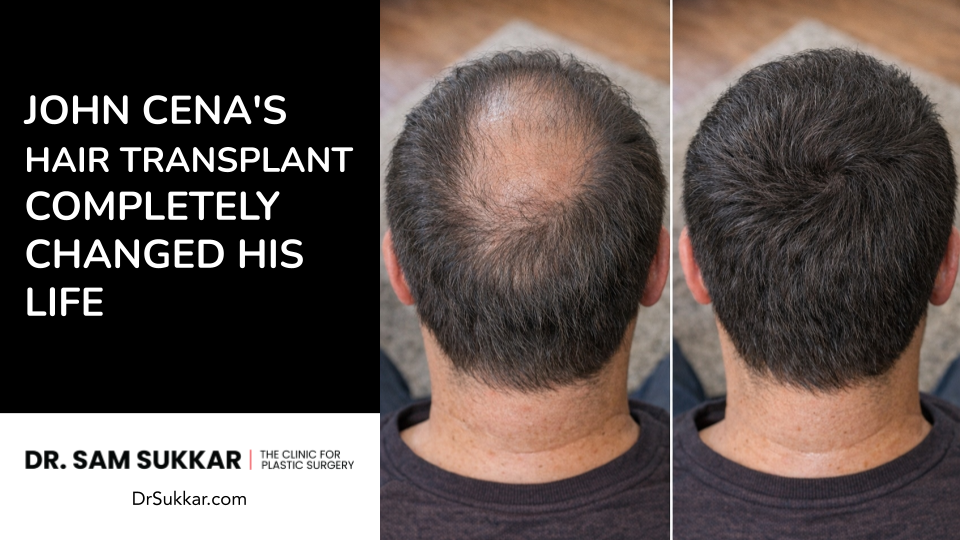
Hair Transplant Before and After Transformations by Dr. Sam Sukkar, MD in Houston, Texas
Image Illustration by: Dr. Sam Sukkar, MD, The Clinic for Plastic Surgery.

Frequently Asked Questions About Hair Transplant Before and After Transformations

What do typical hair transplant before and after results look like after 12 months?

Around 12 months after transplant surgery, most patients see a thicker hairline, fuller density in previously thinning hair areas, and a more youthful frame to the face. Transplanted hair blends with existing hair, can be cut and styled normally, and confidence usually improves as the final, natural look settles in.

How long does it take to see hair transplant procedure before and after changes?

The timeline is gradual. Expect crusts and redness in week one, shedding and an “ugly duckling” phase in weeks 2–8, early regrowth by months 3–6, and major thickening from 6–12 months. Most people see their true hair transplant before and after transformation between 9–12 months, with subtle gains up to 18 months.

What factors affect how good my hair restoration transplant looks before and after?

Key factors include donor hair quality and density, your pattern of baldness, the surgical skill in hairline design and graft placement, and how closely you follow aftercare instructions. Coarser, slightly wavy hair and a strong donor area generally create better visual density and more satisfying before and after results.

Is a hair transplant worth it for advanced hair loss?

It can be worth it, but expectations must stay realistic. With advanced hair loss and limited donor hair, the plan often focuses on restoring the front hairline and mid-scalp, not a teenage level of density. The goal is a natural, age-appropriate frame for the face and an improved overall appearance.

How much does Hair transplant procedure cost in Houston, TX?

Hair transplant cost in Houston, TX typically ranges from $10,000 to $15,000 for an FUE hair restoration procedure. Prices depends on the number of grafts needed, hair loss severity, and treatment complexity. Because it is considered a cosmetic procedure, insurance does not cover it, but financing options are often available. With Cherry financing (upon approved credit), monthly payments can be as low as $270 per month.

Conclusion and Summary of Hair Transplant Before and After Transformations

Modern hair transplant before and after transformations can be striking, but they follow a predictable medical process and timeline. From careful planning and donor hair assessment to months of gradual growth, every step influences the final healthy hair appearance.

Those considering surgery should focus less on miracle photos and more on provider experience, realistic goals, and a clear understanding of the recovery stages. When these pieces align, a hair transplant can restore a natural hairline, improve density in thinning areas, and quietly rebuild everyday confidence for years to come.

Your Trusted Destination for Complete Hair Restoration Treatments and Hair Transplant Surgery in Houston, Texas (TX)

Are you located in one of these Houston Metro Area cities?

Houston, The Woodlands, Sugar Land, Katy, Pearland, Pasadena, League City, Baytown, Conroe, Cypress, Spring, Kingwood, Humble, Missouri City, Friendswood, Bellaire, Clear Lake, Tomball, Galveston, Richmond, Rosenberg, Stafford, La Porte, Deer Park, Seabrook, Webster, Alvin, and Channelview.

Board-Certified Plastic Surgeon Dr. Sam Sukkar, MD, FACS, and the The Clinic for Plastic Surgery Team provide advanced surgical and non-surgical hair loss solutions for both men and women.

If you are suffering from a receding hairline, bald spots, or chronic pattern baldness, we offer comprehensive hair restoration and transplant options, including:

  • Hair Transplant Surgery
  • Follicular Unit Extraction (FUE)
  • Follicular Unit Transplantation (FUT)
  • Non-Surgical Hair Restoration Treatments
  • PRP Hair Treatments for Thinning Hair
  • Medical Hair Loss Treatments and Scalp Care
  • Customized Hair Treatment Plans

Visit our modern 18,000+ sq. ft. plastic surgery center and med spa in Houston, Texas, designed for comfort, privacy, and results-driven care. From your first consultation through long-term hair management, our highly skilled team focuses on realistic outcomes and personalized treatment planning.

For patients outside the Houston area or those with limited availability, schedule a virtual hair restoration consultation.

Book Your Personalized Hair Consultation today at DrSukkar.com or call (281) 940-1535.

About the Author – Meet Dr. Sam Sukkar, MD
Dr. Sam Sukkar, MD, FACS is a highly respected Board-Certified Plastic Surgeon in Houston, Texas, known for his expertise in advanced cosmetic and reconstructive procedures. As the founder of The Clinic for Plastic Surgery, Dr. Sukkar has set a new standard for excellence, performing over 20,000 procedures with a focus on delivering natural, refined results.

Dr. Sukkar earned his Doctor of Medicine (M.D.) degree from Louisiana State University School of Medicine in 1992 after graduating summa cum laude with a Bachelor of Science in Microbiology. He then completed an intensive General Surgery Residency at the University of Texas Hermann Hospital before being selected for a highly competitive Plastic Surgery Fellowship at Northwestern University in Chicago, one of the most prestigious training programs in the country.

With more than 20 years of experience, Dr. Sukkar is a Diplomate of the American Board of Plastic Surgery and a Fellow of the American College of Surgeons (FACS). He is also an active member of the American Society of Plastic Surgeons (ASPS) and the Houston Society of Plastic Surgery (HSPS). His dedication to innovation and continuing education has solidified his reputation as a leading expert in aesthetic surgery, specializing in breast surgery, body contouring, facial procedures, and non-invasive treatments.

Dr. Sukkar’s expertise has been recognized by Houston Magazine, naming him one of Houston’s “Top Docs for Women,” and he has been featured among RealSelf’s America’s Top Doctors. Committed to his patients, he prioritizes personalized care, ensuring every individual feels informed, comfortable, and confident in their aesthetic journey.

Contact Dr. Sukkar today to schedule a consultation, visit DrSukkar.com to learn more, or call us directly at (281) 940-1535.

Best Hair Transplant Specialist for Men In Houston, TX

A hair transplant specialist in Houston, TX helps patients restore thinning areas and receding hairlines with precise, medical hair restoration surgery in a professional clinic setting. At The Clinic for Plastic Surgery, patients receive surgical hair restoration from a board-certified plastic surgeon using advanced techniques designed to deliver natural results and long‑term hair regrowth. The core solution is straightforward: a customized hair transplant procedure that redistributes healthy follicles.

Patients are often looking for minimally invasive options, clear timelines, and a doctor who has performed many successful hair transplants. Here, they find follicular unit extraction (FUE), and supportive treatments such as PRP, all guided by meticulous planning. The focus is on patient safety, realistic expectations, and a treatment plan that fits each person’s hair loss concerns and lifestyle.

Key Takeaways of Hair Transplant Specialist In Houston, TX

  • Choosing The Clinic for Plastic Surgery in Houston, TX gives patients access to a board-certified plastic surgeon, advanced FUE technique, and new technology for natural, long-lasting results.
  • A thorough consultation evaluates hair loss pattern, donor density, medical history, and goals to design a personalized hair transplant plan with clear graft counts, session numbers, and timelines.
  • The clinic’s patient-centered philosophy emphasizes compassionate communication, detailed education, and support a smoother hair restoration journey.
  • Supportive therapies such as Platelet-Rich Plasma (PRP) is often combined with surgical hair restoration to strengthen transplanted follicles, protect existing hair, and maximize long-term density.
  • Patients who choose The Clinic for Plastic Surgery’s hair transplant specialist benefit from strict surgical safety standards, meticulous graft placement, and a structured recovery plan that typically delivers visible new growth starting around three to four months after surgery.

Why Choose A Hair Transplant Specialist In Houston, TX

Choosing a dedicated hair transplant specialist in Houston, TX matters because experience, technology, and tailored treatment options directly influence how natural and long‑lasting the hair restoration results look.

Credentials, Training, And Experience

When selecting a hair transplant doctor, credentials and training should come first. A board-certified plastic surgeon has extensive surgical training, including years of medical school and residency in recognized medical specialties. That background supports precise technique and a strong focus on patient safety in every hair transplant procedure.

At The Clinic for Plastic Surgery, hair restoration surgery is performed by board-certified plastic surgeon with nearly two decades of experience in cosmetic surgery and hair transplantation. Prospective patients benefit from that depth of experience. This helps each patient understand whether they are a good candidate and what kind of outcome they can reasonably expect.

Philosophy And Patient-Centered Approach

Technique alone does not guarantee the best hair transplant. A patient-centered philosophy ensures listens closely to hair loss concerns, lifestyle, and aesthetic goals. At The Clinic for Plastic Surgery, the team takes time to meet patients, review their history, and understand what bothers them most about their receding hairline or thinning areas.

Many patients feel anxious before cosmetic surgery of any kind. A compassionate, open style of communication helps them feel heard and informed instead of rushed. Treatment options are explained, from follicular unit extraction to supportive therapies, and patients are shown firsthand photos of results from similar cases.

Personalized care continues after the hair transplant surgery itself. The team checks on healing, answers questions about swelling, and adjusts aftercare instructions when needed. That continuous attention helps patients move through their hair restoration journey with more confidence and less stress.

Clinic Technology And Safety Standards

The tools and safety protocols in a practice also influence outcomes. A modern hair restoration clinic should offer advanced techniques, along with powerful microscopes to prepare follicular units. These technologies support precise graft handling and natural hair direction.

At The Clinic for Plastic Surgery, hair transplant procedures are performed in a medical setting that follows strict surgical safety standards. The team is trained in sterile technique, anesthesia monitoring, and emergency preparedness, reflecting broader cosmetic surgery experience. Emphasis on patient safety is not optional: it is built into every stage of care.

Prospective patients should also look for clear post-operative instructions, guidance on keeping the head elevated, and strategies like cold compresses to reduce swelling. A clinic that treats hair transplantation as serious medicine, not a simple cosmetic add‑on, usually delivers more predictable, high‑quality outcomes.

Hair Restoration Techniques Offered at The Clinic for Plastic Surgery in Houston, Texas

Follicular Unit Extraction (FUE)

Follicular unit extraction is one of the primary methods used at the clinic for hair transplantation. During FUE hair transplants, individual follicular units are removed from the donor area on the back or sides of the scalp using tiny punches. These minimally invasive extractions leave small round marks that are usually hard to see once the hair grows out.

This technique allows the hair transplant specialist to select grafts with one, two, or three hairs for careful placement. By matching graft size and direction to each thinning area, the doctor can create a natural hairline and density pattern. FUE can help reduce linear scarring and shorten downtime for many patients.

Non-Surgical And Supportive Therapies

Surgical expertise is only part of comprehensive hair restoration. The Clinic for Plastic Surgery also offers non-surgical treatment options that can support transplanted hair and existing follicles. One key option is PRP, or platelet-rich plasma, which uses a patient’s own blood components to stimulate scalp circulation and follicle health.

During PRP sessions, a small blood sample is processed to concentrate platelets, then injected into thinning areas on the scalp. Treatments typically take 30 minutes to one hour. PRP is often combined with hair restoration surgery to encourage stronger regrowth and help slow ongoing hair loss in surrounding hair.

Plus, the clinic may coordinate medical treatment such as physician-directed topical or oral therapies when appropriate. This combined approach recognizes that transplants, medications, and ongoing monitoring all play roles in preserving a fuller head of hair over the long term.

Advanced Hair Restoration Consultation

Patients in Houston can access a full spectrum of advanced surgical hair restoration techniques at The Clinic for Plastic Surgery, allowing each treatment plan to match the individual’s specific pattern of hair loss.

Your First Consultation And Hair Loss Evaluation

The hair restoration journey begins with a detailed consultation. During this visit, the team reviews the patient’s medical history, hair loss pattern, and previous treatments. Photos document the baseline condition of the scalp.

The evaluation examines donor density, the quality of existing hair, and the stability of bald areas. This evaluation helps determine how many grafts may be available and where transplanted hair would make the most impact. It also identifies any medical conditions that could affect surgery or healing.

Personalized Treatment Planning

After the evaluation, the care team designs a personalized plan to address the patient’s individual needs and long-term goals. For one patient, the priority may be a conservative hairline and added density at the crown. For another, a more aggressive approach to the frontal hairline may be appropriate.

The plan outlines recommended techniques such as follicular unit extraction (FUE), FUT, or a combination. It also explains whether PRP or other treatments should be included. Providers discuss expected graft counts, the number of sessions, and timelines so patients understand the full picture before scheduling hair transplant surgery.

The Clinic for Plastic Surgery emphasizes transparency. Patients should review before-and-after photos, ask detailed questions, and consider how surgery fits into their schedule. This clear planning helps align expectations and clinical possibilities.

Frequently Asked Questions About Best Hair Transplant Specialist for Men In Houston, TX

What does a hair transplant specialist in Houston, TX do?

A hair transplant specialist evaluates your hair loss, designs a personalized treatment plan, and performs surgical hair restoration. The goal is to redistribute healthy follicles for natural-looking, long-term hair regrowth.

What is the difference between FUE and FUT hair transplant procedures?

FUE (Follicular Unit Extraction) removes individual follicles with tiny punches, avoiding a long linear scar and often shortening downtime. FUT (strip method) removes a narrow strip of scalp, then divides it into grafts. FUT works well when patients need a larger number of grafts in a single session.

Who is a good candidate for hair transplant surgery?

Good candidates typically have stable hair loss, sufficient donor hair at the back or sides of the scalp. The surgical team reviews your medical history, hair-loss pattern, and donor density to determine whether surgery is appropriate.

What is recovery like after a hair transplant with The Clinic for Plastic Surgery?

Recovery is usually straightforward. Patients keep the head elevated, follow detailed aftercare instructions, and use prescribed medications. Tiny scabs flake off in about two weeks, many return to non-strenuous work within days. The team schedules follow-ups to monitor healing, hair washing, exercise, and sun exposure guidance.

How much does a hair transplant with a hair transplant specialist in Houston, TX typically cost?

Hair transplant costs in Houston, TX vary based on graft count, technique (FUE vs. FUT). In Houston, hair transplants often range from $10,000 up to $15,000. The Clinic for Plastic Surgery emphasizes value, experienced surgical care, advanced technology, and long-term follow-up.

How long does it take to see results from a Houston hair transplant, and are they permanent?

Transplanted hair usually sheds within the first three weeks, then new growth starts around three to four months. Thickness improves over six to twelve months as hairs mature. Because donor follicles retain their resistance to thinning, results are typically long-lasting. Though some patients may need future treatments for ongoing hair loss.

Conclusion and Summary of Best Hair Transplant Specialist for Men In Houston, TX

For individuals struggling with hair loss in Houston, working with a dedicated hair transplant specialist at The Clinic for Plastic Surgery provides access to advanced techniques and thoughtful, individualized care. From the first evaluation through final results, the focus stays on safety, natural appearance, and long‑term planning.

By understanding candidacy, treatment options, and realistic recovery timelines, patients can approach hair restoration surgery with clear expectations. Those ready to explore solutions can schedule a private consultation to plan and move toward a fuller head of hair and renewed confidence.

Your Trusted Destination for Complete Hair Restoration Treatments and Hair Transplant Surgery in Houston, Texas (TX)

Are you located in one of these Houston Metro Area cities?

Houston, The Woodlands, Sugar Land, Katy, Pearland, Pasadena, League City, Baytown, Conroe, Cypress, Spring, Kingwood, Humble, Missouri City, Friendswood, Bellaire, Clear Lake, Tomball, Galveston, Richmond, Rosenberg, Stafford, La Porte, Deer Park, Seabrook, Webster, Alvin, and Channelview.

Board-Certified Plastic Surgeon Dr. Sam Sukkar, MD, FACS, and the The Clinic for Plastic Surgery Team provide advanced surgical and non-surgical hair loss solutions for both men and women.

If you are suffering from a receding hairline, bald spots, or chronic pattern baldness, we offer comprehensive hair restoration and transplant options, including:

  • Hair Transplant Surgery
  • Follicular Unit Extraction (FUE)
  • Follicular Unit Transplantation (FUT)
  • Non-Surgical Hair Restoration Treatments
  • PRP Hair Treatments for Thinning Hair
  • Medical Hair Loss Treatments and Scalp Care
  • Customized Hair Treatment Plans

Visit our modern 18,000+ sq. ft. plastic surgery center and med spa in Houston, Texas, designed for comfort, privacy, and results-driven care. From your first consultation through long-term hair management, our highly skilled team focuses on realistic outcomes and personalized treatment planning.

For patients outside the Houston area or those with limited availability, schedule a virtual hair restoration consultation.

Book Your Personalized Hair Consultation today at DrSukkar.com or call (281) 940-1535.

About the Author – Meet Dr. Sam Sukkar, MD

Dr. Sam Sukkar, MD, FACS is a highly respected Board-Certified Plastic Surgeon in Houston, Texas, known for his expertise in advanced cosmetic and reconstructive procedures. As the founder of The Clinic for Plastic Surgery, Dr. Sukkar has set a new standard for excellence, performing over 20,000 procedures with a focus on delivering natural, refined results.

Dr. Sukkar earned his Doctor of Medicine (M.D.) degree from Louisiana State University School of Medicine in 1992 after graduating summa cum laude with a Bachelor of Science in Microbiology. He then completed an intensive General Surgery Residency at the University of Texas Hermann Hospital before being selected for a highly competitive Plastic Surgery Fellowship at Northwestern University in Chicago, one of the most prestigious training programs in the country.

With more than 20 years of experience, Dr. Sukkar is a Diplomate of the American Board of Plastic Surgery and a Fellow of the American College of Surgeons (FACS). He is also an active member of the American Society of Plastic Surgeons (ASPS) and the Houston Society of Plastic Surgery (HSPS). His dedication to innovation and continuing education has solidified his reputation as a leading expert in aesthetic surgery, specializing in breast surgery, body contouring, facial procedures, and non-invasive treatments.

Dr. Sukkar’s expertise has been recognized by Houston Magazine, naming him one of Houston’s “Top Docs for Women,” and he has been featured among RealSelf’s America’s Top Doctors. Committed to his patients, he prioritizes personalized care, ensuring every individual feels informed, comfortable, and confident in their aesthetic journey.

Contact Dr. Sukkar today to schedule a consultation, visit DrSukkar.com to learn more, or call us directly at (281) 940-1535.

Hair Transplant Cost In Houston, Texas: Pricing Breakdown for 2026

The hair transplant cost in Houston, Texas typically falls within the same overall range seen across major US cities, often around $10,000–$15,000 depending on your case. The exact cost of a hair transplant is determined mainly by how many grafts are needed, and the transplant technique used. Most patients in Houston can get a clear price estimate only after an in‑person consultation that evaluates their hair loss pattern and goals.

In practical terms, patients should expect per‑graft pricing, higher fees for advanced FUE hair transplantation, and additional charges for medications and follow‑up care. The full cost also reflects facility costs, and post operative care. Health insurance typically doesn’t pay because hair restoration surgery is almost always considered cosmetic.

Key Takeaways of Hair Transplant Cost

  • The typical hair transplant cost in Houston, Texas ranges around $10,000–$15,000, driven mainly by how many grafts you need and the technique used.
  • Most clinics in Houston charge per graft, with FUT generally costing less per graft than FUE, but each option differs in scarring, recovery, and hairstyle flexibility.
  • The extent and pattern of hair loss greatly affect overall hair transplant pricing and long‑term value.
  • Patients should budget beyond the base hair transplant cost in Houston, Texas to include consultations, tests, medications, follow‑ups, and potential travel or time off work.
  • Because insurance rarely covers hair restoration, it’s important to compare financing plans, total repayment costs, and clinic quality instead of choosing purely by the lowest quote.

Average Hair Transplant Cost In Houston

Houston hair transplant prices usually track national averages, because clinics compete with other large US markets and use similar advanced techniques and technology.

Per-Graft Pricing And Graft Counts

Most Houston clinics base hair transplant surgery fees on per‑graft pricing. Each graft contains one to four hair follicles, moved from the donor area to thinning zones.

The overall cost of a hair transplant hence depends heavily on how many grafts are needed. A smaller procedure for a receding hairline uses fewer grafts and costs less than extensive hair loss restoration.

Across the US, average costs often fall between about $10,000 and $15,000 for many patients. Houston pricing tends to vary depending on the number of grafts and chosen technique, but often lands in a similar range.

Some patients with advanced hair loss may need more grafts, which pushes the full cost higher. Others with mild thinning might need far fewer grafts needed, keeping transplant cost at the lower end.

Factors That Influence Hair Transplant Pricing

Even within one city, the cost of a hair transplant procedure can vary based on several factors. Understanding these helps patients interpret very different quotes from Houston clinics.

Experience And Clinic Reputation

Surgeon’s experience is one of the primary factors behind price differences. A hair restoration specialist with many years of successful hair transplantation naturally charges more. Their higher fees reflect consistent natural looking results and lower revision risk.

Clinic reputation also matters. Facilities that invest in advanced technology, well‑trained staff, and strict safety protocols often have higher facility costs. That shows up in the transplant cost, but can be more cost effective long term.

Cheaper providers may cut corners on training or staffing. Many patients discover that a lower cost procedure with poor growth or scarring is actually more expensive once revisions are needed.

Extent And Pattern Of Hair Loss

The extent of hair loss and pattern of thinning strongly influence how many grafts required. Male pattern baldness affecting the crown and hairline will need more grafts than a small temple fill.

More grafts mean a higher cost of a hair transplant. Careful donor hair planning ensures transplanted hair looks dense while the donor area remains natural.

Patients with extensive hair loss sometimes need staged hair restoration procedures. Each additional session adds to the overall cost but can produce more natural results than a single, very large procedure.

During consultation, the number of grafts needed now and in the future is estimated. This helps patients understand both the immediate transplant cost and the long-term budget for their hair restoration journey.

Types Of Hair Transplant Procedures And Typical Price Ranges

Different hair transplant techniques carry different price points in Houston. The chosen technique affects not only cost, but also scarring, recovery, and future flexibility.

FUT (Strip) Hair Transplant Costs

Follicular unit transplantation (FUT), often called the strip method, involves removing a narrow strip of scalp from the donor area. The team then divides it into individual hair grafts.

Because FUT allows many grafts in one session with efficient processing, it is often the lower cost option per graft. That can be appealing for patients with extensive hair loss.

The trade-off is a linear scar in the donor area. When planned carefully, this scar is kept small, though some patients prefer hairstyles that do not frequently expose the back of the scalp.

In Houston, FUT pricing usually reflects the number of grafts involved and overall procedural complexity. Larger sessions can still increase total cost, but average pricing is often lower than comparable FUE sessions.

FUE Hair Transplant Costs

Follicular unit extraction (FUE) removes individual hair follicles from the donor area with tiny punches. FUE hair transplantation avoids a long linear scar and allows shorter hairstyles.

Because FUE is more labor‑intensive, FUE costs per graft are typically higher than FUT. Clinics may use manual tools, motorized devices, or advanced technology to speed the procedure.

Many patients accept the higher transplant cost because of the benefits. These include minimal visible scarring and flexible future procedures to add density.

Financing options are widely used for FUE hair transplant surgery. At the Clinic for Plastic Surgery patients can paid monthly through medical financing plans.

Additional Costs To Budget For

The transplant fee isn’t the only expense. Several related medical procedures and recovery items contribute to the overall cost of hair restoration in Houston.

Pre-Operative Consultations And Tests

A consultation before hair restoration surgery is recommended. This visit allows to examine the scalp, review medical history, and determine candidacy.

Pre‑operative blood work or other tests may be needed for safety. These charges vary based on insurance coverage and where the tests are performed.

Though smaller than the surgery fee, these costs still affect the price estimate. Including them in the budget avoids surprises later in the hair restoration journey.

Medications, Aftercare, And Follow-Up Visits

After hair transplant surgery, patients receive prescriptions for pain medications, antibiotics, and sometimes anti‑swelling drugs. These are usually not expensive but still add to the full cost.

Post operative care may include special shampoo, sprays, or platelet rich plasma (PRP therapy) sessions to support new hair growth. PRP therapy is an additional procedure with its own fee.

Follow‑up visits let the aftercare team monitor transplanted hair, donor area healing, and early growth. Patients receive a written list of aftercare instructions and related costs at the end of the consultation. That makes it easier to compare clinics on real overall cost, not just headline numbers.

Insurance, Financing, And Payment Options

Hair restoration procedures are almost always considered elective cosmetic medical procedures. That has major implications for how patients pay for hair transplantation in Houston.

Will Insurance Cover Any Portion Of A Hair Transplant?

Health insurance plans typically do not cover the cost of a hair transplant. Hair loss from male pattern baldness or aging is seen as a cosmetic concern.

Rare exceptions may exist when hair loss stems from clear medical conditions or trauma, and reconstruction is medically necessary. Even then, coverage varies based on the insurance provider.

Patients should not assume coverage. It is best to call the insurer directly, ask whether hair restoration surgery is typically covered, and get any answers in writing if possible.

Financing Plans, Credit Options, And Discounts

Because most patients pay out of pocket, The Clinic for Plastic Surgery offers financing options. Third-party lenders commonly used for medical procedures work with The Clinic for Plastic Surgery, including Cherry, where monthly payments may be as low as $270, depending on approved credit and treatment cost.

Financing companies may provide promotional 0% interest periods, followed by higher standard interest rates. Terms vary based on credit profile and total transplant cost. Patients can also pay with major credit cards, personal loans, or clinic payment plans.

Occasional discounts may be offered for paying in full, scheduling during slower seasons, or combining procedures.

Frequently Asked Questions About Hair Transplant Cost In Houston, Texas: Pricing Breakdown for 2026

What is the average hair transplant cost in Houston, Texas?

The average hair transplant cost in Houston, Texas typically ranges from about $10,000 to $15,000 for most patients. Your final price depends mainly on how many grafts you need, and what technique is used.

What factors affect hair transplant cost in Houston clinics?

Key factors include the number of grafts required, and the technique used. Additional costs like consultations, blood tests, medications, PRP therapy, and follow‑up visits also influence the total hair transplant cost in Houston, Texas.

Is FUE more expensive than FUT for hair transplants in Houston?

Yes. FUE (follicular unit extraction) is usually more expensive per graft than FUT (strip) in Houston. FUE is more labor‑intensive and often uses advanced tools, which raise costs. FUT typically offers a lower per‑graft price but leaves a linear donor scar, unlike FUE.

Does insurance ever cover hair transplant surgery in Houston?

Health insurance generally does not cover hair transplants in Houston because they’re considered cosmetic procedures, especially for male pattern baldness or age‑related thinning. Rare exceptions may occur after major trauma or certain medical conditions, but you must confirm directly with your insurer and get any coverage decisions in writing.

Conclusion and Summary of Hair Transplant Cost In Houston, Texas: Pricing Breakdown for 2026

Hair transplant cost in Houston, Texas generally falls within the national average, but the final price varies widely based on graft count, technique, and individual hair loss pattern. While many patients see estimates in the $10,000–$15,000 range, the true cost depends on long-term planning, donor hair availability, and whether future sessions may be needed. Understanding how per-graft pricing works and how FUT and FUE differ helps patients compare quotes more accurately.

Because insurance rarely applies, patients should evaluate more than just the lowest upfront number. Factoring in consultations, medications, aftercare, and financing terms gives a clearer picture of total investment. The Clinic for Plastic Surgery helps patients plan confidently and avoid unexpected costs over time.

Your Trusted Destination for Complete Hair Restoration Treatments and Hair Transplant Surgery in Houston, Texas (TX)

Are you located in one of these Houston Metro Area cities?

Houston, The Woodlands, Sugar Land, Katy, Pearland, Pasadena, League City, Baytown, Conroe, Cypress, Spring, Kingwood, Humble, Missouri City, Friendswood, Bellaire, Clear Lake, Tomball, Galveston, Richmond, Rosenberg, Stafford, La Porte, Deer Park, Seabrook, Webster, Alvin, and Channelview.

Board-Certified Plastic Surgeon Dr. Sam Sukkar, MD, FACS, and the The Clinic for Plastic Surgery Team provide advanced surgical and non-surgical hair loss solutions for both men and women.

If you are suffering from a receding hairline, bald spots, or chronic pattern baldness, we offer comprehensive hair restoration and transplant options, including:

  • Hair Transplant Surgery
  • Follicular Unit Extraction (FUE)
  • Follicular Unit Transplantation (FUT)
  • Non-Surgical Hair Restoration Treatments
  • PRP Hair Treatments for Thinning Hair
  • Medical Hair Loss Treatments and Scalp Care
  • Customized Hair Treatment Plans

Visit our modern 18,000+ sq. ft. plastic surgery center and med spa in Houston, Texas, designed for comfort, privacy, and results-driven care. From your first consultation through long-term hair management, our highly skilled team focuses on realistic outcomes and personalized treatment planning.

For patients outside the Houston area or those with limited availability, schedule a virtual hair restoration consultation.

Book Your Personalized Hair Consultation today at DrSukkar.com or call (281) 940-1535.

About the Author – Meet Dr. Sam Sukkar, MD

Dr. Sam Sukkar, MD, FACS is a highly respected Board-Certified Plastic Surgeon in Houston, Texas, known for his expertise in advanced cosmetic and reconstructive procedures. As the founder of The Clinic for Plastic Surgery, Dr. Sukkar has set a new standard for excellence, performing over 20,000 procedures with a focus on delivering natural, refined results.

Dr. Sukkar earned his Doctor of Medicine (M.D.) degree from Louisiana State University School of Medicine in 1992 after graduating summa cum laude with a Bachelor of Science in Microbiology. He then completed an intensive General Surgery Residency at the University of Texas Hermann Hospital before being selected for a highly competitive Plastic Surgery Fellowship at Northwestern University in Chicago, one of the most prestigious training programs in the country.

With more than 20 years of experience, Dr. Sukkar is a Diplomate of the American Board of Plastic Surgery and a Fellow of the American College of Surgeons (FACS). He is also an active member of the American Society of Plastic Surgeons (ASPS) and the Houston Society of Plastic Surgery (HSPS). His dedication to innovation and continuing education has solidified his reputation as a leading expert in aesthetic surgery, specializing in breast surgery, body contouring, facial procedures, and non-invasive treatments.

Dr. Sukkar’s expertise has been recognized by Houston Magazine, naming him one of Houston’s “Top Docs for Women,” and he has been featured among RealSelf’s America’s Top Doctors. Committed to his patients, he prioritizes personalized care, ensuring every individual feels informed, comfortable, and confident in their aesthetic journey.

Contact Dr. Sukkar today to schedule a consultation, visit DrSukkar.com to learn more, or call us directly at (281) 940-1535.

FUT Hair Transplant: What is Follicular Unit Transplantation?

Follicular Unit Transplantation (FUT) is a surgical hair restoration procedure where a thin strip of scalp containing healthy hair follicles is removed from the donor area and transplanted to thinning or balding regions. This FUT hair transplant technique allow to harvest thousands of follicular unit grafts in a single session, making it one of the most efficient methods for achieving maximum fullness in patients experiencing male pattern baldness or female pattern baldness.

FUT surgery delivers natural looking results by preserving the complete follicular unit, including individual hair follicles, oil glands, and surrounding tissue. The method produces high quality grafts with excellent blood supply, typically resulting in 90-95% graft survival rates. Most patients see new hair growth within 3-4 months, with full results visible after 12-18 months.

Key Takeaways of FUT Hair Transplant Surgery

  • FUT hair transplant allows thousands of follicular unit grafts to be harvested in a single session, making it ideal for patients seeking maximum fullness and broad coverage.
  • FUT preserves the natural structure of hair follicles, including oil glands and surrounding tissue, which supports high graft survival rates.
  • The strip harvesting method uses donor hair resistant to pattern baldness, allowing transplanted hair to grow permanently in thinning or balding areas.
  • FUT surgery produces natural looking results when grafts are placed strategically, with single-hair units along the hairline and multi-hair grafts used for density.
  • Results develop gradually over time, with new hair growth starting around 3–4 months and full outcomes visible between 12–18 months.

What is Follicular Unit Transplantation (FUT)?

Follicular unit transplantation represents a scientifically advanced approach to hair transplantation that respects the natural architecture of scalp hair. Unlike older plug techniques, FUT hair transplant surgery focuses on harvesting and transplanting complete follicular units, the naturally occurring groups of 1-4 hairs that grow together with their supporting structures.

Understanding Follicular Units

A follicular unit is the basic building block of natural hair growth. Each unit contains individual hair follicles bundled together with protective tissue, sebaceous oil glands, nerves, and a shared blood supply. This biological grouping isn’t random, it’s how hair naturally organizes itself in the scalp. By keeping these units intact during the FUT transplant, it preserve the supportive elements that ensure healthy hair survival and growth in the recipient area.

The follicular unit structure explains why transplanted hair behaves like surrounding hair. When moved as complete units rather than separated individual follicles, the grafts maintain their natural characteristics, including growth angle, texture, and density patterns.

The Strip Harvesting Method

The defining characteristic of the FUT procedure is strip excision, the removal of a linear strip of donor tissue from the back or sides of the scalp. This donor area is chosen because hair follicles in these regions are genetically resistant to pattern baldness, meaning they’ll continue growing even after transplantation to thinning areas.

Under local anesthesia, a thin strip of scalp is removed, typically 1-1.5 cm wide and 15-30 cm long depending on how many grafts are needed. The donor site is then closed with sutures or staples, resulting in a thin scar that surrounding hair typically conceals. Meanwhile, meticulous graft dissection is performed, using microscopes to separate the removed strip into individual follicular units while preserving their delicate structures.

How FUT Differs from Other Hair Transplant Methods

The strip harvesting approach distinguishes FUT from follicular unit extraction (FUE), where individual follicular units are removed one at a time using tiny punch tools. While FUE grafts leave multiple small circular scars scattered across the donor area, FUT surgery creates a single linear scar.

FUT transplantation allows the harvesting of large numbers of follicular grafts more quickly than FUE, often 2,000–4,000 grafts in a single session. This efficiency makes FUT particularly valuable for patients needing significant coverage or those with limited donor hair density. The microscopic dissection also produces larger grafts with more surrounding tissue intact, which improves survival rates compared to follicular unit excision methods.

The FUT Hair Transplant Procedure: Step-by-Step

The follicular unit transplantation process follows a systematic approach that typically takes 4-8 hours depending on the number of grafts needed. Understanding each phase helps patients prepare mentally and practically for the surgical procedure.

Pre-Operative Consultation and Planning

Before the FUT hair transplant, patients schedule a consultation to develop a customized treatment plan. A detailed evaluation of hair loss patterns, an assessment of donor area density, and a clear discussion of realistic expectations for new growth. Medical history review ensures patients are good candidates without conditions that might cause graft failure.

The hairline and maps transplant sites are designed, considering factors like facial proportions, age-appropriate placement, and achieving maximum fullness with available donor tissue. Photographs document the baseline condition. Patients receive instructions about medications to avoid, when to wash hair before surgery, and what to expect regarding postoperative pain management.

Donor Strip Removal

On procedure day, the patient sits comfortably while the surgical team prepares the donor area. After administering local anesthesia to numb the scalp, carefully, the predetermined thin strip of tissue from the back of the head is removed. The width and length are calculated based on the graft count needed and donor density.

Modern surgical techniques ensure the strip excision stays at the optimal depth to harvest complete follicular units without damaging them. The donor site is immediately closed using trichophytic closure methods that allow hair to grow through the scar line, minimizing its visibility. Most patients experience minimal discomfort during this phase due to effective anesthesia.

Microscopic Graft Dissection

While the donor site is closed, skilled technicians begin the critical graft dissection phase. Under high-powered microscopes, they meticulously separate the removed strip into individual follicular unit grafts, sorting them by the number of hairs per unit (singles, doubles, triples, and four-hair units).

This labor-intensive process requires exceptional precision to preserve the protective tissue, blood vessels, and structural integrity of each follicular unit. Technicians keep harvested grafts in special holding solutions that maintain viability until implantation. The careful handling during this stage is crucial for achieving high graft survival rates and natural looking results.

Creating Recipient Sites

Once sufficient follicular grafts are prepared, tiny recipient sites are created in the treatment area where thinning hair or baldness exists. Using fine needles or micro-blades, they make strategically angled incisions that match natural hair growth patterns and surrounding hair direction.

Site creation determines the angle, direction, and density of new hair growth. Smaller single-hair grafts are placed along the hairline for a soft, natural appearance, while larger grafts with multiple hairs are used in areas needing more density. The distribution pattern mimics how hair naturally grows, ensuring transplanted follicles blend seamlessly with existing hair.

Graft Placement and Implantation

The final phase involves carefully placing each follicular unit graft into its prepared recipient site. Surgical assistants use specialized forceps to insert grafts at the correct depth and angle without crushing delicate structures. This meticulous work continues for several hours until all harvested grafts are transplanted.

Proper placement ensures optimal blood supply reaches each graft, which is essential for survival and future hair growth. The surgical team works efficiently to minimize the time grafts spend outside the body, as prolonged exposure reduces viability. By procedure’s end, thousands of transplanted follicular units are positioned to restore hair density in thinning areas.

FUT vs. FUE: Comparing Hair Transplant Techniques

When exploring hair restoration options, many patients wonder whether follicular unit transplantation or follicular unit extraction better suits their needs. Both are proven surgical procedures, but they differ significantly in harvesting methods, scarring patterns, and ideal candidate profiles.

Harvesting Method Differences

The fundamental distinction lies in how donor hair is collected. FUT surgery removes a single linear strip containing thousands of follicular units, which technicians then dissect under microscopes. FUE procedure extracts individual follicular units directly from the scalp using small circular punches, leaving multiple tiny scattered scars rather than one linear scar.

FUT transplantation allows harvesting large numbers of grafts more quickly, potentially 3,000-4,000 units in one session. FUE typically harvests fewer grafts per session because extracting follicles one by one takes considerably longer. For patients needing extensive coverage, FUT often accomplishes goals in fewer sessions.

Scarring and Aesthetic Considerations

FUT hair transplant creates a linear scar at the donor site, typically 0.5-1.0 cm wide when healed. For most patients, this thin scar remains hidden beneath surrounding hair as long as hair is kept at least 1-2 cm long. The scar may become visible with very short haircuts or shaved styles.

FUE grafts leave small circular scars scattered throughout the donor area, potentially hundreds or thousands of tiny dots. While individually less noticeable than a linear scar, the cumulative scarring can appear as stippling or texture changes in the donor region, especially in patients with dark skin or close-cropped hair.

Long-Term Outcomes and Graft Quality

Studies suggest FUT produces high quality grafts with excellent survival rates because follicular units are dissected under magnification with surrounding tissue intact. The controlled dissection preserves blood supply and protective structures, contributing to robust new hair growth.

FUE grafts face slightly higher transection risk, damage to follicles during extraction, though skilled surgeon minimize this. Some research indicates FUT may yield marginally better density outcomes, while FUE excels when smaller numbers of grafts suffice or when patients prioritize avoiding linear scarring.

Choosing Between FUT and FUE

The ideal choice depends on individual factors. FUT hair transplant suits patients needing many grafts, those comfortable with a linear scar concealed by longer hairstyles, and individuals seeking maximum graft yield from available donor hair. The procedure works well for treating extensive male pattern baldness or helping patients with advanced thinning achieve maximum fullness.

FUE procedure appeals to patients wanting shorter hairstyles, those with limited hair loss requiring fewer grafts, or individuals concerned about linear scarring. Some patients return for FUE after exhausting FUT donor strip capacity in previous surgeries.

Who is a Good Candidate for FUT Hair Transplant?

Not everyone experiencing hair loss qualifies as an ideal candidate for follicular unit transplantation. Successful outcomes depend on specific medical, anatomical, and expectation-related factors evaluated during consultation.

Hair Loss Patterns and Stability

FUT hair transplant works best for patients with stable, predictable hair loss patterns. Those experiencing male pattern baldness or female pattern baldness, conditions driven by genetic and hormonal factors, typically see excellent results because transplanted hair from resistant donor areas continues growing permanently.

Patients with ongoing hair loss require careful evaluation. Transplanting into areas that may continue thinning risks creating unnatural patterns as surrounding hair continues receding. Progressive hair loss is often stabilized with medical treatments before considering surgical procedures, or future loss is factored into the treatment plan design.

Donor Area Quality and Density

Adequate donor hair density is essential for FUT surgery success. The donor area (typically the back and sides of the scalp) is examined to confirm sufficient follicular unit density for harvesting the required grafts while maintaining an acceptable donor site appearance.

Patients with thick, dense donor hair can provide more follicular grafts from a given strip length. Those with finer or less dense donor tissue may have limitations on graft numbers available, which affects how much coverage a single FUT transplant can achieve. Realistic expectations must align with donor capacity.

Medical Health and Conditions

Good candidates possess overall health that supports safe surgery and optimal healing. Certain medical conditions may affect graft survival or increase surgical risks. Uncontrolled diabetes, bleeding disorders, or conditions affecting wound healing require medical optimization before the hair transplant procedure.

Smoking significantly impairs blood supply to healing tissues and reduces graft survival rates. Patients are often required to stop smoking for several weeks before and after FUT transplantation. Similarly, certain medications that affect bleeding or immune function need adjustment with physician guidance.

Realistic Expectations and Goals

Ideal candidates understand what follicular unit transplantation can and cannot achieve. FUT surgery restores hair in thinning areas and improves density, but it doesn’t create the thickness of childhood hair or halt future hair loss in untreated areas.

Patients seeking natural looking results rather than extreme density, those willing to follow postoperative care instructions, and individuals prepared for the 12-18 month timeline to see final results tend to report highest satisfaction. Understanding that healing involves temporary shedding of transplanted hair before new growth emerges helps patients maintain realistic perspectives during recovery.

Age and Future Hair Loss Considerations

Younger patients with early-stage hair loss require special consideration. Since male pattern baldness and female pattern baldness are progressive conditions, transplanting too aggressively in youth may create challenges as additional hair loss occurs in untreated areas over decades.

Treatment plans are designed to anticipate future thinning, with grafts placed strategically to maintain a natural appearance as surrounding hair continues to change. Some recommend waiting until patients are in their late twenties or older when hair loss patterns become more predictable, though exceptions exist for specific situations.

Previous Hair Transplant Patients

Those who’ve undergone previous hair transplantation may be excellent candidates for additional FUT surgery if donor tissue remains adequate. The procedure can add density to previously transplanted areas or address new thinning regions.

However, previous scarring, depleted donor reserves, or complications from earlier procedures may limit options. Thorough evaluation determines whether the donor strip area has sufficient laxity and density to harvest additional follicular unit grafts safely.

Expected Results and Success Rates of FUT Hair Transplant in Houston

Understanding realistic outcomes helps patients maintain appropriate expectations throughout the follicular unit transplantation journey. Success depends on multiple factors, from surgical technique to individual healing responses.

Graft Survival and Growth Rates

High quality grafts prepared through careful FUT procedure typically achieve survival rates of 85-95%. This means the vast majority of transplanted follicular units successfully establish blood supply in the recipient area and produce permanent new hair growth.

Graft failure occurs in a small percentage of cases due to factors like insufficient blood supply, trauma during handling, infection, or patient-specific healing issues. Following post-operative instructions meticulously and maintaining proper scalp hygiene, maximizes survival rates.

The transplanted follicular unit grafts retain characteristics from the donor area, meaning they’re genetically programmed to resist the hormones causing male pattern baldness or female pattern baldness. These hairs continue growing throughout the patient’s lifetime, providing permanent hair restoration results.

Density and Coverage Improvements

FUT hair transplant significantly improves coverage in thinning areas, though it cannot recreate the density of childhood hair. A typical adult scalp has approximately 100 hairs per square centimeter. While FUT surgery usually achieves 30-50 hairs per square centimeter in the treated area.

This reduced density still creates substantial cosmetic improvement because strategic placement and use of larger grafts with multiple hairs maximize visual fullness. Achieving maximum fullness often requires 2,000-4,000 follicular grafts for moderate hair loss, and potentially more for extensive baldness.

Some patients return for second FUT transplant sessions to add additional density or address ongoing hair loss in other areas. The donor strip from subsequent surgeries can often be planned to remove the previous linear scar, replacing it with a new scar.

Naturalness of Hairline and Overall Appearance

When performed by an experienced surgeon, FUT surgery produces natural looking results that are virtually undetectable. Strategic use of single-hair follicular units along the hairline creates soft, irregular frontlines that mimic nature’s design.

Multi-hair grafts placed behind the hairline provide density without the “pluggy” appearance of outdated transplant methods. The angle and direction of transplant sites match surrounding hair patterns. This ensures transplanted follicles blend seamlessly with existing hair as new growth matures.

Patients can typically style hair normally, including combing, brushing, and using products. The restored hair behaves exactly like natural hair because it comes from genetically identical tissue taken from the patient’s own scalp and placed into thinning areas.

Timeline for Visible Improvements After FUT Hair Transplant in Houston, Texas

Patience remains essential for FUT hair transplant success in Houston, TX. After initial healing, transplanted hairs shed within weeks, leaving a dormancy period where little visible change occurs. This can test patience, but understanding the biological timeline helps.

Visible new growth begins around month four, with progressive improvement throughout months 6-12. By the one-year mark, most patients see significant transformation. Continued refinement through month 18 as hair reaches full thickness and length.

Comparing before-and-after photographs from consultation through final follow-up dramatically illustrates the restoration achieved. Most patients report high satisfaction once final results manifest, noting the wait was worthwhile for the permanent improvement.

Frequently Asked Questions About FUT Hair Transplant: What is Follicular Unit Transplantation?

How many grafts does FUT transplant?

FUT transplantation often allows the harvest of 2,000–4,000 follicular unit grafts in a single session. This makes it especially effective for patients with moderate to advanced hair loss.

Does FUT hair transplant leave a scar?

Yes, FUT surgery leaves a linear scar in the donor area. When properly closed, the scar typically heals as a thin line concealed by surrounding hair.

How long does it take to recover after FUT surgery?

Most patients return to desk work within about a week. Scabbing usually resolves within 7–10 days, while the donor area continues healing over several weeks.

When will new hair start growing after FUT?

Transplanted hair usually sheds within the first month. New growth typically begins around month four and continues improving for up to 18 months.

Is FUT hair transplant permanent?

Yes. The transplanted hair follicles come from areas genetically resistant to hair loss and continue growing permanently in the treated area.

Conclusion and Summary of FUT Hair Transplant: What is Follicular Unit Transplantation?

FUT hair transplant remains a proven and effective option for individuals seeking significant hair restoration with long-lasting results. By harvesting a thin strip of donor tissue and preserving complete follicular units, follicular unit transplantation supports high graft survival and natural hair growth patterns.

While it involves a linear scar, careful planning and placement allow most patients to achieve discreet healing and strong cosmetic improvement. For those with male or female pattern baldness who need substantial coverage, FUT surgery offers a reliable path to restored hair density and long-term confidence when performed as part of a well-structured treatment plan.

Your Trusted Destination for Complete Hair Restoration Treatments and Hair Transplant Surgery in Houston, Texas (TX)

Are you located in one of these Houston Metro Area cities?

Houston, The Woodlands, Sugar Land, Katy, Pearland, Pasadena, League City, Baytown, Conroe, Cypress, Spring, Kingwood, Humble, Missouri City, Friendswood, Bellaire, Clear Lake, Tomball, Galveston, Richmond, Rosenberg, Stafford, La Porte, Deer Park, Seabrook, Webster, Alvin, and Channelview.

Board-Certified Plastic Surgeon Dr. Sam Sukkar, MD, FACS, and the The Clinic for Plastic Surgery Team provide advanced surgical and non-surgical hair loss solutions for both men and women.

If you are suffering from a receding hairline, bald spots, or chronic pattern baldness, we offer comprehensive hair restoration and transplant options, including:

  • Hair Transplant Surgery
  • Follicular Unit Extraction (FUE)
  • Follicular Unit Transplantation (FUT)
  • Non-Surgical Hair Restoration Treatments
  • PRP Hair Treatments for Thinning Hair
  • Medical Hair Loss Treatments and Scalp Care
  • Customized Hair Treatment Plans

Visit our modern 18,000+ sq. ft. plastic surgery center and med spa in Houston, Texas, designed for comfort, privacy, and results-driven care. From your first consultation through long-term hair management, our highly skilled team focuses on realistic outcomes and personalized treatment planning.

For patients outside the Houston area or those with limited availability, schedule a virtual hair restoration consultation.

Book Your Personalized Hair Consultation today at DrSukkar.com or call (281) 940-1535.

About the Author – Meet Dr. Sam Sukkar, MD

Dr. Sam Sukkar, MD, FACS is a highly respected Board-Certified Plastic Surgeon in Houston, Texas, known for his expertise in advanced cosmetic and reconstructive procedures. As the founder of The Clinic for Plastic Surgery, Dr. Sukkar has set a new standard for excellence, performing over 20,000 procedures with a focus on delivering natural, refined results.

Dr. Sukkar earned his Doctor of Medicine (M.D.) degree from Louisiana State University School of Medicine in 1992 after graduating summa cum laude with a Bachelor of Science in Microbiology. He then completed an intensive General Surgery Residency at the University of Texas Hermann Hospital before being selected for a highly competitive Plastic Surgery Fellowship at Northwestern University in Chicago, one of the most prestigious training programs in the country.

With more than 20 years of experience, Dr. Sukkar is a Diplomate of the American Board of Plastic Surgery and a Fellow of the American College of Surgeons (FACS). He is also an active member of the American Society of Plastic Surgeons (ASPS) and the Houston Society of Plastic Surgery (HSPS). His dedication to innovation and continuing education has solidified his reputation as a leading expert in aesthetic surgery, specializing in breast surgery, body contouring, facial procedures, and non-invasive treatments.

Dr. Sukkar’s expertise has been recognized by Houston Magazine, naming him one of Houston’s “Top Docs for Women,” and he has been featured among RealSelf’s America’s Top Doctors. Committed to his patients, he prioritizes personalized care, ensuring every individual feels informed, comfortable, and confident in their aesthetic journey.

Contact Dr. Sukkar today to schedule a consultation, visit DrSukkar.com to learn more, or call us directly at (281) 940-1535.

Hair Restoration Near Me in Houston, TX with The Clinic For Plastic Surgery

When someone types “hair restoration near me” in Houston, they usually want to know the best, most reliable way to restore a natural hairline with minimal downtime. Hair restoration in Houston, Texas typically involves advanced surgical and non-surgical options, and The Clinic For Plastic Surgery focuses on safe, proven methods that create natural-looking results. The core solution is a customized plan that targets thinning areas using healthy hair follicles while preserving a natural appearance.

In practice, that means pairing techniques like follicular unit extraction (FUE) hair transplant with regenerative hair restoration treatment and careful follow-up. Patients get in-depth evaluation of the scalp, identification of male pattern hair loss, and a clear explanation of every hair restoration procedure, including recovery time and expected new growth. The aim is not only more hair, but restored self confidence.

Key Takeaways of Hair Restoration Near Me in Houston, TX

Understanding Modern Hair Restoration Options

Modern hair restoration gives Houston patients more options than ever to address hair loss, hair thinning, and permanent hair loss using surgical and non-surgical treatments tailored to their specific pattern of loss.

Common Causes Of Hair Loss

Before starting any hair restoration procedure, is important to understand why a patient is experiencing hair loss. The most common causes include male pattern baldness and female pattern hair loss, both strongly linked to genetics and hormones. These conditions cause hair follicles in certain scalp zones to gradually miniaturize.

In male pattern baldness, the first signs are often a receding hairline or thinning areas on the crown of the head. Other factors like medical conditions, stress, medications, and past trauma can also damage follicles or trigger shedding.

Some follicles in thinning areas become dormant hair follicles rather than dying completely. Under the right conditions, including improved blood supply and supportive growth factors, these follicles may support new hair or thicker strands. That’s why a detailed diagnosis is essential before choosing any hair restoration treatment.

Surgical Vs. Non-Surgical Hair Restoration

Surgical hair restoration focuses on moving healthy hair follicles from a donor area, usually the back of the scalp, into balding areas. Two main techniques are used: follicular unit extraction (FUE) and follicular unit transplantation (FUT), often called the strip method. Both can produce natural looking results.

FUE involves removing individual follicular units with tiny punches, leaving minimal scarring that’s usually hard to detect, even with hair short. This method avoids a long linear scar and can be virtually pain free with local anesthetic, though patients should still expect minor discomfort. FUT removes a strip of scalp that’s dissected under magnification, and can be effective, but it leaves a linear scar and is considered more old fashioned by some modern practices.

Non-surgical options include medical therapies, low-level laser treatments, and regenerative treatments such as platelet rich plasma (PRP), which uses the patient’s own blood to isolate growth factors that may support hair growth.

Who Is A Good Candidate For Hair Restoration?

Ideal candidates for hair restoration in a clinic setting are men experiencing hair thinning or bald spots who want a long-term, often permanent solution. They need adequate donor hair on the scalp, usually along the back and sides of the head, where follicles are more resistant to pattern baldness. A stable pattern of loss and realistic expectations about density and coverage are also important.

Patients should be in generally good health, without uncontrolled medical issues that might affect healing, and blood flow. They must understand that transplanted hair grows in gradually over months, and that no hair transplant can restore the density of a completely full juvenile head of hair. Instead, the goal is a natural appearance that blends transplanted hair with remaining natural hair.

Those in early stages of hair loss may benefit from non-surgical treatments first, especially if they’re not yet ready for a transplant. During an initial consultation, the family history is reviewed, patterns of lost hair, current medications, and lifestyle factors. From there, a recommendation on the safest way to restore hair while protecting long-term scalp health and appearance.

Hair Restoration Services At The Clinic For Plastic Surgery

The Clinic For Plastic Surgery in Houston offers modern, medically supervised hair restoration procedures designed to restore a natural hairline. The traditional hair transplants improve overall appearance, and support lasting confidence in men.

Follicular Unit Extraction (FUE) Hair Transplant

At The Clinic For Plastic Surgery, follicular unit extraction (FUE) is a cornerstone hair transplant technique because it provides minimal scarring and a fast recovery for many patients. Individual follicular units, each containing one to four hairs, are carefully harvested from the donor area on the scalp using tiny punches. This precise process helps preserve the integrity of hair follicles and reduces visible marks.

During FUE, patients remain comfortable under local anesthetic, and most describe the experience as involving only minor discomfort. The surgical team then strategically implants the grafts into thinning areas and balding areas, angling each graft to mimic natural hair growth patterns. This artistry is essential for achieving natural looking results that blend seamlessly with existing hair, especially along the hairline and temples.

Follicular Unit Transplantation (FUT) Strip Method

For some patients, The Clinic For Plastic Surgery may discuss follicular unit transplantation (FUT), also known as the strip method. In this approach, a narrow strip of scalp is removed from the donor area, and technicians dissect it into follicular units under magnification. FUT can be useful when patients need a larger number of grafts in a single session.

FUT does leave a linear scar, but when performed by an experienced surgical team, that scar can often be hidden under surrounding hair. Patients must decide whether they’re comfortable with this tradeoff, especially if they like to wear hair short on the sides or back. Regardless of technique, the focus is always on a natural appearance, strategic use of donor hair, and long-term planning. By balancing FUE and FUT options, the team can customize a solution that fits each person’s hair loss.

Non-Surgical And Adjunctive Treatments

Not every patient needs or wants surgery at the beginning of their hair restoration journey. The Clinic For Plastic Surgery can discuss non-surgical hair restoration treatment options that may slow hair thinning and support existing follicles. Medical therapies and low-level laser treatments can be considered based on the patient’s diagnosis and overall health.

Regenerative therapies, particularly platelet rich plasma (PRP), are frequently used as adjunctive treatments. In PRP, a small sample of the patient’s blood is processed to concentrate growth factors, which are then injected into targeted regions. These growth factors may help support dormant hair follicles and enhance the quality of transplanted hair.

Non-surgical therapies can be combined with FUE or FUT to enhance new growth and protect native hair. They are typically performed in the office, with virtually pain free sessions and minimal downtime. By layering surgical and non-surgical strategies, The clinic designs a comprehensive approach aimed at durable, natural looking results.

What To Expect From Results And Downtime

Understanding the timeline, recovery, and final appearance helps patients approach hair restoration with confidence and realistic expectations.

Timeline For New Hair Growth

Patients should know that hair transplantation is a process, not an overnight transformation. In the first few weeks, transplanted hair shafts often shed while the follicles rest. This stage can feel discouraging, but the transplanted follicles remain alive beneath the skin.

New hair typically begins emerging around three to four months after surgery. At first, the strands may appear fine and thin, then gradually thicken with each growth cycle. Most patients see their most impressive new growth and density between nine and twelve months.

Managing Expectations And Recognizing Natural-Looking Outcomes

The goal is a natural appearance rather than an obvious “transplant look.” This means careful placement of single-hair grafts along the frontal hairline, with denser groupings behind them. When done well, the result blends smoothly with surrounding natural hair and respects the patient’s age, face shape, and ethnicity.

Patients should expect improvement, not perfection. Even the best procedures can’t recreate the fullest childhood head of hair. Density is limited by the available donor supply and the need to avoid overharvesting. Honest discussions about achievable coverage in thinning areas during consultation help prevent disappointment and ensure satisfaction with natural looking results.

Lifestyle Tips To Support Hair Restoration Success

After surgery, patients can support healing and long-term success with a few simple habits. Following all post-care instructions, including gentle cleansing and avoiding sunburn on the scalp, protects fragile grafts. Sleeping with the head elevated for the first nights can reduce swelling.

Maintaining a healthy lifestyle also benefits hair. Balanced nutrition, stress management, and avoiding smoking support circulation and hair follicle health. Regular follow-ups with the clinic allow timely adjustments to medical therapy or adjunctive treatments like PRP. Over time, these steps help safeguard both transplanted and native hair, extending the life of the results.

Choosing The Right Hair Restoration Clinic In Houston

Selecting the right Houston clinic is one of the most important decisions in any hair restoration journey. This can dramatically affect safety, comfort, and final outcomes.

How Experience, Technology, And Aesthetic Sense Affect Outcomes

Technical skill and technology both matter. Clinics that keep pace with advancements in FUE techniques, instruments, and adjunctive treatments often provide shorter procedures, less discomfort, and minimal scarring. Access to regenerative options like platelet rich plasma can support graft survival and hair quality.

Equally important is the surgeon’s aesthetic eye. A hairline that looks natural today and ages gracefully in the future requires careful design. Surgeons at leading practices like The Clinic For Plastic Surgery combine anatomical knowledge of the scalp with artistic judgment. This creates results that genuinely enhance a patient’s appearance and self confidence.

Frequently Asked Questions About Hair Restoration Near Me in Houston, TX with The Clinic For Plastic Surgery

What does hair restoration near me in Houston, Texas typically involve?

Hair restoration usually means a customized plan that can include FUE or FUT hair transplant, and regenerative treatments. At The Clinic For Plastic Surgery, patients receive a detailed scalp evaluation, clear explanation of options, and step‑by‑step guidance .

How does FUE hair transplant work?

Follicular unit extraction (FUE) involves harvesting individual follicular units from the donor area with tiny punches, then implanting them. Local anesthetic keeps patients comfortable, scarring is minimal, and grafts are angled to mimic natural hair growth for natural results.

Who is a good candidate for hair restoration in Houston?

Candidates are men with thinning hair or bald spots, adequate donor hair on the back and sides of the scalp, and a stable pattern of hair loss. They should be in good overall health and have realistic expectations. They needs to understand that results build gradually and aim for natural-looking improvement, not childhood density.

How long does it take to see results after a hair transplant in Houston?

Most patients see transplanted hairs shed in the first few weeks, then new growth begins around three to four months. Hair thickens with each growth cycle, with the most noticeable changes between nine and twelve months. Refinement in texture and density can continue for up to eighteen months after the procedure.

How much does hair restoration cost in Houston, Texas?

Hair restoration cost in Houston varies based on the number of grafts, whether you choose FUE, FUT, or non-surgical options. FUE hair restoration at the Clinic for Plastic Surgery cost around $10,000 to $15,000. A personalized estimate during consultation is provided and financing options are shared to make your procedure more affordable. In general, surgical hair restoration is a multi‑thousand‑dollar investment tailored to each patient’s goals.

Conclusion and Summary of Hair Restoration Near Me in Houston, TX with The Clinic For Plastic Surgery

For people searching for hair restoration near me in Houston, Texas, The Clinic For Plastic Surgery offers a combination of modern techniques, meticulous planning, and personalized care. By focusing on healthy donor hair, natural hairline design, and evidence-based adjunctive treatments, the team helps patients move from thinning hair and self-consciousness toward renewed confidence.

With realistic expectations, a thoughtful plan, and a skilled surgical team, many men can achieve long-lasting improvements in volume, and overall appearance. Scheduling a consultation is the first step toward understanding candidacy, options, and what a restored head of hair could mean for daily life.

Your Trusted Destination for Complete Hair Restoration Treatments and Hair Transplant Surgery in Houston, Texas (TX)

Are you located in one of these Houston Metro Area cities?

Houston, The Woodlands, Sugar Land, Katy, Pearland, Pasadena, League City, Baytown, Conroe, Cypress, Spring, Kingwood, Humble, Missouri City, Friendswood, Bellaire, Clear Lake, Tomball, Galveston, Richmond, Rosenberg, Stafford, La Porte, Deer Park, Seabrook, Webster, Alvin, and Channelview.

Board-Certified Plastic Surgeon Dr. Sam Sukkar, MD, FACS, and the The Clinic for Plastic Surgery Team provide advanced surgical and non-surgical hair loss solutions for both men and women.

If you are suffering from a receding hairline, bald spots, or chronic pattern baldness, we offer comprehensive hair restoration and transplant options, including:

  • Hair Transplant Surgery
  • Follicular Unit Extraction (FUE)
  • Follicular Unit Transplantation (FUT)
  • Non-Surgical Hair Restoration Treatments
  • PRP Hair Treatments for Thinning Hair
  • Medical Hair Loss Treatments and Scalp Care
  • Customized Hair Treatment Plans

Visit our modern 18,000+ sq. ft. plastic surgery center and med spa in Houston, Texas, designed for comfort, privacy, and results-driven care. From your first consultation through long-term hair management, our highly skilled team focuses on realistic outcomes and personalized treatment planning.

For patients outside the Houston area or those with limited availability, schedule a virtual hair restoration consultation.

Book Your Personalized Hair Consultation today at DrSukkar.com or call (281) 940-1535.

About the Author – Meet Dr. Sam Sukkar, MD

Dr. Sam Sukkar, MD, FACS is a highly respected Board-Certified Plastic Surgeon in Houston, Texas, known for his expertise in advanced cosmetic and reconstructive procedures. As the founder of The Clinic for Plastic Surgery, Dr. Sukkar has set a new standard for excellence, performing over 20,000 procedures with a focus on delivering natural, refined results.

Dr. Sukkar earned his Doctor of Medicine (M.D.) degree from Louisiana State University School of Medicine in 1992 after graduating summa cum laude with a Bachelor of Science in Microbiology. He then completed an intensive General Surgery Residency at the University of Texas Hermann Hospital before being selected for a highly competitive Plastic Surgery Fellowship at Northwestern University in Chicago, one of the most prestigious training programs in the country.

With more than 20 years of experience, Dr. Sukkar is a Diplomate of the American Board of Plastic Surgery and a Fellow of the American College of Surgeons (FACS). He is also an active member of the American Society of Plastic Surgeons (ASPS) and the Houston Society of Plastic Surgery (HSPS). His dedication to innovation and continuing education has solidified his reputation as a leading expert in aesthetic surgery, specializing in breast surgery, body contouring, facial procedures, and non-invasive treatments.

Dr. Sukkar’s expertise has been recognized by Houston Magazine, naming him one of Houston’s “Top Docs for Women,” and he has been featured among RealSelf’s America’s Top Doctors. Committed to his patients, he prioritizes personalized care, ensuring every individual feels informed, comfortable, and confident in their aesthetic journey.

Contact Dr. Sukkar today to schedule a consultation, visit DrSukkar.com to learn more, or call us directly at (281) 940-1535.

Best Hair Loss Treatment: Which One is the Right One for You?

The best hair loss treatment for most people isn’t a single “miracle cure” but a tailored plan using follicular unit extraction (FUE), laser hair caps, and platelet-rich plasma (PRP) in the right situations. For individuals experiencing hair loss from androgenetic alopecia or other common causes, the core solution is early diagnosis, preserving existing hair follicles, and then restoring density where needed. FUE replaces lost follicles, PRP helps stimulate hair growth in thinning areas, and laser therapy can support scalp health and slow hair loss.

To move from shedding and thinning hair to visible hair regrowth, patients usually need three things. Identify the underlying cause of hair loss, start evidence‑based treatment early, and stay consistent for several months, are these three. Is recommended to combine prescription medication, PRP injections, and low level laser therapy before hair transplant surgery. For advanced pattern hair loss with bald spots, FUE hair restoration surgery is often the most effective way to regrow hair in those areas.

Key Takeaways of Best Hair Loss Treatment

  • The best hair loss treatment is usually a personalized combination of FUE, PRP, and laser hair caps based on your hair loss type, pattern, and severity.
  • FUE hair transplant is the most effective option for advanced bald spots because it permanently relocates healthy follicles to restore visible density.
  • PRP therapy works best for early to moderate thinning by using your own growth factors to reduce shedding and thicken existing hair.
  • Laser hair caps (LLLT) are non-invasive that help slow hair loss and improve scalp health, especially when used consistently and combined with other treatments.
  • To find the best hair loss treatment for you, get an early medical diagnosis, clarify realistic goals, and commit to long-term maintenance.

Hair Loss And When To Treat It

Hair loss treatment works best when early thinning, gradual shedding, or a receding hairline is recognized quickly and treated before follicles are permanently lost.

Common Causes Of Hair Loss

Hair loss has many triggers, but androgenetic alopecia, also called male or female pattern hair loss, is by far the most common. In this type, genetically sensitive hair follicles gradually miniaturize under the influence of androgens, causing progressive hair thinning over several months or years.

Other types of hair loss include telogen effluvium from stress, illness, surgery, crash diets, or childbirth. Autoimmune conditions such as alopecia areata can cause sudden bald spots on the scalp or other areas of the body. Less common but serious causes involve scarring alopecias, where inflammation destroys healthy hair follicles and replaces them with scar tissue.

Hormonal Disbalance

Hormonal and endocrine problems can also cause hair thinning. Thyroid disease, polycystic ovary syndrome, and nutritional deficiencies like low iron or vitamin D may reduce the growth phase of the hair shaft. Certain medications, including some used for blood pressure, acne, or mood disorders, can contribute to gradual thinning or shedding.

Because there are many possible medical conditions behind hair loss, a detailed medical history and scalp examination are essential before any treatment begins.

Early Signs You Should Not Ignore

Most individuals experiencing hair loss notice subtle changes first. They may see more hair in the shower drain or on a brush, or they may notice the scalp showing through at the part. Over time, the part may widen, or a receding hairline may develop at the temples or crown.

In men, androgenic alopecia typically begins with a receding hairline or a thinning crown that slowly expands. Gradual thinning that continues for several months is a strong signal to schedule an evaluation.

Warning signs that require prompt medical assessment include patchy bald spots, sudden clumps of hair coming out, scalp irritation with burning or itching, or visible redness of the skin. Rapid shedding after illness, pregnancy, or major stress can feel overwhelming, but early intervention still helps protect existing hair.

How Severity And Pattern Affect Treatment Choice

  • For early thinning or mild female pattern baldness, topical solution such as minoxidil solution, oral supplements, and PRP injections can help stimulate hair growth and improve hair density. Low level laser therapy may be added to support scalp health and reduce inflammation around follicles.
  • In moderate pattern hair loss, where many hairs are miniaturized but the scalp is not completely bald, several treatment options may be combined. These can include minoxidil, finasteride for appropriate males, PRP, and laser therapy. Surgical procedures like FUE are considered if there is a stable donor area and clear cosmetic goals.
  • In advanced androgenetic alopecia with large bald spots or a shiny scalp, non‑surgical treatments cannot recreate new follicles. Here, hair transplant using FUE provides permanent relocation of healthy hair follicles from the back or sides to balding regions. PRP and laser therapy can then support existing hair and transplanted grafts but cannot replace lost follicles alone.

Follicular Unit Extraction (FUE): Surgical Transplant Option

Follicular unit extraction is a minimally invasive hair restoration surgery that relocates healthy hair follicles to thinning or bald areas.

How FUE Works Step By Step

  1. During FUE hair restoration surgery, first the donor scalp is numbed with local anesthesia. This is usually the back or sides of the head, where hair is genetically resistant to pattern hair loss. The patient remains awake and comfortable throughout this surgical procedure.
  2. Using a fine circular punch, individual follicular units containing one to four hairs are removed. These grafts are carefully handled to protect the hair shaft and delicate structures that surround healthy hair follicles. Thousands of grafts may be extracted in a single session, depending on the treatment plan.
  3. Next, the new hairline is designed, and tiny recipient sites are created in the thinning or bald areas. Angles and direction are planned so that hair grows in a natural pattern and blends with existing hair. This artistic step significantly affects the final cosmetic result.
  4. Finally, each graft is implanted one by one into the prepared sites. The goal is to restore hair density in priority regions such as the frontal hairline or crown while preserving enough donor hair for possible future sessions. The tiny wounds usually crust and heal within seven to ten days.

Laser Hair Caps: Low-Level Light Therapy At Home

Laser hair caps use low level laser therapy under medical guidance to support thinning hair, improve scalp health, and complement other hair loss treatment options.

Science Behind Low-Level Laser Therapy (LLLT)

Low level laser therapy exposes the scalp to specific wavelengths of red or near‑infrared light. This light energy is absorbed by cells in the hair follicles and surrounding skin, where it can influence cellular metabolism and signaling.

LLLT also appears to reduce low‑grade inflammation around follicles, which supports overall scalp health. This is important because chronic inflammation can contribute to miniaturization in androgenetic alopecia and may worsen hair thinning.

Many laser therapy caps are cleared as FDA approved devices for androgenetic alopecia in men and women. But, results are typically modest, and expectations should remain realistic. LLLT is often presented as a supportive treatment rather than a stand-alone solution.

Platelet-Rich Plasma (PRP) Therapy: Regenerating From Within

Platelet‑rich plasma therapy uses a patient’s own blood platelets to release growth factors into the scalp, aiming to stimulate hair growth and improve hair density.

How PRP Is Prepared And Applied To The Scalp

In a typical PRP session, a small amount of blood is drawn from the patient’s arm, similar to routine lab work. The sample is then placed into a centrifuge, which spins the blood at high speed to separate components by density. This concentrated solution is then prepared for injection.

Next, the PRP is injected into targeted regions of the scalp with thinning hair. Multiple small injections are placed across affected zones, such as the frontal scalp, mid‑scalp, or crown. Local anesthesia or cooling techniques help minimize discomfort during the procedure.

The entire treatment usually takes less than an hour in the office. Because PRP uses the individual’s own blood, it carries a very low risk of allergic reaction compared with some medications. Patients can typically return to normal activities the same day.

Ideal Candidates And Expected Results

PRP is best for early to moderate androgenetic alopecia, where hair follicles are still present but producing thinner hairs. It does not work well on completely bald, shiny areas that lack follicles. Those cases require hair transplant surgery to regrow hair.

Individuals experiencing gradual thinning, increased shedding, or decreased ponytail volume are often good candidates. Men with early pattern hair loss can also benefit when treatment begins before extensive loss.

Comparing FUE, Laser Hair Caps, And PRP: Which Is Best For You?

Choosing the best hair loss treatment means weighing person’s pattern hair loss and goals, then matching those factors to effectiveness, invasiveness, and commitment.

Effectiveness And Evidence For Each Treatment

FUE has the strongest impact on visible hair restoration because it physically moves healthy hair follicles into bald areas. Where there is no hair, only a transplant can create new growth. For stable, advanced androgenetic alopecia with bald spots, FUE often provides the most dramatic change.

PRP does not create new follicles, but it can significantly improve hair thickness and reduce shedding when follicles remain miniaturized rather than destroyed. Studies show that PRP increases hair density when used alone or alongside minoxidil. It is particularly useful in women and younger men with early thinning.

Laser hair caps and other low level laser therapy devices show modest but real improvements in some individuals. Evidence suggests increased hair counts and thicker shafts in early pattern hair loss. Laser therapy is also consider as an adjunct, not a replacement for more powerful options in advanced cases.

Overall, FUE is most effective for restoring density in bald areas, PRP is best for thickening thinning hair, and LLLT helps support existing hair and scalp health. The best plan often combines these approaches.

Combining Treatments For Better Results

Many patients achieve the best outcomes by combining treatments. FUE can restore density where hair is missing, while PRP and LLLT help protect and strengthen surrounding native hair. This layered approach supports both immediate cosmetic improvement and long-term hair preservation, especially for those with progressive hair loss patterns.

Frequently Asked Questions About Best Hair Loss Treatment: Which One is the Right One for You?

What is the best hair loss treatment for thinning hair?

The best hair loss treatment depends on your pattern and severity. FUE is ideal for restoring density in bald spots, PRP thickens thinning hair where follicles still exist, and laser hair caps help slow shedding and support scalp health. Many patients benefit most from a customized combination plan.

How does follicular unit extraction (FUE) actually regrow hair in bald areas?

FUE doesn’t create new follicles; it relocates healthy follicles from the back or sides of the scalp to thinning or bald zones. Once healed, these transplanted follicles grow hair permanently, following their original genetics, which makes FUE highly effective for visible restoration in established bald spots.

Can laser hair caps alone stop balding, or do I need other treatments too?

Laser hair caps can reduce shedding and slightly thicken existing hair, especially in early androgenetic alopecia, but they rarely stop balding on their own. They are typically use as a supportive therapy alongside PRP, minoxidil, finasteride (for appropriate men), or after FUE to enhance and maintain results.

How does PRP compare with hair transplant surgery in treating hair loss?

PRP is best for early to moderate thinning, where it can improve hair density and reduce shedding, but it cannot fill in shiny bald areas. FUE hair transplant is more effective for advanced pattern hair loss because it physically moves follicles into bald zones, giving visible, permanent coverage there.

When should I see a doctor about hair loss to get the best outcome?

Schedule a consultation when you notice widening parts, increased shedding, or receding hairline that lasts more than a few months. Early evaluation identifies the cause, starts evidence-based treatments sooner, and helps preserve existing follicles before permanent loss occurs.

Conclusion and Summary of Best Hair Loss Treatment: Which One is the Right One for You?

FUE, laser hair caps, and PRP each address hair loss from a different angle. FUE permanently redistributes healthy hair follicles into bald areas, making it ideal for established pattern hair loss with reduced density.

PRP targets thinning hair and aims to improve hair density and reduce shedding by harnessing the body’s own growth factors. Laser therapy supports existing hair and scalp health, often amplifying results from medications and PRP.

There is no single best hair loss treatment for everyone. The most successful outcomes come from early diagnosis, realistic expectations, and a personalized combination. With a structured plan and commitment over several months, many people can slow hair loss, protect remaining hair, and achieve visible, confidence‑boosting improvement.

Your Trusted Destination for Complete Hair Restoration Treatments and Hair Transplant Surgery in Houston, Texas (TX)

Are you located in one of these Houston Metro Area cities?

Houston, The Woodlands, Sugar Land, Katy, Pearland, Pasadena, League City, Baytown, Conroe, Cypress, Spring, Kingwood, Humble, Missouri City, Friendswood, Bellaire, Clear Lake, Tomball, Galveston, Richmond, Rosenberg, Stafford, La Porte, Deer Park, Seabrook, Webster, Alvin, and Channelview.

Board-Certified Plastic Surgeon Dr. Sam Sukkar, MD, FACS, and the The Clinic for Plastic Surgery Team provide advanced surgical and non-surgical hair loss solutions for both men and women.

If you are suffering from a receding hairline, bald spots, or chronic pattern baldness, we offer comprehensive hair restoration and transplant options, including:

  • Hair Transplant Surgery
  • Follicular Unit Extraction (FUE)
  • Follicular Unit Transplantation (FUT)
  • Non-Surgical Hair Restoration Treatments
  • PRP Hair Treatments for Thinning Hair
  • Medical Hair Loss Treatments and Scalp Care
  • Customized Hair Treatment Plans

Visit our modern 18,000+ sq. ft. plastic surgery center and med spa in Houston, Texas, designed for comfort, privacy, and results-driven care. From your first consultation through long-term hair management, our highly skilled team focuses on realistic outcomes and personalized treatment planning.

For patients outside the Houston area or those with limited availability, schedule a virtual hair restoration consultation.

Book Your Personalized Hair Consultation today at DrSukkar.com or call (281) 940-1535.

About the Author – Meet Dr. Sam Sukkar, MD

Dr. Sam Sukkar, MD, FACS is a highly respected Board-Certified Plastic Surgeon in Houston, Texas, known for his expertise in advanced cosmetic and reconstructive procedures. As the founder of The Clinic for Plastic Surgery, Dr. Sukkar has set a new standard for excellence, performing over 20,000 procedures with a focus on delivering natural, refined results.

Dr. Sukkar earned his Doctor of Medicine (M.D.) degree from Louisiana State University School of Medicine in 1992 after graduating summa cum laude with a Bachelor of Science in Microbiology. He then completed an intensive General Surgery Residency at the University of Texas Hermann Hospital before being selected for a highly competitive Plastic Surgery Fellowship at Northwestern University in Chicago, one of the most prestigious training programs in the country.

With more than 20 years of experience, Dr. Sukkar is a Diplomate of the American Board of Plastic Surgery and a Fellow of the American College of Surgeons (FACS). He is also an active member of the American Society of Plastic Surgeons (ASPS) and the Houston Society of Plastic Surgery (HSPS). His dedication to innovation and continuing education has solidified his reputation as a leading expert in aesthetic surgery, specializing in breast surgery, body contouring, facial procedures, and non-invasive treatments.

Dr. Sukkar’s expertise has been recognized by Houston Magazine, naming him one of Houston’s “Top Docs for Women,” and he has been featured among RealSelf’s America’s Top Doctors. Committed to his patients, he prioritizes personalized care, ensuring every individual feels informed, comfortable, and confident in their aesthetic journey.

Contact Dr. Sukkar today to schedule a consultation, visit DrSukkar.com to learn more, or call us directly at (281) 940-1535.

FUE Hair Transplant: Hair Restoration Procedure

An FUE hair transplant is a minimally invasive hair restoration surgery where individual hair follicles are removed from a donor area and implanted into thinning or bald zones. In most patients, this technique produces natural looking results, tiny white scars that are barely visible, and long‑term new hair growth. It’s especially useful for male pattern baldness, and other patterned hair loss where enough hair remains at the back and sides of the scalp.

During follicular unit extraction, individual follicular units gets removed instead of a strip of scalp, so there’s no long linear scar and recovery is usually faster. Patients typically return to desk work within a few days, see new hair at four months, and reach near‑final density by 12 months. The main pain points are fear of visible scarring, worries about transplanted hair falling out, and confusion around different hair transplant techniques.

Key Takeaways of FUE Hair Transplant in Houston, Texas

  • An FUE hair transplant is a minimally invasive procedure that moves individual hair follicles from a donor area to thinning or bald regions.
  • Compared with FUT, an FUE hair transplant uses tiny punch incisions that usually heal as barely visible white dots.
  • Good candidates have stable pattern hair loss, adequate donor density, suitable hair characteristics, good overall health, and realistic expectations about density.
  • Thorough preparation and carefully following post-op aftercare, greatly improves graft survival and long-term hair growth.
  • Long-term donor management is crucial for a safe FUE hair transplant and satisfactory, natural-looking results.

What Is An FUE Hair Transplant?

An FUE hair transplant, or follicular unit extraction, is a surgical procedure that moves healthy hair follicles from a donor site to areas affected by hair loss.

How FUE Differs From FUT And Other Hair Restoration Methods

In a follicular unit extraction FUE procedure, individual follicular units are harvested with a tiny circular punch. Each graft contains one to four hairs and surrounding tissue. This approach preserves intact follicular units and avoids removing a long strip of scalp.

By contrast, follicular unit transplantation (FUT), also called strip harvesting or strip excision, removes a linear piece of skin from the donor area. The team then dissects individual follicular units under a microscope. FUT can leave a linear scar, which may limit very short hair cuts.

With FUE hair, scarring appears as many tiny white scars spread across the donor area. These are usually hard to see, even with short hair, when the extraction process is careful and donor harvesting is conservative. Most patients describe less post‑operative pain with FUE compared with FUT, because there are no long sutures in the scalp.

Pros of FUE Hair Transplant

FUE hair transplant offers several advantages for patients seeking hair restoration.

  • The minimally invasive procedure uses tiny incisions in both the donor area and the recipient area, which usually means faster initial healing and less discomfort.

  • There is no long linear scar, so patients can often wear hair short without obvious visible scarring.

  • This approach also allows selective harvesting of healthy hair follicles from different zones, including beard or body hair transplantation in some cases. That flexibility can help when scalp donor hair is limited.

  • FUE works well for correcting hair loss pattern from androgenetic alopecia, refining a natural hairline, or rebuilding facial hair such as beards and eyebrows.

Cons Of FUE Hair Transplant

  • An FUE hair transplant procedure is time‑intensive and may require more total grafts sessions for large areas compared with FUT.
  • Patients must accept that transplanted hair often sheds after a few weeks before new hair growth starts.
  • It can take 12 to 18 months to see final density and hair shaft thickness.
  • Costs per hair graft are often higher than FUT because follicular unit excision requires more time and careful handling of individual hair follicles.
  • Over‑harvesting can thin the donor site if planning is poor.

As with all cosmetic procedures, success depends heavily on the experience of the hair transplant surgeon and strict adherence to post procedure care instructions.

Who Is A Good Candidate For FUE?

Not everyone with thinning hair or bald spots will benefit from an FUE hair transplant, so candidacy must be evaluated by a qualified specialist in a clinical setting.

Factors That Determine Your Eligibility

  • The most important factor is the hair loss pattern and the stability of androgenetic alopecia. Patients with established male pattern baldness or female pattern baldness, rather than rapidly changing loss, tend to do better.

  • Hair characteristics also matter. Thick hair shafts, wavy hair, and a color close to the skin tone often provide better visual density after hair restoration surgery. Patients with very thin hair or strong contrast between hair and skin may need more transplanted hair follicles to achieve similar coverage.

  • General health plays a major role in eligibility. A thorough review of medical history, blood tests, medications, and potential scalp skin diseases helps identify factors that could affect healing. Non‑smokers with good circulation usually experience smoother recovery and better graft survival.

  • Age and expectations are equally important. While there is no strict upper age limit, very young patients may continue to lose hair and outgrow their transplant. A realistic understanding of what any hair transplant procedure can and cannot achieve is essential.

When FUE May Not Be Recommended

FUE hair transplant may not be advised when the donor site is severely depleted or miniaturized. If healthy hair follicles are scarce, it may not be possible to safely extract enough grafts without creating visible thinning. In such patients, platelet-rich plasma non‑surgical option may be better.

Patients with unstable or aggressive hair loss, particularly early androgenetic alopecia, may be asked to stabilize shedding with medication first. If they continue to lose hair rapidly, transplanted follicles can appear isolated while surrounding existing hair disappears.

Certain skin diseases that cause scarring alopecia, chronic inflammation, or poor wound healing can make follicular unit extraction risky. Conditions such as uncontrolled psoriasis or active infections increase the chance of complications and poor hair growth.

How To Prepare For An FUE Hair Transplant in Houston, Texas

Proper preparation for an FUE hair transplant improves safety, graft survival, and overall satisfaction with the final cosmetic result.

Medical Evaluation And Pre-Op Instructions

The process starts with a detailed consultation and medical evaluation. The evaluation includes a review of medical history, medications, family hair loss patterns, and previous cosmetic procedures. An examination of the scalp is performed to map donor density, existing hair, and the recipient area.

Routine blood tests help detect anemia, clotting issues, or infections that could increase surgical risk. Patients are usually advised to avoid blood‑thinning drugs and certain supplements for a set period before surgery, following physician guidance. Honest disclosure of all medications is critical.

The clinic provides specific pre‑op instructions, which may include washing the scalp with an antiseptic shampoo and avoiding harsh hair products. Patients should arrange transportation home, as the FUE procedure can be lengthy and anesthesia may cause temporary fatigue. Planning time off work in advance allows focus on early recovery and post procedure care.

Lifestyle Adjustments Before Surgery

Lifestyle choices strongly influence how well transplanted hair follicles heal. Is advise that patients stop smoking several weeks before and after hair restoration. Smoking reduces blood flow to the scalp and can impair graft survival and new hair growth.

Limiting alcohol intake, staying well hydrated, and eating a balanced diet support circulation and tissue repair. Moderate exercise can continue until a few days before the hair transplant surgery, but very intense activity may be restricted as the date approaches.

Patients should minimize sunburn on the scalp before their transplant procedure, because damaged skin heals poorly. They may be asked to pause certain styling practices, such as tight braids or chemical treatments, that stress existing hair and scalp.

Managing stress, arranging help at home if needed, and preparing loose, comfortable clothing for surgery day all make the experience smoother. Clear communication with the clinic about any health changes before the appointment is also essential.

Step-By-Step FUE Hair Transplant Procedure

The FUE hair transplant procedure follows a structured sequence designed to protect hair grafts, minimize discomfort, and create a natural hairline and density pattern.

Anesthesia And Donor Area Preparation

On the day of surgery, the team confirms the surgical plan, and photographs the scalp. The donor area and recipient area are marked, outlining the planned natural hairline and zones of thinning hair. Anesthesia is injected into the donor site and later into the balding regions. This numbs the scalp so the patient feels pressure but little to no pain during follicular unit excision.

Once the scalp is numb, the donor hair is trimmed to a short hair length to improve visibility of hair direction. The procedure uses lighting and magnification tools to clearly view individual follicular units and minimize follicular transection during extraction.

Follicle Extraction And Graft Handling

Using a micro-punch device, either manual or motorized, individual hair follicles are carefully scored in the donor area. Proper alignment with the natural hair shaft angle helps avoid damage to the follicle root. The goal is to remove intact follicular units with surrounding tissue to support successful transplantation.

After scoring, the surgical team gently extracts the grafts with forceps. Technicians immediately place each hair graft into a chilled preservation solution to maintain viability. Throughout donor harvesting, extractions are strategically spaced to prevent over-thinning and preserve adequate hair coverage.

Careful graft handling plays a major role in long-term hair growth. Individual follicular units are sorted by hair count and quality, then kept hydrated and cool. This approach reduces trauma and improves graft survival when transplanted into the recipient area.

Creating The Hairline And Implanting Grafts

Once an adequate number of FUE grafts have been harvested, attention shifts to the balding regions. A natural hairline is planned to suit the patient’s age, facial features, and future hair loss risk. Overly low or excessively dense hairlines are typically avoided to preserve donor resources and support long-term results.

Tiny incisions or recipient sites are then created using fine blades or needles. The angle, direction, and density of these sites play a major role in how natural the transplanted hair appears as it grows. Careful planning at this stage helps prevent unnatural or plug-like results.

The team places individual follicular units into the prepared sites using delicate forceps or implanter pens. Single-hair grafts form the front hairline, while multi-hair grafts placed behind build density. Throughout the procedure, the team monitors graft alignment and bleeding to support optimal healing and growth. By the end of surgery, the team has moved thousands of transplanted follicles. They then clean the scalp and review post-procedure care instructions before the patient leaves the medical office.

Frequently Asked Questions About FUE Hair Transplant: Hair Restoration Procedure

What is an FUE hair transplant and how does it work?

An FUE hair transplant (follicular unit extraction) is a minimally invasive surgery that removes individual hair follicles from a donor area, and implants them into thinning or bald areas. This avoids a long strip scar and uses tiny incisions for natural-looking regrowth.

How is an FUE hair transplant different from FUT (strip) surgery?

With FUE, a small punch removes individual follicular units, creating many tiny dot scars that are usually hard to see. FUT removes a long strip of scalp, which can leave a linear scar. FUE often means faster recovery and less post‑operative discomfort than FUT.

What is the typical recovery timeline after an FUE hair transplant?

Most people return to desk work within a few days. Scabs and redness improve over 7–10 days. Transplanted hairs usually shed at 2–3 weeks, with new growth starting around months 3–4. Most patients see near-final density by 12 months, with continued refinements up to 18 months.

How long do FUE hair transplant results last?

Hair moved with FUE is generally permanent because follicles retain the characteristics of the donor area, which is usually resistant to pattern baldness. However, native, non-transplanted hair can continue to thin over time, so providers often recommend ongoing medical treatments to help stabilize future hair loss.

Does an FUE hair transplant hurt during or after the procedure?

During an FUE hair transplant, anesthesia numbs the scalp so patients usually feel only pressure, not sharp pain. Patients typically experience mild soreness, tightness, or tenderness for a few days, manageable with proper aftercare and pain medication.

Conclusion and Summary of FUE Hair Transplant: Hair Restoration Procedure

An FUE hair transplant offers a precise, minimally invasive option for restoring hair in men and women affected by pattern hair loss. By relocating healthy follicles from the donor area to thinning or bald regions, FUE can produce natural-looking, long-lasting results without a linear scar. When donor density is adequate and hair loss is stable, this technique allows for thoughtful hairline design, controlled graft placement, and a recovery timeline that fits many patients’ lifestyles.

Successful outcomes depend on careful planning, conservative donor management, and strict adherence to post-procedure care. While FUE does not stop future hair loss in non-transplanted areas, combining the procedure with ongoing medical therapy helps protect results over time. For appropriately selected candidates with realistic expectations, an FUE hair transplant can restore not only hair density, but also confidence and long-term satisfaction with their appearance.

Your Trusted Destination for Complete Hair Restoration Treatments and Hair Transplant Surgery in Houston, Texas (TX)

Are you located in one of these Houston Metro Area cities?

Houston, The Woodlands, Sugar Land, Katy, Pearland, Pasadena, League City, Baytown, Conroe, Cypress, Spring, Kingwood, Humble, Missouri City, Friendswood, Bellaire, Clear Lake, Tomball, Galveston, Richmond, Rosenberg, Stafford, La Porte, Deer Park, Seabrook, Webster, Alvin, and Channelview.

Board-Certified Plastic Surgeon Dr. Sam Sukkar, MD, FACS, and the The Clinic for Plastic Surgery Team provide advanced surgical and non-surgical hair loss solutions for both men and women.

If you are suffering from a receding hairline, bald spots, or chronic pattern baldness, we offer comprehensive hair restoration and transplant options, including:

  • Hair Transplant Surgery
  • Follicular Unit Extraction (FUE)
  • Follicular Unit Transplantation (FUT)
  • Non-Surgical Hair Restoration Treatments
  • PRP Hair Treatments for Thinning Hair
  • Medical Hair Loss Treatments and Scalp Care
  • Customized Hair Treatment Plans

Visit our modern 18,000+ sq. ft. plastic surgery center and med spa in Houston, Texas, designed for comfort, privacy, and results-driven care. From your first consultation through long-term hair management, our highly skilled team focuses on realistic outcomes and personalized treatment planning.

For patients outside the Houston area or those with limited availability, schedule a virtual hair restoration consultation.

Book Your Personalized Hair Consultation today at DrSukkar.com or call (281) 940-1535.

About the Author – Meet Dr. Sam Sukkar, MD

Dr. Sam Sukkar, MD, FACS is a highly respected Board-Certified Plastic Surgeon in Houston, Texas, known for his expertise in advanced cosmetic and reconstructive procedures. As the founder of The Clinic for Plastic Surgery, Dr. Sukkar has set a new standard for excellence, performing over 20,000 procedures with a focus on delivering natural, refined results.

Dr. Sukkar earned his Doctor of Medicine (M.D.) degree from Louisiana State University School of Medicine in 1992 after graduating summa cum laude with a Bachelor of Science in Microbiology. He then completed an intensive General Surgery Residency at the University of Texas Hermann Hospital before being selected for a highly competitive Plastic Surgery Fellowship at Northwestern University in Chicago, one of the most prestigious training programs in the country.

With more than 20 years of experience, Dr. Sukkar is a Diplomate of the American Board of Plastic Surgery and a Fellow of the American College of Surgeons (FACS). He is also an active member of the American Society of Plastic Surgeons (ASPS) and the Houston Society of Plastic Surgery (HSPS). His dedication to innovation and continuing education has solidified his reputation as a leading expert in aesthetic surgery, specializing in breast surgery, body contouring, facial procedures, and non-invasive treatments.

Dr. Sukkar’s expertise has been recognized by Houston Magazine, naming him one of Houston’s “Top Docs for Women,” and he has been featured among RealSelf’s America’s Top Doctors. Committed to his patients, he prioritizes personalized care, ensuring every individual feels informed, comfortable, and confident in their aesthetic journey.

Contact Dr. Sukkar today to schedule a consultation, visit DrSukkar.com to learn more, or call us directly at (281) 940-1535.

Hair Transplant Surgery and Restoration for Men

Hair transplant surgery and restoration for men can permanently move healthy hair follicles into thinning or bald areas to rebuild natural‑looking hairlines and density. Using techniques like follicular unit transplantation and follicular unit extraction, donor hair from the back and sides of the scalp is redistributed to balding regions. For most men with male pattern hair loss, it’s the only treatment that can create new hair growth in permanently bald areas.

In practical terms, that means hair transplantation can restore scalp hair where follicles have stopped producing hair shaft entirely, unlike medication or topical hair growth treatments. Men considering hair replacement surgery want three things: a natural appearance, thicker hair, and results that last. Modern hair transplant work can deliver all three when the right candidate works with the right surgical team.

Key Takeaways of Hair Transplant Surgery and Restoration for Men in Houston, Texas

  • Hair transplant surgery and restoration for men can permanently move healthy donor follicles into bald areas to rebuild a natural-looking hairline and lasting density.
  • Modern techniques like FUT strips (follicular unit transplantation) and FUE (follicular unit extraction) use tiny follicular unit grafts to achieve refined, and undetectable results.
  • The best candidates have stable male pattern hair loss, strong donor density, good overall health, and realistic expectations about coverage and long‑term maintenance.
  • Non-surgical options such as finasteride, minoxidil, PRP, and low-level light therapy can slow hair loss and support native hair but cannot regrow hair in completely bald areas.
  • Choosing the surgical team is critical to achieving safe, natural, and durable results.

Male Hair Loss And When To Consider Restoration

Male pattern hair loss happens when genetically sensitive hair follicles shrink under the influence of dihydrotestosterone, or DHT. Over time, hair naturally grows thinner, then stops altogether in those areas of the scalp. This progressive pattern hair loss usually starts at the temples or crown. It often advances slowly over years, moving toward more extensive bald areas if left untreated.

Evaluating Pattern And Severity Of Hair Loss

For men, androgenetic alopecia follows fairly predictable patterns. The Norwood scale helps classify recession and thinning hair from early stages to advanced baldness. Understanding the pattern matters because hair transplant surgery depends on stable donor hair at the back and sides. Those follicles typically resist DHT and remain healthy hair for life.

Men should consider hair transplantation when they have clear male pattern baldness that is not responding adequately to medical therapy. Another sign is when hair density loss begins to affect confidence or professional image. But, moving too early can be a mistake. If hair loss is still very aggressive, more than one procedure may be needed over time to keep up with future recession.

When Non‑Surgical Options Are Not Enough

Medications and in‑office hair growth treatments can slow male pattern hair loss and sometimes thicken miniaturized hairs. But they cannot revive completely dead follicles. Once scalp tissue in a region has lost functioning follicles, no amount of topical treatment creates new hair follicles. At that point, only hair replacement surgery can restore coverage.

If thinning hair continues or bald patches appear even though treatment, that is often the right moment to discuss hair restoration surgery with a specialist.

What Hair Transplant Surgery Can (And Cannot) Do

Hair transplant surgery moves hair, it does not create hair out of nothing. Follicular units are removed from a donor area that is resistant to balding and implants them into thinning or bald areas.

These transplanted hair follicles keep their original growth programming. As long as the donor scalp hair was permanent, the transplanted hair should remain for life and continue its natural growth cycle.

But, hair transplantation cannot stop ongoing male pattern baldness in native hair around the grafts. Without maintenance therapy, surrounding non‑transplanted hair may keep thinning. The procedure also cannot guarantee a teenage hairline or unlimited density. Results depend on how much hair is available in the donor site and how large the bald areas are.

Used correctly, though, hair restoration can dramatically improve framing of the face, restore a mature but natural hairline, and create the illusion of thicker hair through strategic placement of follicular unit grafts.

Main Hair Transplant Techniques For Men Available At The Clinic for Plastic Surgery in Houston, Texas

Today’s hair restoration surgery mainly relies on two core techniques that use natural follicular units instead of old‑fashioned hair plugs. Both can achieve excellent cosmetic outcomes when performed well. The choice between them depends on hairstyle preferences, donor and recipient areas, and how much hair is required in a single hair transplant procedure.

Follicular Unit Transplantation (FUT / Strip Method)

Follicular unit transplantation, often called strip surgery, is a traditional but still widely used method. In FUT, an ellipse of scalp tissue is removed from the donor area at the back of the head. Under a microscope, technicians dissect this strip into individual follicular units containing one to four hairs. These individual follicular unit grafts are then placed into tiny recipient sites in bald or thinning regions.

Because a single strip yields many follicular units, FUT allows transplantation of a large number of hair grafts in one session. This makes it helpful for advanced male pattern baldness. A downside is the linear scar left in the donor and recipient sites region at the back. With proper closure and later hair growth, this linear scar usually hides under surrounding hair.

For men who wear their hair a bit longer, the scar is typically not visible. For very short hairstyles, follicular unit excision methods may be better.

Follicular Unit Extraction (FUE) And Its Variations

Follicular unit extraction, also called follicular unit excision, removes individual follicular units directly from the donor scalp using tiny circular punches around each graft. In an FUE procedure, hundreds to thousands of individual follicular units are removed one by one. These follicles are then implanted into recipient areas in a pattern that mimics natural hair.

Because FUE does not require a long incision, it avoids a noticeable linear scar. Instead, it leaves many small dot scars that are hard to see, even with shorter hair. FUE is often chosen by men who like to keep their hair short or shaved. It may also be used to harvest beard hair or body hair as additional donor grafts in select cases.

Follicular unit extraction (FUE) typically offers quicker healing in the donor area and less discomfort. But, it may take longer to harvest enough hair for severe baldness.

Are You A Good Candidate For A Hair Transplant?

Not every man with hair loss is an ideal candidate for hair replacement. Successful hair transplant work relies on realistic expectations, stable pattern hair loss, and strong donor reserves. Age, medical conditions, and the long‑term plan are also consider. Hair transplant depends on planning for how baldness may progress over decades.

Evaluating Donor Area And Hair Characteristics

The donor area, usually the mid‑occipital and parietal scalp, is the foundation of any hair transplant surgery. The hair density is evaluated there carefully. An assessment is made to know how much hair can be safely removed without leaving visible thinning. Coarser, wavy hair with higher hair shaft diameter usually provides better cosmetic coverage.

Dark hair on light skin can create more visual contrast, sometimes needing more grafts for the same effect. Curl, caliber, and average hairs per follicular unit all influence design.

If the donor scalp already shows signs of miniaturization, future permanent hair loss may affect transplanted tissue as well. In such cases, more conservative plans may be recommended.

Medical Conditions, Age, And Expectations

Before hair restoration surgery, screen for underlying conditions that could affect healing or hair growth is evaluated. These include bleeding disorders, uncontrolled diabetes, and some autoimmune diseases. Also review medications that increase the risk of excessive bleeding during the surgical procedure. Temporary adjustments are sometimes needed for safety.

Age matters because male pattern hair loss often continues into the 40s and beyond. Very young men may still be in the early, unpredictable phase of androgenic alopecia.

The goal is to design a hairline that will continue to look natural over time. This means avoiding low, juvenile hairlines in men at risk for extensive loss. Expectations must match what donor hair can realistically achieve. Clear guidance is provided on potential coverage and whether more than one procedure may be needed.

What To Expect Before, During, And After Surgery

Understanding the full hair transplant procedure helps men feel more comfortable and prepared. The overall process includes planning, the surgery day, and a long regrowth phase.

Transplanted hair needs months to cycle and produce visible new hair. Patience is essential, even when everything goes perfectly.

Planning, Mapping, And Pre‑Op Preparation

Consultation starts with detailed photographs and scalp examination. The surgeon maps areas of the scalp, measuring hair density in donor and recipient areas.

They discuss goals, hairstyle preferences, and how much hair is needed to frame the face. Medical therapy, such as finasteride or minoxidil, may be recommended before or after surgery. Pre‑op instructions usually include stopping certain supplements that increase bleeding risk. Smokers are asked to quit, because nicotine can impair healing and hair growth.

Patients also receive guidance about washing the scalp and arranging transportation home. Hair transplant surgery is typically performed under local anesthesia with oral sedation.

The Day Of Surgery: Step‑By‑Step Experience

On the day of hair restoration, staff review the plan and redraw the hairline on the scalp. Digital images may help confirm design details before any surgical step.

Local anesthetic is injected into donor and recipient sites. After numbing, the surgeon performs either FUT strip removal or harvesting follicular units with FUE punches.

Technicians prepare follicular unit grafts while the surgeon creates tiny sites in the bald areas. Direction and angle of each slit mimic how hair naturally grows.

Then graft placement begins. Individual follicular units with one hair often go in the front hairline. Follicular units containing more hairs are placed behind for added volume.

Most men relax, watch shows, or nap during the procedure. Suture removal is later required after FUT, while FUE typically heals without stitches.

Recovery Timeline, Shedding Phase, And Regrowth Milestones

Immediately after surgery, the scalp may feel tight, swollen, or sore. Small crusts form around each graft and usually shed within 7 to 10 days.

Most men return to work within a few days, depending on the nature of their job and visibility of redness. Exercise restrictions usually last about two weeks.

Shock loss, where some transplanted hair shafts fall out, often occurs in the first month. This can be alarming, but the follicles usually remain alive under the skin.

Around three months, many notice early new hair emerging like short stubble. Between six and seven months, roughly 70% of visible results typically appear.

By eight months, about 80% of cosmetic change is evident. Full maturation, with thicker hair and improved texture, usually occurs by 12 months after surgery.

Non‑Surgical Hair Restoration Options For Men in Houston

Not every man is ready for hair transplant surgery, and not everyone qualifies. Fortunately, there are non‑surgical options that can slow male pattern hair loss and improve appearance. These approaches work best before permanent hair loss creates shiny bald scalp. They often complement, rather than replace, future hair transplantation.

Medications, Topicals, And In‑Office Therapies

Evidence‑based medications can help many men with androgenetic alopecia or female pattern hair loss. Oral finasteride and topical minoxidil are the most established treatments. They may increase hair density in thinning regions and reduce shedding. But, they cannot repopulate completely bald areas where follicles have disappeared.

Platelet‑Rich Plasma Injections

Platelet-Rich Plasma (PRP) injections are a minimally invasive hair restoration treatment that uses a patient’s own blood to stimulate hair follicle activity and promote natural hair regrowth. A small blood sample is drawn, processed to concentrate platelets rich in growth factors. Then this rich in growth factors is injected into thinning areas of the scalp.

Because PRP harnesses the body’s own healing mechanisms, it delivers critical growth factors directly to hair follicles. This helps strengthen weakened hairs, potentially increase thickness, and reduce ongoing hair loss. PRP can be especially effective for individuals in early stages of thinning hair and is often used alongside other treatments to enhance overall results.

The PRP hair restoration process is typically quick and well-tolerated, often completed in about 30–60 minutes with minimal downtime.

Frequently Asked Questions About Hair Transplant Surgery and Restoration for Men

What is hair transplant surgery and restoration for men?

Hair transplant surgery and restoration for men is a procedure that redistributes healthy hair follicles from the back and sides of the scalp to thinning or bald areas. Using techniques like FUT and FUE, surgeons rebuild natural hairlines and density, creating permanent coverage where follicles have stopped producing hair.

When should a man consider hair transplant surgery instead of non-surgical treatments?

Men should consider hair transplant surgery when they have clear male pattern baldness that isn’t responding well to medications or in-office therapies, and bald patches or density loss are affecting confidence. It’s especially appropriate once areas have completely lost functioning follicles, since topicals cannot create new hair there.

What can hair transplant surgery and restoration for men realistically achieve?

Hair transplant surgery can permanently restore a mature, natural-looking hairline and improve density by strategically placing follicular unit grafts. It cannot stop ongoing hair loss in non-transplanted hair, reproduce a teenage hairline, or create unlimited density. Results depend on donor hair quality, supply, and the size of the bald area.

What is the typical recovery and hair growth timeline after a hair transplant?

Most men return to work within a few days, with crusts shedding in 7–10 days. Transplanted hairs often shed in the first month, then regrow starting around three months. About 70–80% of visible results appear by 6–8 months, with full maturation and thickening usually by 12 months.

Is a hair transplant painful and are there risks involved?

During surgery, local anesthesia keeps discomfort low; most men feel pressure or tugging rather than pain. Post-op soreness is usually mild and managed with oral pain medication. Risks include swelling, temporary numbness, infection, scarring, and uneven growth, but serious complications are uncommon when a qualified, experienced hair restoration team operates.

Conclusion and Summary of Hair Transplant Surgery and Restoration for Men

Hair transplant surgery and restoration for men has evolved far beyond old hair plugs and obvious results. Modern techniques use individual follicular units to rebuild hairlines that look convincingly natural. Success depends on three pillars: a stable donor area, realistic goals, and the surgical experience who understands long‑term planning. When those align, transplanted hair can offer lasting coverage and renewed confidence.

For men noticing progressive male pattern baldness, the next step is simple. Seek a thorough evaluation, discuss both medical and surgical options, and map out a strategy that respects future hair loss.

With careful timing and expert care, hair restoration can be more than cosmetic. It can quietly restore a sense of self every time someone looks in the mirror.

Your Trusted Destination for Complete Hair Restoration Treatments and Hair Transplant Surgery in Houston, Texas (TX)

Are you located in one of these Houston Metro Area cities?

Houston, The Woodlands, Sugar Land, Katy, Pearland, Pasadena, League City, Baytown, Conroe, Cypress, Spring, Kingwood, Humble, Missouri City, Friendswood, Bellaire, Clear Lake, Tomball, Galveston, Richmond, Rosenberg, Stafford, La Porte, Deer Park, Seabrook, Webster, Alvin, and Channelview.

Board-Certified Plastic Surgeon Dr. Sam Sukkar, MD, FACS, and the The Clinic for Plastic Surgery Team provide advanced surgical and non-surgical hair loss solutions for both men and women.

If you are suffering from a receding hairline, bald spots, or chronic pattern baldness, we offer comprehensive hair restoration and transplant options, including:

  • Hair Transplant Surgery
  • Follicular Unit Extraction (FUE)
  • Follicular Unit Transplantation (FUT)
  • Non-Surgical Hair Restoration Treatments
  • PRP Hair Treatments for Thinning Hair
  • Medical Hair Loss Treatments and Scalp Care
  • Customized Hair Treatment Plans

Visit our modern 18,000+ sq. ft. plastic surgery center and med spa in Houston, Texas, designed for comfort, privacy, and results-driven care. From your first consultation through long-term hair management, our highly skilled team focuses on realistic outcomes and personalized treatment planning.

For patients outside the Houston area or those with limited availability, schedule a virtual hair restoration consultation.

Book Your Personalized Hair Consultation today at DrSukkar.com or call (281) 940-1535.

About the Author – Meet Dr. Sam Sukkar, MD

Dr. Sam Sukkar, MD, FACS is a highly respected Board-Certified Plastic Surgeon in Houston, Texas, known for his expertise in advanced cosmetic and reconstructive procedures. As the founder of The Clinic for Plastic Surgery, Dr. Sukkar has set a new standard for excellence, performing over 20,000 procedures with a focus on delivering natural, refined results.

Dr. Sukkar earned his Doctor of Medicine (M.D.) degree from Louisiana State University School of Medicine in 1992 after graduating summa cum laude with a Bachelor of Science in Microbiology. He then completed an intensive General Surgery Residency at the University of Texas Hermann Hospital before being selected for a highly competitive Plastic Surgery Fellowship at Northwestern University in Chicago, one of the most prestigious training programs in the country.

With more than 20 years of experience, Dr. Sukkar is a Diplomate of the American Board of Plastic Surgery and a Fellow of the American College of Surgeons (FACS). He is also an active member of the American Society of Plastic Surgeons (ASPS) and the Houston Society of Plastic Surgery (HSPS). His dedication to innovation and continuing education has solidified his reputation as a leading expert in aesthetic surgery, specializing in breast surgery, body contouring, facial procedures, and non-invasive treatments.

Dr. Sukkar’s expertise has been recognized by Houston Magazine, naming him one of Houston’s “Top Docs for Women,” and he has been featured among RealSelf’s America’s Top Doctors. Committed to his patients, he prioritizes personalized care, ensuring every individual feels informed, comfortable, and confident in their aesthetic journey.

Contact Dr. Sukkar today to schedule a consultation, visit DrSukkar.com to learn more, or call us directly at (281) 940-1535.

PRP Hair Treatment and Restoration for Natural Results

 PRP hair treatment and restoration uses concentrated platelet rich plasma from a patient’s blood to stimulate hair follicles, improve hair density, and promote new hair growth. By injecting the body’s natural growth factors directly into thinning areas of the scalp, this non surgical treatment can slow hair loss and, in many patients, trigger visible hair regrowth.

In practical terms, PRP therapy involves a quick blood draw, a specialized preparation in a centrifuge, and a series of targeted scalp injections. Most patients undergo three sessions spaced about a month apart, then occasional maintenance treatments to help preserve results. Discomfort is usually mild, downtime is minimal, and potential risks are lower than with surgery such as a hair transplant.

Find out how PRP hair treatment works, who makes a good candidate, what happens at each appointment, and expected results and timelines. By the end, readers will know whether PRP for hair loss is worth it and what realistic outcomes to expect from this cutting edge treatment.

Key Takeaways of PRP Hair Treatment and Restoration in Houston, Texas

  • PRP hair treatment and restoration uses platelet-rich plasma from your own blood to bathe hair follicles in natural growth factors. This treatment helps improve hair density and stimulate new growth in thinning areas.

  • The best candidates for PRP for hair loss have early to moderate thinning with active follicles still present.

  • A typical PRP hair treatment plan involves an initial series of about three monthly sessions, followed by maintenance injections.

  • Most patients see reduced shedding within 1–2 months and visible thickening between 3–6 months.

  • PRP hair restoration is a non-surgical, low-downtime option with generally mild side effects. Results vary, and choosing a medically qualified provider is essential for safety and realistic outcomes.

What Platelet-Rich Plasma Is and How It Helps With Hair Loss

Platelet rich plasma, or PRP, is a substance derived from a patient’s blood that concentrates platelets and growth factors to support hair restoration and healthier hair.

The Science Behind PRP for Hair

PRP hair treatment starts with a small blood sample, usually drawn from a vein in the arm, just like routine lab work. That blood sample is then placed in a centrifuge, which spins it at high speed to separate red blood cells, platelet poor plasma, and platelet rich plasma.

In the platelet rich plasma layer, platelets are concentrated above normal blood levels. When activated, these platelets release powerful growth factors, including vascular endothelial growth factor, epidermal growth factor, and fibroblast growth factor. These signaling proteins help accelerate healing, improve blood supply, and support tissue repair.

When PRP is injected into the scalp, those growth factors bathe the hair follicles. The goal is to stimulate dormant hair follicles, extend the growth phase of hair, and increase hair shaft thickness. Studies show improved hair growth and hair density in many patients after a series of PRP injections.

Types of Hair Loss PRP May Help Treat

PRP for hair loss is most often used for androgenetic alopecia, better known as male pattern baldness or female pattern hair thinning. In these conditions, genetics and hormones cause gradual miniaturization of hair follicles, leading to thinner hair and reduced hair density.

Platelet rich plasma injections may help counter this process by improving local blood supply and encouraging follicles to produce thicker, stronger hair. PRP treatment can be helpful when hair is still present but finer or shorter than before, especially in the early signs of hair thinning. Some evidence also supports PRP therapy for alopecia areata, an autoimmune condition that causes patchy hair loss. By improving scalp health and reducing local inflammation, PRP may help some dormant hair follicles resume activity.

But, not all patients respond equally, and PRP work is more predictable in androgenetic alopecia than in scarring forms of hair loss. For advanced baldness with shiny, smooth scalp areas where follicles are essentially gone, PRP hair treatment alone is unlikely to create more hair and a hair transplant may be required for coverage.

Who Is a Good Candidate for PRP Hair Restoration

PRP hair restoration works best for men and women with early to moderate hair thinning who still have active, though weakened, hair follicles in the scalp.

Ideal Candidates and Hair Loss Stages

A good candidate for platelet rich plasma therapy typically notices gradual thinning hair rather than complete bald patches. They may see more scalp shining through, a widening part, or a receding hairline with fine, miniaturized hairs still present.

PRP injections are most effective when there are dormant hair follicles that can be reactivated. In mild to moderate androgenetic alopecia, follicles are smaller but not completely destroyed, which makes them more responsive to treatment.

Patients should have generally good health and a normal platelet count, since platelets carry the growth factors used to stimulate hair growth. Those who prefer a non surgical treatment or want to enhance results after a hair transplant often find PRP appealing.

When PRP Is Unlikely To Work Well

PRP for hair loss is less effective when hair follicles are already gone, such as in long standing, shiny bald areas. In those regions, there may be no dormant hair follicles left to stimulate. Individuals with very low platelet counts or significant blood disorders are usually not candidates, since the therapy relies on platelets. Chronic liver disease, some cancers, and active systemic autoimmune disease may also make PRP hair treatment unsafe.

People taking strong blood thinners may not be suitable candidates because of bleeding risk at the injection site. Certain metabolic disorders and uncontrolled thyroid disease can also reduce the likelihood of meaningful hair regrowth.

Importantly, not all patients respond, even when they are ideal on paper. Genetics, underlying health, and the severity of androgenetic alopecia all influence whether PRP work will translate into visible new hair growth or mainly hair loss prevention.

What Happens During a PRP Hair Treatment Session in Houston, Texas

A PRP hair treatment session is usually completed in under an hour and involves a blood draw, PRP preparation, and precise scalp injections under local anesthesia.

Preparing for Your Appointment

Before starting platelet rich plasma injections, a deep review in medical history, medications, and previous hair loss treatment attempts is made. This helps confirm that the patient is a good candidate and that potential risks are minimized.

Adequate hydration before the visit can make the blood draw smoother. On the day of PRP therapy, hair should be clean and free of heavy styling products. The clinician may take baseline photos of the scalp to document early signs and track hair restoration progress over time. These images help both patient and provider evaluate improved hair growth later.

Step-By-Step PRP Injection Process

The PRP hair treatment process starts with a small sample of the patient’s blood, usually 10–30 milliliters, taken from a vein in the arm. This blood is immediately placed into a sterile centrifuge tube for PRP preparation. During centrifugation, red blood cells settle to the bottom while platelet poor plasma rises to the top. The middle layer, rich in concentrated platelets, forms the platelet rich plasma used for treatment.

The platelet rich plasma is extracted and may further process or activate it, depending on the protocol. The result is a concentrated substance derived from the patient’s own blood, packed with growth factors. Next, the scalp is cleaned, and local anesthesia is applied to the target area to reduce pain and injection discomfort. Many patients describe the feeling as pressure or mild stinging rather than severe pain.

Using a fine needle, the clinician injects small amounts of PRP into thinning areas of the scalp, spacing injections several millimeters apart. The target area usually includes zones of active hair thinning and early recession. The entire injection phase often takes 15–20 minutes. After the procedure, the scalp may appear slightly raised or pink at each injection site, which typically settles within hours.

Aftercare, Recovery, and Activity Restrictions

Recovery after PRP therapy for hair is usually quick. Most patients return to normal daily activities the same day, although strenuous exercise is often postponed for 24 hours.

Mild swelling, tenderness, or redness at the injection sites is common for a day or two. Some patients report a sense of tightness in the scalp or temporary dull headache. Is advise to avoid hot showers, saunas, or harsh hair products on the day of treatment to protect scalp health. Patients are also told not to massage or scratch the target area while it is sensitive.

Post treatment care instructions may include gentle cleansing the next day and delaying hair coloring or chemical treatments for several days. These measures help minimize irritation while the scalp recovers. Most patients can return to work immediately, especially if their job does not involve heavy physical activity. Any visible signs of the procedure usually fade quickly, making PRP hair treatment discreet.

Treatment Plans, Results, and How Long They Last

PRP hair treatment is not a single quick fix: it works best as a series of sessions followed by maintenance to support long term hair loss prevention and improved hair growth.

Typical Number and Frequency of PRP Sessions

Most protocols recommend an initial series of three sessions, spaced about four weeks apart. Some clinics may suggest three to four treatments, depending on the severity of hair thinning. These early treatments build a foundation of growth factors around the hair follicles, helping wake up dormant hair follicles and stabilize ongoing hair loss. Each new session reinforces the previous one.

After the first three treatments, booster or maintenance session visits are introduced. Maintenance sessions may be scheduled every six to twelve months, tailored to how the patient responds. The exact plan can vary, because not all patients need the same intensity or duration of therapy. Ongoing evaluation allows the clinician to adjust frequency and decide when additional three sessions might be useful.

Timeline for Visible Results

Results from platelet rich plasma injections are gradual. Most patients do not see dramatic changes after the first session, and that is normal for this therapy. In the first one to two months, some people notice less shedding, which suggests hair loss prevention is starting. Around three to six months, improved hair growth and thicker strands often become more visible.

Photos taken before and after treatment are very helpful, since changes in hair density can be subtle day to day. Many patients see more hair coverage at the crown or a fuller part line. Maximum benefit from the initial series may appear around six to twelve months after starting PRP hair treatment. Continued realistic expectations are important, especially in long standing androgenetic alopecia.

Maintenance Sessions and Durability of Results

Without maintenance treatments, benefits from PRP for hair loss gradually fade as the underlying condition continues. For many patients, one or two booster session appointments per year help sustain hair density and scalp health. The schedule can be adjusted based on how quickly thinning hair returns.

Results can last one to two years or longer with proper upkeep, though individual responses vary. Combining PRP treatment with other medical hair loss treatment options, when appropriate, may enhance durability. Patients should understand that PRP does not cure male pattern baldness or androgenetic alopecia. Instead, it acts as an ongoing therapy that supports healthier hair and slows progression.

Benefits, Risks, and Side Effects of PRP Hair Treatment

Like any medical procedure, PRP hair treatment offers meaningful benefits but also carries potential risks and side effects that patients should understand before starting therapy.

Key Benefits Compared With Other Hair Loss Treatments

One major advantage of platelet rich plasma therapy is that it uses the patient’s own blood, reducing the chance of allergic reaction. There is no foreign material, just concentrated platelets and growth factors. PRP is a non surgical treatment, so there are no incisions, sutures, or long recovery times as with hair transplant surgery. Most patients resume normal routines almost immediately after scalp injections.

The treatment targets scalp health and follicle function directly. Instead of relocating hair, as transplants do, it aims to stimulate hair growth where follicles already exist but are underperforming. PRP can be combined with other hair loss treatment options in a medical office setting, under physician guidance. For suitable patients, it offers a cutting edge treatment approach that leverages natural biology.

Common Temporary Side Effects

Common side effects after PRP therapy are usually mild and short lived. Patients often feel tenderness, swelling, or warmth at the injection site for a day or two. Small bruises may appear, especially in people prone to bruising, due to multiple injections across the scalp. Temporary redness or a sunburn like sensation is also possible.

Some individuals experience brief dizziness or lightheadedness immediately after the procedure, often related to anxiety, the blood draw, or local anesthesia. These symptoms typically resolve quickly with rest. Over the counter pain relievers that do not interfere with platelets may be recommended for comfort, based on the expert’s guidance. Most patients report that any pain from PRP hair treatment is manageable.

Less Common Risks and Safety Considerations

Less common risks include infection, scarring, or small nodules forming under the skin at injection sites. Strict sterile technique and experienced providers greatly reduce these issues. In very rare cases, improper injection technique near certain facial vessels has been linked to serious complications, including vision changes. This is one reason choosing a skilled medical professional matters.

Allergic reactions to local anesthesia can occur, so allergy history must be reviewed beforehand. Patients with active scalp infections should postpone PRP for hair loss until the infection clears. Overall, PRP platelet rich plasma treatments have a favorable safety profile when performed in a controlled medical setting. Detailed consent discussions should always outline potential risks before therapy begins.

Frequently Asked Questions About PRP Hair Treatment and Restoration for Natural Results

What is PRP hair treatment and how does it help with hair loss?

PRP hair treatment uses platelet-rich plasma from your own blood, concentrated in a centrifuge, and injected into thinning areas of the scalp. The growth factors in PRP help stimulate dormant hair follicles, improve blood supply, increase hair shaft thickness, and can slow hair loss while promoting gradual regrowth in many patients.

Who is a good candidate for PRP hair restoration?

PRP hair restoration is best for men and women with early to moderate thinning, where fine or miniaturized hairs are still present. Ideal candidates are generally healthy, have normal platelet counts, and want a non-surgical option or a way to enhance hair transplant results. Advanced, shiny bald areas respond poorly to PRP alone.

How many PRP hair treatment sessions do I need and when will I see results?

Most treatment plans start with three PRP sessions spaced about four weeks apart, followed by maintenance once or twice a year. Many people notice reduced shedding within one to two months and visible thickening or better coverage between three and six months, with peak improvement often seen around six to twelve months.

What are the side effects and downtime after PRP for hair loss?

Downtime after PRP for hair loss is typically minimal. Patients often have mild scalp tenderness, swelling, redness, or small bruises for a day or two. Serious complications are rare when performed by an experienced medical professional. Most people return to normal activities the same day, avoiding intense exercise and hot showers for 24 hours.

Conclusion and Summary of PRP Hair Treatment and Restoration for Natural Results

PRP hair treatment and restoration offers a promising, minimally invasive option for many people struggling with thinning hair and early androgenetic alopecia. By harnessing platelet rich plasma from a patient’s own blood, this therapy delivers concentrated growth factors directly to vulnerable hair follicles.

Most patients who are good candidates can expect gradual improvements in hair density, texture, and scalp health with a series of three sessions, followed by maintenance. While PRP is not a cure for hair loss and not all patients respond, it has become a gaining popularity option in modern hair restoration.

Anyone considering PRP for hair loss should consult a qualified medical professional, review potential risks and benefits, and develop a personalized treatment plan. With realistic expectations and appropriate follow up, PRP therapy can be a valuable tool in long term hair loss prevention and management.

Your Trusted Destination for Complete Hair Restoration Treatments and Hair Transplant Surgery in Houston, Texas (TX)

Are you located in one of these Houston Metro Area cities?

Houston, The Woodlands, Sugar Land, Katy, Pearland, Pasadena, League City, Baytown, Conroe, Cypress, Spring, Kingwood, Humble, Missouri City, Friendswood, Bellaire, Clear Lake, Tomball, Galveston, Richmond, Rosenberg, Stafford, La Porte, Deer Park, Seabrook, Webster, Alvin, and Channelview.

Board-Certified Plastic Surgeon Dr. Sam Sukkar, MD, FACS, and the The Clinic for Plastic Surgery Team provide advanced surgical and non-surgical hair loss solutions for both men and women.

If you are suffering from a receding hairline, bald spots, or chronic pattern baldness, we offer comprehensive hair restoration and transplant options, including:

  • Hair Transplant Surgery
  • Follicular Unit Extraction (FUE)
  • Follicular Unit Transplantation (FUT)
  • Non-Surgical Hair Restoration Treatments
  • PRP Hair Treatments for Thinning Hair
  • Medical Hair Loss Treatments and Scalp Care
  • Customized Hair Treatment Plans

Visit our modern 18,000+ sq. ft. plastic surgery center and med spa in Houston, Texas, designed for comfort, privacy, and results-driven care. From your first consultation through long-term hair management, our highly skilled team focuses on realistic outcomes and personalized treatment planning.

For patients outside the Houston area or those with limited availability, schedule a virtual hair restoration consultation.

Book your personalized Hair Consultation today at DrSukkar.com or call (281) 940-1535.

About the Author – Meet Dr. Sam Sukkar, MD

Dr. Sam Sukkar, MD, FACS is a highly respected Board-Certified Plastic Surgeon in Houston, Texas, known for his expertise in advanced cosmetic and reconstructive procedures. As the founder of The Clinic for Plastic Surgery, Dr. Sukkar has set a new standard for excellence, performing over 20,000 procedures with a focus on delivering natural, refined results.

Dr. Sukkar earned his Doctor of Medicine (M.D.) degree from Louisiana State University School of Medicine in 1992 after graduating summa cum laude with a Bachelor of Science in Microbiology. He then completed an intensive General Surgery Residency at the University of Texas Hermann Hospital before being selected for a highly competitive Plastic Surgery Fellowship at Northwestern University in Chicago, one of the most prestigious training programs in the country.

With more than 20 years of experience, Dr. Sukkar is a Diplomate of the American Board of Plastic Surgery and a Fellow of the American College of Surgeons (FACS). He is also an active member of the American Society of Plastic Surgeons (ASPS) and the Houston Society of Plastic Surgery (HSPS). His dedication to innovation and continuing education has solidified his reputation as a leading expert in aesthetic surgery, specializing in breast surgery, body contouring, facial procedures, and non-invasive treatments.

Dr. Sukkar’s expertise has been recognized by Houston Magazine, naming him one of Houston’s “Top Docs for Women,” and he has been featured among RealSelf’s America’s Top Doctors. Committed to his patients, he prioritizes personalized care, ensuring every individual feels informed, comfortable, and confident in their aesthetic journey.

Contact Dr. Sukkar today to schedule a consultation, visit DrSukkar.com to learn more, or call us directly at (281) 940-1535.

Hair Replacement & PRP For Hair

Thick, luxurious hair is always an attractive feature. Sadly, both men and women can experience significant hair loss. A receding hairline or thinning areas can have a negative impact on your self-confidence. If you are experiencing hair loss, Dr. Sukkar provides the most advanced hair restoration techniques available.

Imagine once again having a healthy, youthful, head of hair. With modern hair restoration techniques performed by Dr. Sukkar, it is possible. What procedure will be right for you? Only a private evaluation of your condition will reveal which procedure, or combination of procedures will bring you the results you envision. At The Clinic for Plastic Surgery in Houston, we offer the most advanced surgical and regenerative hair restoration treatments.

HAIR REPLACEMENT

Hair restoration involves harvesting healthy hair follicles from areas where the hair is thriving – and not genetically-programmed for balding – the back of the head. The healthy follicles are then transplanted to fill in thinning or balding areas. One process used for those who want to restore balding areas is called follicular unit transplant (FUT). This procedure involves transferring healthy follicles from a strip surgically removed from the back of the scalp. The incision is closed with sutures. The hair follicles are then harvested and implanted into the thinning area. This procedure is often the only option for filling in areas where there are no healthy, producing hair follicles.

FUE HAIR TRANSPLANT

In Follicular Unit Extraction, or an FUE Transplant, the back of the head is shaved and single follicles are then harvested. This procedure has an advantage – no linear scar is left as occurs with FUT. These single follicles are then grafted into a new location to create new hair growth in areas in thinning areas or to restore a receding hairline. Depending on the size of the area requiring restoration, hair transplant procedures typically require between 4 and 8 hours to complete.

PRP FOR HAIR LOSS

PRP (platelet rich plasma) is an advanced therapy to treat hair loss with growth factors extracted from your own blood. A regenerative process, injecting PRP into the scalp can trigger existing follicles to once again begin producing thick, healthy strands of hair. PRP is often combined with other hair restoration therapies to maximize results.

In this three-step procedure, the patient’s own blood is extracted in a standard blood draw and then placed into a centrifuge. The blood is spun in the centrifuge to separate platelets and plasma from the red blood cells. The platelet-rich plasma is then injected into the scalp to restore existing hair follicles and help in the viability of transplanted follicles.

HAIR LOSS SPECIALIST

Dr. Sam Sukkar is a hair loss specialist, skilled in the latest procedures to restore balding areas, or treat thinning hair. Using a combination of surgical and non-surgical techniques, Dr. Sukkar has spent years perfecting his hair restoration procedures. After a careful examination and discussion of you your goals, Dr. Sukkar will create a personalized treatment plan to address your areas of concern.

Hair loss is an unhappy situation, often having a serious impact on your feeling of confidence and self-esteem. Not only does it affect the way you feel about yourself, hair loss tends to add years to your appearance. Why not take advantage of the latest generation of hair restoration techniques? You are invited to discover modern hair restoration at its best at The Clinic for Plastic Surgery in Houston.