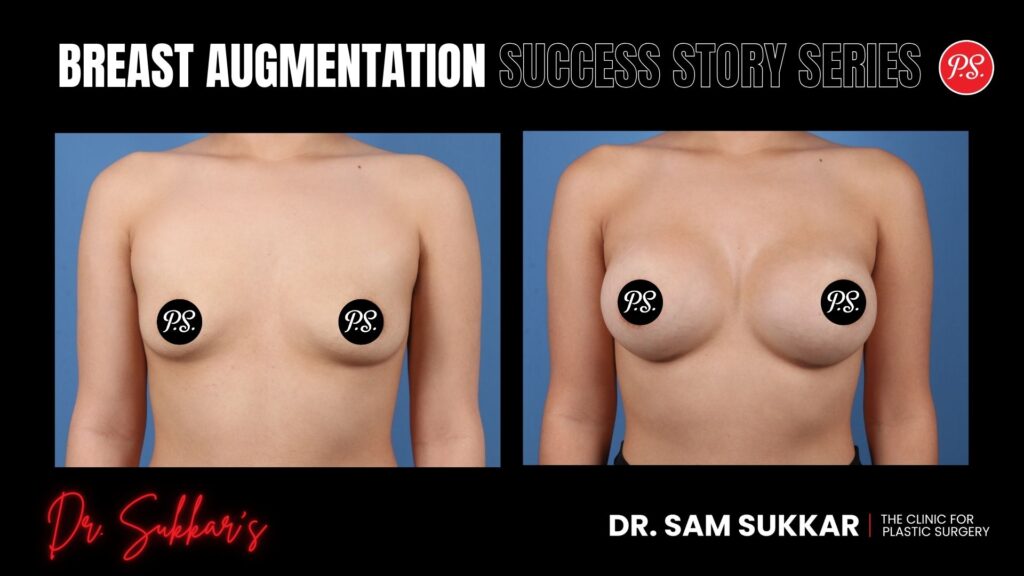
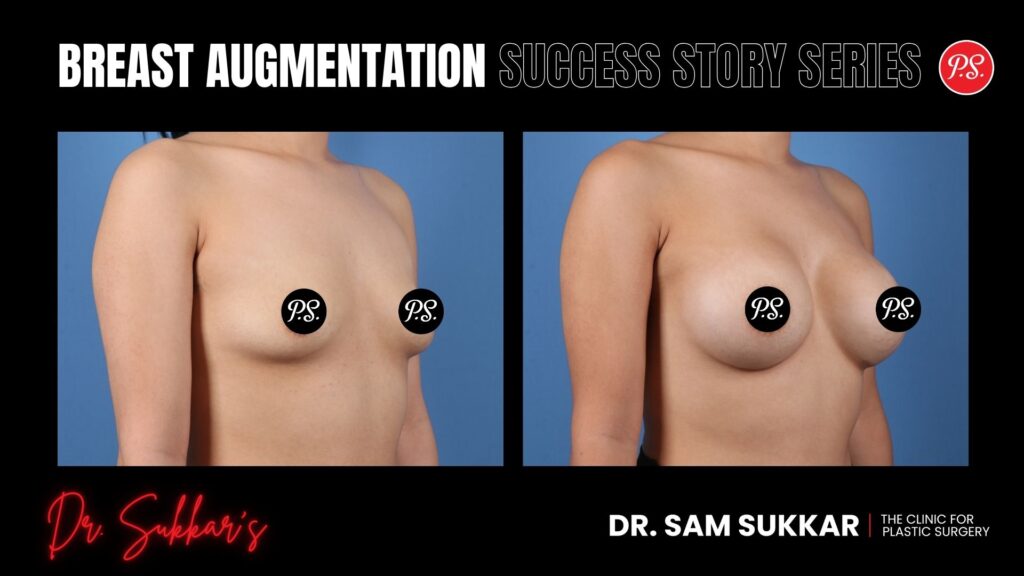
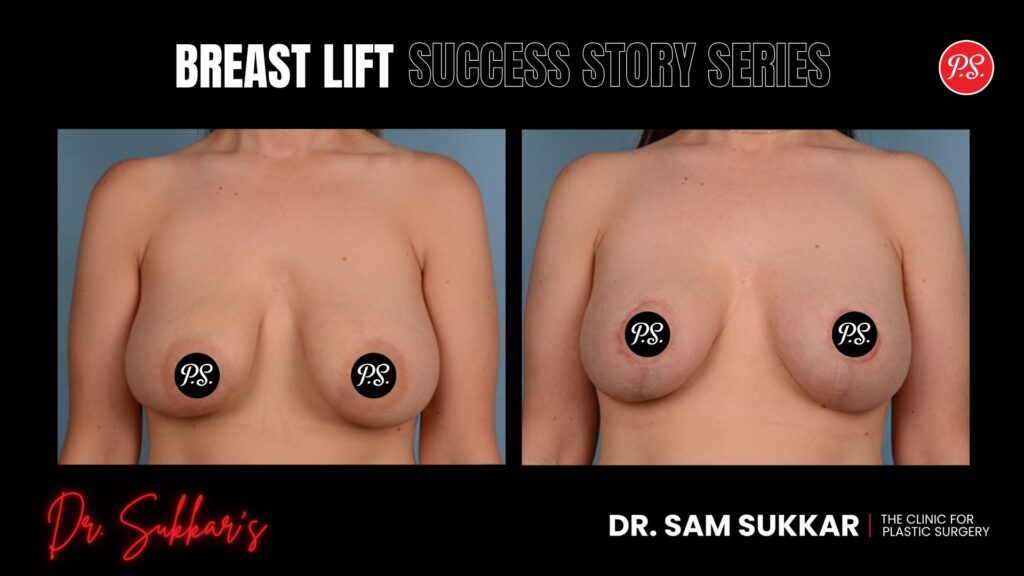
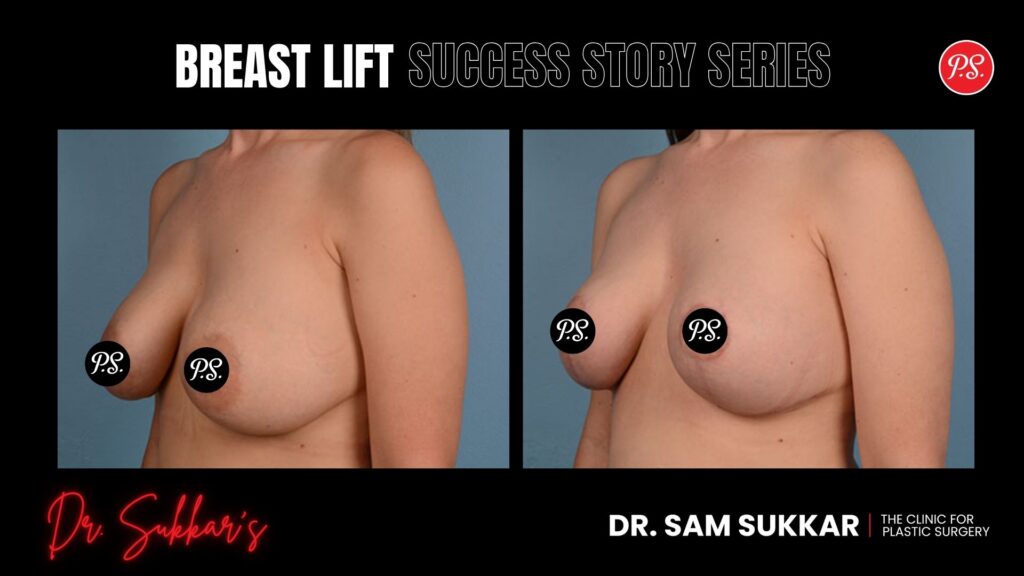
Breast Lift Recovery Time Guide: Houston Plastic Surgery

Thinking about a breast lift can bring both excitement and questions. Dr. Sam Sukkar, a board-certified plastic surgeon in Houston, offers expert care that guides patients through every stage of the process. Knowing what recovery looks like from day one helps set clear expectations and makes the healing journey less stressful.

His approach focuses on safety, comfort, and realistic timelines. From the first day after surgery to the weeks that follow, he provides clear instructions and support so patients can heal with confidence. Each stage of recovery comes with changes in activity levels, appearance, and comfort, and understanding these steps can help avoid surprises.

Key Takeaways of Breast Lift Recovery Time

  • Breast lift recovery happens in stages, with early focus on rest, swelling control, and incision protection before resuming normal activities.
  • Wearing a surgical bra or compression garment consistently helps maintain breast shape and reduces swelling during the first several weeks.
  • Following pain-management guidelines and avoiding heavy lifting or strenuous activity is critical to prevent complications and protect healing tissue.
  • Regular follow-up visits with a board-certified plastic surgeon ensure proper wound care, scar management, and timely clearance for more activity.
  • Full breast lift surgery results, including scar fading and final breast position, may take several months to appear, so patience and consistent care are key to long-term satisfaction.

Breast Lift Procedure Recovery

A breast lift, or mastopexy procedure, changes the position and shape of sagging breasts by removing extra skin and tightening the surrounding tissue. Recovery involves wound care, activity restrictions, and follow-up visits to ensure proper healing and lasting results. The type of surgery, the patient’s health, and the surgeon’s skill all affect the recovery process.

What Is a Breast Lift Cosmetic Surgery

A breast lift is a surgical procedure that raises and reshapes the breasts. The medical term for this surgery is mastopexy. It often corrects sagging breast skin caused by aging, pregnancy, breastfeeding, or weight changes.

During surgery, the surgeon removes excess skin, breast tissue and may reposition the nipple and areola for a more natural look. Unlike breast augmentation, a lift does not add volume with implants, though it can be combined with them.

How Breast Lift Recovery Differs from Other Breast Surgeries

Breast lift recovery is often different from implant-based surgery because the focus is on skin and tissue repositioning rather than placing a foreign object. This can mean less chest muscle discomfort but more attention to skin healing.

Swelling, bruising, and mild discomfort are common in the first two weeks. Most patients can return to light activities within 7–10 days, but strenuous exercise should wait 4–6 weeks.

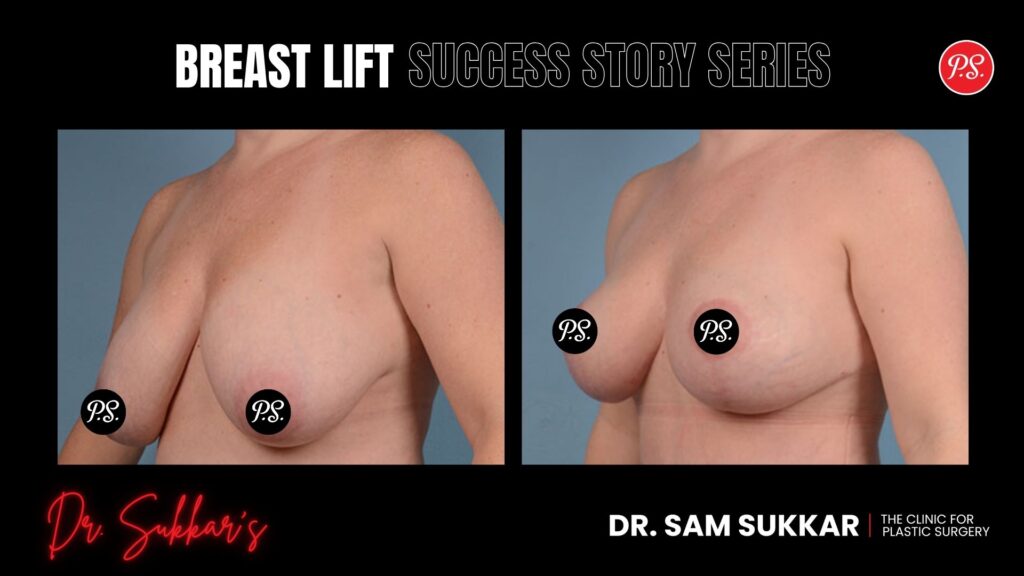
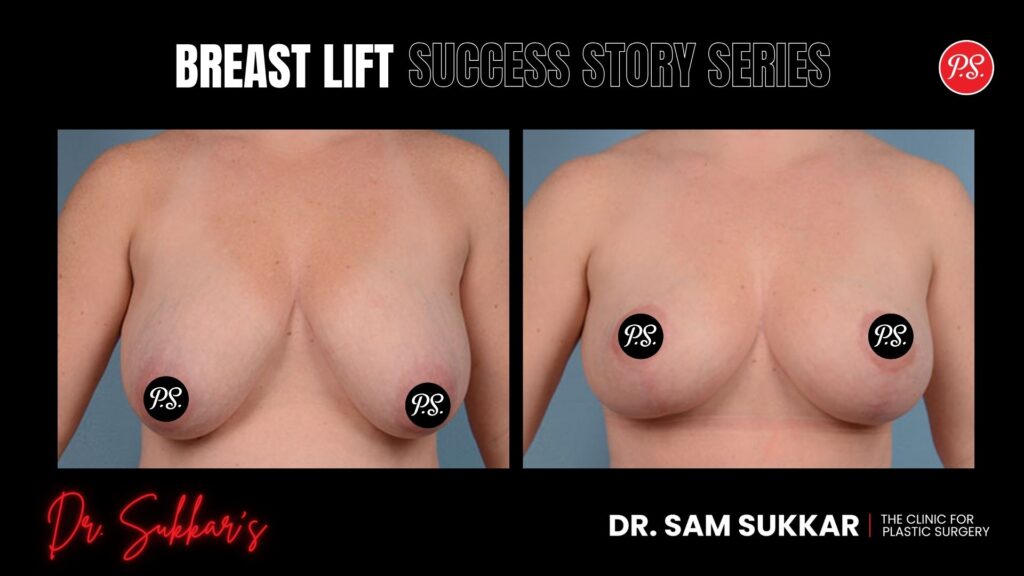
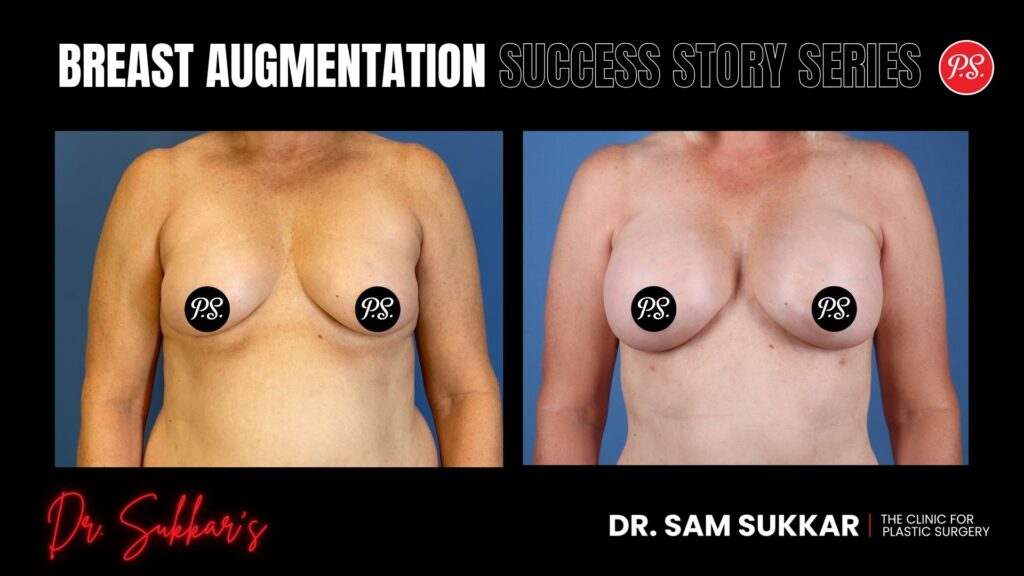
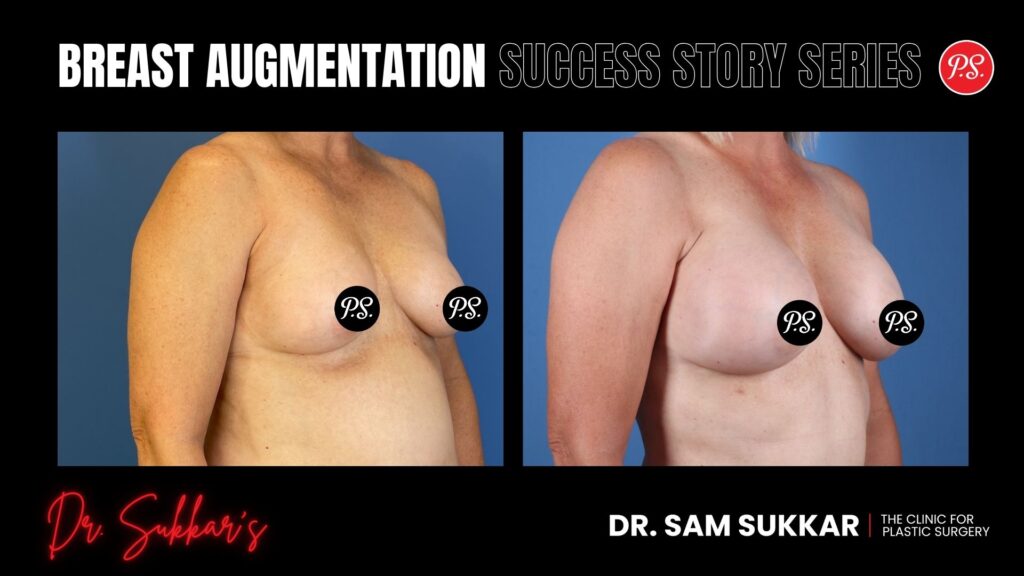
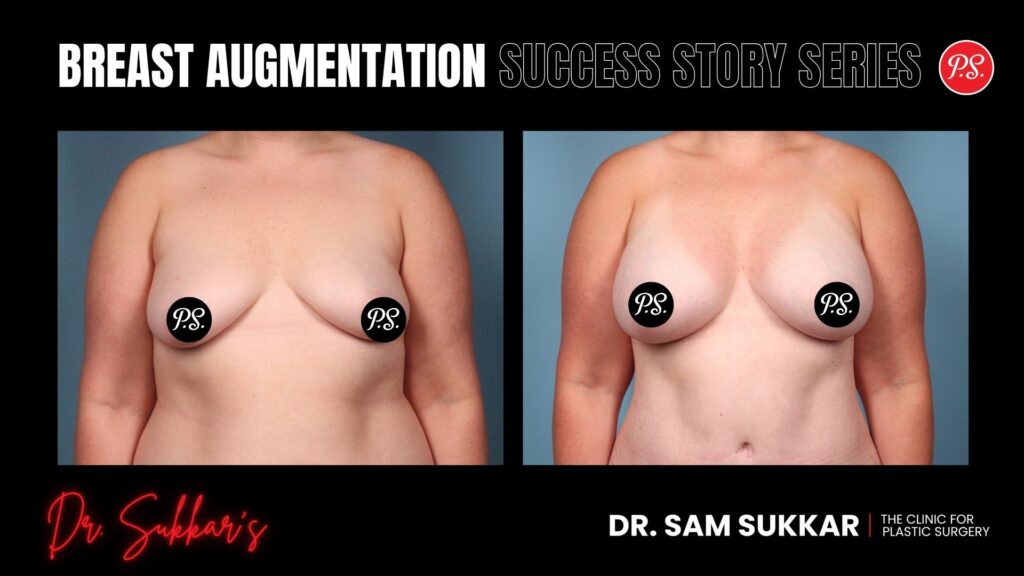
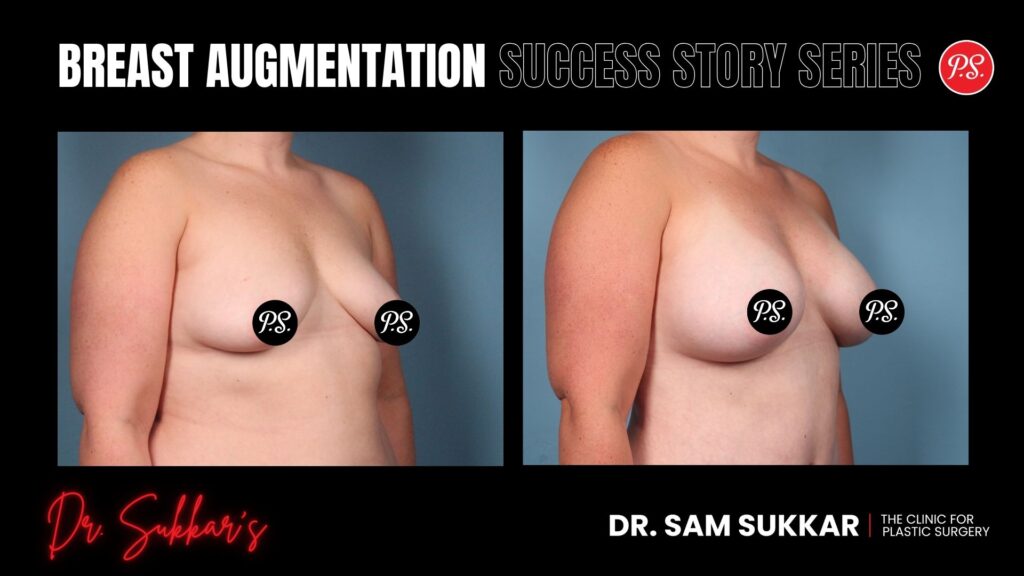
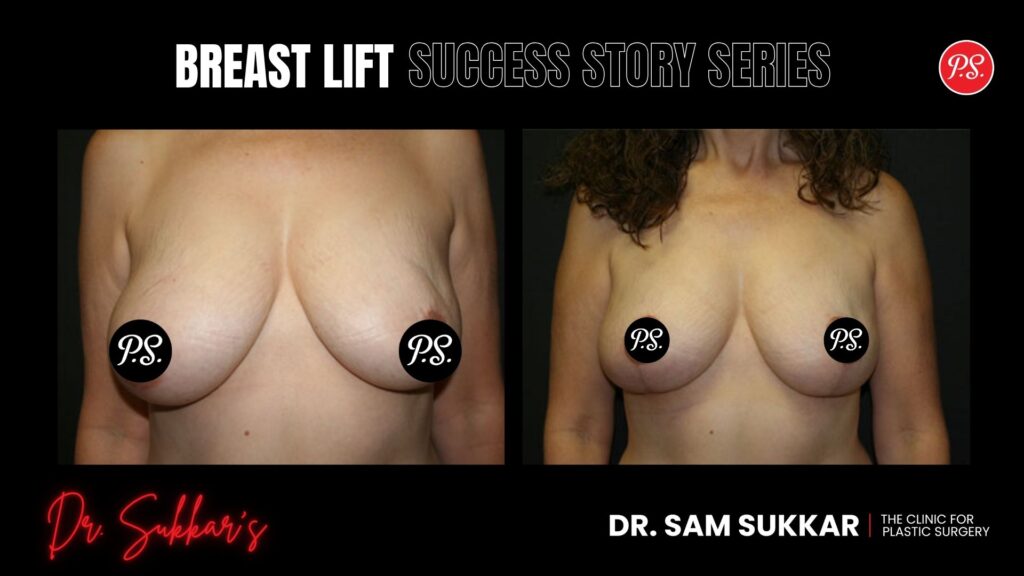
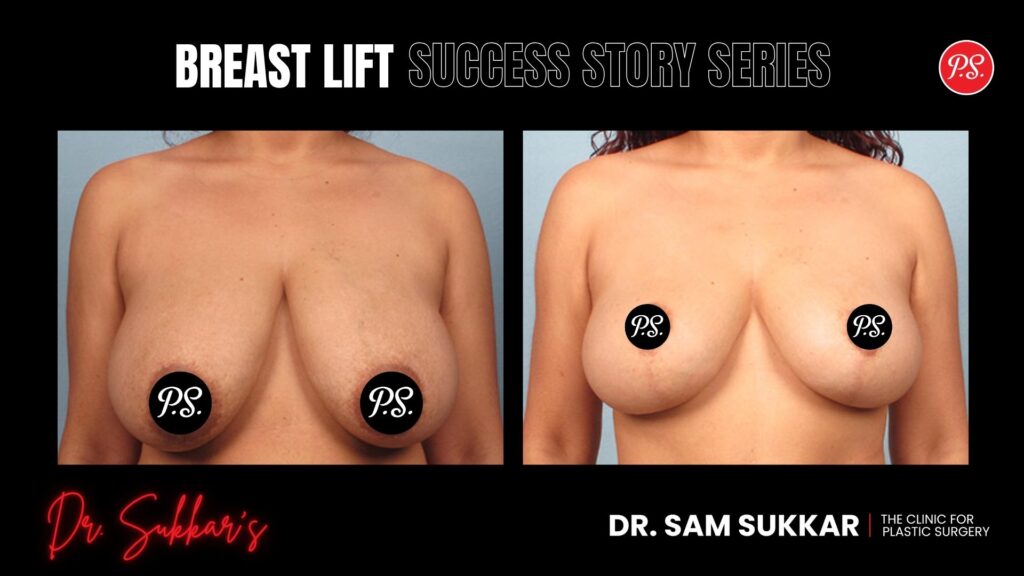
Unlike after augmentation, patients may notice immediate changes in breast position, though final breast lift results take months to settle. Scar care is important, as mastopexy involves incisions that may be more visible than those from some other breast surgeries.

The Role of a Board-Certified Plastic Surgeon

Choosing a board-certified plastic surgeon is key to a safe and successful breast lift recovery. Certification ensures the surgeon has specialized training, meets professional standards, and stays current with surgical techniques.

A skilled surgeon like Dr. Sukkar provides clear pre- and post-operative instructions, monitors healing, and addresses concerns quickly. They also tailor the recovery plan to the patient’s needs, which can improve comfort and results.

Board-certified surgeons use proven methods to reduce risks, manage scars, and achieve natural-looking outcomes. Patients benefit from consistent follow-up care and guidance, which supports both short-term healing and long-term satisfaction.

Breast Lift Recovery Timelines: What to Expect Immediately After Surgery

Right after a breast lift, the patient can expect close medical monitoring, a focus on comfort, and steps to protect the surgical area. The body begins the healing process quickly, and proper support and care in this stage help reduce swelling and protect the results.

Initial Recovery Room Experience

After surgery, the patient is moved to a recovery room where nurses monitor vital signs like heart rate, blood pressure, and oxygen levels. They may still feel groggy from anesthesia and could experience mild chills or drowsiness. Staff will keep them warm and comfortable.

A surgical bra or compression garment is usually placed before they wake up. This garment helps support the breasts, reduce movement, and minimize swelling. Patients often have small surgical drains in place to drain excess blood. The surgeon or nurse will explain how these work and when they may be removed. Before leaving, the care team provides written instructions, including medication schedules and how to care for the surgical site.

The First Week of Breast Lift Recovery

During the first week, most patients focus on controlling swelling, protecting their incisions, and avoiding movements that could strain healing tissue.

Pain Management and Medications

Pain and tightness are common in the first few days after surgery. The chest area may feel sore, especially when moving or standing up. Surgeons often prescribe pain medication for the first few days. Over-the-counter options may follow once discomfort becomes milder. Patients should take all medications exactly as directed to avoid side effects or reduced effectiveness.

Cold compresses can also help with swelling, but they should never be placed directly on the skin. The first week of breast lift recovery is often easier when patients wear their surgical bra or compression garment at all times, except when showering.

It is important to avoid anti-inflammatory drugs unless the surgeon approves, as they may increase the risk of bleeding. Staying hydrated and eating light, balanced meals can also help the body manage discomfort.

Caring for Incisions and Dressings

Breast incisions are usually covered with sterile dressings for the first several days. These keep the area clean and reduce the chance of infection. The surgeon may change the dressings at the first follow-up visit or advise the patient on how to do it at home. Hands should always be washed before touching the incision sites.

Patients should avoid applying creams, ointments, or powders unless recommended. The surgical bra or compression garment should fit snugly but not cause skin irritation. This garment helps limit swelling and supports the breasts while they heal. Mild bruising and swelling are normal. However, redness, warmth, or unusual drainage should be reported to the surgeon right away.

Activity Restrictions and Movement

For the first week, most patients are advised to rest and avoid lifting anything heavier than a few pounds. Raising the arms above shoulder level can strain the incisions and delay healing.

Short, gentle walks around the house can improve circulation and lower the risk of blood clots. These should be slow and limited to a few minutes at a time.

Driving is not recommended until the patient is off prescription pain medication and can move comfortably without straining the chest. The early recovery period is also not the time for exercise or household chores that require bending, pushing, or pulling. Sleeping on the back with the upper body slightly elevated can reduce swelling and protect the surgical site during rest.

Monitoring for Complications

Even as discomfort fades, patients should watch for signs of problems. Redness, swelling that worsens, or unusual discharge from incisions may indicate infection.

Uneven breast shape, severe pain, or sudden changes in size could signal issues like fluid buildup. If any of these occur, contacting the surgeon right away is important.

Keeping track of healing with photos can help both the patient and the surgeon spot changes over time. This proactive approach supports a smoother breast lift recovery and reduces the risk of setbacks.

Weeks 2–6: Healing and Resuming Activities

During this period, swelling and bruising usually lessen, and energy levels begin to improve. Many patients can return to light work and daily routines, but they still need to protect the surgical results and avoid heavy strain.

Follow-Up Appointments

Follow-up visits with the Houston plastic surgeon help track healing progress and address any concerns. These appointments often include:

  • Incision checks to ensure proper closure
  • Suture removal if non-dissolvable stitches were used
  • Scar care guidance to support better healing

Patients may also receive updates on when they can stop wearing a surgical bra. Surgeons like Dr. Sukkar often adjust recovery instructions based on how the tissues respond.

Short, regular visits during this stage can help detect early signs of infection or delayed healing. They also give patients the chance to ask about activity limits, scar treatments, and massage techniques if recommended.

Gradual Return to Daily Tasks

By week two after breast lift procedure, many people can resume desk work or other non-strenuous jobs. Light household chores may be possible, but lifting anything over 10 pounds should be avoided until cleared by the surgeon.

Walking is encouraged to improve circulation, but high-impact exercise should wait until at least week six. Patients should continue wearing a supportive bra day and night to reduce strain on healing tissues.

Long-Term Care and Results

Patients often see changes in breast shape and firmness for months after surgery. Proper care during this time can help scars fade, skin stay healthy, and results last longer. Lifestyle choices, follow-up visits, and knowing when to seek further treatment all play a role in maintaining the outcome.

Scar Management and Skin Care

Scars from a breast lift, breast augmentation, or breast reduction usually improve over time but never disappear completely. The location and size of scars depend on the surgical technique. Daily skin care can make a difference. Patients often use silicone sheets or gels to help scars soften and flatten. Gentle massage, once cleared by the surgeon, may also improve scar texture.

Sun protection is important. UV rays can darken scars, making them more visible. Wearing SPF 30 or higher on the chest area, even under clothing, can help.

Some patients consider professional treatments like laser therapy or microneedling if scars remain raised or textured after several months. Dr. Sukkar’s team may recommend these options based on healing progress.

Maintaining Results After Recovery

Long-term results from a breast lift depend on skin elasticity, weight stability, and overall health. Significant weight gain or loss can change breast shape and undo some of the surgical improvements. Wearing a supportive bra, especially during exercise, reduces strain on breast tissue. This support helps maintain the lift and shape achieved during surgery.

Healthy habits such as balanced nutrition, regular activity, and avoiding smoking can also protect results. Smoking can weaken skin and slow healing. Regular follow-up visits with the surgeon allow early detection of changes. Ongoing monitoring helps ensure the breasts continue to look and feel their best.

Frequently Asked Questions About Breast Lift Recovery Time Guide: Houston Plastic Surgery

What can I expect during my recovery period after a breast lift?

Most patients experience swelling, bruising, and mild discomfort in the first weeks. They usually wear a surgical bra to support the breasts and reduce movement. Follow-up visits with the surgeon help track healing progress.

How long does it typically take to fully recover from a breast lift surgery?

Initial healing often takes 4 to 6 weeks, but full recovery can take several months. Swelling and scar changes may continue during this time.

Are there any specific post-operative care instructions I should follow after my breast lift?

Patients are often told to avoid heavy lifting and strenuous exercise for several weeks. Keeping the incision area clean and dry is important. Wearing the recommended support garment helps maintain shape and comfort.

What are the signs of complications I should watch out for during my breast lift recovery?

Warning signs can include increased redness, warmth, or swelling around the incision. Persistent pain, fluid leakage, or fever may also indicate a problem. Contacting the surgeon quickly can help address issues early.

How much is a breast lift surgery in Houston, TX?

A breast lift in Houston typically costs $9,000 to $13,000, with the price depending on the type of lift, the surgeon’s experience, anesthesia, and facility fees. When combined with a type of augmentation with implants, the cost can range from $11,000 to $17,500 depending on the type of implant. Many practices, including Dr. Sukkar’s, offer financing options through Cherry Financing to make treatment more accessible.

Conclusion and Summary of Breast Lift Recovery Time Guide: Houston Plastic Surgery

Recovering from a breast lift is a gradual process that requires patience, proper care, and clear guidance from a qualified surgeon. With Dr. Sam Sukkar’s structured approach and attentive follow-up care, patients can feel supported at every step, from the first day after surgery to the final scar-healing stage. Understanding what to expect helps patients stay on track, protect their results, and return to normal life with renewed confidence.

Your Premier Destination for Plastic Surgery in Houston, Texas (TX)

Are you located in one of these Houston Metro Area cities?

Houston, The Woodlands, Sugar Land, Katy, Pearland, Pasadena, League City, Baytown, Conroe, Cypress, Spring, Kingwood, Humble, Missouri City, Friendswood, Bellaire, Clear Lake, Tomball, Galveston, Richmond, Rosenberg, Stafford, La Porte, Deer Park, Seabrook, Webster, Alvin, and Channelview.

Board-Certified Plastic Surgeon Dr. Sam Sukkar, MD, FACS, and The Clinic for Plastic Surgery Team are here to help you achieve refined, natural-looking results.

Offering expert cosmetic enhancements in:

  • Breast Augmentation, Breast Lifts, and Breast Reduction
  • Tummy Tucks, Mommy Makeovers, and Liposuction
  • Facelifts, Neck Lifts, and Rhinoplasty
  • Body Contouring and Skin Tightening Procedures
  • Non-Surgical Aesthetic Treatments

Visit our modern 18,000+ sq.ft. luxurious plastic surgery center and med spa in Houston, Texas, where expertise meets artistry. Our highly skilled and compassionate team ensures a seamless experience, from consultation to recovery.

For patients outside of the Houston area or those with a busy schedule, Schedule a Virtual Consultation.

Schedule your personalized consultation today at DrSukkar.com or call (281) 940-1535.

About the Author – Meet Dr. Sam Sukkar, MD
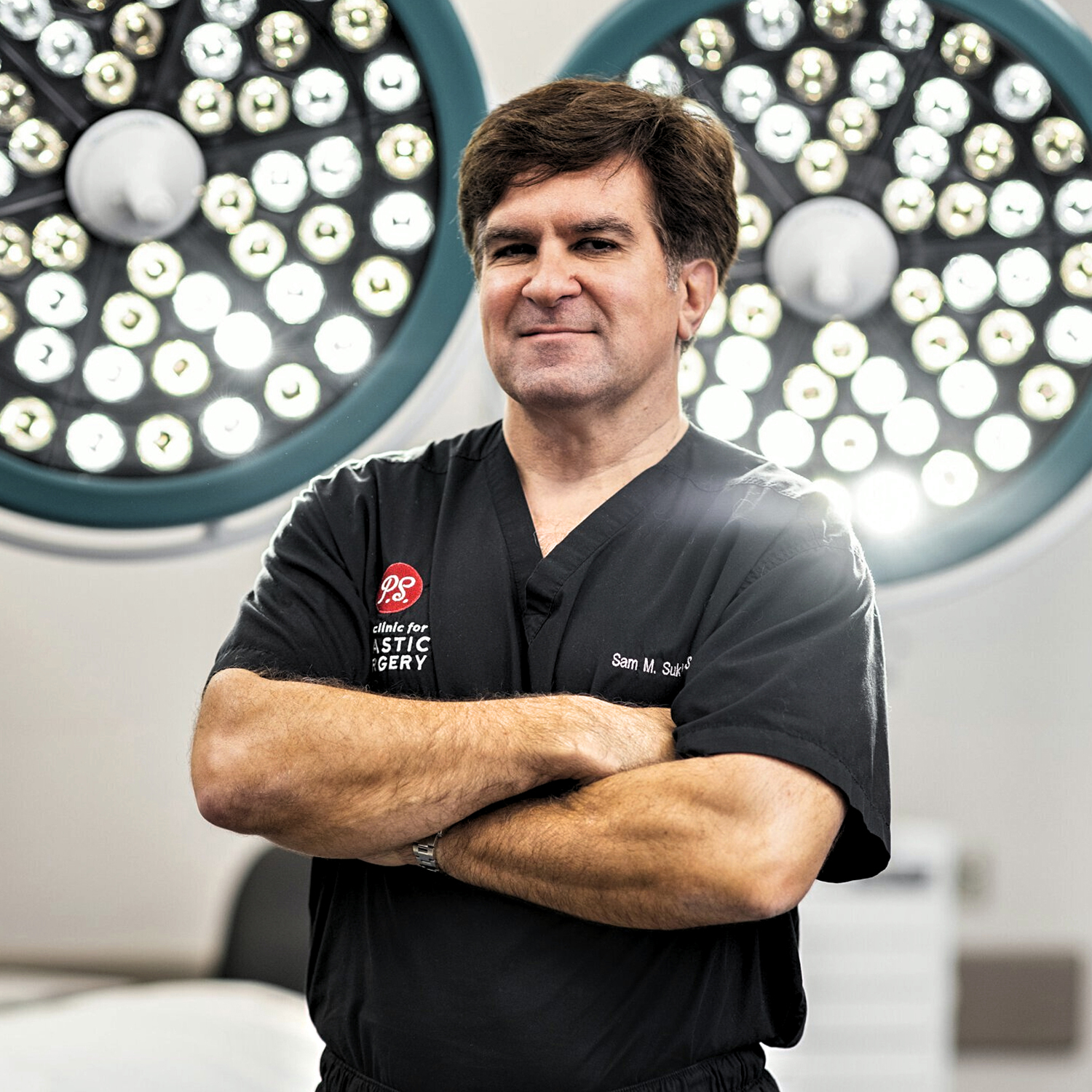
Dr. Sam Sukkar, MD, FACS is a highly respected Board-Certified Plastic Surgeon in Houston, Texas, known for his expertise in advanced cosmetic and reconstructive procedures. As the founder of The Clinic for Plastic Surgery, Dr. Sukkar has set a new standard for excellence, performing over 20,000 procedures with a focus on delivering natural, refined results.

Dr. Sukkar earned his Doctor of Medicine (M.D.) degree from Louisiana State University School of Medicine in 1992 after graduating summa cum laude with a Bachelor of Science in Microbiology. He then completed an intensive General Surgery Residency at the University of Texas Hermann Hospital before being selected for a highly competitive Plastic Surgery Fellowship at Northwestern University in Chicago, one of the most prestigious training programs in the country.

With more than 20 years of experience, Dr. Sukkar is a Diplomate of the American Board of Plastic Surgery and a Fellow of the American College of Surgeons (FACS). He is also an active member of the American Society of Plastic Surgeons (ASPS) and the Houston Society of Plastic Surgery (HSPS). His dedication to innovation and continuing education has solidified his reputation as a leading expert in aesthetic surgery, specializing in breast surgery, body contouring, facial procedures, and non-invasive treatments.

Dr. Sukkar’s expertise has been recognized by Houston Magazine, naming him one of Houston’s “Top Docs for Women,” and he has been featured among RealSelf’s America’s Top Doctors. Committed to his patients, he prioritizes personalized care, ensuring every individual feels informed, comfortable, and confident in their aesthetic journey.

Contact Dr. Sukkar today to schedule a consultation, visit DrSukkar.com to learn more, or call us directly at (281) 940-1535.

Teardrop Breast Implants: Benefits and What to Expect

Teardrop breast implants offer a shape that closely follows the natural curve of the breast, with more fullness at the bottom and a gentle slope toward the top. They provide a subtle, natural-looking enhancement that blends well with the body’s proportions. Many choose them for a softer, less rounded appearance compared to traditional round implants.

These implants, also called anatomical implants, can be a good choice for those with less natural breast tissue or those seeking a balanced, proportionate look. The teardrop shape can work well for both cosmetic augmentation and breast reconstruction, offering a result that feels tailored to the individual’s body.

Key Takeaways of Teardrop Breast Implant Surgery

  • Teardrop breast implants are designed to mimic the natural slope of the breast, offering a softer, more anatomical look compared to round implants.
  • They are ideal for patients with little natural breast tissue or those who want a proportionate and understated appearance without pronounced upper pole fullness.
  • Most teardrop breast implants feature a textured surface to prevent rotation, which is important for maintaining their shape and aesthetic outcome during breast augmentation.
  • Because they are usually filled with cohesive silicone gel, regular imaging like MRI or ultrasound is recommended to detect silent ruptures.
  • Choosing between teardrop and round implants depends on anatomy, desired look, and surgical goals, making a detailed discussion with a board-certified surgeon is essential.

What Are Teardrop Shape Breast Implants?

Teardrop breast implants are a type of breast implant shape designed to closely match the slope and contour of a natural breast. They are often chosen by people who want a more subtle enhancement rather than a rounder, fuller look at the top of the breast.

Unique Shape and Design

The teardrop shape is fuller at the bottom and gently tapers toward the top. This mimics the way natural breasts project, with most of the volume sitting in the lower half.

Because of this design, they are sometimes called anatomical implants. The goal is to create breast contours that blend smoothly with the chest wall and avoid an overly round appearance.

Unlike round implants, teardrop breast implants can also help correct mild sagging by adding volume where natural tissue is lacking. Some patients choose them for breast reconstruction after mastectomy because the shape can restore a more realistic breast profile.

Materials and Fill Options

Teardrop breast implant shape are most often filled with cohesive silicone gel. This gel holds its shape well, which is important for maintaining the tapered contour.

Some people refer to these as gummy bear implants because the gel is thicker and less likely to leak if the shell breaks. Saline-filled teardrop implants are less common because saline does not keep the anatomical shape as well as silicone.

The outer shell is usually made from silicone elastomer. Different firmness levels are available, which can affect how the implant feels to the touch. Patients often choose the fill type based on how natural they want the breast to feel and how much they value shape stability.

Textured Surface Features

Most teardrop breast implants have a textured shell. This roughened surface helps the implant adhere to surrounding tissue, reducing the risk of rotation. A stable position is important because even a small shift can change the breast’s appearance. Texturing also encourages tissue growth around the implant, which can help keep it in place.

However, textured surfaces have been linked to a rare condition called BIA-ALCL (Breast Implant-Associated Anaplastic Large Cell Lymphoma). Patients should discuss these risks with their surgeon before choosing this option.

Some newer designs use microtexturing or alternative surface patterns to balance stability with safety. The choice often depends on anatomy, surgical technique, and personal preference.

Teardrop vs. Round Breast Implants Plastic Surgery

Teardrop and round breast implants differ in shape, how they sit in the breast, and the type of results they can create. The choice between them often depends on a person’s body type, desired look, and whether they need lifting in addition to added volume.

Key Differences in Shape

Teardrop breast implants have a sloped contour, with more volume at the bottom and less at the top. This shape is designed to mimic the natural shape curve of the breast.

Round breast implants are symmetrical and circular. They provide equal fullness across the top and bottom, which can create a more lifted and prominent upper breast.

Teardrop implants may require a textured surface to help keep them in place, while round implants can be smooth or textured without affecting appearance if they shift.

Visual Outcomes and Aesthetic Results

Teardrop implants can give a more natural breast shape, especially for those with little existing tissue. They tend to create a gentle slope and less upper breast fullness.

Round implants often produce more cleavage and upper pole fullness, which can enhance the appearance of lift. Teardrops may correct mild sagging without a breast lift, but more significant sagging may still need surgery.

For women seeking a subtle, anatomical look, teardrops may be preferred. Those wanting a fuller, rounder appearance often choose round implants, especially if they want more visible results in fitted clothing or swimwear.

Suitability for Different Body Types

Body proportions, chest width, and existing breast tissue play a big role in implant choice. Teardrop implants may suit women with smaller breasts or a narrow chest, as the sloped shape can blend more naturally with their frame. They can also help those with mild sagging who want a lift without extra surgery.

Round implants may work well for women with fuller natural tissue or those who want a more noticeable enhancement. Round shapes can create a perkier look even without a lift, especially for athletic or broader builds. The best choice often comes down to the balance between desired shape, natural anatomy, and surgical goals.

Benefits of Teardrop Breast Implants

Teardrop breast implants are shaped to mimic the natural slope of the breast, offering a more anatomical contour. They can help patients achieve a balanced profile, especially when enhancing smaller breasts or restoring volume after weight loss or pregnancy.

Natural-Looking Results

Teardrop breast implants, also called anatomical implants, are fuller at the bottom and taper toward the top. This shape closely matches the natural breast shape, making them a popular choice for those who want subtle enhancement.

Because of their design, they can blend more seamlessly with existing breast tissue. This is especially helpful for women with less natural breast volume, as the implant’s slope avoids a round, high-profile look. Many patients choose them during breast enhancement when they want results that are less obviously surgical. The shape can also help create symmetry if one breast is smaller or sits differently than the other.

Enhanced Lower Pole Projection

The “lower pole” refers to the bottom half of the breast. Teardrop implants provide greater projection in this area compared to round implants, which distribute volume evenly.

This projection helps create a gentle curve from the chest wall to the nipple, which can improve the overall breast profile. It can also make clothing fit more naturally without creating a pronounced upper fullness.

For patients seeking a proportionate look, the teardrop shape can enhance the lower breast without making the top appear overly full. This can be ideal for those aiming for a refined, understated contour.

Long-Term Aesthetic Outcomes

Teardrop implants are often made with a firmer gel and a textured surface. This design helps them hold their shape over time and reduces the risk of rotation inside the breast pocket.

Maintaining shape is important for preserving the intended contour, especially since rotation could distort the natural slope. The firmer structure also lowers the chance of visible rippling in patients with thin breast tissue.

The texture may also help reduce the likelihood of capsular contracture, a condition where scar tissue tightens around the implant. This can contribute to stable, long-lasting results.

Potential Drawbacks and Risks

Teardrop breast implants can provide a natural contour, but they also have unique risks that may affect appearance, comfort, and long-term results. Some issues are specific to their shape and structure, while others are shared with other implant types but may occur differently.

Implant Rotation and Shape Distortion

Because teardrop breast implants have an angled, anatomical shape, their position matters. If the implant rotates inside the breast pocket, the slope can shift, creating an uneven or unnatural look.

Rotation can happen due to loose tissue support, trauma to the chest, or improper healing after surgery. Even small movements may be noticeable because the implant is not symmetrical like a round implant.

Correction often requires surgery to reposition or replace the implant. Some surgeons use textured surfaces to help the implant stay in place, but these can carry other risks. Patients should discuss rotation prevention methods during their consultation.

Detection of Leaks and Ruptures

Teardrop implants are usually filled with cohesive silicone gel, which is thicker than saline. This helps them hold their shape but can make leaks harder to detect without imaging tests like MRI or ultrasound.

A silent rupture may not cause visible changes at first. Over time, subtle changes in shape or firmness can appear, but these may be mistaken for normal aging of the breast.

Routine monitoring is important to catch problems early. The FDA recommends regular imaging for silicone implants, regardless of shape. Patients should factor in these follow-up costs and time commitments when choosing their implant type.

Capsular Contracture Considerations

Capsular contracture happens when scar tissue around the implant tightens, making the breast feel hard or look distorted. It can occur with any implant, but some surgeons believe the textured shell of many teardrop implants may slightly reduce the risk.

However, textured surfaces have been linked to rare complications, including a type of lymphoma called BIA-ALCL. This risk is low but worth discussing before surgery.

The Breast Augmentation Surgery Process

Breast augmentation surgery with teardrop implants involves several important steps. Each stage focuses on safety, accurate sizing, and achieving a natural breast shape that matches the patient’s goals.

Consultation With a Plastic Surgeon

The process starts with a meeting between the patient and a board-certified plastic surgeon. During this consultation, the surgeon reviews the patient’s medical history, current health, and desired outcome.

They often use 3D imaging or sample implants to help the patient visualize possible results. Measurements of chest width, breast tissue, and skin elasticity guide the choice of implant size and projection.

Patients also discuss the differences between round and teardrop breast implants, including the more natural contour of teardrop shapes. The surgeon explains surgical risks, recovery expectations, and incision options. This is also the time for patients to ask questions about implant placement (above or below the muscle), anesthesia type, and potential complications. A clear treatment plan is created before surgery is scheduled.

Surgical Procedure Overview

On the day of surgery, the patient receives anesthesia to ensure comfort. Most procedures take 1–2 hours, depending on the surgical method and implant placement.

The plastic surgeon makes a small incision, often in the inframammary fold (under the breast), around the areola, or in the armpit. For teardrop implants, precise positioning is important to maintain the natural slope of the breast.

The surgeon creates a pocket in the breast tissue, either above or below the chest muscle, and inserts the implant. The implant is adjusted for symmetry and alignment before the incision is closed with sutures. A surgical dressing or support bra is applied to reduce swelling and help the implants settle. Patients usually go home the same day unless additional monitoring is needed.

Recovery and Aftercare

Recovery time varies, but most patients can return to light activities within a week. Swelling, bruising, and mild discomfort are common in the first few days. Surgeons often recommend wearing a supportive bra for several weeks. Patients should avoid heavy lifting, strenuous exercise, and sleeping on the stomach until cleared by their doctor.

Follow-up visits allow the board-certified plastic surgeon to check healing and implant position. Proper aftercare helps maintain the shape and longevity of teardrop implants. Some patients notice final results after several months, once swelling fully subsides and the implants settle into place.

Frequently Asked Questions About Teardrop Breast Implants: Benefits and What to Expect

What are the benefits of choosing teardrop-shaped implants for breast augmentation?

Breast augmentation surgery with teardrop implants, also called anatomical implants, are fuller at the bottom and taper toward the top. This shape can mimic the natural slope of the breast. Many people choose them to achieve a subtle enhancement that blends well with their body shape.

How do teardrop implants compare to round implants in terms of appearance?

Round implants tend to add more fullness to the upper breast, which can create a more lifted look. Teardrop implants provide a gentler slope, which can look more like a natural breast shape.

What should I expect during the recovery process after getting teardrop implants?

Most people experience swelling, bruising, and mild discomfort for the first few weeks. Light activities can usually resume within a week, but strenuous exercise should wait for several weeks. The surgeon will provide specific aftercare instructions to help healing.

Are there specific risks associated with teardrop breast implants?

One unique risk is implant rotation, which can change the breast shape if the implant shifts. To reduce this risk, teardrop implants usually have a textured surface. Other risks, such as infection or capsular contracture, are similar to those of round implants.

How long do teardrop implants typically last before they need to be replaced?

Most implants, including teardrop-shaped ones, last 10 to 20 years before replacement may be needed. Replacement can be due to wear, rupture, or changes in personal preference. Regular check-ups can help detect issues early.

Conclusion and Summary of Teardrop Breast Implants: Benefits and What to Expect

Teardrop breast implants offer a refined and natural-looking option for women seeking breast enhancement or reconstruction. Their anatomical design allows for a soft slope and fuller lower pole, creating a result that blends seamlessly with the chest’s natural contour.

While they provide excellent long-term shape retention and can address mild sagging, patients should carefully consider potential risks. A thorough consultation with a board-certified plastic surgeon is the best way to determine if teardrop implants are the right choice based on body type, lifestyle, and aesthetic goals.

Your Premier Destination for Plastic Surgery in Houston, Texas (TX)

Are you located in one of these Houston Metro Area cities?

Houston, The Woodlands, Sugar Land, Katy, Pearland, Pasadena, League City, Baytown, Conroe, Cypress, Spring, Kingwood, Humble, Missouri City, Friendswood, Bellaire, Clear Lake, Tomball, Galveston, Richmond, Rosenberg, Stafford, La Porte, Deer Park, Seabrook, Webster, Alvin, and Channelview.

Board-Certified Plastic Surgeon Dr. Sam Sukkar, MD, FACS, and The Clinic for Plastic Surgery Team are here to help you achieve refined, natural-looking results.

Offering expert cosmetic enhancements in:

  • Breast Augmentation, Breast Lifts, and Breast Reduction
  • Tummy Tucks, Mommy Makeovers, and Liposuction
  • Facelifts, Neck Lifts, and Rhinoplasty
  • Body Contouring and Skin Tightening Procedures
  • Non-Surgical Aesthetic Treatments

Visit our modern 18,000+ sq.ft. luxurious plastic surgery center and med spa in Houston, Texas, where expertise meets artistry. Our highly skilled and compassionate team ensures a seamless experience, from consultation to recovery.

For patients outside of the Houston area or those with a busy schedule, Schedule a Virtual Consultation.

Schedule your personalized consultation today at DrSukkar.com or call (281) 940-1535.

About the Author – Meet Dr. Sam Sukkar, MD

Dr. Sam Sukkar, MD, FACS is a highly respected Board-Certified Plastic Surgeon in Houston, Texas, known for his expertise in advanced cosmetic and reconstructive procedures. As the founder of The Clinic for Plastic Surgery, Dr. Sukkar has set a new standard for excellence, performing over 20,000 procedures with a focus on delivering natural, refined results.

Dr. Sukkar earned his Doctor of Medicine (M.D.) degree from Louisiana State University School of Medicine in 1992 after graduating summa cum laude with a Bachelor of Science in Microbiology. He then completed an intensive General Surgery Residency at the University of Texas Hermann Hospital before being selected for a highly competitive Plastic Surgery Fellowship at Northwestern University in Chicago, one of the most prestigious training programs in the country.

With more than 20 years of experience, Dr. Sukkar is a Diplomate of the American Board of Plastic Surgery and a Fellow of the American College of Surgeons (FACS). He is also an active member of the American Society of Plastic Surgeons (ASPS) and the Houston Society of Plastic Surgery (HSPS). His dedication to innovation and continuing education has solidified his reputation as a leading expert in aesthetic surgery, specializing in breast surgery, body contouring, facial procedures, and non-invasive treatments.

Dr. Sukkar’s expertise has been recognized by Houston Magazine, naming him one of Houston’s “Top Docs for Women,” and he has been featured among RealSelf’s America’s Top Doctors. Committed to his patients, he prioritizes personalized care, ensuring every individual feels informed, comfortable, and confident in their aesthetic journey.

Contact Dr. Sukkar today to schedule a consultation, visit DrSukkar.com to learn more, or call us directly at (281) 940-1535.

How Much Is a Breast Lift in Houston, TX? See the Cost Breakdowns

Thinking about a breast lift in Houston can bring up a lot of questions, but cost is usually at the top of the list. In Houston, the average price for a breast lift ranges from about $9,000 to $13,000.

Why Does Pricing Vary So Much?

Breast lift pricing in Houston can differ significantly depending on several factors. The final cost is influenced by the patient’s anatomy, the technique required to achieve the desired result, the complexity of the lift, and the surgeon’s experience level. Facility fees, anesthesia, and additional procedures such as implants or fat transfer can also affect the total price.

The positive news is that The Clinic for Plastic Surgery offers convenient financing options (with approved credit), with monthly payments starting as low as $243. This makes it possible to schedule surgery now and spread the cost over time, making a breast lift more financially manageable.

Key Takeaways of How Much Is a Breast Lift in Houston, TX?

Breast Lift Cost in Houston, TX

In Houston, breast lift surgery prices vary based on the surgeon’s expertise, the type of procedure, and facility-related expenses. Patients often compare quotes to understand what is included, such as anesthesia, post-surgery care, and any additional treatments.

Average Price Range

The average cost of a breast lift in Houston typically falls between $9,000 and $13,000. This range covers standard mastopexy procedures without implants.

For patients combining a breast lift with implants, the price can increase to about $11,000–$17,500 depending on implant type and complexity. Some clinics, include surgeon’s fees, anesthesia, and facility costs in their estimates. Others list these separately, so it’s important to confirm what the quoted price covers.

Factors Affecting Cost

The breast lift price depends on several specific factors. Surgeon experience plays a major role, as highly skilled plastic surgeons often charge more for their expertise.

Facility type also matters. Accredited surgical centers or hospitals may have higher fees than office-based procedure rooms.

Other cost factors include:

  • Anesthesia fees (often $500–$1,000)
  • Pre-op tests and medical clearance
  • Post-surgery garments and medications
  • Procedure complexity (more extensive lifts take longer and cost more)

The technique used, such as a crescent, vertical, or anchor lift, can also impact the total cost of breast lift surgery.

Cost of Breast Lift Surgery vs. Value

While the cost of breast lift surgery is important, patients often weigh it against the quality of results and safety. Choosing a less experienced surgeon to save money may increase the risk of revision surgery, which can cost more in the long run.

Many patients see value in selecting board-certified surgeons who have proven results, even if their fees are higher. Clinics emphasize the importance of training, precision, and post-operative care when considering price.

Financing options, such as payment plans, can make higher-quality care more accessible without requiring full payment upfront. This allows patients to focus on both affordability and achieving the desired outcome.

What Is a Breast Lift (Mastopexy)?

A breast lift, or mastopexy, is a surgical procedure that raises and reshapes sagging breasts by removing extra skin and tightening the surrounding tissue. It can also reposition the nipples and areolas for a more balanced appearance. The surgery does not usually change breast size unless combined with breast augmentation (implants) or reduction.

How the Procedure Works

During a breast lift procedure, a plastic surgeon makes precise incisions to remove excess skin and reshape the breast tissue. The nipple and areola are moved to a higher position to match the lifted contour. In many cases, the surgeon also reduces the size of the areola if it has stretched over time. The breast is then reshaped for a firmer and more youthful look.

The surgery is typically performed under general anesthesia and takes about 2–3 hours. Recovery time varies, but most patients return to light activities within a week and resume normal routines in 4–6 weeks.

Types of Breast Lift Techniques

The choice of technique depends on breast shape, degree of sagging, and desired results. Common approaches include:

  • Anchor Lift: Around areola, vertical to crease, along crease. Best for women with significant sagging.
  • Lollipop Lift: Around areola and vertical to crease. Best for women with moderate sagging.
  • Donut Mastopexy: Circular around areola. Best for women with moderate sagging.
  • Crescent Lift: Small crescent above areola. Best for women with minimal sagging

A donut mastopexy works well for many women who only need a slight lift and minimal scarring. More advanced sagging often requires a lollipop or anchor lift for better shaping.

Choosing a Plastic Surgeon in Houston

Finding the right plastic surgeon in Houston involves checking their qualifications, background, and approach to patient care. Costs, results, and safety can vary widely depending on the surgeon’s training, skill, and communication style.

Importance of Board Certification

A board-certified plastic surgeon has completed specialized training in plastic and reconstructive surgery and passed rigorous exams. Many belong to the American Society of Plastic Surgeons (ASPS), which upholds strict ethical and safety standards. Patients can verify certification through the American Board of Plastic Surgery’s official website.

Board certification also shows that the surgeon stays updated with continuing education. This is important in a field where surgical techniques and safety guidelines change over time. Choosing a board-certified professional can reduce the risk of complications. It also increases the likelihood of achieving results that match the patient’s goals.

Experience and Specialization

Not all surgeons perform the same procedures with the same frequency. A surgeon who specializes in breast procedures may have more refined skills for a breast lift.

Patients should ask how many breast lifts the surgeon performs each year. High procedure volume often means more experience handling different breast shapes and challenges.

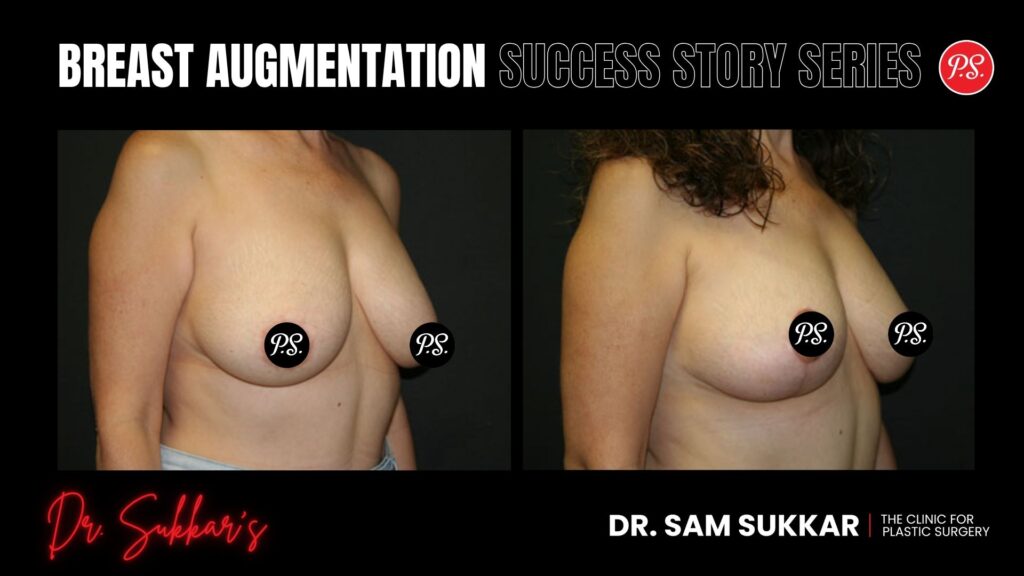
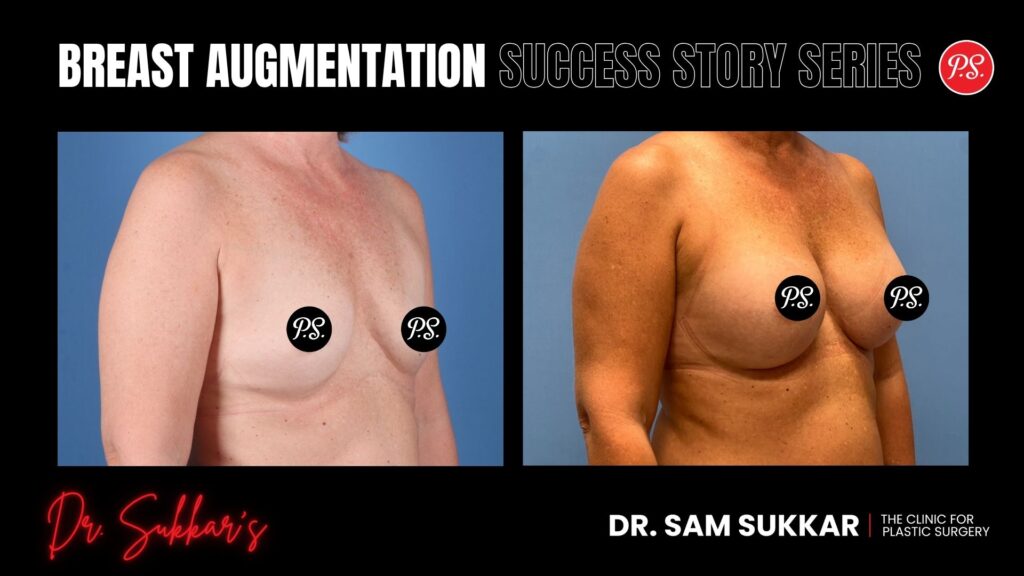
Reviewing before-and-after photos from previous breast lift patients can help set realistic expectations. These images should be of actual patients, not stock photos.

Consultation Process

The consultation is a key step in choosing the right surgeon. During this meeting, the surgeon evaluates the patient’s health, breast shape, and skin quality.

A good consultation should include a clear explanation of the procedure, recovery time, and potential risks. The surgeon should also discuss different surgical techniques and why one may be better suited for the patient’s needs.

Patients should feel comfortable asking questions about the surgeon’s training, complication rates, and revision policy. Many reputable Houston practices schedule consultations in a private setting, allowing patients to discuss concerns openly and review personalized treatment plans before making a decision.

Combining Breast Lift with Other Procedures

Some patients choose to address multiple areas during the same surgery to save recovery time and reduce overall costs. This can include adding volume with implants, tightening the abdomen, reshaping the arms or thighs, or using a fat transfer to enhance contour. Each option has its own benefits, risks, and recovery needs.

Breast Implants and Augmentation

A breast lift repositions and reshapes the breasts, but it does not increase size. For those wanting both lift and added volume, surgeons may recommend combining it with breast implants. This is called a lift with breast augmentation.

Implants can be saline or silicone, each offering different feel and appearance. The choice depends on the patient’s goals, anatomy, and surgeon’s advice.

Combining these procedures can address sagging and fullness in one surgery. This approach can create a more youthful and balanced look. Recovery time is usually similar to a lift alone, but patients should expect slightly more swelling.

Tummy Tuck and Body Contouring

Some patients choose to combine a breast lift with a tummy tuck surgery to improve both the chest and abdominal area. A tummy tuck removes excess skin and tightens abdominal muscles, which can be especially helpful after pregnancy or weight loss.

This combination is often part of a mommy makeover, which may also include liposuction for added contour. Doing both together means one anesthesia session and one recovery period.

However, recovery can be more challenging because both the chest and abdomen are healing at the same time. Patients should plan for extra help at home during the first week.

Thigh and Arm Lift Options

A thigh lift removes excess skin from the inner or outer thighs, often after major weight loss. An arm lift (brachioplasty) targets sagging skin between the armpit and elbow.

While less common to combine with a breast lift, it can be done for patients seeking a full upper-body or lower-body transformation. The main concern is managing mobility and comfort during recovery.

Surgeons may recommend staging these surgeries if healing in multiple large areas could be difficult. Still, when performed together, patients can reduce total downtime compared to scheduling them months apart.

Fat Grafting Techniques

Fat transfer uses liposuction to remove fat from one area, such as the abdomen or thighs, and injects it into the breasts for added shape. This can be done along with a breast lift for patients who want a modest size increase without implants.

The fat used is the patient’s own tissue, which can lead to a softer, more natural feel. However, not all transferred fat survives long-term, so results may be less predictable than implants.

Financing Options Your Breast Lift Procedure in Houston

Many patients choose to spread the cost of surgery over time instead of paying in full upfront. Options include medical credit lines, in-house payment plans, and personal budgeting strategies to make the procedure more manageable.

Cherry and Payment Plans

Cherry is a popular medical credit card that allows patients to pay for healthcare expenses, including cosmetic surgery. It often offers 0% interest promotional periods if the balance is paid within a set time, such as 6, 12, or 18 months.

Some Houston plastic surgery practices also provide in-house payment plans. These may require a deposit before surgery and fixed monthly payments after. Terms vary by clinic, so it’s important to ask about interest rates, fees, and minimum payment requirements.

Insurance Considerations

Most breast lifts are considered cosmetic and are not covered by health insurance. Insurance companies generally only approve procedures that are medically necessary, such as breast reductions to relieve back pain.

However, there are rare situations where a lift may be part of a reconstructive surgery after mastectomy or injury. In such cases, coverage may apply. Patients should confirm with their surgeon if documentation can support a medical necessity claim.

Before scheduling surgery, it’s wise to call the insurance provider directly. Ask about coverage policies, required paperwork, and pre-authorization steps. Even if coverage is unlikely, having a clear answer can help avoid surprise bills later.

Frequently Asked Questions About How Much Is a Breast Lift in Houston, TX? See the Cost Breakdowns

What is the cost of a breast lift surgical procedure in Houston, TX?

The cost of a breast lift in Houston typically ranges from $8,500 to $14,000. This price usually includes the surgeon’s fee, anesthesia, operating room costs, and follow-up visits. Final costs can vary depending on the surgeon’s experience, the complexity of the procedure, and whether additional treatments are performed at the same time.

Can you provide information on payment plans for breast lift in Houston?

Many Houston clinics offer financing through medical credit companies like Cherry and CareCredit, or in-house payment plans. These options allow patients to pay for breast lift over several months or years. Interest rates and terms vary, so it’s important to review all details before committing.

Will insurance pay for a breast lift?

Most health insurance plans do not cover breast lift surgery because it is considered a cosmetic procedure. Exceptions can occur if the surgery is deemed medically necessary, for example, to relieve chronic pain caused by extremely heavy or sagging breasts, though this is rare. Patients should check directly with their insurance provider for specific coverage details and documentation requirements.

What are the average costs of a mommy makeover in Houston?

A mommy makeover often combines a breast lift, tummy tuck, and liposuction. In Houston, the mommy makeover price can range from $10,000 up to $35,000 depending on the number of procedures and the surgeon’s expertise. More complex cases or work with a top-tier surgeon may increase the total cost.

Conclusion and Summary of How Much Is a Breast Lift in Houston, TX? See the Cost Breakdowns

A breast lift in Houston can be a life-changing procedure that restores confidence and reshapes the breasts for a more youthful look. While pricing varies based on surgeon experience, facility type, and whether additional procedures are included, most patients find the results worth the investment.

Choosing a board-certified plastic surgeon, reviewing cost breakdowns, and exploring financing options like Cherry or CareCredit can make the process smoother and more affordable. With careful planning, patients can achieve their desired outcome and enjoy long-lasting results.

Your Premier Destination for Plastic Surgery in Houston, Texas (TX)

Are you located in one of these Houston Metro Area cities?

Houston, The Woodlands, Sugar Land, Katy, Pearland, Pasadena, League City, Baytown, Conroe, Cypress, Spring, Kingwood, Humble, Missouri City, Friendswood, Bellaire, Clear Lake, Tomball, Galveston, Richmond, Rosenberg, Stafford, La Porte, Deer Park, Seabrook, Webster, Alvin, and Channelview.

Board-Certified Plastic Surgeon Dr. Sam Sukkar, MD, FACS, and The Clinic for Plastic Surgery Team are here to help you achieve refined, natural-looking results.

Offering expert cosmetic enhancements in:

  • Breast Augmentation, Breast Lifts, and Breast Reduction
  • Tummy Tucks, Mommy Makeovers, and Liposuction
  • Facelifts, Neck Lifts, and Rhinoplasty
  • Body Contouring and Skin Tightening Procedures
  • Non-Surgical Aesthetic Treatments

Visit our modern 18,000+ sq.ft. luxurious plastic surgery center and med spa in Houston, Texas, where expertise meets artistry. Our highly skilled and compassionate team ensures a seamless experience, from consultation to recovery.

For patients outside of the Houston area or those with a busy schedule, Schedule a Virtual Consultation.

Schedule your personalized consultation today at DrSukkar.com or call (281) 940-1535.

About the Author – Meet Dr. Sam Sukkar, MD

Dr. Sam Sukkar, MD, FACS is a highly respected Board-Certified Plastic Surgeon in Houston, Texas, known for his expertise in advanced cosmetic and reconstructive procedures. As the founder of The Clinic for Plastic Surgery, Dr. Sukkar has set a new standard for excellence, performing over 20,000 procedures with a focus on delivering natural, refined results.

Dr. Sukkar earned his Doctor of Medicine (M.D.) degree from Louisiana State University School of Medicine in 1992 after graduating summa cum laude with a Bachelor of Science in Microbiology. He then completed an intensive General Surgery Residency at the University of Texas Hermann Hospital before being selected for a highly competitive Plastic Surgery Fellowship at Northwestern University in Chicago, one of the most prestigious training programs in the country.

With more than 20 years of experience, Dr. Sukkar is a Diplomate of the American Board of Plastic Surgery and a Fellow of the American College of Surgeons (FACS). He is also an active member of the American Society of Plastic Surgeons (ASPS) and the Houston Society of Plastic Surgery (HSPS). His dedication to innovation and continuing education has solidified his reputation as a leading expert in aesthetic surgery, specializing in breast surgery, body contouring, facial procedures, and non-invasive treatments.

Dr. Sukkar’s expertise has been recognized by Houston Magazine, naming him one of Houston’s “Top Docs for Women,” and he has been featured among RealSelf’s America’s Top Doctors. Committed to his patients, he prioritizes personalized care, ensuring every individual feels informed, comfortable, and confident in their aesthetic journey.

Contact Dr. Sukkar today to schedule a consultation, visit DrSukkar.com to learn more, or call us directly at (281) 940-1535.

Types of Breast Augmentation: Choosing the Right One

Breast augmentation offers several options, each with its own look, feel, and benefits. The main types include saline, silicone, and form-stable “gummy bear” implants, as well as fat transfer techniques. Knowing the differences helps someone choose the option that best matches their goals and body.

Some implants, like saline and silicone, vary in firmness and appearance, while others differ in shape, texture, and placement. Each choice can affect how natural the results look and how the breasts feel to the touch. Understanding these details makes it easier to have an informed conversation with a qualified surgeon.

Key Takeaways of Types of Breast Augmentation Surgery

Breast Augmentation Types

Breast augmentation can increase breast size, improve shape, and restore volume after weight loss, pregnancy, or aging. The two main approaches are using breast implants or a fat transfer technique, each with its own benefits, limitations, and recovery considerations.

What Is Breast Augmentation?

Breast augmentation, also called augmentation mammoplasty, is a surgical procedure that changes the size or shape of the breasts. It can be done for cosmetic reasons or as part of breast reconstruction after surgery.

In most cases, the procedure involves placing implants or transferring fat from another part of the body to the breasts. Both methods require anesthesia and a recovery period.

Many people choose this surgery to achieve a fuller look, correct uneven breast sizes, or restore shape lost after pregnancy or weight changes.

Choosing the Right Type for You

The best choice depends on desired size, body type, and willingness to undergo future procedures. Implants may be better for those wanting a significant increase in volume.

Fat transfer may work well for those seeking subtle changes and who have enough donor fat. It can also improve contour in the donor area.

A board-certified plastic surgeon can explain risks, recovery, and expected results for each option. Understanding the pros and cons of each method helps patients make informed decisions based on their goals and lifestyle.

Fat Transfer Breast Augmentation Surgery

Fat transfer breast augmentation surgery is a procedure that uses your body’s own fat to increase breast size and improve shape without implants. The process starts with liposuction to remove fat from areas like the abdomen, thighs, or flanks, which is then purified and carefully injected into the breasts. This technique appeals to those seeking a natural look and feel, as it avoids foreign materials and can provide subtle, balanced results while contouring donor areas at the same time.

This option is ideal for patients who want modest volume enhancement, improved breast symmetry, or to restore lost fullness after weight changes or pregnancy. Recovery is usually shorter than with implant-based augmentation, and because the fat is your own tissue, there’s a lower risk of allergic reaction or implant-related complications. Results can be long-lasting with proper weight maintenance, though some patients may require a second session for optimal fullness.

Saline Implants Breast augmentation

Saline implants use a silicone outer shell filled with sterile salt water. If the shell leaks, the implant deflates and the body absorbs the saline naturally. They are FDA-approved for breast augmentation in women 18 and older and for breast reconstruction at any age.

How Saline Breast Implants Work

A surgeon places the empty silicone shell into the breast pocket through a small incision. Once in position, the shell is filled with sterile saline solution.

This method allows for smaller incisions compared to pre-filled implants. It can also help adjust the size during surgery for better symmetry. If a rupture occurs, the implant quickly deflates. The body absorbs the salt water without harm, but the breast will lose its enhanced shape.

Saline implants come in different shapes and surface textures. They can be placed either above or below the chest muscle depending on the patient’s needs.

Saline implants often cost less than silicone options. They may be a good choice for those who want peace of mind about rupture detection. However, some patients notice that saline implants feel firmer or less natural to the touch. This is especially common in people with little breast tissue.

Silicone Implants Breast augmentation

Silicone implants are filled with a cohesive gel that is designed to feel similar to natural breast tissue. They are approved for breast surgery in women aged 22 and older and for breast reconstruction at any age.

Features of Silicone Implants

Silicone implants use a silicone outer shell filled with medical-grade silicone gel. The gel can be either traditional or form-stable (often called “gummy bear” implants).

They come in different shapes, including round and teardrop, and in various sizes to match body proportions. Surface texture can be smooth or textured, which may affect movement and tissue interaction.

Most silicone implants are pre-filled before surgery, so the incision size is based on implant volume. Unlike saline implants, they tend to hold their shape even if the shell is damaged. The FDA has approved silicone gel-filled implants for specific age groups and purposes. Patients should discuss the type of gel and shell surface with their surgeon to match their goals.

Monitoring and Maintenance

Silicone implants are not considered lifetime devices. Over time, they may require replacement or removal due to rupture, capsular contracture, or changes in breast appearance.

The American Society of Plastic Surgeons advises regular follow-up visits to monitor implant condition. This can help detect problems early, even when there are no symptoms.

MRI or high-resolution ultrasound is often suggested every few years to check for silent rupture. If a rupture is confirmed, removal or replacement is usually recommended.

Patients should also perform regular self-checks and report any changes in breast shape, firmness, or comfort to their surgeon promptly.

Gummy Bear Implants

Gummy bear implants are a type of silicone breast implant that hold their shape better than traditional options. They use a thick, cohesive gel that feels firm yet soft, and they are often shaped to create a natural breast contour.

What Makes Gummy Bear Implants Unique

These implants use highly cohesive silicone gel that keeps its form even if the shell is cut. This gives them the nickname “gummy bear” because the gel texture is similar to the candy.

Unlike round silicone implants, many gummy bear implants are teardrop-shaped. This shape is fuller at the bottom and tapers toward the top, which can mimic the slope of a natural breast.

A textured outer shell is often used to help the implant stay in place and prevent rotation. This is important for shaped implants, as movement could affect appearance.

Compared to traditional silicone implants, gummy bear implants are less likely to wrinkle or fold inside the breast. They also tend to maintain their shape longer over time.

Implant Shapes and Textures

Breast implants vary in shape and surface design, which can affect the final look and feel after surgery. Shape influences how the breast appears from the front and side, while breast implant texture can impact movement, stability, and certain medical considerations.

Round Implants

Round implants are the most common choice. They are symmetrical, so they look the same no matter how they rotate in the breast pocket. This can reduce the risk of visible shape changes if the implant shifts. They often create more fullness in the upper part of the breast. This can be appealing for those who want a rounder, lifted appearance.

Textured vs. Smooth Implants

Smooth implants have a soft outer shell that allows them to move freely within the breast pocket. This movement can create a more natural feel but may also allow more shifting over time.

Textured implants have a rough surface designed to help the tissue adhere to the implant. This can reduce movement and may lower the risk of certain complications, such as capsular contracture, in some patients.

Textured surfaces are often used with teardrop-shaped implants to help maintain their orientation. However, they have been linked to a rare condition called BIA-ALCL, so patients should discuss risks with their surgeon.

Risks and Complications

Breast augmentation can lead to certain medical and cosmetic problems that may require treatment or surgery. Some issues affect the implant itself, while others involve the surrounding breast tissue or overall health.

Capsular Contracture

Capsular contracture happens when scar tissue forms tightly around the implant. This scar tissue, called a capsule, is the body’s natural response to a foreign object. In some cases, it becomes thick and hard, squeezing the implant. This can cause the breast to feel firm or look misshapen. Pain or discomfort is also possible. The severity is often graded from mild to severe.

Implant Rupture and Leakage

An implant rupture means the outer shell of the implant has a tear or hole. With saline implants, the fluid leaks out and the breast deflates quickly. The body absorbs the saline safely, but the breast shape changes.

With silicone implants, a rupture may not be obvious. Silicone gel can stay inside the capsule or spread into nearby tissue. This is sometimes called a “silent rupture.”

Regular check-ups and imaging, such as MRI or ultrasound, can detect silent ruptures. If rupture occurs, surgeons often recommend replacing or removing the implant.

Other Potential Risks

Other possible issues include infection, bleeding, and changes in nipple or breast sensation. Infection may require antibiotics or implant removal. Bleeding can cause swelling and bruising soon after surgery. Some patients experience breast implant illness (BII), a group of symptoms like fatigue or joint pain. While research is ongoing, some choose implant removal if symptoms persist.

Rarely, a type of cancer called breast implant-associated anaplastic large cell lymphoma (BIA-ALCL) can develop in the scar tissue around the implant. The FDA advises monitoring for swelling or lumps years after surgery.

Breast Augmentation for Reconstruction

Breast augmentation can help restore breast shape and volume after surgery for breast cancer. It often involves the use of implants to rebuild the breast when natural tissue is not available or preferred.

Mastectomy and Breast Implants

After a mastectomy, some people choose to have breast implants placed as part of their reconstruction. This can be done at the same time as the mastectomy (immediate reconstruction) or later (delayed reconstruction).

Implants used in this setting are usually saline or silicone gel. Each type has its own feel, appearance, and maintenance needs. The American Cancer Society notes that implant reconstruction may require more than one surgery to achieve the desired result.

Placement can be under the chest muscle or over the muscle. Over-the-muscle placement, also called pre-pectoral, can reduce recovery time but may not be suitable for everyone. Under-the-muscle placement, or subpectoral, can provide more tissue coverage over the implant.

Some patients may also need a tissue expander before the final implant. This device slowly stretches the skin and chest muscle to prepare for the permanent implant.

Frequently Asked Questions About Types of Breast Augmentation: Choosing the Right One

What are the latest advancements and types of breast augmentation techniques?

Surgeons now use implants with more natural shapes and textures to improve results. Some also use 3D imaging to help patients preview possible outcomes before surgery. Techniques that reduce scarring, such as placing incisions in less visible areas, are becoming more common.

What should I expect in terms of appearance before and after the procedure?

Before surgery, the breasts may have less volume or uneven shapes. After surgery, they typically appear fuller and more balanced. Results vary depending on the technique, implant type, and the patient’s body.

What are the potential risks involved in undergoing breast augmentation surgery?

Risks can include infection, bleeding, poor healing, and reactions to anesthesia. There is also a chance of implant rupture or capsular contracture, where scar tissue hardens around the implant. These risks apply regardless of the surgeon or location.

How does breast augmentation differ from getting breast implants?

Breast augmentation is the overall procedure to increase breast size or improve shape. It can be done with implants or with fat transfer. Getting breast implants refers specifically to using saline or silicone devices.

Conclusion and Summary of Types of Breast Augmentation: Choosing the Right One

Breast augmentation provides a range of options to meet different goals, from subtle enhancement with fat transfer to dramatic volume increases with implants. Each choice, saline, silicone, or gummy bear implants, offers unique benefits in terms of look, feel, and maintenance.

Understanding the differences between implant types, shapes, and placement methods is key to achieving results that feel comfortable and natural. Consulting with a board-certified plastic surgeon allows patients to create a plan that matches their anatomy, lifestyle, and long-term expectations.

Your Premier Destination for Plastic Surgery in Houston, Texas (TX)

Are you located in one of these Houston Metro Area cities?

Houston, The Woodlands, Sugar Land, Katy, Pearland, Pasadena, League City, Baytown, Conroe, Cypress, Spring, Kingwood, Humble, Missouri City, Friendswood, Bellaire, Clear Lake, Tomball, Galveston, Richmond, Rosenberg, Stafford, La Porte, Deer Park, Seabrook, Webster, Alvin, and Channelview.

Board-Certified Plastic Surgeon Dr. Sam Sukkar, MD, FACS, and The Clinic for Plastic Surgery Team are here to help you achieve refined, natural-looking results.

Offering expert cosmetic enhancements in:

  • Breast Augmentation, Breast Lifts, and Breast Reduction
  • Tummy Tucks, Mommy Makeovers, and Liposuction
  • Facelifts, Neck Lifts, and Rhinoplasty
  • Body Contouring and Skin Tightening Procedures
  • Non-Surgical Aesthetic Treatments

Visit our modern 18,000+ sq.ft. luxurious plastic surgery center and med spa in Houston, Texas, where expertise meets artistry. Our highly skilled and compassionate team ensures a seamless experience, from consultation to recovery.

For patients outside of the Houston area or those with a busy schedule, Schedule a Virtual Consultation.

Schedule your personalized consultation today at DrSukkar.com or call (281) 940-1535.

About the Author – Meet Dr. Sam Sukkar, MD

Dr. Sam Sukkar, MD, FACS is a highly respected Board-Certified Plastic Surgeon in Houston, Texas, known for his expertise in advanced cosmetic and reconstructive procedures. As the founder of The Clinic for Plastic Surgery, Dr. Sukkar has set a new standard for excellence, performing over 20,000 procedures with a focus on delivering natural, refined results.

Dr. Sukkar earned his Doctor of Medicine (M.D.) degree from Louisiana State University School of Medicine in 1992 after graduating summa cum laude with a Bachelor of Science in Microbiology. He then completed an intensive General Surgery Residency at the University of Texas Hermann Hospital before being selected for a highly competitive Plastic Surgery Fellowship at Northwestern University in Chicago, one of the most prestigious training programs in the country.

With more than 20 years of experience, Dr. Sukkar is a Diplomate of the American Board of Plastic Surgery and a Fellow of the American College of Surgeons (FACS). He is also an active member of the American Society of Plastic Surgeons (ASPS) and the Houston Society of Plastic Surgery (HSPS). His dedication to innovation and continuing education has solidified his reputation as a leading expert in aesthetic surgery, specializing in breast surgery, body contouring, facial procedures, and non-invasive treatments.

Dr. Sukkar’s expertise has been recognized by Houston Magazine, naming him one of Houston’s “Top Docs for Women,” and he has been featured among RealSelf’s America’s Top Doctors. Committed to his patients, he prioritizes personalized care, ensuring every individual feels informed, comfortable, and confident in their aesthetic journey.

Contact Dr. Sukkar today to schedule a consultation, visit DrSukkar.com to learn more, or call us directly at (281) 940-1535.

Best Breast Implant Surgeon in Houston? Dr. Sam Sukkar, MD

Choosing the right breast implant surgeon can feel overwhelming, but one name stands out in Houston. Dr. Sam Sukkar, MD is a board-certified plastic surgeon with over 20 years of experience and a track record of thousands of successful procedures. His focus on precision, safety, and natural-looking results has made him a trusted choice for many seeking breast enhancement.

At The Clinic for Plastic Surgery, Dr. Sukkar offers a wide range of implant options and custom treatment plans. He takes time to understand each patient’s goals and uses advanced techniques to achieve balanced, lasting results. His modern facility provides a comfortable setting where patients can feel confident about their care.

Key Takeaways of Best Breast Implant Surgeon in Houston? Dr. Sam Sukkar, MD

Why Choose Dr. Sam Sukkar, MD for Breast Implant Surgery?

Dr. Sam Sukkar, MD is a board-certified plastic surgeon in Houston with more than 20 years of surgical experience. He combines advanced implant techniques with careful planning to achieve natural-looking results tailored to each patient’s body type and goals.

Reputation in Houston

Dr. Sukkar has built a strong reputation as one of Houston’s trusted plastic surgeons for breast procedures. He is board-certified by the American Board of Plastic Surgery and has completed advanced training, including a fellowship at Northwestern University.

Patients often seek him out for his ability to perform both augmentation and lift procedures when needed. His clinic, The Clinic for Plastic Surgery, is known for offering a wide range of cosmetic surgery options in a modern, fully equipped facility.

Over the years, he has performed thousands of breast surgeries, which has helped him refine his technique. Many patients mention his attention to detail and consistent results in online reviews.

Patient-Centered Approach

Dr. Sukkar takes time to understand each patient’s concerns, desired outcome, and lifestyle. He uses this information to create a surgical plan that fits the individual rather than applying a one-size-fits-all method.

During consultations, he explains implant types, incision options, and recovery timelines in clear, simple language. This helps patients make informed decisions without feeling rushed or pressured.

His approach also includes realistic goal-setting. He discusses what can and cannot be achieved based on the patient’s anatomy, which helps manage expectations and improve satisfaction after surgery.

Commitment to Safety

Patient safety is a top priority for Dr. Sukkar. He operates in accredited surgical facilities that follow strict safety protocols and maintain advanced equipment for monitoring and emergency care.

Before surgery, patients undergo a full medical evaluation to ensure they are good candidates for the procedure. This includes reviewing medical history, current health conditions, and any medications.

He also uses techniques that aim to minimize recovery time and reduce risks such as infection or implant complications. Post-surgery, he provides clear aftercare instructions and schedules follow-up visits to monitor healing progress and address any concerns quickly.

Breast Implant Surgeon Credentials and Experience

Dr. Sam Sukkar is a board-certified plastic surgeon in Houston with decades of surgical experience. He has performed over 20,000 cosmetic and reconstructive procedures and trained extensively in both general and plastic surgery. His background reflects a focus on patient safety, refined technique, and continuous professional development.

Board Certifications

Dr. Sukkar holds board certification in Plastic Surgery from the American Board of Plastic Surgery. This certification requires completion of accredited surgical training, passing rigorous written and oral exams, and maintaining ongoing education. It confirms that he meets national standards for skill, ethics, and patient care.
Board certification is not a one-time achievement. Dr. Sukkar participates in continuous learning and periodic recertification to keep his knowledge and techniques current. He is also a Fellow of the American College of Surgeons (FACS), which recognizes surgeons who meet strict professional and ethical criteria. This designation reflects his commitment to high standards in surgical practice and patient outcomes.

Specialized Training and Fellowships

After earning his medical degree from Louisiana State University School of Medicine, Dr. Sukkar completed a full residency in general surgery. He then pursued specialized training in plastic and reconstructive surgery at the University of Texas Health Science Center at Houston.

His training covered a wide range of cosmetic and reconstructive procedures, including breast surgery, body contouring, and facial surgery. This background allows him to address both functional and aesthetic needs with precision.

Dr. Sukkar’s education also included advanced exposure to microsurgery and complex reconstructive techniques. This expertise benefits patients seeking breast revision procedures or surgeries that require detailed, careful work.

Awards and Recognitions

Dr. Sukkar has been recognized by peers and patients for his surgical skill and patient care. He has received multiple local and regional honors in Houston’s medical community.

He is frequently featured in professional listings and patient-reviewed platforms such as RealSelf for his work in breast surgery and other cosmetic procedures.

These recognitions reflect consistent patient satisfaction, positive surgical outcomes, and contributions to the field of plastic surgery. While awards are not the only measure of a surgeon’s ability, they can help patients identify trusted and respected professionals in their area.

Breast Implant Options Offered by Plastic Surgeon Dr. Sukkar

Dr. Sam Sukkar offers patients choices in implant materials, shapes, and placement methods to match their goals and body type. He uses modern surgical approaches to improve comfort, recovery, and appearance.

Types of Implants Available

Patients can choose between saline and silicone gel implants. Saline implants are filled with sterile salt water after placement, allowing smaller incisions. Silicone gel implants come pre-filled and are known for a softer, more natural feel.

Implants also vary in shape:

  • Round – Adds fullness to the upper breast.
  • Teardrop (anatomical) – Mimics the natural slope of the breast.

Dr. Sukkar breast implant surgeon offers multiple profile options (low, moderate, high) to control how far the breast projects from the chest. He helps patients select the right size and style based on their frame and desired look.

Customizing Your Procedure

Every patient’s anatomy and goals are different. Dr. Sukkar uses detailed measurements and 3D imaging to plan implant size, position, and incision location.

Common incision sites include:

  1. Inframammary – Under the breast fold.
  2. Periareolar – Around the edge of the areola.
  3. Transaxillary – In the armpit.

Implants can be placed above or below the chest muscle. Placement affects recovery time, appearance, and long-term results. Dr. Sukkar discusses each option in detail so patients can make informed choices.

Advanced Surgical Techniques

At The Clinic for Plastic Surgery, Dr. Sukkar uses advanced tools and methods to improve precision and safety. He often employs a Keller Funnel for silicone implants, which allows a no-touch technique to reduce infection risk and incision size.

He also uses refined dissection methods to minimize bleeding and swelling. This can help shorten recovery and reduce discomfort.

For patients seeking the most natural results, Dr. Sukkar focuses on matching implant dimensions to the chest wall and soft tissue. This careful planning helps implants blend with the body’s shape rather than appear overfilled or artificial.

Personalized Consultation Process

Dr. Sam Sukkar takes time to understand each patient’s needs, preferences, and medical history before recommending any procedure. He uses a step-by-step approach that focuses on clear communication, realistic expectations, and informed decision-making.

Initial Assessment

During the first meeting, Dr. Sukkar reviews the patient’s medical history and any prior breast surgeries. This helps identify possible risks and determine safe implant options.

He also performs a physical examination to evaluate breast tissue, skin quality, and chest measurements. These details guide implant size and placement recommendations.

Patients may be asked to provide details about lifestyle habits, such as exercise routines or future pregnancy plans. This information helps create a surgical plan that supports long-term results.

Discussing Your Goals

Dr. Sukkar encourages patients to share their desired breast size, shape, and profile. He uses before-and-after photos of similar cases to help patients visualize possible outcomes.

By comparing different implant types, such as silicone and saline, he explains the pros and cons of each. This allows patients to make choices based on both appearance and feel.

He also discusses incision locations and implant placement options. These choices can affect recovery time, scarring, and final results.

Other Plastic Procedures Dr. Sukkar Offers

Dr. Sukkar’s expertise extends far beyond breast implants, offering a comprehensive range of plastic surgery procedures designed to address various concerns and help patients achieve their aesthetic goals. As one of the best plastic surgeons in Houston TX, Dr. Sukkar combines technical precision with an artistic eye to deliver exceptional results across multiple specialties in aesthetic plastic surgery.

Breast Procedures

Beyond breast augmentation with implants surgery, Dr. Sukkar offers a complete spectrum of breast procedures:

  • Breast Lift: A breast lift restores youthful breast position and shape by removing excess skin and reshaping breast tissue
  • Breast Reduction: Breast reduction reduces breast size while improving proportion and alleviating physical discomfort
  • Breast Implant Removal: Breast implant removal is a surgical procedure to take out saline or silicone implants, often to restore a natural look, address complications, or prepare for a new augmentation.
  • Breast Enlargement with fat transfer: Fat transfer breast augmentation is a natural enhancement using your own fat tissue

These procedures can be tailored as part of a customized treatment plan to achieve your desired overall appearance and boost self confidence.

Body Contouring Procedures

Dr. Sukkar specializes in various body contouring procedures and body procedures:

  • Tummy Tuck (Abdominoplasty): Tummy tuck removes excess skin and tightens abdominal muscles for a flatter, firmer midsection
  • Brazilian Butt Lift: Brazilian butt lift enhances buttock shape and size using fat transfer techniques
  • High Definition Liposuction: High Def Liposuction is an advanced fat reduction for precise body sculpting
  • Fat Transfer procedures: Harvests fat from unwanted areas and transfers it to enhance desired areas
  • Mommy Makeover: The mommy makeover is a popular combination of procedures designed to address the physical changes that occur after pregnancy and childbirth. Most women find this comprehensive approach addresses multiple concerns simultaneously

Facial Rejuvenation

Dr. Sukkar’s facial rejuvenation expertise includes advanced surgical procedures:

  • Facelift Surgery: Facelift surgery is a comprehensive facial rejuvenation to restore youthful contours
  • Eyelid Surgery (Blepharoplasty): Eyelid surgery refreshes tired-looking eyes by addressing drooping lids and under-eye bags
  • Brow Lift: A brow lift elevates sagging brows and smooths forehead lines for a more alert, youthful appearance

Non-Surgical Facial Treatments

For patients seeking non surgical aesthetic treatments:

  • Dermal Fillers: Restore volume and smooth wrinkles using the latest techniques
  • Injectable Treatments: Including Botox and other neuromodulators for dynamic wrinkle reduction
  • Chemical Peels: Improve skin texture, tone, and clarity

Frequently Asked Questions About Best Breast Implant Surgeon in Houston? Dr. Sam Sukkar, MD

How long do breast implants last and will I need additional surgeries?

Breast implants are not lifetime devices. They typically last about 10 years, but some may need replacement sooner or later. The longer you have implants, the greater the chance of developing complications that may require additional surgery.

What are the main risks and complications associated with breast implants?

The most common breast implant illness and complications include: Capsular contracture, implant rupture, infection, changes in nipple and breast sensation, and pain and asymmetry.

How much do breast implants cost in Houston and is it covered by insurance?

Breast implant costs in Houston typically range from $5,000 to $8,500, depending on your surgeon’s experience, implant type, and facility fees. Insurance generally does not cover cosmetic breast augmentation unless it’s medically necessary.

What is the recovery process like after breast implant surgery?

Recovery typically involves 1-2 weeks off work for desk jobs, with physical restrictions lasting 4-6 weeks. Initial discomfort, swelling, and bruising are normal and managed with prescribed pain medication. You’ll wear a surgical bra or compression garment for several weeks, avoid lifting over 10 pounds, and gradually return to normal activities after 4-6 weeks.

Conclusion and Summary of Best Breast Implant Surgeon in Houston? Dr. Sam Sukkar, MD

Dr. Sam Sukkar, MD represents the gold standard for breast implant surgery in Houston. Combining over two decades of surgical expertise with a patient-centered approach that prioritizes safety, natural results, and individualized care. His board certification, extensive training, and track record of thousands of successful procedures demonstrate a commitment to excellence. Beyond breast augmentation, he provide a comprehensive range of plastic surgery services.

At The Clinic for Plastic Surgery, patients can expect not just technical precision, but also the personalized attention and ongoing support. Attention that leads to long-term satisfaction and confidence in their surgical outcomes.

Your Premier Destination for Plastic Surgery in Houston, Texas (TX)

Are you located in one of these Houston Metro Area cities?

Houston, The Woodlands, Sugar Land, Katy, Pearland, Pasadena, League City, Baytown, Conroe, Cypress, Spring, Kingwood, Humble, Missouri City, Friendswood, Bellaire, Clear Lake, Tomball, Galveston, Richmond, Rosenberg, Stafford, La Porte, Deer Park, Seabrook, Webster, Alvin, and Channelview.

Board-Certified Plastic Surgeon Dr. Sam Sukkar, MD, FACS, and The Clinic for Plastic Surgery Team are here to help you achieve refined, natural-looking results.

Offering expert cosmetic enhancements in:

  • Breast Augmentation, Breast Lifts, and Breast Reduction
  • Tummy Tucks, Mommy Makeovers, and Liposuction
  • Facelifts, Neck Lifts, and Rhinoplasty
  • Body Contouring and Skin Tightening Procedures
  • Non-Surgical Aesthetic Treatments

Visit our modern 18,000+ sq.ft. luxurious plastic surgery center and med spa in Houston, Texas, where expertise meets artistry. Our highly skilled and compassionate team ensures a seamless experience, from consultation to recovery.

For patients outside of the Houston area or those with a busy schedule, Schedule a Virtual Consultation.

Schedule your personalized consultation today at DrSukkar.com or call (281) 940-1535.

About the Author – Meet Dr. Sam Sukkar, MD

Dr. Sam Sukkar, MD, FACS is a highly respected Board-Certified Plastic Surgeon in Houston, Texas, known for his expertise in advanced cosmetic and reconstructive procedures. As the founder of The Clinic for Plastic Surgery, Dr. Sukkar has set a new standard for excellence, performing over 20,000 procedures with a focus on delivering natural, refined results.

Dr. Sukkar earned his Doctor of Medicine (M.D.) degree from Louisiana State University School of Medicine in 1992 after graduating summa cum laude with a Bachelor of Science in Microbiology. He then completed an intensive General Surgery Residency at the University of Texas Hermann Hospital before being selected for a highly competitive Plastic Surgery Fellowship at Northwestern University in Chicago, one of the most prestigious training programs in the country.

With more than 20 years of experience, Dr. Sukkar is a Diplomate of the American Board of Plastic Surgery and a Fellow of the American College of Surgeons (FACS). He is also an active member of the American Society of Plastic Surgeons (ASPS) and the Houston Society of Plastic Surgery (HSPS). His dedication to innovation and continuing education has solidified his reputation as a leading expert in aesthetic surgery, specializing in breast surgery, body contouring, facial procedures, and non-invasive treatments.

Dr. Sukkar’s expertise has been recognized by Houston Magazine, naming him one of Houston’s “Top Docs for Women,” and he has been featured among RealSelf’s America’s Top Doctors. Committed to his patients, he prioritizes personalized care, ensuring every individual feels informed, comfortable, and confident in their aesthetic journey.

Contact Dr. Sukkar today to schedule a consultation, visit DrSukkar.com to learn more, or call us directly at (281) 940-1535.

Breast Lift Without Breast Implants: Restoring Shape & Firmness

Many people want a lifted, youthful breast shape without changing their natural size. A breast lift without implants focuses on reshaping and raising the existing breast tissue, giving a firmer and more balanced look. This procedure removes excess skin, tightens tissue, and repositions the nipple for a more natural contour without adding artificial volume.

Mastopexy surgery option works well for those who are happy with their breast size but notice sagging from aging, weight changes, or pregnancy. By avoiding implants, it also removes risks linked to foreign materials, such as rupture or leakage.

Key Takeaways of Breast Lift Without Breast Implants

What Is a Breast Lift Without Breast Implants?

A breast lift without implants, also called mastopexy, changes the position and shape of the breasts using only natural tissue. It can raise sagging breasts, improve nipple position, and create a firmer look without adding extra volume from implants.

Breast Lift vs. Breast Augmentation

A breast lift focuses on shape and position. It removes extra skin and tightens surrounding tissue so the breasts sit higher on the chest. It does not change cup size in a significant way.

Breast augmentation, on the other hand, uses implants to increase size and fullness. This can be done with silicone or saline implants. Augmentation can also change shape, but the main goal is adding volume.

Some people choose a lift alone because they want a natural look and feel. Others may combine both procedures if they want more volume and a higher position. A breast lift without implants surgery works best for those who are happy with their current breast size but want to correct sagging or unevenness.

Natural Breast Tissue Reshaping

Instead of inserting implants, the surgeon works with natural breast tissue to create a lifted shape. This involves repositioning the tissue higher on the chest and securing it with internal sutures.

Because no foreign material is used, the breasts will age naturally over time. This means the results may last many years, but changes in weight, pregnancy, or aging can still affect them. Patients often choose this method for a shorter recovery compared to lift with implants. It can also provide a soft, natural feel that matches the person’s own body.

Who Is a Good Candidate for Breast Lift Without Implants?

A breast lift procedure without implants can help restore a higher breast position and improve shape without adding volume.

Sagging and Droopy Breasts

This procedure is often chosen by women with moderate to severe sagging. Sagging, also called ptosis, happens when breast tissue and skin lose firmness. This can result from aging, pregnancy, breastfeeding, weight changes, or genetics.

A plastic surgeon usually evaluates sagging by checking the nipple position relative to the breast fold. If nipples point downward or sit below the fold, a lift may help. Those with only mild sagging may not need surgery and could benefit from non-surgical skin tightening. For more significant droop, a lift can remove extra skin and reshape the breast mound for a firmer look. Women who want a lift but not extra size often choose this option over implants.

Ideal Breast Shape and Size

A breast lift without implants works best for women who are happy with their natural breast volume but want a more youthful shape. The surgery reshapes existing tissue rather than adding size.

Those with smaller to medium-sized breasts often see longer-lasting results. Larger, heavier breasts can still be lifted, but they may be more prone to future sagging due to weight.

Good skin elasticity is important. If the skin can “bounce back” after being stretched, the results are usually smoother and more balanced. Women with very thin skin or significant stretch marks may need to discuss realistic outcomes with their surgeon.

Types of Breast Lift Procedures

Each breast lift procedure, also called mastopexy, uses a different incision pattern to address sagging and improve shape. The choice depends on the amount of skin to remove, the nipple position, and the desired contour. Some methods leave smaller scars, while others allow for more dramatic reshaping.

Lollipop Lift Technique

The lollipop breast lift technique uses two incisions: one around the areola and another running vertically from the areola to the breast crease. This shape resembles a lollipop, which gives the method its name. It works well for women with moderate sagging who need a noticeable lift without extensive scarring. The surgeon can remove excess skin, tighten tissue, and reposition the nipple for a more centered look.

Anchor Lift Technique

The anchor lift is a more extensive breast lift procedure. It uses three incisions: around the areola, vertically down to the breast crease, and horizontally along the crease. This creates an anchor-like pattern.

It is often recommended for women with severe sagging or large amounts of excess skin. The anchor lift allows the surgeon to remove more tissue and reshape the breast more dramatically than other methods.

Donut Lift and Other Methods

The donut lift, also called a periareolar lift, involves a circular incision around the areola only. It is best for mild sagging and smaller adjustments to nipple position.

Because the incision is limited to the edge of the areola, scarring is minimal. However, the donut lift and other methods cannot remove as much skin as lollipop or anchor lifts.

Other less common methods include the crescent lift, which uses a small incision along the upper half of the areola. This is suitable for very minor lifting needs, often after pregnancy or weight loss when sagging is minimal.

Benefits of Breast Lift Without Implants

A breast lift without implants repositions and reshapes the natural breast tissue to create a firmer, more youthful appearance. This approach avoids adding foreign materials to the body and focuses on enhancing what is already there through cosmetic surgery techniques.

Natural Look and Feel

Because the procedure uses natural breast tissue rather than silicone or saline implants, the results often look and feel more like the patient’s original breasts. The surgeon reshapes the tissue and removes excess skin to lift the breasts without altering their natural weight or texture.

No Implant Maintenance

Breast implants require long-term care and possible replacement over time. A lift without implants removes this concern. There is no risk of implant rupture, leakage, or capsular contracture since no artificial device is placed in the body.

This means fewer follow-up surgeries in the future. Many patients appreciate that they can enjoy the results of their breast lift surgery without worrying about the lifespan of an implant.

Improved Self-Confidence

A breast lift without implants can help restore breast position after changes from pregnancy, breastfeeding, weight loss, or aging. The procedure can improve symmetry and create a more proportionate silhouette.

Many patients report feeling more comfortable in fitted clothing and swimwear. The improvement in shape often makes them feel more confident in both social and personal situations.

Breast Lift Without Implants Healing Timeline

Most people see immediate lifting and firmness after a breast lift. However, swelling and bruising are common in the first week. Pain is usually mild to moderate and managed with prescribed or over-the-counter medication.

By two weeks, swelling and bruising often improve significantly. Many patients can return to light daily activities but should still avoid strenuous exercise.

At around four weeks, incisions are typically well-healed, and a return to most normal activities is possible. Some surgeons recommend wearing a surgical or support bra during this period to reduce swelling and support the breasts. Full results are often visible between six months and one year, as tissues settle into their new position and scars fade.

Scarring and Aftercare

Breast lift surgery leaves permanent scars, but they usually fade over time. Incision placement depends on the surgical technique, with common patterns including around the areola, vertically down to the breast crease, or along the crease itself.

Proper aftercare helps scars heal better. This may include:

  • Keeping incisions clean and dry
  • Applying silicone sheets or gels as advised by the surgeon
  • Avoiding sun exposure on scars for at least 12 months
  • Wearing soft, supportive bras to prevent tension on healing skin

Longevity of Results

A breast lift without implants reshapes existing tissue without adding artificial volume. This can give a natural look that lasts for years. However, aging, gravity, weight changes, and pregnancy can still affect breast position over time. Skin with good elasticity tends to hold results longer.

Breast Explant and Lift

Some patients remove their breast implants due to personal preference, implant complications, or changes in lifestyle. This is called breast explant surgery. After implant removal, the breasts may appear deflated or saggy. A breast lift without implants can tighten skin and reshape tissue, improving contour without replacing the implants.

In cases where significant volume is lost after explant, some choose smaller implants or fat transfer to restore fullness. Others prefer a natural look and accept a smaller size with a firmer, lifted shape. The choice depends on how much tissue remains and the desired final appearance.

Frequently Asked Questions About Breast Lift Without Breast Implants: Restoring Shape & Firmness

What are the benefits of a breast lift without augmentation?

A natural breast lift without breast augmentation surgery can raise and reshape the breasts using the patient’s own tissue. This approach avoids the need for implant maintenance or replacement. It can also create a more youthful contour by removing extra skin and tightening the surrounding tissue.

How long does recovery take after a breast lift procedure?

Most people return to light activities within about 5 to 7 days. Normal routines often resume in 2 to 4 weeks, depending on the individual’s healing process.

Can a breast lift provide results similar to implants in terms of size and fullness?

A lift can make breasts look firmer and more elevated, but it does not add volume like implants. Removing extra skin may make the breasts appear slightly smaller, though the shape often looks more youthful.

What are the potential risks and complications of a breast lift?

Possible risks include scarring, changes in nipple sensation, infection, and delayed healing. Some patients may experience asymmetry if one breast heals differently than the other. Choosing a qualified surgeon can help reduce these risks.

Conclusion and Summary of Breast Lift Without Breast Implants: Restoring Shape & Firmness

A breast lift without implants is a great option for those who want perkier, firmer breasts without changing their natural size or adding foreign materials. By reshaping existing tissue, this procedure restores a youthful contour, repositions the nipples, and provides a natural feel.

The shorter recovery, minimal maintenance compared to implants, and long-lasting improvement in shape make this surgery appealing to many women who prioritize natural results.

Your Premier Destination for Plastic Surgery in Houston, Texas (TX)

Are you located in one of these Houston Metro Area cities?

Houston, The Woodlands, Sugar Land, Katy, Pearland, Pasadena, League City, Baytown, Conroe, Cypress, Spring, Kingwood, Humble, Missouri City, Friendswood, Bellaire, Clear Lake, Tomball, Galveston, Richmond, Rosenberg, Stafford, La Porte, Deer Park, Seabrook, Webster, Alvin, and Channelview.

Board-Certified Plastic Surgeon Dr. Sam Sukkar, MD, FACS, and The Clinic for Plastic Surgery Team are here to help you achieve refined, natural-looking results.

Offering expert cosmetic enhancements in:

  • Breast Augmentation, Breast Lifts, and Breast Reduction
  • Tummy Tucks, Mommy Makeovers, and Liposuction
  • Facelifts, Neck Lifts, and Rhinoplasty
  • Body Contouring and Skin Tightening Procedures
  • Non-Surgical Aesthetic Treatments

Visit our modern 18,000+ sq.ft. luxurious plastic surgery center and med spa in Houston, Texas, where expertise meets artistry. Our highly skilled and compassionate team ensures a seamless experience, from consultation to recovery.

For patients outside of the Houston area or those with a busy schedule, Schedule a Virtual Consultation.

Schedule your personalized consultation today at DrSukkar.com or call (281) 940-1535.

About the Author – Meet Dr. Sam Sukkar, MD

Dr. Sam Sukkar, MD, FACS is a highly respected Board-Certified Plastic Surgeon in Houston, Texas, known for his expertise in advanced cosmetic and reconstructive procedures. As the founder of The Clinic for Plastic Surgery, Dr. Sukkar has set a new standard for excellence, performing over 20,000 procedures with a focus on delivering natural, refined results.

Dr. Sukkar earned his Doctor of Medicine (M.D.) degree from Louisiana State University School of Medicine in 1992 after graduating summa cum laude with a Bachelor of Science in Microbiology. He then completed an intensive General Surgery Residency at the University of Texas Hermann Hospital before being selected for a highly competitive Plastic Surgery Fellowship at Northwestern University in Chicago, one of the most prestigious training programs in the country.

With more than 20 years of experience, Dr. Sukkar is a Diplomate of the American Board of Plastic Surgery and a Fellow of the American College of Surgeons (FACS). He is also an active member of the American Society of Plastic Surgeons (ASPS) and the Houston Society of Plastic Surgery (HSPS). His dedication to innovation and continuing education has solidified his reputation as a leading expert in aesthetic surgery, specializing in breast surgery, body contouring, facial procedures, and non-invasive treatments.

Dr. Sukkar’s expertise has been recognized by Houston Magazine, naming him one of Houston’s “Top Docs for Women,” and he has been featured among RealSelf’s America’s Top Doctors. Committed to his patients, he prioritizes personalized care, ensuring every individual feels informed, comfortable, and confident in their aesthetic journey.

Contact Dr. Sukkar today to schedule a consultation, visit DrSukkar.com to learn more, or call us directly at (281) 940-1535.

Fat Transfer Breast Augmentation Pros And Cons For A Natural Look

Fat transfer breast augmentation uses a person’s own fat to enhance breast size and shape. It offers a natural look and feel without the use of implants, but it also comes with limits on how much volume can be added. This method can also contour other areas of the body by removing fat from places like the abdomen or thighs. Learning the pros and cons of fat transfer breast augmentation helps set realistic expectations before making a decision.

Many choose this option for its subtle results and lower risk of allergic reaction. However, it may not be the best choice for those wanting a large size increase or long-lasting volume without touch-ups.

Key Takeaways of Fat Transfer Breast Augmentation Pros and Cons

  • Fat transfer breast augmentation uses a patient’s own fat, which creates breasts that look and feel soft and natural instead of overly firm.
  • Because liposuction is used to harvest the fat, patients also benefit from slimming and contouring areas such as the abdomen, thighs, or flanks.
  • The procedure is best suited for those seeking a modest enhancement, since most patients achieve only about one cup size of additional volume.
  • Some of the transferred fat will naturally be reabsorbed by the body in the months after surgery, which can require a second session for fuller results.
  • Using natural tissue instead of synthetic implants avoids risks like capsular contracture, rupture, and the need for future implant replacements.

What Is Fat Transfer Breast Augmentation?

Fat transfer breast augmentation uses a patient’s own fat to improve sagging breasts, increase breast size, and improve shape. It involves removing fat from one area of the body, processing it, and injecting it into the breasts for a fuller look. This method avoids implants and uses natural tissue for enhancement.

How Fat Grafting Works

Fat grafting, also called breast fat transfer, starts with harvesting unwanted body fat from areas like the abdomen, thighs, or flanks. The surgeon uses gentle liposuction to remove the fat while preserving cell viability.

The fat is then purified to remove fluids, oils, and damaged cells. This step ensures that only healthy fat cells remain for transfer. Using small injections, the experienced plastic surgeon places the fat into different layers of breast tissue. This layering technique helps improve blood supply to the new cells, increasing the chance they will survive.

Patients may need more than one session if they want a larger size increase, as only a certain amount of fat can be transferred safely at one time.

Natural Breast Augmentation vs. Traditional Methods

Natural breast augmentation with fat transfer differs from implants in several ways. It uses the patient’s own fat instead of silicone or saline devices. This approach can give a softer, more natural feel because the breast tissue is made up entirely of living cells. It also avoids risks linked to implants, such as capsular contracture or implant rupture.

However, fat transfer usually provides a smaller size increase compared to implants. It may be best for those seeking subtle enhancement or correction of unevenness. Unlike implants, results from fat grafting can change over time as some fat is reabsorbed by the body. Surgeons often slightly overfill the breasts to account for this expected loss.

Role of Liposuction in the Procedure

Liposuction cosmetic procedure is the first step in fat transfer breast augmentation process. Surgeons often target areas with stubborn excess fat, such as the lower abdomen, hips, or thighs. This step not only provides the enough fat needed for grafting but can also contour the donor area for a more balanced body shape.

The liposuction technique must be gentle to protect fat cell integrity. Damaged cells are less likely to survive after transfer. In some cases, patients view this as a dual benefit, removing unwanted fat while enhancing the breasts naturally.

Pros of Fat Transfer Breast Augmentation

This breast enhancement method uses a patient’s own fat to increase breast volume. It can improve breast shape while also removing fat from areas like the abdomen, thighs, or flanks, offering a natural approach to breast augmentation.

Natural Look and Feel

Because the procedure uses the patient’s own fat, the breasts often feel soft and move naturally. This can make the results look more like natural breast tissue compared to implants.

Many patients choose fat transfer for subtle enhancement rather than dramatic size changes. The results can be especially appealing for those who want to avoid the round, firm look sometimes associated with silicone or saline implants.

Body Contouring Benefits

One of the unique advantages is that the fat used for breast augmentation comes from liposuction of other body areas. This means the patient can slim areas while enhancing the breasts.

This dual benefit can help improve overall body proportions. For example, removing fat from the abdomen and adding it to the breasts can create a more defined waist-to-bust ratio.

Reduced Risk of Breast Implant Illness and Allergic Reactions

Since fat transfer uses tissue from the patient’s own body, the risk of breast implant illness, allergic reaction or rejection is very low. There are no synthetic materials or foreign objects placed in the body.

This can be reassuring for people who are concerned about implant-related complications, such as capsular contracture or rupture. It also eliminates the need for future implant replacements.

Minimal Scarring

The procedure requires only small incisions for liposuction and tiny entry points for fat injection. These incisions are usually just a few millimeters long.

Because of their size, scars are often barely visible once healed. They may be hidden in natural skin folds or under clothing. This can be an important factor for patients who want to avoid the larger scars that can result from traditional breast implant surgery.

Cons of Fat Transfer Breast Augmentation

Some patients find that breast fat transfer does not always provide the same level of volume or predictability as implants. The results can also change over time due to how the body processes the transferred fat. Certain side effects may require follow-up care or additional procedures.

Limited Size Increase

Breast fat transfer typically offers a modest increase in size. Most patients gain about one cup size after the procedure.

This is because the surgeon can only inject as much fat as the breast tissue can safely hold. Trying to add more increases the risk of poor fat survival. Those seeking a dramatic size change may need multiple sessions or consider breast augmentation with implants instead.

Variability in Fat Survival

Not all transferred fat cells survive. On average, 30–50% of the injected fat may be reabsorbed by the body in the months after surgery. This can lead to uneven results or less volume than expected. The exact amount of fat survival depends on factors like surgical technique, blood supply, and the patient’s healing process.

Some patients may need a second procedure to achieve their desired size. Patients should be prepared for possible changes in breast shape or size over time.

Potential for Fat Necrosis

Fat necrosis happens when some of the transferred fat cells die instead of integrating into the breast tissue. This can cause firm lumps or small oil cysts under the skin. While these are usually harmless, they may feel uncomfortable or raise concern during breast exams.

In some cases, imaging tests like mammograms may detect these lumps, which can lead to further evaluation. Minor cases often resolve naturally, but persistent lumps may require removal.

Ideal Candidates for Fat Transfer Breast Augmentation

People who choose fat transfer breast augmentation often want a modest increase in breast size using their own body fat. They may prefer a softer, more natural look and feel compared to implants, and they usually have specific goals for body contouring at the same time.

Who Should Consider Fat Transfer

The best candidates are usually adults in good overall health who have realistic expectations for results. They should want a moderate enhancement rather than a large size increase.

  • They need to have enough excess fat in areas like the abdomen, thighs, or flanks for harvesting. Without sufficient donor fat, the procedure may not be possible.
  • Non-smokers tend to heal better and have a lower risk of complications. People who maintain a stable weight also see more consistent, long-term results.
  • Many choose this option if they a breast lift with natural breast augmentation without synthetic implants. It can also be appealing for those looking to improve both breast shape and body contours in one procedure.
  • A history free of breast disease or prior complications from surgery is also important for safety and predictable outcomes.

Who May Not Be Suitable

  • People who want a significant size increase may be better candidates for implants, as fat transfer usually provides only one cup size of enhancement.
  • Those with very low body fat may not have enough donor fat for the procedure. In such cases, experienced surgeons may recommend alternative methods.
  • Individuals with certain medical conditions, such as uncontrolled diabetes or bleeding disorders, may face higher surgical risks.
  • Smoking can reduce fat survival rates and slow healing, making it a concern for this type of surgery.
  • Anyone with unrealistic expectations about results, or who is not prepared for possible touch-up procedures, may not be an ideal fit.

Body Fat Transfer Breast Augmentation vs. Breast Implants

Fat transfer breast enhancement uses a patient’s own fat to enhance breast size, while breast implants use silicone or saline-filled devices. Each method differs in appearance, feel, recovery, and upkeep, which can affect a person’s choice based on their goals and body type.

Comparison of Results

Fat transfer breast augmentation pros and cons offers a subtler, more natural look because it uses the body’s own tissue. This can make the breasts softer to the touch and avoid the rounder shape that some implants create.

Breast implants can provide larger and more predictable volume increases. They come in various sizes, shapes, and profiles, allowing more control over the final look. Some people choose a hybrid approach that combines both methods for added volume with a softer feel.

Safety and Complication Differences

Fat transfer avoids the risk of implant rupture or capsular contracture. However, it can lead to fat reabsorption, oil cysts, or calcifications, which may require follow-up imaging. Breast implants carry risks such as rupture, leakage, and scar tissue formation around the implant. In rare cases, certain textured implants have been linked to a type of lymphoma (breast cancer).

Infections can occur with either method, but implant surgery generally involves a slightly higher risk of complications that require surgical removal. Fat transfer procedures may need repeat sessions to achieve the desired result if the body absorbs too much fat. Patients should discuss their medical history and risk tolerance with a qualified plastic surgeon before deciding.

Longevity and Maintenance

Fat transfer results can last many years if the transferred fat survives, but some volume loss is common in the first few months. Once stable, the fat behaves like normal breast tissue and changes with weight gain or loss.

Breast implants typically last 10–20 years but may need replacement due to rupture, shifting, or aesthetic changes over time. Regular check-ups and imaging, such as MRIs for silicone implants, help detect silent ruptures.

Maintenance for fat transfer is minimal after healing, while implants often require more long-term monitoring and the possibility of future surgeries.

Frequently Asked Questions About Fat Transfer Breast Augmentation Pros & Cons For a Natural Look

What are the long-term results of fat transfer breast augmentation?

Many patients keep most of their results if they maintain a stable weight. About 60–80% of the transferred fat usually survives. Over time, natural aging and gravity can still change the breasts.

How does the appearance change with fat transfer breast augmentation before and after?

Before surgery, breasts may have less volume or uneven shape. After healing, most patients notice a fuller and softer look that feels natural. Photos often show a modest increase, usually one to two cup sizes.

What possible side effects should one be aware of with breast fat transfers?

Possible risks include swelling, bruising, and temporary discomfort. In some cases, small lumps from fat necrosis can form. Fat absorption may cause some loss of volume over time, but results maintain after that.

How does fat transfer breast augmentation compare to traditional breast implants?

Fat transfer offers a softer, more natural feel and avoids synthetic materials. However, implants allow for larger size increases and more predictable volume. The choice between fat transfer breast augmentation and breast implants surgery, depends on desired size, body type, and personal preference.

How much fat transfer breast augmentation cost in Houston?

Fat transfer breast augmentation in Houston typically costs between $5,000 and $19,500, with variation depending on surgeon experience, facility type, anesthesia, and whether combined procedures are involved.

Conclusion and Summary of Fat Transfer Breast Augmentation Pros & Cons For a Natural Look

Fat transfer breast augmentation, also called fat grafting, offers a natural way to enhance breast size while improving overall body contours through liposuction. This approach appeals to patients seeking subtle, soft results without synthetic implants and those who want to reshape multiple areas at once. However, it comes with limits in how much volume can be added and may require touch-up procedures due to fat reabsorption. Understanding the fat transfer breast augmentation pros and cons is important before choosing this surgery.

Choosing a qualified, experienced surgeon is key to maximizing fat survival and achieving balanced, long-lasting results.

Your Premier Destination for Plastic Surgery in Houston, Texas (TX)

Are you located in one of these Houston Metro Area cities?

Houston, The Woodlands, Sugar Land, Katy, Pearland, Pasadena, League City, Baytown, Conroe, Cypress, Spring, Kingwood, Humble, Missouri City, Friendswood, Bellaire, Clear Lake, Tomball, Galveston, Richmond, Rosenberg, Stafford, La Porte, Deer Park, Seabrook, Webster, Alvin, and Channelview.

Board-Certified Plastic Surgeon Dr. Sam Sukkar, MD, FACS, and The Clinic for Plastic Surgery Team are here to help you achieve refined, natural-looking results.

Offering expert cosmetic enhancements in:

  • Breast Augmentation, Breast Lifts, and Breast Reduction
  • Tummy Tucks, Mommy Makeovers, and Liposuction
  • Facelifts, Neck Lifts, and Rhinoplasty
  • Body Contouring and Skin Tightening Procedures
  • Non-Surgical Aesthetic Treatments

Visit our modern 18,000+ sq.ft. luxurious plastic surgery center and med spa in Houston, Texas, where expertise meets artistry. Our highly skilled and compassionate team ensures a seamless experience, from consultation to recovery.

For patients outside of the Houston area or those with a busy schedule, Schedule a Virtual Consultation.

Schedule your personalized consultation today at DrSukkar.com or call (281) 940-1535.

About the Author – Meet Dr. Sam Sukkar, MD

Dr. Sam Sukkar, MD, FACS is a highly respected Board-Certified Plastic Surgeon in Houston, Texas, known for his expertise in advanced cosmetic and reconstructive procedures. As the founder of The Clinic for Plastic Surgery, Dr. Sukkar has set a new standard for excellence, performing over 20,000 procedures with a focus on delivering natural, refined results.

Dr. Sukkar earned his Doctor of Medicine (M.D.) degree from Louisiana State University School of Medicine in 1992 after graduating summa cum laude with a Bachelor of Science in Microbiology. He then completed an intensive General Surgery Residency at the University of Texas Hermann Hospital before being selected for a highly competitive Plastic Surgery Fellowship at Northwestern University in Chicago, one of the most prestigious training programs in the country.

With more than 20 years of experience, Dr. Sukkar is a Diplomate of the American Board of Plastic Surgery and a Fellow of the American College of Surgeons (FACS). He is also an active member of the American Society of Plastic Surgeons (ASPS) and the Houston Society of Plastic Surgery (HSPS). His dedication to innovation and continuing education has solidified his reputation as a leading expert in aesthetic surgery, specializing in breast surgery, body contouring, facial procedures, and non-invasive treatments.

Dr. Sukkar’s expertise has been recognized by Houston Magazine, naming him one of Houston’s “Top Docs for Women,” and he has been featured among RealSelf’s America’s Top Doctors. Committed to his patients, he prioritizes personalized care, ensuring every individual feels informed, comfortable, and confident in their aesthetic journey.

Contact Dr. Sukkar today to schedule a consultation, visit DrSukkar.com to learn more, or call us directly at (281) 940-1535.

Gynecomastia Surgery Cost and Pricing in Houston, TX

For men in Houston dealing with enlarged chest tissue, male breast reduction or gynecomastia surgery can be a life-changing option. The cost for male breast reduction surgery in Houston typically ranges from about $14,000 to $19,500, depending on the extent of the procedure and the techniques used. Factors like whether one or both sides are treated, the surgeon’s experience, and facility fees all play a role in the final price.

The good news, at The Clinic for Plastic Surgery, Dr. Sam Sukkar offers simple and affordable financing payment plans (upon approved credit), with monthly payments starting as low as $378. This allows patients to achieve a flatter, more confident chest now and pay over time.

Many choose this procedure not only for appearance but also for comfort and confidence. Gynecomastia, the condition that causes excess breast tissue in men, can develop from hormonal changes, weight gain, certain medications, or genetics. Understanding the male breast reduction cost upfront helps set realistic expectations and makes planning easier.

Key Takeaways of Gynecomastia Surgery Cost and Pricing in Houston, TX

  • Average Cost Range: Male breast reduction surgery in Houston generally costs between $14,000 and $19,500, with price differences based on complexity, anesthesia, and facility fees.
  • Factors That Affect Gynecomastia Price: Surgical technique (liposuction vs. glandular excision), surgeon experience, and accredited facilities all influence the final cost.
  • Insurance Coverage: Most insurance plans consider gynecomastia surgery cosmetic, but coverage may be possible with documentation of pain or functional issues.
  • Financing Options: Clinics like The Clinic for Plastic Surgery offer monthly payment plans starting at $378, making treatment more accessible.
  • Confidence and Comfort: Beyond aesthetics, gynecomastia reduction surgery often relieves physical discomfort, boosts confidence, and allows patients to feel more comfortable shirtless.

Male Breast Reduction Cost in Houston

Male breast reduction can involve different techniques and levels of complexity, which directly affect the final price. In Houston, patients often see a range of costs due to surgeon experience, facility type, and whether other procedures are performed at the same time.

Average Price Range for Male Breast Reduction

In Houston, the average male breast reduction cost typically ranges from $14,000 to $19,500. This estimate often includes the surgeon’s fee, anesthesia, and facility charges.

Some clinics may charge less for minor cases that require only liposuction. More complex cases involving gland removal and skin tightening tend to be on the higher end.

For example, the average price range can vary if the patient needs additional sculpting for a more defined chest. Patients should confirm whether quotes are all-inclusive or if there are separate fees for follow-up visits and post-surgery garments.

Factors That Influence Gynecomastia Surgery Cost

Several factors can raise or lower gynecomastia surgery cost in Houston.

Key cost drivers include:

  • Surgical technique: Liposuction alone is usually less costly than glandular excision or a combination approach.
  • Surgeon’s experience: Board-certified surgeons with extensive gynecomastia experience may charge more.
  • Facility type: Accredited surgical centers often have higher fees than office-based procedure rooms.

Other variables include anesthesia type, the complexity of the case, and whether the patient requests additional contouring procedures.

Comparing Male Breast Reduction Costs Across Houston

Prices for male breast reduction procedure can differ between Houston neighborhoods and surgical practices. Clinics in central or high-demand areas often have higher facility costs. Practices with strong reputations or specialized techniques may also command premium pricing.

Patients might find lower costs in smaller practices or those located outside the city center. However, the lowest price is not always the best choice. Comparing quotes should include a review of the surgeon’s qualifications, before-and-after photos, and patient reviews.

Insurance Coverage and Out-of-Pocket Expenses

Most insurance plans do not cover gynecomastia surgery because it is usually considered cosmetic. However, coverage may be possible if there is documented pain, functional issues, or a medical condition causing the breast enlargement.

Patients should contact their insurance provider to confirm requirements. If coverage is denied, the full cost will be paid out-of-pocket. Some clinics offer payment plans or financing options to make expenses more manageable.

What Is Gynecomastia and Why Does It Occur?

Gynecomastia is the growth of glandular tissue in male breasts. It can affect one or both sides of the chest and may cause swelling, tenderness, or a firmer feel under the nipple. This condition is not the same as fat buildup from weight gain and can appear at any age.

Common Causes of Gynecomastia

Gynecomastia often develops when the body’s natural hormone levels shift. This can happen during puberty, aging, or after certain health changes.

Medical conditions such as liver disease, kidney failure, or thyroid disorders may also play a role. In some cases, tumors that affect hormone production can trigger breast tissue growth.

Certain drugs and substances are linked to gynecomastia. These include anabolic steroids, some antidepressants, and medications for ulcers or heart conditions. Alcohol and recreational drugs can also increase risk.

Hormonal Imbalances and Male Breasts

The most common reason for gynecomastia is a hormonal imbalance between testosterone and estrogen. Men naturally produce both hormones, but testosterone is usually higher.

If testosterone levels drop or estrogen levels rise, breast tissue can grow. This shift can occur naturally with age, especially after 50, when testosterone production declines.

Puberty is another common time for hormonal changes. Many teenage boys notice temporary breast swelling that often resolves within a year or two.

Some health conditions, such as hypogonadism or hormone-producing tumors, can also disrupt hormone balance. In these cases, treating the underlying issue may reduce or reverse breast growth.

Who Is a Good Candidate for Male Breast Reduction?

Men who consider male breast reduction often want to address enlarged breast tissue that does not improve with diet or exercise. The best candidates are healthy, have stable weight, and understand the realistic results of gynecomastia treatment.

Physical and Emotional Considerations

  • A good candidate usually has excess breast tissue caused by gynecomastia rather than fat alone. This may involve glandular tissue, fatty deposits, or both. The chest may feel firm or rubbery in some areas.
  • Men should be near their ideal weight before surgery. Weight changes after the procedure can affect results. Those who maintain a healthy lifestyle often see more lasting improvements.
  • Age is less important than physical maturity. Many surgeons recommend waiting until after puberty, as hormone changes can sometimes resolve the condition naturally.
  • Emotional readiness is also key. Some men feel self-conscious wearing fitted shirts or going shirtless. Surgery can help, but it works best for those with realistic expectations about contour and scarring.

Medical Evaluation Before Surgery

Before moving forward, patients should have a full medical evaluation. This often includes a review of medical history, current medications, and any hormone-related conditions. A physical exam helps the surgeon determine whether the enlargement is from glandular tissue, fat, or a combination. In some cases, blood tests or imaging may be ordered to rule out underlying causes.

Certain health issues, such as uncontrolled diabetes, bleeding disorders, or heart problems, may delay or prevent surgery. Smokers may need to quit in advance to lower healing risks.

A consultation with a board-certified plastic surgeon ensures the patient understands the procedure, recovery time, and potential complications. Dr. Sukkar stress the importance of stable weight and good health before scheduling surgery.

What to Expect During the Male Breast Reduction Process

Patients usually go through several steps before and on the day of gynecomastia surgery. These steps help ensure the procedure is safe, tailored to their needs, and performed under the right conditions for recovery.

Consultation and Personalized Treatment Planning

During the first meeting, the plastic surgeon reviews the patient’s medical history and current health. They may ask about past surgeries, medications, and any conditions that could affect healing.

A physical exam helps determine whether the excess tissue is glandular, fatty, or both. This guides whether the surgeon uses liposuction, excision, or a combination of techniques. Patients often discuss their goals for chest shape and size. The surgeon can show before-and-after photos of similar cases to set realistic expectations.

Preparing for Surgery Day

In the weeks before surgery, patients may need to stop certain medications or supplements that increase bleeding risk. Smoking should be avoided to support healing. The surgeon or clinic staff will give written instructions on eating and drinking before the procedure. Most male breast reduction surgeries are performed under general anesthesia, so fasting is usually required.

Some facilities may provide a compression garment immediately after the operation. This helps reduce swelling and support the chest during recovery. It is important to bring all required forms, identification, and payment arrangements on surgery day to avoid delays.

Financing Options for Gynecomastia Surgery Cost in Houston

Patients often look for ways to manage the cost of male breast reduction, which in Houston can range from about $14,000 to $19,500 depending on the surgeon, facility, and procedure details. Many choose structured payment options or plan their budgets in advance to make gynecomastia surgery more affordable.

Payment Plans and Medical Financing

Many Houston clinics offer in-house payment plans that allow patients to pay for surgery over several months instead of all at once. These plans may require a deposit before the procedure and then fixed monthly payments until the balance is cleared.

Some patients use medical credit cards like Cherry, CareCredit or Alphaeon. These often come with promotional interest-free periods if paid within a set time. Standard credit cards or personal loans from banks are also common options.

Healthcare-specific lenders such as PatientFi or United Medical Credit specialize in elective surgery financing. Approval depends on credit history, and terms vary. It’s important to confirm whether financing covers all costs, including anesthesia, facility fees, and post-surgery garments. This ensures there are no surprise bills after the procedure.

Frequently Asked Questions About Gynecomastia Surgery Cost and Pricing in Houston, TX

What is the average cost of gynecomastia surgery in Houston?

The average cost for gynecomastia surgery in Houston often ranges between $14,000 to $19,500. This amount can change depending on the complexity of the procedure, anesthesia fees, and facility charges.

Are there any affordable options for male breast reduction in Houston?

Yes, Dr. Sam Sukkar’c clinic offers financing plans or payment options to make surgery more affordable. Patients may also find seasonal specials or discounts at certain practices. It can help to compare prices from multiple surgeons and ask about any available promotions or financing programs.

What factors influence the cost of male breast reduction surgery in Houston?

The main factors include the amount of tissue removal needed, whether liposuction is used, the surgeon’s expertise, and the surgical facility chosen. Other cost influences can include anesthesia type, operating time, and any additional procedures performed at the same time.

Will insurance cover gynecomastia surgery cost?

Insurance will sometimes cover male breast reduction (gynecomastia surgery) if the procedure is considered medically necessary. Most insurance companies require a detailed evaluation, photos, and sometimes lab tests to rule out other causes of breast enlargement. If insurance denies coverage, many patients choose self-pay and use financing options, like Cherry, to make monthly payments, often starting around $378/month.

Conclusion and Summary of Gynecomastia Surgery Cost and Pricing in Houston, TX

Gynecomastia surgery offers men in Houston a way to achieve a flatter, more masculine chest and improve their confidence. While the cost ranges from $14,000 to $19,500, understanding what is included in the price, surgeon’s fees, anesthesia, and facility costs, helps patients plan effectively.

Although most insurance companies classify the procedure as cosmetic, some may provide coverage if medical necessity is proven. For those paying out of pocket, financing plans make surgery attainable with affordable monthly payments. With proper planning and the right surgeon, patients can achieve long-lasting results and a renewed sense of self-esteem.

Your Premier Destination for Plastic Surgery in Houston, Texas (TX)

Are you located in one of these Houston Metro Area cities?

Houston, The Woodlands, Sugar Land, Katy, Pearland, Pasadena, League City, Baytown, Conroe, Cypress, Spring, Kingwood, Humble, Missouri City, Friendswood, Bellaire, Clear Lake, Tomball, Galveston, Richmond, Rosenberg, Stafford, La Porte, Deer Park, Seabrook, Webster, Alvin, and Channelview.

Board-Certified Plastic Surgeon Dr. Sam Sukkar, MD, FACS, and The Clinic for Plastic Surgery Team are here to help you achieve refined, natural-looking results.

Offering expert cosmetic enhancements in:

  • Breast Augmentation, Breast Lifts, and Breast Reduction
  • Tummy Tucks, Mommy Makeovers, and Liposuction
  • Facelifts, Neck Lifts, and Rhinoplasty
  • Body Contouring and Skin Tightening Procedures
  • Non-Surgical Aesthetic Treatments

Visit our modern 18,000+ sq.ft. luxurious plastic surgery center and med spa in Houston, Texas, where expertise meets artistry. Our highly skilled and compassionate team ensures a seamless experience, from consultation to recovery.

For patients outside of the Houston area or those with a busy schedule, Schedule a Virtual Consultation.

Schedule your personalized consultation today at DrSukkar.com or call (281) 940-1535.

About the Author – Meet Dr. Sam Sukkar, MD

Dr. Sam Sukkar, MD, FACS is a highly respected Board-Certified Plastic Surgeon in Houston, Texas, known for his expertise in advanced cosmetic and reconstructive procedures. As the founder of The Clinic for Plastic Surgery, Dr. Sukkar has set a new standard for excellence, performing over 20,000 procedures with a focus on delivering natural, refined results.

Dr. Sukkar earned his Doctor of Medicine (M.D.) degree from Louisiana State University School of Medicine in 1992 after graduating summa cum laude with a Bachelor of Science in Microbiology. He then completed an intensive General Surgery Residency at the University of Texas Hermann Hospital before being selected for a highly competitive Plastic Surgery Fellowship at Northwestern University in Chicago, one of the most prestigious training programs in the country.

With more than 20 years of experience, Dr. Sukkar is a Diplomate of the American Board of Plastic Surgery and a Fellow of the American College of Surgeons (FACS). He is also an active member of the American Society of Plastic Surgeons (ASPS) and the Houston Society of Plastic Surgery (HSPS). His dedication to innovation and continuing education has solidified his reputation as a leading expert in aesthetic surgery, specializing in breast surgery, body contouring, facial procedures, and non-invasive treatments.

Dr. Sukkar’s expertise has been recognized by Houston Magazine, naming him one of Houston’s “Top Docs for Women,” and he has been featured among RealSelf’s America’s Top Doctors. Committed to his patients, he prioritizes personalized care, ensuring every individual feels informed, comfortable, and confident in their aesthetic journey.

Contact Dr. Sukkar today to schedule a consultation, visit DrSukkar.com to learn more, or call us directly at (281) 940-1535.

Textured Breast Implants: What You Should Know

Textured breast implants have a slightly rough surface designed to help them stay in place and reduce certain complications. They are often used in both cosmetic and reconstructive breast surgeries. They can offer benefits for some patients, but they also carry specific risks that should be understood before making a decision.

For anyone considering breast augmentation or reconstruction, comparing textured and smooth implants can help match the right type to personal goals and health needs. Knowing the facts about safety, benefits, and aftercare makes it easier to have an informed conversation with a qualified surgeon.

Key Takeaways of Textured Breast Implants

  • Textured breast implants surface provides stability – helps prevent implant movement or rotation, especially in teardrop-shaped breast implants.
  • Often used in reconstruction – offers reliable positioning after mastectomy or in patients with less natural breast tissue.
  • Potentially lower risk of capsular contracture – though research shows mixed results and depends on placement and surgical technique.
  • Linked to rare cancer (BIA-ALCL) – most cases have been connected to textured implants, prompting recalls and safety warnings.
  • Smooth implants are now more common – but textured implants remain an option for patients prioritizing implant stability and shape retention.

What Are Textured Breast Implants?

Textured breast implants have an outer shell with a rough or grained surface. This design can help the implant stay in place and may reduce certain complications, but it also carries specific risks that patients should know about before surgery.

Textured Implants

A textured breast implant has a shell with a slightly rough surface instead of a smooth finish. The texture can be fine or more pronounced, depending on the manufacturer. The surface is designed to help the surrounding tissue attach to the implant. This can reduce movement and rotation inside the breast pocket.

Some surgeons use textured implants to lower the risk of capsular contracture, a condition where scar tissue around the implant becomes tight. However, studies show mixed results, and some research links textured implants to a rare cancer called breast implant-associated anaplastic large cell lymphoma.

Patients may choose between saline or silicone gel fillings, but the textured surface refers only to the outer shell, not the material inside.

Textured vs Smooth Breast Implants

Smooth breast implants have a polished, slippery surface. They can move more naturally within the breast pocket, which some people prefer for a softer feel. Textured surface breast implants, on the other hand, tend to stay fixed in position. This can be important for shaped implants that need to maintain orientation.

Choosing between them depends on the desired look, implant shape, and the patient’s risk tolerance for possible complications. Some surgeons now prefer smooth implants due to safety concerns, while others still use textured surfaces in specific cases.

Benefits of Textured Breast Implants

Textured breast implants have a slightly rough outer shell that interacts with surrounding tissue in a way that can improve stability and reduce certain complications. They are often chosen for specific procedures where implant movement or rotation could affect the final result.

Enhanced Stability and Positioning

The textured surface allows tissue to grow onto the implant shell. This creates a light grip that helps hold the implant in place. This feature can be especially helpful for teardrop-shaped implants, which have a sloped contour designed to mimic a natural breast shape. If these implants shift, the breast may look uneven. The textured surface lowers this risk.

In cosmetic breast augmentation, some surgeons prefer textured implants for patients with active lifestyles. The added stability can help maintain the intended position over time. Compared to smooth implants, textured implants are less likely to slide within the pocket created during surgery. This may reduce the need for revision procedures due to implant displacement.

Patients considering breast augmentation with textured implants should discuss placement options, as stability can also depend on whether the implant is placed under the muscle or breast tissue.

Reduced Risk of Implant Rotation

Rotation is a concern mainly for shaped implants. With round implants, rotation does not change the appearance much, but with teardrop-shaped implants, even slight movement can affect symmetry.

The textured shell helps prevent this by creating friction between the implant and surrounding tissue. Over time, the tissue may attach more securely to the implant surface, making rotation less likely.

Studies have shown that textured implants may also lower rates of capsular contracture in certain placements, which can indirectly reduce implant movement. However, this depends on surgical technique and patient factors.

Advantages in Reconstructive Surgery

In reconstructive breast surgeries after a mastectomy, surgeons often use textured implants to help maintain breast shape during healing. The texture can help the implant stay in the correct position while the tissue settles.

For patients with less natural breast tissue, stability is important to prevent visible shifting or rippling. Textured implants can provide this support without relying solely on surgical pocket design.

When rebuilding the breast after cancer treatment, implant rotation could cause asymmetry between the reconstructed and natural breast. The textured surface helps reduce this risk, especially with anatomical implants.

Risks and Safety Concerns

Textured breast implants have been linked to certain medical risks that patients should understand before surgery. Some involve rare cancers, while others relate to scar tissue changes or regulatory actions that affect product availability.

Breast Implant-Associated Anaplastic Large Cell Lymphoma (BIA-ALCL)

BIA-ALCL is a rare type of non-Hodgkin’s lymphoma that can develop in the scar tissue and fluid around a breast implant. It is not breast cancer, but a cancer of the immune system.

Most confirmed cases have been linked to textured breast implants, especially those with a more aggressive surface texture. The FDA reports that the risk appears higher with certain brands and models.

Symptoms can include persistent swelling, pain, or a lump near the implant. These may occur years after the initial surgery. Diagnosis often involves imaging and testing fluid or tissue around the implant.

Treatment usually includes surgical removal of the implant and surrounding scar tissue. In some cases, chemotherapy or radiation may be needed. Early detection greatly improves outcomes.

Capsular Contracture and Scar Tissue Formation

The body naturally forms a capsule of scar tissue around any breast implant. In some cases, this tissue tightens and hardens, a condition called capsular contracture. Capsular contracture can cause the breast to feel firm, change shape, or become painful. It may affect one or both breasts. The severity is often graded from mild (Grade I) to severe (Grade IV).

Textured implants were once thought to lower the risk of capsular contracture compared to smooth implants. However, newer research shows mixed results, and some studies report no clear benefit. Treatment can involve surgery to remove or release the scar tissue, and sometimes replacing the implant. Preventive steps during surgery, such as minimizing contamination, may reduce the risk.

FDA Guidelines and Recalls

The FDA monitors breast implant safety and updates recommendations based on new evidence. It has issued safety communications and labeling changes to help patients make informed decisions.

In 2019, Allergan voluntarily recalled certain textured breast implants after studies linked them to a higher risk of BIA-ALCL. Details of the recall can be found in the FDA recall notice. The FDA also advises regular follow-up and imaging, such as MRI or ultrasound, to check implant integrity. Patients are encouraged to report any unusual symptoms promptly.

Some countries have restricted or banned certain textured implants, reflecting global differences in regulation and risk assessment.

Comparing Textured and Smooth Implants

Textured and smooth breast implants differ in how they interact with surrounding tissue, how they look and feel, and how long they tend to last. The implant surface can also affect which shapes and surgical techniques work best for a patient’s needs.

Differences in Appearance and Feel

Smooth breast implants have a soft outer shell that allows them to move more freely within the breast pocket. This can create a more natural movement, especially with round implants. Textured implants have a slightly rough surface. This surface helps the implant stay in place, which is important for teardrop-shaped implants that must keep their orientation.

In terms of feel, smooth implants often feel softer to the touch because the shell is thinner and moves more naturally. Textured implants may feel firmer due to the thicker shell and the way tissue grows around them.

Some patients notice that smooth implants can shift position more easily over time, while textured implants are less likely to rotate. However, textured implants may be slightly more visible under thin skin because of their surface texture.

Longevity and Durability

Both smooth and textured implants are designed to last many years, but they are not lifetime devices. Implant lifespan depends on factors like shell material, placement, and the patient’s body. Smooth implants tend to have a lower rate of rupture over time compared to some older textured designs. However, both types can eventually wear down and require replacement.

One important safety note is that textured implants have been linked to a rare condition called breast implant-associated anaplastic large cell lymphoma (BIA-ALCL). While the risk is low, it has led some patients and surgeons to prefer smooth implants. Durability also depends on whether the implant is filled with silicone gel or saline. Silicone implants, whether smooth or textured, often hold their shape longer than saline-filled options.

Suitability for Different Procedures

Surgeons often choose smooth implants for patients who want a softer feel and more natural movement. They are commonly used in cosmetic breast augmentation with round implants placed under the muscle.

Textured implants are often selected for teardrop-shaped implants because the texture helps prevent rotation. This can be especially useful in breast reconstruction after mastectomy, where maintaining shape is important. For patients with active lifestyles, smooth implants may feel more comfortable during movement. On the other hand, textured implants can provide better stability in cases where implant shifting is a concern.

The choice between smooth and textured surfaces also depends on skin thickness, breast tissue amount, and the desired final look. In some cases, a surgeon may recommend one type based on the patient’s anatomy and surgical goals.

Candidacy and Decision-Making

Choosing between smooth and textured breast implants depends on a person’s health, surgical goals, and comfort with the potential risks. A clear understanding of the benefits, limitations, and safety profile of each option helps patients make informed choices that align with their needs.

Who Should Consider Textured Breast Implants?

They are sometimes used in reconstructive surgery after mastectomy, especially when a shaped implant is preferred to restore a natural breast contour. This surface texture can help prevent rotation of these anatomical-shaped implants. However, textured implants are not suitable for everyone. Some studies link them to a rare cancer called Breast Implant-Associated Anaplastic Large-Cell Lymphoma (BIA-ALCL). Patients should discuss these risks in detail with their surgeon.

People with a history of certain immune conditions, or those who prefer a lower-risk profile, may be better suited to smooth implants. In cosmetic breast augmentation, textured implants are now used less often in some countries due to safety concerns.

Consulting With Your Surgeon

A thorough consultation is essential before making a decision. The surgeon will review medical history, breast tissue characteristics, and desired appearance. Open communication is key. Research shows that patient-physician discussions about benefits and risks help ensure informed consent and realistic expectations.

Surgeons may also use imaging or sizers during the consultation to help patients visualize outcomes. This step can make the decision process clearer and more personalized.

Factors Influencing Implant Choice

Several factors guide implant selection:

  1. Surgical Purpose – Cosmetic breast augmentation vs. reconstructive surgery.
  2. Implant Shape – Round vs. anatomical (shaped) implants.
  3. Tissue Quality – Skin elasticity and breast tissue thickness.
  4. Risk Tolerance – Comfort level with potential complications.

Brand reputation and marketing can also influence decisions, though scientific evidence should remain the primary guide. In some cases, a patient’s anatomy or surgical goals may make one option clearly better than the other. A tailored approach ensures the choice supports both health and appearance.

Post-Surgery Care and Monitoring

Patients with textured breast implants benefit from clear follow-up routines, awareness of possible risks, and attention to long-term health changes. Regular checks can help detect issues such as scar tissue hardening, silent ruptures, or signs of rare implant-related cancers early.

Follow-Up and Monitoring Guidelines

The FDA recommends MRI scans for silicone breast implants three years after surgery and every two years after that to check for silent ruptures. Ultrasound may be an alternative if MRI is not available.

Annual breast exams with a primary care provider or plastic surgeon help track changes in implant position, firmness, or skin texture. Some clinics use a baseline imaging test soon after recovery. This gives doctors a reference point for future comparisons. Patients should also keep a record of their implant type, placement date, and manufacturer.

Recognizing Complications

One of the most common complications is capsular contracture, where scar tissue around the implant becomes tight and hard. This can cause pain, shape changes, or firmness in the breast.

Other warning signs may include:

  • Swelling or fluid buildup
  • Lumps in the breast or armpit
  • Persistent pain or tenderness
  • Skin changes or rash over the breast

Patients with textured breast implants should be aware of the rare risk of breast implant-associated anaplastic large cell lymphoma (BIA-ALCL). This cancer often presents as swelling or a mass years after surgery, even if the implant was removed earlier. Prompt medical evaluation is important if any of these symptoms appear.

Long-Term Health Considerations

Textured implants may carry a higher lifetime risk of BIA-ALCL compared to smooth implants. The American Society of Plastic Surgeons reports that some patients may have a risk as high as 1 in 100 in certain cases, according to recent findings.

Long-term care also includes watching for slow changes in breast shape, firmness, or symmetry. Even without symptoms, implants are not lifetime devices and may eventually need replacement or removal.

Patients can reduce risks by maintaining regular follow-ups, reporting changes quickly, and staying informed about updated FDA safety recommendations. This helps ensure any complications are addressed before they become more serious.

Frequently Asked Questions About Textured Breast Implants: What You Should Know

What are the differences between textured and smooth breast implants?

Textured implants have a rough outer shell. This design can help the implant stay in place and reduce movement inside the breast pocket. Smooth implants have a soft, slippery surface that allows them to move more freely within the breast. They may feel more natural but are less stable in position.

Is there a link between smooth breast implants and cancer?

Current research shows that BIA-ALCL is mainly linked to textured implants. Smooth implants have not been clearly associated with this cancer. The overall risk for any implant is considered low, but monitoring for symptoms like swelling or lumps is important.

Are textured implants currently being used in surgeries?

In the United States, most surgeons no longer use textured implants due to safety concerns and patient preference. In some countries, textured implants are still available, but their use has declined as smooth implants have become more common.

How much does breast implants cost in Houston, TX?

Most breast augmentation procedures in Houston typically cost between $5,000 and $8,500, depending on factors such as implant type, surgeon experience, facility fees, anesthesia, and additional services.

Conclusion and Summary of Textured Breast Implants: What You Should Know

Textured breast implants offer unique benefits, particularly in improving implant stability and reducing the risk of rotation, making them a practical choice for certain reconstructive and cosmetic procedures. However, their use has declined in recent years due to the association with rare but serious conditions like breast implant-associated anaplastic large cell lymphoma (BIA-ALCL).

For patients considering augmentation or reconstruction, understanding the differences between textured and smooth implants is key to making an informed decision. A thorough consultation with a qualified plastic surgeon is the best way to weigh risks, benefits, and personal goals before selecting an implant type.

Your Premier Destination for Plastic Surgery in Houston, Texas (TX)

Are you located in one of these Houston Metro Area cities?

Houston, The Woodlands, Sugar Land, Katy, Pearland, Pasadena, League City, Baytown, Conroe, Cypress, Spring, Kingwood, Humble, Missouri City, Friendswood, Bellaire, Clear Lake, Tomball, Galveston, Richmond, Rosenberg, Stafford, La Porte, Deer Park, Seabrook, Webster, Alvin, and Channelview.

Board-Certified Plastic Surgeon Dr. Sam Sukkar, MD, FACS, and The Clinic for Plastic Surgery Team are here to help you achieve refined, natural-looking results.

Offering expert cosmetic enhancements in:

  • Breast Augmentation, Breast Lifts, and Breast Reduction
  • Tummy Tucks, Mommy Makeovers, and Liposuction
  • Facelifts, Neck Lifts, and Rhinoplasty
  • Body Contouring and Skin Tightening Procedures
  • Non-Surgical Aesthetic Treatments

Visit our modern 18,000+ sq.ft. luxurious plastic surgery center and med spa in Houston, Texas, where expertise meets artistry. Our highly skilled and compassionate team ensures a seamless experience, from consultation to recovery.

For patients outside of the Houston area or those with a busy schedule, Schedule a Virtual Consultation.

Schedule your personalized consultation today at DrSukkar.com or call (281) 940-1535.

About the Author – Meet Dr. Sam Sukkar, MD

Dr. Sam Sukkar, MD, FACS is a highly respected Board-Certified Plastic Surgeon in Houston, Texas, known for his expertise in advanced cosmetic and reconstructive procedures. As the founder of The Clinic for Plastic Surgery, Dr. Sukkar has set a new standard for excellence, performing over 20,000 procedures with a focus on delivering natural, refined results.

Dr. Sukkar earned his Doctor of Medicine (M.D.) degree from Louisiana State University School of Medicine in 1992 after graduating summa cum laude with a Bachelor of Science in Microbiology. He then completed an intensive General Surgery Residency at the University of Texas Hermann Hospital before being selected for a highly competitive Plastic Surgery Fellowship at Northwestern University in Chicago, one of the most prestigious training programs in the country.

With more than 20 years of experience, Dr. Sukkar is a Diplomate of the American Board of Plastic Surgery and a Fellow of the American College of Surgeons (FACS). He is also an active member of the American Society of Plastic Surgeons (ASPS) and the Houston Society of Plastic Surgery (HSPS). His dedication to innovation and continuing education has solidified his reputation as a leading expert in aesthetic surgery, specializing in breast surgery, body contouring, facial procedures, and non-invasive treatments.

Dr. Sukkar’s expertise has been recognized by Houston Magazine, naming him one of Houston’s “Top Docs for Women,” and he has been featured among RealSelf’s America’s Top Doctors. Committed to his patients, he prioritizes personalized care, ensuring every individual feels informed, comfortable, and confident in their aesthetic journey.

Contact Dr. Sukkar today to schedule a consultation, visit DrSukkar.com to learn more, or call us directly at (281) 940-1535.

Best Breast Lift Surgeon in Houston? Dr. Sam Sukkar, MD

Choosing the right surgeon for a breast lift can feel overwhelming, especially with so many options in Houston. Dr. Sam Sukkar, MD stands out as one of the most skilled and trusted choices for breast lift surgery in the area. With decades of experience and board certification in plastic surgery, he has helped many patients achieve natural, balanced results that match their goals.

At his Houston-based practice, Dr. Sukkar uses advanced techniques to create outcomes that enhance shape while maintaining proportion. His focus on safety, precision, and clear communication helps patients feel informed and confident from consultation to recovery. Those seeking a surgeon who combines technical expertise with a personalized approach often turn to Dr. Sam Sukkar for their procedure.

Key Takeaways of Best Breast Lift Surgeon in Houston? Dr. Sam Sukkar, MD

Why Choose Dr. Sam Sukkar, MD for Your Breast Lift

Dr. Sam Sukkar is a board-certified plastic surgeon in Houston with over two decades of surgical experience. He has performed thousands of cosmetic procedures, including breast lifts, in a fully accredited facility designed for patient safety and comfort. His training, track record, and recognition in the medical field make him a trusted choice for many patients.

Board Certification and Credentials

Dr. Sukkar holds certification from the American Board of Plastic Surgery, which requires rigorous training, testing, and ongoing education. This credential ensures he meets high standards in surgical skill and patient care.

He earned his medical degree from Louisiana State University School of Medicine and completed full training in general surgery before specializing in plastic surgery. With more than 20 years in practice, he has performed over 20,000 procedures. His clinic, The Clinic for Plastic Surgery, is equipped with advanced technology for both surgical and non-surgical treatments.

Reputation and Patient Satisfaction

Dr. Sukkar has built a strong reputation in Houston for attentive care and consistent results. On RealSelf, patients share positive reviews highlighting his clear communication and thorough consultations. Many note his ability to listen to their goals and explain realistic outcomes. This helps patients feel informed and confident before surgery.

Awards and Recognition

Dr. Sukkar has been recognized as a Castle Connolly Top Doctor, placing him among the top 7% of physicians in the United States. This honor is based on peer nominations and a review of professional achievements. He has also been featured in local and national media for his expertise in cosmetic surgery. These appearances highlight his role as a respected voice in the field.

His professional memberships include the American Society of Plastic Surgeons and the American Society for Aesthetic Plastic Surgery, which require members to maintain strict ethical and skill standards.

The Breast Lift Procedure

A breast lift reshapes and repositions breast tissue to improve firmness and breast contour. It can address sagging caused by aging, pregnancy, breastfeeding, weight changes, or genetics. The surgery focuses on lifting existing tissue rather than increasing size, though implants can be added if desired.

What Is a Breast Lift?

A breast lift, also called mastopexy, is a cosmetic surgical procedure that raises and firms the breasts. The surgeon removes excess skin, reshapes the breast tissue, and repositions the nipple and areola to a more natural height. This procedure does not significantly change breast size. However, it can be combined with breast augmentation or a breast reduction if the patient wants a size change.

During surgery, incisions are made in specific patterns based on the amount of lift needed. The most common incision types include around the areola, vertically down from the areola to the breast crease, and sometimes along the breast crease.

Who Is an Ideal Candidate?

An ideal candidate for breast lift procedure is typically in good physical health and has realistic expectations. They may notice sagging breasts, stretched skin, or downward-pointing nipples. Many candidates are women who have experienced changes due to pregnancy, breastfeeding, or significant weight fluctuations. Aging can also cause the skin and tissues to lose elasticity.

Good candidates should be at a stable weight and not currently pregnant or breastfeeding. Smoking can slow healing, so surgeons often recommend quitting before surgery.

Types of Breast Lift Techniques

Surgeons use different breast lift techniques depending on the amount of sagging and the patient’s goals. Common methods include:

TechniqueBest ForIncision Pattern
Crescent LiftMinor saggingSmall incision along top half of areola
Periareolar (Donut) LiftMild saggingCircular incision around areola
Vertical (Lollipop) LiftModerate saggingAround areola + vertical down to crease
Anchor LiftSignificant saggingAround areola + vertical + along breast crease

Each method balances scar placement with the amount of lift achieved. A consultation will determine which technique offers the best breast lift results for the patient’s needs.

Dr. Sam Sukkar’s Approach to Breast Lift Surgery

Dr. Sam Sukkar focuses on clear communication, precise planning, and techniques that match each patient’s needs. He uses his experience to guide decisions on incision placement, implant options if needed, and recovery steps for safe, predictable results.

Personalized Consultation Process

Dr. Sukkar begins with a one-on-one meeting to understand the patient’s goals and concerns. He reviews medical history, previous surgeries, and current breast health. During the consultation, he explains the breast lift procedure in plain language. This includes the type of anesthesia, expected recovery time, and possible risks.

Patients often receive before-and-after photos of similar cases for reference. He uses visual aids to help them see how changes in nipple position, breast shape, and skin tightness may look after surgery.

He encourages questions and gives honest feedback on what is realistic. This helps patients feel informed and confident before moving forward.

Customized Surgical Planning

Every breast lift is planned according to the patient’s anatomy and desired outcome. Dr. Sukkar considers factors such as:

  • Breast size and shape
  • Skin elasticity
  • Degree of sagging
  • Areola size and position

He may recommend combining a lift with breast augmentation if the patient also wants more volume. Measurements are taken to determine the best incision pattern, whether around the areola, vertically down the breast, or along the crease. This helps minimize visible scarring while achieving the desired lift. He also plans for symmetry, making adjustments to address natural differences between the breasts.

Artistic Vision and Natural Results

Dr. Sukkar aims for results that look balanced and proportionate to the patient’s body. He avoids an over-tightened appearance, focusing instead on a natural breast shape with a youthful position. He uses careful suturing techniques to support the breast tissue during healing. This helps maintain the new shape for a longer period.

His approach blends technical skill with an eye for detail. By adjusting nipple placement, contour, and projection, he creates results that enhance the figure without appearing artificial. Patients appreciate his ability to combine surgical precision with aesthetic judgment, leading to a refreshed yet natural look.

What to Expect Before, During, & After Breast Lift Surgery with Houston Plastic Surgeon Dr. Sukkar

A breast lift in Houston involves several important steps, from preparing the body before surgery to following recovery instructions afterward. Each stage helps support safe healing, reduce risks, and improve the final results.

Pre-Operative Preparation

Before surgery, the plastic surgeon reviews medical history, current medications, and any past surgeries. They may request lab tests or imaging to ensure the patient is healthy enough for the procedure.

Patients often receive a list of instructions, which can include:

  • Stopping smoking several weeks in advance
  • Pausing certain medications like blood thinners
  • Arranging transportation for the day of surgery
  • Preparing a recovery space at home with pillows, loose clothing, and easy access to essentials

During the consultation, the surgeon may take photographs and discuss incision placement, expected results, and possible risks. This is also the time to ask questions and confirm realistic expectations. Following these steps closely can help reduce complications and support a smoother recovery.

The Day of Surgery

The breast lift is typically performed under general anesthesia, so the patient is asleep and pain-free during the procedure. The plastic surgeon marks the breasts to guide incision placement and tissue reshaping. Common techniques involve removing excess skin, lifting the nipple to a higher position, and reshaping the breast for a firmer contour.

Surgery often lasts 2–3 hours, depending on whether other procedures, such as augmentation, are performed at the same time. After surgery, the patient wakes up in a recovery area wearing a surgical bra or compression garment. This helps reduce swelling and provides support. Most patients go home the same day with a trusted adult to assist them.

Recovery Timeline

The first few days after surgery are when swelling, bruising, and discomfort are most noticeable. The surgeon may prescribe pain medication and recommend sleeping on the back with the upper body slightly elevated. By the end of the first week, many patients can return to light activities but should avoid heavy lifting or strenuous exercise. Stitches may dissolve on their own or be removed at a follow-up visit.

Over the next 4–6 weeks, swelling continues to decrease, and the breasts settle into their new shape. Following the surgeon’s instructions, such as wearing support garments and attending follow-up appointments, can help promote proper healing and better results.

Safety, Risks, and Patient Care

Breast lift surgery is a precise procedure that requires skill to achieve natural results while protecting patient health. Dr. Sam Sukkar focuses on careful planning, clear communication, and proven techniques to support both safety and long-lasting outcomes.

Potential Risks and Complications

Like any surgery, a breast lift carries possible risks. These may include:

  • Infection at the incision site
  • Scarring that may be visible or thickened
  • Changes in nipple sensation
  • Asymmetry in breast shape or position
  • Poor wound healing

Some patients may also experience temporary swelling or bruising. The chance of serious complications is lower when the procedure is performed by a board-certified plastic surgeon. Patients can reduce risks by following pre- and post-surgery care instructions exactly as given.

Dr. Sukkar reviews each patient’s health history and medications to identify any factors that may increase risk. He also explains possible outcomes in clear, realistic terms so patients can make informed decisions.

How Dr. Sukkar Minimizes Risks

Dr. Sukkar uses a detailed consultation process to ensure each breast lift plan matches the patient’s anatomy and goals. This includes physical examination, measurements, and imaging when needed.

He operates in accredited surgical facilities that meet strict safety standards. During surgery, he uses precise techniques to limit tissue trauma and control bleeding, which can reduce recovery time. By combining advanced surgical skill with strict safety protocols, Dr. Sukkar works to minimize complications and support predictable results.

Scheduling a Consultation with the Best Breast Lift Surgeon

Dr. Sam Sukkar sees patients at his Houston practice for both surgical and non-surgical cosmetic procedures. His team offers flexible scheduling, clear instructions, and a comfortable environment to help patients prepare for their visit.

How to Book Your Appointment

Patients can schedule a consultation with Dr. Sam Sukkar by calling his office directly at (281) 940-1535 or using the online request form on the clinic’s website.

The clinic’s staff will confirm the date, time, and type of consultation. They may also ask for basic medical history and the procedure of interest. It’s best to book in advance, especially if you want a specific day or time. Dr. Sukkar’s schedule can fill quickly due to high patient demand.

Frequently Asked Questions About Best Breast Lift Surgeon in Houston? Dr. Sam Sukkar, MD

What is the recovery time for a breast lift surgery?

Most patients can return to light daily activities within one to two weeks. Strenuous exercise and heavy lifting are usually avoided for about four to six weeks. Breast lift recovery time may vary depending on the patient’s health and the complexity of the procedure.

Will insurance cover breast lift surgery?

Breast lift surgery is usually considered a cosmetic procedure, which means it is not covered by health insurance. Coverage may be possible only if the lift is part of reconstructive surgery after breast cancer or trauma. Patients should check directly with their insurance provider for details, but in most cases, financing or self-payment is required.

How much does breast lift cost in Houston?

The cost of a breast lift in Houston typically ranges from about $9,000 to $13,000. Pricing depends on the surgeon’s experience, the complexity of the procedure, anesthesia fees, and the surgical facility. Many practices offer flexible financing options, allowing patients to spread payments out over time.

What is the cost of breast implants with breast lift in Houston?

A breast lift combined with implants, often called a breast lift with augmentation costs more than a lift alone. In Houston, patients can expect a price range of $11,000 to $17,500 or more, depending on implant type, surgical details, and the surgeon’s expertise. This combination procedure provides both lift and added volume for enhanced results, and financing is commonly available.

Conclusion and Summary of Best Breast Lift Surgeon in Houston? Dr. Sam Sukkar, MD

Choosing the best breast lift surgeon is about more than surgical skill, it’s about trust, safety, and results that feel natural. Dr. Sam Sukkar has built his reputation in Houston through decades of experience, board certification, and thousands of successful procedures. His personalized approach, focus on proportion, and commitment to patient safety make him one of the most trusted names for breast lift surgery. Patients seeking youthful, balanced results often find confidence in his care and expertise.

Your Premier Destination for Plastic Surgery in Houston, Texas (TX)

Are you located in one of these Houston Metro Area cities?

Houston, The Woodlands, Sugar Land, Katy, Pearland, Pasadena, League City, Baytown, Conroe, Cypress, Spring, Kingwood, Humble, Missouri City, Friendswood, Bellaire, Clear Lake, Tomball, Galveston, Richmond, Rosenberg, Stafford, La Porte, Deer Park, Seabrook, Webster, Alvin, and Channelview.

Board-Certified Plastic Surgeon Dr. Sam Sukkar, MD, FACS, and The Clinic for Plastic Surgery Team are here to help you achieve refined, natural-looking results.

Offering expert cosmetic enhancements in:

  • Breast Augmentation, Breast Lifts, and Breast Reduction
  • Tummy Tucks, Mommy Makeovers, and Liposuction
  • Facelifts, Neck Lifts, and Rhinoplasty
  • Body Contouring and Skin Tightening Procedures
  • Non-Surgical Aesthetic Treatments

Visit our modern 18,000+ sq.ft. luxurious plastic surgery center and med spa in Houston, Texas, where expertise meets artistry. Our highly skilled and compassionate team ensures a seamless experience, from consultation to recovery.

For patients outside of the Houston area or those with a busy schedule, Schedule a Virtual Consultation.

Schedule your personalized consultation today at DrSukkar.com or call (281) 940-1535.

About the Author – Meet Dr. Sam Sukkar, MD

Dr. Sam Sukkar, MD, FACS is a highly respected Board-Certified Plastic Surgeon in Houston, Texas, known for his expertise in advanced cosmetic and reconstructive procedures. As the founder of The Clinic for Plastic Surgery, Dr. Sukkar has set a new standard for excellence, performing over 20,000 procedures with a focus on delivering natural, refined results.

Dr. Sukkar earned his Doctor of Medicine (M.D.) degree from Louisiana State University School of Medicine in 1992 after graduating summa cum laude with a Bachelor of Science in Microbiology. He then completed an intensive General Surgery Residency at the University of Texas Hermann Hospital before being selected for a highly competitive Plastic Surgery Fellowship at Northwestern University in Chicago, one of the most prestigious training programs in the country.

With more than 20 years of experience, Dr. Sukkar is a Diplomate of the American Board of Plastic Surgery and a Fellow of the American College of Surgeons (FACS). He is also an active member of the American Society of Plastic Surgeons (ASPS) and the Houston Society of Plastic Surgery (HSPS). His dedication to innovation and continuing education has solidified his reputation as a leading expert in aesthetic surgery, specializing in breast surgery, body contouring, facial procedures, and non-invasive treatments.

Dr. Sukkar’s expertise has been recognized by Houston Magazine, naming him one of Houston’s “Top Docs for Women,” and he has been featured among RealSelf’s America’s Top Doctors. Committed to his patients, he prioritizes personalized care, ensuring every individual feels informed, comfortable, and confident in their aesthetic journey.

Contact Dr. Sukkar today to schedule a consultation, visit DrSukkar.com to learn more, or call us directly at (281) 940-1535.