Advanced Hair Restoration For Men: Current Options for Results

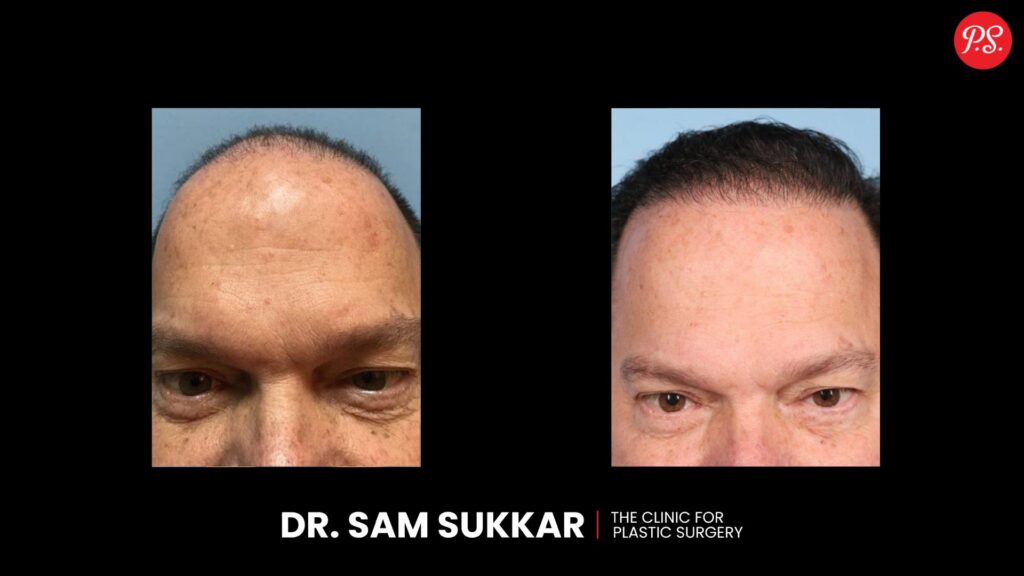
Advanced hair restoration for men now combines precise surgical transplants with regenerative therapies to permanently restore hair in balding areas while keeping results natural and subtle. For most men with established male pattern hair loss, the most effective solution is a customized plan that blends FUE hair transplant, medical therapy, and targeted regeneration rather than a single treatment. That means redistributing healthy hair follicles from the donor area, protecting existing hair, and stimulating new hair growth over several months.

Men want to know what works, how natural it looks, and what it really costs in time, discomfort, and recovery. The most advanced hair transplant procedures can deliver thicker hair and a new hairline with tiny scars, and a predictable timeline, as long as expectations stay realistic.

Key Takeaways of Advanced Hair Restoration For Men

  • Advanced hair restoration for men works best as a personalized plan that combines FUE or FUT surgery with medical therapy and regenerative treatments.
  • FUE is now the primary technique for advanced hair restoration for men, offering tiny, hardly visible scars, fast recovery, and highly natural hairline design.
  • FUT strip surgery still plays a role for men needing maximum graft numbers in one session, especially for men with longer hair.
  • Non-surgical options such as finasteride, minoxidil, and PRP injections are essential to stabilize male pattern hair loss and protect both transplanted and existing hair long term.
  • Men should enter hair loss treatment with realistic expectations about density, a clear timeline for shedding and regrowth, and a long-term maintenance plan to keep their restored hair looking natural.

Male Hair Loss And When To Seek Advanced Treatment for Hair Growth

Male hair loss is usually driven by androgenetic alopecia, where follicles on the scalp become sensitive to DHT and slowly miniaturize over time. For many men, thinning starts at the temples or crown, then progresses to larger balding areas on the top of the head.

Early on, medical treatments may help combat hair loss and preserve existing hair, but they rarely rebuild density once it is significantly gone. Advanced hair restoration becomes appropriate when recession reaches around Norwood stage 3 or higher, and the donor site at the back and sides still shows strong, healthy hair follicles. At that moment, a man can realistically plan a surgical or combined treatment plan rather than hoping topical products alone will restore coverage.

Today’s Most Advanced Hair Restoration Technology Techniques

Modern hair restoration focuses on relocating resistant follicles, protecting remaining hair, and using technology to maximize graft quality, patient comfort, and natural results.

Follicular Unit Extraction (FUE) Hair Transplant: Precision, Scarring, And Recovery

Follicular Unit Extraction, or FUE, is now the workhorse technique in advance hair restoration for men. The surgical team removes individual follicles from the donor area and implants them into balding regions to create a new hairline or fill the crown. Because the grafts come as tiny follicular units, the procedure can achieve very natural looking results and fine control of angle and direction.

Advanced FUE methods, including Sapphire FUE and shave FUE variations, use smaller punches and refined tools to minimize trauma. Instead of a single strip, thousands of tiny round extractions spread across the donor site leave only micro scars that are hard to see with short hair. Recovery is usually 7–10 days, and most people can return to work after several days of rest, with redness and swelling fading quickly.

Mega-sessions of 4,000 or more grafts can be performed safely in selected patients when donor supply is strong. Sometimes, FUE is combined with regenerative treatments during surgery to support healthy hair follicles and encourage new hair growth. With a well-executed FUE procedure and proper aftercare, visible new hair appears at several months, thickening up to a year for best results.

Follicular Unit Transplantation (FUT): When Strip Surgery Still Makes Sense

Follicular Unit Transplantation, often called strip surgery, removes a thin strip of scalp from the donor area, then dissects it into follicular units under magnification. While less popular than FUE today, it still has a role in carefully selected male patients.

FUT can provide more grafts in a single surgery when maximum density is needed, especially in cases of advanced androgenetic alopecia. Because the donor follicles come from a narrow, well-chosen band of hair, quality can be excellent, and a higher hair density in one session can be achieve. The tradeoff is a linear scar at the back of the head, which short hairstyles may expose.

The scar can remain fine and flat, but it never disappears entirely. For men who wear longer hair and want more grafts in fewer sessions, FUT remains a reasonable treatment option and can later be combined with FUE to refine the hairline.

Non-Surgical And Minimally Invasive Therapies

Non-surgical treatments focus on protecting existing hair, improving follicle health, and slowing the progression of androgenetic alopecia in men.

Platelet-Rich Plasma (PRP) And Growth Factor Treatments

Platelet-Rich Plasma therapy uses a person’s own blood, spun in a centrifuge to concentrate platelets and growth factors. PRP for hair restoration is injected into thinning scalp areas under local anesthesia or a mild local anesthetic for comfort. These growth factors can enhance circulation around follicles and support healthier hair growth.

In advanced hair restoration for men, PRP is often used alongside a hair transplant. Injecting PRP into the recipient sites and donor area during hair transplant surgery may support graft survival and faster healing of the skin.

When used as a stand‑alone treatment, PRP typically requires a series of sessions spaced weeks apart, followed by maintenance visits. Results vary, but men in early thinning stages may see reduced shedding and modest improvements in density. It is not a replacement for transplant surgery in large balding areas, but it is a valuable tool to treat the surrounding existing hair.

Low-Level Laser Therapy (LLLT) And At-Home Devices

Low-Level Laser Therapy uses controlled red or near‑infrared light to stimulate hair follicles at a cellular level. A helmet or panel devices expose the scalp to light at specific wavelengths and power levels, aiming to reduce inflammation and encourage new hair.

Evidence suggests LLLT can help combat hair loss in early androgenetic alopecia by prolonging the growth phase of the hair cycle. Men may notice less shedding and slightly thicker hair over several months of consistent use. In advanced hair restoration plans, LLLT is usually an adjunct to transplants and medications, not a stand‑alone solution.

Medical Therapies: Finasteride, Minoxidil, And Newer Options

Medical therapy remains the backbone of stabilizing male hair loss. Finasteride works by lowering DHT levels around follicles. While minoxidil improves blood flow and triggers more follicles to stay in the growth phase. Used together, they are highly effective at slowing thinning in many men.

In the context of advanced hair restoration for men, these medications protect both transplanted grafts and remaining native hair. Is typically recommended to start them before surgery and continuing long term to prevent new balding areas from developing. That helps preserve symmetry between transplanted and non‑transplanted regions.

Newer options, such as topical finasteride formulas or adjunctive anti‑androgen strategies, aim to reduce systemic side effects while maintaining efficacy. A tailored treatment plan considers age, medical history, and personal risk tolerance. For most patients, combining medical therapy with FUE or FUT surgery gives the strongest chance of lasting, natural looking results.

How To Know Which Advanced Hair Restoration Option Is Right For You

Choosing the right procedure depends on hair loss stage, donor strength, lifestyle, and willingness to maintain medical therapy after surgery.

Assessing Candidacy: Age, Hair Loss Pattern, And Donor Supply

Ideal candidates for surgical transplant are generally over 25. Men with a stable pattern of androgenetic alopecia and strong donor hair at the back and sides of the head. Younger men or those with rapidly changing patterns risk chasing their hairline as more hair loss occurs.

During consultation, the scalp is mapped, and the crown and hairline are photographed. Digital tools or AI simulations may project future loss. Follicular density in the donor area is counted to estimate how many grafts can be safely removed without over-harvesting. Men with diffuse thinning across the entire scalp may have limited donor reserves, which restricts achievable density.

A thorough evaluation also considers skin characteristics, hair caliber, curl pattern, and contrast between hair and skin. All these factors influence how much visual coverage a given number of grafts can achieve. In some cases, the best plan may blend FUE session with PRP and medications rather than pushing for more grafts.

Setting Realistic Goals For Density, Hairline, And Maintenance

Realistic expectations are crucial to long‑term satisfaction. Advanced hair restoration can restore a framed face and stronger hairline. But, it cannot recreate teenage density across every balding area. The treatment plan prioritizes zones, often focusing on the front and mid-scalp before the crown.

A natural looking new hairline sits slightly higher and more conservative than a youthful line, which preserves grafts and ages better. Men should understand that transplanted follicles shed in the first weeks, then enter growth phase around three months. Noticeable new hair appears between three and six months, with refinement continuing up to a year.

Maintenance is part of the commitment. Most men will stay on finasteride, minoxidil, or related therapies to stabilize surrounding hair. Some return for small touch‑ups or PRP boosters. Entering the journey with clear goals, a realistic budget, and patience for several months of change helps avoid disappointment and prevents spending a pretty penny chasing unattainable coverage.

Choosing The Clinic For Plastic Surgery for Hair Restoration

At The Clinic for Plastic Surgery, hair restoration is built around careful planning, precise graft, and consistent technique rather than relying on a single device or trend. Technology supports the process, but long-term natural results depend on experience, pattern recognition, and attention to hairline design.

Our Experience, Results, And Technology

Hair restoration focuses on natural hairline shape, appropriate density, and donor preservation so patients still have options years later if thinning progresses. Each case begins with a detailed evaluation of the scalp, donor density, and future hair-loss pattern to plan graft placement.

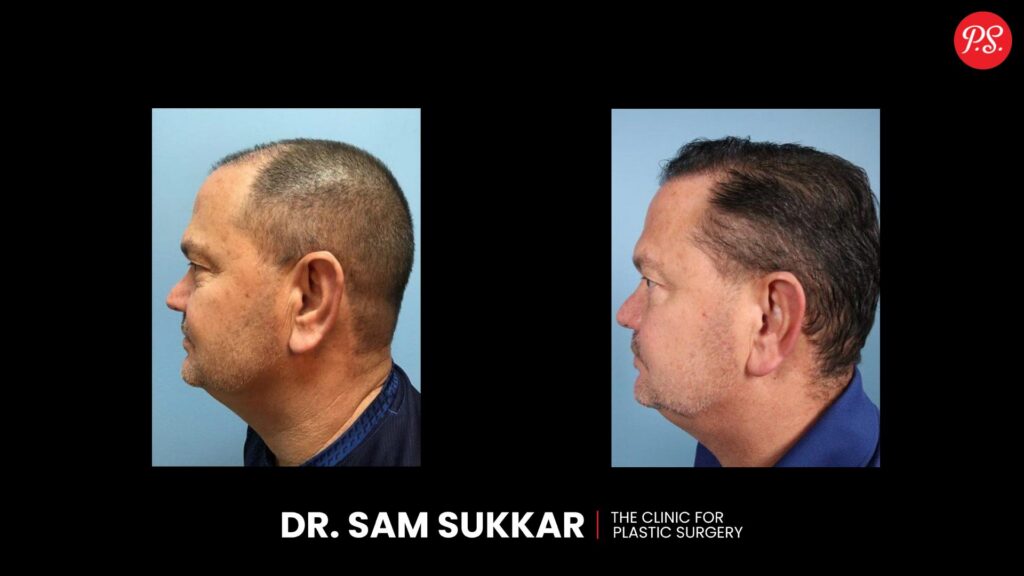
Hair transplant before-and-after photography documents baseline hair loss and helps design a realistic treatment plan. The goal is not simply adding hair, but restoring proportion so the hairline fits the patient’s face and age. Careful placement avoids plug-like patterns and reduces visible scarring.

Advanced FUE systems, and refined graft-placement methods are used to protect follicles during harvesting and placement. These tools assist precision, but judgment and technique guide the final outcome.

A trained surgical team manages graft hydration, organization, and timing so follicles spend minimal time outside the body. Proper handling supports graft survival and improves the likelihood of fuller-looking, natural results over time.

Frequently Asked Questions About Advanced Hair Restoration For Men: Current Options for Results

What is advanced hair restoration for men and how is it different from traditional hair transplants?

Advanced hair restoration for men combines FUE or FUT surgery with regenerative therapies like PRP, exosomes, and medical treatments such as finasteride and minoxidil.

Am I a good candidate for advanced hair restoration if I have male pattern baldness?

Good candidate have androgenetic alopecia around stage 3 or higher, and have strong donor hair on the back and sides. The Clinic for Plastic Surgery hair transplant specialist will map your scalp, assess donor density to project realistic outcomes.

How long does it take to see results after an advanced FUE?

Expect initial healing in 7–12 days. Transplanted hairs usually shed at 2–4 weeks, then rest before regrowth. Early new hair appears around 3 months, with noticeable density between 6–9 months. Final maturation and full thickness typically take 12 months or slightly longer after large, mega‑session procedures.

What is the recovery like after FUE versus FUT hair transplant surgery?

FUE recovery is typically 7–10 days with tiny dot scars that are hard to see. FUT can yield more grafts in one session but leaves a linear scar that short hairstyles may expose. Swelling and discomfort usually resolve within days for both methods.

Which non-surgical treatments actually work for male hair loss?

Evidence-based non-surgical options include finasteride, minoxidil, PRP injections, and low-level laser therapy. These can reduce shedding and improve hair thickness, especially in early stages. Exosomes or electrostimulation may support follicle health, but they don’t replace hair transplantation surgery when large bald areas already lack hair.

How much does advanced hair restoration for men cost in Houston, TX?

Cost of advanced hair restoration for men in Houston, TX typically ranges from $10,000 to $15,000. Prices depends on graft count, hair loss severity, and whether FUE alone or a combined approach is used. At The Clinic for Plastic Surgery, patients can use financing upon approved credit, with payments starting as low as $270. This affordable option allows treatments to be scheduled without paying the full amount upfront.

Conclusion and Summary of Advanced Hair Restoration For Men: Current Options for Results

Advanced hair restoration for men in 2026 is no longer about a single surgery. It is about a tailored strategy that blends surgery, medicine, and regenerative care. When a man with androgenetic alopecia works with a skilled, technology‑driven clinic, he can restore coverage, reshape his hairline, and protect his remaining hair for the long term.

The key is timing and planning. Seek consultation once thinning reaches noticeable stages, but before donor reserves are compromised. Combine realistic goals, modern techniques, and consistent medical therapy, and the odds of achieving natural results and renewed confidence rise dramatically. With informed choices the journey from hair loss to a fuller, lasting result becomes a predictable medical process.

Your Trusted Destination for Complete Hair Restoration Treatments and Hair Transplant Surgery in Houston, Texas (TX)

Are you located in one of these Houston Metro Area cities?

Houston, The Woodlands, Sugar Land, Katy, Pearland, Pasadena, League City, Baytown, Conroe, Cypress, Spring, Kingwood, Humble, Missouri City, Friendswood, Bellaire, Clear Lake, Tomball, Galveston, Richmond, Rosenberg, Stafford, La Porte, Deer Park, Seabrook, Webster, Alvin, and Channelview.

Board-Certified Plastic Surgeon Dr. Sam Sukkar, MD, FACS, and the The Clinic for Plastic Surgery Team provide advanced surgical and non-surgical hair loss solutions for both men and women.

If you are suffering from a receding hairline, bald spots, or chronic pattern baldness, we offer comprehensive hair restoration and transplant options, including:

  • Hair Transplant Surgery
  • Follicular Unit Extraction (FUE)
  • Follicular Unit Transplantation (FUT)
  • Non-Surgical Hair Restoration Treatments
  • PRP Hair Treatments for Thinning Hair
  • Medical Hair Loss Treatments and Scalp Care
  • Customized Hair Treatment Plans

Visit our modern 18,000+ sq. ft. plastic surgery center and med spa in Houston, Texas, designed for comfort, privacy, and results-driven care. From your first consultation through long-term hair management, our highly skilled team focuses on realistic outcomes and personalized treatment planning.

For patients outside the Houston area or those with limited availability, schedule a virtual hair restoration consultation.

Book Your Personalized Hair Consultation today at DrSukkar.com or call (281) 940-1535.

About the Author – Meet Dr. Sam Sukkar, MD
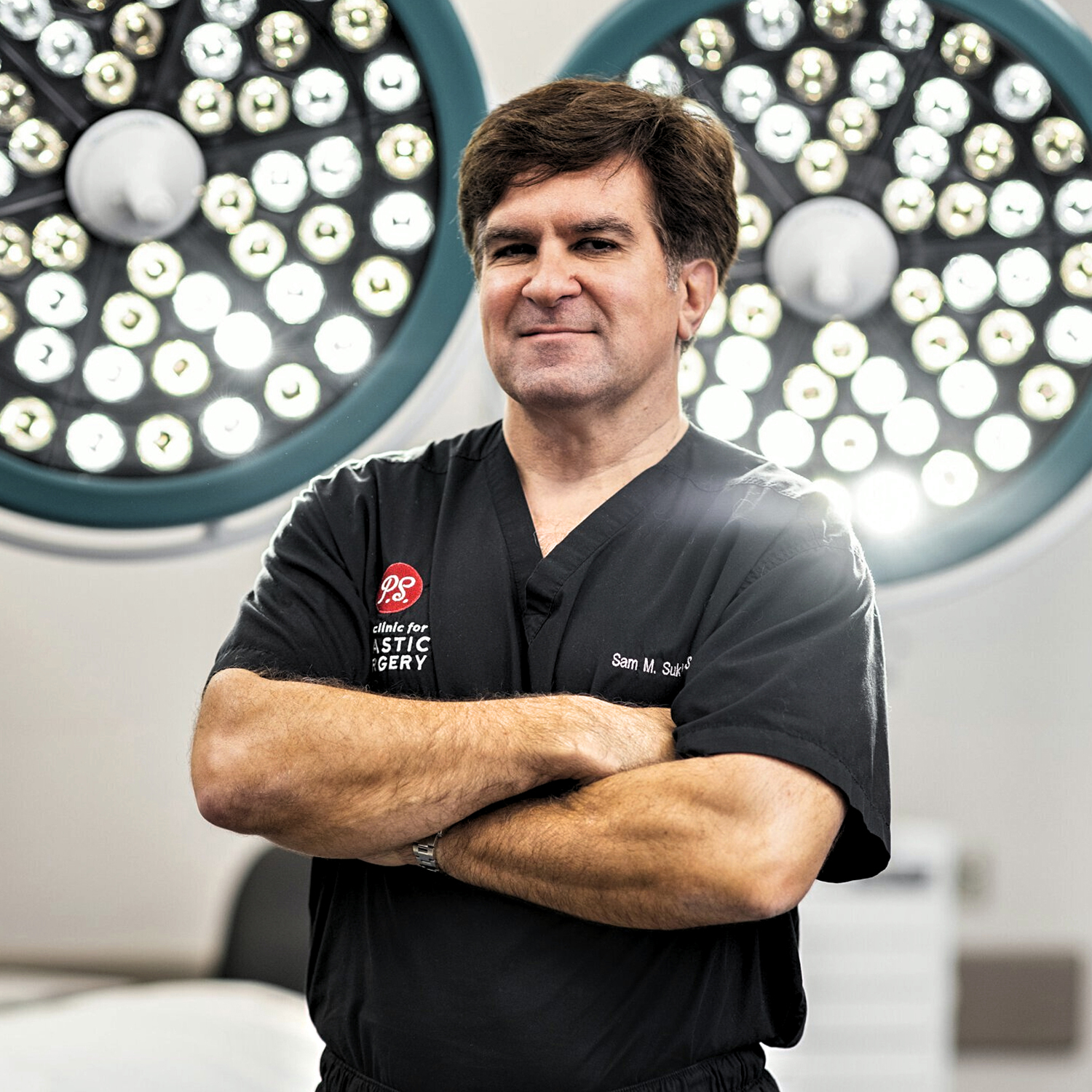
Dr. Sam Sukkar, MD, FACS is a highly respected Board-Certified Plastic Surgeon in Houston, Texas, known for his expertise in advanced cosmetic and reconstructive procedures. As the founder of The Clinic for Plastic Surgery, Dr. Sukkar has set a new standard for excellence, performing over 20,000 procedures with a focus on delivering natural, refined results.

Dr. Sukkar earned his Doctor of Medicine (M.D.) degree from Louisiana State University School of Medicine in 1992 after graduating summa cum laude with a Bachelor of Science in Microbiology. He then completed an intensive General Surgery Residency at the University of Texas Hermann Hospital before being selected for a highly competitive Plastic Surgery Fellowship at Northwestern University in Chicago, one of the most prestigious training programs in the country.

With more than 20 years of experience, Dr. Sukkar is a Diplomate of the American Board of Plastic Surgery and a Fellow of the American College of Surgeons (FACS). He is also an active member of the American Society of Plastic Surgeons (ASPS) and the Houston Society of Plastic Surgery (HSPS). His dedication to innovation and continuing education has solidified his reputation as a leading expert in aesthetic surgery, specializing in breast surgery, body contouring, facial procedures, and non-invasive treatments.

Dr. Sukkar’s expertise has been recognized by Houston Magazine, naming him one of Houston’s “Top Docs for Women,” and he has been featured among RealSelf’s America’s Top Doctors. Committed to his patients, he prioritizes personalized care, ensuring every individual feels informed, comfortable, and confident in their aesthetic journey.

Contact Dr. Sukkar today to schedule a consultation, visit DrSukkar.com to learn more, or call us directly at (281) 940-1535.

Facelift at 57 in Houston, TX: Petite Woman’s Facial Rejuvenation

Facelift Success Story Series by Dr. Sam Sukkar, MD in Houston, TX | Case Study #6776


This is part of our series featuring real patient transformations at The Clinic for Plastic Surgery. Each case study provides an in-depth look at actual procedures, recovery experiences, and results from Houston patients who’ve undergone facelift surgery with Dr. Sam M. Sukkar.


At 57, Rebecca* stood in front of her bathroom mirror and made a decision. The reflection staring back, jowls softening her jawline, deep nasolabial folds, sagging upper eyelids obscuring her eyes, no longer matched how vibrant she felt inside.

Two decades of Houston sun, gravity, and natural aging had taken their toll. She wasn’t chasing youth. She wanted to look as energetic as she felt.

That’s when she scheduled her consultation at The Clinic for Plastic Surgery.

*The patient’s name was changed to protect their privacy. All medical details and photographic before and after results are from actual Patient Case #6776. Individual results may vary based on body type, surgical approach, and adherence to post-operative instructions.

Rebecca’s Path to Facial Rejuvenation

What Brought Rebecca to My Houston Office

Rebecca* came to me with clear, specific concerns that many women in their late 50s share. At 4’11″ and 140 pounds, her petite frame meant facial changes were particularly noticeable, there was less structure to disguise volume loss and skin laxity.

Her primary frustrations centered on three areas: heavy upper eyelids that made her look perpetually tired, jowling along her jawline that blurred her once-defined profile, and deep creases from nose to mouth that aged her appearance significantly. She’d tried skincare, injectables, even laser treatments. Nothing addressed the fundamental issue: her facial tissues had descended, and no topical solution could lift them back.

Rebecca wasn’t seeking dramatic transformation. She wanted natural refinement, to look like herself, just refreshed. During our consultation, I explained that her concerns required structural correction, not surface treatments. Her facial anatomy was sound, her skin quality reasonable despite sun exposure, and her overall health excellent. She was an ideal candidate for comprehensive facelift surgery.

Facelift at 57: Petite Houston Woman’s Facial Rejuvenation - Facelift Success Story Series by Dr. Sam Sukkar, MD in Houston, Texas

Rebecca’s Pre-Surgery Expectations

Recovery concerns topped Rebecca’s list. As a professional with limited time off, she needed realistic timelines. How long before she could return to work? When would swelling subside? Could she hide evidence of surgery?

Scarring worried her. She’d seen poorly placed facelift incisions on acquaintances and feared visible marks.

Natural results were non-negotiable. Rebecca emphasized repeatedly that she didn’t want to look “done” or drastically different, just rested and refined.

I addressed each concern directly. Recovery would require 10-14 days away from public-facing work, with residual swelling persisting for weeks. My incision placement technique hides scars within the hairline and natural ear contours. And after 25+ years performing facial rejuvenation procedures, my philosophy prioritizes subtle enhancement over obvious alteration. We weren’t creating a new face, we were restoring her original architecture.

Tailoring Facelift Surgery to Rebecca’s Facial Anatomy

The Multi-Procedure Approach for Comprehensive Rejuvenation

Rebecca’s transformation required four complementary procedures, each addressing specific aging concerns while creating harmonious overall results:

1. Facelift (Rhytidectomy)

  • Deep plane technique to reposition descended facial fat pads
  • SMAS layer manipulation for long-lasting structural support
  • Skin redraping without tension to ensure natural appearance

2. Upper Blepharoplasty (Upper Eyelid Lift)

3. Buccal Fat Pad Removal

  • Strategic removal of deep cheek fat for refined lower face contours
  • Particularly effective for petite patients like Rebecca
  • Subtle definition enhancement without creating gaunt appearance

4. Laser Peel to Under-Eye Area

  • Resurfacing treatment for fine lines and texture irregularities
  • Skin tightening complement to surgical corrections
  • Careful intensity calibration for delicate periorbital skin

This combination addressed every layer of Rebecca’s concerns, from deep structural support (facelift SMAS work) to surface refinement (laser treatment). The buccal fat removal worked synergistically with the facelift to create definition, while upper blepharoplasty opened her eye area dramatically.

Why This Surgical Strategy Made Sense

For petite-framed patients like Rebecca, facial proportions require careful consideration. Her 4’11″ stature meant her facial features sat closer together, making even minor asymmetries or disproportions more noticeable. Standard facelift techniques wouldn’t suffice.

I opted for deep plane facelift methodology rather than traditional SMAS application. Why? Deep plane technique repositions fat pads and muscles as a unified layer, creating more natural transitions and longer-lasting results. For Rebecca’s descended midface tissues, this approach restored youthful volume distribution without adding fillers.

The buccal fat removal decision stemmed from her specific facial anatomy. Some patients need volume addition in their 50s. Rebecca had retained fullness in her lower cheeks that, combined with jowling, created a heavy lower face appearance. Strategic removal refined her contours without creating the hollowed look that concerns many patients.

Upper blepharoplasty was essential. No amount of lower face lifting would address her hooded upper lids. By treating both areas simultaneously, we ensured balanced rejuvenation across her entire face.

The under-eye laser peel completed the picture. Surgery repositions tissues; lasers improve skin quality. The combination yields results neither achieves alone. Throughout my career performing thousands of facial procedures, I’ve learned that comprehensive approaches, addressing structure, volume, and skin quality together, deliver the most satisfying outcomes.

Rebecca’s Facelift Recovery: Patience Rewarded

The First Two Weeks: Managing Expectations

Rebecca left surgery with bandages, surgical drains, and significant swelling. I’m direct with patients: the first 72 hours test your resolve. You look worse before you look better. Bruising peaks around day two. Swelling obscures your new contours. Discomfort (not pain, we manage that with medication) makes rest essential.

Rebecca followed post-operative protocols meticulously: head elevated 30 degrees around the clock, ice packs rotated every 20 minutes while awake, minimal facial movement, and absolutely no bending or straining. Drains were removed on day two. By day three, she transitioned from prescription pain management to over-the-counter medication.

Weeks 1-2: Early Progress Emerges

Sutures came out on day seven for the eyelids, day ten for facial incisions. Rebecca reported feeling “presentable with strategic scarf placement” by day twelve, not camera-ready, but capable of brief public appearances if necessary.

Critical recovery rules for this phase included: No strenuous activity whatsoever. No direct sun exposure. Continued sleeping elevation. Gentle skincare only, no scrubbing, pulling, or rubbing. Patience with asymmetric swelling (completely normal as each side resolves at its own pace).

By week two, Rebecca saw glimpses of her new contours. The dramatic initial swelling had subsided enough to reveal a refined jawline and lifted midface. Her upper eyelids showed immediate improvement, no more hooding.

Weeks 3-8: Watching Transformation Unfold

Rebecca resumed most normal activities, work, social engagements, light exercise. Residual swelling persisted, particularly in the mornings. Makeup camouflaged fading bruises. She wore sunscreen religiously (non-negotiable for laser-treated skin).

The psychological shift during this phase fascinates me. Patients transition from recovery mode to appreciating results. Rebecca noticed strangers no longer asking if she was tired. Colleagues commented she looked “well-rested” without suspecting surgery.

Months 2-3: Final Results Crystallize

True final results after facelift surgery emerge around the three-month mark. Subtle swelling resolves. Tissues settle into their new positions. Scars fade from pink to barely perceptible white lines.

At three months post-op, Rebecca’s transformation was complete: sharply defined jawline, smooth nasolabial folds, bright open eyes, and refined lower face contours. The buccal fat removal created a subtle cheek definition that photographs beautifully. Her under-eye area showed improved texture and reduced fine lines from the laser treatment.

Most importantly, she looked unmistakably like herself, just the version from fifteen years earlier.

Rebecca’s Facelift Outcome: Natural Rejuvenation Achieved

Verified Results at Three Months Post-Procedure

Rebecca’s case exemplifies what comprehensive facial rejuvenation can accomplish when surgical planning matches patient anatomy. Her results included:

Structural improvements: Elevated midface tissues, eliminated jowling, restored jawline definition, and smoothed nasolabial folds.

Eyelid transformation: Upper lid hooding completely resolved, creating wider, more alert eye appearance without looking “surprised” or overdone.

Contour refinement: Buccal fat removal created a subtle lower face definition appropriate for her petite frame.

Skin quality enhancement: Laser resurfacing improved under-eye texture, reducing fine lines and creating smoother skin tone.

Beyond the Physical Changes

Rebecca returned for her six-month follow-up appointment beaming. She’d recently attended her college reunion and received numerous compliments, not on “looking different,” but on “looking fantastic.” That distinction matters immensely.

She reported renewed confidence in professional settings, no longer self-conscious about photographs, and genuine satisfaction when catching her reflection. The psychological impact of feeling aligned with your appearance shouldn’t be underestimated.

What Made Rebecca’s Results Exceptional

Several factors contributed to Rebecca’s outstanding outcome:

  • Patient selection and realistic expectations. Rebecca understood surgery’s capabilities and limitations. She sought improvement, not perfection.
  • Comprehensive treatment approach. Addressing multiple aging concerns simultaneously created harmonious results no single procedure could achieve.
  • Anatomically tailored technique. Rebecca’s petite frame and specific facial structure required customized surgical planning, not cookie-cutter methodology.
  • Meticulous surgical execution. Deep plane facelift technique demands precision. Sloppy execution creates unnatural results or complications.
  • Exemplary post-operative compliance. Rebecca followed every protocol without exception. Patient cooperation directly impacts outcomes, particularly in complex facial surgery where premature activity can compromise results.

Frequently Asked Questions About Rebecca’s Facelift Journey in Houston, TX

Is combining facelift with buccal fat removal too much for one surgery?

Not for appropriately selected patients. Rebecca’s case required addressing both descended tissues (facelift) and excess volume (buccal fat removal) for balanced results. Combining procedures means one recovery period rather than two separate surgeries. The key is thorough pre-operative assessment to ensure you’re a safe candidate for longer surgical time. Rebecca’s excellent health and specific anatomy made the combination ideal.

At 57, will facelift results last, or will aging quickly reverse them?

Facelift surgery doesn’t stop aging, it turns back the clock then continues forward from that point. With proper technique, particularly deep plane methodology, results typically last 10-15 years. Rebecca will continue aging, but she’ll maintain significant improvement over her pre-surgery appearance for years to come. Sun protection, healthy lifestyle, and appropriate skincare extend longevity.

Why was laser treatment needed if the facelift addressed skin?

Facelift repositions skin and underlying tissues but doesn’t improve skin quality, texture, fine lines, sun damage. The laser peel complemented surgical lifting by refining surface appearance, particularly in the delicate under-eye area where surgical intervention is limited. Think of it this way: surgery handles structure, lasers handle surface.

Ready to Write Your Own Facelift Success Story in Houston, TX?

For years, Rebecca saw aging accelerate in the mirror. She felt vibrant and energetic but looked perpetually exhausted. After comprehensive facial rejuvenation, she finally looks the way she feels. Three months later, her results continue drawing compliments, the kind that don’t hint at “work done,” just acknowledge she looks wonderful.

Your concerns might differ. Perhaps you’re troubled by neck laxity Rebecca didn’t have, considering fat grafting for volume loss, or wondering if you’re “too young” or “too old” for facelift surgery.

But the fundamental truth remains: You deserve to feel confident and comfortable in your own skin. Aging is natural, but you don’t have to accept every change it brings. If visible aging signs are affecting your quality of life, transformation is possible.

Schedule Your Personalized Consultation here, or call us today at (281) 940-1535 and take the first step toward your own transformation journey!

Your Premier Destination for Plastic Surgery in Houston, Texas (TX)

Are you located in one of these Houston Metro Area cities?

Houston, The Woodlands, Sugar Land, Katy, Pearland, Pasadena, League City, Baytown, Conroe, Cypress, Spring, Kingwood, Humble, Missouri City, Friendswood, Bellaire, Clear Lake, Tomball, Galveston, Richmond, Rosenberg, Stafford, La Porte, Deer Park, Seabrook, Webster, Alvin, and Channelview.

Board-Certified Plastic Surgeon Dr. Sam Sukkar, MD, FACS, and The Clinic for Plastic Surgery Team are here to help you achieve refined, natural-looking results.

Offering expert cosmetic enhancements in:

  • Breast Augmentation, Breast Lifts, and Breast Reduction
  • Tummy Tucks, Mommy Makeovers, and Liposuction
  • Facelifts, Neck Lifts, and Rhinoplasty
  • Body Contouring and Skin Tightening Procedures
  • Non-Surgical Aesthetic Treatments

Visit our modern 18,000+ sq.ft. luxurious plastic surgery center and med spa in Houston, Texas, where expertise meets artistry. Our highly skilled and compassionate team ensures a seamless experience, from consultation to recovery.

For patients outside of the Houston area or those with a busy schedule, Schedule a Virtual Consultation.

Schedule your personalized consultation today at DrSukkar.com or call (281) 940-1535.

About the Author – Meet Dr. Sam Sukkar, MD

Dr. Sam Sukkar, MD, FACS is a highly respected Board-Certified Plastic Surgeon in Houston, Texas, known for his expertise in advanced cosmetic and reconstructive procedures. As the founder of The Clinic for Plastic Surgery, Dr. Sukkar has set a new standard for excellence, performing over 20,000 procedures with a focus on delivering natural, refined results.

Dr. Sukkar earned his Doctor of Medicine (M.D.) degree from Louisiana State University School of Medicine in 1992 after graduating summa cum laude with a Bachelor of Science in Microbiology. He then completed an intensive General Surgery Residency at the University of Texas Hermann Hospital before being selected for a highly competitive Plastic Surgery Fellowship at Northwestern University in Chicago, one of the most prestigious training programs in the country.

With more than 20 years of experience, Dr. Sukkar is a Diplomate of the American Board of Plastic Surgery and a Fellow of the American College of Surgeons (FACS). He is also an active member of the American Society of Plastic Surgeons (ASPS) and the Houston Society of Plastic Surgery (HSPS). His dedication to innovation and continuing education has solidified his reputation as a leading expert in aesthetic surgery, specializing in breast surgery, body contouring, facial procedures, and non-invasive treatments.

Dr. Sukkar’s expertise has been recognized by Houston Magazine, naming him one of Houston’s “Top Docs for Women,” and he has been featured among RealSelf’s America’s Top Doctors. Committed to his patients, he prioritizes personalized care, ensuring every individual feels informed, comfortable, and confident in their aesthetic journey.

Contact Dr. Sukkar today to schedule a consultation, visit DrSukkar.com to learn more, or call us directly at (281) 940-1535.

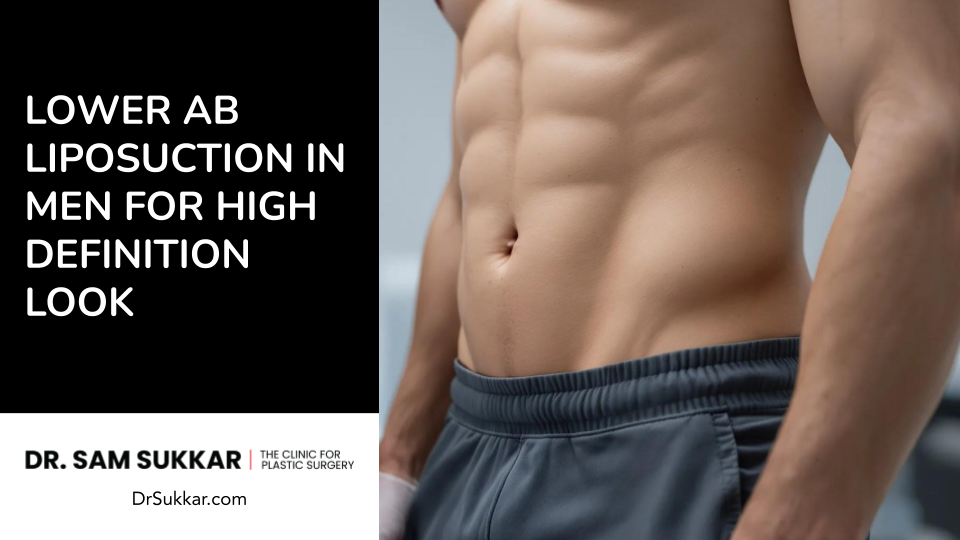
Lower Ab Liposuction in Men for High Definition Look

Lower ab liposuction in men for high definition is a targeted cosmetic surgery that removes stubborn fat from the lower abdomen to reveal sharper, more athletic-looking abs. Using advanced liposuction techniques like VASER or laser assisted liposuction, deep and superficial fat cells are sculpted to highlight the natural muscle lines instead of just making the stomach smaller. For men who already eat well and train but still see pockets of fat in the lower abdomen, this approach can create a noticeably flatter stomach and more defined core.

The key is that lower abdominal liposuction for high definition is not a weight loss procedure. It’s a body contouring method used to fine-tune the abdominal area when diet and exercise have done most of the work but can’t touch those last, stubborn fat deposits. Most patients who do well have a stable weight, good skin elasticity, and some visible muscle tone: they’re looking for refinement, not a complete transformation. When performed correctly with a customized treatment plan, lower abdominal lipo can deliver significant improvement with minimal discomfort and a smooth recovery over a few weeks.

Key Takeaways of Lower Ab Liposuction in Men

  • Lower ab liposuction in men for high definition is a body contouring procedure designed to remove stubborn lower belly fat and reveal existing muscle lines.
  • The best candidates are men near their ideal weight with good skin elasticity, visible or palpable core muscles, and a stable, healthy lifestyle they can maintain long term.
  • High-definition lower ab liposuction uses advanced techniques like VASER or laser-assisted lipo to selectively remove deep fat and precisely sculpt superficial fat for natural-looking abdominal etching.
  • Ab etching recovery typically takes several weeks, gradual return to the gym, and careful adherence to post-op instructions to protect and refine results.
  • Long-term results depend on maintenance: keeping a stable weight, consistent strength training, and proper aftercare helps preserve abdominal definition

What Lower Abdominal High-Definition Liposuction Is

Lower abdominal high-definition liposuction in men is a surgical procedure designed to remove excess fat deposits in the lower abdomen and sculpt the core for a sharper, more muscular appearance.

How High-Definition Liposuction Differs From Traditional Liposuction

High-definition lower ab liposuction goes beyond simple fat removal. Traditional liposuction focuses on debulking larger areas of abdominal fat to create a flatter abdomen overall. In contrast, high-definition techniques deliberately shape remaining subcutaneous fat to emphasize underlying muscles, especially the rectus abdominis and the natural lines of the core.

With HD abdominal liposuction, advanced techniques such as VASER or laser-assisted liposuction are often used. These technologies break up fat while preserving nerves and blood vessels and can improve skin tightening in the treated area. That extra control allows more precise etching along the linea alba and semilunaris and around the inscriptions that create a six-pack look.

Another difference is the depth and pattern of fat removal. High-definition lower abdominal liposuction usually removes deeper pockets of fat first, then gently sculpts the more superficial fat layer.

Areas Targeted in Men’s Lower Abdomen and Core

For men, lower ab liposuction for high definition usually targets the entire abdomen, with special emphasis on the lower abdomen where stubborn fat tends to collect. The procedure addresses localized fat deposits just below the navel, along the belt line, and around the lower rectus muscles. These pockets of fat often resist even strict diet and exercise and are responsible for the “lower belly pouch.”

Many treatment plans also include the upper abdomen and flanks to create a seamless transition between the upper and lower abdomen. Treating only the lower ab area can leave an unnatural step-off if upper abdominal fat remains untreated. By shaping both the upper and lower abdomen and occasionally the obliques, the procedure can create a flatter abdomen and a more tapered waistline.

Who Is a Good Candidate for Lower Ab Liposuction in Houston, TX

Not every man with a soft midsection is a candidate for lower abdominal liposuction for high definition. Candidacy depends on body fat levels, skin quality, overall health, and lifestyle to determine whether this cosmetic surgery can safely deliver the desired results.

Body Fat, Skin Quality, And Muscle Definition Requirements

High-definition lower ab liposuction works best on men who are close to their ideal weight and have only localized fat deposits in the abdominal area. Most patients are already active, follow a reasonably balanced diet, and have a stable weight. They may struggle with stubborn pockets of fat in the lower abdomen that do not respond to proper diet and training. This procedure is not a primary weight loss solution and not a substitute for healthy habits.

Good skin elasticity is critical. When excess fat deposits are removed, the skin must retract and conform to the new contours. Men with good skin quality usually have minimal loose skin and no significant stretch marks or laxity in the lower abdomen. If skin is very loose, a tummy tuck or another procedure may be more appropriate than lower ab liposuction alone.

Visible or at least palpable muscle definition also matters. High-definition abdominal liposuction is meant to reveal and enhance existing muscle structure, not create muscles where none exist. The best candidates have some core strength and muscle tone, even if it is hidden under a thin layer of subcutaneous fat.

Lifestyle, Age, And Health Considerations

Lifestyle plays a major role in candidacy. Men who maintain regular exercise and a balanced diet are more likely to keep their results long term. Lower ab liposuction removes fat cells from specific areas, but remaining fat can still enlarge if weight increases after surgery. Patients are often advised to reach a stable weight they can realistically maintain before scheduling a liposuction procedure.

Age alone matters less than overall health and skin quality. A healthy man in his forties with good skin elasticity, controlled blood pressure, and an active lifestyle may be a better candidate than a younger patient with poor habits. During the initial consultation, the medical history is reviewed, including blood thinners, smoking, and certain medications that might increase bleeding or affect healing.

When Lower Ab Lipo Is Not the Right Choice

Lower abdominal liposuction is not ideal for men seeking a quick weight-loss method or a shortcut to fitness. If a patient has a high body mass index, generalized abdominal fat, or poor muscle tone, the recommendation usually focuses first on weight loss and body recomposition. Liposuction on large volumes of fat in this context can produce uneven fat removal and disappointing results.

It may also not be the right choice when there is significant loose skin in the lower abdomen. In these cases, removing more fat can worsen sagging. Procedures such as a tummy tuck, with or without liposuction, may provide better skin tightening and contouring. Men with unrealistic expectations about an extreme “shredded” look may likewise be steered toward alternative treatment plans.

Medical reasons can also rule out lower abdominal liposuction. Patients with uncontrolled medical conditions, those on strong blood thinners they cannot pause, or those with severe clotting disorders may face unacceptable risks. A careful evaluation ensures that high-definition abdominal lipo is both safe and capable of providing a meaningful, natural-looking improvement.

Consultation and Planning for High-Definition Surgery in Houston, TX

The consultation for lower ab liposuction in men sets the foundation for high-definition results. This is where anatomy, goals, and realistic expectations come together in a detailed treatment plan.

Assessing Your Anatomy and Aesthetic Goals

During the initial consultation, the abdominal area is examined, including the upper and lower abdomen, flanks, and obliques. The evaluation determines how much excess fat is present, whether it is mainly localized fat or more generalized abdominal fat, and how the skin responds when lifted or pinched. This helps determine if high-definition liposuction can safely remove fat while preserving natural contours.

The discussion then shifts to aesthetic goals. Patients often bring reference photos or describe what “high definition” means to them. Realistic outcomes with lower abdominal liposuction are explained, including when a flatter stomach is more appropriate than aggressive etching. Aligning goals with anatomy helps prevent frustration later.

Designing a Customized High-Definition Treatment Plan

Once anatomy and goals are clear, a customized treatment plan is created. This may include high-definition lower ab liposuction alone or a combination with liposuction of the upper abdomen and flanks for balance. The plan outlines where fat will be more thoroughly reduced, where it will be gently feathered, and where a thin layer will be left to create natural shadows.

The approach may use traditional liposuction, ultrasound-assisted liposuction, or laser assisted liposuction. Advanced techniques help with precise fat removal and potential skin tightening, especially in the lower abdomen where definition is critical.

Pre-operative instructions are part of the treatment plan. Patients are often asked to stop certain medications and supplements that act as blood thinners, to stabilize their weight, and to maintain a healthy lifestyle leading up to surgery. In some cases, they may adjust training to avoid intense core work right before the procedure so the abdominal muscles are not overly inflamed.

The Lower Ab Liposuction Procedure

The day of lower ab liposuction combines careful marking, controlled fat removal, and meticulous sculpting to create a defined core.

Anesthesia, Marking, And Incision Placement

Before surgery, lines are re-drawn on the abdomen while the patient is standing. These markings indicate the treatment area, zones of deeper fat, and the paths of important muscle lines to be etched. The markings for lower ab liposuction in men often outline the lower rectus, the central midline, and transition points to the flanks.

In the operating room, patients receive anesthesia for patient comfort. Tumescent solution is then infused into the abdominal area. This fluid contains saline, a numbing agent, and medication to constrict blood vessels, which helps minimize blood loss and reduce swelling.

Small incisions, usually hidden in natural creases or along the bikini line, allow access for the cannula, used in the liposuction. Placement is chosen to reach the entire abdomen and lower abdomen while minimizing visible scarring. Most patients have only a few small entry points that fade significantly over time when properly cared for.

Fat Removal and Etching for Muscle Definition

The procedure first addresses deeper fat deposits in the abdominal area. Using traditional liposuction or ultrasound-assisted devices, excess fat is removed from the lower abdomen and surrounding zones. The goal at this stage is to debulk stubborn fat while preserving a safe thickness of tissue over blood vessels and muscles.

Once deeper fat is reduced, attention shifts to the superficial layer, where high-definition etching occurs. The work proceeds just under the skin to sculpt along the natural lines of the rectus abdominis and its inscriptions. Lower abdominal liposuction at this stage is very controlled, because removing too much subcutaneous fat can create unnatural grooves.

Advanced liposuction techniques also feather transitions between the treated area and nearby regions, like the flanks and upper abdomen. Sometimes a small amount of fat is intentionally left over specific muscle segments to maintain a natural male look. The objective is a flatter abdomen with visible, but not exaggerated, muscle highlights.

Procedure Length, Pain Levels, And Immediate Post-Op

For most patients, abdominal lipo takes about one to three hours, depending on whether other procedures are combined. After surgery, a compression garment wraps the abdomen to reduce swelling and support the treated area. This garment is a key part of the healing process, especially in the first few weeks.

Pain levels vary, but most patients report soreness and tightness similar to an intense core workout rather than sharp pain. Oral medications help manage pain in the first days. Some temporary numbness or altered sensation in the lower abdomen is common and often improves gradually over several weeks.

Patients go home the same day with instructions on activity limits, incision care, and signs of problems to watch for. Start walking early to promote circulation, but avoid heavy lifting or core training during the early recovery phase.

Long-Term Maintenance: Diet, Exercise, And Weight Stability

Long-term results from lower ab liposuction depend heavily on lifestyle. While the procedure removes fat cells from specific areas, remaining fat can still enlarge with significant weight gain. A healthy lifestyle with a balanced diet, strength training, and regular cardio helps preserve high-definition contours.

Patients should maintain a stable weight within a narrow range of their pre-surgery ideal weight. Large weight swings can soften definition or create new localized fat deposits elsewhere. Keeping alcohol intake moderate, managing stress, and getting adequate sleep also helps support body composition.

By three to six months, most swelling has resolved, and the final flatter stomach and refined abdominal lines are visible. At this stage, men can push harder in the gym and focus on progressive overload to build more muscle, which complements the sculpted look. Consistency with nutrition and training keeps the abdomen tight and helps ensure the investment in high-definition abdominal liposuction pays off for years.

Frequently Asked Questions About Lower Ab Liposuction in Men for High Definition Look

What is lower ab liposuction in men for high definition?

Lower ab liposuction in men for high definition is a specialized body-contouring procedure. It removes deep and superficial fat from the lower abdomen and core. Using technologies like VASER or laser-assisted liposuction, the treatment sculpts around the abs to reveal natural muscle lines.

Who is a good candidate for lower ab liposuction in men for high definition?

Candidates are men near their goal weight with stubborn lower belly fat, visible ab muscles, and good skin elasticity. They should have a BMI generally under 32, stable weight, and healthy lifestyle habits. Also, men with realistic expectations that HD liposuction refines, not creates, a six-pack.

How long does recovery from lower abdominal liposuction surgical procedure take?

Most swelling and bruising improve significantly within two to six weeks. Men return to desk work in a few days, light cardio around two weeks, and intense training by six weeks. Final definition typically appears between three and six months as swelling resolves and skin tightens.

What are the main risks of high-definition lower ab liposuction for men?

Common side effects include swelling, bruising, soreness, and temporary numbness. Less common risks are infection, fluid collections, contour irregularities, over-etched “fake-looking” abs, and noticeable scars. Choosing The Clinic for Plastic Surgery for ab etching in Houston and following instructions greatly reduces these risks.

How much does abdominal liposuction high definition cost in Houston, Texas?

High-definition abdominal liposuction cost in Houston, Texas typically ranges about $12,000 to $17,000. Price varies based on body mass index, the amount of fat treated, and whether the procedure contours nearby areas. At The Clinic for Plastic Surgery, financing is available, with monthly payments starting as low as $324. This allows patients to spread the cost over time instead of paying the full amount upfront.

Conclusion and Summary of Lower Ab Liposuction in Men for High Definition Look

Lower ab liposuction in men for high definition is a focused body contouring strategy, not a broad weight loss solution. By removing pockets of fat and sculpting the lower abdomen, it reveal the muscle work men have already put in but cannot fully see.

The best candidates arrive with a solid training foundation, a healthy lifestyle, good skin quality, and realistic expectations. When these factors align with a thoughtful treatment plan, and careful aftercare, high-definition abdominal liposuction can deliver a flatter stomach and sharper, yet natural-looking, core definition.

For men considering this path, the next step is a thorough consultation. An honest discussion of anatomy, goals, risks, and alternatives will determine whether lower ab liposuction is the right tool, or whether more progress with diet, exercise, or other cosmetic procedures should come first.

Your Trusted Destination for Ab Etching High-Definition Six-Pack Abdominals in Houston, Texas (TX)

Are you located in one of these Houston Metro Area cities?

Houston, The Woodlands, Sugar Land, Katy, Pearland, Pasadena, League City, Baytown, Conroe, Cypress, Spring, Kingwood, Humble, Missouri City, Friendswood, Bellaire, Clear Lake, Tomball, Galveston, Richmond, Rosenberg, Stafford, La Porte, Deer Park, Seabrook, Webster, Alvin, and Channelview.

Board-Certified Plastic Surgeon Dr. Sam Sukkar, MD, FACS, and the The Clinic for Plastic Surgery Team provide advanced body contouring techniques designed to create defined, athletic abdominal results.

If you struggle with stubborn abdominal fat or want to achieve more visible abdominal muscle definition, we offer comprehensive high-definition procedures for that six-pack abs look, including:

  • High Definition Liposuction for Men
  • Ab Etching and Abdominal Etching
  • High-Def Abdominal Surgery
  • Abdominal Liposuction
  • Six-Pack Abs Lipo
  • High Definition Liposuction for Women
  • Customized High-Definition Liposculpture Plans

Visit our modern 18,000+ sq. ft. plastic surgery center and med spa in Houston, Texas, designed for comfort, privacy, and results-driven care. From consultation through recovery, our skillful team focuses on sharp definition, balanced proportions, and natural-looking abdominal contour.

For patients outside the Houston area or those with limited availability, schedule a virtual abdominal contouring consultation.

Book Your Personalized Abdominal Consultation today at DrSukkar.com or call (281) 940-1535.

About the Author – Meet Dr. Sam Sukkar, MD

Dr. Sam Sukkar, MD, FACS is a highly respected Board-Certified Plastic Surgeon in Houston, Texas, known for his expertise in advanced cosmetic and reconstructive procedures. As the founder of The Clinic for Plastic Surgery, Dr. Sukkar has set a new standard for excellence, performing over 20,000 procedures with a focus on delivering natural, refined results.

Dr. Sukkar earned his Doctor of Medicine (M.D.) degree from Louisiana State University School of Medicine in 1992 after graduating summa cum laude with a Bachelor of Science in Microbiology. He then completed an intensive General Surgery Residency at the University of Texas Hermann Hospital before being selected for a highly competitive Plastic Surgery Fellowship at Northwestern University in Chicago, one of the most prestigious training programs in the country.

With more than 20 years of experience, Dr. Sukkar is a Diplomate of the American Board of Plastic Surgery and a Fellow of the American College of Surgeons (FACS). He is also an active member of the American Society of Plastic Surgeons (ASPS) and the Houston Society of Plastic Surgery (HSPS). His dedication to innovation and continuing education has solidified his reputation as a leading expert in aesthetic surgery, specializing in breast surgery, body contouring, facial procedures, and non-invasive treatments.

Dr. Sukkar’s expertise has been recognized by Houston Magazine, naming him one of Houston’s “Top Docs for Women,” and he has been featured among RealSelf’s America’s Top Doctors. Committed to his patients, he prioritizes personalized care, ensuring every individual feels informed, comfortable, and confident in their aesthetic journey.

Contact Dr. Sukkar today to schedule a consultation, visit DrSukkar.com to learn more, or call us directly at (281) 940-1535.

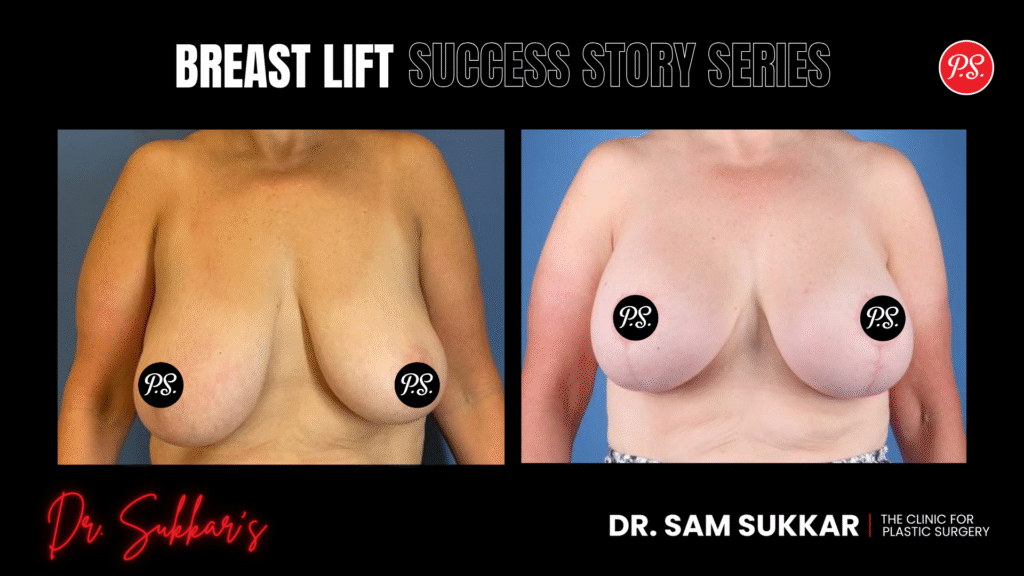
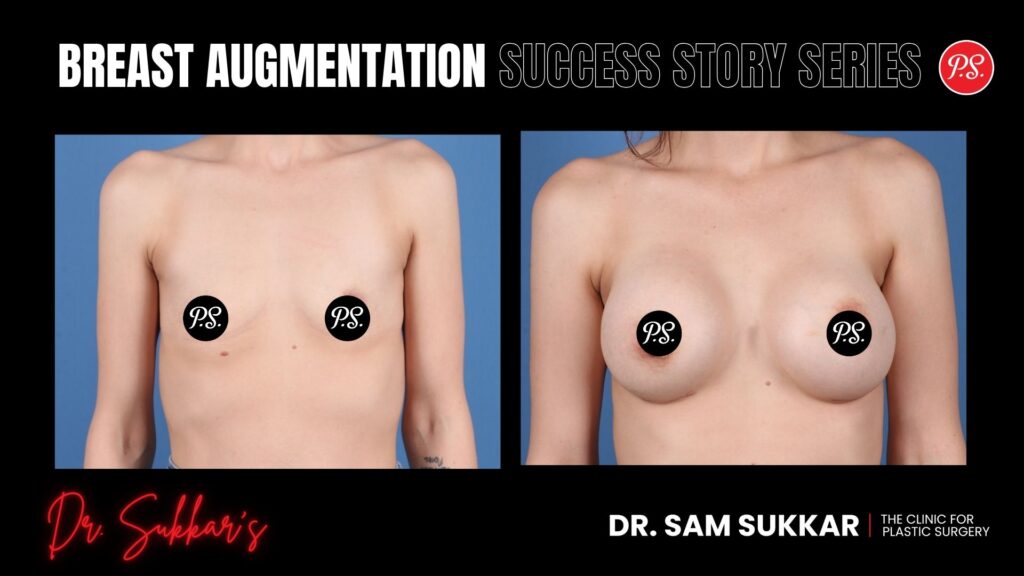
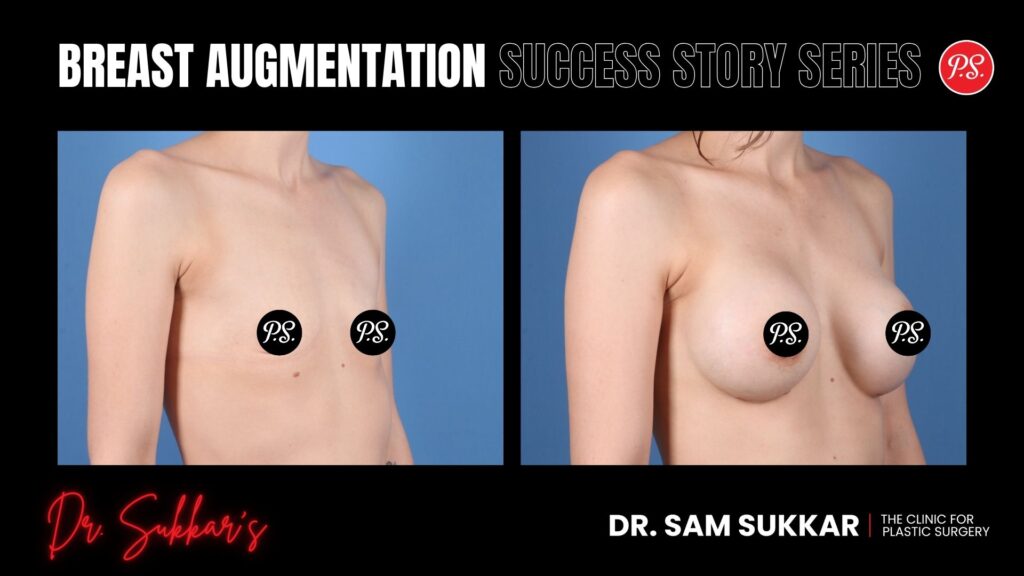
Breast Lift with Augmentation: 51-Year-Old’s Transformation

Breast Lift Surgery Success Story Series by Dr. Sam Sukkar, MD | Case Study #6514


This is part of our series featuring real patient transformations at The Clinic for Plastic Surgery. Each case study provides an in-depth look at actual procedures, recovery experiences, and results from Houston patients who’ve undergone breast lift with Dr. Sam M. Sukkar.


Rebecca* stood in front of her bathroom mirror on a Tuesday morning, running through the mental checklist she’d perfected over the years. The right bra. The right neckline. The strategic layering that made everything look acceptable. At 56, she’d made peace with aging in most ways. But her breasts told a story she was tired of managing, three pregnancies, significant weight fluctuations, and gravity’s relentless pull had left her feeling disconnected from her own body.

When she finally picked up the phone to schedule a consultation, it wasn’t vanity driving her. It was exhausting. Exhaustion from the daily engineering required to feel presentable. Exhaustion from avoiding certain clothes, certain angles, certain intimacies. She wanted restoration, not reinvention.

*The patient’s name was changed to protect their privacy. All medical details and photographic before and after results are from actual Patient Case #6514. Individual results may vary based on body type, surgical approach, and adherence to post-operative instructions.

Rebecca’s Path to Breast Lift Surgery in Houston

What Brought Rebecca to The Clinic for Plastic Surgery

Rebecca’s concerns were specific and long-developing. After nursing three children and experiencing a 40-pound weight loss in her late 40s, her breasts had lost volume and position. The tissue that once filled out the upper pole had descended, creating a deflated appearance that no amount of supportive undergarments could truly correct. She described feeling “empty” in the upper chest while dealing with excess skin and tissue hanging lower than she was comfortable with.

During our consultation, we discussed her lifestyle, active, social, and image-conscious without being preoccupied. She wasn’t seeking dramatic size changes. She wanted breasts that matched the vitality she felt inside, that didn’t require constant wardrobe calculations, that looked natural in proportion to her frame. Her expectations centered on restoration of youthful position and fullness, with realistic understanding that surgery meant trading sagging for scars.

Addressing Rebecca’s Pre-Surgical Concerns

Scarring: Rebecca worried most about visible scarring. She’d researched extensively and understood that breast lift surgery required incisions, but wanted assurance they’d heal well and remain concealable.

Recovery interference: With grandchildren visiting frequently and an active social calendar, she needed clear expectations about downtime and restrictions.

Natural results: She’d seen overly augmented results on friends and wanted to avoid the “obvious surgery” look, her goal was to appear refreshed, not reconstructed.

Implant necessity: Rebecca questioned whether she needed implants at all, or if a lift alone would achieve her goals.

I assured her that my approach prioritizes natural aesthetics matched to each patient’s anatomy, that modern techniques minimize scarring, and that combining lift with modest augmentation would address both the position and volume concerns she’d described.

Customizing Rebecca’s Breast Lift and Augmentation Approach

The Surgical Blueprint: Mastopexy with Augmentation

After comprehensive examination and discussion, we developed a surgical plan that addressed both the positional descent and volume depletion Rebecca experienced:

1. Mastopexy (Breast Lift)

  • Anchor incision pattern to remove excess skin and reposition nipple-areola complex
  • Tissue reshaping to create superior pole fullness
  • Internal suturing to support new breast contour and longevity of results

2. Bilateral Augmentation Mammoplasty (Breast Augmentation)

  • Moderate profile silicone implants to restore upper pole volume
  • Dual-plane placement for natural movement and feel
  • Size selection based on chest measurements and tissue characteristics

The combination of breast lift with augmentation offers advantages that neither procedure alone can achieve. The lift addresses the sagging and malposition, removing excess skin and elevating the nipple to a more youthful position. The augmentation restores the fullness lost through aging and weight changes, particularly in the upper breast where volume depletion is most noticeable. Together, they create a rejuvenated contour that looks proportionate and natural.

Breast Lift with Augmentation: 51-Year-Old’s Transformation - Breast Lift Success Story Series by Dr. Sam Sukkar, MD in Houston, TX

Why This Combined Approach Made Sense

Many patients Rebecca’s age assume they need only a lift or only implants, but the reality is more nuanced. After examining thousands of patients, I’ve learned that post-pregnancy and post-weight-loss breasts typically need both positional correction and volume replacement to achieve truly satisfying results.

In Rebecca’s case, a lift alone would have repositioned her existing tissue but left the deflated upper pole unchanged, she’d still struggle to fill out tops and swimwear. Implants alone wouldn’t correct the sagging or reposition the nipple-areola complex that had descended below the breast fold. The strategic combination addressed every aspect of her concerns in a single surgery with one recovery period.

The moderate profile implants I selected provided enough projection to fill the upper breast without creating an overly augmented appearance. The internal mastopexy techniques I employ, including permanent suturing of the breast tissue to the chest wall, help maintain the lifted position long-term, preventing the premature sagging that can occur when lifts are performed without adequate internal support.

Rebecca’s Healing Journey After Combined Breast Surgery

The Initial Two Weeks: Managing Discomfort and Restrictions

Days 1-3 brought the expected surgical discomfort, tightness across the chest, soreness that acetaminophen and prescribed medication managed adequately, and the strange sensation of swelling making everything feel foreign. Rebecca wore her surgical bra continuously and slept elevated on pillows. She described feeling “bound up” but not in severe pain.

The first week demanded patience. Rebecca couldn’t lift her grandchildren, had to avoid raising her arms above shoulder height, and needed help with tasks like washing her hair. Critical rules during this phase: no reaching, no lifting anything heavier than a phone, no underwire bras, and no sleeping on the stomach or sides. I saw her at day five to check incisions and drainage, and everything progressed normally.

By weeks 1-2, Rebecca noticed significant improvement. The initial swelling began subsiding, and she could see the emerging shape of her new contour. She transitioned to extra-strength over-the-counter pain relief and felt comfortable enough to attend a quiet dinner with friends. Her recovery timeline was textbook, gradual daily improvements with no complications.

Returning to Normal Life: Weeks 3-8

Weeks 3-4 marked Rebecca’s return to most normal activities. She resumed light exercise (walking), drove comfortably, and felt confident in her appearance with clothes on. The incisions had healed sufficiently that she began scar management protocols, silicone strips and gentle massage that would continue for months.

She still avoided strenuous upper body work and high-impact activities, but the restrictions felt manageable rather than limiting. This is when many patients report feeling genuinely excited about their results as the surgical side effects fade and the actual outcome becomes visible.

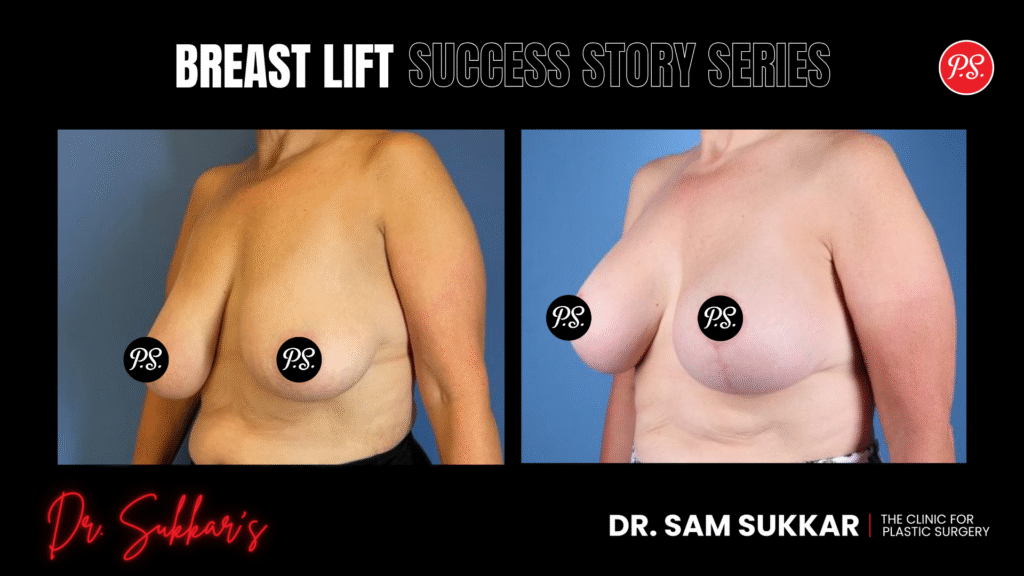
Months 2-3 brought Rebecca’s final result into focus. The implants settled into their permanent position, the swelling completely resolved, and the scars began their transition from pink to pale. She wore standard bras without discomfort, exercised without restrictions, and experienced the full impact of her transformation. The breasts sat higher on her chest, filled out the upper pole naturally, and maintained a youthful position that required none of her previous wardrobe engineering.

Rebecca’s Six-Month Transformation Results

Rebecca returned for her six-month follow-up appointment looking visibly different, not just physically, but in her demeanor. The breasts that had caused daily frustration now required zero thought or management.

The measurable outcomes spoke clearly: nipple position elevated approximately 4-5 centimeters, upper pole fullness restored through moderate profile implants, and breast tissue reshaped into a natural teardrop contour. The anchor incisions healed into fine lines that remained completely hidden beneath swimwear and most clothing.

But Rebecca’s satisfaction extended beyond measurements. She reported wearing sleeveless tops without self-consciousness, buying lingerie based on style rather than structural engineering requirements, and feeling present during intimate moments instead of distracted by insecurities. The transformation affected her confidence in ways she hadn’t anticipated, carrying herself differently, making eye contact more readily, accepting compliments instead of deflecting them.

What Made Rebecca’s Result Stand Out

Several factors contributed to the exceptional outcome Rebecca achieved:

Realistic expectations aligned with surgical capabilities – Rebecca understood that surgery would trade sagging for scars, that perfection wasn’t the goal, and that natural results required appropriate implant selection.

Excellent tissue quality – Despite her age and previous pregnancies, Rebecca maintained good skin elasticity that allowed optimal reshaping and long-term result stability.

Combination approach specificity – Addressing both position and volume simultaneously created harmonious results that neither procedure alone could have achieved.

Meticulous surgical technique – The internal suturing methods I’ve refined over decades of breast surgery provide structural support that maintains lifted position long-term, while careful implant pocket creation ensures natural movement and feel.

Patient compliance during recovery – Rebecca followed all post-operative instructions precisely, attended every follow-up appointment, and maintained the activity restrictions that protect surgical results during healing.

Her results demonstrate what’s achievable when surgical planning addresses the patient’s specific anatomical needs rather than applying generic approaches. Every breast lift requires customization based on degree of sagging, tissue characteristics, and desired outcome.

Breast Lift with Augmentation: 51-Year-Old’s Transformation - Breast Lift Success Story Series by Dr. Sam Sukkar, MD in Houston, Texas

Common Questions About Breast Lift with Augmentation

Can I get good results from a breast lift in my 50s?

Absolutely. Age itself doesn’t determine candidacy, tissue quality, health status, and realistic expectations matter far more. I’ve performed successful breast lifts on patients in their 50s, 60s, and even 70s. In fact, many women in this age range have excellent skin quality that allows beautiful reshaping and long-lasting results. The key is comprehensive evaluation during consultation to assess your specific anatomy and goals.

How do I know if I need implants with my breast lift, or just the lift alone?

This depends on your volume loss and desired fullness. If you’ve lost significant upper pole volume, common after pregnancy, nursing, or weight loss, implants restore that fullness and prevent a “bottom-heavy” appearance that sometimes results from lifts performed alone. During consultation, I assess your tissue distribution and discuss your goals to determine whether augmentation adds value to your specific case. Some patients achieve their goals with lift alone, but many benefit from the combined approach Rebecca chose.

What’s the typical investment for a combined breast lift and augmentation in Houston?

Rebecca’s procedure, combining mastopexy with bilateral augmentation, typically ranges from $12,000 to $16,000 in Houston, depending on the surgical complexity. Many patients utilize financing options starting around $250/month to make this investment manageable. Specific pricing is discussed during your personalized consultation after I’ve assessed your individual needs.

Ready to Write Your Own Breast Lift Success Story?

For six years, Rebecca engineered her wardrobe around limitations. Four months after surgery, she browsed swimwear based purely on style preferences.

Your concerns might differ. Maybe you’re wondering whether your sagging is “bad enough” to justify surgery, questioning which surgical approach is right for your body type, or trying to understand the recovery commitment.

But the fundamental truth remains: You deserve to feel confident and comfortable in your own body. Your body deserves the same dedication you give to fitness and health.

If post-pregnancy changes, weight fluctuations, or aging have affected your breast appearance and quality of life, transformation is possible.

Schedule Your Personalized Consultation here, or call us today at (281) 940-1535 and take the first step toward your own transformation journey!

Your Premier Destination for Plastic Surgery in Houston, Texas (TX)

Are you located in one of these Houston Metro Area cities?

Houston, The Woodlands, Sugar Land, Katy, Pearland, Pasadena, League City, Baytown, Conroe, Cypress, Spring, Kingwood, Humble, Missouri City, Friendswood, Bellaire, Clear Lake, Tomball, Galveston, Richmond, Rosenberg, Stafford, La Porte, Deer Park, Seabrook, Webster, Alvin, and Channelview.

Board-Certified Plastic Surgeon Dr. Sam Sukkar, MD, FACS, and The Clinic for Plastic Surgery Team are here to help you achieve refined, natural-looking results.

Offering expert cosmetic enhancements in:

  • Breast Augmentation, Breast Lifts, and Breast Reduction
  • Tummy Tucks, Mommy Makeovers, and Liposuction
  • Facelifts, Neck Lifts, and Rhinoplasty
  • Body Contouring and Skin Tightening Procedures
  • Non-Surgical Aesthetic Treatments

Visit our modern 18,000+ sq.ft. luxurious plastic surgery center and med spa in Houston, Texas, where expertise meets artistry. Our highly skilled and compassionate team ensures a seamless experience, from consultation to recovery.

For patients outside of the Houston area or those with a busy schedule, Schedule a Virtual Consultation.

Schedule your personalized consultation today at DrSukkar.com or call (281) 940-1535.

About the Author – Meet Dr. Sam Sukkar, MD

Dr. Sam Sukkar, MD, FACS is a highly respected Board-Certified Plastic Surgeon in Houston, Texas, known for his expertise in advanced cosmetic and reconstructive procedures. As the founder of The Clinic for Plastic Surgery, Dr. Sukkar has set a new standard for excellence, performing over 20,000 procedures with a focus on delivering natural, refined results.

Dr. Sukkar earned his Doctor of Medicine (M.D.) degree from Louisiana State University School of Medicine in 1992 after graduating summa cum laude with a Bachelor of Science in Microbiology. He then completed an intensive General Surgery Residency at the University of Texas Hermann Hospital before being selected for a highly competitive Plastic Surgery Fellowship at Northwestern University in Chicago, one of the most prestigious training programs in the country.

With more than 20 years of experience, Dr. Sukkar is a Diplomate of the American Board of Plastic Surgery and a Fellow of the American College of Surgeons (FACS). He is also an active member of the American Society of Plastic Surgeons (ASPS) and the Houston Society of Plastic Surgery (HSPS). His dedication to innovation and continuing education has solidified his reputation as a leading expert in aesthetic surgery, specializing in breast surgery, body contouring, facial procedures, and non-invasive treatments.

Dr. Sukkar’s expertise has been recognized by Houston Magazine, naming him one of Houston’s “Top Docs for Women,” and he has been featured among RealSelf’s America’s Top Doctors. Committed to his patients, he prioritizes personalized care, ensuring every individual feels informed, comfortable, and confident in their aesthetic journey.

Contact Dr. Sukkar today to schedule a consultation, visit DrSukkar.com to learn more, or call us directly at (281) 940-1535.

VASER Liposuction Houston: 32-Year-Old’s Targeted Transformation

VASER Liposuction Success Story Series by Dr. Sam Sukkar, MD in Houston, Texas | Case Study #784


This is part of our series featuring real patient transformations at The Clinic for Plastic Surgery. Each case study provides an in-depth look at actual procedures, recovery experiences, and results from Houston patients who’ve undergone liposuction with Dr. Sam M. Sukkar.


Olivia* didn’t struggle with her weight. She maintained a healthy diet, worked out regularly, and felt good about her lifestyle choices. But when she looked in the mirror, certain areas simply wouldn’t cooperate, no matter how many planks she held or miles she ran. At 32 years old, she found herself researching VASER liposuction in Houston, looking for a solution that could address stubborn fat deposits without requiring massive lifestyle changes or invasive surgery. When she found my practice, she wasn’t looking for a complete body overhaul. She wanted precision. She wanted those specific problem areas gone. And she wanted to maintain the athletic physique she’d worked so hard to build.

*The patient’s name was changed to protect their privacy. All medical details and photographic before and after results are from actual Patient Case #784. Individual results may vary based on body type, surgical approach, and adherence to post-operative instructions.

What Brought Olivia* to Houston for VASER Liposuction

The Frustration of Diet-Resistant Fat Deposits

Olivia* came to my Houston office with a story I’ve heard countless times over my 25+ years in plastic surgery, but that doesn’t make it any less frustrating for the patient experiencing it. She’d been following a structured fitness routine for years. Cardio three times weekly. Strength training twice weekly. A balanced diet with appropriate portion control. Yet certain areas on her body stubbornly retained fat deposits that exercise and nutrition simply couldn’t touch.

During our consultation, she pointed to specific zones: her flanks (what many call “love handles”), her abdomen, and her inner and outer thighs. These weren’t areas with excessive fat, they were disproportionate. They disrupted the contours she’d worked hard to achieve everywhere else on her body. She’d researched non-surgical alternatives, but wanted permanent, predictable results. That’s when she discovered VASER liposuction and started looking for an experienced surgeon in Houston.

Concerns About Downtime and Results

Recovery Timeline: Olivia* had a demanding career and couldn’t afford weeks of downtime. She needed to understand exactly what recovery would look like.

Natural Appearance: She didn’t want to look “done.” She wanted refinement, sculpting that enhanced her athletic build rather than creating an artificial appearance.

Skin Quality: At 32, she had good skin elasticity, but she worried about loose skin or irregular contours after fat removal.

Long-Term Results: She wanted to know if the results would last, especially with her active lifestyle.

I addressed each concern directly. VASER liposuction uses ultrasound technology to selectively break down fat cells while preserving surrounding tissue, which typically means less trauma, better skin retraction, and smoother results. With her age, skin quality, and fitness level, she was an ideal candidate. And yes, when fat cells are permanently removed through liposuction, they don’t come back. Weight gain after liposuction distributes more evenly across the body rather than concentrating in previously problematic areas.

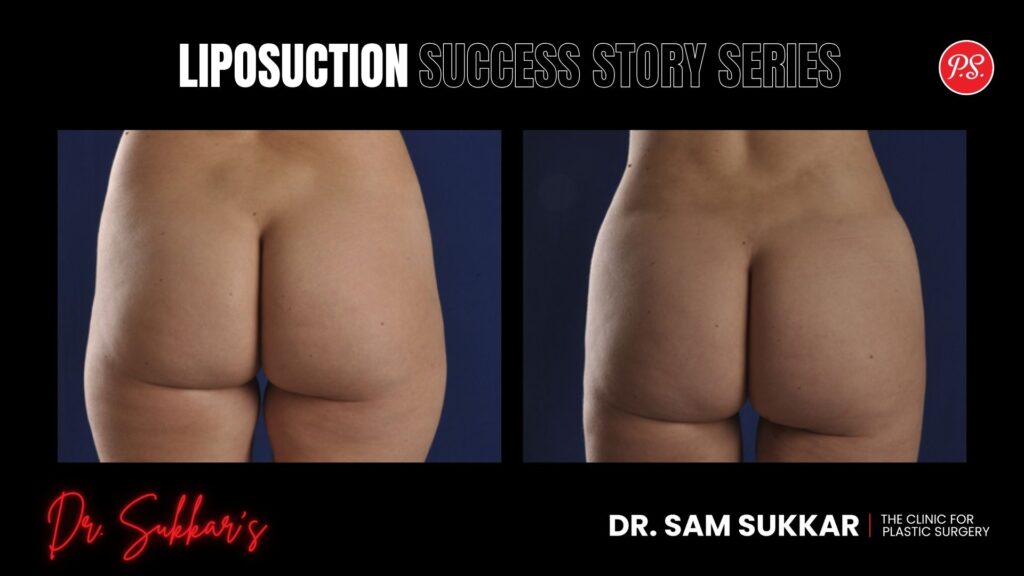
VASER Liposuction Houston: 32-Year-Old’s Targeted Transformation - Liposuction Success Story Series in Houston, Texas by Dr. Sam Sukkar, MD

Dr. Sukkar’s Targeted VASER Approach for Olivia*

Precision Body Contouring Strategy

Based on Olivia’s* concerns and body type, I developed a multi-area approach using VASER technology to address four specific zones. This wasn’t full body liposuction, it was strategic contouring designed to enhance the physique she already had.

1. Flanks (Love Handles)

  • Ultrasound-assisted fat emulsification to break down dense fibrous tissue in the flank region
  • Careful attention to maintaining smooth transition zones between treated and untreated areas
  • Conservative approach to preserve natural waist definition while eliminating lateral protrusions

2. Abdominal Region

  • Targeted removal of subcutaneous fat while preserving underlying muscle definition
  • Focus on upper and lower abdomen to create smooth, athletic contours
  • Strategic cannula work to avoid over-correction that could create an unnatural appearance

3. Inner Thighs

  • Delicate contouring to eliminate friction and improve thigh gap proportion
  • VASER technology particularly beneficial here due to the sensitive nature of inner thigh tissue
  • Attention to lymphatic preservation to minimize swelling

4. Outer Thighs (Lateral Thigh Contour)

  • Smoothing of outer thigh contour to create straighter line from hip to knee
  • Integration with flank treatment for seamless 360-degree result
  • Preservation of natural curves while eliminating disproportionate bulges

The VASER approach was essential for Olivia* because traditional tumescent liposuction can sometimes create irregular contours in patients with lower body fat percentages. The ultrasound energy selectively targets fat cells, allowing me to sculpt with greater precision and achieve smoother results, particularly important for athletic patients who want defined, not deflated, contours.

Why Multiple Areas in One Session

Some patients ask whether treating multiple areas simultaneously is safe or advisable. In Olivia’s* case, addressing all four zones in one procedure made both medical and practical sense.

From a surgical perspective, combining these areas allowed me to create balanced, harmonious proportions. Treating the flanks without addressing the outer thighs, for example, could have created a disproportionate appearance. The body’s contours are interconnected, effective liposuction considers the entire aesthetic picture.

From a practical standpoint, one surgery meant one recovery period. Olivia* could take time off work once rather than scheduling multiple procedures with separate recovery phases. With VASER’s gentler approach and my experience performing comprehensive body contouring procedures over the past two decades, we could safely achieve her goals in a single surgical session.

The key is patient selection and conservative technique. I removed enough fat to create noticeable improvement while preserving the athletic contours she’d worked to build. This isn’t about removing maximum volume, it’s about removing the right volume from the right locations to achieve proportionate, natural-looking results. That’s what distinguishes experienced body contouring surgeons from those simply removing fat.

Olivia’s* Recovery: From Procedure Day to Final Results

The First Two Weeks Post-VASER

Olivia* left my Houston surgical facility the same day as her procedure. VASER liposuction is performed under general anesthesia, but the minimally invasive nature means most patients go home within hours of waking up.

The first 72 hours brought predictable discomfort. She described it as feeling “intensely sore, like I’d done the most brutal workout of my life.” Swelling was significant, this is completely normal after liposuction surgery, particularly when multiple areas are treated. She wore compression garments continuously and took prescribed pain medication as directed.

Critical instructions during this phase:

  • Wear compression garments 24/7 (except when showering, once cleared)
  • Avoid strenuous activity completely, walking is encouraged, but nothing more
  • Stay hydrated to support the body’s healing process
  • Manage expectations, you’ll look worse before you look better due to swelling

Week 1-2: Early Healing Phase

By day five, Olivia* was off prescription pain medication and managing discomfort with over-the-counter options. Swelling remained significant, but she noticed gradual improvement daily. Small incision sites (typically just a few millimeters) began healing. Bruising, which had peaked around day three, started fading to yellow-green tones.

She returned to work at the two-week mark, still wearing compression garments under her clothing. While she couldn’t see final results yet, she noticed her clothes fitting differently, particularly around the waist and thighs. This is when most liposuction patients start feeling encouraged despite still experiencing swelling.

Months 1-3: Watching the Transformation Emerge

Around week three, I cleared Olivia* to gradually resume light exercise. She started with walking, then incorporated gentle yoga and low-impact cardio. The compression garments remained essential, I typically recommend wearing them for 4-6 weeks minimum, sometimes longer depending on how the body responds.

Swelling continued decreasing, and she began seeing the contours we’d created during surgery. The flanks that had frustrated her for years? Dramatically reduced. The abdominal area? Flatter and smoother. But she still had significant healing ahead.

Months 2-3: Final Results Taking Shape

By month two, residual swelling had resolved significantly. Olivia* was back to full exercise routines, including strength training and high-intensity cardio. She noticed clothing fitting better across all treated areas, not just looser, but more proportionate.

At the three-month mark, we took her final before and after photos. The transformation was exactly what we’d planned: athletic, proportionate contours with no evidence of surgical intervention. Her flanks were smooth. Her abdomen was flat without looking hollow. Her thighs no longer touched when she walked. Most importantly, she looked like herself, just a refined, sculpted version.

The Results: Olivia’s* Body Contouring Transformation

At three months post-procedure, Olivia’s* results demonstrated what VASER liposuction can achieve in the right candidate. We removed localized fat deposits from four strategic areas, flanks, abdomen, inner thighs, and outer thighs, creating balanced, proportionate contours that complemented her active lifestyle and fitness dedication.

The transformation wasn’t about dramatic weight loss. It was about addressing specific problem areas that diet and exercise couldn’t touch. When I see patients like Olivia*, healthy, fit individuals frustrated by isolated fat deposits, I know precisely how targeted liposuction can create life-changing results without requiring drastic intervention.

She reported feeling more confident in fitted clothing, particularly high-waisted pants and athletic wear that had previously emphasized the areas we treated. She no longer experienced inner thigh friction during runs or workouts. And perhaps most tellingly, she stopped avoiding mirrors and started appreciating the body she’d worked so hard to maintain.

What Made Olivia’s* VASER Liposuction Exceptionally Successful

Several factors contributed to the outstanding outcome Olivia* achieved:

Patient Selection and Realistic Expectations. Olivia* was an ideal candidate, healthy weight, good skin elasticity, specific areas of concern, and realistic goals. She understood liposuction is body contouring, not weight loss surgery. When patients come to me with appropriate expectations and well-defined concerns, we can create truly transformative results.

VASER Technology for Precision Sculpting. The ultrasound-assisted approach allowed me to selectively target fat while preserving surrounding tissue. This meant smoother results, better skin retraction, and more refined contouring than traditional techniques could achieve. For athletic patients like Olivia* who want definition rather than simply smaller measurements, VASER represents a significant advancement.

Strategic Multi-Area Approach. Rather than treating areas in isolation, we addressed four interconnected zones to create balanced, harmonious proportions. The flanks, abdomen, and thighs work together aesthetically, treating them comprehensively produced results that look natural and proportionate from every angle.

Excellent Post-Operative Compliance. Olivia* followed every instruction meticulously. She wore compression garments as directed, avoided premature exercise, stayed hydrated, and attended all follow-up appointments. Recovery success depends significantly on patient compliance, and she demonstrated exceptional commitment to achieving the best possible outcome.

Maintaining Results Through Lifestyle. Olivia* returned to her healthy lifestyle immediately after clearance. Liposuction permanently removes fat cells, but maintaining results requires continued healthy habits. Her dedication to fitness and nutrition ensures she’ll enjoy these results for years to come.

Common Questions About VASER Liposuction Like Olivia’s*

Can VASER liposuction treat multiple body areas safely in one procedure?

Yes, when performed by an experienced surgeon on an appropriate candidate. I’ve safely combined multiple areas in single procedures throughout my 25+ years of practice. The key factors are the patient’s overall health, total volume being removed, and surgical duration. Olivia’s* case, treating flanks, abdomen, and inner and outer thighs, represents a comprehensive but safe approach for a healthy patient. VASER’s gentler tissue handling compared to traditional methods also contributes to safety when treating multiple zones. However, every case requires individualized assessment. Some patients benefit from staged procedures depending on their specific circumstances and goals.

Will the fat come back after liposuction if I gain weight?

This is one of the most common questions I hear. The fat cells we remove during liposuction are permanently gone, adults don’t generate new fat cells. However, remaining fat cells throughout your body can still expand if you gain significant weight. The difference is that weight gain distributes more evenly rather than concentrating in previously problematic areas. In Olivia’s* case, if she maintains her active lifestyle and healthy weight, her results should remain stable indefinitely. Significant weight gain could affect the outcome, but those treated areas will never return to their pre-surgery proportions. This is why liposuction works best for patients at or near their goal weight with specific areas of concern, like Olivia*.

How does VASER compare to traditional liposuction or non-surgical options?

VASER uses ultrasound energy to emulsify fat before removal, which offers several advantages over traditional tumescent liposuction. The ultrasound selectively targets fat cells while preserving blood vessels, nerves, and connective tissue. This typically means less bruising, smoother results, and better skin retraction. For athletic patients or those treating areas with dense, fibrous fat (like the flanks), VASER often produces superior outcomes. Regarding non-surgical options like CoolSculpting, they can reduce small fat deposits over multiple sessions, but results are gradual, subtle, and unpredictable compared to surgical liposuction. For someone like Olivia* wanting significant, immediate improvement across multiple areas, surgical intervention provided the definitive solution.

Ready to Write Your Own Liposuction Success Story?

Olivia* came to my Houston office frustrated by problem areas that wouldn’t respond to diet or exercise. Three months later, she achieved the proportionate, athletic contours she’d been working toward for years.

Your concerns might be different. Maybe you’re dealing with stubborn abdominal fat that won’t budge despite dedicated workouts, wondering whether you’re a candidate for liposuction, or trying to decide between liposuction and a tummy tuck. Perhaps you’re a man researching liposuction options or wondering about 360-degree body contouring.

But the common thread is this: You deserve to feel confident and comfortable in your own body. Your body deserves the same dedication you give to fitness and health. If stubborn fat deposits are preventing you from achieving the contours you want despite a healthy lifestyle, transformation is possible.

Schedule Your Personalized Consultation here, or call us today at (281) 940-1535 and learn how we can create your customized surgical plan!

Your Premier Destination for Plastic Surgery in Houston, Texas (TX)

Are you located in one of these Houston Metro Area cities?

Houston, The Woodlands, Sugar Land, Katy, Pearland, Pasadena, League City, Baytown, Conroe, Cypress, Spring, Kingwood, Humble, Missouri City, Friendswood, Bellaire, Clear Lake, Tomball, Galveston, Richmond, Rosenberg, Stafford, La Porte, Deer Park, Seabrook, Webster, Alvin, and Channelview.

Board-Certified Plastic Surgeon Dr. Sam Sukkar, MD, FACS, and The Clinic for Plastic Surgery Team are here to help you achieve refined, natural-looking results.

Offering expert cosmetic enhancements in:

  • Breast Augmentation, Breast Lifts, and Breast Reduction
  • Tummy Tucks, Mommy Makeovers, and Liposuction
  • Facelifts, Neck Lifts, and Rhinoplasty
  • Body Contouring and Skin Tightening Procedures
  • Non-Surgical Aesthetic Treatments

Visit our modern 18,000+ sq.ft. luxurious plastic surgery center and med spa in Houston, Texas, where expertise meets artistry. Our highly skilled and compassionate team ensures a seamless experience, from consultation to recovery.

For patients outside of the Houston area or those with a busy schedule, Schedule a Virtual Consultation.

Schedule your personalized consultation today at DrSukkar.com or call (281) 940-1535.

About the Author – Meet Dr. Sam Sukkar, MD

Dr. Sam Sukkar, MD, FACS is a highly respected Board-Certified Plastic Surgeon in Houston, Texas, known for his expertise in advanced cosmetic and reconstructive procedures. As the founder of The Clinic for Plastic Surgery, Dr. Sukkar has set a new standard for excellence, performing over 20,000 procedures with a focus on delivering natural, refined results.

Dr. Sukkar earned his Doctor of Medicine (M.D.) degree from Louisiana State University School of Medicine in 1992 after graduating summa cum laude with a Bachelor of Science in Microbiology. He then completed an intensive General Surgery Residency at the University of Texas Hermann Hospital before being selected for a highly competitive Plastic Surgery Fellowship at Northwestern University in Chicago, one of the most prestigious training programs in the country.

With more than 20 years of experience, Dr. Sukkar is a Diplomate of the American Board of Plastic Surgery and a Fellow of the American College of Surgeons (FACS). He is also an active member of the American Society of Plastic Surgeons (ASPS) and the Houston Society of Plastic Surgery (HSPS). His dedication to innovation and continuing education has solidified his reputation as a leading expert in aesthetic surgery, specializing in breast surgery, body contouring, facial procedures, and non-invasive treatments.

Dr. Sukkar’s expertise has been recognized by Houston Magazine, naming him one of Houston’s “Top Docs for Women,” and he has been featured among RealSelf’s America’s Top Doctors. Committed to his patients, he prioritizes personalized care, ensuring every individual feels informed, comfortable, and confident in their aesthetic journey.

Contact Dr. Sukkar today to schedule a consultation, visit DrSukkar.com to learn more, or call us directly at (281) 940-1535.

How to Get Gynecomastia Surgery Covered by Insurance?

How to get gynecomastia surgery covered by insurance usually comes down to proving the surgery is medically necessary, not cosmetic. Insurers want clear evidence of true glandular breast tissue, ongoing symptoms, and failed conservative treatments before they agree to cover gynecomastia surgery. In practice, that means documented physical pain or functional impairment, persistent enlarged male breasts for more than a year, and objective findings on exam and tests.

In Houston, most gynecomastia patients who succeed with insurance coverage do three things well: they work with The Clinic for Plastic Surgery, gather comprehensive medical documentation, and follow their health insurance plans’ preauthorization rules closely. That combination can turn a $9,500–$13,000 male breast reduction surgery from a full out-of-pocket expense into a covered benefit after deductibles and copays.

Key Takeaways of How to Get Gynecomastia Surgery Covered by Insurance?

  • To get gynecomastia surgery cost covered by insurance, you must prove it is medically necessary by documenting true glandular breast tissue.
  • Strong medical records, plus a detailed letter of medical necessity are central to how to get gynecomastia surgery covered by insurance.
  • Understanding your specific health insurance policy, including medical necessity criteria, preauthorization rules, and required in‑network providers, greatly increases the chances of approval.
  • Accurate ICD‑10 diagnosis codes and CPT procedure codes help insurers see gynecomastia surgery as reconstructive treatment rather than cosmetic chest contouring.
  • If your claim is denied, carefully reading the denial letter and submitting a targeted appeal with additional evidence, external reviews, or regulator support can still lead to coverage.
  • When insurance only partially covers or denies gynecomastia surgery, using payment plans or financing can make the remaining costs more manageable.

Gynecomastia And When Surgery Is Medically Necessary

Gynecomastia refers to the enlargement of male breast tissue due to excess glandular tissue, not just fat. Understanding the difference between cosmetic breast enlargement and medically significant gynecomastia is the foundation for any insurance coverage request.

Types And Causes Of Gynecomastia

True gynecomastia involves glandular breast tissue that can be felt as a firm disc under the nipple. Pseudogynecomastia, by contrast, is mainly excess fat without distinct glandular tissue. Insurers usually cover only the first type.

Common causes include hormonal imbalance during puberty, aging-related hormone shifts, anabolic steroids, some prescription medications, and certain health conditions. When gynecomastia persists longer than two years or is linked to an irreversible cause, surgical treatment is often the only effective gynecomastia treatment.

Physical And Psychological Symptoms Insurers Consider

Insurance companies look for documented physical discomfort, not just appearance concerns. Physical pain, nipple tenderness, chafing, or difficulty with exercise or work because of enlarged breasts all support medical necessity.

Psychological distress also matters. Many male patients report avoiding swimming, locker rooms, or fitted clothing. Notes about anxiety, depression, or body-image issues related to enlarged male breasts can strengthen an argument that male breast reduction surgery is more than a cosmetic procedure.

Distinguishing Gynecomastia From Cosmetic Chest Contouring

Health insurance policies nearly always exclude cosmetic surgeries like elective chest sculpting or purely aesthetic fat removal. They do, but, sometimes cover gynecomastia surgery when excess glandular tissue is clearly present.

Insurers want to see that the proposed surgical treatment is aimed at removing excess glandular tissue and excess skin, not just improving a masculine chest contour. Clear physical examination findings and diagnostic tests help distinguish reconstructive gynecomastia cases from cosmetic chest contouring or breast augmentation–type requests.

How Health Insurance Typically Views Gynecomastia Surgery

Health insurance companies generally start from the position that gynecomastia surgery is considered cosmetic unless proven otherwise. Each insurance policy, but, includes specific language describing when male breast reduction may be deemed medically necessary.

Common Insurance Policy Definitions And Exclusions

Most health insurance policies define gynecomastia surgery under breast reduction surgery or male breast reduction sections. They often state that surgery cost is excluded when done for appearance alone.

Coverage becomes possible when gynecomastia surgery is linked to medical necessity. Policies may require documentation of glandular breast tissue larger than a specific size, associated symptoms, and proof that nonsurgical gynecomastia treatment has failed or is inappropriate.

Differences Between Plans: HMO, PPO, And High-Deductible Plans

HMOs typically require patients to see in-network healthcare providers and obtain referrals for plastic surgery consultations. Without prior authorization, even medically necessary treatments can be denied or only partially covered.

PPO plans offer more flexibility in choosing the surgical team but may reimburse less for out-of-network care. High-deductible health insurance plans shift more of the gynecomastia surgery cost to the patient upfront, even when surgery is approved, so deductibles and coinsurance become a major factor in the final cost.

Meeting Medical Necessity Criteria For Coverage

To get gynecomastia surgery covered by insurance, patients must align their clinical picture with the medical necessity criteria defined by their health insurance company. That involves symptoms, duration, and objective findings.

Typical Insurer Requirements For Medical Necessity

Insurers frequently expect at least moderate to severe gynecomastia with clear glandular tissue and deformity. Some carriers use grading scales.

Examples include requirements like a minimum amount of glandular breast tissue on exam, documentation of physical discomfort or functional impairment, and evidence that conservative measures such as hormone therapy or medication adjustments have not resolved the issue.

Role Of Weight Stabilization, Hormone Evaluation, And Duration

Insurers often require patients to lose weight or maintain a stable weight to rule out simple fat-related breast enlargement. Stable weight over several months, documented by a primary care visit, can be important.

Diagnostic tests may include hormone evaluations, liver and kidney function tests, or imaging to exclude tumors. When gynecomastia persists longer than one to two years, even though these measures, insurers are more likely to view male breast reduction as medically necessary rather than premature.

Documenting Functional Limitations And Pain

Functional impairment plays a key role in many coverage decisions. Notes describing difficulty running, lifting, or performing job tasks due to male breast enlargement can be decisive. Gym class avoidance in teens may also be documented.

Regular chart entries describing physical pain, rashes under excess tissue, or pressure from clothing help show ongoing symptoms. A detailed treatment plan that explains how gynecomastia surgery will relieve these problems supports the claim that the surgery is a medically necessary treatment.

Getting Proper Documentation

Even when symptoms are significant, weak documentation can derail insurance coverage. Comprehensive medical documentation from multiple healthcare providers gives the insurer little room to dismiss the case as cosmetic.

Essential Medical Records To Gather

Key records include primary care notes describing enlarged breasts, physical examination findings of excess glandular tissue, and any diagnostic tests ordered. Imaging or biopsy results showing glandular breast tissue, not just fat, can be powerful.

Medication lists noting drugs known to cause gynecomastia, such as some hormone therapies, certain asthma medication, or anabolic steroids, should be included. Records of attempts to adjust prescription medications or manage hormonal imbalance belong in the packet as well.

How Your Surgical Team’s Letter Of Medical Necessity Should Be Written

Most patients rely on their plastic surgeon’s office to draft a strong letter of medical necessity. That letter should state diagnoses using the correct medical terms and ICD-10 codes for gynecomastia.

It should describe symptoms, duration, associated psychological distress, the proposed surgical approach, and expected functional benefits. Referencing the American Society of Plastic Surgeons (ASPS) guidance and attaching the plastic surgeons position paper can help show that the procedure is standard medical care in appropriate cases.

Navigating The Insurance Process Step By Step

Once documentation is in place, the focus shifts to process. Each health insurance company has its own workflows, but most follow the same broad steps from benefit checks to claim submission.

Verifying Benefits And Preauthorization Requirements

Before scheduling male breast reduction, patients or staff should call the insurance provider to verify benefits. They should ask directly whether the plan can ever cover gynecomastia surgery under medical necessity criteria.

It is important to confirm preauthorization rules, in-network requirements, and whether a second opinion is required. Getting names, dates, and reference numbers from these calls provides a paper trail if disputes arise later.

Working With the Billing Office

The Clinic for Plastic Surgery has staff experienced in handling health insurance for gynecomastia cases. They submit preauthorization requests, send records, and communicate with medical reviewers.

Patients should confirm the office understands their specific insurance policy limits and network status. Clear communication about deductible levels, possible anesthesia fees, and facility charges helps avoid financial surprises.

Coding, CPT, And ICD-10: Why The Right Codes Matter

Insurance claims depend heavily on accurate coding. The diagnosis of gynecomastia is represented by an ICD-10 code, while male breast reduction surgery uses appropriate CPT codes for glandular tissue excision and any liposuction.

Incorrect codes can make a reconstructive procedure look like elective breast augmentation or simple cosmetic breast reduction. That error can lead to an automatic denial, even when the underlying medical documentation is strong.

Filing The Initial Claim: Timelines And Follow-Up

The office files a claim with the insurer using the agreed codes and modifiers. Claims must be submitted within the insurer’s time limits, which can be as short as 90 days.

Patients should track claim status through online portals or phone calls. If the claim pends for medical review, promptly responding to any requests for additional documentation keeps the process moving and reduces the risk of technical denials.

What To Do If Your Insurance Claim Is Denied

Even well-documented, medically necessary gynecomastia cases may be denied initially. Knowing how to interpret the denial and respond strategically is crucial.

Understanding Your Denial Letter

The denial letter explains why the insurer did not cover gynecomastia surgery. Common reasons include classification as cosmetic, lack of documented glandular tissue, or missing prior authorization.

Patients should compare the letter to their insurance policy language. Sometimes the insurer misapplies its own rules, or important records were simply not reviewed. Identifying the exact reason guides the next steps.

Building A Strong Appeal Packet

An appeal should address each point in the denial and provide targeted evidence. This may mean updated physician notes, additional diagnostic tests, or clearer photos showing excess tissue and deformity.

Including letters from multiple healthcare providers, mental health professionals, and the plastic surgeon can be persuasive. The surgical team may revise or expand their medical necessity letters to align closely with the insurer’s criteria.

Using External Reviews And State Insurance Regulators

If internal appeals fail, most health insurance plans offer access to an external, independent medical review. These reviewers are usually physicians who apply evidence-based standards to the case.

Patients can also contact state insurance regulators or ombudsman programs when they suspect unfair practices. While regulators do not order coverage in every case, their involvement can encourage insurers to apply policies more consistently and transparently.

Managing Costs If Coverage Is Partial Or Denied

Insurance may cover only part of the gynecomastia surgery cost, and in some cases it does not cover it at all. In those situations, financial planning and negotiation can significantly reduce the final cost.

Payment Plans, Financing, And Medical Credit Options

The Clinic for Plastic Surgery offers several ways to pay for gynecomastia treatment instead of requiring one full upfront payment. Patients can choose medical financing through Cherry, CareCredit, or Prosper HealthCare Lending, which provide affordable monthly payments, flexible schedules, and occasionally interest-free promotions for qualifying applicants.

The office also accepts many direct payment methods, including American Express, Visa, MasterCard, Discover, personal checks, and cashier’s checks. Review each option carefully and compare terms before selecting a plan, and many patients combine savings with financing to keep monthly payments lower and reduce overall interest.

Frequently Asked Questions About How to Get Gynecomastia Surgery Covered by Insurance

What is gynecomastia procedure?

The gynecomastia procedure is a male breast reduction surgery that removes excess glandular tissue and fat to create a flatter, more masculine chest. Treatment may involve liposuction to remove fatty tissue, direct excision to remove firm breast gland tissue beneath the nipple, or a combination of both depending on the case. Small incisions are usually placed along the edge of the areola or in natural chest creases, so scars are thin and tend to fade over several months with proper aftercare and sun protection.

How much does a gynecomastia surgery cost in Houston, TX?

In Houston, Texas, male breast reduction surgery cost usually ranges from $9,500 to $13,000. Gynecomastia cost depends on the amount of glandular tissue removed, extent of fat removal, and if skin tightening is needed. The total price commonly covers the operating facility, anesthesia, surgical supplies, and follow-up care. Financing options are available, with monthly payments starting as low as $257, allowing patients to spread the cost out instead of paying upfront.

How to get insurance cover gynecomastia surgery?

To obtain insurance coverage for gynecomastia surgery, you must prove medical necessity: documented glandular breast tissue (true gynecomastia), moderate symptoms such as pain or functional limits, psychological distress, and failure of conservative treatments. Strong records plus a detailed medical letter using proper ICD-10 and CPT codes are crucial.

How long does it usually take to get insurance approval for male breast reduction surgery?

Each insurer sets its own timeline, but after submission of a complete preauthorization packet, decisions often take 2–6 weeks. Missing records, unclear coding, or requests for additional information can extend this. Tracking the request, responding quickly, and having the office follow up regularly helps prevent delays or technical denials.

What can I do if my gynecomastia surgery claim is denied by insurance?

Start by reading the denial letter and comparing it to your policy’s gynecomastia criteria. Then file a written appeal that directly addresses each reason for denial, adding stronger documentation, updated photos, and mental health letters if needed. If internal appeals fail, request an external medical review and consider contacting your state insurance regulator.

Conclusion and Summary of How to Get Gynecomastia Surgery Covered by Insurance?

Insurance coverage for gynecomastia surgery rarely depends on a single magic phrase. It is about building a clear, consistent story that shows true glandular breast tissue, persistent symptoms, and failed conservative care.

When patients understand their health insurance policies, and compile comprehensive medical documentation, approval becomes far more likely. And even if insurers still decline coverage, informed planning, and financing options can keep the cost of gynecomastia surgery more manageable

Your Trusted Destination for Male Breast Reduction Gynecomastia Surgery in Houston, Texas (TX)

Are you located in one of these Houston Metro Area cities?

Houston, The Woodlands, Sugar Land, Katy, Pearland, Pasadena, League City, Baytown, Conroe, Cypress, Spring, Kingwood, Humble, Missouri City, Friendswood, Bellaire, Clear Lake, Tomball, Galveston, Richmond, Rosenberg, Stafford, La Porte, Deer Park, Seabrook, Webster, Alvin, and Channelview.

Board-Certified Plastic Surgeon Dr. Sam Sukkar, MD, FACS, and the The Clinic for Plastic Surgery Team provide advanced surgical solutions for men struggling with enlarged or excess breast tissue.

If you are man experiencing excess chest fat, glandular tissue, or persistent male breast enlargement, we offer comprehensive gynecomastia treatment options, including:

  • Gynecomastia Surgery
  • Male Breast Reduction Surgery
  • Gyno Surgery for Hormonal or Genetic Causes
  • Male Reduction Mammaplasty
  • Liposuction for Male Chest Contouring
  • Customized Male Chest Reshaping Plans

Visit our modern 18,000+ sq. ft. plastic surgery center and med spa in Houston, Texas, designed for comfort, privacy, and results-driven care. From your initial consultation through recovery, our experienced team focuses on natural-looking chest contours and long-term confidence.

For patients outside the Houston area or those with limited availability, schedule a virtual gynecomastia consultation.

Book Your Male Breast Reduction Consultation today at DrSukkar.com or call (281) 940-1535

About the Author – Meet Dr. Sam Sukkar, MD

Dr. Sam Sukkar, MD, FACS is a highly respected Board-Certified Plastic Surgeon in Houston, Texas, known for his expertise in advanced cosmetic and reconstructive procedures. As the founder of The Clinic for Plastic Surgery, Dr. Sukkar has set a new standard for excellence, performing over 20,000 procedures with a focus on delivering natural, refined results.

Dr. Sukkar earned his Doctor of Medicine (M.D.) degree from Louisiana State University School of Medicine in 1992 after graduating summa cum laude with a Bachelor of Science in Microbiology. He then completed an intensive General Surgery Residency at the University of Texas Hermann Hospital before being selected for a highly competitive Plastic Surgery Fellowship at Northwestern University in Chicago, one of the most prestigious training programs in the country.

With more than 20 years of experience, Dr. Sukkar is a Diplomate of the American Board of Plastic Surgery and a Fellow of the American College of Surgeons (FACS). He is also an active member of the American Society of Plastic Surgeons (ASPS) and the Houston Society of Plastic Surgery (HSPS). His dedication to innovation and continuing education has solidified his reputation as a leading expert in aesthetic surgery, specializing in breast surgery, body contouring, facial procedures, and non-invasive treatments.

Dr. Sukkar’s expertise has been recognized by Houston Magazine, naming him one of Houston’s “Top Docs for Women,” and he has been featured among RealSelf’s America’s Top Doctors. Committed to his patients, he prioritizes personalized care, ensuring every individual feels informed, comfortable, and confident in their aesthetic journey.

Contact Dr. Sukkar today to schedule a consultation, visit DrSukkar.com to learn more, or call us directly at (281) 940-1535.

How to Qualify for Eyelid Surgery: Best Candidates for Blepharoplasty

How to qualify for eyelid surgery depends on a combination of medical safety, eye health, and whether droopy eyelids actually affect vision or appearance. In most cases, a strong candidate for blepharoplasty surgery is in good overall health, has excess eyelid skin or bags that interfere with vision or confidence, and holds realistic expectations about subtle, natural looking results. The core steps are simple: get a thorough eye and medical evaluation, document any vision problems from droopy lids, and review whether goals are functional, cosmetic, or a combination of both.

To deliver the best eyelid surgery results, the evaluation focuses on specific factors: the condition of the upper and lower eyelids, skin elasticity, eye health, and medical history. Patients are often advised to stop smoking, stabilize chronic illnesses, and plan for recovery. These steps reduce risk, support smooth healing, and help achieve a refreshed appearance without looking overdone.

Key Takeaways of How to Qualify for Eyelid Surgery?

  • How to qualify for eyelid surgery starts with a full medical and eye evaluation that confirms good overall health, stable vision, and specific eyelid concerns that affect function or appearance.
  • Candidates for eyelid surgery must meet medical safety requirements, including controlled chronic illnesses, acceptable bleeding risk, healthy eye surface, and willingness to follow recovery instructions.
  • Functional eyelid surgery is considered when droopy lids or excess skin block the visual field, cause fatigue or headaches, and can be documented through visual field testing and medical photographs for possible insurance coverage.
  • Cosmetic candidates for eyelid surgery need realistic expectations, adequate skin elasticity and eyelid support, and an understanding that blepharoplasty refreshes the eye area but does not correct every wrinkle, dark circle, or brow droop.
  • A thorough in-person consultation is essential to match your goals to the right procedure, determine if now is the safest time for surgery, or decide if you should wait or consider non-surgical alternatives.

What Eyelid Surgery Can And Cannot Do

Eyelid surgery, also called blepharoplasty, is a surgical procedure designed to improve the upper eyelids, lower lids, or both, but it has clear limits patients should understand.

Medical Vs. Cosmetic Eyelid Surgery

When someone asks how to qualify for eyelid surgery, the first step is determining whether the main goal is medical or cosmetic. Functional eyelid surgery focuses on droopy eyelids or excess skin that interferes with vision or causes fatigue and strain.

In these cases, the evaluation measures how much excess eyelid skin hangs over the lashes or pupil and whether it blocks the visual field. Findings may include ptosis, where lid muscle function is weak, or dermatochalasis, where stretched skin hooding the eyes limits sight.

Cosmetic eyelid surgery, by contrast, is a cosmetic procedure meant to enhance appearance. Patients often want to eliminate puffy bags, soften signs of aging, and refresh the eye area so they look more awake and less tired.

Both functional and cosmetic cases require good health and realistic expectations. Insurance may cover functional upper eyelid surgery when documentation proves the lids truly interfere with daily activities, but cosmetic changes are usually self-pay.

Upper Vs. Lower Eyelid Surgery

Upper eyelid surgery, or upper blepharoplasty, targets the upper lids and the excess eyelid skin that can droop or hood over the eyes. The procedure removes extra skin, sometimes a small amount of fat, and may tighten underlying muscle to open the eye area.

This upper procedure can improve vision when skin or tissue blocks the line of sight. It can also enhance appearance by reducing heaviness and creating a more defined upper eyelid crease.

Lower eyelid surgery addresses under-eye bags, fat pads, and loose lower eyelids that create a tired or swollen look. Fat may be repositioned or removed and the skin tightened, depending on anatomy and goals.

Neither upper nor lower eyelid surgery treats forehead skin droop, crow’s feet, or deep under-eye dark circles. In some cases, a brow lift, laser resurfacing, or other facial procedures may be recommended along with blepharoplasty to achieve the desired combination of improvements.

General Candidacy Checklist For Eyelid Surgery

Anyone exploring how to qualify for eyelid surgery should start with a candidacy checklist that covers age, symptoms, health, lifestyle, and emotional readiness.

1. Age And Stage Of Aging

Most patients seeking eyelid surgery are at least in their mid-thirties, when aging skin and tissue changes become more noticeable. Over time, elasticity decreases, and fat can bulge or shift, especially around the eyes.

But, age alone does not determine who is a good candidate for eyelid surgery. Some younger people develop droopy lids or bags due to genetics, ptosis, or early stretching of skin and muscle tissue.

A patient in good health with stable vision, strong eyelid support, and realistic expectations can be a strong candidate for surgery even if younger than 35, especially when functional problems exist.

2. Common Symptoms That May Qualify You

Common symptoms that push patients to ask about eyelid surgery include droopy eyelids, puffiness, and a heavy feeling that worsens through the day. Some people notice they raise their brows constantly to keep their eyes open.

Others see excess skin resting on the lashes or feel that their field of vision is narrowed, especially when driving or reading. Headaches and fatigue from straining the forehead muscles can also appear.

Lower eyelid concerns usually involve under-eye bags, bulging fat, or sagging lower lids that reveal more of the white of the eye. While these issues are often cosmetic, they may still affect confidence.

When symptoms interfere with daily tasks, vision, or quality of life, functional eyelid surgery may be considered appropriate. Documentation of these symptoms and their impact becomes important for insurance review.

3. Lifestyle And Skin Factors

Lifestyle and skin quality play a major role in whether someone is a good candidate. The assessment reviews elasticity, sun damage, and how the skin has responded to aging so far.

Smoking increases the risk of delayed healing, infection, and scarring. Patients are commonly instructed to stop smoking several weeks before and after surgery to reduce complications.

The consultation also includes discussion of sleep habits, stress, and overall health habits, since these affect healing and long-term results. Stable weight and proper nutrition support smoother recovery.

During the visit, gentle eyelid traction helps assess tone and support. If the tissue is very lax or the lower lid pulls away easily, the surgical plan may be adjusted or supportive techniques added to protect eye function.

Medical Requirements: Health Conditions That Matter

Even when cosmetic goals are clear, medical requirements eventually decide how to qualify for eyelid surgery safely and responsibly.

4. Chronic Illnesses And Bleeding Risks

Chronic illnesses are carefully reviewed before planning any eyelid surgery. Uncontrolled diabetes, hypertension, or thyroid disease can increase surgical risk and impair healing.

Bleeding risk is another major concern. Certain medications, including blood thinners and some herbal supplements, can increase bruising and bleeding during and after the procedure.

The care team works together to determine which medications can be safely paused and when. No one should ever stop important medications without medical guidance.

5. Eye Health, Dry Eye, And Vision Concerns

Because blepharoplasty directly involves the eye area, pre-existing eye conditions matter a great deal. Screening includes issues such as severe dry eye, glaucoma, or active infections.

If dry eye symptoms are significant, removing too much skin or tightening the lids excessively can worsen irritation. The plan aims to protect the eye surface while improving appearance or vision.

Vision testing helps document whether droopy lids or excess skin interfere with sight. A visual field test can show how much the upper lids block the view when lifted or left at rest.

Patients with stable vision and manageable eye conditions are usually stronger candidates. Those with progressive disease may need coordination with an ophthalmologist before any procedure is performed.

How Doctors Document Visual Obstruction For Eyelid Surgery Insurance in Houston, TX

To show that eyelid surgery is functional rather than purely cosmetic, specific measurements and tests are collected. Insurers in Houston, Texas often require standardized visual field testing.

In this test, the patient looks into a dome and presses a button when lights appear. Vision may be measured with the lids in their natural position and then taped up for comparison.

If the results show significant improvement with the lids lifted, that supports the case for medically necessary surgery. Photographs also document how much skin or tissue covers the lashes or pupil.

A detailed clinical note describes symptoms such as impaired vision, fatigue, and interference with work or driving. This documentation helps insurers determine whether they will cover the procedure.

Frequently Asked Questions About How to Qualify for Eyelid Surgery: Best Candidates for Blepharoplasty

Who is eligible for blepharoplasty facial plastic surgery?

Men may qualify for eyelid surgery in Houston, TX if you are in good overall health, have stable vision, and experience droopy lids, excess skin, or bags that affect your appearance or vision. The evaluation also considers realistic expectations, non-smoking status, and manageable medical conditions such as diabetes, blood pressure, or thyroid disease.

What are the main signs that eyelid surgery is medically necessary?

Functional eyelid surgery may be medically necessary when upper eyelid skin or the lid margin hangs over the pupil, blocks your visual field, or forces you to constantly lift your brows or tilt your head back. Visual field testing, photos, and documented symptoms like headaches and eye strain help prove medical necessity to insurers.

Who is a good candidate for upper eyelid surgery in Houston, Texas?

A good candidate is someone bothered by drooping upper eyelid skin that makes the eyes look tired, heavy, or older and may even interfere with vision. Ideal patients are in generally good health, do not have uncontrolled eye disease, and have realistic expectations about improvement rather than perfection.

What are the criteria for insurance to cover blepharoplasty in Houston, TX?

Insurance usually covers upper eyelid surgery in Houston,Texas only when it is considered functional, not cosmetic. This typically requires documented visual obstruction from excess upper eyelid skin confirmed by a visual field test, clinical photographs, and medical notes showing the skin blocks peripheral vision or interferes with daily activities.

How much does blepharoplasty procedure cost in Houston, Texas?

In Houston, upper or lower eyelid surgery commonly ranges from about $5,000 to $8,000 depending on complexity, and whether both upper and lower lids are treated. The Clinic for Plastic Surgery offers payment plans, and functional cases approved by insurance may reduce out-of-pocket eyelid surgery costs significantly.

Conclusion and Summary of How to Qualify for Eyelid Surgery: Best Candidates for Blepharoplasty

Qualifying for eyelid surgery is less about chasing a trend and more about careful, individualized evaluation. The evaluation reviews overall health, eye conditions, symptoms, and skin quality, before recommending any procedure.

For some, functional upper eyelid surgery can relieve real vision problems and fatigue. For others, cosmetic blepharoplasty offers a way to subtly enhance the eye area and restore a rested appearance.

The most important step is an in-person consultation. With honest discussion and thorough testing, patients can determine whether now is the right time to move forward and what results they can realistically expect.

Your Trusted Destination for Blepharoplasty Eyelid Surgery in Houston, Texas (TX)

Are you located in one of these Houston Metro Area cities?

Houston, The Woodlands, Sugar Land, Katy, Pearland, Pasadena, League City, Baytown, Conroe, Cypress, Spring, Kingwood, Humble, Missouri City, Friendswood, Bellaire, Clear Lake, Tomball, Galveston, Richmond, Rosenberg, Stafford, La Porte, Deer Park, Seabrook, Webster, Alvin, and Channelview.

Board-Certified Plastic Surgeon Dr. Sam Sukkar, MD, FACS, and the The Clinic for Plastic Surgery Team provide advanced eyelid surgery solutions to refresh and restore the appearance of the eyes.

If you are dealing with drooping eyelids, under-eye bags, puffiness, or tired-looking eyes, we offer comprehensive eyelid surgery options, including:

  • Upper Blepharoplasty (Upper Bleph)
  • Lower Blepharoplasty (Lower Bleph)
  • Eyelid Lift Surgery
  • Eyelid Surgery for Excess Skin or Fat
  • Combination Upper and Lower Eyelid Procedures
  • Customized Eye Rejuvenation Treatment Plans

Visit our modern 18,000+ sq. ft. plastic surgery center and med spa in Houston, Texas, designed for comfort, privacy, and results-driven care. From your first consultation through recovery, our talented team focuses on brighter, rested-looking eyes with natural results.

For patients outside the Houston area or those with limited availability, schedule a virtual eyelid surgery consultation.

Book Your Personalized Eyelid Consultation today at DrSukkar.com or call (281) 940-1535.

About the Author – Meet Dr. Sam Sukkar, MD

Dr. Sam Sukkar, MD, FACS is a highly respected Board-Certified Plastic Surgeon in Houston, Texas, known for his expertise in advanced cosmetic and reconstructive procedures. As the founder of The Clinic for Plastic Surgery, Dr. Sukkar has set a new standard for excellence, performing over 20,000 procedures with a focus on delivering natural, refined results.

Dr. Sukkar earned his Doctor of Medicine (M.D.) degree from Louisiana State University School of Medicine in 1992 after graduating summa cum laude with a Bachelor of Science in Microbiology. He then completed an intensive General Surgery Residency at the University of Texas Hermann Hospital before being selected for a highly competitive Plastic Surgery Fellowship at Northwestern University in Chicago, one of the most prestigious training programs in the country.

With more than 20 years of experience, Dr. Sukkar is a Diplomate of the American Board of Plastic Surgery and a Fellow of the American College of Surgeons (FACS). He is also an active member of the American Society of Plastic Surgeons (ASPS) and the Houston Society of Plastic Surgery (HSPS). His dedication to innovation and continuing education has solidified his reputation as a leading expert in aesthetic surgery, specializing in breast surgery, body contouring, facial procedures, and non-invasive treatments.

Dr. Sukkar’s expertise has been recognized by Houston Magazine, naming him one of Houston’s “Top Docs for Women,” and he has been featured among RealSelf’s America’s Top Doctors. Committed to his patients, he prioritizes personalized care, ensuring every individual feels informed, comfortable, and confident in their aesthetic journey.

Contact Dr. Sukkar today to schedule a consultation, visit DrSukkar.com to learn more, or call us directly at (281) 940-1535.

Tummy Tuck After Childhood Surgery: A Houston Transformation

Tummy Tuck Surgery Success Story Series by Dr. Sam Sukkar, MD | Case Study #1321


This is part of our series featuring real patient transformations at The Clinic for Plastic Surgery. Each case study provides an in-depth look at actual procedures, recovery experiences, and results from Houston patients who’ve undergone tummy tuck surgery with Dr. Sam M. Sukkar.


Childhood scars run deep, sometimes literally. When a 31-year-old woman sat across from me in my Houston office, she didn’t lead with complaints about weight or pregnancy. Instead, she pointed to her abdomen and shared a story I hear less often but understand completely: a childhood surgery had left her with significant changes that no amount of diet or exercise could address. Years later, those changes had become a daily reminder she was ready to leave behind.

She’d heard me on the radio discussing body contouring options and recognized herself in the conversation. Not the typical post-pregnancy patient. Not someone seeking dramatic weight loss transformation. Just a woman who wanted her body to reflect the life she’d built since childhood, without carrying the physical remnants of a medical intervention she’d had no control over.

*The patient’s name was changed to protect their privacy. All medical details and photographic before and after results are from actual Patient Case #1321. Individual results may vary based on body type, surgical approach, and adherence to post-operative instructions.

Mariana’s* Path to Surgical Correction

Living with Post-Surgical Abdominal Changes

Mariana* came to me with a unique situation. While many patients seek tummy tuck surgery in Houston to address pregnancy-related changes or weight fluctuation, her concerns stemmed from childhood. At 5’7″ and 174 lbs., she carried excess skin and tissue that no fitness routine could remedy, the lasting effects of an abdominal surgery performed years earlier.

The impact extended beyond aesthetics. Clothing fit awkwardly. Swimsuits required careful selection. Even everyday activities came with the awareness of carrying tissue that simply didn’t belong. She described feeling “held back” by something completely outside her control, a surgical intervention from childhood that continued affecting her adult life.

What Concerned Mariana Most

During our initial consultation, Mariana articulated three primary concerns:

Excess skin accumulation – The childhood surgery had created localized tissue redundancy that persisted despite maintaining a healthy weight. This wasn’t about losing pounds; it was about removing tissue that shouldn’t be there.

Poor clothing fit – Professional attire, fitted dresses, and even casual wear posed daily challenges. She’d adapted her wardrobe around her abdomen rather than choosing clothes she actually wanted to wear.

Emotional impact – Carrying visible evidence of childhood medical intervention into adulthood felt like unfinished business. She was ready to close that chapter definitively.

I appreciated her clarity. She wasn’t pursuing perfection or chasing unrealistic ideals. She wanted surgical correction of a surgical problem, something I could absolutely provide through a customized abdominoplasty approach.

Tummy Tuck After Childhood Surgery: A Houston Transformation - Tummy Tuck Success Story Series in Houston, Texas by Dr. Sam Sukkar, MD

Building Mariana’s* Surgical Solution

The Lipoabdominoplasty Approach

Based on Mariana’s unique presentation, I recommended a comprehensive procedure that would address both the excess skin and underlying contour irregularities created by her previous surgery.

1. Lipoabdominoplasty (Advanced Tummy Tuck with Integrated Liposuction)

  • Surgical excision of redundant abdominal skin resulting from childhood surgery
  • Strategic liposuction to refine abdominal contours and address localized fullness
  • Muscle wall assessment and tightening where previous surgery had created laxity
  • Low horizontal incision placement designed to remain concealed beneath undergarments
  • Preservation of natural umbilical positioning when possible

The integrated approach, combining traditional abdominoplasty with targeted liposuction, allowed me to address both the excess tissue and the contour irregularities simultaneously. This wasn’t simply removing skin; it was surgical revision of changes created by another surgeon’s necessary intervention years earlier.

The lipoabdominoplasty technique offers particular advantages for patients like Mariana. By incorporating liposuction with traditional skin excision, I could refine areas that excision alone wouldn’t adequately address, creating smoother transitions and more natural contours throughout the abdominal region.

Why This Specific Approach Made Sense

Mariana’s case required more than a standard tummy tuck. Her previous surgery had created localized tissue changes that varied across different abdominal zones. Some areas showed significant skin laxity. Others presented with deeper contour irregularities requiring volumetric adjustment through liposuction.

After 25 years of performing body contouring procedures, I’ve learned that childhood surgeries can create surprisingly complex tissue patterns. The body heals differently when procedures are performed during growth years, and those healing patterns persist into adulthood. Correcting such changes requires understanding both the original surgical approach and the compensatory tissue adaptations that followed.

For Mariana, this meant carefully evaluating scar tissue placement, assessing fascial integrity where previous incisions had been made, and planning excision patterns that would work with, rather than against, her existing anatomy. The goal wasn’t just removing excess tissue but creating abdominal contours that looked completely natural, as if the childhood surgery had never occurred.

I also recommended the drainless tummy tuck technique to streamline her recovery. By using progressive tension sutures and meticulous surgical closure, I could eliminate the need for post-operative drains, reducing both discomfort and recovery complexity.

How Mariana’s* Recovery Unfolded

The First Two Weeks: Foundation of Healing

Recovery from lipoabdominoplasty requires patience, particularly in the first 72 hours. Mariana experienced what I prepare all tummy tuck patients for: significant tightness across the abdomen, moderate discomfort managed with prescribed medication, and the need to remain in a flexed position to minimize tension on incision lines.

She stayed with family members those first days, crucial for patients undergoing abdominal body contouring. Even simple tasks like standing upright or walking to the bathroom required assistance initially. This isn’t weakness; it’s the normal physiological response to comprehensive abdominal surgery.

Week 1-2: Early Mobility and Adjustment

By day 4, Mariana had progressed to short, slow walks around her home, essential for circulation and preventing complications. The compression garment, while uncomfortable, provided critical support during this phase.

Key recovery protocols Mariana followed:

  • Compression garment worn continuously (removed only for showering after clearance)
  • No lifting, bending, or reaching above shoulder level
  • Sleep position maintained (elevated upper body, knees bent)
  • Prescribed activity restrictions followed exactly as directed
  • All follow-up appointments attended for wound assessment and monitoring

Week two brought noticeable improvement. She moved more comfortably, required less pain medication, and could see early results despite residual swelling. The incision line, carefully placed below the bikini line, healed well without complications.

Weeks 3-8: Watching Transformation Take Shape

This phase marked a turning point. Mariana returned to desk work with continued activity modifications. Swelling had decreased substantially, allowing her to appreciate the dramatic difference in her abdominal contour. The excess skin that had defined her silhouette for decades was simply gone.

She described this period as “remembering what normal felt like”, a phrase that perfectly captures the experience of corrective body contouring. This wasn’t creating something new; it was restoring what should have existed all along.

Final Results: Months 2-3 Post-Operative

By eight weeks, Mariana had transitioned to regular activities with few restrictions. The most significant changes weren’t just physical, they were practical and emotional. Clothes fit properly for the first time in her adult life. Shopping became enjoyable rather than frustrating. The daily reminder of childhood surgery had been surgically corrected.

At her three-month follow-up, results were impressive. She’d progressed from 174 lbs. pre-operatively to 158 lbs., though importantly, the visible transformation exceeded what those numbers alone suggested. The removal of excess skin and refinement of abdominal contours created proportions that weight measurement couldn’t capture.

Understanding proper tummy tuck recovery protocols dramatically impacts final outcomes. Patients who follow post-operative instructions precisely, as Mariana did, consistently achieve superior results with fewer complications.

Final Outcome at 3 Months Post-Surgery

Mariana’s results demonstrated what comprehensive lipoabdominoplasty can accomplish for post-surgical body contouring. The excess tissue accumulated from childhood surgery was completely removed. Abdominal contours appeared smooth and natural. The surgical correction delivered exactly what we’d planned during consultation.

More significantly, she reported being “extremely happy not to be carrying around all of that extra skin”, a straightforward statement that captured profound relief. For decades, she’d adapted her life around abdominal changes she hadn’t chosen and couldn’t control. Now, finally, that burden was gone.

Her satisfaction extended to practical improvements: professional clothing fit properly without accommodation, active wear could be chosen based on function rather than concealment, and daily activities proceeded without constant awareness of excess tissue.

Tummy Tuck After Childhood Surgery: A Houston Transformation - Tummy Tuck Success Story Series in Houston, TX by Dr. Sam Sukkar, MD

What Made This Correction Successful

Several factors contributed to Mariana’s exceptional outcome:

Appropriate surgical selection – Lipoabdominoplasty was precisely the right procedure for her unique presentation, addressing both skin redundancy and contour irregularities in a single operation.

Realistic expectations – Mariana understood this was corrective surgery addressing specific anatomical concerns, not cosmetic enhancement pursuing arbitrary ideals. That clarity helped her remain focused throughout recovery.

Excellent post-operative compliance – She followed every restriction, attended all appointments, and trusted the healing process even when early swelling obscured results. This discipline directly impacted her final outcome.

Staged approach consideration – While Mariana achieved her goals in a single procedure, I evaluated whether staged surgery might be beneficial. In her case, comprehensive single-stage correction was appropriate and effective.

Reviewing actual tummy tuck before and after results from Houston patients helps prospective patients understand what’s realistically achievable through different surgical approaches.

Common Questions About Post-Surgical Body Contouring

Can tummy tuck surgery correct changes from previous abdominal operations?

Absolutely. Lipoabdominoplasty is particularly effective for addressing tissue changes resulting from previous surgeries, whether pediatric procedures, C-sections, or other abdominal interventions. I carefully evaluate scar tissue placement, fascial integrity, and tissue quality during consultation to develop an appropriate surgical plan. Each case requires individualized assessment since previous surgical approaches vary significantly.

How does recovery from lipoabdominoplasty differ from standard tummy tuck?

The addition of strategic liposuction to traditional abdominoplasty doesn’t substantially lengthen recovery time but does require patients to manage swelling in both the excision and liposuction zones. I use the drainless technique to streamline post-operative care, eliminating drain management while still achieving excellent results. Most patients return to desk work by week three and resume full activity by week six to eight.

Will weight loss continue after the procedure like it did for Mariana?

The weight change Mariana experienced, 174 lbs. to 158 lbs., primarily reflected removal of excess tissue, not continued weight loss. Patients sometimes lose additional pounds post-operatively due to reduced inflammation and increased activity capacity, but tummy tuck surgery isn’t a weight loss procedure. It’s a body contouring operation that removes tissue unresponsive to diet and exercise.

Ready to Write Your Own Tummy Tuck Success Story?

Mariana walked into my Houston office carrying the physical evidence of a childhood surgery she’d had no choice about. Three months after her lipoabdominoplasty, that burden was permanently gone, replaced with natural abdominal contours and the freedom to choose clothing, activities, and self-presentation without accommodation.

Your story might be different. Maybe you’re dealing with post-pregnancy changes rather than surgical history, wondering whether loose skin will ever tighten, or trying to understand if your concerns justify surgical intervention.

But the common thread is this: You deserve to feel confident and comfortable in your own body. The body you want is within reach with the right surgical approach. If stubborn abdominal tissue is affecting your quality of life, transformation is possible.

Schedule Your Personalized Consultation here, or call us today at (281) 940-1535 and learn how we can create your customized surgical plan!

Your Premier Destination for Plastic Surgery in Houston, Texas (TX)

Are you located in one of these Houston Metro Area cities?

Houston, The Woodlands, Sugar Land, Katy, Pearland, Pasadena, League City, Baytown, Conroe, Cypress, Spring, Kingwood, Humble, Missouri City, Friendswood, Bellaire, Clear Lake, Tomball, Galveston, Richmond, Rosenberg, Stafford, La Porte, Deer Park, Seabrook, Webster, Alvin, and Channelview.

Board-Certified Plastic Surgeon Dr. Sam Sukkar, MD, FACS, and The Clinic for Plastic Surgery Team are here to help you achieve refined, natural-looking results.

Offering expert cosmetic enhancements in:

  • Breast Augmentation, Breast Lifts, and Breast Reduction
  • Tummy Tucks, Mommy Makeovers, and Liposuction
  • Facelifts, Neck Lifts, and Rhinoplasty
  • Body Contouring and Skin Tightening Procedures
  • Non-Surgical Aesthetic Treatments

Visit our modern 18,000+ sq.ft. luxurious plastic surgery center and med spa in Houston, Texas, where expertise meets artistry. Our highly skilled and compassionate team ensures a seamless experience, from consultation to recovery.

For patients outside of the Houston area or those with a busy schedule, Schedule a Virtual Consultation.

Schedule your personalized consultation today at DrSukkar.com or call (281) 940-1535.

About the Author – Meet Dr. Sam Sukkar, MD

Dr. Sam Sukkar, MD, FACS is a highly respected Board-Certified Plastic Surgeon in Houston, Texas, known for his expertise in advanced cosmetic and reconstructive procedures. As the founder of The Clinic for Plastic Surgery, Dr. Sukkar has set a new standard for excellence, performing over 20,000 procedures with a focus on delivering natural, refined results.

Dr. Sukkar earned his Doctor of Medicine (M.D.) degree from Louisiana State University School of Medicine in 1992 after graduating summa cum laude with a Bachelor of Science in Microbiology. He then completed an intensive General Surgery Residency at the University of Texas Hermann Hospital before being selected for a highly competitive Plastic Surgery Fellowship at Northwestern University in Chicago, one of the most prestigious training programs in the country.

With more than 20 years of experience, Dr. Sukkar is a Diplomate of the American Board of Plastic Surgery and a Fellow of the American College of Surgeons (FACS). He is also an active member of the American Society of Plastic Surgeons (ASPS) and the Houston Society of Plastic Surgery (HSPS). His dedication to innovation and continuing education has solidified his reputation as a leading expert in aesthetic surgery, specializing in breast surgery, body contouring, facial procedures, and non-invasive treatments.

Dr. Sukkar’s expertise has been recognized by Houston Magazine, naming him one of Houston’s “Top Docs for Women,” and he has been featured among RealSelf’s America’s Top Doctors. Committed to his patients, he prioritizes personalized care, ensuring every individual feels informed, comfortable, and confident in their aesthetic journey.

Contact Dr. Sukkar today to schedule a consultation, visit DrSukkar.com to learn more, or call us directly at (281) 940-1535.

Breast Augmentation at 30: Houston Patient’s Journey to Confidence

Breast Augmentation Success Story Series by Dr. Sam Sukkar, MD in Houston, TX | Case Study #12


This is part of our series featuring real patient transformations at The Clinic for Plastic Surgery. Each case study provides an in-depth look at actual procedures, recovery experiences, and results from Houston patients who’ve undergone breast augmentation with Dr. Sam M. Sukkar.


The mirror doesn’t lie, but sometimes it doesn’t tell the whole truth either. At 30 years old, Jessica* had everything she wanted professionally, a thriving career, close friendships, a partner who adored her, but every time she got dressed, she felt something was missing. Not in her life. In her silhouette.

She’d worn padded bras since high school. Avoided certain necklines. Felt disproportionate in fitted clothes despite her athletic 5’4″ frame. The frustration wasn’t about comparison or conforming to anyone’s standards. It was simpler than that: she wanted her outer appearance to match how she felt inside, confident, feminine, complete.

Three months ago, she walked out of surgery with 415cc high-profile silicone implants. Today, she walks into rooms differently.

*The patient’s name was changed to protect their privacy. All medical details and photographic before and after results are from actual Patient Case #12. Individual results may vary based on body type, surgical approach, and adherence to post-operative instructions.

What Brought Jessica* to The Clinic for Plastic Surgery

Years of Dissatisfaction With Breast Size

Jessica* came to our Houston office with a clear vision but reasonable expectations. At 118 pounds and 5’4″, her petite frame carried a 32B cup size that had remained unchanged since her early twenties. While some women feel perfectly content at this size, Jessica* experienced persistent frustration with how clothes fit and how she appeared in photos.

Her concerns centered on three specific issues: lack of upper pole fullness, minimal cleavage even in supportive bras, and proportional imbalance with her athletic lower body from regular exercise. She’d researched breast augmentation options in Houston extensively and arrived at our consultation with photos of results she admired, all natural-looking enhancements that maintained proportion rather than dramatic size increases.

Breast Augmentation at 30: Houston Patient’s Journey to Confidence - Breast Augmentation Success Story Series in Houston, Texas by Dr. Sam Sukkar, MD

Addressing Common Fears About Breast Augmentation

During our initial meeting, Jessica* voiced concerns I hear frequently from first-time surgical patients. Would the results look obvious or artificial? How long would recovery truly take, the internet offered wildly different timelines. Could she return to her fitness routine without compromising results?

Concern about scarring: She worried visible incisions would be a permanent trade-off for fuller breasts.

Concern about implant feel: Jessica* had heard stories about implants feeling hard or unnatural, particularly with silicone options.

Another concern was sizing: Choosing the right volume felt overwhelming. Too small might mean disappointment; too large could mean looking disproportionate or requiring future downsizing.

I addressed each concern directly. Inframammary incisions, hidden in the natural breast fold, heal remarkably well on younger patients with good skin quality. Modern silicone implants, particularly the cohesive gel formulations we use, provide a natural feel that’s indistinguishable from breast tissue in most cases. As for sizing, we’d use dimensional planning based on her chest measurements, existing breast tissue, and aesthetic goals to identify the optimal volume range before surgery.

Tailoring Breast Augmentation to Jessica’s* Petite Frame

The Surgical Approach

Jessica’s* procedure combined several strategic decisions designed specifically for her body type and desired outcome:

1. Bilateral Augmentation Mammoplasty (Breast Augmentation Surgery)

  • Mentor silicone implants with high-profile extra projection (HP Xtra)
  • 415cc volume for both right and left breasts
  • Subpectoral (submuscular) placement for natural upper pole transition

2. Subpectoral Implant Placement

  • Positioned implants beneath the pectoralis major muscle
  • Provided additional soft tissue coverage over implants
  • Reduced risk of visible rippling and created smoother contour

3. Inframammary Incision Approach

  • Precise pocket creation through breast fold incision
  • Direct visualization for accurate implant positioning
  • Scar placement in natural shadow of breast crease

The combination of high-profile silicone implants with submuscular placement created the projection Jessica* wanted while maintaining a natural appearance. The 415cc volume represented the ideal balance, significant enough to achieve her goals without overwhelming her 5’4″, 118-pound frame.

Why This Specific Surgical Strategy Worked

Jessica’s* narrow chest width and limited existing breast tissue meant we needed an implant profile that provided forward projection rather than excessive width. Standard moderate-profile implants would have extended too far laterally on her frame, creating an unnatural appearance.

The Mentor HP Xtra silicone implants solved this challenge perfectly. These implants concentrate volume in a narrower base diameter, projecting forward to create the fullness and cleavage Jessica* wanted without extending beyond her natural chest boundaries. Combined with subpectoral placement, the muscle provided additional coverage that softened the upper pole transition, critical for avoiding the obvious “implant look” she wanted to avoid.

Having performed over 20,000 procedures throughout my career, I’ve learned that successful breast augmentation isn’t about achieving a specific cup size, it’s about creating harmony between implant dimensions and individual anatomy. Jessica’s* chest measurements, breast base width, and existing tissue thickness all factored into selecting 415cc as the optimal volume. Larger would have risked bottoming out or visible rippling; smaller wouldn’t have achieved the fullness she desired.

The surgical approach also accounted for her active lifestyle. Submuscular placement provides long-term stability that holds up well for patients who exercise regularly, which Jessica* planned to resume after full recovery.

Jessica’s* Healing Process After Breast Augmentation

The First Two Weeks: Managing Discomfort and Restrictions

Days 1-3 brought the predictable challenges of submuscular augmentation. Jessica* experienced significant chest tightness, a sensation she described as “wearing a too-tight sports bra while someone sits on your chest.” Not excruciating, but constantly present. Pain medication managed the discomfort effectively, though she felt drowsy and spent most of these first days resting upright in a recliner.

Swelling was substantial. Her breasts sat high and firm, positioned almost at her collarbone, a normal post-operative appearance that concerned her until I explained the “drop and fluff” process. Over the coming weeks, gravity and tissue relaxation would allow the implants to settle into their final position.

During Week 1, Jessica* followed our post-operative protocol precisely:

No lifting anything over 5 pounds (including grocery bags, laundry, or pets)
Wearing the surgical support bra 24/7 (except during approved showers)
Sleeping elevated at 30-45 degrees to minimize swelling
No upper body exercise or stretching that engaged the chest muscles

By Week 2, the sharp discomfort had transitioned to a dull ache. Jessica* returned to our office for her first post-operative appointment, where we confirmed proper healing and early implant positioning. She was cleared to drive short distances and resume light daily activities, though chest-intensive tasks remained off-limits.

Weeks 3-8: Watching the Transformation Unfold

Weeks 3-4 marked a turning point. The oppressive tightness finally eased, replaced by occasional twinges when she moved certain ways. Jessica* described it as “remembering the implants are there” rather than constant awareness. She resumed working from her home office full-time and began wearing normal (non-underwire) bras.

The visual changes during this phase were remarkable. Her implants began their descent, settling lower on her chest wall and developing more natural upper pole slopes. The initially prominent fullness near her collarbone softened as the lower breast filled out. She could finally see the shape emerging, not the final result yet, but clearly heading in the right direction.

Weeks 5-8 brought gradual refinement. Residual swelling continued diminishing, revealing increasingly natural contours. Jessica* was cleared to resume light cardio at Week 6 and progressive upper body strengthening at Week 8, starting conservatively and increasing gradually.

By three months post-operative, the timeframe captured in her before and after photos, Jessica’s* results had largely stabilized. The implants had settled into their final position, soft tissue had draped naturally, and the incision lines had faded to thin pink lines that would continue lightening over the coming year.

Breast Augmentation at 30: Houston Patient’s Journey to Confidence - Breast Augmentation Success Story Series in Houston, TX by Dr. Sam Sukkar, MD

Remarkable Results at Three Months Post-Operative

Jessica’s* transformation centered on measurable changes that addressed her original concerns:

She progressed from a 32B cup size to a full C or small D (depending on bra manufacturer), achieving the proportional balance she’d sought. The 415cc Mentor HP Xtra implants created significant upper pole fullness, the area that had previously appeared deflated, while maintaining a natural teardrop silhouette. Her narrow chest width, which had been a planning consideration, now showcased the implants beautifully without lateral displacement or unnatural width.

The submuscular placement delivered the soft, natural feel she’d hoped for. The implants moved naturally with her body and felt indistinguishable from her own tissue in most positions. Scarring remained minimal, with the inframammary incisions barely visible in the natural breast crease.

Jessica* experienced exactly what she’d come to our Houston office hoping to achieve: breasts that looked like they’d always been hers, just the version she’d always wanted. She wore fitted clothing with new confidence, appreciated her silhouette in photos, and no longer felt the need for padded bras or strategic dressing to create the illusion of fullness.

The Technical Elements That Produced This Outcome

Several factors converged to create Jessica’s* successful result:

Precise implant selection matched to her chest dimensions, the 415cc volume and high-profile configuration provided adequate projection without excessive width for her narrow torso.

Submuscular placement created the soft upper pole transition that avoided the obvious implant appearance, particularly critical for petite patients with minimal existing breast tissue.

Meticulous surgical technique during pocket creation ensured symmetrical positioning and proper implant depth, small variations in pocket dimensions can create noticeable asymmetry, especially with high-profile implants.

Patient compliance during recovery, Jessica* followed every restriction and guideline, allowing optimal healing without complications that could have compromised the result.

Realistic expectations aligned with achievable outcomes, Jessica* came to surgery understanding what breast augmentation could and couldn’t accomplish, which translated to genuine satisfaction rather than disappointment over unmet expectations.

These elements don’t work in isolation. Even perfectly selected implants can produce suboptimal results if placed imprecisely or if patients resume restricted activities too early. Conversely, flawless surgical technique can’t overcome implant choices mismatched to a patient’s anatomy. Success requires alignment across all variables.

Common Questions About Breast Augmentation Like Jessica’s* in Houston

Why Choose High-Profile Implants for a Petite Frame?

For patients with narrow chest widths like Jessica*, high-profile implants concentrate volume in a smaller base diameter, projecting forward rather than extending laterally. This creates natural-looking fullness without breasts that appear too wide for the frame. Moderate-profile implants in the same volume would have extended beyond Jessica’s* natural breast boundaries, creating an obviously augmented appearance. The HP Xtra profile specifically provided the forward projection she wanted while respecting her chest dimensions.

How Long Until Breast Augmentation Results Look Natural?

The “drop and fluff” process varies by individual, but most patients see significant settling within 6-8 weeks. Complete results typically stabilize around 3-6 months post-operatively as residual swelling fully resolves and tissues adapt to the implants. Submuscular placement generally involves a longer settling period than subglandular placement because the muscle must relax to allow proper implant descent. Patients should expect their breasts to sit high and firm initially, this is normal and temporary. The healing timeline Jessica* experienced represents a typical submuscular augmentation recovery.

Can You Exercise Normally After Breast Augmentation?

Yes, but resumption must be gradual and strategic. Lower body cardio can typically resume around Week 3-4, while upper body exercises involving the chest muscles usually wait until Week 6-8 minimum. High-impact activities (running, jumping) require adequate healing time to prevent implant displacement or complications. Most patients return to full unrestricted exercise by 10-12 weeks post-operatively. Jessica’s* active lifestyle factored into our surgical planning, submuscular placement provides long-term stability for patients who exercise regularly, though healing still requires initial restrictions to allow proper tissue integration.

Ready to Write Your Own Breast Augmentation Success Story in Houston, TX?

Jessica* walked into my Houston office feeling disproportionate and frustrated with her silhouette. She walked out three months later with natural-looking C-cup breasts that finally matched how she felt inside, confident, proportionate, complete.

Your story might be different. Maybe you’re concerned about choosing the right implant size, wondering about recovery with your busy schedule, or trying to understand which surgical approach fits your body type.

But the common thread is this: You deserve to feel confident and comfortable in your own body. The breasts you’ve always wanted are within reach with the right surgical approach tailored to your unique anatomy. If dissatisfaction with your breast size is affecting your quality of life, transformation is possible.

Schedule Your Personalized Consultation here, or call us today at (281) 940-1535 and learn how we can create your customized surgical plan!

Your Premier Destination for Plastic Surgery in Houston, Texas (TX)

Are you located in one of these Houston Metro Area cities?

Houston, The Woodlands, Sugar Land, Katy, Pearland, Pasadena, League City, Baytown, Conroe, Cypress, Spring, Kingwood, Humble, Missouri City, Friendswood, Bellaire, Clear Lake, Tomball, Galveston, Richmond, Rosenberg, Stafford, La Porte, Deer Park, Seabrook, Webster, Alvin, and Channelview.

Board-Certified Plastic Surgeon Dr. Sam Sukkar, MD, FACS, and The Clinic for Plastic Surgery Team are here to help you achieve refined, natural-looking results.

Offering expert cosmetic enhancements in:

  • Breast Augmentation, Breast Lifts, and Breast Reduction
  • Tummy Tucks, Mommy Makeovers, and Liposuction
  • Facelifts, Neck Lifts, and Rhinoplasty
  • Body Contouring and Skin Tightening Procedures
  • Non-Surgical Aesthetic Treatments

Visit our modern 18,000+ sq.ft. luxurious plastic surgery center and med spa in Houston, Texas, where expertise meets artistry. Our highly skilled and compassionate team ensures a seamless experience, from consultation to recovery.

For patients outside of the Houston area or those with a busy schedule, Schedule a Virtual Consultation.

Schedule your personalized consultation today at DrSukkar.com or call (281) 940-1535.

About the Author – Meet Dr. Sam Sukkar, MD

Dr. Sam Sukkar, MD, FACS is a highly respected Board-Certified Plastic Surgeon in Houston, Texas, known for his expertise in advanced cosmetic and reconstructive procedures. As the founder of The Clinic for Plastic Surgery, Dr. Sukkar has set a new standard for excellence, performing over 20,000 procedures with a focus on delivering natural, refined results.

Dr. Sukkar earned his Doctor of Medicine (M.D.) degree from Louisiana State University School of Medicine in 1992 after graduating summa cum laude with a Bachelor of Science in Microbiology. He then completed an intensive General Surgery Residency at the University of Texas Hermann Hospital before being selected for a highly competitive Plastic Surgery Fellowship at Northwestern University in Chicago, one of the most prestigious training programs in the country.

With more than 20 years of experience, Dr. Sukkar is a Diplomate of the American Board of Plastic Surgery and a Fellow of the American College of Surgeons (FACS). He is also an active member of the American Society of Plastic Surgeons (ASPS) and the Houston Society of Plastic Surgery (HSPS). His dedication to innovation and continuing education has solidified his reputation as a leading expert in aesthetic surgery, specializing in breast surgery, body contouring, facial procedures, and non-invasive treatments.

Dr. Sukkar’s expertise has been recognized by Houston Magazine, naming him one of Houston’s “Top Docs for Women,” and he has been featured among RealSelf’s America’s Top Doctors. Committed to his patients, he prioritizes personalized care, ensuring every individual feels informed, comfortable, and confident in their aesthetic journey.

Contact Dr. Sukkar today to schedule a consultation, visit DrSukkar.com to learn more, or call us directly at (281) 940-1535.

Hair Transplant Before and After Transformations

Hair transplant before and after results usually show thicker hair, a restored hairline, and higher confidence about 12 months after surgery when new hair growth has matured. A modern hair transplant procedure moves healthy, DHT‑resistant hair follicles from a donor area on the scalp to thinning areas, creating a more natural hairline and fuller density. When the right patient follows an appropriate treatment plan, the final results can look natural and make them appear years younger.

In practical terms, patients can expect early signs of growth around three to four months, clear improvement by six months, and full results between 9–12 months. Success depends on donor hair quality, the pattern of hair loss, hair grafts placement, and realistic expectations. The process can significantly boost self confidence and self esteem, but it can’t recreate a teenage full head of hair in cases of advanced hair loss.

Key Takeaways of Hair Transplant Before and After Transformations

Modern Hair Transplants

Modern hair restoration aims to restore thinning hair and balding areas by strategically moving follicles from stronger regions of the scalp. To understand hair transplant before and after photos properly, it helps to know how the procedure works and who is likely to achieve natural results.

How Hair Transplants Work

A hair transplant is a surgical procedure that relocates intact follicular units from a stable donor area, usually the back or sides of the head. These donor hair follicles are more resistant to DHT, the hormone that drives male and female pattern baldness.

During a hair transplant operation, hair grafts are removed, prepared under magnification, and implanted into thinning areas such as the front hairline or mid-scalp. Each graft usually contains one to four hair follicles, which helps create both density and a soft, natural hairline.

Once transplanted hair follicles are in place, they reconnect to the blood supply over several days. The visible hairs often shed in the first weeks, but the follicles remain and later produce new hair growth. Over 12 months, that new hair blends with existing hair to create a fuller, healthier appearance.

Types Of Procedures: FUT vs FUE

There are two primary techniques: the FUT procedure and follicular unit extraction, often called FUE hair. Both move follicular units: they differ in how those grafts are harvested from the donor area.

In FUT, also known as strip surgery, a thin strip of scalp is removed from the back of the head. The wound is closed, leaving a linear scar. Technicians dissect the strip into individual grafts. FUT can be efficient for large grafts needed sessions, but the scar may limit very short hairstyles.

In FUE hair transplant surgery, tiny punches remove individual follicular units directly from the scalp. This follicular unit extraction method leaves many small dot scars instead of one line. For many patients, FUE offers more hairstyle freedom after healing.

Who Is (And Isn’t) A Good Candidate

Good candidates usually have pattern hair loss, a strong donor area, and realistic expectations about density and coverage. They also understand that hair transplant before and after changes are gradual, not instant.

People with advanced hair loss but very limited donor hair may not achieve a full head of hair. In those cases, the treatment plan may prioritize the front hairline and mid-scalp to restore the frame of the face. Diffuse thinning across the entire scalp can also make planning more difficult.

Age, medical conditions, and medications matter as well. A thorough consultation helps determine each person’s situation and goals. Sometimes it is better to wait, add medical treatment for hair thinning, or avoid surgery if the potential results do not justify the procedure.

Hair Transplant Before and After Transformations by Dr. Sam Sukkar, MD in Houston, TX
Image Illustration by: Dr. Sam Sukkar, MD, The Clinic for Plastic Surgery.
Before: How To Prepare For A Hair Transplant

Preparation before surgery strongly influences hair transplant before-and-after outcomes. Patients who understand the process and define realistic goals usually experience a smoother recovery and more satisfying final results.

Medical Evaluation And Setting Realistic Goals

The process starts with a medical evaluation focused on hair loss history, overall health, and scalp condition. The pattern of balding, the quality of existing hair, and early signs of future thinning are assessed.

Blood tests, medication reviews, and sometimes dermatology input help confirm the procedure can be performed safely. This is especially important for those with autoimmune conditions, bleeding issues, or uncontrolled medical problems.

During the consultation, specific goals are discussed. Some patients want a straighter hairline, while others focus on filling thinning areas over the mid-scalp. Realistic goals respect the limits of donor hair and recognize that density is an illusion, not a complete cure for baldness.

Planning Hairline Design And Density

Planning a natural hairline is both artistic and technical. Age, facial structure, forehead size, and the pattern of hair thinning are considered when sketching the new hairline.

A natural hairline usually has slight irregularities and a gradual transition zone of single-hair grafts. Pushing the front hairline too low may look unnatural in later life and wastes grafts needed for future thinning.

Density planning typically ranges around 30–60 grafts per square centimeter in key cosmetic zones. The goal is to combine transplanted hair with existing hair to create the impression of a full head, without overusing limited donor hair.

After: Recovery Timeline And Healing Stages

The real story behind hair transplant before and after images lies in the recovery timeline. Results build slowly, with distinct stages that can test patience before rewards appear.

First Week: Redness, Swelling, And Crusts

During the first week, the transplanted area shows small crusts around each graft. Redness and mild swelling are common, especially across the forehead and front hairline.

Grafts are most fragile in the first five days, when they are still connecting to the blood supply. Patients are usually told not to scratch, rub, or bump the scalp.

Gentle rinsing starts after a day or two, following the clinic’s instructions. The donor area may feel tight or tender, especially after a FUT procedure. FUE patients often report less tightness but more pinpoint soreness.

Weeks 2–8: Shedding Phase

By 10–14 days, most crusts fall away. Around this time, many of the short transplanted hairs begin to shed. This is a normal part of the cycle.

From weeks two to eight, the shedding and temporary shock loss can create a patchy, uneven look in thinning areas. Some existing hair around the grafts may also shed briefly.

This phase is why many patients feel discouraged and worry that the procedure failed. The follicles remain under the skin and later enter a new growth phase. Patience is important during this stage.

Months 3–6: Early Regrowth And Texture Changes

Between three and six months, early signs of new hair growth usually appear. Fine, thin hairs start breaking through the scalp in the transplanted zones.

Initially, these hairs can look wiry, frizzy, or slightly different from surrounding natural hair. Over time, they usually soften and thicken. Density gradually improves, especially by month six.

Some patients already notice visible coverage improvements at this point, while others progress more slowly. Hair grows roughly one centimeter per month, so full cosmetic impact still lies ahead.

Months 6–12+: Final Thickness And Maturation

From six to twelve months, the most dramatic cosmetic changes occur. Hair shafts thicken, density increases, and the hairline blends more seamlessly with existing hair.

By 9–12 months, many patients see the full results of their hair restoration, though subtle improvements can continue up to 18 months. At this stage, hair transplant before and after comparisons really show the transformation.

The transplanted hair can be cut, styled, and colored like any other hair. For many, the restored hairline and fuller mid scalp area translate directly into higher self confidence and comfort in photos and social situations.

Before And After Results: What Determines Success

Not all hair transplant before and after transformations look the same. Outcome quality depends on donor hair, pattern of hair loss, surgical skill, and how well expectations match reality.

Donor Hair Quality, Density, And Pattern Of Baldness

The donor area on the back and sides of the head acts as the bank that funds a hair transplant. Thick, dense hair there allows more grafts to be safely removed.

People with coarse hair, slight wave, and color contrast similar to their scalp often see better visual density. Fine, straight hair can still look good, but may require more grafts to create the same appearance.

The pattern and extent of balding also matter. Someone with early signs of recession may achieve a very full look. In contrast, advanced hair loss with a large bald area may only allow targeted coverage.

Scar Visibility And Hairstyle Options After FUT vs FUE

Every hair transplant procedure produces some form of scarring. With FUT, the linear scar can be hidden under longer hair but may show with very short cuts.

FUE creates many tiny dot scars spread across the donor area. These often remain harder to notice, even with shorter styles. But, overharvesting can thin the donor zone.

When reviewing hair transplant before and after photos, viewers should look for consistent density across the donor area, not just the transplanted zones. That helps confirm responsible graft extraction.

Natural-Looking Hairlines And Density Illusions

A natural looking hairline depends more on artistry than on simply packing maximum grafts. The front edge should use single-hair grafts placed irregularly to mimic natural growth.

Behind that zone, density can be increased using multi-hair grafts. The goal is a restored hairline that suits the person’s age and facial features. A straighter hairline may suit some faces, while a softer, receded pattern fits others.

Strategically placing grafts where the eye naturally focuses, such as the temples and central forelock, can create the illusion of a full head, even if total hair count is limited.

Realistic Expectations: What A Hair Transplant Can And Cannot Do

A hair transplant can permanently move DHT‑resistant follicles, restore a receding hairline, and significantly improve coverage in thinning areas. It can make a person look years younger.

But, it cannot stop ongoing hair loss in non‑transplanted follicles. Medical treatments may still be needed to protect existing hair. The procedure also cannot produce teenage density in very advanced balding.

Understanding these limits helps patients judge their own before and after results more fairly. The best outcomes show a natural hairline, improved density, and a confident, age‑appropriate appearance, not an unrealistic, perfectly uniform wall of hair.

Before and After Photos And Comparing Your Own Progress

Before booking hair transplantation surgery, many people study hair transplant before and after photos. Learning how to read those pictures critically can prevent disappointment and help set grounded expectations.

How To Read Before-And-After Photos Critically

When evaluating photos, look for consistent angles, lighting, and hairstyle between before and after shots. Different lighting alone can make density seem much higher.

Check that the forehead, front hairline, and mid scalp regions are equally visible. Compare multiple time points, such as 3, 6, and 12 months after surgery. That helps show real growth progression instead of only one perfectly styled moment.

Tracking Your Own Results With Photos And Notes

Patients can benefit from taking their own photos before surgery and at regular intervals after. Standing in the same spot with similar lighting makes comparisons more honest.

Pictures of the front, sides, mid scalp, and crown at 3, 6, and 12 months give a realistic view of progress. Written notes about shedding, new hair growth, and texture changes add context.

This personal record helps patients see improvement they might miss day to day. It also provides useful material for follow‑up consultations if they decide to consider a second procedure later.

Keeping expectations aligned with the normal 12‑month timeline makes hair transplant before and after evaluation far less stressful and much more accurate.

Hair Transplant Before and After Transformations by Dr. Sam Sukkar, MD in Houston, Texas
Image Illustration by: Dr. Sam Sukkar, MD, The Clinic for Plastic Surgery.
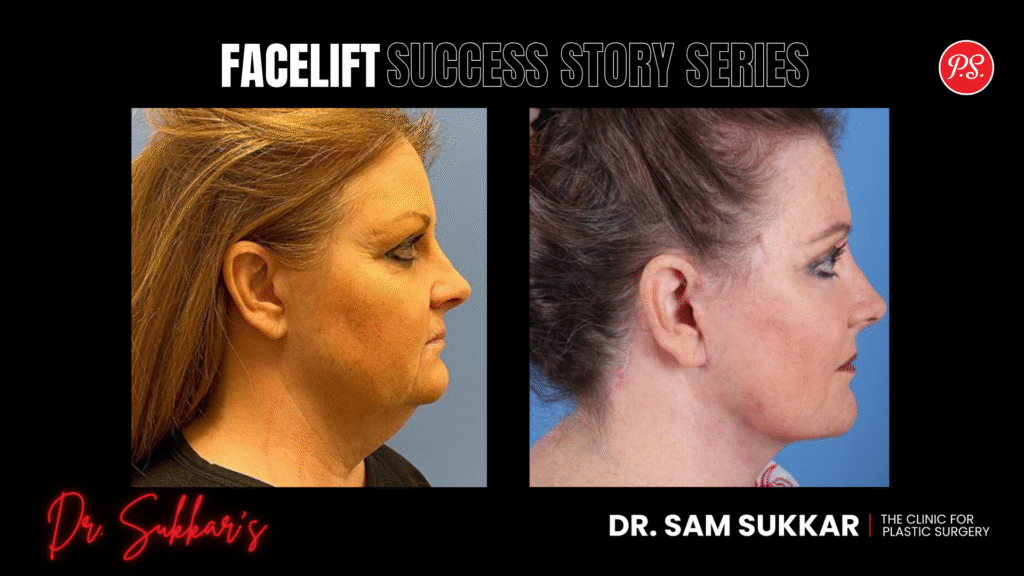
Frequently Asked Questions About Hair Transplant Before and After Transformations

What do typical hair transplant before and after results look like after 12 months?

Around 12 months after transplant surgery, most patients see a thicker hairline, fuller density in previously thinning hair areas, and a more youthful frame to the face. Transplanted hair blends with existing hair, can be cut and styled normally, and confidence usually improves as the final, natural look settles in.

How long does it take to see hair transplant procedure before and after changes?

The timeline is gradual. Expect crusts and redness in week one, shedding and an “ugly duckling” phase in weeks 2–8, early regrowth by months 3–6, and major thickening from 6–12 months. Most people see their true hair transplant before and after transformation between 9–12 months, with subtle gains up to 18 months.

What factors affect how good my hair restoration transplant looks before and after?

Key factors include donor hair quality and density, your pattern of baldness, the surgical skill in hairline design and graft placement, and how closely you follow aftercare instructions. Coarser, slightly wavy hair and a strong donor area generally create better visual density and more satisfying before and after results.

Is a hair transplant worth it for advanced hair loss?

It can be worth it, but expectations must stay realistic. With advanced hair loss and limited donor hair, the plan often focuses on restoring the front hairline and mid-scalp, not a teenage level of density. The goal is a natural, age-appropriate frame for the face and an improved overall appearance.

How much does Hair transplant procedure cost in Houston, TX?

Hair transplant cost in Houston, TX typically ranges from $10,000 to $15,000 for an FUE hair restoration procedure. Prices depends on the number of grafts needed, hair loss severity, and treatment complexity. Because it is considered a cosmetic procedure, insurance does not cover it, but financing options are often available. With Cherry financing (upon approved credit), monthly payments can be as low as $270 per month.

Conclusion and Summary of Hair Transplant Before and After Transformations

Modern hair transplant before and after transformations can be striking, but they follow a predictable medical process and timeline. From careful planning and donor hair assessment to months of gradual growth, every step influences the final healthy hair appearance.

Those considering surgery should focus less on miracle photos and more on provider experience, realistic goals, and a clear understanding of the recovery stages. When these pieces align, a hair transplant can restore a natural hairline, improve density in thinning areas, and quietly rebuild everyday confidence for years to come.

Your Trusted Destination for Complete Hair Restoration Treatments and Hair Transplant Surgery in Houston, Texas (TX)

Are you located in one of these Houston Metro Area cities?

Houston, The Woodlands, Sugar Land, Katy, Pearland, Pasadena, League City, Baytown, Conroe, Cypress, Spring, Kingwood, Humble, Missouri City, Friendswood, Bellaire, Clear Lake, Tomball, Galveston, Richmond, Rosenberg, Stafford, La Porte, Deer Park, Seabrook, Webster, Alvin, and Channelview.

Board-Certified Plastic Surgeon Dr. Sam Sukkar, MD, FACS, and the The Clinic for Plastic Surgery Team provide advanced surgical and non-surgical hair loss solutions for both men and women.

If you are suffering from a receding hairline, bald spots, or chronic pattern baldness, we offer comprehensive hair restoration and transplant options, including:

  • Hair Transplant Surgery
  • Follicular Unit Extraction (FUE)
  • Follicular Unit Transplantation (FUT)
  • Non-Surgical Hair Restoration Treatments
  • PRP Hair Treatments for Thinning Hair
  • Medical Hair Loss Treatments and Scalp Care
  • Customized Hair Treatment Plans

Visit our modern 18,000+ sq. ft. plastic surgery center and med spa in Houston, Texas, designed for comfort, privacy, and results-driven care. From your first consultation through long-term hair management, our highly skilled team focuses on realistic outcomes and personalized treatment planning.

For patients outside the Houston area or those with limited availability, schedule a virtual hair restoration consultation.

Book Your Personalized Hair Consultation today at DrSukkar.com or call (281) 940-1535.

About the Author – Meet Dr. Sam Sukkar, MD

Dr. Sam Sukkar, MD, FACS is a highly respected Board-Certified Plastic Surgeon in Houston, Texas, known for his expertise in advanced cosmetic and reconstructive procedures. As the founder of The Clinic for Plastic Surgery, Dr. Sukkar has set a new standard for excellence, performing over 20,000 procedures with a focus on delivering natural, refined results.

Dr. Sukkar earned his Doctor of Medicine (M.D.) degree from Louisiana State University School of Medicine in 1992 after graduating summa cum laude with a Bachelor of Science in Microbiology. He then completed an intensive General Surgery Residency at the University of Texas Hermann Hospital before being selected for a highly competitive Plastic Surgery Fellowship at Northwestern University in Chicago, one of the most prestigious training programs in the country.

With more than 20 years of experience, Dr. Sukkar is a Diplomate of the American Board of Plastic Surgery and a Fellow of the American College of Surgeons (FACS). He is also an active member of the American Society of Plastic Surgeons (ASPS) and the Houston Society of Plastic Surgery (HSPS). His dedication to innovation and continuing education has solidified his reputation as a leading expert in aesthetic surgery, specializing in breast surgery, body contouring, facial procedures, and non-invasive treatments.

Dr. Sukkar’s expertise has been recognized by Houston Magazine, naming him one of Houston’s “Top Docs for Women,” and he has been featured among RealSelf’s America’s Top Doctors. Committed to his patients, he prioritizes personalized care, ensuring every individual feels informed, comfortable, and confident in their aesthetic journey.

Contact Dr. Sukkar today to schedule a consultation, visit DrSukkar.com to learn more, or call us directly at (281) 940-1535.