Best Gynecomastia Plastic Surgeon in Houston Men Choose Most

Finding the best gynecomastia plastic surgeon in Houston comes down to proven experience, board certification, and consistently natural-looking results. For men dealing with gynecomastia, enlarged male breasts, or stubborn excess breast tissue, the right surgeon should offer a clear diagnosis, a tailored male breast reduction plan, and strong support from the initial consultation through recovery.

In Houston, The Clinic for Plastic Surgery lead by Dr. Sam Sukkar, stands out because brings more than 20+ years of experience, and nationally recognized honors, including Castle Connolly Top Doctor 2023 and RealSelf Top Doctor.

Key Takeaways of Best Gynecomastia Plastic Surgeon in Houston, Texas

  • The Clinic for Plastic Surgery is a top choice due to over 20 years of experience and 20,000+ procedures performed.
  • A thorough evaluation before surgery is essential to determine the precise cause of enlarged male breasts and create a customized treatment plan.
  • Male breast reduction at The Clinic for Plastic Surgery combines liposuction and tissue excision tailored to each patient’s needs for optimal results.
  • Patient support throughout recovery, including swelling management and activity guidance, is a key aspect of successful surgery experience.
  • Choosing a nationally recognized specialist in gynecomastia treatment can provide confidence and a high standard of care.

Why Men In Houston Seek Gynecomastia Surgery

Men in Houston usually seek gynecomastia surgery because diet, exercise, and weight loss often do not fix enlarged breasts caused by excess fat, glandular tissue, or hormonal imbalances. The goal is not simply a smaller chest area. It is a flatter, firmer, more masculine chest contour that improves physical appearance, comfort, and self confidence.

Why gynecomastia surgery matters for enlarged male breasts

Gynecomastia can affect teenagers and adults, but many patients pursue treatment after years of feeling self conscious about their body. They may avoid fitted shirts, swimming, gym locker rooms, or certain physical activities because enlarged male breasts create emotional discomfort that feels bigger than the condition itself.

In most cases, gynecomastia involves more than weight gain alone. Some men have enlarged glandular tissue, while others have a mix of breast tissue and excess fat. Hormonal changes, anabolic steroids, certain drugs, prescription medications, and medical conditions can all play a role. That is why a proper evaluation matters before any male breast reduction procedure is scheduled.

Why Men Choose Dr. Sam Sukkar As the Best Gynecomastia Surgeon In Houston, TX

Men seeking an effective treatment for gynecomastia often prioritize experience, safety, and consistent results that restore confidence and self esteem. At The Clinic for Plastic Surgery, careful planning, advanced techniques, and a strong focus on natural chest contour help patients move forward with clarity and confidence.

Proven Results Through Before and After Portfolios

Extensive before-and-after gynecomastia galleries show how different stages of gynecomastia, from mild to severe cases, can be treated with precision. These results highlight a consistent focus on creating a masculine chest that looks natural on the patient’s own skin.

Gynecomastia Surgery Before & After By Doctor Sam Sukkar MD
Image Illustration by: Dr. Sam Sukkar, MD, The Clinic for Plastic Surgery.

High Procedure Volume and Specialized Focus

Consistent experience matters. A practice that performs gynecomastia procedures on a weekly basis has deeper familiarity with variations such as glandular tissue, fat distribution, and extreme cases that require more detailed planning.

Safe, Accredited Surgical Environment

Procedures are performed in accredited, state-licensed facilities with hospital privileges in place. This level of oversight supports patient safety whether treatment is done under a more involved surgical plan.

Personalized Evaluation and Medical Review

Each consultation includes a detailed review of the patient’s medical record, chest structure, and contributing factors such as weight changes or medications. This helps determine whether surgery, nonsurgical options, or steps like weight loss should come first.

Advanced Techniques for Natural Chest Contour

Treatment plans address both fat and glandular tissue to avoid partial correction. This approach improves contour, reduces the appearance of “man boobs,” and supports long-term results that align with the patient’s goals.

Patient Experience and Communication

Patient testimonials often highlight clear communication, respectful care, and a smooth process from consultation through recovery. A strong consultation sets expectations, answers questions, and builds trust before moving forward.

How The Clinic For Plastic Surgery Approaches Evaluation, Treatment Planning, And Recovery

The Clinic for Plastic Surgery approaches gynecomastia treatment in Houston, TX as a personalized medical and surgical process. Not a one-size-fits-all cosmetic fix. That matters because enlarged breasts in men can come from different causes, and the best male breast reduction surgery plan depends on what is actually present in the chest tissue.

Initial Consultation and Gynecomastia Evaluation

During the initial consultation, the evaluation focuses on the patient’s concerns, chest shape, breast size, skin quality, and medical history. This step helps identify whether gynecomastia is driven mainly by excess fat, enlarged glandular tissue, or both. It also helps rule out related medical conditions, hormonal imbalances, or causes linked to certain medications and drugs.

This level of detail is one reason many men look for a board certified plastic surgery practice instead of chasing a bargain procedure. Treating gynecomastia well requires a clear understanding of anatomy, body balance, and how the chest should look after healing. A strong consultation also helps determine whether the patient is a good candidate for surgery now, or whether weight loss, medication review, or other steps should happen first.

Treatment Planning For Gynecomastia Cosmetic Surgery

Once the cause and severity are clear, the clinic develops a surgical plan designed to create a natural masculine chest contour. In some patients, liposuction can remove excess fat from the chest area through a small incision. In others, tissue excision is needed to remove excess breast tissue or dense glandular tissue that will not respond to weight loss.

The exact surgical technique depends on the amount of tissue, the position of the nipple and areola, and the skin’s ability to retract. The majority of cases are treated with general anesthesia. The main point is customization. It is about shaping the chest in a way that fits the rest of the body and avoids an overdone or uneven appearance.

The Clinic for Plastic Surgery highlights meticulous planning and careful execution, which aligns with what patients usually want most: natural contours, discreet scars, and durable results.

Recovery, Healing, and Support After Gynecomastia Surgery

Gyno recovery is a major part of the patient experience, and it often shapes how men feel about the whole procedure. After surgery, patients can expect swelling, soreness, and a healing period that requires instructions to be followed closely. A compression garment is commonly used to support the chest, help manage swelling, and guide contour during early healing.

Pain medication may be prescribed, and return to work or physical activities can be resumed four-six weeks after surgery. It depends on the procedure and the patient’s progress. Most patients can resume light activity fairly soon, but more intense exercise usually has to wait until it is cleared. That timeline matters, especially for men who are active or whose jobs involve lifting.

Gynecomastia Surgery Before & After By Doctor Sam Sukkar MD
Image Illustration by: Dr. Sam Sukkar, MD, The Clinic for Plastic Surgery.

Frequently Asked Questions About Best Gynecomastia Plastic Surgeon in Houston Men Choose Most

What is gynecomastia surgery?

Gyno surgery is a procedure designed to reduce enlarged male breast tissue and create a flatter, more defined chest. It typically involves removing excess glandular tissue, fat, and sometimes loose skin to restore a more masculine contour. The exact approach depends on the cause and severity. Many cases requiring a combination of tissue removal and contouring for balanced results.

Can liposuction alone be used to treat gynecomastia?

Liposuction alone may work in cases where the enlargement comes primarily from excess fat, often referred to as pseudogynecomastia. However, when firm glandular tissue is present, liposuction by itself usually cannot remove it effectively. In those cases, direct excision of the gland is needed to achieve a flatter and more natural-looking chest.

How much does gynecomastia plastic surgery cost in Houston, TX?

Gynecomastia surgery cost in Houston ranges from $9,500 to $16,000 depending on the complexity of the case and the techniques used. The Clinic for Plastic Surgery offers financing options, with monthly payments starting as low as $257, upon approved credit. This makes the treatment more accessible for many patients.

What makes The Clinic for Plastic Surgery the top choice for gynecomastia surgery in Houston?

The Clinic for Plastic Surgery offers over 20+ years of experience, more than 20,000 procedures, and recognized awards. This expertise, combined with personalized care and natural results, makes it a leading option for gynecomastia treatment in Houston.

What can patients expect during recovery after gynecomastia surgery?

Patients typically experience swelling and soreness, use compression garments to support healing, and follow prescribed activity restrictions. Patients will experience soreness for the first 2 weeks after gynecomastia surgery, along with swelling and bruising. Swelling can persist for months after male breast reduction surgery. It may take six months to a year to see the final results. The Clinic for Plastic Surgery emphasizes ongoing patient guidance to manage recovery effectively and protect the surgical results.

Does insurance cover gynecomastia surgery?

Unfortunately, The Clinic for Plastic Surgery does not accept insurance for this procedure. Flexible monthly payment options are available (upon approved credit), with plans starting as low as $297 per month. Male breast reduction cost in Houston, TX typically ranges from $9,500 to $16,000, depending on the complexity of the case.

Conclusion and Summary of Best Gynecomastia Plastic Surgeon in Houston Men Choose Most

For Houston men searching for the best gynecomastia surgeon, the real decision comes down to credentials, and specialization. The Clinic for Plastic Surgery stands out because we offer extensive experience, recognized expertise, and a personalized approach to male breast reduction surgery.

For men in Houston ready to address gyno, this level of specialization and patient-centered care offers a reliable path forward. Scheduling a consultation is the first step toward a flatter, more defined chest and long-term improvement in self confidence.

Your Trusted Destination for Male Breast Reduction Gynecomastia Surgery in Houston, Texas (TX)

Are you located in one of these Houston Metro Area cities?

Houston, The Woodlands, Sugar Land, Katy, Pearland, Pasadena, League City, Baytown, Conroe, Cypress, Spring, Kingwood, Humble, Missouri City, Friendswood, Bellaire, Clear Lake, Tomball, Galveston, Richmond, Rosenberg, Stafford, La Porte, Deer Park, Seabrook, Webster, Alvin, and Channelview.

Board-Certified Plastic Surgeon Dr. Sam Sukkar, MD, FACS, and the The Clinic for Plastic Surgery Team provide advanced surgical solutions for men struggling with enlarged or excess breast tissue.

If you are man experiencing excess chest fat, glandular tissue, or persistent male breast enlargement, we offer comprehensive gynecomastia treatment options, including:

  • Gynecomastia Surgery
  • Male Breast Reduction Surgery
  • Gyno Surgery for Hormonal or Genetic Causes
  • Male Reduction Mammaplasty
  • Liposuction for Male Chest Contouring
  • Customized Male Chest Reshaping Plans

Visit our modern 18,000+ sq. ft. plastic surgery center and med spa in Houston, Texas, designed for comfort, privacy, and results-driven care. From your initial consultation through recovery, our experienced team focuses on natural-looking chest contours and long-term confidence.

For patients outside the Houston area or those with limited availability, schedule a virtual gynecomastia consultation.

Book Your Male Breast Reduction Consultation today at DrSukkar.com or call (281) 940-1535

About the Author – Meet Dr. Sam Sukkar, MD

Dr. Sam Sukkar, MD, FACS is a highly respected Board-Certified Plastic Surgeon in Houston, Texas, known for his expertise in advanced cosmetic and reconstructive procedures. As the founder of The Clinic for Plastic Surgery, Dr. Sukkar has set a new standard for excellence, performing over 20,000 procedures with a focus on delivering natural, refined results.

Dr. Sukkar earned his Doctor of Medicine (M.D.) degree from Louisiana State University School of Medicine in 1992 after graduating summa cum laude with a Bachelor of Science in Microbiology. He then completed an intensive General Surgery Residency at the University of Texas Hermann Hospital before being selected for a highly competitive Plastic Surgery Fellowship at Northwestern University in Chicago, one of the most prestigious training programs in the country.

With more than 20 years of experience, Dr. Sukkar is a Diplomate of the American Board of Plastic Surgery and a Fellow of the American College of Surgeons (FACS). He is also an active member of the American Society of Plastic Surgeons (ASPS) and the Houston Society of Plastic Surgery (HSPS). His dedication to innovation and continuing education has solidified his reputation as a leading expert in aesthetic surgery, specializing in breast surgery, body contouring, facial procedures, and non-invasive treatments.

Dr. Sukkar’s expertise has been recognized by Houston Magazine, naming him one of Houston’s “Top Docs for Women,” and he has been featured among RealSelf’s America’s Top Doctors. Committed to his patients, he prioritizes personalized care, ensuring every individual feels informed, comfortable, and confident in their aesthetic journey.

Contact Dr. Sukkar today to schedule a consultation, visit DrSukkar.com to learn more, or call us directly at (281) 940-1535.

Joel McHale’s Hair Transplant Stunning Transformation

Joel McHale hair transplant journey is one of the most talked-about hair transformations in Hollywood, proving that modern hair transplant surgery can deliver results so natural they’re nearly undetectable. The beloved TV host and Community star sparked curiosity among fans in recent years when he confirmed undergoing four transplants over the course of his career. His willingness to discuss the experience in the public eye has opened the door for a broader, stigma-free conversation about losing hair, surgical restoration, and the confidence that comes with taking control of your appearance.

For men watching their hairline recede in the mirror each morning, Joel McHale’s hair journey offers something rare: a high-profile, honest account of what it takes to fight back against genetic hair loss. From his early days of thinning hair to the gorgeous thick hair he sports on red carpets today, his story is a powerful reminder that hair transplant surgery is no longer a secretive, last-resort procedure. It is a mainstream, confidence-boosting solution available to anyone willing to take the first step.

Key Takeaways of Joel McHale Hair Transplant

Who Is Joel McHale?

Joel McHale is an American actor, comedian, writer, producer, and TV host. Born on November 20, 1971, in Rome, Italy, he is the son of Jack McHale and Laurie McHale. He grew up alongside his brothers, Stephen McHale and Christopher McHale. Mchale has been married to Sarah Williams since 1996, and together they have two sons, Edward McHale and Isaac McHale. In addition to his acting and hosting career, McHale is also an author. Having written the memoir Thanks for the Money: How to Use My Life Story to Become the Best Joel McHale You Can Be, which showcases the same humor and self-awareness that define his public image.

Becoming a Comedic Star

He was raised in Seattle, Washington, where he developed the sharp comedic timing. That would eventually make him one of the most recognizable faces in the entertainment industry. McHale first gained widespread recognition as the host of E!’s pop culture commentary series “The Soup“. There his quick wit and sarcastic delivery made him a fan favorite for over a decade.

His breakout acting role came as Jeff Winger on the critically acclaimed NBC sitcom “Community“, a character whose charm, confidence, and perfectly styled full head of hair became iconic. McHale has also appeared in major film productions including “Spider-Man 2” alongside Tobey Maguire and the comedy hit “Ted” with Mark Wahlberg. He continues to be a visible presence in entertainment through guest appearances, comedy specials, and hosting gigs. He joined the ranks of celebrities who are open about cosmetic procedures to maintain their on-screen presence.

Joel McHale’s Hair Loss Journey

Joel McHale Admits to Getting FOUR Hair Transplants! Video Source: Entertainment Tonight (ET)

Early Signs of Thinning Hair

Like millions of men around the world, Joel McHale began experiencing the early signs of androgenetic alopecia (male pattern baldness) in the early 2000s. Close examination of his public appearances during this period reveals thinning hair at the temples, consistent with hair loss classify as a Norwood stage 3 pattern. This is one of the most common presentations of genetic hair loss in men, typically beginning in the late twenties or early thirties and progressing steadily without intervention.

By the time McHale appeared in Spider-Man 2 in 2004, his hair loss had progressed to include visible thinning at the crown area as well. For an actor working in high-definition television and film, where every detail is magnified on screen, losing hair at this rate can have real professional implications. Rather than turning to wigs or other temporary solutions, McHale chose to take a proactive approach and explore surgical hair restoration. It was a decision that would ultimately reshape his career and his confidence.

How Many Hair Transplants Did Joel McHale Get? Four Hair Transplant Surgeries, One Remarkable Result

In a candid appearance on the We Might Be Drunk podcast with hosts Mark Normand and Sam Morril in June 2025, McHale confirmed what many had long suspected. As reported by E! News and HuffPost, the actor admitted he is fully bald underneath and that the full head of hair he has today is the product of four transplants performed over multiple years. Joel McHale’s hair journey from that first painful strip procedure to his current results has played out entirely in the public eye, making it one of the most well-documented celebrity hair transformations of the past decade.

First Joel McHale’s Hair Transplant Procedure

McHale explained that his first procedure used the FUT (Follicular Unit Transplantation) hair transplant method, commonly referred to as the strip technique. This older approach involves removing a strip of scalp from the donor area at the back of the head and dissecting it into individual hair grafts for transplantation. While effective at yielding a high number of grafts, FUT is known for being more invasive and involving a longer recovery. McHale described this early experience as painful and advised others to avoid the strip method entirely.

For his subsequent multiple hair transplant surgeries, McHale transitioned to FUE (Follicular Unit Extraction), which he described enthusiastically as plucking. In this technique, individual follicles are harvested from the whole back section of the scalp using a micro-punch tool and then implanted into the thinning or balding areas. McHale praised FUE without reservation, calling the hair transplant tech behind it a miracle and emphasizing how far the technology has advanced since his first surgery.

Cost, Location, and Why He Stayed in the USA

McHale disclosed that all four procedures were performed in Los Angeles. He reported spending approximately $10,000 total across the multiple hair transplants. While he joked about Turkey being a popular destination for more affordable procedures, he chose to stay in the USA for the convenience and continuity of working with the same surgical team throughout his multi-year restoration plan.

It is worth noting that how many hair grafts a patient needs and the total cost of a hair transplant can vary significantly depending on the extent of hair loss, the technique used, and the surgical experience.

Why Joel McHale’s Hair Transplant Transformation Matters

What sets McHale apart from many celebrities is his willingness to speak openly and even humorously about a topic that millions of men find deeply personal.

Breaking the Stigma Around Male Hair Loss

By confirming his procedures in a lighthearted, no-big-deal manner, he helped normalize the conversation around male hair restoration. His transparency sends a clear message: seeking hair loss treatments is not something to hide. It is a practical decision that can significantly improve quality of life and self-confidence, whether you are a Hollywood actor or an everyday professional.

Joel McHale’s hair journey also provides a realistic model for how hair restoration actually works for many patients. Rather than a single dramatic surgery, building density and overall thickness over multiple carefully planned sessions. This phased strategy typically produces the most natural-looking results, exactly the kind of outcome that makes people wonder whether you had anything done at all.

Hair Transplant Technology Has Changed the Game

Joel McHale hair transplant experience going from the older FUT strip method to modern FUE highlights just how much hair transplant tech has evolved in recent years. Today’s FUE procedures are minimally invasive, produce virtually no visible scarring in the donor area, and allow patients to return to normal activities within days. Techniques like NeoGraft have further refined the process, delivering even greater precision and more natural graft placement. For patients who have hesitated because of outdated fears about pluggy-looking results or painful recovery, the landscape has changed dramatically.

Compared to other hair loss treatments like topical medications, PRP therapy, or laser caps, a hair transplant provides the only permanent solution. It restores hair in areas where follicles have stopped producing.

FUT vs. FUE: The Two Hair Transplant Methods Joel McHale Experienced

Joel McHale reportedly underwent FUT, a strip-based transplant method used to restore hair density in thinning areas. He later experienced FUE, which moves individual follicles for subtler results, minimal scarring, and a faster recovery.

What Is FUT (Strip Method)?

Follicular Unit Transplantation (FUT hair transplant) involves removing a thin strip of tissue from the back of the scalp. The surgical team then dissects this strip into individual hair grafts under a microscope. The donor area is closed with sutures, leaving a linear scar that is typically hidden beneath existing hair. FUT can yield a high number of grafts in a single session. The trade-off is a longer recovery period and the possibility of a visible scar if the hair is very short.

What Is FUE (Follicular Unit Extraction)?

Follicular Unit Extraction (FUE hair transplant) harvests individual follicles from the donor area using a tiny circular punch instrument. Typically less than one millimeter in diameter. Because no strip of tissue is removed, there is no linear scar and recovery time is significantly shorter. FUE is the technique McHale praised so highly. The plucking approach that extracts grafts from the whole back section of the scalp. Also, this method is most commonly recommended for patients seeking discreet, natural-looking hair restoration.

Frequently Asked Questions About Joel McHale’s Hair Transplant Stunning Transformation

How long does it take to see a full head of hair after a transplant?

Most patients begin to see early new growth around three to four months after their procedure. However, the full results of a hair transplant typically become visible between nine and twelve months post-surgery. The crown area may take slightly longer to fill in completely. Patience is essential, as the transplanted follicles go through a natural shedding phase before entering their permanent growth cycle.

Is a hair transplant permanent?

Yes. Hair transplant surgery relocates healthy, genetically resistant hair grafts from the donor area to the thinning or balding zones. Because these follicles are not susceptible to hormonal factors that cause baldness, they continue to grow naturally for a lifetime. Some patients may benefit from additional sessions over time to address continued thinning in non-transplanted areas. Similar to Joel McHale hair transplant approach of building density through multiple hair transplants.

Does a hair transplant hurt?

Modern hair transplant procedures are performed under anesthesia, so patients experience minimal discomfort during the surgery itself. Post-operative soreness is typically mild and manageable with over-the-counter pain medication. As Joel McHale noted, the older FUT strip method was more painful. While the newer FUE technique is considerably more comfortable with a faster recovery.

How much does a hair transplant cost in Houston, TX?

Hair transplant costs in Houston Texas vary, depending on how many hair grafts are required, and the surgical technique. In Houston, patients can generally expect to invest $10,000 to $15,000 or more for a comprehensive FUE transplant procedure. The number of grafts needed depends on the extent of your hair loss and your desired density. A personalized hair transplant consultation is the most accurate way to determine pricing and a plan based on your goals.

Am I a good candidate for a hair transplant?

Ideal candidates for hair follicles transplant surgery have sufficient healthy donor hair at the back and sides of the head. Both men and women can benefit from the procedure. If you have been losing hair and wondering whether surgery is the right next step, schedule an in-person consultation.

Conclusion and Summary of Joel McHale’s Hair Transplant Stunning Transformation

Joel McHale’s hair transplant story resonates because it is honest, relatable, and proof that hair restoration delivers real, lasting results. His journey, from totally bald to the thick hair that fans see today, shows what is possible with hair transplant. Whether you are noticing the first signs of thinning hair or have been dealing with hair loss for years, the advanced techniques available today can help you reclaim the fuller, more youthful hairline you deserve.

Your Trusted Destination for Complete Hair Restoration Treatments and Hair Transplant Surgery in Houston, Texas (TX)

Are you located in one of these Houston Metro Area cities?

Houston, The Woodlands, Sugar Land, Katy, Pearland, Pasadena, League City, Baytown, Conroe, Cypress, Spring, Kingwood, Humble, Missouri City, Friendswood, Bellaire, Clear Lake, Tomball, Galveston, Richmond, Rosenberg, Stafford, La Porte, Deer Park, Seabrook, Webster, Alvin, and Channelview.

Board-Certified Plastic Surgeon Dr. Sam Sukkar, MD, FACS, and the The Clinic for Plastic Surgery Team provide advanced surgical and non-surgical hair loss solutions for both men and women.

If you are suffering from a receding hairline, bald spots, or chronic pattern baldness, we offer comprehensive hair restoration and transplant options, including:

  • Hair Transplant Surgery
  • Follicular Unit Extraction (FUE)
  • Follicular Unit Transplantation (FUT)
  • Non-Surgical Hair Restoration Treatments
  • PRP Hair Treatments for Thinning Hair
  • Medical Hair Loss Treatments and Scalp Care
  • Customized Hair Treatment Plans

Visit our modern 18,000+ sq. ft. plastic surgery center and med spa in Houston, Texas, designed for comfort, privacy, and results-driven care. From your first consultation through long-term hair management, our highly skilled team focuses on realistic outcomes and personalized treatment planning.

For patients outside the Houston area or those with limited availability, schedule a virtual hair restoration consultation.

Book Your Personalized Hair Consultation today at DrSukkar.com or call (281) 940-1535.

About the Author – Meet Dr. Sam Sukkar, MD
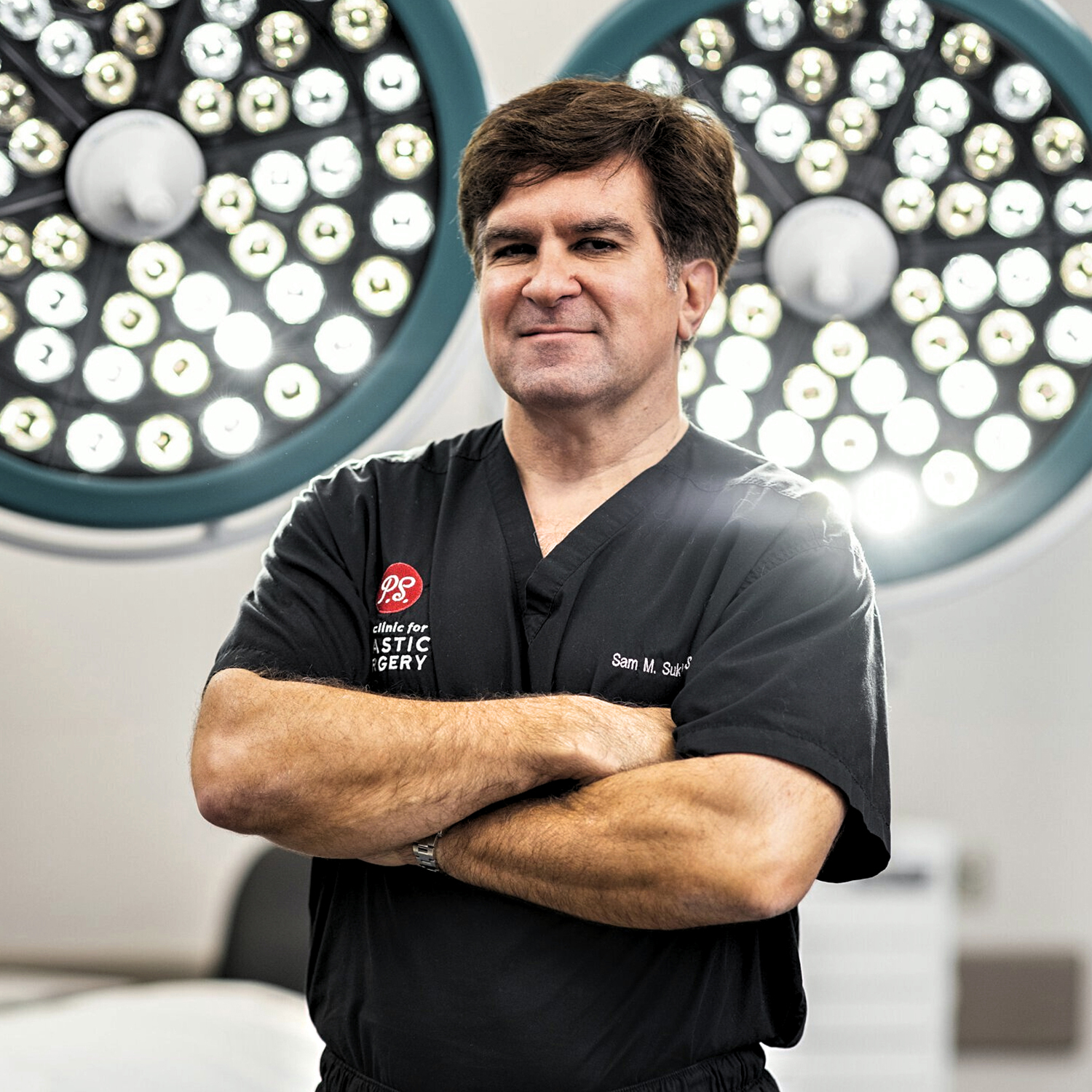
Dr. Sam Sukkar, MD, FACS is a highly respected Board-Certified Plastic Surgeon in Houston, Texas, known for his expertise in advanced cosmetic and reconstructive procedures. As the founder of The Clinic for Plastic Surgery, Dr. Sukkar has set a new standard for excellence, performing over 20,000 procedures with a focus on delivering natural, refined results.

Dr. Sukkar earned his Doctor of Medicine (M.D.) degree from Louisiana State University School of Medicine in 1992 after graduating summa cum laude with a Bachelor of Science in Microbiology. He then completed an intensive General Surgery Residency at the University of Texas Hermann Hospital before being selected for a highly competitive Plastic Surgery Fellowship at Northwestern University in Chicago, one of the most prestigious training programs in the country.

With more than 20 years of experience, Dr. Sukkar is a Diplomate of the American Board of Plastic Surgery and a Fellow of the American College of Surgeons (FACS). He is also an active member of the American Society of Plastic Surgeons (ASPS) and the Houston Society of Plastic Surgery (HSPS). His dedication to innovation and continuing education has solidified his reputation as a leading expert in aesthetic surgery, specializing in breast surgery, body contouring, facial procedures, and non-invasive treatments.

Dr. Sukkar’s expertise has been recognized by Houston Magazine, naming him one of Houston’s “Top Docs for Women,” and he has been featured among RealSelf’s America’s Top Doctors. Committed to his patients, he prioritizes personalized care, ensuring every individual feels informed, comfortable, and confident in their aesthetic journey.

Contact Dr. Sukkar today to schedule a consultation, visit DrSukkar.com to learn more, or call us directly at (281) 940-1535.

Kris Jenner Facelift: The Best Version of Herself

Kris Jenner confirmed her second facelift performed in New York in a Vogue Arabia cover interview published August 26, 2025, roughly 14 years after her first. The reason her result stands out is simple: it looks lifted, not pulled, with smoother contours, a cleaner jawline, and preserved facial identity.

Often referred to as “Kris Kardashian” in pop culture due to her family’s global influence, her name still carries the same recognition, making her transformation even more widely discussed and closely analyzed.

What separates this natural result from typical celebrity facelift plastic surgery coverage is that Kris has been unusually transparent about the work, explaining her reasoning, and framing the choice as her personal version of aging gracefully.

Key Takeaways of Kris Jenner Facelift: The Best Version of Herself

  • Kris Jenner has confirmed two facelifts: her first in 2011, filmed for Keeping Up with the Kardashians, and her second in 2025.
  • She publicly discussed the 2025 facelift in a Vogue Arabia cover interview, calling it a “refresh” and stating her goal was to feel like “the best version of myself.”
  • The visible improvements to her jawline, midface, and neck are consistent with a deep plane facelift technique, which repositions deeper facial layers as a single unit.
  • Complementary aesthetic procedures such as a neck lift, possible upper eyelid surgery, dermal fillers, and skin resurfacing treatments are likely part of her overall approach.
  • Kris has been open about cosmetic procedures throughout her career, including breast augmentation in the 1980s, an earlobe reduction in 2018, and consistent use of Botox and fillers.
  • Her transparency and sharing that Kylie was present during the procedure, has shifted the broader conversation around celebrity cosmetic surgery and aging.

Who is Kris Jenner?

Kris Jenner, born Kristen Mary Houghton on November 5, 1955, in San Diego, California, is an American businesswoman, television producer, and media personality. She is widely recognized as the manager and matriarch of the Kardashian-Jenner family, a role that earned her the self-coined title “momager.”

From Flight Attendant to Entertainment Mogul

Kris worked as a flight attendant for American Airlines after high school before marrying attorney Robert Kardashian in 1978. Together they had four children: Kourtney, Kim, Khloé, and Rob Kardashian. After their 1991 divorce, she married Olympic gold medal-winning decathlete Bruce Jenner (now Caitlyn Jenner) that same year, and they had two daughters, Kendall and Kylie. Kris and Caitlyn separated in 2013 and finalized their divorce in 2015. Since 2014, Kris has been in a relationship with entertainment businessman Corey Gamble.

In 2007, Kris pitched a reality show concept to producer Ryan Seacrest, and Keeping Up with the Kardashians premiered on E! that October. She served as executive producer across 20 seasons and multiple spin-offs, turning the family name into a global entertainment brand.

The Business Behind the Kardashian-Jenner Empire

Kris manages careers and business deals for all six of her children, running Jenner Communications out of Los Angeles. The brands under her management include Kylie Cosmetics, Skims, Good American, 818 Tequila, SKKN by Kim, and Rob’s Arthur George apparel line. She takes a reported 10 percent management fee on her children’s business deals. Publications like Interview magazine have called her “the 21st century’s preeminent female pop-cultural brand-builder.”

In 2007, Kris pitched a family reality show to producer Ryan Seacrest, and Keeping Up with the Kardashians premiered on E! that October. She served as executive producer across 20 seasons and multiple spin-offs, turning the family name into a global brand. After ending their run on E! in 2021, the family launched The Kardashians on Hulu in 2022, now in its 27th overall season across both shows. Kris continues to appear and executive produce.

Iconic Kris Jenner Facelift Surgeries: What She’s Confirmed

Kris Janner has confirmed two facelifts publicly, separated by roughly 14 to 15 years. Her first facelift was performed in 2011. That procedure was filmed and featured on Keeping Up with the Kardashians.

Her second facelift came in 2025, performed in New York City. Weeks later, she appeared at the Bezos wedding in June 2025 alongside Kylie Jenner, Khloé, and Kim Kardashian, and her transformation dominated social media coverage of the event.

2025 Kris Jenner’s Face lift Confirmed: “Aging Gracefully”

Kris broke her silence about the second facelift in a Vogue Arabia cover interview published August 26, 2025. She told the magazine she had her first facelift about 15 years prior and felt it was “time for a refresh.” Jenner described the decision as wanting to be “the best version of myself.” She also shared that Kylie was with her in person during the procedure and Kim joined via FaceTime.

Kris framed the surgery as her personal definition of aging gracefully. Multiple expert commentators have speculated the procedure involved a deep plane technique based on visible improvements to her jawline and neck, though Kris has not confirmed specific surgical details beyond the facelift itself.

Other Cosmetic Procedures Kris Jenner Has Had: Breast Augmentation, Lift and Earlobe Reduction

Kris Jenner has been open about other procedures over the years. In the 1980s, she underwent breast augmentation, which was later revised. In 2018, she revealed she had an earlobe reduction surgery. She has also spoken publicly about using cosmetic enhancements like Botox and dermal fillers consistently, even giving Botox gift cards as Christmas presents in 2019.

Skin resurfacing treatments, including lasers and chemical peels, are also possible attributed to her smooth, even-toned complexion. Her overall approach remains remarkably consistent, maintaining a well-kept appearance that reflects each stage of her life rather than trying to look decades younger.

Why Kris Jenner’s Facelift Results Stand Out

Kris Jenner’s 2025 facelift drew attention not just because of who she is, but because of how the results looked in unfiltered public appearances. From the Bezos wedding in June 2025 to her Vogue Arabia cover shoot that August, the response was consistent: her face looked lifted and structured without appearing tight or overdone.

Kris Jenner in Her Own Words: Why She Did It

Kris has been direct about her reasoning. In her Vogue Arabia interview, she said she chose to share the details “because I feel it can be very inspirational to people who aren’t feeling so great about themselves.” She added: “Even when I had my hip replacement, we filmed it, I have the conviction that sharing these things can be helpful.”

“I had a facelift about 15 years ago, so it was time for a refresh,” she admits. “I decided to do this facelift because I want to be the best version of myself, and that makes me happy. Just because you get older, it doesn’t mean you should give up on yourself. If you feel comfortable in your skin and you want to age gracefully – meaning you don’t want to do anything – then don’t do anything. But for me, this is ageing gracefully. It’s my version,” she said in a interview with Vogue Arabia.

What Makes This Approach Different From a Standard Facelift

A traditional facelift, sometimes called a skin-only lift, works primarily on the surface. Excess skin is removed and tightened. This can reduce sagging but often creates the pulled, windswept look associated with older facelift techniques. The results also tend to be shorter-lived because skin alone lacks the structural strength to hold a lift long term.

The SMAS facelift or deep plane facelift improved on this by targeting a deeper layer called the superficial musculo-aponeurotic system. This is a sheet of connective tissue, muscle, and fat that sits beneath the skin and supports facial structure. A standard SMAS lift, this layer is tightened separately from the skin, which creates better definition and a natural appearance. However, the SMAS technique typically targets the lower face and neck without fully reaching the midface. Results may last around five to seven years.

Frequently Asked Questions About Kris Jenner Facelift: The Best Version of Herself

What type of facelift cosmetic surgery did Kris Jenner recently have?

Kris Jenner’s recent facelift is widely believed to be a deep plane facelift. A deep plane facelift lifts deeper facial tissues for a natural, youthful look without a tight or pulled appearance.

Which additional procedures are commonly associated with Kris Jenner’s facelift results?

Experts suspect her recent facelift included a neck lift, upper eyelid surgery (blepharoplasty), fat transfer to the cheeks. Also, ongoing maintenance treatments, like dermal fillers, laser resurfacing, and chemical peels to support a smooth and refreshed appearance.

Why does Kris Jenner’s facelift plastic surgery look so natural and age-appropriate?

The deep plane facelift technique lifts the underlying facial layers rather than just skin, preserving natural expression and facial proportions. Combined with a skilled surgeon restraint and regular non-surgical maintenance, it creates a refined, balanced, and fresh appearance.

How long does the result of a deep plane facelift typically last?

The deep plane facelift offers longer-lasting results compared to traditional facelifts, although it is not permanent. Skin continues to age over time, so ongoing maintenance with skincare, injectables, or laser treatments helps prolong the youthful appearance.

Conclusion and Summary of Kris Jenner Facelift: The Best Version of Herself

Kris Jenner’s 2025 facelift became one of the most talked-about celebrity cosmetic procedures in recent memory. Not because of secrecy or speculation, but because she confirmed it herself and explained why. Her Vogue Arabia interview, and her willingness to discuss the experience set her apart, from how figures handle cosmetic surgery.

The result, as seen across unfiltered public appearances, reads as structured and proportionate rather than overdone. For patients considering similar work, get a personalized evaluation based on your own anatomy. Prioritize long-term balance over copying someone else’s result.

Your Trusted Destination for Facelift Surgery in Houston, Texas (TX)

Are you located in one of these Houston Metro Area cities?

Houston, The Woodlands, Sugar Land, Katy, Pearland, Pasadena, League City, Baytown, Conroe, Cypress, Spring, Kingwood, Humble, Missouri City, Friendswood, Bellaire, Clear Lake, Tomball, Galveston, Richmond, Rosenberg, Stafford, La Porte, Deer Park, Seabrook, Webster, Alvin, and Channelview.

Board-Certified Plastic Surgeon Dr. Sam Sukkar, MD, FACS, and the The Clinic for Plastic Surgery Team provide advanced facelift surgery solutions to rejuvenate and restore a more youthful, refreshed appearance.

If you are dealing with sagging skin, deep facial folds, jowls, volume loss, or a tired, aging appearance, we offer comprehensive facial rejuvenation options, including:

  • Facelift Surgery
  • Mini Facelift
  • Lower Facelift
  • Neck Lift Surgery
  • Facelift with Neck Lift
  • Customized Facial Rejuvenation Treatment Plans

Visit our modern 18,000+ sq. ft. plastic surgery center and med spa in Houston, Texas, designed for comfort, privacy, and results-driven care. From your first consultation through recovery, our talented team focuses on natural-looking rejuvenation with elegant, refreshed results.

For patients outside the Houston area or those with limited availability, schedule a virtual facelift surgery consultation.

Book Your Personalized Facelift Consultation today at DrSukkar.com or call (281) 940-1535.

About the Author – Meet Dr. Sam Sukkar, MD

Dr. Sam Sukkar, MD, FACS is a highly respected Board-Certified Plastic Surgeon in Houston, Texas, known for his expertise in advanced cosmetic and reconstructive procedures. As the founder of The Clinic for Plastic Surgery, Dr. Sukkar has set a new standard for excellence, performing over 20,000 procedures with a focus on delivering natural, refined results.

Dr. Sukkar earned his Doctor of Medicine (M.D.) degree from Louisiana State University School of Medicine in 1992 after graduating summa cum laude with a Bachelor of Science in Microbiology. He then completed an intensive General Surgery Residency at the University of Texas Hermann Hospital before being selected for a highly competitive Plastic Surgery Fellowship at Northwestern University in Chicago, one of the most prestigious training programs in the country.

With more than 20 years of experience, Dr. Sukkar is a Diplomate of the American Board of Plastic Surgery and a Fellow of the American College of Surgeons (FACS). He is also an active member of the American Society of Plastic Surgeons (ASPS) and the Houston Society of Plastic Surgery (HSPS). His dedication to innovation and continuing education has solidified his reputation as a leading expert in aesthetic surgery, specializing in breast surgery, body contouring, facial procedures, and non-invasive treatments.

Dr. Sukkar’s expertise has been recognized by Houston Magazine, naming him one of Houston’s “Top Docs for Women,” and he has been featured among RealSelf’s America’s Top Doctors. Committed to his patients, he prioritizes personalized care, ensuring every individual feels informed, comfortable, and confident in their aesthetic journey.

Contact Dr. Sukkar today to schedule a consultation, visit DrSukkar.com to learn more, or call us directly at (281) 940-1535.

Facelift Plastic Surgery in Houston: Look 10+ Years Younger

Facelift plastic surgery is a facial rejuvenation surgical procedure that lifts and repositions underlying facial tissue to reduce sagging skin, soften jowls, and restore smoother face and neck contours. It works best for visible signs of facial aging like loose skin, sagging cheeks, and excess facial skin along the jawline, while it can’t stop the aging process or change bone structure.

In practice, the strongest facelift results come from matching the right facelift techniques to a patient’s facial anatomy and skin elasticity. The most predictable, natural-looking outcomes come from thorough planning, precise incision placement, and careful recovery management.

Key Takeaways of Facelift Plastic Surgery in Houston, Texas

What A Facelift Can (And Can’t) Do For Facial Aging

A facelift (technically known as a rhytidectomy) is designed to correct facial sagging by lifting deeper tissues and trimming excess skin, not by simply “pulling” the facial skin tight. In facial cosmetic surgery, the goal is a rested facial appearance with improved facial contours, especially along the jawline and neck.

What facelift surgery can do for facial aging (and why the SMAS matters)

Facelift surgery can reliably improve sagging skin and loose skin in the lower face and neck by repositioning the superficial musculoaponeurotic system (the SMAS layer) and related soft tissues. Because facial aging is driven by changes in facial fat, facial muscles, and the descent of underlying tissues, addressing structure creates more natural results than tightening remaining skin alone.

A well-planned surgical facelift may:

  • Reduce jowls and improve the jawline by lifting the SMAS facelift layer and tightening facial tissue.
  • Improve face and neck definition, often alongside a neck lift when the neck shows laxity.
  • Re-drape facial skin to reduce sagging cheeks and some deep wrinkles, particularly around the lower face.

In many practices, facial rejuvenation techniques are combined thoughtfully. For example, fat grafting may restore volume lost from facial fat, while dermal fillers can fine-tune smaller areas that don’t require invasive procedures.

Facelift at 62: Houston Patient’s Natural Rejuvenation - Facelift Success Story Series in Houston, Texas by Dr. Sam Sukkar, MD
Before and After Facelift Surgery. Photo Illustration by: Dr. Sam Sukkar, MD, The Clinic for Plastic Surgery.
What a surgical procedure can’t do (and what patients often expect it to)

A facelift procedure cannot stop the aging process, erase every line, or “reset” skin quality that has been affected by sun damage. It also doesn’t treat everything above the midface.

Specifically, facelift focuses do not typically include:

  • Correcting forehead or brow concerns: a brow lift is often the targeted option for that region.
  • Changing bone structure or the fundamental facial structure.
  • Removing age spots or fully correcting skin texture issues: laser skin resurfacing or other laser treatments may be better suited.

Dynamic wrinkles (from repeated muscle movement) often respond better to neuromodulators, while fine surface lines relate more to skin elasticity and skin quality than to excess facial skin. A good consultation sets expectations clearly so the facial rejuvenation surgery plan matches what the procedure can realistically deliver.

Facelift Technique Types

Different facelift techniques target specific areas of facial aging, so the right approach depends on how the skin, fat, and deeper tissues have changed over time. Each option varies in depth, recovery, and the type of result it delivers, from subtle refinement to more comprehensive repositioning.

Mini-Facelift

A mini-facelift focuses on early signs of aging in the lower face, particularly mild jowling and slight skin laxity along the jawline. It uses shorter incisions and limited tissue adjustment, making it a popular option for those who want improvement without a longer recovery period.

Results tend to be more subtle compared to more extensive techniques, but they can still create a cleaner jawline and a more refreshed appearance. Because it addresses less structural change, longevity may be shorter, and it works best for patients with good skin elasticity and minimal sagging.

Mid-Facelift

A mid-facelift targets the cheek area, lifting sagging fat pads and restoring volume to the central face. This approach improves the transition between the lower eyelids and cheeks, helping reduce a tired or hollow appearance without heavily focusing on the jawline or neck.

By repositioning tissue higher on the face, it creates a more youthful contour through the cheeks and under-eye area. It is often combined with other treatments when lower face or neck laxity is also present, since it does not directly address jowls or loose neck skin.

Full-Facelift (Traditional Facelift)

A full-facelift addresses more advanced aging across the lower face and neck, including deeper folds, significant jowling, and loose skin. It involves repositioning underlying tissues and removing excess skin to restore definition along the jawline and smooth the neck.

This approach offers more dramatic and longer-lasting results because it corrects structural changes rather than just tightening the surface. Recovery is more involved than lighter techniques, but it delivers a more complete transformation for patients with moderate to advanced sagging.

Deep Plane Facelift

A deep plane facelift works beneath the SMAS layer to reposition deeper facial structures as a single unit, rather than separating skin from underlying tissue. This allows for more natural movement and reduces tension on the skin, which can help avoid a pulled or tight appearance.

It is especially effective for improving the midface, nasolabial folds, and jawline in one procedure. Because it addresses deeper layers, results often look more seamless and can last longer, particularly in patients with more significant tissue descent.

Houston Facelift at 63: Male Executive’s Transformation - Facelift Success Story Series in Houston, Texas by Dr. Sam Sukkar, MD
Before and After Facelift Surgery. Photo Illustration by: Dr. Sam Sukkar, MD, The Clinic for Plastic Surgery.

The Procedure, Preparation, And Recovery Timeline

Facelift plastic surgery is usually an outpatient cosmetic surgery, often performed within a head and neck surgery setting. Exact steps vary by surgical technique, but the safest plans follow a consistent rhythm: evaluation, tailored procedure selection, then structured recovery.

Consultation and physical examination

Before any facial plastic surgery is scheduled, a physical examination focused on facial anatomy is performed. Skin elasticity, excess fat or excess facial fat, facial sagging patterns, and how the superficial musculo aponeurotic system has shifted with time are carefully assessed. During the consultation, the right facelift technique is matched to the patient’s goals and anatomy.

The evaluation also includes whether a neck lift or neck surgery is needed for banding, excess skin, or a heavy neck profile. When volume loss is driving the “tired” look, fat grafting or dermal fillers may be added to avoid an over-tightened result.

The Facelift Procedure Day

On procedure day, anesthesia planning is individualized. The choice depends on health history and the planned extent (face and neck vs. face only).

Incisions are designed to minimize scarring and hide a facelift incision in natural creases and hair-bearing areas. Modern approaches emphasize precise lifting of underlying tissues rather than aggressive skin pulling. After the SMAS and related underlying muscles are repositioned, excess skin is trimmed, and the remaining skin is laid back down without tension.

Techniques are often used to reduce bruising and support the healing process, including careful hemostasis and, in some cases, skin adhesives. The overarching aim is a natural facial appearance, not a “windswept” look.

Facelift Recovery Timeline

Facelift recovery still requires patience, even with modern methods. Swelling and bruising are expected early, then gradually improve.

A typical recovery process often looks like this:

  • First week: swelling, tightness, and fatigue are common. Patients usually return for early checks so the aftercare team can monitor the healing process and incision lines.
  • Weeks 2–3: bruising fades for many patients, and swelling begins to settle. Some can return to office-based work, depending on comfort and how visible swelling is.
  • Weeks 4–6: facial contours continue to refine as deeper tissues relax into position.

After the procedure, following recovery instructions closely makes a measurable difference. Keeping the head elevated, avoiding pressure on the face, limiting physical strain, and protecting the skin from sun exposure all support smoother healing. Early signs like unusual swelling, increasing pain, or changes in skin color should be addressed promptly to avoid complications.

Some patients pair surgery with laser skin resurfacing or laser treatments later, once cleared, to improve skin quality and address fine lines that surgery doesn’t target.

Face Lifting Results, Longevity, and Risks

The best facelift results look like the patient, just less pulled down by time. When facial tissue is lifted in harmony with facial anatomy and facial structure, the outcome reads as a refreshed, youthful appearance rather than an obvious cosmetic procedure.

Facelift Results and Longevity

Most patients see meaningful facial improvement once swelling subsides, but results continue to mature for months as soft tissues settle. The “final” look is less about a single day and more about gradual refinement.

Longevity depends on the starting point and the technique used. Many patients can enjoy results that last 10 years or longer, though facial aging continues. A facelift doesn’t freeze time, but it can “reset” the facial appearance to an earlier point.

What tends to last:

  • Improved jawline definition and reduced sagging.
  • Better alignment of underlying tissues, especially when the SMAS or deeper tissues were addressed.

What continues to change:

  • Skin quality, because sun damage and genetics keep affecting collagen.
  • Dynamic wrinkles, which relate to muscle movement.

Because of that, maintenance is often conservative and targeted. Some practices recommend sunscreen, skin-care regimens, occasional injectables, or resurfacing to support skin elasticity without over-treating.

Risks and safety

Every invasive procedure carries risk. For facelift plastic surgery, common concerns include swelling, bruising, temporary numbness, and the possibility of visible scars. The good news is that modern incision design and careful closure aim to minimize scarring and place scars where they’re hard to detect.

Safety starts well before the procedure. A thorough review of medical history, medications, and lifestyle factors helps reduce complications. Smoking, certain supplements, and uncontrolled medical conditions can interfere with healing and increase risk, so proper preparation plays a key role in outcome quality.

When planning is detailed and recovery is handled carefully, facelift surgery maintains a strong safety profile, with most patients healing without major issues and returning to normal routines within a few weeks.

Facelift Before and After Photos Results in Houston, Texas

Before and after facelift photos provide a clear, visual reference for how facelift surgery improves facial aging. These images typically show changes in jawline definition, reduction of jowls, smoother contours along the cheeks, and improved neck tightness. They set realistic expectations by showing how results vary based on starting anatomy, skin elasticity, and the specific technique used.

Reviewing multiple facelift cases allows patients to understand consistency across different age groups and facial structures. Rather than focusing on dramatic changes, the most successful outcomes appear balanced and natural, with improvements that align with the patient’s original features instead of altering them.

These galleries include a wide range of cases, from early intervention to more advanced correction. They offer insight into how different approaches address varying degrees of skin laxity and tissue descent.

Facelift at 62: Houston Patient’s Natural Rejuvenation - Facelift Success Story Series in Houston, TX by Dr. Sam Sukkar, MD
Before & After Facelift Surgery. Photo Illustration by: Dr. Sam Sukkar, MD, The Clinic for Plastic Surgery.

Real Patient Success Stories from The Clinic For Plastic Surgery in Houston, Texas

Detailed patient stories add important context beyond photos by explaining the reasoning behind treatment choices and how results develop over time. They often outline the patient’s concerns, the selected technique, and the prioritized changes.

They also provide a clearer picture of recovery and long-term outcomes, including how swelling resolves, how results settle, and how natural the final appearance looks months after the procedure. Reviewing these cases helps connect expectations with real-world outcomes.

These examples show how facelift techniques adapt to different ages and goals, maintain masculine features, avoid an over-tightened look, and deliver a refreshed appearance that still feels authentic.

Frequently Asked Questions About Facelift Plastic Surgery in Houston: Look 10+ Years Younger

What is facelift plastic surgery and how does it improve facial aging?

Facelift surgery lifts and repositions deeper facial tissues to reduce sagging skin, soften jowls, and restore face and neck contours. It improves visible signs of aging such as loose skin and sagging cheeks for a natural, youthful appearance.

How long does recovery from a facelift typically take?

Recovery usually spans weeks, not months. Swelling and bruising are common in the first week, fading by weeks two to three. By weeks four to six, facial contours refine as tissues settle. Patients should protect their skin from sun exposure, avoid nicotine, and follow scar-care instructions.

What factors contribute to achieving natural-looking facelift results?

Natural facelift results stem from choosing The Clinic for Plastic Surgery. The planning is based on facial anatomy and skin elasticity, along with precise incision placement and careful recovery management. Addressing the SMAS layer and avoiding excessive skin pulling prevent an unnatural, tight look.

How long do facelift results typically last?

Most patients enjoy facelift results for 10 years or longer. While improved jawline definition and tissue alignment endure, skin quality and dynamic wrinkles continue to change due to aging, sun damage, and muscle movement, requiring ongoing maintenance.

Is combining a facelift with other procedures beneficial?

Yes. Combining a facelift with procedures like neck lifts, fat grafting, or laser treatments can enhance facial rejuvenation. This by addressing volume loss and skin texture. Plan these add-ons carefully to avoid over-treatment and maintain a balanced, natural look.

Houston Facelift at 63: Male Executive’s Transformation - Facelift Success Story Series in Houston, TX by Dr. Sam Sukkar, MD
Before & After Facelift Surgery. Photo Illustration by: Dr. Sam Sukkar, MD, The Clinic for Plastic Surgery.
Conclusion and Summary of Facelift Plastic Surgery in Houston: Look 10+ Years Younger


Facelift plastic surgery corrects sagging skin, softens jowls, and restores definition to the face and neck. It creates facial rejuvenation by repositioning deeper tissues instead of simply tightening the surface. The outcome depends on matching the right technique to facial anatomy, setting clear expectations, and following a well-structured recovery plan.

A consultation and detailed evaluation help determine the most appropriate approach, timeline, and expected longevity. Precise planning and careful recovery produce natural, balanced results that match the patient’s features, refreshed, not overdone.

Your Trusted Destination for Facelift Surgery in Houston, Texas (TX)

Are you located in one of these Houston Metro Area cities?

Houston, The Woodlands, Sugar Land, Katy, Pearland, Pasadena, League City, Baytown, Conroe, Cypress, Spring, Kingwood, Humble, Missouri City, Friendswood, Bellaire, Clear Lake, Tomball, Galveston, Richmond, Rosenberg, Stafford, La Porte, Deer Park, Seabrook, Webster, Alvin, and Channelview.

Board-Certified Plastic Surgeon Dr. Sam Sukkar, MD, FACS, and the The Clinic for Plastic Surgery Team provide advanced facelift surgery solutions to rejuvenate and restore a more youthful, refreshed appearance.

If you are dealing with sagging skin, deep facial folds, jowls, volume loss, or a tired, aging appearance, we offer comprehensive facial rejuvenation options, including:

  • Facelift Surgery
  • Mini Facelift
  • Lower Facelift
  • Neck Lift Surgery
  • Facelift with Neck Lift
  • Customized Facial Rejuvenation Treatment Plans

Visit our modern 18,000+ sq. ft. plastic surgery center and med spa in Houston, Texas, designed for comfort, privacy, and results-driven care. From your first consultation through recovery, our talented team focuses on natural-looking rejuvenation with elegant, refreshed results.

For patients outside the Houston area or those with limited availability, schedule a virtual facelift surgery consultation.

Book Your Personalized Facelift Consultation today at DrSukkar.com or call (281) 940-1535.

About the Author – Meet Dr. Sam Sukkar, MD

Dr. Sam Sukkar, MD, FACS is a highly respected Board-Certified Plastic Surgeon in Houston, Texas, known for his expertise in advanced cosmetic and reconstructive procedures. As the founder of The Clinic for Plastic Surgery, Dr. Sukkar has set a new standard for excellence, performing over 20,000 procedures with a focus on delivering natural, refined results.

Dr. Sukkar earned his Doctor of Medicine (M.D.) degree from Louisiana State University School of Medicine in 1992 after graduating summa cum laude with a Bachelor of Science in Microbiology. He then completed an intensive General Surgery Residency at the University of Texas Hermann Hospital before being selected for a highly competitive Plastic Surgery Fellowship at Northwestern University in Chicago, one of the most prestigious training programs in the country.

With more than 20 years of experience, Dr. Sukkar is a Diplomate of the American Board of Plastic Surgery and a Fellow of the American College of Surgeons (FACS). He is also an active member of the American Society of Plastic Surgeons (ASPS) and the Houston Society of Plastic Surgery (HSPS). His dedication to innovation and continuing education has solidified his reputation as a leading expert in aesthetic surgery, specializing in breast surgery, body contouring, facial procedures, and non-invasive treatments.

Dr. Sukkar’s expertise has been recognized by Houston Magazine, naming him one of Houston’s “Top Docs for Women,” and he has been featured among RealSelf’s America’s Top Doctors. Committed to his patients, he prioritizes personalized care, ensuring every individual feels informed, comfortable, and confident in their aesthetic journey.

Contact Dr. Sukkar today to schedule a consultation, visit DrSukkar.com to learn more, or call us directly at (281) 940-1535.

FUE vs. FUT Hair Transplant: Which Fits Your Hair Loss Best

A FUE vs FUT hair transplant decision comes down to how grafts are harvested from the donor area, and what that means for scarring, graft numbers and recovery. In plain terms: FUE (follicular unit extraction) removes individual hair follicles with tiny punches, while FUT (follicular unit transplantation) removes an excised strip of scalp and dissects it into grafts under a microscope.

For most patients, the “right hair transplant surgery method” is the one that best matches their hair loss pattern, donor hair limits, and styling plans (like shorter hairstyles vs keeping length to cover a linear donor scar). Careful planning protects long-term hair restoration goals by managing the donor zone and prioritizing viable grafts.

Key Takeaways of FUE vs. FUT Hair Transplant

  • The choice between FUE vs FUT hair transplant hinges on donor harvesting methods, impacting scarring, recovery, and graft numbers.
  • FUE removes individual follicles leading to dot scars and requires some shaving, favoring patients who want styling flexibility and minimal linear scarring.
  • FUT removes a scalp strip resulting in a linear scar but can efficiently harvest more grafts in one session, suiting those needing large coverage.
  • Both FUE and FUT can produce natural, dense results when performed with proper graft handling and planning.
  • Recovery differs: FUE has widespread donor soreness but quicker healing, while FUT transplant involves stitch care and potential tightness from a linear incision.
  • A thorough in-office consultation is crucial to assess donor condition, graft expectations, and long-term hair restoration goals to select the best hair transplant method.

Follicular Unit Extraction (FUE) & Follicular Unit Transplantation (FUT)

FUE and FUT are two mainstream hair transplant procedures. They differ significantly in donor harvesting, but both place grafts into thinning areas the same way to support long-term hair growth.

How Each Method Removes And Moves Grafts

FUE (follicular unit extraction) uses a punch-based extraction process to remove individual follicular units across the donor zone, typically the back and sides. These tiny extraction sites heal as small dots, which supports minimal scarring for many patients.

After harvesting, the team sorts and protects viable grafts, then implants them into recipient sites on the patient’s head. Because extractions are done one-by-one, the FUE procedure often takes longer, especially when aiming for larger numbers of hair grafts.

FUT (follicular unit transplantation), often called the strip method or strip surgery, removes an excised strip from the donor site. The closure may involve stitches, and it creates a linear incision that heals into a single scar.

Next, technicians dissect the strip into follicular grafts under stereo-microscopes, which helps preserve graft integrity. The grafts are then implanted, similar to FUE, using the preferred hair transplant technique.

What “Grafts” And “Follicular Units” Actually Mean

A “graft” is what gets moved during hair transplantation. In most modern hair transplant method planning, a graft usually contains 1–4 hairs plus surrounding tissue to keep it stable.

A “follicular unit” is the natural grouping of hair follicles in the scalp. That’s why follicular unit transplant work focuses on moving hair in the same bundles it naturally grows.

This matters for transplantation results and survival. Whether both FUE and FUT are performed, consistent handling, hydration, and temperature control protect the grafts between donor harvesting and implantation, supporting graft survival.

The Biggest Differences Between FUE & FUT Hair Transplant Techniques

When patients compare FUT vs FUE, the decision usually turns on hair transplant scarring, shaving, session size, and the hair transplant recovery period. These differences affect lifestyle and styling choices just as much as the final density.

Scarring: Dot Scars vs. Linear Scar

With a FUE hair transplant, the donor harvesting leaves many tiny punch marks that heal as tiny extraction sites. They are often described as “dot scars,” spread out across the donor area.

Dot scars can be less noticeable with shorter hairstyles, but they can still show if the donor zone is overharvested. Skin health, punch size, and spacing all influence whether visible scarring becomes a concern.

With a FUT hair transplant, the donor is closed as a line, creating a linear scar. Some patients heal with a thin line, but others risk a widened scar that may be a permanent linear scar.

A linear donor scar is usually hidden by leaving hair at least about a half-inch long. But if a patient wants to shave head close or wear very short cuts, the scar can be limiting.

Procedure Time, Comfort, And Anesthesia

FUE tends to take longer because each unit is removed individually. Longer days can mean more time under local anesthesia, more breaks, and a higher staffing demand. Many patients describe FUE as minimal pain after the first day or two, since there’s no strip closure. Still, soreness can occur across the donor site because extractions are spread out.

FUT can be more time-efficient when a higher graft count is needed. The strip is removed in one step, then dissection runs in parallel while recipient sites are prepared. Comfort differences often show up later. FUT recovery can include tightness at the donor site and tenderness where sutures were placed.

Results And Graft Survival in Houston, TX: What Changes (And What Doesn’t)

A common misconception is that one technique automatically produces better hair. In reality, comparable growth can be achieved with FUT and FUE when graft handling and planning are strong.

Hairline Design, Density, And Naturalness

Hair transplantation results and hairline work depends more on planning than on whether it’s FUE vs FUT hair. Naturalness comes from angle control, irregularity, and using single-hair grafts at the front.

Density is also a planning issue. Some patients need strategic density, not maximum packing everywhere, to match hair type and avoid exhausting donor hair.

That said, FUT can be efficient for high graft counts, which helps when large areas need coverage. When scalp laxity is good, FUT may support strong yields for broad restoration goals.

FUE can also deliver strong density, especially with refined hair transplant techniques and careful distribution. But extraction must be managed carefully to avoid a see-through donor area.

Donor Management And The Risk Of Overharvesting

Donor management is where many long-term outcomes are won or lost. With FUE, grafts are spread across the donor zone, so it’s easy to chase numbers and thin the area.

A conservative approach matters because only a portion of the donor density can be safely removed over a lifetime. Overharvesting can create patchiness that’s hard to style, even if the recipient grows well.

FUT preserves donor density differently. Because the strip comes from a defined band, surrounding hair can remain less disturbed, which can be useful for donor preservation. But FUT creates a scar trade-off. For some FUT patients, the scar is acceptable and well-hidden.

Who Usually Does Better With FUE Hair Transplant

FUE tends to fit patients who prioritize styling flexibility or who have constraints that make strip surgery less appealing. In medical office consults, these patients often care as much about the donor area look as the recipient result.

Short Hairstyles, Tight Scalp, Or Prior Linear Scar

Patients who prefer shorter hairstyles often lean toward FUE vs FUT because dot scarring can be easier to blend than a line. That can matter for those who fade the sides or keep the back short.

FUE can also help when a patient already has a FUT scar and wants a touch-up without creating another long incision. In some cases, FUE grafts can be placed into an older scar to help camouflage it.

A tight scalp can make FUT more challenging, since strip removal relies on laxity for a low-tension closure. In those cases, a FUE technique can reduce the risk of a widened line.

Body Hair Or Beard Grafts As Donor Options

Some patients don’t have enough scalp donor hair for their coverage goals. In select cases, beard or body hair can serve as supplemental donor options. This approach is usually discussed during an in-office evaluation, because hair caliber and growth cycles differ. Beard hair can provide stronger caliber, while some body hair grows shorter or behaves differently.

When used, these grafts are still treated as follicular units and implanted like scalp grafts. But planning matters, especially for blending and setting realistic expectations for texture. For patients anticipating multiple procedures, expanding the donor pool can be part of a long-term plan.

Who Usually Does Better With FUT Hair Transplant

FUT remains a strong option for patients who need a lot of grafts and want efficient harvesting. In many cases, it remains the workhorse for larger sessions when the donor and scalp laxity are favorable.

Need Maximum Grafts Or Strong Donor Preservation

When a patient needs a high graft number in one session, FUT often delivers more efficiently. The strip allows dense dissection under magnification and can reduce transection compared with rushed extractions.

That efficiency can matter for value. FUT can be lower cost per graft, and it may reduce the need for multiple sessions to reach coverage goals.

FUT can also be attractive for donor preservation in the broader zone. Because the strip is removed from a defined area, the surrounding donor density can remain more uniform.

The limitation is the scar. Patients who are uncomfortable with a line, or who might later shave head very short, need to weigh that carefully.

Fine Hair, Advanced Hair Loss, Or Large Coverage Goals

Patients with advanced hair loss often need strategic, high-yield harvesting. FUT can be helpful when the plan requires many follicular units to rebuild the front and add coverage through the mid-scalp.

Fine hair can require more grafts to create the appearance of fullness. That doesn’t mean FUT is always better, but it can make reaching density goals more practical.

For large areas, the surgical planning matters as much as the tool used. A good plan protects the donor area for future loss progression.

Frequently Asked Questions About FUE vs. FUT Hair Transplant: Which Fits Your Hair Loss Best

What is the main difference between FUE and FUT hair transplant methods?

FUE extracts individual hair follicles using tiny punches, leaving small dot scars, while FUT removes a strip of scalp that creates a linear scar. Both implant grafts similarly but differ in harvesting technique and scarring.

Who is a better candidate for FUE hair transplant in Houston, TX?

Patients preferring short hairstyles, those with tight scalps or prior linear scars, or those wanting minimal donor area shaving often benefit from FUE. It also suits those seeking a quicker recovery and using body or beard hair as donors.

Why might someone choose FUT over FUE for hair transplantation?

FUT hair restoration is ideal for patients needing a large number of grafts in one session, with good scalp laxity, advanced hair loss, or fine hair requiring strategic density. It often costs less per graft and preserves donor density efficiently.

What are the typical recovery differences between FUE and FUT procedures?

FUE recovery tends to be faster with minimal pain and short washing limits, while FUT involves longer recovery due to stitches, tighter donor site, and more activity restrictions during the initial two weeks.

How much does FUE hair transplant procedure cost in Houston, TX?

FUE hair transplant cost in Houston, TX typically ranges from about $10,000 to $15,000, depending on the number of grafts, and overall hair loss treatment plan. Pricing reflects the level of detail required for natural placement and donor management. Many patients choose financing to make the procedure more manageable, with monthly payments starting as low as $270.

Conclusion and Summary of FUE vs. FUT Hair Transplant: Which Fits Your Hair Loss Best

In 2026, the right FUE vs FUT hair transplant choice comes down to precision planning, not trends. It should match the patient’s donor density, hair characteristics, tolerance for scarring, and long-term hair loss pattern. FUE offers flexibility and avoids a linear scar, but it requires disciplined donor management to prevent overharvesting. FUT allows for higher graft yield in a single session, making it useful when density is the priority, though it involves a linear incision and a different recovery experience.

The next step should focus on a detailed, in-person evaluation of donor strength, hair caliber, scalp laxity, and projected hair loss. A clear plan at the start leads to more natural, lasting results.

Your Trusted Destination for Complete Hair Restoration Treatments and Hair Transplant Surgery in Houston, Texas (TX)

Are you located in one of these Houston Metro Area cities?

Houston, The Woodlands, Sugar Land, Katy, Pearland, Pasadena, League City, Baytown, Conroe, Cypress, Spring, Kingwood, Humble, Missouri City, Friendswood, Bellaire, Clear Lake, Tomball, Galveston, Richmond, Rosenberg, Stafford, La Porte, Deer Park, Seabrook, Webster, Alvin, and Channelview.

Board-Certified Plastic Surgeon Dr. Sam Sukkar, MD, FACS, and the The Clinic for Plastic Surgery Team provide advanced surgical and non-surgical hair loss solutions for both men and women.

If you are suffering from a receding hairline, bald spots, or chronic pattern baldness, we offer comprehensive hair restoration and transplant options, including:

  • Hair Transplant Surgery
  • Follicular Unit Extraction (FUE)
  • Follicular Unit Transplantation (FUT)
  • Non-Surgical Hair Restoration Treatments
  • PRP Hair Treatments for Thinning Hair
  • Medical Hair Loss Treatments and Scalp Care
  • Customized Hair Treatment Plans

Visit our modern 18,000+ sq. ft. plastic surgery center and med spa in Houston, Texas, designed for comfort, privacy, and results-driven care. From your first consultation through long-term hair management, our highly skilled team focuses on realistic outcomes and personalized treatment planning.

For patients outside the Houston area or those with limited availability, schedule a virtual hair restoration consultation.

Book Your Personalized Hair Consultation today at DrSukkar.com or call (281) 940-1535.

About the Author – Meet Dr. Sam Sukkar, MD

Dr. Sam Sukkar, MD, FACS is a highly respected Board-Certified Plastic Surgeon in Houston, Texas, known for his expertise in advanced cosmetic and reconstructive procedures. As the founder of The Clinic for Plastic Surgery, Dr. Sukkar has set a new standard for excellence, performing over 20,000 procedures with a focus on delivering natural, refined results.

Dr. Sukkar earned his Doctor of Medicine (M.D.) degree from Louisiana State University School of Medicine in 1992 after graduating summa cum laude with a Bachelor of Science in Microbiology. He then completed an intensive General Surgery Residency at the University of Texas Hermann Hospital before being selected for a highly competitive Plastic Surgery Fellowship at Northwestern University in Chicago, one of the most prestigious training programs in the country.

With more than 20 years of experience, Dr. Sukkar is a Diplomate of the American Board of Plastic Surgery and a Fellow of the American College of Surgeons (FACS). He is also an active member of the American Society of Plastic Surgeons (ASPS) and the Houston Society of Plastic Surgery (HSPS). His dedication to innovation and continuing education has solidified his reputation as a leading expert in aesthetic surgery, specializing in breast surgery, body contouring, facial procedures, and non-invasive treatments.

Dr. Sukkar’s expertise has been recognized by Houston Magazine, naming him one of Houston’s “Top Docs for Women,” and he has been featured among RealSelf’s America’s Top Doctors. Committed to his patients, he prioritizes personalized care, ensuring every individual feels informed, comfortable, and confident in their aesthetic journey.

Contact Dr. Sukkar today to schedule a consultation, visit DrSukkar.com to learn more, or call us directly at (281) 940-1535.

Dwayne “The Rock” Johnson Gynecomastia Chest Surgery

Dwayne Johnson gynecomastia questions usually boil down to one thing: did “The Rock” get gynecomastia surgery to change his chest appearance? Based on Johnson’s own comments in a 2009 MTV interview, he did undergo an aesthetic procedure around 2005 to remove excess male breast tissue, what most people refer to as male breast reduction surgery. His case is often referenced in discussions around gynecomastia celebrities, where confirmed examples remain rare and most conversations are driven by speculation rather than direct admission.

The key detail many miss is that gynecomastia isn’t “just chest fat.” It’s often firm glandular tissue driven by hormones (estrogen vs. testosterone), genetics, or medications, and it doesn’t reliably disappear with training alone. When addressed with the right approach, surgery can lead to a flatter, more defined chest and a noticeable boost in confidence.

Key Takeaways of “The Rock” Johnson Gynecomastia Chest Surgery

  • Dwayne “The Rock” Johnson publicly acknowledged undergoing gynecomastia surgery around 2005 to remove excess breast tissue.
  • His case reinforces that even elite physiques can include conditions that training alone cannot change, and addressing them directly can lead to more predictable, long-term results.
  • Gynecomastia involves firm glandular tissue growth influenced by hormonal imbalances, genetics, or medications, and cannot reliably be corrected by exercise alone.
  • Gynecomastia surgery typically combines liposuction and gland excision to create a natural, flatter chest shape.
  • Recovery from gynecomastia surgery involves managing swelling with compression garments and gradual return to training for optimal results and self-confidence.

What Gynecomastia Is (And Why It’s Often Confused With Chest Fat)

Gynecomastia is a common condition where male breast tissue enlarges, often creating puffiness at the nipple and a softer chest contour. Because fat can sit in the same area, many men assume it’s only body fat, then feel frustrated when fitness changes don’t fully correct it.

How Gynecomastia Develops: Hormones, Genetics, And Medications

Gynecomastia develops when hormonal signaling shifts to favor breast tissue growth, often due to an imbalance between estrogen and testosterone activity. This doesn’t always mean estrogen is high on lab tests, but the overall effect can still lead to tissue enlargement.

Genetics can also play a role, with some individuals more prone to developing glandular tissue during puberty or adulthood. In many cases, the tissue can persist for years, even with consistent training and low body fat.

Medications and underlying health factors can also contribute. A detailed medical history, including prescriptions, supplements, and symptom timing, helps identify the true cause rather than relying on appearance alone.

Male Breast Reduction Surgery vs. Pseudogynecomastia

True gynecomastia involves glandular tissue. On exam, it can feel like a firm or rubbery disk under the areola. Some patients describe tenderness, sensitivity, or an embarrassing “puffy nipple” look even when they’re lean.

Pseudogynecomastia is fat-only enlargement. It tends to feel soft without a discrete mass. It can improve with weight loss, but it may still leave loose skin depending on age, anatomy, and how much enlargement occurred.

Dwayne “The Rock” Johnson Gynecomastia Chest Surgery

Who Dwayne Johnson Is?

Dwayne Johnson is one of the most recognizable figures in entertainment, with a career that spans professional wrestling, film, and global business ventures. Born May 2, 1972, in Hayward, California, he is also known by his ring name “The Rock” and remains connected to WWE on a part-time basis. He first gained international attention in WWE during the late 1990s, where his mix of athleticism, charisma, and sharp on-mic presence quickly turned him into a headline attraction. As “The Rock,” he became a multi-time world champion and one of the most influential personalities of wrestling’s peak era.

Beyond wrestling, Johnson built a dominant film career. Starring in major productions and continuing with upcoming projects such as Moana, Fast Forever, and an untitled sequel in the Jumanji franchise. His personal life has also remained in the public eye. He married Lauren Hashian in 2019 and was previously married to Dany Garcia from 1997 to 2008. He is a father and the son of Rocky Johnson and Ata Johnson, with siblings Curtis and Wanda Bowles.

From Wrestling Career to Acting

He later transitioned into acting, building a film career that turned him into one of the highest-grossing and highest-paid actors in Hollywood. Leading roles in franchises like Fast & Furious franchise and Jumanji helped solidify his global appeal, while projects across action, comedy, and family films expanded his reach to a wide audience. Beyond entertainment, he has also built a strong presence in business and branding, with ventures in fitness, apparel, and spirits, all tied to his disciplined image.

His public identity is closely tied to consistency, intense training, and a focus on physical performance. For many, his physique represents years of structured workouts, strict nutrition, and long-term commitment. That reputation is part of what makes any discussion about his body, including past conditions or changes, draw attention, because it contrasts with the expectation that peak fitness solves everything.

When Dwayne Johnson Confirmed Gynecomastia Surgery and What He Said

Johnson gained more attention for admitting he addressed gynecomastia openly, with comments dating back to the early 2000s after his transition from wrestling into film. He shared that he developed the condition as a teenager and chose surgery because the chest fullness did not resolve, even with training. He framed the decision as personal, explaining that it was something he wanted to correct rather than ignore.

Over time, his statements have stayed consistent. He pointed out that no amount of exercise changed the appearance of the tissue. This reflects a key reality of gynecomastia. When glandular tissue is present, training alone won’t flatten the chest. That understanding ultimately led him to move forward with surgery.

Why His Experience Still Gets Attention

His case continues to draw attention because it is one of the few confirmed examples among high-profile men. Unlike most celebrity discussions that rely on speculation, Johnson spoke about it directly, which adds credibility and keeps the topic relevant.

It also stands out because of the visible before-and-after difference over time. His experience reinforces a point many overlook. Even with elite fitness, certain chest changes are not controlled by workouts alone, and that distinction continues to drive public interest.

How Gynecomastia Surgery Usually Works

Gynecomastia surgery or male breast reduction surgery is designed to reduce excess breast tissue and improve and achieve chest shape in a way that looks natural on the body. The procedure choice depends on whether the enlargement is mostly fat, mostly glandular tissue, or a mix.

Common Techniques: Liposuction, Gland Excision, Or Both

Liposuction targets fat. It can help when the enlargement is largely fatty or when blending the edges for a smoother contour is needed. For pseudogynecomastia, liposuction alone may be enough in select patients.

Excision removes glandular tissue. It is used when there’s a firmer mass under the nipple that won’t respond to training or weight loss. Many men with long-standing gynecomastia fall into this category.

Often, both techniques are combined. Liposuction helps sculpt the chest, while excision removes glandular tissue. This approach can create a flatter, more athletic shape without a “scooped-out” look.

Incisions And Scarring: Where They Typically Appear

In many cases, the incision is placed along the edge of the areola, where the color help the line fade. If liposuction is included, there may be tiny access points near the side of the chest. With time, many scars become hard to identify unless someone is specifically looking for them under direct light.

Scar outcomes still vary. Skin type, healing history, and aftercare matter. A clear plan should set expectations honestly, avoid promises like “no scars,” and explain how incision placement is chosen.

Recovery And Results: Swelling, Compression Garments, And Return To Training

Gynecomastia surgery recovery is a process, not a switch. Swelling is often noticeable for one to two weeks, then continues at a lower level for longer. Some patients feel tightness, mild soreness, and temporary numbness.

Compression garments help reduce swelling and support the new contour. They may not be glamorous, but they play an important role in comfort and early shaping.

Return to training is typically gradual. Limit heavy chest workouts early to protect healing tissue. Over time, results often include a firmer chest and improved self-esteem for those who felt self-conscious about the condition.

Frequently Asked Questions About Dwayne “The Rock” Johnson Gynecomastia Chest Surgery

Did Dwayne “The Rock” Johnson have gynecomastia plastic surgery?

Yes, Dwayne Johnson publicly confirmed in a 2009 MTV interview. He underwent gynecomastia surgery around 2005 to remove excess male breast tissue as an aesthetic choice for personal confidence.

Which surgical techniques treat gynecomastia like Johnson’s?

Common gynecomastia techniques include liposuction to remove fat and surgical excision of glandular tissue through small incisions along the areola. Combining both methods helps create a flatter, natural chest contour with minimal scarring.

How is recovery after gynecomastia surgery typically managed?

Recovery usually involves one to two weeks of noticeable swelling, wearing compression garments, mild soreness, and gradual return to training. Proper aftercare helps reduce swelling and gives optimal chest shaping results.

Can you treat gynecomastia without cosmetic surgery?

In some cases, especially during puberty, observation or addressing underlying causes like medications may help. However, established glandular tissue as in adults often requires surgery for definitive removal, since training alone is insufficient.

Conclusion and Summary of Dwayne “The Rock” Johnson Gynecomastia Chest Surgery

Public fascination with Dwayne “The Rock” Johnson often turns anatomy into a headline. Gynecomastia remains common, can feel physically and emotionally heavy, and people often misunderstand it as “just fat.” In Johnson’s case, the facts are unusually clear for a celebrity. He publicly acknowledged an aesthetic chest procedure around 2005.

For everyone else, the best next step isn’t comparing photos. It’s getting a clinical exam to identify glandular tissue, rule out red flags, and discuss realistic options. When surgery is appropriate, a well-planned gynecomastia surgery can improve chest contour and self esteem.

Your Trusted Destination for Male Breast Reduction Gynecomastia Surgery in Houston, Texas (TX)

Are you located in one of these Houston Metro Area cities?

Houston, The Woodlands, Sugar Land, Katy, Pearland, Pasadena, League City, Baytown, Conroe, Cypress, Spring, Kingwood, Humble, Missouri City, Friendswood, Bellaire, Clear Lake, Tomball, Galveston, Richmond, Rosenberg, Stafford, La Porte, Deer Park, Seabrook, Webster, Alvin, and Channelview.

Board-Certified Plastic Surgeon Dr. Sam Sukkar, MD, FACS, and the The Clinic for Plastic Surgery Team provide advanced surgical solutions for men struggling with enlarged or excess breast tissue.

If you are man experiencing excess chest fat, glandular tissue, or persistent male breast enlargement, we offer comprehensive gynecomastia treatment options, including:

  • Gynecomastia Surgery
  • Male Breast Reduction Surgery
  • Gyno Surgery for Hormonal or Genetic Causes
  • Male Reduction Mammaplasty
  • Liposuction for Male Chest Contouring
  • Customized Male Chest Reshaping Plans

Visit our modern 18,000+ sq. ft. plastic surgery center and med spa in Houston, Texas, designed for comfort, privacy, and results-driven care. From your initial consultation through recovery, our experienced team focuses on natural-looking chest contours and long-term confidence.

For patients outside the Houston area or those with limited availability, schedule a virtual gynecomastia consultation.

Book Your Male Breast Reduction Consultation today at DrSukkar.com or call (281) 940-1535

About the Author – Meet Dr. Sam Sukkar, MD

Dr. Sam Sukkar, MD, FACS is a highly respected Board-Certified Plastic Surgeon in Houston, Texas, known for his expertise in advanced cosmetic and reconstructive procedures. As the founder of The Clinic for Plastic Surgery, Dr. Sukkar has set a new standard for excellence, performing over 20,000 procedures with a focus on delivering natural, refined results.

Dr. Sukkar earned his Doctor of Medicine (M.D.) degree from Louisiana State University School of Medicine in 1992 after graduating summa cum laude with a Bachelor of Science in Microbiology. He then completed an intensive General Surgery Residency at the University of Texas Hermann Hospital before being selected for a highly competitive Plastic Surgery Fellowship at Northwestern University in Chicago, one of the most prestigious training programs in the country.

With more than 20 years of experience, Dr. Sukkar is a Diplomate of the American Board of Plastic Surgery and a Fellow of the American College of Surgeons (FACS). He is also an active member of the American Society of Plastic Surgeons (ASPS) and the Houston Society of Plastic Surgery (HSPS). His dedication to innovation and continuing education has solidified his reputation as a leading expert in aesthetic surgery, specializing in breast surgery, body contouring, facial procedures, and non-invasive treatments.

Dr. Sukkar’s expertise has been recognized by Houston Magazine, naming him one of Houston’s “Top Docs for Women,” and he has been featured among RealSelf’s America’s Top Doctors. Committed to his patients, he prioritizes personalized care, ensuring every individual feels informed, comfortable, and confident in their aesthetic journey.

Contact Dr. Sukkar today to schedule a consultation, visit DrSukkar.com to learn more, or call us directly at (281) 940-1535.

Ab Etching & Celebrities: What the Buzz Is All About

Ab etching is a specialized liposuction procedure that removes targeted fat around the abdominal muscles to enhance natural grooves and create a sharper “six pack” look. It isn’t a weight loss shortcut, and it doesn’t “build” muscles, abdominal etching is body contouring meant to reveal definition that’s already there.

In practice, the abdomen is marked, then precise techniques remove fat and define lines around the rectus abdominis and obliques. Ab etching results depend on body proportions, skin quality, and how much excess fat remains. Recovery involves compression, downtime, and patience while swelling fades.

When it comes to ab etching celebrities, Big Sean has become one of the clearest modern examples of how quickly speculation can take hold. His case sits alongside other high-profile names like Drake and Ronnie Ortiz-Magro, who represent different sides of the same conversation. Drake’s viral abs photo controversy showed how editing and lighting can spark accusations of “fake abs,” while Ronnie Ortiz-Magro openly confirmed undergoing abdominal liposuction to refine his six-pack.

At the same time, celebrity transformations have fueled nonstop speculation, with fans quick to credit procedures like ab etching for sudden changes in appearance.

Key Takeaways of Ab Etching & Celebrities

Ab Etching Procedure

Abdominal etching sits in a very specific corner of cosmetic surgery: it’s not general fat reduction, and it’s not a magic wand for abs. It’s a precision form of liposuction performed to enhance muscle definition by removing fat in strategic zones of the abdomen.

How Abdominal Etching Creates The “Six-Pack” Look

Ab etching works by sculpting the fat layer that sits over the abdominal muscles. During a liposuction procedure, the surgeon uses a thin cannula through small incisions, often placed around the belly button. The goal is removing fat in a pattern that emphasizes the natural borders of the rectus abdominis and obliques.

Before surgery, many plastic surgeons map the abdomen while the patient flexes. Those markings guide the sculpting, so the “grooves” align with the patient’s real anatomy. Techniques vary, but many practices use VASER or power-assisted tools to help thin the fat pad evenly.

Who Typically Sees The Best Results

The best outcomes usually show up in patients who are already fairly fit. They tend to be near a stable weight, with good muscle tone and skin that can shrink smoothly after removing fat. In other words, the procedure can enhance an existing foundation, but it can’t replace it.

Patients with stubborn fat that won’t respond to diet and gym routines are often the ones who consider ab etching. Many are close to their goal body but want sharper definition in the center of the abdomen. When the match is right, satisfaction rates reported in published summaries and polls are high, with low revision rates.

How Ab Etching Celebrity Rumors Start: Photos, Lighting, And Body Trends

The internet loves a transformation story, especially when it involves celebrities, red carpets, and a sudden shift toward a slimmer, more defined body. But most ab etching celebrities chatter begins with images that are easy to misread.

Common Visual Clues People Misread As Surgery

Shadows are the biggest culprit. Hard overhead lighting can carve deep lines into the abdomen and make normal muscle definition look etched. A slightly oiled skin surface can sharpen highlights and push the illusion further.

Angles matter too. A twisted torso, a breath held at the right moment, or a camera positioned lower can exaggerate abdominal muscles. Even clothes play a role. Waistbands, compression undergarments, and tight fits can change how the midsection looks in photos.

Then there’s timing. People compare a single shirtless shot to an older image taken at a different weight, different fitness level, or after a short-term cut. That gap fuels comments, poking fun, and “fake abs” accusations, even when the change is explainable.

Why Social Media Edits Make “Before And After” Comparisons Unreliable

Editing is now so common that a clean “before and after” is rarely clean. Filters can increase contrast and definition. Basic retouching tools can slim the waist, smooth skin, and deepen lines with a few swipes.

Compression, dehydration, and pump effects can also create misleading “after” moments. A person can look dramatically more defined after a workout, a low-carb day, or a short water cut. That doesn’t prove anyone underwent liposuction.

Drake And The Viral Abs Photo Controversy

Drake is a perfect example of how quickly a rumor can harden into “fact” online. A few touring photos, a few shirtless shots, and suddenly the story becomes a cycle: posts, reaction clips, Daily Mail-style headlines, then more posts responding to the headlines.

Drake Addresses Plastic Surgery Rumors. Video Source: E! News

Drake and Ab Etching Rumors

The recent Drake abs controversy didn’t build slowly, it exploded overnight from a single Instagram post. In June 2025, Drake shared a shirtless mirror photo that instantly went viral, but the focus shifted away from his caption and straight onto his midsection. Within hours, social media flooded with accusations of “fake abs,” ab etching, and cosmetic enhancement.

What made this moment different wasn’t just the photo, it was how quickly the narrative escalated. Fans, influencers, and even other artists began dissecting the image, pointing out that his abdominal definition looked unusually sharp compared to the rest of his physique. The mismatch between highly defined abs and less pronounced arms and chest became one of the main reasons people questioned whether the result was natural.

Why This Specific Image Fueled So Much Speculation

The image itself had several elements that amplified the reaction. It was taken right after a workout, with sweat, lighting, and contrast all intensifying the appearance of muscle separation. Drake later admitted that he edited the photo using Facetune, increasing saturation and detail, and even acknowledged that his abs “don’t look like that” in real life.

That admission didn’t shut down the conversation, it pushed it further. Instead of ending speculation, it split the narrative into two camps: those who believed it was purely editing, and those who still suspected surgical contouring. The situation shows how one altered image can blur the line between fitness results, digital enhancement, and cosmetic procedures.

Ronnie Ortiz-Magro And The Reality Of “Sculpted Abs”

Reality TV creates a unique pressure cooker. Cast members are filmed from every angle, then discussed by strangers like public property. That environment can push cosmetic procedures into the spotlight, whether or not the details are clear.

What Reality TV Fame Does To Body Pressure And Scrutiny

Ronnie Ortiz-Magro stands in sharp contrast to most celebrity ab rumors because his situation is not speculation, it’s documented. The Jersey Shore star openly underwent abdominal liposuction designed to enhance his six-pack, bringing rare transparency to a topic that is usually hidden behind rumors and online debate.

In 2019, Ronnie chose high-definition liposuction after his lifestyle changed following the birth of his daughter. He explained that while he had always maintained a fit physique, he no longer had the same time to spend hours in the gym each day, which pushed him to look for a more controlled way to maintain his abdominal definition.

What Cosmetic Procedures He Actually Had

Ronnie’s treatment wasn’t general fat removal, it was a form of targeted abdominal liposuction similar to what’s commonly described as ab etching. The goal was to remove fat between the natural muscle lines to create a more defined six-pack appearance that could last long-term with maintenance.

The procedure, reported to cost around $20,000–$30,000, focused specifically on increasing visible separation between the abdominal muscles rather than changing his overall body size.

Big Sea And Viral “New Body” Narratives

Viral transformations are built for speed. When someone appears different in a short window, the internet tends to pick one explanation and run with it. Big Sea illustrates how quickly “new body” narratives form, even without confirmed evidence.

What Sparked the Rumors

The conversation around Big Sean’s physique didn’t begin with a confirmed report or insider leak. It started the way many modern celebrity rumors do: a viral breakdown video that framed visual changes as evidence. A fitness influencer compared older images of Big Sean to more recent appearances and argued that the definition in his midsection looked unusually sharp, raising the possibility of abdominal etching or performance-enhancing drugs.

What made this moment different was how quickly the theory spread. The video was reposted across platforms, picked up in comment sections, and amplified by algorithm-driven feeds that favor dramatic claims. Within days, what began as speculation started being discussed as if it were a credible conclusion.

Big Sean’s Direct Response and Why It Matters

Big Sean chose not to ignore the conversation. He addressed it directly, which is notable because many public figures avoid engaging with cosmetic speculation at all.

Coverage from People documented his response, where he clearly denied undergoing any cosmetic procedure or using enhancement drugs. He attributed his appearance to something far less sensational: normal weight fluctuations, consistent training, and the natural progression of his body over time.

His response also pointed to a reality that often gets lost in online debates. Physiques are not static. A person can look significantly different across years depending on diet, stress, schedule, and fitness focus. In the entertainment industry, where touring, filming, and public appearances constantly shift routines, these changes can be even more noticeable.

Frequently Asked Questions About Ab Etching & Celebrities: What the Buzz Is All About

What is ab etching plastic surgery?

Ab etching is a precise liposuction technique that removes targeted fat over abdominal muscles. By enhancing the natural grooves of the rectus abdominis and obliques, this procedure reveals a sharper six-pack look without building muscle or causing weight loss.

Who is the ideal candidate for abdominal etching surgery?

The best candidates are individuals who are already fit, near their ideal weight, with good muscle tone and minimal excess skin. Candidates are seeking to remove stubborn abdominal fat that diet and exercise haven’t addressed for enhanced muscle definition.

Why do rumors circulate about celebrities like Drake and Ronnie Ortiz-Magro having ab etching?

Celebrity rumors often stem from misleading factors such as stage lighting, camera angles, social media edits, and rapid body changes, which can create illusions of surgical enhancement despite no confirmed evidence linking these celebrities to ab etching.

What is the typical recovery process and timeline after ab etching surgery?

Patients usually wear compression garments for 4–6 weeks, experience downtime of 1–2 weeks, and see swelling gradually subside. Full abdominal definition become apparent around 3–6 months post-procedure with proper maintenance.

Conclusion and Summary of Ab Etching & Celebrities: What the Buzz Is All About

Ab etching sits at the intersection of real surgical technique and loud online storytelling. In 2026, speculation around Drake, Ronnie Ortiz-Magro, and Big Sean shows how quickly photos, edits, and cosmetic trends can turn into “facts” without evidence.

What remains true is simpler and more useful: abdominal etching is a precise liposuction procedure meant to enhance existing abdominal muscles, not replace exercise or drive weight loss. It can boost confidence for the right patients, but it also demands realistic expectations, careful recovery, and long-term maintenance.

For anyone tempted by the “sculpted abs” idea, the smartest next step is not another comment thread. Schedule a consultation to assess your skin quality, fat distribution, and overall goals, ensuring the surgical plan is tailored to deliver the most defined and aesthetically balanced results possible.

Your Trusted Destination for Ab Etching High-Definition Six-Pack Abdominals in Houston, Texas (TX)

Are you located in one of these Houston Metro Area cities?

Houston, The Woodlands, Sugar Land, Katy, Pearland, Pasadena, League City, Baytown, Conroe, Cypress, Spring, Kingwood, Humble, Missouri City, Friendswood, Bellaire, Clear Lake, Tomball, Galveston, Richmond, Rosenberg, Stafford, La Porte, Deer Park, Seabrook, Webster, Alvin, and Channelview.

Board-Certified Plastic Surgeon Dr. Sam Sukkar, MD, FACS, and the The Clinic for Plastic Surgery Team provide advanced body contouring techniques designed to create defined, athletic abdominal results.

If you struggle with stubborn abdominal fat or want to achieve more visible abdominal muscle definition, we offer comprehensive high-definition procedures for that six-pack abs look, including:

  • High Definition Liposuction for Men
  • Ab Etching and Abdominal Etching
  • High-Def Abdominal Surgery
  • Abdominal Liposuction
  • Six-Pack Abs Lipo
  • High Definition Liposuction for Women
  • Customized High-Definition Liposculpture Plans

Visit our modern 18,000+ sq. ft. plastic surgery center and med spa in Houston, Texas, designed for comfort, privacy, and results-driven care. From consultation through recovery, our skillful team focuses on sharp definition, balanced proportions, and natural-looking abdominal contour.

For patients outside the Houston area or those with limited availability, schedule a virtual abdominal contouring consultation.

Book Your Personalized Abdominal Consultation today at DrSukkar.com or call (281) 940-1535.

About the Author – Meet Dr. Sam Sukkar, MD

Dr. Sam Sukkar, MD, FACS is a highly respected Board-Certified Plastic Surgeon in Houston, Texas, known for his expertise in advanced cosmetic and reconstructive procedures. As the founder of The Clinic for Plastic Surgery, Dr. Sukkar has set a new standard for excellence, performing over 20,000 procedures with a focus on delivering natural, refined results.

Dr. Sukkar earned his Doctor of Medicine (M.D.) degree from Louisiana State University School of Medicine in 1992 after graduating summa cum laude with a Bachelor of Science in Microbiology. He then completed an intensive General Surgery Residency at the University of Texas Hermann Hospital before being selected for a highly competitive Plastic Surgery Fellowship at Northwestern University in Chicago, one of the most prestigious training programs in the country.

With more than 20 years of experience, Dr. Sukkar is a Diplomate of the American Board of Plastic Surgery and a Fellow of the American College of Surgeons (FACS). He is also an active member of the American Society of Plastic Surgeons (ASPS) and the Houston Society of Plastic Surgery (HSPS). His dedication to innovation and continuing education has solidified his reputation as a leading expert in aesthetic surgery, specializing in breast surgery, body contouring, facial procedures, and non-invasive treatments.

Dr. Sukkar’s expertise has been recognized by Houston Magazine, naming him one of Houston’s “Top Docs for Women,” and he has been featured among RealSelf’s America’s Top Doctors. Committed to his patients, he prioritizes personalized care, ensuring every individual feels informed, comfortable, and confident in their aesthetic journey.

Contact Dr. Sukkar today to schedule a consultation, visit DrSukkar.com to learn more, or call us directly at (281) 940-1535.

Eyelid Surgery Scars: What to Expect and How They Heal

Eyelid surgery scar concerns are common, and the straightforward answer is this: most blepharoplasty scars fade into thin, barely noticeable lines because incisions are placed in a natural crease (upper lid) or near the lash line (lower lid), where they blend with normal anatomy. The key is understanding the healing timeline and protecting the incision while the wound heals.

In practical terms, patients can expect early pinkness and swelling, then gradual scar maturation over months, with most improvement by 2–3 months and final scar quality settling around 6–12 months. The biggest drivers of scar visibility are incision placement, skin type, and post operative habits, especially sun exposure, which can darken scars.

Key Takeaways of Eyelid Surgery Scars

  • Eyelid surgery scars typically fade into thin, barely noticeable lines due to strategic incision placement in natural creases or near lash lines.

  • Scar healing involves a timeline from early pinkness and swelling to gradual fading over 6 to 12 months, with most improvement by 2–3 months.
  • Protecting scars from sun exposure is crucial, as UV rays can darken and worsen scar appearance during healing.

  • Postoperative care including gentle cleaning, avoiding tension, and following instructions significantly impacts eyelid surgery scar outcomes.

  • Revisional eyelid surgery requires careful management due to existing scar tissue and may lengthen the healing and scar maturation process.

Why Eyelid Surgery Scars Happen

Every surgical procedure that creates an incision will create a scar. With eyelid surgery, the advantage is anatomy: eyelid skin is thin, blood flow is strong, and cuts can be hidden along natural lines, which often leads to minimal scarring.

Upper Blepharoplasty Scars

With upper blepharoplasty, the incision is designed to sit in the crease. When the eyes are open, that fold hides the line, which is why upper blepharoplasty scars are often hard to see at conversational distance.

Early on, the crease line can look higher, pinker, or more “obvious” due to swelling. That usually improves as swelling resolves and the crease settles into a softer contour. The goal of the surgical technique is not only removing excess skin, but creating a natural-looking crease without extra tension.

If the surgery involved removing excess skin plus a small amount of excess fat, bruising may last longer. But that does not automatically mean worse scarring. The long-term scar quality is still mostly driven by incision placement, inflammation control, and sun protection.

Lower Blepharoplasty Scars: Subciliary Vs. Transconjunctival Differences

Lower blepharoplasty can be performed through a subciliary incision under the lashes or through a transconjunctival incision inside the eyelid. With subciliary approaches, lower blepharoplasty scars may be visible as a faint line at first, then soften as the scar matures.

Transconjunctival surgery avoids an external incision, so there is no visible scar on the skin. This approach is often used when the main issue is lower lid bags from fat, not significant excess skin and fat on the surface.

Your Skin And Healing Factors That Affect Scar Visibility

Even with excellent technique, scars don’t behave identically in every patient. Skin type, genetics, age, and baseline skin quality all influence the final scar appearance. People with better skin elasticity often settle swelling faster, which can make early scars look calmer sooner.

Post operative behavior matters just as much as biology. Smoking, poor sleep, uncontrolled swelling, and excess sun can worsen scarring. And sun exposure is a repeat offender because UV can trigger pigment changes that darken scars, especially early on.

Some patients also form thicker scar tissue than expected. If a patient has a history of raised scars elsewhere, it is worth discussing risk for hypertrophic scarring or even keloid scars before operating. Around the eyelids, true keloids are less common than on the chest or shoulders, but risk is not zero.

What To Expect: Realistic Eyelid Scars Healing Timeline

The most stressful period for many patients is the first month, because the incision looks “new” and the eye area bruises easily. A timeline helps set expectations: early changes are normal, and scars heal by gradually remodeling collagen over months.

Days 1–7: Swelling, Bruising, And Early Incision Changes

In the first week after eyelid surgery, incisions often look pink and slightly raised. Bruising and swelling are expected, and the lid area can feel tight. This is not a sign of poor scar outcomes by itself.

During this stage, the goal is simple: protect the incision while it seals. Non-dissolvable sutures are often removed around days 5–7, depending on technique and skin response. Bruising typically shifts from purple to yellow as blood breakdown products clear.

Swelling can temporarily change eyelid position, especially first thing in the morning. That can make scars look uneven day to day. It usually settles as fluid moves out and lymphatic drainage improves.

Weeks 2–6: Pink Lines, Tightness, And Scar Maturation Begins

Weeks two through six are when patients often fixate on “lines.” The incision may look like a thin pink track, and the surrounding eyelid skin can feel firm. This is normal early remodeling, not a final result.

This is also when scar maturation truly begins. Collagen production increases, then reorganizes. That process can create small bumps or thickness along parts of the incision, especially where tension is highest.

By weeks 2–4, most bruising has faded significantly. Many patients feel comfortable returning to the office with concealer once cleared. Light activity often returns first, while heavy lifting and high-intensity workouts usually wait longer to keep swelling down.

Months 2–12: Fading, Softening, And Final Scar Appearance

From months two to twelve, the story is mostly about fading. The pink tone lightens, the texture softens, and the scar line blends into the crease or lid margin. This is the period when patients often notice they can’t find the scar in certain lighting.

Most patients see meaningful improvement in reduce scar visibility terms by 2–3 months. Full scar remodeling commonly continues for 6–12 months.

During this time, UV protection stays important. Fresh scars can pigment easily, and sun can worsen scarring by causing long-lasting discoloration. With steady protection and time, many patients can significantly reduce scar visibility without aggressive interventions.

How To Care For Blepharoplasty Incisions to Minimize Scarring

The simplest aftercare habits often have the biggest payoff for optimal healing. The goal is to protect fragile tissue early, then support steady remodeling so the eyelid surgery scar line stays thin and quiet.

First Two Weeks: Cleaning, Ointments, And Activity Limits

During the first two weeks, patients should follow the aftercare team’s cleaning instructions exactly. Most plans focus on gentle cleansing, keeping crusting controlled, and using a prescribed ointment when recommended. This protects the incision while the wound heals and reduces irritation.

Activity matters more than many people expect. Heavy lifting, bending, and high-intensity workouts can increase facial blood pressure and swelling. That extra swelling can stretch healing tissue and can make early blepharoplasty incisions look more inflamed.

Patients should avoid picking at scabs. It’s tempting, but trauma increases inflammation and can worsen the final scar appearance. If dryness or tightness is uncomfortable, the right ointment routine is safer than “scrubbing it clean.”

Sun Protection: The Biggest Factor For Preventing Darkened Scars

If there is one habit that consistently improves scar outcomes, it’s sun protection. UV can trigger pigment that makes scars look darker and linger longer. That is why sunglasses and broad-spectrum SPF are often emphasized once the skin is healed enough for it.

Protection needs to be consistent for months, not days. Scar remodeling continues through the first year, and fresh scar tissue can pigment easily. Patients trying to lighten scars later often realize the easiest path was preventing darkening in the first place.

Makeup, Contacts, And Skincare: When It’s Safe To Restart

Makeup timing depends on how the incision is sealing and whether any open areas remain. Many patients restart light makeup around weeks 2–3 once cleared, with the goal of avoiding bacteria or friction along the incision line.

Contact lenses are often resumed around week two if healing is progressing well, though dryness can make this more difficult. It’s best to follow a plan based on how the lids feel, especially if there is tightness.

Skincare deserves caution. Strong acids, retinoids, and exfoliation can irritate healing skin. A conservative approach helps promote optimal healing, even if it feels slow. A few quiet weeks often beats months of irritation.

Scar Treatments That Actually Help

There is no single magic product that erases scars after blepharoplasty, but a few options can improve texture and color when timed correctly. The best approach depends on whether the issue is thickness, pigment, or persistent redness.

Silicone Gel Or Sheets: When To Start And How To Use Them

Silicone is one of the more evidence-supported options for surgical scars in general. For an eyelid surgery scar, the main challenge is practicality, because eyelids move constantly and the skin is delicate.

When the aftercare team approves, silicone gel can be easier than sheets around the eye area. Patients should only start after the incision is fully closed and there is no scabbing. Starting too early can trap moisture and irritate fragile skin.

In-Office Options: Steroid Injections, Lasers, And Microneedling Considerations

When scars stay thick or symptomatic, in-office care can help. Steroid injections can flatten hypertrophic scars and reduce persistent inflammation. They are typically used sparingly around the lids because the skin is thin.

For redness or pigment, laser treatments can be considered once healing is stable. Lasers can target vascular redness or pigment, depending on the device and settings. Timing matters, because treating too early can disrupt remodeling.

What to Skip

Avoid harsh acids, unproven “scar creams” with irritating ingredients, and frequent product switching. Over-treating can prolong redness and make more noticeable scars in the short term.

Patients who ask about aloe vera should treat it as a comfort measure, not a guarantee. It may soothe, but it is not a replacement for sun protection and directed care. The same goes for many over-the-counter topical scar creams marketed for dramatic results.

Frequently Asked Questions About Eyelid Surgery Scars: What to Expect and How They Heal

What causes eyelid surgery scars and why are they usually hard to see?

Eyelid surgery scars result from incisions, but they’re often hard to detect because the cuts are placed along natural eyelid creases or near the lash line, allowing scars to blend with the skin’s natural anatomy. The thin eyelid skin and strong blood flow also promote quick healing.

How long does it take for eyelid surgery scars to heal and fade?

Eyelid surgery scars typically show significant fading and softening within 2–3 months, with most scars becoming faint or nearly invisible by 6–12 months as collagen remodels and scar tissue matures.

How does incision placement affect the visibility of eyelid surgery scars?

Incisions along the upper eyelid crease hide scars within natural folds, making them nearly invisible. Lower eyelid surgery scars vary: subciliary incisions under lashes leave faint lines that fade, while transconjunctival incisions inside the eyelid leave no visible external scars.

How much does blepharoplasty cost in Houston, Texas?

Blepharoplasty cost in Houston, Texas typically ranges from about $5,000 to $14,000, depending on whether the procedure targets. Upper eyelid surgery cost falls around $5,000–$6,000, while lower eyelid surgery price can range from $7,000–$8,000. Combined procedures may reach $13,000–$14,000 based on complexity and what’s included in the surgical plan. Many patients choose financing to make the procedure more manageable, with monthly payments starting as low as $257 through The Clinic for Plastic Surgery.
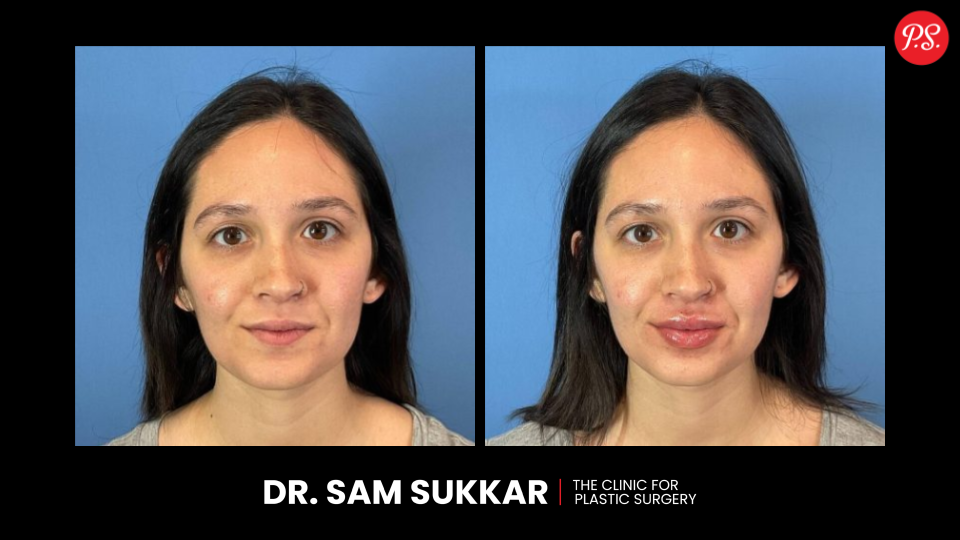
Conclusion and Summary of Eyelid Surgery Scars: What to Expect and How They Heal

For most patients, blepharoplasty scars are real but not dramatic, They start pink and noticeable up close, then fade as the healing process and scar maturation progress. With good incision placement, especially along the upper lid crease, and consistent post operative care, the final appearance of scars is often faint and easy to overlook.

The biggest controllable factors are also the least glamorous: keep incisions clean, avoid tension and unnecessary irritation, and protect scars from sun exposure for months. If you want results that heal cleanly and look natural long-term, schedule a consultation and start with a plan built for precise incision placement and proper healing from day one

Your Trusted Destination for Blepharoplasty Eyelid Surgery in Houston, Texas (TX)

Are you located in one of these Houston Metro Area cities?

Houston, The Woodlands, Sugar Land, Katy, Pearland, Pasadena, League City, Baytown, Conroe, Cypress, Spring, Kingwood, Humble, Missouri City, Friendswood, Bellaire, Clear Lake, Tomball, Galveston, Richmond, Rosenberg, Stafford, La Porte, Deer Park, Seabrook, Webster, Alvin, and Channelview.

Board-Certified Plastic Surgeon Dr. Sam Sukkar, MD, FACS, and the The Clinic for Plastic Surgery Team provide advanced eyelid surgery solutions to refresh and restore the appearance of the eyes.

If you are dealing with drooping eyelids, under-eye bags, puffiness, or tired-looking eyes, we offer comprehensive eyelid surgery options, including:

  • Upper Blepharoplasty (Upper Bleph)
  • Lower Blepharoplasty (Lower Bleph)
  • Eyelid Lift Surgery
  • Eyelid Surgery for Excess Skin or Fat
  • Combination Upper and Lower Eyelid Procedures
  • Customized Eye Rejuvenation Treatment Plans

Visit our modern 18,000+ sq. ft. plastic surgery center and med spa in Houston, Texas, designed for comfort, privacy, and results-driven care. From your first consultation through recovery, our talented team focuses on brighter, rested-looking eyes with natural results.

For patients outside the Houston area or those with limited availability, schedule a virtual eyelid surgery consultation.

Book Your Personalized Eyelid Consultation today at DrSukkar.com or call (281) 940-1535.

About the Author – Meet Dr. Sam Sukkar, MD

Dr. Sam Sukkar, MD, FACS is a highly respected Board-Certified Plastic Surgeon in Houston, Texas, known for his expertise in advanced cosmetic and reconstructive procedures. As the founder of The Clinic for Plastic Surgery, Dr. Sukkar has set a new standard for excellence, performing over 20,000 procedures with a focus on delivering natural, refined results.

Dr. Sukkar earned his Doctor of Medicine (M.D.) degree from Louisiana State University School of Medicine in 1992 after graduating summa cum laude with a Bachelor of Science in Microbiology. He then completed an intensive General Surgery Residency at the University of Texas Hermann Hospital before being selected for a highly competitive Plastic Surgery Fellowship at Northwestern University in Chicago, one of the most prestigious training programs in the country.

With more than 20 years of experience, Dr. Sukkar is a Diplomate of the American Board of Plastic Surgery and a Fellow of the American College of Surgeons (FACS). He is also an active member of the American Society of Plastic Surgeons (ASPS) and the Houston Society of Plastic Surgery (HSPS). His dedication to innovation and continuing education has solidified his reputation as a leading expert in aesthetic surgery, specializing in breast surgery, body contouring, facial procedures, and non-invasive treatments.

Dr. Sukkar’s expertise has been recognized by Houston Magazine, naming him one of Houston’s “Top Docs for Women,” and he has been featured among RealSelf’s America’s Top Doctors. Committed to his patients, he prioritizes personalized care, ensuring every individual feels informed, comfortable, and confident in their aesthetic journey.

Contact Dr. Sukkar today to schedule a consultation, visit DrSukkar.com to learn more, or call us directly at (281) 940-1535.

Denise Richards Facelift Looks Shockingly Natural

Denise Richards facelift chatter took off because she did something rare in modern pop culture: she showed the work and explained the why. In March 2026, the Wild Things star posted before and after photos, revealing a June 2025 facelift that looks noticeably refreshed.

Her results read “shockingly natural” because the approach focused on restoring structure (not freezing expression), paired with targeted tweaks like fat grafting and eyelid work instead of heavy filler. Richards also made the timeline clear, shared surgical markings, and set realistic expectations about “a little difference.”

Key Takeaways of Denise Richards Facelift Plastic Surgery

  • Denise Richards’ facelift results appear shockingly natural by focusing on restoring facial structure rather than freezing expressions.
  • Her transparency about the procedure, including before-and-after photos and surgical markings, helps set realistic expectations for a subtle yet refreshed look.
  • A modern facelift often involves a tailored plan including fat grafting, eyelid surgery, and deep-plane techniques to address aging signs and look younger without drastic change.
  • Recovery includes visible swelling and tightness initially, with a socially presentable look emerging within 1–2 weeks.
  • Celebrity openness about cosmetic surgery can educate the public, normalize aging, and promote safer, individualized consultation decisions.

What Sparked The Buzz Around Denise Richards’ New Look

The conversation didn’t start with a paparazzi shot. It started with Denise Richards choosing to put her cosmetic surgery story in the open, complete with side by side photos and clinical context.

The Moments That Fueled Speculation Online: Before and After Photos

In March 2026, Richards shared an Instagram carousel with photos of her facelift. The post showed multiple angles, six views that functioned like informal before and after photos, including pre-op surgical markings.

That mix of transparency and detail is exactly what fuels reality tv-style “detective work.” People zoomed in on her jawline, neck, and outer corners of the eyes, comparing her current look to older red carpet stills from her bond girl era and her time in the public eye.

The timing also mattered. The post landed after Richards spoke to Allure, which pushed the story beyond fan accounts into mainstream beauty coverage.

Why “Natural” Results Stand Out In Celebrity Beauty Cycles

Celebrity plastic surgery often gets judged in extremes. Richards’ result sat in the middle, which is why it popped. Fans described a “new lease” on her face, tighter under the jaw, less turkey neck, brighter eyes, without the telltale signs that trigger the “shocking facelift transformation” label.

It also helps that Richards isn’t just any name. She’s the Wild Thingsactress, a former tabloid fixture tied to actor Charlie Sheen, and now a reality star adjacent to The Real Housewives of Beverly Hills-level conversation. When someone with that history shows a subtle facelift transformation, people talk.

What Denise Richards Has Said About The Shocking Facelift Transformation

Richards didn’t frame her facelift as reinvention. She framed it as maintenance, “putting things back” as she said, which is a key reason the conversation stayed focused on technique and expectation instead of scandal.

The Key Details From Her Comments

In her comments to Allure, Richards said the procedure happened in June 2025. She described the motivation as personal, not performative. “My oldest daughters were not happy that I was doing it. I told them that this is something that I want to do, and you may not agree with my decision, but I just want your support. I understand that you feel the way you do, but please know that this is something that I want to do for me,” Denise Richards said.

Her expectation-setting was unusually specific for a celebrity cosmetic surgery story. She said she wasn’t trying to change the way she looks, address sagging skin and tiredness while keeping her recognizable.

In practical terms, that mindset aligns with what many patients request when booking a consultation: a refreshed look that still matches their own photos from five to ten years ago.

“Not Something I Could Hide”: Why Openness Matters Here

Richards also acknowledged a truth about healing and visibility. “Being in the public eye since my 20s, people know what I look like, a facelift is not something that I could hide” she mentioned. That statement lands because facelifts come with downtime, swelling, and sometimes bruising that can’t be airbrushed in real life.

Openness can also reduce the pressure to pretend it’s “just serums” or “all these lasers.” Patients who see a celebrity admit to surgery can approach cosmetic procedures with clearer expectations. A facelift is not the same as skincare, and pretending otherwise makes normal aging feel like a personal failure.

Why Her Facelift Reads As “Shockingly Natural”

“Natural” is not an accident. It’s usually the result of surgical planning that prioritizes anatomy and restraint, plus real-world factors like styling and lighting that shape how before-and-after comparisons feel.

Common Technical Choices That Create Subtle, Undone Results

Reporting around Richards’ recent facelift, are described as an advanced deep-plane approach with SMAS optimization, paired with restoration steps. The goal of many modern deep-plane facelifts is repositioning, not pulling.

Richards’ reported bundle included fat grafting, temporal brow lift for a softer brow position, and conservative upper blepharoplasty (upper eyelid surgery). It also referenced lower left eyelid fat repositioning and a lip lift at the Cupid’s corner.

That combination can read “undone” because it addresses the common giveaways of aging in the 40s–50s: descent in the midface, heaviness around the jawline, and eyelid changes. When volume is restored with fat rather than a lot of filler, the skin can look smoother without that overfilled look.

The narrative wasn’t about “incredible pleasure” from chasing trends. It was about choosing targeted cosmetic work so “stuff stays” believable.

Facelift 101: What A Modern Facelift Typically Involves

Celebrity stories can make a facelift sound like one single switch. A modern facelift is usually a plan: skin, deeper support, and often one or two complementary fixes tailored to the patient.

Mini Facelift Vs. Full Facelift: What The Terms Usually Mean

A “mini facelift” generally targets a narrower area, often the lower face, with shorter incisions and a more limited lift. It can help early jowling but won’t fully correct heavier neck laxity or more global descent.

A “full” facelift is broader. Many deep-plane techniques address the midface, jawline, and neck more comprehensively. In the reporting around the Denise Richards facelift, her result was described as more comprehensive than a mini lift, which fits the visible changes people noted at the jawline and neck.

Complementary Treatments Often Paired With A Lift (Without Overdoing It)

Patients often pair a facelift with eyelid surgery, fat restoration, or a brow adjustment. Richards’ reported combination, upper blepharoplasty, fat restoration, and a small lip lift, is a classic “refresh” package when done conservatively.

What tends to backfire is piling on too many aggressive cosmetic procedures at once, or masking structural change with lots of filler. After her facelift, she stayed at a dedicated recovery center where treatments included red light therapy, lymphatic massage, and other healing support methods. She mentioned spending about a week there using those services while recovering.

Other Procedures Richards’ Did

Before her recent facelift, Denise Richards had already been open about her long history with breast surgery, like augmentation and revision. She first got breast implants at just 19, later admitting she rushed into the decision and didn’t fully research it, which led to multiple corrective procedures in her early 20s.

Over the years, she underwent additional surgeries to adjust size and address complications, including a breast implant rupture in 2025 that required revision surgery, and eventually implant removal to improve comfort and health. Despite ongoing speculation about other treatments, she had consistently stated for years that her only major cosmetic procedures were related to her breasts prior to her later facial surgery.

About Denise Richards and Her Life

Denise Richards is an American actress, television personality, and former model born on February 17, 1971, in Downers Grove, Illinois. Raised alongside her sister Michelle Richards by their parents Irv and Joni Richards, Denise moved to California as a teenager and quickly pursued modeling before transitioning into acting.

Her breakout came in the late 1990s with back-to-back roles that put her on the map: the sci-fi blockbuster Starship Troopers in 1997 and the provocative thriller Wild Things in 1998. By 1999, she had landed the role of Bond girl Dr. Christmas Jones in The World Is Not Enough, cementing her status as one of Hollywood’s most recognizable faces of the era.

Beyond film, Richards built a lasting television career. She appeared in series like Spin City and Two and a Half Men before joining the cast of The Real Housewives of Beverly Hills, where she gave audiences a closer look at her personal life and earned a new wave of fans.

Personal Life

Her personal life has been just as widely followed as her career. She was married to actor Charlie Sheen from 2002 to 2006, and the couple has two daughters, Sami Sheen and Lola Rose Sheen. Richards later adopted her third daughter, Eloise Joni Richards, as a single parent, a decision she has spoken about with pride. In 2018, she married Aaron Phypers, adding another chapter to a life she has been remarkably open about sharing with the public.

Standing at 5’6″, Richards has remained a familiar presence in entertainment for nearly three decades, known as much for her resilience and candor off-screen as for her work on it. Motherhood, in particular, has become a defining part of her public identity, with Richards frequently discussing the joys and challenges of raising her three daughters.

The Denise Richards story isn’t only about one face lift. It’s about how celebrity honesty changes what people expect from aging, beauty, and cosmetic surgery, and what they ask for when they walk into a clinic.

Frequently Asked Questions about Denise Richards Facelift Looks Shockingly Natural

What type of facelift did Denise Richards have in June 2025?

Denise Richards underwent an advanced deep-plane facelift called AuraLyft. It involved SMAS optimization, fat restoration, eyelid work, a temporal brow restoration, and a subtle lip lift for a natural, refreshed look.

Why does Denise Richards’ facelift look so natural compared to other celebrity surgeries?

Her facelift looks naturally refreshed because the procedure focused on restoring facial structure with targeted tweaks. The surgery used fat grafting instead of heavy fillers and prioritized subtle repositioning over dramatic changes, resulting in a look that preserves her natural expressions.

How long does a modern facelift like Denise Richards’ usually last?

Modern facelifts typically last 10 to 15 years. The longevity depends on factors such as genetics, sun exposure, smoking habits, sleep quality, and maintaining a stable weight.

What is the difference between a mini facelift and a full facelift?

A mini facelift targets a limited area, often the lower face, with shorter incisions and a less comprehensive lift. A full facelift, like Denise Richards’, addresses broader areas including midface, jawline, and neck for more extensive sagging correction.

How does Denise Richards’ transparency about her facelift influence public perception?

Her openness provides realistic expectations about surgical recovery and outcomes. It normalizes cosmetic surgery as a personal choice, and helps reduce stigma by showing facelifts are about restoration rather than drastic change or secrecy.

Conclusion and Summary of Denise Richards Facelift Looks Shockingly Natural

Denise Richards didn’t just ignite a trend cycle, she provided a rare, practical case study in how a facelift can look refreshed without looking replaced. By sharing before and after photos, acknowledging downtime, and framing the goal as restoration, she helped shift the conversation from whispery speculation to informed choice.

For anyone considering a consultation in Beverly Hills or elsewhere in Los Angeles, the useful lesson isn’t to copy a celebrity. It’s to copy the strategy, define what bothers you (neck, jawline, eyes), and prioritize techniques that reposition and restore rather than overfill.

Your Trusted Destination for Facelift Surgery in Houston, Texas (TX)

Are you located in one of these Houston Metro Area cities?

Houston, The Woodlands, Sugar Land, Katy, Pearland, Pasadena, League City, Baytown, Conroe, Cypress, Spring, Kingwood, Humble, Missouri City, Friendswood, Bellaire, Clear Lake, Tomball, Galveston, Richmond, Rosenberg, Stafford, La Porte, Deer Park, Seabrook, Webster, Alvin, and Channelview.

Board-Certified Plastic Surgeon Dr. Sam Sukkar, MD, FACS, and the The Clinic for Plastic Surgery Team provide advanced facelift surgery solutions to rejuvenate and restore a more youthful, refreshed appearance.

If you are dealing with sagging skin, deep facial folds, jowls, volume loss, or a tired, aging appearance, we offer comprehensive facial rejuvenation options, including:

  • Facelift Surgery
  • Mini Facelift
  • Lower Facelift
  • Neck Lift Surgery
  • Facelift with Neck Lift
  • Customized Facial Rejuvenation Treatment Plans

Visit our modern 18,000+ sq. ft. plastic surgery center and med spa in Houston, Texas, designed for comfort, privacy, and results-driven care. From your first consultation through recovery, our talented team focuses on natural-looking rejuvenation with elegant, refreshed results.

For patients outside the Houston area or those with limited availability, schedule a virtual facelift surgery consultation.

Book Your Personalized Facelift Consultation today at DrSukkar.com or call (281) 940-1535.

About the Author – Meet Dr. Sam Sukkar, MD

Dr. Sam Sukkar, MD, FACS is a highly respected Board-Certified Plastic Surgeon in Houston, Texas, known for his expertise in advanced cosmetic and reconstructive procedures. As the founder of The Clinic for Plastic Surgery, Dr. Sukkar has set a new standard for excellence, performing over 20,000 procedures with a focus on delivering natural, refined results.

Dr. Sukkar earned his Doctor of Medicine (M.D.) degree from Louisiana State University School of Medicine in 1992 after graduating summa cum laude with a Bachelor of Science in Microbiology. He then completed an intensive General Surgery Residency at the University of Texas Hermann Hospital before being selected for a highly competitive Plastic Surgery Fellowship at Northwestern University in Chicago, one of the most prestigious training programs in the country.

With more than 20 years of experience, Dr. Sukkar is a Diplomate of the American Board of Plastic Surgery and a Fellow of the American College of Surgeons (FACS). He is also an active member of the American Society of Plastic Surgeons (ASPS) and the Houston Society of Plastic Surgery (HSPS). His dedication to innovation and continuing education has solidified his reputation as a leading expert in aesthetic surgery, specializing in breast surgery, body contouring, facial procedures, and non-invasive treatments.

Dr. Sukkar’s expertise has been recognized by Houston Magazine, naming him one of Houston’s “Top Docs for Women,” and he has been featured among RealSelf’s America’s Top Doctors. Committed to his patients, he prioritizes personalized care, ensuring every individual feels informed, comfortable, and confident in their aesthetic journey.

Contact Dr. Sukkar today to schedule a consultation, visit DrSukkar.com to learn more, or call us directly at (281) 940-1535.

Common Signs of Gynecomastia Men Often Overlook

Common signs of gynecomastia men often overlook usually come down to one thing: enlarged male breast tissue. Gynecomastia is caused by glandular breast tissue growth, not just weight gain or “chest fat.” Gynecomastia happens when estrogen and testosterone shift out of balance, leading to breast tissue enlargement that often feels rubbery or firm under the nipple.

The fastest way to separate possibilities is to note what’s new: puffy areolas, nipple sensitivity, breast tenderness, or one-sided breast enlargement tend to point toward true gynecomastia, while soft, evenly distributed fatty tissue is more consistent with excess fat. A focused physical exam, a careful medical history, and, when needed, blood tests for hormone levels help confirm the cause.

When glandular tissue is confirmed and does not improve with non-surgical approaches, male breast reduction surgery becomes the most direct solution to remove the tissue and restore a flatter chest.

Key Takeaways of Common Signs of Gynecomastia Men Often Overlook

  • Gynecomastia involves enlarged glandular breast tissue in men, often mistaken for chest fat but requiring different diagnosis and treatment.
  • Common overlooked signs include puffy areolas, firm rubbery tissue under the nipple, one-sided breast enlargement, and nipple sensitivity.
  • Breast tenderness, nipple discharge, rapid growth, or hard lumps are red-flag symptoms that need prompt medical evaluation to rule out serious conditions.
  • Certain medications, supplements, hormone changes, and substances like anabolic steroids or alcohol can increase the risk of gynecomastia.
  • Male breast reduction procedure removes glandular tissue directly, making it the most effective option to flatten the chest.

Gynecomastia vs. Chest Fat: Why The Difference Matters

Gynecomastia enlarged breasts can look like simple chest fat, but the underlying breast tissue is different, and so is the treatment plan. Knowing whether the change is true gynecomastia or unlike true gynecomastia (fat-dominant pseudogynecomastia) helps a healthcare provider choose the right treatment options.

How True Gynecomastia Feels Compared To Fatty Tissue

True gynecomastia usually involves breast gland tissue that forms a distinct shape. It often feels like a firm, rubbery disk or “button” under the nipple. The edge can feel more defined than surrounding tissue.

By contrast, fatty tissue is softer and more spread out. It is typically pinchable without a clear lump. Chest fat also tends to be more symmetric and often improves with weight loss.

Another clue is discomfort. Breast tenderness or nipple sensitivity can happen during hormone fluctuations that drive glandular breast tissue growth. Fat gain alone can cause chafing, but it usually does not create a firm subareolar mass.

What Causes Men To Misread The Symptoms

Many men assume breast enlargement equals weight gain. That assumption can be strong when the rest of the body is also changing. But gynecomastia symptoms can appear even in lean patients.

Fitness-focused men can misread early signs of gynecomastia. They may notice bigger breast size and immediately adjust workouts to “burn chest fat.” If the enlargement comes from excess glandular tissue, exercise won’t remove it.

They may also ignore asymmetry. Gynecomastia can affect one or both breasts, and one-sided growth often gets dismissed as normal imbalance. That delay matters when there are red flags that overlap with breast cancer and male breast cancer concerns.

Overlooked Physical Signs You Can Notice

Several signs of gynecomastia show up in everyday life before anyone schedules an exam. These physical changes do not diagnose the cause, but they can signal breast tissue growth that deserves an evaluation.

Puffy Or Enlarged Areolas (Even If The Chest Looks “Normal”)

One of the most missed symptoms of gynecomastia is an areola that looks swollen or “puffy.” The chest might look mostly flat, yet the areola projects forward.

This can happen early, before obvious enlarged male breasts develop. Puffy areolas can also fluctuate with temperature, but persistent changes may reflect breast tissue enlargement beneath the nipple.

If the change is new and persistent, it is worth tracking. He can note whether it affects one side, whether there is breast tenderness, and whether nipple sensitivity appears with touch or friction.

Rubbery Or Firm Tissue Under The Nipple

A classic sign is a firm, rubbery area directly under the nipple. That texture often points toward glandular breast tissue rather than excess fat.

During a self-check, the goal is not to “hunt” aggressively for lumps. It is to notice whether there is a distinct subareolar disk compared with the surrounding chest.

If the tissue feels firm and localized, that detail helps a medical professional. It can guide the physical exam and determine whether imaging tests are appropriate.

One-Sided Enlargement Or Noticeable Asymmetry

Gynecomastia does not always show up evenly. One side may enlarge first, creating visible asymmetry in breast size or nipple projection.

Asymmetry is easy to rationalize. Men may blame posture, training habits, or a dominant side. But persistent one-sided breast tissue enlargement should be documented and discussed with a healthcare provider.

This is especially important if there is a new breast lump, skin change, nipple discharge, or rapid growth. Those signs and symptoms can overlap with conditions that need prompt workup.

Changes In Nipple Position, Shape, Or Projection

As breast tissue grows, the nipple-areola complex can shift. The nipple may point downward more, appear more domed, or sit lower on the chest.

These changes can happen even when the overall chest looks “okay” in clothing. Many men only notice it in certain lighting or when wearing fitted shirts.

Nipple shape changes are not specific to gynecomastia. Still, paired with rubbery tissue or breast tenderness, they strengthen the case for an in-office assessment.

Subtle Skin Stretching, Chafing, Or Nipple Sensitivity

Some overlooked symptoms of gynecomastia are more about sensation than appearance. Skin stretching can cause low-grade irritation or a different skin texture across the areola.

Chafing can happen from enlarged breasts rubbing on fabric during workouts or daily movement. Nipple sensitivity may show up with touch, shower water, or shirt seams.

These signs do not prove glandular tissue. But when they are new, persistent, or paired with firm tissue, they deserve attention as potential gynecomastia symptoms.

Symptoms That Suggest It’s Not “Just A Cosmetic Issue”

Some symptoms go beyond appearance and raise health concerns that should be evaluated in a medical office. These signs can relate to true gynecomastia, underlying medical conditions, or, more rarely, male breast cancer.

Breast Tenderness, Soreness, Or Burning Sensations

Pain is a common reason men finally ask for help. Breast tenderness, soreness, or a burning sensation can appear during active breast tissue growth.

Tenderness can be mild and intermittent, or sharp with pressure. It may worsen with friction from clothing or exercise.

Because tenderness can reflect hormone changes, hormone levels, recent medications, and substance exposures are often considered.

Nipple Discharge, Bleeding, Or Crusting

Nipple discharge is not typical “normal” gynecomastia and should be evaluated promptly. Discharge may be clear, milky, yellow, or bloody. Crusting or bleeding can also occur.

These symptoms can have several causes, including infections or duct-related problems. But they also raise the need to rule out breast cancer and male breast cancer.

Imaging tests and focused labs may be ordered depending on the presentation. The key is not to wait and see if discharge stops on its own.

A New Lump, Rapid Growth, Or Hard Fixed Mass

Gynecomastia often feels like a movable, rubbery subareolar disk. A hard fixed mass, especially if it is off to one side, needs careful evaluation.

Rapid growth over weeks is another concern. Even when the cause is benign, fast changes deserve documentation and an exam.

In-office evaluation can help separate glandular breast tissue from other breast lumps. It also determines whether ultrasound or other imaging tests are appropriate.

Swollen Underarm Lymph Nodes Or Unexplained Weight Loss

Swollen lymph nodes in the armpit region can occur with infections. But paired with breast lumps or nipple discharge, they can be a red-flag sign.

Unexplained weight loss is also concerning. It can point toward systemic illness rather than isolated breast tissue enlargement.

These signs should move the appointment up, not back. A healthcare provider can assess whether the symptoms relate to breast tissue, hormonal imbalance, or other health conditions.

Common Triggers And Risk Factors Men Miss

Gynecomastia often has more than one contributor, including hormone fluctuations, substances, and medical conditions. Identifying risk factors helps to build a targeted treatment plan instead of guessing.

Medication And Supplement Links (Including Hormone-Active Products)

Certain medications are known to affect hormone balance and breast tissue. Questions commonly include anti-androgen exposure, some heart medications, and other medications linked to breast tissue growth.

Men also forget non-prescription products. Herbal supplements can have hormone-active effects, and some “testosterone boosters” may alter hormones estrogen pathways indirectly.

Anabolic agents matter too. Anabolic steroids can disrupt estrogen levels and testosterone levels through conversion and feedback loops. That hormonal imbalance can drive glandular tissue growth even in muscular men.

Alcohol And Other Substances That Can Affect Hormones

Alcohol use can influence hormone metabolism and liver function. Over time, heavy use can contribute to hormonal changes that affect breast tissue.

Other illegal drugs can also affect endocrine function, appetite, and weight gain. All of these factors can shift estrogen and testosterone balance.

Hormone Shifts From Aging, Puberty, Or Weight Changes

Puberty is a common time for gynecomastia due to temporary hormone fluctuations. In many adolescents, it resolves. But persistent symptoms should still be assessed.

Aging can lower testosterone levels over time. With less testosterone, the relative effect of estrogen can become more noticeable, affecting breast tissue. Blood tests are sometimes used to assess hormone levels and contributing health conditions. Depending on the case, this may include testosterone levels, estrogen levels, and other labs tied to liver or kidney function. The goal is a clear diagnosis and a realistic gynecomastia treatment plan.

Weight changes matter in two ways. Weight gain can increase fatty tissue and make breasts look larger. It can also influence estrogen and testosterone through metabolic changes.

Health Conditions That Can Present First As Breast Changes

Some medical conditions show up subtly at first. Liver disease can impair hormone metabolism and contribute to estrogen dominance. Advanced cases such as liver failure can be associated with broader systemic symptoms.

Kidney problems can also play a role. Kidney disease and severe kidney failure may affect hormone regulation and medication handling. The outline of symptoms may be the first clue.

Endocrine conditions matter too. An overactive thyroid can shift hormone balance. In these cases, breast tissue changes are not “just cosmetic,” but a sign to check overall physical health.

When Male Breast Reduction Surgery is the Best Option

Male breast reduction surgery becomes the best option when glandular breast tissue persists despite weight loss, exercise, or medical management. When a firm, rubbery mass under the nipple remains stable or continues to grow, non-surgical approaches typically won’t remove that tissue. Surgery directly targets and removes glandular tissue, which is the root cause of true gynecomastia

It is also considered when symptoms affect daily comfort or confidence. Ongoing tenderness, visible chest asymmetry, or changes that don’t improve over time often lead to a surgical solution. In cases where the chest contour does not match overall body composition, surgery provides a more predictable and lasting correction.

Frequently Asked Questions About Common Signs of Gynecomastia Men Often Overlook

What are the common signs of gynecomastia that men often overlook?

Men often overlook signs like puffy or enlarged areolas, a firm rubbery disk under the nipple, one-sided breast enlargement, subtle nipple shape changes, and new nipple sensitivity, which are distinct from usual chest fat.

What are common causes and risk factors for developing gynecomastia?

Gynecomastia can result from hormone imbalances caused by medications, herbal supplements, anabolic steroids, alcohol, cannabis, aging, puberty, weight changes, or health conditions like liver or thyroid problems.

What is the last stage of gynecomastia?

The last stage of gynecomastia is typically Grade 4, where there is significant glandular tissue, excess fat, and stretched skin that can create a sagging, chest-like appearance. At this stage, the tissue does not respond to weight loss or lifestyle changes, and skin laxity often requires surgical correction to restore a flatter, more defined chest.

How much is gyno surgery in Houston, Texas?

Gynecomastia surgery cost in Houston, Texas typically ranges from about $9,500 to $13,000, depending on the extent of tissue removal and contouring needed. Many patients choose financing options to make the procedure more manageable, with monthly payments starting as low as $257 through The Clinic for Plastic Surgery.
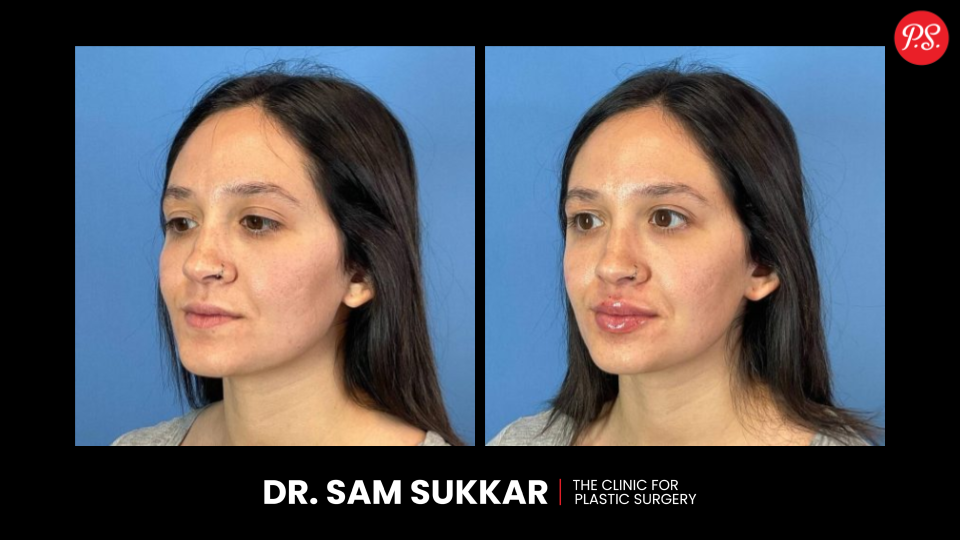
Conclusion and Summary of Common Signs of Gynecomastia Men Often Overlook

The most overlooked signs of gynecomastia are the quiet ones: puffy areolas, a rubbery disk under the nipple, subtle asymmetry, and new nipple sensitivity. When those changes are paired with breast tenderness or steady breast tissue growth, “it’s probably just fat” becomes a risky assumption.

In 2026, when glandular tissue is confirmed and the chest does not respond to weight loss or lifestyle changes, male breast reduction surgery is often the most effective option. It removes the underlying tissue directly and reshapes the chest for a flatter, more defined appearance. For men who want a lasting change that aligns with their physique, surgery offers the most predictable path to improving both contour and confidence.

Your Trusted Destination for Male Breast Reduction Gynecomastia Surgery in Houston, Texas (TX)

Are you located in one of these Houston Metro Area cities?

Houston, The Woodlands, Sugar Land, Katy, Pearland, Pasadena, League City, Baytown, Conroe, Cypress, Spring, Kingwood, Humble, Missouri City, Friendswood, Bellaire, Clear Lake, Tomball, Galveston, Richmond, Rosenberg, Stafford, La Porte, Deer Park, Seabrook, Webster, Alvin, and Channelview.

Board-Certified Plastic Surgeon Dr. Sam Sukkar, MD, FACS, and the The Clinic for Plastic Surgery Team provide advanced surgical solutions for men struggling with enlarged or excess breast tissue.

If you are man experiencing excess chest fat, glandular tissue, or persistent male breast enlargement, we offer comprehensive gynecomastia treatment options, including:

  • Gynecomastia Surgery
  • Male Breast Reduction Surgery
  • Gyno Surgery for Hormonal or Genetic Causes
  • Male Reduction Mammaplasty
  • Liposuction for Male Chest Contouring
  • Customized Male Chest Reshaping Plans

Visit our modern 18,000+ sq. ft. plastic surgery center and med spa in Houston, Texas, designed for comfort, privacy, and results-driven care. From your initial consultation through recovery, our experienced team focuses on natural-looking chest contours and long-term confidence.

For patients outside the Houston area or those with limited availability, schedule a virtual gynecomastia consultation.

Book Your Male Breast Reduction Consultation today at DrSukkar.com or call (281) 940-1535

About the Author – Meet Dr. Sam Sukkar, MD

Dr. Sam Sukkar, MD, FACS is a highly respected Board-Certified Plastic Surgeon in Houston, Texas, known for his expertise in advanced cosmetic and reconstructive procedures. As the founder of The Clinic for Plastic Surgery, Dr. Sukkar has set a new standard for excellence, performing over 20,000 procedures with a focus on delivering natural, refined results.

Dr. Sukkar earned his Doctor of Medicine (M.D.) degree from Louisiana State University School of Medicine in 1992 after graduating summa cum laude with a Bachelor of Science in Microbiology. He then completed an intensive General Surgery Residency at the University of Texas Hermann Hospital before being selected for a highly competitive Plastic Surgery Fellowship at Northwestern University in Chicago, one of the most prestigious training programs in the country.

With more than 20 years of experience, Dr. Sukkar is a Diplomate of the American Board of Plastic Surgery and a Fellow of the American College of Surgeons (FACS). He is also an active member of the American Society of Plastic Surgeons (ASPS) and the Houston Society of Plastic Surgery (HSPS). His dedication to innovation and continuing education has solidified his reputation as a leading expert in aesthetic surgery, specializing in breast surgery, body contouring, facial procedures, and non-invasive treatments.

Dr. Sukkar’s expertise has been recognized by Houston Magazine, naming him one of Houston’s “Top Docs for Women,” and he has been featured among RealSelf’s America’s Top Doctors. Committed to his patients, he prioritizes personalized care, ensuring every individual feels informed, comfortable, and confident in their aesthetic journey.

Contact Dr. Sukkar today to schedule a consultation, visit DrSukkar.com to learn more, or call us directly at (281) 940-1535.