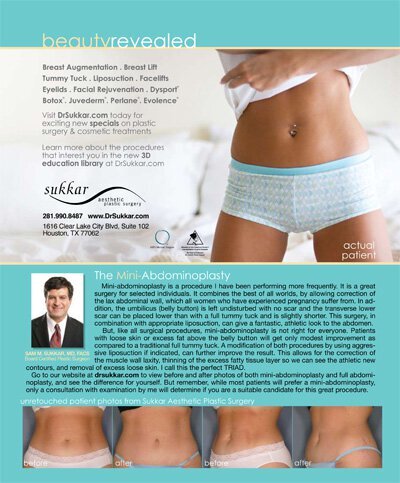
Deciding between a Tummy Tuck vs Liposuction? Tummy tucks remove excess skin and tighten muscles, while liposuction reduces stubborn fat. This article will help you understand which option suits your body goals best by exploring their differences, benefits, and recovery times.
Key Takeaways
- Tummy tucks are best for removing excess skin and tightening abdominal muscles, while liposuction focuses on eliminating stubborn fat deposits.
- Tummy tucks are more invasive with a longer recovery time compared to the less invasive liposuction, which allows for quicker returns to daily activities.
- Combining both procedures can maximize results, targeting both fat removal and skin tightening for better body contouring.
Understanding Tummy Tuck and Liposuction
In the realm of body contouring, two prevalent procedures stand out: tummy tucks and liposuction, each offering its own set of advantages. Tummy tuck surgery, also known as abdominoplasty, focuses on removing excess skin and tightening weakened abdominal muscles that typically occur following considerable weight loss or childbirth.
Conversely, liposuction is designed to eliminate pockets of stubborn fat that persist despite a healthy diet and regular exercise regimen. Recognizing these essential distinctions between tummy tuck procedures and liposuction can be vital in determining which surgical option will best suit your personal objectives for enhancing your physical appearance.
What Is a Tummy Tuck?
Abdominoplasty, commonly referred to as a tummy tuck, is a type of cosmetic surgery that targets the abdominal region to remove excess skin and fat while also strengthening the core abdominal muscles. It’s particularly effective for those who have experienced sagging skin or weakened stomach muscles due to childbirth or substantial weight reduction. Tummy tuck surgeries come in different forms: The comprehensive version includes modifying the belly button’s position, while the mini version concentrates on correcting issues beneath it.
When performing a tummy tuck surgery, an accredited plastic surgeon executes incisions with precision to eliminate extra skin and adipose tissue from around your midsection. These cuts are also used for stitching together lax muscle fibers within your abdominal wall structure under general anesthesia. Occasionally, this operation can be paired with liposuction for even better contouring results. Ultimately, undergoing such treatment aims at providing individuals with not only reduced circumference but notably improved structural integrity, leading to both flatter tummies and more sculpted appearances across their entire abdominal zones after significant weight alterations.
What Is Liposuction?
Liposuction is a surgical procedure designed to remove stubborn fat deposits from targeted areas of the body, such as the abdomen, thighs, flanks, buttocks, and upper arms. It is an effective option for those struggling with localized fat that doesn’t respond to diet or exercise. Unlike a tummy tuck, which also addresses loose skin and muscle repair, liposuction focuses solely on fat removal and body contouring.
During the procedure, small incisions are made, and a thin tube (cannula) is used to suction out the fat. Liposuction is less invasive than more extensive surgeries like abdominoplasty, and it’s performed under local or general anesthesia depending on the treatment area and amount of fat being removed. While liposuction can significantly enhance the body’s silhouette and reduce trouble spots, it’s not a solution for weight loss or a substitute for healthy lifestyle changes.
Key Differences Between Tummy Tuck and Liposuction
When choosing between a tummy tuck and liposuction, it is critical to grasp the primary distinctions between these two procedures. Each one improves body shape in unique manners, providing solutions for varied individual requirements.
It’s important to take into account the particular outcomes each offers, as well as how invasive they are and what their respective recovery periods entail.
Results: Excess Skin vs. Fat Removal
A tummy tuck is a surgical procedure that addresses the removal of excess skin, tightens lax abdominal muscles, and eradicates extra fat to create a firmer and more sculpted abdomen. It offers considerable benefits for individuals who have experienced substantial weight loss or whose bodies have changed following pregnancy by improving sagging skin appearance and rectifying separated muscles.
In contrast, liposuction exclusively targets the extraction of stubborn fat deposits from selected areas like the stomach, thighs, and hips. This method excels at refining body contours where diet- and exercise-resistant fat persists but does not correct issues related to loose skin or weakened abdominal walls. Thus, it may not be ideal for those with significant amounts of surplus skin after losing a large amount of weight.
Invasiveness: Surgical Procedure vs. Minimally Invasive
Tummy tuck surgery is more extensive than liposuction, requiring larger incisions and general anesthesia to remove excess skin and tighten abdominal muscles. This makes it a more invasive procedure with a longer recovery and higher potential for complications, especially when considering tummy tuck vs. liposuction.
Conversely, liposuction involves smaller incisions and is generally considered less invasive, enabling quicker recovery and reduced surgical risks.
Recovery Time and Process
Tummy tuck recovery is typically more extensive and requires longer downtime compared to liposuction. Patients may need about two weeks off work and should avoid strenuous activities until cleared by their surgeon.
Liposuction allows for a quicker return to normal activities, often within a week or two, with fewer restrictions and a generally smoother recovery process.
Who Should Consider a Tummy Tuck?
An abdominoplasty, commonly referred to as a tummy tuck, is highly beneficial for people struggling with loose skin and diminished strength in their abdominal muscles due to considerable weight loss or the aftermath of childbirth. It’s especially effective for those burdened with excess skin that fails to retract through diet or physical exercise yet yearn for a more sculpted and flatter abdomen.
Individuals considering this procedure should aim to conclude their family planning beforehand, as completing childbirth can help maintain the enduring effects of the surgery.
Benefits of a Tummy Tuck
Undergoing a tummy tuck can yield significant physical and mental advantages. This procedure eliminates surplus skin and fat, tightens the muscles in the abdominal area, and vastly improves the visual appeal of one’s stomach region. Achieving this more sculpted, flatter abdomen contributes to better-fitting clothes and improved body ratios. It helps resolve problems associated with drooping skin that may interfere with dressing comfortably or engaging in physical activities.
On an emotional level, undergoing a tummy tuck has been known to elevate self-esteem and perception of one’s own physique as individuals find themselves more satisfied with their looks. The positive outcomes of this surgery have long-term potential if meticulous attention is given to postoperative care, offering enduring enhancements to abdominal shape.
To optimize results, incorporating liposuction alongside a traditional tummy-tuck operation may simultaneously address redundant fat removal and excess skin reduction for superior aesthetic outcomes.
Potential Drawbacks
One should be aware of the downsides of a tummy tuck. This invasive procedure demands an extensive recovery period during which physical activity must be curtailed, and absence from work is necessary. Despite scars becoming less noticeable as time passes, they never vanish completely, posing potential issues for those concerned about such marks.
It’s crucial to recognize that complications can arise during any surgical operation. These should be thoroughly reviewed with a board-certified plastic surgeon prior to proceeding with the surgery.
Who Should Consider Liposuction?
Liposuction is best for individuals with stubborn fat deposits that are resistant to diet and exercise. Ideal candidates are within 30 pounds of their goal weight and seek to remove excess fat to improve body contours.
Liposuction is a great option for those with minimal excess skin or muscle laxity who are primarily looking to sculpt specific areas of their body.
Benefits of Liposuction
Liposuction precisely removes fat from the lower abdomen, waist, flanks, and back to achieve body contouring and a refined silhouette. This procedure leaves minimal scarring that is barely noticeable, enhancing the aesthetic outcome. The recovery time post-procedure is fairly brief. Patients can often return to light activities shortly after.
The ability of liposuction to tackle multiple regions in one go underscores its adaptability for comprehensive body shaping. It stands out as an exceptional method for eliminating persistent fat from several areas simultaneously while ensuring a swift recuperation period and insignificant scar formation—reasons why it’s frequently chosen for effective fat removal with minimal downtime.
Potential Drawbacks
While liposuction can greatly enhance body contours, it fails to eliminate excess skin or fortify lax abdominal muscles, posing a constraint. Uneven fat removal during the procedure may lead to contour irregularities like lumps and asymmetrical areas. This technique might also fall short of effectively addressing excess abdominal fat, which can impact self-confidence and contribute to health issues like diabetes and high blood pressure.
In certain scenarios, achieving the sought-after outcome could necessitate several rounds of this cosmetic treatment.
Combining Tummy Tuck and Liposuction for Optimal Results
Utilizing a combined approach for body contouring that includes both a tummy tuck and liposuction can lead to superior outcomes. This method effectively tackles the issue of stubborn fat pockets as well as excess skin, ensuring a more fulfilling and proportionate result.
Known specifically as lipoabdominoplasty, this amalgamated procedure uses just one anesthetic event and requires only one recovery period, offering an efficient alternative for those seeking such treatments.
Enhanced Contouring
Utilizing lipoabdominoplasty, which merges liposuction with a tummy tuck, delivers superior shaping advantages. This method facilitates the precise extraction of fat and then immediate skin tightening within one surgical procedure, leading to an abdomen that is both more defined and toned.
By taking this integrated route, various issues can be tackled simultaneously, yielding a tighter and visually more appealing outcome.
Suitability and Considerations
When considering a combined tummy tuck and liposuction, factor in the overall cost and recovery time. The total cost includes the surgeon’s fee, medical tests, facility charges, anesthesia, and medications. Additionally, the surgical technique used and the surgeon’s experience level can affect the price.
Patients should discuss these considerations with their board-certified plastic surgeon to ensure the plastic surgery procedure aligns with their goals and budget.
Cost Comparison
Patients can make educated choices about their surgical options by recognizing the variances in costs between tummy tucks and liposuction. The overall price of each procedure may differ greatly, influenced by elements like the complexity of the surgery, the skill level of the surgeon performing it, and where geographically it is done.
Tummy Tuck Costs
On average, tummy tuck costs range from $7,500 to $15,000, depending on the procedure’s complexity and location. The surgeon’s expertise and geographical location also significantly influence the final cost.
Patients should consider these factors and understand all associated costs before proceeding with the surgery.
Liposuction Costs
Patients are advised to have a thorough discussion with their surgeon regarding the entire financial obligation. The average cost of liposuction is approximately $4,711, not including anesthesia and facility fees. It’s important to note that this price can fluctuate depending on the complexity of the procedure and the surgeon’s experience level.
Realistic Expectations and Long-Term Results
Grasping the importance of realistic expectations and being aware of the enduring outcomes of tummy tucks and liposuction is essential for patient contentment. While both surgeries can yield significant enhancements, preserving these effects necessitates a dedication to living healthily.
Maintaining Results
Adopting a regimen of health-conscious habits is vital to preserving the outcomes of body contouring procedures such as tummy tucks and liposuction. It’s crucial to consume a well-balanced diet that includes an abundance of fruits, vegetables, whole grains, and lean proteins to uphold one’s general well-being while also extending the life span of surgical results. Consistent physical activity plays a key role in weight management and sustaining the sculpted look provided by surgery. Strict adherence to post-surgical care instructions coupled with abstaining from tobacco use can markedly improve recovery and have a positive impact on the long-term effects of these operations.
The enduring nature of these cosmetic enhancements can be jeopardized by fluctuations in body weight following surgery. Engaging in frequent exercise routines along with maintaining proper hydration levels are instrumental in promoting skin suppleness, which contributes significantly to enhancing how patients perceive their postoperative appearance. Through dedicated commitment towards healthier living practices, individuals who undergo surgeries like tummy tucks or liposuction stand poised to reap prolonged rewards from their investment into aesthetic improvement for years down the line.
Expected Outcomes
Following a tummy tuck and liposuction, most patients witness a significant enhancement in their body shape. The outcome of a tummy tuck usually includes an abdominal area that is tighter and more toned, but it does create a horizontal scar that might lessen as time passes.
Liposuction, on the other hand, targets and removes persistent pockets of fat, leading to better-defined body contours with minimal scarring. These scars become much less noticeable over time. While both surgeries provide substantial benefits in terms of appearance improvement, individual results regarding scarring and outcomes may differ.
Summary
In essence, tummy tucks and liposuction serve distinct purposes suited to specific requirements. Tummy tucks excellently address the presence of excess skin and the issue of weakened abdominal muscles, whereas liposuction adeptly eliminates persistent fat accumulations. When these two procedures are integrated, they can yield a thorough body contouring effect for enhanced outcomes. It is crucial to assess factors such as expenses involved, recuperation periods required after surgery, and enduring commitments necessary for preserving the achieved results. With realistic expectations in place and well-informed choices made upfront, you are equipped to enhance your physical appearance with a flatter abdomen and refined figure that could ultimately elevate your self-assurance. Are you prepared to move forward on this journey toward achieving a more toned midsection?