Apron Belly Before and After Pictures: Shocking Changes

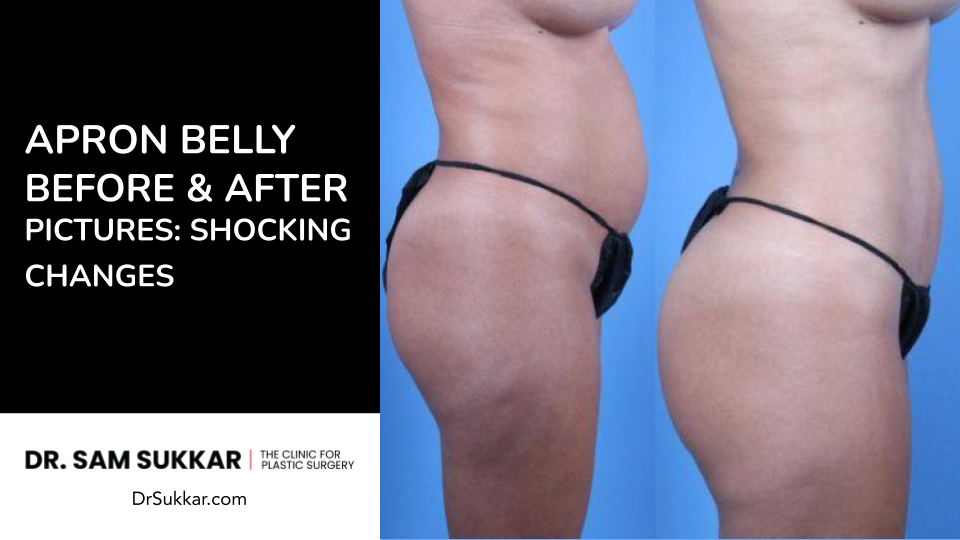
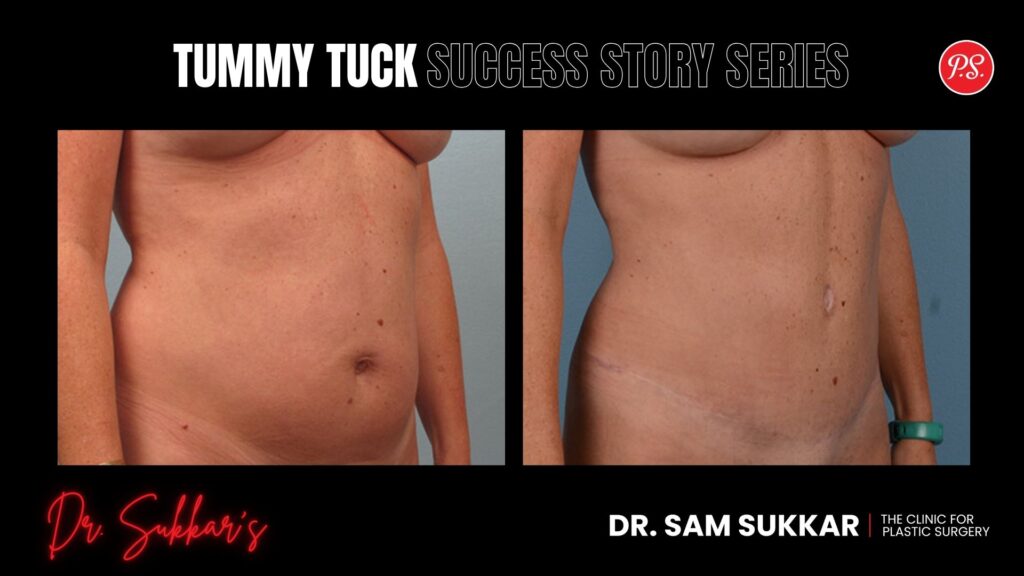
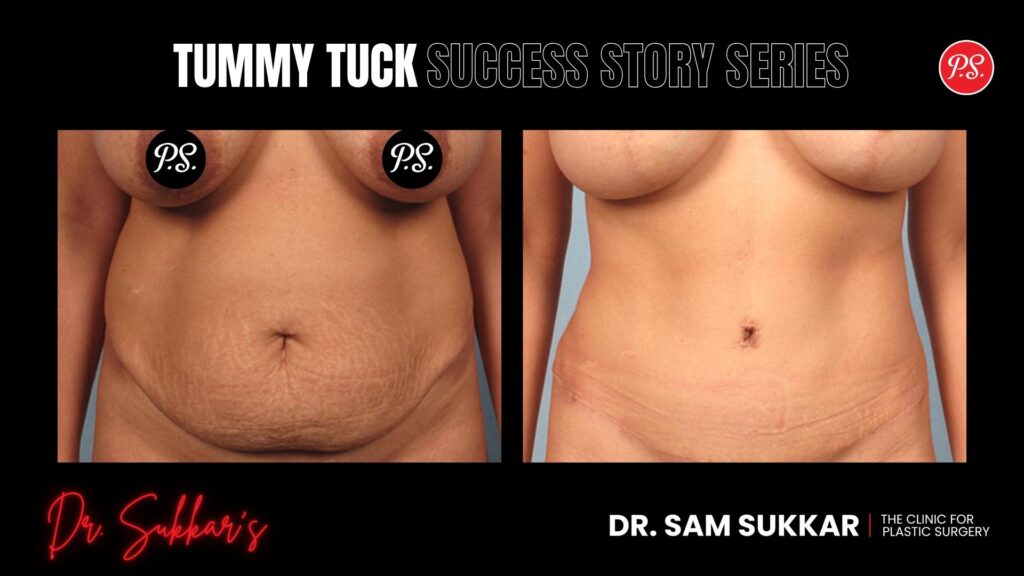
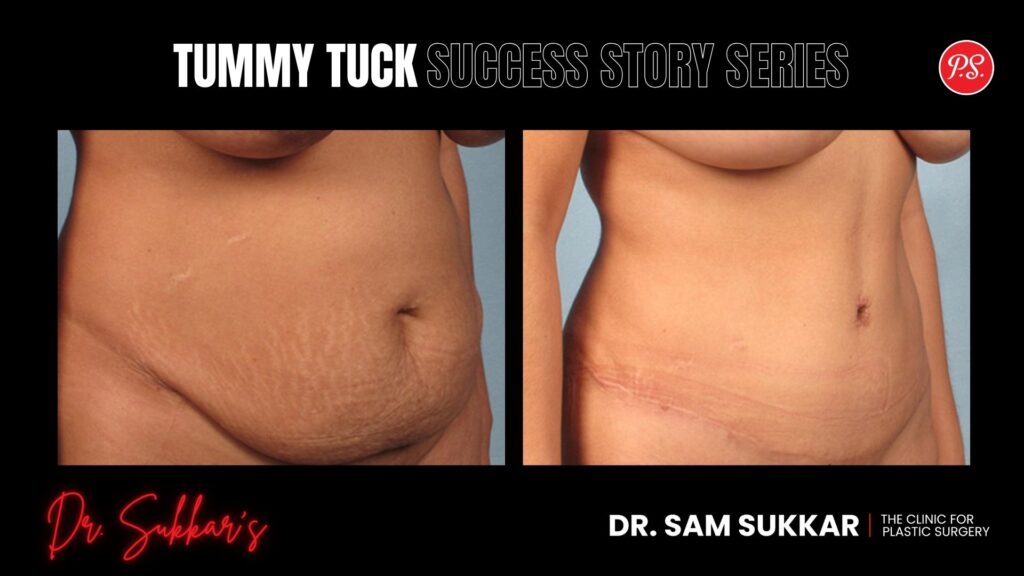
Apron belly before and after pictures are among the most powerful tools a patient can use before committing to surgery. Seeing real results from real people changes the conversation. Photos make the outcome tangible in a way that written descriptions cannot. For someone who has spent years suffering with excess skin hanging from the lower abdomen, seeing another patient’s body transformed through a tummy tuck or panniculectomy provides something clinical explanations rarely deliver: genuine hope.

Before undergoing any plastic surgery procedure, patients deserve to understand what results look like in practice. Before and after photos gallery show the actual scope of change the procedure can achieve. They help set realistic expectations, guide the consultation, and give patients the self confidence to move forward.

Key Takeaways of Apron Belly Before & After Pictures

  • An apron belly, also called a pannus stomach, is excess skin and fat that hangs over the lower abdomen after weight gain, pregnancy, or major weight loss.
  • Apron belly before and after pictures give patients a realistic view of what surgery can achieve before any consultation.
  • A tummy tuck removes excess skin and excess tissue and can include liposuction for a more complete result.
  • A panniculectomy removes the pannus and is often performed on patients with recurrent infections or hernia repair needs.
  • A full gallery of before and after photos provide patients with the information needed to make a confident decision. Reviewing before and afters helps patients identify which procedure fits their body and goals.

Why Apron Belly Before and After Pictures Matter

Most patients who consider apron belly surgery have already spent a long time researching their options. But nothing in that research process does the work that photos do. Apron belly before and after pictures show the body before the procedure and after. They show what changed, how much changed, and what the realistic outcome looks like for a real patient.

Photos Set Realistic Expectations Before Consultation

One of the most common sources of dissatisfaction after plastic surgery is a mismatch between what the patient expected and what the procedure could realistically deliver. Photos close that gap. When a patient reviews full gallery of afters before the consultation, they develop a calibrated sense of the outcome. They see results that reflect different starting points and different body types. Self confidence in the process grows when expectations are grounded in reality.

They provide the information patients need to make a genuinely informed decision. Reviewing before and after photos from multiple patients shows the range of results the procedure can achieve, not just the best-case outcome. That honesty is what builds trust between a patient and the practice.
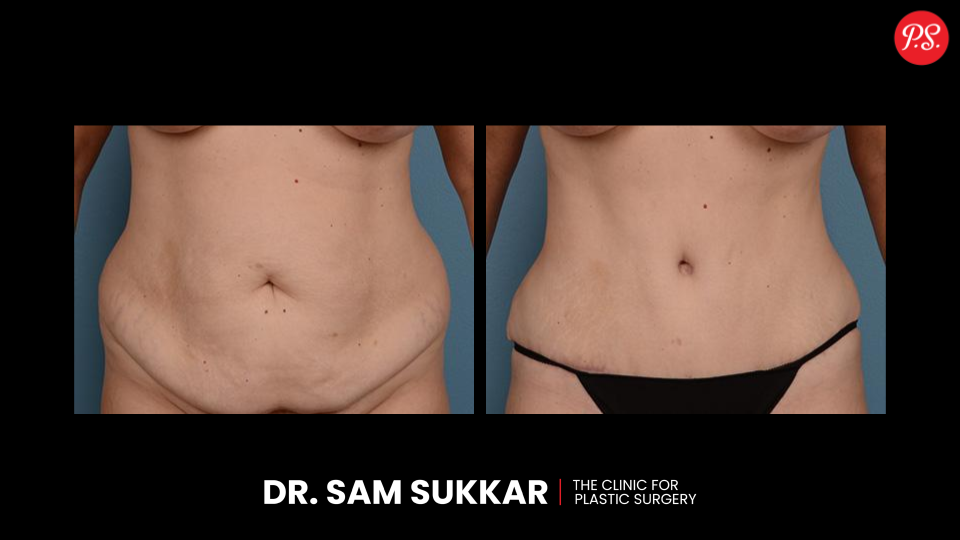
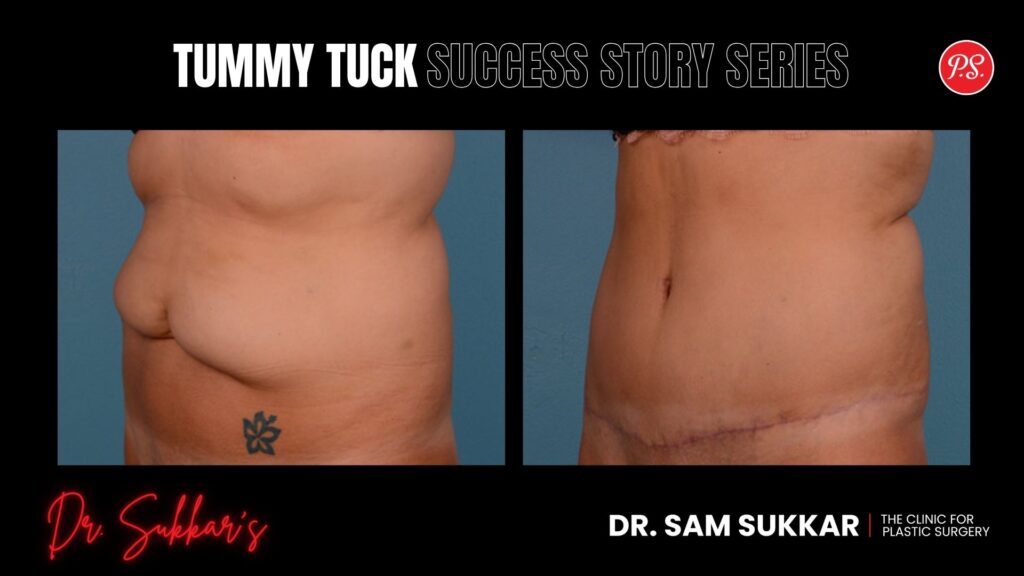
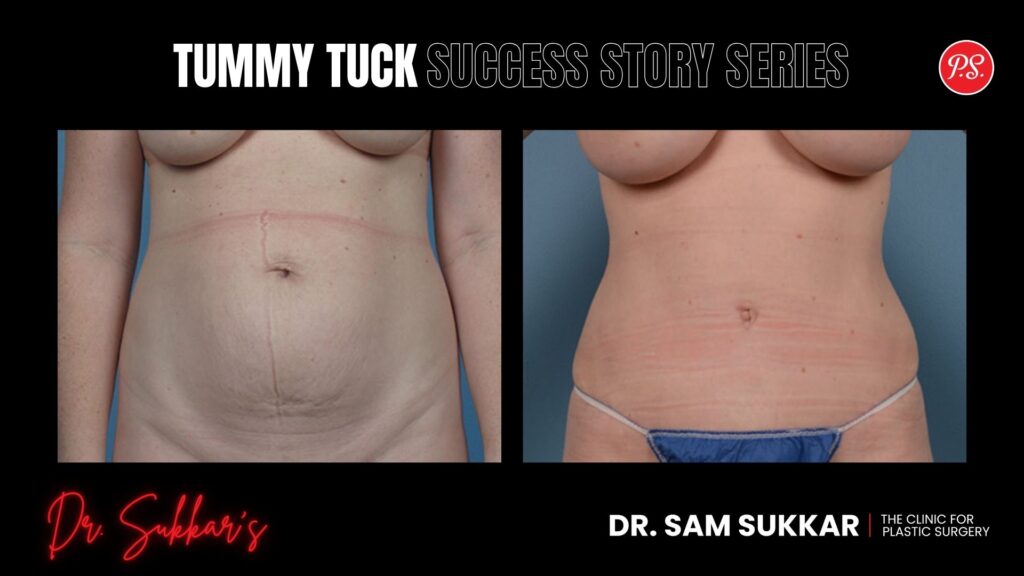
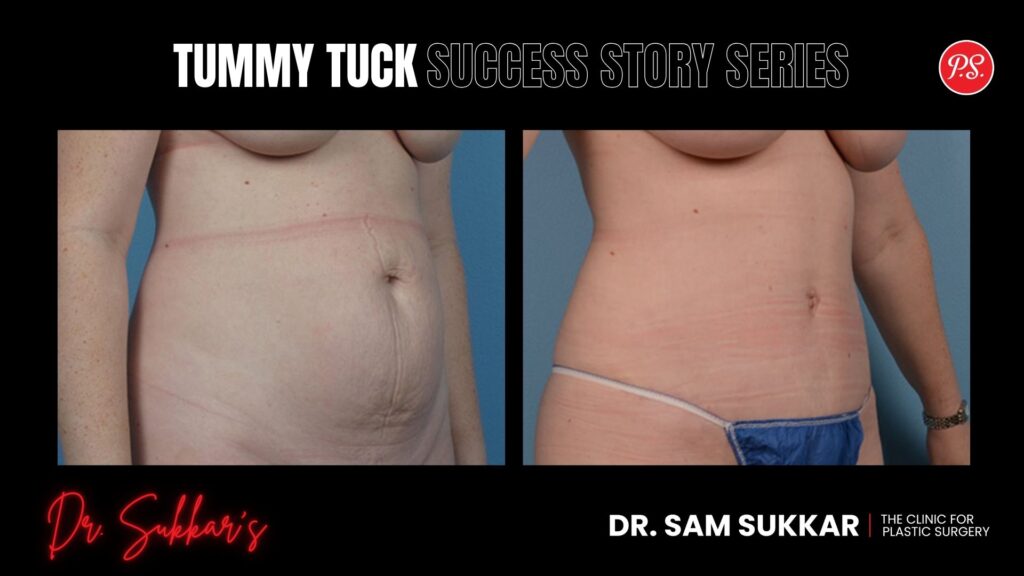
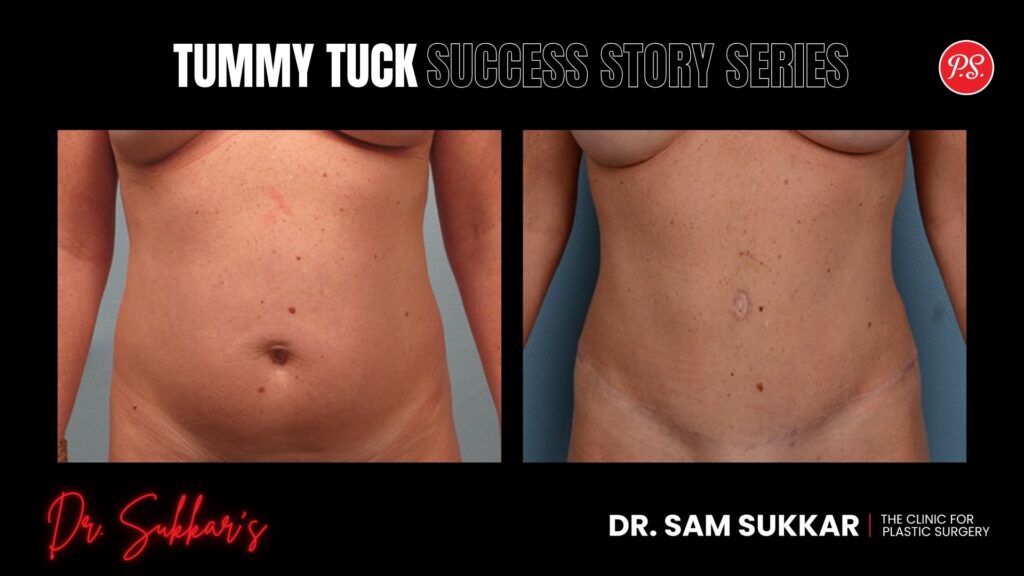
Image Illustration by: Dr. Sam Sukkar, MD, The Clinic for Plastic Surgery.

What to Look for on a Gallery Before and After Page

The practice website is the first place most patients go to review before and after results. The gallery page contain a substantial number of photos covering a range of body types, ages, and starting conditions. A strong gallery shows patients who began with mild, moderate, and significant excess skin. It shows results from multiple procedures, including tummy tuck, panniculectomy, and cases where liposuction was performed in combination. Outcome photos should be clear, well-lit, and consistent in how they are presented.

Patients should contact the practice if the website does not show enough information to make a meaningful assessment.

What Apron Belly Before and After Pictures Actually Show

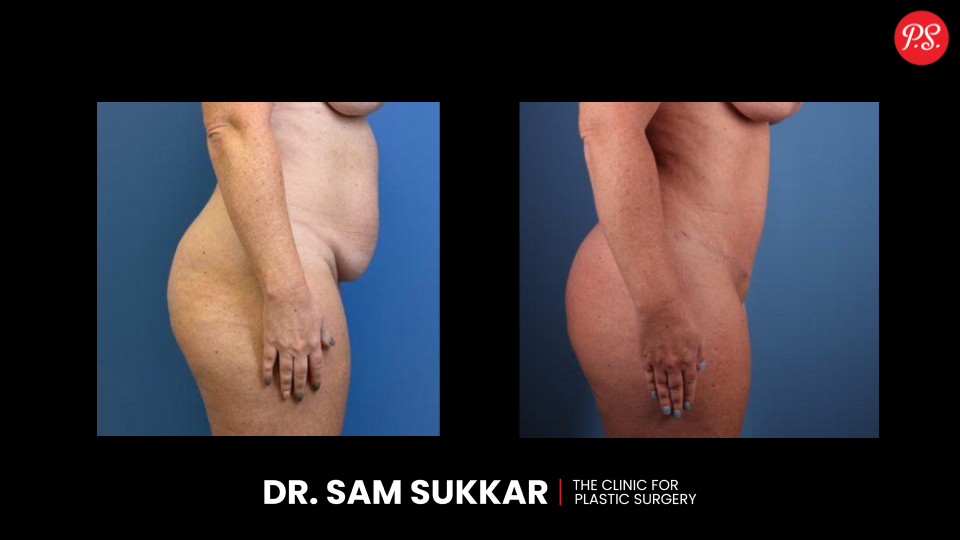
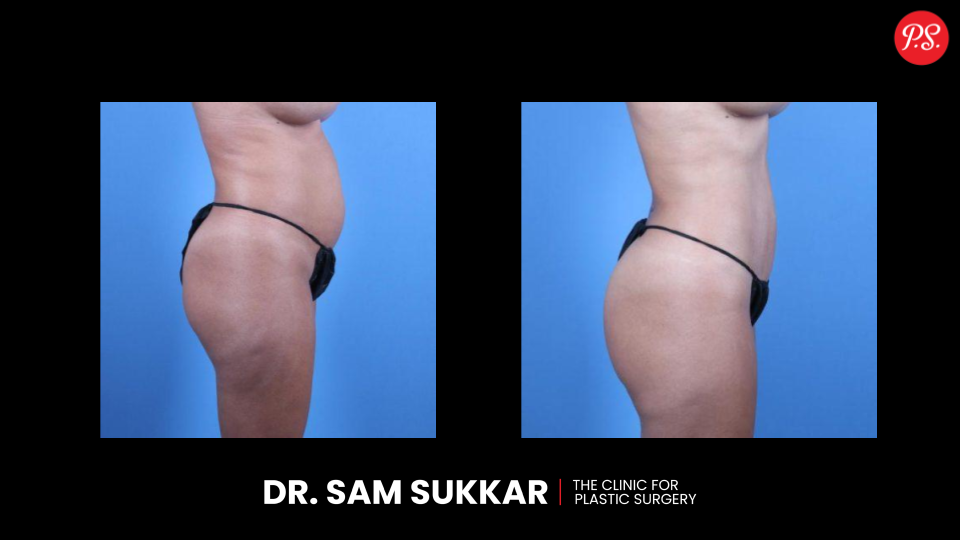
Apron belly before and after pictures reveal changes that go far beyond the visible fold of skin. They show what happens to the entire abdomen after surgery. They document the removal of excess skin and excess tissue, the flattening of the lower and upper abdomen. Also, they show the way the body changes in proportion when the pannus is removed.

The Physical Changes Patients See in Before and After Photos

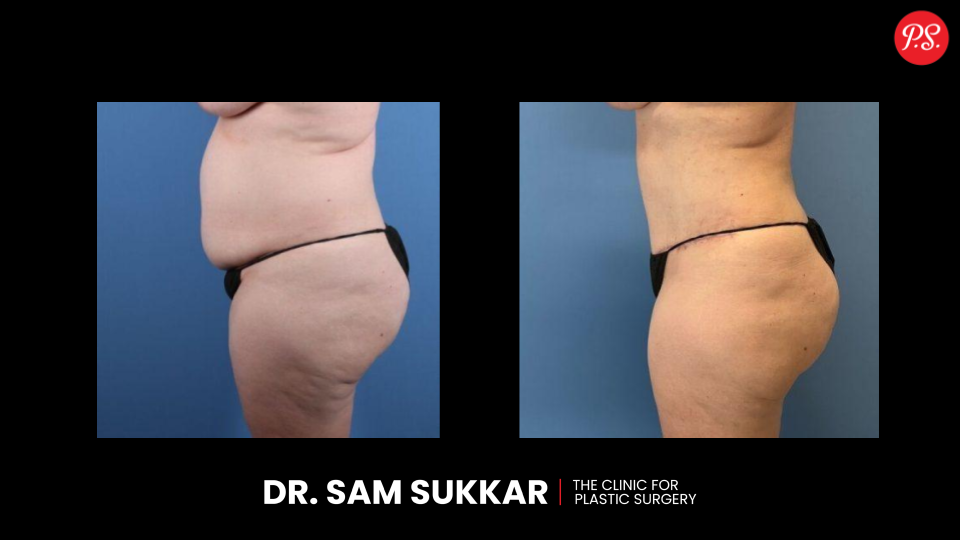
The most immediate change visible in before and after photos is the removal of the overhang. The pannus, which often extends below the pubic area in significant cases, is removed. The lower abdomen flattens dramatically. In many cases, the upper abdomen also appears smoother because the structural tension created by the hanging fold is resolved. The skin that previously folded over itself now lies flat against the body.

What is left after removal is an abdomen with a visible horizontal scar and, in most cases, some degree of stretch marks. Stretch marks that were located on the removed skin are gone. Those that remain on the upper abdomen stay. Clothing that once had to be sized up to accommodate the pannus now fits the actual body beneath it. This change in how clothing fits is frequently cited by patients as one of the most meaningful improvements in their daily life.

Understanding the Scope of Change Across Different Procedures

The results visible in before and after photos differ based on which procedure was performed. Patients who underwent a full tummy tuck typically show the most comprehensive change. Excess skin and excess tissue are removed from the entire abdominal area. When liposuction was performed in combination, the results often include a more contoured waistline in addition to the flattened lower abdomen. The outcome reflects the full scope of what plastic surgery can address in a single procedure.

Patients who underwent a panniculectomy show results focused specifically on the pannus removal. The lower abdomen is flatter and the overhang is gone, but the upper abdomen and waistline may show less dramatic change than in tummy tuck photos. Hernia repair performed at the same time adds to the medical significance of the outcome. Before-and-after galleries will often note which procedures were performed so patients can compare relevant results.
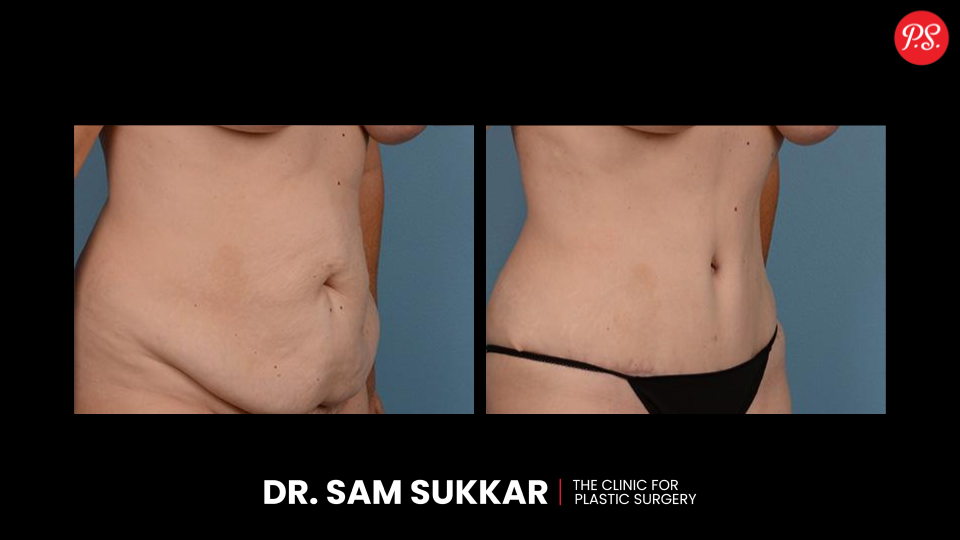
Image Illustration by: Dr. Sam Sukkar, MD, The Clinic for Plastic Surgery.

Tummy Tuck vs. Panniculectomy: What the Photos Show

A common question patients have when reviewing before and after galleries is whether the photos they are seeing reflect a tummy tuck or a panniculectomy. These are different procedures with different scopes, and the results visible in photos reflect those differences. Understanding what each procedure addresses helps patients identify which before and after pairs are most relevant to their own situation.

Both procedures involve the removal of excess skin and excess tissue from the lower abdomen. But the depth and breadth of the changes visible in their respective results are meaningfully different.

Tummy Tuck Before and After Results

Tummy tuck before and after photos typically show the most comprehensive abdominal transformation. Excess skin and excess tissue are removed from the lower and upper abdomen. The abdominal muscles are repaired if diastasis recti was present. When liposuction was performed in the same session, the waist and flanks also show a more contoured outcome. The photos document a flatten result across the entire abdomen, not just the area where the pannus was removed.

Stretch marks that were located on the removed excess skin disappear. Those left on the upper abdomen remain visible in honest post-procedure photos. The scar from the tummy tuck runs horizontally low on the abdomen and is visible in most after photos. Consistent long-term patient photography provides the most informative galleries, because the results shown reflect true long-term outcome rather than early post-operative photos taken before full healing.

Panniculectomy Before and After Results

Panniculectomy before and after photos show focused results. The pannus is removed from the lower abdomen. The hanging fold that extended below the pubic area is gone. The lower abdomen is flatter and the skin that was chronically irritated by recurrent infections is no longer trapped in a moist fold. For patients whose primary reason for surgery was medical, these results represent a fundamental change in their quality of life.

When hernia repair was performed at the same time as the panniculectomy, the outcome addresses both the excess skin and the structural weakness of the abdominal wall. Photos of these cases show results that went beyond cosmetic improvement. The body is healthier and more functional. What is left is a lower abdomen free from the pannus, a horizontal scar, and a significant reduction in the skin conditions that the patient underwent surgery to resolve.

Causes Patient Look for Panniculectomy or Tummy Tuck for Apron Belly Removal

Many patients who appear in panniculectomy before and after photos spent years suffering with recurring medical problems.

Infections Under Excess Skin

Recurrent infections beneath the skin fold are among the most common. The warm, moist environment created by the pannus in the lower abdomen is prone to bacterial and fungal overgrowth. Despite consistent effort with diet and skincare, many patients found themselves unable to get rid of these infections permanently without surgical intervention.

Hernia Repair

Some patients also presented with a hernia repair need at the time of surgery. The weight of the pannus stresses the abdominal wall over time, which can contribute to hernia development in the lower abdomen. In these cases a panniculectomy may be recommended as both a medical and quality-of-life intervention. These patients did not chose surgery for cosmetic reasons alone. Their body had reached a point where diet, exercise, and weight management were not enough.
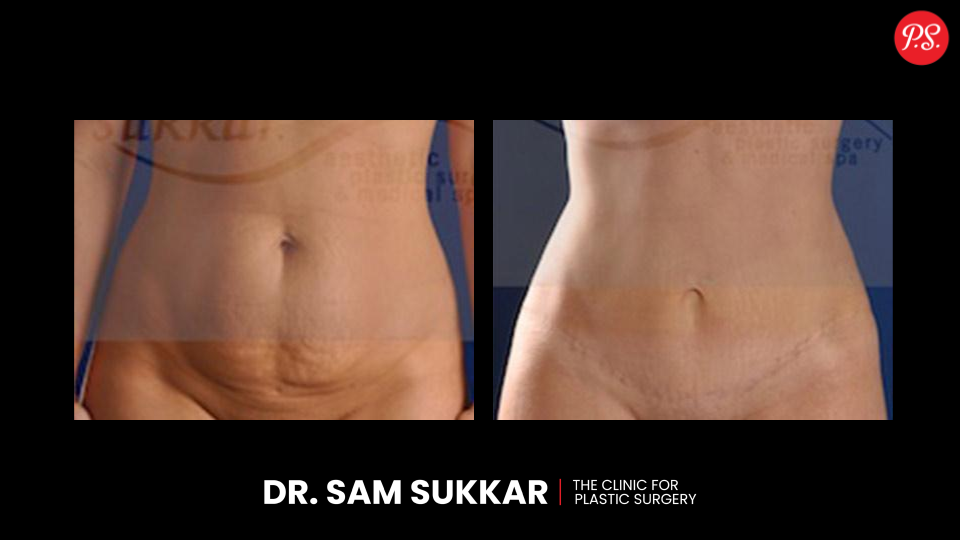
Image Illustration by: Dr. Sam Sukkar, MD, The Clinic for Plastic Surgery.

Frequently Asked Questions About Apron Belly Before & After Pictures: Shocking Changes

What is an apron belly?

An apron belly, also called a pannus or panniculus, is excess skin and fat that hangs over the lower abdomen. Common causes of an apron belly include significant weight loss, pregnancy, aging, and genetic factors. In some cases, it can cause skin irritation, discomfort, hygiene problems, and difficulty with daily movement. Lifestyle changes such as a balanced diet, consistent core-strengthening exercises, and 150+ minutes of weekly aerobic exercise help reduce overall body fat, including in the abdominal area.

What is panniculectomy surgery and a tummy tuck plastic surgery?

A panniculectomy is primarily a functional procedure that removes excess skin and fat from the lower abdomen. This is often due to significant weight loss or medical issues. The procedure is typically indicated for patients who experience medical issues such as skin ulcerations, rashes, and infections due to the presence of excess abdominal tissue. While, a tummy tuck (abdominoplasty) is a cosmetic procedure that tightens abdominal muscles and removes excess skin for aesthetic purposes.

Both procedures address excess abdominal tissue, but a tummy tuck is often sought for cosmetic enhancement, while a panniculectomy is usually performed for medical reasons, such as alleviating skin-related health issues.

Why should I look at apron belly before and after pictures before booking surgery?

Apron belly before and after pictures give patients the most concrete available information about what surgery can realistically achieve. They show real outcomes for real patients, including the scar, residual stretch marks, and the degree of flattening that results from removal of the pannus or excess skin. Reviewing photos before consultation helps patients set accurate expectations, ask better questions, and feel greater confidence in the decision-making process.

What is the difference between tummy tuck and panniculectomy results in photos?

Tummy tuck before and after photos typically show more comprehensive change. They reflect removal of excess skin and tissue from the lower and upper abdomen, repair of the abdominal muscles, and in many cases liposuction for additional contouring. Panniculectomy photos show focused results. The pannus is removed, the lower abdomen is flatter, and issues like recurrent infections are resolved. The upper abdomen and waistline show less change in panniculectomy photos than in tummy tuck results. Visual transformations of an apron belly are most dramatic following surgical procedures or extreme, long-term weight loss journeys.

How long after surgery are the best before and after photos taken?

The most informative after photos are taken at least three to six months after surgery. At that point, swelling has resolved and the remaining skin has settled into its final position. Photos taken too early in recovery can show results that appear more dramatic than the final outcome, because post-surgical swelling creates a temporarily tighter appearance.

Conclusion and Summary of Apron Belly Before & After Pictures: Shocking Changes

Apron belly before and after pictures are not just visual content on a plastic surgery site. They are information. They show what real patients achieved after a real procedure on a real body. For anyone considering surgery for an apron belly, reviewing before and after photos is one of the most important steps in the process. It builds the knowledge base that makes a consultation productive and gives patients the self confidence to make a decision grounded in reality.

The Clinic for Plastic Surgery recommend look their gallery as a starting point, not an afterthought. They are happy to discuss the results shown, explain what was done in each case, and help patients understand which outcome is realistic for their own skin and anatomy. A thorough, honest gallery on a is a sign that the practice takes transparency seriously.

Patients who do the work of reviewing apron belly before and after photos before their consultation arrive better prepared, ask better questions, and leave with a clearer sense of whether the procedure is right for them. The photos do not make the decision. But they give patients the information they need to make it well.

Your Trusted Destination for Apron Belly Surgical and Non-Surgical Treatments in Houston, Texas (TX)

Are you located in one of these Houston Metro Area cities?

Houston, The Woodlands, Sugar Land, Katy, Pearland, Pasadena, League City, Baytown, Conroe, Cypress, Spring, Kingwood, Humble, Missouri City, Friendswood, Bellaire, Clear Lake, Tomball, Galveston, Richmond, Rosenberg, Stafford, La Porte, Deer Park, Seabrook, Webster, Alvin, and Channelview.

Board-Certified Plastic Surgeon Dr. Sam Sukkar, MD, FACS, and the The Clinic for Plastic Surgery Team provide advanced surgical and non-surgical apron belly treatments for both women and men following pregnancy, major weight loss, or bariatric surgery.

If you are struggling with a hanging lower abdominal pannus, skin rashes or irritation beneath the fold, hygiene challenges, lower back discomfort, or difficulty fitting into clothing, we offer comprehensive surgical and non-surgical apron belly solutions, including:

  • Panniculectomy Surgery (Apron Belly Removal)
  • Tummy Tuck (Abdominoplasty) with Muscle Repair
  • Extended and Fleur-de-Lis Abdominoplasty for Massive Weight Loss Patients
  • Mommy Makeover Procedures Including Pannus Removal
  • Liposuction and Body Contouring of the Abdomen and Flanks
  • Non-Surgical Skin Tightening and Body Contouring Treatments
  • Post-Bariatric Body Contouring Surgery
  • Medical Weight Management and Pre-Surgical Conditioning
  • Customized Surgical and Non-Surgical Treatment Plans

Visit our modern 18,000+ sq. ft. plastic surgery center and med spa in Houston, Texas, designed for comfort, privacy, and results-driven care. From your first consultation through long-term body contour management, our highly skilled team focuses on realistic outcomes, safe treatment planning, and natural-looking abdominal results.

For patients outside the Houston area or those with limited availability, schedule a virtual apron belly consultation.

Book Your Personalized Apron Belly Consultation today at DrSukkar.com or call (281) 940-1535.

About the Author – Meet Dr. Sam Sukkar, MD
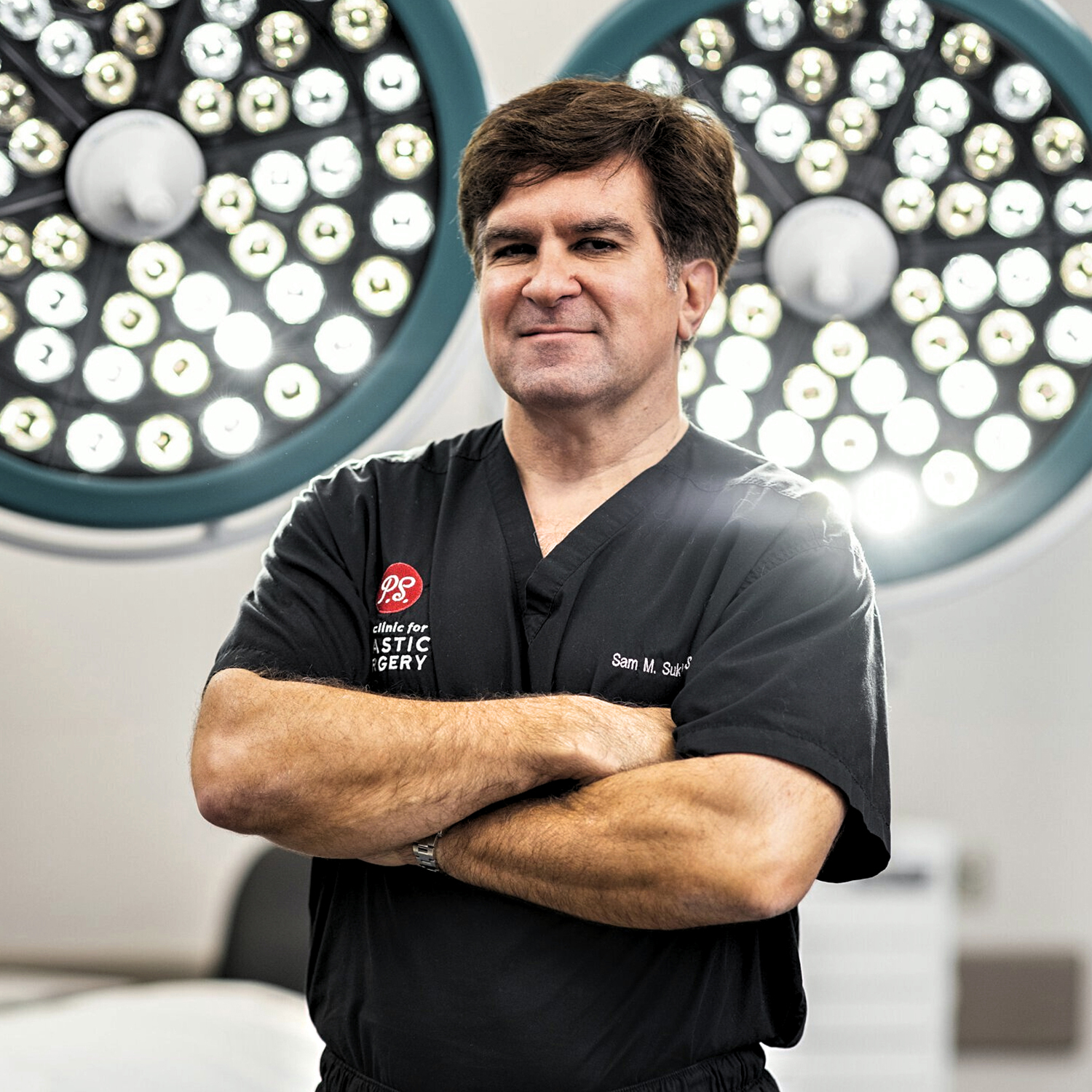
Dr. Sam Sukkar, MD, FACS is a highly respected Board-Certified Plastic Surgeon in Houston, Texas, known for his expertise in advanced cosmetic and reconstructive procedures. As the founder of The Clinic for Plastic Surgery, Dr. Sukkar has set a new standard for excellence, performing over 20,000 procedures with a focus on delivering natural, refined results.

Dr. Sukkar earned his Doctor of Medicine (M.D.) degree from Louisiana State University School of Medicine in 1992 after graduating summa cum laude with a Bachelor of Science in Microbiology. He then completed an intensive General Surgery Residency at the University of Texas Hermann Hospital before being selected for a highly competitive Plastic Surgery Fellowship at Northwestern University in Chicago, one of the most prestigious training programs in the country.

With more than 20 years of experience, Dr. Sukkar is a Diplomate of the American Board of Plastic Surgery and a Fellow of the American College of Surgeons (FACS). He is also an active member of the American Society of Plastic Surgeons (ASPS) and the Houston Society of Plastic Surgery (HSPS). His dedication to innovation and continuing education has solidified his reputation as a leading expert in aesthetic surgery, specializing in breast surgery, body contouring, facial procedures, and non-invasive treatments.

Dr. Sukkar’s expertise has been recognized by Houston Magazine, naming him one of Houston’s “Top Docs for Women,” and he has been featured among RealSelf’s America’s Top Doctors. Committed to his patients, he prioritizes personalized care, ensuring every individual feels informed, comfortable, and confident in their aesthetic journey.

Contact Dr. Sukkar today to schedule a consultation, visit DrSukkar.com to learn more, or call us directly at (281) 940-1535.

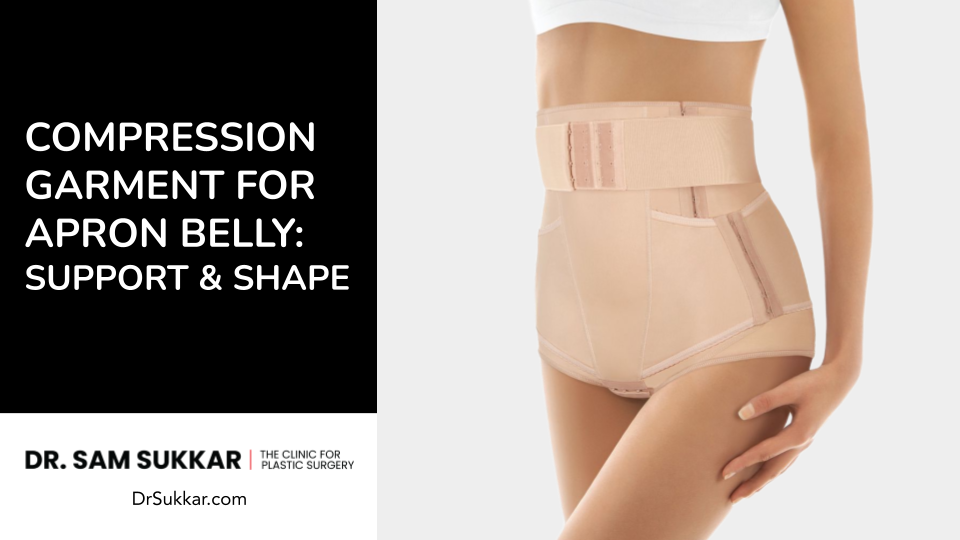
Compression Garment for Apron Belly: Support and Shape

Compression garment for apron belly surgery recovery plays a major role in healing, comfort, and daily mobility after tummy tuck surgery. The right garment helps control swelling, supports the abdominal muscles, and protects healing tissues during the weeks when the body is adjusting to its new shape.

Many patients also find that proper compression improves confidence during recovery because clothing fits more comfortably as the abdomen heals. The right garment provides support for the skin and abdomen, helps create a smoother silhouette under clothing, and can make a meaningful difference in how a person feels in their own body.

Key Takeaways of Compression Garment for Apron Belly

  • Compression garments help reduce swelling and support healing after tummy tuck surgery and apron belly removal procedures.
  • A compression garment for apron belly surgery supports the abdominal muscles and helps improve comfort during recovery.
  • Medical-grade compression garments are different from everyday shapewear and are designed specifically for post-surgical healing.
  • High waisted compression garments provide better midsection coverage and help prevent rolling during movement.
  • The correct garment size matters more than brand because improper fit can reduce comfort and support. Proper compression can help clothing fit more comfortably while the abdomen heals after panniculectomy surgery.

Why Compression Matters for an Apron Belly

An apron belly creates specific challenges that most clothing and undergarments are not designed to address. After tummy tuck surgery, proper compression becomes part of the recovery process, helping support healing tissues while improving comfort throughout the day.

How Compression Works on the Abdomen After Tummy Tuck Surgery

Compression garments apply consistent, even pressure across the abdomen, waist, and midsection after tummy tuck or panniculectomy surgery. This pressure helps reduce swelling, supports healing tissues, and encourages the skin to lie smoothly against the body instead of folding or hanging freely. The gentle support also helps stabilize the abdominal muscles after muscle repair, which can improve posture and reduce strain during recovery.

For many patients with a significant apron belly, the compression garment also helps minimize pulling sensations and discomfort while walking, standing, or moving throughout the day. Medical-grade abdominal compression is commonly recommended during the early healing stages because it supports circulation and helps the abdomen adapt to its new contour after excess skin removal.

Compression Garment for Apron Belly: Support and Shape in Houston, TX
Image Illustration by: Dr. Sam Sukkar, MD, The Clinic for Plastic Surgery.
Benefits Beyond Shaping

The benefits of wearing a compression garment for an apron belly go beyond the smoother appearance it creates after surgery. Many women report feeling more secure and supported during recovery when the abdomen is properly compressed. Swelling, uneven fullness, and post-surgical tightness often feel more manageable with the right garment.

Compression also improves how clothing fits during the healing process. Areas that once created visible folds under clothing begin to appear flatter and more controlled after tummy tuck surgery. A cleaner waistline silhouette under fitted clothes can make a noticeable difference in daily confidence while the body continues healing.

The shaping that compression provides does not replace tummy tuck surgery results, but it plays an important role in supporting recovery. It maintains comfort, and help patients adjust to their new abdominal contour.

Types of Shapewear and Compression Garment For Apron Belly Surgery

Not all compression garments and shapewear are the same. Different styles address different parts of the body and suit different clothing needs. Understanding what each category offers helps women choose the right shapewear for their lifestyle rather than buying pieces that do not work for how they actually dress.

Shaper Shorts and High Waisted Shorts

Shaper shorts are the most versatile category for women managing an apron belly. A good pair of shaper shorts covers from the waist down through the thighs. This coverage holds the apron fold in place, smooths the hips and thighs, and lifts the butt and backside without creating visible lines under most clothing. Shaper shorts are comfortable enough to wear throughout a full day and work under pants, skirts, and dresses.

High waisted shorts and high waisted shaper styles extend the coverage above the navel, which is especially useful for the apron belly. A high waisted pair provides more compression across the full midsection and prevents the garment from rolling down under the weight of the fold. The fit should be firm but not cutting. A comfortable, well-fitted high waisted short is the most practical piece most women wear daily.

Bodysuits and Full Coverage Options

Bodysuits are a different category of shapewear. They cover from the shoulders or chest down through the bottom, depending on the style. Bodysuits are ideal for fitted dresses and tops where a smooth silhouette from neckline to hip is needed. A well-fitted bodysuit gives the best shapewear experience under formal or fitted clothing because it eliminates the bunching that separate top and bottom pieces can create.

Bodysuits vary in their coverage of the backside and thighs. Some styles include lifting for the butt while others focus primarily on smoothing the curves of the torso. The most comfortable bodysuits use soft, breathable fabric at the skin contact points to minimize chafing.

What to Look for When Buying Compression Garments and Shapewear

Buying the right shapewear for an apron belly requires more thought than a standard undergarment purchase. The wrong garment rolls, cuts into the skin, creates more chafing than it prevents, or loses its shape after a few washes. The right shapewear stays in place all day, feels comfortable against the skin, and holds its compression through repeated wear and washing.

Compression Garment for Apron Belly: Support and Shape by Dr. Sam Sukkar, MD in Houston, TX
Image Illustration by: Dr. Sam Sukkar, MD, The Clinic for Plastic Surgery.
Fabric, Fit, and Comfort

Breathable fabric is the most important feature for women with an apron belly. The skin beneath the apron fold is prone to moisture and irritation. A garment made from non-breathable fabrics traps heat and sweat, which worsens skin irritation. The ideal shapewear uses light, breathable fabric that allows airflow while still providing compression. Fabrics with a soft inner surface reduce friction against sensitive skin.

Fit and comfort determine whether a garment actually gets worn. One size does not fit all bodies, and sizing in shapewear is not consistent across brands. Women should measure the waist, hips, and thighs and compare to the brand’s specific size chart rather than defaulting to a standard clothing size. A garment that fits correctly will feel firm but comfortable.

Price and Overall Quality

Price is not always an indicator of the best shapewear, but it is a reasonable proxy for overall quality. Garments in the mid-to-upper price range tend to use better fabrics, more durable construction, and more tested design. A light, breathable compression garment from a trusted brand will outlast several cheaper alternatives and provide more consistent compression over time.

The ideal purchase is one that has been tested by real users with similar body types. Reading verified reviews from women who describe a similar apron belly situation provides more useful information than general product descriptions.

How to Wear a Compression Garment After Apron Belly Surgery

A compression garment for apron belly surgery is a different product from everyday shapewear. After a tummy tuck or panniculectomy, a medical-grade compression garment is needed to support the healing abdomen. This is not optional. The compression supports the muscles and skin as they heal, reduces swelling, and helps the remaining skin conform to its new position.

Understanding how to wear the garment correctly, for how long, and how to manage daily needs like bathroom breaks makes the post-surgical recovery period more manageable. Most patients are glad to have clear guidance before surgery so they can begin the recovery period prepared.

In the Early Post-Surgical Period

After apron belly surgery (pannus removal), patients begin wearing the compression garment within the first day of recovery. The garment should be soft against the post-surgical skin and made from breathable fabric to reduce heat and moisture buildup over the incision area. Medical-grade compression garments prescribed after surgery are designed for this purpose. They provide gentle smoothing compression across the tummy, waist, and abdomen without putting pressure directly on incision lines.

Most post-surgical garments are designed for easy bathroom management. Hook-and-eye closures or open-bottom designs allow patients to remove and replace the garment without significant difficulty during the first few weeks when movement is limited. Patients should wear the compression garment as directed, typically for several weeks, to provide the support the muscles and skin need during the healing process. Removing it too early can increase swelling and affect the final result.

Transitioning to Shapewear After Recovery

Once patients are cleared to stop wearing the medical compression garment, many women prefer to transition into shapewear for continued support and smoothing. This is a personal choice, not a medical requirement. However, many post-surgical patients find that the right shapewear helps them feel more confident in their clothes during the period when swelling is still resolving.

High waisted shaper shorts are the most common choice at this stage. They provide smooth compression over the midsection without irritating healing skin. The best shapewear for this transition period is soft, breathable, and fits without digging. As recovery progresses and confidence grows, women can explore different styles based on their clothing preferences and special occasions. The goal is a smooth, supported silhouette that makes daily life and getting dressed feel easier.

Compression Garments vs. Shapewear for Daily Life

Medical compression garments and fashion shapewear are both valuable, but they serve different purposes in a woman’s life. Medical compression garments deliver precise, consistent compression for healing. Shapewear delivers comfort, confidence, and a smoother silhouette for daily life and clothing.

For Everyday Wear

For everyday wear, the priority is comfort. Shapewear that women actually wear consistently is more valuable than technically superior shapewear that sits unworn. A soft, breathable fabric garment covers most clothing situations without showing through. The best everyday pair smooths bumps and lumps without creating new lines or causing chafing throughout the day.

Women who are new to shapewear for the apron belly should start with a single pair in the style most relevant to their most common clothes. If pants and jeans are the daily uniform, shaper shorts are the practical starting point. If dresses and skirts are more common, a high waisted style in a smooth fabric gives the most control and comfort.

Post-Surgical Compression Garments

Medical compression garments are designed for recovery after abdominoplasty surgery and other abdominal contouring procedures.

After apron belly surgery, the abdominal area often feels tight, swollen, and sensitive. A properly fitted compression garment helps stabilize the midsection and reduces movement that can increase discomfort. Many tummy tuck patients also notice that compression improves mobility during recovery because the abdomen feels more supported while standing, walking, or changing positions.

Medical garments are typically made with stronger materials, adjustable closures, and reinforced abdominal panels that deliver more uniform compression than everyday shapewear. While shapewear focuses mainly on appearance under clothing, medical compression garments serve a recovery purpose first.

Compression Garment for Apron Belly: Support and Shape by Dr. Sam Sukkar, MD in Houston, Texas
Image Illustration by: Dr. Sam Sukkar, MD, The Clinic for Plastic Surgery.
Frequently Asked Questions About Compression Garment for Apron Belly: Support and Shape

Is tummy tuck surgery the best option for removing an apron belly?

For many patients, tummy tuck surgery is considered the most effective option for removing an apron belly (pannus stomach). The procedure removes excess skin and fat while tightening the abdominal muscles, creating a flatter and firmer abdominal contour that compression garments and non-surgical treatments cannot achieve permanently.

What type of compression garment is best after apron belly surgery?

The best compression garment for apron belly surgery provides firm but comfortable abdominal support without cutting into the skin or rolling down during movement. Many patients prefer high waisted garments with adjustable closures because they offer consistent compression across the abdomen while accommodating swelling changes during recovery.

How long should a compression garment be worn after apron belly surgery?

Post-surgical compression garments are typically worn for four to six weeks after apron belly surgery. Recovery instructions vary based on the procedure performed and the patient’s healing progress. Most patients wear the garment continuously for the first two weeks, removing it only for short periods to shower.

Can shapewear replace a medical compression garment after surgery?

No. Fashion shapewear and medical compression garments are different products. Medical compression garments are designed to provide consistent, calibrated pressure across the healing abdomen and support the muscles as they recover. Shapewear is not constructed to the same specifications. Using fashion shapewear in place of a prescribed post-surgical garment during recovery can affect healing and final results.

Conclusion and Summary of Compression Garment for Apron Belly: Support and Shape

Compression garment for apron belly surgery recovery is not just about shaping the waistline after tummy tuck surgery. Proper compression supports healing tissues, improves comfort during recovery, and helps patients adjust to their new abdominal contour with greater confidence. From reducing swelling to improving mobility, the right garment becomes an important part of the healing process.

For long-term daily wear, many women transition from medical compression garments into comfortable shapewear that provides continued support under clothing. Whether the goal is post-surgical recovery, smoother clothing fit, or improved comfort throughout the day, choosing the right compression solution can make a noticeable difference in both appearance and quality of life.

Your Trusted Destination for Apron Belly Surgical and Non-Surgical Treatments in Houston, Texas (TX)

Are you located in one of these Houston Metro Area cities?

Houston, The Woodlands, Sugar Land, Katy, Pearland, Pasadena, League City, Baytown, Conroe, Cypress, Spring, Kingwood, Humble, Missouri City, Friendswood, Bellaire, Clear Lake, Tomball, Galveston, Richmond, Rosenberg, Stafford, La Porte, Deer Park, Seabrook, Webster, Alvin, and Channelview.

Board-Certified Plastic Surgeon Dr. Sam Sukkar, MD, FACS, and the The Clinic for Plastic Surgery Team provide advanced surgical and non-surgical apron belly treatments for both women and men following pregnancy, major weight loss, or bariatric surgery.

If you are struggling with a hanging lower abdominal pannus, skin rashes or irritation beneath the fold, hygiene challenges, lower back discomfort, or difficulty fitting into clothing, we offer comprehensive surgical and non-surgical apron belly solutions, including:

  • Panniculectomy Surgery (Apron Belly Removal)
  • Tummy Tuck (Abdominoplasty) with Muscle Repair
  • Extended and Fleur-de-Lis Abdominoplasty for Massive Weight Loss Patients
  • Mommy Makeover Procedures Including Pannus Removal
  • Liposuction and Body Contouring of the Abdomen and Flanks
  • Non-Surgical Skin Tightening and Body Contouring Treatments
  • Post-Bariatric Body Contouring Surgery
  • Medical Weight Management and Pre-Surgical Conditioning
  • Customized Surgical and Non-Surgical Treatment Plans

Visit our modern 18,000+ sq. ft. plastic surgery center and med spa in Houston, Texas, designed for comfort, privacy, and results-driven care. From your first consultation through long-term body contour management, our highly skilled team focuses on realistic outcomes, safe treatment planning, and natural-looking abdominal results.

For patients outside the Houston area or those with limited availability, schedule a virtual apron belly consultation.

Book Your Personalized Apron Belly Consultation today at DrSukkar.com or call (281) 940-1535.

About the Author – Meet Dr. Sam Sukkar, MD

Dr. Sam Sukkar, MD, FACS is a highly respected Board-Certified Plastic Surgeon in Houston, Texas, known for his expertise in advanced cosmetic and reconstructive procedures. As the founder of The Clinic for Plastic Surgery, Dr. Sukkar has set a new standard for excellence, performing over 20,000 procedures with a focus on delivering natural, refined results.

Dr. Sukkar earned his Doctor of Medicine (M.D.) degree from Louisiana State University School of Medicine in 1992 after graduating summa cum laude with a Bachelor of Science in Microbiology. He then completed an intensive General Surgery Residency at the University of Texas Hermann Hospital before being selected for a highly competitive Plastic Surgery Fellowship at Northwestern University in Chicago, one of the most prestigious training programs in the country.

With more than 20 years of experience, Dr. Sukkar is a Diplomate of the American Board of Plastic Surgery and a Fellow of the American College of Surgeons (FACS). He is also an active member of the American Society of Plastic Surgeons (ASPS) and the Houston Society of Plastic Surgery (HSPS). His dedication to innovation and continuing education has solidified his reputation as a leading expert in aesthetic surgery, specializing in breast surgery, body contouring, facial procedures, and non-invasive treatments.

Dr. Sukkar’s expertise has been recognized by Houston Magazine, naming him one of Houston’s “Top Docs for Women,” and he has been featured among RealSelf’s America’s Top Doctors. Committed to his patients, he prioritizes personalized care, ensuring every individual feels informed, comfortable, and confident in their aesthetic journey.

Contact Dr. Sukkar today to schedule a consultation, visit DrSukkar.com to learn more, or call us directly at (281) 940-1535.

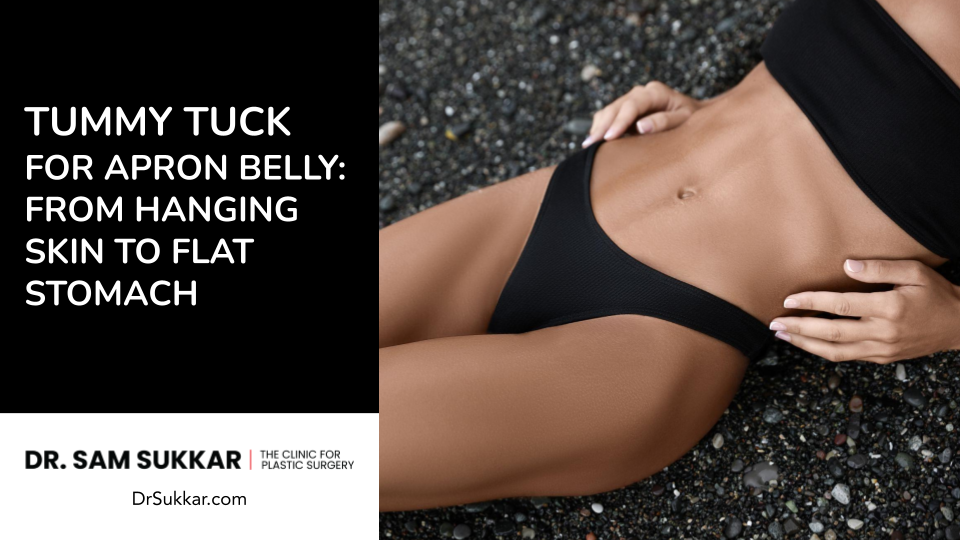
Tummy Tuck for Apron Belly: From Hanging Skin to Flat Stomach

A tummy tuck for apron belly is one of the most requested procedures in plastic surgery today. The apron belly forms when excess skin and fat accumulate in the lower abdomen and hang below the pubic area. No matter how much weight a person loses, the hanging skin does not disappear. The body cannot reabsorb it. That is why so many patients eventually seek apron belly surgery as the definitive answer.

For patients seeking meaningful improvement, surgical body contouring remains the most effective solution. Procedures like the tummy tuck, Mommy Makeover, mini tummy tuck, and panniculectomy can remove excess skin and fat while restoring a firmer abdominal contour. Non surgical treatments may improve mild skin laxity and small fat deposits, but they cannot replace the level of correction achieved through excess skin removal and abdominal wall repair.

Key Takeaways of Tummy Tuck for Apron Belly

  • An apron belly forms when excess skin and fat collect in the lower abdomen and permanently lose skin elasticity. Weight gain, multiple pregnancies, and significant weight loss are the most common causes.
  • Skin irritation and recurring infections beneath the fold are common medical complications that most patients report.
  • Loose skin and sagging skin cannot be corrected through non invasive body contouring or diet alone.
  • Excess skin removal through a tummy tuck is the most effective of all abdominal procedures for this condition. Skin laxity that extends above the belly button requires a full tummy tuck rather than a mini tummy tuck.
  • A Mommy Makeover combines abdominal procedures with breast and body contouring for patients whose body changed after pregnancy.

What Is an Apron Belly and What Causes It

An apron belly also know as pannus stomach, is a fold of skin and fat that hangs from the lower abdomen over the pubic area. It develops when the abdominal area accumulates more excess tissue than the skin can manage.

The Anatomy Behind the Condition

The abdomen has multiple structural layers: skin, subcutaneous fat, the fascia covering the abdominal muscles, and the underlying muscles themselves. When the body experiences repeated cycles of stretching, the muscles and the fascia weaken. The skin above them loses its collagen structure. The result is skin laxity that cannot be reversed through exercise or diet.

Sagging skin and loose skin in the lower abdomen reflect the collapse of this structure. The remaining skin has no underlying support to hold it in position. The underlying muscles have separated or weakened. Fat accumulates beneath the skin and adds to the downward pull. Together, these changes create the characteristic appearance of an apron belly.

The Most Common Causes of an Apron Belly

Weight gain is one of the most common causes of an apron belly. As body fat increases in the lower abdomen, the skin stretches to accommodate it. When weight loss follows, the skin does not retract. Skin quality declines with each stretch cycle. The greater the significant weight fluctuation, the more permanent the damage.

Multiple pregnancies are another primary cause. Each pregnancy stretches the skin and muscles of the abdomen. After delivery, skin quality diminishes further with each subsequent pregnancy. Significant weight loss after bariatric surgery produces a similar result. Patients who lose a large amount of weight through bariatric surgery often find that the skin and fat in the lower abdomen remain long after overall body fat has dropped.

Hormonal fluctuations, particularly changes in estrogen levels, can influence where fat is stored in the body, leading to an apron belly, especially after childbirth or during menopause.

Why Non Surgical Options Do Not Fix an Apron Belly

Many patients explore non surgical options before committing to surgery. Non surgical methods are less invasive, require no downtime, and appeal to patients who are still managing their weight. However, when it comes to a true apron belly, non surgical treatments cannot deliver the correction that patients need.

What Non Surgical Treatments Can and Cannot Do

Non surgical treatments like radiofrequency, cryolipolysis, and ultrasound energy are effective for reducing small pockets of excess fat and tightening mild skin laxity. They produce gradual improvement in patients with good skin quality and minimal sagging skin. These non invasive body contouring options are genuinely useful in the right context.

They are not designed for excess skin removal. A patient with a true apron belly has more than small pockets of fat. The hanging fold contains significant excess tissue that only surgery can remove. Non surgical options do not address this. Patients who pursue non surgical treatments for a moderate or severe apron belly are likely to be disappointed with the outcome.

The Limit of Diet, Exercise, and Weight Loss

Diet and exercise are essential for general health. They reduce overall body fat and support a stable weight. But they are non surgical methods that operate on fat, not skin. Once skin laxity is established, no amount of weight loss reverses it. The hanging skin remains even after the body reaches a stable weight and overall body fat has normalized.

In many cases, significant weight loss through diet and exercise makes the hanging skin more visible. The fat that was filling the fold shrinks, but the excess tissue stays. Skin irritation beneath the fold often worsens as the skin shifts position without fat to support its contour. At this point, surgical solutions become the only meaningful path forward.

How a Tummy Tuck Addresses the Apron Belly

A tummy tuck for apron belly is the most complete of all abdominal procedures for this condition. Apron belly surgery through a full abdominoplasty removes excess skin and fat, repairs the underlying muscles, and restores contour to the entire abdominal area. No other single procedure accomplishes all three goals at once.

Tummy Tuck Surgery Step by Step

The procedure begins with a horizontal incision placed low in the pubic area. The length of the incision depends on the amount of excess skin and fat being removed. Through this incision, excess skin and fat are removed from the lower abdomen. The underlying muscles are then evaluated. If diastasis recti is present, the separated abdominal muscles are sutured back together. This muscle repair tightens the abdominal wall from within.

After muscle repair, the remaining skin is pulled downward over the abdomen and trimmed. The belly button is repositioned through a new small opening to maintain a natural appearance on the tightened abdomen. The horizontal incision is then closed. The result is a smooth, flat abdominal surface with no hanging skin and improved tone throughout the abdomen.

Full Tummy Tuck vs. Mini Tummy Tuck: Choosing the Right Size

Choosing the correct size tummy tuck matters as much as choosing the procedure itself. A full tummy tuck addresses the entire abdominal area, including skin laxity above and below the belly button, diastasis recti, and significant excess fat. A mini tummy tuck is a shorter procedure that targets only small pockets of sagging skin and excess fat below the belly button. The belly button does not need to be repositioned in a mini tummy tuck.

The procedure depends on the extent of the patient’s skin laxity, skin quality, and aesthetic goals. A full evaluation during consultation helps determine which procedure best matches the patient’s anatomy and overall goals. Many patients who initially consider a mini tummy tuck discover that a full tummy tuck better addresses their actual anatomy. The right size tummy tuck is the one that matches the clinical picture, not the one that sounds smaller or easier.

Who Is a Good Candidate for Apron Belly Surgery

Not every patient with an apron belly is ready for surgery during the first consultation. Several clinical factors must be evaluated before recommending any procedure. The goal is to identify patients whose health, body weight, and lifestyle place them in the best position for safe surgery and long-term results.

Health, Weight, and Timing Requirements

The evaluation covers medical history, general health, current weight, skin quality, and the patient’s expectations. Patients who approach the consultation with realistic expectations about what surgery can and cannot achieve are much better prepared for the experience and the recovery.

General health is the first requirement. Patients with uncontrolled diabetes, active heart conditions, or bleeding disorders need those conditions managed before pursuing any surgical procedures. Medical history is reviewed in full during the pre-operative process. A body that is medically stable heals more predictably and carries lower surgical risk.

Skin quality affects both the technical execution of the surgery and the final result. Patients whose skin quality is very poor due to sun damage, smoking, or advanced age may have less predictable healing. Realistic expectations require honest discussion about what the body can achieve given its current skin condition. Patients who have had significant weight loss through bariatric surgery are advised to be at a stable weight for at least twelve months before surgery.

Why Timing Your Surgery Around Weight Matters

Stable weight before surgery is important for long-term results. If a patient is still actively losing weight, the final amount of excess skin and abdominal tissue has not yet been determined. Operating too early may leave additional loose skin behind after further weight loss. Patients are commonly advised to maintain a stable weight for several months before scheduling surgery.

Pregnancy also affects surgical timing. Patients planning future pregnancies are usually encouraged to wait until their family is complete before pursuing a tummy tuck. A future pregnancy can stretch the abdominal muscles and skin again, reversing much of the correction achieved during surgery. Patients are also advised to wait several months after a significant weight loss plateau before moving forward with abdominal body contouring procedures.

Frequently Asked Questions About Tummy Tuck for Apron Belly: From Hanging Skin to Flat Stomach

How long does recovery take after apron belly surgery?

Recovery time depends on the procedure performed. Most patients return to desk work within two to three weeks after a full tummy tuck. Several weeks of restricted activity follow before returning to exercise. Most patients achieve a smooth recovery when they follow post-operative instructions closely.

Will a mini tummy tuck fix my apron belly?

A mini tummy tuck addresses small pockets of sagging skin and excess fat below the belly button. It does not reposition the belly button or repair the abdominal muscles. For patients with significant skin laxity, diastasis recti, or excess skin above the navel, this will not produce adequate correction.

What is diastasis recti and does every apron belly patient have it?

Diastasis recti is the separation of the abdominal muscles along the midline. It develops most commonly during pregnancy as the abdominal wall stretches. It causes a visible central bulge in the abdomen that exercise does not correct. Not every apron belly patient has diastasis recti, but many do, especially those whose apron belly developed after multiple pregnancies. A tummy tuck includes muscle repair that closes the separation and restores the strength of the abdominal muscles. A panniculectomy does not.

How do I know if I am a good candidate for a tummy tuck?

Good candidates are in stable general health, have a stable weight, and have realistic expectations about what the procedure can achieve. Skin quality, medical history, and the extent of the apron belly all factor into the surgical recommendation. Patients who are still losing weight, planning future pregnancies, or managing uncontrolled medical conditions are advised to wait.

Can non surgical treatments help with an apron belly at all?

Non surgical methods can support fat reduction and improve mild skin laxity in patients with good skin quality. Non invasive body contouring devices may produce modest improvement in patients with a slight overhang and minimal excess tissue. However, non surgical options cannot remove the quantity of hanging skin and fat that defines a true apron belly. For patients with a moderate to severe pannus, non surgical treatments will not produce meaningful results. Surgical solutions remain the only effective option.

Conclusion and Summary of Tummy Tuck for Apron Belly: From Hanging Skin to Flat Stomach

A tummy tuck for apron belly remains one of the most effective procedures in plastic surgery for patients who want lasting correction. The apron belly is a structural condition. Excess skin and hanging skin in the lower abdomen do not respond to diet, exercise, or non surgical treatments. Surgical solutions are the only way to remove the excess tissue, repair what is beneath it, and restore a flat, natural contour to the body.

The right procedure depends on the individual patient’s anatomy, skin quality, medical history, and aesthetic goals. Patients who reach surgery with a stable weight, good general health, and realistic expectations are in the best position for long lasting results. The hanging skin that once defined the apron belly becomes a flat, firm abdomen. That transformation starts with a consultation at The Clinic for Plastic Surgery in Houston, Texas.

Your Trusted Destination for Apron Belly Surgical and Non-Surgical Treatments in Houston, Texas (TX)

Are you located in one of these Houston Metro Area cities?

Houston, The Woodlands, Sugar Land, Katy, Pearland, Pasadena, League City, Baytown, Conroe, Cypress, Spring, Kingwood, Humble, Missouri City, Friendswood, Bellaire, Clear Lake, Tomball, Galveston, Richmond, Rosenberg, Stafford, La Porte, Deer Park, Seabrook, Webster, Alvin, and Channelview.

Board-Certified Plastic Surgeon Dr. Sam Sukkar, MD, FACS, and the The Clinic for Plastic Surgery Team provide advanced surgical and non-surgical apron belly treatments for both women and men following pregnancy, major weight loss, or bariatric surgery.

If you are struggling with a hanging lower abdominal pannus, skin rashes or irritation beneath the fold, hygiene challenges, lower back discomfort, or difficulty fitting into clothing, we offer comprehensive surgical and non-surgical apron belly solutions, including:

  • Panniculectomy Surgery (Apron Belly Removal)
  • Tummy Tuck (Abdominoplasty) with Muscle Repair
  • Extended and Fleur-de-Lis Abdominoplasty for Massive Weight Loss Patients
  • Mommy Makeover Procedures Including Pannus Removal
  • Liposuction and Body Contouring of the Abdomen and Flanks
  • Non-Surgical Skin Tightening and Body Contouring Treatments
  • Post-Bariatric Body Contouring Surgery
  • Medical Weight Management and Pre-Surgical Conditioning
  • Customized Surgical and Non-Surgical Treatment Plans

Visit our modern 18,000+ sq. ft. plastic surgery center and med spa in Houston, Texas, designed for comfort, privacy, and results-driven care. From your first consultation through long-term body contour management, our highly skilled team focuses on realistic outcomes, safe treatment planning, and natural-looking abdominal results.

For patients outside the Houston area or those with limited availability, schedule a virtual apron belly consultation.

Book Your Personalized Apron Belly Consultation today at DrSukkar.com or call (281) 940-1535.

About the Author – Meet Dr. Sam Sukkar, MD

Dr. Sam Sukkar, MD, FACS is a highly respected Board-Certified Plastic Surgeon in Houston, Texas, known for his expertise in advanced cosmetic and reconstructive procedures. As the founder of The Clinic for Plastic Surgery, Dr. Sukkar has set a new standard for excellence, performing over 20,000 procedures with a focus on delivering natural, refined results.

Dr. Sukkar earned his Doctor of Medicine (M.D.) degree from Louisiana State University School of Medicine in 1992 after graduating summa cum laude with a Bachelor of Science in Microbiology. He then completed an intensive General Surgery Residency at the University of Texas Hermann Hospital before being selected for a highly competitive Plastic Surgery Fellowship at Northwestern University in Chicago, one of the most prestigious training programs in the country.

With more than 20 years of experience, Dr. Sukkar is a Diplomate of the American Board of Plastic Surgery and a Fellow of the American College of Surgeons (FACS). He is also an active member of the American Society of Plastic Surgeons (ASPS) and the Houston Society of Plastic Surgery (HSPS). His dedication to innovation and continuing education has solidified his reputation as a leading expert in aesthetic surgery, specializing in breast surgery, body contouring, facial procedures, and non-invasive treatments.

Dr. Sukkar’s expertise has been recognized by Houston Magazine, naming him one of Houston’s “Top Docs for Women,” and he has been featured among RealSelf’s America’s Top Doctors. Committed to his patients, he prioritizes personalized care, ensuring every individual feels informed, comfortable, and confident in their aesthetic journey.

Contact Dr. Sukkar today to schedule a consultation, visit DrSukkar.com to learn more, or call us directly at (281) 940-1535.

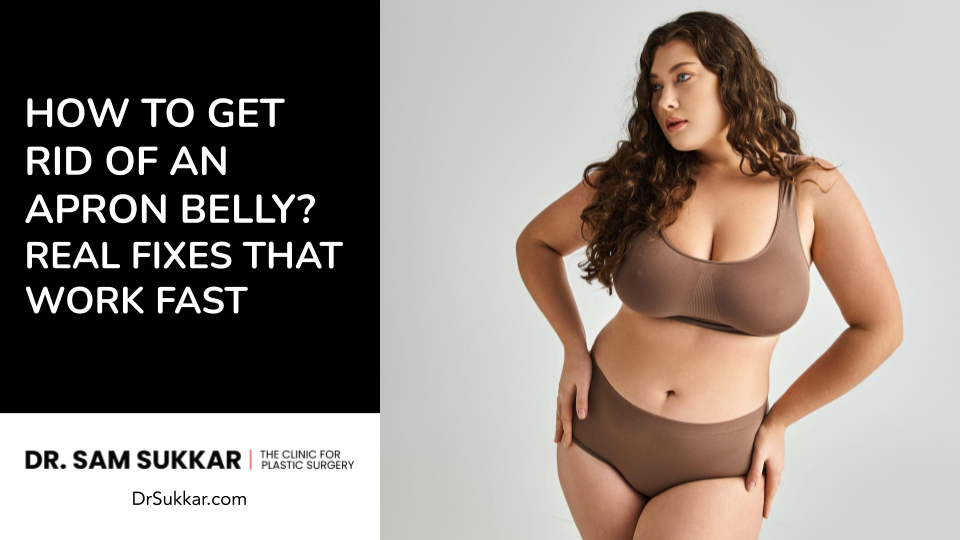
How to Get Rid of an Apron Belly? Real Fixes That Work Fast

How to get rid of apron belly? An apron belly is one of the most common cosmetic concerns brought to plastic surgery practices today. It forms when excess skin and fat hang below the lower abdomen and rest over the pubic area. Many patients try diet and exercise first, hoping to reduce overall body and belly fat. While these efforts help with general health, they cannot remove loose skin or excess tissue once skin elasticity is gone.

Here are the real fixes that work for an apron belly. The most effective surgical solutions are the mommy makeover, the tummy tuck, and the mini tummy tuck. A panniculectomy is also covered as a medically focused option. Understanding how each procedure addresses excess skin, abdominal muscles, and body fat helps patients identify the right procedure for their needs.

Key Takeaways of How to Get Rid of Apron Belly?

  • An apron belly or pannus stomach, forms when excess skin and fat accumulate in the lower abdomen and lose skin elasticity.
  • Significant weight loss, multiple pregnancies, and weight gain are the most common causes. Diet and exercise help lose weight to reduce overall body fat but cannot achieve excess skin removal.
  • A tummy tuck for apron belly is the most established of the abdominal procedures available. When the only focus is the apron belly, a mini tummy tuck is the best approach.
  • The mommy makeover combines a tummy tuck with other surgical procedures for full body restoration.
  • A panniculectomy focuses on removing hanging skin to reduce skin irritation and improve daily comfort.
  • Non surgical treatments and non invasive body contouring support fat reduction but do not remove excess skin.

What Causes an Apron Belly and Why It Stays

An apron belly or pannus stomach develops when the skin and fat in the abdominal area stretch beyond what skin elasticity can recover. The lower abdomen carries the most strain. Once the collagen in the skin breaks down, the remaining skin no longer has the support to lift itself. The result is hanging skin and excess tissue that does not respond to weight loss alone.

The Most Common Causes

Multiple pregnancies are one of the most common causes of an apron belly. Each pregnancy stretches the abdominal area and the underlying muscles. Skin elasticity diminishes with every cycle. Most patients who have had two or more pregnancies notice that the skin and fat in the lower abdomen do not return to their pre-pregnancy state.

Significant weight loss is another major factor. Patients who lose a large amount of weight after bariatric surgery, weight loss medications, or sustained diet and exercise often find that the skin does not shrink with the fat. The excess skin and fat remain even after overall body fat has dropped. Repeated cycles of gain weight and loss compound the damage to the underlying muscles and skin quality.

Why the Skin Does Not Recover on Its Own

Skin has natural elasticity. When stretched gradually, it can partially retract. But when stretched repeatedly or beyond a certain threshold, the structural fibers break down. This is especially true as patients age. Skin naturally loses elasticity, so, laxity then becomes permanent.

Skin laxity worsens when overall body fat fluctuates significantly. By the time a patient reaches a stable healthy weight, the hanging skin in the abdominal area has little structural support left.

How to Lose the Apron Belly?

Patients with a true apron belly often need more than diet and exercise to see meaningful improvement. Surgical body contouring procedures can remove excess skin, repair weakened abdominal muscles, and restore a firmer abdominal shape.

The Mommy Makeover Body Contouring

The mommy makeover is one of the most complete ways to eliminate apron belly concerns after pregnancy. This body contouring approach combines several surgical procedures during one operation. It addresses excess skin, stubborn fat, weakened abdominal muscles, and changes caused by pregnancy or excessive weight loss.

Many women develop a mother’s apron after the abdominal muscles stretch repeatedly during pregnancy. Over time, patients may also lose muscle tone and develop permanently stretched skin across the lower abdomen.

How a Mommy Makeover Works to Remove the Apron Belly

A mommy makeover is fully customized to the patient’s body shape, medical history, and aesthetic goals. In most cases, a tummy tuck remains the foundation of the procedure. The operation removes excess skin and fat while tightening weakened abdominal muscles through abdominal wall repair. Patients with separated abdominal muscles often notice stronger core support after surgery.

The procedure also repositions the belly button for a more natural contour. Many women choose this option after reaching a healthy weight through diet and exercise but still struggle with extra skin and abdominal fat that cannot improve naturally.

The Tummy Tuck

A tummy tuck for apron belly is the most established abdominal procedure for patients dealing with hanging skin and weak abdominal walls. The operation removes excess skin and fat from the lower abdomen while tightening muscles that lost support over time. It is especially effective for patients who developed loose abdominal tissue after multiple pregnancies, gastric bypass surgery, or significant weight changes. For many individuals, diet and exercise help reduce body fat, but they cannot eliminate loose skin once the tissue becomes permanently stretched.

A full tummy tuck is a slightly more involved procedure that can dramatically improve body image and restore a flatter abdominal contour. The procedure removes stubborn fat, repairs separated abdominal muscles, and tightens muscles weakened by pregnancy or extra weight. Many patients also notice relief from skin folds rubbing together beneath the abdomen.

Chronic moisture trapped within skin folds beneath the lower abdomen can lead to skin infections, irritation, odor, and skin breakdown. By removing hanging skin and fatty tissue, a tummy tuck can improve both appearance and physical comfort. Maintaining a healthy diet after surgery also helps reduce further weight gain and preserve results long term.

The Mini Tummy Tuck

A mini tummy tuck is a smaller version of the full abdominoplasty, is best for minimal skin excess cases. It targets the area below the belly button only. It works well for patients with small pockets of sagging skin and excess fat in the lower abdomen who do not have significant skin laxity above the navel.

While a mini tummy tuck does not deliver the full scope of correction, it is the right procedure for the right patient.

The Panniculectomy

A panniculectomy is a surgical procedure that removes the pannus. The pannus is the fold of excess skin and fat that hangs below the pubic area. Unlike a tummy tuck, a panniculectomy does not include muscle repair or cosmetic reshaping of the belly button. Its main purpose is medical relief from skin irritation, infections, and functional limitations.

For patients whose apron belly causes documented medical problems, a panniculectomy may be partially covered by health insurance. This makes it a practical option for patients who need relief but cannot access cosmetic plastic surgery financing.

Non Surgical Options: What They Can and Cannot Do

Non surgical treatments have improved significantly. Body contouring technologies like radiofrequency, ultrasound, and cryolipolysis can reduce overall body fat and tighten mild skin laxity. These non surgical methods work best in patients with good skin quality and small pockets of excess fat.

Radiofrequency Body Contouring

Radiofrequency body contouring uses controlled heat to stimulate collagen production beneath the skin. The heat targets deeper tissue layers while protecting the skin surface. This process can tighten loose skin slightly and improve mild skin laxity over time. Some treatments also help shrink fat cells in smaller treatment areas.

These treatments work best for patients with good skin quality and mild fat accumulation. Patients with small pockets of extra fat around the lower abdomen may notice smoother contour after several sessions. However, radiofrequency cannot eliminate excess skin or repair weak abdominal muscles. Patients with a true apron belly usually require surgery for meaningful correction and excess skin removal.

Ultrasound Fat Reduction Treatments

Ultrasound body contouring treatments use sound wave energy to target fatty tissue beneath the skin. The technology disrupts fat cells gradually so the body can process them naturally over time. Some ultrasound treatments may also tighten loose skin by stimulating collagen production within deeper tissue layers.

These procedures can help patients reduce extra fat in areas where the body stores fat stubbornly. Common treatment zones include the lower abdomen, waistline, and upper thighs. Patients with stable weight and good muscle mass often see the best results. However, ultrasound treatments cannot remove hanging skin below the pubic bone or fully eliminate apron belly concerns caused by permanently stretched tissue.

Cryolipolysis and Fat Freezing

Cryolipolysis, often called fat freezing, works by cooling fat cells to temperatures that damage them without harming surrounding tissue. Over several weeks, the body gradually removes the treated fat cells naturally. This treatment is most effective for patients with mild to moderate stubborn fat that remains despite diet and exercise.

Cryolipolysis can improve body contour in smaller areas, but it does not tighten muscles or eliminate loose skin.

Where Non Surgical Treatments Fit

Non surgical treatments are most useful as preparation tools or as supplements to surgery. Patients working toward a stable weight may use non invasive body contouring to manage body fat during the process. This can improve skin quality before surgery and reduce the amount of fat that needs to be addressed during the procedure.

Weight loss medication treatments have helped many patients reach a stable weight before pursuing abdominal procedures. However, dramatic weight loss through medication often increases the visibility of excess skin. The skin does not retract on its own. Surgery remains the only effective method of excess skin removal for patients in this situation. Non surgical methods and non invasive body contouring can address mild skin laxity. But, they cannot perform the excess skin removal needed for a true apron belly.

Frequently Asked Questions About How to Get Rid of an Apron Belly? Real Fixes That Work Fast

Which procedure is best for an apron belly after pregnancy?

The mommy makeover is the most comprehensive option for patients with body changes after multiple pregnancies. It combines a tummy tuck with other surgical procedures. If concerns are limited to the abdominal area, a full tummy tuck alone is often the right procedure. A thorough evaluation of medical history, skin quality, and aesthetic goals helps determine the most appropriate treatment approach.

Can a mini tummy tuck fix an apron belly?

A mini tummy tuck can address a mild apron belly in patients with small pockets of loose skin below the belly button. It is not effective for patients with significant hanging skin, diastasis recti, or skin laxity above the navel. Most patients with a true apron belly need a full tummy tuck or a mommy makeover for long lasting results.

How long does recovery take after apron belly surgery?

Recovery time depends on the procedure. Most patients return to desk work within two to three weeks after a tummy tuck. Strenuous activity is restricted for several weeks. A mommy makeover has a similar timeline. A mini tummy tuck has a shorter recovery, typically one to two weeks before patients resume light activity. A compression garment supports a smooth recovery in all cases.

What is diastasis recti and does a tummy tuck fix it?

Diastasis recti is the separation of the abdominal muscles. It commonly develops during pregnancy when the abdominal wall stretches. It causes a visible bulge in the center of the abdomen that does not respond to exercise. A tummy tuck includes muscle repair that closes this separation. A panniculectomy does not include this step.

Conclusion and Summary of How to Get Rid of an Apron Belly? Real Fixes That Work Fast

An apron belly develops from a combination of excess skin, stretched abdominal muscles, stubborn fat, and major body changes over time. Pregnancy, significant weight loss, and aging can all weaken the abdominal wall and leave behind hanging tissue that does not improve naturally. While diet and exercise remain important for overall health and body fat reduction, they cannot eliminate loose skin once the tissue becomes permanently stretched.

For patients looking to eliminate apron belly concerns, surgical body contouring remains the most effective solution. Procedures like the mommy makeover, tummy tuck, and panniculectomy can remove excess skin and fat while restoring a firmer abdominal contour. Non surgical treatments may improve mild skin laxity and small fat deposits, but they cannot replace excess skin removal. Patients who maintain a healthy weight and realistic expectations often achieve the best long-term results.

Your Trusted Destination for Apron Belly Surgical and Non-Surgical Treatments in Houston, Texas (TX)

Are you located in one of these Houston Metro Area cities?

Houston, The Woodlands, Sugar Land, Katy, Pearland, Pasadena, League City, Baytown, Conroe, Cypress, Spring, Kingwood, Humble, Missouri City, Friendswood, Bellaire, Clear Lake, Tomball, Galveston, Richmond, Rosenberg, Stafford, La Porte, Deer Park, Seabrook, Webster, Alvin, and Channelview.

Board-Certified Plastic Surgeon Dr. Sam Sukkar, MD, FACS, and the The Clinic for Plastic Surgery Team provide advanced surgical and non-surgical apron belly treatments for both women and men following pregnancy, major weight loss, or bariatric surgery.

If you are struggling with a hanging lower abdominal pannus, skin rashes or irritation beneath the fold, hygiene challenges, lower back discomfort, or difficulty fitting into clothing, we offer comprehensive surgical and non-surgical apron belly solutions, including:

  • Panniculectomy Surgery (Apron Belly Removal)
  • Tummy Tuck (Abdominoplasty) with Muscle Repair
  • Extended and Fleur-de-Lis Abdominoplasty for Massive Weight Loss Patients
  • Mommy Makeover Procedures Including Pannus Removal
  • Liposuction and Body Contouring of the Abdomen and Flanks
  • Non-Surgical Skin Tightening and Body Contouring Treatments
  • Post-Bariatric Body Contouring Surgery
  • Medical Weight Management and Pre-Surgical Conditioning
  • Customized Surgical and Non-Surgical Treatment Plans

Visit our modern 18,000+ sq. ft. plastic surgery center and med spa in Houston, Texas, designed for comfort, privacy, and results-driven care. From your first consultation through long-term body contour management, our highly skilled team focuses on realistic outcomes, safe treatment planning, and natural-looking abdominal results.

For patients outside the Houston area or those with limited availability, schedule a virtual apron belly consultation.

Book Your Personalized Apron Belly Consultation today at DrSukkar.com or call (281) 940-1535.

About the Author – Meet Dr. Sam Sukkar, MD

Dr. Sam Sukkar, MD, FACS is a highly respected Board-Certified Plastic Surgeon in Houston, Texas, known for his expertise in advanced cosmetic and reconstructive procedures. As the founder of The Clinic for Plastic Surgery, Dr. Sukkar has set a new standard for excellence, performing over 20,000 procedures with a focus on delivering natural, refined results.

Dr. Sukkar earned his Doctor of Medicine (M.D.) degree from Louisiana State University School of Medicine in 1992 after graduating summa cum laude with a Bachelor of Science in Microbiology. He then completed an intensive General Surgery Residency at the University of Texas Hermann Hospital before being selected for a highly competitive Plastic Surgery Fellowship at Northwestern University in Chicago, one of the most prestigious training programs in the country.

With more than 20 years of experience, Dr. Sukkar is a Diplomate of the American Board of Plastic Surgery and a Fellow of the American College of Surgeons (FACS). He is also an active member of the American Society of Plastic Surgeons (ASPS) and the Houston Society of Plastic Surgery (HSPS). His dedication to innovation and continuing education has solidified his reputation as a leading expert in aesthetic surgery, specializing in breast surgery, body contouring, facial procedures, and non-invasive treatments.

Dr. Sukkar’s expertise has been recognized by Houston Magazine, naming him one of Houston’s “Top Docs for Women,” and he has been featured among RealSelf’s America’s Top Doctors. Committed to his patients, he prioritizes personalized care, ensuring every individual feels informed, comfortable, and confident in their aesthetic journey.

Contact Dr. Sukkar today to schedule a consultation, visit DrSukkar.com to learn more, or call us directly at (281) 940-1535.

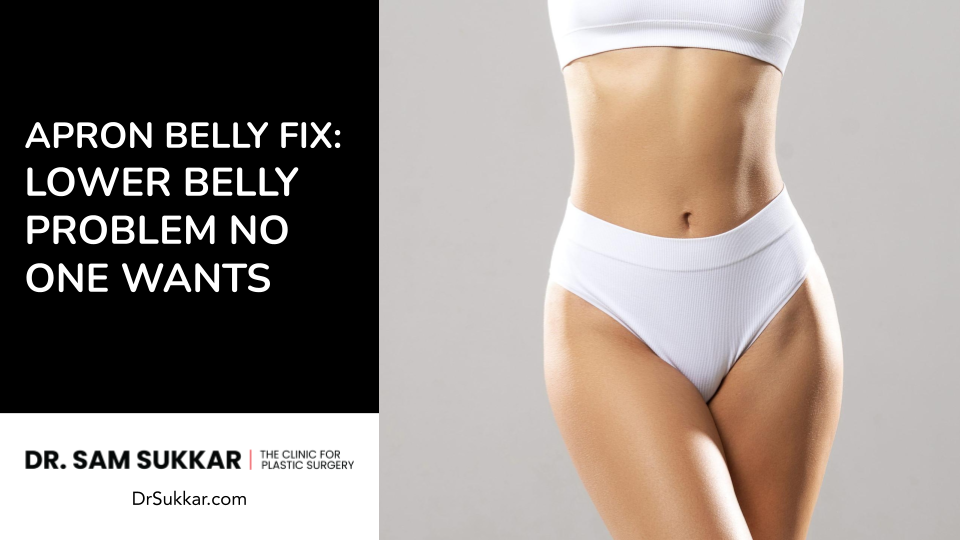
Apron Belly Fix: Lower Belly Problem No One Wants

One of the most physically and emotionally challenging outcomes is the development of an apron belly. A condition where a large fold of excess skin and fat hangs down over the lower abdomen, sometimes extending as far as the pubic area. Also referred to as a pannus stomach, this overhanging skin can cause persistent discomfort, skin infections, and a loss of confidence that diet and exercise alone cannot resolve.

Understanding what causes an apron belly, how it affects overall health, and what surgical solutions are available is the first step toward making an informed decision. From panniculectomy to tummy tuck surgery, modern abdominal procedures can remove excess skin, improve contour, and restore confidence.

Key Takeaways of Apron Belly

  • An apron belly forms when excess skin and fat accumulate in the lower abdomen, creating a hanging fold that rests over the pubic bone.
  • Weight gain, rapid weight loss, multiple pregnancies, and a sedentary lifestyle are the most common contributing factors.
  • The pannus stomach can trap moisture, increase the risk of skin irritation and infections, and interfere with daily movement.
  • A tummy tuck (abdominoplasty) is the most effective surgical procedure for removing excess skin, tightening abdominal muscles, and restoring a flatter abdominal area.
  • Patients achieve the best and longest-lasting results when they have reached a stable weight before abdominoplasty surgery.

What is Apron Belly and Why It Forms

An apron belly goes by several names, pannus stomach, apron stomach, mother’s apron, or simply a hanging belly. They all describe the same anatomical reality: a fold of excess skin and fat that hangs from the lower abdomen over the pubic area. The skin and fat in this region have been stretched beyond the point where natural skin elasticity can recover.

The Anatomy Behind a Hanging Belly

The abdominal area contains multiple layers: skin, subcutaneous fat, the abdominal wall (including fascia and muscle), and deeper visceral fat surrounding the organs. When the body undergoes repeated cycles of weight gain and weight loss, or when the abdomen is stretched significantly during pregnancy, the skin and subcutaneous tissue can become permanently altered. Fat cells in the lower abdomen enlarge and multiply, and the connective tissue that gives skin its structure weakens over time. The result is loose skin that no longer adheres to the underlying muscle tone of the abdominal muscles below.

In individuals who carry significant abdominal fat over many years, the sheer weight of the accumulated skin and fat pulls the tissue downward. Once this descent becomes established, the remaining skin in the lower abdomen lacks the structural support to hold it in place.

Common Causes of an Apron Stomach

Several lifestyle factors and medical events can contribute to the development of an apron belly. Significant weight gain stretches the skin and expands fat deposits in the lower abdomen, while rapid weight loss afterward leaves behind excess skin that the body cannot reabsorb. Multiple pregnancies are another primary cause. Each full-term pregnancy stretches the abdominal wall and skin, and most women find that the skin does not fully return to its pre-pregnancy state. A c-section can further affect skin retraction in the lower abdominal area due to scar tissue formation along the incision.

A sedentary lifestyle accelerates the accumulation of abdominal fat and reduces the muscle tone that would otherwise support the abdominal wall from within. Also, an apron belly can be associated with medical conditions like PCOS, hypothyroidism, or Cushing’s syndrome, which influence fat storage in the abdomen. Hormonal changes, particularly during midlife, can affect skin quality and collagen production, making the lower abdomen more prone to laxity and the formation of an apron belly.

The Health Risks of an Untreated Pannus Stomach

While the apron belly is sometimes dismissed as purely a cosmetic concern, it carries genuine health consequences. The fold of skin that hangs over the pubic bone creates a persistently warm, moist environment that becomes a breeding ground for bacteria and fungi.

Skin Infections and Irritation Beneath the Fold

The skin beneath an apron belly is one of the most vulnerable areas of the body for developing skin issues. Trapped moisture from sweat and friction between skin surfaces creates ideal conditions for intertrigo, a rash that forms in skin folds, as well as fungal infections. Because the area is difficult to ventilate and often remains warm throughout the day, even patients who maintain good hygiene can find themselves dealing with recurring flare-ups.

In more severe cases, chronic skin infections can lead to cellulitis, a bacterial infection of the deeper skin layers, if untreated, can become a serious health issue. Surgical removal of the excess skin is the only long-term solution to alleviate and eliminate the cause of these recurring problems.

Why Diet and Exercise Alone Cannot Fix an Apron Belly

Maintaining a healthy weight and exercising regularly support overall health and better surgical outcomes, but they cannot remove excess skin. Fat cells can shrink with diet and exercise, but permanently stretched skin often cannot retract on its own. This is especially true in adults over 30, when skin elasticity and collagen production naturally begin to decline.

This is an important distinction between reducing fat and removing skin. Losing weight may reduce the volume of the apron belly, potentially improving the degree of hang and relieving some discomfort. But the excess skin itself will remain, and in some cases dramatic weight loss makes the hanging skin more pronounced. Patients who have reached their goal weight through diet and exercise, and still find that the pannus stomach persists are appropriate candidates to explore surgical solutions.

Apron Belly Surgical Solutions

For patients who have developed a true pannus stomach, plastic surgery offers the most definitive path to removing the excess skin and fat and restoring a flatter abdominal area.

Panniculectomy: Medically Focused Skin Removal

A panniculectomy is a surgical procedure that focuses specifically on removing the pannus, the hanging fold of skin and fat that extends below the pubic bone. Unlike a tummy tuck, a panniculectomy does not address the abdominal muscles and is not designed to improve cosmetic appearance. Its primary goal is to alleviate discomfort, eliminate chronic skin infections, and improve the patient’s ability to move.

The incision is placed low on the abdomen, just above the pubic area, and excess skin and fat that make up the pannus are removed.

Tummy Tuck (Abdominoplasty): Comprehensive Abdominal Contouring

A tummy tuck is a comprehensive surgical procedure that addresses not only excess skin and fat in the lower abdomen but also the underlying abdominal muscles. During abdominoplasty, hanging skin from the lower abdomen is removed. Separated or weakened abdominal muscles are repaired, and the belly button is repositioned to create a natural-looking result. The outcome is a flatter abdominal area with improved muscle tone and contour. The results from abdominoplasty a panniculectomy alone does not provide.

Most patients who pursue a tummy tuck are seeking both functional improvement and cosmetic transformation. The procedure is particularly well-suited for individuals who have completed their families, and want to address the entire abdominal area.

It is considered an elective cosmetic surgery and is therefore not typically covered by health insurance. Recovery from a full tummy tuck procedure generally takes four to six weeks. Most patients return to non-strenuous work and activities within that window. Final results are visible once swelling resolves, typically within three to six months of surgery.

Who Is a Candidate for Apron Belly Surgery?

Not everyone who experiences a slight overhang in the lower abdomen will benefit from surgical intervention. The ideal candidate for abdominal procedures to address an apron belly is someone whose condition causes functional impairment.

Preparing the Body for the Best Surgical Outcome

Patients who are overweight during consultation may be advised to lose weight before surgery to reduce risks and improve results. While tummy tuck is not a weight loss procedure, patients who are closer to their weight tend to heal faster. They experience fewer complications, and achieve more satisfying cosmetic results. Excess weight, particularly visceral abdominal fat, increases surgical complexity. This can lead to higher rates of wound-healing issues after body contouring procedures.

Smoking cessation is also a critical prerequisite. Nicotine constricts blood vessels and reduces tissue oxygenation. This raises the risk of poor wound healing, skin necrosis, and infection after plastic surgery. Patients are required to stop smoking at least four to six weeks before surgery and remain smoke-free throughout the recovery.

Beyond weight and smoking, patients should be in good overall health. Any uncontrolled medical conditions, including diabetes, hypertension, or autoimmune disorders, should be properly managed and stabilized before moving forward with surgery.

Non Surgical Options: What They Can and Cannot Do

For patients who are not ready for surgery or who have only a mild abdominal overhang and want to explore non surgical treatments, these options may offer modest improvement. However, their effectiveness is limited when treating a true apron belly. Radiofrequency-assisted skin tightening, ultrasound energy devices, and injectable fat-reduction treatments can modestly improve skin laxity and reduce localized belly fat deposits. These tools work best in patients with mild to moderate excess tissue and good baseline skin elasticity.

Non surgical options cannot remove the quantity of excess skin that defines a clinically significant pannus stomach. For patients with a moderate to severe apron belly, these treatments typically provide minimal visible change and are unlikely to alleviate discomfort or reduce the risk of skin infections. They may, however, be a useful adjunct for patients who are in the process of losing weight. Weight loss medications such as GLP-1 receptor agonists can support the path to goal weight. But the excess skin they leave behind after dramatic weight loss still requires surgical solutions.

Frequently Asked Questions About Apron Belly Fix: Lower Belly Problem No One Wants

Can losing weight get rid of an apron belly?

Losing weight can reduce the volume of fat stored in the abdomen, which may make the apron belly less pronounced. However, once the skin has been stretched and its elasticity compromised, no amount of weight loss will cause the skin to retract. In many cases, dramatic weight loss actually makes the hanging skin more visible.

What is the difference between a panniculectomy and a tummy tuck?

A panniculectomy removes the hanging fold of skin and fat that makes up the pannus without addressing the abdominal muscles. It is primarily a reconstructive procedure aimed at relieving medical symptoms such as skin infections and functional limitations. A tummy tuck is a cosmetic surgery that removes excess skin and fat from the lower abdomen. It repairs the abdominal muscles if they have separated, and repositions the belly button for a more sculpted result.

Can a tummy tuck help with abdominal muscles after pregnancy?

Yes. The most significant benefits of tummy tuck for patients who have had multiple pregnancies is the repair of diastasis recti. This muscle separation can cause a persistent abdominal bulge even in women who have returned to a healthy weight. During abdominoplasty, the abdominal muscles are tightened and sutured back together. This restores the abdominal wall and significantly improve both the appearance and functional strength of the core.

Can an apron belly come back after surgery?

Yes. Significant weight gain, future pregnancies, and poor lifestyle habits can stretch the abdominal skin again over time. Patients who maintain a stable weight and healthy lifestyle typically enjoy the longest-lasting results after apron belly surgery.

How painful is tummy tuck surgery recovery?

Most patients experience tightness, soreness, and swelling during the first few weeks after tummy tuck surgery. Discomfort is usually manageable with prescribed pain medication, compression garments, and limited activity during the early recovery period.

Conclusion and Summary of Apron Belly Fix: Lower Belly Problem No One Wants

An apron belly is more than an aesthetic concern. It is a physical condition that affects daily comfort, skin health, and quality of life for millions of people. Whether it develops after significant weight gain and loss, multiple pregnancies, or a sedentary lifestyle, the excess skin and fat that make up the pannus stomach cannot be resolved through diet and exercise alone. While reaching and maintaining a healthy weight through sustainable lifestyle choices is essential for long-term health and optimal surgical outcomes.

For patients who are ready to take the next step, surgical solutions offer the most effective and durable results. The right procedure depends on patient’s anatomy, health history, goals, which is why a consultation is the most important step. Patients who have a stable weight, are in good health, and have realistic expectations are excellent candidates for the outcomes from abdominal procedures.

Your Trusted Destination for Apron Belly Surgical and Non-Surgical Treatments in Houston, Texas (TX)

Are you located in one of these Houston Metro Area cities?

Houston, The Woodlands, Sugar Land, Katy, Pearland, Pasadena, League City, Baytown, Conroe, Cypress, Spring, Kingwood, Humble, Missouri City, Friendswood, Bellaire, Clear Lake, Tomball, Galveston, Richmond, Rosenberg, Stafford, La Porte, Deer Park, Seabrook, Webster, Alvin, and Channelview.

Board-Certified Plastic Surgeon Dr. Sam Sukkar, MD, FACS, and the The Clinic for Plastic Surgery Team provide advanced surgical and non-surgical apron belly treatments for both women and men following pregnancy, major weight loss, or bariatric surgery.

If you are struggling with a hanging lower abdominal pannus, skin rashes or irritation beneath the fold, hygiene challenges, lower back discomfort, or difficulty fitting into clothing, we offer comprehensive surgical and non-surgical apron belly solutions, including:

  • Panniculectomy Surgery (Apron Belly Removal)
  • Tummy Tuck (Abdominoplasty) with Muscle Repair
  • Extended and Fleur-de-Lis Abdominoplasty for Massive Weight Loss Patients
  • Mommy Makeover Procedures Including Pannus Removal
  • Liposuction and Body Contouring of the Abdomen and Flanks
  • Non-Surgical Skin Tightening and Body Contouring Treatments
  • Post-Bariatric Body Contouring Surgery
  • Medical Weight Management and Pre-Surgical Conditioning
  • Customized Surgical and Non-Surgical Treatment Plans

Visit our modern 18,000+ sq. ft. plastic surgery center and med spa in Houston, Texas, designed for comfort, privacy, and results-driven care. From your first consultation through long-term body contour management, our highly skilled team focuses on realistic outcomes, safe treatment planning, and natural-looking abdominal results.

For patients outside the Houston area or those with limited availability, schedule a virtual apron belly consultation.

Book Your Personalized Apron Belly Consultation today at DrSukkar.com or call (281) 940-1535.

About the Author – Meet Dr. Sam Sukkar, MD

Dr. Sam Sukkar, MD, FACS is a highly respected Board-Certified Plastic Surgeon in Houston, Texas, known for his expertise in advanced cosmetic and reconstructive procedures. As the founder of The Clinic for Plastic Surgery, Dr. Sukkar has set a new standard for excellence, performing over 20,000 procedures with a focus on delivering natural, refined results.

Dr. Sukkar earned his Doctor of Medicine (M.D.) degree from Louisiana State University School of Medicine in 1992 after graduating summa cum laude with a Bachelor of Science in Microbiology. He then completed an intensive General Surgery Residency at the University of Texas Hermann Hospital before being selected for a highly competitive Plastic Surgery Fellowship at Northwestern University in Chicago, one of the most prestigious training programs in the country.

With more than 20 years of experience, Dr. Sukkar is a Diplomate of the American Board of Plastic Surgery and a Fellow of the American College of Surgeons (FACS). He is also an active member of the American Society of Plastic Surgeons (ASPS) and the Houston Society of Plastic Surgery (HSPS). His dedication to innovation and continuing education has solidified his reputation as a leading expert in aesthetic surgery, specializing in breast surgery, body contouring, facial procedures, and non-invasive treatments.

Dr. Sukkar’s expertise has been recognized by Houston Magazine, naming him one of Houston’s “Top Docs for Women,” and he has been featured among RealSelf’s America’s Top Doctors. Committed to his patients, he prioritizes personalized care, ensuring every individual feels informed, comfortable, and confident in their aesthetic journey.

Contact Dr. Sukkar today to schedule a consultation, visit DrSukkar.com to learn more, or call us directly at (281) 940-1535.

Tummy Tuck After Breast Augmentation in Houston, TX: Mom’s Story

Tummy Tuck Success Story Series by Dr. Sam Sukkar, MD in Houston, TX | Case Study #1333


This is part of our series featuring real patient transformations at The Clinic for Plastic Surgery. Each case study provides an in-depth look at actual procedures, recovery experiences, and results from Houston patients who’ve undergone tummy tuck surgery with Dr. Sam M. Sukkar.


The problem wasn’t the number on the scale. At 33, Sarah* maintained a healthy 125 pounds through consistent exercise and careful nutrition. But when she looked in the mirror, she saw a body that didn’t reflect her efforts, a persistent abdominal bulge that no amount of planks or clean eating could eliminate, coupled with deflated breasts that had lost their youthful fullness. 

She’d done everything “right,” yet her body told a different story. What finally pushed her to seek help wasn’t frustration alone, it was watching several close friends transform their post-pregnancy bodies through mommy makeover surgery with a Houston plastic surgeon. Their results weren’t just visible; they were life-changing.

*The patient’s name was changed to protect their privacy. All medical details and photographic before and after results are from actual Patient Case #1333. Individual results may vary based on body type, surgical approach, and adherence to post-operative instructions.

Sarah’s* Path to Combined Tummy Tuck & Breast Augmentation in Houston

When Diet and Exercise Aren’t Enough

Sarah* came to my Houston office with a common concern among women who maintain their fitness: stubborn abdominal laxity that resisted every intervention. At 5’2″ and 125 pounds, she represented what many consider an “ideal” weight for her frame. Yet her body composition told a more complex story, one that tummy tuck surgery was specifically designed to address.

Her primary concerns centered on two distinct areas. Her abdomen protruded despite her petite frame and disciplined lifestyle, creating a silhouette that felt disproportionate to her overall fitness level. Simultaneously, her breasts had lost volume and projection, leaving her with an A-cup that she described as “deflated.” The combination affected not just how clothes fit, but her fundamental confidence in her appearance.

What made Sarah’s* consultation particularly meaningful was her preparation. She’d witnessed multiple friends undergo mommy makeover transformations with our practice, giving her realistic expectations about both the process and potential outcomes. This network of successful patients provided her with firsthand accounts of recovery, results, and the emotional impact of comprehensive body contouring.

Addressing Pre-Surgical Concerns

During our initial consultation, Sarah* expressed three primary concerns that many patients share when considering combined procedures:

Recovery complexity: Would addressing both her breasts and abdomen simultaneously create an overwhelming recovery experience? She worried about managing post-operative care for two distinct surgical sites while maintaining her daily responsibilities.

Scarring considerations: As a petite woman with fair skin, she wanted to understand exactly where incisions would be placed and how visible scarring might be long-term, particularly for the tummy tuck component.

Result longevity: Having invested time researching the procedures, Sarah* wanted assurance that her results would endure, especially if she decided to have children in the future.

We addressed each concern methodically. The recovery from combined procedures, while demanding the first two weeks, actually offers advantages, one healing period rather than two separate recoveries. Regarding scarring, I explained my precise closure techniques and the strategic placement of incisions along natural body contours. For longevity, I emphasized that while future pregnancies would affect abdominal results, the breast augmentation component would remain largely stable, and many patients successfully maintain their tummy tuck results with weight management.

Tummy Tuck After Breast Augmentation: Houston Mom’s Story - Tummy Tuck Success Story Series by Dr. Sam Sukkar, MD in Houston, Texas

Customizing Sarah’s* Body Contouring Strategy

The Surgical Combination

Sarah’s* transformation required a precisely calibrated approach that addressed both her volume concerns and structural abdominal issues. Her surgery combined two complementary procedures:

1. Abdominoplasty (Full Tummy Tuck)

  • Removal of excess abdominal skin below the navel
  • Repair of separated or weakened abdominal muscles (rectus diastasis)
  • Repositioning of the belly button for natural appearance
  • Low horizontal incision placed for minimal visibility in clothing

2. Breast Augmentation with Moderate Plus Profile Implants

  • 385cc smooth round silicone implants placed bilaterally
  • Inframammary fold incision approach for concealed scarring
  • Submuscular (under the pectoralis muscle) placement for natural feel and appearance
  • Proportional sizing designed for her 5’2″ petite frame

This combination addressed Sarah’s* dual concerns simultaneously, restoring breast volume from an A-cup to a proportionate C-cup while creating a taut, contoured abdominal profile. The integrated approach meant one anesthesia session, one recovery period, and comprehensive body transformation in a single surgical experience.

Why This Approach for Sarah*

For a woman of Sarah’s* proportions, petite frame, already at healthy weight, but with localized concerns, the surgical strategy required careful calibration. Simply removing abdominal tissue wouldn’t address the underlying structural weakness causing her persistent bulge. Similarly, breast augmentation alone wouldn’t resolve the deflated appearance without proper implant selection for her chest dimensions.

The full abdominoplasty was necessary rather than a mini tummy tuck because her concerns extended above the belly button, and she had muscle separation that required comprehensive repair. The 385cc implant size represented the optimal balance for her frame, large enough to achieve her desired C-cup result without overwhelming her 5’2″ stature or appearing disproportionate to her newly contoured abdomen.

In my 25+ years performing body contouring procedures, I’ve found that patients like Sarah*, those who maintain fitness but struggle with specific anatomical concerns, often achieve the most dramatic transformations. Her healthy baseline meant excellent tissue quality, strong healing capacity, and a foundation that would showcase surgical refinements beautifully. The strategic combination of procedures allowed us to create balanced, proportionate results that honored her natural body structure.

Navigating Sarah’s* Recovery Journey

The First Two Weeks: Managing Dual Healing

Sarah* left our accredited surgical facility with detailed care instructions for managing both surgical sites. The initial 72 hours presented the most significant discomfort, tightness across her abdomen and soreness in her chest. She followed a strict medication schedule, alternating prescribed pain management with anti-inflammatory medication as directed.

Movement during this phase required deliberate strategy. The abdominal component meant walking slightly bent forward to avoid tension on the incision line, while the breast augmentation necessitated limited arm elevation. She slept in a recliner, which provided optimal positioning for both areas, supporting her upper body while maintaining the slight bend that protected her tummy tuck repair.

The reality of combined procedure recovery is straightforward: the first week demands patience, adherence to restrictions, and acceptance of temporary limitations. Sarah* couldn’t lift anything heavier than a coffee cup, needed assistance with basic tasks, and required compression garments for her abdomen while wearing a surgical bra for breast support.

Critical Recovery Rules:

  • No lifting over 5 pounds for six weeks
  • Compression garment worn 24/7 for first month
  • Surgical bra maintained continuously for initial three weeks
  • Drain care (two abdominal drains) with output monitoring until removal at day 10
  • Walking short distances every 2-3 hours to prevent blood clots
  • Incision care with specific cleaning protocols for both surgical sites

Week 2-3: Transitioning to Increased Mobility

By week two, Sarah* noticed substantial improvement in her comfort level. The abdominal drains were removed at her 10-day follow-up appointment, significantly increasing her mobility and comfort. She transitioned from prescription pain medication to over-the-counter options, and the initial tightness across her abdomen evolved into a sensation she described as “deep muscle soreness”, present but manageable.

Her breast implants began settling into their final position during this phase, with the initial high placement gradually softening. She continued wearing her compression garment during the day but was cleared to remove it at night, providing welcome relief. Recovery milestones came steadily, showering independently, dressing without assistance, and resuming light household activities.

Weeks 4-8: Resuming Normal Life

Sarah* reached a significant milestone at her one-month post-operative visit: clearance to resume most normal activities. She returned to work (with restrictions against heavy lifting), drove comfortably, and noticed her energy levels approaching baseline. The most visible change during this period was reduction of swelling, her abdomen’s definition became increasingly apparent, and her breast shape continued refining.

Final Results Phase: Months 2-3

At her three-month follow-up, Sarah’s* transformation was complete. Her weight had stabilized at 124 pounds, just one pound less than her pre-operative weight, but her body composition had fundamentally changed. The persistent abdominal bulge was gone, replaced by a smooth, contoured profile. Her breasts had settled into a natural C-cup that complemented her petite frame perfectly.

The combination of tummy tuck and breast augmentation had created the balanced silhouette she’d sought, one that finally reflected the effort she invested in maintaining her health and fitness.

Six-Month Transformation: Sarah’s* Tummy Tuck Final Results in Houston, Texas

Cup Size: A → C (with 385cc implants placed bilaterally)

Abdominal Contour: Eliminated persistent bulge through muscle repair and skin removal

Scar Healing: Low horizontal incision well-concealed below bikini line; breast scars hidden in natural fold

Overall Satisfaction: High, results aligned with pre-operative goals discussed during consultation

Sarah’s* outcome extended beyond measurable changes. She reported renewed confidence in fitted clothing, comfort in swimwear for the first time in years, and validation that her decision to address both concerns simultaneously was correct. The comprehensive approach delivered results that individual procedures performed separately couldn’t have achieved, balanced proportions that created overall harmony in her appearance.

What Made This Transformation Exceptional

Several factors contributed to Sarah’s* outstanding outcome:

Optimal candidacy: Her healthy weight, non-smoker status, and realistic expectations created an ideal foundation for surgical success. Patients who maintain fitness demonstrate excellent tissue quality and healing capacity.

Strategic procedure combination: Addressing both volume loss (breasts) and structural concerns (abdomen) simultaneously created proportionate results. The breast augmentation balanced her newly contoured torso, preventing the “top-heavy” or “bottom-heavy” appearance that can result from addressing only one area.

Precise implant selection: The 385cc size represented careful calculation for her 5’2″ frame, large enough to achieve desired fullness without overwhelming her petite stature or creating disproportion with her abdomen.

Comprehensive muscle repair: Sarah’s* persistent bulge wasn’t excess fat but weakened abdominal wall structure. The full abdominoplasty with muscle plication addressed the underlying anatomical issue rather than just removing surface tissue.

Meticulous recovery adherence: Sarah* followed every post-operative instruction precisely, compression garment wear, movement restrictions, wound care protocols. This discipline directly contributed to her smooth healing and optimal scarring.

Informed decision-making: Having friends who’d undergone similar procedures provided Sarah* with realistic expectations. She understood the recovery demands, temporary limitations, and timeline for final results, eliminating surprises that can derail patient satisfaction.

Frequently Asked Questions About Sarah’s* Tummy Tuck in Houston, TX

Can tummy tuck and breast augmentation be performed together safely?

Yes, and in fact, combining these procedures offers distinct advantages for appropriate candidates. Performing abdominoplasty and breast augmentation simultaneously means one anesthesia session, one recovery period, and coordinated results. In my Houston practice, I’ve performed thousands of combined procedures with excellent safety profiles when patients are properly selected. The key is comprehensive pre-operative assessment, appropriate surgical technique, and patients like Sarah* who are healthy, non-smoking, and prepared for the recovery demands. This approach is precisely why mommy makeover surgery has become one of the most requested combination procedures.

Why would someone at a healthy weight need a tummy tuck?

Weight alone doesn’t determine candidacy for abdominoplasty. Sarah’s* case perfectly illustrates this, at 125 pounds and 5’2″, she was proportionate, yet still had concerns that no amount of exercise could address. Abdominal muscle separation, skin laxity, and localized fat deposits can persist regardless of overall weight. The tummy tuck procedure addresses structural issues, repairing weakened or separated muscles and removing excess skin that diet and exercise simply cannot correct. For women like Sarah*, the procedure isn’t about weight loss but body contouring and restoring abdominal wall integrity.

How long before final results are visible with combined procedures?

Combined procedures follow a staged revelation of results. Breast implants settle into their final position over 3-6 months, with the most dramatic changes occurring in the first three months. Abdominal results emerge as swelling resolves, initial contour is visible within weeks, but final definition appears at 3-6 months post-operatively. Sarah’s* six-month photos represent near-final results, though subtle refinement can continue for up to a year. The timeline requires patience, but as Sarah* discovered, the comprehensive transformation is worth the wait. Understanding this progression helps patients like those exploring affordable tummy tuck options set realistic expectations for their own journeys.

Tummy Tuck After Breast Augmentation: Houston Mom’s Story - Tummy Tuck Success Story Series by Dr. Sam Sukkar, MD in Houston, TX

Ready to Write Your Own Tummy Tuck Success Story in Houston, Texas?

Sarah* walked into my Houston office carrying frustration, a healthy body that didn’t reflect her discipline, effort, and self-care. Six months later, she walked out with results that finally aligned her external appearance with her internal identity. Her friends’ transformations had shown her what was possible; her own journey proved it was achievable.

Your concerns might differ from Sarah’s*. Perhaps you’re struggling with excess skin after significant weight loss, dealing with abdominal changes after multiple pregnancies, or frustrated that exercise alone won’t address separated muscles. Maybe you’re considering a single procedure rather than a combination, or you’re wondering if financing options can make your transformation accessible.

But the fundamental truth remains: You deserve to feel confident and comfortable in your own body. Your body deserves the same dedication you give to fitness and health. If stubborn abdominal concerns are affecting your quality of life, transformation is possible.

Schedule Your Personalized Consultation here, or call us today at (281) 940-1535 and take the first step toward your own transformation journey!

Your Premier Destination for Plastic Surgery in Houston, Texas (TX)

Are you located in one of these Houston Metro Area cities?

Houston, The Woodlands, Sugar Land, Katy, Pearland, Pasadena, League City, Baytown, Conroe, Cypress, Spring, Kingwood, Humble, Missouri City, Friendswood, Bellaire, Clear Lake, Tomball, Galveston, Richmond, Rosenberg, Stafford, La Porte, Deer Park, Seabrook, Webster, Alvin, and Channelview.

Board-Certified Plastic Surgeon Dr. Sam Sukkar, MD, FACS, and The Clinic for Plastic Surgery Team are here to help you achieve refined, natural-looking results.

Offering expert cosmetic enhancements in:

  • Breast Augmentation, Breast Lifts, and Breast Reduction
  • Tummy Tucks, Mommy Makeovers, and Liposuction
  • Facelifts, Neck Lifts, and Rhinoplasty
  • Body Contouring and Skin Tightening Procedures
  • Non-Surgical Aesthetic Treatments

Visit our modern 18,000+ sq.ft. luxurious plastic surgery center and med spa in Houston, Texas, where expertise meets artistry. Our highly skilled and compassionate team ensures a seamless experience, from consultation to recovery.

For patients outside of the Houston area or those with a busy schedule, Schedule a Virtual Consultation.

Schedule your personalized consultation today at DrSukkar.com or call (281) 940-1535.

About the Author – Meet Dr. Sam Sukkar, MD

Dr. Sam Sukkar, MD, FACS is a highly respected Board-Certified Plastic Surgeon in Houston, Texas, known for his expertise in advanced cosmetic and reconstructive procedures. As the founder of The Clinic for Plastic Surgery, Dr. Sukkar has set a new standard for excellence, performing over 20,000 procedures with a focus on delivering natural, refined results.

Dr. Sukkar earned his Doctor of Medicine (M.D.) degree from Louisiana State University School of Medicine in 1992 after graduating summa cum laude with a Bachelor of Science in Microbiology. He then completed an intensive General Surgery Residency at the University of Texas Hermann Hospital before being selected for a highly competitive Plastic Surgery Fellowship at Northwestern University in Chicago, one of the most prestigious training programs in the country.

With more than 20 years of experience, Dr. Sukkar is a Diplomate of the American Board of Plastic Surgery and a Fellow of the American College of Surgeons (FACS). He is also an active member of the American Society of Plastic Surgeons (ASPS) and the Houston Society of Plastic Surgery (HSPS). His dedication to innovation and continuing education has solidified his reputation as a leading expert in aesthetic surgery, specializing in breast surgery, body contouring, facial procedures, and non-invasive treatments.

Dr. Sukkar’s expertise has been recognized by Houston Magazine, naming him one of Houston’s “Top Docs for Women,” and he has been featured among RealSelf’s America’s Top Doctors. Committed to his patients, he prioritizes personalized care, ensuring every individual feels informed, comfortable, and confident in their aesthetic journey.

Contact Dr. Sukkar today to schedule a consultation, visit DrSukkar.com to learn more, or call us directly at (281) 940-1535.

Tummy Tuck After Childhood Surgery: A Houston Transformation

Tummy Tuck Surgery Success Story Series by Dr. Sam Sukkar, MD | Case Study #1321


This is part of our series featuring real patient transformations at The Clinic for Plastic Surgery. Each case study provides an in-depth look at actual procedures, recovery experiences, and results from Houston patients who’ve undergone tummy tuck surgery with Dr. Sam M. Sukkar.
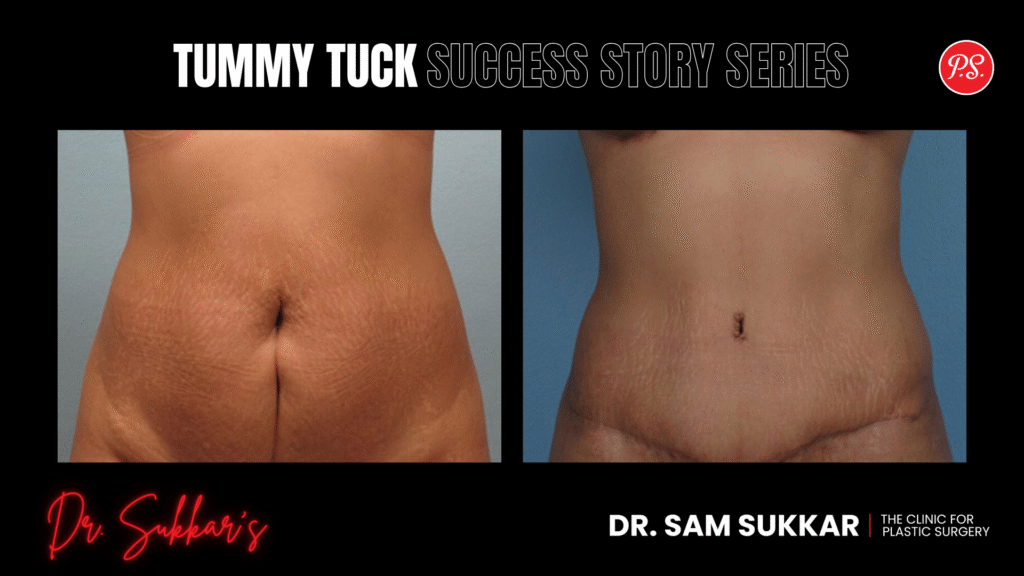

Childhood scars run deep, sometimes literally. When a 31-year-old woman sat across from me in my Houston office, she didn’t lead with complaints about weight or pregnancy. Instead, she pointed to her abdomen and shared a story I hear less often but understand completely: a childhood surgery had left her with significant changes that no amount of diet or exercise could address. Years later, those changes had become a daily reminder she was ready to leave behind.

She’d heard me on the radio discussing body contouring options and recognized herself in the conversation. Not the typical post-pregnancy patient. Not someone seeking dramatic weight loss transformation. Just a woman who wanted her body to reflect the life she’d built since childhood, without carrying the physical remnants of a medical intervention she’d had no control over.

*The patient’s name was changed to protect their privacy. All medical details and photographic before and after results are from actual Patient Case #1321. Individual results may vary based on body type, surgical approach, and adherence to post-operative instructions.

Mariana’s* Path to Surgical Correction

Living with Post-Surgical Abdominal Changes

Mariana* came to me with a unique situation. While many patients seek tummy tuck surgery in Houston to address pregnancy-related changes or weight fluctuation, her concerns stemmed from childhood. At 5’7″ and 174 lbs., she carried excess skin and tissue that no fitness routine could remedy, the lasting effects of an abdominal surgery performed years earlier.

The impact extended beyond aesthetics. Clothing fit awkwardly. Swimsuits required careful selection. Even everyday activities came with the awareness of carrying tissue that simply didn’t belong. She described feeling “held back” by something completely outside her control, a surgical intervention from childhood that continued affecting her adult life.

What Concerned Mariana Most

During our initial consultation, Mariana articulated three primary concerns:

Excess skin accumulation – The childhood surgery had created localized tissue redundancy that persisted despite maintaining a healthy weight. This wasn’t about losing pounds; it was about removing tissue that shouldn’t be there.

Poor clothing fit – Professional attire, fitted dresses, and even casual wear posed daily challenges. She’d adapted her wardrobe around her abdomen rather than choosing clothes she actually wanted to wear.

Emotional impact – Carrying visible evidence of childhood medical intervention into adulthood felt like unfinished business. She was ready to close that chapter definitively.

I appreciated her clarity. She wasn’t pursuing perfection or chasing unrealistic ideals. She wanted surgical correction of a surgical problem, something I could absolutely provide through a customized abdominoplasty approach.

Tummy Tuck After Childhood Surgery: A Houston Transformation - Tummy Tuck Success Story Series in Houston, Texas by Dr. Sam Sukkar, MD

Building Mariana’s* Surgical Solution

The Lipoabdominoplasty Approach

Based on Mariana’s unique presentation, I recommended a comprehensive procedure that would address both the excess skin and underlying contour irregularities created by her previous surgery.

1. Lipoabdominoplasty (Advanced Tummy Tuck with Integrated Liposuction)

  • Surgical excision of redundant abdominal skin resulting from childhood surgery
  • Strategic liposuction to refine abdominal contours and address localized fullness
  • Muscle wall assessment and tightening where previous surgery had created laxity
  • Low horizontal incision placement designed to remain concealed beneath undergarments
  • Preservation of natural umbilical positioning when possible

The integrated approach, combining traditional abdominoplasty with targeted liposuction, allowed me to address both the excess tissue and the contour irregularities simultaneously. This wasn’t simply removing skin; it was surgical revision of changes created by another surgeon’s necessary intervention years earlier.

The lipoabdominoplasty technique offers particular advantages for patients like Mariana. By incorporating liposuction with traditional skin excision, I could refine areas that excision alone wouldn’t adequately address, creating smoother transitions and more natural contours throughout the abdominal region.

Why This Specific Approach Made Sense

Mariana’s case required more than a standard tummy tuck. Her previous surgery had created localized tissue changes that varied across different abdominal zones. Some areas showed significant skin laxity. Others presented with deeper contour irregularities requiring volumetric adjustment through liposuction.

After 25 years of performing body contouring procedures, I’ve learned that childhood surgeries can create surprisingly complex tissue patterns. The body heals differently when procedures are performed during growth years, and those healing patterns persist into adulthood. Correcting such changes requires understanding both the original surgical approach and the compensatory tissue adaptations that followed.

For Mariana, this meant carefully evaluating scar tissue placement, assessing fascial integrity where previous incisions had been made, and planning excision patterns that would work with, rather than against, her existing anatomy. The goal wasn’t just removing excess tissue but creating abdominal contours that looked completely natural, as if the childhood surgery had never occurred.

I also recommended the drainless tummy tuck technique to streamline her recovery. By using progressive tension sutures and meticulous surgical closure, I could eliminate the need for post-operative drains, reducing both discomfort and recovery complexity.

How Mariana’s* Recovery Unfolded

The First Two Weeks: Foundation of Healing

Recovery from lipoabdominoplasty requires patience, particularly in the first 72 hours. Mariana experienced what I prepare all tummy tuck patients for: significant tightness across the abdomen, moderate discomfort managed with prescribed medication, and the need to remain in a flexed position to minimize tension on incision lines.

She stayed with family members those first days, crucial for patients undergoing abdominal body contouring. Even simple tasks like standing upright or walking to the bathroom required assistance initially. This isn’t weakness; it’s the normal physiological response to comprehensive abdominal surgery.

Week 1-2: Early Mobility and Adjustment

By day 4, Mariana had progressed to short, slow walks around her home, essential for circulation and preventing complications. The compression garment, while uncomfortable, provided critical support during this phase.

Key recovery protocols Mariana followed:

  • Compression garment worn continuously (removed only for showering after clearance)
  • No lifting, bending, or reaching above shoulder level
  • Sleep position maintained (elevated upper body, knees bent)
  • Prescribed activity restrictions followed exactly as directed
  • All follow-up appointments attended for wound assessment and monitoring

Week two brought noticeable improvement. She moved more comfortably, required less pain medication, and could see early results despite residual swelling. The incision line, carefully placed below the bikini line, healed well without complications.

Weeks 3-8: Watching Transformation Take Shape

This phase marked a turning point. Mariana returned to desk work with continued activity modifications. Swelling had decreased substantially, allowing her to appreciate the dramatic difference in her abdominal contour. The excess skin that had defined her silhouette for decades was simply gone.

She described this period as “remembering what normal felt like”, a phrase that perfectly captures the experience of corrective body contouring. This wasn’t creating something new; it was restoring what should have existed all along.

Final Results: Months 2-3 Post-Operative

By eight weeks, Mariana had transitioned to regular activities with few restrictions. The most significant changes weren’t just physical, they were practical and emotional. Clothes fit properly for the first time in her adult life. Shopping became enjoyable rather than frustrating. The daily reminder of childhood surgery had been surgically corrected.

At her three-month follow-up, results were impressive. She’d progressed from 174 lbs. pre-operatively to 158 lbs., though importantly, the visible transformation exceeded what those numbers alone suggested. The removal of excess skin and refinement of abdominal contours created proportions that weight measurement couldn’t capture.

Understanding proper tummy tuck recovery protocols dramatically impacts final outcomes. Patients who follow post-operative instructions precisely, as Mariana did, consistently achieve superior results with fewer complications.

Final Outcome at 3 Months Post-Surgery

Mariana’s results demonstrated what comprehensive lipoabdominoplasty can accomplish for post-surgical body contouring. The excess tissue accumulated from childhood surgery was completely removed. Abdominal contours appeared smooth and natural. The surgical correction delivered exactly what we’d planned during consultation.

More significantly, she reported being “extremely happy not to be carrying around all of that extra skin”, a straightforward statement that captured profound relief. For decades, she’d adapted her life around abdominal changes she hadn’t chosen and couldn’t control. Now, finally, that burden was gone.

Her satisfaction extended to practical improvements: professional clothing fit properly without accommodation, active wear could be chosen based on function rather than concealment, and daily activities proceeded without constant awareness of excess tissue.

Tummy Tuck After Childhood Surgery: A Houston Transformation - Tummy Tuck Success Story Series in Houston, TX by Dr. Sam Sukkar, MD

What Made This Correction Successful

Several factors contributed to Mariana’s exceptional outcome:

Appropriate surgical selection – Lipoabdominoplasty was precisely the right procedure for her unique presentation, addressing both skin redundancy and contour irregularities in a single operation.

Realistic expectations – Mariana understood this was corrective surgery addressing specific anatomical concerns, not cosmetic enhancement pursuing arbitrary ideals. That clarity helped her remain focused throughout recovery.

Excellent post-operative compliance – She followed every restriction, attended all appointments, and trusted the healing process even when early swelling obscured results. This discipline directly impacted her final outcome.

Staged approach consideration – While Mariana achieved her goals in a single procedure, I evaluated whether staged surgery might be beneficial. In her case, comprehensive single-stage correction was appropriate and effective.

Reviewing actual tummy tuck before and after results from Houston patients helps prospective patients understand what’s realistically achievable through different surgical approaches.

Common Questions About Post-Surgical Body Contouring

Can tummy tuck surgery correct changes from previous abdominal operations?

Absolutely. Lipoabdominoplasty is particularly effective for addressing tissue changes resulting from previous surgeries, whether pediatric procedures, C-sections, or other abdominal interventions. I carefully evaluate scar tissue placement, fascial integrity, and tissue quality during consultation to develop an appropriate surgical plan. Each case requires individualized assessment since previous surgical approaches vary significantly.

How does recovery from lipoabdominoplasty differ from standard tummy tuck?

The addition of strategic liposuction to traditional abdominoplasty doesn’t substantially lengthen recovery time but does require patients to manage swelling in both the excision and liposuction zones. I use the drainless technique to streamline post-operative care, eliminating drain management while still achieving excellent results. Most patients return to desk work by week three and resume full activity by week six to eight.

Will weight loss continue after the procedure like it did for Mariana?

The weight change Mariana experienced, 174 lbs. to 158 lbs., primarily reflected removal of excess tissue, not continued weight loss. Patients sometimes lose additional pounds post-operatively due to reduced inflammation and increased activity capacity, but tummy tuck surgery isn’t a weight loss procedure. It’s a body contouring operation that removes tissue unresponsive to diet and exercise.

Ready to Write Your Own Tummy Tuck Success Story?

Mariana walked into my Houston office carrying the physical evidence of a childhood surgery she’d had no choice about. Three months after her lipoabdominoplasty, that burden was permanently gone, replaced with natural abdominal contours and the freedom to choose clothing, activities, and self-presentation without accommodation.

Your story might be different. Maybe you’re dealing with post-pregnancy changes rather than surgical history, wondering whether loose skin will ever tighten, or trying to understand if your concerns justify surgical intervention.

But the common thread is this: You deserve to feel confident and comfortable in your own body. The body you want is within reach with the right surgical approach. If stubborn abdominal tissue is affecting your quality of life, transformation is possible.

Schedule Your Personalized Consultation here, or call us today at (281) 940-1535 and learn how we can create your customized surgical plan!

Your Premier Destination for Plastic Surgery in Houston, Texas (TX)

Are you located in one of these Houston Metro Area cities?

Houston, The Woodlands, Sugar Land, Katy, Pearland, Pasadena, League City, Baytown, Conroe, Cypress, Spring, Kingwood, Humble, Missouri City, Friendswood, Bellaire, Clear Lake, Tomball, Galveston, Richmond, Rosenberg, Stafford, La Porte, Deer Park, Seabrook, Webster, Alvin, and Channelview.

Board-Certified Plastic Surgeon Dr. Sam Sukkar, MD, FACS, and The Clinic for Plastic Surgery Team are here to help you achieve refined, natural-looking results.

Offering expert cosmetic enhancements in:

  • Breast Augmentation, Breast Lifts, and Breast Reduction
  • Tummy Tucks, Mommy Makeovers, and Liposuction
  • Facelifts, Neck Lifts, and Rhinoplasty
  • Body Contouring and Skin Tightening Procedures
  • Non-Surgical Aesthetic Treatments

Visit our modern 18,000+ sq.ft. luxurious plastic surgery center and med spa in Houston, Texas, where expertise meets artistry. Our highly skilled and compassionate team ensures a seamless experience, from consultation to recovery.

For patients outside of the Houston area or those with a busy schedule, Schedule a Virtual Consultation.

Schedule your personalized consultation today at DrSukkar.com or call (281) 940-1535.

About the Author – Meet Dr. Sam Sukkar, MD

Dr. Sam Sukkar, MD, FACS is a highly respected Board-Certified Plastic Surgeon in Houston, Texas, known for his expertise in advanced cosmetic and reconstructive procedures. As the founder of The Clinic for Plastic Surgery, Dr. Sukkar has set a new standard for excellence, performing over 20,000 procedures with a focus on delivering natural, refined results.

Dr. Sukkar earned his Doctor of Medicine (M.D.) degree from Louisiana State University School of Medicine in 1992 after graduating summa cum laude with a Bachelor of Science in Microbiology. He then completed an intensive General Surgery Residency at the University of Texas Hermann Hospital before being selected for a highly competitive Plastic Surgery Fellowship at Northwestern University in Chicago, one of the most prestigious training programs in the country.

With more than 20 years of experience, Dr. Sukkar is a Diplomate of the American Board of Plastic Surgery and a Fellow of the American College of Surgeons (FACS). He is also an active member of the American Society of Plastic Surgeons (ASPS) and the Houston Society of Plastic Surgery (HSPS). His dedication to innovation and continuing education has solidified his reputation as a leading expert in aesthetic surgery, specializing in breast surgery, body contouring, facial procedures, and non-invasive treatments.

Dr. Sukkar’s expertise has been recognized by Houston Magazine, naming him one of Houston’s “Top Docs for Women,” and he has been featured among RealSelf’s America’s Top Doctors. Committed to his patients, he prioritizes personalized care, ensuring every individual feels informed, comfortable, and confident in their aesthetic journey.

Contact Dr. Sukkar today to schedule a consultation, visit DrSukkar.com to learn more, or call us directly at (281) 940-1535.

Houston Tummy Tuck: 42-Year-Old Mom’s Confidence Reborn

Tummy Tuck Success Story Series by Dr. Sam Sukkar, MD | Case Study #1310


This is part of our series featuring real patient transformations at The Clinic for Plastic Surgery. Each case study provides an in-depth look at actual procedures, recovery experiences, and results from Houston patients who’ve undergone tummy tuck surgery with Dr. Sam M. Sukkar.
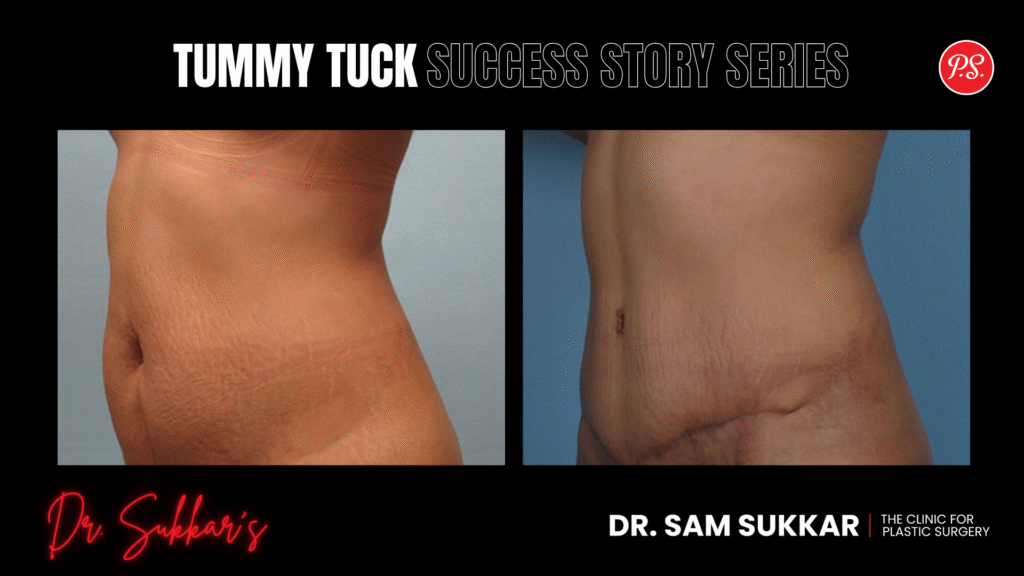

Six months after her 42nd birthday, Madison* stood in front of her bathroom mirror doing what she’d done hundreds of times before: pulling the loose skin on her abdomen taut, imagining what her midsection could look like. Three pregnancies had given her three beautiful children, but they’d also left her with separated abdominal muscles and skin that no amount of exercise could tighten.

She’d tried everything, planks, crunches, personal trainers, restrictive diets. Nothing worked. The separated muscles created a persistent bulge. The loose skin folded over itself. She felt defeated every time she got dressed.

Then came the moment that changed everything: a conversation with a friend who’d undergone abdominoplasty in Houston. Her friend didn’t just look different, she moved differently, carried herself differently. That confidence was contagious. Madison* scheduled a consultation the following week.

*The patient’s name was changed to protect their privacy. All medical details and photographic before and after results are from actual Patient Case #1310. Individual results may vary based on body type, surgical approach, and adherence to post-operative instructions.

Madison’s Path to Abdominal Transformation

The Physical and Emotional Toll

Madison* came to our Houston office describing a problem I hear frequently from postpartum women: despite maintaining a healthy lifestyle, her abdomen looked nothing like it did before children. At 5’3″ and 135 pounds, she wasn’t overweight, but her midsection told a different story. The muscle separation (diastasis recti) created a rounded appearance that made her look perpetually pregnant. The loose, crepey skin hung over her C-section scar, creating folds that chafed and limited her clothing choices.

She mentioned, “I avoided tucking in shirts,” she told me during our consultation. “I wore flowy tops to hide my stomach. I felt uncomfortable in form-fitting clothes, even though I’d worked hard to stay in shape everywhere else.” The psychological impact was significant. She avoided beach vacations, declined pool parties, and felt self-conscious during intimate moments with her husband.

Her goals were clear: repair the separated muscles, remove the excess skin, and create a smooth, toned abdominal contour that reflected her active lifestyle.

Addressing Pre-Surgical Questions

During our consultation, Madison* voiced concerns I frequently address with tummy tuck candidates:

Scarring: She worried about trading one aesthetic concern for another. I explained that while a scar is inevitable, my approach places the incision low, typically concealable beneath underwear and swimwear. Over time, with proper care and advanced scar management techniques, the scar fades significantly.

Recovery demands: As a working mother of three, she needed realistic expectations about downtime. I outlined a detailed timeline: two weeks away from work, six weeks before resuming exercise, and gradual return to full activities. She appreciated the honesty and planned accordingly.

Long-term results: Madison* wanted to ensure this investment would last. I reassured her that with stable weight maintenance and no future pregnancies, tummy tuck results are permanent. The muscle repair doesn’t come undone, and removed skin doesn’t regenerate.

Houston Tummy Tuck: 42-Year-Old Mom's Confidence Reborn - Tummy Tuck Success Story Series in Houston, Texas by Dr. Sam Sukkar, MD

Tailoring the Surgical Approach for Madison’s Body

The Comprehensive Procedure Plan

Based on Madison’s* anatomy and goals, I designed a full abdominoplasty, the most comprehensive option for addressing both muscle laxity and excess skin.

1. Full Abdominoplasty (Tummy Tuck)

  • Hip-to-hip incision placed strategically low along the bikini line
  • Complete repair of rectus diastasis (separated abdominal muscles)
  • Removal of all excess skin and fat below the umbilicus
  • Repositioning of the belly button for natural placement
  • Contouring of the entire abdominal wall from ribs to pubis

2. Muscle Plication (Diastasis Recti Repair)

  • Permanent suturing of separated rectus abdominis muscles
  • Restoration of functional abdominal wall strength
  • Creation of the flat, athletic contour Madison* desired

The combination addresses both the structural problem (muscle separation) and the aesthetic issue (excess skin). Unlike mini tummy tucks that only address the lower abdomen, Madison’s* full procedure provided comprehensive correction from her ribcage to her pubic area.

Why This Approach Made Sense

Madison’s* anatomy presented the classic indicators for full abdominoplasty. The muscle separation extended above her belly button, impossible to address with a mini procedure. The skin laxity affected her entire abdomen, not just the area below the navel. Attempting a less extensive procedure would have left her with incomplete results and potential disappointment.

Drawing on over 25 years of surgical experience, I’ve learned that matching the procedure to the patient’s specific anatomy, rather than defaulting to a “one size fits all” approach, determines success. Madison* needed muscle reconstruction as much as she needed skin removal. Half-measures wouldn’t deliver the transformation she sought.

The decision to perform a full tummy tuck rather than alternative procedures came down to her goals: she wanted comprehensive correction, not just removal of excess tissue. Her relatively normal BMI and good skin quality also meant she was an excellent candidate for optimal results.

Madison’s Recovery: From Surgery to Final Results

Days 1-3: Immediate Post-Op

The first 72 hours require patience and preparation. Madison* woke from surgery with surgical drains, compression garments, and specific positioning instructions. The discomfort during these early days comes primarily from muscle repair, the tightened abdominal wall feels intensely sore, similar to extreme post-workout muscle fatigue multiplied by ten.

She stayed in a slightly flexed position to minimize tension on the incision. Standing fully upright wasn’t possible yet, and forcing it would compromise healing. Her husband helped her move from bed to chair, supported her during bathroom visits, and managed drain outputs.

The drains collected excess fluid, preventing seroma formation. While inconvenient, they’re temporary, typically removed within 7-10 days once output decreases sufficiently.

Weeks 3-4: Regaining Independence

The third week marked a turning point. Madison* could stand fully upright without discomfort. She returned to work (desk job) with clearance, though she still fatigued more easily than normal. The compression garment remained essential, providing support and helping reduce swelling that naturally fluctuated throughout the day.

Weeks 5-8: Resuming Normal Activities

At six weeks post-op, Madison* received clearance to resume exercise. She started with walking, then gradually reintroduced light strength training. Her abdominal muscles, now repaired and strengthened, provided the core stability that had been missing for years.

The transformation became increasingly apparent. Swelling continued diminishing. The incision faded from bright pink to a lighter shade. Her clothing fit completely differently, she could tuck in shirts, wear form-fitting dresses, and shop without anxiety. She reported feeling “like myself again” for the first time since her first pregnancy.

For comprehensive guidance on navigating recovery, I always direct patients to our detailed tummy tuck recovery instructions.

Madison’s Six-Month Transformation

Six months post-surgery, Madison’s* results exemplified what full abdominoplasty can achieve for the right candidate. Her abdomen was flat, smooth, and naturally contoured. The muscle repair created a defined, athletic midsection. The scar, while still visible, sat low enough to remain hidden beneath all standard swimwear and underwear.

Beyond the physical measurements, the impact on Madison’s* life was profound. Madison* bought her first bikini in over a decade. She felt confident in fitted clothing. She reported improved posture and core strength during exercise. Her husband noted that she seemed lighter, happier, more present, no longer preoccupied with hiding her midsection.

“I wish I’d done this years ago,” she told me at her six-month follow-up. “I spent so much time and energy feeling self-conscious. Now I just feel… free.”

Houston Tummy Tuck: 42-Year-Old Mom's Confidence Reborn - Tummy Tuck Success Story Series in Houston, TX by Dr. Sam Sukkar, MD

What Made Madison’s Result Exceptional

Several factors contributed to Madison’s* outstanding outcome:

Realistic expectations from the start. She understood that surgery was a tool, not magic, and that her results would require maintaining stable weight and healthy habits. She approached the process as a partner in her own care.

Excellent surgical candidacy. Her stable weight, good skin quality, non-smoker status, and overall health positioned her for optimal healing. These factors can’t be overstated, they fundamentally influence surgical outcomes.

Meticulous surgical technique. Precise muscle plication, strategic tissue undermining, careful wound closure, and attention to aesthetic detail all contributed. My approach emphasizes not just removing excess tissue, but sculpting a natural, feminine contour that complements each patient’s unique frame.

Strict adherence to post-operative instructions. Madison* followed every recommendation, wearing compression garments as directed, avoiding premature activity, attending all follow-ups, and practicing appropriate scar management. Patient compliance directly correlates with results.

Strong surgical foundation. After performing thousands of tummy tucks across my career, pattern recognition guides my decision-making. I knew Madison’s* anatomy would respond well to full abdominoplasty, and the technique refinements I’ve developed over decades, from drain placement to layered closure, maximized her healing and aesthetic outcome.

Questions Specific to Madison’s Tummy Tuck Journey

Can a tummy tuck repair muscle separation that extends above the belly button?

Absolutely, and that’s precisely what Madison* needed. Diastasis recti often extends from the ribcage down to the pubic bone, particularly after multiple pregnancies. During full abdominoplasty, I repair the entire length of muscle separation using permanent sutures that pull the rectus muscles back to their proper midline position. This creates the flat, toned appearance and restores functional core strength. Mini tummy tucks can’t address separation above the navel, which is why Madison’s* anatomy required a comprehensive approach.

How soon after a tummy tuck can you return to caring for young children?

This is a critical consideration for mothers. For the first two weeks, you’ll need significant help with childcare, no lifting children, bending repeatedly, or performing strenuous tasks. By week three to four, you can gradually resume light childcare activities, though lifting restrictions typically remain until six weeks post-op. Madison* arranged for family assistance during the crucial early recovery phase, which allowed her to heal properly without compromising results. Planning this support system in advance is essential for any mother considering tummy tuck surgery in Houston.

Does repairing separated abdominal muscles improve core strength permanently?

Yes, the muscle repair is permanent, assuming you maintain stable weight and don’t experience future pregnancies. Madison* reported significantly improved core strength and stability once she resumed exercise at six weeks. The plication essentially reconstructs your abdominal wall, restoring the structural integrity that pregnancy disrupted. Many patients find they can finally engage their core muscles effectively during workouts, something that was impossible when the muscles were separated. This functional improvement is one of the most underappreciated benefits of abdominoplasty.

Ready to Write Your Own Tummy Tuck Success Story?

For years, Madison* adjusted her wardrobe, avoided certain situations, and felt disconnected from her body. But after taking the step to address what bothered her, she walked away six months later with a transformed midsection and renewed confidence. Her decision changed not just how she looked, but how she experienced daily life.

Your concerns might center on loose skin, separated muscles, stubborn fat deposits, or the lingering effects of C-sections. Perhaps you’ve worked hard to lose weight but can’t eliminate that final pocket of excess tissue. Maybe you’re tired of strategic dressing and want to feel comfortable in your own skin again.

The truth is straightforward: You deserve to feel confident and comfortable in your own body. Your body deserves the same dedication you give to fitness and health. If post-pregnancy changes are affecting your quality of life, transformation is possible.

Schedule Your Personalized Consultation here, or call us today at (281) 940-1535 and discover what’s possible for your unique body and goals in Houston!

Your Premier Destination for Plastic Surgery in Houston, Texas (TX)

Are you located in one of these Houston Metro Area cities?

Houston, The Woodlands, Sugar Land, Katy, Pearland, Pasadena, League City, Baytown, Conroe, Cypress, Spring, Kingwood, Humble, Missouri City, Friendswood, Bellaire, Clear Lake, Tomball, Galveston, Richmond, Rosenberg, Stafford, La Porte, Deer Park, Seabrook, Webster, Alvin, and Channelview.

Board-Certified Plastic Surgeon Dr. Sam Sukkar, MD, FACS, and The Clinic for Plastic Surgery Team are here to help you achieve refined, natural-looking results.

Offering expert cosmetic enhancements in:

  • Breast Augmentation, Breast Lifts, and Breast Reduction
  • Tummy Tucks, Mommy Makeovers, and Liposuction
  • Facelifts, Neck Lifts, and Rhinoplasty
  • Body Contouring and Skin Tightening Procedures
  • Non-Surgical Aesthetic Treatments

Visit our modern 18,000+ sq.ft. luxurious plastic surgery center and med spa in Houston, Texas, where expertise meets artistry. Our highly skilled and compassionate team ensures a seamless experience, from consultation to recovery.

For patients outside of the Houston area or those with a busy schedule, Schedule a Virtual Consultation.

Schedule your personalized consultation today at DrSukkar.com or call (281) 940-1535.

About the Author – Meet Dr. Sam Sukkar, MD

Dr. Sam Sukkar, MD, FACS is a highly respected Board-Certified Plastic Surgeon in Houston, Texas, known for his expertise in advanced cosmetic and reconstructive procedures. As the founder of The Clinic for Plastic Surgery, Dr. Sukkar has set a new standard for excellence, performing over 20,000 procedures with a focus on delivering natural, refined results.

Dr. Sukkar earned his Doctor of Medicine (M.D.) degree from Louisiana State University School of Medicine in 1992 after graduating summa cum laude with a Bachelor of Science in Microbiology. He then completed an intensive General Surgery Residency at the University of Texas Hermann Hospital before being selected for a highly competitive Plastic Surgery Fellowship at Northwestern University in Chicago, one of the most prestigious training programs in the country.

With more than 20 years of experience, Dr. Sukkar is a Diplomate of the American Board of Plastic Surgery and a Fellow of the American College of Surgeons (FACS). He is also an active member of the American Society of Plastic Surgeons (ASPS) and the Houston Society of Plastic Surgery (HSPS). His dedication to innovation and continuing education has solidified his reputation as a leading expert in aesthetic surgery, specializing in breast surgery, body contouring, facial procedures, and non-invasive treatments.

Dr. Sukkar’s expertise has been recognized by Houston Magazine, naming him one of Houston’s “Top Docs for Women,” and he has been featured among RealSelf’s America’s Top Doctors. Committed to his patients, he prioritizes personalized care, ensuring every individual feels informed, comfortable, and confident in their aesthetic journey.

Contact Dr. Sukkar today to schedule a consultation, visit DrSukkar.com to learn more, or call us directly at (281) 940-1535.

Tummy Tuck After Weight Loss: Houston Patient’s Journey

Tummy Tuck Success Story Series by Dr. Sam Sukkar, MD | Case Study #1299


This is part of our series featuring real patient transformations at The Clinic for Plastic Surgery. Each case study provides an in-depth look at actual procedures, recovery experiences, and results from Houston patients who’ve undergone tummy tuck surgery with Dr. Sam M. Sukkar.


The consultation room felt different that afternoon. Most patients arrive with uncertainty, questions tucked behind nervous smiles. But when this 35-year-old Houston patient sat across from me, her determination was unmistakable. She’d spent two years losing 60 pounds through disciplined diet and exercise. The weight was gone. The loose, sagging abdominal skin remained, a stubborn reminder of her journey that no amount of planking or cardio could fix.

She pulled out before photos on her phone, images documenting her transformation from 220 pounds to her current weight. “I did everything right,” she said quietly. “But my body doesn’t reflect the work I put in.”

I see this often in my Houston practice: dedicated patients who’ve conquered the hardest part, the weight loss, only to face a new challenge their efforts can’t address. That’s where surgical body contouring becomes not just cosmetic, but restorative.

*The patient’s name was changed to protect their privacy. All medical details and photographic before and after results are from actual Patient Case #1299. Individual results may vary based on body type, surgical approach, and adherence to post-operative instructions.

Tummy Tuck After Weight Loss: Houston Patient’s Journey - Tummy Tuck Success Story Series in Houston, Texas by Dr. Sam Sukkar, MD

What Led Destiny* to Body Contouring in Houston

Destiny* Concerns and Realistic Expectations

Destiny* came to my Houston practice with a clear understanding of what surgery could, and couldn’t, accomplish. At 5’4″ and 160 pounds, she’d worked hard to reach a stable, healthy weight. But the excess abdominal skin told a different story than the one she’d earned.

Her concerns centered on three specific areas: severe skin laxity across her entire midsection that created uncomfortable folds, a protruding lower abdomen that undermined her silhouette despite her flat underlying muscle wall, and stubborn flanks that remained disproportionate to her transformed frame.

What impressed me during our consultation was Destiny’s* realistic mindset. She understood that abdominoplasty wasn’t about achieving magazine-cover perfection, it was about creating a body contour that matched the healthy lifestyle she’d built. She’d maintained her goal weight for eight months, demonstrating the stability essential for optimal surgical outcomes.

Addressing Pre-Surgery Questions

Three concerns emerged during our discussion:

Scarring: Destiny’s* worried about trading loose skin for prominent scars. I explained my advanced closure techniques, meticulous layered suturing, strategic incision placement within the natural bikini line, and post-operative scar management protocols that significantly minimize visibility. After 25+ years performing body contouring procedures, I’ve refined methods that consistently produce thin, well-concealed scars.

Recovery timeline: As a working professional, Destiny* needed realistic expectations. I outlined the two-week period before returning to desk work, the four-week mark for light activities, and the three-month timeline for complete healing. Transparency about recovery helps patients plan appropriately.

Result longevity: Would future weight fluctuations compromise her results? I emphasized that maintaining stable weight within 10-15 pounds protects surgical outcomes. Her proven commitment to her healthy lifestyle suggested she’d preserve her transformation long-term.

Dr. Sukkar’s Surgical Strategy for Post-Weight Loss Contouring

Comprehensive Procedure Approach

For Destiny*, a single procedure wouldn’t address the full scope of her concerns. Her transformation required a strategic combination:

1. Full Abdominoplasty (Complete Tummy Tuck)

  • Extensive skin excision from pubic area to lower ribcage, removing approximately 3-4 pounds of excess tissue
  • Horizontal incision placed precisely within bikini line for optimal concealment
  • Vertical navel repositioning to maintain natural appearance and proportion

2. Muscle Repair (Rectus Plication)

  • Tightening of separated abdominal muscles (diastasis recti) that had stretched during previous weight gain
  • Internal corset-like repair creating firm, supportive core structure
  • Restoration of functional strength alongside aesthetic improvement

3. Circumferential Liposuction

  • Targeted fat removal from flanks (love handles) to create smooth transition from abdomen to back
  • Sculpting of lateral waist for improved hourglass proportion
  • Approximately 1500cc of fat removed to refine overall contour

This combined approach addresses both excess skin and remaining stubborn fat deposits, the hallmark challenge of post-weight loss bodies. The procedures work synergistically: abdominoplasty removes redundant tissue and tightens the foundation, while liposuction refines the surrounding contours for balanced, natural-looking results.

The Medical Reasoning Behind This Approach

Destiny* case exemplified why individualized surgical planning matters. Her significant weight loss created specific anatomical challenges that cookie-cutter approaches can’t address effectively.

The extent of her skin laxity required full abdominoplasty rather than a mini procedure. A limited approach would have left mid and upper abdominal skin unaddressed, compromising the transformation she’d worked so hard to achieve. The full technique allowed me to remove maximum redundant tissue while repositioning her navel naturally.

Muscle repair was non-negotiable. Despite her weight loss, Destiny’s* abdominal wall showed separation from previous stretching. Without addressing this internal structure, her abdomen would lack the firm, flat foundation essential for optimal contours. The plication essentially rebuilt her core architecture.

Adding circumferential liposuction addressed the proportionality issue many post-weight loss patients face. While her abdomen needed skin removal, her flanks required fat reduction. This combined strategy created harmonious, balanced results from front to back, avoiding the disproportionate appearance that single-procedure approaches sometimes produce.

Throughout my career, I’ve learned that the most successful outcomes come from surgical plans tailored to each patient’s unique anatomy and goals. Destiny’s* procedure, performed over approximately four hours under general anesthesia, reflected this philosophy of comprehensive, individualized care.

Destiny’s* Healing Journey: From Surgery to Final Results

The First Two Weeks Post-Operatively

Destiny* woke in recovery with compression garments securing her new contours and manageable discomfort controlled by prescribed medication. She described the sensation as “tightness and soreness, like the most intense abdominal workout imaginable”, an accurate description most patients echo.

I sent her home the same day with detailed instructions: sleep in a reclined position to minimize tension on incisions, take short walks every few hours to prevent blood clots, and avoid any lifting or straining. Her partner helped her move carefully, supporting her as she adjusted to her body’s new configuration.

The first 72 hours demanded patience. Destiny* experienced expected swelling, limited mobility requiring assistance with basic tasks, and fatigue as her body channeled energy toward healing. She followed our recovery protocols precisely, no shortcuts, no rushing.

Week 1-2: Progressive Improvement

By day five, Destiny* noticed substantial improvement. Pain had diminished to manageable discomfort, she could walk more upright (though still slightly bent), and she began showering independently with waterproof dressing protection.

The ten-day mark brought her first post-op appointment. I removed her surgical drains, a milestone patients always celebrate. Her incisions showed excellent healing with no signs of complications. We discussed critical recovery rules she’d continue following:

Wear compression garments 24/7 for six weeks to control swelling and support healing tissues. Avoid any lifting over 10 pounds for four weeks to protect muscle repair integrity. No exercise beyond gentle walking for six weeks to prevent complications. Attend all follow-up appointments for monitoring and optimal outcome assurance.

Destiny* returned to desk work at two weeks, still wearing loose clothing over her compression garment but feeling encouraged by visible changes despite residual swelling.

Months Two Through Six: The Transformation Unfolds

The one-month milestone marked significant progress. Swelling had decreased dramatically, revealing the sculpted contours we’d created. Destiny* could stand fully upright without discomfort, resume driving, and return to most daily activities.

She began appreciating her new silhouette: a flat, firm abdomen that complemented her hard-earned weight loss, smooth flanks without the persistent bulge that had frustrated her, and restored confidence in fitted clothing.

Final Results: Three to Six Months

Complete healing takes patience, but Destiny* dedication to post-operative care paid dividends. By three months, residual swelling had resolved, revealing her final contours. Her tummy tuck results exceeded her expectations: a transformation that finally matched the disciplined lifestyle she’d embraced.

At her six-month follow-up, Destiny* had maintained her stable weight of 160 pounds. Her incision had faded to a thin line easily concealed beneath swimwear and underwear, testimony to meticulous surgical technique and proper scar management. More importantly, she reported improved posture, renewed confidence, and gratitude for finally seeing external results that reflected her internal transformation.

Remarkable Outcome: Destiny* Six-Month Transformation

At six months post-operatively, Destiny’s* results demonstrated the life-changing impact comprehensive body contouring can achieve for dedicated post-weight loss patients.

Verified Surgical Outcomes:

  • Removal of approximately 3-4 pounds of excess abdominal skin and tissue
  • Extraction of 1500cc of fat from flanks through circumferential liposuction
  • Complete muscle wall repair with restored core strength and function
  • Scar measuring approximately 12 inches, placed within natural bikini line and fading excellently
  • Final stable weight maintained at 160 pounds (down 60 pounds from original 220)

The physical transformation was undeniable: a flat, contoured abdomen free from the loose skin that had undermined her weight loss achievement, smooth flanks that created balanced, proportionate silhouette from every angle, and a well-concealed incision that traded problematic excess tissue for minimal, strategic scarring.

Beyond measurements, Destiny* experienced profound quality-of-life improvements. She reported wearing fitted clothes confidently for the first time in years, feeling that her external appearance finally reflected her healthy lifestyle, and experiencing enhanced core strength that improved her posture and exercise performance.

During our final consultation, she shared something that resonated: “For two years, people congratulated me on my weight loss. But I still felt uncomfortable in my own skin. Now, I finally feel like the outside matches the work I put in.”

Tummy Tuck After Weight Loss: Houston Patient’s Journey - Tummy Tuck Success Story Series in Houston, TX by Dr. Sam Sukkar, MD

Why This Result Exceeded Expectations

Several factors contributed to Destiny’s* exceptional outcome:

Patient selection and timing: She achieved stable weight maintenance for eight months pre-surgery, demonstrating commitment and creating optimal conditions for healing. Rushing into body contouring before weight stabilization compromises results.

Comprehensive surgical approach: The combination of full abdominoplasty, muscle repair, and circumferential liposuction addressed all components of her post-weight loss anatomy. Partial solutions would have left concerns unaddressed.

Surgical precision: Meticulous tissue handling, strategic incision placement, and refined closure techniques minimized complications while maximizing aesthetic outcomes. Twenty-five years of experience refining these methods makes a measurable difference.

Exemplary post-operative compliance: Destiny* followed every recovery instruction without exception. She wore compression garments as directed, avoided premature activity, attended all follow-ups, and maintained her healthy lifestyle. Patient commitment directly correlates with result quality.

Realistic expectations: Understanding that surgery would address skin laxity and contour, not serve as weight loss, positioned Destiny* for satisfaction. Her goals aligned with surgical capabilities, creating the foundation for a successful outcome.

For Houston patients considering body contouring after significant weight loss, procedures like Destiny*, combining full abdominoplasty, muscle repair, and liposuction, typically represent an investment of $12,000 to $18,000 depending on procedure extent and individual anatomy. Flexible financing options starting at $250/month make this transformation accessible for qualified patients committed to their results.

Common Questions About Post-Weight Loss Tummy Tucks

Can I combine full abdominoplasty with flank liposuction in one surgery like Destiny* did?

Absolutely, and for many post-weight loss patients, this combination produces superior results compared to staging procedures separately. Destiny’s* case perfectly illustrates why: her abdomen required extensive skin removal while her flanks needed fat reduction for proportional balance. Performing both simultaneously created harmonious contouring with a single recovery period. The key considerations are surgical duration (typically 3-4 hours for combined procedures), patient health status, and realistic recovery expectations. During consultation, I evaluate whether combined approaches suit your specific anatomy and goals.

How much weight loss should I achieve before considering abdominoplasty?

The critical factor isn’t reaching a specific number, it’s achieving weight stability. Destiny* maintained her 160-pound weight for eight months before surgery, demonstrating the commitment essential for lasting results. I recommend patients reach their goal weight and maintain it for at least 3-6 months before body contouring. Significant weight fluctuations after surgery can compromise your results, potentially causing skin re-stretching or contour irregularities. If you’re still actively losing weight, tummy tuck surgery should wait until you’ve achieved and stabilized at your target.

Will my incision scar be as minimal as Destiny’s* results showed at six months?

Scar appearance depends on multiple factors: surgical technique (meticulous layered closure significantly improves outcomes), incision placement (strategic positioning within bikini line enhances concealment), individual healing characteristics (genetics influence scar quality), and post-operative care (following scar management protocols optimizes fading). Destiny* excellent scar resulted from all these elements working together. During your consultation, I’ll show you actual patient photos demonstrating typical scar appearance at various healing stages, helping you set realistic expectations for your unique situation.

Ready to Write Your Own Tummy Tuck Success Story?

Destiny* entered my Houston office carrying the weight of two years’ dedication, 60 pounds lost, a healthier lifestyle built, but loose abdominal skin that undermined everything she’d achieved. Six months after her comprehensive body contouring procedure, she’d finally completed her transformation with a contoured silhouette that reflected her commitment.

Your journey might look different. Maybe you’re wondering whether you’ve reached sufficient weight stability, concerned about balancing recovery with work responsibilities, or trying to understand which surgical approach suits your specific body type.

The essential truth remains: You deserve to feel confident and comfortable in your own body. You’ve worked hard, your body should reflect that effort. If post-weight loss changes are affecting your quality of life, transformation is possible.

Schedule Your Personalized Consultation here, or call us today at (281) 940-1535 and discover what’s possible for your unique body and goals in Houston!

Your Premier Destination for Plastic Surgery in Houston, Texas (TX)

Are you located in one of these Houston Metro Area cities?

Houston, The Woodlands, Sugar Land, Katy, Pearland, Pasadena, League City, Baytown, Conroe, Cypress, Spring, Kingwood, Humble, Missouri City, Friendswood, Bellaire, Clear Lake, Tomball, Galveston, Richmond, Rosenberg, Stafford, La Porte, Deer Park, Seabrook, Webster, Alvin, and Channelview.

Board-Certified Plastic Surgeon Dr. Sam Sukkar, MD, FACS, and The Clinic for Plastic Surgery Team are here to help you achieve refined, natural-looking results.

Offering expert cosmetic enhancements in:

  • Breast Augmentation, Breast Lifts, and Breast Reduction
  • Tummy Tucks, Mommy Makeovers, and Liposuction
  • Facelifts, Neck Lifts, and Rhinoplasty
  • Body Contouring and Skin Tightening Procedures
  • Non-Surgical Aesthetic Treatments

Visit our modern 18,000+ sq.ft. luxurious plastic surgery center and med spa in Houston, Texas, where expertise meets artistry. Our highly skilled and compassionate team ensures a seamless experience, from consultation to recovery.

For patients outside of the Houston area or those with a busy schedule, Schedule a Virtual Consultation.

Schedule your personalized consultation today at DrSukkar.com or call (281) 940-1535.

About the Author – Meet Dr. Sam Sukkar, MD

Dr. Sam Sukkar, MD, FACS is a highly respected Board-Certified Plastic Surgeon in Houston, Texas, known for his expertise in advanced cosmetic and reconstructive procedures. As the founder of The Clinic for Plastic Surgery, Dr. Sukkar has set a new standard for excellence, performing over 20,000 procedures with a focus on delivering natural, refined results.

Dr. Sukkar earned his Doctor of Medicine (M.D.) degree from Louisiana State University School of Medicine in 1992 after graduating summa cum laude with a Bachelor of Science in Microbiology. He then completed an intensive General Surgery Residency at the University of Texas Hermann Hospital before being selected for a highly competitive Plastic Surgery Fellowship at Northwestern University in Chicago, one of the most prestigious training programs in the country.

With more than 20 years of experience, Dr. Sukkar is a Diplomate of the American Board of Plastic Surgery and a Fellow of the American College of Surgeons (FACS). He is also an active member of the American Society of Plastic Surgeons (ASPS) and the Houston Society of Plastic Surgery (HSPS). His dedication to innovation and continuing education has solidified his reputation as a leading expert in aesthetic surgery, specializing in breast surgery, body contouring, facial procedures, and non-invasive treatments.

Dr. Sukkar’s expertise has been recognized by Houston Magazine, naming him one of Houston’s “Top Docs for Women,” and he has been featured among RealSelf’s America’s Top Doctors. Committed to his patients, he prioritizes personalized care, ensuring every individual feels informed, comfortable, and confident in their aesthetic journey.

Contact Dr. Sukkar today to schedule a consultation, visit DrSukkar.com to learn more, or call us directly at (281) 940-1535.

Tummy Tuck at 39: Houston Mom’s Post-C-Section Transformation

Tummy Tuck Success Story Series by Dr. Sam Sukkar, MD in Houston, TX | Case Study #1288


This is part of our series featuring real patient transformations at The Clinic for Plastic Surgery. Each case study provides an in-depth look at actual procedures, recovery experiences, and results from Houston patients who’ve undergone tummy tuck with Dr. Sam M. Sukkar.
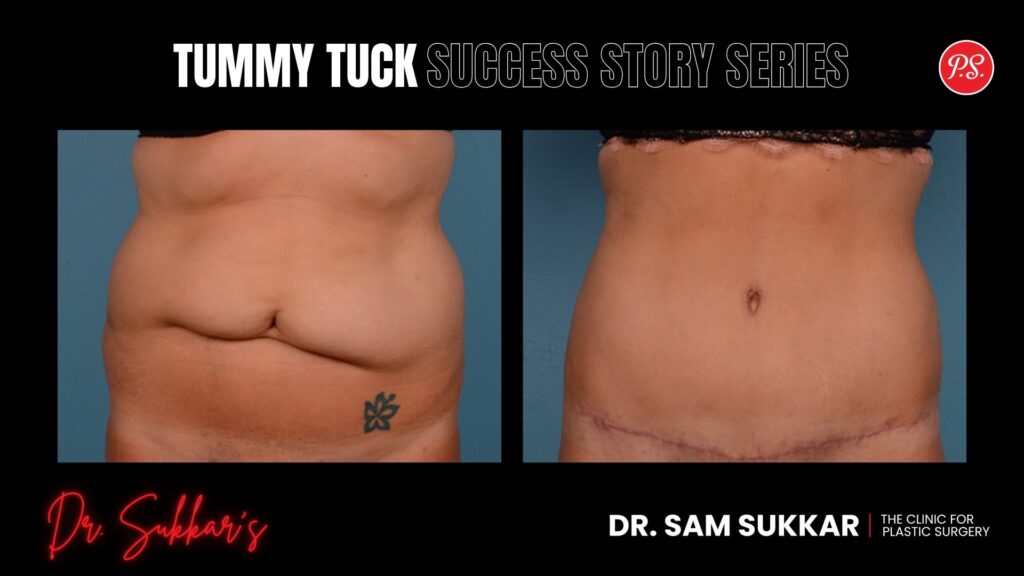

She stood in front of the mirror one evening after putting her kids to bed. The house was finally quiet. No demands, no distractions, just her reflection staring back. And what she saw wasn’t just loose skin or a stubborn pooch. It was a reminder of everything her body had been through: two C-sections, significant weight fluctuations, and years of prioritizing everyone else.

At 39, she wasn’t asking for perfection. She wanted to look in the mirror and recognize herself again. That’s when she scheduled her consultation with me.

*The patient’s name was changed to protect their privacy. All medical details and photographic before and after results are from actual Patient Case #1288. Individual results may vary based on body type, surgical approach, and adherence to post-operative instructions.

Tummy Tuck at 39: Houston Mom’s Post-C-Section Transformation - Tummy Tuck Success Story Series in Houston, Texas by Dr. Sam Sukkar, MD

What Brought Jasmine’s* to My Houston Office

Post-Pregnancy Changes That Wouldn’t Budge

Jasmine’s* came to me with concerns that extended beyond aesthetics. After two cesarean deliveries, her abdominal wall had undergone significant trauma. The vertical rectus muscles, those paired muscles running down the front of your abdomen, had separated considerably (a condition called diastasis recti). No amount of planking or core work was going to bring them back together.

Standing 5’4″ and weighing 145 pounds, she’d already done the hard work of losing her pregnancy weight. But her midsection told a different story. Loose, crepey skin hung over her C-section scars. The muscle separation created a persistent bulge that made her look months pregnant even when she wasn’t. Her clothes didn’t fit right. Swimsuit shopping had become an exercise in frustration.

During our initial meeting, Jasmine’s* was clear about what she wanted: a flat, toned abdomen that reflected the effort she’d put into getting healthy. She didn’t want to look “overdone” or dramatically different, she wanted to look like herself, just restored. That’s the kind of honest expectation I appreciate because it’s entirely achievable with abdominoplasty in Houston.

Addressing Pre-Surgical Concerns

Jasmine’s* arrived with several questions that I hear frequently from Houston moms:

Scarring: She was concerned about trading one visible issue for another. I explained that while a tummy tuck procedure scar is inevitable, I place the incision strategically along the bikini line where it can be concealed by most underwear and swimwear. Over time, with proper care, these scars fade significantly.

Recovery logistics: As a working mom with two young children, she needed realistic timelines. I was transparent: the first two weeks would require help with childcare and household tasks. She couldn’t lift anything heavier than a gallon of milk for six weeks. But most patients return to desk work within two to three weeks.

Longevity of results: She wanted to know if this was a permanent fix. I explained that tummy tuck results are indeed long-lasting, provided she maintained stable weight and didn’t have future pregnancies.

These weren’t trivial concerns, they were practical considerations that every patient should think through before committing to surgery.

Dr. Sukkar’s Surgical Approach for Jasmine’s* Transformation

The Procedure Blueprint

Jasmine’s* needed more than skin removal. Her case required comprehensive abdominal wall reconstruction combined with strategic contouring. Here’s what we performed:

1. Full Abdominoplasty (Complete Tummy Tuck)

  • Made a low horizontal incision extending hip-to-hip, positioned to remain hidden beneath undergarments
  • Elevated the abdominal skin and subcutaneous tissue from the muscular wall
  • Removed significant excess skin and stretched tissue from the lower abdomen

2. Rectus Muscle Plication (Abdominal Wall Repair)

  • Identified and measured the diastasis recti (separation between the rectus abdominis muscles)
  • Sutured the separated muscles back together along the midline from sternum to pubic bone
  • Created internal corset-like support that restored core strength and flattened the abdominal profile

3. Umbilical Repositioning

  • Created a new opening for the belly button in its natural position
  • Secured the umbilical stalk through the newly tightened abdominal wall
  • Ensured natural appearance and proper healing

This combination addresses both the structural damage (muscle separation) and aesthetic concerns (excess skin, contour irregularities). It’s not just about pulling skin tight, it’s about rebuilding the abdominal foundation from the inside out. That’s what distinguishes a full tummy tuck from less comprehensive approaches.

Why This Comprehensive Approach Was Essential

Some surgeons might have suggested a mini tummy tuck given Jasmine’s* relatively modest weight. But that would have been inadequate. Her muscle separation extended above the belly button, requiring full-length plication. The excess skin was distributed across the entire abdomen, not just below the navel.

In my 25+ years of practice, I’ve learned that choosing the right procedure the first time prevents the need for revision surgery later. A mini tummy tuck has its place, typically for patients with isolated lower abdominal laxity and no upper abdominal concerns. That wasn’t Jasmine’s*.

I also considered combining liposuction with her tummy tuck, but her tissue quality and distribution didn’t warrant it. She didn’t have significant fat deposits in her flanks or upper abdomen, her issue was purely structural and skin-related. Adding unnecessary procedures increases surgical time, cost, and recovery burden without improving outcomes. My job is to do exactly what you need, nothing less, nothing more.

Jasmine’s* Path to Recovery After Tummy Tuck Surgery in Houston

Days 1-3: Immediate Post-Op

Coming out of anesthesia, Jasmine’s* felt tight, swollen, and sore, all completely expected. She stayed slightly bent forward at the waist for the first few days to avoid tension on her incision. Standing fully upright too quickly can stress the repair and increase discomfort.

She went home wearing a compression garment that she’d keep on almost continuously for the next six weeks. This isn’t optional, it reduces swelling, supports the healing tissues, and helps skin conform to its new contours.

Week 1-2: Gradual Improvement

By day five, she was moving around her house more easily, though still requiring help with her children. The swelling peaked around day three, then slowly began subsiding. She experienced some numbness across her lower abdomen, a normal consequence of nerve disruption during surgery that gradually improves over months.

Critical recovery instructions she followed:

No lifting over 10 pounds for six weeks. This includes children, grocery bags, laundry baskets, and pets.

Sleep in a reclined position. Using a wedge pillow or recliner prevents tension on the incision and reduces swelling.

Walk daily, but don’t exercise. Gentle walking improves circulation and prevents blood clots. But no gym, no yoga, no core work yet.

Keep the incision clean and dry. Follow all wound care instructions precisely to prevent infection and optimize scar healing.

Weeks 3-6: Returning to Normal Life

This is when most patients begin feeling like themselves again. Jasmine’s* was standing upright comfortably, driving, and handling light daily activities. The tightness had transformed from uncomfortable restriction to a supportive, secure feeling. She returned to work at week three with her compression garment discreetly worn under clothing.

Weeks 5-8: Seeing the Transformation

By six weeks post-op, Jasmine’s* was cleared for full activity, including exercise. The dramatic swelling had resolved, revealing her new contours. Her abdomen was flat, her waistline defined, and her C-section scars, which had been visible before, were now concealed within the new, lower tummy tuck incision.

At her two-month follow-up, she showed me photos from a family beach vacation. Bikini photos. Something she hadn’t worn confidently in years. That’s when I knew we’d achieved exactly what she came for.

Jasmine’s* Tummy Tuck Transformation in Houston: Six-Month Results

The numbers tell part of the story. At six months post-surgery, Jasmine’s* maintained her 145-pound weight, exactly where she was before surgery. But her body composition and silhouette were dramatically different. Her abdominal profile was flat and toned. The muscle repair eliminated the pregnancy-induced bulge. The excess skin that had hung persistently was gone, replaced by smooth, firm contours.

But photographs and measurements don’t capture the complete picture. Jasmine’s* told me she’d started wearing fitted dresses again, styles she’d avoided for years. She no longer felt self-conscious at her kids’ swim meets. Most importantly, she felt aligned with her efforts: she’d worked hard to lose weight and get healthy, and now her body finally reflected that commitment.

Tummy Tuck at 39: Houston Mom’s Post-C-Section Transformation - Tummy Tuck Success Story Series in Houston, TX by Dr. Sam Sukkar, MD

What Made Jasmine’s* Outcome Exceptional

Several factors contributed to her excellent result:

1. Realistic expectations from the start: She understood tummy tuck surgery wasn’t about achieving some impossible standard, it was about restoration and confidence. That mindset sets patients up for satisfaction.

2. Strong tissue quality: Despite two pregnancies and C-sections, her skin had reasonable elasticity. This allowed for smooth redistribution and healing without contour irregularities.

3. Stable weight maintenance: She came to surgery at a healthy, stable weight and maintained it afterward. Weight fluctuations can compromise surgical results, so timing matters.

4. Excellent compliance with post-operative instructions: She followed every guideline I gave her, compression garment wear, activity restrictions, wound care, and follow-up appointments. Patient compliance directly correlates with outcome quality.

5. Comprehensive surgical approach: By addressing both the muscle separation and skin excess simultaneously, we corrected all structural issues in one surgery rather than requiring multiple procedures.

This is what Houston tummy tuck transformations look like when planning, execution, and patient participation align perfectly.

Common Questions About Tummy Tuck After Multiple C-Sections

Can a tummy tuck remove old C-section scars?

Yes, in most cases. During abdominoplasty, I remove the excess lower abdominal skin, which typically includes the area where C-section scars are located. The new incision is positioned strategically along the bikini line, effectively replacing the old scars with a single, well-concealed one. Jasmine’s* previous C-section scars were completely excised during her procedure.

Is muscle repair necessary if I only want skin removal?

If you have diastasis recti (muscle separation), skipping the repair will leave you with a persistent bulge even after skin removal. In Jasmine’s* case, her abdominal muscles had separated significantly from two pregnancies. Repairing them was essential for achieving a flat result. During consultation, I assess the integrity of your abdominal wall and recommend repair only when structurally necessary. Learn more about tummy tuck candidates here.

How long before I can lift my children again after surgery?

This is the most common concern I hear from mothers. For the first six weeks, no lifting over 10 pounds, that includes toddlers and car seats. I know this is challenging logistically, but lifting too early can disrupt the muscle repair, cause bleeding, or compromise your incision healing. Jasmine’s* arranged for childcare help during this period, which was essential to her smooth recovery. After six weeks, you can gradually resume normal lifting as tolerated.

Ready to Write Your Own Tummy Tuck Success Story in Houston?

For years, Jasmine’s* had accepted that her post-pregnancy body was simply “the new normal.” She believed the separated muscles, loose skin, and persistent bulge were permanent consequences of motherhood. But after her consultation, she realized that wasn’t true. Ten months after surgery, she looks at her reflection and recognizes herself, confident, strong, and aligned with the health efforts she’d been making all along.

Your story might be different. Maybe you’re dealing with stubborn excess skin after significant weight loss, wondering if muscle repair is really necessary, or trying to understand whether you’re a candidate for surgery.

But the common thread is this: You deserve to feel confident and comfortable in your own body. You’ve worked hard, your body should reflect that effort. If post-pregnancy changes are affecting your quality of life, transformation is possible.

Schedule Your Personalized Consultation here, or call us today at (281) 940-1535 and discover what’s possible for your unique body and goals in Houston!

Your Premier Destination for Tummy Tuck Plastic Surgery in Houston, Texas (TX)

Are you located in one of these Houston Metro Area cities?

Houston, The Woodlands, Sugar Land, Katy, Pearland, Pasadena, League City, Baytown, Conroe, Cypress, Spring, Kingwood, Humble, Missouri City, Friendswood, Bellaire, Clear Lake, Tomball, Galveston, Richmond, Rosenberg, Stafford, La Porte, Deer Park, Seabrook, Webster, Alvin, and Channelview.

Board-Certified Plastic Surgeon Dr. Sam Sukkar, MD, FACS, and The Clinic for Plastic Surgery Team are here to help you achieve refined, natural-looking results.

Offering expert cosmetic enhancements in:

  • Breast Augmentation, Breast Lifts, and Breast Reduction
  • Tummy Tucks, Mommy Makeovers, and Liposuction
  • Facelifts, Neck Lifts, and Rhinoplasty
  • Body Contouring and Skin Tightening Procedures
  • Non-Surgical Aesthetic Treatments

Visit our modern 18,000+ sq.ft. luxurious plastic surgery center and med spa in Houston, Texas, where expertise meets artistry. Our highly skilled and compassionate team ensures a seamless experience, from consultation to recovery.

For patients outside of the Houston area or those with a busy schedule, Schedule a Virtual Consultation.

Schedule your personalized consultation today at DrSukkar.com or call (281) 940-1535.

About the Author – Meet Dr. Sam Sukkar, MD

Dr. Sam Sukkar, MD, FACS is a highly respected Board-Certified Plastic Surgeon in Houston, Texas, known for his expertise in advanced cosmetic and reconstructive procedures. As the founder of The Clinic for Plastic Surgery, Dr. Sukkar has set a new standard for excellence, performing over 20,000 procedures with a focus on delivering natural, refined results.

Dr. Sukkar earned his Doctor of Medicine (M.D.) degree from Louisiana State University School of Medicine in 1992 after graduating summa cum laude with a Bachelor of Science in Microbiology. He then completed an intensive General Surgery Residency at the University of Texas Hermann Hospital before being selected for a highly competitive Plastic Surgery Fellowship at Northwestern University in Chicago, one of the most prestigious training programs in the country.

With more than 20 years of experience, Dr. Sukkar is a Diplomate of the American Board of Plastic Surgery and a Fellow of the American College of Surgeons (FACS). He is also an active member of the American Society of Plastic Surgeons (ASPS) and the Houston Society of Plastic Surgery (HSPS). His dedication to innovation and continuing education has solidified his reputation as a leading expert in aesthetic surgery, specializing in breast surgery, body contouring, facial procedures, and non-invasive treatments.

Dr. Sukkar’s expertise has been recognized by Houston Magazine, naming him one of Houston’s “Top Docs for Women,” and he has been featured among RealSelf’s America’s Top Doctors. Committed to his patients, he prioritizes personalized care, ensuring every individual feels informed, comfortable, and confident in their aesthetic journey.

Contact Dr. Sukkar today to schedule a consultation, visit DrSukkar.com to learn more, or call us directly at (281) 940-1535.