Lipo 360 With Ab Etching for Men: What It Is, How It Works, and Who It’s For

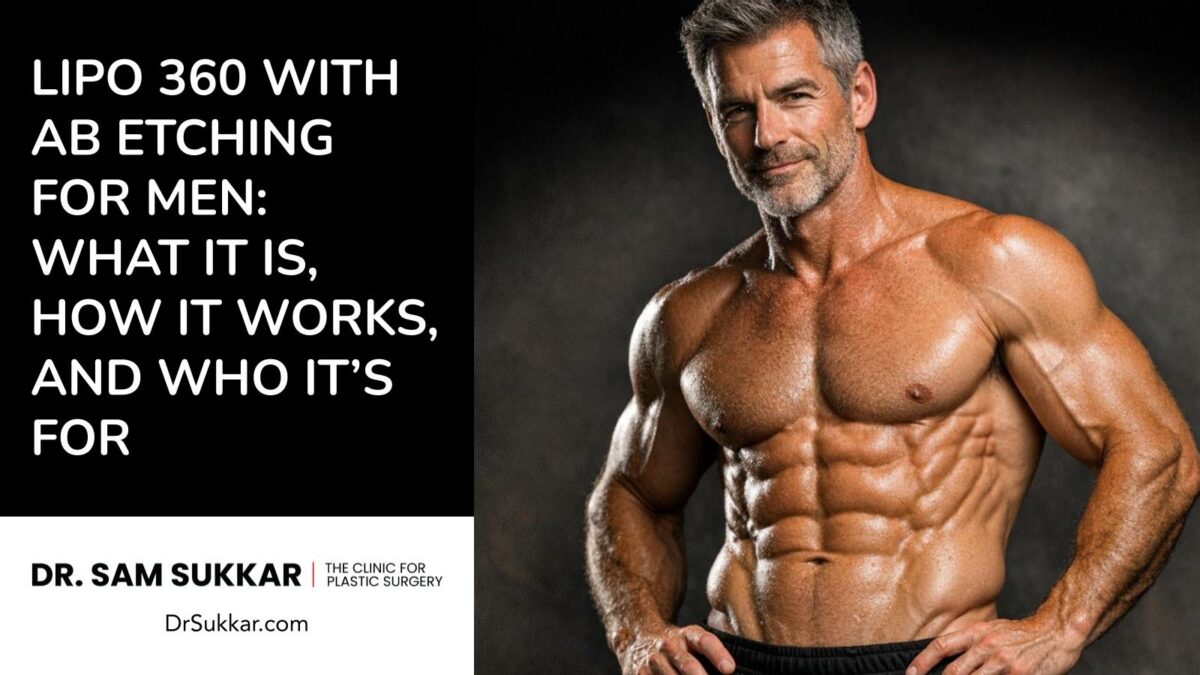
Lipo 360 with ab etching is a cosmetic surgery approach that removes stubborn fat around the torso and precisely sculpts natural muscle lines for six pack abs. In one coordinated surgical procedure, a circumferential liposuction is performed and then the superficial layers of fat over the abdominal muscles are refined to sharpen their definition. For the right candidate at a healthy weight with good muscle tone, it can dramatically enhance abdominal contour and overall body proportion.

Patients considering this combination want more than simple fat removal. They want a tighter waistline, a flatter abdomen, and visible, natural lines that match their fitness goals. The core steps include a detailed personal consultation, Lipo 360 to target small pockets of unwanted fat around the abdomen, flanks, and back, and high definition abdominal etching to highlight the six pack. Most patients return to light activity within a few weeks and see final results once temporary swelling subsides.

Key Takeaways of Lipo 360 With Abdominal Etching for Men

  • Lipo 360 with ab etching is a high definition body contouring procedure for men that removes stubborn fat around the entire torso while sculpting natural-looking six pack lines over existing muscles.
  • Ideal candidates for lipo 360 with ab etching are healthy men near their goal weight with good skin elasticity, visible underlying muscle tone, and realistic expectations.
  • This procedure can dramatically improve waistline shape, abdominal contour, and overall body proportion, but it cannot replace weight loss, build new muscle, or correct significant loose skin.
  • Recovery typically spans several weeks, with compression garments, and activity restrictions, playing a key role in reducing swelling and protecting the new abdominal definition.
  • Lipo 360 with ab etching focuses on refining existing anatomy rather than creating artificial results.

Lipo 360 and Ab Etching

Lipo 360 with ab etching is a high definition body contouring approach that treats the full torso while also sharpening the natural shape of the abdominal muscles.

How Lipo 360 Works

Lipo 360 is a liposuction procedure that targets the abdomen, waist, flanks, and back in a single outpatient procedure. The goal is a balanced, circumferential reduction of excess fat and stubborn belly fat so the torso looks lean and proportionate from every angle.

During Lipo 360, small incisions are placed around the torso to insert slender cannulas. Tumescent fluid is infused to limit bleeding, protect blood vessels, and make fat cells easier to remove. Liposuction techniques, sometimes using high-definition devices like VASER, then break up fat and sculpt the midsection.

Because the entire torso is addressed, lipo 360 often produces smoother transitions between the abdomen, waist, and lower back compared with limited liposuction. It is designed for patients near an ideal body weight who still struggle with small pockets of unwanted fat that resist diet and exercise. It does not replace a healthy lifestyle or significant weight loss.

What Abdominal Etching Procedure Adds to Traditional Liposuction

Abdominal etching is a specialized liposuction technique that focuses on defining the natural lines of the abdominal muscles, rather than just thinning the area. Instead of simply reducing fat volume, abdominal etching surgery selectively removes fat along and between muscle borders to reveal the underlying six pack abs.

In a typical abdominal etching procedure, natural muscle lines are marked while the patient stands. These markings guide controlled fat removal in the superficial layers just above the abdominal muscles. The result is a more defined muscle appearance without implants or changes to the muscles themselves.

When abdominal etching is combined with Lipo 360, excess fat around the torso is reduced first, followed by detailed contouring of the abdomen. This two-stage method creates a slimmer waist and stronger athletic definition at the same time. High-definition liposuction tools improve precision, helping maintain a natural look and avoid an overdone result.

Ideal Candidates for Lipo 360 With Ab Etching in Houston, Texas

Not everyone who wants six pack abs is a good candidate for lipo 360 with ab etching. In Houston, The Clinic for Plastic Surgery reviews overall health, body composition, skin elasticity, and lifestyle goals to determine whether this procedure can safely deliver natural-looking abdominal definition.

Health, Weight, and Body Composition Requirements

Ideal candidates are generally healthy adults at a stable weight who are near their ideal body weight or a healthy weight range. Most patients have a body mass index below 30 and no uncontrolled medical conditions that increase surgical risk. A thorough medical history review helps confirm safety for general anesthesia or sedation.

This combined procedure is not a shortcut for major weight loss. It targets stubborn fat and small pockets of excess fat that stay even though diet and exercise. Patients who still plan significant weight loss are usually advised to reach a stable weight first, then reassess abdominal contour.

Non smoker status is strongly preferred, since smoking can impair blood flow and slow healing. Potential abdominal etching patients can follow post op instructions and attend follow up visits at the medical office. All of these factors influence both safety and final results.

Lifestyle, Expectations, and Skin Quality

Beyond weight and health, lifestyle choices matter. Ideal candidates maintain an active lifestyle, prioritize a healthy diet, and understand that their long term results depend on continued healthy lifestyle habits. Abdominal etching cost and downtime only pay off if patients protect their investment after surgery.

Good skin elasticity is also crucial. Skin that snaps back well can conform to the new abdominal contour after fat is removed. Patients with significant loose skin, for example after massive weight loss or multiple pregnancies, might need other procedures, such as a tummy tuck, instead of or combined with lipo 360.

Realistic expectations are essential. Lipo 360 with ab etching in Houston, TX can refine natural shape and highlight existing muscle tone, but it cannot create extreme bodybuilder style eight pack abs. During a personal consultation, photos of previous abdominal etching patients are usually reviewed to show realistic ranges of outcome.

Patients should understand that there will be temporary swelling, bruising, and several weeks of activity limits. Those who accept the recovery process and view surgery as one part of a broader fitness journey tend to be more satisfied with their final results.

Benefits and Limitations of Lipo 360 With Abdominal Etching Surgery

This combined procedure offers powerful body contouring benefits, but it also has clear limits that patients must understand before scheduling surgery.

Aesthetic Advantages and Body Proportion Improvements

One major advantage of Lipo 360 with abdominal etching is a more balanced, athletic-looking torso. By addressing the abdomen, flanks, and back together, smoother curves and a narrower waist can be created. This circumferential reshaping often improves how clothing fits and how the body looks in profile.

Abdominal etching then adds precision. By targeting the superficial layers above the abdominal muscles, natural muscle lines can be accentuated to create the appearance of six-pack abs or a flatter, more toned midsection. The focus remains on supporting natural shape rather than creating artificial ridges.

For many female patients and male patients alike, this high definition approach helps align their external appearance with their fitness goals. They may already work hard in the gym and follow a healthy lifestyle, yet stubborn fat still hides their abdominal contour. Once that fat is reduced, their own muscle work becomes more visible.

Other benefits include less downtime compared with more invasive body surgeries, small incisions that usually fade over time, and the ability to combine abdominal etching with other procedures in the same operative session when appropriate.

What This Procedure Cannot Do

Even with modern techniques, lipo 360 with ab etching has limitations. It cannot replace regular exercise, a healthy diet, or long term weight management. If patients gain significant weight after surgery, the remaining fat cells can enlarge, and results will soften.

This surgical procedure also cannot fix significant loose skin or stretch marks. When skin quality is poor or there is major laxity, liposuction alone may worsen sagging. In such cases, additional skin tightening surgery may be required, or lipo 360 may not be recommended at all.

Abdominal etching cannot create true muscle mass. It only sculpts around existing abdominal muscles. Patients who expect dramatic, exaggerated “carved” abs without underlying strength will likely be disappointed.

Finally, no cosmetic surgery is risk free. Even when most patients heal well, some experience contour irregularities, prolonged swelling, or need minor revisions. Understanding these limits helps patients decide if potential benefits justify the abdominal etching cost and recovery commitment.

Recovery Timeline and Aftercare Tips

Recovery from lipo 360 with ab etching unfolds over several weeks and months, with clear milestones and specific aftercare instructions.

Week‑by‑Week Healing Milestones

In the first week, patients focus on rest, short walks, and basic wound care. Swelling and bruising are most noticeable during this phase, and prescription pain medication may be used briefly. The compression garment stays on almost constantly to support healing and reduce swelling.

By weeks two to four, most patients feel more comfortable and can resume light daily activities or desk work. Temporary swelling continues to improve, but abdominal contour still looks fuller than the final results. Gentle movement is encouraged, but strenuous exercise remains restricted.

Around six to eight weeks, many patients are cleared for more intense workouts, depending on individual progress. Swelling subsides further, and the natural muscle lines from the abdominal etching become more visible. Final results typically evolve over three to six months as tissues soften and fully settle.

Compression Garments, Activity Restrictions, and Scar Care

A high quality compression garment is a critical tool after this cosmetic surgery. It is recommended to wear it full time for several weeks, then part time as swelling decreases. The garment supports the new abdominal contour and may improve skin retraction when good skin elasticity is present.

Activity restrictions protect the surgical work. Heavy lifting, core workouts, and high impact exercise are usually postponed for at least four to six weeks. Patients should follow individual guidance from their aftercare team, since doing too much too soon can jeopardize results.

Scar care also plays an important role, even though the incisions are small. After the incisions close, patients often use silicone gels or sheets and sun protection to help scars fade. With time, most small incisions become barely noticeable.

Maintaining Your Results Long Term

Long term success after lipo 360 with ab etching depends on maintaining a stable weight and healthy lifestyle. While removed fat cells do not grow back, remaining fat cells can still enlarge with weight gain.

Patients who continue a healthy diet, regular exercise, and an active lifestyle usually enjoy their results for many years. Those who view the procedure as a partner to their efforts, not a replacement, tend to be most satisfied.

Regular follow ups with the surgical team allow early discussion of any concerns, such as lingering swelling or small contour issues. Addressing minor problems early can sometimes prevent the need for more extensive revision surgery later.

Frequently Asked Questions About Lipo 360 With Ab Etching for Men: What It Is, How It Works, and Who It’s For

What is lipo 360 with ab etching and how is it different from regular liposuction?

Lipo 360 with ab etching for men is a high‑definition body contouring procedure that removes fat around the entire torso and then precisely sculpts the superficial fat over the abdominal muscles. Unlike standard liposuction, it focuses on circumferential shaping and visible muscle lines to create a leaner waist and more defined abs.

Who is an ideal candidate for lipo 360 with ab etching?

Ideal candidates are generally healthy adults near their ideal body weight with a BMI usually under 30, good skin elasticity, and visible or developing muscle tone. They should be nonsmokers or willing to quit, maintain an active lifestyle, and have realistic expectations about natural‑looking, not extreme, abdominal definition.

What is the recovery time after lipo 360 with ab etching?

Most patients rest and walk lightly during the first week, return to desk work or light activities within two to four weeks, and gradually resume strenuous workouts around six to eight weeks, depending on the aftercare team clearance. Swelling continues to improve for three to six months, when final abdominal definition is typically visible.

What are the main risks and side effects of lipo 360 with ab etching?

Common side effects include temporary swelling, bruising, soreness, and numbness around the torso. Less common but more serious risks include infection, bleeding, fluid collections, contour irregularities, or anesthesia complications. Choosing a board‑certified plastic surgeon experienced in high‑definition liposuction significantly reduces these risks and improves the chances of smooth, safe healing.

How long do results from lipo 360 with ab etching typically last?

Results from ab etching with lipo 360 can last many years if you maintain a stable weight and healthy lifestyle. Fat cells removed during surgery do not return, but remaining cells can enlarge with weight gain. Significant weight changes, pregnancy, or aging can gradually soften definition and alter contour over time.

Does Lipo 360 with ab etching cause pain, and how do patients manage discomfort?

Most patients describe discomfort as moderate soreness and tightness rather than sharp pain. Recovery typically begins with tumescent solution, long-acting anesthetics, and prescription pain medication for the first few days, then shifts to over-the-counter options. Wearing a compression garment and walking gently also helps ease discomfort and reduce swelling during recovery.

Conclusion and Summary of Lipo 360 With Ab Etching for Men: What It Is, How It Works, and Who It’s For

Lipo 360 with ab etching offers a sophisticated way to address stubborn fat around the torso while sharpening natural muscle lines in the abdomen. For healthy, motivated patients who already invest in a healthy lifestyle, it can align outer appearance with inner effort.

Understanding the limits of the procedure and committing to long term weight stability are all essential. With thoughtful planning and realistic expectations, this combined approach to body contouring can deliver refined, long lasting abdominal definition that still looks like the patient’s own natural body.

Your Trusted Destination for Ab Etching High-Definition Six-Pack Abdominals in Houston, Texas (TX)

Are you located in one of these Houston Metro Area cities?

Houston, The Woodlands, Sugar Land, Katy, Pearland, Pasadena, League City, Baytown, Conroe, Cypress, Spring, Kingwood, Humble, Missouri City, Friendswood, Bellaire, Clear Lake, Tomball, Galveston, Richmond, Rosenberg, Stafford, La Porte, Deer Park, Seabrook, Webster, Alvin, and Channelview.

Board-Certified Plastic Surgeon Dr. Sam Sukkar, MD, FACS, and the The Clinic for Plastic Surgery Team provide advanced body contouring techniques designed to create defined, athletic abdominal results.

If you struggle with stubborn abdominal fat or want to achieve more visible abdominal muscle definition, we offer comprehensive high-definition procedures for that six-pack abs look, including:

  • High Definition Liposuction for Men
  • Ab Etching and Abdominal Etching
  • High-Def Abdominal Surgery
  • Abdominal Liposuction
  • Six-Pack Abs Lipo
  • High Definition Liposuction for Women
  • Customized High-Definition Liposculpture Plans

Visit our modern 18,000+ sq. ft. plastic surgery center and med spa in Houston, Texas, designed for comfort, privacy, and results-driven care. From consultation through recovery, our skillful team focuses on sharp definition, balanced proportions, and natural-looking abdominal contour.

For patients outside the Houston area or those with limited availability, schedule a virtual abdominal contouring consultation.

Book Your Personalized Abdominal Consultation today at DrSukkar.com or call (281) 940-1535.

About the Author – Meet Dr. Sam Sukkar, MD
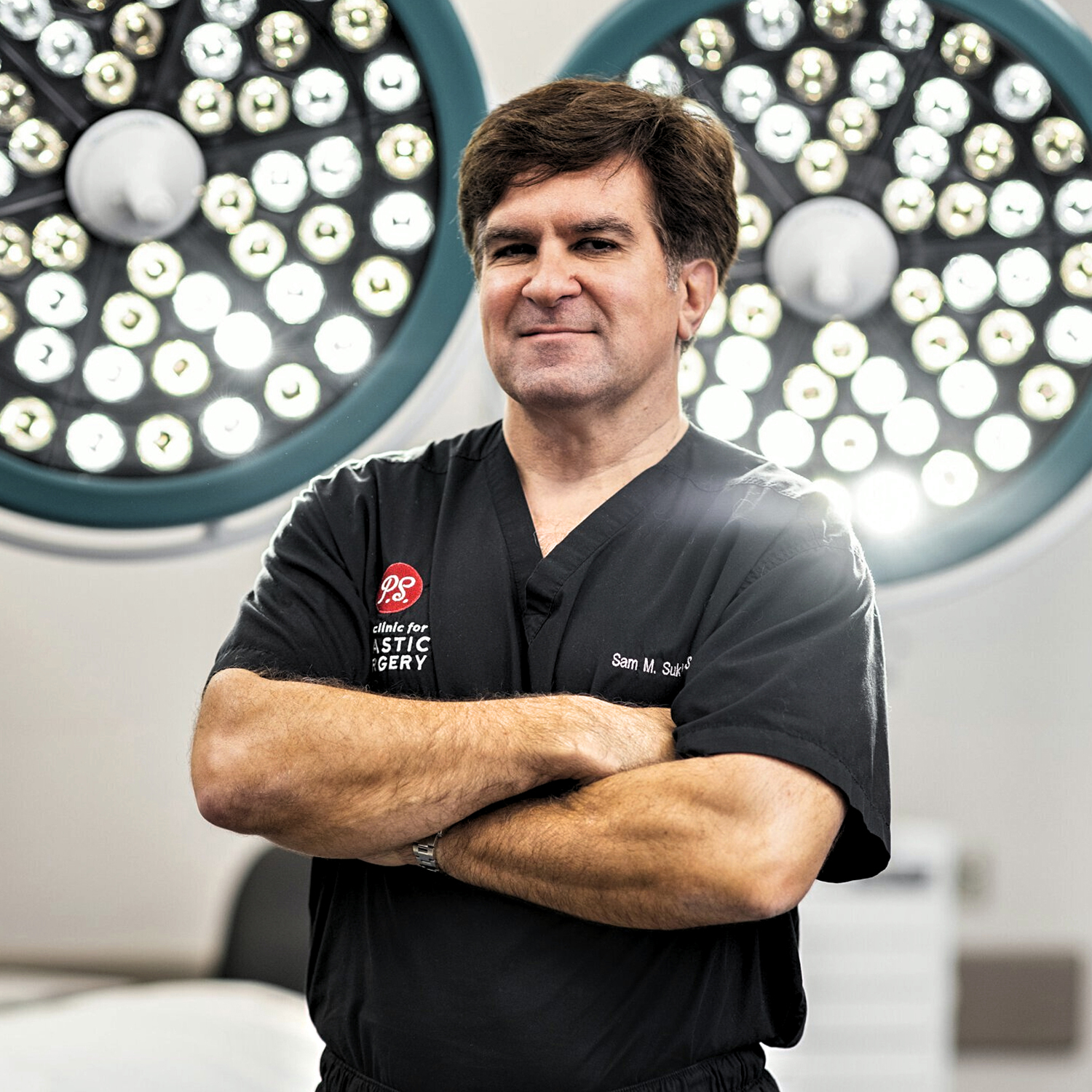
Dr. Sam Sukkar, MD, FACS is a highly respected Board-Certified Plastic Surgeon in Houston, Texas, known for his expertise in advanced cosmetic and reconstructive procedures. As the founder of The Clinic for Plastic Surgery, Dr. Sukkar has set a new standard for excellence, performing over 20,000 procedures with a focus on delivering natural, refined results.

Dr. Sukkar earned his Doctor of Medicine (M.D.) degree from Louisiana State University School of Medicine in 1992 after graduating summa cum laude with a Bachelor of Science in Microbiology. He then completed an intensive General Surgery Residency at the University of Texas Hermann Hospital before being selected for a highly competitive Plastic Surgery Fellowship at Northwestern University in Chicago, one of the most prestigious training programs in the country.

With more than 20 years of experience, Dr. Sukkar is a Diplomate of the American Board of Plastic Surgery and a Fellow of the American College of Surgeons (FACS). He is also an active member of the American Society of Plastic Surgeons (ASPS) and the Houston Society of Plastic Surgery (HSPS). His dedication to innovation and continuing education has solidified his reputation as a leading expert in aesthetic surgery, specializing in breast surgery, body contouring, facial procedures, and non-invasive treatments.

Dr. Sukkar’s expertise has been recognized by Houston Magazine, naming him one of Houston’s “Top Docs for Women,” and he has been featured among RealSelf’s America’s Top Doctors. Committed to his patients, he prioritizes personalized care, ensuring every individual feels informed, comfortable, and confident in their aesthetic journey.

Contact Dr. Sukkar today to schedule a consultation, visit DrSukkar.com to learn more, or call us directly at (281) 940-1535.

Celebrities With Gynecomastia Surgery: Who Publicly Admitted It?

Celebrities with gynecomastia are often discussed in tabloids, online forums, and paparazzi commentary, showing how quickly enlarged male breasts become a topic of gossip rather than confirmed medical fact. Gynecomastia is the medical term for enlarged male breast tissue and can be caused by hormonal imbalances, weight changes, certain medications, or aging, but visible chest fullness in photos does not confirm a diagnosis. Public speculation has frequently surrounded high-profile men such as Dwayne “The Rock” Johnson, Simon Cowell, and John Travolta, even though only some cases have ever been publicly acknowledged.

In practical terms, conversations fueled by rumors highlight an important reality: chest fullness in men can come from glandular breast tissue, fatty tissue, or a combination of both, and proper evaluation is the only way to tell the difference. Weight changes or hormone management may reduce symptoms in some men, while others ultimately choose male breast reduction surgery. The issue is rarely just physical; public scrutiny, speculation, and body-shaming often create a significant impact on confidence and self-image.

Key Takeaways of Celebrities With Gynecomastia Surgery

  • Some celebrities have publicly acknowledged gynecomastia surgery, while others are frequently speculated about without confirmation.

  • Enlarged male breasts can result from glandular tissue, fat, or a combination, and photos alone cannot diagnose gynecomastia.

  • Ongoing media scrutiny and paparazzi images often fuel speculation, but the absence of public confirmation means assumptions about surgery or medical conditions should not be made.

  • Gynecomastia is a common, medically recognized condition and, when properly diagnosed, can be effectively managed condition.

  • Men with persistent breast enlargement, tenderness, or asymmetry are best served by seeking a professional medical evaluation.

What Gynecomastia Is And Why It Happens

Gynecomastia is the benign enlargement of male breasts due to increased tissue in the chest, and it can create real distress even though it is rarely dangerous.

Medical Definition

Medically, gynecomastia means growth of true breast tissue in males, not just padding from excess fat. Doctors look for enlarged male breast tissue beneath the nipple and areola. The core problem is an increase in glandular breast tissue, sometimes with fibrous breast tissue and fatty tissue mixed in. This increased tissue can feel firm, rubbery, or nodular.

Common Symptoms

Gynecomastia symptoms include mild swelling, breast tenderness, and a noticeable lump or disc of tissue behind the nipple. Some patients report burning or aching in the breast area.

Both breasts may enlarge, or one side can appear bigger, creating asymmetric enlarged male breasts. In severe cases, excess skin can sag, which may resemble female breasts in clothing.

Causes: Hormones, Weight, Medications, And Aging

The most common cause of gynecomastia is hormonal imbalances between estrogen and testosterone. When estrogen effects increase, breast growth in men can follow.

Hormonal changes happen naturally during puberty, middle age, and older age. Teen boys often notice temporarily enlarged breasts that usually resolve within a few years.

Weight gain can add fatty breast tissue, which may exaggerate the appearance of enlarged male breasts. Extra fat can also affect hormone levels, further promoting breast growth.

Certain medications are well known to trigger gynecomastia symptoms. Underlying medical conditions also matter. Liver disease, kidney disease, thyroid issues, and tumors that affect hormone levels can all increase breast glandular tissue.

How Gynecomastia Differs From Simple Chest Fat

Not every man with “man boobs” has true gynecomastia. Sometimes the chest looks fuller only because of excess fat from poor diet and lack of regular exercise.

  • Pseudo‑gynecomastia refers to enlarged breasts caused mainly by fatty tissue rather than increased glandular tissue. This version often improves with weight loss and muscle building.

  • When gynecomastia is evaluated, firm glandular tissue beneath the nipple is assessed rather than soft fat alone. True gynecomastia typically feels firmer than ordinary chest fat.

  • In many gynecomastia patients, the situation is a mix: glandular breast tissue surrounded by fatty tissue and sometimes fibrous breast tissue. That combination rarely disappears with dieting alone.

  • Male breast reduction with liposuction removes excess fat, while excision addresses the glandular breast tissue and excess skin. Both tools may be needed in one procedure.

Understanding the difference helps set expectations. Men whose problem is mostly fat may improve gynecomastia appearance through healthy weight loss, while others require gynecomastia surgery for lasting change.

Celebrities With Gynecomastia: Dwayne “The Rock” Johnson

Dwayne “The Rock” Johnson is one of the most discussed celebrities with gynecomastia because he has publicly acknowledged having chest surgery after noticing breast changes.

Early Bodybuilding Years And Visible Chest Changes

During his early bodybuilding and wrestling years, Dwayne Johnson pushed his body to extremes with intense workouts and strict bulking phases. Rapid muscle gain and weight fluctuations were normal.

Like many elite bodybuilders, he reportedly experimented with anabolic steroids earlier in life. Steroids can disrupt hormone levels and contribute to breast growth in susceptible men.

Over time, fans noticed changes in his chest contour, especially around the nipple area. The look was different from simple muscle mass or fat, hinting at increased breast tissue.

In interviews, Johnson has spoken about dissatisfaction with his chest and undergoing cosmetic surgery to correct it. For a man known for a hyper‑masculine chest, that was a big admission.

His experience mirrors what many men feel, although on a much larger stage. Even with a powerful physique, localized enlarged male breast tissue can dominate the mirror.

Why Even Celebrities Athletes Can Develop Gynecomastia

Elite athletes are not immune to gynecomastia. In fact, the intense focus on muscle, supplements, and performance can increase risk in some sports. Rapid weight gain followed by weight loss, common in bulking and cutting cycles, stresses hormone balance. Hormone levels can swing, changing how the body handles breast tissue.

Use of anabolic steroids or prohormones can elevate estrogen activity or suppress natural testosterone. That hormonal shift may produce increased tissue in the male breast area.

For highly visible men like Johnson, every contour is photographed. A small mound of excess tissue can become a global talking point overnight. His case reinforces an important message: a masculine chest is not guaranteed by muscle alone. Hormones, fat distribution, and genetics still play big roles.

Reported Surgery And Its Impact On His Image

Johnson has described having gyno surgery to address his chest. In typical gynecomastia removal, excess breast tissue is typically removed through a small incision along the lower edge of the areola.

Johnson’s public image arguably became even stronger after surgery. Fans saw that even “The Rock” could struggle with enlarged male breasts and take action. His openness helped some men feel more comfortable seeking a gynecomastia consultation.

For many, his story proves that gynecomastia can be effectively treated and that addressing it is not a sign of weakness but of taking control of health and confidence.

Simon Cowell: Reality TV, Public Scrutiny, And Chest Insecurity

Simon Cowell is another figure often mentioned in conversations about celebrities with gynecomastia, largely because of relentless tabloid focus on his chest and weight changes.

Life in the Spotlight: Unconfirmed and Widely Speculated

As a reality TV judge, Cowell spends most of his career in tight shirts on camera. Any curve in the chest gets magnified by high‑definition video and unforgiving paparazzi lenses. Tabloids have repeatedly mocked him for “man boobs,” often zeroing in on poolside photos.

However, Simon Cowell has never publicly confirmed a diagnosis of gynecomastia or undergoing male breast reduction surgery. Any claims regarding gynecomastia treatment or surgery remain speculation only.

The ongoing scrutiny surrounding his chest underscores how quickly a private insecurity becomes international gossip for male celebrities.

Age & Weight Fluctuations

Cowell’s story also highlights how age and weight interact with hormones. With middle age, hormone levels shift, and many men notice new breast fullness. Changes in his chest appearance over the years may be related to:

  • Weight fluctuations

  • Natural aging and hormonal shifts

  • Fat distribution rather than glandular breast tissue

Without medical confirmation or public acknowledgment, it is not accurate to state that Cowell has had gynecomastia surgery. His case illustrates how easily media narratives can form without evidence.

John Travolta’s Unconfirmed And Media-Driven Rumors

John Travolta has also been the subject of ongoing media speculation regarding chest fullness in later years, particularly during periods of weight change.

To date, John Travolta has not confirmed having gynecomastia or undergoing any male breast reduction procedure. Observations are based solely on photographs and tabloid commentary, which cannot distinguish between:

  • Fat-dominant chest fullness

  • Mild age-related changes

  • True glandular gynecomastia

As with many aging men, hormonal shifts and body composition changes are common, and no conclusions can be medically or ethically drawn without direct confirmation.

Tabloids, Paparazzi, And The Stigma Around Men’s Chests

Tabloids often zoom in on unflattering angles of Travolta and similar stars, circling their chests with mocking arrows. This fuels stigma around male breasts. Those headlines send a message that any hint of enlarged breasts is embarrassing. Yet the same tabloids rarely mention hormonal changes or medical conditions behind the look.

Challenging that narrative starts with reframing gynecomastia as a health and comfort issue, not a character flaw. Many cases can be effectively treated. The more the public understands about glandular tissue, excess skin, and surgical options, the less power these shaming images hold.

Travolta’s experience, like that of other celebrities, invites a more compassionate view of male body changes across the lifespan.

Diagnosis, Treatment Options, And When To See A Doctor

Anyone worried about enlarged male breasts should start with a medical evaluation. Proper diagnosis determines whether and how gynecomastia should be treated.

Getting Evaluated: Exams, Imaging, And Lab Tests

During an initial consultation, medical history is reviewed, with close attention to weight changes, medications, alcohol use, and any anabolic steroids or hormone supplements.

The chest is examined to feel for glandular tissue beneath the nipple and to check for tenderness, excess skin, or asymmetry between sides. If true gynecomastia is suspected, blood tests may be ordered to check hormone levels, liver and kidney function, and other markers of underlying medical conditions.

Imaging such as ultrasound or mammography can help distinguish benign excess breast tissue from rarer problems like tumors or male breast cancer. Once the doctor diagnose gynecomastia and rules out dangerous causes, patients can discuss whether to watch and wait, treat gynecomastia medically, or consider surgery.

Non-Surgical Management: Watchful Waiting And Lifestyle Changes

In teens and younger men, gynecomastia often improves with time. Mild cases may resolve as hormone levels stabilize, so watchful waiting is common.

For overweight men, losing weight can reduce fatty breast tissue and improve overall chest contour. Regular exercise helps, especially when combined with a healthy diet.

Hormone therapy can sometimes correct underlying hormonal imbalances, particularly when a clear deficiency or excess is identified through blood tests.

These non‑surgical approaches work best when excess tissue is mostly fat and when breast glandular tissue is limited. They may not fully reverse long‑standing cases. If emotional distress remains high even though these steps, many men discuss surgical options next.

Surgical Options, Recovery, And Realistic Expectations

When gynecomastia is stable and persists even though lifestyle changes, male breast reduction offers the most predictable improvement. This procedure is typically done under general anesthesia.

A small incision is usually made along the lower edge of the areola. Glandular and fibrous tissue are typically removed directly through that opening. Liposuction is used to remove excess fat and blend the chest contour smoothly into nearby areas. In severe cases, extra skin may be trimmed for a tighter shape.

Most patients wear a compression garment for a few weeks to reduce swelling and promote healing. Light activity resumes quickly, but strenuous chest exercise waits longer. Scars are designed for minimal scarring and usually fade well over time.

The goal is not perfection but a flatter, more masculine chest that looks natural for the patient’s frame and age. Realistic expectations lead to the highest satisfaction.

Frequently Asked Questions About Celebrities With Gynecomastia Surgery: Who Publicly Admitted It?

What is gynecomastia plastic surgery?

Gynecomastia plastic surgery reduces enlarged male breast tissue and creates a flatter, more masculine chest. The surgery removes excess glandular tissue, fatty tissue, or both, depending on what causes the breast enlargement. Small incisions, usually placed along the edge of the areola, allow direct tissue removal, often combined with liposuction for smoother chest contours.

Did Dwayne “The Rock” Johnson celebrity really have gynecomastia surgery?

Dwayne “The Rock” Johnson has publicly discussed having chest surgery after noticing changes around his nipples that looked different from pure muscle or fat. Reports suggest he underwent gynecomastia surgery to remove excess breast tissue and possibly fat, creating a flatter, more masculine chest contour with discreet scars around the areola.

How do you tell gynecomastia apart from simple chest fat in men?

Gynecomastia differs from chest fat because clinicians feel firm, rubbery, or nodular glandular tissue beneath the nipple and areola rather than soft fat alone. The evaluation includes a review of medical history, current medications, and recent weight changes. When needed, clinicians order blood tests or imaging to confirm benign enlarged breast tissue and rule out tumors or male breast cancer.

How do clinicians treat gynecomastia?

Treatment for gynecomastia is essentially the same for any man: medical evaluation first, then tailored care. Mild or fat‑dominant cases may improve with weight loss, medication review, or hormone therapy. Persistent or gland‑heavy gynecomastia is usually treated with male breast reduction surgery using tissue excision, liposuction, or both.

Can lifestyle changes alone fix gynecomastia caused by aging or weight gain?

Lifestyle changes can significantly improve chest appearance when excess fat is a major factor, especially in middle‑aged men. Weight loss, strength training, reduced alcohol, and better sleep may shrink fatty tissue and modestly shift hormones. However, established glandular breast tissue often remains, and some men eventually choose gynecomastia surgery for definitive contouring.

How much does Gynecomastia surgery cost in Houston, Texas?

Gynecomastia surgery cost in Houston, Texas is typically between $9,500 and $13,000. It depends on the severity of the condition and the surgical technique required. The Clinic for Plastic Surgery offers flexible financing plans with monthly payments as low as $257. This makes the procedure for Houston patients more accessible through medical financing companies like Cherry .

Conclusion and Summary of Celebrities With Gynecomastia Surgery: Who Publicly Admitted It?

Celebrities with gynecomastia remind the world that enlarged male breasts are common, complicated, and deeply human. Dwayne Johnson has openly discussed his experience with the condition, while figures like Simon Cowell and John Travolta have faced public speculation about chest appearance changes due to aging, weight fluctuations, hormonal shifts, and media pressure.

For men bothered by chest fullness, the next step is not hiding. It is understanding the cause, seeking an honest medical evaluation, and deciding whether watchful waiting, lifestyle changes, or male breast reduction fits their goals.

With informed care and realistic expectations, most patients can move toward a chest that feels more comfortable, more masculine, and more aligned with how they want to live.

Your Trusted Destination for Male Breast Reduction Gynecomastia Surgery in Houston, Texas (TX)

Are you located in one of these Houston Metro Area cities?

Houston, The Woodlands, Sugar Land, Katy, Pearland, Pasadena, League City, Baytown, Conroe, Cypress, Spring, Kingwood, Humble, Missouri City, Friendswood, Bellaire, Clear Lake, Tomball, Galveston, Richmond, Rosenberg, Stafford, La Porte, Deer Park, Seabrook, Webster, Alvin, and Channelview.

Board-Certified Plastic Surgeon Dr. Sam Sukkar, MD, FACS, and the The Clinic for Plastic Surgery Team provide advanced surgical solutions for men struggling with enlarged or excess breast tissue.

If you are man experiencing excess chest fat, glandular tissue, or persistent male breast enlargement, we offer comprehensive gynecomastia treatment options, including:

  • Gynecomastia Surgery
  • Male Breast Reduction Surgery
  • Gyno Surgery for Hormonal or Genetic Causes
  • Male Reduction Mammaplasty
  • Liposuction for Male Chest Contouring
  • Customized Male Chest Reshaping Plans

Visit our modern 18,000+ sq. ft. plastic surgery center and med spa in Houston, Texas, designed for comfort, privacy, and results-driven care. From your initial consultation through recovery, our experienced team focuses on natural-looking chest contours and long-term confidence.

For patients outside the Houston area or those with limited availability, schedule a virtual gynecomastia consultation.

Book Your Male Breast Reduction Consultation today at DrSukkar.com or call (281) 940-1535

About the Author – Meet Dr. Sam Sukkar, MD

Dr. Sam Sukkar, MD, FACS is a highly respected Board-Certified Plastic Surgeon in Houston, Texas, known for his expertise in advanced cosmetic and reconstructive procedures. As the founder of The Clinic for Plastic Surgery, Dr. Sukkar has set a new standard for excellence, performing over 20,000 procedures with a focus on delivering natural, refined results.

Dr. Sukkar earned his Doctor of Medicine (M.D.) degree from Louisiana State University School of Medicine in 1992 after graduating summa cum laude with a Bachelor of Science in Microbiology. He then completed an intensive General Surgery Residency at the University of Texas Hermann Hospital before being selected for a highly competitive Plastic Surgery Fellowship at Northwestern University in Chicago, one of the most prestigious training programs in the country.

With more than 20 years of experience, Dr. Sukkar is a Diplomate of the American Board of Plastic Surgery and a Fellow of the American College of Surgeons (FACS). He is also an active member of the American Society of Plastic Surgeons (ASPS) and the Houston Society of Plastic Surgery (HSPS). His dedication to innovation and continuing education has solidified his reputation as a leading expert in aesthetic surgery, specializing in breast surgery, body contouring, facial procedures, and non-invasive treatments.

Dr. Sukkar’s expertise has been recognized by Houston Magazine, naming him one of Houston’s “Top Docs for Women,” and he has been featured among RealSelf’s America’s Top Doctors. Committed to his patients, he prioritizes personalized care, ensuring every individual feels informed, comfortable, and confident in their aesthetic journey.

Contact Dr. Sukkar today to schedule a consultation, visit DrSukkar.com to learn more, or call us directly at (281) 940-1535.

Lower Blepharoplasty Cost In Houston, Texas: How To Budget

Lower Blepharoplasty Cost In Houston, Texas: How To Budget

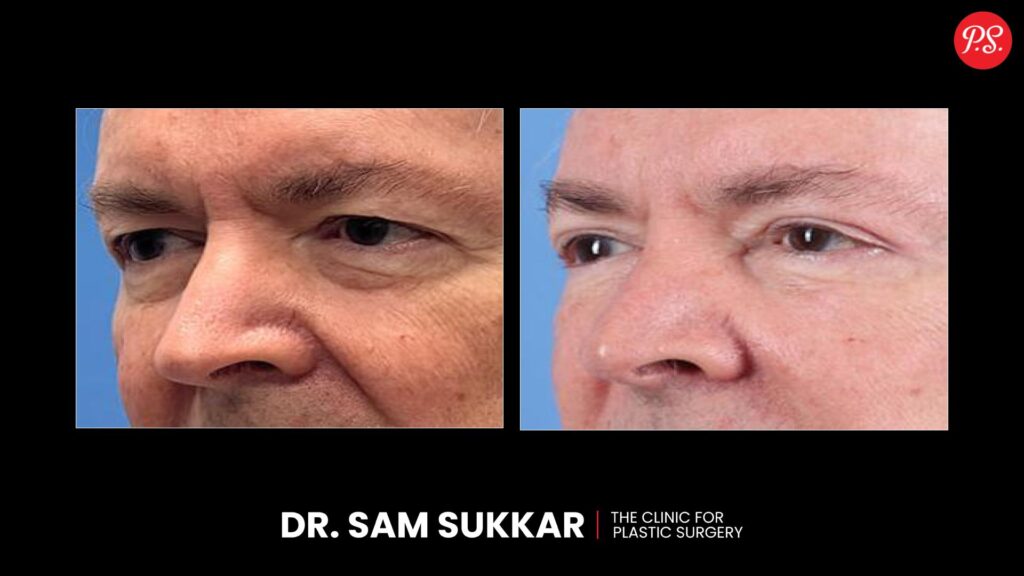
Lower blepharoplasty cost in Houston, Texas typically ranges from $7,000 to $8,000, depending on case complexity, and what’s included in the quote. For most patients, straightforward lower eyelid surgery to improve under eye bags falls in the $7,000-$8,000, while more complex blepharoplasty surgery with fat repositioning or combined procedures can reach up to $14,000.

Why does pricing vary?

Lower eyelid surgery costs depend on several factors, including the severity of under-eye bags, whether fat repositioning is required, if skin tightening is needed, and whether the procedure is combined with other facial surgeries. Surgical facility fees, anesthesia, and post-operative care may also affect the final quote.

Lower blepharoplasty is almost always considered cosmetic, so health insurance does not cover it unless a rare functional issue is present. The good news is that flexible financing options are available (upon approved credit), with monthly payments as low as $189, allowing patients to move forward now and pay over time.

Key Takeaways of Lower Blepharoplasty Cost In Houston, Texas

  • Lower blepharoplasty cost in Houston, Texas typically ranges from $7,000 to $8,000.
  • Your quote should clearly itemize each expenses so you understand exactly what you’re paying for and avoid hidden costs.
  • Case complexity is the main factor that drive differences in lower blepharoplasty cost in Houston, Texas.
  • Health insurance almost never covers lower eyelid surgery because it is considered cosmetic, so patients should plan for out-of-pocket payment.
  • The Clinic for Plastic Surgery offers several financing options, with Cherry being the most commonly chosen, featuring monthly payments as low as $189.

What Is Lower Blepharoplasty And Who Is It For?

Is a surgical procedure on the lower eyelid designed to reduce under eye bags, loose skin, and a chronically tired appearance.

Lower eyelid surgery for under eye bags and excess skin

Lower eyelid surgery focuses on the area beneath the lower eyelid, where excess skin and fat can create puffiness and shadows. During the blepharoplasty procedure, excess skin and fat are removed or the fat pads are repositioned to smooth the contour.

The goal is a refreshed appearance, not a pulled or overdone look. Lower blepharoplasty can deliver a more youthful appearance that still looks natural. Many patients say they look more rested and feel more self confidence in photos and social settings.

Who are good candidates for eyelid surgery on the lower lids?

Ideal candidates for this type of eyelid surgery have good general health and realistic expectations. They are usually bothered by under eye bags, excess skin, fine wrinkles, or a hollowed groove under the lower eyelid.

Many patients are in their forties, fifties, or sixties, but younger patients with strong genetic under eye bags can also benefit. Someone might also choose combined upper and lower eyelids surgery if they have sagging eyelids above and under eye bags below.

A thorough initial consultation helps determine if lower blepharoplasty, upper eyelid surgery, or upper and lower eyelids together will give the best, most balanced result.

Typical Cost Of Lower Blepharoplasty In Houston

In Houston, the average lower blepharoplasty cost generally falls between $7,000 and $8,000, with most straightforward cases landing around the middle of that range.

Average lower blepharoplasty cost ranges in Houston, Texas

For a basic lower eyelid surgery focused mainly on removing or smoothing under eye bags, total fees lands between $7,000 and $8,000. These cases usually involve modest fat removal or contouring and limited skin tightening.

More complex blepharoplasty surgery, such as lower eyelid surgery with fat repositioning, skin and muscle tightening, or combined upper blepharoplasty and lower blepharoplasty, can increase the final cost to $13,000–$14,000. When quoted at the higher end, the price typically reflects greater complexity.

How lower eyelid surgery cost compares to upper eyelid surgery

In most practices, upper eyelid surgery alone is somewhat less expensive than surgery on the lower eyelid. Upper blepharoplasty is often a simpler procedure, reducing anesthesia fees and facility fees.

When a patient chooses upper and lower eyelids surgery in one session, the overall cost is higher than either surgery alone. But, the combined surgery cost typically is lower than doing each blepharoplasty procedure separately, because there is a single set of facility and anesthesia charges.

What Factors Influence Lower Blepharoplasty Cost In Houston?

Multiple factors influence lower blepharoplasty cost in Houston, Texas, and understanding them helps patients interpret very different quotes.

Surgeon’s expertise, training, and proven track record

One of the biggest drivers of blepharoplasty cost is the expertise and experience. With extensive training in eyelid surgery and a proven track record the fee is up than less experienced providers.

That higher fee reflects years of training, a lower risk of complications, and a greater chance of a natural, rejuvenated appearance. Revision surgery to correct a poor result can be far more expensive than choosing a qualified surgeon the first time.

Patients should consider credentials, blepharoplasty before‑and‑after photos, and patient reviews alongside the quoted surgery cost. A slightly higher price for a surgeon with strong eyelid experience may be a better long‑term value.

Procedure complexity & anesthesia type

Case complexity affects cost as well. A simple pinch of excess skin under the lower eyelid will be less expensive than a full lower blepharoplasty with fat repositioning, muscle tightening, and significant skin tightening.

The type of anesthesia also plays a role. Some lower eyelid procedures use local anesthesia with light sedation, which typically results in lower anesthesia fees. More complex surgery may require general anesthesia, increasing both anesthesia and facility fees.

How Insurance & Financing Affect Your Out‑Of‑Pocket Cost

Most lower blepharoplasty procedures in Houston qualify as elective cosmetic surgery, so patients should plan to pay out of pocket.

When does health insurance cover eyelid surgery?

Lower eyelid surgery for under eye bags is almost always cosmetic. That means medical insurance and standard health insurance plans will not cover the procedure, even if the patient feels self conscious or has a tired appearance.

In rare cases, upper eyelid surgery becomes medically necessary when excess upper eyelid skin blocks peripheral vision and interferes with daily activities. In those cases, health insurance may cover upper blepharoplasty or part of it.

But, lower blepharoplasty covered by insurance is extremely rare, because under eye bags seldom interfere with improved vision or safety. Patients should not expect insurance reimbursement for lower blepharoplasty and should budget for it like any other elective cosmetic procedure.

Financing options for blepharoplasty cost

Because lower blepharoplasty cost is usually out of pocket, many Houston practices offer financing options through third‑party companies such as CareCredit or Cherry. These allow patients to spread the overall cost into monthly payments, sometimes starting near $135 per month, depending on credit and term length.

Some patients prefer to use personal savings or low‑interest credit cards instead of medical financing. Whatever the method, it is important to choose a payment plan that will not create financial stress during the recovery time.

Frequently Asked Questions About Lower Blepharoplasty Cost In Houston, Texas: How To Budget

What does male lower blepharoplasty cost in Houston, Texas?

The average lower male blepharoplasty cost in Houston, Texas typically ranges from $7,000 to $8,000. Most complex cases with fat repositioning or combined upper and lower eyelid surgery can reach $13,000–$14,000.

What does a lower blepharoplasty surgery price in Houston usually include?

A typical Houston lower blepharoplasty quote includes the surgeon’s fee, anesthesia fees, and facility fees. Additional costs can include pre-op lab work, prescriptions, and optional add-ons like fillers or combined procedures. It’s important to request an itemized, written estimate.

Does health insurance cover lower blepharoplasty?

Lower eyelid surgery for under-eye bags is almost always cosmetic, so health insurance typically does not cover it. In rare cases, insurance coverage applies more often to upper eyelid surgery when sagging skin interferes with vision. Patients should plan to pay lower blepharoplasty cost out of pocket, using savings, financing, or credit.

How can I reduce lower blepharoplasty cosmetic surgery cost in Houston, Texas?

To manage lower blepharoplasty cost in Houston, Texas safely, financing plans are available. With monthly payment plans starting as low as $189 (upon approved credit). Avoid choosing based solely on the lowest price, which can increase revision risk.

Conclusion and Summary of Lower Blepharoplasty Cost In Houston, Texas: How To Budget

Lower blepharoplasty in Houston offers a reliable way to address under eye bags and a tired appearance. Understanding blepharoplasty cost and value is essential. For most patients, several factors determine the final cost of lower eyelid surgery. These factors includes experience, case complexity, anesthesia type, facility quality, and any additional procedures included. While it can be tempting to chase the lowest price, long‑term satisfaction usually depends on the expertise and safety of the surgical setting.

By asking for itemized quotes, and planning a realistic budget and recovery schedule, patients can approach blepharoplasty with confidence. The right combination of clear financial planning, and careful aftercare can lead to a natural, more youthful appearance.

Your Trusted Destination for Blepharoplasty Eyelid Surgery in Houston, Texas (TX)

Are you located in one of these Houston Metro Area cities?

Houston, The Woodlands, Sugar Land, Katy, Pearland, Pasadena, League City, Baytown, Conroe, Cypress, Spring, Kingwood, Humble, Missouri City, Friendswood, Bellaire, Clear Lake, Tomball, Galveston, Richmond, Rosenberg, Stafford, La Porte, Deer Park, Seabrook, Webster, Alvin, and Channelview.

Board-Certified Plastic Surgeon Dr. Sam Sukkar, MD, FACS, and the The Clinic for Plastic Surgery Team provide advanced eyelid surgery solutions to refresh and restore the appearance of the eyes.

If you are dealing with drooping eyelids, under-eye bags, puffiness, or tired-looking eyes, we offer comprehensive eyelid surgery options, including:

  • Upper Blepharoplasty (Upper Bleph)
  • Lower Blepharoplasty (Lower Bleph)
  • Eyelid Lift Surgery
  • Eyelid Surgery for Excess Skin or Fat
  • Combination Upper and Lower Eyelid Procedures
  • Customized Eye Rejuvenation Treatment Plans

Visit our modern 18,000+ sq. ft. plastic surgery center and med spa in Houston, Texas, designed for comfort, privacy, and results-driven care. From your first consultation through recovery, our talented team focuses on brighter, rested-looking eyes with natural results.

For patients outside the Houston area or those with limited availability, schedule a virtual eyelid surgery consultation.

Book Your Personalized Eyelid Consultation today at DrSukkar.com or call (281) 940-1535.

About the Author – Meet Dr. Sam Sukkar, MD

Dr. Sam Sukkar, MD, FACS is a highly respected Board-Certified Plastic Surgeon in Houston, Texas, known for his expertise in advanced cosmetic and reconstructive procedures. As the founder of The Clinic for Plastic Surgery, Dr. Sukkar has set a new standard for excellence, performing over 20,000 procedures with a focus on delivering natural, refined results.

Dr. Sukkar earned his Doctor of Medicine (M.D.) degree from Louisiana State University School of Medicine in 1992 after graduating summa cum laude with a Bachelor of Science in Microbiology. He then completed an intensive General Surgery Residency at the University of Texas Hermann Hospital before being selected for a highly competitive Plastic Surgery Fellowship at Northwestern University in Chicago, one of the most prestigious training programs in the country.

With more than 20 years of experience, Dr. Sukkar is a Diplomate of the American Board of Plastic Surgery and a Fellow of the American College of Surgeons (FACS). He is also an active member of the American Society of Plastic Surgeons (ASPS) and the Houston Society of Plastic Surgery (HSPS). His dedication to innovation and continuing education has solidified his reputation as a leading expert in aesthetic surgery, specializing in breast surgery, body contouring, facial procedures, and non-invasive treatments.

Dr. Sukkar’s expertise has been recognized by Houston Magazine, naming him one of Houston’s “Top Docs for Women,” and he has been featured among RealSelf’s America’s Top Doctors. Committed to his patients, he prioritizes personalized care, ensuring every individual feels informed, comfortable, and confident in their aesthetic journey.

Contact Dr. Sukkar today to schedule a consultation, visit DrSukkar.com to learn more, or call us directly at (281) 940-1535.

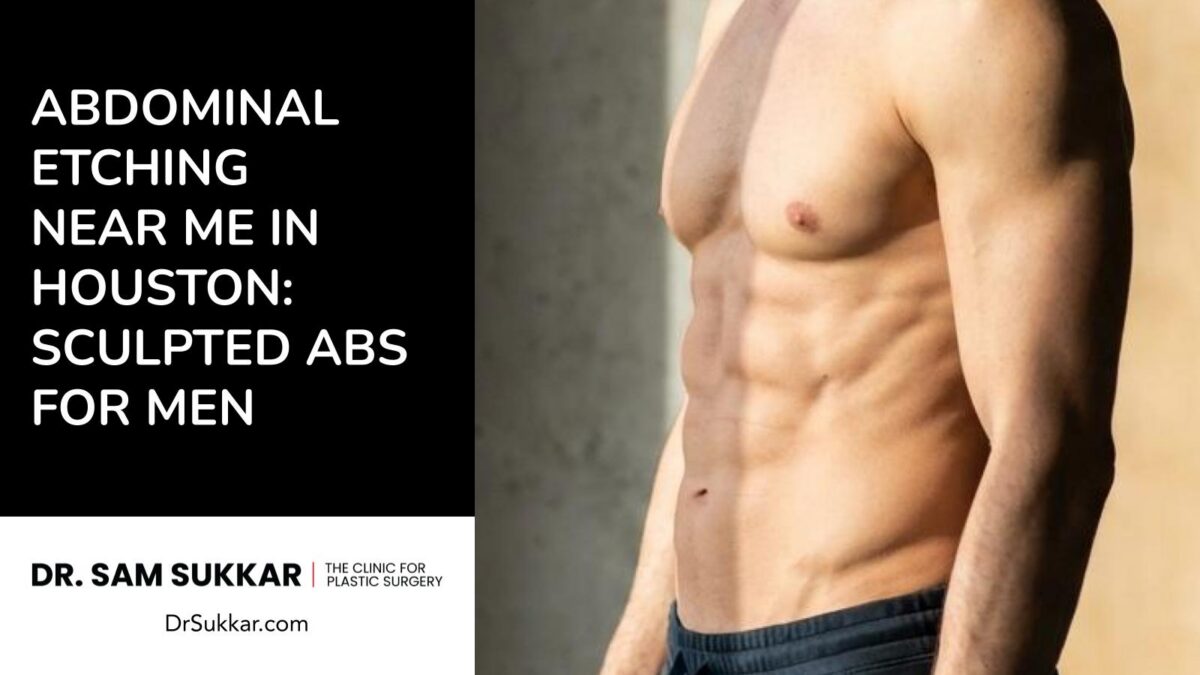
Abdominal Etching Near Me in Houston: Sculpted Abs for Men

Abdominal etching near me in Houston, TX refers to a precise body contouring procedure that highlights the natural grooves of the abdominal muscles for a six pack look. The abdominal etching procedure uses small incisions and targeted fat removal to reveal abdominal definition that diet and exercise alone have not achieved. For patients who already exercise regularly and maintain good physical shape, this specialized procedure can refine the abdominal area and create a more chiseled appearance.

In abdominal etching surgery, fat cells that sit just above the abdominal wall are removed while preserving natural contours and muscle tone. Most patients want a toned midsection, minimal scarring, and an outpatient procedure with a relatively quick healing process. The core steps include careful markings, a surgical procedure using traditional liposuction or VASER liposuction techniques, and proper care with a compression garment afterward.

Key Takeaways of Abdominal Etching Near Me

  • Abdominal etching near me in Houston, TX is a precise form of liposuction that strategically removes fat around the abdominal muscles to reveal natural six pack definition.
  • The best candidates for abdominal etching maintain a stable weight, exercise regularly, have good skin elasticity, and understand that the procedure refines existing muscle tone rather than creating it.
  • At The Clinic for Plastic Surgery in Houston, TX, abdominal etching is part of high‑definition body contouring, often combined with additional liposuction for a balanced, tapered waist and natural‑looking results.
  • Choosing The Clinic for Plastic Surgery is essential for safe abdominal etching in Houston, TX, minimizing risks and ensuring well‑placed incisions and refined contours.
  • Recovery typically involves wearing a compression garment, managing swelling and bruising, and gradually returning to activity.

What Is Abdominal Etching and How Does It Work?

Abdominal etching is a specialized form of liposuction designed to remove fat strategically around abdominal muscles. It creates sharper natural contours and visible six pack abs.

How the Abdominal Etching Procedure Sculpts the Abdomen

During abdominal etching surgery, the patient’s abdominal wall is reviewed and the natural muscle lines are marked while the patient stands. These markings guide where to remove fat and where to preserve small pockets to create natural grooves and highlights.

In the operating room, the abdomen is cleansed and anesthesia is administered for comfort. Small incisions are created, usually hidden within natural creases, to introduce a thin cannula for fat removal. By carefully suctioning excess fat along and between the muscle lines, a more defined, toned midsection is sculpted.

The procedure may use traditional liposuction or technologies such as VASER liposuction, depending on the patient’s specific anatomy and goals. Regardless of technique, the goal is not simply to remove fat, but to shape it so the abdominal muscles appear sharper and more athletic. When performed with precision, abdominal etching can enhance existing muscle definition without looking artificial.

Key Differences From Traditional Liposuction and Other Body Contouring

Abdominal etching for men is not the same as standard body sculpting or broad liposuction of the abdomen. Traditional liposuction focuses on reducing overall body fat and smoothing areas that carry stubborn fat, often without emphasizing visible muscle definition.

In contrast, this body contouring procedure is highly detailed and anatomy driven. Markings over each segment of the abdominal muscles guide fat removal, aiming for a chiseled appearance rather than simply a flatter stomach. That is why it is considered a specialized procedure within cosmetic procedures.

Because it is more precise, abdominal etching requires excellent patient selection, steady technique, and a refined artistic eye. Even though it is usually an outpatient procedure with small incisions, it should still be treated as a significant surgery that demands experience, careful planning, and attentive patient care during recovery.

Who Is a Good Candidate for Abdominal Etching?

Not everyone seeking abdominal etching near Houston will be an ideal candidate, and a thorough consultation helps determine safety and suitability.

Best Candidates, Body Fat, and Ideal Body Weight

The best candidates for ab etching are men already near their ideal body weight, with relatively low overall body fat but visible pockets of stubborn fat in the abdominal area. These patients usually exercise regularly, follow a reasonable diet, and have good physical shape, yet their six pack abs remain hidden under a thin layer of fat.

Abdominal etching for men is not designed as a weight‑loss treatment. It is a body contouring procedure for fine‑tuning the midsection in people who have reached a stable weight. Candidates should have good skin elasticity so the skin can retract smoothly over the new, sculpted contours.

A thorough review of medical history, medications, and lifestyle habits is also performed to confirm that the patient is healthy enough for general anesthesia. Non‑smokers, or those willing to stop smoking before and after surgery, usually enjoy a smoother healing process.

Realistic Expectations, Muscle Tone, and Lifestyle

Beyond physical criteria, good candidates for abdominal etching must have realistic expectations about the final results. Abdominal etching can enhance muscle definition and create a more toned appearance, but it cannot build muscle that is not there.

Patients who see the best results typically have some underlying muscle tone from exercise. The surgery then reveals and sharpens that tone by removing excess fat in a very controlled way. Diet and exercise will still matter after surgery to maintain the sculpted look.

Ideal patients understand that swelling and compression garments are part of ab etching recovery. They accept that final results can take a few weeks to several months to fully reveal. Those who commit to healthy habits, including regular exercise and balanced diet choices, usually enjoy longer‑lasting abdominal definition after the procedure.

Abdominal Etching at The Clinic for Plastic Surgery in Houston, TX

Many people searching “abdominal etching near me” in Houston, TX look for a practice that offers advanced techniques and attentive patient care, such as The Clinic for Plastic Surgery.

A Focus on High‑Definition Body Contouring in Houston

At The Clinic for Plastic Surgery, the team approaches abdominal etching as part of an integrated body contouring plan rather than a standalone procedure.

When appropriate, combining abdominal etching with other body sculpting procedures helps maintain natural proportions. These might include liposuction of the flanks or lower back to further enhance a tapered waist and toned midsection. Any combined treatment plan is tailored to the patient’s anatomy and goals.

A practice experienced with high‑definition abdominal work better understands how to preserve natural contours while achieving a more chiseled appearance.

Results, Safety, and Recovery Timeline

Abdominal etching for men offers long‑lasting improvements in abdominal definition when combined with a stable weight and healthy lifestyle.

When to Expect Visible Six Pack Abs and Final Results

Right after surgery, swelling can hide much of the new muscle definition. As swelling starts to decrease over the first few weeks, patients usually notice a more toned appearance and early outlines of chiseled abs.

Over the next couple of months, the body continues to heal and refine the contours as residual swelling fades. Final results may take several months, often around six months, to fully reveal. During this time, consistent diet and exercise help maintain a lean midsection and protect the investment in surgery.

The fat cells removed during abdominal etching do not grow back. But, remaining fat cells in the body can still enlarge with significant weight gain. Maintaining a stable weight is hence essential for preserving the sculpted look.

Safety, Scarring, and Long‑Term Care of the Abdomen

Abdominal etching generally carries a low risk of complications and maintains a strong safety profile when performed on appropriate candidates. Risks still exist, as with any surgery, and include infection, contour irregularities, and anesthesia‑related issues.

Small incisions usually create minimal scarring that fades over time and often stays hidden within natural lines. Proper care of the incision sites, avoiding smoking, and following activity restrictions all help support normal healing.

Good long‑term outcomes depend on patient cooperation and realistic expectations. Patients should avoid rapid weight fluctuations, follow a balanced diet, and continue exercising. With these habits, most patients enjoy their chiseled appearance and enhanced abdominal muscles for many years after the procedure.

Choosing the Best Abdominal Etching Specialist Near You in Houston

Finding the right surgeon is just as important as choosing the right procedure, especially for such a detailed form of body sculpting.

Qualifications of a Board Certified Plastic Surgeon

When searching “abdominal etching near me” in Houston, patients should prioritize surgeons certified by the American Board of Plastic Surgery. Board certification confirms that the practitioner has a medical degree, completed rigorous surgical training, and passed demanding examinations.

The Clinic for Plastic Surgery serves as a trusted destination in Houston for abdominal etching by operating with board-certified plastic surgeons, accredited surgical facilities, and strict safety standards. The team evaluates each patient individually, plans every procedure with precision, and performs surgery in fully accredited operating rooms supported by experienced anesthesia teams.

The clinic delivers consistent results, communicates clearly, and provides comprehensive follow-up care, making it a reliable choice for patients seeking abdominal etching in a professional surgical setting.

Frequently Asked Questions About Abdominal Etching Near Me in Houston: Sculpted Abs for Men

What is abdominal etching and how does it create six pack abs?

Abdominal etching is a specialized form of liposuction that removes fat in a very targeted way around the abdominal muscles. The team marks natural muscle lines, then uses small incisions and a thin cannula to sculpt fat. This highlight existing muscle tone for a sharper six-pack appearance.

Who is the best candidate for abdominal etching?

Ideal candidates are near their goal weight, have relatively low body fat, and already exercise regularly but still have stubborn abdominal fat hiding their abs. They should have good skin elasticity, be in good overall health, and maintain realistic expectations about definition and recovery time.

What can I expect before, during, and after abdominal etching?

You’ll start with a consultation and exam, photos, and a customized plan. On surgery day, small incisions allow precise fat removal under anesthesia. Afterward, you’ll wear a compression garment, follow activity restrictions, and attend follow‑ups. Most patients resume light work within 1–2 weeks as swelling gradually subsides.

How long does it take to see final results from abdominal etching?

Initial swelling can hide definition for the first few weeks. Early toning and outlines of the abs usually appear as swelling decreases. Final, refined results often take about six months. Maintaining a stable weight, healthy diet, and regular exercise helps preserve the sculpted look for years.

How much does abdominal etching near me in Houston, TX Cost?

Abdominal etching cost in Houston, Texas is around $12,000 and $17,000. The extent of the procedure and the number of liposuction areas treated determine pricing. The Clinic for Plastic Surgery, provide a personalized quote during consultation and may offer financing options.

Is abdominal etching better than a tummy tuck or non‑surgical fat reduction?

Abdominal etching is best for fit patients wanting more visible muscle definition, not major skin removal. A tummy tuck is better if you have loose skin or stretched muscles, such as after pregnancy. Non‑surgical fat reduction offers modest contouring but generally cannot match the precision or six pack effect of etching.

Conclusion and Summary of Abdominal Etching Near Me in Houston: Sculpted Abs for Men

Abdominal etching near me in Houston, TX offers motivated patients a way to transform a fit abdomen into a more defined, sculpted midsection when diet and exercise alone fall short.

By choosing The Clinic for Plastic Surgery patients can pursue this specialized procedure with confidence. Understanding candidacy, the surgical steps, the healing process, and the long‑term commitment to healthy habits helps set the stage for natural‑looking, lasting abdominal definition and a more confident, toned appearance.

Your Trusted Destination for Ab Etching High-Definition Six-Pack Abdominals in Houston, Texas (TX)

Are you located in one of these Houston Metro Area cities?

Houston, The Woodlands, Sugar Land, Katy, Pearland, Pasadena, League City, Baytown, Conroe, Cypress, Spring, Kingwood, Humble, Missouri City, Friendswood, Bellaire, Clear Lake, Tomball, Galveston, Richmond, Rosenberg, Stafford, La Porte, Deer Park, Seabrook, Webster, Alvin, and Channelview.

Board-Certified Plastic Surgeon Dr. Sam Sukkar, MD, FACS, and the The Clinic for Plastic Surgery Team provide advanced body contouring techniques designed to create defined, athletic abdominal results.

If you struggle with stubborn abdominal fat or want to achieve more visible abdominal muscle definition, we offer comprehensive high-definition procedures for that six-pack abs look, including:

  • High Definition Liposuction for Men
  • Ab Etching and Abdominal Etching
  • High-Def Abdominal Surgery
  • Abdominal Liposuction
  • Six-Pack Abs Lipo
  • High Definition Liposuction for Women
  • Customized High-Definition Liposculpture Plans

Visit our modern 18,000+ sq. ft. plastic surgery center and med spa in Houston, Texas, designed for comfort, privacy, and results-driven care. From consultation through recovery, our skillful team focuses on sharp definition, balanced proportions, and natural-looking abdominal contour.

For patients outside the Houston area or those with limited availability, schedule a virtual abdominal contouring consultation.

Book Your Personalized Abdominal Consultation today at DrSukkar.com or call (281) 940-1535.

About the Author – Meet Dr. Sam Sukkar, MD

Dr. Sam Sukkar, MD, FACS is a highly respected Board-Certified Plastic Surgeon in Houston, Texas, known for his expertise in advanced cosmetic and reconstructive procedures. As the founder of The Clinic for Plastic Surgery, Dr. Sukkar has set a new standard for excellence, performing over 20,000 procedures with a focus on delivering natural, refined results.

Dr. Sukkar earned his Doctor of Medicine (M.D.) degree from Louisiana State University School of Medicine in 1992 after graduating summa cum laude with a Bachelor of Science in Microbiology. He then completed an intensive General Surgery Residency at the University of Texas Hermann Hospital before being selected for a highly competitive Plastic Surgery Fellowship at Northwestern University in Chicago, one of the most prestigious training programs in the country.

With more than 20 years of experience, Dr. Sukkar is a Diplomate of the American Board of Plastic Surgery and a Fellow of the American College of Surgeons (FACS). He is also an active member of the American Society of Plastic Surgeons (ASPS) and the Houston Society of Plastic Surgery (HSPS). His dedication to innovation and continuing education has solidified his reputation as a leading expert in aesthetic surgery, specializing in breast surgery, body contouring, facial procedures, and non-invasive treatments.

Dr. Sukkar’s expertise has been recognized by Houston Magazine, naming him one of Houston’s “Top Docs for Women,” and he has been featured among RealSelf’s America’s Top Doctors. Committed to his patients, he prioritizes personalized care, ensuring every individual feels informed, comfortable, and confident in their aesthetic journey.

Contact Dr. Sukkar today to schedule a consultation, visit DrSukkar.com to learn more, or call us directly at (281) 940-1535.

Gynecomastia Surgery Cost and Pricing in Houston, TX: Financing Options Available

Gynecomastia surgery cost in Houston typically ranges from about $9,500 to $13,000, depending on the extent of the procedure and the techniques used. Factors like whether one or both sides are treated, and facility fees all play a role in the final price.

The good news, The Clinic for Plastic Surgery offers simple and affordable financing payment plans (upon approved credit), with monthly payments starting as low as $257. This allows patients to achieve a flatter, more confident chest now and pay over time.

Many choose this procedure not only for appearance but also for comfort and confidence. Gynecomastia, the condition that causes excess breast tissue in men, can develop from hormonal changes, weight gain, certain medications, or genetics. Understanding the male breast reduction cost upfront helps set realistic expectations and makes planning easier.

Key Takeaways of Gynecomastia Surgery Cost and Pricing in Houston, TX

  • Average Cost Range: Male breast reduction surgery in Houston generally costs between $9,500 and $13,000, with price differences based on the procedure complexity.
  • Factors That Affect Gynecomastia Price: Surgical technique (liposuction vs. glandular excision), and accredited facilities all influence the final cost.
  • Insurance Coverage: Most insurance plans consider gynecomastia surgery cosmetic, but coverage may be possible with documentation of pain or functional issues.
  • Financing Options: The Clinic for Plastic Surgery offer monthly payment plans starting at $257, making treatment more accessible.
  • Confidence and Comfort: Beyond aesthetics, gynecomastia reduction surgery often relieves physical discomfort, boosts confidence, and allows patients to feel more comfortable shirtless.

Understanding Gynecomastia Surgery

Gynecomastia is a condition marked by enlarged male breasts, caused by an imbalance at the root cause level, most often hormonal shifts that lead to excess glandular tissue, excess fatty tissue, or a mix of both in the chest area.

It is not the same as simple excess fat from weight gain, and weight loss alone often does not resolve it. Once true gynecomastia is confirmed, patients can review available treatment options, which may include monitoring, lifestyle changes, or surgery when tissue does not regress. A gynecomastia procedure (often called gyno surgery) removes excess tissue through small incisions to restore a flatter, firmer chest. For most patients this a truly life changing procedure, with durable results and a low risk of gynecomastia return when the underlying cause is addressed.

Male Breast Reduction Cost in Houston

Male breast reduction can involve different techniques and levels of complexity, which directly affect the final price. In Houston, patients often see a range of costs due to the level experience, facility type, and whether other procedures are performed at the same time.

Average Price Range for Male Breast Reduction

The average cost of gynecomastia and the actual cost can vary depending on the case complexity. The overall cost, total cost, and related expenses may include anesthesia, facility fees, recovery supplies, and follow-up visits, with additional costs possible if revisions are needed.

In Houston, the average male breast reduction cost typically ranges from $9,000 to $13,000. Lower charges are for minor cases that require only liposuction. More complex cases involving gland removal and skin tightening tend to be on the higher end. For example, the average price range can vary if the patient needs additional sculpting for a more defined chest.

Factors That Influence Cost of Gynecomastia Surgery

Several factors can raise or lower gynecomastia surgery cost in Houston.

Key cost drivers include:

  • Surgical technique: Liposuction alone is usually less costly than glandular excision or a combination approach.
  • Extent of tissue removal: Cases involving dense glandular tissue, excess skin, or bilateral correction typically increase the total cost.
  • Facility type: Accredited surgical centers often have higher fees than office-based procedure rooms.

Other variables include anesthesia type, the complexity of the case, and whether the patient requests additional contouring procedures.

Insurance Coverage and Out-of-Pocket Expenses

Most insurance plans do not cover gynecomastia surgery because it is usually considered cosmetic. However, coverage may be possible if there is documented pain, functional issues, or a medical condition causing the breast enlargement.

Patients should contact their insurance provider to confirm requirements. If coverage is denied, the full cost will be paid out-of-pocket. Some clinics offer patient financing plans to make expenses more manageable.

What Is Gynecomastia and Why Does It Occur?

Gynecomastia is the growth of glandular tissue in male breasts. It can affect one or both sides of the chest and may cause swelling, tenderness, or a firmer feel under the nipple. This condition is not the same as fat buildup from weight gain and can appear at any age.

Common Causes of Gynecomastia

Gynecomastia often develops when the body’s natural hormone levels shift. This can happen during puberty, aging, or after certain health changes.

Medical conditions such as liver disease, kidney failure, or thyroid disorders may also play a role. In some cases, tumors that affect hormone production can trigger breast tissue growth.

Certain drugs and substances are linked to gynecomastia. These include anabolic steroids, some antidepressants, and medications for ulcers or heart conditions. Alcohol and recreational drugs can also increase risk.

Hormonal Imbalances and Male Breasts

The most common reason for gynecomastia is a hormonal imbalance between testosterone and estrogen. Men naturally produce both hormones, but testosterone is usually higher.

If testosterone levels drop or estrogen levels rise, breast tissue can grow. This shift can occur naturally with age, especially after 50, when testosterone production declines.

Puberty is another common time for hormonal changes. Many teenage boys notice temporary breast swelling that often resolves within a year or two.

Some health conditions, such as hypogonadism or hormone-producing tumors, can also disrupt hormone balance. In these cases, treating the underlying issue may reduce or reverse breast growth.

Who Is a Good Candidate for Male Breast Reduction?

Men who consider male breast reduction often want to address enlarged breast tissue that does not improve with diet or exercise. The best candidates are healthy, have stable weight, and understand the realistic results of gynecomastia treatment.

Physical and Emotional Considerations

  • A good candidate usually has excess breast tissue caused by gynecomastia rather than fat alone. This may involve glandular tissue, fatty deposits, or both. The chest may feel firm or rubbery in some areas.
  • Men should be near their ideal weight before surgery. Weight changes after the procedure can affect results. Those who maintain a healthy lifestyle often see more lasting improvements.
  • Age is less important than physical maturity. It is recommended to wait until after puberty, as hormone changes can sometimes resolve the condition naturally.
  • Emotional readiness is also key. Some men feel self-conscious wearing fitted shirts or going shirtless. Surgery can help, but it works best for those with realistic expectations about contour and scarring.

Medical Evaluation Before Surgery

Before moving forward, patients should have a full medical evaluation. This often includes a review of medical history, current medications, and any hormone-related conditions. A physical exam helps to determine whether the enlargement is from glandular tissue, fat, or a combination. In some cases, blood tests or imaging may be ordered to rule out underlying causes.

Certain health issues, such as uncontrolled diabetes, bleeding disorders, or heart problems, may delay or prevent surgery. Smokers may need to quit in advance to lower healing risks. A consultation ensures the patient understands the procedure, recovery time, and potential complications.

What to Expect During the Male Breast Reduction Process

Patients usually go through several steps before and on the day of gynecomastia surgery. These steps help ensure the procedure is safe, tailored to their needs, and performed under the right conditions for recovery.

Consultation and Personalized Treatment Planning

During the first consultation, the patient’s medical history and current health are reviewed. Also, some questions are made about past surgeries, medications, and any conditions that could affect healing.

A physical exam helps determine whether the excess tissue is glandular, fatty, or both. This guides whether the used of liposuction, excision, or a combination of techniques. Patients often discuss their goals for chest shape and size. Before-and-after photos of similar cases are shown to help patients make informed decisions and set realistic expectations.

Preparing for Surgery Day

In the weeks before surgery, patients may need to stop certain medications or supplements that increase bleeding risk. Smoking should be avoided to support healing. The surgical team will give written instructions on eating and drinking before the procedure. Most male breast reduction surgeries are performed under general anesthesia, so fasting is usually required.

Some facilities may provide a compression garment immediately after the operation. This helps reduce swelling and support the chest during recovery. It is important to bring all required forms, identification, and payment arrangements on surgery day to avoid delays.

Financing Options to Cover Gynecomastia Surgery in Houston

Patients often look for ways to manage the cost of male breast reduction, which in Houston can range from about $9,500 to $13,000 depending on the procedure details. Many choose structured payment options or plan their budgets in advance to make gynecomastia surgery more affordable.

Payment Plans and Medical Financing

Many Houston clinics offer in-house payment plans that allow patients to pay for surgery over several months instead of all at once. These plans may require a deposit before the procedure and then fixed monthly payments until the balance is cleared.

Some patients use medical credit cards like Cherry, CareCredit or Alphaeon. These often come with promotional interest-free periods if paid within a set time. Standard credit cards or personal loans from banks are also common options.

Healthcare-specific lenders such as PatientFi or United Medical Credit specialize in elective surgery financing. Approval depends on credit history, and terms vary. It’s important to confirm whether financing covers all costs, including anesthesia, facility fees, and post-surgery garments. This ensures there are no surprise bills after the procedure.

Frequently Asked Questions About Gynecomastia Surgery Cost in Houston, TX: Financing Options Available

How much does gynecomastia surgery cost in Houston?

The average cost for gynecomastia cosmetic procedure in Houston often ranges between $9,500 to $13,000. This amount can change depending on the complexity of the procedure, anesthesia fees, and facility charges.

Are there any affordable options for male breast reduction in Houston?

Yes, The Clinic for Plastic Surgery offers financing plans or payment options to make surgery more affordable. Monthly payments as low as $257 upon approved credit.

What factors influence the cost of male breast reduction cosmetic surgery in Houston?

The main factors include the amount of tissue removal needed, whether liposuction is used, the expertise, and the surgical facility chosen. Other cost influences can include anesthesia type, operating time, and any additional procedures performed at the same time.

Will insurance cover male breast reduction?

Insurance cover gynecomastia surgery if the procedure is considered medically necessary. Most insurance companies require a detailed evaluation, photos, and sometimes lab tests to rule out other causes of breast enlargement. If insurance denies coverage, many patients choose self-pay and use financing options, like Cherry, to make monthly payments, often starting around $257/month.

Is gynecomastia surgery covered by insurance?

Gynecomastia surgery is not usually covered by insurance because most health insurance plans classify it as a cosmetic procedure. Coverage may be considered in limited cases when enlarged male breast tissue causes documented pain, tenderness, rashes, or functional issues and conservative treatments have failed.

Conclusion and Summary of Gynecomastia Surgery Cost in Houston, TX: Financing Options Available

Gynecomastia surgery offers men in Houston a way to achieve a flatter, more masculine chest and improve their confidence. While the cost ranges from $9,500 to $13,000, understanding what is included in the price helps patients plan effectively.

Although most insurance companies classify the procedure as cosmetic, some may provide coverage if medical necessity is proven. For those paying out of pocket, financing plans make surgery attainable with affordable monthly payments. With proper planning and the right surgeon, patients can achieve long-lasting results and a renewed sense of self-esteem.

Your Trusted Destination for Male Breast Reduction Gynecomastia Surgery in Houston, Texas (TX)

Are you located in one of these Houston Metro Area cities?

Houston, The Woodlands, Sugar Land, Katy, Pearland, Pasadena, League City, Baytown, Conroe, Cypress, Spring, Kingwood, Humble, Missouri City, Friendswood, Bellaire, Clear Lake, Tomball, Galveston, Richmond, Rosenberg, Stafford, La Porte, Deer Park, Seabrook, Webster, Alvin, and Channelview.

Board-Certified Plastic Surgeon Dr. Sam Sukkar, MD, FACS, and the The Clinic for Plastic Surgery Team provide advanced surgical solutions for men struggling with enlarged or excess breast tissue.

If you are man experiencing excess chest fat, glandular tissue, or persistent male breast enlargement, we offer comprehensive gynecomastia treatment options, including:

  • Gynecomastia Surgery
  • Male Breast Reduction Surgery
  • Gyno Surgery for Hormonal or Genetic Causes
  • Male Reduction Mammaplasty
  • Liposuction for Male Chest Contouring
  • Customized Male Chest Reshaping Plans

Visit our modern 18,000+ sq. ft. plastic surgery center and med spa in Houston, Texas, designed for comfort, privacy, and results-driven care. From your initial consultation through recovery, our experienced team focuses on natural-looking chest contours and long-term confidence.

For patients outside the Houston area or those with limited availability, schedule a virtual gynecomastia consultation.

Book Your Male Breast Reduction Consultation today at DrSukkar.com or call (281) 940-1535

About the Author – Meet Dr. Sam Sukkar, MD

Dr. Sam Sukkar, MD, FACS is a highly respected Board-Certified Plastic Surgeon in Houston, Texas, known for his expertise in advanced cosmetic and reconstructive procedures. As the founder of The Clinic for Plastic Surgery, Dr. Sukkar has set a new standard for excellence, performing over 20,000 procedures with a focus on delivering natural, refined results.

Dr. Sukkar earned his Doctor of Medicine (M.D.) degree from Louisiana State University School of Medicine in 1992 after graduating summa cum laude with a Bachelor of Science in Microbiology. He then completed an intensive General Surgery Residency at the University of Texas Hermann Hospital before being selected for a highly competitive Plastic Surgery Fellowship at Northwestern University in Chicago, one of the most prestigious training programs in the country.

With more than 20 years of experience, Dr. Sukkar is a Diplomate of the American Board of Plastic Surgery and a Fellow of the American College of Surgeons (FACS). He is also an active member of the American Society of Plastic Surgeons (ASPS) and the Houston Society of Plastic Surgery (HSPS). His dedication to innovation and continuing education has solidified his reputation as a leading expert in aesthetic surgery, specializing in breast surgery, body contouring, facial procedures, and non-invasive treatments.

Dr. Sukkar’s expertise has been recognized by Houston Magazine, naming him one of Houston’s “Top Docs for Women,” and he has been featured among RealSelf’s America’s Top Doctors. Committed to his patients, he prioritizes personalized care, ensuring every individual feels informed, comfortable, and confident in their aesthetic journey.

Contact Dr. Sukkar today to schedule a consultation, visit DrSukkar.com to learn more, or call us directly at (281) 940-1535.

Lower Blepharoplasty: What This Eye Procedure Corrects

Lower blepharoplasty is a surgical procedure that removes or repositions under‑eye fat and tightens loose skin to improve lower eyelid bags and dark circles. For most healthy adults bothered by eye bags or sagging lower eyelids, it’s the most effective way to achieve long‑lasting, natural‑looking rejuvenation when creams and cosmetic procedures are no longer enough. Modern lower blepharoplasty techniques can smooth the lid cheek junction, reduce puffiness, and refresh the face while keeping changes subtle.

In practical terms, it usually involves reshaping fat pads, tightening lower eyelid skin, and sometimes combining laser skin resurfacing for crepey skin.

Key Takeaways of Lower Blepharoplasty

  • Lower blepharoplasty is a surgical eyelid procedure that reduces under-eye bags, excess fat, and loose skin to create a smoother, more refreshed lower eyelid area.
  • Ideal candidates for lower blepharoplasty are healthy adults with persistent puffiness, sagging skin, or tear trough hollows that no longer respond to skincare or non-surgical treatments.
  • Modern lower blepharoplasty techniques include transconjunctival (scarless) and subciliary (skin incision) approaches, often with fat repositioning and optional laser resurfacing for crepey skin.
  • Recovery from lower blepharoplasty typically involves 1–2 weeks of noticeable swelling and bruising, with most people returning to work in about 7–14 days and final results maturing over several months.
  • Choosing The Clinic for Plastic Surgery and understanding realistic longevity of results is essential for a safe, natural-looking outcome.

What Lower Blepharoplasty Is And How It Works

Lower blepharoplasty is a type of eyelid surgery that targets the lower eyelids to improve eye bags, excess skin, and a tired or aged appearance.

Common Concerns Treated By Lower Eyelid Lift Surgery

Lower eyelid blepharoplasty focuses on several common age‑related changes. The most obvious is the development of lower eyelid bags caused by protruding fat pads behind the orbital septum. These fat bulges can make someone look tired even when they feel rested.

The procedure can also address excess eyelid skin and skin redundancy that create wrinkles and crepey skin under the eyes. In some patients, loose skin and lower eyelid laxity expose more of the white of the eye, which can make the eyes look rounded or sad. Lower eyelid surgery is designed to tighten and support this area.

Another frequent concern is the tear trough or tear trough deformity, where a hollow groove forms between the lower lids and the upper cheek. Lower blepharoplasty techniques that reposition fat can soften this lid cheek junction and improve dark circles that are shadow‑based rather than pigment‑based.

In select patients, lower blepharoplasty may also play a small role in functional improvement. When upper and lower lids are treated together, smoothing the area can complement upper blepharoplasty that improves peripheral vision limited by excess upper eyelid skin.

Lower Versus Upper Blepharoplasty

Upper blepharoplasty targets the upper eyelid and usually removes excess skin that droops over the lash line. It can lift heavy upper lids, open the eyes, and in some cases improve peripheral vision when tissue hangs over the lashes.

Lower blepharoplasty, by contrast, concentrates on the lower lids and under eye bags. Instead of only skin removal, lower eyelid surgery often involves fat removal, fat repositioning, or fat grafting to smooth contours. It is more about reshaping the lower eyelid and cheek transition than “lifting” the eyelid itself.

Many patients choose upper and lower blepharoplasty together for full eyelid rejuvenation. In combined blepharoplasty surgery, fat removal and skin excision on both upper and lower lids are carefully balanced to maintain eye shape, symmetry, and proper support from underlying eye muscles and connective tissue.

Ideal Candidates And When To Consider Surgery

Not everyone with dark circles or fine lines needs lower eyelid surgery. Understanding who benefits most helps set realistic expectations.

Who Is A Good Candidate

Ideal candidates are generally healthy adults who are bothered by persistent lower eyelid bags, excess fat, or sagging skin that doesn’t respond to skincare or non‑surgical treatments. They usually have stable facial structure and no major untreated eye disease.

People who benefit most often notice puffiness from protruding fat, loose skin, and a tired look even after good sleep. Their lower eyelid laxity is mild to moderate, and the position of the lower lids is reasonably normal. They want subtle, natural improvements, not a completely different face.

Good candidates also understand that lower blepharoplasty is surgery, not a quick facial or temporary filler. They are prepared for swelling and bruising, short downtime, and the need to protect the skin from sun exposure as it heals. They also commit to follow‑up visits and aftercare instructions.

When Surgery May Not Be Recommended

Lower blepharoplasty may not be appropriate for people with significant eye surface disease, uncontrolled dry eye, or certain muscle and nerve problems that affect eyelid closure. If the lower lids are already very loose or pulled down, surgery must be planned extremely carefully or avoided.

Patients with unrealistic expectations, such as wanting perfectly smooth skin with no lines at all, may not be good candidates. Those seeking the least painful cosmetic procedures but unwilling to accept any recovery are usually better served with non‑surgical options like fillers or laser resurfacing instead.

Finally, individuals with unregulated medical conditions, such as uncontrolled hypertension, bleeding disorders, or poorly controlled diabetes, may be asked to stabilize their health first.

Surgical Techniques For Lower Blepharoplasty

Lower blepharoplasty surgery is tailored to the patient’s anatomy. Approach selection is based on several main techniques depending on skin, fat, and eyelid support.

Transconjunctival (Scarless) Lower Blepharoplasty

Transconjunctival lower blepharoplasty places the incision inside the lower eyelid rather than through the skin. This modern lower blepharoplasty approach is often chosen for younger patients with eye bags from excess fat but minimal loose skin.

Through the inner eyelid incision, excess fat can be removed or fat pads repositioned without creating a visible scar along the lash line. Because the skin is not cut, the risk of pulling the eyelid down is reduced when lower eyelid laxity is mild.

Subciliary (Skin Incision) Lower Blepharoplasty

Subciliary lower blepharoplasty uses an incision just beneath the lower lash line. This allows direct access to excess skin, protruding fat, and underlying muscle. The small incision usually heals into a thin line that is hard to see once matured.

This approach is often preferred when there is significant excess skin or skin redundancy that truly requires removal. Excess skin and sometimes a strip of muscle are carefully removed while the lower lid is supported to avoid distortion. Fat removal or fat repositioning can be done through the same opening.

Fat Repositioning Versus Fat Removal

Earlier blepharoplasty techniques focused primarily on fat removal. Excess fat would be removed aggressively to flatten bags, but this sometimes left a hollowed appearance. Modern techniques emphasize balance.

Today, modern approaches favor repositioning fat rather than simply removing excess fat. Tight areas are released and fat is swung into the tear trough to fill hollows. This preserves youthful volume and helps improve dark circles caused by shadowing.

Combining Lower Blepharoplasty With Other Procedures

Lower blepharoplasty is frequently combined with other facial plastic procedures to address multiple concerns at once. Common pairings include upper blepharoplasty, a brow lift to elevate heavy brows, or laser resurfacing to improve fine wrinkles.

Some patients also combine lower eyelid blepharoplasty with midface lifts or non‑surgical cosmetic procedures, such as targeted fillers away from the surgical site. The combination plan depends on facial structure, Fitzpatrick skin type, and individual goals.

Recovery Timeline And Aftercare Tips

Recovery after lower blepharoplasty is usually measured in weeks, not months. Most people resume light activities in about two weeks, while fine healing continues longer.

What To Expect In The First Week

Immediately after surgery, it’s normal to feel tightness and mild discomfort around the incision areas. Vision can be temporarily blurry due to ointments and swelling. Swelling and bruising are most noticeable during days one to five and often peak in this window. Cold compresses during the first 48 hours and keeping the head elevated on two to three pillows help reduce swelling.

Avoiding water directly on the incision sites for four to five days is advised. Patients should also avoid heavy lifting, bending, and strenuous activity. Sunglasses help protect the eyes from wind and bright light when outdoors.

Suture removal usually happens between days six and ten when external stitches are used. Many patients begin to feel presentable for social contact by the end of the first week, though some bruising may linger.

Healing Over The First Month And Beyond

By weeks two to three, about 80% of swelling and bruising has usually resolved. Makeup can often be used, with medical approval, to camouflage any remaining discoloration. Most people return to work or light activities within seven to ten days, depending on their comfort level and the extent of surgery. Gentle walking is encouraged, but intense exercise should wait for medical clearance.

From weeks four to six, residual swelling continues to fade. Incision lines soften and the lower eyelids start to look and feel more natural. Many patients feel largely recovered around the one‑month mark.

Beyond six weeks, people typically resume higher‑impact exercise like running or weightlifting if swelling is minimal and medical clearance is given.

Results, Longevity, And Realistic Expectations

Lower blepharoplasty can create a fresher, less tired look, but it doesn’t freeze time. Understanding typical longevity helps align expectations with reality.

How Long Results Typically Last

In most patients, lower blepharoplasty results last many years. Fat pads that are repositioned or reduced usually stay improved, and tightness of the skin and muscle persists long term.

But, the natural aging process continues. Skin will keep thinning, and new fine lines can appear. People with significant sun exposure or smoking habits may notice changes sooner.

Results often last ten years or more, though this varies among patients. Good skincare, sun protection, and a healthy lifestyle can extend the benefit of the initial blepharoplasty procedure.

Scarring And Final Cosmetic Outcome

With transconjunctival blepharoplasty, there is no external incision, so there’s no visible scar. With a subciliary approach, a fine line beneath the lashes initially appears pink, then fades over months.

Most patients find the scar becomes hard to see once matured, especially when placed precisely just under the lash line. People with higher Fitzpatrick skin type may require extra attention to pigment changes and strict sun avoidance.

The final cosmetic outcome is usually assessed several months after surgery, once swelling has fully resolved and scars have softened. When done conservatively, lower blepharoplasty should refresh the under eye area while preserving natural eye shape and expression.

Frequently Asked Questions About Lower Blepharoplasty: What This Eye Procedure Corrects

What is lower blepharoplasty and what problems does it treat?

Lower blepharoplasty is eyelid surgery that targets under‑eye bags, excess fat, and excess eyelid skin on the lower lids. By removing or repositioning fat and tightening skin, it can smooth puffiness, soften the lid‑cheek junction, and improve shadow‑based dark circles, giving a more rested, natural‑looking appearance.

What is the typical recovery time after lower blepharoplasty?

Most swelling and bruising from lower blepharoplasty peak in the first five days and improve significantly by two weeks. Many people feel comfortable returning to work or light activities in 7–10 days. Fine swelling, scar softening, and the final cosmetic result continue to evolve over two to three months.

What are the main risks and side effects of lower eyelid surgery?

Common short‑term effects include bruising, swelling, tightness, eye dryness, and temporary blurry vision. Less common risks are infection, bleeding, asymmetry, contour irregularities, visible scars, or lower eyelid retraction. Very rare complications include double vision or vision‑threatening problems.

How long do lower blepharoplasty results usually last?

Results from lower blepharoplasty often last many years, and in many patients a decade or more. Repositioned or reduced fat pads typically remain improved, and tightened skin and muscle maintain better support. However, aging, sun exposure, and lifestyle factors like smoking can gradually bring back fine lines or mild laxity over time.

How much does lower blepharoplasty cost in Houston, TX?

Lower blepharoplasty cost in Houston, Texas ranges from about $7,000 to $8,000 for the lower lids. Price depends on the procedure extend, and whether it’s combined with upper blepharoplasty or other procedures.

Conclusion and Summary of Lower Blepharoplasty: What This Eye Procedure Corrects

Lower blepharoplasty can significantly improve lower eyelid bags, excess skin, and dark circles when performed using modern techniques. It remains one of the most precise ways to refresh the under eye area and restore a rested look.

For anyone considering this surgery, the next step is scheduling a detailed consultation. An individualized plan, clear understanding of recovery, and realistic expectations are the foundation of a safe, satisfying outcome.

Your Trusted Destination for Blepharoplasty Eyelid Surgery in Houston, Texas (TX)

Are you located in one of these Houston Metro Area cities?

Houston, The Woodlands, Sugar Land, Katy, Pearland, Pasadena, League City, Baytown, Conroe, Cypress, Spring, Kingwood, Humble, Missouri City, Friendswood, Bellaire, Clear Lake, Tomball, Galveston, Richmond, Rosenberg, Stafford, La Porte, Deer Park, Seabrook, Webster, Alvin, and Channelview.

Board-Certified Plastic Surgeon Dr. Sam Sukkar, MD, FACS, and the The Clinic for Plastic Surgery Team provide advanced eyelid surgery solutions to refresh and restore the appearance of the eyes.

If you are dealing with drooping eyelids, under-eye bags, puffiness, or tired-looking eyes, we offer comprehensive eyelid surgery options, including:

  • Upper Blepharoplasty (Upper Bleph)
  • Lower Blepharoplasty (Lower Bleph)
  • Eyelid Lift Surgery
  • Eyelid Surgery for Excess Skin or Fat
  • Combination Upper and Lower Eyelid Procedures
  • Customized Eye Rejuvenation Treatment Plans

Visit our modern 18,000+ sq. ft. plastic surgery center and med spa in Houston, Texas, designed for comfort, privacy, and results-driven care. From your first consultation through recovery, our talented team focuses on brighter, rested-looking eyes with natural results.

For patients outside the Houston area or those with limited availability, schedule a virtual eyelid surgery consultation.

Book Your Personalized Eyelid Consultation today at DrSukkar.com or call (281) 940-1535.

About the Author – Meet Dr. Sam Sukkar, MD

Dr. Sam Sukkar, MD, FACS is a highly respected Board-Certified Plastic Surgeon in Houston, Texas, known for his expertise in advanced cosmetic and reconstructive procedures. As the founder of The Clinic for Plastic Surgery, Dr. Sukkar has set a new standard for excellence, performing over 20,000 procedures with a focus on delivering natural, refined results.

Dr. Sukkar earned his Doctor of Medicine (M.D.) degree from Louisiana State University School of Medicine in 1992 after graduating summa cum laude with a Bachelor of Science in Microbiology. He then completed an intensive General Surgery Residency at the University of Texas Hermann Hospital before being selected for a highly competitive Plastic Surgery Fellowship at Northwestern University in Chicago, one of the most prestigious training programs in the country.

With more than 20 years of experience, Dr. Sukkar is a Diplomate of the American Board of Plastic Surgery and a Fellow of the American College of Surgeons (FACS). He is also an active member of the American Society of Plastic Surgeons (ASPS) and the Houston Society of Plastic Surgery (HSPS). His dedication to innovation and continuing education has solidified his reputation as a leading expert in aesthetic surgery, specializing in breast surgery, body contouring, facial procedures, and non-invasive treatments.

Dr. Sukkar’s expertise has been recognized by Houston Magazine, naming him one of Houston’s “Top Docs for Women,” and he has been featured among RealSelf’s America’s Top Doctors. Committed to his patients, he prioritizes personalized care, ensuring every individual feels informed, comfortable, and confident in their aesthetic journey.

Contact Dr. Sukkar today to schedule a consultation, visit DrSukkar.com to learn more, or call us directly at (281) 940-1535.

Abdominal Liposuction Recovery for Men in Houston

Abdominal liposuction recovery for men after ab etching usually takes several weeks, with most men back to normal routines in about four to six weeks. The core of a smooth recovery is following the aftercare instructions closely, wearing a compression garment, and easing back into activity so the new abdominal contours can settle properly. Pain, swelling, and bruising are expected, but they’re usually temporary and manageable with prescribed pain medication, rest, and light walking.

In the first days, most patients deal with moderate pain, fluid retention, and swelling and bruising around the treated areas. Key actions include wearing compression garments as directed, avoiding strenuous exercise, and watching for warning signs like severe pain or infection. These steps help minimize swelling, protect the abdominal muscles, and support the healing process.

Key Takeaways of Abdominal Liposuction Recovery for Men

  • Abdominal liposuction recovery for men after ab etching typically lasts four to six weeks.
  • Wearing a properly fitted compression garment or abdominal binder nearly full time for the first few weeks is essential to minimize swelling.
  • Activity after ab etching should progress gradually: light walking starts within days, desk work usually by weeks two to four, and heavy lifting, intense cardio, and core workouts are often delayed until at least six weeks.
  • A nutrient-dense, low-sodium diet, good hydration, and avoiding smoking and excess alcohol all speed healing and help preserve long-term ab etching results.
  • Abdominal etching surgery enhances existing muscle definition rather than creating it.

Understanding Abdominal Liposuction And Ab Etching For Men

Abdominal liposuction and ab etching for men is a body contouring procedure that removes excess fat around the midsection and sharpens the lines over the abdominal muscles.

How Ab Etching Differs From Traditional Abdominal Liposuction

Ab etching is a specialized liposuction procedure designed to enhance existing muscle definition instead of simply shrinking the waist. Small incisions are used and suction assisted liposuction to remove unwanted fat in a very controlled, artistic pattern.

Rather than evenly thinning the fatty tissue, the procedure involves sculpting channels along the natural “six-pack” lines. The goal is to highlight the rectus and oblique abdominal muscles so they show more clearly once swelling fades. It is considered a minimally invasive body contouring approach, but it still qualifies as liposuction surgery and needs careful recovery.

Traditional abdominal liposuction focuses on larger-volume fat removal to slim the entire abdomen and flanks. Ab etching usually removes less fat overall, and it is not a weight loss procedure. Instead, it refines stubborn fat deposits that don’t respond to diet and exercise. Men still need an overall healthy lifestyle and stable weight for the best liposuction results.

Realistic Results And Who Is A Good Candidate

Men considering ab etching should understand that liposuction cannot build muscle. The new shape depends on the abdominal muscles already present under the fat layer. Most patients who do well are already near their goal body weight, have good muscle tone, and maintain a healthy diet and exercise routine.

A good candidate usually has localized excess fat but not significant excess skin or loose skin. Men with a lot of excess skin from major weight loss may need other body contouring procedures, such as a tummy tuck, to tighten the soft tissue. A thorough evaluation of overall health, skin elasticity, and how much fat can be safely removed is performed during the consultation.

Realistic results mean more defined abs, not a completely different body type. Final results appear gradually as swelling improves over several months. To keep those results, men must avoid major weight gain after surgery, since remaining fat cells can still store fat and change the contours.

The First 72 Hours After Abdominal Liposuction

The first 72 hours after abdominal liposuction and ab etching are focused on rest, pain control, and protecting the new contours while the body heals from the procedure.

Pain, Swelling, And Bruising: What Is Normal

Most patients experience moderate pain, swelling and bruising in the treatment area during the first three days. The discomfort usually feels sore or tight rather than sharp. Pain is often worst during the first 24–48 hours and steadily improves if patients follow their post‑operative instructions.

Swelling is a normal part of abdominal liposuction recovery and can make the abdomen look larger at first. Fluid retention and residual swelling begin to peak over the first week, then slowly decline. Bruising is also common around the incision site and along the paths where fatty tissue was removed.

Managing Dressings, Drains, And Medications

Liposuction surgery is an outpatient procedure, men go home the same day with dressings and sometimes small surgical drains. Dressings help protect the small incisions, while drains remove excess fluid from the treated areas. Showers are allowed after 24–48 hours if no drains are present, or after drains are removed.

Prescription pain medications are typically used for only a few days. Then most patients transition to over‑the‑counter pain medications as soreness decreases.

Men should not remove or adjust drains on their own without instructions. Keeping the incision site clean and dry, wearing the compression garment as directed, and taking short, frequent walks all support blood flow and minimize swelling during this early recovery window.

Compression Garments And Abdominal Binders

Compression garments and abdominal binders are key tools in abdominal liposuction recovery for men. They help reduce swelling, support soft tissue, and protect the new abdominal contours.

How Long Men Should Wear Compression Garments

After a body contouring procedure like ab etching, it is require to wear a compression garment nearly full time for the first weeks. The gentle pressure helps minimize swelling, improves comfort, and can reduce the risk of fluid buildup.

Many men are advised to wear a compression garment or abdominal binder continuously during the first one to two weeks, removing it only for short showers.

Week-By-Week Recovery Timeline For Ab Etching

The liposuction recovery timeline varies slightly between individuals, but most men follow a similar pattern over the first eight weeks after ab etching.

Week 1: Protecting The New Contours

During week one, rest is the priority. Men are usually encouraged to take short, gentle walks around the house several times per day to promote blood circulation and prevent blood clots. But, they should avoid lifting, bending, and twisting that might stress the abdominal muscles.

Swelling and bruising peak during this period, so the abdomen often looks puffier than expected. Wearing the compression garment, keeping incisions clean, and taking prescribed pain medication help control moderate pain and minimize swelling. Most patients still feel tired and should not drive if they are taking narcotic pain medications.

Weeks 2–4: Returning To Work And Light Activity

By weeks two to four, many men notice less swelling and bruising, and pain usually decreases significantly. Most patients can return to non‑physical work during this period, depending on the job and aftercare guidance.

Light exercise, such as leisurely walking or gentle stationary cycling, may be allowed once the surgical team confirms that the body heals appropriately. Men must still avoid strenuous exercise, core workouts, and heavy weight lifting. Overdoing activity too soon can cause slow healing, more swelling, or changes in contour.

Weeks 4–8 And Beyond: Seeing Your Final Ab Definition

Between weeks four and eight, most swelling continues to fade, and the new shape of the abdomen becomes clearer. Many men feel more confident wearing fitted shirts as the etched lines over the abdominal muscles start to show.

Strenuous exercise and intense weight lifting are often delayed until at least six weeks post‑op, sometimes longer. The exact recovery time depends on the individual and the extent of the fat removal. While the majority of improvement appears within two to three months, final results can take up to six months as residual swelling resolves and the skin tightening process continues.

Activity, Exercise, And Returning To The Gym

Returning to the gym after abdominal liposuction and ab etching should be gradual, to protect results and reduce complication risks.

When Men Can Resume Cardio, Lifting, And Core Work

Most patients can start very light exercise, such as slow walking, within the first week, as long as they feel steady. This movement supports blood flow without overloading the abdominal area.

More structured cardio, like brisk walking or light stationary cycling, is usually possible after three weeks, with the surgical team approval. Strenuous exercise, high‑impact cardio, and heavy weight lifting should wait at least six weeks. Core‑focused movements, including planks, crunches, and twisting lifts, often need to be delayed even longer so the treated areas can stabilize.

Movements And Habits To Avoid To Protect Results

Certain activities increase pressure on the abdomen and can disrupt healing. Men should avoid sudden twisting, heavy lifting at work, or intense sports until cleared. If a job involves heavy lifting, an extended break or modified duties may be necessary.

Smoking, dehydration, and poor nutrition can also slow healing and worsen swelling. Ignoring the compression garment, skipping follow‑up visits, or pushing through pain at the gym may compromise liposuction results. Listening to the body and respecting the recovery process gives the best chance for long‑lasting body contouring results.

Diet, Hydration, And Long-Term Maintenance Of Ab Definition

Diet, hydration, and lifestyle have a major impact on liposuction recovery and on how long ab etching results last for men.

Supporting Healing In The First Month

During the first two weeks, a low‑sodium, nutrient‑dense, healthy diet is recommended to reduce inflammation and fluid retention. Adequate protein supports soft tissue repair and overall health, while fruits and vegetables supply vitamins and antioxidants.

Staying hydrated with water or electrolyte drinks helps the body flush anesthesia byproducts and supports blood flow. Alcohol is often limited or avoided early, since it can worsen swelling and interact with pain medications. Good nutrition, regular light exercise, and appropriate rest all help the body heals efficiently and can reduce swelling over time.

Staying Lean And Preserving Your Ab Etching Results

Ab etching reshapes fatty tissue in specific areas but does not prevent future weight gain. Remaining fat cells can still store fat, and other regions of the body can enlarge if weight rises significantly.

To preserve final results, men should aim for a stable weight through a healthy lifestyle that includes regular exercise, strength training, and a balanced diet. Abdominal liposuction recovery is only the first step. Maintaining those sharper lines requires ongoing effort with diet and exercise, rather than relying on cosmetic procedures alone.

Frequently Asked Questions About Abdominal Liposuction Recovery for Men in Houston

How long does abdominal liposuction recovery for men usually take?

Most men return to normal daily routines about four to six weeks after abdominal liposuction and ab etching. Swelling and bruising peak during the first week, then slowly improve. You’ll see clearer ab definition over two to three months, with final results often taking up to six months.

Is pain and swelling normal after ab etching?

Soreness, tightness, swelling, and bruising around the abdomen are normal in the first days after ab etching. Pain is usually moderate and improves with medication and rest. Call your post-opt care team if pain is severe, one side suddenly swells much more, or you notice fever, spreading redness, or foul‑smelling fluid.

How long should men wear compression garments after abdominal liposuction?

Is recommended to wear a compression garment nearly full time for the first one to two weeks, then gradually tapering use over several more weeks. Many men wear compression for about four to six weeks total. Proper compression helps reduce swelling, support soft tissue, and protect the new abdominal contours.

When can men safely return to the gym after abdominal liposuction?

Light walking usually starts within the first week. With the surgical team approval, gentle cardio like easy walking or light cycling may begin after one to three weeks. Strenuous exercise, heavy lifting, and intense core work are often delayed until at least six weeks, sometimes longer, to protect healing and ab etching results.

How much does ab etching for men cost in Houston, TX?

Male ab etching cost in Houston, often ranges from about $12,000 to $17,000 depending areas are treated. Recovery is similar to traditional abdominal liposuction, but results are more detail‑oriented. You still need several weeks of limited activity, compression garments, and careful follow‑up.

Conclusion and Summary of Abdominal Liposuction Recovery for Men in Houston

Abdominal liposuction recovery for men after ab etching is a structured process that unfolds over weeks, not days. With a proper aftercare guidelines, careful use of compression garments, smart activity choices, and a healthy diet and exercise routine, most patients achieve long‑lasting abdominal definition.

Men who respect their recovery time, maintain stable weight, and stay engaged with follow‑up care usually see their best liposuction results appear between three and six months, as swelling resolves and the body contouring work fully settles.

Your Trusted Destination for Ab Etching High-Definition Six-Pack Abdominals in Houston, Texas (TX)

Are you located in one of these Houston Metro Area cities?

Houston, The Woodlands, Sugar Land, Katy, Pearland, Pasadena, League City, Baytown, Conroe, Cypress, Spring, Kingwood, Humble, Missouri City, Friendswood, Bellaire, Clear Lake, Tomball, Galveston, Richmond, Rosenberg, Stafford, La Porte, Deer Park, Seabrook, Webster, Alvin, and Channelview.

Board-Certified Plastic Surgeon Dr. Sam Sukkar, MD, FACS, and the The Clinic for Plastic Surgery Team provide advanced body contouring techniques designed to create defined, athletic abdominal results.

If you struggle with stubborn abdominal fat or want to achieve more visible abdominal muscle definition, we offer comprehensive high-definition procedures for that six-pack abs look, including:

  • High Definition Liposuction for Men
  • Ab Etching and Abdominal Etching
  • High-Def Abdominal Surgery
  • Abdominal Liposuction
  • Six-Pack Abs Lipo
  • High Definition Liposuction for Women
  • Customized High-Definition Liposculpture Plans

Visit our modern 18,000+ sq. ft. plastic surgery center and med spa in Houston, Texas, designed for comfort, privacy, and results-driven care. From consultation through recovery, our skillful team focuses on sharp definition, balanced proportions, and natural-looking abdominal contour.

For patients outside the Houston area or those with limited availability, schedule a virtual abdominal contouring consultation.

Book Your Personalized Abdominal Consultation today at DrSukkar.com or call (281) 940-1535.

About the Author – Meet Dr. Sam Sukkar, MD

Dr. Sam Sukkar, MD, FACS is a highly respected Board-Certified Plastic Surgeon in Houston, Texas, known for his expertise in advanced cosmetic and reconstructive procedures. As the founder of The Clinic for Plastic Surgery, Dr. Sukkar has set a new standard for excellence, performing over 20,000 procedures with a focus on delivering natural, refined results.

Dr. Sukkar earned his Doctor of Medicine (M.D.) degree from Louisiana State University School of Medicine in 1992 after graduating summa cum laude with a Bachelor of Science in Microbiology. He then completed an intensive General Surgery Residency at the University of Texas Hermann Hospital before being selected for a highly competitive Plastic Surgery Fellowship at Northwestern University in Chicago, one of the most prestigious training programs in the country.

With more than 20 years of experience, Dr. Sukkar is a Diplomate of the American Board of Plastic Surgery and a Fellow of the American College of Surgeons (FACS). He is also an active member of the American Society of Plastic Surgeons (ASPS) and the Houston Society of Plastic Surgery (HSPS). His dedication to innovation and continuing education has solidified his reputation as a leading expert in aesthetic surgery, specializing in breast surgery, body contouring, facial procedures, and non-invasive treatments.

Dr. Sukkar’s expertise has been recognized by Houston Magazine, naming him one of Houston’s “Top Docs for Women,” and he has been featured among RealSelf’s America’s Top Doctors. Committed to his patients, he prioritizes personalized care, ensuring every individual feels informed, comfortable, and confident in their aesthetic journey.

Contact Dr. Sukkar today to schedule a consultation, visit DrSukkar.com to learn more, or call us directly at (281) 940-1535.

Gynecomastia Removal: Men Can Restore Confidence

Gynecomastia removal is the most effective treatment for enlarged male breasts that don’t improve with time, weight loss, or medication changes. When excess breast tissue and fat create visible, sometimes painful male breasts, surgery can flatten the chest and restore a more masculine contour. For most adult men with stable breast gland tissue, male breast reduction surgery offers predictable, long‑lasting results.

This means: identifying the cause, ruling out serious medical conditions, then using a tailored surgical procedure to remove excess fat, breast gland tissue, and sometimes excess skin.

Key Takeaways of Gynecomastia Removal

  • Gynecomastia removal is the most reliable way to treat enlarged male breasts that don’t improve with time, weight loss, or medication changes.
  • Breast reduction in males provides a flatter, more masculine chest contour.
  • Before recommending gynecomastia removal, underlying causes are identify, rule out serious hormonal or organ disorders, and address reversible triggers.
  • Male breast reduction surgery typically combines liposuction and direct excision of glandular tissue.
  • Recovery after gynecomastia surgery usually involves going home the same day, wearing a compression vest, avoiding heavy lifting, and waiting a few months to see the final chest contour.

What Is Gynecomastia And When Is Removal Considered?

Gynecomastia is enlargement of male breast tissue caused by hormonal imbalance. It often produces tender, swollen, or puffy nipples on one breast or both sides.

Gynecomastia removal and enlarged male breasts

Gynecomastia occurs when breast gland tissue grows in response to changes in the endocrine system, usually an estrogen‑testosterone imbalance. It can affect boys in puberty, adult men, and older patients. Enlarged male breasts may involve excess fat, true glandular tissue, or a mix of both. Puffy nipples, a rubbery disc behind the areola, or a clearly feminine breast shape are common descriptions.

Gynecomastia removal is considered when the condition persists beyond puberty, lasts at least a year, or clearly worsens even though weight loss or lifestyle changes. Surgery is also considered when there is pain, tenderness, or emotional discomfort.

When male breast reduction surgery is medically necessary

Male breast reduction surgery is not always cosmetic. In many cases, enlarged breasts in men interfere with exercise, clothing choices, and intimate relationships, damaging self confidence. When heavy breast tissue causes chafing, posture problems, or pain with activity, the weight of excess breast tissue can be documented as a functional issue. For some patients, this helps support insurance coverage.

Removal may also be medically necessary when certain medications or tumors have triggered rapid breast size increase. In those severe cases, surgical correction can relieve pain and allow better monitoring of the chest area.

Most patients with stable hormone levels and no dangerous underlying medical conditions are good candidates once their breast size has been unchanged for several months.

Common Causes Of Gynecomastia

Many cases of gynecomastia come from shifts in hormone balance rather than a single clear disease, but specific triggers are still important to identify.

Hormonal changes, weight gain, and excess breast tissue

Hormonal changes during puberty and aging are among the most common causes of enlarged breasts in men. Estrogen becomes relatively higher than testosterone, encouraging breast gland tissue growth.

Weight gain can add excess fat to the chest area, sometimes called pseudogynecomastia. Often, real gynecomastia combines glandular tissue and fat, which is why surgery to correct it usually addresses both.

In newborns and teenage boys, enlarged male breasts often resolve without treatment as hormone levels stabilize. A careful medical record and physical examination help distinguish typical hormonal changes from more serious endocrine system problems.

Medications, certain drugs, and underlying medical conditions

Several prescription medications are strongly linked with gynecomastia. These include certain heart drugs, some antidepressants, and anti‑androgen medications used for prostate or hormonal disorders.

Anabolic steroids and some performance‑enhancing substances can also cause rapid male breast growth. The breast tissue may remain even after stopping these drugs.

Liver disease, kidney failure, thyroid disorders, and testicular problems can disrupt hormone metabolism and lead to enlarged breasts in men. Rarely, tumors affecting hormone‑producing glands are found.

Because of these possibilities, a gynecomastia consultation usually includes a review of medical conditions, current medications, and sometimes blood tests. Addressing the root cause is crucial before planning gynecomastia removal.

Surgical Gynecomastia Removal: How The Procedure Works

Surgical gynecomastia removal focuses on reshaping the chest by targeting excess fat, breast gland tissue, and sometimes excess skin through carefully planned incision patterns.

Male breast reduction surgery techniques and incision patterns

Male breast reduction, technically called reduction mammaplasty, is usually performed as an outpatient procedure under general anesthesia. For soft, fatty breasts without much glandular tissue, liposuction alone may remove excess fat through small incisions hidden near the chest crease or under the arm.

When firm glandular tissue is present, liposuction is use with direct excision. A short incision along the lower edge of the areola allows surgical removal of dense breast gland tissue. In severe cases with significant excess skin, larger incisions and a breast lift may be needed to restore masculine contours.

The goal is a smooth new chest contour that blends with the surrounding pectoral muscles, minimizing visible scars while removing the weight of excess breast tissue.

Recovery After Gynecomastia Removal Surgery

Recovery after male breast reduction surgery is usually straightforward, but proper care in the first few weeks strongly influences the final chest contour.

The first few weeks after male breast reduction

Most patients go home the day of surgery wearing a snug compression vest. This garment supports the new chest contour and helps minimize swelling and fluid accumulation.

Pain is usually most noticeable during the first few days. Oral pain medications keep symptoms manageable for the majority of patients.

Patients can begin light walking soon after surgery, but should avoid heavy lifting and chest workouts for about four weeks. Many people return to desk work after about two weeks.

Bruising and swelling gradually decrease over the first month. Residual swelling can linger for several months before the final result becomes clear.

Long‑term healing, scars, and achieving optimal results

Scars from small incisions around the areola or chest crease usually fade over time. In patients with dark skin, scars may appear more noticeable initially but often soften. The new chest contour continues to refine over three to six months as tissues settle and the skin adjusts to the reduced breast size.

Maintaining a stable weight and avoiding anabolic steroids or certain drugs that affect hormones helps protect the surgically improved result. Following the post-operation instructions on activity, compression garment use, and scar care gives the best chance of optimal, long‑lasting results.

Frequently Asked Questions About Gynecomastia Removal: Men Can Restore Confidence

What is gynecomastia removal and who is a good candidate for surgery?

Gynecomastia removal is male breast reduction surgery that removes excess fat, glandular breast tissue, and sometimes skin to flatten and masculinize the chest. Good candidates are healthy men whose breast size has been stable for several months, with no untreated hormonal or medical conditions and realistic expectations about results and scars.

Can gynecomastia plastic surgery go away without surgery, or it is always necessary?

Gynecomastia removal is not always necessary. In newborns and teenage boys, enlarged male breasts often improve as hormones stabilize. Weight loss can reduce chest fat but rarely removes firm gland tissue. If breast fullness persists for over a year, surgery is usually the only way to create a flatter chest contour.

What is recovery like after male breast reduction surgery?

Most patients go home the same day wearing a compression vest to control swelling and support the new chest contour. Pain and bruising peak in the first few days and steadily improve. Patients can start light walking early, return to desk work in about two weeks, and resume heavier chest exercise after four weeks or longer.

How much does gynecomastia removal cost in Houston, Texas?

Gynecomastia removal typically ranges from about $9,500 to over $13,000, depending on the severity. Insurance may help cover treatment when breast enlargement causes pain, chafing, or posture problems and medical records document it as necessary, but coverage varies widely.

Is gynecomastia removal permanent, and can gynecomastia come back after surgery?

Gynecomastia removal typically delivers long-lasting results because the surgeon physically removes the glandular tissue. However, significant weight gain, new hormone imbalances, anabolic steroid use, or certain medications can stimulate remaining tissue or fat, partially reversing the result. Maintaining a stable weight and avoiding hormone‑disrupting drugs helps preserve a flat, masculine chest over time.

Conclusion and Summary of Gynecomastia Removal: Men Can Restore Confidence

Gynecomastia removal can be life‑changing, restoring a flatter, more masculine chest and easing both physical and emotional burdens. For many adult men, persistent gynecomastia will not resolve completely with weight loss or medication changes alone. Once breast gland tissue develops, surgery often becomes the only definitive solution.

Modern male breast reduction techniques allow targeted removal of excess fat, glandular tissue, and excess skin, usually through small, strategically placed incisions. With proper patient selection and experienced surgical care, most patients achieve a natural chest contour and improved self confidence.

Anyone considering surgery to correct gynecomastia should start with an in‑person evaluation. This visit confirms the diagnosis and helps rule out serious underlying medical conditions. Bringing a complete medical history, a list of certain medications and supplements, and clear questions about goals makes the consultation more productive. From there, patients can decide the best path forward, and plan procedure to achieve optimal results.

Your Trusted Destination for Male Breast Reduction Gynecomastia Surgery in Houston, Texas (TX)

Are you located in one of these Houston Metro Area cities?

Houston, The Woodlands, Sugar Land, Katy, Pearland, Pasadena, League City, Baytown, Conroe, Cypress, Spring, Kingwood, Humble, Missouri City, Friendswood, Bellaire, Clear Lake, Tomball, Galveston, Richmond, Rosenberg, Stafford, La Porte, Deer Park, Seabrook, Webster, Alvin, and Channelview.

Board-Certified Plastic Surgeon Dr. Sam Sukkar, MD, FACS, and the The Clinic for Plastic Surgery Team provide advanced surgical solutions for men struggling with enlarged or excess breast tissue.

If you are man experiencing excess chest fat, glandular tissue, or persistent male breast enlargement, we offer comprehensive gynecomastia treatment options, including:

  • Gynecomastia Surgery
  • Male Breast Reduction Surgery
  • Gyno Surgery for Hormonal or Genetic Causes
  • Male Reduction Mammaplasty
  • Liposuction for Male Chest Contouring
  • Customized Male Chest Reshaping Plans

Visit our modern 18,000+ sq. ft. plastic surgery center and med spa in Houston, Texas, designed for comfort, privacy, and results-driven care. From your initial consultation through recovery, our experienced team focuses on natural-looking chest contours and long-term confidence.

For patients outside the Houston area or those with limited availability, schedule a virtual gynecomastia consultation.

Book Your Male Breast Reduction Consultation today at DrSukkar.com or call (281) 940-1535

About the Author – Meet Dr. Sam Sukkar, MD

Dr. Sam Sukkar, MD, FACS is a highly respected Board-Certified Plastic Surgeon in Houston, Texas, known for his expertise in advanced cosmetic and reconstructive procedures. As the founder of The Clinic for Plastic Surgery, Dr. Sukkar has set a new standard for excellence, performing over 20,000 procedures with a focus on delivering natural, refined results.

Dr. Sukkar earned his Doctor of Medicine (M.D.) degree from Louisiana State University School of Medicine in 1992 after graduating summa cum laude with a Bachelor of Science in Microbiology. He then completed an intensive General Surgery Residency at the University of Texas Hermann Hospital before being selected for a highly competitive Plastic Surgery Fellowship at Northwestern University in Chicago, one of the most prestigious training programs in the country.

With more than 20 years of experience, Dr. Sukkar is a Diplomate of the American Board of Plastic Surgery and a Fellow of the American College of Surgeons (FACS). He is also an active member of the American Society of Plastic Surgeons (ASPS) and the Houston Society of Plastic Surgery (HSPS). His dedication to innovation and continuing education has solidified his reputation as a leading expert in aesthetic surgery, specializing in breast surgery, body contouring, facial procedures, and non-invasive treatments.

Dr. Sukkar’s expertise has been recognized by Houston Magazine, naming him one of Houston’s “Top Docs for Women,” and he has been featured among RealSelf’s America’s Top Doctors. Committed to his patients, he prioritizes personalized care, ensuring every individual feels informed, comfortable, and confident in their aesthetic journey.

Contact Dr. Sukkar today to schedule a consultation, visit DrSukkar.com to learn more, or call us directly at (281) 940-1535.

Blepharoplasty Before & After Transformations in Men

Blepharoplasty before and after photos show how eyelid surgery can reduce hooded upper eyelids and under‑eye bags, creating a younger, more refreshed look. In most patients, upper eyelid blepharoplasty lifts heavy upper lids, while lower blepharoplasty smooths fat bags and dark circles over a few months. The basic pattern is predictable: visible change within weeks, and refined, natural results by three to six months.

Patients usually want three things: eyes that look more open, less tired, and still completely natural. They want to know how fast swelling fades, how long results last, and what “normal” bruising looks like. Proper planning, realistic expectations and follow all aftercare instructions make the biggest difference.

Key Takeaways of Blepharoplasty Before And After

  • Blepharoplasty before and after photos typically show less upper‑lid hooding, smoother under‑eye bags, and a refreshed but natural look.
  • Good candidates for eyelid surgery are healthy adults with tired‑looking, heavy, or baggy eyelids who have realistic expectations.
  • Thorough consultation, and stopping certain medications and smoking all help maximize your blepharoplasty before and after results.
  • The recovery timeline moves from peak bruising and swelling in the first week to more natural‑looking eyes by weeks two to four.
  • Final eyelid surgery contour and scars mature over several months.

Understanding Blepharoplasty And Typical Before-And-After Changes

Blepharoplasty is eyelid surgery that removes or repositions excess skin and fat in the upper and lower eyelids, softening heaviness, bags, and festoons for a rested appearance.

Common Reasons People Choose Eyelid Surgery

Most patients considering blepharoplasty share a similar complaint. Their eyes look tired or closed, even when they feel wide awake. Heavy upper eyelids can hang over the lashes, creating hooded upper eyelids that hide eye makeup and make them look older.

Some develop true upper eyelid ptosis, where the lid margin actually droops lower over the pupil. Others mainly notice extra skin and fullness in the upper lid, especially toward the outer corner. They describe a sense of heaviness that makes it harder to keep the eyes fully open by evening.

Lower eyelids bring a different set of issues. Genetic fat bags, puffiness, and dark circles can appear even in a younger patient, sometimes in their 30s. Over time, the ligament support weakens and bags stand out more.

Many patients bring old photos to the consultation. They point to the upper and lower eyelids and say they “want those eyes back,” not a different face. They are usually bothered by specific things: under‑eye bags, festoons, shadowing, and sagging skin. Both male and female patients often mention that colleagues think they are tired or upset.

Blepharoplasty Before & After Transformations 1 by Dr. Sam Sukkar, MD
Image Illustration by: Dr. Sam Sukkar, MD, The Clinic for Plastic Surgery.
Types Of Blepharoplasty And How They Affect Results

The type of eyelid surgery strongly shapes blepharoplasty before and after results.

Upper Eyelid Surgery

Upper eyelid surgery focuses on removing excess skin and carefully adjusting fat to reduce hooding. When there is upper eyelid ptosis, surgeons may add upper eyelid ptosis repair to lift the lid margin itself.

Upper blepharoplasty incisions usually sit in the natural upper lid crease. After healing, the scar is often hard to see with the eye open. Bilateral upper eyelid blepharoplasty is common, since almost every patient needs both eyes treated for symmetry. When combined with ptosis repair, the eyes often look more open and alert, but still natural.

Lower Eyelid Surgery

Lower blepharoplasty targets the bags and dark circles under the eyes. Fat is removed or reposition, smooth the eyelid–cheek junction, and tighten loose skin. In some cases, a combination lower lid blepharoplasty with a chemical peel to refine crepey wrinkles and pigment. This combination can soften dark circles and improve skin texture at the same time.

Quad Eyelid Surgery

Many patients undergo quad blepharoplasty, meaning upper and lower blepharoplasty in one procedure. This treats the upper and lower eyelids together for a balanced result. A brow lift, chin or cheek procedures, or Botox can be added separately if needed, but are not required for everyone.

Across these types, the pattern is similar. At one month, early results are shown: less hooding and smoother bags, though some swelling remains. By three to six months, eyelid surgery results usually look refined and very natural, with a long‑lasting refreshed look.

Am I A Good Candidate For Blepharoplasty?

Good candidates for eyelid blepharoplasty are healthy adults with excess eyelid skin, fat, or ptosis that makes the eyes look tired, closed, or older than they feel.

Medical And Lifestyle Factors To Consider

Age alone does not decide who can have blepharoplasty. Regular patients are from their mid‑30s through their 70s who want improvement in the upper and lower eyelids. What matters more is overall health and realistic goals.

During consultation, medical history, medications, and eye health are reviewed. Conditions like uncontrolled high blood pressure, bleeding disorders, or poorly managed diabetes may increase risk. Severe dry eye, prior eye surgery, or eyelid ptosis can also influence the type of procedure or whether surgery is recommended.

Lifestyle matters too. Smoking reduces blood flow and delays healing. Most surgeons ask patients to stop smoking several weeks before and after surgery. Blood‑thinning medications and supplements must be reviewed carefully. Some, like certain anti‑inflammatories and herbal products, are often stopped to reduce bruising.

Eyebrow position is evaluated and the upper lid together. Sometimes heavy upper eyelids come partly from brow descent rather than only excess lid skin. In those cases, a brow lift may be discussed as a complementary treatment, though many patients do well with lid blepharoplasty alone.

Realistic Expectations For Your Before-And-After Outcome

The best blepharoplasty before and after photos show natural results, not a different person. Patients should expect a refreshed look, not a pulled or hollowed appearance. Eyelid surgery softens heaviness and bags: it does not erase every fine line or change eye shape dramatically.

In the first days, bruising and swelling can be striking in photos. By two to four weeks, most people feel comfortable in public with makeup. At this stage, lids look improved but still slightly full. Full refinement takes longer. From two to six months, swelling fades, scars mature, and the final contour appears.

How To Prepare For The Best Before-And-After Results

Good preparation sets the stage for smoother recovery and the most predictable blepharoplasty before and after outcome.

Preoperative Consultations And Planning

The consultation is where planning begins. The upper and lower lids are reviewed, brow position, cheek support, and overall facial balance. Patient goals are asked: upper lid hooding, lower bags, dark circles, or a combination.

Patients are encouraged to bring old photos. These helps to see how the upper and lower eyelids looked years earlier. The goal is often to return to that more open, rested appearance rather than create a new look. Together, they decide whether upper eyelid surgery, lower blepharoplasty, or upper and lower blepharoplasty makes sense.

If there is true upper eyelid ptosis, the plan may include ptosis repair plus to skin and fat adjustment. When the eyebrow has descended significantly, a brow lift might also be discussed. Not every patient needs it, but for some, raising the brow improves heavy upper lids more effectively.

Medications, Habits, And Skin Care To Adjust

In the weeks before surgery, patients typically receive a detailed preparation list. It often includes instructions to stop certain blood thinners and herbal supplements that increase bleeding risk. Aspirin, some anti‑inflammatory medications, and vitamin E are common examples, though the exact list varies.

Smoking is strongly discouraged. Is important that smokers quit several weeks before and after surgery to promote better healing. Excess alcohol use is also limited. Good control of chronic conditions, like blood pressure, is emphasized.

Basic skin care around the eyes should be gentle. Harsh products or aggressive treatments near the eyelids are usually paused before surgery. For those planning a chemical peel with lower lid blepharoplasty, specific pre‑treatment regimens are provided.

Blepharoplasty Before & After Transformations 2 by Dr. Sam Sukkar, MD
Image Illustration by: Dr. Sam Sukkar, MD, The Clinic for Plastic Surgery.
Blepharoplasty Before & After Transformation

Blepharoplasty before and after photos play a central role in helping patients understand what eyelid surgery can realistically achieve. These images show how removing excess upper-eyelid skin, reducing under-eye puffiness, or correcting drooping lids can restore a rested, alert appearance. Because changes around the eyes are often subtle yet highly visible, before and after images help set clear expectations about eyelid shape, symmetry, incision placement, and how natural the final result can look once swelling resolves.

Equally important, before and after comparisons allow patients to evaluate consistency and eyelid technique across multiple cases. They highlight how eyelid surgery can refresh the eye area without changing a person’s natural identity. Reviewing a range of outcomes also helps patients understand healing timelines, scar visibility, and differences between upper, lower, or combined blepharoplasty. For anyone considering eyelid surgery, these visual references support informed decisions.

Frequently Asked Questions About Blepharoplasty Before & After Transformations in Men

What do typical blepharoplasty before and after results look like?

Most patients see noticeable improvement in hooded upper lids and under‑eye bags within a few weeks. Swelling and bruising are most visible in the first 3–7 days, look much better by 2–4 weeks, and usually appear refined and very natural between three and six months after eyelid surgery.

How long do blepharoplasty before and after results usually last?

Upper eyelid blepharoplasty results often last many years, and in some patients a decade or longer, depending on genetics and aging. Lower eyelid improvements are also long‑lasting, but the face continues to age naturally. The goal is a refreshed, rested look, not a permanent freeze in time.

What should I expect in the first week after eyelid surgery?

During days 1–7, bruising and swelling typically peak within 48–72 hours. Upper lids may look overly full or round and lower lids quite puffy. Mild discomfort, tightness, and blurry vision from ointment are common. Stitches are usually removed around days 5–7, and light activities at home are allowed.

How much does blepharoplasty typically cost and is it ever covered by insurance?

Blepharoplasty costs vary widely by whether you have upper, lower, or quad blepharoplasty. In Houston, TX, fees commonly range from $5,000 TO $14,000. Cosmetic blepharoplasty is usually self‑pay, but insurance may help if documented visual field obstruction from upper eyelid drooping exists.

Are there non‑surgical alternatives to blepharoplasty before and after results?

Non‑surgical treatments can improve milder concerns but usually cannot match surgical blepharoplasty results. Options may include dermal fillers for tear troughs, chemical peels or laser for fine lines and pigment, and Botox for brow position or crow’s feet. These can complement or delay surgery but won’t remove significant extra skin or large bags.

Conclusion and Summary of Blepharoplasty Before & After Transformations in Men

Blepharoplasty before and after changes follow a predictable pattern: early swelling and bruising, steady improvement over weeks, and refined, natural results by three to six months. By understanding candidacy, preparation, the surgical day, and the full recovery timeline, patients can set realistic expectations and evaluate their results fairly.

The most satisfying eyelid surgery outcomes share two traits. The eyes look brighter and more open, and the person still looks like themselves, simply more rested and younger. For anyone bothered by heavy lids or under‑eye bags, a consultation is the safest next step to explore whether blepharoplasty is an appropriate treatment.

Your Trusted Destination for Blepharoplasty Eyelid Surgery in Houston, Texas (TX)

Are you located in one of these Houston Metro Area cities?

Houston, The Woodlands, Sugar Land, Katy, Pearland, Pasadena, League City, Baytown, Conroe, Cypress, Spring, Kingwood, Humble, Missouri City, Friendswood, Bellaire, Clear Lake, Tomball, Galveston, Richmond, Rosenberg, Stafford, La Porte, Deer Park, Seabrook, Webster, Alvin, and Channelview.

Board-Certified Plastic Surgeon Dr. Sam Sukkar, MD, FACS, and the The Clinic for Plastic Surgery Team provide advanced eyelid surgery solutions to refresh and restore the appearance of the eyes.

If you are dealing with drooping eyelids, under-eye bags, puffiness, or tired-looking eyes, we offer comprehensive eyelid surgery options, including:

  • Upper Blepharoplasty (Upper Bleph)
  • Lower Blepharoplasty (Lower Bleph)
  • Eyelid Lift Surgery
  • Eyelid Surgery for Excess Skin or Fat
  • Combination Upper and Lower Eyelid Procedures
  • Customized Eye Rejuvenation Treatment Plans

Visit our modern 18,000+ sq. ft. plastic surgery center and med spa in Houston, Texas, designed for comfort, privacy, and results-driven care. From your first consultation through recovery, our talented team focuses on brighter, rested-looking eyes with natural results.

For patients outside the Houston area or those with limited availability, schedule a virtual eyelid surgery consultation.

Book Your Personalized Eyelid Consultation today at DrSukkar.com or call (281) 940-1535.

About the Author – Meet Dr. Sam Sukkar, MD

Dr. Sam Sukkar, MD, FACS is a highly respected Board-Certified Plastic Surgeon in Houston, Texas, known for his expertise in advanced cosmetic and reconstructive procedures. As the founder of The Clinic for Plastic Surgery, Dr. Sukkar has set a new standard for excellence, performing over 20,000 procedures with a focus on delivering natural, refined results.

Dr. Sukkar earned his Doctor of Medicine (M.D.) degree from Louisiana State University School of Medicine in 1992 after graduating summa cum laude with a Bachelor of Science in Microbiology. He then completed an intensive General Surgery Residency at the University of Texas Hermann Hospital before being selected for a highly competitive Plastic Surgery Fellowship at Northwestern University in Chicago, one of the most prestigious training programs in the country.

With more than 20 years of experience, Dr. Sukkar is a Diplomate of the American Board of Plastic Surgery and a Fellow of the American College of Surgeons (FACS). He is also an active member of the American Society of Plastic Surgeons (ASPS) and the Houston Society of Plastic Surgery (HSPS). His dedication to innovation and continuing education has solidified his reputation as a leading expert in aesthetic surgery, specializing in breast surgery, body contouring, facial procedures, and non-invasive treatments.

Dr. Sukkar’s expertise has been recognized by Houston Magazine, naming him one of Houston’s “Top Docs for Women,” and he has been featured among RealSelf’s America’s Top Doctors. Committed to his patients, he prioritizes personalized care, ensuring every individual feels informed, comfortable, and confident in their aesthetic journey.

Contact Dr. Sukkar today to schedule a consultation, visit DrSukkar.com to learn more, or call us directly at (281) 940-1535.

Ab Etching Cost in Houston, TX: Instant Six-Pack Abs Pricing

Ab etching cost in Houston, Texas typically ranges from about $12,000 to $17,000, depending on how complex the abdominal etching surgery is.

Pricing varies because ab etching is not a one-size procedure. Factors that influence total cost include the patient’s body composition, the number of abdominal zones treated, whether additional liposuction areas are included, anesthesia, and the level of detail required to create sharp muscle separation.

Financing options for abdominal etching surgery are available at The Clinic for Plastic Surgery. With approved credit, monthly payments can start as low as $324 per month, allowing patients to move forward with treatment without paying the full cost upfront.
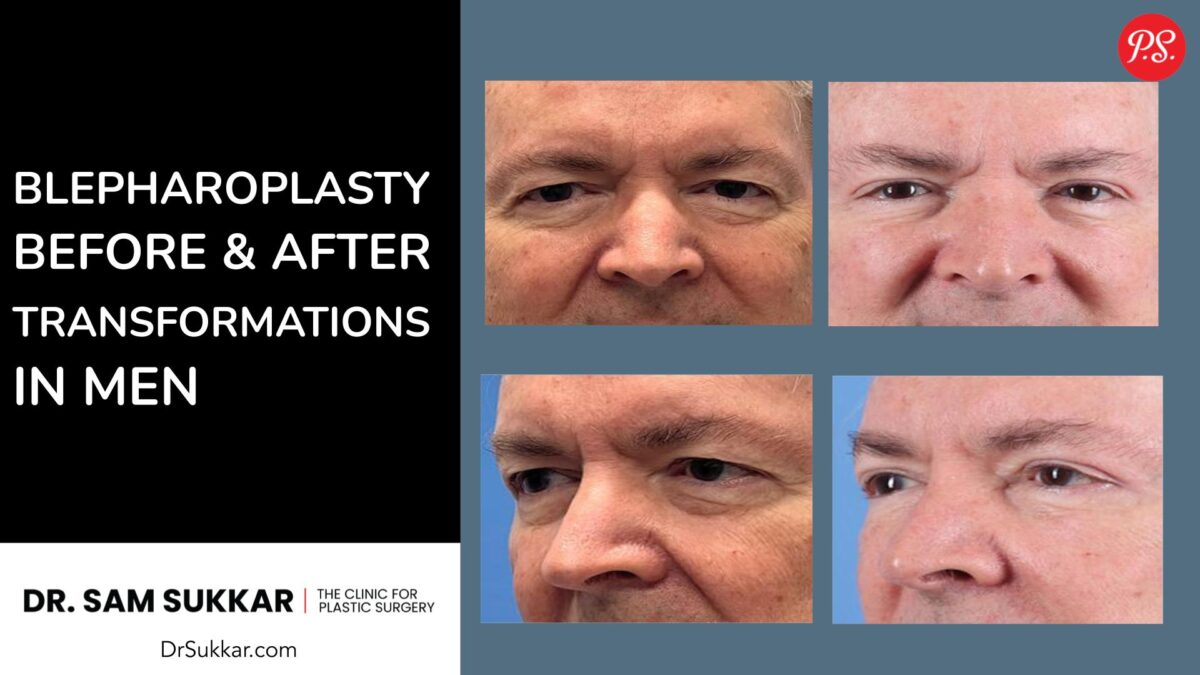
Key Takeaways of Ab Etching Cost in Houston, TX

  • Liposuction cost for ab etching in Houston ranges from $12,000 to $17,000, reflecting the precision required to sculpt abdominal muscle rather than remove bulk fat.
  • Total cost rises with additional areas treated, such as flanks, waist, chest, or back, due to longer operating time and facility fees.
  • Insurance rarely covers liposuction or ab etching, so most patients budget using savings, financing plans, or procedure packages.
  • Ab etching delivers definition, not weight loss, so long-term results depend on maintaining a stable weight after the procedure.
  • Results are technique-dependent rather than volume-based, which explains why ab etching costs more.

What Is Ab Etching and Who Is It For?

Abdominal etching is a specialized liposuction technique that removes excess fat in a very controlled way to highlight the natural contours of the abdominal wall.

Abdominal Etching as a Targeted Liposuction Procedure

An abdominal etching procedure doesn’t just melt fat randomly. Instead, the procedure strategically remove fat cells along and between the abdominal muscles to suggest a six‑pack appearance. This is why is also refer to it as a high‑definition liposuction or six‑pack liposuction.

Unlike traditional liposuction procedures that focus mainly on volume fat reduction, ab etching is a contouring cosmetic procedure. The goal is not how much weight a person loses but how sharply the abdominal area is sculpted. Most patients are already near their ideal body weight and follow a healthy diet and regular exercise routine.

Who Makes a Good Candidate for Abdominal Etching

Abdominal etching surgery is designed for men who are fairly fit but still struggle with localized pockets of excess fat over the abs. It is not appropriate as a primary weight loss procedure.

Ideal candidates have a stable, healthy lifestyle with consistent workouts, but their abdominal area does not match the rest of their body image. They should be at or close to an ideal weight, have realistic expectations, and understand that future weight gain can soften the definition that ab etching creates.

Factors Affecting Cost of Ab Etching in Houston, Texas

In Houston, the ab etching cost is higher than many standard liposuction treatments. This is because of the precision required for six‑pack definition.

Facility and Anesthesia Fees

In Houston, facility fees and anesthesia costs are often bundled into the quoted abdominal etching cost. The Clinic for Plastic Surgery is an accredited surgical center with modern equipment and experienced anesthesia providers.

The combination of facility costs, anesthesia fees, and nursing support can represent a significant portion of the overall cost of liposuction. But, most patients see these as necessary investments in safety and minimal downtime, rather than areas to cut corners.

Pre‑Op Testing and Post‑Op Care

Basic pre‑operative testing and scheduled post‑operative care are sometime included in the package price. That can cover lab work, health clearance, and routine follow‑up visits.

Some practices also include a compression garment, which helps control swelling and tighten skin around the abdominal area after fat removal. Additional garments, or extended follow‑up outside the standard plan, may create small extra charges.

Total Cost of Ab Etching in Houston, Texas

Because ab etching focuses on shaping rather than volume reduction. The work required is more meticulous, which is why most ab etching procedures in Houston fall between $12,000 and $17,000.

Another factor that affects total price is how the procedure fits into a patient’s broader body contouring plan. Patients who require skin tightening support, touch-up contouring, or treatment of adjacent areas such as the flanks may see adjustments within that same range. Together, these elements explain why ab etching costs remain higher than basic liposuction while delivering more defined abdominal results.

Key Factors That Influence Ab Etching Pricing

Although ab etching for men prices fall into a general range, several factors can push an individual quote higher or lower for each patient.

Experience and Reputation

Experience and reputation play a major role in ab etching pricing. Focusing heavily on high-definition abdominal sculpting and consistent refined six-pack results typically command higher fees. A long history of performing ab etching for men procedures and a strong portfolio of outcomes both influence overall cost.

Many patients are willing to pay more for this level of expertise because it supports consistent, natural-looking definition and reduces the risk of contour irregularities. Advanced technologies such as power-assisted liposuction, ultrasound-assisted liposuction, or laser-assisted liposuction are often used to create sharper abdominal lines, and access to these tools and techniques can also affect pricing.

Complexity of Your Case and Combined Procedures

Abdominal etching can be simple or quite complex, and complexity has a direct impact on the cost of liposuction. Treating only a small central abdominal area is faster than treating the entire waistline.

Many patients also combine ab etching with traditional liposuction in the flanks, chest, or back, or with a tummy tuck to tighten loose skin. Each added treatment area increases operating room time and raises the total cost of the surgical procedure.

Financing Plans for Your Abdominal Etching Procedure

Many patients choose financing plans to make abdominal etching more affordable and manageable over time.

Financing Plans and Payment Options

At practices like The Clinic for Plastic Surgery in Houston, flexible financing options are available through partners such as Cherry, CareCredit, and Prosper HealthCare Lending.

These programs allow patients to break the cost of abdominal etching into manageable monthly payments. Some plans offers interest-free promotional periods for qualified applicants. Depending on approval and selected terms, monthly payments can start as low as $324, making ab etching more accessible without requiring full payment upfront.

Why Insurance Rarely Covers Ab Etching

Because ab etching is considered a purely cosmetic and elective procedure, it is not covered by health insurance. Insurance companies generally restrict coverage to treatments that are medically necessary rather than those aimed at enhancing appearance. This means patients are responsible for out-of-pocket costs. This makes planning ahead, whether through savings, financing, or a combination, an important step in achieving your aesthetic goals while managing the financial investment.

Frequently Asked Questions About Ab Etching Cost in Houston, TX: Instant Six-Pack Abs Pricing

What is the typical ab etching cost in Houston, Texas?

The typical ab etching cost in Houston, Texas ranges from about $12,000 to $17,000, for an all‑inclusive estimate. This usually covers the facility and anesthesia charges, basic pre‑op testing, and post‑op care.

What factors most affect ab etching cost in Houston?

Abdominal etching cost is driven mainly by how complex your case is. Combining ab etching with other liposuction areas or a tummy tuck will increase the total price.

Is ab etching in Houston covered by insurance?

Health insurance almost never covers ab etching costs in Houston. Ab etching it’s considered an elective cosmetic body‑contouring procedure, not medically necessary fat reduction or weight‑loss surgery. Only very specific reconstructive cases of liposuction are sometimes considered, and these typically do not include high‑definition abdominal etching.

How can I save on ab etching cost in Houston, Texas without risking safety?

To save on ab etching without risking safety, many patients use Cherry financing through The Clinic for Plastic Surgery. Cherry allows approved applicants to divide the total cost into manageable monthly payments
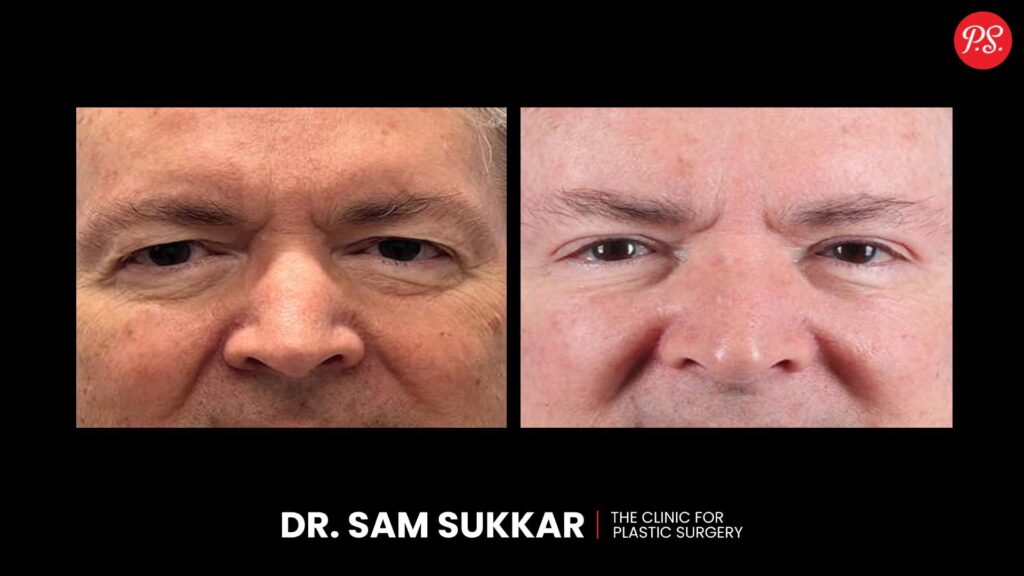
Conclusion and Summary of Ab Etching Cost in Houston, TX: Instant Six-Pack Abs Pricing

Abdominal etching in Houston, Texas is an innovative procedure for carefully selected patients who want sharper abdominal definition. The typical ab etching cost reflects the precision of the liposuction technique, and the quality of the surgical environment.

When patients look beyond the price and consider safety, and long‑term satisfaction, they are better equipped to decide whether ab etching is truly worth it for their goals. The next step is usually a one‑on‑one visit, where an accurate estimate can be created based on the individual’s anatomy, treatment plan, and expectations.

Your Trusted Destination for Ab Etching High-Definition Six-Pack Abdominals in Houston, Texas (TX)

Are you located in one of these Houston Metro Area cities?

Houston, The Woodlands, Sugar Land, Katy, Pearland, Pasadena, League City, Baytown, Conroe, Cypress, Spring, Kingwood, Humble, Missouri City, Friendswood, Bellaire, Clear Lake, Tomball, Galveston, Richmond, Rosenberg, Stafford, La Porte, Deer Park, Seabrook, Webster, Alvin, and Channelview.

Board-Certified Plastic Surgeon Dr. Sam Sukkar, MD, FACS, and the The Clinic for Plastic Surgery Team provide advanced body contouring techniques designed to create defined, athletic abdominal results.

If you struggle with stubborn abdominal fat or want to achieve more visible abdominal muscle definition, we offer comprehensive high-definition procedures for that six-pack abs look, including:

  • High Definition Liposuction for Men
  • Ab Etching and Abdominal Etching
  • High-Def Abdominal Surgery
  • Abdominal Liposuction
  • Six-Pack Abs Lipo
  • High Definition Liposuction for Women
  • Customized High-Definition Liposculpture Plans

Visit our modern 18,000+ sq. ft. plastic surgery center and med spa in Houston, Texas, designed for comfort, privacy, and results-driven care. From consultation through recovery, our skillful team focuses on sharp definition, balanced proportions, and natural-looking abdominal contour.

For patients outside the Houston area or those with limited availability, schedule a virtual abdominal contouring consultation.

Book Your Personalized Abdominal Consultation today at DrSukkar.com or call (281) 940-1535.

About the Author – Meet Dr. Sam Sukkar, MD

Dr. Sam Sukkar, MD, FACS is a highly respected Board-Certified Plastic Surgeon in Houston, Texas, known for his expertise in advanced cosmetic and reconstructive procedures. As the founder of The Clinic for Plastic Surgery, Dr. Sukkar has set a new standard for excellence, performing over 20,000 procedures with a focus on delivering natural, refined results.

Dr. Sukkar earned his Doctor of Medicine (M.D.) degree from Louisiana State University School of Medicine in 1992 after graduating summa cum laude with a Bachelor of Science in Microbiology. He then completed an intensive General Surgery Residency at the University of Texas Hermann Hospital before being selected for a highly competitive Plastic Surgery Fellowship at Northwestern University in Chicago, one of the most prestigious training programs in the country.

With more than 20 years of experience, Dr. Sukkar is a Diplomate of the American Board of Plastic Surgery and a Fellow of the American College of Surgeons (FACS). He is also an active member of the American Society of Plastic Surgeons (ASPS) and the Houston Society of Plastic Surgery (HSPS). His dedication to innovation and continuing education has solidified his reputation as a leading expert in aesthetic surgery, specializing in breast surgery, body contouring, facial procedures, and non-invasive treatments.

Dr. Sukkar’s expertise has been recognized by Houston Magazine, naming him one of Houston’s “Top Docs for Women,” and he has been featured among RealSelf’s America’s Top Doctors. Committed to his patients, he prioritizes personalized care, ensuring every individual feels informed, comfortable, and confident in their aesthetic journey.

Contact Dr. Sukkar today to schedule a consultation, visit DrSukkar.com to learn more, or call us directly at (281) 940-1535.