Liposuction Surgery in Houston: Benefits, Procedure, Recovery

Liposuction surgery has become one of the most popular cosmetic procedures for those looking to achieve a slimmer, more sculpted appearance. With advances in medical technology, it’s now safer and more effective than ever, helping people target stubborn fat that just won’t budge with diet and exercise alone.

Many choose liposuction to boost their confidence and feel more comfortable in their own skin. While it’s not a substitute for healthy habits, it offers a solution for areas that seem resistant to traditional weight loss methods.

Key Takeaways of Liposuction Surgery in Houston

  • Liposuction surgery is a cosmetic procedure designed to remove stubborn fat deposits and improve body contouring, but it is not intended as a weight loss solution.
  • Various liposuction techniques exist, including tumescent, ultrasound-assisted, power-assisted, and laser-assisted methods, each suited to different body areas and patient needs.
  • Ideal candidates for liposuction are individuals at or near their target weight with good skin elasticity.
  • Recovery typically takes four to six weeks, with results gradually revealing slimmer, more sculpted body contours as swelling subsides.
  • Potential risks include swelling, bruising, numbness, infection, and rare but serious complications, emphasizing the importance of choosing a skilled, board-certified surgeon.
  • Achieving and maintaining optimal results requires a commitment to a healthy lifestyle and stable weight following the procedure.

What Is Liposuction Surgery?

Liposuction procedure is a cosmetic procedure that removes excess fat from specific areas of the body. Plastic surgeons use modern liposuction techniques to improve body contouring, targeting localized fat deposits and enhancing aesthetic results.

During a liposuction procedure, a plastic surgeon makes small incisions and inserts a thin tube, called a cannula, to break up and suction unwanted fat. Various liposuction techniques exist, including tumescent liposuction, suction assisted liposuction, ultrasound assisted liposuction (UAL), and laser assisted liposuction. Each method offers unique benefits depending on the treatment area and the patient’s body type.

Who Is a Good Candidate?

Good candidates for liposuction surgery are individuals with stubborn fat deposits and good skin elasticity. Most candidates maintain a stable weight and exercise regularly but struggle with localized fat that resists weight loss.

Plastic surgeons evaluate candidates based on criteria such as skin tone, muscle tone, overall health, and realistic expectations for fat removal and body contouring. Liposuction techniques benefit those with good skin and muscle tone, as excess skin and poor elasticity limit optimal liposuction results. Candidates often undergo outpatient procedures and recover with the help of a compression garment, which supports the liposuction site and reduces swelling.

Types of Liposuction Surgery Procedures

Modern liposuction techniques target unwanted fat and localized fat deposits using precise fat removal methods. Plastic surgeons select the optimal liposuction procedure based on body contouring goals, the areas of the body involved, and the patient’s medical profile.

Tumescent Liposuction and Super-Wet Technique

Tumescent liposuction remains the most established plastic surgery choice for larger or multiple treatment areas. The surgeon injects a mixture of local anesthesia and saline into the surgical site, which causes fat to swell. A thin tube removes fat through small incisions, offering effective fat removal with minimal blood loss.

Super-wet technique uses less fluid injected than tumescent, matching the volume of fat removed. Patients usually have general anesthesia for this liposuction technique. This approach can shorten the surgical procedure while maintaining safety and efficiency, especially in areas with moderate localized fat deposits.

Liposuction 360

Lipo 360 is a body contouring procedure that targets stubborn fat around the entire midsection, including the abdomen, waist, flanks, and back. Unlike traditional liposuction that focuses on one area, Lipo 360 provides a comprehensive approach to sculpting the torso from every angle. This creates a smoother, more balanced figure by addressing fat pockets all the way around the body.

The procedure is often chosen by individuals who want a slimmer waistline, improved curves, and a more defined silhouette.

Ultrasound Assisted Liposuction (UAL) and Power Assisted Liposuction (PAS)

Ultrasound assisted liposuction (UAL) uses ultrasound energy to liquefy fat cells before removal. This modern technique benefits dense or fibrous fat areas like the upper back and male breasts. UAL suits cases where traditional liposuction may not achieve precise results, particularly in reconstructive surgery settings.

Power assisted liposuction (PAS) employs a vibrating cannula that quickly breaks up fat cells. Surgeons operate with more control and less fatigue, enhancing the overall precision of the procedure. PAS can increase efficiency during outpatient procedures for larger body contouring cases, such as abdominal muscles or thighs.

Laser Assisted Liposuction

Laser assisted liposuction, such as Smartlipo, melts excess fat using targeted laser energy. This method allows for smaller cannulas and addresses confined treatment areas like the neck or chin. The laser also stimulates collagen to improve skin tightness, addressing concerns about loose skin following fat removal.

Preparing for Liposuction Surgery

Patients preparing for liposuction surgery start by achieving a stable, healthy weight. Liposuction is a cosmetic procedure for removing localized fat deposits, not a weight loss procedure.

Medical Preparation and Lifestyle Adjustments

Patients meet with their surgical team to complete lab tests and pre-surgery evaluations. Medical staff assess overall health, good skin tone, and risk factors before starting any plastic surgery procedures. These measures prevent complications like fat embolism or blood clots during a surgical procedure.

Doctors advise stopping smoking at least two weeks before the procedure. Smoking limits blood flow and delays healing at the surgical site. People also refrain from drinking alcohol, which can increase bleeding risk and slow post-surgery recovery.

Reviewing all medications and supplements with the plastic surgeon is important. Patients often need to adjust or stop blood thinners, or certain herbal products before the surgery. These steps improve safety during fat removal and body contouring.

Home Preparation and Support for Recovery

Organizing the home before undergoing aesthetic surgery improves recovery. Many set up a rest area with extra pillows, a compression garment, and medical supplies for the liposuction site. Easy access to healthy meals and hydration supports the healing process after fat removal.

Arranging for a responsible adult to drive home from the surgery center and stay for 24 hours ensures safety. Patients often need help when moving or managing routine tasks in the first days, particularly after procedures involving general anesthesia or larger areas of excess fat. Reliable support helps prevent complications and optimizes recovery.

Attending all preoperative consultations with the plastic surgeon is essential. These visits cover procedural expectations, risks, the use of various liposuction techniques, and detailed care instructions. Understanding all aspects of body contouring surgery allows patients to prepare mentally and physically for the procedure.

What to Expect During the Procedure

Liposuction surgery starts in a surgery center or medical facility specializing in cosmetic surgery procedures. A board-certified plastic surgeon leads the surgical team through each critical step for safe and effective fat removal.

Fat Removal and Contouring Process

The fat removal stage uses a thin tube called a cannula inserted into each incision. The surgeon moves the cannula through the localized fat deposits, breaking up unwanted fat prior to extracting it with a suction device or surgical vacuum. Suction assisted lipectomy and power assisted liposuction further improve the efficiency of the process, addressing fatty bulges and stubborn deposits.

Different areas of the body, including the abdomen, thighs, and hips respond well to these techniques. The amount of excess fat removed depends on the surgical plan and the patient’s anatomy, not on how much weight is lost. After the surgeon removes fat, the incision sites are closed with sutures or left partially open for drainage. Temporary drains may help manage excess fluid.

Immediate Aftercare and Recovery Protocol

Right after the liposuction procedure, the staff fits the patient with a compression garment to control swelling and help the skin adapt to the new contours. Most individuals spend several hours in the recovery area under observation before discharge. If a significant amount of fluid is removed, an overnight stay may be required.

Patients commonly experience mild discomfort, swelling, and bruising at the surgical site. Prescribed pain medications and follow-up care instructions help manage symptoms during the early recovery phase. Most people return to work within about two weeks and resume exercising regularly or other normal activities in four to six weeks. Modern body contouring surgery techniques and postoperative care minimize risks and improve liposuction results.

Recovery and Results

Recovery from liposuction surgery follows a defined timeline. Outcomes depend on the technique used, the amount of fat removed, and adherence to proper aftercare.

Recovery Timeline and Aftercare

Patients typically recover from a liposuction procedure within four to six weeks. Most experience peak swelling and bruising in the first week, especially after tumescent liposuction or power assisted liposuction. Rest is recommended until light walking becomes comfortable. Gentle movement helps with blood flow and reduces the risk of blood clots, a known complication of surgical procedures in body contouring surgery.

Compression garments must be worn as instructed by the plastic surgeon. These garments help reduce swelling at the liposuction site and support smooth contour development following fat removal. By week two, many return to work if their job avoids heavy lifting. Most swelling begins to subside and incision healing progresses. Surgeons may suggest lymphatic massages to further ease recovery in select cases.

Recovery Progress

Progress becomes more noticeable in weeks three and four. Activity levels usually increase, with permission from the surgical team. Most resume normal aerobic exercise between weeks four and six as numbness and tingling decrease. For some, a longer recovery period follows if several areas of the body are treated or advanced liposuction techniques, like ultrasound assisted liposuction UAL, are used.

At the end of week six, compression garments are usually no longer needed. Swelling and bruising mostly resolve, revealing more of the new body contours. The importance of stable weight and regular activity continues beyond this stage, as weight gain may impact long-term liposuction results. Ongoing follow-up with the cosmetic surgery provider supports sustained improvement.

When to Expect Results

Initial results from liposuction become visible a few weeks after surgery as fluid and swelling dissipate from the treatment area. Treated fatty bulges shrink as excess fat is removed, though final results from body contouring depend on continued healing over several months.

Most patients notice major improvements within three to six months post-procedure. The full contour takes shape as tissue settles and all swelling resolves, particularly for those who underwent traditional liposuction or large-volume fat removal.

Longevity of liposuction results ties directly to maintaining a healthy weight and avoiding significant weight gain. New fat cells rarely regenerate in suctioned areas, though existing fat cells in other locations can enlarge. Following the plastic surgeon’s post-surgery care plan helps achieve consistent results that blend naturally with the body’s proportions after removing unwanted fat.

Risks and Potential Complications

Liposuction surgery, like other cosmetic surgery procedures, involves a range of potential side effects and risks.

Serious Complications and Considerations

Though rare, some complications of liposuction can threaten patient health. Infection at the liposuction site might occur, sometimes requiring additional medical or surgical treatment. In rare instances, the cannula may puncture internal organs such as the bowel or lung, an event that calls for swift emergency intervention. Fat embolism, where fat enters blood vessels, can block circulation to the lungs or brain, with potentially life-threatening results.

Risks and outcomes from liposuction depend on the plastic surgeon’s skill, the liposuction technique used, the amount of fat removed, and individual patient health. Closely following postoperative care instructions, and limiting physical activity, helps reduce complications after the procedure.

Benefits of Liposuction Surgery

Stubborn fat deposits resistant to diet and exercise respond well to modern liposuction techniques. The procedure improves body contouring by precisely sculpting localized fat deposits. Tumescent liposuction, suction assisted liposuction, and ultrasound assisted liposuction (UAL) each allow refined body shaping tailored to various treatment areas.

Patients see improved proportions and a slimmer appearance shortly after their liposuction procedure. Some experience boosted motivation to maintain these results by exercising regularly and managing their diet. Unlike traditional weight loss methods, liposuction directly removes fat cells, so targeted areas remain slimmer even after weight fluctuations unless excess weight is gained.

Frequently Asked Questions About Liposuction Surgery in Houston: Benefits, Procedure, Recovery

What is liposuction surgery?

Liposuction is a cosmetic procedure that removes stubborn fat from specific body areas using a thin tube called a cannula. It helps sculpt and contour the body but is not a replacement for healthy lifestyle habits.

Who is a good candidate for liposuction?

Good candidates have localized fat deposits that do not respond to diet or exercise, are near their ideal weight, have good skin elasticity, and are in overall good health. Realistic expectations are essential.

What areas of the body can be treated with liposuction?

Common areas include the abdomen, thighs, hips, upper arms, back, neck, and male chest (gynecomastia). The procedure can be customized based on individual goals and needs.

What types of liposuction techniques are available?

Techniques include tumescent, suction-assisted, Lipo 360, ultrasound-assisted (UAL), power-assisted (PAS), and laser-assisted (LAL). Each liposuction technique has unique advantages for different treatment areas and patient needs.

How long does recovery take after liposuction?

Most patients return to work within two weeks and resume regular activities in four to six weeks. Swelling and bruising peak in the first week and improve gradually with continued use of compression garments.

When will I see results from liposuction?

Initial results are visible after a few weeks, with major improvements appearing in three to six months as swelling subsides. Final contouring and skin tightening may take up to a year.

What are the side effects of liposuction?

Common side effects include swelling, bruising, numbness, and contour irregularities. These are typically temporary. More serious complications, like infection or fat embolism, are rare but possible.

Is liposuction a weight loss procedure?

No, liposuction is not designed for weight loss. It is best for removing localized fat in people who are near their ideal weight and want to target areas that don’t respond to diet or exercise.

How much does liposuction usually cost in Houston, TX?

The cost of liposuction in Houston varies based on the treated area, technique used, and surgeon’s expertise. In Houston, liposuction prices generally range from $5,500 to $10,000.

Conclusion and Summary of Liposuction Surgery in Houston: Benefits, Procedure, Recovery

Choosing liposuction is a personal decision that requires careful consideration and realistic expectations. Consulting with an experienced board-certified plastic surgeon can help anyone determine if this procedure aligns with their goals and health needs.

With ongoing advances in technique and patient care, liposuction continues to offer a safe and effective option for those looking to refine their body contours. Staying committed to a healthy lifestyle is key to enjoying long-lasting results and feeling confident in the changes achieved.

Your Premier Destination for Plastic Surgery in Houston, Texas (TX)

Are you located in one of these Houston Metro Area cities?

Houston, The Woodlands, Sugar Land, Katy, Pearland, Pasadena, League City, Baytown, Conroe, Cypress, Spring, Kingwood, Humble, Missouri City, Friendswood, Bellaire, Clear Lake, Tomball, Galveston, Richmond, Rosenberg, Stafford, La Porte, Deer Park, Seabrook, Webster, Alvin, and Channelview.

Board-Certified Plastic Surgeon Dr. Sam Sukkar, MD, FACS, and The Clinic for Plastic Surgery Team are here to help you achieve refined, natural-looking results.

Offering expert cosmetic enhancements in:

  • Breast Augmentation, Breast Lifts, and Breast Reduction
  • Tummy Tucks, Mommy Makeovers, and Liposuction
  • Facelifts, Neck Lifts, and Rhinoplasty
  • Body Contouring and Skin Tightening Procedures
  • Non-Surgical Aesthetic Treatments

Visit our modern 18,000+ sq.ft. luxurious plastic surgery center and med spa in Houston, Texas, where expertise meets artistry. Our highly skilled and compassionate team ensures a seamless experience, from consultation to recovery.

For patients outside of the Houston area or those with a busy schedule, Schedule a Virtual Consultation.

Schedule your personalized consultation today at DrSukkar.com or call (281) 940-1535.

About the Author – Meet Dr. Sam Sukkar, MD

Dr. Sam Sukkar, MD, FACS is a highly respected Board-Certified Plastic Surgeon in Houston, Texas, known for his expertise in advanced cosmetic and reconstructive procedures. As the founder of The Clinic for Plastic Surgery, Dr. Sukkar has set a new standard for excellence, performing over 20,000 procedures with a focus on delivering natural, refined results.

Dr. Sukkar earned his Doctor of Medicine (M.D.) degree from Louisiana State University School of Medicine in 1992 after graduating summa cum laude with a Bachelor of Science in Microbiology. He then completed an intensive General Surgery Residency at the University of Texas Hermann Hospital before being selected for a highly competitive Plastic Surgery Fellowship at Northwestern University in Chicago, one of the most prestigious training programs in the country.

With more than 20 years of experience, Dr. Sukkar is a Diplomate of the American Board of Plastic Surgery and a Fellow of the American College of Surgeons (FACS). He is also an active member of the American Society of Plastic Surgeons (ASPS) and the Houston Society of Plastic Surgery (HSPS). His dedication to innovation and continuing education has solidified his reputation as a leading expert in aesthetic surgery, specializing in breast surgery, body contouring, facial procedures, and non-invasive treatments.

Dr. Sukkar’s expertise has been recognized by Houston Magazine, naming him one of Houston’s “Top Docs for Women,” and he has been featured among RealSelf’s America’s Top Doctors. Committed to his patients, he prioritizes personalized care, ensuring every individual feels informed, comfortable, and confident in their aesthetic journey.

Contact Dr. Sukkar today to schedule a consultation, visit DrSukkar.com to learn more, or call us directly at (281) 940-1535.

Expected Recovery After Liposuction: Tips & Timelines

Wondering about the expected recovery after liposuction? This article breaks down recovery stages, timelines, and essential tips for healing. Understand what symptoms to expect, how to manage them, and when you can resume normal activities.

Key Takeaways

  • Liposuction recovery varies per person, but most can expect to return to normal activities within a week if they follow post-op guidelines.
  • Different liposuction techniques influence recovery times, so understanding the specific procedure you had is crucial for setting realistic expectations.
  • Staying healthy through proper diet, hydration, and gentle exercise supports healing and helps maintain the results of your liposuction.

Expected Recovery After Liposuction: Tips & Timelines

The recuperation phase following liposuction can differ widely based on various elements, including the patient’s age and health status and which body parts were treated. Having practical expectations and a clear understanding of your goals will help you navigate the recovery process more comfortably. The keys to a successful convalescence are patience and adherence to the instructions provided after surgery.

Typically, patients may resume their normal activities, including returning to work, within one week of surgery. Nevertheless, personal recovery timelines can vary significantly. Variables like how much fat was extracted or whether you underwent power-assisted versus tumescent liposuction can influence how long it takes for an individual to recover.

It is important during the recovery period that individuals take proper care of themselves while being aware that healing encompasses both physical restoration and maintaining a positive outlook through effective communication with healthcare professionals. Understanding that each person heals differently will assist in keeping stress at bay by fostering realistic perspectives regarding what you can expect throughout this time.

Should ongoing symptoms such as severe pain or excessive swelling worsen or do not match typical expected outcomes post-procedure, seeking medical attention promptly is crucial for safety purposes. Remember: attaining your desired physique continues beyond completing surgical procedures—it’s equally about successfully managing every step of your recuperation journey.

Introduction

Grasping the nuances of the liposuction recovery process is essential for attaining favorable results post-liposuction. It’s important for patients to maintain realistic expectations regarding their liposuction outcomes to ensure satisfaction with the procedure.

In this guide, we’ll navigate through every phase of the recovery process, offering useful advice and perspectives that aim at assisting you in securing optimal results from your liposuction treatment.

Understanding the Liposuction Procedure

Liposuction is a cosmetic procedure designed to remove excess fat from specific areas of the body, helping to enhance your body contours. The recovery experience can vary widely among individuals, influenced by factors like age, health status, and medical history. Following your surgeon’s instructions ensures a smooth recovery and optimal results.

Most patients can expect a short-term recovery period of about one week, allowing many to return to work and daily activities. However, realistic expectations for recovery are important, as individual health and specific treatment areas can significantly affect the duration.

Types of Liposuction Procedures

There are different types of liposuction procedures, each affecting recovery duration in its own way. Tumescent liposuction involves the use of a solution that helps not only with efficient fat removal but also serves to reduce discomfort during the procedure. Conversely, power-assisted liposuction employs a distinctive device designed to improve the effectiveness of extracting fat.

Likewise, other techniques like ultrasound-assisted and laser-assisted methods or vaser liposuction have their individual timelines for recovery and success rates in eliminating fat. The selection of a particular type of liposuction procedure impacts both how well it can remove unwanted fat as well as how long and involved the post-procedure recuperation will be.

Immediate Post-Surgery Phase

Following liposuction surgery, it’s common to experience symptoms such as swelling, bruising, and redness. These signs are typical during the initial healing stage and tend to diminish after the first week post-operation. Patients may feel a sense of bloating due to substantial fluid used in the procedure.

The intensity of bruising reached its highest point within one week after the operation. It often shifts from reddish or pink hues to darker tones like blue or purple before starting to fade around two weeks following your surgery. Being aware of these expected outcomes can facilitate a smoother recovery by minimizing anxiety related to post-surgical changes.

Adherence is key when it comes to recuperation. Closely following your surgeon’s recommended care instructions will foster an optimal healing environment. This involves consistently taking any medications they have prescribed and properly wearing compression garments throughout this critical period.

Pain Management and Medications

Effective pain management is vital for a smooth recovery. Tylenol or other pain medicines are commonly prescribed for pain relief after liposuction. Patients typically receive a combination of pain medication and antibiotics to prevent infection.

Discuss persistent or worsening pain with your healthcare provider.

Compression Garments

Compression garments play a vital role in supporting the healing process by minimizing swelling. Failure to wear a compression garment can result in exacerbated swelling and could potentially cause complications following the procedure.

It is critical not to take off the compression garment during the initial night post-op and to adhere strictly to all aftercare directions provided.

Week-by-Week Recovery Timeline

The process of recovery following liposuction differs from person to person, depending on unique factors and the particular areas that underwent treatment. Recovery experiences and timelines can also differ due to the different techniques used in liposuction. While most swelling is expected to subside by three months after the procedure, it may take as long as six months for the final results to become evident.

It’s helpful for patients to grasp a week-by-week breakdown of what they might encounter during recovery so they can have realistic expectations and schedule their activities appropriately. This includes knowing what typically happens in the first few weeks post-operation and how recovery progresses over time.

First Week Post-Liposuction

Getting sufficient rest is crucial following a liposuction procedure, with ample sleep being an important component of the healing process. Most patients are able to resume their work responsibilities after taking several days to recuperate post-surgery. Engaging in light activities, such as brief strolls, can be beneficial for recovery and enhancing blood flow.

Consistent use of compression garments plays a pivotal role in minimizing swelling and fostering ideal outcomes following liposuction. Patients can typically observe a notable decrease in swelling within the initial week of recovery while progressively reintroducing mild physical exercise into their routine.

Although some level of pain and discomfort might persist throughout the healing period, there should be a substantial alleviation experienced by patients as they recover.

Weeks 2-4 Post-Liposuction

During the second to fourth week after undergoing liposuction, patients will likely experience a noticeable reduction in swelling and may be able to resume their regular activities. It is common for individuals to go back to work at the two-week mark post-procedure. Throughout this phase of recovery, it is essential that patients continue wearing compression garments to promote optimal healing.

As time goes on, there will be a steady enhancement in comfort levels and physical movement. It’s crucial during this important stage of recovery that patients are attentive to their body’s responses and refrain from pushing themselves too hard.

Weeks 5-6 and Beyond

After undergoing liposuction, it can take several months for swelling to fully dissipate, and patients may experience residual swelling during this time. Around the sixth week post-operation, one can usually begin to observe the complete effects of their liposuction treatment as most of the bruising and significant swelling will have decreased.

From this point forward, unless advised differently by a physician, there are no limitations on physical activity. Within one to three months after the procedure, patients should notice only minimal swelling remaining and be able to see optimal results from their liposuction.

Essential Tips for a Smooth Recovery

To ensure a smooth and successful recovery following liposuction, it is critical to meticulously plan and strictly follow the prescribed post-surgery instructions. Creating a conducive environment at home that aids in recuperation, along with concentrating on decreasing inflammation and fostering healing through proper nutrition and physical activity, are vital preparation steps.

Disregarding these post-operative recommendations can negatively impact the outcomes of the liposuction procedure.

Healthy Diet and Hydration

Maintaining a healthy lifestyle with proper nutrition and hydration is essential for the best recovery following liposuction. Consuming whole foods like fruits, vegetables, lean meats, and grains is fundamental to preserving the effects of your liposuction procedure. The inclusion of fresh produce not only enriches your diet, but also facilitates recovery and tissue healing post-surgery.

Keeping yourself adequately hydrated plays a crucial role in regulating metabolic functions and supporting digestion. This helps in controlling appetite as well. It’s important to drink sufficient amounts of fluids — particularly water or herbal teas — during the period of recuperation after liposuction.

It’s also critical to watch portion sizes even when eating healthful items to avoid unwanted weight gain post-liposuction. Moderation is key in maintaining results while enjoying a variety of nutritious food options.

Gentle Exercise and Movement

To aid drainage and prevent complications during the recovery routine, it is advised to integrate light physical activity such as brief strolls, which can improve blood circulation.

Follow-Up Appointments

It is vital to maintain routine appointments with the surgeon for monitoring the progress of recovery and dealing with any emerging concerns. These visits play an essential role in confirming proper healing and detecting early signs of any possible complications.

What to Avoid During Recovery

Steering clear of specific actions and routines while recuperating can significantly boost the healing process. For instance, limiting extended periods of sitting or reclining is advised to promote adequate blood flow. It’s important to avoid consumption of unhealthy food that may incite inflammation and extend the duration required for recovery.

Following surgical procedures, only taking showers is advisable. Immersing in baths should be avoided to minimize the potential for infections.

Strenuous Activities

It is important to avoid intense physical activity until healing is complete, as it increases the chances of infection and tearing at the incision site. Typically, those who have undergone liposuction can safely get back to their normal exercise regimen in a span of four to six weeks, which gives sufficient time for proper recovery before engaging in regular physical activities.

Once patients start reintroducing light exercise into their routine, they should still be cautious not to undertake any vigorous or demanding exercises.

Smoking and Alcohol

For optimal recovery, it is crucial to steer clear of substances such as nicotine and alcohol because they can disrupt the healing process and extend the duration needed for recuperation.

Recognizing and Addressing Complications

Recognizing potential complications such as persistent swelling, extended discomfort, and indications of infection during the healing process is vital. Understanding when to seek medical help plays a significant role in ensuring a successful recovery.

Signs of Infection

If you notice red streaks surrounding the incision site, increased heat in the area, or discharge of yellow or green pus from the cuts, it could suggest an infection. It is crucial to seek immediate advice from your surgeon if you observe such symptoms.

Postoperative fever or chills can be indicative of a severe complication and warrant prompt medical assessment.

Managing Unexpected Symptoms

During the initial recovery period following surgery, it is important to be vigilant for atypical symptoms such as intense pain, excessive swelling, and extended periods of discomfort. Monitoring your condition closely during the early stages post-surgery is essential.

To handle unexpected swelling and severe pain effectively, one should follow a regimen that includes taking prescribed medications on schedule, ensuring sufficient rest, and consistently wearing compression garments according to medical advice.

Maintaining Your Liposuction Results

To preserve the outcomes of your liposuction, adopting a healthy lifestyle is crucial. To maintain the body contour you acquired post-liposuction, it’s important to consume a balanced and nutritious diet filled with fruits, vegetables, proteins, and wholesome carbohydrates that align with your reshaped physique.

Regular physical activity plays an essential role in maintaining both your weight and the contours shaped by liposuction. A mix of cardio exercises alongside strength training can keep you at a healthy weight while toning your fat cells for continued definition.

Keep in mind that while liposuction enhances body shape improvement, it should be seen as an adjunct to—rather than replacement for—a commitment to lifelong health practices.

Summary

In summary, the recovery process after liposuction is a journey that requires patience, adherence to post-operative care guidelines, and a commitment to a healthy lifestyle. By understanding what to expect during each phase of recovery, managing pain and complications effectively, and maintaining your results through diet and exercise, you can achieve the best possible outcomes. Here’s to a smooth recovery and enjoying the new you!

Who Is an Ideal Candidate for Liposuction?

Is liposuction right for you? Typically, ideal candidates are adults within 30% of their target weight (as determined by their body mass index) who maintain a stable weight but struggle with stubborn fat pockets. Good overall health and skin elasticity are essential for best results. This article outlines who is an ideal candidate for liposuction and what qualities make someone suitable for the procedure.

Key Takeaways

  • Ideal candidates for liposuction are usually adults who are within 30% of their ideal weight, have good skin elasticity, and have specific body contouring goals.
  • Liposuction is primarily used to remove stubborn fat pockets and is not a weight-loss solution, making overall health and lifestyle essential for successful outcomes.
  • Consultation with a board-certified plastic surgeon is crucial to determine candidacy, discuss goals, and assess any medical conditions that may impact the procedure.

Who Is an Ideal Candidate for Liposuction?

Understanding who is an ideal candidate for liposuction is essential when contemplating the procedure. Ideal candidates are typically adults within 30% of their ideal weight, with localized stubborn fat pockets and excess fat that do not respond to diet and exercise. Good skin elasticity is also important to ensure optimal results.

Candidates should also possess a positive mindset and clear goals regarding body contouring. Liposuction can be an effective option if you’re seeking to remove stubborn fat pockets to refine your figure, given you maintain realistic expectations about its outcomes. It’s crucial to understand that liposuction isn’t designed as a means for significant weight loss but rather serves as a technique for sculpting the body more precisely.

It’s equally critical to consider any pre-existing health conditions before undergoing liposuction. Those suffering from serious medical issues, such as heart or lung disease, may find themselves ineligible due to the potential risks associated with surgery. As overall well-being plays a role in determining candidacy for this surgical intervention, those dealing with chronic disorders like autoimmune diseases need careful consideration because of possible complications they might encounter during or after the procedure.

Introduction

Liposuction is a surgical procedure that targets and eliminates fat accumulations in certain regions of the body. It helps those who contend with surplus fat on their abdomen, thighs, or arms sculpt and define these areas for an improved physique.

Individuals often resort to liposuction when standard weight management strategies such as dieting and exercising fail to yield their desired results. It’s important to recognize that while liposuction is not a method for shedding weight, it serves as a technique for reshaping the contours of the body by extracting persistent pockets of stubborn fat to refine one’s silhouette.

Characteristics of Ideal Candidates

Individuals ideally suited for liposuction often exhibit several distinct attributes.

  1. They have a consistent body weight but struggle with excess fat deposits that do not respond to dietary changes or increased physical activity.
  2. Typically, they are no more than 30% above their ideal body mass.
  3. They possess strong skin elasticity, which is conducive to smoother healing and superior outcomes after the operation.

Possessing robust health is equally critical for potential patients. Candidates must be in sound overall condition to reduce surgical risks and promote an efficient and successful liposuction experience. The presence of chronic illnesses such as autoimmune diseases or serious medical conditions like respiratory ailments may complicate one’s candidacy for safely undergoing liposuction. Having positive expectations and clear objectives concerning body reshaping is vital.

An extensive evaluation with a board-certified plastic surgeon is imperative to ascertain if you fulfill these qualifications. This consultation entails discussing your aesthetic goals, reviewing your complete medical history, and considering how lifestyle habits might influence the procedure—a necessary step in acquiring personalized guidance on liposuction suitability.

Near Ideal Weight

Those who are closest to their normal weight often find liposuction most beneficial. Ideally, candidates should be within 30% of their ideal body weight to achieve the best outcomes from this procedure. When someone is close to their target weight, liposuction can effectively focus on sculpting and refining particular areas instead of being deployed as a strategy for significant weight loss.

For individuals carrying a substantial amount of extra fat, it’s advised they engage in a dedicated weight loss program before considering liposuction. The intention behind liposuction is specifically tailored toward eliminating stubborn fat pockets that persist despite a healthy diet and regular exercise—not as the principal method for shedding pounds. Establishing and adhering to an appropriate balance of nutritious eating habits and consistent physical activity is key to ensuring the most favorable results from liposuction.

Good Health

Maintaining good health is essential for individuals contemplating liposuction. It’s important candidates are not afflicted by any severe medical conditions that could impede the healing process, as a healthy body is more resilient to surgical stress and can recover more efficiently post-operation.

Potential candidates must have conditions like hypertension, asthma, or significant heart complications assessed before undergoing the procedure, as these conditions can heighten procedural risks. A comprehensive medical examination before liposuction will help pinpoint any existing health hazards and enable your surgeon to tailor the surgery while prioritizing your well-being.

Healthy Lifestyle

Maintaining a healthy lifestyle is crucial for those seeking to qualify as candidates for liposuction and preserve the outcomes of their surgery. It’s vital that individuals maintain a stable weight, adhere to a nutritious diet, and exercise regularly. These practices not only assist in retaining the advantages gained from liposuction but promote overall satisfaction in the long run.

Part of living healthy involves refraining from smoking due to the adverse effects on healing post-surgery and escalating complication risks. Those who smoke must quit at least six weeks prior to undergoing liposuction to mitigate these potential issues.

Being in good health and adhering to a healthy lifestyle go hand in hand. These fundamental factors define one’s eligibility for undergoing liposuction successfully.

Skin Elasticity and Muscle Tone

The outcome of a liposuction procedure is greatly influenced by the condition of the skin and muscle tone. Optimal candidates for this fat removal surgery should possess strong, elastic skin that can retract and adapt to altered body shapes after the fat is extracted. The skin’s ability to spring back not only improves postoperative recovery but also elevates the quality of the final cosmetic results.

Similarly, having good muscle definition plays a critical role in supporting the overlying skin and ensures smoother, more attractive contours following a liposuction treatment. Engaging in consistent exercise routines to maintain solid muscle tone can profoundly improve the effectiveness and aesthetic benefits of a patient’s liposuction procedure.

Good Skin Elasticity

Robust skin elasticity is essential for those considering liposuction. Insufficiently elastic skin might not contract well enough following the removal of fat, which can result in unsatisfactory effects like drooping. This explains why younger people, typically possessing superior skin elasticity, tend to obtain better outcomes from liposuction.

For older individuals or those whose skin has lost its natural resilience and flexibility, extra measures like a tummy tuck may be recommended to manage excess loose skin. Favorable results post-liposuction greatly depend on the quality of one’s skin elasticity.

Good Muscle Tone

Maintaining good muscle tone is essential for keeping the skin firm and preserving the shape of the body after liposuction. Enhanced muscular strength plays a crucial role in supporting the skin and contributes to a more refined, smoother look. Muscle tone becomes even more critical in areas such as the upper arms, where the level of muscle definition can greatly influence post-liposuction results.

Consistent exercise that improves muscle tone can facilitate superior outcomes with body contouring procedures. Well-defined muscles assist in extending a patient’s liposuction benefits and upholding an attractive physique over time.

Medical Conditions and Candidacy

A person’s suitability for liposuction is significantly influenced by their medical history. Ideal candidates are typically in good health and free from serious conditions that might impede the healing process post-surgery, providing an assurance of both safety during the procedure and an efficient recuperation period.

When it comes to candidates over 50 years old contemplating liposuction, they must undergo a comprehensive evaluation of their health to ensure any pre-existing chronic ailments won’t negatively impact the recovery phase. Although there isn’t a definitive age cutoff for undergoing liposuction, factors like general health status and skin quality remain paramount considerations for older individuals. Maintaining good health reduces surgical risks and contributes to achieving optimal outcomes from the procedure.

Contraindications

Some health issues might exclude a person from being eligible for liposuction. Conditions like hypertension, diabetes, and asthma could impact one’s ability to undergo the procedure. Major medical concerns, including lung disease and heart disease, are also considered major reasons not to proceed with liposuction.

People who have disorders that affect blood clotting or those who have experienced heart attacks may be judged as ill-fit candidates for the procedure. It is essential to fully inform your surgeon of any medical conditions you have to verify that it’s safe for you to undergo liposuction.

Smoking and Medications

Individuals who smoke are at a heightened risk of complications and infections when undergoing liposuction and may face issues with anesthesia. To mitigate such risks, it is recommended that patients cease smoking a minimum of six weeks prior to the surgery.

It is also imperative for those preparing for liposuction to disclose any usage of blood thinners or various medications to their surgeons. These substances have the potential to interfere with the healing process post-surgery, necessitating an adjustment strategy before proceeding with the operation. Strict adherence to pre-operative instructions is crucial for ensuring the safety and success of your procedure.

Types of Stubborn Fat Suitable for Liposuction

The liposuction procedure is designed to remove unwanted fat from problematic areas. Liposuction excels at extracting subcutaneous fat—the layer found directly underneath the skin—which is more reachable and less hazardous than other varieties of fat, making it perfectly suited for cosmetic intervention.

Liposuction should not be mistaken for a weight loss strategy. Rather, it serves as a technique for sculpting the body and eradicating localized accumulations of stubborn fat. These stubborn pockets often persist despite adherence to diet and exercise regimens, prompting individuals to seek out this particular form of targeted fat removal.

Subcutaneous Fat

Subcutaneous fat accounts for approximately 80% of all body fat and resides directly under the skin. It can be both seen and felt, rendering it susceptible to extraction via liposuction techniques.

Liposuction is adept at targeting stubborn fat pockets beneath the skin and removing them to achieve a sculpted, defined physique. By focusing on this specific type of fat, a person can dramatically enhance the aesthetic appeal of various body areas through contouring methods.

Visceral Fat

Deep within the abdominal cavity, visceral fat wraps around essential organs and carries significant health risks. Liposuction is not an effective treatment for this kind of fat, which requires alternative approaches like lifestyle modifications and participation in weight loss initiatives.

Although liposuction isn’t appropriate for removing visceral fat, it’s vital to tackle it by adhering to a proper diet and exercise regimen. Successfully controlling visceral fat can enhance the outcomes of liposuction and promote an overall healthier body composition.

Volume Limits for Fat Removal

During a liposuction procedure, there are established safety thresholds regarding the volume of fat that can be safely extracted. To maintain a high level of safety and minimize potential risks, professionals advise restricting the removal to around 2 to 4 liters of fat per session.

Exceeding this recommended quantity for extraction could greatly increase the likelihood of complications. It’s essential for individuals to have realistic expectations and recognize that liposuction serves as a method of body contouring, not a solution for significant weight loss.

Safe Removal Volumes

Adhering to safe removal volumes is essential for the success of a liposuction procedure. Maintaining fat extraction within the 2 to 4-liter range can lead to a safer surgical experience and an improved recovery period.

For individuals contemplating liposuction, it’s essential they maintain realistic expectations regarding their potential outcome and the recuperation process. Being aware of these limitations aids in obtaining favorable results while reducing possible hazards.

Age and Liposuction

Age can impact the outcomes of liposuction, mainly because of variations in skin elasticity and healing rates. Patients under 40 often have superior skin elasticity, which contributes to improved liposuction results since their skin is more capable of adapting smoothly to the body’s reshaped contours following fat extraction.

Although being older doesn’t automatically rule out the possibility of someone undergoing liposuction, older candidates may notice increased skin sagging. This could influence how effectively the skin adjusts post-procedure and might lead to less favorable outcomes.

Younger Candidates

Individuals with elastic skin, often found in younger people, are likely to experience superior results following a liposuction procedure. Their skin’s natural resilience promotes effective shrinkage and smoother healing after the operation, which can lead to more defined and pleasing body shapes. Hence, these characteristics tend to position them as prime candidates for liposuction.

Faster healing periods are characteristic of younger patients, which enhances the recuperation process. This quicker recovery is conducive to achieving optimal liposuction results.

Older Candidates

Individuals of advanced age who are considering liposuction need to be aware that the natural aging process can present certain obstacles. The loss of skin elasticity over time can impact the effectiveness of liposuction in sculpting preferred body shapes and may prolong recovery due to slower healing abilities.

It is important for these candidates to maintain realistic expectations and engage in thorough discussions with their surgeons about possible results and additional surgical options, such as tummy tucks, to enhance their outcomes.

Alternatives to Liposuction

Individuals not suited for liposuction have a range of other options. Less invasive techniques such as CoolSculpting offer an alternative path to body contouring, enabling the reduction of fat in targeted areas without undergoing surgery.

For those seeking more extensive body reshaping, surgical procedures like tummy tucks present another possibility for thorough body contouring. It is advisable to seek advice from a certified healthcare practitioner who can assist in evaluating these alternatives and recommend the most appropriate method tailored to their unique requirements.

Non-Surgical Options

CoolSculpting stands out as a widely chosen non-invasive substitute for liposuction that targets and destroys fat cells through a process of controlled cooling. This method is a non-surgical solution to diminishing unwanted fat in select areas.

Alternatively, SculpSure employs laser technology to diminish up to 24% of the fat cells within a treated region over multiple sessions. These procedures are perfect for individuals seeking to bypass the potential hazards and recovery period that come with surgical approaches.

Nevertheless, maintaining realistic expectations is crucial when considering non-surgical options because the outcomes may not be as profound compared to those obtained from liposuction surgery.

Surgical Alternatives

Tummy tucks and mommy makeovers are plastic surgery options that extend beyond simple fat removal and offer a more inclusive solution that tightens skin and repairs muscles, unlike liposuction.

For improved body contouring outcomes, one might consider combining different procedures, like tummy tuck, with liposuction. A consultation with a board-certified plastic surgeon is essential to ascertain the most suitable surgical strategy tailored to your individual goals.

Consultation with a Board Certified Plastic Surgeon

Seeking advice from a skilled plastic surgeon is essential to embarking on your liposuction journey. The consultation phase allows you to explore the potential advantages and dangers unique to your case and clearly define your body contouring objectives. Your surgeon’s expertise and your unique desires play pivotal roles in shaping your ideal course of action.

Maintaining an optimistic attitude and having definitive goals are critical for achieving pleasing results with liposuction. By assessing elements of your medical background, present health condition, and lifestyle habits, your surgeon can offer personalized recommendations aimed at facilitating both a safe and successful body-reshaping outcome.

Personal Consultation

A personal consultation with an experienced plastic surgeon is essential to determine if you are a suitable candidate for liposuction. This discussion will revolve around your medical history, any past surgical procedures, and the medications that currently form part of your regimen. The details provided will assist the surgeon in evaluating your eligibility and devising an appropriate plan for your procedure.

Maintaining an optimistic attitude coupled with clear body contouring goals can greatly improve the likelihood of achieving your desired results. Discontinuing smoking at least six weeks before undergoing liposuction can decrease potential surgical complications and promote a more efficient healing process for your body.

Choosing the Right Surgeon

Choosing an appropriately qualified surgeon is essential to the success of your liposuction procedure. It’s vital to engage a board-certified plastic surgeon with ample liposuction experience, as this certification indicates that the surgeon received comprehensive training and maintains rigorous professional standards.

For those considering liposuction, it is advised that you confirm the specialization and successful history of outcomes of any potential surgeons. Conducting detailed research and seeking consultations from various surgeons will assist in making an educated choice and optimize your chances of attaining exemplary results from your liposuction procedure.

Summary

To summarize, the ideal liposuction candidate has achieved and sustains a constant body weight, possesses clear goals for reshaping their physique, and boasts robust overall health. Strong skin elasticity and solid muscle tone significantly influence the likelihood of a successful outcome for this cosmetic surgery. Consulting with a board-certified plastic surgeon is essential to tailor your procedure to your unique requirements and anticipated results.

Keep in mind that liposuction is a technique for eliminating persistent pockets of fat to refine the silhouette of your body, not for losing weight. By understanding what makes someone ideally suited for liposuction and thoroughly examining all possible approaches, you can make an informed decision on how to acquire the figure you’ve long envisioned.

Gain Contour And Shape With Vaser® Liposculpture

GAIN CONTOUR AND SHAPE WITH VASER® LIPOSCULPTURE

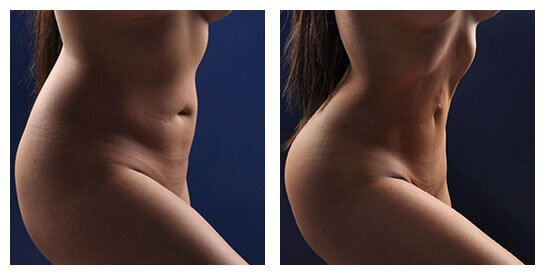
For most of my patients seeking to remove excess pockets of fat with liposuction, I recommend VASER® Liposculpture. With this unique technology, I am able to selectively remove fat that is resistant to diet and exercise. With traditional liposuction, it is more difficult to remove fat as precisely because it does not allow for the same level of control offered by VASER® Liposculpture. The technique I use, called “high definition,” or “Hi Def” allows me to create shape and contour that can meet each patient’s individual needs. The VASER® High Definition Liposculpture procedure also differs from traditional liposuction because it generally causes less bruising and less trauma to my patients. This advantage is another reason why it is my preferred method of fat reduction. More importantly, though, VASER® Hi Def is actually able to remove more fat than traditional liposuction, because it is able to address the superficial layer of fat. This layer of fat is not able to be removed with traditional methods, which only address the deep and middle layers of fat. VASER® Hi Def allows me to treat all three layers, and gives me the ability to precisely remove fat so that I can carefully reveal the athletic figure you’ve worked so hard for!

LEARN MORE

For more information about VASER® Hi Def Liposculpture, or to schedule a consultation with our board-certified plastic surgeon in Houston, Dr. Sam Sukkar, please contact us today.

New Power-Assisted Liposuction Device Available At Houston Plastic Surgery Practice

At his center for plastic surgery in Houston, Dr. Sam Sukkar has announced he will be now providing an innovative technique for liposuction to help patients achieve a slimmer figure with less downtime and discomfort than traditional procedures. As modern plastic surgery continues to evolve and progress towards providing safer, more successful care, Dr. Sukkar says his new PowerX® Power-Assisted Liposuction device is a top-of-the-line advancement designed to increase efficiency and effectiveness. He says he is excited to introduce the new procedure and hopes it will allow him to enhance the level of care available at his practice through constant pursuit of the latest techniques and technologies.

As a plastic surgeon in Houston, Dr. Sukkar focuses on a wide variety of aesthetic treatments, ranging from liposuction and tummy tucks to breast augmentation and facial rejuvenation. With demand for cosmetic surgery at one of the highest levels in recent history, he says staying up-to-date with the most advanced devices and approaches is essential for treating patients, particularly with a procedure such as power assisted Liposuction in Houston. Thanks to a host of patient benefits, Dr. Sukkar says the PowerX® Liposuction System will be a welcome addition to his practice’s line of procedures to help men and women gain confidence in their bodies. “PowerX is a powerful liposuction aspiration technology that will allow a more efficient fat removal with ultimately less down time for the patient and less fatigue on the surgeon. This is exciting because it will allow more time for precise sculpting,” says Dr. Sukkar.

Developed by the same company that produces VASER® Liposuction, Sound Surgical Technologies, Inc., the PowerX® Liposuction System utilizes a rotational handpiece and continuous, uninterrupted suction to reduce fat deposits and create a more sculpted appearance. Dr. Sukkar says some of the most notable benefits available from the innovative design are optimal control and precision from the surgeon, which allows for minimized trauma and bruising to the surrounding areas, lower discomfort, and a shorter procedure and recovery time. Because of advancements in body contouring like the PowerX® Liposuction System and VASER®, he says patients will be able to achieve a more toned figure, as well as the lasting reduction of fat in problem areas such as the hips and abdomen: “Patients will enjoy a smoother final result and optimal shape after liposuction with VASER and PowerX. Liposelection with VASER and evacuation with powerX will result in less trauma to the patient with a quicker recovery and minimal downtime.”

As with any medical procedure, Dr. Sukkar says he recommends any patient considering a liposuction procedure consult with a properly-trained, board-certified plastic surgeon before undergoing treatment. He says taking the time to select the right practice, equipped with the right tools, will be one of the most important factors in attaining effective, safe, and beautiful results from a cosmetic enhancement like body contouring: “Providing state of the art technology is an indication of a plastic surgeon’s commitment to excellence and his patient’s ultimate result. An appropriate use and selection of the latest technology will allow for the very best for my patients- minimizing their recovery and providing superior outcomes with complementary tools such as VASER and PowerX by Sound Surgical Technologies, INC.”

For more information about the PowerX® Power-Assisted Liposuction procedure, click here.

About Sam M. Sukkar, MD, FACS

Dr. Sam Sukkar graduated from medical school at Louisiana State University School of Medicine in New Orleans, after which he completed a general surgery residency at the University of Texas Hermann Hospital at the Texas Medical Center and a plastic surgery residency at Northwestern University. During his training, he was awarded the Thomas D. Cronin Fellowship in Plastic and Reconstructive Surgery in the Division of Plastic Surgery. Dr. Sukkar is board-certified by the American Board of Plastic Surgery, a Fellow of the American College of Surgeons, and a member of the American Society of Plastic Surgeons. He has been selected to Houston Magazine’s “Top Doctors for Women” on several occasions.

Located at 14018 Aesthetic Circle, Houston, TX 77062, Sukkar Aesthetic Plastic Surgery can be reached at (281) 940-1535. It can also be contacted online via the website drsukkar.com or the Sukkar Aesthetic Plastic Surgery Facebook page.

Liposuction 101

So you are thinking about getting liposuction and you are confused? That is not surprising, given the overwhelming amount of information about the subject in the media and on the Internet. The purpose of this article will be to get you up to speed with the pertinent terminology, technology available, and equipment as well as the advantages and disadvantages of each system. In addition, new, exciting techniques will also be reviewed. I have been in private practice for about 10 years and have used all of the systems available and feel very qualified to give a thorough, accurate evaluation on this subject.

While there are many differences between the various liposuction technologies and modalities available, you may be surprised to learn that all liposuction procedures have many common features which I will outline for you.
There are three main phases to most if not all liposuction procedures – infiltration phase, fat preparation phase, and fat aspiration phase. The infiltration phase consists of infusing a saline solution containing numbing agents (lidocaine), and epinephrine to shrink the blood vessels to minimize bleeding. When awake liposuction is performed, bicarbonate is also added to decrease the stinging sensation as the fluid is infiltrated.

The second phase of liposuction involves preparation of the fatty tissue for extraction. The way this occurs is dependent on each unique technology and it’s effectiveness also varies. For example, ultrasound energy is used to soften the fat with ultrasonic liposuction (Vaser), whereas a laser is used to soften the fat with laser liposuction (Smartlipo)Traditional and power assisted liposuction utilize mechanical energy to prepare the fat.

The last phase of liposuction is aspiration of the fat. This is the phase that ultimately determines your result and is dependent on the skill and artistry of the surgeon performing your procedure. When the fat has been prepared adequately, the fat comes out easily and with minimal trauma, whereas with no fat preparation it may be difficult to extract and the amount of trauma required to do so may be more extensive.

A good surgeon should be able to deliver a nice result utilizing the technology that they are the most comfortable and experienced with. It remains controversial as to what system is the best or gives the best result, but I will offer a few observations based on my experience with all of the main liposuction technologies.

I no longer perform traditional liposuction as I consider it too traumatic and less controllable with regards to fat extraction. I have utilized power-assisted liposuction since 2003 and continue to use it as it minimizes surgeon fatigue and allows for more expeditious fat removal. I recently replaced my microaire pal system with a newer, advanced system called powerX and am very excited with the implementation.

Since late 2009, I have also utilized ultrasonic Vaser liposuction in my practice. It is very effective at removing large deposits of fat.

In addition to this technology, I was also concurrently trained in Vaser HI DEF liposculpture, which is a technique. This has revolutionized my results and allowed me to transition from a suctioner of fat to a sculptor of fat.

The best analogy that I like to use to explain the concept of vaser technology is to liken the fat to a stick of frozen butter. Vaser is able to turn the frozen butter (fat) into a malleable state that allows it to be manipulated and shaped, much like a sculptor works with clay. This is crucial, because now the fat liposuctioner who has been trained in The HI DEF technique can literally sculpt his result much like Michelangelo created the statue of David. Obviously, this requires a bit of artistry and is a very exclusive technique, meaning that the vast majority of doctors do not even know what it is, much less how to perform it.

These concepts can confuse some patients, so I will elaborate further to better explain. Vaser is what I call an enabling technology, whereas HI DEF liposculpture is a technique. Just because one has a Vaser, does not mean he has the ability to perform HI DEF liposculpture. The technique requires extensive training and experience. Likewise, it is also possible to perform HI DEF liposculpture without the Vaser, but without the Ultrasonic enabling technology, it is exceedingly difficult.

In 2010, I added Smartlipo laser lipolysis to my armamentarium of equipment. I feel that it plays a role in smaller areas where some skin tightening is desired. A new exciting development has just been released with the approval of the Cellulaze Smartlipo laser 2 weeks ago. Its indication and FDA approval are for the permanent treatment of cellulite. I will be training on this next week in Toronto.

So perhaps you are now more confused than when you started. Suffice it to say that when a patient sees a hi def result, most will choose this as the desired outcome they would like to have. It is a mistake, however to assume that everyone is doing liposculpture and delivering these kinds of results, because they are not. How do I know this, you might ask? Because I used to be a fat suctioner before I evolved into a fat sculptor. My results were good and my patients were happy. When the HI DEF technique was introduced in 2007, it became quickly apparent that what we once thought was not possible, was now achievable. Initially, many of the results were scrutinized and the photos were declared to be doctored. At the present time, those of us who know how to perform the technique are in some ways ostracized and the NaySayers continue to suction fat in the traditional manner.

A recently departed entrepreneurial spirit encouraged us to THINK DIFFERENT. I choose to do so and the personal satisfaction gained from helping to literally reshape and sculpt the human form back to the beauty that god intended is immense. Once you see the magic, you can’t go back!

I encourage you to continue to educate yourself about body contouring procedures. I see my experience in this field as a tool for you to rely on to help answer your questions. We will continue to try and educate our patients and separate what is hype from fact. If there are other topics that you would like to see discussed, contact us or call us at (281) 940-1535.

Dr. Sukkar Discusses Less-Invasive Liposuction In Houston TX

According to the American Society for Aesthetic Plastic Surgery (ASAPS), breast augmentation was the most-performed surgical cosmetic procedure in 2009, while liposuction was number two. The study also highlighted the dramatic increase in the public’s preference for nonsurgical cosmetic enhancement, with procedures such as BOTOX ® Cosmetic, and other minimally-invasive procedures available at Sukkar Aesthetic Plastic Surgery in Houston, TX.

Dr. Sam Sukkar specifically discussed Vaser ® Liposculpture, which is an effective, less-invasive method of fat removal compared to the traditional liposuction procedure. He says one aspect of the Vaser method that sets it apart from liposuction is the ability to factor in the unique anatomical structure of each patient, which creates enhanced body contouring results.

Dr. Sukkar adds that providing his patients a less-invasive option such as Vaser Liposculpture is important to him, because his practice philosophy is based on patient safety and satisfaction. As the trends are sure to continue to change concerning patient preference, Dr. Sukkar notes that he is the only plastic surgeon in Houston to offer this type of procedure, and says he will continue to strive for the most-advanced cosmetic enhancement technology available.