VASER Liposuction Houston: 32-Year-Old’s Targeted Transformation


VASER Liposuction Success Story Series by Dr. Sam Sukkar, MD in Houston, Texas | Case Study #784


This is part of our series featuring real patient transformations at The Clinic for Plastic Surgery. Each case study provides an in-depth look at actual procedures, recovery experiences, and results from Houston patients who’ve undergone liposuction with Dr. Sam M. Sukkar.


Olivia* didn’t struggle with her weight. She maintained a healthy diet, worked out regularly, and felt good about her lifestyle choices. But when she looked in the mirror, certain areas simply wouldn’t cooperate, no matter how many planks she held or miles she ran. At 32 years old, she found herself researching VASER liposuction in Houston, looking for a solution that could address stubborn fat deposits without requiring massive lifestyle changes or invasive surgery. When she found my practice, she wasn’t looking for a complete body overhaul. She wanted precision. She wanted those specific problem areas gone. And she wanted to maintain the athletic physique she’d worked so hard to build.

*The patient’s name was changed to protect their privacy. All medical details and photographic before and after results are from actual Patient Case #784. Individual results may vary based on body type, surgical approach, and adherence to post-operative instructions.

What Brought Olivia* to Houston for VASER Liposuction

The Frustration of Diet-Resistant Fat Deposits

Olivia* came to my Houston office with a story I’ve heard countless times over my 25+ years in plastic surgery, but that doesn’t make it any less frustrating for the patient experiencing it. She’d been following a structured fitness routine for years. Cardio three times weekly. Strength training twice weekly. A balanced diet with appropriate portion control. Yet certain areas on her body stubbornly retained fat deposits that exercise and nutrition simply couldn’t touch.

During our consultation, she pointed to specific zones: her flanks (what many call “love handles”), her abdomen, and her inner and outer thighs. These weren’t areas with excessive fat, they were disproportionate. They disrupted the contours she’d worked hard to achieve everywhere else on her body. She’d researched non-surgical alternatives, but wanted permanent, predictable results. That’s when she discovered VASER liposuction and started looking for an experienced surgeon in Houston.

Concerns About Downtime and Results

Recovery Timeline: Olivia* had a demanding career and couldn’t afford weeks of downtime. She needed to understand exactly what recovery would look like.

Natural Appearance: She didn’t want to look “done.” She wanted refinement, sculpting that enhanced her athletic build rather than creating an artificial appearance.

Skin Quality: At 32, she had good skin elasticity, but she worried about loose skin or irregular contours after fat removal.

Long-Term Results: She wanted to know if the results would last, especially with her active lifestyle.

I addressed each concern directly. VASER liposuction uses ultrasound technology to selectively break down fat cells while preserving surrounding tissue, which typically means less trauma, better skin retraction, and smoother results. With her age, skin quality, and fitness level, she was an ideal candidate. And yes, when fat cells are permanently removed through liposuction, they don’t come back. Weight gain after liposuction distributes more evenly across the body rather than concentrating in previously problematic areas.
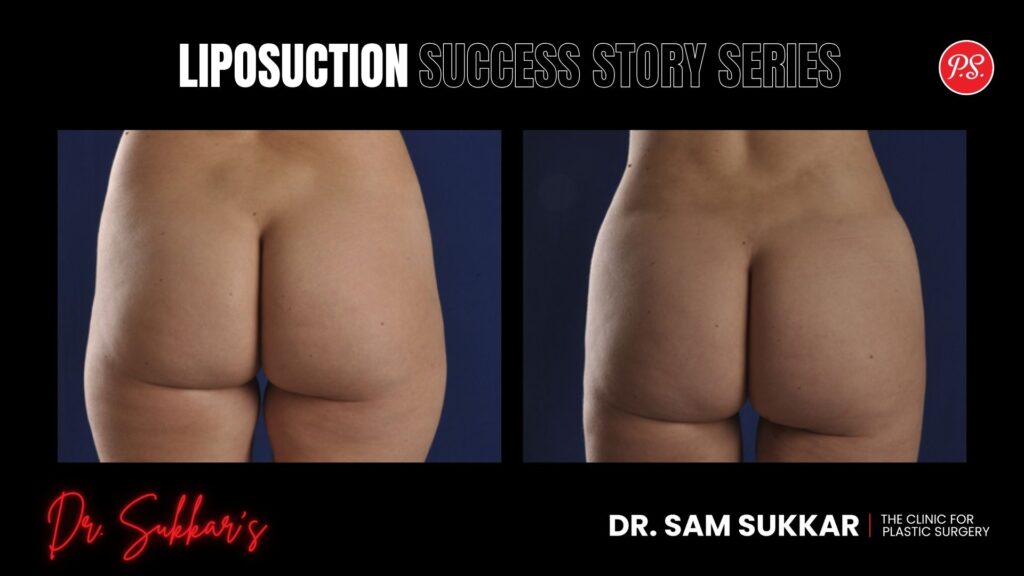
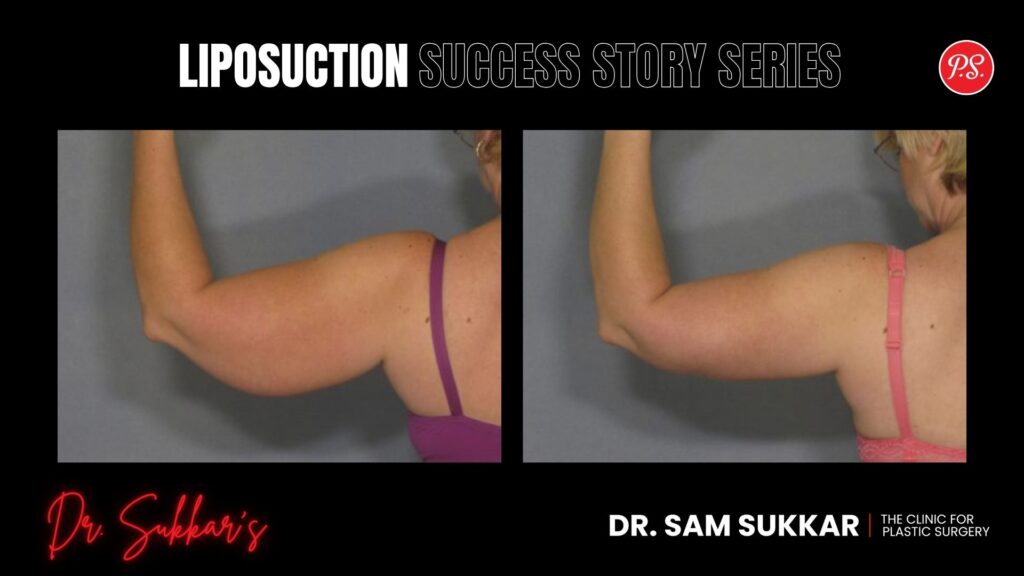
VASER Liposuction Houston: 32-Year-Old’s Targeted Transformation - Liposuction Success Story Series in Houston, Texas by Dr. Sam Sukkar, MD

Dr. Sukkar’s Targeted VASER Approach for Olivia*

Precision Body Contouring Strategy

Based on Olivia’s* concerns and body type, I developed a multi-area approach using VASER technology to address four specific zones. This wasn’t full body liposuction, it was strategic contouring designed to enhance the physique she already had.

1. Flanks (Love Handles)

  • Ultrasound-assisted fat emulsification to break down dense fibrous tissue in the flank region
  • Careful attention to maintaining smooth transition zones between treated and untreated areas
  • Conservative approach to preserve natural waist definition while eliminating lateral protrusions

2. Abdominal Region

  • Targeted removal of subcutaneous fat while preserving underlying muscle definition
  • Focus on upper and lower abdomen to create smooth, athletic contours
  • Strategic cannula work to avoid over-correction that could create an unnatural appearance

3. Inner Thighs

  • Delicate contouring to eliminate friction and improve thigh gap proportion
  • VASER technology particularly beneficial here due to the sensitive nature of inner thigh tissue
  • Attention to lymphatic preservation to minimize swelling

4. Outer Thighs (Lateral Thigh Contour)

  • Smoothing of outer thigh contour to create straighter line from hip to knee
  • Integration with flank treatment for seamless 360-degree result
  • Preservation of natural curves while eliminating disproportionate bulges

The VASER approach was essential for Olivia* because traditional tumescent liposuction can sometimes create irregular contours in patients with lower body fat percentages. The ultrasound energy selectively targets fat cells, allowing me to sculpt with greater precision and achieve smoother results, particularly important for athletic patients who want defined, not deflated, contours.

Why Multiple Areas in One Session

Some patients ask whether treating multiple areas simultaneously is safe or advisable. In Olivia’s* case, addressing all four zones in one procedure made both medical and practical sense.

From a surgical perspective, combining these areas allowed me to create balanced, harmonious proportions. Treating the flanks without addressing the outer thighs, for example, could have created a disproportionate appearance. The body’s contours are interconnected, effective liposuction considers the entire aesthetic picture.

From a practical standpoint, one surgery meant one recovery period. Olivia* could take time off work once rather than scheduling multiple procedures with separate recovery phases. With VASER’s gentler approach and my experience performing comprehensive body contouring procedures over the past two decades, we could safely achieve her goals in a single surgical session.

The key is patient selection and conservative technique. I removed enough fat to create noticeable improvement while preserving the athletic contours she’d worked to build. This isn’t about removing maximum volume, it’s about removing the right volume from the right locations to achieve proportionate, natural-looking results. That’s what distinguishes experienced body contouring surgeons from those simply removing fat.

Olivia’s* Recovery: From Procedure Day to Final Results

The First Two Weeks Post-VASER

Olivia* left my Houston surgical facility the same day as her procedure. VASER liposuction is performed under general anesthesia, but the minimally invasive nature means most patients go home within hours of waking up.

The first 72 hours brought predictable discomfort. She described it as feeling “intensely sore, like I’d done the most brutal workout of my life.” Swelling was significant, this is completely normal after liposuction surgery, particularly when multiple areas are treated. She wore compression garments continuously and took prescribed pain medication as directed.

Critical instructions during this phase:

  • Wear compression garments 24/7 (except when showering, once cleared)
  • Avoid strenuous activity completely, walking is encouraged, but nothing more
  • Stay hydrated to support the body’s healing process
  • Manage expectations, you’ll look worse before you look better due to swelling

Week 1-2: Early Healing Phase

By day five, Olivia* was off prescription pain medication and managing discomfort with over-the-counter options. Swelling remained significant, but she noticed gradual improvement daily. Small incision sites (typically just a few millimeters) began healing. Bruising, which had peaked around day three, started fading to yellow-green tones.

She returned to work at the two-week mark, still wearing compression garments under her clothing. While she couldn’t see final results yet, she noticed her clothes fitting differently, particularly around the waist and thighs. This is when most liposuction patients start feeling encouraged despite still experiencing swelling.

Months 1-3: Watching the Transformation Emerge

Around week three, I cleared Olivia* to gradually resume light exercise. She started with walking, then incorporated gentle yoga and low-impact cardio. The compression garments remained essential, I typically recommend wearing them for 4-6 weeks minimum, sometimes longer depending on how the body responds.

Swelling continued decreasing, and she began seeing the contours we’d created during surgery. The flanks that had frustrated her for years? Dramatically reduced. The abdominal area? Flatter and smoother. But she still had significant healing ahead.

Months 2-3: Final Results Taking Shape

By month two, residual swelling had resolved significantly. Olivia* was back to full exercise routines, including strength training and high-intensity cardio. She noticed clothing fitting better across all treated areas, not just looser, but more proportionate.

At the three-month mark, we took her final before and after photos. The transformation was exactly what we’d planned: athletic, proportionate contours with no evidence of surgical intervention. Her flanks were smooth. Her abdomen was flat without looking hollow. Her thighs no longer touched when she walked. Most importantly, she looked like herself, just a refined, sculpted version.

The Results: Olivia’s* Body Contouring Transformation

At three months post-procedure, Olivia’s* results demonstrated what VASER liposuction can achieve in the right candidate. We removed localized fat deposits from four strategic areas, flanks, abdomen, inner thighs, and outer thighs, creating balanced, proportionate contours that complemented her active lifestyle and fitness dedication.

The transformation wasn’t about dramatic weight loss. It was about addressing specific problem areas that diet and exercise couldn’t touch. When I see patients like Olivia*, healthy, fit individuals frustrated by isolated fat deposits, I know precisely how targeted liposuction can create life-changing results without requiring drastic intervention.

She reported feeling more confident in fitted clothing, particularly high-waisted pants and athletic wear that had previously emphasized the areas we treated. She no longer experienced inner thigh friction during runs or workouts. And perhaps most tellingly, she stopped avoiding mirrors and started appreciating the body she’d worked so hard to maintain.

What Made Olivia’s* VASER Liposuction Exceptionally Successful

Several factors contributed to the outstanding outcome Olivia* achieved:

Patient Selection and Realistic Expectations. Olivia* was an ideal candidate, healthy weight, good skin elasticity, specific areas of concern, and realistic goals. She understood liposuction is body contouring, not weight loss surgery. When patients come to me with appropriate expectations and well-defined concerns, we can create truly transformative results.

VASER Technology for Precision Sculpting. The ultrasound-assisted approach allowed me to selectively target fat while preserving surrounding tissue. This meant smoother results, better skin retraction, and more refined contouring than traditional techniques could achieve. For athletic patients like Olivia* who want definition rather than simply smaller measurements, VASER represents a significant advancement.

Strategic Multi-Area Approach. Rather than treating areas in isolation, we addressed four interconnected zones to create balanced, harmonious proportions. The flanks, abdomen, and thighs work together aesthetically, treating them comprehensively produced results that look natural and proportionate from every angle.

Excellent Post-Operative Compliance. Olivia* followed every instruction meticulously. She wore compression garments as directed, avoided premature exercise, stayed hydrated, and attended all follow-up appointments. Recovery success depends significantly on patient compliance, and she demonstrated exceptional commitment to achieving the best possible outcome.

Maintaining Results Through Lifestyle. Olivia* returned to her healthy lifestyle immediately after clearance. Liposuction permanently removes fat cells, but maintaining results requires continued healthy habits. Her dedication to fitness and nutrition ensures she’ll enjoy these results for years to come.

Common Questions About VASER Liposuction Like Olivia’s*

Can VASER liposuction treat multiple body areas safely in one procedure?

Yes, when performed by an experienced surgeon on an appropriate candidate. I’ve safely combined multiple areas in single procedures throughout my 25+ years of practice. The key factors are the patient’s overall health, total volume being removed, and surgical duration. Olivia’s* case, treating flanks, abdomen, and inner and outer thighs, represents a comprehensive but safe approach for a healthy patient. VASER’s gentler tissue handling compared to traditional methods also contributes to safety when treating multiple zones. However, every case requires individualized assessment. Some patients benefit from staged procedures depending on their specific circumstances and goals.

Will the fat come back after liposuction if I gain weight?

This is one of the most common questions I hear. The fat cells we remove during liposuction are permanently gone, adults don’t generate new fat cells. However, remaining fat cells throughout your body can still expand if you gain significant weight. The difference is that weight gain distributes more evenly rather than concentrating in previously problematic areas. In Olivia’s* case, if she maintains her active lifestyle and healthy weight, her results should remain stable indefinitely. Significant weight gain could affect the outcome, but those treated areas will never return to their pre-surgery proportions. This is why liposuction works best for patients at or near their goal weight with specific areas of concern, like Olivia*.

How does VASER compare to traditional liposuction or non-surgical options?

VASER uses ultrasound energy to emulsify fat before removal, which offers several advantages over traditional tumescent liposuction. The ultrasound selectively targets fat cells while preserving blood vessels, nerves, and connective tissue. This typically means less bruising, smoother results, and better skin retraction. For athletic patients or those treating areas with dense, fibrous fat (like the flanks), VASER often produces superior outcomes. Regarding non-surgical options like CoolSculpting, they can reduce small fat deposits over multiple sessions, but results are gradual, subtle, and unpredictable compared to surgical liposuction. For someone like Olivia* wanting significant, immediate improvement across multiple areas, surgical intervention provided the definitive solution.

Ready to Write Your Own Liposuction Success Story?

Olivia* came to my Houston office frustrated by problem areas that wouldn’t respond to diet or exercise. Three months later, she achieved the proportionate, athletic contours she’d been working toward for years.

Your concerns might be different. Maybe you’re dealing with stubborn abdominal fat that won’t budge despite dedicated workouts, wondering whether you’re a candidate for liposuction, or trying to decide between liposuction and a tummy tuck. Perhaps you’re a man researching liposuction options or wondering about 360-degree body contouring.

But the common thread is this: You deserve to feel confident and comfortable in your own body. Your body deserves the same dedication you give to fitness and health. If stubborn fat deposits are preventing you from achieving the contours you want despite a healthy lifestyle, transformation is possible.

Schedule Your Personalized Consultation here, or call us today at (281) 940-1535 and learn how we can create your customized surgical plan!

Your Premier Destination for Plastic Surgery in Houston, Texas (TX)

Are you located in one of these Houston Metro Area cities?

Houston, The Woodlands, Sugar Land, Katy, Pearland, Pasadena, League City, Baytown, Conroe, Cypress, Spring, Kingwood, Humble, Missouri City, Friendswood, Bellaire, Clear Lake, Tomball, Galveston, Richmond, Rosenberg, Stafford, La Porte, Deer Park, Seabrook, Webster, Alvin, and Channelview.

Board-Certified Plastic Surgeon Dr. Sam Sukkar, MD, FACS, and The Clinic for Plastic Surgery Team are here to help you achieve refined, natural-looking results.

Offering expert cosmetic enhancements in:

  • Breast Augmentation, Breast Lifts, and Breast Reduction
  • Tummy Tucks, Mommy Makeovers, and Liposuction
  • Facelifts, Neck Lifts, and Rhinoplasty
  • Body Contouring and Skin Tightening Procedures
  • Non-Surgical Aesthetic Treatments

Visit our modern 18,000+ sq.ft. luxurious plastic surgery center and med spa in Houston, Texas, where expertise meets artistry. Our highly skilled and compassionate team ensures a seamless experience, from consultation to recovery.

For patients outside of the Houston area or those with a busy schedule, Schedule a Virtual Consultation.

Schedule your personalized consultation today at DrSukkar.com or call (281) 940-1535.

About the Author – Meet Dr. Sam Sukkar, MD
Dr. Sam Sukkar, MD, FACS is a highly respected Board-Certified Plastic Surgeon in Houston, Texas, known for his expertise in advanced cosmetic and reconstructive procedures. As the founder of The Clinic for Plastic Surgery, Dr. Sukkar has set a new standard for excellence, performing over 20,000 procedures with a focus on delivering natural, refined results.

Dr. Sukkar earned his Doctor of Medicine (M.D.) degree from Louisiana State University School of Medicine in 1992 after graduating summa cum laude with a Bachelor of Science in Microbiology. He then completed an intensive General Surgery Residency at the University of Texas Hermann Hospital before being selected for a highly competitive Plastic Surgery Fellowship at Northwestern University in Chicago, one of the most prestigious training programs in the country.

With more than 20 years of experience, Dr. Sukkar is a Diplomate of the American Board of Plastic Surgery and a Fellow of the American College of Surgeons (FACS). He is also an active member of the American Society of Plastic Surgeons (ASPS) and the Houston Society of Plastic Surgery (HSPS). His dedication to innovation and continuing education has solidified his reputation as a leading expert in aesthetic surgery, specializing in breast surgery, body contouring, facial procedures, and non-invasive treatments.

Dr. Sukkar’s expertise has been recognized by Houston Magazine, naming him one of Houston’s “Top Docs for Women,” and he has been featured among RealSelf’s America’s Top Doctors. Committed to his patients, he prioritizes personalized care, ensuring every individual feels informed, comfortable, and confident in their aesthetic journey.

Contact Dr. Sukkar today to schedule a consultation, visit DrSukkar.com to learn more, or call us directly at (281) 940-1535.

VASER Liposuction Transformation: Houston Woman’s Journey

Liposuction Success Story Series by Dr. Sam Sukkar, MD | Case Study #781


This is part of our series featuring real patient transformations at The Clinic for Plastic Surgery. Each case study provides an in-depth look at actual procedures, recovery experiences, and results from Houston patients who’ve undergone liposuction with Dr. Sam M. Sukkar.
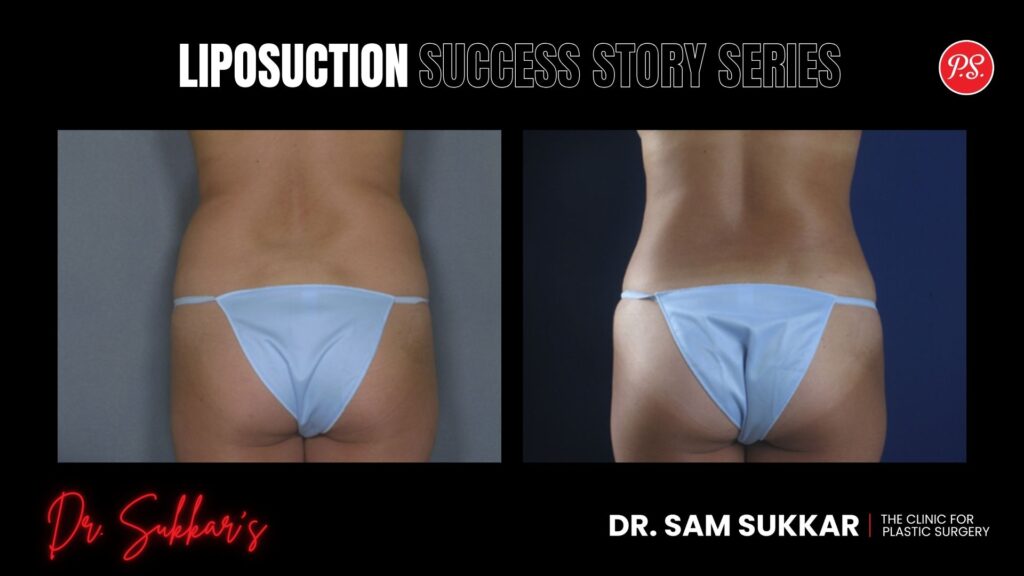

The consultation started with a simple question: “Can anything actually be done about these areas?”

Sitting across from me in my Houston office, this 45-year-old professional had already tried everything conventional wisdom suggests, diet adjustments, personal trainers, targeted exercises, but certain zones refused to respond. No matter how disciplined her routine became, stubborn pockets of fat remained exactly where they’d always been. The frustration wasn’t about numbers on a scale. It was about proportion, about fitting into clothes the way she wanted, about finally seeing results that matched her efforts.

She wasn’t looking for dramatic weight loss. She needed precise body contouring that traditional methods simply couldn’t deliver.

*The patient’s name was changed to protect their privacy. All medical details and photographic before and after results are from actual Patient Case #781. Individual results may vary based on body type, surgical approach, and adherence to post-operative instructions.

Why Stephanie* Chose VASER Liposuction in Houston

Stephanie’s Concerns and Expectations

Stephanie* came to me after years of maintaining an active lifestyle with minimal visible results in specific problem areas. Despite regular exercise and healthy eating habits, localized fat deposits had persisted in multiple zones. These weren’t large accumulations, they were stubborn, resistant pockets that disrupted her natural contours and made clothing fit awkwardly.

Her primary concerns centered on achieving better body proportions rather than dramatic size reduction. She wanted refinement: smoother transitions between body zones, elimination of bulges that created unflattering lines under clothing, and overall improved definition that reflected her actual fitness level.

Stephanie* had researched traditional liposuction but worried about potential irregularities, extended downtime, and the possibility of unsatisfactory results. She’d heard about VASER liposuction as a more advanced option but needed to understand whether it truly offered advantages over conventional techniques.

Pre-Surgery Concerns

Would the results look natural? Stephanie* specifically didn’t want an “overdone” appearance. Her goal was proportion and smoothness, not dramatic change that would be obvious to others.

How extensive would recovery be? As someone with professional obligations, she needed realistic expectations about downtime and when she could resume normal activities.

Could multiple areas be treated simultaneously? She wanted comprehensive contouring rather than addressing one zone at a time with multiple surgeries.

Would skin tighten appropriately? At her age, she was concerned about whether removing fat would leave loose or sagging skin.

These concerns are completely valid, and addressing them honestly during consultation is critical. Liposuction surgery has evolved significantly, and understanding what modern techniques can, and cannot, achieve sets the foundation for satisfaction.

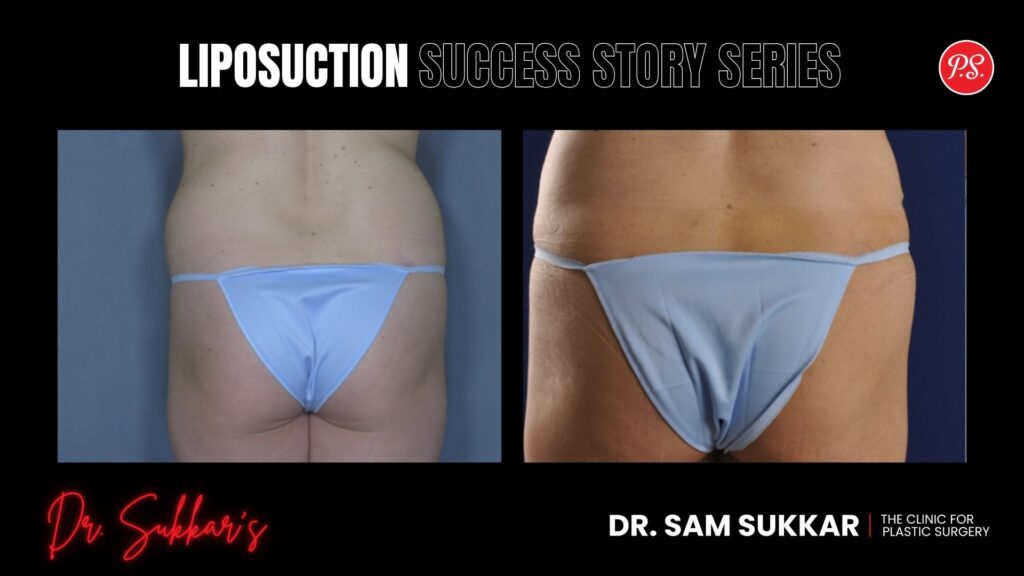
VASER Liposuction Transformation: Houston Woman's Journey - Liposuction Success Story Series in Houston, Texas by Dr. Sam Sukkar, MD

Dr. Sukkar’s Customized VASER Liposuction Strategy for Stephanie*

Surgical Approach and Targeted Areas

After thorough evaluation, I designed a comprehensive multi-zone approach using VASER (Vibration Amplification of Sound Energy at Resonance) technology. This ultrasound-assisted method allows for more selective fat removal with enhanced skin retraction compared to traditional techniques.

1. VASER Liposuction procedure – Multiple Treatment Zones

  • Ultrasound energy specifically targets fat cells while preserving surrounding tissues
  • Allows for more precise sculpting in fibrous or delicate areas
  • Promotes better skin contraction through preservation of connective tissue architecture

Stephanie’s procedure addressed multiple areas in a single surgical session, treating zones that contributed to her overall proportion concerns. The beauty of VASER technology lies in its ability to emulsify fat cells before removal, which translates to smoother results and typically less trauma to surrounding tissues.

This wasn’t about removing maximum volume, it was about strategic fat reduction that created natural-looking contours. By treating complementary areas together, we could achieve balanced, harmonious results that traditional spot-treatment approaches often miss. Understanding how liposuction works helps patients appreciate why technique selection matters so significantly.

Why This Approach Made Sense

VASER technology was specifically chosen for Stephanie* because her goals required precision rather than bulk removal. The ultrasound energy liquefies fat cells before extraction, which provides several advantages: smoother contouring, enhanced ability to treat fibrous areas, reduced trauma to blood vessels and nerves, and improved skin retraction.

For patients in their mid-40s concerned about skin elasticity, VASER’s tissue-selective approach offers meaningful benefits. The technology preserves the connective tissue framework that supports skin contraction, which becomes increasingly important as natural collagen production declines with age.

In my 25+ years of performing body contouring procedures, I’ve witnessed the evolution from traditional suction-assisted techniques to ultrasound-assisted and laser-assisted methods. While each has its place, VASER consistently delivers superior results for patients seeking refined contouring in multiple areas. The ability to treat various zones in one surgery, rather than staging procedures, means a single recovery period and faster path to final results.

The decision to treat multiple areas simultaneously rather than staging procedures was deliberate. Addressing complementary zones together creates balanced, proportional results that single-area treatments cannot achieve. When reviewing liposuction before and after results, the most natural-looking outcomes invariably come from comprehensive planning rather than piecemeal approaches.

Healing from VASER Liposuction: Stephanie’s Recovery Experience

Days 1-3: Immediate Post-Operative Period

The first 72 hours are invariably the most challenging. Stephanie* experienced moderate discomfort, described as deep soreness similar to an intense workout, along with swelling and tightness in treated areas. Compression garments were essential from the moment she left the surgical facility.

Pain management followed a structured protocol: prescription medication for the first few days, transitioning to over-the-counter options as discomfort decreased. Movement felt restricted due to swelling and the compression garments, but gentle walking was encouraged from day one to promote circulation and prevent complications.

Weeks 1-2: Gradual Improvement

By day seven, Stephanie* noticed significant improvement. The initial intense soreness had diminished to manageable discomfort. Swelling remained substantial but was beginning to soften. She returned to light daily activities and desk work, though fatigue was still present.

The compression garments remained non-negotiable during this phase. While uncomfortable, they play an essential role in shaping results by supporting tissues as they heal and helping skin conform to new contours. Understanding liposuction recovery time expectations prevents unnecessary concern during the normal healing process.

Weeks 3 to 8: Returning to Normal Activities

Week three marked a turning point. Stephanie* transitioned to wearing compression garments only during the day (nights off), resumed most normal activities, and started noticing actual shape changes as swelling diminished. Energy levels normalized, and the constant awareness of having undergone surgery began fading. 

Light exercise was reintroduced cautiously, walking increased in duration and intensity, but high-impact activities and strength training remained restricted. Patience during this phase is essential; pushing too hard too soon risks complications that can compromise results.

Months 2-3: Final Transformation Results

By eight weeks post-surgery, Stephanie* had discontinued compression garments entirely and returned to full exercise routines. The transformation was becoming clearly visible: smoother contours, improved proportions, and elimination of the stubborn areas that had motivated her initial consultation.

Residual swelling continued resolving gradually. While dramatic improvement was apparent by two months, subtle refinement continued for several more months as tissues fully settled. This extended timeline surprises many patients who expect instant results, but understanding that VASER liposuction results evolve over time sets realistic expectations.

Remarkable Results: Stephanie’s 6-Month Outcome

Measurable Transformation

At six months post-procedure, Stephanie’s* results demonstrated exactly what strategic VASER liposuction can achieve: refined, proportional body contouring with natural-looking smoothness across all treated zones.

The eliminated fat deposits created cleaner lines and better-fitting clothing without dramatic size change. Her overall silhouette appeared more balanced and athletic, accurately reflecting her fitness level rather than being obscured by resistant fat pockets. Skin retraction exceeded expectations, with smooth, even surfaces and no visible irregularities.

Beyond Physical Changes

The physical transformation translated to meaningful quality-of-life improvements. Stephanie* reported renewed confidence in clothing choices, no longer avoiding certain styles that had previously emphasized problem areas. Shopping became enjoyable rather than frustrating, with clothes fitting as intended rather than requiring size compromises.

Perhaps most significantly, she described feeling that her appearance finally matched her lifestyle efforts. Years of disciplined eating and consistent exercise had never produced the proportions she achieved through strategic surgical contouring.

What Made This Result Exceptional

Several factors contributed to Stephanie’s* outstanding outcome:

Appropriate candidate selection. She was an ideal VASER liposuction candidate, healthy weight, good skin elasticity, realistic expectations, and specific localized concerns rather than generalized weight issues. Evaluating liposuction alternatives during consultation ensures patients choose the most appropriate solution for their specific situation.

Comprehensive multi-zone approach. Treating complementary areas together created balanced, harmonious results that isolated treatments cannot achieve. Body contouring requires viewing the body as an integrated whole rather than separate parts.

Advanced VASER technology. The precision and tissue selectivity of ultrasound-assisted liposuction produced smoother contouring with better skin retraction than traditional methods would have delivered.

Excellent post-operative compliance. Stephanie* followed all recovery instructions meticulously, wearing compression garments as directed, avoiding premature exercise, attending follow-up appointments, and maintaining healthy habits that preserve results long-term.

Realistic expectations with skilled execution. She understood that liposuction refines proportions rather than replacing weight loss, which aligned perfectly with what the procedure can optimally deliver.

The combination of appropriate technique selection, comprehensive planning, meticulous execution, and patient compliance created results that look natural, proportional, and permanent (assuming stable weight maintenance). Understanding whether liposuction is safe and what realistic outcomes entail forms the foundation of patient satisfaction.

Common Questions About VASER Liposuction for Body Contouring

Can VASER liposuction effectively treat multiple body areas in one surgery?

Absolutely. One of VASER’s significant advantages is the ability to safely and effectively treat multiple zones during a single procedure. The technology’s precision and reduced tissue trauma compared to traditional methods make comprehensive multi-area contouring feasible. This approach creates balanced, proportional results while requiring only one recovery period. However, the extent of areas treated must be determined based on individual factors including overall health, specific goals, and fat distribution patterns.

What happens to skin after VASER liposuction, especially for patients in their 40s?

VASER technology promotes better skin retraction than traditional liposuction procedure because it preserves the connective tissue framework (reticular dermis) that supports skin contraction. The ultrasound energy stimulates collagen remodeling, which contributes to tightening over the months following surgery. That said, skin quality, elasticity, and age all influence final results. Patients with good skin tone typically achieve excellent retraction, while those with significant laxity may require additional procedures. Comparing options like liposuction vs tummy tuck helps determine whether contouring alone suffices or whether skin excision is necessary.

How long do VASER liposuction results last?

Results are essentially permanent for the treated fat cells, which are physically removed from the body and cannot regenerate. However, remaining fat cells can still enlarge with weight gain. Maintaining stable weight through healthy lifestyle habits preserves results indefinitely. Most patients find that once stubborn areas are eliminated, maintaining their appearance becomes easier since problem zones no longer disproportionately accumulate fat. Understanding how liposuction fat removal works and what happens to treated versus untreated areas helps patients maintain long-term satisfaction.

Ready to Write Your Own Liposuction Success Story?

For years, Stephanie* maintained discipline that should have produced visible results. But certain areas simply wouldn’t respond. After comprehensive VASER liposuction, the proportions she’d worked toward suddenly became reality, not because of weight loss, but because strategic fat removal revealed the contours that exercise alone couldn’t create.

Your situation might differ. Perhaps stubborn pockets have persisted despite your best efforts, maybe clothing fits awkwardly in specific areas, or you’re wondering whether body contouring could finally deliver the proportions you’ve been working toward.

The common thread is this: You deserve to feel confident and comfortable in your own body. You’ve worked hard, your body should reflect that effort. If stubborn areas are affecting your quality of life, transformation is possible.

Schedule Your Personalized Consultation here, or call us today at (281) 940-1535 and discover what’s possible for your unique body and goals in Houston!

Your Premier Destination for Plastic Surgery in Houston, Texas (TX)

Are you located in one of these Houston Metro Area cities?

Houston, The Woodlands, Sugar Land, Katy, Pearland, Pasadena, League City, Baytown, Conroe, Cypress, Spring, Kingwood, Humble, Missouri City, Friendswood, Bellaire, Clear Lake, Tomball, Galveston, Richmond, Rosenberg, Stafford, La Porte, Deer Park, Seabrook, Webster, Alvin, and Channelview.

Board-Certified Plastic Surgeon Dr. Sam Sukkar, MD, FACS, and The Clinic for Plastic Surgery Team are here to help you achieve refined, natural-looking results.

Offering expert cosmetic enhancements in:

  • Breast Augmentation, Breast Lifts, and Breast Reduction
  • Tummy Tucks, Mommy Makeovers, and Liposuction
  • Facelifts, Neck Lifts, and Rhinoplasty
  • Body Contouring and Skin Tightening Procedures
  • Non-Surgical Aesthetic Treatments

Visit our modern 18,000+ sq.ft. luxurious plastic surgery center and med spa in Houston, Texas, where expertise meets artistry. Our highly skilled and compassionate team ensures a seamless experience, from consultation to recovery.

For patients outside of the Houston area or those with a busy schedule, Schedule a Virtual Consultation.

Schedule your personalized consultation today at DrSukkar.com or call (281) 940-1535.

About the Author – Meet Dr. Sam Sukkar, MD

Dr. Sam Sukkar, MD, FACS is a highly respected Board-Certified Plastic Surgeon in Houston, Texas, known for his expertise in advanced cosmetic and reconstructive procedures. As the founder of The Clinic for Plastic Surgery, Dr. Sukkar has set a new standard for excellence, performing over 20,000 procedures with a focus on delivering natural, refined results.

Dr. Sukkar earned his Doctor of Medicine (M.D.) degree from Louisiana State University School of Medicine in 1992 after graduating summa cum laude with a Bachelor of Science in Microbiology. He then completed an intensive General Surgery Residency at the University of Texas Hermann Hospital before being selected for a highly competitive Plastic Surgery Fellowship at Northwestern University in Chicago, one of the most prestigious training programs in the country.

With more than 20 years of experience, Dr. Sukkar is a Diplomate of the American Board of Plastic Surgery and a Fellow of the American College of Surgeons (FACS). He is also an active member of the American Society of Plastic Surgeons (ASPS) and the Houston Society of Plastic Surgery (HSPS). His dedication to innovation and continuing education has solidified his reputation as a leading expert in aesthetic surgery, specializing in breast surgery, body contouring, facial procedures, and non-invasive treatments.

Dr. Sukkar’s expertise has been recognized by Houston Magazine, naming him one of Houston’s “Top Docs for Women,” and he has been featured among RealSelf’s America’s Top Doctors. Committed to his patients, he prioritizes personalized care, ensuring every individual feels informed, comfortable, and confident in their aesthetic journey.

Contact Dr. Sukkar today to schedule a consultation, visit DrSukkar.com to learn more, or call us directly at (281) 940-1535.

VASER Liposuction Success: 41-Year-Old’s Houston Journey

VASER Liposuction Success Story Series by Dr. Sam Sukkar, MD | Case Study #778


This is part of our series featuring real patient transformations at The Clinic for Plastic Surgery. Each case study provides an in-depth look at actual procedures, recovery experiences, and results from Houston patients who’ve undergone liposuction with Dr. Sam M. Sukkar.

Nicole arrived at my Houston office with a problem that diet and exercise couldn’t solve. At 45 years old, she’d maintained a consistent fitness routine for years, four gym sessions weekly, careful attention to nutrition, and a disciplined lifestyle. Yet stubborn fat deposits along her flanks and abdomen refused to budge. She’d researched everything from CoolSculpting to traditional liposuction before learning about VASER technology.

During our initial consultation, she described feeling frustrated by the disconnect between her effort and her results. “I’ve done everything right,” she told me, “but my body won’t cooperate.” Her candor was refreshing, and her expectations were realistic, she understood VASER liposuction wasn’t a weight loss solution but a precision contouring tool for isolated fat deposits that resisted conventional methods.

*The patient’s name was changed to protect their privacy. All medical details and photographic before and after results are from actual Patient Case #778. Individual results may vary based on body type, surgical approach, and adherence to post-operative instructions.

Why Nicole* Chose VASER Liposuction

What Nicole* Wanted to Change

Nicole came to me because she’d exhausted nonsurgical options. Standing at 5’6″ and maintaining a healthy weight through consistent exercise, she represented the ideal VASER candidate, someone with good skin elasticity, localized fat deposits, and realistic expectations about what liposuction could achieve. Her primary concerns centered on her midsection and flanks, areas where fat accumulation had created contours that undermined her otherwise fit physique.

She’d tried CoolSculpting eighteen months earlier with minimal results, which is why she began researching surgical alternatives. What drew her to VASER specifically was its reputation for precision and reduced trauma compared to traditional liposuction methods. She wanted definition without an extended recovery that would interfere with her busy professional schedule.

Pre-Surgery Worries Nicole* Shared

Three concerns dominated Nicole’s pre-operative thinking:

Recovery disruption: As a marketing director for a Houston-based energy company, she worried about visible bruising during an upcoming industry conference six weeks post-surgery.

Skin irregularities: She’d seen online photos of rippling and dimpling after aggressive liposuction and feared trading one aesthetic concern for another.

Realistic outcomes: Nicole expressed concern about whether the results would justify the investment, particularly given her previous disappointment with nonsurgical fat reduction.

I addressed each worry directly. VASER liposuction’s ultrasound-assisted technology typically produces less bruising than traditional methods because it liquefies fat before removal, reducing tissue trauma. Regarding skin quality, her excellent elasticity at age 45, combined with the skin-tightening effects inherent to VASER’s ultrasonic energy, made irregularities unlikely. As for outcomes, I showed her my extensive gallery of VASER cases and explained that her body type and fat distribution patterns suggested she’d see significant improvement in the targeted areas.

VASER Liposuction Success: 41-Year-Old’s Houston Journey - Liposuction Success Story Series in Houston, Texas by Dr. Sam Sukkar, MD

Precision Body Contouring: Nicole* VASER Approach

Target Areas and Technique Selection

Nicole’s surgical plan focused on strategic fat removal from three specific zones:

1. VASER Liposuction to Flanks (Love Handles)

  • Ultrasound-assisted emulsification of subcutaneous fat deposits
  • Precision cannula work to create smooth lateral contours
  • Conservative approach to prevent over-correction or hollowing

2. VASER Liposuction to Abdomen

  • Comprehensive treatment of upper and lower abdominal regions
  • Attention to natural muscle shadows for athletic definition
  • Integration with flank contouring for 360-degree improvement

3. VASER Liposuction to Back

  • Targeted removal of bra-line fullness and mid-back deposits
  • Careful feathering at treatment boundaries
  • Harmonization with anterior and lateral changes

The VASER technology allowed me to target these areas with exceptional specificity. Unlike traditional tumescent liposuction, which mechanically breaks apart fat cells, VASER uses ultrasonic energy to selectively emulsify adipose tissue while preserving surrounding structures like nerves, blood vessels, and connective tissue. This selective targeting typically translates to reduced bruising, faster recovery, and superior skin retraction, all priorities for Nicole*.

Why This Combination Made Sense

Nicole’s fat distribution pattern required a circumferential approach. Addressing only her abdomen would have left her with disproportionate flanks; treating just the flanks would have failed to resolve her frontal concerns. The back component was equally critical, bra-line fullness created visual bulk that undermined the improvements we’d achieve anteriorly and laterally.

In my 25+ years performing body contouring procedures, I’ve learned that successful liposuction isn’t about maximum fat removal, it’s about strategic reduction that creates balanced, natural-looking contours. Nicole’s case exemplified this principle. By treating her torso as an interconnected aesthetic unit rather than isolated problem areas, we could achieve harmonious results that complemented her athletic lifestyle.

The VASER technology was particularly advantageous for Nicole* because her skin tone remained excellent despite being in her mid-forties. The ultrasonic energy stimulates collagen remodeling, which enhances skin retraction over the three to six months following surgery. This meant we could achieve significant fat reduction without creating the looseness or irregularity that sometimes occurs with aggressive traditional liposuction in patients past age 40.

Nicole’s* Recovery After VASER Liposuction

The First Two Weeks

Days 1-3: Nicole* described the immediate post-operative period as “uncomfortable but manageable.” She experienced significant swelling and moderate soreness, particularly when transitioning from sitting to standing. The compression garment, which she wore continuously except during showers, provided welcome support and helped control swelling. She followed her prescribed pain management protocol, which included prescription medication for the first 48 hours before transitioning to over-the-counter anti-inflammatories.

The first three days demanded rest. Nicole* had arranged for help at home, which proved essential. Simple tasks like meal preparation and household chores required more energy than she anticipated. However, she noted that the discomfort never approached the severity she’d feared based on online research.

Week 1-2: By day five, Nicole’s had transitioned to working from home with modified hours. The swelling had decreased noticeably, though she remained puffy, particularly by evening. She walked daily, short distances initially, gradually increasing to 20-minute sessions by week two. This gentle movement aided lymphatic drainage and helped manage swelling.

Critical protocols during this phase included:

  • Continuous compression garment wear for the first two weeks (23 hours daily)
  • Strict avoidance of strenuous activity, including upper body exercises and core work
  • Sleeping in a slightly elevated position to minimize fluid accumulation
  • Staying well-hydrated to support the healing process and help flush metabolic byproducts

By week two, bruising had faded significantly, one advantage of VASER’s gentler approach. Nicole* attended her follow-up appointment where I confirmed her healing was progressing ideally. We discussed gradually resuming normal activities, with the understanding that exercise would remain restricted for another two weeks.

Weeks 3-8: Watching the Transformation Emerge

Weeks 3-4: This marked Nicole’s transition back to normalcy. Swelling had diminished enough that she could see emerging definition, though I cautioned her that several months of continued refinement lay ahead. She returned to work full-time during week three and reported feeling capable of managing full days without excessive fatigue.

At the four-week mark, I cleared her to resume cardiovascular exercise and light strength training. She started with modified workouts, elliptical sessions and bodyweight exercises, avoiding heavy weights or aggressive core training. The compression garment shifted to daytime-only wear during this period.

Weeks 5-8: The transformation became increasingly apparent. Swelling continued its gradual recession, revealing the sculpted contours we’d created in surgery. Nicole* reported renewed enthusiasm for her fitness routine, noting that she could finally see the muscular definition her training had built but fat deposits had previously obscured.

By week eight, she’d attended her industry conference, well past the six-week timeline that had initially concerned her. Not only was bruising completely resolved, but the emerging results gave her the confidence boost she’d hoped the procedure would provide. Her recovery timeline exemplified what I typically see with VASER cases in patients with good tissue quality and disciplined adherence to post-operative protocols.

Remarkable VASER Results at Four Months Post-Op

At Nicole’s four-month follow-up, the full extent of her transformation had materialized. The circumferential approach to her torso had created balanced, athletic contours that complemented her fitness-focused lifestyle. Her flanks showed smooth lateral lines without the bulging that had previously created unflattering shadows when wearing fitted clothing. Her abdomen revealed subtle muscular definition, not the exaggerated “six-pack” look she’d never requested, but natural contours that reflected her underlying muscle tone.

The back component proved equally successful. Bra-line fullness had resolved completely, creating a streamlined silhouette from every angle. Perhaps most tellingly, Nicole* reported feeling motivated to maintain her results through continued exercise and nutrition, not because she feared “ruining” the surgery, but because she could finally see the payoff from her efforts.

Her satisfaction extended beyond aesthetic improvements. She described feeling more confident in professional settings, more comfortable in fitted clothing, and more aligned between her fitness investment and her physical appearance. These psychological benefits, while harder to measure than inches removed, often prove most meaningful to patients.

Why Nicole’s* VASER Results Exceeded Expectations

Several factors contributed to Nicole’s exceptional outcome:

Patient selection: She represented an ideal VASER candidate, healthy weight, good skin elasticity, localized fat deposits, and realistic expectations about what the procedure could achieve.

Comprehensive approach: Rather than treating isolated areas, we addressed her torso circumferentially, creating balanced proportions that looked natural from every angle.

Technology advantage: VASER’s selective fat emulsification allowed precise contouring with reduced trauma, translating to faster recovery and superior skin retraction compared to traditional methods.

Protocol compliance: Nicole* followed post-operative instructions meticulously, wearing her compression garment as directed, avoiding premature exercise, attending all follow-ups, and maintaining healthy lifestyle habits.

Surgical precision: With over 20,000 procedures performed across 25+ years, I’ve developed the technical skill and aesthetic judgment necessary to create natural-looking results that enhance rather than distort natural body contours. VASER liposuction demands both understanding of the technology and artistic vision about how bodies should look after fat removal.

Questions About VASER Liposuction for Stubborn Fat

How does VASER differ from traditional liposuction for patients over 40?

VASER technology offers specific advantages for patients in their forties and beyond. The ultrasonic energy selectively targets fat cells while stimulating collagen production in surrounding tissue, which promotes superior skin retraction, a critical consideration as skin elasticity naturally decreases with age. Traditional liposuction mechanically disrupts fat and surrounding structures, sometimes creating more trauma and unpredictable skin tightening. For Nicole* at age 45, VASER’s gentler approach meant she achieved smooth contours without the rippling or looseness that aggressive traditional techniques might have produced. That said, patient selection remains paramount, candidates need reasonable skin quality regardless of technology used.

Can you treat multiple body areas in one VASER session?

Absolutely, and Nicole’s case demonstrates why comprehensive treatment often produces superior results. I addressed her abdomen, flanks, and back simultaneously, which created harmonious contours and allowed her to undergo one recovery period rather than multiple staged procedures. The key consideration is safety, specifically, the volume of fat removed and surgical duration. I carefully calculate tumescent fluid and aspirate volumes to ensure we remain within safe parameters. For most patients, treating three to four interconnected areas in one VASER session is both safe and advantageous, producing more balanced aesthetic outcomes than piecemeal approaches.

How long before VASER liposuction results are final?

While patients see immediate size reduction, final results emerge gradually over three to six months as swelling resolves and skin retracts. Nicole noticed significant improvement by week eight, but her contours continued refining through month four. The ultrasonic energy’s collagen-stimulating effects mean skin tightening continues well beyond the initial healing period. Patients often report their best results appearing between months three and six post-operatively. This timeline requires patience, but the gradual transformation tends to look more natural than procedures producing instant, dramatic changes. I encourage patients to document their progress with monthly photos to appreciate subtle improvements that might not be obvious day-to-day.

Ready to Write Your Own Liposuction Success Story?

Nicole consulted with me feeling frustrated that her fitness dedication wasn’t producing the body contours she wanted. Four months after her VASER procedure, she’d achieved the definition that diet and exercise alone couldn’t deliver, not through dramatic transformation, but through strategic refinement of stubborn problem areas that had resisted conventional methods.

Your concerns might differ. Perhaps you’re wondering whether you’re too old for liposuction, questioning if your skin will retract properly, or trying to understand whether VASER technology justifies its premium over traditional methods.

You’ve invested time and effort into your health and fitness, your body should reflect that dedication. The right surgical approach, applied to appropriate candidates with realistic expectations, can reveal the contours your lifestyle has built but stubborn fat deposits continue to hide. If localized fat deposits are undermining your confidence despite your best efforts, transformation is possible.

Schedule Your Personalized Consultation here, or call us today at (281) 940-1535 and discover what’s possible for your unique body and goals in Houston!

Your Premier Destination for Plastic Surgery in Houston, Texas (TX)

Are you located in one of these Houston Metro Area cities?

Houston, The Woodlands, Sugar Land, Katy, Pearland, Pasadena, League City, Baytown, Conroe, Cypress, Spring, Kingwood, Humble, Missouri City, Friendswood, Bellaire, Clear Lake, Tomball, Galveston, Richmond, Rosenberg, Stafford, La Porte, Deer Park, Seabrook, Webster, Alvin, and Channelview.

Board-Certified Plastic Surgeon Dr. Sam Sukkar, MD, FACS, and The Clinic for Plastic Surgery Team are here to help you achieve refined, natural-looking results.

Offering expert cosmetic enhancements in:

  • Breast Augmentation, Breast Lifts, and Breast Reduction
  • Tummy Tucks, Mommy Makeovers, and Liposuction
  • Facelifts, Neck Lifts, and Rhinoplasty
  • Body Contouring and Skin Tightening Procedures
  • Non-Surgical Aesthetic Treatments

Visit our modern 18,000+ sq.ft. luxurious plastic surgery center and med spa in Houston, Texas, where expertise meets artistry. Our highly skilled and compassionate team ensures a seamless experience, from consultation to recovery.

For patients outside of the Houston area or those with a busy schedule, Schedule a Virtual Consultation.

Schedule your personalized consultation today at DrSukkar.com or call (281) 940-1535.

About the Author – Meet Dr. Sam Sukkar, MD

Dr. Sam Sukkar, MD, FACS is a highly respected Board-Certified Plastic Surgeon in Houston, Texas, known for his expertise in advanced cosmetic and reconstructive procedures. As the founder of The Clinic for Plastic Surgery, Dr. Sukkar has set a new standard for excellence, performing over 20,000 procedures with a focus on delivering natural, refined results.

Dr. Sukkar earned his Doctor of Medicine (M.D.) degree from Louisiana State University School of Medicine in 1992 after graduating summa cum laude with a Bachelor of Science in Microbiology. He then completed an intensive General Surgery Residency at the University of Texas Hermann Hospital before being selected for a highly competitive Plastic Surgery Fellowship at Northwestern University in Chicago, one of the most prestigious training programs in the country.

With more than 20 years of experience, Dr. Sukkar is a Diplomate of the American Board of Plastic Surgery and a Fellow of the American College of Surgeons (FACS). He is also an active member of the American Society of Plastic Surgeons (ASPS) and the Houston Society of Plastic Surgery (HSPS). His dedication to innovation and continuing education has solidified his reputation as a leading expert in aesthetic surgery, specializing in breast surgery, body contouring, facial procedures, and non-invasive treatments.

Dr. Sukkar’s expertise has been recognized by Houston Magazine, naming him one of Houston’s “Top Docs for Women,” and he has been featured among RealSelf’s America’s Top Doctors. Committed to his patients, he prioritizes personalized care, ensuring every individual feels informed, comfortable, and confident in their aesthetic journey.

Contact Dr. Sukkar today to schedule a consultation, visit DrSukkar.com to learn more, or call us directly at (281) 940-1535.

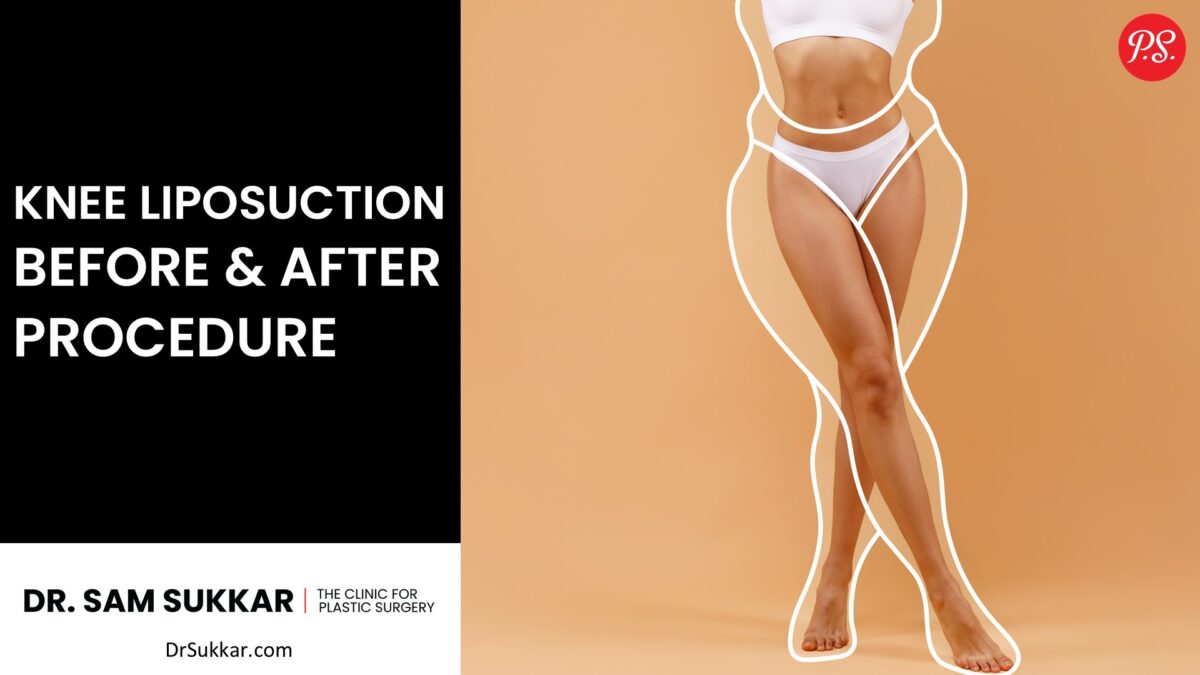
Knee Liposuction Recovery Timeline

Knee liposuction recovery typically spans 2–3 months. Most patients resume light activities within 1–2 weeks and see final results by month three as swelling fully resolves. This minimally invasive cosmetic procedure removes stubborn fat deposits around the inner knee and outer areas. It improves contour when diet and exercise alone fall short. The recovery process involves wearing compression garments, managing mild discomfort, and gradually reintroducing activity.

After working with patients through dozens of body contouring procedures, the most common concerns center on downtime, pain levels, and when results become visible. In reality, knee liposuction recovery is more manageable than many anticipate. Pain medication handles initial soreness, swelling peaks within the first few days, and most patients return to desk jobs within a week.

Key Takeaways of Knee Liposuction Recovery Timeline

  • Knee liposuction recovery typically takes 2 to 3 months. With most patients returning to light activities within 1–2 weeks and seeing final knee liposuction results by month three.
  • Wearing compression garments for 4–6 weeks is essential to minimize swelling, support healing, and optimize final contours after knee liposuction.
  • Managing swelling through leg elevation, a low sodium diet, and staying hydrated significantly speeds up the recovery process.
  • Most patients experience mild discomfort rather than severe pain, with swelling and bruising peaking within the first 72 hours.
  • Avoiding strenuous exercise for at least six weeks and gradually reintroducing activity under aftercare guidance prevents complications.
  • Maintaining realistic expectations and following all aftercare instructions are critical to achieving optimal knee liposuction outcomes.

What Is Knee Liposuction Surgery?

Knee liposuction is a minimally invasive surgical procedure designed to remove excess fat from around the knee area, particularly the inner knee and surrounding regions. Small incisions, typically just a few millimeters long, are made to allow a thin cannula connected to a suction device to extract unwanted fat. The goal is to contour and refine the knee for a slimmer, more defined appearance.

Candidacy for Knee Liposuction Procedure

Many patients turn to this body contouring procedure when stubborn fat deposits persist even though diet and exercise. Excess fat around the knees can create a bulky look that affects confidence and clothing fit. Modern techniques, including tumescent liposuction and Smart Lipo, minimize trauma and speed recovery. Tumescent liposuction infuses a solution into fatty tissue to reduce bleeding and ease fat removal. Smart Lipo adds laser energy to liquefy fat cells before extraction.

The knee liposuction procedure is performed as an outpatient procedure, meaning patients go home the same day. The entire procedure usually takes one to two hours. Because it’s minimally invasive, recovery time is shorter than traditional plastic surgery, and most patients experience only mild discomfort rather than severe pain.

What to Expect Immediately After Knee Liposuction

Immediately following the knee liposuction procedure, patients are taken to a recovery area where medical staff monitor vital signs and comfort levels. The treated area will be wrapped in compression garments to minimize swelling and support the new contours. Mild discomfort, swelling, and bruising are normal within the first 48 hours. Some patients also notice numbness or firmness around the inner knee where fat was removed.

Mild Pain Medication

Pain levels vary by individual, but most patients describe the sensation as mild soreness rather than sharp pain. Pain medication is prescribed to manage discomfort during the initial recovery phase. Over-the-counter options often suffice, though some may need something stronger for the first few days. It’s crucial to follow dosage instructions and avoid medications that thin the blood, as these can increase bruising.

Rest After Surgery

Rest is essential, but complete bed rest isn’t advised. Short, gentle walks around the room or home help promote circulation and reduce the risk of blood clots. Elevating the legs when sitting or lying down can also reduce swelling. Most patients are encouraged to avoid strenuous activities, heavy lifting, and prolonged standing during this early window. Drinking plenty of water and following a low sodium diet further aid in reducing fluid retention and supporting the body heal process.

Knee Liposuction Recovery Timeline

Days 1-3: Initial Recovery Phase

The first 72 hours mark the peak of swelling and bruising. During this initial recovery phase, the body responds to the surgical procedure with inflammation, which is a natural part of healing. Patients should prioritize rest while incorporating short walks every few hours to keep blood flowing and prevent clots. Elevating the legs above heart level whenever possible helps reduce swelling in the treatment area.

Pain medication should be taken as directed. Most patients experience mild discomfort that diminishes steadily each day. Wearing compression garments around the clock is essential, they provide support, minimize fluid retention, and help the skin conform to the new contours. Bruising may look alarming but will fade over the coming weeks.

Many patients who work desk jobs can return within three to seven days, depending on individual healing and approval. Those with more physically demanding roles may need longer before resuming work. It’s important not to rush: pushing too hard too soon can delay the recovery process.

Week 1-2: Returning to Light Activities

By the end of the first week, swelling begins to subside, and bruising starts to fade. Most patients feel more comfortable and notice visible improvements in knee contour. Light walking and non-strenuous daily activities are encouraged, but strenuous exercise and impact movements remain off-limits.

Compression garments should still be worn consistently, often 23 hours a day with brief removal for showering. These garments play a critical role in shaping the final results and preventing excess fluid buildup. Some mild soreness may linger, but severe pain is uncommon at this stage. If pain worsens or new symptoms appear, contact the post-opt care team immediately.

This period is ideal for easing back into normal routines. Social activities, errands, and light work tasks are generally manageable. But, avoid heavy lifting, squatting, or any activity that strains the knee area. The body is still in active recovery, and patience pays off in better long-term outcomes.

Weeks 3-6: Progressive Healing

Swelling decreases significantly during weeks three through six, and the treated area begins to reveal the emerging contours. Most patients notice a slimmer, more defined knee profile as excess fat has been removed and the skin starts to tighten. This phase marks a turning point where many patients feel confident enough to introduce moderate activities.

With post-opt care team’s approval, light exercise such as brisk walking, gentle cycling, or yoga can resume. Strenuous activities like running, jumping, or heavy weightlifting should still be avoided to prevent complications and allow the body to heal fully. Compression garments may be worn less frequently, often just during the day or during physical activity.

Skin elasticity plays a role in how quickly and smoothly the area heals. Patients with good skin elasticity typically see tighter, firmer skin as swelling resolves. Those with loose skin may require additional time or, in rare cases, a follow-up body contouring procedure to address excess skin. Staying hydrated, maintaining a healthy lifestyle, and following aftercare instructions all contribute to optimal healing.

Months 2-3: Expected Results After Knee Liposuction

By the second and third months, swelling has largely resolved, and the contours of the knee area continue to refine. This is when patients truly appreciate the liposuction results, as the treated area takes on its final shape. While some residual swelling may persist, especially after extended periods of standing or activity, it’s minimal compared to earlier stages.

Full results from knee liposuction can take three to six months or even longer, depending on individual factors like body weight, skin elasticity, and adherence to aftercare. The fat cells removed during the procedure are gone permanently, meaning those specific fat deposits won’t return. But, significant weight gain can cause remaining fat cells elsewhere to store fat, potentially affecting overall body contour.

Satisfaction and Final Results

Most patients report high satisfaction with their desired results, especially when realistic expectations were set beforehand. The knees appear slimmer and more proportionate, which can enhance confidence and improve how clothing fits.

Knee liposuction results are generally permanent, as the removed fat cells do not return. Maintaining a stable body weight through diet and exercise helps preserve the improvements achieved through liposuction surgery.

Essential Recovery Care and Aftercare Tips

Compression Garments

Wearing compression garments is one of the most critical aftercare tips for knee liposuction. These specially designed garments apply gentle, even pressure to the treated area, which helps reduce swelling, minimize fluid retention, and support the skin as it adheres to the new contours. Is recommended to wear them continuously for the first four to six weeks, removing them only for showering.

Compression garments also improve comfort by stabilizing the area and reducing movement that could cause pain. They come in various styles and sizes, so it’s important to follow the post-opt care team’s recommendations for fit and duration. Some patients continue wearing them during exercise or long days even after the initial recovery period, especially if they notice mild swelling returning. Consistent use of compression garments directly impacts the quality of final results.

Managing Swelling and Bruising

Swelling and bruising are inevitable after any liposuction procedure, but there are effective strategies to manage them. Elevating the legs whenever possible, especially during the first few weeks, helps reduce fluid accumulation in the treatment area. Propping pillows under the knees and calves when resting encourages drainage and speeds healing.

A low sodium diet can significantly reduce swelling by preventing the body from retaining excess water. Avoiding salty foods, processed snacks, and restaurant meals helps keep fluid retention in check. Drinking plenty of water, even though seeming counterintuitive, actually helps flush out toxins and reduce puffiness. Aim for at least eight glasses daily unless the aftercare team advises otherwise.

Activity and Exercise Guidelines

Light exercise, such as easy walking or stretching, can typically resume after three to four weeks with post-opt care team approval. Avoid any movements that put direct strain on the knees, such as deep squats, lunges, or high-impact aerobics. Cycling and swimming may be appropriate depending on individual progress, but always check with the post-opt care team before reintroducing these activities.

Strenuous exercise, including running, jumping, heavy weightlifting, and intense cardio, should be avoided for at least six weeks. Pushing too hard too soon risks complications like increased swelling, delayed healing, or damage to the treatment area. Patience during this phase ensures better, longer-lasting liposuction results and reduces the likelihood of setbacks.

Common Side Effects During Recovery

Several side effects are normal and expected during knee liposuction recovery. Swelling is the most common, peaking within the first few days and gradually decreasing over several weeks. Some residual swelling can linger for months, especially after physical activity or long periods of standing. This is part of the natural healing process as the body adjusts to the removal of fat cells.

Bruising appears within the first 24 to 48 hours and can range from light discoloration to deep purple marks, depending on individual factors like skin tone and the extent of fat removal. Bruising typically fades within two to three weeks. Mild soreness and tenderness are also common, though most patients report these sensations are manageable with over-the-counter pain medication.

Numberness or altered sensation in the treated area is another frequent side effect. This occurs because small nerves may be temporarily affected during the procedure. Sensation usually returns gradually over several weeks or months. Firmness or lumpiness under the skin can also occur as the body heals and adjusts. Massage, time, and wearing compression garments help smooth out these areas. Most patients find that these side effects resolve on their own without intervention.

Potential Complications and When to Contact Your Post-Opt Care Team

Infection Warning Signs

While knee liposuction is considered a safe procedure, potential risks and complications can arise. Infection is rare but possible, especially if incisions are not kept clean or post-operative instructions are not followed. Signs of infection include increased redness, warmth, fever, or unusual drainage from the incision sites. If any of these symptoms appear, contact your post surgical team immediately.

Blood Clots and Circulation Concerns

Blood clots are another serious but uncommon complication. Staying mobile with short walks and avoiding prolonged bed rest significantly reduces this risk. Symptoms of a blood clot may include sudden swelling, warmth, severe leg pain, or shortness of breath. These symptoms require immediate emergency medical attention.

Pain That Signals a Problem

Some discomfort is expected after knee liposuction, but excessive or worsening pain that does not improve with prescribed pain medication may indicate an issue. Pain that becomes severe or unbearable should prompt a call to the post-op care team.

Changes in Shape or Fluid Buildup

Other warning signs include significant asymmetry, firm lumps that do not soften over time, or fluid accumulation that does not respond to compression garments. These symptoms should be evaluated promptly to ensure proper healing.

The Importance of Follow-Up Care

Most patients experience a smooth recovery, but staying vigilant is essential. Attending all follow-up appointments allows the post-op care team to monitor healing and address concerns early. Prompt communication about unusual symptoms helps ensure potential complications are managed before they become serious.

Tips for Optimizing Your Recovery Results

Following post-procedure instructions precisely is the single most important factor in achieving optimal results. Every recommendation, from wearing compression garments to avoiding strenuous activities, is based on years of clinical experience and medical evidence. Skipping steps or ignoring guidelines can lead to complications, delayed healing, or less-than-ideal outcomes.

Support Healing With Healthy Habits

Maintaining a healthy lifestyle during recovery supports the body’s natural healing process. Eating a balanced diet rich in protein, vitamins, and minerals provides essential nutrients for tissue repair. Avoiding smoking and excessive alcohol consumption is critical, as both can impair circulation and slow recovery. Staying well hydrated helps reduce swelling and supports overall recovery.

Wear Compression Garments Consistently

Consistency with compression garments plays a major role in shaping final results. Even when garments feel uncomfortable or inconvenient, wearing them as directed helps minimize swelling, improve contour, and support proper healing. Many patients notice a clear connection between consistent garment use and smoother, more refined results.

Keep Expectations Realistic

Realistic expectations are key to overall satisfaction. Knee liposuction removes excess fat and improves contour, but it does not treat cellulite, replace weight loss, or significantly tighten loose skin. Understanding what the procedure can and cannot achieve helps patients feel confident in their results and avoid disappointment. Working with a expert surgical team who provides clear, honest guidance from the consultation forward supports the best possible experience and outcome.

Frequently Asked Questions About Knee Liposuction Recovery Timeline

How long does knee liposuction recovery take?

Knee liposuction recovery typically takes 2–3 months for full results. Most patients resume light activities within 1–2 weeks, return to desk jobs within a week, and see final contours by month three as swelling fully resolves.

What should I wear after knee liposuction?

You should wear compression garments continuously for the first 4–6 weeks after knee liposuction, removing them only for showering. These garments reduce swelling, minimize fluid retention, and help skin conform to new contours for optimal results.

When can I exercise after knee liposuction?

Light exercise like easy walking can resume after 3–4 weeks with post-opt care team’s approval. Strenuous activities including running, jumping, and heavy weightlifting should be avoided for at least 6 weeks.

Is knee liposuction painful during recovery?

Most patients experience mild discomfort rather than severe pain during knee liposuction recovery. The soreness is manageable with prescribed or over-the-counter pain medication, and discomfort typically decreases steadily within the first few days.

Are knee liposuction results permanent?

Yes, the fat cells removed during knee liposuction are permanently gone. However, significant weight gain can cause remaining fat cells elsewhere to enlarge, potentially affecting body contour. Maintaining stable weight through diet and exercise preserves results.

Can knee liposuction remove cellulite?

No, knee liposuction removes excess fat deposits to improve contour but does not address cellulite or significantly tighten loose skin. It’s important to have realistic expectations and discuss your specific concerns during consultation.

Conclusion and Summary of Knee Liposuction Recovery Timeline

Knee liposuction recovery is a gradual process that requires patience, consistency, and attention to aftercare. From the initial days of managing swelling and mild discomfort to the months it takes to see final results, each phase plays a vital role in achieving the contoured, defined knees many patients desire. Wearing compression garments, following activity guidelines, and maintaining open communication with your post-opt care team all contribute to a smooth and successful recovery.

Most patients find that the investment in recovery time is well worth the outcome. The removal of stubborn fat deposits around the inner knee and surrounding areas can enhance confidence, improve how clothing fits, and provide a sense of accomplishment when diet and exercise alone haven’t delivered desired results. With realistic expectations and a commitment to following medical advice, knee liposuction can be a safe and effective body contouring procedure.

If you’re considering knee liposuction, scheduling an appointment, understanding the recovery timeline and what to expect empowers you to prepare and heal effectively. Every patient’s journey is unique, but the principles of rest, compression, gradual activity, and healthy habits remain constant. By prioritizing your recovery and working closely with your surgical team, you’ll set yourself up for the best possible results and a positive experience overall.

Your Premier Destination for Plastic Surgery in Houston, Texas (TX)

Are you located in one of these Houston Metro Area cities?

Houston, The Woodlands, Sugar Land, Katy, Pearland, Pasadena, League City, Baytown, Conroe, Cypress, Spring, Kingwood, Humble, Missouri City, Friendswood, Bellaire, Clear Lake, Tomball, Galveston, Richmond, Rosenberg, Stafford, La Porte, Deer Park, Seabrook, Webster, Alvin, and Channelview.

Board-Certified Plastic Surgeon Dr. Sam Sukkar, MD, FACS, and The Clinic for Plastic Surgery Team are here to help you achieve refined, natural-looking results.

Offering expert cosmetic enhancements in:

  • Breast Augmentation, Breast Lifts, and Breast Reduction
  • Tummy Tucks, Mommy Makeovers, and Liposuction
  • Facelifts, Neck Lifts, and Rhinoplasty
  • Body Contouring and Skin Tightening Procedures
  • Non-Surgical Aesthetic Treatments

Visit our modern 18,000+ sq.ft. luxurious plastic surgery center and med spa in Houston, Texas, where expertise meets artistry. Our highly skilled and compassionate team ensures a seamless experience, from consultation to recovery.

For patients outside of the Houston area or those with a busy schedule, Schedule a Virtual Consultation.

Schedule your personalized consultation today at DrSukkar.com or call (281) 940-1535.

About the Author – Meet Dr. Sam Sukkar, MD

Dr. Sam Sukkar, MD, FACS is a highly respected Board-Certified Plastic Surgeon in Houston, Texas, known for his expertise in advanced cosmetic and reconstructive procedures. As the founder of The Clinic for Plastic Surgery, Dr. Sukkar has set a new standard for excellence, performing over 20,000 procedures with a focus on delivering natural, refined results.

Dr. Sukkar earned his Doctor of Medicine (M.D.) degree from Louisiana State University School of Medicine in 1992 after graduating summa cum laude with a Bachelor of Science in Microbiology. He then completed an intensive General Surgery Residency at the University of Texas Hermann Hospital before being selected for a highly competitive Plastic Surgery Fellowship at Northwestern University in Chicago, one of the most prestigious training programs in the country.

With more than 20 years of experience, Dr. Sukkar is a Diplomate of the American Board of Plastic Surgery and a Fellow of the American College of Surgeons (FACS). He is also an active member of the American Society of Plastic Surgeons (ASPS) and the Houston Society of Plastic Surgery (HSPS). His dedication to innovation and continuing education has solidified his reputation as a leading expert in aesthetic surgery, specializing in breast surgery, body contouring, facial procedures, and non-invasive treatments.

Dr. Sukkar’s expertise has been recognized by Houston Magazine, naming him one of Houston’s “Top Docs for Women,” and he has been featured among RealSelf’s America’s Top Doctors. Committed to his patients, he prioritizes personalized care, ensuring every individual feels informed, comfortable, and confident in their aesthetic journey.

Contact Dr. Sukkar today to schedule a consultation, visit DrSukkar.com to learn more, or call us directly at (281) 940-1535.

Inner Knee Liposuction: Simple Procedure for Leg Contouring

Inner knee liposuction is a targeted cosmetic procedure designed to remove stubborn fat deposits from the medial knee area, restoring natural contours and boosting self-esteem. For those struggling with knee fat that won’t budge even though a healthy diet and exercise, this minimally invasive surgery directly addresses the problem by permanently eliminating unwanted fat cells via tiny incisions. Most patients experience a swift recovery, visible improvement in knee shape, and minimal scarring, all under local anesthesia in an outpatient setting.

Inner knee liposuction delivers optimal results for those with good skin elasticity and specific fat bulges. Having researched and supported thousands through this procedure, it’s clear that choosing the right technique and expert matters for safety and aesthetics.

Key Takeaways of Inner Knee Liposuction

  • Inner knee liposuction effectively targets and removes stubborn fat deposits from the medial knee area for improved leg contours.
  • This minimally invasive procedure offers permanent fat reduction, quick recovery, and minimal scarring when performed by a board certified plastic surgeon.
  • Ideal candidates for inner knee liposuction are those at or near their ideal weight with good skin elasticity and localized fat that resists diet and exercise.
  • Wearing a compression garment post-procedure helps reduce swelling and maintain the new knee shape for optimal inner knee liposuction results.
  • Maintaining a healthy lifestyle and stable weight is essential to preserve the long-lasting benefits of knee liposuction.

Inner Knee Fat and Its Causes

Even people at their ideal weight can develop stubborn fat around the knees, especially along the inner knee area. These fat deposits are mostly subcutaneous, located a few centimeters below the groin, and tend to resist both diet and exercise. Why? The inner knee region contains a sparse, non-fibrous fat layer that’s uniquely resistant to traditional fat loss methods.

Why Does Inner Knee Fat Accumulate?

Weight fluctuations, genetics, aging, and hormonal changes all contribute to these unwanted fat deposits. Often, even those with a healthy lifestyle and lean protein-focused diet find that knee fat doesn’t respond as quickly as fat elsewhere on the body. This is why many patients explore surgical procedures like inner knee liposuction to address the issue directly.

Impact on Contour and Confidence

Excess fat in the knee area can disrupt the balance between the thighs and calves, making the legs look bulky or uneven. Knees are a focal point in skirts, shorts, and swimwear, and fat knees can affect self-esteem. When traditional fat removal methods don’t work, inner knee liposuction offers a proven and precise solution.

What Is Inner Knee Liposuction?

Inner knee liposuction (sometimes called knee lipo) is a specialized cosmetic procedure that removes excess fat from the medial knee. This procedure uses advanced, minimally invasive techniques. The goal is a smoother, more contoured knee that harmonizes with the thighs and calves for an improved overall body contour.

How Does the Procedure Work?

Surgical methods include tumescent liposuction, where a solution of saline, lidocaine, and epinephrine is injected to numb and prepare the fat for easier removal, with further options like Vaser-assisted (ultrasound) or microcannula liposuction. Liposuction surgery starts by making tiny incisions and using slender cannulas to suction out stubborn fat deposits. This approach minimizes trauma to the tissue and shortens recovery time compared to older liposuction methods.

When Is Knee Liposuction Considered?

Knee fat removal is usually sought by individuals who have localized fat bulges that remain even after significant weight loss. Most patients ask about this procedure to achieve a toned appearance, address asymmetric knees, or refine their leg contour, This surgery is selected when cosmetic procedures, like thigh liposuction or thigh lifts, don’t produce the elegant transition between the thigh and knee they desire.

Candidacy for Inner Knee Liposuction

Not everyone is a good candidate for knee liposuction surgery. The best results occur in people who are already at or near their ideal weight, have good skin elasticity, and are generally healthy.

Who Should Consider Knee Liposuction?

Most patients who benefit are those with visible, localized stubborn fat deposits on their inner knees, not those seeking overall weight loss. A deep evaluation of your medical history, skin tone, and leg shape will occur during your consultation to confirm candidacy. If you have loose skin, poor blood flow, or experience weight fluctuations, additional or alternative cosmetic procedures will be recommended to prevent saggy skin or subpar results.

Any surgical procedure has risks, and the safest outcomes occur in medical offices with experienced teams. A clear discussion is important to detect any underlying conditions, check for allergies to anesthesia, and discuss post operative care instructions to ensure smooth recovery.

The Inner Knee Liposuction Procedure: Step-by-Step

The inner knee liposuction procedure is precise and typically completed as an outpatient procedure in a medical office setting. Here’s what most patients can expect:

1. Positioning and Anesthesia

Patients are placed on their backs (supine position) with knees slightly elevated. A tumescent fluid, saline mixed with lidocaine and epinephrine is used for gently infiltrated into the knee fat area. This provides numbness and reduces bleeding, allowing the patient to stay comfortable with anesthesia.

2. Making the Incisions

3 to 8 tiny incisions are made on the inner knee, each just a few millimeters wide. These small entry points allow for precise fat removal and effective drainage post-surgery. Placement is usually just distal to the main fat deposits to optimize healing and results.

3. Fat Removal Using Microcannulas

Through these incisions, fine 12-16 gauge microcannulas, sometimes assisted by Vaser (ultrasound), are inserted in a crisscross or deep longitudinal pattern to suction out the fatty deposits. This microcannular approach targets stubborn fat cells while preserving the surrounding tissue. Careful contouring of the area then begins to avoid irregularities and achieve symmetrical results. The entire procedure generally lasts 1-2 hours.

4. Skin Tightening and Final Touches

The skin’s ability to contract and tighten is crucial for a toned appearance. This is why good skin elasticity is a prerequisite for optimal results. Aftercare rely on natural healing after the remaining fat cells are removed. Afterward, only small bandages and a compression garment are needed to protect the area and reduce swelling.

Recovery and Aftercare Tips

Recovery after inner knee liposuction is typically fast, with most patients able to walk on the same day. Following the procedure, medical teams provide specific post operative care instructions tailored to minimize discomfort and maximize results.

Wearing Compression Garments

A supportive compression garment is essential after knee liposuction. It helps reduce swelling, promotes healthy blood flow, and maintains new contours as the area heals. Is recommended to wear a garment for the first several weeks, to support the healing process and optimize the outcome.

Managing Swelling and Movement

Some swelling, mild bruising, or sensitivity is normal and should improve within the first week. Light walking immediately is encourage to aid circulation and reduce risk of complications.

Returning to Normal Activity

While most daily activities can resume in a few days, strenuous exercise and direct pressure on the knees should be avoided. Full results are usually visible within six weeks, and continued improvement often occurs over several months as any remaining swelling subsides.

Potential Risks and Side Effects

Inner knee liposuction is generally a safe procedure when performed by a board certified plastic surgeon using advanced liposuction methods. Still, all cosmetic surgery carries some risk.

Common Side Effects

Minor side effects such as bruising, swelling, temporary numbness, or sensitivity are typical in the first days following the procedure. Smaller microcannulas and gentle technique help reduce pain and downtime. Most patients report only mild discomfort that is easily managed with prescribed medication.

Rare Complications

Serious complications like infection, blood clots, or irregular skin texture are rare, especially with proper technique and aftercare. In some cases, especially in patients with poor skin quality or aggressive fat removal, irregular contours or saggy skin may develop. Following all medical advice, including wearing your compression garment and avoiding significant weight gain, helps minimize risks.

When to Contact the Surgeon

Always reach out to your aftercare surgical team if you experience excessive pain, rapid swelling, abnormal discharge, or any sign of infection. Prompt intervention ensures the best outcomes.

Expected Results and Longevity of Outcomes

Inner knee liposuction delivers a smooth, contoured look by permanently removing fat cells from the treated area. Most patients notice immediate changes once swelling subsides: final results are typically evident within six to twelve weeks after surgery.

Are the Results Permanent?

As long as you maintain a stable weight and healthy lifestyle, the reduction in knee fat remains permanent. Fat cells once removed do not regenerate. But, significant weight gain can cause remaining fat cells to enlarge, which may affect the outcome. This is why we emphasize the importance of a healthy diet and regular physical activity after your procedure.

Patients consistently report greater confidence and satisfaction with their body contour, especially when the knees harmonize with the thighs and calves. For many, combining inner knee liposuction with other targeted cosmetic procedures leads to the best overall results.

Frequently Asked Questions About Inner Knee Liposuction: Simple Procedure for Leg Contouring

What is inner knee liposuction and how does it work?

Inner knee liposuction is a cosmetic procedure that removes stubborn fat deposits from the medial knee area using minimally invasive techniques. Surgeons make tiny incisions, insert microcannulas, and suction out fat cells, resulting in smoother knee contours and improved leg appearance.

Who is an ideal candidate for inner knee liposuction?

The best candidates for inner knee liposuction are healthy individuals at or near their ideal weight with good skin elasticity and localized, stubborn knee fat. It is not a weight loss solution but is effective for those whose knee fat resists diet and exercise.

What is the recovery like after inner knee liposuction?

Recovery from inner knee liposuction is usually quick. Most patients walk on the same day and return to daily activities within a few days. Mild swelling or bruising is normal, and wearing a compression garment for several weeks supports healing and optimal results.

Are the results of inner knee liposuction permanent?

Yes, the results are considered permanent because the fat cells removed do not regenerate. However, maintaining a stable weight and a healthy lifestyle is important to preserve the improved knee contour, as remaining fat cells can enlarge with significant weight gain.

What are common risks or side effects of inner knee liposuction?

Common side effects include temporary swelling, bruising, numbness, or mild discomfort. Serious complications like infection or contour irregularities are rare when the procedure is performed by a board certified plastic surgeon using advanced techniques and proper aftercare.

Can inner knee liposuction be combined with other procedures?

Yes, inner knee liposuction is often combined with other cosmetic procedures, such as thigh liposuction or thigh lifts. This combination enhance leg contour and create smooth transitions between the thighs, knees, and calves for balanced results.

Conclusion and Summary of Inner Knee Liposuction: Simple Procedure for Leg Contouring

Inner knee liposuction offers a highly targeted, effective solution for removing stubborn knee fat and refining the lower body’s contours. It’s not a substitute for weight loss, but for those with good skin elasticity and localized fat at their ideal weight. Inner knee liposuction can deliver smooth, natural-looking results with minimal downtime.

Schedule a consultation for assessing candidacy and ensuring both safety and satisfaction. With the right approach, knee liposuction can restore symmetry, improve self-esteem, and help patients finally achieve the toned leg appearance that diet and exercise alone couldn’t provide.

Your Premier Destination for Plastic Surgery in Houston, Texas (TX)

Are you located in one of these Houston Metro Area cities?

Houston, The Woodlands, Sugar Land, Katy, Pearland, Pasadena, League City, Baytown, Conroe, Cypress, Spring, Kingwood, Humble, Missouri City, Friendswood, Bellaire, Clear Lake, Tomball, Galveston, Richmond, Rosenberg, Stafford, La Porte, Deer Park, Seabrook, Webster, Alvin, and Channelview.

Board-Certified Plastic Surgeon Dr. Sam Sukkar, MD, FACS, and The Clinic for Plastic Surgery Team are here to help you achieve refined, natural-looking results.

Offering expert cosmetic enhancements in:

  • Breast Augmentation, Breast Lifts, and Breast Reduction
  • Tummy Tucks, Mommy Makeovers, and Liposuction
  • Facelifts, Neck Lifts, and Rhinoplasty
  • Body Contouring and Skin Tightening Procedures
  • Non-Surgical Aesthetic Treatments

Visit our modern 18,000+ sq.ft. luxurious plastic surgery center and med spa in Houston, Texas, where expertise meets artistry. Our highly skilled and compassionate team ensures a seamless experience, from consultation to recovery.

For patients outside of the Houston area or those with a busy schedule, Schedule a Virtual Consultation.

Schedule your personalized consultation today at DrSukkar.com or call (281) 940-1535.

About the Author – Meet Dr. Sam Sukkar, MD

Dr. Sam Sukkar, MD, FACS is a highly respected Board-Certified Plastic Surgeon in Houston, Texas, known for his expertise in advanced cosmetic and reconstructive procedures. As the founder of The Clinic for Plastic Surgery, Dr. Sukkar has set a new standard for excellence, performing over 20,000 procedures with a focus on delivering natural, refined results.

Dr. Sukkar earned his Doctor of Medicine (M.D.) degree from Louisiana State University School of Medicine in 1992 after graduating summa cum laude with a Bachelor of Science in Microbiology. He then completed an intensive General Surgery Residency at the University of Texas Hermann Hospital before being selected for a highly competitive Plastic Surgery Fellowship at Northwestern University in Chicago, one of the most prestigious training programs in the country.

With more than 20 years of experience, Dr. Sukkar is a Diplomate of the American Board of Plastic Surgery and a Fellow of the American College of Surgeons (FACS). He is also an active member of the American Society of Plastic Surgeons (ASPS) and the Houston Society of Plastic Surgery (HSPS). His dedication to innovation and continuing education has solidified his reputation as a leading expert in aesthetic surgery, specializing in breast surgery, body contouring, facial procedures, and non-invasive treatments.

Dr. Sukkar’s expertise has been recognized by Houston Magazine, naming him one of Houston’s “Top Docs for Women,” and he has been featured among RealSelf’s America’s Top Doctors. Committed to his patients, he prioritizes personalized care, ensuring every individual feels informed, comfortable, and confident in their aesthetic journey.

Contact Dr. Sukkar today to schedule a consultation, visit DrSukkar.com to learn more, or call us directly at (281) 940-1535.

VASER Liposuction Houston: Young Mom’s Body Transformation

Liposuction Success Story Series by Dr. Sam Sukkar, MD in Houston, TX | Case Study #774


This is part of our series featuring real patient transformations at The Clinic for Plastic Surgery. Each case study provides an in-depth look at actual procedures, recovery experiences, and results from Houston patients who’ve undergone liposuction with Dr. Sam M. Sukkar.

Three pregnancies in five years. That’s what Stephanie* carried with her when she walked through my Houston clinic doors. At 33, she’d mastered motherhood but felt disconnected from the body she once knew.

Despite maintaining a healthy diet and exercise routine after her youngest turned two, stubborn fat deposits on her abdomen, flanks, and thighs refused to budge. The frustration wasn’t just physical, it was the gap between how hard she worked and what she saw in the mirror.

*The patient’s name was changed to protect their privacy. All medical details and photographic before and after results are from actual Patient Case #774. Individual results may vary based on body type, surgical approach, and adherence to post-operative instructions.

Stephanie’s* Path to VASER Liposuction

What Brought Her to My Houston Practice

Stephanie* came to me after exhausting what I call the “good patient route”, she’d done everything right. Regular cardio sessions, strength training three times weekly, eliminated processed foods, and stayed hydrated. Yet specific areas remained resistant to every effort. She wasn’t looking to lose significant weight. She wanted precision sculpting to address localized fat that genetics and multiple pregnancies had left behind.

During our initial consultation, Stephanie* was refreshingly clear about her expectations. She understood liposuction wasn’t a weight-loss solution but a body contouring procedure. She wanted to restore definition to her midsection, eliminate the persistent “love handles” that had appeared after her second pregnancy, and smooth the outer thighs that made certain clothing uncomfortable. Most importantly, she wanted to feel like herself again, not someone else’s ideal, but the version of herself she recognized.

Addressing Pre-Procedure Hesitations

Concern #1: Recovery and Motherhood: With three young children at home, Stephanie* worried about downtime. How would she manage school drop-offs, meal preparation, and the physical demands of parenting? I assured her that VASER liposuction recovery is typically more manageable than traditional methods, with most patients returning to light activities within days. We scheduled her procedure strategically, coordinating with family support for the first critical week.

Concern #2: Scarring and Visible Changes: She’d researched extensively and found conflicting information about liposuction scars. I explained that VASER technology uses tiny incisions, typically 3-4mm, strategically placed in natural skin folds. The ultrasound-assisted approach allows for more precise fat removal with less trauma to surrounding tissues compared to traditional methods.

Concern #3: Realistic Outcome Expectations: Stephanie* had seen dramatic before and after photos online that seemed almost too good to be true. We reviewed actual patient galleries together, discussing what was achievable for her specific body type and fat distribution. I emphasized that her already-healthy lifestyle would maximize and maintain her results.

VASER Liposuction Houston: Young Mom’s Body Transformation - Liposuction Success Story Series in Houston, Texas by Dr. Sam Sukkar, MD

Customized VASER Liposuction Strategy for Stephanie*

Targeted Treatment Areas

After comprehensive physical examination and discussion of Stephanie’s* goals, I designed a multi-area approach focusing on proportional enhancement rather than aggressive fat removal. The key to natural-looking results is understanding how different body zones relate to each other anatomically.

1. Abdominal Liposuction

  • Treated upper and lower abdomen to restore pre-pregnancy contour
  • Used VASER’s ultrasonic energy to emulsify fat while preserving connective tissue structure
  • Created subtle definition around natural muscle architecture without creating an artificial “six-pack” appearance

2. Flank Contouring (Love Handles)

  • Addressed lateral trunk areas bilaterally where post-pregnancy fat had accumulated
  • Feathered treatment into the back to avoid visible demarcation lines
  • Focused on restoring the natural waist curve that pregnancy had softened

3. Outer Thigh Sculpting

  • Treated lateral thigh regions to eliminate the “saddle bag” effect
  • Balanced proportions between hip, thigh, and knee for flowing contours
  • Used careful technique to avoid over-correction that could create irregularities

The combination approach was essential. Treating only one area would have created disproportionate results. By addressing abdomen, flanks, and thighs together, I could create harmonious transitions and natural-looking body contouring that complemented her frame.

Why VASER Technology Made Sense

I chose VASER (Vibration Amplification of Sound Energy at Resonance) specifically for Stephanie’s* case for several technical reasons. Traditional liposuction can be more traumatic to tissues, potentially leading to longer recovery and less precise results. VASER’s ultrasonic energy selectively targets fat cells while leaving blood vessels, nerves, and connective tissue largely intact.

In my 25+ years performing body contouring procedures, I’ve found VASER particularly effective for patients like Stephanie*, those with good skin elasticity who want refined definition rather than dramatic volume reduction. The technology allows me to work in more superficial fat layers safely, creating smoother surface results. For a young mother needing to return to active life quickly, the reduced bruising and swelling compared to traditional tumescent liposuction made it the optimal choice.

The procedure itself would be performed under general anesthesia for patient comfort. I planned for approximately 2-3 hours of surgical time, allowing meticulous attention to symmetry and contour refinement. Rather than rushing through multiple areas, I take the time necessary to achieve precise, balanced results, that approach has been foundational to consistently satisfied outcomes throughout my career.

Stephanie’s* Recovery Experience After VASER Liposuction

The First Two Weeks: Adjustment and Early Healing

Stephanie* described the first 72 hours as “uncomfortable but manageable.” She experienced the expected soreness, similar to the muscle fatigue after an intense workout, but more generalized across treated areas. Swelling was moderate, which I’d prepared her for during our pre-operative discussion. The compression garment, which she’d wear continuously for the first week, provided both support and comfort.

Pain management was straightforward. I prescribed a short course of pain medication for the first few days, but Stephanie* transitioned to over-the-counter anti-inflammatories by day four. She followed post-operative instructions precisely: staying hydrated, walking short distances every few hours to promote circulation, and avoiding any lifting heavier than her youngest child.

What surprised her most? The lack of significant bruising. VASER’s tissue-selective approach meant she had minimal discoloration, a stark contrast to what she’d expected based on online research about traditional liposuction side effects.

Week 1-2: Gradual Return to Activity

By the end of week one, Stephanie* was handling light household tasks and school runs, though she still tired easily. The cardinal rules during this phase: no strenuous exercise, no heavy lifting, continue wearing compression garments as directed, and attend all follow-up appointments. I saw her at day seven to assess healing, drain management (if needed), and address any concerns.

She noticed something interesting around day 10, her clothes already fit differently, despite swelling still being present. This is common with VASER liposuction: immediate volume reduction is apparent even through post-surgical swelling. I reminded her that patience was essential; final contours would continue evolving for months.

Months Two Through Three: Transformation Emerges

By week three, Stephanie* felt remarkably “back to baseline.” Swelling had decreased substantially, allowing her to see emerging contours clearly. She resumed light cardio and was cleared to gradually reintroduce strength training. The compression garment transitioned from full-time wear to nights-only, giving her skin time to retract naturally over the newly contoured foundation.

One of the most gratifying moments in her recovery came around week four, when she sent photos showing how her pre-pregnancy jeans fit again, not just fitting, but comfortable. That tangible milestone represented more than aesthetics; it symbolized reclaiming a part of her identity that motherhood had temporarily obscured.

Final Results Phase: Months 2-3

Between two and three months post-procedure, Stephanie’s* final contours stabilized. Residual swelling, the kind only visible to trained eyes or the patient themselves, fully resolved. Her skin, which had maintained good elasticity from her age and healthy lifestyle, retracted beautifully over the sculpted areas.

The results were precisely what we’d discussed: natural-looking definition in the abdomen with subtle muscular visibility, smooth lateral contours where flanks once protruded, and balanced thigh proportions that created a more athletic silhouette. Importantly, the changes looked like her, an enhanced, refined version that matched her fitness level and lifestyle, not a dramatic departure from her natural body type.

Transformation Results at Three Months Post-Op

The documented outcomes from Stephanie’s* VASER liposuction procedure demonstrated exactly what precision body contouring can achieve. The changes weren’t about dramatic weight loss, she was already at a healthy weight, but about restoring proportions and eliminating stubborn localized fat deposits that exercise couldn’t address.

Her before-and-after photographs show several key improvements: eliminated abdominal protrusion with restored flat contour, defined waist curve replacing the straight up-and-down silhouette that had developed after pregnancies, and smooth outer thigh contours without the previous bulging that created discomfort in fitted clothing.

Beyond physical measurements, Stephanie* reported something equally important: renewed confidence. She stopped avoiding mirrors and began shopping for clothes based on what she liked rather than what camouflaged problem areas. Her husband noted she moved differently, more comfortably, without the self-consciousness that had gradually developed over years of feeling disconnected from her body.

Why This Outcome Succeeded

Appropriate Candidate Selection: Stephanie* represented an ideal liposuction candidate: healthy weight, localized fat deposits, realistic expectations, and good skin elasticity. I’ve learned through thousands of procedures that patient selection is as crucial as surgical technique. Trying to use liposuction for purposes it’s not designed for leads to disappointment.

VASER Technology Advantages: The ultrasound-assisted approach allowed precise fat removal with minimal tissue trauma. This translated to faster recovery, less bruising, and smoother final contours, all critical for a busy mother who couldn’t afford extended downtime.

Strategic Multi-Area Treatment: Addressing abdomen, flanks, and thighs in one procedure created harmonious proportions. Treating only one zone would have left other areas disproportionate. The comprehensive approach, completed in a single surgery with one recovery period, maximized both aesthetic outcomes and practical efficiency.

Patient Compliance: Stephanie* followed post-operative instructions meticulously. She wore compression garments as directed, avoided premature exercise, maintained proper hydration, and attended all follow-up appointments. Recovery success depends heavily on patient partnership, surgical skill provides the foundation, but patient actions determine the final outcome quality.

Realistic Expectation Alignment: From our first consultation, we established clear, achievable goals. Stephanie* understood liposuction surgery would refine her contours, not transform her into someone else. That realistic framework prevented disappointment and allowed her to appreciate the significant but natural-looking improvements achieved.

Common Questions About VASER Liposuction for Young Mothers

Can liposuction address loose skin after multiple pregnancies, or do I need a tummy tuck?

This distinction is critical and often misunderstood. Liposuction removes fat but doesn’t address excess skin or separated abdominal muscles (diastasis recti). Stephanie’s* skin had maintained good elasticity, allowing it to retract naturally after fat removal. However, if you have significant skin laxity or muscle separation, common after multiple pregnancies or significant weight loss, you might benefit more from a tummy tuck or combined approach. During consultation, I assess skin quality, muscle integrity, and fat distribution to recommend the most appropriate procedure. Sometimes patients need abdominoplasty with liposuction; other times, liposuction alone achieves their goals. The key is honest assessment and recommendation based on your specific anatomy, not a one-size-fits-all approach.

How soon after pregnancy can I have liposuction, and will it affect future pregnancies?

I typically recommend waiting at least six months after delivery, longer if you’re breastfeeding, to allow your body to stabilize and return to baseline. Your weight should be stable for at least three months before considering body contouring procedures. Regarding future pregnancies: liposuction doesn’t prevent pregnancy or affect your ability to carry a child safely. However, subsequent pregnancies may alter your results, particularly in the abdominal area. If you’re planning more children, I often suggest waiting until you’ve completed your family before investing in body contouring. That said, some patients proceed knowing they may want revision work later, it’s a personal decision based on your timeline and priorities.

What’s the difference between VASER and traditional liposuction in terms of results and recovery?

VASER liposuction uses ultrasonic energy to emulsify fat before removal, while traditional methods use mechanical force alone. The practical differences: VASER typically causes less bruising and swelling because it’s more selective about which tissues it affects, recovery often progresses faster with VASER, patients return to normal activities sooner, and the technology allows more precise sculpting in delicate areas or superficial fat layers. However, results ultimately depend more on surgeon skill and artistic judgment than technology alone. I’ve achieved excellent outcomes with multiple techniques throughout my career. For patients like Stephanie*, those wanting refined definition with quicker recovery, VASER offers distinct advantages. For others, traditional tumescent technique might be equally appropriate. The consultation process helps determine which approach best matches your specific needs and goals.

Ready to Write Your Own Liposuction Success Story?

Stephanie* came to my Houston practice carrying the physical reminders of three pregnancies and the frustration of stubborn fat that wouldn’t respond to diet and exercise. Six months later, she’d reclaimed her confidence, her wardrobe, and the body that matched her healthy lifestyle.

Your situation might look different. Perhaps you’re wondering whether targeted fat removal could address your specific concerns, questioning if you’re too young or too old for body contouring, or trying to understand whether liposuction or another procedure would better serve your goals.

But one thing remains constant: You deserve to feel confident and comfortable in your own body. The effort you invest in health and fitness should be reflected in what you see when you look in the mirror. If stubborn fat deposits are preventing you from feeling your best despite maintaining a healthy lifestyle, transformation is possible.

Schedule Your Personalized Consultation here, or call us today at (281) 940-1535 and discover what’s possible for your unique body and goals in Houston!

Your Premier Destination for Plastic Surgery in Houston, Texas (TX)

Are you located in one of these Houston Metro Area cities?

Houston, The Woodlands, Sugar Land, Katy, Pearland, Pasadena, League City, Baytown, Conroe, Cypress, Spring, Kingwood, Humble, Missouri City, Friendswood, Bellaire, Clear Lake, Tomball, Galveston, Richmond, Rosenberg, Stafford, La Porte, Deer Park, Seabrook, Webster, Alvin, and Channelview.

Board-Certified Plastic Surgeon Dr. Sam Sukkar, MD, FACS, and The Clinic for Plastic Surgery Team are here to help you achieve refined, natural-looking results.

Offering expert cosmetic enhancements in:

  • Breast Augmentation, Breast Lifts, and Breast Reduction
  • Tummy Tucks, Mommy Makeovers, and Liposuction
  • Facelifts, Neck Lifts, and Rhinoplasty
  • Body Contouring and Skin Tightening Procedures
  • Non-Surgical Aesthetic Treatments

Visit our modern 18,000+ sq.ft. luxurious plastic surgery center and med spa in Houston, Texas, where expertise meets artistry. Our highly skilled and compassionate team ensures a seamless experience, from consultation to recovery.

For patients outside of the Houston area or those with a busy schedule, Schedule a Virtual Consultation.

Schedule your personalized consultation today at DrSukkar.com or call (281) 940-1535.

About the Author – Meet Dr. Sam Sukkar, MD

Dr. Sam Sukkar, MD, FACS is a highly respected Board-Certified Plastic Surgeon in Houston, Texas, known for his expertise in advanced cosmetic and reconstructive procedures. As the founder of The Clinic for Plastic Surgery, Dr. Sukkar has set a new standard for excellence, performing over 20,000 procedures with a focus on delivering natural, refined results.

Dr. Sukkar earned his Doctor of Medicine (M.D.) degree from Louisiana State University School of Medicine in 1992 after graduating summa cum laude with a Bachelor of Science in Microbiology. He then completed an intensive General Surgery Residency at the University of Texas Hermann Hospital before being selected for a highly competitive Plastic Surgery Fellowship at Northwestern University in Chicago, one of the most prestigious training programs in the country.

With more than 20 years of experience, Dr. Sukkar is a Diplomate of the American Board of Plastic Surgery and a Fellow of the American College of Surgeons (FACS). He is also an active member of the American Society of Plastic Surgeons (ASPS) and the Houston Society of Plastic Surgery (HSPS). His dedication to innovation and continuing education has solidified his reputation as a leading expert in aesthetic surgery, specializing in breast surgery, body contouring, facial procedures, and non-invasive treatments.

Dr. Sukkar’s expertise has been recognized by Houston Magazine, naming him one of Houston’s “Top Docs for Women,” and he has been featured among RealSelf’s America’s Top Doctors. Committed to his patients, he prioritizes personalized care, ensuring every individual feels informed, comfortable, and confident in their aesthetic journey.

Contact Dr. Sukkar today to schedule a consultation, visit DrSukkar.com to learn more, or call us directly at (281) 940-1535.

Knee Liposuction Before and After Procedure

Knee liposuction before and after results reveal a dramatic change: slimmer, more defined knees achieved through targeted fat removal. For many patients, this minimally invasive procedure relies on anesthesia and delivers noticeably contours where diet and exercise alone failed. Within weeks, patients experience improved confidence and clothing fit. Individual results become fully visible after several months.

The process involves small incisions, careful suction of fatty tissue, and a detailed aftercare plan, to maximize comfort and outcome. Backed by years of clinical experience, this guide explains exactly what you can expect, from first consultation to returning to light activity and seeing the final transformation.

Key Takeaways of Knee Liposuction Before and After

  • Knee liposuction before and after images show significant improvement in leg contour.
  • This minimally invasive procedure targets specific fat deposits unresponsive to diet and exercise, using anesthesia for comfort and rapid recovery.
  • Adhering to aftercare steps like wearing compression garments and following activity guidelines is crucial for optimal knee liposuction results.
  • Most patients return to light activities within a week, with full contouring results visible three to six months post-procedure.
  • Maintaining realistic expectations and follow aftercare instructions, are essential for safe, satisfying knee liposuction outcomes.

Knee Fat Removal Liposuction Surgery

Knee liposuction is designed to address stubborn fat on and around the knees that won’t respond to diet or exercise. The inside and, sometimes, the outer thighs can be treated at the same time.

How Knee Liposuction Works

The procedure uses anesthesia to numb the area. A small cannula is inserted through tiny incisions to suction out fatty tissue. This approach minimizes discomfort and speeds up recovery, allowing most patients to walk and return home the same day.

While the inner knees are the main focus, many patients also choose to contour the lower thighs during the same session. By strategically removing fat, a balanced contour can be created, streamlined look that enhances both the legs and overall body confidence.

Who Is a Good Candidate?

Determining candidacy for knee liposuction depends on a few simple, but important factors. Ideal candidates are adults who are at or near their target weight but still struggle with bulky knees due to localized fat.

A good candidate will have firm skin with natural elasticity, as this helps the skin retract smoothly after fat removal. It’s also crucial to have realistic expectations and understand that liposuction is meant for body contouring, not a solution for obesity or excess loose skin.

Who Should Avoid Knee Liposuction?

Knee liposuction procedure is not ideal for everyone. Individuals with poor skin elasticity may not achieve smooth results, as the skin may not retract well after fat removal. Patients who are significantly overweight or seeking overall weight loss should also avoid knee liposuction, since the procedure targets small, localized fat deposits rather than body-wide fat reduction.

Those with uncontrolled medical conditions, such as diabetes, bleeding disorders, or cardiovascular disease, or smokers unwilling to stop face higher risks and may not be suitable candidates. A thorough consultation is essential to determine whether knee liposuction is safe and appropriate.

The Knee Liposuction Procedure

The knee liposuction process is straightforward but requires expert care to ensure results are smooth and complications are minimized. Most procedures are performed in an office-based surgical suite using anesthesia.

Step-by-Step: What Happens During Knee Liposuction?

After administering anesthesia, carefully, small incisions are made around the inner knees. A thin cannula is gently moved through these openings to break up and suction away the targeted fat. The entire procedure typically takes 30 to 60 minutes per knee.

Once the fat has been removed and the area contoured, incisions are closed with minimal stitches. Patients are placed in a compression garment immediately after surgery to support the skin and optimize results. Mild discomfort and swelling are expected but controlled with medications and detailed aftercare instructions from the surgical team.

Recovery Timeline and Aftercare

Recovery from knee liposuction is swift for most patients, but following aftercare instructions is crucial for a successful transformation. Each phase of healing brings distinct milestones and tips for comfort.

Days 1-3: Immediate Aftercare

After the procedure, patients experience swelling, bruising, and some discomfort, usually managed with over-the-counter pain medication. Elevating the legs and taking gentle, short walks aid circulation. Compression garments are worn at all times to minimize swelling and support the new contours.

Week 1: Returning to Routine

Many patients return to work and light activity within days. Continued compression garment use and careful movement are advised. Swelling and minor bruising remain common, but most can resume daily routines after the first week.

Weeks 2-4: Progress and Precautions

By the second week, swelling significantly decreases. Patients can gradually resume more activity but should still avoid strenuous exercise. Keep following dietary recommendations, stay hydrated and maintain a low-sodium diet to help the body heal.

Weeks 4-6 and Beyond: Achieving Results

Light exercise is usually permitted starting week four, and the new leg contours become more defined. It’s normal for small amounts of swelling to persist, but these resolve by the 3–6 month mark. Compression garment usage and skin care continue as directed until healing is complete.

Before and After: Realistic Expectations and Results

Knee liposuction before and after photos often show remarkable changes, but understanding the progression will guide expectations and overall satisfaction.

What Do Patients Experience Before Knee Liposuction?

Most patients seek consultation because they see bulky or disproportionate knees that detract from the appearance of their thighs and legs. These concerns often persist even though regular diet and exercise, especially on the inner knees or adjacent thighs.

After knee liposuction, swelling and bruising are a normal part of healing and resolve within weeks. Visible improvements in leg contour and smoother skin typically appear as swelling subsides. Full, dramatic results are visible after three to six months as the body adjusts and the skin tightens.

Expectations vs. Reality

Individual results vary, but many patients find renewed confidence, improved clothing fit, and a more streamlined look. Remember, photographs and clinical outcomes will depend on your singular anatomy, surgeon skill, and adherence to aftercare instructions.

Potential Risks and Side Effects

Like any surgical procedure, knee liposuction carries some risks. Most complications are mild and temporary, but knowing what to watch for ensures safety.

Common Side Effects

Patients experience swelling, bruising, and discomfort for the first one to two weeks. Wearing a compression garment and limiting activity as advised helps minimize these effects. Temporary numbness, mild soreness, or sensitivity may occur inside or around the knees.

In rare cases, risks include infection, blood clots, or uneven skin contours. Contact your post-opt care teams immediately if you notice persistent pain, fever, or sudden swelling. Individual results and healing timeframes can vary, but following post-op instructions carefully reduces the chance of complications.

Frequently Asked Questions About Knee Liposuction Before and After Procedure

What changes can I expect to see in knee liposuction before and after results?

Knee liposuction before and after results typically show slimmer, better-defined knees, with smoother contours. Patients often notice their knees look more proportional, resulting in improved confidence and clothing fit after full healing.

How long does it take to see final knee liposuction results?

Most patients notice visible improvement within weeks, but final knee liposuction results develop gradually over three to six months. Proper aftercare, including wearing compression garments, helps optimize the outcome and comfort during recovery.

Who makes a good candidate for knee liposuction?

Ideal candidates for knee liposuction are adults at or near their target weight with stubborn knee fat, good skin elasticity, and realistic expectations. The procedure is best for body contouring, not for treating obesity or excessive loose skin.

What is involved in knee liposuction aftercare?

After knee liposuction, patients should wear compression garments, follow aftercare instructions, and avoid strenuous exercise for several weeks. Swelling and bruising are normal and usually resolve with proper aftercare. Most people can return to light activity within days to a week.

Are the results of knee liposuction permanent?

Yes, knee liposuction results are generally permanent, as the removed fat cells do not return. However, maintaining a stable weight and healthy lifestyle is important to preserve the refined contours achieved through the procedure.

What risks should I consider before knee liposuction?

Common risks of knee liposuction include minor swelling, bruising, and temporary numbness. Rare complications, such as infection or uneven contours, can occur. Choosing a qualified, experienced surgeon and adhering carefully to aftercare instructions minimizes these risks.

Conclusion and Summary of Knee Liposuction Before and After Procedure

Knee liposuction offers a targeted solution for those frustrated by persistent knee fat, providing both functional and aesthetic improvements. With proper planning, and careful adherence to aftercare protocols, many patients achieve slimmer, more defined legs that align with their body.

Schedule a consultation to discuss your options and see real before and after liposuction results photos. Taking the first step paves the way for liposuction results that last.

Your Premier Destination for Plastic Surgery in Houston, Texas (TX)

Are you located in one of these Houston Metro Area cities?

Houston, The Woodlands, Sugar Land, Katy, Pearland, Pasadena, League City, Baytown, Conroe, Cypress, Spring, Kingwood, Humble, Missouri City, Friendswood, Bellaire, Clear Lake, Tomball, Galveston, Richmond, Rosenberg, Stafford, La Porte, Deer Park, Seabrook, Webster, Alvin, and Channelview.

Board-Certified Plastic Surgeon Dr. Sam Sukkar, MD, FACS, and The Clinic for Plastic Surgery Team are here to help you achieve refined, natural-looking results.

Offering expert cosmetic enhancements in:

  • Breast Augmentation, Breast Lifts, and Breast Reduction
  • Tummy Tucks, Mommy Makeovers, and Liposuction
  • Facelifts, Neck Lifts, and Rhinoplasty
  • Body Contouring and Skin Tightening Procedures
  • Non-Surgical Aesthetic Treatments

Visit our modern 18,000+ sq.ft. luxurious plastic surgery center and med spa in Houston, Texas, where expertise meets artistry. Our highly skilled and compassionate team ensures a seamless experience, from consultation to recovery.

For patients outside of the Houston area or those with a busy schedule, Schedule a Virtual Consultation.

Schedule your personalized consultation today at DrSukkar.com or call (281) 940-1535.

About the Author – Meet Dr. Sam Sukkar, MD

Dr. Sam Sukkar, MD, FACS is a highly respected Board-Certified Plastic Surgeon in Houston, Texas, known for his expertise in advanced cosmetic and reconstructive procedures. As the founder of The Clinic for Plastic Surgery, Dr. Sukkar has set a new standard for excellence, performing over 20,000 procedures with a focus on delivering natural, refined results.

Dr. Sukkar earned his Doctor of Medicine (M.D.) degree from Louisiana State University School of Medicine in 1992 after graduating summa cum laude with a Bachelor of Science in Microbiology. He then completed an intensive General Surgery Residency at the University of Texas Hermann Hospital before being selected for a highly competitive Plastic Surgery Fellowship at Northwestern University in Chicago, one of the most prestigious training programs in the country.

With more than 20 years of experience, Dr. Sukkar is a Diplomate of the American Board of Plastic Surgery and a Fellow of the American College of Surgeons (FACS). He is also an active member of the American Society of Plastic Surgeons (ASPS) and the Houston Society of Plastic Surgery (HSPS). His dedication to innovation and continuing education has solidified his reputation as a leading expert in aesthetic surgery, specializing in breast surgery, body contouring, facial procedures, and non-invasive treatments.

Dr. Sukkar’s expertise has been recognized by Houston Magazine, naming him one of Houston’s “Top Docs for Women,” and he has been featured among RealSelf’s America’s Top Doctors. Committed to his patients, he prioritizes personalized care, ensuring every individual feels informed, comfortable, and confident in their aesthetic journey.

Contact Dr. Sukkar today to schedule a consultation, visit DrSukkar.com to learn more, or call us directly at (281) 940-1535.

Thigh Liposuction Results: Achievable Difference

Thigh liposuction results can offer a slimmer, more sculpted thigh contour. This procedure reshapes the thigh by removing stubborn excess fat from the inner and outer thighs, often where diet and exercise fall short. Most patients see noticeable improvements in thigh shape within a few weeks after surgery. Final results can be expected within 6 to 12 months. Photos of thigh liposuction before and after often highlight reduced thigh circumference, improved thigh gap, and smoother contours.

By following a personalized treatment plan, compression garment use, and post-operative care guidance, patients can achieve natural-looking results that support their body contouring goals.

Key Takeaways of Thigh Liposuction Results

  • Thigh liposuction results deliver a slimmer, more contoured thigh shape by removing stubborn fat that resists diet and exercise.
  • Most patients see noticeable changes in thigh appearance within weeks. Final thigh liposuction results visible at 6 to 12 months post-surgery.
  • Wearing compression garments and following detailed aftercare instructions is crucial for optimal healing and natural-looking results.
  • Maintaining a stable weight and healthy lifestyle is essential to preserve your thigh liposuction results long-term.
  • Patient age, skin elasticity, and the technique significantly affect both initial and final outcomes after thigh liposuction.

Liposuction in the Thighs

Thigh liposuction targets fat removal from the inner and outer thighs, two of the most common liposuction treatment areas requested by patients looking to improve their overall body shape. The procedure uses small incisions and a thin cannula to artfully sculpt the thighs, reducing bulk while maintaining a natural look.

Benefits of Thigh Liposuction

Patients often seek thigh liposuction to address stubborn fat deposits resistant to weight loss and exercise. Slimmer thighs, improved proportions between hips and legs, and a more defined thigh gap are among the most desired results.

Unlike major weight loss procedures, thigh lipo offers a targeted approach aimed at enhancing the aesthetic appeal of the upper thigh and surrounding areas.

Procedure Overview

Doctors inject tumescent fluid, sometimes combined with epinephrine to constrict blood vessels and minimize bruising, before carefully removing fat cells. The procedure is commonly performed under general anesthesia.

Most thigh procedures take one to two hours, depending on the extent of fat removal. Post-surgery, patients spend time in a recovery room where the team monitors for complications and teaches care basics like preventing blood clots through light physical activity.

How Long Until You See Results?

When it comes to thigh liposuction results, gentle patience is key. While immediate differences can sometimes be noticed, the most dramatic changes take time to reveal themselves.

Immediate to One Month: Swelling and Early Contour Changes

Within days, some initial contour improvement is visible as surgical fluids begin to drain. Swelling and bruising are at their peak during the first week but gradually decrease.

By 2–4 weeks post-surgery, thighs look slimmer, though the area often remains puffy and moderately bruised. Wearing compression garments as instructed helps control swelling and promote circulation, supporting a healthy thigh liposuction recovery.

One to Three Months: Greater Definition

By 6–12 weeks, 80% to 90% of the thigh’s new shape is evident. At this stage, most patients resume regular activities and light exercise, though heavy workouts and strenuous leg routines are typically delayed. Swelling, numbness, and occasional tightness can persist but usually diminish significantly.

6 to 12 Months: Final Results

Final contours are visible between six months and a year after the procedure. This period allows skin to tighten and remaining swelling to resolve. Any lumpiness or firmness softens, revealing subtle, natural-looking results. The thighs settle into their new shape, aligning with overall body contouring goals.

Common Changes After Thigh Liposuction

Most thigh procedures deliver noticeable alterations in body shape, both functionally and visually. Understanding what changes are typical helps set realistic expectations and encourages a smooth recovery process.

Visible and Sensory Changes

Patients report a measurable reduction in thigh circumference, often leading to an improved thigh gap or a smoother outer thigh area. Sensa­tions like numbness, tightness, or lumpiness are frequent but temporary side effects as nerves and tissues heal. Incision scars are typically small and well-hidden in natural skin folds.

Bruising and swelling may linger for several weeks. Compression garments are key, they not only help minimize puffiness but also aid in shaping the final contour. Most cosmetic surgeons provide follow-up appointments to monitor healing and adjust care instructions.

Skin, Cellulite, and Other Considerations

It’s important to know that thigh liposuction focuses on fat removal and re-contouring, not on treating skin laxity or cellulite.

Some women find a mild improvement in skin texture or cellulite thanks to new contours, but liposuction doesn’t directly address these issues. Healthy skin elasticity can further boost natural looking results, while existing laxity may require additional cosmetic procedures.

Factors That Affect Your Final Outcome

No two bodies respond the same way to thigh lipo, and certain variables will shape your overall outcome. Understanding these factors can help maximize your results and minimize the risk of disappointment.

Patient Characteristics: Age, Skin, and Health

Younger patients and those with excellent skin elasticity see the smoothest, most natural results. Genetics, age, and the amount of fat removed also play a significant role in determining the final look. Individuals at a stable weight before surgery and with no plans for drastic weight changes achieve the best retention of improvements.

A thorough review of your medical history during a personal consultation helps identify risks, such as the likelihood of blood clots or slower healing. Smoking greatly increases complication rates and should be stopped both before and after surgery for optimal healing.

Surgical Technique and Aftercare

The experience, choice of surgical method (tumescent, VASER, power-assisted), and treatment plan matter as much as proper recovery steps.

Adhering to compression garment usage, healthy eating, and light physical activity during the recovery period helps speed healing. Post-surgical instructions are designed to promote circulation, prevent complications, and protect the new contours as they mature.

Tips to Maintain Your Thigh Liposuction Results

A great result from thigh liposuction is just the beginning, maintenance is crucial for lasting success. Simple steps, carried out consistently, can help keep your new contours looking their best.

Stable Weight and Healthy Habits

After fat cells are removed, gaining weight may lead to new fat deposits in other areas or slightly altered thigh shape. That’s why maintaining a stable weight with a healthy diet and regular exercise is essential. Focus on balanced meals, lean proteins, and lots of vegetables to keep legs slim and energy high.

Compression Garments and Post-Op Care

Follow all your post-operation care team’s directions about compression garments closely. These help control swelling, promote optimal healing, and can even enhance skin tightening.

Attend to every follow-up appointment and report any unexpected changes right away, this proactivity leads to smoother outcomes.

Long-Term Wellness

Stay away from smoking and excess alcohol, and ease back into daily routines with light activity before tackling vigorous exercise. Protect your incision scars from sun exposure to keep them less visible, and ask your care team about the best scar care options. Staying in tune with your body, practicing healthy eating, and keeping up with activity will help you enjoy your thigh liposuction results for years.

Frequently Asked Questions About Thigh Liposuction Results: Achievable Difference

When will I see the final thigh liposuction results?

Most patients notice visible thigh liposuction results within a few weeks, but final results typically take 6 to 12 months to fully develop. This timeframe allows for swelling to subside and skin to adjust to the new contours.

What kind of changes should I expect after thigh liposuction?

After thigh liposuction, patients often see slimmer thighs, a reduced thigh circumference, improved thigh gap, and smoother contours. Temporary side effects like swelling, bruising, and numbness are common during the thigh liposuction recovery period.

Does thigh lipo help with cellulite or loose skin?

Thigh liposuction is primarily designed for fat removal and contouring, not for treating cellulite or loose skin. Some patients notice a mild improvement in skin texture, but specific issues like laxity may require additional procedures for best results.

How can I maintain my thigh liposuction results long-term?

Maintaining stable weight through a healthy diet and regular exercise is key to preserving thigh liposuction results. Wearing compression garments as instructed and attending follow-up appointments support optimal healing and contour retention.

Is thigh liposuction safe for everyone?

While thigh liposuction is safe for many, ideal candidates have good skin elasticity, stable weight, and no major health issues. Smokers and individuals with certain medical risks may have higher complication rates, so a personal consultation is essential.

Are the results of thigh liposuction permanent?

The fat cells removed during thigh liposuction do not return, making the results technically permanent. However, significant weight gain after the procedure can affect the thigh’s shape or cause new fat deposits in different body areas.

Conclusion and Summary of Thigh Liposuction Results: Achievable Difference

Thigh liposuction results delivers meaningful improvements when approached with realistic expectations and proper care. By permanently removing stubborn fat deposits from the inner thighs and outer thighs, this procedure helps refine contours. While early improvements are visible within weeks, the true transformation unfolds gradually as swelling resolves and the skin adapts to its new shape over several months.

The most successful outcomes come from a combination of thoughtful surgical planning, patient commitment, and long-term lifestyle stability. Factors such as skin elasticity, overall health, and adherence to post-operative instructions directly influence the final contours. Ultimately, thigh liposuction is not about drastic weight loss, but about precision body contouring. When performed by an experienced provider and supported by healthy habits, the results can remain stable for years. For individuals seeking refined lower-body contours and lasting aesthetic improvement, thigh liposuction remains a reliable and effective option.

Your Premier Destination for Plastic Surgery in Houston, Texas (TX)

Are you located in one of these Houston Metro Area cities?

Houston, The Woodlands, Sugar Land, Katy, Pearland, Pasadena, League City, Baytown, Conroe, Cypress, Spring, Kingwood, Humble, Missouri City, Friendswood, Bellaire, Clear Lake, Tomball, Galveston, Richmond, Rosenberg, Stafford, La Porte, Deer Park, Seabrook, Webster, Alvin, and Channelview.

Board-Certified Plastic Surgeon Dr. Sam Sukkar, MD, FACS, and The Clinic for Plastic Surgery Team are here to help you achieve refined, natural-looking results.

Offering expert cosmetic enhancements in:

  • Breast Augmentation, Breast Lifts, and Breast Reduction
  • Tummy Tucks, Mommy Makeovers, and Liposuction
  • Facelifts, Neck Lifts, and Rhinoplasty
  • Body Contouring and Skin Tightening Procedures
  • Non-Surgical Aesthetic Treatments

Visit our modern 18,000+ sq.ft. luxurious plastic surgery center and med spa in Houston, Texas, where expertise meets artistry. Our highly skilled and compassionate team ensures a seamless experience, from consultation to recovery.

For patients outside of the Houston area or those with a busy schedule, Schedule a Virtual Consultation.

Schedule your personalized consultation today at DrSukkar.com or call (281) 940-1535.

About the Author – Meet Dr. Sam Sukkar, MD

Dr. Sam Sukkar, MD, FACS is a highly respected Board-Certified Plastic Surgeon in Houston, Texas, known for his expertise in advanced cosmetic and reconstructive procedures. As the founder of The Clinic for Plastic Surgery, Dr. Sukkar has set a new standard for excellence, performing over 20,000 procedures with a focus on delivering natural, refined results.

Dr. Sukkar earned his Doctor of Medicine (M.D.) degree from Louisiana State University School of Medicine in 1992 after graduating summa cum laude with a Bachelor of Science in Microbiology. He then completed an intensive General Surgery Residency at the University of Texas Hermann Hospital before being selected for a highly competitive Plastic Surgery Fellowship at Northwestern University in Chicago, one of the most prestigious training programs in the country.

With more than 20 years of experience, Dr. Sukkar is a Diplomate of the American Board of Plastic Surgery and a Fellow of the American College of Surgeons (FACS). He is also an active member of the American Society of Plastic Surgeons (ASPS) and the Houston Society of Plastic Surgery (HSPS). His dedication to innovation and continuing education has solidified his reputation as a leading expert in aesthetic surgery, specializing in breast surgery, body contouring, facial procedures, and non-invasive treatments.

Dr. Sukkar’s expertise has been recognized by Houston Magazine, naming him one of Houston’s “Top Docs for Women,” and he has been featured among RealSelf’s America’s Top Doctors. Committed to his patients, he prioritizes personalized care, ensuring every individual feels informed, comfortable, and confident in their aesthetic journey.

Contact Dr. Sukkar today to schedule a consultation, visit DrSukkar.com to learn more, or call us directly at (281) 940-1535.

Thigh Lipo and Lift: Ultimate Leg Transformation

Thigh lipo and lift are proven cosmetic procedures that reshape the thigh. By removing excess fat and tightening loose skin, this combination results in smoot contours and improved comfort. If you’ve struggled with stubborn thigh fat or sagging skin after major weight loss, thigh liposuction reduces excess fat deposits, while a thigh lift procedure removes lax skin and supports underlying tissue. Most patients see significant improvement in thigh shape, better body contours, and an easier time fitting into clothes.

Results are best when performed at a healthy, stable weight, and can last for years with a healthy lifestyle. With deep research and years of surgical expertise backing this guide, you’ll get an authoritative look at the techniques, benefits, risks, and recovery, so you can confidently decide your next step.

Key Takeaways of Thigh Lipo and Lift

  • Thigh lipo and lift effectively reshape thighs by removing excess fat and tightening loose skin for smoother, more contoured results.
  • Thigh liposuction surgery is best for patients with stubborn thigh fat and good skin elasticity. A thigh lift is ideal for those with significant skin laxity after major weight loss.
  • Choosing The Clinic for Plastic Surgery for your thigh lipo and lift maximizes safety, natural-looking outcomes, and long-term satisfaction.
  • Wearing compression garments and following aftercare instructions play a crucial role in optimal recovery after thigh lift surgery with liposuction.
  • Maintaining a stable weight and healthy lifestyle will help preserve the results of your thigh lipo and lift for years to come.

Understanding Thigh Liposuction Plastic Surgery

Thigh liposuction is a cosmetic procedure tailored to remove excess fat from the thigh area, especially when diet and exercise fall short. It targets stubborn fat in the medial thigh (inner thigh), outer thigh, or the upper thigh, helping the thighs to naturally conform to your body’s contours.

How Thigh Lipo Reshapes the Thighs

This surgical procedure begins with making small incisions near the targeted fat deposits. Using a thin tube called a cannula, localized excess fat deposits gets suction out from stubborn spots. For patients with healthy skin elasticity and a stable weight, thigh lipo offers significant improvement in contour and clothing fit without the need to remove excess skin. Most patients notice smoother skin and slimmer thighs, transforming their lower body silhouette in just weeks.

Ideal Candidates for Thigh Lipo

The best candidates for thigh liposuction include those at a stable weight with good skin elasticity and no significant amount of lax skin. Individuals with localized excess fat, rather than loose skin or poor skin tone, see the most benefit. People with a history of massive weight loss or poor skin elasticity may find they need a thigh lift rather than lipo alone to achieve their desired results.

How a Thigh Lift Works

A thigh lift procedure is designed to remove excess skin and soft tissue from the thigh area, providing a firmer, smoother thigh contour. It’s particularly helpful after major weight loss, when excess skin and reduced skin elasticity can’t be resolved by liposuction alone.

Types of Thigh Lift Techniques

The two common thigh lift techniques are the medial thigh lift and the outer thigh lift. A medial thigh lift focuses on reshaping and removing excess skin from the inner thigh, often using an incision starting at the groin crease and running downwards. The outer thigh lift targets lax skin on the outer thigh and can be combined with a lower body lift for more extensive results.

In many cases, deep support sutures are used to support the underlying tissues while the skin is redraped over the new contours. This results in smoother skin, less sagging, and a noticeable improvement in body shape after significant weight loss.

What to Expect During Thigh Lift Surgery

During thigh lift surgery, excess skin is removed and, if necessary, excess fat from the upper or inner thighs. Incision lines are carefully planned in a discreet location to limit visible scars, but some scarring is inevitable.

The surgical site is then closed with sutures, and compression garments are applied. For most patients, the thigh lift reshapes the thighs by reducing excess skin and tightening underlying tissue, addressing issues that exercise or lipo alone can’t fix.

Benefits and Risks of Thigh Lipo and Lift

Both thigh liposuction and thigh lift procedures offer unique benefits, but they come with potential risks that every patient should consider.

Benefits of Thigh Lipo and Lift

For thigh lipo, the primary benefit is targeted removal of localized excess fat without a significant incision. This leads to slimmer thighs, smoother body contours, and a quicker recovery than many other excisional cosmetic procedures. Thigh lipo is particularly effective for those with good skin elasticity and a stable weight.

A thigh lift, on the other hand, addresses excess skin and tissue, especially for those who’ve experienced massive weight loss. It successfully removes loose skin, tightens the thigh area, and significantly improves not just the appearance but also comfort and mobility. Many patients regain their confidence and enjoy wearing clothes that fit more comfortably.

Risks and Considerations

Like any surgical procedure, thigh lipo and lift have risks. Common complications include swelling, bruising, temporary loss of skin sensation, visible scars, and pain. Some patients may experience contour irregularities if excess fat is unevenly removed or if skin elasticity is poor.

Specific to thigh lipo, patients with lax skin may be left with more loose skin after the fat is removed. Thigh lifts carry additional risks, such as seroma (fluid collection), bleeding, infection, or blood clots in higher-risk individuals. It’s crucial to schedule a consultation to thoroughly discuss potential risks, and how to best minimize complications based on personal health and anatomy.

Recovery and Aftercare Tips

Recovery from thigh lipo and lift requires careful attention to specific instructions so you can achieve optimal results and minimize risks.

Immediate Post-Surgery Care

Patients are typically instructed to wear compression garments after both procedures. These garments help control swelling, support new contours, and reduce the risk of fluid buildup at the surgical site. Walking as soon as possible after surgery is highly recommended to lower the risk of blood clots, while strenuous activity or heavy lifting should be avoided for several weeks.

Managing the Healing Process

Keep incision sites clean and dry to reduce infection risk. Avoid smoking completely, as it impairs healing and can jeopardize final results. Nutrition plays a crucial role, too, a healthy diet helps maintain your new body contours, and staying at a stable weight will protect your investment long term.

Most patients return to light activities within two weeks, though full recovery and return to exercise may take four to six weeks or more, especially after a thigh lift. Always follow the aftercare guidelines for any activity or wound care.

Frequently Asked Questions About Thigh Lipo and Lift: Ultimate Leg Transformation

What is the difference between thigh lipo and a thigh lift?

Thigh lipo, or thigh liposuction, removes excess fat from the thighs, while a thigh lift focuses on eliminating loose, sagging skin and tightening tissue. Combining both procedures often delivers the best contour and results, especially after significant weight loss.

Who is a good candidate for thigh lipo and lift?

Ideal candidates for thigh lipo are at a stable weight with good skin elasticity and localized fat. A thigh lift works best for individuals who have excess, loose skin after major weight loss. During consultation we’ll determine the best approach for your needs.

How long does recovery take after thigh lipo and lift?

Recovery time varies; most patients resume light activities within two weeks. Swelling, bruising, and soreness are common. Full recovery, especially after a thigh lift, may take four to six weeks or more. Following your aftercare instructions is crucial for the best results.

What are the potential risks of thigh lipo and lift?

Both thigh lipo and lift carry risks such as swelling, bruising, infection, scarring, and temporary loss of sensation. Thigh lifts can also involve fluid collection or blood clots. Schedule a thigh liposuction consultation with The Clinic for Plastic Surgery to minimize complication and risks.

Can thigh lipo and lift results be permanent?

Results from thigh lipo and lift can last for years when paired with a healthy, stable weight and lifestyle. However, weight fluctuations or aging can affect the longevity of your results; maintaining good habits helps preserve your new thigh contours.

How much does thigh lipo and lift cost in Houston, Texas?

The cost for thigh lipo and lift procedures in Houston, TX varies based on extent of the surgery. On average, thigh liposuction may range from $5,000 to $9,500, while a thigh lift can cost more.

Conclusion and Summary of Thigh Lipo and Lift: Ultimate Leg Transformation

Thigh lipo and lift each have their own strengths. Liposuction removes excess fat when skin is firm, while thigh lift surgery is necessary for reducing excess skin after significant weight loss. Many patients benefit from a combination to achieve the smooth, youthful leg contours they’re looking for.

The key is to schedule a consultation for a thorough evaluation and tailored surgical plan. This ensures your results are natural-looking, lasting, and safe, so you can move forward with renewed confidence and comfort.

Your Premier Destination for Plastic Surgery in Houston, Texas (TX)

Are you located in one of these Houston Metro Area cities?

Houston, The Woodlands, Sugar Land, Katy, Pearland, Pasadena, League City, Baytown, Conroe, Cypress, Spring, Kingwood, Humble, Missouri City, Friendswood, Bellaire, Clear Lake, Tomball, Galveston, Richmond, Rosenberg, Stafford, La Porte, Deer Park, Seabrook, Webster, Alvin, and Channelview.

Board-Certified Plastic Surgeon Dr. Sam Sukkar, MD, FACS, and The Clinic for Plastic Surgery Team are here to help you achieve refined, natural-looking results.

Offering expert cosmetic enhancements in:

  • Breast Augmentation, Breast Lifts, and Breast Reduction
  • Tummy Tucks, Mommy Makeovers, and Liposuction
  • Facelifts, Neck Lifts, and Rhinoplasty
  • Body Contouring and Skin Tightening Procedures
  • Non-Surgical Aesthetic Treatments

Visit our modern 18,000+ sq.ft. luxurious plastic surgery center and med spa in Houston, Texas, where expertise meets artistry. Our highly skilled and compassionate team ensures a seamless experience, from consultation to recovery.

For patients outside of the Houston area or those with a busy schedule, Schedule a Virtual Consultation.

Schedule your personalized consultation today at DrSukkar.com or call (281) 940-1535.

About the Author – Meet Dr. Sam Sukkar, MD

Dr. Sam Sukkar, MD, FACS is a highly respected Board-Certified Plastic Surgeon in Houston, Texas, known for his expertise in advanced cosmetic and reconstructive procedures. As the founder of The Clinic for Plastic Surgery, Dr. Sukkar has set a new standard for excellence, performing over 20,000 procedures with a focus on delivering natural, refined results.

Dr. Sukkar earned his Doctor of Medicine (M.D.) degree from Louisiana State University School of Medicine in 1992 after graduating summa cum laude with a Bachelor of Science in Microbiology. He then completed an intensive General Surgery Residency at the University of Texas Hermann Hospital before being selected for a highly competitive Plastic Surgery Fellowship at Northwestern University in Chicago, one of the most prestigious training programs in the country.

With more than 20 years of experience, Dr. Sukkar is a Diplomate of the American Board of Plastic Surgery and a Fellow of the American College of Surgeons (FACS). He is also an active member of the American Society of Plastic Surgeons (ASPS) and the Houston Society of Plastic Surgery (HSPS). His dedication to innovation and continuing education has solidified his reputation as a leading expert in aesthetic surgery, specializing in breast surgery, body contouring, facial procedures, and non-invasive treatments.

Dr. Sukkar’s expertise has been recognized by Houston Magazine, naming him one of Houston’s “Top Docs for Women,” and he has been featured among RealSelf’s America’s Top Doctors. Committed to his patients, he prioritizes personalized care, ensuring every individual feels informed, comfortable, and confident in their aesthetic journey.

Contact Dr. Sukkar today to schedule a consultation, visit DrSukkar.com to learn more, or call us directly at (281) 940-1535.

Thigh Liposuction Recovery Week-by-Week Timeline

Thigh liposuction recovery follows a predictable, step-by-step timeline that helps patients understand what to expect at every stage of healing. While the procedure itself is straightforward, the recovery process plays a major role in how smoothly swelling resolves and how clearly final contours appear. Most patients notice steady improvement within the first 1–2 weeks, return to everyday routines by weeks 4–6, and continue seeing refinement for several months afterward.

Knowing how recovery progresses week by week helps reduce anxiety, set realistic expectations, and prevent common setbacks. Early soreness, swelling, and bruising are normal, but consistent aftercare supports healthy healing and lowers the risk of complications. This guide outlines each phase of thigh liposuction recovery so you can move forward with clarity and confidence.

Key Takeaways of Thigh Liposuction Recovery

  • Thigh liposuction recovery begins with acute swelling and soreness that improves significantly within 1–2 weeks when following aftercare plan.
  • Wearing compression garments and taking gentle walks are essential for reducing swelling and supporting new contours after liposuction.
  • Most patients can resume normal activities between weeks 4 and 6, but final thigh liposuction results may take up to 12 months.
  • A nutritious diet, proper hydration, and careful attention to medical advice will help maximize results and minimize complications.
  • Immediately contact your post-opt care team if you experience worsening pain, increasing redness, or signs of infection.

The Thigh Liposuction Procedure Recovery Process

Recovering from inner thigh liposuction or outer thigh lipo, involves distinct phases with specific milestones and expectations.

Thigh Liposuction Surgery

Thigh liposuction is a popular body contouring procedure designed to target excess fat along the inner and outer thighs that often does not respond to diet or exercise. Many patients seek this treatment to address stubborn fat that affects leg shape, causes thigh rubbing, or prevents the appearance of a natural thigh gap. By focusing on problem areas, thigh liposuction helps create smoother contours and a more balanced lower-body profile.

Using traditional liposuction, small cannulas are used to permanently remove fat cells from the treated areas. Once these fat cells are removed, they do not return, making results long-lasting when paired with a stable weight and healthy habits. Thigh liposuction can be customized to treat the inner thighs, outer thighs, or both, offering a tailored approach for patients who want slimmer, more defined legs and improved comfort in everyday movement.

Immediate Post-Procedure Timeline

The first 24 to 72 hours after thigh liposuction are often the most challenging. Soreness, swelling, and bruising peak quickly, expect your thighs to feel tight and tender. A compression garment is fitted in the operating room and should be worn continuously to reduce swelling and support the new shape.

Most patients are encouraged to take short gentle walks within 12–24 hours after surgery to boost blood flow and decrease the risk of blood clots. Pain can usually be managed with prescribed medication during these early days.

Short-Term Recovery Milestones

During the first two weeks, swelling and bruising remain noticeable, but both start to ease by day 7 to 10. Many patients return to non-physical jobs after 7–14 days, once mobility improves. Light daily tasks and gentle walking are fine, but avoid heavy lifting or high-impact exercise until cleared by your post-opt care team. The compression garment continues to play a role in reducing fluid retention and supporting the thighs.

Long-Term Healing and Final Results

From weeks 4 to 6, most patients regain nearly full function and see the majority of swelling and bruising disappear. But, subtle contour changes and some swelling may persist for months, the so-called “refinement phase.”

Final results, especially for skin tightening and resolving all swelling, may take 3–12 months to fully emerge. Patience is essential for the best outcome, as your skin and tissue continue to adapt to your thigh liposuction procedure over time.

Common Side Effects and How to Manage Them

Most patients experience predictable side effects after thigh lipo, each with proven management approaches for smoother recovery.

Pain, Swelling, and Bruising

Pain after liposuction surgery is expected, but it’s typically well-controlled using prescribed pain medication for the first few days, then over-the-counter options as discomfort improves. Swelling and bruising are at their worst during week one, particularly for patients treated for stubborn outer thigh bulges or larger thigh fat deposits.

Consistent use of the compression garment, usually for 3–4 weeks, plus elevating the legs and gentle walking, helps manage these effects and supports proper blood flow. These methods also help reduce overall recovery time and decrease the risk of fluid retention.

Scarring and Skin Irregularities

Tiny incisions are made in discreet locations during thigh liposuction, so scarring is often minimal. Most patients notice thigh liposuction scars fade dramatically over the first few months. In rare cases, skin irregularities or uneven contours may develop, these are more likely in those with significant excess skin or reduced skin elasticity.

Massage or additional treatments are not advised unless specifically recommended by your post-opt care team. Stick closely to your instructions for best results and to prevent unnecessary complications.

Essential Aftercare Tips for a Smooth Recovery

Attentive aftercare is the best way to ensure a quick, safe healing process and especially important for achieving lasting, balanced proportions after inner and outer thigh liposuction.

Activity Restrictions and Mobility Guidelines

Activity needs to be carefully scaled in the weeks following your procedure. In the first 7 days, prioritize rest and only take short, gentle walks to keep up circulation and prevent blood clots. In weeks 2–3, most patients can resume light household tasks and, if cleared, non-physical work.

High-impact or vigorous exercise remains off-limits until at least week 4 or longer, your plastic surgeon will provide a tailored timeline. Always avoid activities that stress the treated area or may impact healing.

Compression Garments and Their Importance

Compression garments are more than a comfort tool, they directly reduce swelling, support the new contours of the thighs, and minimize risks of fluid build-up. It is recommended to wear them almost continuously for a minimum of 3–4 weeks, then during the day only until you’re fully cleared. Quality matters here: an ill-fitting garment won’t provide the needed support for optimal fat removal results. Follow your post-opt care team’s directions for when and how to stop using compression as your recovery process progresses.

Nutrition and Hydration for Faster Healing

Well-planned nutrition makes a real impact on how the body stores fat and recovers after surgery. Adequate hydration is key: aim for plenty of water each day to help flush swelling and support cellular repair. A diet rich in lean protein aids tissue healing, while limiting salt helps prevent fluid retention, a key driver of swelling. While diet and exercise won’t remove fat cells after liposuction, maintaining a healthy lifestyle will maximize and sustain your new contours.

When to Contact Your Post Operation Care Team

Knowing when to seek medical advice following thigh liposuction prevents minor issues from becoming major concerns.

Signs of Complications to Watch For

While most side effects fade with time, certain symptoms demand your immediate attention. These include pain that gets worse instead of better, increasing redness or swelling, fever, pus, foul-smelling drainage, sudden asymmetry, or signs of blood clots like calf pain, chest pain, or shortness of breath. These symptoms could signal blood clots or infection, both of which need urgent evaluation.

When contacting your post-operation care team, provide clear, specific details. Describe your symptoms, note the timing and progression, mention what pain medication you’ve taken, and, if allowed, share photos of the affected area. This thorough information helps them triage you more efficiently, ensuring that any necessary care is provided quickly and accurately.

Frequently Asked Questions About Thigh Liposuction Recovery Week-by-Week Timeline

What is the typical recovery time after thigh liposuction?

Most patients undergoing thigh liposuction procedure experience initial recovery in 1–2 weeks, with a return to normal activities by 4–6 weeks. Final results, including the resolution of swelling and full contour changes, can take 3 to 12 months to appear.

How important are compression garments during thigh liposuction recovery?

Wearing compression garments is essential after thigh liposuction. Compression garments helps to reduce swelling, support the new thigh contours, and minimize risks of fluid retention. Is advise to wear them continuously for at least 3–4 weeks post-opt.

What activities should I avoid after thigh liposuction?

For optimal recovery, strenuous activities, heavy lifting, and high-impact exercise should be avoided for at least 4 weeks. Gentle walking is encouraged early on, but always follow your post-opt care team’s timeline for resuming physical activities.

Can I speed up my thigh liposuction recovery with diet?

A diet rich in lean protein, low in salt, and adequate hydration can help your body heal faster after liposuction. Good nutrition supports tissue repair and helps reduce post-surgical swelling.

What are signs of complications after thigh liposuction?

Signs like increasing pain, redness, fever, or foul-smelling drainage, could indicate a complication, such as infection or blood clots. Contact your post-operative team immediately if you experience any of these symptoms.

How do thigh liposuction results compare with non-surgical fat reduction?

Thigh liposuction generally provides more dramatic and immediate contour changes compared to non-surgical fat reduction. But, thigh lipo requires a longer recovery period. Non-surgical options may need multiple sessions and offer subtler results.

How much does thigh liposuction surgery cost in Houston, TX?

In Houston, TX, the cost of thigh liposuction surgery can vary based on the number of areas are treated. Thigh liposuction price range about $5,000 to $9,500 for inner and/or outer thigh liposuction when quoted as an all-inclusive fee.

Conclusion and Summary of Thigh Liposuction Recovery Week-by-Week Timeline

Thigh liposuction recovery is a gradual process, but one that follows a clear and reliable timeline when aftercare is followed closely. Most patients experience steady improvements each week, with swelling and soreness easing early on and visible contour changes becoming more apparent over time. Staying consistent with compression, activity guidelines, and follow-up care helps support smooth healing and balanced results.

While patience is required during the later stages of recovery, the long-term outcome is well worth the wait. Understanding what’s normal, recognizing when to seek guidance, and committing to healthy habits all contribute to a safe recovery and lasting satisfaction with your thigh liposuction results.

Your Premier Destination for Plastic Surgery in Houston, Texas (TX)

Are you located in one of these Houston Metro Area cities?

Houston, The Woodlands, Sugar Land, Katy, Pearland, Pasadena, League City, Baytown, Conroe, Cypress, Spring, Kingwood, Humble, Missouri City, Friendswood, Bellaire, Clear Lake, Tomball, Galveston, Richmond, Rosenberg, Stafford, La Porte, Deer Park, Seabrook, Webster, Alvin, and Channelview.

Board-Certified Plastic Surgeon Dr. Sam Sukkar, MD, FACS, and The Clinic for Plastic Surgery Team are here to help you achieve refined, natural-looking results.

Offering expert cosmetic enhancements in:

  • Breast Augmentation, Breast Lifts, and Breast Reduction
  • Tummy Tucks, Mommy Makeovers, and Liposuction
  • Facelifts, Neck Lifts, and Rhinoplasty
  • Body Contouring and Skin Tightening Procedures
  • Non-Surgical Aesthetic Treatments

Visit our modern 18,000+ sq.ft. luxurious plastic surgery center and med spa in Houston, Texas, where expertise meets artistry. Our highly skilled and compassionate team ensures a seamless experience, from consultation to recovery.

For patients outside of the Houston area or those with a busy schedule, Schedule a Virtual Consultation.

Schedule your personalized consultation today at DrSukkar.com or call (281) 940-1535.

About the Author – Meet Dr. Sam Sukkar, MD

Dr. Sam Sukkar, MD, FACS is a highly respected Board-Certified Plastic Surgeon in Houston, Texas, known for his expertise in advanced cosmetic and reconstructive procedures. As the founder of The Clinic for Plastic Surgery, Dr. Sukkar has set a new standard for excellence, performing over 20,000 procedures with a focus on delivering natural, refined results.

Dr. Sukkar earned his Doctor of Medicine (M.D.) degree from Louisiana State University School of Medicine in 1992 after graduating summa cum laude with a Bachelor of Science in Microbiology. He then completed an intensive General Surgery Residency at the University of Texas Hermann Hospital before being selected for a highly competitive Plastic Surgery Fellowship at Northwestern University in Chicago, one of the most prestigious training programs in the country.

With more than 20 years of experience, Dr. Sukkar is a Diplomate of the American Board of Plastic Surgery and a Fellow of the American College of Surgeons (FACS). He is also an active member of the American Society of Plastic Surgeons (ASPS) and the Houston Society of Plastic Surgery (HSPS). His dedication to innovation and continuing education has solidified his reputation as a leading expert in aesthetic surgery, specializing in breast surgery, body contouring, facial procedures, and non-invasive treatments.

Dr. Sukkar’s expertise has been recognized by Houston Magazine, naming him one of Houston’s “Top Docs for Women,” and he has been featured among RealSelf’s America’s Top Doctors. Committed to his patients, he prioritizes personalized care, ensuring every individual feels informed, comfortable, and confident in their aesthetic journey.

Contact Dr. Sukkar today to schedule a consultation, visit DrSukkar.com to learn more, or call us directly at (281) 940-1535.