High Definition Liposculpture For Men (Abdominal Etching)

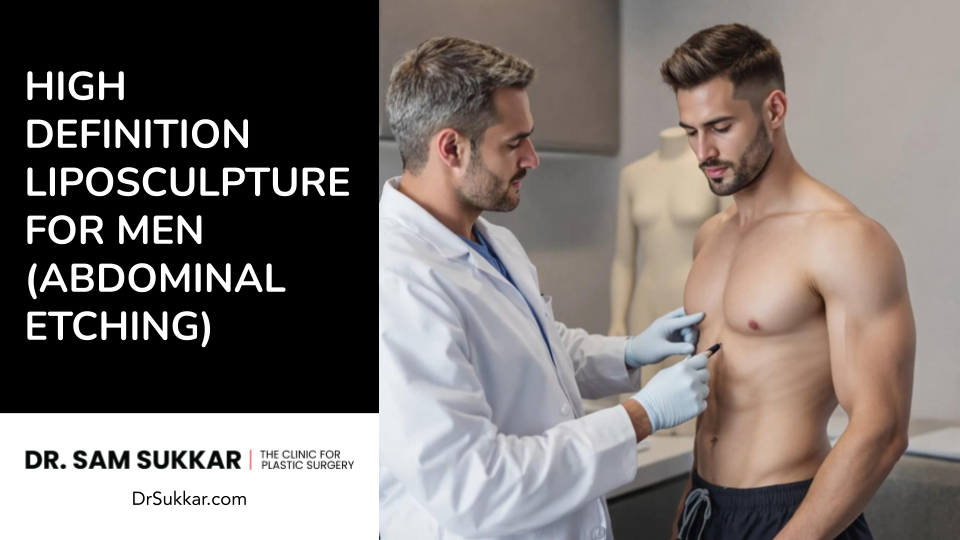
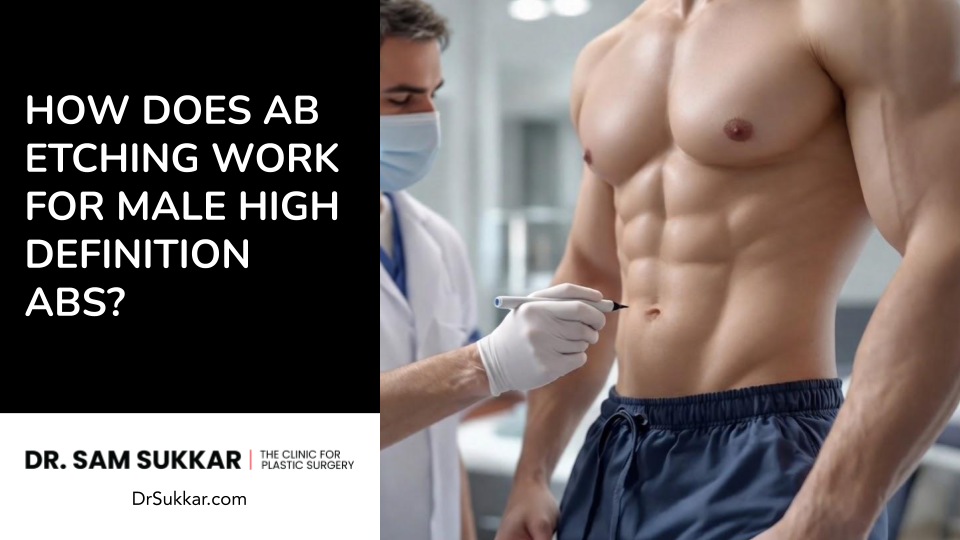
High definition liposculpture for men (abdominal etching) is a specialized liposuction technique that removes and feathers specific layers of fat around the abdominal muscles to reveal sharper lines, rather than simply “making the stomach smaller.” Using VASER liposuction (ultrasound technology), the procedure selectively targets stubborn fat over the rectus abdominis and obliques to create natural-looking grooves and shadows.

For most patients, the fastest path to great abdominal etching results is simple. Start near an ideal body weight, have a real muscle foundation, and follow post operative instructions. Consistent outcomes usually come down to planning, anatomy knowledge, and disciplined aftercare.

Key Takeaways of High Definition Liposculpture For Men (Abdominal Etching)

  • High definition liposculpture for men uses precise VASER liposuction to thin and feather superficial fat so abdominal muscle lines look natural.
  • The best candidates start near an ideal weight, have real muscle tone, and strong skin elasticity, because HD lipo enhances existing anatomy.
  • Plan ab etching as a full-torso contour (abs plus flanks/obliques, chest, and lower back) to create balanced definition.
  • Ab etching recovery drives results: wear compression garments, follow your aftercare instructions, and return to intense core training around 4–6 weeks as cleared.
  • Expect a timeline where swelling hides definition at ~2 weeks, contours sharpen by ~6 weeks, results preview at ~3 months, and the most “final” look appears at 6+ months.
  • Reduce risk and improve predictability by choosing The Clinic for Plastic Surgery in Houston, Texas.

What High Definition Liposculpture And Abdominal Etching Actually Do

High definition liposuction (often shortened to hi def, hd lipo, or high def liposculpture) is an advanced procedure designed to highlight underlying musculature by reshaping superficial fat in 3D patterns, not just reducing volume.

How Abdominal Etching Differs From Traditional Liposuction Procedure

Traditional liposuction is primarily fat debulking. It removes deeper adipose tissue to reduce fullness in a treatment area. That approach can slim the waist, but it can also look “flat” because it is not meant to carve muscle shadows.

High definition liposculpture or abdominal etching uses the same specialized liposuction technique family, fat removal through small incisions, but it is performed more precisely and closer to the skin. With VASER lipo, ultrasound energy (sound energy delivered as ultrasound waves) helps emulsify fat while preserving surrounding tissues like blood vessels and connective structures.

In ab etching, the procedure sculpts around the abdominal muscles and the natural separations between muscle groups. The goal is enhanced muscle definition that still reads as natural definition. Done well, the lines look like fitness, not surgery.

Common Treatment Areas For Men Beyond The Abs

Although “six pack abs” get the attention, definition liposculpture is often planned as a full torso concept. Many patients want a more athletic appearance from multiple angles, not just a front-facing result.

Common body contouring procedures paired with abdominal etching include the chest (pectoralis border), flanks and obliques for a V-taper, and the lower abs and back. Some treatment plans combine these areas in a “360” approach to support a toned physique.

Arms, the upper back near the trapezius and scapular region, and even targeted shaping around the waist can be included. The key is proportionality. If the abs are etched but the flanks still hold unwanted fat, the result can look unfinished.

Who’s A Good Candidate (And Who Should Wait)

The best outcomes in high definition liposculpture for men come from choosing the right patient at the right time, not from “pushing harder” with more suction.

Body Type, Body Fat Percentage, And Muscle Foundation

A good candidate is usually close to an ideal weight or ideal body weight, with stable weight and visible muscle tone under the fat layer. HD lipo enhances what is already there. It does not build abdominal muscles.

Candidates are often within about 30% of an ideal body weight, with decent skin elasticity and a solid muscle foundation. Patients with significant skin laxity may need a different plan. Etching lines on loose skin rarely creates optimal results.

The evaluation also considers fat distribution. Some men have stubborn, superficial fat that responds well to precise sculpting. Others carry fat more diffusely, where traditional techniques or broader body contouring may be more appropriate.

Health, Lifestyle, And Medication Considerations

Most patients who do best are non-smokers and can commit to proper healing. A healthy lifestyle matters because swelling control and tissue recovery depend on circulation, sleep, and nutrition.

Medication review is not a formality. Blood thinners, certain supplements, and anti-inflammatories can increase bleeding and bruising risk.

A balanced diet and healthy diet also affect results. Rapid dieting before surgery can stress recovery. A steady approach supports the recovery process and reduces post surgical complications.

Common Goals: Sharper Definition Vs Full Transformation

Some men want sharper definition, subtle grooves, better separation, and a cleaner midline. Others expect a full transformation into a stage-lean “six pack” regardless of baseline anatomy.

This is where expectations get calibrated. High definition liposculpture can create superior results when the foundation is there. But if a patient is far from their aesthetic goals, the more honest plan may be weight stabilization first, then surgery.

The Definition Aesthetic Surgery Step By Step

The VASER procedure is usually outpatient and methodical. The “art” of def liposuction is built on planning, symmetry, and careful control of depth.

Consultation, Marking, And Surgical Planning

A high-quality consultation starts with anatomy and intent. The evaluation reviews the patient’s fat layer, skin quality, and underlying muscles. Photos are often taken for planning and documentation.

On the day of surgery, marking is deliberate and precise. The rectus abdominis segments, linea alba, and oblique borders are mapped. Those markings guide precise sculpting once swelling begins.

Planning also includes pre-op instructions. Patients are commonly asked to pause certain blood-thinning medications and supplements. They also get a checklist for compression garment sizing and aftercare scheduling.

Techniques Used To Create Definition And Natural Lines

HD lipo relies on selective fat removal, not aggressive hollowing. VASER uses ultrasound technology to deliver ultrasound energy that helps loosen fat while preserving surrounding tissue.

After emulsification, cannulas remove fat and feather transitions. The goal is smooth planes with controlled depressions where natural muscle separations occur.

The best work avoids “over-etching.” Natural definition comes from subtle shadows, not deep trenches. Careful technique protects blood vessels and avoids unnecessary trauma to surrounding tissues, supporting a smoother recovery.

Recovery Timeline And Aftercare

Recovery is where high definition becomes visible, or where it gets blurred by swelling and scar tissue. Aftercare is part of the procedure, not an optional add-on.

Compression Garments, Lymphatic Massage, And Swelling

A compression garment is typically worn for about 4 to 6 weeks. Compression helps control swelling, supports skin re-draping, and reduces fluid buildup.

Swelling is normal and often peaks around the first one to two weeks. Bruising and firmness can appear uneven early on. That does not automatically mean asymmetry is permanent.

Lymphatic drainage massage is often recommended to improve fluid movement and comfort. It can also help reduce firm areas during the healing process. Timing and frequency should follow the clinic’s protocol.

When You Can Return To Work, Exercise, And Travel

Many liposuction patients return to desk work in about 3 to 7 days, depending on soreness and how many areas were treated. Jobs with lifting or physical strain may require more time.

Exercise is usually staged. Light walking starts early, but intense core training often waits about 4 to 6 weeks. That protects healing tissue and reduces complications.

Travel is commonly possible after about a week, but teams often discuss clot risk and movement strategies. Patients should follow office guidance closely, especially for longer flights.

What Results Look Like At 2 Weeks, 6 Weeks, 3 Months, And 6+ Months

At 2 weeks, swelling can hide definition. The abdomen may look puffy, and the etched lines can appear too sharp or too soft. Numbness and firmness are common.

Around 6 weeks, swelling tends to settle. The waist looks tighter, and muscle definition begins to read more clearly in good lighting. The body is still remodeling.

At 3 months, many patients see a more reliable preview of the final contour. The etched grooves soften into more natural lines. Clothing fit typically improves noticeably.

At 6+ months, final results are clearer for most patients. Remaining swelling is usually minimal, and the definition looks more integrated. This is also when small refinements, if needed, are discussed.

Results, Longevity, And Maintaining Your Body Sculpting Outcome

The abdominal etching outcome is a partnership between surgical technique and patient habits. Fat cells removed do not “grow back,” but the body can still store fat in remaining cells.

How Fat Removal And Skin Tightening Affect Final Contour

High def liposuction removes fat in specific layers to reveal underlying muscles. The contour depends on how evenly that fat layer is thinned and how smoothly transitions are blended.

Skin behavior matters just as much. If skin elasticity is strong, the skin can contract and display the sculpting. If skin is thin or lax, the same sculpting may look less defined.

Some practices discuss adjunctive tightening options when appropriate, but the core principle stays the same. The best contour comes from precise sculpting with preservation of surrounding tissues.

Weight Fluctuations, Training, And Nutrition After Surgery

Longevity depends on stable weight. Significant weight gain can soften definition because remaining fat cells enlarge. That can reduce the “etched” look.

Training supports the result because muscle growth improves the frame beneath the skin. But training cannot replace ab etching surgery’s fat removal in stubborn fat zones. The best long-term look blends both.

Nutrition should be realistic. A balanced diet with adequate protein supports healing and helps maintain a toned appearance. Crash dieting tends to backfire and can compromise energy during recovery.

Frequently Asked Questions About High Definition Liposculpture For Men (Abdominal Etching)

What is high definition liposculpture Plastic Surgery?

High definition liposculpture for men, often called abdominal etching, is an advanced, ultrasound-assisted liposuction technique that removes and feathers superficial fat around the rectus abdominis and obliques. The goal is to reveal natural-looking grooves and shadows for sharper definition, not simply a smaller stomach.

How is high definition liposculpture different from traditional liposuction?

Traditional liposuction mainly debulks deeper fat to reduce overall fullness, which can slim the waist but look “flat.” High definition liposculpture targets more superficial fat in 3D patterns to accent muscle separations. With VASER technology, fat is loosened more selectively while helping preserve surrounding tissues.

Who is a good candidate for high definition liposculpture for men?

The best candidates are close to an ideal body weight, with stable weight, visible muscle foundation, good skin elasticity, and a non-smoking lifestyle. Candidates are often within about 30% of ideal weight. Significant skin laxity or a minimal muscle base can limit results.

What is recovery like after abdominal etching, and when will I see results?

Most patients wear a compression garment for about 4–6 weeks and may be advised to do lymphatic drainage massage for swelling and firmness. Desk work often resumes in 3–7 days; intense core exercise usually waits 4–6 weeks. Swelling peaks around 1–2 weeks, with clearer definition by 3–6+ months.

How long do abdominal etching results last, and can fat come back?

Fat cells removed during high definition liposculpture don’t “grow back,” but remaining fat cells can enlarge with weight gain and soften definition. Long-term results depend on stable weight, consistent training, and realistic nutrition. The procedure enhances existing musculature, it doesn’t build abs or change genetics.

How much does high definition liposculpture cost in Houston, TX?

High definition liposculpture cost in Houston, TX ranges from about $12,000 to $17,000. Price depends on how many areas are treated, anesthesia type, facility fees, and aftercare. Compare quotes that clearly list what’s included, garments, follow-ups, and revision/complication policies.

Conclusion and Summary of High Definition Liposculpture For Men (Abdominal Etching)

High definition liposculpture for men works best when anatomy, expectations, and aftercare all align. The procedure does not create muscles or replace training; it reveals the muscle structure that already exists by shaping the fat layer with precision. Patients closest to their goal weight with a solid muscle base typically see the most defined and natural-appearing contour.

Lasting results depend heavily on healing and long-term habits. Swelling control, compression use, and gradual return to exercise influence how clearly the definition appears, while stable weight and consistent training help maintain it over time. When the right candidate follows the recovery plan and maintains healthy routines, abdominal etching can provide a durable improvement in torso shape and confidence rather than a short-term cosmetic change.

Your Trusted Destination for Ab Etching High-Definition Six-Pack Abdominals in Houston, Texas (TX)

Are you located in one of these Houston Metro Area cities?

Houston, The Woodlands, Sugar Land, Katy, Pearland, Pasadena, League City, Baytown, Conroe, Cypress, Spring, Kingwood, Humble, Missouri City, Friendswood, Bellaire, Clear Lake, Tomball, Galveston, Richmond, Rosenberg, Stafford, La Porte, Deer Park, Seabrook, Webster, Alvin, and Channelview.

Board-Certified Plastic Surgeon Dr. Sam Sukkar, MD, FACS, and the The Clinic for Plastic Surgery Team provide advanced body contouring techniques designed to create defined, athletic abdominal results.

If you struggle with stubborn abdominal fat or want to achieve more visible abdominal muscle definition, we offer comprehensive high-definition procedures for that six-pack abs look, including:

  • High Definition Liposuction for Men
  • Ab Etching and Abdominal Etching
  • High-Def Abdominal Surgery
  • Abdominal Liposuction
  • Six-Pack Abs Lipo
  • High Definition Liposuction for Women
  • Customized High-Definition Liposculpture Plans

Visit our modern 18,000+ sq. ft. plastic surgery center and med spa in Houston, Texas, designed for comfort, privacy, and results-driven care. From consultation through recovery, our skillful team focuses on sharp definition, balanced proportions, and natural-looking abdominal contour.

For patients outside the Houston area or those with limited availability, schedule a virtual abdominal contouring consultation.

Book Your Personalized Abdominal Consultation today at DrSukkar.com or call (281) 940-1535.

About the Author – Meet Dr. Sam Sukkar, MD
Dr. Sam Sukkar, MD, FACS is a highly respected Board-Certified Plastic Surgeon in Houston, Texas, known for his expertise in advanced cosmetic and reconstructive procedures. As the founder of The Clinic for Plastic Surgery, Dr. Sukkar has set a new standard for excellence, performing over 20,000 procedures with a focus on delivering natural, refined results.

Dr. Sukkar earned his Doctor of Medicine (M.D.) degree from Louisiana State University School of Medicine in 1992 after graduating summa cum laude with a Bachelor of Science in Microbiology. He then completed an intensive General Surgery Residency at the University of Texas Hermann Hospital before being selected for a highly competitive Plastic Surgery Fellowship at Northwestern University in Chicago, one of the most prestigious training programs in the country.

With more than 20 years of experience, Dr. Sukkar is a Diplomate of the American Board of Plastic Surgery and a Fellow of the American College of Surgeons (FACS). He is also an active member of the American Society of Plastic Surgeons (ASPS) and the Houston Society of Plastic Surgery (HSPS). His dedication to innovation and continuing education has solidified his reputation as a leading expert in aesthetic surgery, specializing in breast surgery, body contouring, facial procedures, and non-invasive treatments.

Dr. Sukkar’s expertise has been recognized by Houston Magazine, naming him one of Houston’s “Top Docs for Women,” and he has been featured among RealSelf’s America’s Top Doctors. Committed to his patients, he prioritizes personalized care, ensuring every individual feels informed, comfortable, and confident in their aesthetic journey.

Contact Dr. Sukkar today to schedule a consultation, visit DrSukkar.com to learn more, or call us directly at (281) 940-1535.

Gynecomastia Grades & When Male Breast Reduction Surgery Is Recommended

Gynecomastia grades help decide when male breast reduction surgery is appropriate, based on how much glandular breast tissue is present, how much excess fat and skin laxity exist, and where the nipple sits on the chest. Male breast reduction surgery is most often recommended for persistent cases, typically Grades II–IV, that don’t resolve after observation or medical management, or that cause pain, irritation, or significant emotional distress.

A useful first step is confirming whether the breast enlargement is true gynecomastia (glandular tissue) or pseudogynecomastia (fatty tissue). Next, grade the condition and rule out drivers like hormonal imbalances, certain medications, or red-flag symptoms needing workup.

Key Takeaways of Gynecomastia Grades

  • Gynecomastia grades (I–IV) help determine when male breast reduction surgery is appropriate by assessing gland tissue, fat, skin excess, and nipple position.
  • Confirm true gynecomastia (firm glandular tissue) versus pseudogynecomastia (fat-driven) because diet and exercise may reduce fat but often won’t eliminate gland tissue.
  • Male breast reduction surgery is most often recommended for persistent gynecomastia, especially when it lasts longer than about 12 months despite observation or medical management.
  • Higher grades (III–IV) usually require more than liposuction, combining gland excision with skin removal to correct laxity and nipple droop for a more masculine chest contour.
  • Address underlying gynecomastia causes and red flags first, before moving forward with a surgical plan.
  • Recovery typically includes compression for 4–8 weeks and a gradual return to exercise around 4–6 weeks.

What Gynecomastia Is And What It Is Not

Gynecomastia is a benign breast tissue enlargement in the male breast caused by proliferation of glandular breast tissue, most often tied to hormonal changes. It is not the same thing as fat-only breast enlargement, and it is not a diagnosis that should be made without a focused history and physical exam.

True Gynecomastia Vs Pseudogynecomastia (Fat-Related)

True gynecomastia means there is gland tissue under or around the areola. On exam, clinicians often feel a firmer, rubbery disc of glandular tissue, rather than only soft fat. This matters because glandular tissue does not reliably disappear with diet alone.

Pseudogynecomastia is breast enlargement driven mainly by excess fatty tissue. It commonly appears with weight gain and may improve with weight loss. In real clinical workflows, many adult males have a mixed picture: some glandular tissue plus excess fat. That is why documenting breast tissue present, skin quality, and nipple position helps plan treatment.

Common Causes By Age Group And Medication History

Certain age groups are more prone due to predictable hormonal shifts. Pubertal gynecomastia is common in adolescents and usually relates to transient hormonal imbalances during puberty. Many cases improve with time, making observation appropriate when symptoms are mild and there are no red flags.

In adult males, gynecomastia causes broaden. Medication history becomes central because certain medications can contribute to abnormal breast growth, including spironolactone and other agents associated with altered hormone signaling. The evaluation also considers anabolic steroid use, recreational drug use, liver disease, and overall endocrine health. When needed, evaluation may include looking at adrenal glands and the balance of hormones estrogen and androgens, especially if breast tissue growth is new or progressive.

Gynecomastia Grades Explained (Grade I–IV)

From a medical standpoint, grades of gynecomastia describe how much breast tissue enlargement exists and whether skin excess and nipple descent are present. The most used grading system in practice is the Simon system (1973). This includes subdivisions like grade IIA and grade IIB gynecomastia.

Grade I: Small Enlargement Without Skin Excess

Grade i gynecomastia is a small, localized breast tissue enlargement without excess skin. The nipple position is typically normal, and the chest contour still follows the underlying chest muscles. Patients may notice a puffy areola or a small mound, sometimes in one or both breasts.

Because skin laxity is not a feature of grade I, treatment options often start conservatively. If the case is pubertal gynecomastia, observation is commonly chosen, especially when symptoms are recent. If breast tissue growth persists or is clearly glandular breast tissue, surgical treatment may involve targeted excision of glandular tissue through a small incision.

Grade II: Moderate Breast Enlargement With Minimal Skin Excess

Grade II typically reflects moderate breast enlargement. In Simon’s breakdown, grade IIA is moderate enlargement with no skin excess, while grade IIB includes moderate enlargement plus minor skin excess. Clinically, the contour is more noticeable in fitted clothing, and some patients report tenderness or chafing.

This is where choosing between non surgical treatments and surgical intervention becomes more nuanced. If the driver is ongoing (for example, certain medications, hormonal changes, or anabolic steroids), addressing that cause is part of the treatment plan. If the condition persists, often discussed as longer than about a year, or creates functional problems, gynecomastia surgery becomes a frequent recommendation, often using a combination approach.

Grade III: Moderate-To-Severe Enlargement With Skin Excess

Grade III gynecomastia involves a larger breast enlargement with clear skin excess. The nipple may sit lower, and the breast shape can begin to resemble female breasts, which can be particularly distressing for some patients. The skin may not “snap back,” even after weight loss, because skin laxity has become structural.

In grade III, liposuction alone is often insufficient when gland tissue and skin excess drive the contour. Male breast reduction surgery may include gland excision, removal of excess breast tissue, and treatment of extra skin. Exact surgical techniques vary by anatomy, scarring tolerance, and nipple position.

Grade IV: Severe Enlargement With Significant Skin Excess And Ptosis

Grade IV is often described as the most severe form, with marked enlargement, significant skin excess, and obvious ptosis (droop). The nipple-areola complex may be displaced downward, and the chest can have a heavy, pendulous appearance.

These cases frequently require more complex planning and, at times, staged surgical intervention. The goal is not only removal of excess breast tissue and glandular tissue, but also restoring a more typical male chest contour. In higher grades, the conversation often includes scar placement, skin excision patterns, and realistic expectations about symmetry and skin quality.

How Grading Influences Symptoms, Aesthetics, And Treatment Options

Gynecomastia grades are not just cosmetic labels. They guide what gynecomastia symptoms are likely, what physical findings matter most, and which treatment options are realistic. Grading also helps standardize documentation across practices and locations.

Typical Findings: Tissue Type, Nipple Position, And Skin Quality

Lower grades more often involve a concentrated amount of glandular breast tissue with minimal skin changes. Patients may describe tenderness or sensitivity behind the nipple. On physical exam, the provider assesses whether the enlargement is centered under the areola, how much fatty tissue is present, and whether the tissue feels diffuse or nodular.

As grades increase, skin excess and nipple position become more important. Skin quality varies by age groups, weight history, and genetics. Some healthy males with significant weight loss develop skin excess without much gland tissue, while others have both excess fat and glandular tissue. That distinction changes the surgical plan, because treating breast tissue present is different from treating skin laxity.

Why Some Cases Need More Than Liposuction

Liposuction targets excess fatty tissue well, but it does not reliably remove firm gland tissue. In true gynecomastia, glandular tissue often needs direct excision to avoid leaving a residual mound. That is why many grade II and grade III cases are treated with combined male breast reduction approaches.

Skin excess is the other reason liposuction falls short. In grade IIB gynecomastia and above, minor skin excess may not tighten enough after volume reduction, especially with reduced elasticity. In grade III and grade IV, excess skin grade issues can dominate the appearance, and skin excision becomes the step that makes the result look “finished,” rather than deflated.

When Male Breast Reduction Surgery Is Recommended

Male breast reduction surgery is usually recommended when gynecomastia is persistent, symptomatic, and when underlying contributors have been addressed or ruled out. The decision should connect grade, duration, tissue type, and patient goals into a clear, documented treatment plan.

Persistent Gynecomastia After Observation Or Medical Management

Many cases, especially pubertal gynecomastia, improve with observation. But persistent breast tissue enlargement, often discussed as lasting longer than 12 months, is less likely to resolve fully on its own. That is when surgical consultation becomes appropriate, particularly for grade II, grade III, and grade IV.

Medical management may include correcting hormonal imbalances, stopping or switching certain medications when clinically feasible, and addressing contributing conditions. If the male breast growth remains stable but unwanted, gynecomastia treatment may shift toward surgical treatment, because the glandular breast tissue can be resistant to non surgical treatments.

Physical Discomfort, Activity Limitations, Or Recurrent Irritation

Pain is not required for surgery to be reasonable, but it is a common driver for care. Patients can experience tenderness, friction, and recurrent irritation under the fold when skin excess is present. Some report limitations during running, lifting, or sports due to movement and chafing.

Moderate enlargement can also affect posture and clothing choices. Even when the issue is partly excess fat, the combination of excess breast tissue and skin laxity can create ongoing skin problems. In those scenarios, surgical intervention aims to remove problematic tissue and reduce skin-on-skin irritation.

Psychological Distress And Quality-Of-Life Impact

For many adult males, the hardest part is not physical discomfort. It is the daily, low-grade stress of hiding the chest, avoiding pools or locker rooms, and feeling like the body does not match identity. That significant emotional distress is a legitimate clinical factor, not vanity.

Surgical Options By Grade And Anatomy

Surgical options should map to grade, tissue composition, and skin excess. The best outcomes usually come from matching the technique to the anatomy, rather than forcing one tool to solve every presentation.

Liposuction, Gland Excision, Or Combination Approaches

For lower grades with mostly fatty tissue, liposuction can be effective at improving contour. But when true gynecomastia is present, gland excision is often needed to remove the firm glandular tissue beneath the areola. Many grade IIA and grade II patients benefit from a combination approach to address both fat and gland tissue.

Skin Excision Patterns For Higher Grades

When minor skin excess exists, partial skin tightening may occur after volume reduction, but it is not guaranteed. For grade IIB gynecomastia and higher grades, skin laxity can persist, creating an empty or droopy look if skin is not addressed.

In grade III and grade IV, skin excision is commonly discussed as part of male breast reduction surgery. Patterns vary, and the tradeoff is clearer scars for better shape and nipple position. These are not “one-size-fits-all” decisions. A surgical consultation should include scar placement, the likelihood of staged procedures, and realistic expectations based on skin quality and the amount of excess skin.

What To Expect From Recovery, Results, And Risks

Recovery after gynecomastia surgery is usually straightforward, but patients do best when expectations are specific. Swelling, temporary contour irregularities, and a gradual settling period are normal parts of the process.

Timeline: Swelling, Compression Garments, And Return To Exercise

Swelling often improves noticeably over 4 to 6 weeks, but subtle changes can continue longer. A compression garment is worn for about 4 to 8 weeks to support contour and reduce fluid buildup. Follow-up visits monitor for seroma, healing issues, and early asymmetry.

Return to activity follows stages. Light walking starts early, while heavy lifting and strenuous chest workouts wait. Many patients resume exercise around 4 to 6 weeks, depending on the extent of excision and skin removal.

Scarring, Contour Irregularities, Sensation Changes, And Revision Risk

Gynecomastia surgery scars depends on incision choice. Lower-grade cases may have limited scarring around the areola. Higher grades that require skin excision patterns will have more visible scars, though they often fade with time and proper care.

Potential risks include contour irregularities, asymmetry, hematoma, and changes in nipple sensation. Sensation changes are often temporary, but a small percentage of patients experience persistent changes (about 5–10%). Revision risk is generally low, but it increases with higher grades, major skin laxity, and complex anatomy. Clear pre-op counseling reduces dissatisfaction and supports better outcomes across multi-site practices.

Frequently Asked Questions About Gynecomastia Grades & When Male Breast Reduction Surgery Is Recommended

What are gynecomastia grades, and why do they matter for male breast reduction surgery?

Gynecomastia grades (commonly the Simon Grade I–IV system) describe how much glandular tissue is present, how much excess fat and skin laxity exist, and whether the nipple has dropped. These factors guide whether male breast reduction surgery is needed and which techniques will work.

How do I tell true gynecomastia vs pseudogynecomastia (fat)?

True gynecomastia is glandular tissue, often felt as a firm, rubbery disc under the areola. Pseudogynecomastia is mostly soft fatty tissue. This distinction matters because fat may improve with weight loss, while glandular tissue usually doesn’t. Many patients have both, so treatment is often combined.

Why doesn’t liposuction alone fix gynecomastia in higher grades?

Liposuction removes fatty tissue but doesn’t reliably remove firm glandular breast tissue in true gynecomastia. It also can’t correct significant skin excess or nipple droop. In grades IIB–IV, treatment combines liposuction with gland excision, and in Grade III–IV, treatment may require skin excision to create a firm, masculine contour.

How long is recovery after male breast reduction surgery?

In gynecomastia surgery recovery, most swelling improves over about 4–6 weeks, though subtle settling can take longer. Patients typically wear a compression garment for about 4–8 weeks to support contour and reduce fluid buildup. Light walking usually starts early. Heavy lifting and chest workouts wait about 4–6 weeks, depending on the procedure.

Is gynecomastia cover by insurance?

Sometimes, insurance covers gynecomastia, but only when it meets medical-necessity criteria rather than cosmetic concerns. Coverage usually requires documented glandular breast tissue, persistent symptoms, and proof that observation or medical treatment did not resolve the condition. Male breast reduction cost in Houston, TX ranges from $9,500 up to $13,000.

Conclusion and Summary of Gynecomastia Grades & When Male Breast Reduction Surgery Is Recommended

Gynecomastia grading connects the physical findings to realistic treatment choices. Lower grades often focus on removing gland tissue and contouring fat, while higher grades require planning for skin excess and nipple position. The most important step is identifying the tissue type, duration, and contributing factors so treatment matches the actual problem.

Male breast reduction becomes appropriate when breast enlargement persists, causes discomfort or irritation, or affects daily confidence and activities after observation or medical management. With proper evaluation and a technique chosen for the grade and anatomy, most patients achieve a durable improvement in chest contour and comfort.

Your Trusted Destination for Male Breast Reduction Gynecomastia Surgery in Houston, Texas (TX)

Are you located in one of these Houston Metro Area cities?

Houston, The Woodlands, Sugar Land, Katy, Pearland, Pasadena, League City, Baytown, Conroe, Cypress, Spring, Kingwood, Humble, Missouri City, Friendswood, Bellaire, Clear Lake, Tomball, Galveston, Richmond, Rosenberg, Stafford, La Porte, Deer Park, Seabrook, Webster, Alvin, and Channelview.

Board-Certified Plastic Surgeon Dr. Sam Sukkar, MD, FACS, and the The Clinic for Plastic Surgery Team provide advanced surgical solutions for men struggling with enlarged or excess breast tissue.

If you are man experiencing excess chest fat, glandular tissue, or persistent male breast enlargement, we offer comprehensive gynecomastia treatment options, including:

  • Gynecomastia Surgery
  • Male Breast Reduction Surgery
  • Gyno Surgery for Hormonal or Genetic Causes
  • Male Reduction Mammaplasty
  • Liposuction for Male Chest Contouring
  • Customized Male Chest Reshaping Plans

Visit our modern 18,000+ sq. ft. plastic surgery center and med spa in Houston, Texas, designed for comfort, privacy, and results-driven care. From your initial consultation through recovery, our experienced team focuses on natural-looking chest contours and long-term confidence.

For patients outside the Houston area or those with limited availability, schedule a virtual gynecomastia consultation.

Book Your Male Breast Reduction Consultation today at DrSukkar.com or call (281) 940-1535

About the Author – Meet Dr. Sam Sukkar, MD

Dr. Sam Sukkar, MD, FACS is a highly respected Board-Certified Plastic Surgeon in Houston, Texas, known for his expertise in advanced cosmetic and reconstructive procedures. As the founder of The Clinic for Plastic Surgery, Dr. Sukkar has set a new standard for excellence, performing over 20,000 procedures with a focus on delivering natural, refined results.

Dr. Sukkar earned his Doctor of Medicine (M.D.) degree from Louisiana State University School of Medicine in 1992 after graduating summa cum laude with a Bachelor of Science in Microbiology. He then completed an intensive General Surgery Residency at the University of Texas Hermann Hospital before being selected for a highly competitive Plastic Surgery Fellowship at Northwestern University in Chicago, one of the most prestigious training programs in the country.

With more than 20 years of experience, Dr. Sukkar is a Diplomate of the American Board of Plastic Surgery and a Fellow of the American College of Surgeons (FACS). He is also an active member of the American Society of Plastic Surgeons (ASPS) and the Houston Society of Plastic Surgery (HSPS). His dedication to innovation and continuing education has solidified his reputation as a leading expert in aesthetic surgery, specializing in breast surgery, body contouring, facial procedures, and non-invasive treatments.

Dr. Sukkar’s expertise has been recognized by Houston Magazine, naming him one of Houston’s “Top Docs for Women,” and he has been featured among RealSelf’s America’s Top Doctors. Committed to his patients, he prioritizes personalized care, ensuring every individual feels informed, comfortable, and confident in their aesthetic journey.

Contact Dr. Sukkar today to schedule a consultation, visit DrSukkar.com to learn more, or call us directly at (281) 940-1535.

Droopy Eyelid Surgery For Men: Options, Recovery, What to Expect

Droopy eyelid surgery for men is a set of outpatient eyelid surgery options, most commonly upper blepharoplasty and ptosis surgery, designed to lift droopy eyelids, remove excess eyelid skin, and, when needed, improve the field of vision. The right approach depends on whether the issue is excess upper eyelid skin (hooding) or a true eyelid muscle problem (ptosis), and a complete eye exam helps confirm the cause.

For most male patients, the fastest path to a natural, masculine result is a plan that preserves a male-appropriate natural crease, removes or repositions excess fat conservatively, and accounts for brow position and sagging eyebrows. Upper blepharoplasty directly addresses heavy upper lids by removing excess skin and refining contour while maintaining a natural appearance.

Key Takeaways of Droopy Eyelid (Ptosis) Surgery For Men

  • Droopy eyelid surgery for men works best when an eye exam confirms whether the problem is excess upper eyelid skin (hooding), true ptosis, brow descent, or a combination.
  • Upper blepharoplasty removes excess eyelid skin to open the eyes while preserving a natural, masculine crease.
  • Ptosis surgery repairs the eyelid muscle to restore lid height and can improve vision when drooping upper eyelids narrow the visual field.
  • Plan for visible swelling and bruising early on, with many men returning to desk work in about a week and looking notably better by 10–14 days.
  • Treat sudden or one-sided drooping as a medical issue that needs prompt evaluation, not a routine cosmetic consult.

What Causes Droopy Eyelids or Ptosis In Men

Drooping upper eyelids in men usually come from a mix of aging changes in delicate eyelid skin, shifting fat pads, and weakening support structures. The key is identifying whether the lid is low because of excess tissue or because the eyelid muscles are not lifting to a normal position.

How Ptosis Differs From Excess Upper Eyelid Skin

Ptosis is a functional eyelid problem. The eyelid sits low because the levator or related eyelid muscles do not elevate the lid properly. That can narrow the visual field and sometimes triggers forehead tension as the patient tries to compensate.

Excess upper eyelid skin is different. Here, the upper eyelids may lift normally, but excess skin and sagging skin fold over the lid margin, creating a “hooded” look. Men may also have possibly fat that bulges forward, which can make the eyelids look heavier even without true ptosis.

Both can coexist. A patient can have droopy upper eyelids from ptosis and also have excess eyelid skin. That’s why the surgical procedure choice is based on exam findings, not just photos.

Common Risk Factors: Aging, Genetics, Contact Lenses, Injury, And Medical Conditions

Aging is the most common driver. Sun exposure contributes to skin thinning and laxity, and over time the upper and lower eyelids can show more excess skin and excess fat.

Genetics also matters. Some men are born with heavier lids or lower-set brows, and the “tired” look shows up earlier. Chronic contact lenses use can be a factor in some patients, especially if there is long-term lid manipulation.

Injury and medical conditions can also cause drooping eyelids. Trauma can affect blood vessels, nerves, or the levator mechanism. Certain neurologic or muscular conditions can contribute, which is why a medical evaluation is part of responsible planning.

When Drooping Eyelids Are A Medical Issue Vs A Cosmetic Concern

Men often search for an eyelid lift because they look tired in photos or feel self-conscious in meetings. Clinically, the bigger question is whether drooping eyelids are purely cosmetic surgery territory, or whether they are causing functional limitations that may justify reconstructive surgery documentation.

Signs It May Affect Vision Or Eye Health

A functional issue is suspected when excess eyelid skin or a low lid margin reduces the field of vision. Patients may report needing to raise their eyebrows to see, or noticing shadows in the upper visual field.

Symptoms can also include irritated eyes from altered lid closure or changes in tear distribution. Some men describe blurred vision that improves when they manually lift the lid skin. Others notice headaches from constant brow lift elevation.

Clinics often document these complaints alongside objective testing. Visual field testing and standardized photos help show whether the lid position or excess tissue is obstructing vision.

When To Seek Evaluation For Sudden Or One-Sided Drooping

Sudden drooping eyelids, especially one-sided drooping, should be evaluated promptly. A new change can reflect a nerve-related issue rather than routine aging.

If drooping is paired with double vision, new weakness, speech changes, or severe headache, it warrants urgent medical attention. Practices should have clear triage guidance so front desks do not “schedule it out” like a routine cosmetic procedures consult.

Even when the cause is benign, early evaluation improves planning. The clinician can rule out serious causes and decide whether eye surgery is appropriate now or after stabilization.

Droopy Eyelid Surgery Options For Men in Houston, Texas

For droopy eyelid surgery, the best type of surgery depends on anatomy and goals: removing excess skin, reducing puffiness, or repairing muscle-driven droop. For male patients, conservative tissue handling and correct crease design are central to a masculine, refreshed appearance.

Upper Blepharoplasty (Skin And Fat Removal)

Upper blepharoplasty in Houston, TX, is a common upper eyelid surgery that removes excess eyelid skin and, when appropriate, removes excess skin and small amounts of excess fat. The incision is typically placed in the natural crease, which helps the scar hide.

Men often benefit from restraint. Over-resection can hollow the upper lid and change the character of the eyes. Selective fat management is often preferred, with fat repositioned rather than aggressively removed.

Clinically, upper blepharoplasty can be cosmetic surgery, functional, or both. When excess skin affects the visual field, documentation can support medical necessity depending on payer rules.

Ptosis Repair (Lifting The Eyelid Muscle)

Ptosis surgery targets the eyelid muscles, commonly by tightening or advancing the levator mechanism so the lid returns closer to a normal position. This is not simply “skin trimming,” and it is why a complete eye exam matters.

The planning focus is symmetry and lid contour. Small differences in muscle response can produce noticeable asymmetry, so lid height and function are carefully measured. The goal is to improve drooping upper eyelids without creating a startled look.

Ptosis repair is often categorized as reconstructive surgery when it addresses function. It may also be performed alongside skin removal if excess tissue is contributing to hooding.

Lower Eyelid Procedures And Under-Eye Bags: When They’re Combined

Lower eyelid surgery is used when bags under the eyes or under-eye fullness is a main concern. Depending on anatomy, excess fat is removed, fat is repositioned, or support structures are tightened to reduce bulging while avoiding a pulled-down look.

Some men benefit from combining upper blepharoplasty with lower eyelid surgery in one outpatient procedure. Combined upper and lower eyelids treatment can create balance, but it also increases the need for careful aftercare.

In certain patients, adjunct cosmetic procedures like skin resurfacing may be discussed for dark circles or crepey lower-lid texture. The decision should be individualized, because resurfacing changes downtime and irritation risk.

Candidacy And The Consultation Process

Candidacy for droopy eyelid surgery for men is established through medical history, eye measurements, and a discussion of goals.

Medical History, Eye Exam, And Photos For Surgical Planning

A detailed medical evaluation is the starting point. A review includes prior eye surgery, current symptoms, and any history of double vision, dry eye, or eyelid problems.

A complete eye exam (or coordinated ophthalmic evaluation) may include tear assessment, eyelid position measurements, and visual field testing when function is in question. Standardized photos help guide planning and also support insurance documentation when needed.

Medications, Smoking, Dry Eye, And Other Factors That Affect Eligibility

Medication review needs specificity. Blood thinners can increase bleeding risk, and some herbal supplements can also affect blood clot. The patient should bring a list of all the medicines to the consult, including over-the-counter products.

Smoking can impair healing and worsen scarring. Stopping nicotine before and after eyelid surgery is often recommended because it can increase complication risk.

Dry eye is common, especially in older patients. A plan may include lubricating ointment and other tear-support strategies after surgery. In some cases, the amount of skin removed is modified to protect proper eyelid closure.

Recovery, Downtime, And Aftercare

Recovery is usually manageable, but it is visible at first. Men who plan work travel, on-camera meetings, or physical jobs need a realistic downtime plan and clear aftercare instructions to protect results.

Swelling, Bruising, And Milestones By Week

Swelling and bruising are expected, especially in the first few weeks. For many patients, bruising is most noticeable early and improves significantly by 10–14 days.

Many return to desk work in about a week, depending on bruising and comfort. Stitches, when used, are commonly removed within the first week per post-opt team preference.

After surgery, patients are typically advised to protect the eyelid skin from sun exposure. Wearing dark sunglasses outdoors helps, and it also keeps wind from irritating eyes.

Workouts, Work Travel, Contact Lenses, And Screen Time

Strenuous workouts can raise blood pressure and increase swelling or bleeding risk early on. Avoid heavy exercise and heat exposure for about 10–14 days, followed by a gradual return to normal activity.

Work travel is possible, but timing matters. Flights can worsen dryness, and early bruising can be more noticeable under harsh lighting. Planning important travel after the first week is often easier.

Contact lenses are often paused briefly to avoid manipulating the lids during early healing. Screen time may also need moderation, because reduced blinking can worsen irritation. Lubricating ointment may be recommended at night, with drops during the day as directed.

Insurance Considerations

Insurance coverage depends on whether the eyelid procedure is classified as cosmetic or functional/reconstructive. The key distinction is documented visual obstruction caused by drooping eyelids or excess upper-lid skin.

Cosmetic vs Functional Coverage and Required Documentation

Cosmetic procedures are generally not covered. Coverage may be possible when eyelid position interferes with daily activities such as reading, driving, or seeing traffic lights.

When coverage is requested, documentation usually includes reported symptoms, standardized photographs, and formal visual field testing that demonstrates improved vision when the eyelids are lifted or taped. Clear chart notes help reduce denials and repeated information requests.

Even when approved, insurance typically applies only to the functional portion of care, and plan rules, preauthorization requirements, and policy criteria still apply.

Frequently Asked Questions About Droopy Eyelid Surgery For Men: Options, Recovery, What to Expect

What is droopy eyelid plastic surgery for men?

Droopy eyelid surgery for men is usually upper blepharoplasty and/or ptosis repair to lift droopy eyelids, remove excess upper eyelid skin, and reduce heaviness that can make men look tired. When vision is blocked, it can also improve the upper visual field after proper testing and documentation.

What’s the difference between ptosis surgery and upper blepharoplasty for droopy eyelids in men?

Ptosis surgery fixes a muscle-lifting problem (the levator mechanism), where the eyelid sits low even if there isn’t much extra skin. Upper blepharoplasty mainly removes or repositions excess eyelid skin and sometimes fat causing hooding. Many men have both, so an exam guides the plan.

How long is recovery after droopy eyelid surgery for men?

Most men plan about a week of visible downtime, with swelling and bruising improving significantly by 10–14 days. Upper blepharoplasty or ptosis repair often takes 1–2 hours as an outpatient procedure. Heavy lifting, strenuous exercise, and heat exposure should be avoided for roughly 10–14 days.

When are droopy eyelids a medical issue vs cosmetic for men (and can insurance cover it)?

It’s more likely medical/functional when droopy eyelids or excess skin obstruct vision, men may raise their brows to see, notice shadows, or improve vision by lifting the lid skin. Insurance may require symptoms, standardized photos, and visual field testing showing obstruction (and improvement when lifted or taped).

Should I worry about sudden or one-sided droopy eyelid in men?

Yes. Sudden drooping, especially one-sided, should be evaluated promptly because it can be nerve-related rather than normal aging. If it comes with double vision, new weakness, speech changes, or severe headache, seek urgent medical attention. Even if benign, early evaluation helps rule out serious causes and plan safely.

How much does upper eyelid surgery cost in Houston, Texas?

Cost for upper eyelid surgery in Houston typically ranges from about $5,000 to $6,000. Prices for eyelid surgery depends on eyelid anatomy, operating setting, and whether functional correction is also required. At The Clinic for Plastic Surgery, payment options are available through financing programs. Cherry financing has monthly payments starting as low as about $135 for qualified patients.

Conclusion and Summary of Droopy Eyelid Surgery For Men: Options, Recovery, What to Expect

Droopy eyelid surgery for men works best when the diagnosis is precise: skin hooding, ptosis, brow descent, or a combination. Upper blepharoplasty can remove excess eyelid skin, ptosis surgery can restore lid height, and lower eyelid surgery can address bags under the eyes through careful fat removal or fat repositioning.

If a patient’s drooping eyelids are new, one-sided, or paired with double vision, the next step is not a cosmetic consult, it’s prompt clinical evaluation. And when the issue is longstanding, a well-planned eyelid lift can deliver a refreshed appearance without sacrificing a masculine, natural look.

Your Trusted Destination for Blepharoplasty Eyelid Surgery in Houston, Texas (TX)

Are you located in one of these Houston Metro Area cities?

Houston, The Woodlands, Sugar Land, Katy, Pearland, Pasadena, League City, Baytown, Conroe, Cypress, Spring, Kingwood, Humble, Missouri City, Friendswood, Bellaire, Clear Lake, Tomball, Galveston, Richmond, Rosenberg, Stafford, La Porte, Deer Park, Seabrook, Webster, Alvin, and Channelview.

Board-Certified Plastic Surgeon Dr. Sam Sukkar, MD, FACS, and the The Clinic for Plastic Surgery Team provide advanced eyelid surgery solutions to refresh and restore the appearance of the eyes.

If you are dealing with drooping eyelids, under-eye bags, puffiness, or tired-looking eyes, we offer comprehensive eyelid surgery options, including:

  • Upper Blepharoplasty (Upper Bleph)
  • Lower Blepharoplasty (Lower Bleph)
  • Eyelid Lift Surgery
  • Eyelid Surgery for Excess Skin or Fat
  • Combination Upper and Lower Eyelid Procedures
  • Customized Eye Rejuvenation Treatment Plans

Visit our modern 18,000+ sq. ft. plastic surgery center and med spa in Houston, Texas, designed for comfort, privacy, and results-driven care. From your first consultation through recovery, our talented team focuses on brighter, rested-looking eyes with natural results.

For patients outside the Houston area or those with limited availability, schedule a virtual eyelid surgery consultation.

Book Your Personalized Eyelid Consultation today at DrSukkar.com or call (281) 940-1535.

About the Author – Meet Dr. Sam Sukkar, MD

Dr. Sam Sukkar, MD, FACS is a highly respected Board-Certified Plastic Surgeon in Houston, Texas, known for his expertise in advanced cosmetic and reconstructive procedures. As the founder of The Clinic for Plastic Surgery, Dr. Sukkar has set a new standard for excellence, performing over 20,000 procedures with a focus on delivering natural, refined results.

Dr. Sukkar earned his Doctor of Medicine (M.D.) degree from Louisiana State University School of Medicine in 1992 after graduating summa cum laude with a Bachelor of Science in Microbiology. He then completed an intensive General Surgery Residency at the University of Texas Hermann Hospital before being selected for a highly competitive Plastic Surgery Fellowship at Northwestern University in Chicago, one of the most prestigious training programs in the country.

With more than 20 years of experience, Dr. Sukkar is a Diplomate of the American Board of Plastic Surgery and a Fellow of the American College of Surgeons (FACS). He is also an active member of the American Society of Plastic Surgeons (ASPS) and the Houston Society of Plastic Surgery (HSPS). His dedication to innovation and continuing education has solidified his reputation as a leading expert in aesthetic surgery, specializing in breast surgery, body contouring, facial procedures, and non-invasive treatments.

Dr. Sukkar’s expertise has been recognized by Houston Magazine, naming him one of Houston’s “Top Docs for Women,” and he has been featured among RealSelf’s America’s Top Doctors. Committed to his patients, he prioritizes personalized care, ensuring every individual feels informed, comfortable, and confident in their aesthetic journey.

Contact Dr. Sukkar today to schedule a consultation, visit DrSukkar.com to learn more, or call us directly at (281) 940-1535.

FUE Hair Transplant Cost and Pricing In Houston, TX

Understanding the FUE hair transplant cost in Houston, TX starts with knowing what you are actually paying for. Pricing is not just a number attached to a cosmetic procedure. It reflects graft count, surgical time, planning complexity, and the resources required to protect each follicle.

Most patients invest between $10,000 and $15,000, but the total varies depending on the amount of hair loss, the areas treated, and how detailed the hair restoration plan must be. At The Clinic for Plastic Surgery, the goal of the consultation is to translate your hair loss pattern into a clear graft estimate and a transparent quote so you know exactly what the treatment involves before scheduling.

Key Takeaways of FUE Hair Transplant Cost and Pricing In Houston, TX

  • The FUE hair transplant cost in Houston, TX typically ranges from about $10,000 to $15,000 per session, driven mainly by graft count and surgical time.
  • To estimate your total accurately, confirm your graft-count range by treatment area (hairline, crown, or full top).
  • Verify what your quote includes, consultation, hairline design, medications, aftercare visits, and follow-ups, so add-ons like labs, special products, PRP, or revisions don’t inflate the final bill.
  • Houston pricing often tracks national norms and can be $2,000–$3,000 lower than some high-cost markets for similar graft counts.
  • Financing programs such as Cherry allow qualified patients to begin treatment immediately with predictable monthly payments.

Typical Follicular Unit Extraction Hair Transplant Price Ranges In Houston

Houston sits in a competitive, high-volume market for hair transplant surgery, and that shows up in pricing. Most patients see quotes that reflect national norms, with enough variation to reward careful comparison.

Hair transplant price for follicular unit extraction (FUE) is calculate by the graft. A common price is $8-$11 per graft. That per-graft number matters because it scales quickly with the number of grafts or the technology used.

How Houston Pricing Compares To Other Texas And U.S. Markets

Across the U.S., many hair restoration surgery cases fall around $12,000–$19,000, and Houston generally tracks that range. The city can be cost-competitive because there are established, high-throughput practices that keep operations efficient. That efficiency may show up as smoother scheduling and more predictable per-graft pricing.

Compared with higher-cost markets like parts of New York or California, Houston may come in roughly $2,000–$3,000 lower for a similar graft count in some scenarios.

Houston also tends to mirror broader U.S. pricing differences between follicular unit transplantation (FUT) and FUE hair transplantation. FUT may appear cheaper in some quotes, but FUE is often preferred for a less linear-scar profile and flexibility in short hairstyles. The market reality is that FUE usually costs more because it’s labor-intensive and time-heavy.

What Determines The Cost Of FUE In Houston

Houston FUE pricing is not arbitrary. It’s driven by clinical scope, staffing, and the chosen technique, plus the operational details that determine how long the surgical procedure takes.

Graft Count, Degree Of Hair Loss, And Target Areas

The biggest driver of hair transplant cost in Houston, TX is still graft count. The pricing is for the work of extracting, sorting, and placing follicular grafts that must survive and grow. More grafts typically mean more surgical time and more staff involved.

In many patients consultations, 1,500–2,500 grafts is a common planning window for a receding hairline or a crown-focused plan. Broader coverage across the top of the scalp generally requires more grafts, which pushes pricing into higher ranges. This is why two patients can both request “hair restoration,” yet leave with quotes that differ by thousands.

The degree of hair loss also influences whether the plan will involve fewer grafts for subtle reinforcement or require dense packing for visible change. The treatment area matters, too. Hairline work often demands detailed placement to protect surrounding hair and achieve natural looking results.

Surgical Expertise, Team Size, And Clinic Reputation

Experience is a meaningful cost factor at The Clinic for Plastic Surgery in Houston. Consistent, reliable outcomes drive demand, which can place pricing at the higher end. Team size also matters because FUE relies on a coordinated surgical staff that carefully handles and protects each graft.

During consultation, patients should clearly understand who performs each step. At The Clinic for Plastic Surgery, the physician directs planning, oversees extraction, and controls final placement, while trained assistants support graft preparation and handling. Clear role definition helps reduce variability and supports predictable hair restoration results.

Reputation also influences pricing because it reflects perceived risk and confidence in the process. Many patients accept higher fees when care feels controlled and structured. A strong focus on safety protocols and reliable post-procedure follow-up helps The Clinic for Plastic Surgery maintain premium positioning in a competitive Houston market.

Technique And Technology

Technique influences cost because it influences time and precision. Follicular unit extraction can be performed manually or with motorized tools.

In some settings, marketing may reference robotic hair restoration. Robotics can add cost due to equipment, maintenance, and training, even when the clinical goal is similar. Whether “advanced hair transplantation technology” is worth it depends on outcomes and workflow, not the brochure.

The comparison that patients often ask about is follicular unit transplantation versus follicular unit extraction. FUT can be priced differently because it uses a strip-harvest approach, often changing staffing and time requirements. But the article focus here is FUE, where the cost commonly rises due to the meticulous extraction of individual hair follicles from the healthy donor area.

Anesthesia, Facility Fees, And Same-Day Surgical Time

Most FUE procedures at The Clinic for Plastic Surgery are performed with anesthesia and appropriate sedation. The quote includes anesthesia care, use of the state-licensed ambulatory surgery center, and dedicated surgical-day staffing. Longer sessions cost more because they require extended monitoring time and meticulous graft protection.

Facility fees reflect the standards of the practice’s Joint Commission–accredited surgery center. The Clinic for Plastic Surgery maintains continuous patient monitoring, board-certified anesthesia providers, and strict operating safety protocols. Mild soreness afterward is normal, but patient comfort and safety depend on trained personnel and specialized equipment.

Procedure length is closely tied to graft count and technique. Larger cases often require a longer outpatient surgical day, which increases the total price even when the per-graft rate appears similar. For that reason, patients should request a clear price breakdown rather than relying on a single number.

What’s Usually Included In A Houston FUE Quote

A Houston quote for an FUE hair transplant procedure can look “complete,” yet still vary widely in what it covers. Clarity here prevents surprise charges and reduces appointment friction.

Consultation, Hairline Design, And Pre-Op Planning

At The Clinic for Plastic Surgery, the initial consultation focuses on candidacy, donor-area quality, and a realistic graft estimate based on achievable goals. Patients should expect a detailed discussion rather than a brief screening so expectations match what surgery can deliver.

Careful planning includes hairline design guided by facial proportions, age, and the expected pattern of future hair loss. The physician also evaluates and maps the donor region to protect long-term options and preserve density. Thorough planning reduces uneven coverage and helps maintain flexibility if additional treatment is needed later.

Pre-operative preparation also matters. Patients receive instructions about medications, smoking restrictions, and scheduling, and some cases may require basic labs depending on medical history. Consistent education and preparation help prevent cancellations and keep the surgical day predictable.

Post-Op Medications & Aftercare Visit

At The Clinic for Plastic Surgery, the treatment plan typically includes written aftercare instructions, necessary post-procedure medications, and scheduled follow-up visits. That timeline matters because hair transplantation develops gradually rather than immediately.

Patients should expect early shedding of the transplanted shafts, followed by new growth over the following months. Follow-up appointments focus on graft protection, scalp healing, and tracking progress so expectations stay realistic.

Supportive options such as platelet-rich plasma (PRP) therapy may also be discussed as adjunct treatments for hair growth. When offered, these services are presented separately with clear pricing rather than folded into the base surgical quote.

Hidden Or Add-On Costs To Confirm Before You Book

The most common “hidden” costs are not truly hidden: they’re just not emphasized. Examples include blood tests, additional medications, special shampoos, and optional therapies like PRP. Patients should also confirm whether revisions or touch-ups are priced separately.

Patients are encourage to ask for the written scope of work: how many grafts are included, what happens if the grafts needed changes on the surgical day, and whether there is an additional fee. Some clinics bundle supplies and follow-ups, while others itemize them.

How Many Grafts You May Need (And What That Does To Price)

Graft planning is where cost becomes predictable. Once a likely graft range is established, an estimate price is much less guesswork.

Hairline Restoration Vs. Crown Work Vs. Full Top Coverage

Hair loss treatment goals shape graft counts. A modest hairline reinforcement may be closer to 1,000–1,500 grafts, which can keep the FUE hair transplant cost lower. Hairline cases often require meticulous placement for a soft, irregular edge that looks natural.

Crown work can be graft-hungry because the crown’s swirl pattern affects density perception. Many crown plans land in the 1,500–2,500 graft range, and sometimes more. If the goal is to rebuild a wide area rather than lightly thicken, totals rise quickly.

Full top coverage usually requires the most grafts. When the plan spans hairline, mid-scalp, and crown, the graft count may push beyond 2,500 and into 3,000+ territory. At Houston’s typical per-graft pricing, that’s the difference between a mid-range and a top-range quote.

Donor Supply, Hair Characteristics, And Scalp Laxity Considerations

The limiting factor is often the donor hair supply in the back and sides. A strong donor area with good density supports more extraction without looking thin. A weaker donor area limits how aggressive the plan can be.

Hair characteristics matter as much as raw graft counts. Coarser hair, curl, and color contrast can change how dense results appear. Fewer grafts may be recommended when hair characteristics provide strong coverage, and more when color or density contrast is higher.

Even though scalp laxity is discussed more in FUT, the overall scalp and donor characteristics still influence planning in FUE. The objective is to harvest hair follicles safely and protect long-term options. Overharvesting can reduce the appearance of density in the donor region.

One Session Vs. Multiple Sessions: When Costs Change

Some patients can achieve their goals in one session. Others need staging, especially with advanced hair loss or large areas requiring coverage. Multiple sessions increase total spend, even if the per-graft price is stable.

A staged plan can be strategic. It allows assessment of growth, refinement of design, and conservation of donor supply. It also changes cash flow and financing needs, which matters in practices trying to reduce scheduling drop-off.

Costs can also change between sessions due to scope adjustments and time. If the first session focuses on the hairline and the second targets the crown, the second may require a different graft count and different time under local anesthesia. Patients should ask how pricing vary depending on staged plans and whether loyalty pricing exists for second procedures.

FUE Hair Transplant Financing In Houston, TX

At The Clinic for Plastic Surgery, financing helps many patients move forward without waiting months to save the full amount. Through Cherry Financing, qualified patients may see monthly payments as low as $270, depending on approval terms and treatment size. Clear payment options often make scheduling decisions easier and reduce hesitation.

Common Financing Structures And What To Watch For

The Clinic for Plastic Surgery accepts major credit cards and works with established healthcare financing companies such as Cherry, CareCredit, and Prosper HealthCare Lending. Approval varies by credit profile, and plans may include promotional periods or different repayment lengths.

Patients should still review the interest structure carefully. Ask whether the plan includes deferred interest, what the APR becomes after the promotion ends, and whether origination fees apply. A small monthly payment can still result in a higher total paid if the terms are not understood.

Practices that explain financing clearly tend to experience fewer last-minute cancellations and smoother scheduling. Transparent policies also help patients move from consultation to booking with confidence rather than uncertainty.

Frequently Asked Questions About FUE Hair Transplant Cost and Pricing In Houston, TX

What is the typical FUE hair transplant cost in Houston, TX?

The typical FUE hair transplant cost in Houston, TX ranges from about $10,000 to $15,000. The cost depends on the baldness severity, so total cost rises quickly as graft count increases.

Why does FUE hair transplant cost in Houston, TX vary so much between clinics?

Houston pricing varies mainly due to graft count, surgeon expertise, team size, and how much work is delegated to technicians. Technique and technology also affect time and precision. Anesthesia, facility fees, and longer same-day cases further increase total cost.

What’s usually included in an FUE hair transplant quote in Houston, TX?

Many Houston quotes include the consultation, hairline design, pre-op planning, local anesthesia, the procedure itself, and at least some post-op medications and aftercare visits. However, “all-inclusive” can differ, so confirm in writing what follow-ups, supplies, and any labs are actually covered.

How long will a FUE hair transplant last?

A well-performed FUE hair transplant is considered permanent because the grafts come from the donor area that resists genetic hair loss. Once the transplanted hair fully grow (around 9–12 months), they continue growing hair for decades like normal scalp hair. However, untreated native hairs around them can still thin over time, so many patients use medications or PRP to maintain overall density.

Conclusion and Summary of FUE Hair Transplant Cost and Pricing In Houston, TX

The FUE hair transplant cost in Houston, TX becomes predictable once the graft range and surgical scope are clearly defined. Most patients fall within the $10,000–$15,000 range, but the real driver is how much coverage is planned and how carefully the donor area must be protected.

At The Clinic for Plastic Surgery, pricing reflects physician-directed planning, an accredited surgery center environment, and structured follow-up care rather than just a per-graft number. When patients review what is included, planning, procedure time, monitoring, and aftercare, the quote usually makes practical sense.

For most patients, the decision is less about finding the lowest number and more about finding a reliable plan that produces natural density and preserves long-term options. Clear expectations, transparent pricing, and financing access allow patients to move forward with confidence instead of postponing treatment.

Your Trusted Destination for Complete Hair Restoration Treatments and Hair Transplant Surgery in Houston, Texas (TX)

Are you located in one of these Houston Metro Area cities?

Houston, The Woodlands, Sugar Land, Katy, Pearland, Pasadena, League City, Baytown, Conroe, Cypress, Spring, Kingwood, Humble, Missouri City, Friendswood, Bellaire, Clear Lake, Tomball, Galveston, Richmond, Rosenberg, Stafford, La Porte, Deer Park, Seabrook, Webster, Alvin, and Channelview.

Board-Certified Plastic Surgeon Dr. Sam Sukkar, MD, FACS, and the The Clinic for Plastic Surgery Team provide advanced surgical and non-surgical hair loss solutions for both men and women.

If you are suffering from a receding hairline, bald spots, or chronic pattern baldness, we offer comprehensive hair restoration and transplant options, including:

  • Hair Transplant Surgery
  • Follicular Unit Extraction (FUE)
  • Follicular Unit Transplantation (FUT)
  • Non-Surgical Hair Restoration Treatments
  • PRP Hair Treatments for Thinning Hair
  • Medical Hair Loss Treatments and Scalp Care
  • Customized Hair Treatment Plans

Visit our modern 18,000+ sq. ft. plastic surgery center and med spa in Houston, Texas, designed for comfort, privacy, and results-driven care. From your first consultation through long-term hair management, our highly skilled team focuses on realistic outcomes and personalized treatment planning.

For patients outside the Houston area or those with limited availability, schedule a virtual hair restoration consultation.

Book Your Personalized Hair Consultation today at DrSukkar.com or call (281) 940-1535.

About the Author – Meet Dr. Sam Sukkar, MD

Dr. Sam Sukkar, MD, FACS is a highly respected Board-Certified Plastic Surgeon in Houston, Texas, known for his expertise in advanced cosmetic and reconstructive procedures. As the founder of The Clinic for Plastic Surgery, Dr. Sukkar has set a new standard for excellence, performing over 20,000 procedures with a focus on delivering natural, refined results.

Dr. Sukkar earned his Doctor of Medicine (M.D.) degree from Louisiana State University School of Medicine in 1992 after graduating summa cum laude with a Bachelor of Science in Microbiology. He then completed an intensive General Surgery Residency at the University of Texas Hermann Hospital before being selected for a highly competitive Plastic Surgery Fellowship at Northwestern University in Chicago, one of the most prestigious training programs in the country.

With more than 20 years of experience, Dr. Sukkar is a Diplomate of the American Board of Plastic Surgery and a Fellow of the American College of Surgeons (FACS). He is also an active member of the American Society of Plastic Surgeons (ASPS) and the Houston Society of Plastic Surgery (HSPS). His dedication to innovation and continuing education has solidified his reputation as a leading expert in aesthetic surgery, specializing in breast surgery, body contouring, facial procedures, and non-invasive treatments.

Dr. Sukkar’s expertise has been recognized by Houston Magazine, naming him one of Houston’s “Top Docs for Women,” and he has been featured among RealSelf’s America’s Top Doctors. Committed to his patients, he prioritizes personalized care, ensuring every individual feels informed, comfortable, and confident in their aesthetic journey.

Contact Dr. Sukkar today to schedule a consultation, visit DrSukkar.com to learn more, or call us directly at (281) 940-1535.

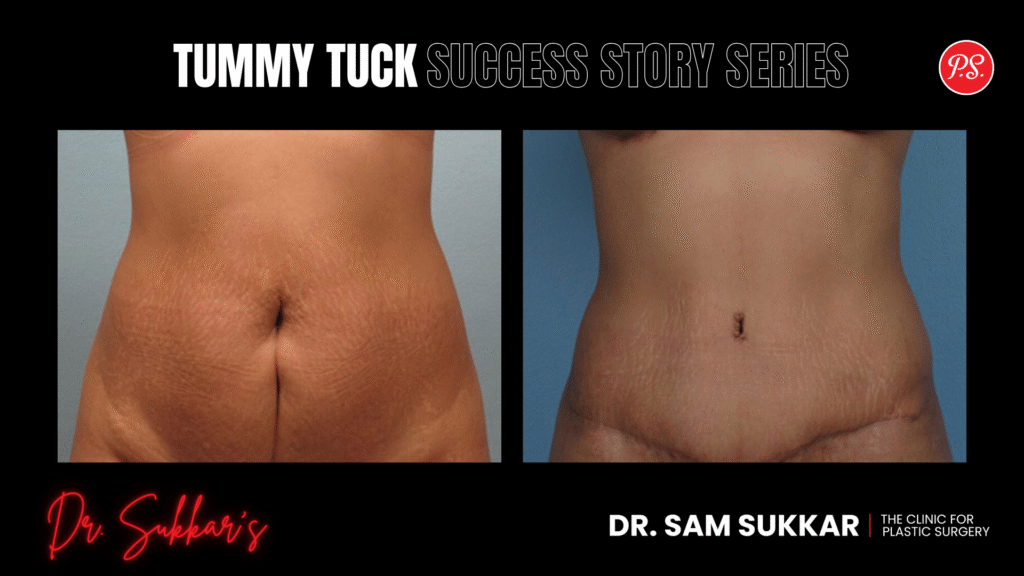
Tummy Tuck After Breast Augmentation in Houston, TX: Mom’s Story

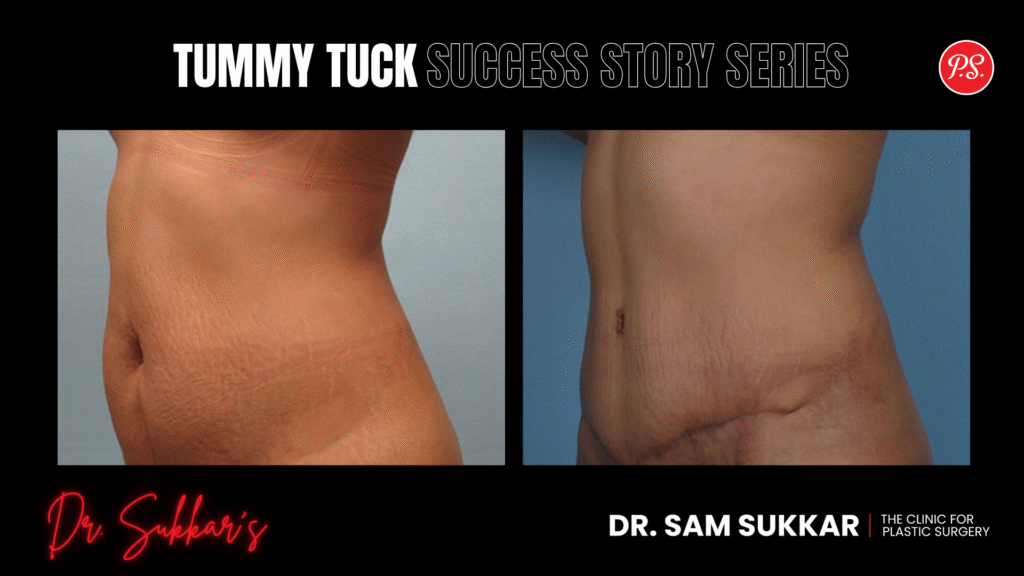
Tummy Tuck Success Story Series by Dr. Sam Sukkar, MD in Houston, TX | Case Study #1333


This is part of our series featuring real patient transformations at The Clinic for Plastic Surgery. Each case study provides an in-depth look at actual procedures, recovery experiences, and results from Houston patients who’ve undergone tummy tuck surgery with Dr. Sam M. Sukkar.

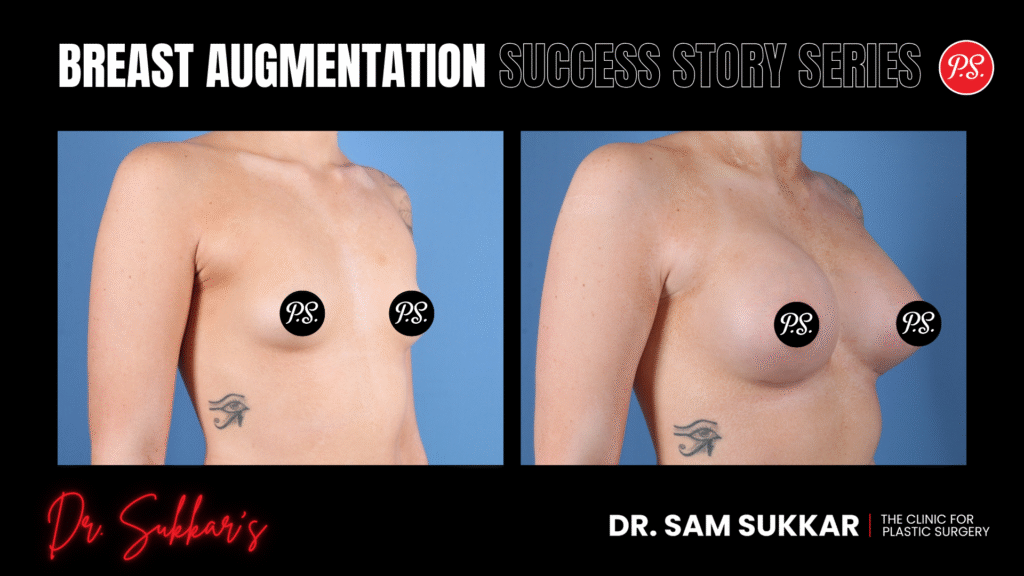
The problem wasn’t the number on the scale. At 33, Sarah* maintained a healthy 125 pounds through consistent exercise and careful nutrition. But when she looked in the mirror, she saw a body that didn’t reflect her efforts, a persistent abdominal bulge that no amount of planks or clean eating could eliminate, coupled with deflated breasts that had lost their youthful fullness. 

She’d done everything “right,” yet her body told a different story. What finally pushed her to seek help wasn’t frustration alone, it was watching several close friends transform their post-pregnancy bodies through mommy makeover surgery with a Houston plastic surgeon. Their results weren’t just visible; they were life-changing.

*The patient’s name was changed to protect their privacy. All medical details and photographic before and after results are from actual Patient Case #1333. Individual results may vary based on body type, surgical approach, and adherence to post-operative instructions.

Sarah’s* Path to Combined Tummy Tuck & Breast Augmentation in Houston

When Diet and Exercise Aren’t Enough

Sarah* came to my Houston office with a common concern among women who maintain their fitness: stubborn abdominal laxity that resisted every intervention. At 5’2″ and 125 pounds, she represented what many consider an “ideal” weight for her frame. Yet her body composition told a more complex story, one that tummy tuck surgery was specifically designed to address.

Her primary concerns centered on two distinct areas. Her abdomen protruded despite her petite frame and disciplined lifestyle, creating a silhouette that felt disproportionate to her overall fitness level. Simultaneously, her breasts had lost volume and projection, leaving her with an A-cup that she described as “deflated.” The combination affected not just how clothes fit, but her fundamental confidence in her appearance.

What made Sarah’s* consultation particularly meaningful was her preparation. She’d witnessed multiple friends undergo mommy makeover transformations with our practice, giving her realistic expectations about both the process and potential outcomes. This network of successful patients provided her with firsthand accounts of recovery, results, and the emotional impact of comprehensive body contouring.

Addressing Pre-Surgical Concerns

During our initial consultation, Sarah* expressed three primary concerns that many patients share when considering combined procedures:

Recovery complexity: Would addressing both her breasts and abdomen simultaneously create an overwhelming recovery experience? She worried about managing post-operative care for two distinct surgical sites while maintaining her daily responsibilities.

Scarring considerations: As a petite woman with fair skin, she wanted to understand exactly where incisions would be placed and how visible scarring might be long-term, particularly for the tummy tuck component.

Result longevity: Having invested time researching the procedures, Sarah* wanted assurance that her results would endure, especially if she decided to have children in the future.

We addressed each concern methodically. The recovery from combined procedures, while demanding the first two weeks, actually offers advantages, one healing period rather than two separate recoveries. Regarding scarring, I explained my precise closure techniques and the strategic placement of incisions along natural body contours. For longevity, I emphasized that while future pregnancies would affect abdominal results, the breast augmentation component would remain largely stable, and many patients successfully maintain their tummy tuck results with weight management.

Tummy Tuck After Breast Augmentation: Houston Mom’s Story - Tummy Tuck Success Story Series by Dr. Sam Sukkar, MD in Houston, Texas

Customizing Sarah’s* Body Contouring Strategy

The Surgical Combination

Sarah’s* transformation required a precisely calibrated approach that addressed both her volume concerns and structural abdominal issues. Her surgery combined two complementary procedures:

1. Abdominoplasty (Full Tummy Tuck)

  • Removal of excess abdominal skin below the navel
  • Repair of separated or weakened abdominal muscles (rectus diastasis)
  • Repositioning of the belly button for natural appearance
  • Low horizontal incision placed for minimal visibility in clothing

2. Breast Augmentation with Moderate Plus Profile Implants

  • 385cc smooth round silicone implants placed bilaterally
  • Inframammary fold incision approach for concealed scarring
  • Submuscular (under the pectoralis muscle) placement for natural feel and appearance
  • Proportional sizing designed for her 5’2″ petite frame

This combination addressed Sarah’s* dual concerns simultaneously, restoring breast volume from an A-cup to a proportionate C-cup while creating a taut, contoured abdominal profile. The integrated approach meant one anesthesia session, one recovery period, and comprehensive body transformation in a single surgical experience.

Why This Approach for Sarah*

For a woman of Sarah’s* proportions, petite frame, already at healthy weight, but with localized concerns, the surgical strategy required careful calibration. Simply removing abdominal tissue wouldn’t address the underlying structural weakness causing her persistent bulge. Similarly, breast augmentation alone wouldn’t resolve the deflated appearance without proper implant selection for her chest dimensions.

The full abdominoplasty was necessary rather than a mini tummy tuck because her concerns extended above the belly button, and she had muscle separation that required comprehensive repair. The 385cc implant size represented the optimal balance for her frame, large enough to achieve her desired C-cup result without overwhelming her 5’2″ stature or appearing disproportionate to her newly contoured abdomen.

In my 25+ years performing body contouring procedures, I’ve found that patients like Sarah*, those who maintain fitness but struggle with specific anatomical concerns, often achieve the most dramatic transformations. Her healthy baseline meant excellent tissue quality, strong healing capacity, and a foundation that would showcase surgical refinements beautifully. The strategic combination of procedures allowed us to create balanced, proportionate results that honored her natural body structure.

Navigating Sarah’s* Recovery Journey

The First Two Weeks: Managing Dual Healing

Sarah* left our accredited surgical facility with detailed care instructions for managing both surgical sites. The initial 72 hours presented the most significant discomfort, tightness across her abdomen and soreness in her chest. She followed a strict medication schedule, alternating prescribed pain management with anti-inflammatory medication as directed.

Movement during this phase required deliberate strategy. The abdominal component meant walking slightly bent forward to avoid tension on the incision line, while the breast augmentation necessitated limited arm elevation. She slept in a recliner, which provided optimal positioning for both areas, supporting her upper body while maintaining the slight bend that protected her tummy tuck repair.

The reality of combined procedure recovery is straightforward: the first week demands patience, adherence to restrictions, and acceptance of temporary limitations. Sarah* couldn’t lift anything heavier than a coffee cup, needed assistance with basic tasks, and required compression garments for her abdomen while wearing a surgical bra for breast support.

Critical Recovery Rules:

  • No lifting over 5 pounds for six weeks
  • Compression garment worn 24/7 for first month
  • Surgical bra maintained continuously for initial three weeks
  • Drain care (two abdominal drains) with output monitoring until removal at day 10
  • Walking short distances every 2-3 hours to prevent blood clots
  • Incision care with specific cleaning protocols for both surgical sites

Week 2-3: Transitioning to Increased Mobility

By week two, Sarah* noticed substantial improvement in her comfort level. The abdominal drains were removed at her 10-day follow-up appointment, significantly increasing her mobility and comfort. She transitioned from prescription pain medication to over-the-counter options, and the initial tightness across her abdomen evolved into a sensation she described as “deep muscle soreness”, present but manageable.

Her breast implants began settling into their final position during this phase, with the initial high placement gradually softening. She continued wearing her compression garment during the day but was cleared to remove it at night, providing welcome relief. Recovery milestones came steadily, showering independently, dressing without assistance, and resuming light household activities.

Weeks 4-8: Resuming Normal Life

Sarah* reached a significant milestone at her one-month post-operative visit: clearance to resume most normal activities. She returned to work (with restrictions against heavy lifting), drove comfortably, and noticed her energy levels approaching baseline. The most visible change during this period was reduction of swelling, her abdomen’s definition became increasingly apparent, and her breast shape continued refining.

Final Results Phase: Months 2-3

At her three-month follow-up, Sarah’s* transformation was complete. Her weight had stabilized at 124 pounds, just one pound less than her pre-operative weight, but her body composition had fundamentally changed. The persistent abdominal bulge was gone, replaced by a smooth, contoured profile. Her breasts had settled into a natural C-cup that complemented her petite frame perfectly.

The combination of tummy tuck and breast augmentation had created the balanced silhouette she’d sought, one that finally reflected the effort she invested in maintaining her health and fitness.

Six-Month Transformation: Sarah’s* Tummy Tuck Final Results in Houston, Texas

Cup Size: A → C (with 385cc implants placed bilaterally)

Abdominal Contour: Eliminated persistent bulge through muscle repair and skin removal

Scar Healing: Low horizontal incision well-concealed below bikini line; breast scars hidden in natural fold

Overall Satisfaction: High, results aligned with pre-operative goals discussed during consultation

Sarah’s* outcome extended beyond measurable changes. She reported renewed confidence in fitted clothing, comfort in swimwear for the first time in years, and validation that her decision to address both concerns simultaneously was correct. The comprehensive approach delivered results that individual procedures performed separately couldn’t have achieved, balanced proportions that created overall harmony in her appearance.

What Made This Transformation Exceptional

Several factors contributed to Sarah’s* outstanding outcome:

Optimal candidacy: Her healthy weight, non-smoker status, and realistic expectations created an ideal foundation for surgical success. Patients who maintain fitness demonstrate excellent tissue quality and healing capacity.

Strategic procedure combination: Addressing both volume loss (breasts) and structural concerns (abdomen) simultaneously created proportionate results. The breast augmentation balanced her newly contoured torso, preventing the “top-heavy” or “bottom-heavy” appearance that can result from addressing only one area.

Precise implant selection: The 385cc size represented careful calculation for her 5’2″ frame, large enough to achieve desired fullness without overwhelming her petite stature or creating disproportion with her abdomen.

Comprehensive muscle repair: Sarah’s* persistent bulge wasn’t excess fat but weakened abdominal wall structure. The full abdominoplasty with muscle plication addressed the underlying anatomical issue rather than just removing surface tissue.

Meticulous recovery adherence: Sarah* followed every post-operative instruction precisely, compression garment wear, movement restrictions, wound care protocols. This discipline directly contributed to her smooth healing and optimal scarring.

Informed decision-making: Having friends who’d undergone similar procedures provided Sarah* with realistic expectations. She understood the recovery demands, temporary limitations, and timeline for final results, eliminating surprises that can derail patient satisfaction.

Frequently Asked Questions About Sarah’s* Tummy Tuck in Houston, TX

Can tummy tuck and breast augmentation be performed together safely?

Yes, and in fact, combining these procedures offers distinct advantages for appropriate candidates. Performing abdominoplasty and breast augmentation simultaneously means one anesthesia session, one recovery period, and coordinated results. In my Houston practice, I’ve performed thousands of combined procedures with excellent safety profiles when patients are properly selected. The key is comprehensive pre-operative assessment, appropriate surgical technique, and patients like Sarah* who are healthy, non-smoking, and prepared for the recovery demands. This approach is precisely why mommy makeover surgery has become one of the most requested combination procedures.

Why would someone at a healthy weight need a tummy tuck?

Weight alone doesn’t determine candidacy for abdominoplasty. Sarah’s* case perfectly illustrates this, at 125 pounds and 5’2″, she was proportionate, yet still had concerns that no amount of exercise could address. Abdominal muscle separation, skin laxity, and localized fat deposits can persist regardless of overall weight. The tummy tuck procedure addresses structural issues, repairing weakened or separated muscles and removing excess skin that diet and exercise simply cannot correct. For women like Sarah*, the procedure isn’t about weight loss but body contouring and restoring abdominal wall integrity.

How long before final results are visible with combined procedures?

Combined procedures follow a staged revelation of results. Breast implants settle into their final position over 3-6 months, with the most dramatic changes occurring in the first three months. Abdominal results emerge as swelling resolves, initial contour is visible within weeks, but final definition appears at 3-6 months post-operatively. Sarah’s* six-month photos represent near-final results, though subtle refinement can continue for up to a year. The timeline requires patience, but as Sarah* discovered, the comprehensive transformation is worth the wait. Understanding this progression helps patients like those exploring affordable tummy tuck options set realistic expectations for their own journeys.

Tummy Tuck After Breast Augmentation: Houston Mom’s Story - Tummy Tuck Success Story Series by Dr. Sam Sukkar, MD in Houston, TX

Ready to Write Your Own Tummy Tuck Success Story in Houston, Texas?

Sarah* walked into my Houston office carrying frustration, a healthy body that didn’t reflect her discipline, effort, and self-care. Six months later, she walked out with results that finally aligned her external appearance with her internal identity. Her friends’ transformations had shown her what was possible; her own journey proved it was achievable.

Your concerns might differ from Sarah’s*. Perhaps you’re struggling with excess skin after significant weight loss, dealing with abdominal changes after multiple pregnancies, or frustrated that exercise alone won’t address separated muscles. Maybe you’re considering a single procedure rather than a combination, or you’re wondering if financing options can make your transformation accessible.

But the fundamental truth remains: You deserve to feel confident and comfortable in your own body. Your body deserves the same dedication you give to fitness and health. If stubborn abdominal concerns are affecting your quality of life, transformation is possible.

Schedule Your Personalized Consultation here, or call us today at (281) 940-1535 and take the first step toward your own transformation journey!

Your Premier Destination for Plastic Surgery in Houston, Texas (TX)

Are you located in one of these Houston Metro Area cities?

Houston, The Woodlands, Sugar Land, Katy, Pearland, Pasadena, League City, Baytown, Conroe, Cypress, Spring, Kingwood, Humble, Missouri City, Friendswood, Bellaire, Clear Lake, Tomball, Galveston, Richmond, Rosenberg, Stafford, La Porte, Deer Park, Seabrook, Webster, Alvin, and Channelview.

Board-Certified Plastic Surgeon Dr. Sam Sukkar, MD, FACS, and The Clinic for Plastic Surgery Team are here to help you achieve refined, natural-looking results.

Offering expert cosmetic enhancements in:

  • Breast Augmentation, Breast Lifts, and Breast Reduction
  • Tummy Tucks, Mommy Makeovers, and Liposuction
  • Facelifts, Neck Lifts, and Rhinoplasty
  • Body Contouring and Skin Tightening Procedures
  • Non-Surgical Aesthetic Treatments

Visit our modern 18,000+ sq.ft. luxurious plastic surgery center and med spa in Houston, Texas, where expertise meets artistry. Our highly skilled and compassionate team ensures a seamless experience, from consultation to recovery.

For patients outside of the Houston area or those with a busy schedule, Schedule a Virtual Consultation.

Schedule your personalized consultation today at DrSukkar.com or call (281) 940-1535.

About the Author – Meet Dr. Sam Sukkar, MD

Dr. Sam Sukkar, MD, FACS is a highly respected Board-Certified Plastic Surgeon in Houston, Texas, known for his expertise in advanced cosmetic and reconstructive procedures. As the founder of The Clinic for Plastic Surgery, Dr. Sukkar has set a new standard for excellence, performing over 20,000 procedures with a focus on delivering natural, refined results.

Dr. Sukkar earned his Doctor of Medicine (M.D.) degree from Louisiana State University School of Medicine in 1992 after graduating summa cum laude with a Bachelor of Science in Microbiology. He then completed an intensive General Surgery Residency at the University of Texas Hermann Hospital before being selected for a highly competitive Plastic Surgery Fellowship at Northwestern University in Chicago, one of the most prestigious training programs in the country.

With more than 20 years of experience, Dr. Sukkar is a Diplomate of the American Board of Plastic Surgery and a Fellow of the American College of Surgeons (FACS). He is also an active member of the American Society of Plastic Surgeons (ASPS) and the Houston Society of Plastic Surgery (HSPS). His dedication to innovation and continuing education has solidified his reputation as a leading expert in aesthetic surgery, specializing in breast surgery, body contouring, facial procedures, and non-invasive treatments.

Dr. Sukkar’s expertise has been recognized by Houston Magazine, naming him one of Houston’s “Top Docs for Women,” and he has been featured among RealSelf’s America’s Top Doctors. Committed to his patients, he prioritizes personalized care, ensuring every individual feels informed, comfortable, and confident in their aesthetic journey.

Contact Dr. Sukkar today to schedule a consultation, visit DrSukkar.com to learn more, or call us directly at (281) 940-1535.

How Does Ab Etching Work for Male High Definition Abs?

How does ab etching work for male high definition? In simple terms, it is a precise liposuction procedure that removes targeted abdominal fat to reveal existing abdominal muscles and create sharp six pack abs. For fit men who already train but still have stubborn abdominal fat, abdominal etching surgery enhances natural contours rather than replacing diet and exercise.

During the abdominal etching procedure, small incisions and high-definition liposuction remove fat cells around the abdominal wall, then sculpt grooves over the rectus and oblique muscles. Most patients go home the same day, wear a compression garment, and return gradually to an exercise routine over several weeks as swelling resolves. Results depend on existing muscle tone, skin quality, and maintenance of a healthy diet and consistent training afterward.

Key Takeaways of How Does Abdominal Etching Work for Male High Definition Abs?

  • Male ab etching for high-definition abs uses precise, high definition liposuction to remove targeted fat around existing abdominal muscles and sharpen six-pack abs lines rather than replace gym work.
  • The procedure typically involves detailed pre-op planning, muscle mapping with skin markings, and meticulous surface and deep sculpting through tiny incisions for a natural-looking result.
  • Ideal candidates for male abdominal etching are fit men near their ideal body weight with visible muscle tone, low body fat, and good skin elasticity.
  • Ab etching results are long-lasting but not maintenance-free; stable weight, consistent training, and healthy nutrition are essential.
  • High-definition ab etching is best viewed as a finishing contouring procedure, it refines visible muscle lines in already fit men.

What Is Male Abdominal Etching And High-Definition Body Contouring?

Male abdominal etching is a cosmetic procedure that uses a specialized liposuction procedure to sharpen abdominal definition and create a sculpted appearance in already fit men.

Abdominal Etching Procedure For Men

In male abdominal etching, the focus stays on the abdominal area instead of broadly suctioning fat everywhere. The goal is to reveal the existing abdominal muscles and enhance definition on the lower abs, not simply shrink the waist. The technique removes surrounding fat in very specific zones, following the natural lines of the abdominal wall.

Unlike traditional liposuction, which mainly reduces volume, high-definition abdominal etching aims for visible muscle tone and clear six-pack lines. The procedure sculpts around the underlying muscles and is often combined with Lipo 360 or flank contouring so the torso looks lean from every angle.

How Does Ab Etching Work Compared With Standard Liposuction?

High-definition ab etching relies on strategic fat removal close to the skin where the muscle inscriptions sit. The superficial layer of abdominal fat is thinned in some areas and left slightly fuller in others to mimic natural shadows. This creates the appearance of toned abs in men who already have healthy muscle underneath.

Because it is a minimally invasive surgical procedure using small incisions, it is usually performed as an outpatient procedure. Most patients return home the same day. Ab etching is not a weight loss procedure but a finishing tool for men already near their ideal body weight who want sharper, athletic contours.

Ideal Candidates For Male Ab Etching in Houston, Texas

Not every man seeking six pack abs will be an ideal candidate, so careful selection is critical for good results.

Who Is A Good Candidate For Abdominal Etching?

The best candidate for abdominal etching in Houston, TX, is a man in good physical shape, close to his ideal body weight, with a relatively low body fat percentage. He should already have existing abdominal muscles and existing muscle tone from regular training, but with stubborn fat that does not respond to diet and exercise alone.

Most candidates have elastic skin and a firm abdominal wall without significant excess skin or hernias. A healthy muscle base lets the treatment follow natural contours so the etched six-pack looks believable, not drawn on. Nonsmokers or men willing to stop smoking before surgery tend to heal better and face fewer complications.

Health, Lifestyle, And Expectations

Ideal candidates also maintain a consistent diet and stable body weight. Large future weight gain can blur the sculpted abs because surrounding fat can return in untreated areas. Men with major weight fluctuations, uncontrolled medical issues, or unrealistic expectations about a “movie star” torso from surgery alone may be poor candidates.

They should understand that ab etching permanent results still demand a healthy diet and ongoing exercise routine. It is important that they want to enhance definition, not replace hard work in the gym. During evaluation, realistic expectations are discussed, results are explained to depend on existing muscle, and a tummy tuck may be recommended instead if there is significant loose skin.

How Ab Etching Surgery Actually Works: Step-By-Step

Ab etching is a detailed body-contouring procedure designed to highlight natural abdominal muscle definition. Understanding each step helps patients know what happens on the day of treatment and how precise fat removal creates a sharper, athletic-looking midsection.

Consultation And Planning

The process starts with a detailed consultation rather than jumping straight to the operating room. Medical history, weight changes, prior abdominal surgeries, and current medications are reviewed to confirm he is a safe candidate for abdominal etching. The abdominal area is examined while he stands and flexes so the natural lines of the ab muscles are visible.

Photos are taken, and skin tone, distribution of abdominal fat, and underlying muscle definition are evaluated. At this stage, the team decides whether high-definition liposuction alone is enough or if another procedure is needed. The patient discusses goals, such as how sharp he wants the six-pack abs, and receives personalized post-operative instructions, including when to stop smoking and avoid blood-thinning medications.

Marking The Abdominal Muscles

On the day of the procedure, the abdomen is marked while the patient stands. A marker outlines the central line, horizontal inscriptions, and oblique borders that define the six-pack. These markings map the existing abdominal muscles so fat removal follows natural anatomy instead of arbitrary lines.

Areas of surrounding fat on the flanks or lower chest may also be marked if those will be treated. These preoperative drawings guide where small incisions are placed and how intensely each zone is sculpted. Careful marking helps avoid over-etching, which can look unnatural in men with thinner fat pads.

Anesthesia And Tumescent Fluid

Once in the operating room, the patient receives general anesthesia. Abdominal etching for men is performed as an outpatient procedure in an accredited surgical center.

Tumescent fluid is then injected into the abdominal fat layer. This fluid contains saline, anesthetic, and medication to reduce bleeding. It firms the fat cells, makes fat removal smoother, and helps reduce swelling and bruising after the procedure.

High-Definition Liposuction Technique

After the area is prepared, small incisions, usually only a few millimeters long, are placed within natural creases or inside the navel. Through these openings, thin cannulas perform high-definition liposuction. Unlike traditional liposuction, which simply debulks, unwanted fat is removed in a three-dimensional pattern.

Certain regions are thinned while a delicate layer of fat remains over the muscles to maintain a natural look. Ultrasound-assisted, laser-assisted, or power-assisted liposuction may help break up fat and allow very controlled removal. The key is precision, not aggressive suction.

Sculpting The “Six-Pack” Lines

Once the team removes the bulk of excess fat, true etching begins. Very superficial passes of the cannula trace along the marked midline and horizontal inscriptions of the rectus muscles. This creates shallow grooves that enhance definition where the abdominal muscles naturally divide.

Contour work may also extend around the obliques and along the costal margins to highlight V-lines and side definition. Because the etched grooves follow the patient’s own anatomy, the final six-pack appears like enhanced natural contours rather than artificial blocks. The team checks symmetry and depth throughout to prevent harsh, unrealistic lines.

Closing, Compression, And Immediate Aftermath

After sculpting, the team closes or tapes the tiny incisions and may use small drains if needed, though many cases do not require them. A snug compression garment supports the abdominal wall, reduces swelling, and helps the skin settle into its new shape over the underlying muscles.

Most patients go home a few hours later with detailed post-operative instructions. Soreness often feels like the aftermath of an intense core workout, combined with bruising and tightness from the compression garment. Pain medication and anti-inflammatory drugs help control early discomfort.

Maintaining Your Etched Abs Long-Term

Abdominal etching can reveal a six pack, but long term results depend heavily on lifestyle after surgery.

Training And Nutrition After Ab Etching

Once cleared for full activity, patients should restart a balanced exercise routine that includes strength training and cardiovascular work. Keeping the abdominal muscles strong preserves the sculpted appearance and supports the lower back. Core exercises, when allowed, can enhance definition by thickening the muscles under the etched lines.

A healthy diet focused on lean protein, vegetables, whole grains, and controlled carbohydrates helps maintain a low enough body fat level to keep abs visible.

Frequently Asked Questions About How Does Ab Etching Procedure Work for Male High Definition Abs?

How does ab etching plastic surgery work for male high definition?

Male ab etching uses high-definition liposuction to selectively remove superficial fat over and around the abdominal muscles. Through small incisions, the procedure sculpts along the natural lines of the rectus and obliques, creating shadows and grooves so an existing six-pack appears sharper and more defined.

What makes male abdominal etching work different from standard liposuction?

Standard liposuction mainly debulks fat to flatten the abdomen. Male abdominal etching and high-definition body contouring target very specific fat pockets close to the muscle inscriptions. The procedure sculpts in three dimensions to highlight muscle lines and often combines with Lipo 360 to create a lean, athletic torso.

Who is an ideal candidate for high-definition abdominal etching surgery?

Ideal candidates are healthy men near their ideal weight (BMI typically under 32) with good skin elasticity, stable weight, and visible but hidden muscle tone. They usually train regularly, have stubborn abdominal fat, are nonsmokers or willing to quit, and understand that surgery enhances, not replaces, diet and exercise.

How long does ab etching recovery take and when will I see results?

Ab etching recovery: most men go home the same day, wear compression garments for several weeks, and avoid heavy exercise for about 4–6 weeks. Swelling and bruising peak in the first week, then steadily improve. Early definition may appear quickly, but final, refined six-pack contours typically emerge between 3–6 months.

Is male ab etching permanent and how do I maintain my results long-term?

High-definition abdominal etching permanently removes treated fat cells, but remaining fat cells can still enlarge with weight gain. To maintain etched abs, keep a stable weight, follow a protein-rich, balanced diet, and resume regular strength and cardio training once cleared. Significant weight changes or aging may require touch-up treatments.

How much does abdominal etching cost in Houston, TX?

Abdominal etching in Houston, TX typically costs about $12,000 to $17,000, depending on body fat level, the amount of sculpting needed, and whether treatment includes surrounding areas like the flanks. Financing is commonly available, allowing patients to divide the total into monthly payments rather than paying the full cost upfront.

Conclusion and Summary of How Does Ab Etching Work for Male High Definition Abs?

For men wondering how does ab etching work for male high definition, the answer lies in precise fat removal that enhances, rather than replaces, hard earned muscle. This procedure uses high definition liposuction around the abdominal muscles to uncover natural contours and create visible six pack lines.

Success depends on proper candidate selection, meticulous technique, and strict adherence to ab etching and liposuction recovery. Men who are near ideal weight, with elastic skin and strong core, usually see the most natural looking changes. Those interested should schedule a consultation to determine whether this specialized cosmetic procedure aligns with their goals and anatomy.

Your Trusted Destination for Ab Etching High-Definition Six-Pack Abdominals in Houston, Texas (TX)

Are you located in one of these Houston Metro Area cities?

Houston, The Woodlands, Sugar Land, Katy, Pearland, Pasadena, League City, Baytown, Conroe, Cypress, Spring, Kingwood, Humble, Missouri City, Friendswood, Bellaire, Clear Lake, Tomball, Galveston, Richmond, Rosenberg, Stafford, La Porte, Deer Park, Seabrook, Webster, Alvin, and Channelview.

Board-Certified Plastic Surgeon Dr. Sam Sukkar, MD, FACS, and the The Clinic for Plastic Surgery Team provide advanced body contouring techniques designed to create defined, athletic abdominal results.

If you struggle with stubborn abdominal fat or want to achieve more visible abdominal muscle definition, we offer comprehensive high-definition procedures for that six-pack abs look, including:

  • High Definition Liposuction for Men
  • Ab Etching and Abdominal Etching
  • High-Def Abdominal Surgery
  • Abdominal Liposuction
  • Six-Pack Abs Lipo
  • High Definition Liposuction for Women
  • Customized High-Definition Liposculpture Plans

Visit our modern 18,000+ sq. ft. plastic surgery center and med spa in Houston, Texas, designed for comfort, privacy, and results-driven care. From consultation through recovery, our skillful team focuses on sharp definition, balanced proportions, and natural-looking abdominal contour.

For patients outside the Houston area or those with limited availability, schedule a virtual abdominal contouring consultation.

Book Your Personalized Abdominal Consultation today at DrSukkar.com or call (281) 940-1535.

About the Author – Meet Dr. Sam Sukkar, MD

Dr. Sam Sukkar, MD, FACS is a highly respected Board-Certified Plastic Surgeon in Houston, Texas, known for his expertise in advanced cosmetic and reconstructive procedures. As the founder of The Clinic for Plastic Surgery, Dr. Sukkar has set a new standard for excellence, performing over 20,000 procedures with a focus on delivering natural, refined results.

Dr. Sukkar earned his Doctor of Medicine (M.D.) degree from Louisiana State University School of Medicine in 1992 after graduating summa cum laude with a Bachelor of Science in Microbiology. He then completed an intensive General Surgery Residency at the University of Texas Hermann Hospital before being selected for a highly competitive Plastic Surgery Fellowship at Northwestern University in Chicago, one of the most prestigious training programs in the country.

With more than 20 years of experience, Dr. Sukkar is a Diplomate of the American Board of Plastic Surgery and a Fellow of the American College of Surgeons (FACS). He is also an active member of the American Society of Plastic Surgeons (ASPS) and the Houston Society of Plastic Surgery (HSPS). His dedication to innovation and continuing education has solidified his reputation as a leading expert in aesthetic surgery, specializing in breast surgery, body contouring, facial procedures, and non-invasive treatments.

Dr. Sukkar’s expertise has been recognized by Houston Magazine, naming him one of Houston’s “Top Docs for Women,” and he has been featured among RealSelf’s America’s Top Doctors. Committed to his patients, he prioritizes personalized care, ensuring every individual feels informed, comfortable, and confident in their aesthetic journey.

Contact Dr. Sukkar today to schedule a consultation, visit DrSukkar.com to learn more, or call us directly at (281) 940-1535.

Gynecomastia Surgery Recovery: Week-By-Week Timeline

Gynecomastia surgery recovery usually takes about 3–6 months for full healing, with most patients returning to normal activities in 4–6 weeks. After male breast reduction surgery, the core steps for a smooth recovery include controlling swelling with a compression garment, limiting strenuous exercise, and closely following post-operative instructions. When patients understand the recovery timeline and respect activity limits, they typically experience steady healing and long-lasting chest contour improvement.

In the first days following surgery, they can expect swelling, bruising, and discomfort that are well managed with prescribed medications. Many patients worry most about recovery time, pain, and when they can safely work out again. These concerns are addressed with clear guidelines on movement, sleep positions, and gradual return to physical activity. By using pain medication only as needed, keeping the upper body elevated, and avoiding lifting and chest exercises, patients can reduce swelling and protect the surgical site.

Key Takeaways of Gynecomastia Surgery Recovery Journey

  • Gynecomastia surgery recovery typically takes 3–6 months for full healing. Most patients returning to normal activities within 4–6 weeks if they follow their post-surgery instructions.
  • Consistent use of a compression garment, elevated sleeping positions, and avoiding strenuous chest exercise are crucial to control swelling and protect the surgical site in the early recovery phase.
  • Most patients can resume desk work within about a week and gradually add light cardio by weeks 3–4. Heavy lifting and chest workouts should usually wait until at least weeks 4–6.
  • Effective scar care, sun protection, and maintaining a stable weight help refine long‑term gynecomastia surgery recovery results.
  • Close communication with the post-opt care team and prompt reporting of concerning symptoms are essential for safe recovery and reduced complication risk.

The Gynecomastia Cosmetic Surgery Recovery Process

Gynecomastia surgery recovery is a gradual healing journey that begins in the operating room and continues for several months after male breast reduction.

Most patients who undergo gynecomastia surgery notice that swelling and bruising are most intense during the first week. Discomfort is usually mild to moderate and controlled with prescribed medications or over‑the‑counter pain relievers, if approved. A compression garment is worn to reduce swelling, ensure optimal healing, and help shape the new chest contour.

The full recovery timeline can vary depending on medical history, extent of excess breast tissue and excess skin removed, and overall health. Many patients return to desk work within a week, start light exercise after a couple of weeks, and resume strenuous activities around 4–6 weeks. The final results, including chest definition and scar maturation, continue to improve for 3–6 months.

The First 24–72 Hours After Surgery

The first 24–72 hours after gynecomastia reduction surgery are focused on rest, pain control, and protecting the surgical site while the anesthesia wears off.

Managing Pain, Swelling, And Bruising

Immediate gynecomastia surgery recovery usually includes swelling, bruising, and a tight sensation across the chest muscles. Most patients describe pain as soreness or pressure instead of sharp pain. Pain medication should be taken as directed to reduce discomfort during this early recovery period.

Keeping the upper body elevated on pillows helps minimize swelling and reduce pressure on the incision sites. Short sessions of cold compresses, if approved by the aftercare team, can further reduce swelling and bruising. Patients should avoid aspirin and certain medications that increase bleeding risk unless specifically cleared.

Light walking around the home is encouraged as soon as it feels safe. This gentle movement improves circulation and decreases the risk of blood clots without stressing the chest. But, they should avoid strenuous exercise, vigorous exercise, or any sudden arm movements that pull on the chest.

Caring For Dressings, Drains, And Incisions

Following surgery, the chest is covered with dressings that protect the surgical incision and absorb minor drainage. Some patients, especially in more severe cases with significant glandular tissue or excess skin removal, may have temporary drains placed. The surgical team usually gives detailed instructions on how to empty and measure drain output.

Incision sites must stay clean and dry to reduce infection risk. Patients should follow wound care instructions exactly, including when they may shower and how to pat the area dry. They should watch for concerning changes such as spreading redness, warmth, foul odor, or thick drainage.

Using Compression Garments Effectively

Wearing your compression garment as directed is one of the most important parts of early surgery recovery. It helps minimize swelling, supports the chest contour, and keeps the skin in close contact with underlying tissues for optimal healing.

Most patients are instructed to wear the compression garment continuously for the first several days, removing it only for brief hygiene breaks if allowed. The garment should feel snug but not painfully tight or restrictive to breathing. Any severe pain, numbness, or unusual pressure should be reported to the post-opt care team.

Week 1–2: Early Healing At Home

Week 1–2 of gynecomastia recovery are about regaining independence at home while still protecting the chest and avoiding strenuous activities.

Activity Levels And Movement Restrictions

During the first week, activity is limited mostly to light walking and basic self‑care. Patients should avoid lifting anything heavier than a few pounds, especially with arms outstretched. Movements that engage the chest muscles, such as pushing, pulling, or chest exercises, are postponed.

By the second and third weeks, many patients feel significantly better and may return to light, non‑physically demanding work if cleared. But, they still need to avoid strenuous exercise and avoid lifting heavy objects. The recovery timeline can vary depending on the type of work and the extent of male breast reduction.

Sleeping with the upper body elevated remains important through at least the first one to two weeks. This position helps reduce swelling and drainage and can reduce discomfort at night. Many patients use extra pillows or an adjustable bed to keep the chest slightly raised.

Medications, Hydration, And Nutrition

Prescribed medications during gynecomastia surgery recovery may include pain relievers, antibiotics, and sometimes medication to reduce nausea. Patients should take these exactly as directed and ask before adding any over‑the‑counter drugs or supplements. Certain medications can increase bleeding risk or interfere with healing.

Hydration and a balanced diet support the body’s healing process. Lean protein, fruits, vegetables, and whole grains provide nutrients needed for tissue repair. Excess salt may increase swelling, so moderation is helpful, especially in the first few weeks.

Week 3–6: Returning To Normal Life

By weeks 3–6 after male breast reduction, most patients are transitioning back toward their usual routines, while still respecting lingering healing needs.

Resuming Work, Exercise, And Sports

Around week 3, many patients feel ready for more normal activities. Desk work or light duties are usually comfortable by this point, if not resumed earlier. But, physically demanding jobs that involve heavy lifting or repetitive upper body motions may still require restrictions.

Low‑impact cardio like walking on an incline, stationary cycling, or gentle elliptical workouts are allow. Strenuous exercise, including high‑intensity training and upper body strength work, is generally delayed until at least week 4–6.

Chest exercises and direct training of the chest muscles are often the last activities reintroduced. Starting too soon can disrupt the surgical incision, increase swelling, and affect the final chest contour. Following the aftercare timeline rather than rushing back to full workouts is key to safe gynecomastia recovery.

Scar Care And Skin Tightening

By week 3, the surgical incision lines are usually closed and beginning to mature. Specific scar care routines may be recommended, such as silicone gel or sheets, gentle massage, or moisturizers, once the skin has fully sealed. Patients should only start these methods after explicit approval.

Skin tightening over the new chest contour continues for several months. In some men, especially those with good skin elasticity, improvements become visible immediately and then refine over time. Others, particularly patients with more excess skin, may notice gradual tightening for up to six months.

Sun protection is very important for incision sites. Fresh gynecomastia surgery scars exposed to ultraviolet light can darken and become more noticeable. Wearing clothing over the chest and using sunscreen when cleared helps the scars blend more naturally.

Long-Term Recovery: Months After Gynecomastia Surgery

Long‑term gynecomastia surgery recovery focuses on final results, sensation changes, and lifestyle habits that protect the improved chest contour.

Final Results, Nipple Sensation, And Asymmetry

Most patients see a clear improvement in their chest contour within the first month, but the true final results often take 3–6 months. During this period, swelling continues to decrease, scar tissue softens, and the skin adapts to the reduced breast tissue and glandular tissue volume.

Temporary changes in nipple sensation are common. Some patients experience numbness, while others notice increased sensitivity. In many cases, sensation gradually returns toward normal over several months, although small permanent changes are possible.

Mild asymmetry between the two sides can occur, just as many people have naturally uneven chests before surgery. Realistic expectations are important: cosmetic surgery aims for improvement, not absolute perfection.

Lifestyle Habits That Support Lasting Results

To maintain the outcome of male breast reduction, patients are encouraged to keep a stable weight. Significant weight gain can increase chest fat and partially reverse the contour improvement. A balanced diet and regular physical activity support long‑term male breast reduction surgery results and general health.

Avoiding certain medications or substances that contribute to excess breast tissue should also be discussed. This may include reviewing hormones, anabolic steroids, or other drugs linked to gynecomastia. Never stop important prescriptions without medical guidance.

Ongoing exercise, once fully cleared, helps define the chest muscles and support a firm appearance. But, patients should build up intensity gradually even after full recovery is reached. Maintaining good sleep, stress control, and limited alcohol intake also help the body stay in a healthier hormonal balance.

Frequently Asked Questions About Gynecomastia Surgery Recovery: Week-By-Week Timeline

How long does gynecomastia surgery recovery take?

Gynecomastia surgery recovery in Houston, TX generally takes 3–6 months for full healing. Most patients return to light work in about 5–7 days, resume normal daily activities and light exercise in 2–3 weeks, and can usually go back to strenuous workouts and sports by around 6 weeks, if cleared by their aftercare team.

What are the key stages of gynecomastia surgery recovery?

In the first 72 hours, focus on rest, pain control, elevation, and strict compression. Weeks 1–2 emphasize light walking, wound care, and avoiding lifting or chest strain. By weeks 3–6, most patients gradually resume work, cardio, and then strength training. Final contour and scar maturation continue for 3–6 months.

How important is a compression garment after male breast reduction?

A compression garment is crucial in gynecomastia surgery recovery. Worn 24/7 at first, it reduces swelling, supports healing tissues, and helps shape the new chest. Wear time is gradually reduced over weeks 2–3, and many patients can stop by about week 4, depending on aftercare guidance and swelling.

When can I work out again after gynecomastia surgery?

Most patients start gentle walking immediately and may add light cardio like a stationary bike or elliptical by weeks 2–3. Routine exercise without heavy chest work often resumes by weeks 3–4. Strenuous exercise and direct chest training are typically delayed until about 6 weeks, once your aftercare team confirms healing.

Does insurance cover gynecomastia surgery and recovery costs?

Insurance coverage for gynecomastia surgery varies. Many insurers consider it cosmetic and self-pay, but some may cover it if there is documented pain, functional problems, or underlying disease. Recovery-related items like compression garments and medications are often out-of-pocket. Check your specific policy and obtain preauthorization when possible.

How much does gynecomastia surgery cost in Houston, TX?

Gynecomastia surgery cost in Houston, TX typically ranges about $9,500 to $13,000. It mainly depends on how much glandular tissue removal, liposuction, and skin tightening are needed. At The Clinic for Plastic Surgery, financing options are available, with monthly payments starting as low as $257, allowing patients to spread the cost into manageable installments rather than paying the full amount upfront.

Conclusion and Summary of Gynecomastia Surgery Recovery: Week-By-Week Timeline

Gynecomastia surgery recovery is a structured process that moves from strict rest and compression to normal life over several weeks. Full healing after male breast reduction takes a few months. By managing pain wisely, protecting incision sites, and following post-operative instructions carefully, most patients achieve a flatter, more masculine chest contour and improved self-esteem.

The keys to success include realistic expectations, patience during recovery, and consistent follow-up care. With proper care and healthy lifestyle habits, the results of male breast reduction surgery can be long-lasting and rewarding.

Your Trusted Destination for Male Breast Reduction Gynecomastia Surgery in Houston, Texas (TX)

Are you located in one of these Houston Metro Area cities?

Houston, The Woodlands, Sugar Land, Katy, Pearland, Pasadena, League City, Baytown, Conroe, Cypress, Spring, Kingwood, Humble, Missouri City, Friendswood, Bellaire, Clear Lake, Tomball, Galveston, Richmond, Rosenberg, Stafford, La Porte, Deer Park, Seabrook, Webster, Alvin, and Channelview.

Board-Certified Plastic Surgeon Dr. Sam Sukkar, MD, FACS, and the The Clinic for Plastic Surgery Team provide advanced surgical solutions for men struggling with enlarged or excess breast tissue.

If you are man experiencing excess chest fat, glandular tissue, or persistent male breast enlargement, we offer comprehensive gynecomastia treatment options, including:

  • Gynecomastia Surgery
  • Male Breast Reduction Surgery
  • Gyno Surgery for Hormonal or Genetic Causes
  • Male Reduction Mammaplasty
  • Liposuction for Male Chest Contouring
  • Customized Male Chest Reshaping Plans

Visit our modern 18,000+ sq. ft. plastic surgery center and med spa in Houston, Texas, designed for comfort, privacy, and results-driven care. From your initial consultation through recovery, our experienced team focuses on natural-looking chest contours and long-term confidence.

For patients outside the Houston area or those with limited availability, schedule a virtual gynecomastia consultation.

Book Your Male Breast Reduction Consultation today at DrSukkar.com or call (281) 940-1535

About the Author – Meet Dr. Sam Sukkar, MD

Dr. Sam Sukkar, MD, FACS is a highly respected Board-Certified Plastic Surgeon in Houston, Texas, known for his expertise in advanced cosmetic and reconstructive procedures. As the founder of The Clinic for Plastic Surgery, Dr. Sukkar has set a new standard for excellence, performing over 20,000 procedures with a focus on delivering natural, refined results.

Dr. Sukkar earned his Doctor of Medicine (M.D.) degree from Louisiana State University School of Medicine in 1992 after graduating summa cum laude with a Bachelor of Science in Microbiology. He then completed an intensive General Surgery Residency at the University of Texas Hermann Hospital before being selected for a highly competitive Plastic Surgery Fellowship at Northwestern University in Chicago, one of the most prestigious training programs in the country.

With more than 20 years of experience, Dr. Sukkar is a Diplomate of the American Board of Plastic Surgery and a Fellow of the American College of Surgeons (FACS). He is also an active member of the American Society of Plastic Surgeons (ASPS) and the Houston Society of Plastic Surgery (HSPS). His dedication to innovation and continuing education has solidified his reputation as a leading expert in aesthetic surgery, specializing in breast surgery, body contouring, facial procedures, and non-invasive treatments.

Dr. Sukkar’s expertise has been recognized by Houston Magazine, naming him one of Houston’s “Top Docs for Women,” and he has been featured among RealSelf’s America’s Top Doctors. Committed to his patients, he prioritizes personalized care, ensuring every individual feels informed, comfortable, and confident in their aesthetic journey.

Contact Dr. Sukkar today to schedule a consultation, visit DrSukkar.com to learn more, or call us directly at (281) 940-1535.

Breast Augmentation Success: Tall Frame Transformation in Houston

Breast Augmentation Success Story Series by Dr. Sam Sukkar, MD in Houston, TX | Case Study #6086


This is part of our series featuring real patient transformations at The Clinic for Plastic Surgery. Each case study provides an in-depth look at actual procedures, recovery experiences, and results from Houston patients who’ve undergone breast augmentation with Dr. Sam M. Sukkar.


When a 23-year-old walked into my Houston consultation room, she brought something I don’t see every day: a folder of screenshots. Not just any screenshots, carefully curated images of before-and-after results she’d been collecting for two years. She’d been researching since she was 21, watching consultation videos, reading recovery blogs, saving photos of results that matched her vision. She knew exactly what she wanted: natural-looking C cups that complemented her athletic 5’9″ frame without looking overdone.

*The patient’s name was changed to protect their privacy. All medical details and photographic before and after results are from actual Patient Case #6086. Individual results may vary based on body type, surgical approach, and adherence to post-operative instructions.

Hannah’s Journey to Breast Augmentation in Houston, TX

Patient’s Concerns and Expectations

Hannah* had always been active, volleyball in high school, regular gym sessions, hiking on weekends. At 5’9″ and 146 pounds, she maintained a fit, athletic build. But proportionally, her B cup breasts felt disproportionate to her frame. “I looked in the mirror and felt like something was missing,” she told me during our first meeting. “Not that I wanted to be big, I just wanted to feel balanced.”

Her concerns were specific. She worried about looking “obviously done.” She’d seen results that looked too round, too high, or simply didn’t match the patient’s body type. For someone her height, choosing the wrong implant size or profile could create an unnatural appearance. She also questioned whether silicone or saline would be better, and whether subpectoral or subglandular placement would give her the natural breast augmentation results she wanted.

Pre-Surgery Concerns

During our consultation, Hannah expressed three main worries:

Recovery and activity restrictions: As someone who worked out five days a week, the thought of six weeks without upper body exercise felt daunting. She wanted to understand exactly what limitations she’d face and when she could safely return to her routine.

Implant longevity and maintenance: She’d read conflicting information online about how long implants last and whether they’d need replacement. The idea of future surgeries concerned her.

Achieving natural-looking results on a tall frame: This was her biggest concern. She’d seen too many augmentation results that looked disproportionate on taller women, either too small to make a difference or too large and obvious. Finding that sweet spot mattered more to her than simply going bigger.

Breast Augmentation Success: Tall Frame Transformation in Houston - Breast Augmentation Success Story Series by Dr. Sam Sukkar, MD in Houston, TX

Dr. Sukkar’s Customized Breast Augmentation Approach for Hannah

The Surgical Plan

Based on Hannah’s body measurements, aesthetic goals, and lifestyle, I designed a breast augmentation surgical plan tailored specifically to her tall, athletic frame.

1. Bilateral Augmentation Mammoplasty (Breast Augmentation)

  • High-profile silicone gel implants, 425cc per side
  • Inframammary fold (IMF) incision approach for optimal access and minimal visible scarring
  • Subpectoral (submuscular) implant placement for natural upper pole contour and tissue coverage

The 425cc volume was carefully calculated. For a woman of Hannah’s height and chest width, this size would deliver the C cup result she desired while maintaining proportion. Too small, and the change wouldn’t be noticeable on her frame. Too large, and she’d risk the “overdone” look she specifically wanted to avoid.

I selected high-profile silicone implants because they provide more forward projection with a narrower base width, ideal for Hannah’s naturally narrow chest wall. The silicone fill creates a more natural feel and movement compared to saline, which was important given her active lifestyle and lean tissue coverage.

Strategic Reasoning Behind the Approach

The subpectoral placement decision came down to three factors. First, Hannah’s lean build meant limited natural breast tissue for coverage. Placing the implants beneath the pectoralis major muscle would provide an additional layer of soft tissue, reducing visible implant edges and rippling, particularly important for someone with low body fat. Second, submuscular placement typically creates a more gradual, natural-looking upper breast contour. Third, this approach offers better long-term outcomes for mammography and implant longevity.

The inframammary fold incision, made in the natural crease beneath the breast, allowed me direct access to create the submuscular pocket with precision. This approach results in a well-hidden scar that’s virtually invisible when healed, even in a bikini. After performing over 20,000 procedures in my 25+ years of practice, I’ve found this combination of incision location and pocket placement consistently delivers the natural aesthetic that patients like Hannah seek.

For tall women seeking breast augmentation, proportionality is everything. The high-profile implants provided the forward projection needed to create visible enhancement without requiring excessive width that could look unnatural on Hannah’s frame. This surgical approach balanced her goals for noticeable but natural-looking results with the anatomical realities of her body type.

Hannah’s Breast Augmentation Recovery Journey in Houston, Texas

Early Recovery: The First Two Weeks

Hannah described the first 48 hours as “uncomfortable but manageable.” The tightness across her chest was the most prominent sensation, expected with subpectoral placement as the muscle adjusts to the implant beneath it. She experienced moderate soreness, similar to an intense chest workout, but the prescribed pain medication kept discomfort controlled. Sleeping propped up at a 30-degree angle helped reduce swelling.

She followed her post-operative instructions precisely: no lifting anything over five pounds, no reaching overhead, no sleeping on her stomach or sides. Movement was deliberate and slow. The surgical bra stayed on continuously except during the brief, careful showers I’d approved starting day three.

Week 1-2: Visible Progress

By day five, Hannah noticed significant improvement. The initial tightness began easing. Swelling started subsiding, though her breasts still sat higher on her chest than their final position, normal for fresh subpectoral augmentation as gravity and time allow the implants to settle into their designated pocket.

She returned for her one-week follow-up, where I confirmed everything was healing beautifully. The inframammary incisions showed excellent closure with minimal redness. I cleared her for light walking and gentle daily activities but reinforced the critical restrictions: no upper body exercise, no lifting, no raising arms above shoulder height, and no underwire bras until I specifically approved them.

Understanding breast augmentation recovery timelines helped Hannah maintain realistic expectations during this phase. She’d done her homework and knew patience would pay off.

Later Recovery: Weeks 3-6 and Final Results

Hannah described week three as her turning point. The surgical bra came off, replaced by soft, wireless sports bras. Her range of motion improved dramatically. She returned to work (desk job) without difficulty and resumed light cardio, walking and stationary biking at moderate intensity.

The implants began their descent, settling into a more natural position. The upper pole fullness that had been quite prominent initially started softening. She could see her final shape emerging, though some residual swelling remained. “I finally felt like myself again,” she told me at her one-month visit, “just a better version.”

Months 2-3: Final Results Revealed

By her three-month post-operative visit, Hannah’s transformation was complete. The implants had fully settled into their final position, creating beautiful, natural-looking C cup breasts that perfectly complemented her 5’9″ frame. The high-profile implants delivered exactly the forward projection she’d wanted without excessive width. Her inframammary scars had faded to fine, barely-visible lines hidden in the natural breast crease.

I cleared her to resume all normal activities, including full upper body workouts and unrestricted exercise. She could now wear underwire bras, though many patients find they prefer wireless styles for comfort. Hannah reported complete satisfaction with both her aesthetic result and her recovery experience, noting that the outcome matched the vision she’d spent two years researching.

Final Breast Augmentation Results at 3 Months Post-Op

Hannah’s transformation delivered exactly what she’d envisioned: natural-looking, proportionate enhancement that complemented rather than overwhelmed her tall, athletic frame.

Measurable Outcomes:

  • Pre-operative: B cup
  • Post-operative: C cup (goal achieved)
  • Implants: 425cc high-profile silicone, bilateral
  • Placement: Subpectoral
  • Incision: Inframammary fold
  • Follow-up timeframe: 3 months

The numbers tell one story, but Hannah’s experience reveals another. She returned to full workouts at 10 weeks post-op, noticing immediate confidence changes in the gym. Shopping for swimwear and fitted clothing became enjoyable rather than frustrating. “I finally feel proportionate,” she said during her final follow-up. “Nobody would guess I had surgery, they just think I look great.”

Her decision to proceed at age 23, after two years of research, proved wise. She approached the process with maturity, realistic expectations, and commitment to following post-operative protocols exactly as prescribed. These factors contributed significantly to her excellent outcome.

What Made This Result Exceptional

Several elements combined to create Hannah’s outstanding breast augmentation result:

Customized implant selection for body type: The 425cc high-profile implants weren’t chosen arbitrarily. For someone 5’9″ with narrow chest width and athletic build, this specific volume and profile delivered visible enhancement while maintaining natural proportions. Larger implants would have looked disproportionate; smaller ones wouldn’t have achieved her goals.

Submuscular placement for lean tissue coverage: Hannah’s low body fat percentage meant limited natural breast tissue. Subpectoral placement provided the additional soft tissue layer necessary to prevent visible implant edges, rippling, or an obviously augmented appearance, the exact concerns she’d expressed during consultation.

Patient compliance with recovery protocols: Hannah followed every restriction and recommendation precisely. She didn’t rush back to exercise, didn’t test the lifting limits, and attended every follow-up appointment. This discipline directly influenced her smooth recovery and optimal healing.

Appropriate timing and emotional readiness: Two years of research meant Hannah came to surgery fully informed and emotionally prepared. She understood realistic expectations, knew what recovery would entail, and had clear aesthetic goals. This preparation contributes to patient satisfaction more than patients often realize.

Surgical precision in pocket creation: Creating the submuscular pocket with exact dimensions ensures proper implant positioning and natural shape. After 25+ years performing these procedures, I’ve refined techniques that minimize trauma, reduce recovery time, and optimize long-term aesthetic outcomes.

Frequently Asked Questions About Hannah’s Breast Augmentation in Houston, Texas

How do high-profile implants differ from moderate or low-profile options for tall women?

High-profile implants provide more forward projection with a narrower base width. For taller women like Hannah with naturally narrow chest walls, this profile creates noticeable enhancement without excessive lateral fullness. Moderate profile implants have wider bases with less projection, sometimes better for women with broader chests. The choice depends entirely on your individual chest measurements, tissue characteristics, and aesthetic goals. During consultation, I use 3D imaging and sizing samples to help you visualize how different profiles will look on your specific frame.

Why does subpectoral placement take longer to settle than subglandular placement?

When implants are placed beneath the pectoralis muscle, the muscle itself needs time to stretch and accommodate the implant. This creates the initial “high and tight” appearance many patients notice immediately after surgery. Gravity, massage (if recommended), and natural muscle relaxation allow the implants to gradually descend into their final position over 3-6 months. Subglandular placement, above the muscle but beneath breast tissue, settles faster but offers less natural tissue coverage, making it less ideal for lean patients like Hannah.

Can athletic women like Hannah maintain their workout routines long-term after breast augmentation?

Absolutely. Once fully healed (typically 8-12 weeks), patients can resume all normal activities without restriction. Hannah returned to her five-day workout routine, including upper body exercises, without complications. Subpectoral implants may cause slight temporary flexion, visible movement when contracting the pectoral muscles, but this typically diminishes over time and doesn’t interfere with exercise or daily activities. The key is patience during recovery and gradual reintroduction of strenuous activity as your surgeon approves.

Ready to Write Your Own Breast Augmentation Success Story in Houston, Texas?

Hannah spent two years researching before walking into my Houston office. She walked out three months later with the proportionate, natural-looking C cup breasts she’d envisioned, results that perfectly complemented her 5’9″ athletic frame.

Your story might be different. Maybe you’re concerned about finding the right implant size for your height, wondering about recovery timelines for your active lifestyle, or trying to understand which surgical approach will deliver natural-looking results.

But the common thread is this: You deserve to feel confident and comfortable in your own body. Your body deserves the same dedication you give to fitness and health.

If post-pregnancy changes, natural asymmetry, or proportional concerns are affecting your quality of life, transformation is possible.

Schedule Your Personalized Consultation here, or call us today at (281) 940-1535 and take the first step toward your own transformation journey!

Your Premier Destination for Plastic Surgery in Houston, Texas (TX)

Are you located in one of these Houston Metro Area cities?

Houston, The Woodlands, Sugar Land, Katy, Pearland, Pasadena, League City, Baytown, Conroe, Cypress, Spring, Kingwood, Humble, Missouri City, Friendswood, Bellaire, Clear Lake, Tomball, Galveston, Richmond, Rosenberg, Stafford, La Porte, Deer Park, Seabrook, Webster, Alvin, and Channelview.

Board-Certified Plastic Surgeon Dr. Sam Sukkar, MD, FACS, and The Clinic for Plastic Surgery Team are here to help you achieve refined, natural-looking results.

Offering expert cosmetic enhancements in:

  • Breast Augmentation, Breast Lifts, and Breast Reduction
  • Tummy Tucks, Mommy Makeovers, and Liposuction
  • Facelifts, Neck Lifts, and Rhinoplasty
  • Body Contouring and Skin Tightening Procedures
  • Non-Surgical Aesthetic Treatments

Visit our modern 18,000+ sq.ft. luxurious plastic surgery center and med spa in Houston, Texas, where expertise meets artistry. Our highly skilled and compassionate team ensures a seamless experience, from consultation to recovery.

For patients outside of the Houston area or those with a busy schedule, Schedule a Virtual Consultation.

Schedule your personalized consultation today at DrSukkar.com or call (281) 940-1535.

About the Author – Meet Dr. Sam Sukkar, MD

Dr. Sam Sukkar, MD, FACS is a highly respected Board-Certified Plastic Surgeon in Houston, Texas, known for his expertise in advanced cosmetic and reconstructive procedures. As the founder of The Clinic for Plastic Surgery, Dr. Sukkar has set a new standard for excellence, performing over 20,000 procedures with a focus on delivering natural, refined results.

Dr. Sukkar earned his Doctor of Medicine (M.D.) degree from Louisiana State University School of Medicine in 1992 after graduating summa cum laude with a Bachelor of Science in Microbiology. He then completed an intensive General Surgery Residency at the University of Texas Hermann Hospital before being selected for a highly competitive Plastic Surgery Fellowship at Northwestern University in Chicago, one of the most prestigious training programs in the country.

With more than 20 years of experience, Dr. Sukkar is a Diplomate of the American Board of Plastic Surgery and a Fellow of the American College of Surgeons (FACS). He is also an active member of the American Society of Plastic Surgeons (ASPS) and the Houston Society of Plastic Surgery (HSPS). His dedication to innovation and continuing education has solidified his reputation as a leading expert in aesthetic surgery, specializing in breast surgery, body contouring, facial procedures, and non-invasive treatments.

Dr. Sukkar’s expertise has been recognized by Houston Magazine, naming him one of Houston’s “Top Docs for Women,” and he has been featured among RealSelf’s America’s Top Doctors. Committed to his patients, he prioritizes personalized care, ensuring every individual feels informed, comfortable, and confident in their aesthetic journey.

Contact Dr. Sukkar today to schedule a consultation, visit DrSukkar.com to learn more, or call us directly at (281) 940-1535.

Mommy Makeover at 49 in Houston, TX: 3-Friend Referral Success

Mommy Makeover Success Story Series by Dr. Sam Sukkar, MD in Houston, TX | Case Study #1099


This is part of our series featuring real patient transformations at The Clinic for Plastic Surgery. Each case study provides an in-depth look at actual procedures, recovery experiences, and results from Houston patients who’ve undergone mommy makeover surgery with Dr. Sam M. Sukkar.
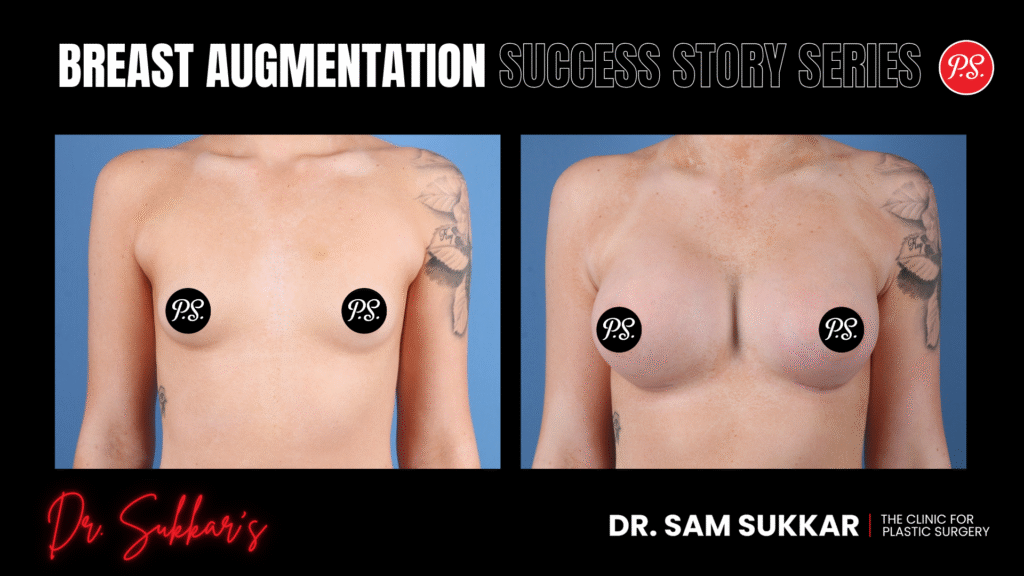

When Rebecca* walked into my consultation room, she brought something unusual, photos from three different friends who’d had their mommy makeovers with me. At 49, she’d watched her close circle transform, and now she was ready for her turn.

Despite maintaining a normal weight, eating well, and exercising regularly, her breasts felt deflated and her abdomen protruded stubbornly. “I’m doing everything right,” she told me, “but my body won’t cooperate.” She wasn’t looking for dramatic change, just restoration of what motherhood had taken.

*The patient’s name was changed to protect their privacy. All medical details and photographic before and after results are from actual Patient Case #1099. Individual results may vary based on body type, surgical approach, and adherence to post-operative instructions.

Rebecca’s Path to Mommy Makeover Surgery in Houston, TX

When Exercise and Diet Aren’t Enough

Rebecca* came to me at 158 pounds, a healthy weight for her frame, but frustrated by changes no amount of fitness could reverse. Her concerns were specific: deflated breasts that had lost volume after breastfeeding, and an abdomen that protruded despite her dedication to core workouts and clean eating.

What made her consultation different was the confidence she brought. Having seen three friends achieve natural-looking mommy makeover results firsthand, she knew exactly what was possible. She wanted proportion restored to her breasts and a flatter abdominal profile that reflected her active lifestyle. Her expectations were grounded in reality, she’d witnessed the recovery process through her friends’ experiences.

Addressing Pre-Surgery Concerns

Rebecca* expressed three primary concerns during our consultation:

Pain Management: Having heard recovery stories from friends, she wanted to understand what pain control looked like in the critical first 72 hours.

Scarring: As someone who enjoyed wearing swimsuits and workout attire, minimal mommy makeover scars were important to her confidence post-surgery.

Recovery Timeline: An active professional, she needed realistic expectations about when she could return to work and gradually resume exercise.

I reassured her that our approach addresses all three concerns systematically, EXPAREL® medication for extended pain relief, strategic incision placement for minimal visible scarring, and a structured recovery protocol that respects her body’s healing process.

Mommy Makeover at 49: Houston Mom’s 3-Friend Referral Success - Mommy Makeover Success Story Series by Dr. Sam Sukkar, MD in Houston, TX

Dr. Sukkar’s Surgical Approach for Rebecca*

Combined Procedures for Comprehensive Transformation

Rebecca’s* mommy makeover required addressing two distinct areas that diet and exercise cannot correct. Here’s what her customized surgical plan included:

1. Breast Augmentation (Augmentation Mammoplasty)

  • 350cc moderate profile silicone implants placed bilaterally
  • Inframammary fold incision approach for optimal control and minimal visible scarring
  • Dual-plane placement to create natural-appearing upper pole fullness while maintaining soft, authentic contours

2. Abdominoplasty (Tummy Tuck)

  • Full abdominoplasty with muscle repair to correct diastasis recti
  • Removal of excess skin and stretch marks below the umbilicus
  • Low transverse incision easily concealed beneath undergarments and swimwear

The combination approach is strategic, by addressing both concerns in a single surgery, Rebecca* would experience one recovery period rather than two separate healing phases. The breast augmentation would restore volume lost after nursing, while the tummy tuck would eliminate the abdominal protrusion that core exercises couldn’t resolve.

Why This Combination Works

For Rebecca*, who maintained excellent fitness habits, the issue wasn’t weight, it was structural changes from pregnancy and breastfeeding. The abdominal wall muscles had separated (diastasis recti), creating the protruding appearance no amount of planks could fix. Simultaneously, breast tissue had deflated after nursing, leaving her feeling disproportionate.

The 350cc implants were carefully selected to restore her pre-pregnancy breast fullness without appearing overly augmented, taking her from a B to a D cup provided balance with her frame. Drawing on over 25 years of experience with thousands of mommy makeover cases, I knew this moderate volume would complement her active lifestyle while delivering the proportion she sought.

During surgery, I administered EXPAREL®, an innovative long-acting local anesthetic that provides up to 72 hours of pain relief. This medication revolutionizes early recovery, allowing patients to move more comfortably and reduce their reliance on narcotic pain medications. For someone like Rebecca* who’d heard about realistic mommy makeover recovery from friends, this medication provided significant reassurance.

Rebecca’s Healing Journey After Mommy Makeover Surgery in Houston, Texas

The First Two Weeks: Critical Recovery Phase

Rebecca* experienced the benefit of EXPAREL® immediately. Rather than significant pain, she reported feeling tightness and soreness, manageable sensations that allowed her to walk around her home within hours of arriving. The 72-hour pain-free window gave her body a crucial head start on healing without the grogginess and constipation often associated with heavy narcotic use.

She wore her surgical compression garment continuously and kept movement gentle but consistent. Short walks every few hours prevented blood clots and reduced swelling.

Week 1-2: Gradual Progress

By day five, Rebecca* was moving more independently, though she maintained the modified posture common after tummy tuck surgery. The surgical drains were removed on schedule, which significantly improved her comfort and mobility.

Critical recovery rules she followed:

  • No lifting anything heavier than a coffee cup
  • Sleep elevated at a 30-degree angle to minimize swelling
  • Avoid arm elevation above shoulder height to protect breast augmentation healing
  • Continue compression garments exactly as prescribed

Her friends who’d been through the process proved invaluable during this phase, providing practical tips about managing mommy makeover recovery that supplemented our clinical instructions.

Weeks 3-8 Recovery: Regaining Independence

Rebecca* returned to work (desk job) at the three-week mark. She could now stand fully upright without discomfort, and the tightness across her abdomen had evolved into a firmer, more toned sensation. Her breasts had begun to settle into their final position, though some upper pole fullness remained as the implants continued dropping.

Months 2-3: Final Results Emerge

By her three-month follow-up appointment, when the photos for Patient Case #1099 were taken, Rebecca’s* transformation was complete. She’d lost an additional 10 pounds (reaching 148 pounds), though this was largely from the removed abdominal tissue and natural post-surgical changes rather than fat loss.

Her D-cup breasts appeared natural and proportionate, with soft, authentic contours. The tummy tuck had created a flat, toned abdominal profile that finally matched her fitness dedication. Her surgical scars were already fading to thin pink lines, positioned exactly where her swimsuit bottoms would conceal them.

Transformation Results at 3 Months Post-Op

At three months post-operatively, Rebecca’s* outcomes validated her decision to pursue mommy makeover surgery in Houston:

Breast Enhancement:

  • B cup to D cup transformation using 350cc silicone implants
  • Natural upper pole fullness without appearing “overdone”
  • Symmetrical, proportionate appearance

Abdominal Contouring:

  • Flat, athletic-appearing midsection
  • Repair of separated abdominal muscles
  • 10-pound reduction (158 lbs to 148 lbs) from tissue removal and natural healing

Rebecca’s* satisfaction extended beyond physical measurements. She reported renewed confidence in fitted clothing and swimwear, and she’d already become a referral source herself, continuing the cycle that had brought her to my practice.

Why This Result Stands Out

Several factors contributed to Rebecca’s* exceptional outcome:

Patient selection and realistic expectations: Her healthy baseline weight and active lifestyle meant she was optimizing surgical results rather than expecting surgery to replace diet and exercise.

Referral confidence: Having witnessed three friends’ transformations gave her informed expectations and reduced pre-surgical anxiety, which positively impacts recovery.

EXPAREL® pain management: The 72-hour pain-free window allowed early, comfortable mobility that promoted better healing and reduced complications.

Meticulous surgical technique: Careful implant sizing, precise muscle repair, and strategic incision placement created natural-appearing results with minimal visible scarring.

Adherence to post-operative protocol: Rebecca* followed instructions precisely, understanding that surgical skill only provides half the equation, patient compliance completes it.

For Houston moms in their 40s maintaining healthy lifestyles but frustrated by structural changes no workout can address, Rebecca’s* case demonstrates what’s achievable when surgical expertise meets realistic patient expectations.

Questions About Mommy Makeover at 49 in Houston, Texas

Can you get good results from a mommy makeover in your late 40s?

Absolutely. Age matters less than overall health and skin quality. Rebecca* at 49 had excellent results because she maintained a healthy weight, didn’t smoke, and had reasonable skin elasticity. In fact, patients in their 40s often make ideal mommy makeover candidates, they’ve typically finished having children, are financially stable, and bring mature decision-making to the process. The combination of breast and body procedures works beautifully at any age when the fundamentals are right.

How does EXPAREL® change the recovery experience?

EXPAREL® revolutionizes the critical first 72 hours after surgery. This long-acting local anesthetic is administered directly into the surgical sites during your procedure, providing continuous pain relief without the grogginess, nausea, or constipation associated with narcotic pain medications. Patients consistently report being able to move more comfortably, sleep better, and require fewer oral pain pills during the most challenging recovery phase. It’s not that you feel nothing, you’ll still experience tightness and soreness, but the experience is significantly more manageable than traditional pain control approaches.

What made Rebecca’s results look so natural despite going from a B to D cup?

Natural-appearing breast augmentation results depend on three factors: appropriate implant selection for your frame, precise surgical technique, and realistic patient expectations. Rebecca’s* 350cc implants were carefully chosen to restore her pre-pregnancy breast volume rather than create an exaggerated appearance. The dual-plane placement technique positions implants partially beneath the chest muscle, creating soft upper pole fullness while maintaining authentic breast shape. Additionally, her healthy body weight and good skin quality allowed the implants to integrate naturally. When patients bring realistic expectations and trust surgical guidance, the results speak for themselves.

Mommy Makeover at 49: Houston Mom’s 3-Friend Referral Success - Mommy Makeover Success Story Series by Dr. Sam Sukkar, MD in Houston, Texas

Ready to Write Your Own Mommy Makeover Success Story in Houston, TX?

Rebecca* walked into my Houston office carrying frustration about a body that wouldn’t respond to exercise and diet. Three months later, she walked her friends through her before-and-after photos, explaining why she’d become the fourth referral in her circle.

Your story might be different. Maybe you’re concerned about appearing “too done,” wondering whether you’re too old for great results, or trying to understand whether the recovery is manageable with your busy life.

But the common thread is this: You deserve to feel confident and comfortable in your own body. Motherhood is beautiful, but the physical changes don’t have to be permanent. If post-pregnancy changes are affecting your quality of life, transformation is possible.

Schedule Your Personalized Consultation here, or call us today at (281) 940-1535 and take the first step toward your own transformation journey!

Your Premier Destination for Plastic Surgery in Houston, Texas (TX)

Are you located in one of these Houston Metro Area cities?

Houston, The Woodlands, Sugar Land, Katy, Pearland, Pasadena, League City, Baytown, Conroe, Cypress, Spring, Kingwood, Humble, Missouri City, Friendswood, Bellaire, Clear Lake, Tomball, Galveston, Richmond, Rosenberg, Stafford, La Porte, Deer Park, Seabrook, Webster, Alvin, and Channelview.

Board-Certified Plastic Surgeon Dr. Sam Sukkar, MD, FACS, and The Clinic for Plastic Surgery Team are here to help you achieve refined, natural-looking results.

Offering expert cosmetic enhancements in:

  • Breast Augmentation, Breast Lifts, and Breast Reduction
  • Tummy Tucks, Mommy Makeovers, and Liposuction
  • Facelifts, Neck Lifts, and Rhinoplasty
  • Body Contouring and Skin Tightening Procedures
  • Non-Surgical Aesthetic Treatments

Visit our modern 18,000+ sq.ft. luxurious plastic surgery center and med spa in Houston, Texas, where expertise meets artistry. Our highly skilled and compassionate team ensures a seamless experience, from consultation to recovery.

For patients outside of the Houston area or those with a busy schedule, Schedule a Virtual Consultation.

Schedule your personalized consultation today at DrSukkar.com or call (281) 940-1535.

About the Author – Meet Dr. Sam Sukkar, MD

Dr. Sam Sukkar, MD, FACS is a highly respected Board-Certified Plastic Surgeon in Houston, Texas, known for his expertise in advanced cosmetic and reconstructive procedures. As the founder of The Clinic for Plastic Surgery, Dr. Sukkar has set a new standard for excellence, performing over 20,000 procedures with a focus on delivering natural, refined results.

Dr. Sukkar earned his Doctor of Medicine (M.D.) degree from Louisiana State University School of Medicine in 1992 after graduating summa cum laude with a Bachelor of Science in Microbiology. He then completed an intensive General Surgery Residency at the University of Texas Hermann Hospital before being selected for a highly competitive Plastic Surgery Fellowship at Northwestern University in Chicago, one of the most prestigious training programs in the country.

With more than 20 years of experience, Dr. Sukkar is a Diplomate of the American Board of Plastic Surgery and a Fellow of the American College of Surgeons (FACS). He is also an active member of the American Society of Plastic Surgeons (ASPS) and the Houston Society of Plastic Surgery (HSPS). His dedication to innovation and continuing education has solidified his reputation as a leading expert in aesthetic surgery, specializing in breast surgery, body contouring, facial procedures, and non-invasive treatments.

Dr. Sukkar’s expertise has been recognized by Houston Magazine, naming him one of Houston’s “Top Docs for Women,” and he has been featured among RealSelf’s America’s Top Doctors. Committed to his patients, he prioritizes personalized care, ensuring every individual feels informed, comfortable, and confident in their aesthetic journey.

Contact Dr. Sukkar today to schedule a consultation, visit DrSukkar.com to learn more, or call us directly at (281) 940-1535.

How Much Does an Upper Blepharoplasty Cost In Houston, TX?

Upper blepharoplasty cost in Houston, TX typically ranges from about $5,000 to $6,000 for straightforward upper eyelid surgery. That total cost usually includes anesthesia fees, and facility fees at an accredited surgical center, plus pre- and post-operative care. In other words, patients can expect a several-thousand-dollar investment that varies with case complexity, and what’s bundled in the quote.

Most people searching this topic want to know what’s actually included in the final price, and whether insurance coverage is possible. The key points are: pricing in Houston can vary widely, upper eyelid surgery is generally less expensive than lower eyelid or combined procedures, and insurance may help only when the surgery is deemed medically necessary. For many patients, The Clinic for Plastic Surgery offers financing payment plans to make the surgical procedure more manageable.

Key Takeaways of How Much Does an Upper Blepharoplasty Cost In Houston, TX?

  • Most patients can expect the upper blepharoplasty cost in Houston, TX to range from about $5,000 to $6,000 for straightforward upper eyelid surgery.
  • Upper eyelid surgery is generally less expensive than lower blepharoplasty or quad (upper and lower) procedures, which can range up to $14,000 when done together.
  • Multiple factors shape your final upper blepharoplasty procedure cost in Houston, TX, including the surgical experience, anesthesia choice, and the complexity or customization of your case.
  • Insurance considers upper eyelid surgery functional only when excess skin obstructs vision and formal visual field testing documents the limitation.
  • The Clinic for Plastic Surgery provides payment plans and medical financing options so patients can spread the cost over time.

What Is Upper Blepharoplasty And Who Is It For?

Upper blepharoplasty is a surgical procedure that removes excess skin, and sometimes fat or muscle, from the upper eyelids to treat droopy eyelids and a tired appearance.

Types Of Upper Eyelid Concerns Addressed

Upper eyelid surgery is designed to remove excess skin and redundant skin that can hang over the lash line. In some people, this hooding actually blocks part of the upper visual field.

Patients may also have sagging eyelids, fat bulges, or under eye bags that begin near the inner corner of the upper lids. These issues can create a heavy, aged look even though good overall health.

For some, drooping eyelids cause real functional problems, such as difficulty seeing traffic lights or reading. In those cases, a visual field test may be used to document medical necessity.

Typical Recovery Timeline And Time Off Work

After undergoing blepharoplasty on the upper lids, most patients notice swelling and bruising for the first week. Mild discomfort is common but usually well controlled with prescribed medication.

Many people feel comfortable returning to computer-based work in about seven to ten days. For more public or physically demanding jobs, a recovery period closer to two weeks is often recommended.

Patients are usually advised to sleep with the head elevated, use cold compresses to reduce swelling, and avoid strenuous exercise for at least two weeks. Final refinement of the eyelids can take several months.

Average Cost Of Upper Blepharoplasty In Houston, TX

In Houston, the average cost of eyelid surgery for the upper lids alone typically falls between $5,000 and $6,000.

Price Ranges For Upper Eyelid Surgery In Houston

Upper eyelid surgery cost in Houston, TX starts around $5,000 to $6,000 for straightforward cases. Complex procedures can climb toward $14,000 when upper and lower eyelid surgery are combined.

Patients should always clarify whether a quote is an all‑inclusive blepharoplasty cost, or if anesthesia fees and facility fees are billed separately. That distinction can significantly change the final price.

Cost Differences: Upper Vs. Lower Blepharoplasty And Combined Procedures

Upper eyelid surgery usually costs less than lower eyelid procedures in Houston, Texas. Lower blepharoplasty often runs from about $7,000 to $8,000 or more in Houston because it tends to be more complex.

Lower eyelid procedures can involve fat repositioning, skin tightening, and smoothing the transition to the cheek for a smoother contour. Those advanced techniques add time in the operating room and raise the surgery cost.

When patients combine upper or lower eyelids into one session, sometimes called quad blepharoplasty, the total cost can range from roughly $13,000 to $14,000. Patients may save on anesthesia and facility fees compared with staging separate surgeries.

Key Factors That Influence Upper Blepharoplasty Pricing

Even within Houston, upper eyelid surgery prices vary widely because multiple factors shape the associated costs.

Surgeon Experience, Training, And Board Certification

A skilled surgeon with extensive experience in cosmetic eyelid surgery usually charges more than someone early in practice. That higher surgeon’s fee reflects years of focused training and consistent eyelid surgery results.

Board-certified often have advanced expertise in upper or lower eyelids. Their fees may fall in the $6,000 to $7,000 range or higher for upper blepharoplasty, especially for complex procedures.

Patients should weigh experience, before-and-after photos, and revision surgery rates alongside price. Paying less up front but needing revision surgery later can increase the total cost significantly.

Complexity Of Your Case And Customization Of The Procedure

Some patients need only a small amount of excess skin removed to refresh their upper lids. Others have more redundant skin, significant fat prolapse, or prior scars that complicate the plan.

More complex procedures often require longer operating times and specialized techniques, which increase the final cost. Revision surgery after previous blepharoplasty usually falls into this higher-fee category.

Custom additions, such as combining a brow lift or addressing lower eyelids in the same session, also increase the final price. Patients should expect itemized quotes for each added component.

Additional Expenses To Budget For

On top of the main blepharoplasty surgery cost, patients should budget for several additional costs that may or may not appear in the first quote.

Pre-Operative Consultations And Medical Clearance

Most practices charge either a separate consultation fee or apply that amount toward the final cost if the patient proceeds. This visit covers examination, photos, and discussion of goals.

Some patients need medical tests, such as blood work or a physical exam from a primary doctor, especially if they have health conditions.

If there are questions about medical necessity, a visual field test to document how eyelid drooping affects the upper visual field it may be ordered. That testing can support potential insurance coverage.

Post-Operative Visits, Medications, And Supplies

After upper blepharoplasty surgery, patients usually attend several follow-up visits to monitor the recovery process. Patients also need to budget for prescription medications, ointments, and lubricating drops. Over-the-counter supplies like cold packs add small but real costs.

While these additional costs are modest compared with the main surgical fees, they should still be considered when planning the total budget for cosmetic procedures.

Insurance, Financing, And Saving On Your Procedure

Whether insurance will help cover cosmetic eyelid surgery is a major concern for many patients, as is finding realistic financing options for the remaining balance.

When Insurance May Cover Upper Blepharoplasty

Most health insurance plans do not cover cosmetic surgery that is purely for appearance. But, they may cover cosmetic procedures that are deemed medically necessary in specific circumstances.

For upper eyelid surgery, that usually means drooping skin is interfering with vision or daily activities. Documentation often includes photographs and a visual field test showing blocked peripheral vision.

Even when insurance coverage applies, patients remain responsible for deductibles, and copays fees that exceed the insurance allowance. Lower eyelid surgery is rarely covered because it is almost always cosmetic.

Financing Options In Houston for Upper Eyelid Surgery

The Clinic for Plastic Surgery works with established medical financing companies to help patients manage procedure costs. Through partnerships with Cherry, CareCredit, and Prosper HealthCare Lending, the total fee can be divided into predictable monthly payments, sometimes as low as $135 for qualified applicants.

The practice also accepts multiple payment methods, including major credit cards, personal checks, and cashier’s checks. During the consultation, the patient coordinator reviews available payment and financing choices and explains how each plan fits the proposed treatment.

Before selecting a financing plan, patients should carefully review interest rates, promotional periods, and fees. Financing can make surgery more accessible, but the total amount paid over time may exceed the upfront price.

Frequently Asked Questions About How Much Does an Upper Blepharoplasty Cost In Houston, TX?

What is the average upper blepharoplasty cost in Houston, TX?

In Houston, upper blepharoplasty cost typically ranges from $5,000 to $6,000 for straightforward cases, with complex or revision surgeries reaching $14,000.

What factors affect the total price of upper eyelid surgery in Houston?

Upper eyelid surgery costs vary based on the surgical experience, the facility type, anesthesia choice, and the complexity of your case. Revision surgery, significant excess skin or fat, and adding procedures like a brow lift can all increase the final blepharoplasty cost.

How does upper blepharoplasty cost compare to lower or combined eyelid surgery?

Upper blepharoplasty is usually less expensive than lower eyelid surgery cost, which often runs $7,000 to $8,000 or more in Houston due to added complexity like fat repositioning and skin tightening. Combined upper and lower (quad) blepharoplasty can range from about $13,000 to $14,000 but may save on anesthesia and facility fees overall.

Does insurance ever cover upper blepharoplasty cost in Houston, TX?

Insurance may help cover upper blepharoplasty when drooping lids obstruct vision or daily activities. Documentation of medical necessity usually includes photographs and visual field testing. Even when approved, patients remain responsible for deductibles, copays, and any portion of the fee that exceeds the insurer’s allowance; lower eyelid surgery is rarely covered.

Conclusion and Summary of How Much Does an Upper Blepharoplasty Cost In Houston, TX?

For patients considering upper blepharoplasty cost in Houston, TX, realistic expectations fall between roughly $5,000 and $6,000 for most straightforward upper eyelid cases, with higher fees for complex or combined procedures. That total cost includes multiple factors: facility quality, anesthesia approach, and the extent of work needed to remove excess skin safely.

By understanding how quotes are structured, what additional costs to expect, and when health insurance might help, patients can plan confidently. Choosing the Clinic for Plastic Surgery offers the best chance of achieving a smoother contour around the eyes and a more youthful appearance with minimal surprises on the final bill.

Your Trusted Destination for Blepharoplasty Eyelid Surgery in Houston, Texas (TX)

Are you located in one of these Houston Metro Area cities?

Houston, The Woodlands, Sugar Land, Katy, Pearland, Pasadena, League City, Baytown, Conroe, Cypress, Spring, Kingwood, Humble, Missouri City, Friendswood, Bellaire, Clear Lake, Tomball, Galveston, Richmond, Rosenberg, Stafford, La Porte, Deer Park, Seabrook, Webster, Alvin, and Channelview.

Board-Certified Plastic Surgeon Dr. Sam Sukkar, MD, FACS, and the The Clinic for Plastic Surgery Team provide advanced eyelid surgery solutions to refresh and restore the appearance of the eyes.

If you are dealing with drooping eyelids, under-eye bags, puffiness, or tired-looking eyes, we offer comprehensive eyelid surgery options, including:

  • Upper Blepharoplasty (Upper Bleph)
  • Lower Blepharoplasty (Lower Bleph)
  • Eyelid Lift Surgery
  • Eyelid Surgery for Excess Skin or Fat
  • Combination Upper and Lower Eyelid Procedures
  • Customized Eye Rejuvenation Treatment Plans

Visit our modern 18,000+ sq. ft. plastic surgery center and med spa in Houston, Texas, designed for comfort, privacy, and results-driven care. From your first consultation through recovery, our talented team focuses on brighter, rested-looking eyes with natural results.

For patients outside the Houston area or those with limited availability, schedule a virtual eyelid surgery consultation.

Book Your Personalized Eyelid Consultation today at DrSukkar.com or call (281) 940-1535.

About the Author – Meet Dr. Sam Sukkar, MD

Dr. Sam Sukkar, MD, FACS is a highly respected Board-Certified Plastic Surgeon in Houston, Texas, known for his expertise in advanced cosmetic and reconstructive procedures. As the founder of The Clinic for Plastic Surgery, Dr. Sukkar has set a new standard for excellence, performing over 20,000 procedures with a focus on delivering natural, refined results.

Dr. Sukkar earned his Doctor of Medicine (M.D.) degree from Louisiana State University School of Medicine in 1992 after graduating summa cum laude with a Bachelor of Science in Microbiology. He then completed an intensive General Surgery Residency at the University of Texas Hermann Hospital before being selected for a highly competitive Plastic Surgery Fellowship at Northwestern University in Chicago, one of the most prestigious training programs in the country.

With more than 20 years of experience, Dr. Sukkar is a Diplomate of the American Board of Plastic Surgery and a Fellow of the American College of Surgeons (FACS). He is also an active member of the American Society of Plastic Surgeons (ASPS) and the Houston Society of Plastic Surgery (HSPS). His dedication to innovation and continuing education has solidified his reputation as a leading expert in aesthetic surgery, specializing in breast surgery, body contouring, facial procedures, and non-invasive treatments.

Dr. Sukkar’s expertise has been recognized by Houston Magazine, naming him one of Houston’s “Top Docs for Women,” and he has been featured among RealSelf’s America’s Top Doctors. Committed to his patients, he prioritizes personalized care, ensuring every individual feels informed, comfortable, and confident in their aesthetic journey.

Contact Dr. Sukkar today to schedule a consultation, visit DrSukkar.com to learn more, or call us directly at (281) 940-1535.