Is Upper Abdominal Etching Liposuction Right for You?

Upper abdominal etching liposuction is a high-definition liposuction technique that removes small, strategic pockets of fat in the upper abdominal area to reveal sharper abdominal muscle lines, especially along the upper abs, midline, and ribcage transition. It’s designed for people who are already in good physical shape but can’t uncover definition with diet and exercise alone, because stubborn abdominal fat and fat deposits blur the underlying muscle definition.

The best outcomes come from stable weight, good skin quality, and realistic expectations (it sculpts: it doesn’t build ab muscles). The abdominal musculature is mapped, a minimally invasive technique is used through small incisions, and the healing process is guided with compression and a structured return to normal activities.

Key Takeaways of Is Upper Abdominal Etching Liposuction Right for You?

  • Upper abdominal etching liposuction is a high-definition liposuction technique that removes small, strategic fat pockets to reveal sharper upper-ab lines, the midline, and the ribcage transition.
  • Upper abdominal etching works best for people near their ideal weight with stable habits, good skin elasticity, and enough underlying ab muscle to reveal.
  • Unlike traditional abdominal liposuction that mainly reduces bulk, ab etching uses selective fat removal to create natural-looking highlights and avoid an overly hollowed result.
  • Plan for an outpatient procedure with small incisions, several weeks of compression, and a phased return to exercise, with clearer definition often appearing at 4–6 weeks and final results around 3–6 months.
  • Long-lasting abdominal etching results depend on weight stability and continued diet and training, since removed fat cells don’t return but remaining fat can enlarge with weight gain.

Upper Abdominal Etching Liposuction

Upper abdominal etching liposuction surgery (often shortened to ab etching) is a specialized form of high definition liposuction. It’s a cosmetic procedure that strategically removes fat to enhance the shadows and highlights created by the abdominal wall and stomach muscles.

How It Differs From Traditional Abdominal Liposuction

Traditional liposuction is mainly a debulking approach. The goal is to reduce overall body fat in the abdominal area for a smoother abdominal contour.

An abdominal etching procedure is different because it focuses on selective fat removal. Fat is sculpted around natural muscle lines while preserving small amounts of fat where needed. This approach helps avoid an overly hollowed look and supports a more natural transition.

It is commonly described as an ab etching procedure that creates definition by shaping the fat layer over the rectus abdominis and obliques. It is still a liposuction procedure, but with greater precision and a stronger emphasis on symmetry.

What Areas Are Typically Treated (Upper Abs, Midline, Ribcage Transition)

Upper abdominal liposuction for etching focuses on the top portion of the abdomen where definition is often hardest to show. This includes the upper abs and the subtle groove lines that frame the ab muscles.

Common target zones include the midline (the central “line” between the rectus muscles) and the transition near the ribcage. Some treatment plans also include the upper obliques and the “V-line” region, depending on anatomy and goals.

Because the work is close to visible muscle definition, uneven fat removal can stand out. That’s why the marking and technique matter so much during an abdominal etching procedure.

Who Tends To Be A Good Candidate

The best candidates are usually close to their ideal body weight, have localized stubborn fat, and have enough underlying abdominal muscles to “show” once fat cells are reduced. A thorough review of medical history is essential, since this is a plastic surgery surgical procedure.

Body Type, Fat Distribution, And Skin Elasticity Considerations

A strong match for upper abdominal etching liposuction is someone with moderate fat deposits in the upper abdomen and visible or at least well-developed abdominal musculature. The procedure removes fat, but it can’t invent muscle lines that aren’t there.

Skin elasticity also matters. If abdominal skin is firm and rebounds well, the etched contours tend to look cleaner as swelling subsides and the skin begins to redrape. If skin quality is poor, the same fat removal can look less defined.

Lifestyle And Weight Stability Requirements

Because this is not a weight loss procedure, most patients are advised to be at a stable weight before scheduling. Weight gain after a liposuction procedure can soften definition and change proportions.

A healthy lifestyle matters for two reasons. First, a consistent exercise regimen supports the underlying muscle definition that etching is trying to reveal. Second, a balanced diet helps maintain results once fat cells are removed.

Candidates are often individuals who can commit to a healthy diet, consistent training, and follow-up visits. That combination helps etched results appear as a toned midsection rather than an obvious surgical change.

When It’s Not Recommended

Upper ab etching is usually not recommended for people with obesity or significant body fat across the entire abdomen. In those cases, standard body contouring procedures may be discussed first, but expectations need to stay realistic.

It may also be a poor fit when there is notable loose skin, significant stretch marks with laxity, or an abdominal contour dominated by skin issues rather than fat deposits. In those situations, a tummy tuck may be more appropriate than etching alone.

Unstable weight patterns can also be a deal-breaker. If someone is actively losing weight, frequently cycling weight, or unable to pause strenuous exercise during recovery, timing should be reconsidered.

What The Procedure And Recovery Usually Involve

Most offices treat upper ab etching for men as an outpatient procedure with a structured pre-op plan and a staged recovery.

Consultation, Marking, And Technique Basics

A consultation usually begins with a discussion of goals, before-and-after ab etching photos, and a review of medical history and prior procedures. The abdomen is evaluated for muscle definition, fat thickness, and skin quality to set a realistic treatment plan.

On procedure day, detailed markings are typically done while the patient is standing. This “muscle mapping” helps align fat removal with natural muscle lines and reduces the risk of uneven contouring.

Technique varies. Some approaches use ultrasound-assisted methods (often described as VASER) or power-assisted cannulas as part of a minimally invasive technique. Small incisions are commonly placed near the navel or within discreet creases. Tumescent fluid is infused, then fat removal is performed in a controlled, layered manner.

Downtime, Compression, And Activity Timeline

For abdominal etching recovery, many people take about 1–2 weeks away from intense work demands, depending on discomfort, swelling, and job activity.

A compression garment is typically worn for several weeks (often 4–6). Compression helps reduce swelling, supports the tissues during the healing process, and can help the skin re-drape more smoothly.

Activity returns in phases. Walking is encouraged early, but strenuous exercise is usually paused. A gradual ramp-up over several weeks is commonly recommended, depending on bruising, tenderness, and how well swelling is improving.

Expected Results Timeline And How Long Results Can Last

Early changes can appear once bruising fades, but definition is not immediate. Many patients start to see clearer lines around 4–6 weeks, as swelling subsides.

Final results usually take longer, often around 3–6 months. That’s when residual swelling is lower and tissues have stabilized.

Results can be long-lasting when weight remains stable. Fat cells removed in etched zones do not return, but remaining fat cells can enlarge with weight gain. A healthy lifestyle, including diet and exercise, is what protects the look of toned abs and keeps a more defined six pack appearance.

Benefits, Limitations, And Realistic Outcomes

Upper ab etching for patients in Houston can be a powerful body contouring tool, but only when the starting anatomy and goals match what the procedure can deliver. The most satisfied patients usually want “sharper definition,” not a dramatic body transformation.

What Upper Ab Etching Can And Can’t Do For Definition

Upper abdominal etching liposuction can enhance abdominal definition by reducing stubborn fat that sits over the stomach muscles. When done well, the etched grooves align with natural muscle lines and highlight the abdominal musculature.

What it can’t do is build muscle. If the rectus and obliques are underdeveloped, etching has limited structure to reveal. It also can’t replace diet and exercise, because conditioning affects how the ab muscles show.

It also isn’t meant to correct major skin laxity. If the abdominal skin is loose, the definition may look muted. In those cases, other plastic surgery options may be more appropriate.

Common Aesthetic Goals And How Results Are Evaluated

Many patients ask for a subtle “athletic” look: a toned midsection, visible midline, and cleaner transitions near the ribcage. Some aim for chiseled abs or six-pack definition, but that goal is usually framed around anatomy and realistic expectations.

Evaluation is often done with standardized photos, consistent lighting, and time. A result that looks sharp at three weeks can appear different at three months once swelling improves.

Symmetry and smoothness are also important factors. A good outcome is not only about deep grooves; it is about a natural abdominal contour that fits the person’s frame and avoids an over-sculpted appearance.

Alternatives And Complementary Options in Houston, TX

Upper ab etching isn’t the only way to improve the look of the abdominal area in Houston, Texas. Depending on goals, anatomy, and tolerance for downtime, non-surgical or combined approaches may make more sense.

Non-Surgical Options For Upper-Ab Definition in Houston

Non-surgical fat reduction can help with small fat deposits in the upper abdomen. Cooling-based fat reduction is one option, although results are generally subtler than liposuction and require patience.

Muscle-stimulating treatments can also help build abdominal muscles and improve tone. They don’t remove fat the way a liposuction procedure does, but they may improve the “canvas” under the skin.

For some patients, the best “alternative” is consistency with diet and exercise plus targeted coaching. If someone isn’t yet at a stable weight, this step often improves candidacy later.

When Ab Etching Is Combined With Other Procedures

Some patients combine upper ab etching with broader abdominal liposuction for more uniform contouring. That can help blend transitions and avoid an etched look that doesn’t match the lower abdomen.

In cases with loose abdominal skin, stretch marks, or muscle separation concerns, a tummy tuck may be discussed. Addressing skin and structure first may be recommended, followed by refining definition.

Combination plans should be individualized. Adding procedures can increase recovery complexity, anesthesia needs, and total cost, even if it creates a more complete result.

Frequently Asked Questions About Is Upper Abdominal Etching Liposuction Right for You?

What is upper abdominal etching liposuction in Houston, TX?

Upper abdominal etching liposuction is a high-definition liposuction technique that removes small, strategic pockets of fat over the upper abs, midline, and ribcage transition. By sculpting around natural muscle lines, it enhances shadows and definition, revealing a more athletic look without “building” new ab muscles.

How is upper abdominal etching liposuction different from traditional abdominal liposuction?

Traditional abdominal liposuction mainly reduces overall fat for a smoother contour. Upper abdominal etching liposuction in Houston is more selective: fat is sculpted around the rectus and obliques, sometimes preserving small fat layers to maintain a natural transition. Because it’s precision work, symmetry, marking, and technique matter more.

Am I a good candidate for upper abdominal etching?

Good candidates are usually near their ideal weight with stable habits, stubborn upper-ab fat, visible or well-developed abdominal muscles, and firm, elastic skin. It’s often not recommended for obesity, significant loose skin, or frequent weight fluctuations. A consultation should confirm anatomy, goals, and safety.

What is recovery like after an abdominal etching procedure?

Most upper-ab etching is outpatient and recovery is typically measured in weeks. Many patients take about 1–2 weeks away from intense demands, wear compression for roughly 4–6 weeks, and resume exercise gradually. Swelling and bruising are common early and improve with time and aftercare.

How long do abdominal etching results last, and when will I see final definition?

Early definition may start showing around 4–6 weeks as swelling fades, but final abdominal etching results often take about 3–6 months. Results can be long-lasting if you stay at a stable weight. Removed fat cells don’t return, but remaining fat can expand with weight gain.

How much does ab etching procedure cost in Houston, Texas?

Total cost for abdominal etching in Houston, Texas is typically between $12,000 and $17,000. Total price depends on the patient’s BMI, the amount of sculpting needed, and whether surrounding areas are included. The Clinic for Plastic Surgery offers financing options, with monthly payments starting at about $324 for qualified patients.

Conclusion and Summary of Is Upper Abdominal Etching Liposuction Right for You?

Upper abdominal etching liposuction is best understood as precision sculpting, not a shortcut to fitness. When a patient is near ideal body weight, maintains stable weight, and has good skin quality with visible abdominal musculature, the procedure can reveal toned abs that were already “there,” just hidden by stubborn fat.

The deciding factor is usually not motivation. It is anatomy, lifestyle consistency, and surgical technique. The abdominal wall is mapped to identify natural muscle lines, realistic abdominal etching results are explained, and a recovery plan is outlined to protect the final contour. For anyone considering ab etching, the most productive next step is a consultation focused on candidacy, technique, safety, and the expected timeline for final results.

Your Trusted Destination for Ab Etching High-Definition Six-Pack Abdominals in Houston, Texas (TX)

Are you located in one of these Houston Metro Area cities?

Houston, The Woodlands, Sugar Land, Katy, Pearland, Pasadena, League City, Baytown, Conroe, Cypress, Spring, Kingwood, Humble, Missouri City, Friendswood, Bellaire, Clear Lake, Tomball, Galveston, Richmond, Rosenberg, Stafford, La Porte, Deer Park, Seabrook, Webster, Alvin, and Channelview.

Board-Certified Plastic Surgeon Dr. Sam Sukkar, MD, FACS, and the The Clinic for Plastic Surgery Team provide advanced body contouring techniques designed to create defined, athletic abdominal results.

If you struggle with stubborn abdominal fat or want to achieve more visible abdominal muscle definition, we offer comprehensive high-definition procedures for that six-pack abs look, including:

  • High Definition Liposuction for Men
  • Ab Etching and Abdominal Etching
  • High-Def Abdominal Surgery
  • Abdominal Liposuction
  • Six-Pack Abs Lipo
  • High Definition Liposuction for Women
  • Customized High-Definition Liposculpture Plans

Visit our modern 18,000+ sq. ft. plastic surgery center and med spa in Houston, Texas, designed for comfort, privacy, and results-driven care. From consultation through recovery, our skillful team focuses on sharp definition, balanced proportions, and natural-looking abdominal contour.

For patients outside the Houston area or those with limited availability, schedule a virtual abdominal contouring consultation.

Book Your Personalized Abdominal Consultation today at DrSukkar.com or call (281) 940-1535.

About the Author – Meet Dr. Sam Sukkar, MD
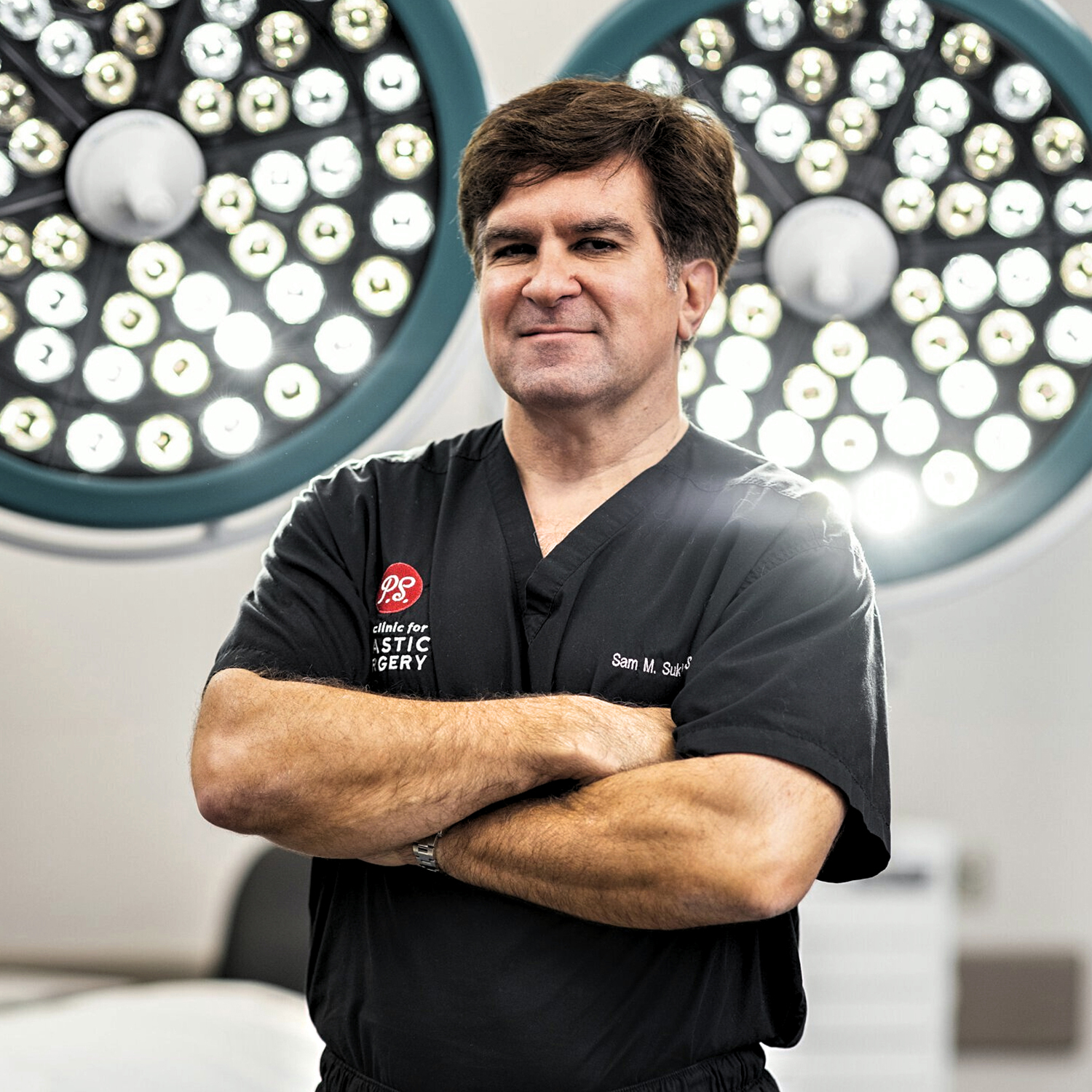
Dr. Sam Sukkar, MD, FACS is a highly respected Board-Certified Plastic Surgeon in Houston, Texas, known for his expertise in advanced cosmetic and reconstructive procedures. As the founder of The Clinic for Plastic Surgery, Dr. Sukkar has set a new standard for excellence, performing over 20,000 procedures with a focus on delivering natural, refined results.

Dr. Sukkar earned his Doctor of Medicine (M.D.) degree from Louisiana State University School of Medicine in 1992 after graduating summa cum laude with a Bachelor of Science in Microbiology. He then completed an intensive General Surgery Residency at the University of Texas Hermann Hospital before being selected for a highly competitive Plastic Surgery Fellowship at Northwestern University in Chicago, one of the most prestigious training programs in the country.

With more than 20 years of experience, Dr. Sukkar is a Diplomate of the American Board of Plastic Surgery and a Fellow of the American College of Surgeons (FACS). He is also an active member of the American Society of Plastic Surgeons (ASPS) and the Houston Society of Plastic Surgery (HSPS). His dedication to innovation and continuing education has solidified his reputation as a leading expert in aesthetic surgery, specializing in breast surgery, body contouring, facial procedures, and non-invasive treatments.

Dr. Sukkar’s expertise has been recognized by Houston Magazine, naming him one of Houston’s “Top Docs for Women,” and he has been featured among RealSelf’s America’s Top Doctors. Committed to his patients, he prioritizes personalized care, ensuring every individual feels informed, comfortable, and confident in their aesthetic journey.

Contact Dr. Sukkar today to schedule a consultation, visit DrSukkar.com to learn more, or call us directly at (281) 940-1535.

What Does Grade 2 Gynecomastia Look Like?

Grade 2 gynecomastia refers to moderate male breast enlargement that extends beyond the areola and creates a fuller chest contour. The breast tissue forms a noticeable mound that can often be visible under fitted clothing, although excess skin and significant drooping are usually minimal compared with more advanced grades. When the goal is a flatter, more defined chest appearance, male breast reduction surgery can improve chest contour and create a more masculine shape.

In practical terms, grade 2 sits in the middle of the gynecomastia spectrum. The chest may appear softly projected from the side, the areola can look raised or puffy, and fullness may extend outward toward the outer chest. A focused gynecomastia consultation helps determine whether the enlargement comes from glandular breast tissue (true gynecomastia), fatty tissue (pseudogynecomastia), or a combination of both, which guides the surgical plan to reshape and enhance the overall chest contour.

Key Takeaways of What Does Grade 2 Gynecomastia Look Like?

  • Grade 2 gynecomastia looks like moderate breast enlargement that extends beyond the areola, creating a fuller, rounded chest contour that can show through fitted shirts.
  • Common visual signs include puffy nipples, a raised or domed areola, and a noticeable central mound of tissue, usually with minimal excess skin or drooping.
  • A gynecomastia consultation helps confirm whether the fullness is true gynecomastia (firm gland under the areola), pseudogynecomastia (mostly chest fat), or a mix.
  • Compared with grade 1, grade 2 gynecomastia spreads beyond the areola and is harder to hide; compared with grade 3, it typically lacks obvious sagging and significant skin laxity.
  • Seek prompt medical evaluation if you notice rapid growth, a hard immobile lump, skin dimpling, nipple discharge, or a new one-sided change.
  • Persistent grade 2 gynecomastia often improves most predictably with male breast reduction surgery using liposuction plus gland excision.

Gynecomastia And How Grading Works

Gynecomastia grading helps to describe how much breast tissue growth is present, whether there is excess skin, and how visible the change is on the chest. In a medical office, grading supports consistent documentation, guides treatment options, and frames expectations for surgical intervention or non-surgical care.

True Gynecomastia Vs Pseudogynecomastia (Chest Fat)

True gynecomastia involves growth of male breast glandular tissue, usually linked to a hormonal imbalance. The key feature is firm or rubbery glandular tissue beneath the areola, not just soft fullness.

Pseudogynecomastia is different. It is primarily excess fat accumulation in the chest, with little or no gland growth. The chest feels softer and more diffuse, and it often tracks with overall weight changes. Many patients have a combination of glandular and fatty tissue, which is why a hands-on physical exam matters.

This distinction is medical, not cosmetic. It influences whether lifestyle changes might help by reducing excess fat, or whether surgical removal of gland is needed to truly remove excess tissue.

What “Grade 2” Means In Common Classification Systems

In common systems used in clinical practice, gynecomastia grade reflects size and skin changes. Grade 1 gynecomastia is small and largely limited to the areola. Grade 3 is larger and often includes sagging with more obvious excess skin grade changes.

Gynecomastia grade 2 typically involves moderate breast enlargement extending beyond the areola. The chest looks fuller and more rounded, and the enlargement can be apparent even under clothing. Importantly, grade 2 usually has minimal sagging and does not strongly involve excess skin, which is a major separator from higher grades.

Because grading is based on appearance and tissue characteristics, two people can both be “grade 2” but look different. Body fat level, chest width, and posture can change how prominent the male breast contour appears.

Visual Signs Of Grade 2 Gynecomastia

Grade 2 is usually recognized by a rounded, projected chest contour that extends outside the areola, without the obvious droop seen in severe cases. Attention is also given to nipple–areola appearance and whether one or both sides are involved.

Typical Chest Shape, Nipple-Areola Changes, And Symmetry

The most common visual hallmark is a noticeable mound of excess breast tissue across the central chest. From the side, the profile can look slightly “coned” or softly protruding. Some patients describe a chest that appears more like female breasts in certain shirts, especially tighter fabrics.

The nipple-areola complex often looks puffy. The areola may appear domed or raised because underlying glandular breast tissue pushes it forward. Even when the chest muscles are well-developed, the areola can still project, which is why some people notice it most in mirrors or photos.

Symmetry varies. Many gynecomastia patients have significant breast enlargement in one or both breasts, but unevenness is common. One side may have more excess glandular tissue, creating different areola height or different fullness near the outer chest.

How It Looks In Different Body Types And Postures

In a lean body type, grade 2 is often more obvious. There is less surrounding fatty tissue to “blend” the contour, so the transition from flat chest to breast mound is clearer. The puffy areola is also easier to see.

In a higher-body-fat physique, grade 2 can be harder to label visually. Excess fat across the chest can mask where gland ends and fat begins. Still, grade 2 may show a central mound that persists even with weight loss attempts, suggesting a gland component.

Posture matters more than people expect. Rounded shoulders can make the chest look fuller, while standing tall with scapular retraction can reduce the apparent projection. This is considered during the physical examination, because the goal is to judge the true contour rather than a posture illusion.

How Grade 2 Differs From Grade 1 And Grade 3

The fastest way to understand grade 2 is to compare it with the grades of gynecomastia on either side. Gynecomastia grade 1 is subtle and areola-limited. Grade 3 is larger and has visible sagging and skin excess.

Grade 1 Vs Grade 2: What Changes Visually

With grade 1, enlargement is usually confined to the areola region. The chest may look mostly flat at a distance, and the change may only be noticeable in certain lighting. Under clothing, grade 1 is often easy to hide.

With grade 2, the enlargement extends beyond the areola into the surrounding chest. That extension is what makes it “moderate.” The chest has a more consistently rounded contour, and the outline can show through fitted shirts. Many patients first seek gynecomastia treatment at this stage because it can significantly affect confidence.

Clinically, grade 2 is also more likely to involve mixed glandular and fatty tissue. That blend can make “spot reduction” efforts feel frustrating, even when overall fitness improves.

Grade 2 vs Grade 3: When Sagging And Extra Skin Become Noticeable

The key difference between grade 2 and grade 3 is skin behavior. Grade 2 typically has minimal excess skin and little droop. The chest looks full, but it usually maintains a relatively tight envelope.

Grade 3 shows more severe or marked breast enlargement with sagging. The nipple-areola complex can sit lower, and the chest can look more overtly breast-like. Skin laxity becomes a major feature, and the contour may extend toward the axilla in a more dramatic way.

This matters for planning male breast reduction approaches. Grade 2 often responds well to removing gland and fat, because the skin can tighten. Grade 3 may require additional skin management to restore a masculine chest contour.

Common Sensations And Clues That Often Accompany Grade 2

Appearance is only part of the story. Grade 2 gynecomastia can come with physical symptoms that help distinguish gland-based enlargement from simple fat gain.

Tenderness, Firmness Under The Areola, And Sensitivity

Many patients report tenderness or sensitivity, especially around the areola. On exam, a firmer subareolar mound consistent with glandular tissue may be felt. That firmness can be more noticeable when the tissue is pinched between the fingers.

Some experience intermittent soreness with pressure, exercise, or friction from clothing. For others, it is less about pain and more about awareness of the area. The sensation can be unsettling, even when the enlargement is not large.

Red Flags That Warrant Prompt Medical Evaluation

Certain findings need timely assessment in a medical office. Rapid enlargement, hard immobile lumps, skin dimpling, or nipple discharge deserve prompt evaluation. These signs do not mean cancer, but they should be checked.

Unilateral changes are also taken seriously. While gynecomastia can be one-sided, a new asymmetry with a distinct lump may require imaging. This helps rule out uncommon male breast enlargement causes, including breast cancer.

Other red flags include systemic symptoms or clues of broader medical conditions. Examples include signs of liver problems, testicular issues, or unexplained weight change. These findings may be documented as physical symptoms, and the evaluation can be adjusted accordingly.

What Can Cause Or Worsen Grade 2 Gynecomastia

Grade 2 can develop when hormones shift, when certain substances promote breast gland stimulation, or when weight change alters chest composition. Identifying the driver is important, because the most effective treatment depends on the cause.

Hormonal Shifts, Medications, Supplements, And Substances

True gynecomastia is commonly linked to altered hormone levels, especially changes in the balance between estrogenic and androgenic effects. Puberty and aging can cause temporary hormonal fluctuations, and some cases settle over time.

Certain medications and substances are also reviewed because some can contribute to gynecomastia. Anabolic steroids are a well-known risk factor, since hormone cycling can trigger rebound effects. Some recreational drugs have also been associated with gynecomastia in medical discussions.

Underlying disease can also play a role. Liver disease may affect hormone metabolism, which can contribute to breast tissue changes. That is one reason a full medical history is reviewed rather than focusing only on the chest.

Weight Changes, Training Effects, And Puberty-Related Patterns

Weight gain can increase chest fullness via excess fat accumulation. That can worsen the visible projection, even if the main issue is gland. In mixed cases, reducing excess breast tissue may require addressing both fat and gland.

Strength training can change how the chest looks, but it does not eliminate gland. Building chest muscles may improve the upper-chest frame, yet a subareolar mound can remain. This mismatch is often what pushes patients to seek a gynecomastia consultation.

Puberty-related patterns are common in teens and young adults. Some cases improve as hormones stabilize. Others persist and become a stable grade 2 appearance, especially when there is a durable component of excess glandular tissue.

Management Options For Grade 2 Gynecomastia

Management depends on whether the tissue is gland, fat, or both, and whether symptoms are active or stable. The conversation usually covers observation, medical therapy in select cases, and gynecomastia surgery when the condition persists.

Watchful Waiting And Lifestyle Adjustments

For recent-onset cases, watchful waiting may be recommended. This is most common when the cause is likely puberty-related or linked to a temporary medication effect. If tenderness is improving and size remains stable, observation can be a reasonable approach.

Lifestyle changes can help when excess fat contributes to chest fullness. Weight management may reduce fat in the chest area and improve overall contour. It will not reliably remove male breast glandular tissue, but it can reduce total volume.

Supplements and substances are also reviewed. Stopping contributing agents can help prevent progression, even if it does not reverse established glandular tissue.

Medical Treatment And When It May Help

Medical treatment is usually reserved for select situations. It may be considered when there is active, tender gland growth and a suspected hormonal driver. Timing matters, because long-standing gland is less likely to respond.

Options may include endocrine referral and targeted therapy. In some scenarios, selective estrogen receptor modulators may be discussed under appropriate medical supervision. These medications carry risks and are not appropriate for everyone.

Gynecomastia Surgery Options And What “Grade 2” Often Means For Technique

When grade 2 is persistent, surgical treatment is often the definitive option. The goal is a flatter, more masculine chest, not simply smaller volume. For many patients, this is the most predictable way to treat gynecomastia.

Common approaches include male breast reduction surgery using liposuction to remove excess fat plus gland excision to remove firm gland. This combination is frequent because grade 2 often contains both components. The goal is a smoother masculine chest contour with natural edges around the areola.

Because grade 2 typically has minimal skin excess, the skin often tightens after volume reduction. In that sense, grade 2 can be favorable for contouring without large skin-removal scars. Gyno surgery may be done under local anesthesia with sedation or other anesthesia plans, depending on the case and facility protocols.

Frequently Asked Questions About What Does Grade 2 Gynecomastia Look Like?

What does grade 2 gynecomastia look like?

Grade 2 gynecomastia looks like moderate breast enlargement that extends beyond the areola, creating a fuller, rounded chest contour. It’s often visible in fitted shirts and commonly includes puffy, raised nipples with a noticeable mound, but usually little to no sagging or excess skin.

How is grade 2 gynecomastia different from grade 1?

Grade 1 is typically small and mostly limited to the areola area, so it can look fairly flat and is easier to hide under clothing. Grade 2 gynecomastia extends outside the areola, giving a more consistently rounded chest shape that’s more likely to show through shirts.

What treatment options are typical for grade 2 gynecomastia?

Treatment depends on whether the fullness is gland, fat, or both. Recent-onset cases may be observed, and weight management can reduce fat-related volume, but it won’t reliably remove gland. Persistent grade 2 gynecomastia often responds best to male breast reduction using liposuction plus gland excision.

How is recovery after male breast reduction surgical treatment?

Recovery after male breast reduction surgery usually involves swelling, bruising, and mild soreness during the first one to two weeks. Most patients return to desk work within several days, while strenuous activity and chest workouts are typically limited for a few weeks. Compression garments are commonly used to support healing and help the chest contour settle. Final gynecomastia results gradually become clearer as swelling improves over the following weeks.

Conclusion and Summary of What Does Grade 2 Gynecomastia Look Like?

Grade 2 gynecomastia is usually the stage where the chest looks clearly fuller beyond the areola, often with puffy nipples, but without the pronounced sagging and excess skin seen in higher grades. It can be subtle in loose clothing and obvious in fitted shirts, especially in lean body types.

Because grade 2 can stem from glandular tissue, excess fat, or both, the most helpful next step is an in-office evaluation with a focused history and physical exam. When there are red flags like rapid growth, discharge, or a distinct lump, prompt assessment is important to rule out uncommon but serious problems.

For many patients, addressing triggers and weight can help, but persistent grade 2 often responds best to male breast reduction with liposuction and targeted surgical removal of gland. The right plan depends on anatomy, symptoms, and what a realistic, more masculine chest contour looks like for that individual.

Your Trusted Destination for Male Breast Reduction Gynecomastia Surgery in Houston, Texas (TX)

Are you located in one of these Houston Metro Area cities?

Houston, The Woodlands, Sugar Land, Katy, Pearland, Pasadena, League City, Baytown, Conroe, Cypress, Spring, Kingwood, Humble, Missouri City, Friendswood, Bellaire, Clear Lake, Tomball, Galveston, Richmond, Rosenberg, Stafford, La Porte, Deer Park, Seabrook, Webster, Alvin, and Channelview.

Board-Certified Plastic Surgeon Dr. Sam Sukkar, MD, FACS, and the The Clinic for Plastic Surgery Team provide advanced surgical solutions for men struggling with enlarged or excess breast tissue.

If you are man experiencing excess chest fat, glandular tissue, or persistent male breast enlargement, we offer comprehensive gynecomastia treatment options, including:

  • Gynecomastia Surgery
  • Male Breast Reduction Surgery
  • Gyno Surgery for Hormonal or Genetic Causes
  • Male Reduction Mammaplasty
  • Liposuction for Male Chest Contouring
  • Customized Male Chest Reshaping Plans

Visit our modern 18,000+ sq. ft. plastic surgery center and med spa in Houston, Texas, designed for comfort, privacy, and results-driven care. From your initial consultation through recovery, our experienced team focuses on natural-looking chest contours and long-term confidence.

For patients outside the Houston area or those with limited availability, schedule a virtual gynecomastia consultation.

Book Your Male Breast Reduction Consultation today at DrSukkar.com or call (281) 940-1535

About the Author – Meet Dr. Sam Sukkar, MD

Dr. Sam Sukkar, MD, FACS is a highly respected Board-Certified Plastic Surgeon in Houston, Texas, known for his expertise in advanced cosmetic and reconstructive procedures. As the founder of The Clinic for Plastic Surgery, Dr. Sukkar has set a new standard for excellence, performing over 20,000 procedures with a focus on delivering natural, refined results.

Dr. Sukkar earned his Doctor of Medicine (M.D.) degree from Louisiana State University School of Medicine in 1992 after graduating summa cum laude with a Bachelor of Science in Microbiology. He then completed an intensive General Surgery Residency at the University of Texas Hermann Hospital before being selected for a highly competitive Plastic Surgery Fellowship at Northwestern University in Chicago, one of the most prestigious training programs in the country.

With more than 20 years of experience, Dr. Sukkar is a Diplomate of the American Board of Plastic Surgery and a Fellow of the American College of Surgeons (FACS). He is also an active member of the American Society of Plastic Surgeons (ASPS) and the Houston Society of Plastic Surgery (HSPS). His dedication to innovation and continuing education has solidified his reputation as a leading expert in aesthetic surgery, specializing in breast surgery, body contouring, facial procedures, and non-invasive treatments.

Dr. Sukkar’s expertise has been recognized by Houston Magazine, naming him one of Houston’s “Top Docs for Women,” and he has been featured among RealSelf’s America’s Top Doctors. Committed to his patients, he prioritizes personalized care, ensuring every individual feels informed, comfortable, and confident in their aesthetic journey.

Contact Dr. Sukkar today to schedule a consultation, visit DrSukkar.com to learn more, or call us directly at (281) 940-1535.

Asian Eyelid Surgery: Double Eyelid Procedure Options

Asian eyelid surgery (also called double eyelid surgery or Asian blepharoplasty) is a medical-office procedure that creates or refines an upper eyelid crease so the upper eyelid shows a more defined fold while still looking natural. It’s most often done for people of Asian descent with a single eyelid (a monolid) who want improved crease definition, better symmetry, and a balanced eye shape.

In practice, the outcome depends on three things: the patient’s eyelid anatomy (skin thickness, excess fat, and levator function), the right technique (incisional vs. suture vs. partial-incision), and careful crease planning to match the face. Careful planning, precise suturing, and detailed aftercare can help reduce common issues such as asymmetry or crease loss.

Key Takeaways of Asian Eyelid Surgery: Double Eyelid Procedure Options

  • Asian eyelid surgery (double eyelid surgery) creates or refines an upper-lid crease to improve definition and symmetry.
  • The best technique for Asian blepharoplasty depends on your eyelid anatomy, not on trends or a one-size-fits-all crease height.
  • If ptosis (droopy lid) or a prominent epicanthal fold affects lid show or balance, combining Asian eyelid surgery with ptosis repair or selective inner-corner work may produce a more consistent, functional result.
  • Expect eyelid surgery recovery in weeks to months: early swelling can make the crease look higher or uneven at first, and final refinement and scar maturation often take several months.
  • Reduce risks like asymmetry, crease loss, and dry eye by choosing The Clinic for Plastic Surgery, following aftercare strictly, and avoiding early judgment or revision before healing stabilizes.

What Asian Eyelid Surgery Is And Why It’s Done

Asian eyelid surgery is a type of blepharoplasty designed to create or enhance a visible eyelid crease in the upper lid. It’s done to improve eyelid fold definition, symmetry, and how the eyes frame the face, not to “westernize” features.

Monolid Vs. Double Eyelid Anatomy

Monolid eyes typically has no visible crease because the attachment between the levator tissue and the eyelid skin is different. The epicanthal fold at the inner corner can also cover part of the lid, which changes how the fold appears when the eyes are open.

A double eyelid has a natural fold where the skin tucks in as the lid elevates. That fold can be low and subtle or higher and more visible. In an exam, a surgeon focuses on lid thickness, fat distribution, and the way the lid moves.

Types Of Asian Eyelid Surgery

Surgeons choose a technique based on eyelid anatomy, the patient’s goals, and how stable the new fold needs to be. The three main approaches are incisional double eyelid surgery, non-incisional suture methods, and partial-incision hybrids.

Incisional Double Eyelid Surgery

Incisional double eyelid surgery uses an incision along the planned crease to create a durable fold. It allows the surgeon to address excess skin or remove or contour fat when needed.

This method is often chosen when the upper eyelid has thicker tissue, heavier fat pads, or lax skin. Because it reshapes tissue directly, it can be more predictable for long-term crease stability.

Healing takes longer than suture methods, and early swelling can make the crease look higher at first. Over weeks to months, the crease settles as swelling resolves and scar tissue matures. The goal is a natural crease that fits the patient’s anatomy.

Non-Incisional (Suture) Double Eyelid Surgery

Non-incisional techniques create the fold using buried sutures without a full skin incision. The surgeon places small passes through the lid to connect skin and deeper tissue, helping the crease form when the lid opens.

This approach can mean less visible scarring and a faster early recovery. It may be a good fit for patients with thinner eyelid skin and minimal excess fat or excess skin.

The tradeoff is that the crease can be less permanent in some people. If tissue is heavy or oily, or if the lid anatomy resists fold formation, the sutures may loosen over time and the crease may fade or “drop.” Good eyelid surgery candidacy matters as much as the method.

Partial-Incision Techniques

Partial-incision methods sit between fully incisional and fully non-incisional surgery. A shorter incision is used to assist crease formation and, in some cases, to make modest fat adjustments.

This hybrid can be useful when the eyelid needs more support than sutures alone can provide, but does not need extensive skin removal. It can also help with crease definition in moderately thick lids.

As with any type of asian upper eyelid surgery, careful marking and symmetry checks are critical. A small incision does not automatically mean a small change. The technique still needs to match the patient’s desired crease height and lid shape.

Additional Procedures Often Considered with Asian Blepharoplasty

Some individuals benefit from combining double eyelid creation with other targeted procedures. The decision depends on what limits the eye’s openness, symmetry, or the appearance of the inner corner.

Ptosis Repair

Ptosis is a drooping upper lid caused by weak levator function or stretched tendon attachment. If ptosis is present, creating a crease alone may not fix the “sleepy” look, and it can even make asymmetry more noticeable.

Ptosis repair tightens or repositions the levator to lift the lid margin. It’s planned carefully to avoid an overcorrected look and to protect blink function.

When done with asian blepharoplasty, ptosis repair can improve lid show and crease consistency. But, it can add complexity to planning and recovery. Patients should expect the surgeon to discuss measurable lid position and realistic targets.

Epicanthoplasty And Inner Corner Revision

The epicanthal fold is the skin fold covering the inner corner in many people of asian descent. Epicanthoplasty reshapes that fold to reveal more of the inner corner, which can change the perceived width and openness of the eyes.

This procedure is not “required” for a double eyelid. It’s considered when the inner corner coverage makes the crease look crowded or when patients want more visible medial sclera in a subtle way.

Because inner-corner skin can scar more noticeably, technique and postoperative care matter. Surgeons often favor conservative changes that respect the patient’s baseline anatomy, especially in scar-prone tissue.

Fat Repositioning Or Conservative Debulking

Some upper lids have prominent preaponeurotic fat that blunts crease definition. In those cases, conservative debulking can help create a cleaner fold without creating a hollow upper lid.

Repositioning, rather than removal, may be appropriate when the goal is a smooth, youthful contour. Too much fat removal can make the eyes look skeletonized over time, especially as aging reduces facial volume.

A careful surgeon treats fat as structural, not as something to “strip out.” The best blepharoplasty results usually come from small, targeted changes based on what is actually causing fullness in that specific lid.

Who’s A Good Candidate And How The Eyelid Crease Is Planned

Good outcomes start with matching the patient’s anatomy to the right plan. During consultation, the evaluation includes tissue thickness, eyelid movement, and the patient’s goals to design a crease that looks natural on that face.

Candidacy Factors: Skin Thickness, Fat, And Levator Function

Candidates vary widely, even within the same ethnic background. Lid thickness, the amount of excess fat, and whether there is excess skin influence which technique is most stable.

Levator function matters because the crease is tied to how the lid elevates. If the lid does not lift well due to ptosis, the crease may look uneven or inconsistent. Some patients may need ptosis repair to reach their desired outcome.

Prior eyelid surgery also affects planning. Scar tissue, altered tissue planes, or previous suture tracks can change which approach is most appropriate. Revision cases often require more conservative and detail-focused planning.

Crease Height And Shape: Natural-Fit Planning

Crease height is not one-size-fits-all. A crease that looks balanced on one person can appear harsh on another if brow position, orbital depth, or lid platform differ.

During consultation, different crease positions may be simulated using gentle pressure or temporary markings. The goal is a fold that becomes visible when the eyes are open but does not appear overly defined when the eyes are down.

Shape also matters. Some patients prefer a tapered crease that merges toward the inner corner, while others prefer a more parallel crease. Each shape interacts differently with the epicanthal fold and the natural eyelid anatomy.

Frequently Asked Questions About Asian Eyelid Surgery: Double Eyelid Procedure Options

What is asian eyelid surgery?

Asian eyelid surgery (double eyelid surgery / Asian blepharoplasty) creates or refines an upper eyelid crease to improve fold definition and symmetry while keeping results natural. The plan includes crease height and shape that fit the patient’s anatomy and preserve an authentically Asian appearance.

What’s the difference between incisional vs. non-incisional upper eyelid surgery?

Incisional asian eyelid surgery, is a surgical procedure performed under anesthesia. It uses a crease-line incision to create a more durable fold and can address thicker tissue, excess skin, or fat. Non-incisional (suture) methods use buried sutures with faster early recovery and minimal scarring, but the crease may loosen or fade in heavier lids. Partial-incision is a hybrid option.

Who is a good candidate for asian eyelid surgery in Houston, TX?

Good eyelid surgery candidates in Houston, are people whose goals match their eyelid anatomy. The evaluation includes skin thickness, fat distribution, excess skin, and levator function (how well the eyelid lifts). If ptosis (droopy lid) is present, crease surgery alone may not correct the “sleepy” look and can worsen asymmetry without ptosis repair.

How long is recovery after a male eyelid plastic surgery?

Male eyelid surgery recovery is usually measured in weeks, not days. Swelling and bruising peak in the first week; sutures (if external) often come out around days 5–7. From weeks 2–6, the crease settles and can look uneven day to day. Many look presentable by ~6 weeks, but refinement and scar maturation continue for months.

What are the most common risks of asian eyelid cosmetic surgery?

Common issues include temporary unevenness from swelling, longer-lasting asymmetry, crease loss (more likely with suture methods in thicker lids), and dry eye symptoms. Less common risks include infection, bleeding, and noticeable scarring.

Can asian eyelid surgery be combined with ptosis repair or epicanthoplasty?

Yes. Ptosis repair may be recommended when weak levator function causes droopy lids, because a crease alone won’t reliably improve lid show. Epicanthoplasty reshapes the inner-corner fold when it crowds the crease or when subtle inner-corner visibility is desired. Combining surgical procedures can improve balance but adds planning complexity and recovery variables.

Conclusion and Summary of Asian Eyelid Surgery: Double Eyelid Procedure Options

Asian eyelid surgery focuses on creating a balanced, natural-looking upper eyelid crease that fits the patient’s anatomy. The most successful outcomes come from careful evaluation of eyelid thickness, fat distribution, levator function, and the presence of features such as the epicanthal fold. Matching the right technique, to these anatomical factors helps produce a stable crease that blends naturally with the face.

Because healing and crease refinement take time, patients should expect gradual changes over several weeks to months as swelling resolves and the fold softens. When planning, technique selection, and aftercare align with the patient’s anatomy and goals, double eyelid surgery can improve eyelid definition, symmetry, and overall eye balance while preserving an authentic appearance.

Your Trusted Destination for Blepharoplasty Eyelid Surgery in Houston, Texas (TX)

Are you located in one of these Houston Metro Area cities?

Houston, The Woodlands, Sugar Land, Katy, Pearland, Pasadena, League City, Baytown, Conroe, Cypress, Spring, Kingwood, Humble, Missouri City, Friendswood, Bellaire, Clear Lake, Tomball, Galveston, Richmond, Rosenberg, Stafford, La Porte, Deer Park, Seabrook, Webster, Alvin, and Channelview.

Board-Certified Plastic Surgeon Dr. Sam Sukkar, MD, FACS, and the The Clinic for Plastic Surgery Team provide advanced eyelid surgery solutions to refresh and restore the appearance of the eyes.

If you are dealing with drooping eyelids, under-eye bags, puffiness, or tired-looking eyes, we offer comprehensive eyelid surgery options, including:

  • Upper Blepharoplasty (Upper Bleph)
  • Lower Blepharoplasty (Lower Bleph)
  • Eyelid Lift Surgery
  • Eyelid Surgery for Excess Skin or Fat
  • Combination Upper and Lower Eyelid Procedures
  • Customized Eye Rejuvenation Treatment Plans

Visit our modern 18,000+ sq. ft. plastic surgery center and med spa in Houston, Texas, designed for comfort, privacy, and results-driven care. From your first consultation through recovery, our talented team focuses on brighter, rested-looking eyes with natural results.

For patients outside the Houston area or those with limited availability, schedule a virtual eyelid surgery consultation.

Book Your Personalized Eyelid Consultation today at DrSukkar.com or call (281) 940-1535.

About the Author – Meet Dr. Sam Sukkar, MD

Dr. Sam Sukkar, MD, FACS is a highly respected Board-Certified Plastic Surgeon in Houston, Texas, known for his expertise in advanced cosmetic and reconstructive procedures. As the founder of The Clinic for Plastic Surgery, Dr. Sukkar has set a new standard for excellence, performing over 20,000 procedures with a focus on delivering natural, refined results.

Dr. Sukkar earned his Doctor of Medicine (M.D.) degree from Louisiana State University School of Medicine in 1992 after graduating summa cum laude with a Bachelor of Science in Microbiology. He then completed an intensive General Surgery Residency at the University of Texas Hermann Hospital before being selected for a highly competitive Plastic Surgery Fellowship at Northwestern University in Chicago, one of the most prestigious training programs in the country.

With more than 20 years of experience, Dr. Sukkar is a Diplomate of the American Board of Plastic Surgery and a Fellow of the American College of Surgeons (FACS). He is also an active member of the American Society of Plastic Surgeons (ASPS) and the Houston Society of Plastic Surgery (HSPS). His dedication to innovation and continuing education has solidified his reputation as a leading expert in aesthetic surgery, specializing in breast surgery, body contouring, facial procedures, and non-invasive treatments.

Dr. Sukkar’s expertise has been recognized by Houston Magazine, naming him one of Houston’s “Top Docs for Women,” and he has been featured among RealSelf’s America’s Top Doctors. Committed to his patients, he prioritizes personalized care, ensuring every individual feels informed, comfortable, and confident in their aesthetic journey.

Contact Dr. Sukkar today to schedule a consultation, visit DrSukkar.com to learn more, or call us directly at (281) 940-1535.

Hair Transplant Results: How to Get the Best Outcome

Hair transplant results are predictable when the procedure is planned well and the patient follows post op instructions. Most people see early hair growth around months 3–4, major visible change by months 6–9, and the most natural looking transplant results by 9–12 months. “Good” results look like a natural hairline, even blending with existing hair, and realistic hair density based on the number of grafts available from the donor area.

The fastest way to protect hair transplant surgery outcomes is simple: confirm a realistic graft plan (for example, 2,500 grafts for a defined front and hairline area may be appropriate for some patients), and commit to a careful aftercare.

Key Takeaways of Hair Transplant Results: How to Get the Best Outcome

  • Hair transplant results follow a predictable timeline: expect shedding in weeks 2–8, early regrowth around months 3–4, major visible change by months 6–9, and the most natural look by 9–12 months.
  • Good hair transplant results look believable, thanks to an age-appropriate hairline, a soft irregular front zone, and density that matches your donor supply and long-term loss risk.
  • Protect hair transplant results fastest by confirming a realistic graft plan, and following strict first-two-weeks care.
  • Graft survival drives final density, so careful extraction, hydration, and precise placement angles matter as much as the number of grafts quoted.
  • FUE vs FUT results can both be excellent; choose based on scarring preferences, donor management strategy, and session size needs.
  • Use consistent, standardized photos at milestones (3, 6, 10, and 12 months) to track progress and separate normal patchiness or shock loss from true problems.

What “Good” Hair Transplant Results Look Like

Good hair transplant results are less about a sudden “full head of hair” moment and more about believable appearance over time. A strong outcome balances a natural hairline, consistent growth, and smart coverage based on the patient’s hair loss pattern and donor supply.

Natural Hairline Design And Density

A natural looking hairline is usually the first thing people judge in before-and-after photos. It should match the patient’s age, facial structure, and long-term pattern risk. A lower, straight hairline may look tempting, but it can look unnatural later if thinning progresses behind it.

Density planning matters just as much as hairline design. The front hairline typically uses softer, irregular micro-zigzag patterns, with higher hair density placed behind that zone. That front transition is what makes transplanted hair “disappear” into a normal head of hair in real life.

Even Growth Patterns And Blending With Existing Hair

Even growth is a hallmark of good transplant results, but it rarely appears perfectly uniform at first. Early on, new hair can come in patchy, with different texture and curl. That unevenness usually settles as follicles mature over months.

Blending depends on how the procedure is performed and what hair already exists in the recipient area. In cases of thinning, follicular grafts must be placed between existing hairs without damaging them. That is also why some patients notice temporary shock loss in native hair, especially in the first weeks.

Graft Survival, Coverage, And Realistic Density Limits

Graft survival is the quiet driver of final hair transplant results. If grafts are handled well, hydrated, and placed efficiently, yield tends to be strong and coverage looks consistent. If handling is poor, density can look thin even when the number of grafts sounds high.

Coverage also has limits. A transplant moves hair from the donor area at the back of the scalp to the thinning area. It does not create new follicles. So even with good survival, there’s a practical ceiling on density, especially for larger zones.

Hair Transplant Results Timeline: Week-By-Week And Month-By-Month

The hair transplant results timeline is usually steady but emotionally tricky. The first two months can look worse before it looks better, and that’s normal. Most patients need months, not weeks, to see true hair growth and cosmetic change.

Days 1–14: Healing, Scabbing, And Early Redness

In days 1–14, the patient is in the healing phase. Redness, swelling, scabbing, and mild itching are common. The recipient area looks obvious, and the donor area at the back of the scalp may feel tight or tender.

By around day 5, transplanted grafts begin strengthening, but the area is still fragile. After about one week, swelling and redness typically decrease and many scabs start loosening. By week 2, most scabs have fallen off and the surface healing is far along.

Clinics often recommend gentle washing and careful drying during this window. This is also when patients should avoid friction, heavy sweating, and direct sun exposure. Those basics protect graft survival more than any “miracle” product.

Weeks 2–8: Shedding Phase And Why It’s Normal

Between weeks 2–4, many patients experience shock loss. The transplanted hair shafts shed, which can feel like the transplant “failed.” It usually didn’t. The follicles remain in place and enter a resting phase.

This shedding period commonly lasts about 2 to 2.5 months. During that time, the scalp may look similar to pre-surgery or even thinner, especially if some native hair also sheds. This can be more noticeable in the front where people focus their attention.

Around week 8, shedding often slows down. Early new hairs may appear thin, soft, and uneven. That stage can be hard to photograph because changes are subtle, but consistent images help the patient see progress.

Months 3–6: Early Regrowth And Texture Changes

New hair growth typically starts around months 3–4. At first, it can look fine, light, or wiry, and it may not match the surrounding hair texture. That mismatch is common and usually improves as hair cycles and thickens.

By month 4, more visible sprouts appear, though the area can still look patchy. Many patients describe this as a “soft coverage” phase rather than true density. It’s progress, but not the finish line.

By month 6, growth often accelerates and becomes more cosmetically meaningful. Some clinics cite coverage approaching up to 80% by this point, depending on the case and the extent of hair loss. Many patients see about 50–60% of the final appearance during months 4–6.

Months 6–12 (And Beyond): Maturation, Thickening, And Final Results

From months 7–9, thickening becomes the main story. Hairs that looked thin at month 4 often gain diameter, stand up better, and style more like native hair. This is when many patients start to feel “happy” with the change.

Most patients see full transplant results between 9–12 months. At 10 months, the look may already be strong, but finer maturation can still happen. At 12 months, the hairline typically looks more natural, and the blend across the front and mid-scalp is easier to manage.

Some individuals continue to improve up to 18 months, especially if the procedure involved a large area or if hair cycles run slower. That longer timeline is not unusual, and it is one reason patience is important before judging the final outcome.

What Affects Hair Transplant Results The Most

Hair restoration results vary because the procedure is part surgery, part biology, and part long-term planning. Technique matters, but so do hair characteristics, the pattern of hair loss, and what happens to native hair in the years after transplantation.

Donor Hair Quality, Graft Handling, And Surgical Technique

Donor quality sets the ceiling for many outcomes. Thick hair shafts, good curl characteristics, and strong contrast control can make coverage look better at lower graft counts. Fine hair may require more grafts to create similar visual density.

Graft handling is also critical. Follicular units must be extracted, stored, and placed with minimal trauma and dehydration. Small differences in time out of the body and handling care can affect graft survival and, in turn, final density.

Surgical technique influences direction, angle, and placement. If grafts are placed at the wrong angle, the hair can stick up or look irregular in photos. When the angle matches the existing pattern, transplanted hair blends in and looks natural.

Extent Of Hair Loss And Long-Term Pattern Progression

The extent of hair loss impacts both the number of grafts needed and what “good” looks like. A patient with a mild receding hairline may achieve a dramatic visual win with fewer grafts. A patient with advanced thinning across the top may need staged planning.

Pattern progression is the long game. Hair restoration in Houston can rebuild areas, but it cannot stop genetic thinning everywhere else. If native hair continues to miniaturize, the transplant can look isolated unless the plan anticipates future loss.

Scalp Health, Lifestyle, And Medical Conditions

Scalp health affects healing and growth rate. Inflammation, dermatitis, or poorly controlled medical conditions can complicate recovery. Patients should disclose medical history and medications during consultation, even if it feels unrelated.

Lifestyle also plays a role, especially early on. Heavy sweating, sun exposure, and friction can irritate healing tissue in the first two weeks. Smoking can impair circulation and may affect healing, so stopping before and after surgery is strongly recommended.

Some clinics discuss supportive options like platelet-rich plasma (PRP) injections alongside surgery for certain patients. PRP is not a replacement for transplantation, but it may be used as part of an overall hair restoration plan depending on the individual case.

FUE Vs FUT Results in Houston’s Patients: Differences That Matter

FUE vs FUT results in Houston, TX can both be excellent, but they differ in scarring, donor management, and how sessions are sized. A patient should choose the type based on hair loss needs, donor characteristics, and lifestyle, not just marketing.

Scarring, Styling Flexibility, And Donor Management

An FUE hair transplant creates many small extraction sites spread across the donor area. When healed well, these often look like tiny white dots that are easier to hide with short hair. But, very short styles can still reveal them in some lighting.

FUT removes a thin strip from the donor area and leaves a linear scar. With good closure, it can be fine and hidden under longer hair. But it can limit very short haircuts for some patients.

Donor management differs, too. FUE spreads extractions across a wider zone, while FUT focuses on a strip. In either approach, overharvesting can thin the back and sides and change overall appearance, so planning matters more than the method itself.

Yield, Density Planning, And Session Size

Yield depends on technique and patient factors, not just whether it’s FUE or FUT hair transplant. Both can produce strong transplant results when grafts are handled carefully and placed skillfully. The key is realistic density planning based on the number of grafts available.

Session size is often part of the discussion. Some clinics prefer FUT when a larger graft count is needed in one session, while FUE can be ideal for smaller cases or for targeted work in the front. The “right” answer depends on the area being treated and the long-term plan.

Recovery Experience And Downtime Expectations

Recovery overlaps for both types, especially in the recipient area. The patient can expect scabbing and redness in the first 1–2 weeks. Many return to light work within that time, depending on comfort and how visible the procedure is.

Donor healing can feel different. FUT can involve more tightness because of the incision. FUE can feel sore across a broader donor region because of the many extraction points.

In both cases, the cosmetic timeline is similar: shedding in weeks 2–8, early growth at months 3–4, and maturation through 12 months. So the choice is more about donor strategy and scarring than “faster” results.

How To Improve Your Hair Transplant Results

The biggest improvements in hair transplant results usually come from controlling what can be controlled: smart pre-op preparation, careful post op routines, and a medical plan that supports native hair. Small mistakes in the first two weeks can cost density later.

Pre-Op Preparation That Protects Graft Survival

Pre-op starts with the consultation and a clear surgical plan. The evaluation should include scalp laxity, donor density, hair caliber, and the recipient area. They should also set expectations for what one procedure can achieve.

Medication and supplement review is important. Patients should tell the clinic what they take, including blood thinners or anything that affects bleeding. The clinic will give instructions, and the safest approach is to follow them exactly.

Post-Op Care: Washing, Sleeping, Exercise, And Sun Exposure

Post op care is where many outcomes are protected or compromised. Washing should follow the clinic’s protocol, usually gentle and designed to remove scabs without rubbing. Aggressive scratching or picking can dislodge grafts early on.

Sleeping position matters in the first days. Sleeping with the head elevated can reduce swelling and help avoid contact with the grafted area. Patients who roll onto the front during sleep can create friction while grafts are still anchoring.

Exercise and sun exposure need timing. Heavy workouts and sweating are often restricted early, because inflammation and friction can irritate the scalp. Sun exposure can prolong redness and increase irritation, so hats and shade are often recommended after the aftercare team approves.

Adjunct Treatments: Minoxidil, Finasteride, And Other Options

Adjunct treatments can support results, especially by protecting existing hair. Finasteride is commonly used to slow androgen-related thinning in appropriate patients under a doctor’s guidance. Minoxidil may support hair growth cycles for some individuals.

These hair loss treatments do not replace a transplant, but they can make the overall look more consistent by reducing future loss around the transplanted zone. That matters for long-term appearance, especially on the top and mid-scalp.

Other options may include PRP, depending on the clinic and the patient’s situation. Some patients also ask about SMP for the appearance of density, but it’s a cosmetic strategy rather than hair growth. The best plan is individualized and monitored over time.

Frequently Asked Questions About Hair Transplant Results: How to Get the Best Outcome

How long does it take to see hair transplant results?

Hair transplant results follow a predictable timeline for most patients: early growth often starts around months 3–4, major visible change shows up by months 6–9, and the most natural-looking result typically appears at 9–12 months. Some people continue improving up to 18 months, especially after larger procedures.

Why do hair transplant results look worse before they look better?

It’s common for hair transplant results to look worse early because of scabbing, redness, and a shedding phase (often weeks 2–8). Transplanted hair shafts can fall out, and some native hair may shed temporarily (shock loss). The follicles usually remain and restart growth around months 3–4.

How can I protect my hair transplant results in the first two weeks?

To protect hair transplant results early, follow the aftercare instructions, washing and drying protocol, avoid rubbing or picking scabs, and reduce friction while sleeping (often with head elevation). Avoid heavy sweating and direct sun during the first 1–2 weeks, since irritation can compromise healing and graft survival.

FUE vs FUT: which hair transplant results look more natural?

FUE vs FUT hair transplant results can both look natural when grafts are placed at the right angle and density. The main difference is scarring and donor strategy. FUE typically leaves tiny dot scars, while FUT leaves a linear scar. Natural appearance depends more on the surgical skill and planning than the method.

Can medications like finasteride or minoxidil improve hair transplant results?

They can support hair transplant results by helping protect and thicken existing (non-transplanted) hair, which improves overall blending and long-term appearance. Finasteride may slow pattern hair loss in appropriate patients, while minoxidil can support growth cycles. They don’t replace surgery, and use should be guided by a hair restoration doctor.

How much does hair transplant surgery cost in Houston, TX?

Hair transplant surgery in Houston, TX costs between $10,000 and $15,000 for FUE hair restoration. Cost depends on the number of grafts needed, the size of the treatment area, and the overall complexity of the case. Larger areas of thinning or hairline reconstruction often require more grafts, which can increase the total cost. The Clinic for Plastic Surgery offers financing options, with monthly payments starting as low as $270, making the procedure more accessible for many patients.

Conclusion and Summary of Hair Transplant Results: How to Get the Best Outcome

Hair transplant results improve gradually, not overnight. Most patients see the first signs of new growth around months 3–4, stronger cosmetic change between months 6–9, and the most natural appearance by about 9–12 months as the transplanted follicles mature and thicken. Patience during the shedding and regrowth phases is an important part of the process.

The strongest outcomes come from careful planning, realistic graft distribution, and disciplined aftercare in the first weeks. Protecting grafts during healing, supporting existing hair with appropriate medical therapy, and tracking progress with consistent photos can help maintain long-term density and natural blending. With the right strategy and expectations, a hair transplant can restore a balanced hairline and provide lasting, natural-looking coverage.

Your Trusted Destination for Complete Hair Restoration Treatments and Hair Transplant Surgery in Houston, Texas (TX)

Are you located in one of these Houston Metro Area cities?

Houston, The Woodlands, Sugar Land, Katy, Pearland, Pasadena, League City, Baytown, Conroe, Cypress, Spring, Kingwood, Humble, Missouri City, Friendswood, Bellaire, Clear Lake, Tomball, Galveston, Richmond, Rosenberg, Stafford, La Porte, Deer Park, Seabrook, Webster, Alvin, and Channelview.

Board-Certified Plastic Surgeon Dr. Sam Sukkar, MD, FACS, and the The Clinic for Plastic Surgery Team provide advanced surgical and non-surgical hair loss solutions for both men and women.

If you are suffering from a receding hairline, bald spots, or chronic pattern baldness, we offer comprehensive hair restoration and transplant options, including:

  • Hair Transplant Surgery
  • Follicular Unit Extraction (FUE)
  • Follicular Unit Transplantation (FUT)
  • Non-Surgical Hair Restoration Treatments
  • PRP Hair Treatments for Thinning Hair
  • Medical Hair Loss Treatments and Scalp Care
  • Customized Hair Treatment Plans

Visit our modern 18,000+ sq. ft. plastic surgery center and med spa in Houston, Texas, designed for comfort, privacy, and results-driven care. From your first consultation through long-term hair management, our highly skilled team focuses on realistic outcomes and personalized treatment planning.

For patients outside the Houston area or those with limited availability, schedule a virtual hair restoration consultation.

Book Your Personalized Hair Consultation today at DrSukkar.com or call (281) 940-1535.

About the Author – Meet Dr. Sam Sukkar, MD

Dr. Sam Sukkar, MD, FACS is a highly respected Board-Certified Plastic Surgeon in Houston, Texas, known for his expertise in advanced cosmetic and reconstructive procedures. As the founder of The Clinic for Plastic Surgery, Dr. Sukkar has set a new standard for excellence, performing over 20,000 procedures with a focus on delivering natural, refined results.

Dr. Sukkar earned his Doctor of Medicine (M.D.) degree from Louisiana State University School of Medicine in 1992 after graduating summa cum laude with a Bachelor of Science in Microbiology. He then completed an intensive General Surgery Residency at the University of Texas Hermann Hospital before being selected for a highly competitive Plastic Surgery Fellowship at Northwestern University in Chicago, one of the most prestigious training programs in the country.

With more than 20 years of experience, Dr. Sukkar is a Diplomate of the American Board of Plastic Surgery and a Fellow of the American College of Surgeons (FACS). He is also an active member of the American Society of Plastic Surgeons (ASPS) and the Houston Society of Plastic Surgery (HSPS). His dedication to innovation and continuing education has solidified his reputation as a leading expert in aesthetic surgery, specializing in breast surgery, body contouring, facial procedures, and non-invasive treatments.

Dr. Sukkar’s expertise has been recognized by Houston Magazine, naming him one of Houston’s “Top Docs for Women,” and he has been featured among RealSelf’s America’s Top Doctors. Committed to his patients, he prioritizes personalized care, ensuring every individual feels informed, comfortable, and confident in their aesthetic journey.

Contact Dr. Sukkar today to schedule a consultation, visit DrSukkar.com to learn more, or call us directly at (281) 940-1535.

Abdominal Etching & Liposuction Scars: Best Way to Minimize Marks

Abdominal liposuction scars after ab etching surgical procedure are typically small marks from the tiny incisions used to insert a cannula during the procedure. In most patients, these liposuction scars start pink or red, then soften and fade toward a closer-to-skin-tone appearance over about 6–12 months, though scar visibility varies with skin type, technique, and aftercare.

To minimize marks, the biggest drivers are simple but specific: the surgical experienced in abdominal etching for men, follow incision care and compression garment instructions, and use evidence-based scar care like silicone and sun protection once cleared. This overview explains what is most commonly observed in practice and what research supports, including healing timelines, signs of normal versus concerning changes, and in-office treatments that may help improve scar texture and color if marks remain visible.

Key Takeaways of Abdominal Etching & Liposuction Scars

  • Abdominal liposuction scars (including an ab etching scar) usually come from tiny incision sites, start pink or red, and typically fade and flatten over about 6–12 months.
  • Most visible marks are from the incisions, while “track” marks are more often related to aggressive cannula technique under the skin.
  • Choosing The Clinic for Plastic Surgery reduce scarring risk through thoughtful incision placement, fewer access points, and less tissue trauma.
  • Follow post-op instructions closely, keep incisions clean, wear your compression garment as directed, avoid friction and soaking, and don’t pick at scabs, to help abdominal etching scars heal more smoothly.
  • Use evidence-based scar care once cleared, especially silicone gel/sheets and strict sun protection, to help an ab etching scar fade and prevent lingering redness or hyperpigmentation.

What Ab Etching Is And Why Scars Happen

Ab etching (also called abdominal etching or ab sculpting) is a form of liposuction used to reduce fat in strategic patterns so the natural lines of the abdominal muscles read more clearly. It’s still surgery, though, so it can leave scars, usually from small incisions needed for cannula access and the body’s collagen-driven healing response.

Incision Sites Vs. Cannula Path: What Actually Leaves A Mark

Most people searching “does liposuction leave scars” are really asking about what shows on the skin. The most visible abdominal etching scars typically come from incision sites, not from where the cannula travels under the skin. These small incisions are often less than 1 cm and placed in natural creases, or near the navel to help them look discreet.

That said, the cannula path can matter for the look of the treated area. If the technique is too aggressive, the tissue under the skin may heal with firmness, subtle grooves, or “track” marks. Those issues can affect appearance and muscle definition, even when the incision scars themselves are tiny.

Factors That Influence Scar Visibility

Scar visibility is not the same for every body. Genetics plays a major role in how collagen builds, which is why some patients form thicker scars even when incisions are small and well-placed. Skin tone and scar history matter too: darker skin types may be more prone to hyperpigmentation or raised scars like keloids.

Technique and aftercare also influence results. During the procedure, smaller cannulas may be used, the number of incisions may be limited, and tissue may be handled gently to reduce trauma. Post-op care, keeping incisions clean, wearing a compression garment, avoiding sun, and following activity restrictions, helps limit inflammation and supports smoother healing over time.

What Ab Etching Scars Typically Look Like Over Time

Abdominal liposuction scars usually change a lot during the first year. Early on they can look more noticeable than expected, because swelling and redness are part of normal healing. Over time, most scars flatten and fade, but the exact timeline depends on skin, location, and how the area is cared for.

Normal Healing Timeline

Weeks 1–2: Incisions often look pink or red and may be surrounded by swelling. Mild drainage or crusting can occur right after ab etching surgery, depending on the technique used. At this stage, the goal is clean wound care and protecting the surgical area, not “perfect scar color.”

During the first couple of weeks, patients often feel impatient because the abdomen can look puffy or uneven. That swelling can make scars look more prominent than they will later. Compression and careful activity choices typically help as the body settles.

1-3 Months After

Months 1–3: Collagen production increases as the wound strengthens. Scars can feel firmer or slightly raised during this phase, even when everything is healing normally. This is also when some discoloration may linger, especially if the skin is exposed to sun.

Patients who want a sculpted six-pack look often focus on definition during this window, but the tissue is still changing. Compression may continue or silicone treatment may begin once the incisions fully close.

6-12 Months After

Months 6–12: Many liposuction scars fade significantly and become flatter. Color often shifts closer to the surrounding skin tone as the scar matures. For a portion of patients, full scar maturity can take about 12 months.

If scars remain red, thick, itchy, or continue to widen late into healing, that may signal a problem worth discussing at follow-up. Early intervention can make a difference.

Common Ab Etching Scar Locations

Most abdominal etching procedures rely on a few small access points so the cannula can reach different angles. Common incision placements include the belly button region, low abdomen near the bikini line, and natural creases along the sides of the abdomen. The goal is to keep scars in areas that are typically less visible.

Placement is not only about hiding marks. Incisions must also allow safe movement of the cannula to treat excess fat while protecting the skin and underlying structures. A thoughtful plan can reduce the risk of surface scars and irregularities in contour.

Signs An abdominal Etching Scar Is Not Healing Normally

Some changes are normal: others may need treatment. Signs that a scar may not be healing typically include increasing redness that spreads, worsening pain, warmth, or drainage that looks infected. Those concerns require prompt medical evaluation.

Other non-emergency issues still matter for results. A scar that becomes raised, thick, itchy, or continues to grow beyond the incision line may suggest hypertrophic scarring or a keloid tendency. Darkening that doesn’t improve may be post-inflammatory hyperpigmentation, especially in patients with more melanin-rich skin.

How To Prevent And Minimize Ab Etching Scars in Houston, Texas

The best time to reduce scarring risk is before the procedure and during the early abdominal etching recovery window. Because ab etching is elective cosmetic surgery, patients can plan carefully: follow post-op care instructions, and commit to scar care strategies that have real evidence behind them.

Pre-Op And Surgeon Choices That Reduce Scarring Risk

A board certified plastic surgeon with extensive body contouring experience is one of the strongest predictors of a natural-looking ab etching result. Technique matters in ab etching because the goal is visible muscle definition without over-removing fat or creating unevenness. Using micro-cannulas, limiting the number of incisions, and placing access points in discreet areas can help reduce visible marks.

The pre-op consultation is also the time for honesty and specifics. If a patient has a history of keloids, hypertrophic scars, or pigment issues, that information should be shared. That history may change incision placement, aftercare plans, and whether abdominal etching, or a different approach, is ideal.

Post-Op Wound Care, Compression, And Activity Basics

Early wound care is simple, but it must be consistent. Patients are usually instructed to keep incisions clean, protect them from friction, and avoid soaking until cleared. Picking at scabs or pushing activity too quickly can make scars worse and prolong healing.

Compression is also central after lipo and abdominal etching. A properly fitted compression garment can help reduce swelling, support the treated area, and limit fluid buildup.

Silicone, Sun Protection, And Massage: Evidence-Based Scar Care

Silicone gel or silicone sheets are widely used in plastic surgery scar management because they can help flatten and soften scars over time. The key is timing: silicone is typically started only after the incision is fully closed and the aftercare team approves it. Used consistently, it can improve the long-term appearance of small incision scars.

Sun protection is not optional if minimizing marks is the goal. UV exposure can darken scars and make them more visible, especially in the first months. The abdomen may be kept covered, and a high-SPF sunscreen may be used once the skin can tolerate it.

Scar massage may help in selected cases, particularly when there is firmness or early fibrosis. It should be done gently and only when cleared, because massaging too early can irritate healing tissue. If patients are unsure, they should ask for a demonstration during a follow-up visit.

In-Office Treatments That Can Improve Ab Etching Scars

When at-home scar care isn’t enough, in-office treatments can improve color and texture. The right option depends on the scar type, skin tone, and how far healing has progressed. Most treatments work best after the incision is closed and the tissue is stable.

Laser And Light Treatments For Color And Texture

Laser and light-based treatments are commonly used to reduce redness and improve pigment problems. Certain devices target blood vessels to reduce persistent redness, while others help blend hyperpigmentation. For texture, resurfacing lasers may help soften edges and improve the look of mature scars. These treatments usually require a series of sessions spaced over time. T

Microneedling And RF Microneedling

Microneedling can help improve scar texture by encouraging collagen remodeling. For small abdominal liposuction scars, it may soften firmness and improve how the skin reflects light.

RF microneedling adds controlled heat, which may provide additional tightening and texture benefits in some cases.

Steroid Injections, Scar Revision, And When Surgery Is Considered

Steroid injections are commonly used for hypertrophic scars and keloids because they can reduce thickness and symptoms like itch.

Scar revision or additional surgery usually addresses more significant issues, such as widened scars or persistent contour problems that do not respond to conservative treatment. The decision depends on timing, skin quality, and whether swelling has fully resolved, which may take months.

Frequently Asked Questions About Abdominal Etching Plastic Surgery & Liposuction Scars: Best Way to Minimize Marks

Do abdominal liposuction scars from ab etching go away?

Abdominal etching liposuction scars from ab etching are usually tiny incision marks (often under 1 cm) that fade rather than “disappear” overnight. They often start pink or red, then flatten and shift closer to your skin tone over about 6–12 months. Visibility varies by genetics, skin tone, technique, and aftercare.

How long does it take for an ab etching scar to fade?

Most ab etching scar changes happen in stages: weeks 1–2 look red and swollen, months 1–3 can feel firmer as collagen builds, and months 6–12 typically bring the most fading and flattening. Full scar maturity commonly takes around 12 months, depending on skin type and sun exposure.

What helps minimize abdominal liposuction scars after ab etching?

To minimize abdominal liposuction scars, follow incision-care and compression-garment instructions closely, and avoid friction or soaking until cleared. Once the incisions fully heal, silicone gel or sheets and strict sun protection can help scars flatten and fade. Gentle scar massage may help in selected cases, but only after post-op approval.

How much is abdominal etching procedure in Houston, Texas?

Abdominal etching in Houston, Texas costs between $12,000 and $17,000, depending on body fat level, surgical complexity, and the amount of contouring required. At The Clinic for Plastic Surgery, financing options are available, with monthly payments starting as low as $324, which can make the ab etching procedure in Houston, TX more manageable for many patients.

Conclusion and Summary of Abdominal Etching & Liposuction Scars: Best Way to Minimize Marks

Abdominal liposuction scars from ab etching are usually the trade-off for creating sharper abdominal definition with a few small incisions. In most patients, those scars fade and flatten over time, but visibility depends on skin biology, technique, and how closely patients follow recovery instructions.

The most reliable way to minimize marks is a two-part approach: choose a board certified surgical team who plans incision placement carefully and uses a conservative, precise technique, then commit to proven aftercare like compression, silicone, and strict sun protection. If scars become raised, dark, or uneven, early follow-up matters, because the right in-office treatment can often improve both texture and appearance without waiting a full year to “see what happens.”

Your Trusted Destination for Ab Etching High-Definition Six-Pack Abdominals in Houston, Texas (TX)

Are you located in one of these Houston Metro Area cities?

Houston, The Woodlands, Sugar Land, Katy, Pearland, Pasadena, League City, Baytown, Conroe, Cypress, Spring, Kingwood, Humble, Missouri City, Friendswood, Bellaire, Clear Lake, Tomball, Galveston, Richmond, Rosenberg, Stafford, La Porte, Deer Park, Seabrook, Webster, Alvin, and Channelview.

Board-Certified Plastic Surgeon Dr. Sam Sukkar, MD, FACS, and the The Clinic for Plastic Surgery Team provide advanced body contouring techniques designed to create defined, athletic abdominal results.

If you struggle with stubborn abdominal fat or want to achieve more visible abdominal muscle definition, we offer comprehensive high-definition procedures for that six-pack abs look, including:

  • High Definition Liposuction for Men
  • Ab Etching and Abdominal Etching
  • High-Def Abdominal Surgery
  • Abdominal Liposuction
  • Six-Pack Abs Lipo
  • High Definition Liposuction for Women
  • Customized High-Definition Liposculpture Plans

Visit our modern 18,000+ sq. ft. plastic surgery center and med spa in Houston, Texas, designed for comfort, privacy, and results-driven care. From consultation through recovery, our skillful team focuses on sharp definition, balanced proportions, and natural-looking abdominal contour.

For patients outside the Houston area or those with limited availability, schedule a virtual abdominal contouring consultation.

Book Your Personalized Abdominal Consultation today at DrSukkar.com or call (281) 940-1535.

About the Author – Meet Dr. Sam Sukkar, MD

Dr. Sam Sukkar, MD, FACS is a highly respected Board-Certified Plastic Surgeon in Houston, Texas, known for his expertise in advanced cosmetic and reconstructive procedures. As the founder of The Clinic for Plastic Surgery, Dr. Sukkar has set a new standard for excellence, performing over 20,000 procedures with a focus on delivering natural, refined results.

Dr. Sukkar earned his Doctor of Medicine (M.D.) degree from Louisiana State University School of Medicine in 1992 after graduating summa cum laude with a Bachelor of Science in Microbiology. He then completed an intensive General Surgery Residency at the University of Texas Hermann Hospital before being selected for a highly competitive Plastic Surgery Fellowship at Northwestern University in Chicago, one of the most prestigious training programs in the country.

With more than 20 years of experience, Dr. Sukkar is a Diplomate of the American Board of Plastic Surgery and a Fellow of the American College of Surgeons (FACS). He is also an active member of the American Society of Plastic Surgeons (ASPS) and the Houston Society of Plastic Surgery (HSPS). His dedication to innovation and continuing education has solidified his reputation as a leading expert in aesthetic surgery, specializing in breast surgery, body contouring, facial procedures, and non-invasive treatments.

Dr. Sukkar’s expertise has been recognized by Houston Magazine, naming him one of Houston’s “Top Docs for Women,” and he has been featured among RealSelf’s America’s Top Doctors. Committed to his patients, he prioritizes personalized care, ensuring every individual feels informed, comfortable, and confident in their aesthetic journey.

Contact Dr. Sukkar today to schedule a consultation, visit DrSukkar.com to learn more, or call us directly at (281) 940-1535.

Grade 1 Gynecomastia: Why Early Detection Changes Everything

Grade 1 gyno (grade 1 gynecomastia) is the mildest form of gynecomastia, small, firm glandular breast tissue under the nipple that can make the male breast look slightly puffy without sagging or excess skin. The smartest first step is a medical evaluation to confirm it’s true glandular tissue (not just excess fat), review likely triggers like hormonal imbalances, certain medications, or anabolic steroids, and decide whether watchful waiting, medical treatment, or male breast reduction makes sense.

In most pubertal cases, it improves on its own within about 1–2 years, while adult-onset breast tissue growth often needs a closer workup. A focused history and exam, including a pinch test around the nipple-areola, typically come first, with labs or imaging added only when symptoms or risk factors suggest an underlying condition.

Key Takeaways of Grade 1 Gynecomastia

  • Grade 1 gyno is the mildest form of gynecomastia, typically a small, firm “button” of gland tissue under the nipple.
  • Start with a medical evaluation to confirm true grade 1 gyno versus pseudogynecomastia (fat), review triggers and decide on the right next step.
  • Pubertal grade 1 gynecomastia often improves within 1–2 years, while adult-onset or persistent growth usually needs a closer workup to identify reversible causes.
  • Seek prompt care if you notice red flags such as rapid growth, a hard fixed lump, nipple discharge, skin dimpling, significant pain, or sudden asymmetry.
  • Treatment options range from watchful waiting and lifestyle changes to targeted medical therapy, and persistent or distressing cases may benefit from male breast reduction.

What Grade 1 Gynecomastia Is

Grade 1 gynecomastia is a mild stage of male breast enlargement driven by glandular tissue growth beneath the nipple. It typically feels like a small, firm, button-sized mound of glandular breast tissue and does not come with drooping, a lowered nipple, or excess skin.

How Grade 1 Differs From Pseudogynecomastia

Grade 1 gyno is “true” gynecomastia, meaning the main issue is breast tissue (gland) proliferation. The tissue is usually centered around the nipple and can feel rubbery or firm on palpation.

Pseudogynecomastia looks similar in clothing, but it’s mostly fatty tissue from weight gain. A simple exam approach, often described as a pinch test, helps differentiate tissue types: firm tissue under the nipple-areola suggests gland, while soft, diffuse fat suggests pseudogynecomastia.

Common Signs And What You May Notice Day To Day

Day to day, grade 1 may show up as subtle nipple puffiness or mild breast growth that is more noticeable shirtless. Many cases are visually small, but the person notices it because it “doesn’t match” their usual masculine chest shape.

Tenderness is common, especially when the area rubs on clothing. Some men describe sensitivity when drying off with a towel, a sore spot after workouts, or irritation from tight shirts over the nipple.

Emotionally, even mild changes can cause real emotional distress. That’s often the moment they start looking up the grades of gynecomastia and where “grade 1” fits.

Why Grade 1 Gynecomastia Happens

Grade 1 gynecomastia happens when estrogen activity outweighs testosterone effects in breast tissue, prompting tissue growth in the male breast.

Hormone Imbalance And Life Stages (Puberty, Aging)

A relative hormone shift is the most common driver of gynecomastia. During puberty, hormones fluctuate quickly, and temporary breast tissue growth may occur even in otherwise healthy teens.

In older adults, declining testosterone and changes in body composition can also shift the balance. Aging can also overlap with medication use or chronic disease, which may require a broader medical look.

Medications, Supplements, And Substances That Can Trigger It

Some certain medications can contribute to gynecomastia by affecting hormone pathways or receptor activity. That’s why a full medication list is requested, including prescriptions, over-the-counter products, and supplements.

Substances matter too. Anabolic steroids are a well-known trigger because external hormones can disrupt the body’s normal regulation and lead to gland stimulation. Alcohol and marijuana are also commonly discussed in office visits as potential contributors.

Medical Conditions That Should Be Ruled Out

Most mild cases are not dangerous, but some medical conditions can mimic or contribute to gynecomastia. Screening may include evaluation for liver or kidney disease, thyroid problems, and less common endocrine issues.

They also consider testicular or pituitary sources of hormone disruption in the right context. That does not mean cancer is likely, but it explains why a careful history, exam, and selective testing can be the most effective treatment path.

Treatment Options For Grade 1 Gynecomastia

Grade 1 gynecomastia treatment depends on cause, duration, symptoms, and the person’s goals for a more masculine chest contour. Mild cases may only need monitoring, while persistent or distressing cases may require medical therapy or surgical treatment.

Watchful Waiting And Lifestyle Adjustments That Help

If the case is recent and likely pubertal, watchful waiting is often the recommended first step. Progress may be rechecked over time, especially if tenderness is improving and the mass is not enlarging.

Lifestyle changes can help when body composition or substances are contributing. Reducing alcohol, stopping anabolic steroid use, and reviewing supplements can remove triggers for breast tissue growth.

If pseudogynecomastia is also present, weight loss may improve overall chest appearance. Still, true gland tissue can remain even after fat loss, which is why diagnosis matters.

Medication Options And When They’re Considered

Medication is not the default for mild cases, but it may be considered when symptoms are painful or the condition persists. The goal is to address the hormonal signaling that supports gland growth.

Medication may be considered earlier when a clear trigger is identified and symptoms are progressing. Timing matters, because long-standing, firm tissue can be less responsive to non-surgical treatment.

Medication decisions should be individualized and monitored. Patients should not self-treat with hormone products, because that can worsen the hormone balance and complicate the condition.

Gynecomastia Surgery in Houston, TX Considerations For Mild Cases

For men in Houston, Texas, the main issue is appearance and confidence, even when the grade 1 gynecomastia is small. If emotional distress is significant or the tissue is stable and persistent, plastic surgery may be discussed.

Surgical treatment may include gland excision, sometimes paired with liposuction if there is surrounding excess fat. The goal is a flatter male breast and a natural masculine chest shape.

In grade 1, skin removal is typically not necessary because there is no excess skin. In higher grades of gynecomastia, such as grade 2 gynecomastia, grade 3, or grade 4 gynecomastia, more complex approaches may be required to address excess skin and nipple position.

If ready, a consultation can be scheduled to review options for male breast reduction in Houston, Texas and the most appropriate surgical techniques.

Frequently Asked Questions About Grade 1 Gynecomastia: Why Early Detection Changes Everything

What is grade 1 gyno (grade 1 gynecomastia)?

Grade 1 gyno is the mildest form of gynecomastia, caused by a small amount of firm glandular breast tissue under the nipple. It often looks like slight nipple puffiness without sagging, a lowered nipple, or extra skin. Many people describe a button-sized, rubbery mound.

How can I tell if is grade 1 gynecomastia or just chest fat?

Grade 1 gynecomastia centers under the nipple-areola and feels firm or rubbery. Pseudogynecomastia is mostly soft, diffuse fat from weight gain. During the exam, a “pinch test” helps identify tissue type; firm breast tissue beneath the areola suggests true gland, not just fat.

Does grade 1 gyno go away on its own?

In pubertal cases, grade 1 gyno commonly improves as hormones stabilize, often within about 1–2 years. Watchful waiting with periodic check-ins is typical when the exam is reassuring and symptoms are settling. If it persists, grows, or becomes more painful, a closer evaluation is recommended.

What causes grade 1 gynecomastia, and what triggers should I look for?

Grade 1 gynecomastia happens when estrogen activity outweighs testosterone effects in breast tissue. Common triggers include puberty, aging-related hormone shifts, certain medications, anabolic steroids, supplements, alcohol, and marijuana. A medical visit helps identify reversible causes and rule out conditions like thyroid, liver, or kidney issues.

When should I worry about grade 1 gyno and get checked right away?

Seek prompt evaluation if you notice a hard or fixed lump, rapid growth, significant pain, new asymmetry, skin dimpling, or nipple discharge. Even mild grade 1 gyno can need a different workup when “red flag” symptoms appear, to rule out medication effects or underlying endocrine or breast conditions.

What’s the best treatment for grade 1 gyno?

The best treatment for grade 1 gyno depends on cause, duration, and distress level. Recent pubertal cases often use watchful waiting plus trigger reduction (avoid steroids, review meds/supplements, limit alcohol). Medications are sometimes considered for painful or persistent cases. Gynecomastia surgery (gland excision ± liposuction) is an option for stable, long-lasting tissue.

Conclusion and Summary of Grade 1 Gynecomastia: Why Early Detection Changes Everything

Grade 1 gyno is usually a small, localized growth of glandular breast tissue under the nipple, often without sagging or excess skin. It may resolve on its own in puberty, but adult-onset or changing symptoms deserve a structured medical workup.

The most useful next move is simple: confirm whether it’s gland or fat, identify triggers like medications or anabolic steroids, and rule out medical conditions when the history suggests it. From there, the right path might be watchful waiting, targeted treatment, or a discussion about male breast reduction for lasting chest contour changes.

If the enlargement is painful, rapidly changing, asymmetric, or associated with discharge or skin changes, prompt evaluation is the safer choice. Mild doesn’t always mean trivial, and a clear plan tends to restore both comfort and confidence.

Your Trusted Destination for Male Breast Reduction Gynecomastia Surgery in Houston, Texas (TX)

Are you located in one of these Houston Metro Area cities?

Houston, The Woodlands, Sugar Land, Katy, Pearland, Pasadena, League City, Baytown, Conroe, Cypress, Spring, Kingwood, Humble, Missouri City, Friendswood, Bellaire, Clear Lake, Tomball, Galveston, Richmond, Rosenberg, Stafford, La Porte, Deer Park, Seabrook, Webster, Alvin, and Channelview.

Board-Certified Plastic Surgeon Dr. Sam Sukkar, MD, FACS, and the The Clinic for Plastic Surgery Team provide advanced surgical solutions for men struggling with enlarged or excess breast tissue.

If you are man experiencing excess chest fat, glandular tissue, or persistent male breast enlargement, we offer comprehensive gynecomastia treatment options, including:

  • Gynecomastia Surgery
  • Male Breast Reduction Surgery
  • Gyno Surgery for Hormonal or Genetic Causes
  • Male Reduction Mammaplasty
  • Liposuction for Male Chest Contouring
  • Customized Male Chest Reshaping Plans

Visit our modern 18,000+ sq. ft. plastic surgery center and med spa in Houston, Texas, designed for comfort, privacy, and results-driven care. From your initial consultation through recovery, our experienced team focuses on natural-looking chest contours and long-term confidence.

For patients outside the Houston area or those with limited availability, schedule a virtual gynecomastia consultation.

Book Your Male Breast Reduction Consultation today at DrSukkar.com or call (281) 940-1535

About the Author – Meet Dr. Sam Sukkar, MD

Dr. Sam Sukkar, MD, FACS is a highly respected Board-Certified Plastic Surgeon in Houston, Texas, known for his expertise in advanced cosmetic and reconstructive procedures. As the founder of The Clinic for Plastic Surgery, Dr. Sukkar has set a new standard for excellence, performing over 20,000 procedures with a focus on delivering natural, refined results.

Dr. Sukkar earned his Doctor of Medicine (M.D.) degree from Louisiana State University School of Medicine in 1992 after graduating summa cum laude with a Bachelor of Science in Microbiology. He then completed an intensive General Surgery Residency at the University of Texas Hermann Hospital before being selected for a highly competitive Plastic Surgery Fellowship at Northwestern University in Chicago, one of the most prestigious training programs in the country.

With more than 20 years of experience, Dr. Sukkar is a Diplomate of the American Board of Plastic Surgery and a Fellow of the American College of Surgeons (FACS). He is also an active member of the American Society of Plastic Surgeons (ASPS) and the Houston Society of Plastic Surgery (HSPS). His dedication to innovation and continuing education has solidified his reputation as a leading expert in aesthetic surgery, specializing in breast surgery, body contouring, facial procedures, and non-invasive treatments.

Dr. Sukkar’s expertise has been recognized by Houston Magazine, naming him one of Houston’s “Top Docs for Women,” and he has been featured among RealSelf’s America’s Top Doctors. Committed to his patients, he prioritizes personalized care, ensuring every individual feels informed, comfortable, and confident in their aesthetic journey.

Contact Dr. Sukkar today to schedule a consultation, visit DrSukkar.com to learn more, or call us directly at (281) 940-1535.

Eyelid Surgery Recovery: Timeline, Tips, & What to Expect

Eyelid surgery recovery usually follows a predictable timeline: the first week brings the most swelling and bruising, most patients feel presentable in 10 to 14 days, and the final results continue refining for months as scars fade. In the first 48 hours, the priority is simple, rest, use cold compresses, and keep your head elevated to reduce swelling around the eyes.

To make the male blepharoplasty recovery time smoother, patients should plan ahead for time off work, follow medication and avoid strenuous activities and heavy lifting early on. Those basics matter more than any “hack.”

Key Takeaways of Eyelid Surgery Recovery: Timeline, Tips, & What to Expect

  • Blepharoplasty removes or repositions excess skin and fat to reduce puffiness, correct drooping lids, and create a more refreshed, natural-looking eye appearance.
  • Eyelid surgery recovery is most intense in the first week, most people look presentable in 10–14 days, and final results keep refining.
  • For the first 48 hours, prioritize rest, cold compresses, and head elevation to reduce swelling around the eyes.
  • Follow your aftercare team’s medication, and cleaning instructions exactly, and avoid rubbing the eyelids to protect incisions and lower infection risk.
  • Limit activity early, no bending, heavy lifting, or strenuous workouts in week 1, then reintroduce light exercise around week 2 only if your aftercare team clears it.
  • Call the office if you have severe or worsening one-sided pain, sudden vision changes, excessive bleeding, or signs of infection such as increasing redness, warmth, or pus-like drainage.

What To Expect Right After Surgery

Right after blepharoplasty (eyelid surgery), patients typically notice tightness, watery eyes, and visible swelling and bruising around the eyes. Rest, keeping the head elevated, and gentle eyelid care support the earliest phase of healing.

Common Symptoms In The First 24–48 Hours

In the first 24–48 hours, bruising and swelling usually ramp up and can peak quickly. The eyelid skin may look puffy, uneven, or “overfull,” especially after upper blepharoplasty or combined upper and lower work.

Many people also report mild pain or soreness rather than sharp pain. Tearing, light sensitivity, and a gritty feeling in the eyes are common, and vision may feel slightly blurry from ointment or eye drops.

Some patients worry if one side looks worse. Mild asymmetry is normal early on because fluid shifts, bruising patterns, and tissue handling can differ between the upper lids and lower lids.

Medications, Eye Ointments, And Cold Compress Basics

Post surgery instructions often include a prescription pain medicine or a recommendation for an over-the-counter option. Patients should take medications exactly as directed and avoid adding supplements unless the aftercare team approves.

Antibiotic ointment or lubricating ointments are often used to protect incisions and help the eyes feel less dry. If eye drops are prescribed, they’re usually meant to reduce irritation and support comfort while blinking feels “tight.”

Cold compresses are a mainstay within the first 48 hours to reduce swelling. They should be applied gently around your eyes without pressing on the eyelids or the incisions, cooling is the goal, not pressure.

Week-By-Week Eyelid Surgery Recovery Timeline

A realistic recovery timeline helps patients plan time off, social events, and follow-up appointments. While each procedure differs, upper eyelid surgery, lower blepharoplasty, or both, most recovery follows a similar pattern.

Days 1–3: Swelling, Bruising, And Rest

Days 1–3 are usually the toughest part of eyelid surgery recovery. This is when swelling bruising tends to be most noticeable, and the eye area can feel tight.

Rest is the priority. Patients are typically advised to keep your head elevated (often 30–45 degrees) and avoid bending over, since that can increase swelling and sometimes raise blood pressure in the face.

Cold compresses are often used repeatedly during the first few days to help reduce swelling. Activity should stay minimal, no gym sessions, no long walks in heat, and no tasks that require straining.

Days 4–7: Stitches, Itching, And Early Healing

By days 4–7, bruising often starts to “travel” and change color as it heals. Swelling may begin to come down, though mornings can still look puffy around the eyes.

Itching is common during this stage, and it can be surprisingly distracting. A transition to warm compresses later in the week can support circulation and comfort, but follow the instructions closely.

Stitches are often removed around the end of the first week for many upper eyelid incisions, depending on the technique used. Light activities may be allowed, but strenuous activities are still off-limits.

Weeks 2–4: Returning To Work, Exercise, And Social Activities

For many people, one to two weeks marks a noticeable shift. Bruising tends to fade, and the eyelids start to look more like “themselves,” though not yet like the final results.

Desk jobs often feel doable in the 10 to 14 days window, especially if swelling is manageable and vision feels comfortable. Some patients schedule work return based on camera comfort, since lighting can highlight mild residual bruising.

Light exercise is commonly reintroduced in week 2, but it should be truly light, no heavy lifting, no high-impact workouts, and no breath-holding. Any activity that spikes blood pressure can worsen swelling and increase the risk of bleeding.

Months 1–3+: Scar Maturation And Final Results

From month 1 onward, the healing process becomes quieter but still meaningful. Patients may feel “mostly healed,” yet the eyelid skin continues to settle, soften, and refine.

A large portion of visible improvement appears by about month two, but scar maturation continues. Incision lines, especially in the upper eyelid crease, usually fade as collagen reorganizes.

Long term, final results take several months, and full healing may extend beyond that depending on skin quality, age, and whether the procedure involved the upper eyelids, lower eyelids, or both. Keep scheduled follow-up visits so healing progress can be properly monitored.

How To Reduce Swelling And Bruising Faster

Patients can’t “rush” the biology of recovery, but they can absolutely influence how smooth it feels. The best strategies to reduce swelling and bruising are boring on purpose: positioning, timing compresses correctly, and avoiding behaviors that prolong inflammation.

Sleeping Position, Head Elevation, And Activity Limits

Sleeping position matters more than most patients expect. Keeping the head elevated helps fluid drain away from the eyelids, which can reduce morning puffiness during the first week.

A 30–45° incline using a wedge pillow or extra pillows is commonly recommended. The goal is steady elevation, not a neck-craning angle that disrupts sleep.

Activity limits also protect early healing. Avoid bending, heavy lifting, and strenuous activities, especially during the first week.

A practical rule is to avoid lifting more than about 10 pounds early on unless different instructions are given. Straining increases facial pressure and can worsen bruising and swelling.

Heat Vs Cold: When To Switch And Why

Cold is usually most helpful within the first 48 hours because it can limit swelling. Cold compresses should feel cool, not painfully icy, and they should never press directly on incisions.

Warmth often becomes useful later. Around days 4 and beyond, warm compresses may help with stiffness, itching, and circulation as bruising starts to resolve.

The key is timing. Switching too early can worsen swelling, while staying cold too long can feel uncomfortable and may not help as much once bruising is already established.

Diet, Hydration, And Habits That Support Healing

Hydration supports circulation and tissue repair, so patients should drink water consistently rather than “catch up” at night. A steady routine tends to help swelling feel less dramatic day to day.

Meals can support recovery too. A balanced diet with adequate protein helps wound healing, and many patients do well focusing on minimally processed foods.

Certain habits can derail progress. Smoking is strongly linked to poor healing, and alcohol can worsen swelling and interfere with sleep quality during surgery recovery.

Wound Care And Scar Management

Good wound care is less about fancy products and more about consistency. Incisions heal best when they’re kept clean, protected, and not stressed by rubbing, sun exposure, or premature makeup use.

Cleaning The Incisions And Protecting The Eye Area

Clean the incision area exactly as instructed. That usually means gentle cleansing and careful drying, without scrubbing the eyelid skin.

Rubbing the eyes can disrupt delicate early healing, especially after upper eyelid surgery where the incision sits in the natural crease. If itching becomes intense, ask about safe ointment use instead of trying to “power through” and rubbing.

Protecting the eye area also includes simple choices. Patients should avoid dusty environments, be cautious with pets that shed, and keep hands clean before applying ointment or eye drops.

Sun Protection

Sun exposure can darken healing bruises and make scars more noticeable. Use shade and hats early on, then add sunscreen once the skin is ready.

Silicone, Massage, And Other Scar-Care Options

Scar-care options depend on incision location and how the skin is healing. Silicone gel or silicone sheets are sometimes used once incisions are fully closed, while other cases do well with simpler care.

Massage may be appropriate later, not during the fragile early days. If massage is appropriate, instructions will specify when to start and how much pressure to use.

Photos can be surprisingly helpful during this phase. Taking a weekly photo in the same lighting can show gradual improvements that are easy to miss day to day.

When You Can Resume Normal Life

Most patients want a clear answer to, “When can life go back to normal?” The truth is that activities resume at different speeds, based on swelling, incision strength, and visual comfort.

Screen Time, Reading, And Contact Lenses

Screens and reading can be tiring in the first week because the eyes may feel dry and blink mechanics can feel “off.” Short sessions with frequent breaks are often more comfortable than long stretches.

Patients should protect your eyes by using prescribed lubrication and avoiding environments that worsen dryness, like strong fans or low-humidity offices.

Contact lenses typically need to wait longer than many people expect. Contact lenses are often held for about 2–3 weeks after eyelid surgery, since inserting lenses can pull on healing eyelids.

Driving, Work, Travel, And Flying

Driving depends on safe vision and comfort, not just the calendar. If ointment, swelling, or light sensitivity affects vision, patients shouldn’t drive.

Work return depends on job demands and how public-facing the role is. Many patients plan one to two weeks off, with return to work commonly around 7–14 days for desk-based roles.

Travel and flying are often possible after about 1–2 weeks, but patients should confirm timing at the post-op visit. Dry cabin air can worsen irritation, so lubricating eye drops may help during flights if approved.

Exercise, Lifting, Swimming, And Sauna Guidelines

Exercise is usually phased. Light activity may be allowed around week 2, but strenuous activities are typically delayed until the aftercare team clears them.

Heavy lifting is commonly restricted early, especially in the first week, because straining can increase pressure and swelling around your eyes. Patients who lift for work should discuss a specific plan with their plastic post-opt care team.

Swimming and sauna use often need a longer pause. Is advise waiting at least 4 weeks, since soaking and heat can raise infection risk and worsen swelling during blepharoplasty recovery.

Frequently Asked Questions About Eyelid Surgery Recovery: Timeline, Tips, & What to Expect

What is the typical eyelid surgery recovery timeline after blepharoplasty?

Blepharoplasty surgery recovery is usually most intense in the first week, with swelling and bruising peaking early. Many patients feel presentable in about 10–14 days and can resume more normal routines in stages. Final refinement continues for months as scars mature and fade.

How can I reduce swelling and bruising during eyelid surgery recovery?

Prioritize rest for the first 48 hours, use cold compresses gently (cooling, not pressure), and sleep with your head elevated about 30–45 degrees. Avoid bending, straining, and heavy lifting (often over ~10 pounds) early on, since increased facial pressure can worsen swelling and bruising.

When can I wear contact lenses after blepharoplasty?

Contact lenses often need to wait longer than people expect, commonly about 2–3 weeks after eyelid surgery. Inserting lenses can tug on healing eyelids and disrupt early recovery. If your eyes feel dry or gritty, follow lubrication instructions and confirm timing at your post-op visit.

How long does it take to see final results after eyelid surgery?

You’ll usually see major improvement within weeks, but the final look takes longer as swelling fully resolves and scars soften. Most patients see about 80–90% of their results by around month two. Scar fading often continues for three to six months, and full healing may take six months or longer.

How much does eyelid surgery cost in Houston, Texas?

In Houston, Texas, upper blepharoplasty cost is around $5,000–$6,000, lower blepharoplasty cost is around $7,000–$8,000, and quad blepharoplasty (both upper and lower) is around $13,000–$14,000. The Clinic for Plastic Surgery also offers patient eyelid surgery financing with monthly payments as low as $135 to help make these procedures more affordable.

Conclusion and Summary of Eyelid Surgery Recovery: Timeline, Tips, & What to Expect

In Houston, TX, eyelid surgery recovery is usually straightforward when patients respect the timeline: protect the incisions, prioritize rest in the first week, and reintroduce normal activities in stages. Swelling and bruising can look dramatic early, but they typically improve steadily across two weeks, while scars and final results continue refining over months.

The biggest predictor of a smooth recovery is not willpower, it’s follow-through. Patients who keep the head elevated, use compresses correctly, avoid strenuous activities and heavy lifting, and communicate quickly about warning signs give their healing process the best odds. When questions come up, the simplest rule holds: if something feels off, contact the post-opt care team and get clear guidance for the next day’s care.

Your Trusted Destination for Blepharoplasty Eyelid Surgery in Houston, Texas (TX)

Are you located in one of these Houston Metro Area cities?

Houston, The Woodlands, Sugar Land, Katy, Pearland, Pasadena, League City, Baytown, Conroe, Cypress, Spring, Kingwood, Humble, Missouri City, Friendswood, Bellaire, Clear Lake, Tomball, Galveston, Richmond, Rosenberg, Stafford, La Porte, Deer Park, Seabrook, Webster, Alvin, and Channelview.

Board-Certified Plastic Surgeon Dr. Sam Sukkar, MD, FACS, and the The Clinic for Plastic Surgery Team provide advanced eyelid surgery solutions to refresh and restore the appearance of the eyes.

If you are dealing with drooping eyelids, under-eye bags, puffiness, or tired-looking eyes, we offer comprehensive eyelid surgery options, including:

  • Upper Blepharoplasty (Upper Bleph)
  • Lower Blepharoplasty (Lower Bleph)
  • Eyelid Lift Surgery
  • Eyelid Surgery for Excess Skin or Fat
  • Combination Upper and Lower Eyelid Procedures
  • Customized Eye Rejuvenation Treatment Plans

Visit our modern 18,000+ sq. ft. plastic surgery center and med spa in Houston, Texas, designed for comfort, privacy, and results-driven care. From your first consultation through recovery, our talented team focuses on brighter, rested-looking eyes with natural results.

For patients outside the Houston area or those with limited availability, schedule a virtual eyelid surgery consultation.

Book Your Personalized Eyelid Consultation today at DrSukkar.com or call (281) 940-1535.

About the Author – Meet Dr. Sam Sukkar, MD

Dr. Sam Sukkar, MD, FACS is a highly respected Board-Certified Plastic Surgeon in Houston, Texas, known for his expertise in advanced cosmetic and reconstructive procedures. As the founder of The Clinic for Plastic Surgery, Dr. Sukkar has set a new standard for excellence, performing over 20,000 procedures with a focus on delivering natural, refined results.

Dr. Sukkar earned his Doctor of Medicine (M.D.) degree from Louisiana State University School of Medicine in 1992 after graduating summa cum laude with a Bachelor of Science in Microbiology. He then completed an intensive General Surgery Residency at the University of Texas Hermann Hospital before being selected for a highly competitive Plastic Surgery Fellowship at Northwestern University in Chicago, one of the most prestigious training programs in the country.

With more than 20 years of experience, Dr. Sukkar is a Diplomate of the American Board of Plastic Surgery and a Fellow of the American College of Surgeons (FACS). He is also an active member of the American Society of Plastic Surgeons (ASPS) and the Houston Society of Plastic Surgery (HSPS). His dedication to innovation and continuing education has solidified his reputation as a leading expert in aesthetic surgery, specializing in breast surgery, body contouring, facial procedures, and non-invasive treatments.

Dr. Sukkar’s expertise has been recognized by Houston Magazine, naming him one of Houston’s “Top Docs for Women,” and he has been featured among RealSelf’s America’s Top Doctors. Committed to his patients, he prioritizes personalized care, ensuring every individual feels informed, comfortable, and confident in their aesthetic journey.

Contact Dr. Sukkar today to schedule a consultation, visit DrSukkar.com to learn more, or call us directly at (281) 940-1535.

How Long Does a Hair Transplant Last?

A hair transplant typically lasts a lifetime, because the transplanted hair follicles are taken from a genetically resistant donor area (usually the back and sides) and keep growing long-term. The transplanted follicles are generally permanent, but the overall look can still change as native hair continues to thin from genetic hair loss.

Practically, lasting results depend on three things: strong graft survival (often ~90–95%), realistic planning for future thinning, and a medical therapy plan to protect non transplanted hair. Hair restoration cases see the same pattern repeatedly: great early density, then gradual shifts years later if ongoing hair loss isn’t addressed.

Key Takeaways of How Long Does a Hair Transplant Last?

  • A hair transplant typically lasts a lifetime because transplanted follicles come from DHT-resistant donor areas and keep growing long-term.
  • When people ask how long does a hair transplant last, the key nuance is that transplanted grafts are usually permanent while native hair may keep thinning and change the overall look over time.
  • Expect a predictable timeline: shedding often happens in weeks 2–8, new growth starts around months 3–6, and results usually stabilize by 9–18 months.
  • FUT, FUE, and DHI can all deliver long-lasting results; longevity depends more on graft survival and proper donor selection than on the technique itself.
  • Long-term natural results rely on conservative planning that anticipates future hair loss and protects limited donor supply.
  • To keep results looking better for longer, support native hair with evidence-based treatments like Platelet rich plasma (PRP), finasteride or minoxidil, follow aftercare to maximize graft survival, and consider touch-ups if pattern loss progresses.

What “Lasting” Means In Hair Transplant Results

“Lasting” in hair transplant results doesn’t mean hair never changes. It means the transplanted follicles that survive the hair transplant procedure should continue producing hair for decades because they keep the donor area’s genetic programming.

Transplanted Hair Vs. Native Hair: Why They Age Differently

Transplanted hair is usually harvested as a follicular unit from the back or sides of the scalp. Those areas are often genetically resistant to DHT, which drives male pattern baldness and many cases of androgenetic alopecia.

Once moved, transplanted hair behaves like it did in the donor region. It continues to follow a normal hair growth cycle and is far less likely to miniaturize from pattern loss. That’s why a hair transplant is often described as a permanent outcome, meaning permanent for the transplanted follicles.

Native hair (also called existing hair or surrounding native hair) is different. It keeps the genetics of the recipient site. Over time, that hair can still thin, especially in a thinning crown or behind a receding hairline.

This is where many long-term appearance changes come from. Patients don’t usually “lose” the transplanted grafts. They lose hair that wasn’t moved.

Typical Timelines: When Growth Starts And When Results Stabilize

The early hair growth timeline is predictable enough that offices can pre-schedule check-ins. But it still surprises patients, especially during the first shedding phase.

In the first few weeks, the scalp heals and the grafts anchor. Many patients then see shedding from weeks 2–8. This is commonly called shock shedding, and it’s part of the natural growth cycle of transplanted follicles entering a resting phase.

Typical milestones in a well-executed hair transplant surgery look like this:

  • Months 0–3: Shedding and resting phase is common.
  • Months 3–6: Early new hair growth begins. Density may look like 20–50%.
  • Months 6–9: Visible thickening and more consistent coverage, often 60–80%.
  • Months 9–18: Results stabilize around 90–95% in many patients.

The crown often lags. A hair transplant timeline for a crown case can trail frontal growth by several months. By 12–18 months, most patients have a stable baseline for long-term comparisons.

How Long Different Hair Transplants Last (FUT, FUE, DHI)

Technique matters for scarring patterns and how grafts are harvested, but it matters less for whether hair transplants last. FUT, FUE, and DHI can all provide long-term growth if grafts survive and donor selection is appropriate.

What Changes Over Time (Density, Hairline, And Scalp Coverage)

With a FUT hair transplant (strip harvest), the donor area often heals with a linear scar. With a FUE hair transplant, individual follicular units are extracted, often leaving tiny dot scars. DHI places grafts using implanter pens, but the biology is the same: living follicles either survive or they don’t.

So what actually changes over time? Usually it’s not the transplanted grafts failing. It’s the patient’s natural ageing process and progression of future hair loss in areas that still contain native hair.

Over years, density can look different because:

  • The hairline may soften slightly with age, even if it remains natural.
  • Surrounding hair can thin, creating contrast with transplanted zones.
  • Crown loss can expand, making the same number of hair grafts look “less dense.”

Good planning aims for a natural hairline and natural looking results that still look credible at 10–20 years. A hairline built too low or too dense can look less natural as facial features mature.

Graft Survival And Why It Matters For Longevity

Longevity starts with graft survival. High survival is often achievable when the team controls graft handling time, temperature, hydration, and placement technique.

Survival rates around 90–95% are often cited with a skilled surgical approach. That difference isn’t academic. If survival drops, the patient doesn’t just get “slightly less density.” They may need more than one procedure to reach the original aesthetic goal.

Graft survival also affects how soon a practice can confidently show “final” results. If a patient has unexpected poor growth, it may trigger a workup. The team may review medication adherence, smoking status, nutrition, and any post-op complications.

The Biggest Factors That Determine How Long A Hair Transplant Lasts

When patients ask how long do hair transplants last, the best medical answer includes biology, planning, and long-term loss management. The grafts can be permanent, but the aesthetic outcome depends on what happens around them.

Pattern Hair Loss Progression And Donor Area Limitations

Most candidates have pattern loss such as androgenetic alopecia, including male pattern baldness and female pattern hair loss. Those conditions tend to progress, even after successful hair transplantation.

The limiting factor is donor supply. The donor hair region is finite. Only a limited number of individual hair follicles can be moved without visibly thinning the donor zone.

This becomes critical in advanced balding patterns. If the crown continues to thin, it may not be possible to “chase” every new area of loss forever. A smart plan prioritizes framing the face and building coverage that stays believable as further hair loss occurs.

It also helps set expectations early. Some patients will eventually want a second hair transplant, not because the first failed, but because the pattern progressed.

Planning: Hairline Design, Graft Placement, And Density Strategy

Long hair transplant longevity is often determined before the first graft is placed. The best outcomes come from conservative, long-term planning that considers the patient’s likely loss pattern.

Hairline design should match age, facial proportions, and likely progression. An aggressive hairline can look impressive at year one. But it may look unnatural at year ten if the mid-scalp and crown continue thinning.

Placement and density strategy matter too. Higher density may be placed in the frontal zone, then feathered behind it. This can protect the illusion of fullness while preserving donor supply for future needs.

Age, Genetics, And Medical Conditions That Affect Long-Term Outcomes

Age at surgery is a major variable. Younger patients may still be early in their genetic hair loss curve. Their visible loss can accelerate later, which changes overall appearance.

Genetics and diagnosis matter as well. Female pattern baldness can present as diffuse thinning, which may require different density and a careful donor assessment. Some medical conditions can also affect healing and the apparent density over time.

Medication history matters. Patients on hair loss medications often stabilize better because they reduce miniaturization in non-transplanted zones. Without stabilization, the transplant can remain intact while the surrounding area thins.

This is why many practices frame the surgery as one part of a broader treatment plan. It’s still a powerful permanent solution for moved follicles, but it isn’t a standalone cure for every form of hair loss.

How To Make A Hair Transplant Last Longer

To make a transplant “last longer” aesthetically, the goal is to protect existing hair and maintain scalp health. The grafts are usually durable. The surrounding non transplanted hair is the vulnerable part.

Evidence-Based Medications And Therapies That Protect Native Hair

Many hair transplant treatment plans combine advance hair restoration surgery with medical therapy to help prevent future hair loss and reduce the need for revision procedures.

Common evidence-based options include:

  • Finasteride for many men with androgenetic alopecia.
  • Minoxidil to support hair caliber and growth in some patients.

These hair loss treatments don’t “lock in” the transplant. They primarily protect native hair so the overall look stays balanced for years.

Clear expectations matter. Medications typically work over months, not days, and adherence matters. Patients who stop and start often see more variability in density.

Aftercare And Scalp Health Habits That Support Long-Term Results

Aftercare affects early healing and graft survival. Long-term, basic scalp health supports the appearance of healthy hair and reduces inflammation that can worsen shedding.

In the immediate post-op period, guidance usually emphasizes gentle washing, avoiding friction, and following activity restrictions. This protects grafts during the vulnerable early stage.

Over the long term, offices often counsel on:

  • Avoiding smoking, which can impair healing and circulation.
  • Nutrition that supports recovery and hair fiber quality.
  • Routine follow-ups to document progress with consistent photos.

These habits don’t change the genetics of balding. But they can reduce complications and support more predictable hair growth after surgery.

When A Second Procedure Or Touch-Up Makes Sense

A second procedure can be appropriate when the patient’s pattern advances or when the initial design needs refinement. This is common in higher Norwood patterns and in some diffuse loss cases.

Minor touch up procedures may address:

  • A crown that thinned further after the first transplant.
  • A desire for higher hair density in a specific zone.
  • Small asymmetries in a hairline after full maturation.

Patients should understand that “permanent follicles” does not always mean “one-and-done aesthetics,” especially with progressive ongoing hair loss.

Signs Your Results Are Changing And When To Seek Follow-Up Care in Houston, Texas

A well-run practice doesn’t just perform surgery. It monitors outcomes and teaches patients what’s normal versus what needs evaluation. That protects both the patient experience and the long-term reputation of the clinic.

Normal Shedding And Texture Changes Vs. True Loss Of Transplanted Hair

Early shedding is normal and expected. Patients often panic when hairs fall out after surgery, but the follicle can remain alive under the skin and later restart its cycle.

Texture changes can also be normal. New hairs may come in finer at first. They often thicken over multiple cycles as results mature. This can make the year-one look better than the month-six look, even when everything is on track.

True loss of transplanted follicles is less common once results stabilize. If a patient sees worsening after 12–18 months, the evaluation should determine whether the change reflects progression of future hair loss in surrounding native hair. Photography helps. Comparing standardized images often reveals that the transplant zone is stable, while nearby areas thinned.

Red Flags: Scarring, Overharvesting, And Unnatural Hairline Changes

Some changes warrant prompt follow-up. Patients should report concerns rather than waiting for an annual visit.

Red flags can include:

  • Concerning scarring or thickened areas that don’t improve.
  • Signs of overharvesting in the donor zone, including visible patchiness.
  • A hairline that looks unnatural as time passes, especially if it was designed too low or too straight.

Visible scarring patterns differ by technique. FUT may leave a linear scar. FUE may leave scattered dots. Either can be acceptable when planned well, but unexpected severity should be assessed.

When these issues appear, the next step is a structured evaluation. That often includes a scalp exam, donor review, and discussion of medical therapy or corrective options in a staged plan.

Frequently Asked Questions About How Long Does a Hair Transplant Last?

How long does a hair transplant last?

In most cases, a hair transplant lasts a lifetime because transplanted follicles come from DHT-resistant donor areas (back and sides) and keep their genetic programming. However, your overall look can change over time as surrounding native hair continues to thin from ongoing genetic hair loss.

When will I see full results, and how long does a hair transplant take to settle?

Most patients see shedding at weeks 2–8, then new growth starting around months 3–6. Noticeable thickening often appears by months 6–9, and results usually stabilize by months 9–18 (often around 90–95% of final growth). Crown results commonly lag several months behind the front.

Do FUT, FUE, and DHI hair transplants last the same amount of time?

Yes, FUT, FUE, and DHI can all deliver long-term, potentially lifelong results if the grafts survive and the donor hair is appropriate. The main differences are how follicles are harvested and the scarring pattern, not how long transplanted follicles can continue growing once established.

Is it normal to shed after surgery, and when should I worry about hair transplant loss?

Early shedding is normal, often weeks 2–8, as follicles enter a resting phase and later restart growth. Texture can also change as hairs mature. True loss of transplanted follicles is uncommon after results stabilize (around 12–18 months). Seek follow-up for red flags like significant scarring, donor patchiness, or an increasingly unnatural-looking hairline.

How much does FUE hair transplant surgery cost in Houston, TX?

At The Clinic for Plastic Surgery, FUE hair restoration cost falls within the $10,000–$15,000 range. Financing options are available with monthly payments starting at around $270 for qualified patients. Pricing usually includes hairline design, graft extraction and placement, and post-procedure follow-up, though add-ons like PRP injections or specialized products may affect the total hair transplant cost.

Conclusion and Summary of How Long Does a Hair Transplant Last?

So, how long does a hair transplant last? In most cases, the transplanted follicles last for life because they keep the genetic resistance of the donor area and continue producing hair. What changes over time is the surrounding native hair, and that gradual loss is what reshapes the appearance at 5, 10, and 20+ years.

The most reliable results come from two factors: precise surgical placement and a long-term plan for ongoing thinning. That includes realistic expectations about the growth cycle, tracking progress over time, and using medical therapy when appropriate to protect existing hair. When the procedure and maintenance work together, the transplant ages naturally instead of looking outdated, and patients keep a balanced, consistent appearance for decades.

Your Trusted Destination for Complete Hair Restoration Treatments and Hair Transplant Surgery in Houston, Texas (TX)

Are you located in one of these Houston Metro Area cities?

Houston, The Woodlands, Sugar Land, Katy, Pearland, Pasadena, League City, Baytown, Conroe, Cypress, Spring, Kingwood, Humble, Missouri City, Friendswood, Bellaire, Clear Lake, Tomball, Galveston, Richmond, Rosenberg, Stafford, La Porte, Deer Park, Seabrook, Webster, Alvin, and Channelview.

Board-Certified Plastic Surgeon Dr. Sam Sukkar, MD, FACS, and the The Clinic for Plastic Surgery Team provide advanced surgical and non-surgical hair loss solutions for both men and women.

If you are suffering from a receding hairline, bald spots, or chronic pattern baldness, we offer comprehensive hair restoration and transplant options, including:

  • Hair Transplant Surgery
  • Follicular Unit Extraction (FUE)
  • Follicular Unit Transplantation (FUT)
  • Non-Surgical Hair Restoration Treatments
  • PRP Hair Treatments for Thinning Hair
  • Medical Hair Loss Treatments and Scalp Care
  • Customized Hair Treatment Plans

Visit our modern 18,000+ sq. ft. plastic surgery center and med spa in Houston, Texas, designed for comfort, privacy, and results-driven care. From your first consultation through long-term hair management, our highly skilled team focuses on realistic outcomes and personalized treatment planning.

For patients outside the Houston area or those with limited availability, schedule a virtual hair restoration consultation.

Book Your Personalized Hair Consultation today at DrSukkar.com or call (281) 940-1535.

About the Author – Meet Dr. Sam Sukkar, MD

Dr. Sam Sukkar, MD, FACS is a highly respected Board-Certified Plastic Surgeon in Houston, Texas, known for his expertise in advanced cosmetic and reconstructive procedures. As the founder of The Clinic for Plastic Surgery, Dr. Sukkar has set a new standard for excellence, performing over 20,000 procedures with a focus on delivering natural, refined results.

Dr. Sukkar earned his Doctor of Medicine (M.D.) degree from Louisiana State University School of Medicine in 1992 after graduating summa cum laude with a Bachelor of Science in Microbiology. He then completed an intensive General Surgery Residency at the University of Texas Hermann Hospital before being selected for a highly competitive Plastic Surgery Fellowship at Northwestern University in Chicago, one of the most prestigious training programs in the country.

With more than 20 years of experience, Dr. Sukkar is a Diplomate of the American Board of Plastic Surgery and a Fellow of the American College of Surgeons (FACS). He is also an active member of the American Society of Plastic Surgeons (ASPS) and the Houston Society of Plastic Surgery (HSPS). His dedication to innovation and continuing education has solidified his reputation as a leading expert in aesthetic surgery, specializing in breast surgery, body contouring, facial procedures, and non-invasive treatments.

Dr. Sukkar’s expertise has been recognized by Houston Magazine, naming him one of Houston’s “Top Docs for Women,” and he has been featured among RealSelf’s America’s Top Doctors. Committed to his patients, he prioritizes personalized care, ensuring every individual feels informed, comfortable, and confident in their aesthetic journey.

Contact Dr. Sukkar today to schedule a consultation, visit DrSukkar.com to learn more, or call us directly at (281) 940-1535.

High Definition Liposculpture For Men (Abdominal Etching)

High definition liposculpture for men (abdominal etching) is a specialized liposuction technique that removes and feathers specific layers of fat around the abdominal muscles to reveal sharper lines, rather than simply “making the stomach smaller.” Using VASER liposuction (ultrasound technology), the procedure selectively targets stubborn fat over the rectus abdominis and obliques to create natural-looking grooves and shadows.

For most patients, the fastest path to great abdominal etching results is simple. Start near an ideal body weight, have a real muscle foundation, and follow post operative instructions. Consistent outcomes usually come down to planning, anatomy knowledge, and disciplined aftercare.

Key Takeaways of High Definition Liposculpture For Men (Abdominal Etching)

  • High definition liposculpture for men uses precise VASER liposuction to thin and feather superficial fat so abdominal muscle lines look natural.
  • The best candidates start near an ideal weight, have real muscle tone, and strong skin elasticity, because HD lipo enhances existing anatomy.
  • Plan ab etching as a full-torso contour (abs plus flanks/obliques, chest, and lower back) to create balanced definition.
  • Ab etching recovery drives results: wear compression garments, follow your aftercare instructions, and return to intense core training around 4–6 weeks as cleared.
  • Expect a timeline where swelling hides definition at ~2 weeks, contours sharpen by ~6 weeks, results preview at ~3 months, and the most “final” look appears at 6+ months.
  • Reduce risk and improve predictability by choosing The Clinic for Plastic Surgery in Houston, Texas.

What High Definition Liposculpture And Abdominal Etching Actually Do

High definition liposuction (often shortened to hi def, hd lipo, or high def liposculpture) is an advanced procedure designed to highlight underlying musculature by reshaping superficial fat in 3D patterns, not just reducing volume.

How Abdominal Etching Differs From Traditional Liposuction Procedure

Traditional liposuction is primarily fat debulking. It removes deeper adipose tissue to reduce fullness in a treatment area. That approach can slim the waist, but it can also look “flat” because it is not meant to carve muscle shadows.

High definition liposculpture or abdominal etching uses the same specialized liposuction technique family, fat removal through small incisions, but it is performed more precisely and closer to the skin. With VASER lipo, ultrasound energy (sound energy delivered as ultrasound waves) helps emulsify fat while preserving surrounding tissues like blood vessels and connective structures.

In ab etching, the procedure sculpts around the abdominal muscles and the natural separations between muscle groups. The goal is enhanced muscle definition that still reads as natural definition. Done well, the lines look like fitness, not surgery.

Common Treatment Areas For Men Beyond The Abs

Although “six pack abs” get the attention, definition liposculpture is often planned as a full torso concept. Many patients want a more athletic appearance from multiple angles, not just a front-facing result.

Common body contouring procedures paired with abdominal etching include the chest (pectoralis border), flanks and obliques for a V-taper, and the lower abs and back. Some treatment plans combine these areas in a “360” approach to support a toned physique.

Arms, the upper back near the trapezius and scapular region, and even targeted shaping around the waist can be included. The key is proportionality. If the abs are etched but the flanks still hold unwanted fat, the result can look unfinished.

Who’s A Good Candidate (And Who Should Wait)

The best outcomes in high definition liposculpture for men come from choosing the right patient at the right time, not from “pushing harder” with more suction.

Body Type, Body Fat Percentage, And Muscle Foundation

A good candidate is usually close to an ideal weight or ideal body weight, with stable weight and visible muscle tone under the fat layer. HD lipo enhances what is already there. It does not build abdominal muscles.

Candidates are often within about 30% of an ideal body weight, with decent skin elasticity and a solid muscle foundation. Patients with significant skin laxity may need a different plan. Etching lines on loose skin rarely creates optimal results.

The evaluation also considers fat distribution. Some men have stubborn, superficial fat that responds well to precise sculpting. Others carry fat more diffusely, where traditional techniques or broader body contouring may be more appropriate.

Health, Lifestyle, And Medication Considerations

Most patients who do best are non-smokers and can commit to proper healing. A healthy lifestyle matters because swelling control and tissue recovery depend on circulation, sleep, and nutrition.

Medication review is not a formality. Blood thinners, certain supplements, and anti-inflammatories can increase bleeding and bruising risk.

A balanced diet and healthy diet also affect results. Rapid dieting before surgery can stress recovery. A steady approach supports the recovery process and reduces post surgical complications.

Common Goals: Sharper Definition Vs Full Transformation

Some men want sharper definition, subtle grooves, better separation, and a cleaner midline. Others expect a full transformation into a stage-lean “six pack” regardless of baseline anatomy.

This is where expectations get calibrated. High definition liposculpture can create superior results when the foundation is there. But if a patient is far from their aesthetic goals, the more honest plan may be weight stabilization first, then surgery.

The Definition Aesthetic Surgery Step By Step

The VASER procedure is usually outpatient and methodical. The “art” of def liposuction is built on planning, symmetry, and careful control of depth.

Consultation, Marking, And Surgical Planning

A high-quality consultation starts with anatomy and intent. The evaluation reviews the patient’s fat layer, skin quality, and underlying muscles. Photos are often taken for planning and documentation.

On the day of surgery, marking is deliberate and precise. The rectus abdominis segments, linea alba, and oblique borders are mapped. Those markings guide precise sculpting once swelling begins.

Planning also includes pre-op instructions. Patients are commonly asked to pause certain blood-thinning medications and supplements. They also get a checklist for compression garment sizing and aftercare scheduling.

Techniques Used To Create Definition And Natural Lines

HD lipo relies on selective fat removal, not aggressive hollowing. VASER uses ultrasound technology to deliver ultrasound energy that helps loosen fat while preserving surrounding tissue.

After emulsification, cannulas remove fat and feather transitions. The goal is smooth planes with controlled depressions where natural muscle separations occur.

The best work avoids “over-etching.” Natural definition comes from subtle shadows, not deep trenches. Careful technique protects blood vessels and avoids unnecessary trauma to surrounding tissues, supporting a smoother recovery.

Recovery Timeline And Aftercare

Recovery is where high definition becomes visible, or where it gets blurred by swelling and scar tissue. Aftercare is part of the procedure, not an optional add-on.

Compression Garments, Lymphatic Massage, And Swelling

A compression garment is typically worn for about 4 to 6 weeks. Compression helps control swelling, supports skin re-draping, and reduces fluid buildup.

Swelling is normal and often peaks around the first one to two weeks. Bruising and firmness can appear uneven early on. That does not automatically mean asymmetry is permanent.

Lymphatic drainage massage is often recommended to improve fluid movement and comfort. It can also help reduce firm areas during the healing process. Timing and frequency should follow the clinic’s protocol.

When You Can Return To Work, Exercise, And Travel

Many liposuction patients return to desk work in about 3 to 7 days, depending on soreness and how many areas were treated. Jobs with lifting or physical strain may require more time.

Exercise is usually staged. Light walking starts early, but intense core training often waits about 4 to 6 weeks. That protects healing tissue and reduces complications.

Travel is commonly possible after about a week, but teams often discuss clot risk and movement strategies. Patients should follow office guidance closely, especially for longer flights.

What Results Look Like At 2 Weeks, 6 Weeks, 3 Months, And 6+ Months

At 2 weeks, swelling can hide definition. The abdomen may look puffy, and the etched lines can appear too sharp or too soft. Numbness and firmness are common.

Around 6 weeks, swelling tends to settle. The waist looks tighter, and muscle definition begins to read more clearly in good lighting. The body is still remodeling.

At 3 months, many patients see a more reliable preview of the final contour. The etched grooves soften into more natural lines. Clothing fit typically improves noticeably.

At 6+ months, final results are clearer for most patients. Remaining swelling is usually minimal, and the definition looks more integrated. This is also when small refinements, if needed, are discussed.

Results, Longevity, And Maintaining Your Body Sculpting Outcome

The abdominal etching outcome is a partnership between surgical technique and patient habits. Fat cells removed do not “grow back,” but the body can still store fat in remaining cells.

How Fat Removal And Skin Tightening Affect Final Contour

High def liposuction removes fat in specific layers to reveal underlying muscles. The contour depends on how evenly that fat layer is thinned and how smoothly transitions are blended.

Skin behavior matters just as much. If skin elasticity is strong, the skin can contract and display the sculpting. If skin is thin or lax, the same sculpting may look less defined.

Some practices discuss adjunctive tightening options when appropriate, but the core principle stays the same. The best contour comes from precise sculpting with preservation of surrounding tissues.

Weight Fluctuations, Training, And Nutrition After Surgery

Longevity depends on stable weight. Significant weight gain can soften definition because remaining fat cells enlarge. That can reduce the “etched” look.

Training supports the result because muscle growth improves the frame beneath the skin. But training cannot replace ab etching surgery’s fat removal in stubborn fat zones. The best long-term look blends both.

Nutrition should be realistic. A balanced diet with adequate protein supports healing and helps maintain a toned appearance. Crash dieting tends to backfire and can compromise energy during recovery.

Frequently Asked Questions About High Definition Liposculpture For Men (Abdominal Etching)

What is high definition liposculpture Plastic Surgery?

High definition liposculpture for men, often called abdominal etching, is an advanced, ultrasound-assisted liposuction technique that removes and feathers superficial fat around the rectus abdominis and obliques. The goal is to reveal natural-looking grooves and shadows for sharper definition, not simply a smaller stomach.

How is high definition liposculpture different from traditional liposuction?

Traditional liposuction mainly debulks deeper fat to reduce overall fullness, which can slim the waist but look “flat.” High definition liposculpture targets more superficial fat in 3D patterns to accent muscle separations. With VASER technology, fat is loosened more selectively while helping preserve surrounding tissues.

Who is a good candidate for high definition liposculpture for men?

The best candidates are close to an ideal body weight, with stable weight, visible muscle foundation, good skin elasticity, and a non-smoking lifestyle. Candidates are often within about 30% of ideal weight. Significant skin laxity or a minimal muscle base can limit results.

What is recovery like after abdominal etching, and when will I see results?

Most patients wear a compression garment for about 4–6 weeks and may be advised to do lymphatic drainage massage for swelling and firmness. Desk work often resumes in 3–7 days; intense core exercise usually waits 4–6 weeks. Swelling peaks around 1–2 weeks, with clearer definition by 3–6+ months.

How long do abdominal etching results last, and can fat come back?

Fat cells removed during high definition liposculpture don’t “grow back,” but remaining fat cells can enlarge with weight gain and soften definition. Long-term results depend on stable weight, consistent training, and realistic nutrition. The procedure enhances existing musculature, it doesn’t build abs or change genetics.

How much does high definition liposculpture cost in Houston, TX?

High definition liposculpture cost in Houston, TX ranges from about $12,000 to $17,000. Price depends on how many areas are treated, anesthesia type, facility fees, and aftercare. Compare quotes that clearly list what’s included, garments, follow-ups, and revision/complication policies.

Conclusion and Summary of High Definition Liposculpture For Men (Abdominal Etching)

High definition liposculpture for men works best when anatomy, expectations, and aftercare all align. The procedure does not create muscles or replace training; it reveals the muscle structure that already exists by shaping the fat layer with precision. Patients closest to their goal weight with a solid muscle base typically see the most defined and natural-appearing contour.

Lasting results depend heavily on healing and long-term habits. Swelling control, compression use, and gradual return to exercise influence how clearly the definition appears, while stable weight and consistent training help maintain it over time. When the right candidate follows the recovery plan and maintains healthy routines, abdominal etching can provide a durable improvement in torso shape and confidence rather than a short-term cosmetic change.

Your Trusted Destination for Ab Etching High-Definition Six-Pack Abdominals in Houston, Texas (TX)

Are you located in one of these Houston Metro Area cities?

Houston, The Woodlands, Sugar Land, Katy, Pearland, Pasadena, League City, Baytown, Conroe, Cypress, Spring, Kingwood, Humble, Missouri City, Friendswood, Bellaire, Clear Lake, Tomball, Galveston, Richmond, Rosenberg, Stafford, La Porte, Deer Park, Seabrook, Webster, Alvin, and Channelview.

Board-Certified Plastic Surgeon Dr. Sam Sukkar, MD, FACS, and the The Clinic for Plastic Surgery Team provide advanced body contouring techniques designed to create defined, athletic abdominal results.

If you struggle with stubborn abdominal fat or want to achieve more visible abdominal muscle definition, we offer comprehensive high-definition procedures for that six-pack abs look, including:

  • High Definition Liposuction for Men
  • Ab Etching and Abdominal Etching
  • High-Def Abdominal Surgery
  • Abdominal Liposuction
  • Six-Pack Abs Lipo
  • High Definition Liposuction for Women
  • Customized High-Definition Liposculpture Plans

Visit our modern 18,000+ sq. ft. plastic surgery center and med spa in Houston, Texas, designed for comfort, privacy, and results-driven care. From consultation through recovery, our skillful team focuses on sharp definition, balanced proportions, and natural-looking abdominal contour.

For patients outside the Houston area or those with limited availability, schedule a virtual abdominal contouring consultation.

Book Your Personalized Abdominal Consultation today at DrSukkar.com or call (281) 940-1535.

About the Author – Meet Dr. Sam Sukkar, MD

Dr. Sam Sukkar, MD, FACS is a highly respected Board-Certified Plastic Surgeon in Houston, Texas, known for his expertise in advanced cosmetic and reconstructive procedures. As the founder of The Clinic for Plastic Surgery, Dr. Sukkar has set a new standard for excellence, performing over 20,000 procedures with a focus on delivering natural, refined results.

Dr. Sukkar earned his Doctor of Medicine (M.D.) degree from Louisiana State University School of Medicine in 1992 after graduating summa cum laude with a Bachelor of Science in Microbiology. He then completed an intensive General Surgery Residency at the University of Texas Hermann Hospital before being selected for a highly competitive Plastic Surgery Fellowship at Northwestern University in Chicago, one of the most prestigious training programs in the country.

With more than 20 years of experience, Dr. Sukkar is a Diplomate of the American Board of Plastic Surgery and a Fellow of the American College of Surgeons (FACS). He is also an active member of the American Society of Plastic Surgeons (ASPS) and the Houston Society of Plastic Surgery (HSPS). His dedication to innovation and continuing education has solidified his reputation as a leading expert in aesthetic surgery, specializing in breast surgery, body contouring, facial procedures, and non-invasive treatments.

Dr. Sukkar’s expertise has been recognized by Houston Magazine, naming him one of Houston’s “Top Docs for Women,” and he has been featured among RealSelf’s America’s Top Doctors. Committed to his patients, he prioritizes personalized care, ensuring every individual feels informed, comfortable, and confident in their aesthetic journey.

Contact Dr. Sukkar today to schedule a consultation, visit DrSukkar.com to learn more, or call us directly at (281) 940-1535.

Gynecomastia Grades & When Male Breast Reduction Surgery Is Recommended

Gynecomastia grades help decide when male breast reduction surgery is appropriate, based on how much glandular breast tissue is present, how much excess fat and skin laxity exist, and where the nipple sits on the chest. Male breast reduction surgery is most often recommended for persistent cases, typically Grades II–IV, that don’t resolve after observation or medical management, or that cause pain, irritation, or significant emotional distress.

A useful first step is confirming whether the breast enlargement is true gynecomastia (glandular tissue) or pseudogynecomastia (fatty tissue). Next, grade the condition and rule out drivers like hormonal imbalances, certain medications, or red-flag symptoms needing workup.

Key Takeaways of Gynecomastia Grades

  • Gynecomastia grades (I–IV) help determine when male breast reduction surgery is appropriate by assessing gland tissue, fat, skin excess, and nipple position.
  • Confirm true gynecomastia (firm glandular tissue) versus pseudogynecomastia (fat-driven) because diet and exercise may reduce fat but often won’t eliminate gland tissue.
  • Male breast reduction surgery is most often recommended for persistent gynecomastia, especially when it lasts longer than about 12 months despite observation or medical management.
  • Higher grades (III–IV) usually require more than liposuction, combining gland excision with skin removal to correct laxity and nipple droop for a more masculine chest contour.
  • Address underlying gynecomastia causes and red flags first, before moving forward with a surgical plan.
  • Recovery typically includes compression for 4–8 weeks and a gradual return to exercise around 4–6 weeks.

What Gynecomastia Is And What It Is Not

Gynecomastia is a benign breast tissue enlargement in the male breast caused by proliferation of glandular breast tissue, most often tied to hormonal changes. It is not the same thing as fat-only breast enlargement, and it is not a diagnosis that should be made without a focused history and physical exam.

True Gynecomastia Vs Pseudogynecomastia (Fat-Related)

True gynecomastia means there is gland tissue under or around the areola. On exam, clinicians often feel a firmer, rubbery disc of glandular tissue, rather than only soft fat. This matters because glandular tissue does not reliably disappear with diet alone.

Pseudogynecomastia is breast enlargement driven mainly by excess fatty tissue. It commonly appears with weight gain and may improve with weight loss. In real clinical workflows, many adult males have a mixed picture: some glandular tissue plus excess fat. That is why documenting breast tissue present, skin quality, and nipple position helps plan treatment.

Common Causes By Age Group And Medication History

Certain age groups are more prone due to predictable hormonal shifts. Pubertal gynecomastia is common in adolescents and usually relates to transient hormonal imbalances during puberty. Many cases improve with time, making observation appropriate when symptoms are mild and there are no red flags.

In adult males, gynecomastia causes broaden. Medication history becomes central because certain medications can contribute to abnormal breast growth, including spironolactone and other agents associated with altered hormone signaling. The evaluation also considers anabolic steroid use, recreational drug use, liver disease, and overall endocrine health. When needed, evaluation may include looking at adrenal glands and the balance of hormones estrogen and androgens, especially if breast tissue growth is new or progressive.

Gynecomastia Grades Explained (Grade I–IV)

From a medical standpoint, grades of gynecomastia describe how much breast tissue enlargement exists and whether skin excess and nipple descent are present. The most used grading system in practice is the Simon system (1973). This includes subdivisions like grade IIA and grade IIB gynecomastia.

Grade I: Small Enlargement Without Skin Excess

Grade i gynecomastia is a small, localized breast tissue enlargement without excess skin. The nipple position is typically normal, and the chest contour still follows the underlying chest muscles. Patients may notice a puffy areola or a small mound, sometimes in one or both breasts.

Because skin laxity is not a feature of grade I, treatment options often start conservatively. If the case is pubertal gynecomastia, observation is commonly chosen, especially when symptoms are recent. If breast tissue growth persists or is clearly glandular breast tissue, surgical treatment may involve targeted excision of glandular tissue through a small incision.

Grade II: Moderate Breast Enlargement With Minimal Skin Excess

Grade II typically reflects moderate breast enlargement. In Simon’s breakdown, grade IIA is moderate enlargement with no skin excess, while grade IIB includes moderate enlargement plus minor skin excess. Clinically, the contour is more noticeable in fitted clothing, and some patients report tenderness or chafing.

This is where choosing between non surgical treatments and surgical intervention becomes more nuanced. If the driver is ongoing (for example, certain medications, hormonal changes, or anabolic steroids), addressing that cause is part of the treatment plan. If the condition persists, often discussed as longer than about a year, or creates functional problems, gynecomastia surgery becomes a frequent recommendation, often using a combination approach.

Grade III: Moderate-To-Severe Enlargement With Skin Excess

Grade III gynecomastia involves a larger breast enlargement with clear skin excess. The nipple may sit lower, and the breast shape can begin to resemble female breasts, which can be particularly distressing for some patients. The skin may not “snap back,” even after weight loss, because skin laxity has become structural.

In grade III, liposuction alone is often insufficient when gland tissue and skin excess drive the contour. Male breast reduction surgery may include gland excision, removal of excess breast tissue, and treatment of extra skin. Exact surgical techniques vary by anatomy, scarring tolerance, and nipple position.

Grade IV: Severe Enlargement With Significant Skin Excess And Ptosis

Grade IV is often described as the most severe form, with marked enlargement, significant skin excess, and obvious ptosis (droop). The nipple-areola complex may be displaced downward, and the chest can have a heavy, pendulous appearance.

These cases frequently require more complex planning and, at times, staged surgical intervention. The goal is not only removal of excess breast tissue and glandular tissue, but also restoring a more typical male chest contour. In higher grades, the conversation often includes scar placement, skin excision patterns, and realistic expectations about symmetry and skin quality.

How Grading Influences Symptoms, Aesthetics, And Treatment Options

Gynecomastia grades are not just cosmetic labels. They guide what gynecomastia symptoms are likely, what physical findings matter most, and which treatment options are realistic. Grading also helps standardize documentation across practices and locations.

Typical Findings: Tissue Type, Nipple Position, And Skin Quality

Lower grades more often involve a concentrated amount of glandular breast tissue with minimal skin changes. Patients may describe tenderness or sensitivity behind the nipple. On physical exam, the provider assesses whether the enlargement is centered under the areola, how much fatty tissue is present, and whether the tissue feels diffuse or nodular.

As grades increase, skin excess and nipple position become more important. Skin quality varies by age groups, weight history, and genetics. Some healthy males with significant weight loss develop skin excess without much gland tissue, while others have both excess fat and glandular tissue. That distinction changes the surgical plan, because treating breast tissue present is different from treating skin laxity.

Why Some Cases Need More Than Liposuction

Liposuction targets excess fatty tissue well, but it does not reliably remove firm gland tissue. In true gynecomastia, glandular tissue often needs direct excision to avoid leaving a residual mound. That is why many grade II and grade III cases are treated with combined male breast reduction approaches.

Skin excess is the other reason liposuction falls short. In grade IIB gynecomastia and above, minor skin excess may not tighten enough after volume reduction, especially with reduced elasticity. In grade III and grade IV, excess skin grade issues can dominate the appearance, and skin excision becomes the step that makes the result look “finished,” rather than deflated.

When Male Breast Reduction Surgery Is Recommended

Male breast reduction surgery is usually recommended when gynecomastia is persistent, symptomatic, and when underlying contributors have been addressed or ruled out. The decision should connect grade, duration, tissue type, and patient goals into a clear, documented treatment plan.

Persistent Gynecomastia After Observation Or Medical Management

Many cases, especially pubertal gynecomastia, improve with observation. But persistent breast tissue enlargement, often discussed as lasting longer than 12 months, is less likely to resolve fully on its own. That is when surgical consultation becomes appropriate, particularly for grade II, grade III, and grade IV.

Medical management may include correcting hormonal imbalances, stopping or switching certain medications when clinically feasible, and addressing contributing conditions. If the male breast growth remains stable but unwanted, gynecomastia treatment may shift toward surgical treatment, because the glandular breast tissue can be resistant to non surgical treatments.

Physical Discomfort, Activity Limitations, Or Recurrent Irritation

Pain is not required for surgery to be reasonable, but it is a common driver for care. Patients can experience tenderness, friction, and recurrent irritation under the fold when skin excess is present. Some report limitations during running, lifting, or sports due to movement and chafing.

Moderate enlargement can also affect posture and clothing choices. Even when the issue is partly excess fat, the combination of excess breast tissue and skin laxity can create ongoing skin problems. In those scenarios, surgical intervention aims to remove problematic tissue and reduce skin-on-skin irritation.

Psychological Distress And Quality-Of-Life Impact

For many adult males, the hardest part is not physical discomfort. It is the daily, low-grade stress of hiding the chest, avoiding pools or locker rooms, and feeling like the body does not match identity. That significant emotional distress is a legitimate clinical factor, not vanity.

Surgical Options By Grade And Anatomy

Surgical options should map to grade, tissue composition, and skin excess. The best outcomes usually come from matching the technique to the anatomy, rather than forcing one tool to solve every presentation.

Liposuction, Gland Excision, Or Combination Approaches

For lower grades with mostly fatty tissue, liposuction can be effective at improving contour. But when true gynecomastia is present, gland excision is often needed to remove the firm glandular tissue beneath the areola. Many grade IIA and grade II patients benefit from a combination approach to address both fat and gland tissue.

Skin Excision Patterns For Higher Grades

When minor skin excess exists, partial skin tightening may occur after volume reduction, but it is not guaranteed. For grade IIB gynecomastia and higher grades, skin laxity can persist, creating an empty or droopy look if skin is not addressed.

In grade III and grade IV, skin excision is commonly discussed as part of male breast reduction surgery. Patterns vary, and the tradeoff is clearer scars for better shape and nipple position. These are not “one-size-fits-all” decisions. A surgical consultation should include scar placement, the likelihood of staged procedures, and realistic expectations based on skin quality and the amount of excess skin.

What To Expect From Recovery, Results, And Risks

Recovery after gynecomastia surgery is usually straightforward, but patients do best when expectations are specific. Swelling, temporary contour irregularities, and a gradual settling period are normal parts of the process.

Timeline: Swelling, Compression Garments, And Return To Exercise

Swelling often improves noticeably over 4 to 6 weeks, but subtle changes can continue longer. A compression garment is worn for about 4 to 8 weeks to support contour and reduce fluid buildup. Follow-up visits monitor for seroma, healing issues, and early asymmetry.

Return to activity follows stages. Light walking starts early, while heavy lifting and strenuous chest workouts wait. Many patients resume exercise around 4 to 6 weeks, depending on the extent of excision and skin removal.

Scarring, Contour Irregularities, Sensation Changes, And Revision Risk

Gynecomastia surgery scars depends on incision choice. Lower-grade cases may have limited scarring around the areola. Higher grades that require skin excision patterns will have more visible scars, though they often fade with time and proper care.

Potential risks include contour irregularities, asymmetry, hematoma, and changes in nipple sensation. Sensation changes are often temporary, but a small percentage of patients experience persistent changes (about 5–10%). Revision risk is generally low, but it increases with higher grades, major skin laxity, and complex anatomy. Clear pre-op counseling reduces dissatisfaction and supports better outcomes across multi-site practices.

Frequently Asked Questions About Gynecomastia Grades & When Male Breast Reduction Surgery Is Recommended

What are gynecomastia grades, and why do they matter for male breast reduction surgery?

Gynecomastia grades (commonly the Simon Grade I–IV system) describe how much glandular tissue is present, how much excess fat and skin laxity exist, and whether the nipple has dropped. These factors guide whether male breast reduction surgery is needed and which techniques will work.

How do I tell true gynecomastia vs pseudogynecomastia (fat)?

True gynecomastia is glandular tissue, often felt as a firm, rubbery disc under the areola. Pseudogynecomastia is mostly soft fatty tissue. This distinction matters because fat may improve with weight loss, while glandular tissue usually doesn’t. Many patients have both, so treatment is often combined.

Why doesn’t liposuction alone fix gynecomastia in higher grades?

Liposuction removes fatty tissue but doesn’t reliably remove firm glandular breast tissue in true gynecomastia. It also can’t correct significant skin excess or nipple droop. In grades IIB–IV, treatment combines liposuction with gland excision, and in Grade III–IV, treatment may require skin excision to create a firm, masculine contour.

How long is recovery after male breast reduction surgery?

In gynecomastia surgery recovery, most swelling improves over about 4–6 weeks, though subtle settling can take longer. Patients typically wear a compression garment for about 4–8 weeks to support contour and reduce fluid buildup. Light walking usually starts early. Heavy lifting and chest workouts wait about 4–6 weeks, depending on the procedure.

Is gynecomastia cover by insurance?

Unfortunately, The Clinic for Plastic Surgery doesn’t accept insurance for this procedure. We do, however, offer easy and flexible monthly payment plan options (upon approved credit) as low as $297 per month. Male breast reduction cost in Houston, TX typically ranges from $9,500 to $16,000 on average.

Conclusion and Summary of Gynecomastia Grades & When Male Breast Reduction Surgery Is Recommended

Gynecomastia grading connects the physical findings to realistic treatment choices. Lower grades often focus on removing gland tissue and contouring fat, while higher grades require planning for skin excess and nipple position. The most important step is identifying the tissue type, duration, and contributing factors so treatment matches the actual problem.

Male breast reduction becomes appropriate when breast enlargement persists, causes discomfort or irritation, or affects daily confidence and activities after observation or medical management. With proper evaluation and a technique chosen for the grade and anatomy, most patients achieve a durable improvement in chest contour and comfort.

Your Trusted Destination for Male Breast Reduction Gynecomastia Surgery in Houston, Texas (TX)

Are you located in one of these Houston Metro Area cities?

Houston, The Woodlands, Sugar Land, Katy, Pearland, Pasadena, League City, Baytown, Conroe, Cypress, Spring, Kingwood, Humble, Missouri City, Friendswood, Bellaire, Clear Lake, Tomball, Galveston, Richmond, Rosenberg, Stafford, La Porte, Deer Park, Seabrook, Webster, Alvin, and Channelview.

Board-Certified Plastic Surgeon Dr. Sam Sukkar, MD, FACS, and the The Clinic for Plastic Surgery Team provide advanced surgical solutions for men struggling with enlarged or excess breast tissue.

If you are man experiencing excess chest fat, glandular tissue, or persistent male breast enlargement, we offer comprehensive gynecomastia treatment options, including:

  • Gynecomastia Surgery
  • Male Breast Reduction Surgery
  • Gyno Surgery for Hormonal or Genetic Causes
  • Male Reduction Mammaplasty
  • Liposuction for Male Chest Contouring
  • Customized Male Chest Reshaping Plans

Visit our modern 18,000+ sq. ft. plastic surgery center and med spa in Houston, Texas, designed for comfort, privacy, and results-driven care. From your initial consultation through recovery, our experienced team focuses on natural-looking chest contours and long-term confidence.

For patients outside the Houston area or those with limited availability, schedule a virtual gynecomastia consultation.

Book Your Male Breast Reduction Consultation today at DrSukkar.com or call (281) 940-1535

About the Author – Meet Dr. Sam Sukkar, MD

Dr. Sam Sukkar, MD, FACS is a highly respected Board-Certified Plastic Surgeon in Houston, Texas, known for his expertise in advanced cosmetic and reconstructive procedures. As the founder of The Clinic for Plastic Surgery, Dr. Sukkar has set a new standard for excellence, performing over 20,000 procedures with a focus on delivering natural, refined results.

Dr. Sukkar earned his Doctor of Medicine (M.D.) degree from Louisiana State University School of Medicine in 1992 after graduating summa cum laude with a Bachelor of Science in Microbiology. He then completed an intensive General Surgery Residency at the University of Texas Hermann Hospital before being selected for a highly competitive Plastic Surgery Fellowship at Northwestern University in Chicago, one of the most prestigious training programs in the country.

With more than 20 years of experience, Dr. Sukkar is a Diplomate of the American Board of Plastic Surgery and a Fellow of the American College of Surgeons (FACS). He is also an active member of the American Society of Plastic Surgeons (ASPS) and the Houston Society of Plastic Surgery (HSPS). His dedication to innovation and continuing education has solidified his reputation as a leading expert in aesthetic surgery, specializing in breast surgery, body contouring, facial procedures, and non-invasive treatments.

Dr. Sukkar’s expertise has been recognized by Houston Magazine, naming him one of Houston’s “Top Docs for Women,” and he has been featured among RealSelf’s America’s Top Doctors. Committed to his patients, he prioritizes personalized care, ensuring every individual feels informed, comfortable, and confident in their aesthetic journey.

Contact Dr. Sukkar today to schedule a consultation, visit DrSukkar.com to learn more, or call us directly at (281) 940-1535.