1ml Lip Filler: Small Syringe That Can Make a Big Difference
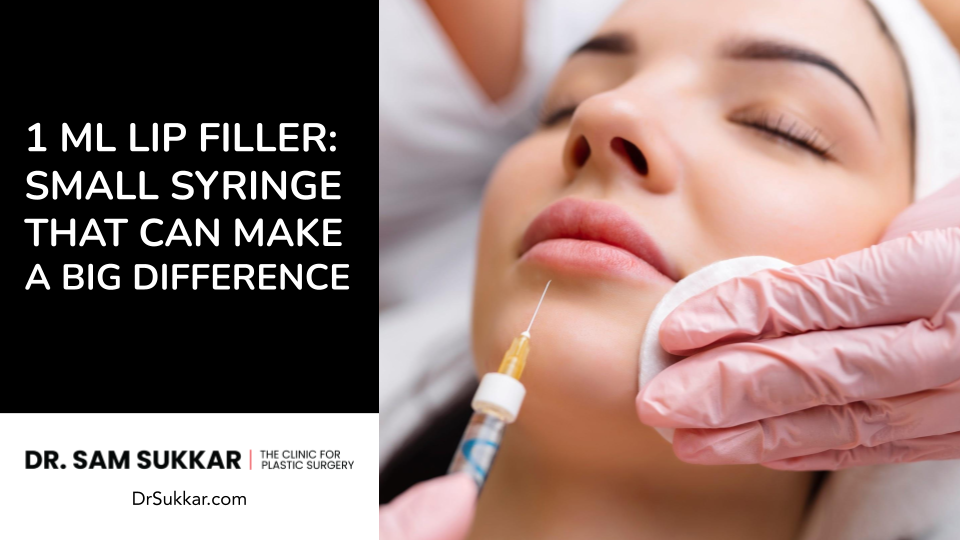
Lip fillers 1 ml is the most common volume of lip filler administered in a single appointment, and the syringe is smaller than most patients picture. A single milliliter can deliver lip enhancement results that make a meaningful difference in lip volume, definition, and structure. The smallness of the syringe is part of what makes 1 ml so versatile. It is just enough product to produce a real change without crossing into the overdone territory that most patients are trying to avoid.
Many patients wonder what 1 ml of lip filler can actually achieve, who benefits most from this amount, what to expect during the treatment process, and whether one syringe will provide the desired result or if additional filler may be needed. For patients seeking subtle enhancement, a natural appearance, and beautiful lips that still look like their own, 1 ml is often an ideal starting point. The difference a single syringe can make is often surprising, especially for first-time patients.
Key Takeaways of 1 ml Lip Filler
- Lip fillers 1 ml refers to the standard volume contained in a single syringe of dermal filler, the most common starting amount for a first lip filler treatment.
- Most lip filler treatments use hyaluronic acid fillers based on a naturally occurring substance found in the body.
- A 1 ml syringe is often enough filler to add volume to thin lips, improve symmetry, and define the cupid’s bow and vermilion border.
- Patients new to filler treatments typically start with 1 ml to achieve subtle enhancement and assess how their lips respond.
- How much filler each patient needs can vary depending on lip anatomy, lost volume, metabolism, and other factors specific to the individual.
- Final results from a 1 ml lip filler treatment emerge over one to two weeks as initial swelling resolves and the filler settles.
- The right technique used matters more than the syringe size for achieving the desired result, desired look, and a beautiful, plump finish that fits the patient’s facial features.
What 1ml of Lip Filler Actually Means in Houston, TX
The 1 ml syringe is the standard measurement used across the lip filler industry. Whether the patient is receiving Juvederm lip fillers, Restylane, RHA, or any other major brand of hyaluronic acid fillers, the syringe holds the same standard volume. Understanding what 1 ml actually represents helps patients evaluate whether this amount is right for their goals and how it compares to what they have seen in before-and-after photos online.
The Standard Syringe Size
A 1 ml syringe of dermal filler contains roughly one fifth of a teaspoon of hyaluronic acid gel. The number sounds small because it is. The naturally occurring substance in the syringe is concentrated, and even this small volume can produce a meaningful change when properly placed in the lip tissue. The body of a syringe contains hyaluronic acid that has been processed to create a smooth, injectable gel that integrates with the surrounding tissue once placed.
Lip fillers 1 ml is the standard volume used in most first appointments because it strikes a balance between meaningful change and reversibility.
Why 1ml Is the Starting Point for Most Patients
For most first-time patients, a single 1 ml syringe is the right amount of filler for the initial lip filler treatment. The volume is enough to add visible lip volume and produce real lip enhancement without pushing the lips beyond what looks natural.
Patients who go to their first treatment expecting they will need two syringes are usually surprised at how much the 1 ml can do once it is in place. Each patient can decide after seeing the result whether to add more filler at a follow-up appointment, but starting with 1 ml is the safer and more reversible path. Expect the treatment to produce a noticeable change in the lips that still respects the patient’s existing facial proportions.
What 1ml Can Achieve for Your Lips
The visible effects of a single 1 ml syringe surprise many first-time patients. Even with this small volume, the appearance of the lips is transformed in ways that go well beyond simple plumping. The technique used during placement determines how much value each milliliter of filler delivers.
Subtle Enhancement for Thin Lips
For patients with thin lips, lip fillers 1 ml can produce real subtle enhancement that adds visible lip volume without crossing into excess. Thin lips have so little baseline fullness that even a small amount of filler creates a meaningful change. The 1 ml syringe is often enough to plump thin lips into beautiful lips with a natural feel.
Adding volume to the body of the upper lip and lower lip with this amount of filler produces fullness that flatters the rest of the face. Lip filler enhancement of this kind respects the patient’s existing structure rather than trying to impose a generic standard. The person being treated sees the difference in the mirror and in photos, but observers tend to notice that the lips look better without identifying exactly what changed. Lip filler treatment at this scale defines the lips in ways that help them work better with the rest of the face.
Refining Shape, Symmetry, and the Cupid’s Bow
Beyond simple volume, 1 ml of lip filler can refine the overall shape of the lips and improve symmetry between the upper and lower lip. The cupid’s bow at the center of the upper lip can be sharpened and defined. The vermilion border, the line where the lip transitions to the surrounding skin, can be enhanced to create a more sculpted appearance.
Asymmetry between the right and left side of the lips can be subtly addressed. These refinements are part of what makes a 1 ml syringe so versatile in modern lip filler practice. The technique used to place the filler determines how much shape and definition each milliliter delivers. A plan focused on the cupid’s bow can make the lips look completely different even when the actual volume change is small.
Results and Recovery After 1 mL of Lip Filler for Houston, Texas Patients
The final results from a 1 ml lip filler treatment emerge over one to two weeks. Understanding the timeline of recovery and how to support the longevity of results helps patients get the most from their treatment.
When You See Final Results
Immediate results are visible at the appointment, but they include some temporary swelling that gives the lips a fuller initial appearance than will persist. The final result emerges as swelling and bruising resolve over the first week and the filler settles into place over the second week.
The desired result and desired look should be fully visible by the two-week mark. The lips look plump and defined with the added fullness from the 1 ml of filler, and the lip volume is settled into a soft, natural appearance. Beautiful lips emerge once the recovery is complete, with subtle enhancement that flatters the face and supports a more youthful appearance. Patients are happy with the appearance of their lips at this stage.
Aftercare and Longevity
Lip filler aftercare matters for protecting the result. Avoid aggressive lip products and skip wearing lipstick for the first twenty-four hours to prevent introducing bacteria to the freshly treated lips. After the first day, normal lipstick and lip products can be used carefully.
Hydrate well by drinking plenty of water to support hydration in the lips and the body overall. Hyaluronic acid filler binds to water in the tissue, so well-hydrated lips retain the filler better and look fuller. Use lip balm with SPF daily to protect against sun damage that can break down the filler more quickly.
Most 1 ml lip filler treatments last 6-12 months, with longevity varying based on the patient’s metabolism and lifestyle. The lips can be maintained at the new volume with follow-up appointments every nine to twelve months.
How Much Filler Is Really the Right Amount
How much filler each patient needs is one of the most important conversations in lip filler in Houston, TX. The right answer is rarely the same for two different people, but the framework for deciding is consistent.
Personalized Consultation
During consultation, patients discuss their desired outcome and treatment goals before any filler is placed. The lips, facial proportions, and aesthetic goals help shape a treatment plan that addresses the lips realistically. Realistic expectations are essential. The consultation helps patients understand what 1 ml can achieve for their specific anatomy. Also, whether the first treatment should include additional filler or remain at the standard volume.
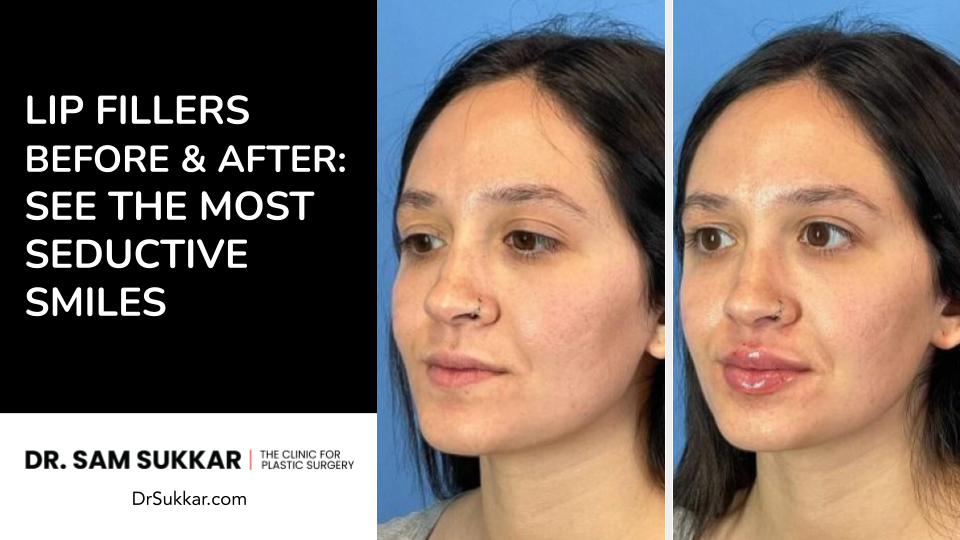
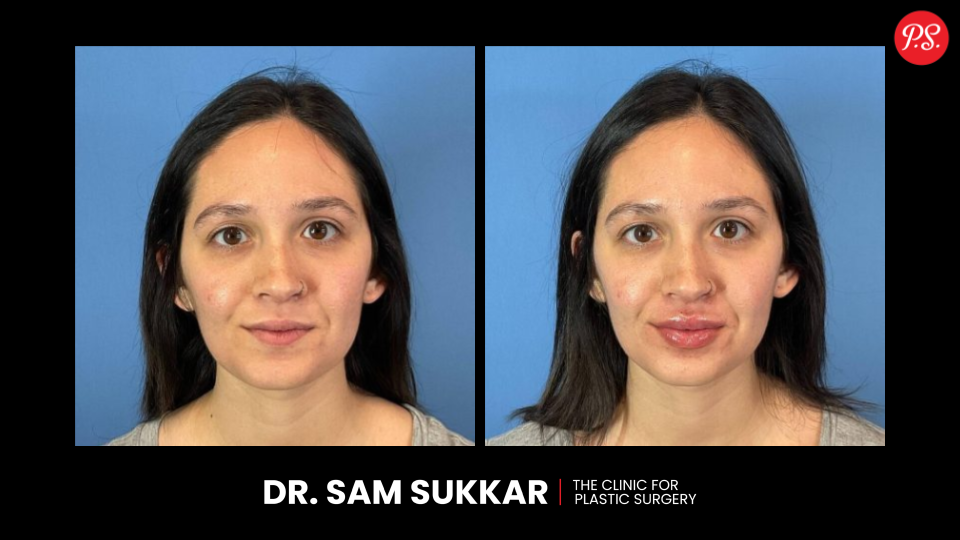
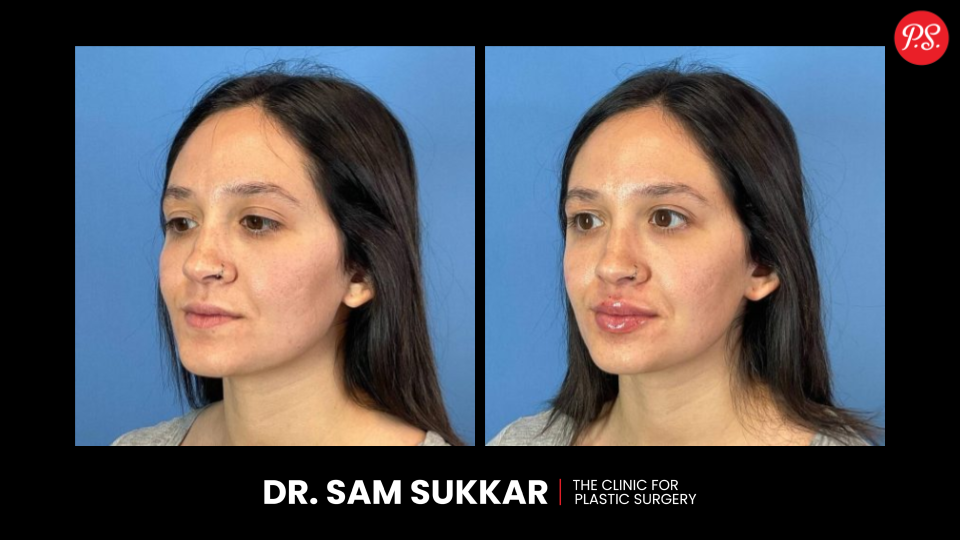
The injection technique also affects how much improvement 1 ml can deliver. Advanced placement strategies can create noticeable yet natural-looking results from a single syringe. Different techniques produce different outcomes, even when using the same amount of filler. A before-and-after lip filler gallery often provides the clearest picture of the results patients can expect.
Building Toward Your Desired Look
If 1ml does not deliver the desired look, more filler can be added at a follow-up appointment 4-6 weeks later. Multiple sessions across several months allow patients to build their desired look gradually. With the lips adapting to each incremental addition. The total amount of filler that ends up in the lips at the end of this process can vary depending on the patient’s anatomy and goals.
Some patients reach their ideal lip enhancement with just one 1 ml syringe. Others use two or three sessions to build the full effect. The treatment plan is updated at each visit. This changes based on how the lips have responded, the body’s adaptation, and any other factors that have emerged. Each person ends up with a unique amount of filler in their lips, even when starting with the same volume.
Frequently Asked Questions About 1ml Lip Filler: Small Syringe That Can Make a Big Difference
Is 1 ml of lip filler enough for a noticeable difference?
Yes, for most patients. Lip fillers 1 ml is the standard volume that produces a noticeable difference in lip volume, definition, and structure. Patients with thin lips, lost volume, or specific shape goals can usually see real change from a single 1ml syringe. The technique used to place the filler matters as much as the amount.
How long does it take to recover from a 1 ml lip filler treatment?
Recovery from dermal filler treatments is generally quick. Swelling and bruising are common but mild and usually resolve within five to seven days. Tenderness at the injection sites lasts a day or two. The final results emerge over one to two weeks once the lips have fully settled. Most patients return to normal activities the same day.
Will 1 ml of dermal filler look natural?
Yes, when properly placed. The 1ml syringe is often the right starting amount. This is because it produces subtle enhancement that respects the patient’s natural facial features. Beautiful lips with definition, structure, and fullness are achievable with a single milliliter of filler. The lips look like the patient’s own, just plump and more defined. Patients seeking a more youthful appearance and a soft, natural finish typically achieve this with 1 ml.
How long do lip fillers 1 ml last?
Most 1 ml lip filler treatments using hyaluronic acid last six to twelve months. The longevity varies depending on the patient’s metabolism, lifestyle, and the specific brand of filler used. Patients who hydrate well, use sun protection, and avoid extreme heat see their lip filler last on the longer end. Follow-up appointments every nine to twelve months help maintain results.
Conclusion and Summary of 1ml Lip Filler: Small Syringe That Can Make a Big Difference
Lip fillers 1ml is a small standard volume of dermal filler that can produce a meaningful change in the lips. For first-time patients seeking subtle enhancement, a single 1ml syringe is often the right amount for the initial treatment. Beautiful lips that respect the patient’s existing facial features come from thoughtful placement and a careful approach.
The consultation focuses on establishing realistic expectations and creating a customized treatment plan designed to achieve natural-looking, balanced results. The body adapts well to small, well-placed amounts of filler, and the lip volume that 1 ml provides is often exactly what the lips need to look fuller, more defined, and more plump. For many patients, that single syringe is the entire treatment they ever need.

Your Trusted Destination for Lip Fillers and Lip Enhancement in Houston, Texas (TX)
Are you located in one of these Houston Metro Area cities?
Houston, The Woodlands, Sugar Land, Katy, Pearland, Pasadena, League City, Baytown, Conroe, Cypress, Spring, Kingwood, Humble, Missouri City, Friendswood, Bellaire, Clear Lake, Tomball, Galveston, Richmond, Rosenberg, Stafford, La Porte, Deer Park, Seabrook, Webster, Alvin, and Channelview.
Board-Certified Plastic Surgeon Dr. Sam Sukkar, MD, FACS, and The Clinic for Plastic Surgery Team provide advanced lip filler and non-surgical lip enhancement treatments for women and men seeking fuller, smoother, more youthful-looking lips with natural-looking results.
If you are concerned about thin lips, volume loss, lip asymmetry, lipstick lines, or lips that no longer feel youthful and hydrated, we offer customized lip enhancement options, including:
- Lip Fillers for Natural-Looking Volume
- Juvederm® Lip Enhancement Treatments
- Restylane® Lip Fillers and Lip Definition
- Lip Border and Cupid’s Bow Enhancement
- Hydration and Lip Smoothing Treatments
- Correction of Lip Asymmetry
- Subtle Lip Augmentation for First-Time Patients
- Full Lip Makeover and Facial Balancing Treatments
- Personalized Lip Filler Treatment Plans
Visit our modern 18,000+ sq. ft. plastic surgery center and med spa in Houston, Texas, designed for comfort, privacy, and results-driven care. From your consultation through your treatment plan, our highly skilled team focuses on balanced enhancement, facial harmony, and soft, natural-looking lip results.
For patients outside the Houston area or those with limited availability, schedule a virtual lip filler consultation.
Book Your Personalized Lip Filler Consultation today at DrSukkar.com or call (281) 940-1535.
About the Author – Meet Dr. Sam Sukkar, MD
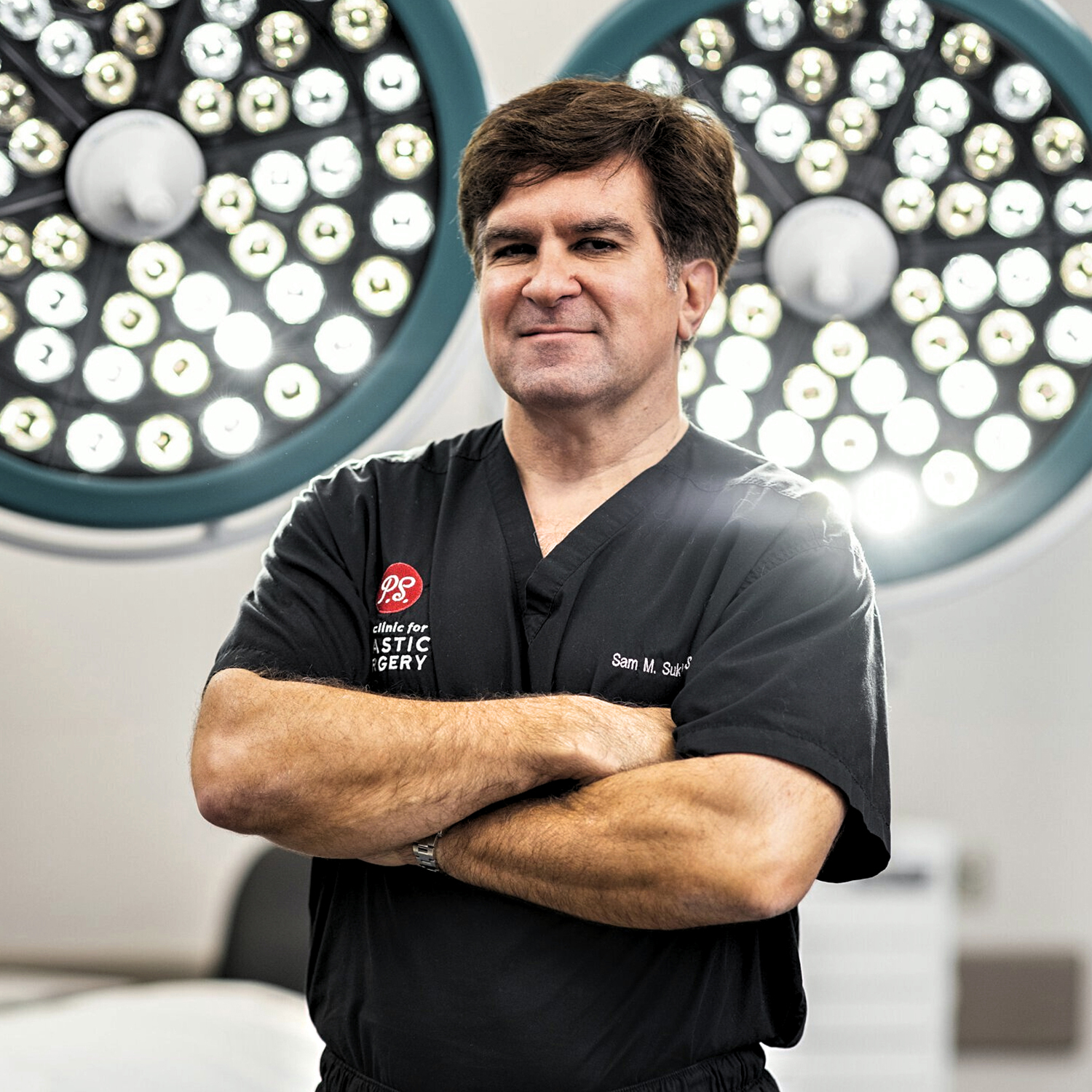
Dr. Sam Sukkar, MD, FACS is a highly respected Board-Certified Plastic Surgeon in Houston, Texas, known for his expertise in advanced cosmetic and reconstructive procedures. As the founder of The Clinic for Plastic Surgery, Dr. Sukkar has set a new standard for excellence, performing over 20,000 procedures with a focus on delivering natural, refined results.
Dr. Sukkar earned his Doctor of Medicine (M.D.) degree from Louisiana State University School of Medicine in 1992 after graduating summa cum laude with a Bachelor of Science in Microbiology. He then completed an intensive General Surgery Residency at the University of Texas Hermann Hospital before being selected for a highly competitive Plastic Surgery Fellowship at Northwestern University in Chicago, one of the most prestigious training programs in the country.
With more than 20 years of experience, Dr. Sukkar is a Diplomate of the American Board of Plastic Surgery and a Fellow of the American College of Surgeons (FACS). He is also an active member of the American Society of Plastic Surgeons (ASPS) and the Houston Society of Plastic Surgery (HSPS). His dedication to innovation and continuing education has solidified his reputation as a leading expert in aesthetic surgery, specializing in breast surgery, body contouring, facial procedures, and non-invasive treatments.
Dr. Sukkar’s expertise has been recognized by Houston Magazine, naming him one of Houston’s “Top Docs for Women,” and he has been featured among RealSelf’s America’s Top Doctors. Committed to his patients, he prioritizes personalized care, ensuring every individual feels informed, comfortable, and confident in their aesthetic journey.
Contact Dr. Sukkar today to schedule a consultation, visit DrSukkar.com to learn more, or call us directly at (281) 940-1535.
Cover Image Credit: MalyshPH / 123RF.com (Licensed). Photo Illustration by: Dr. Sam Sukkar, MD, The Clinic for Plastic Surgery.